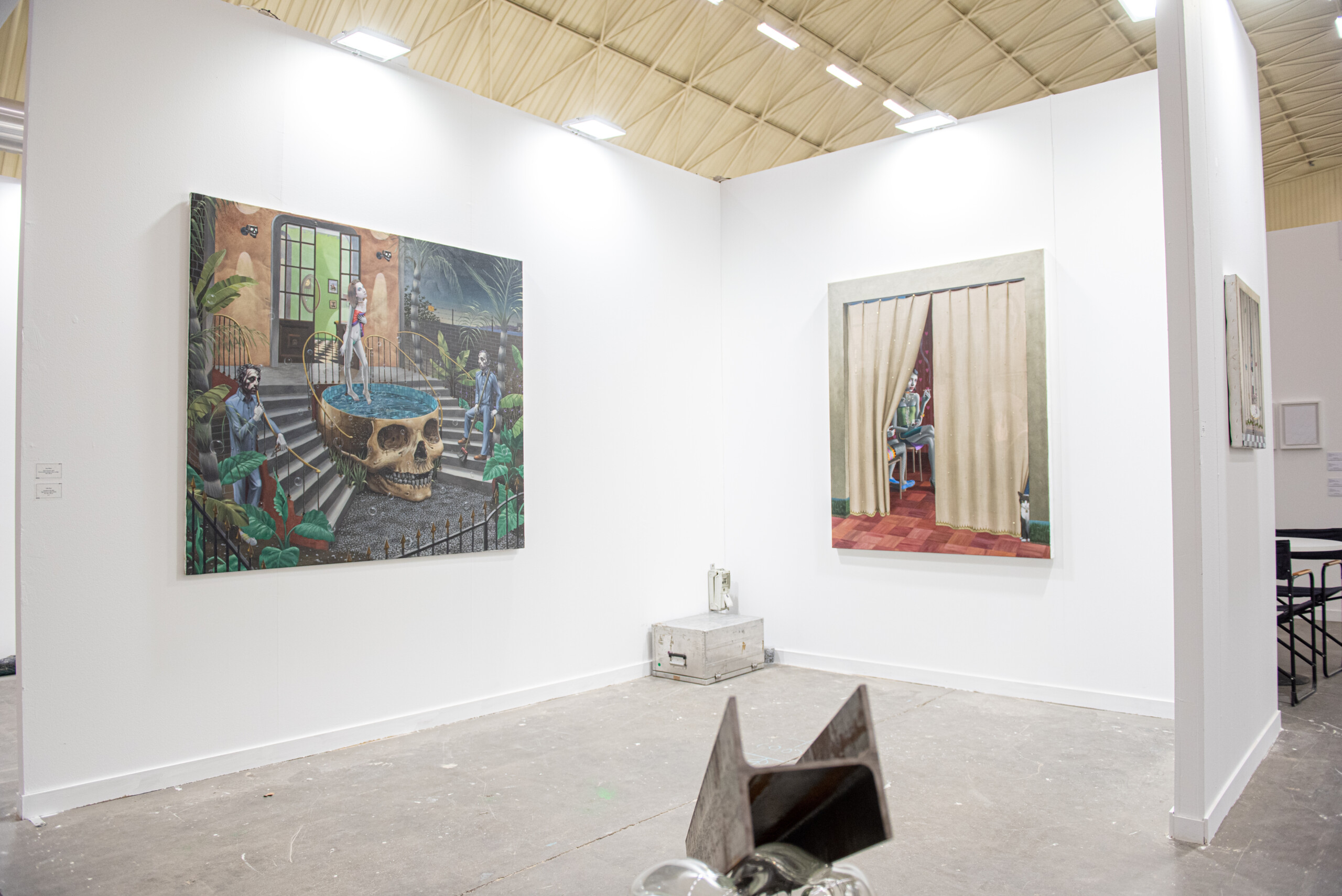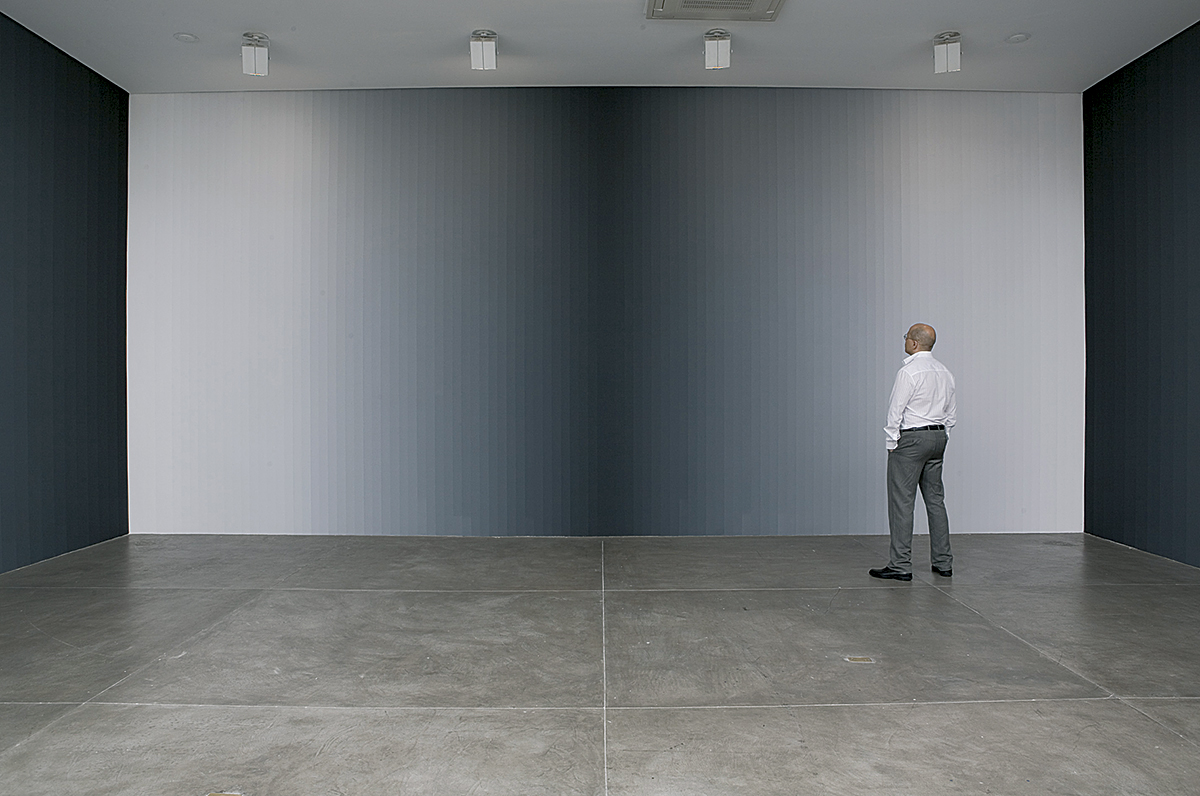
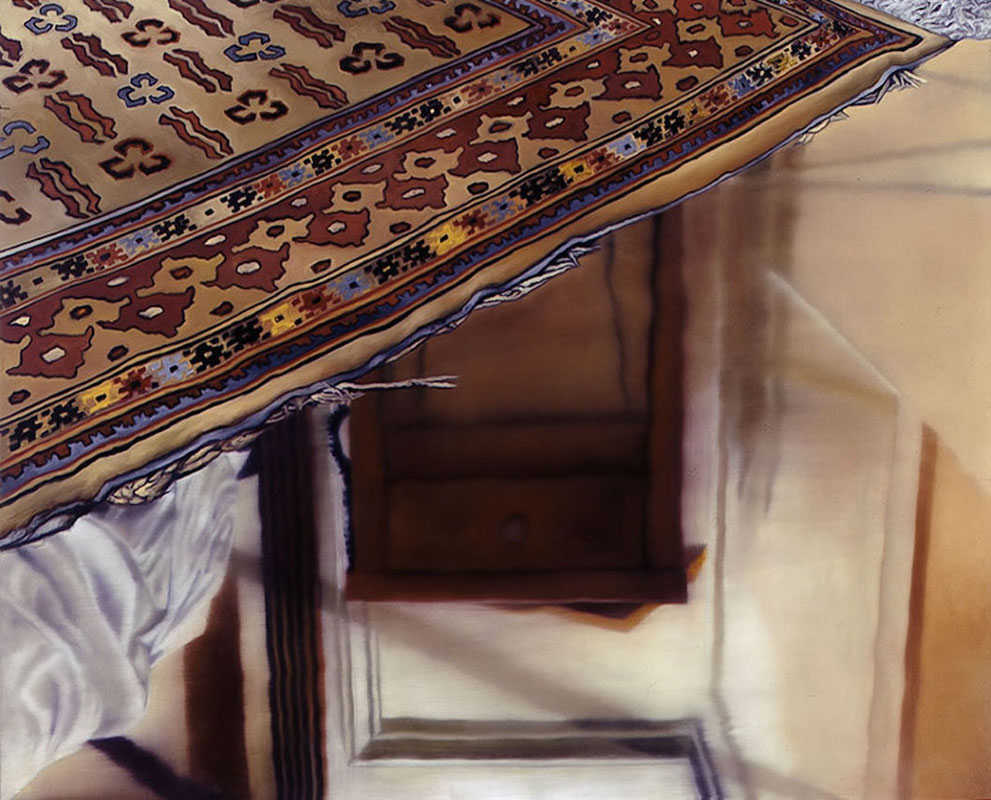
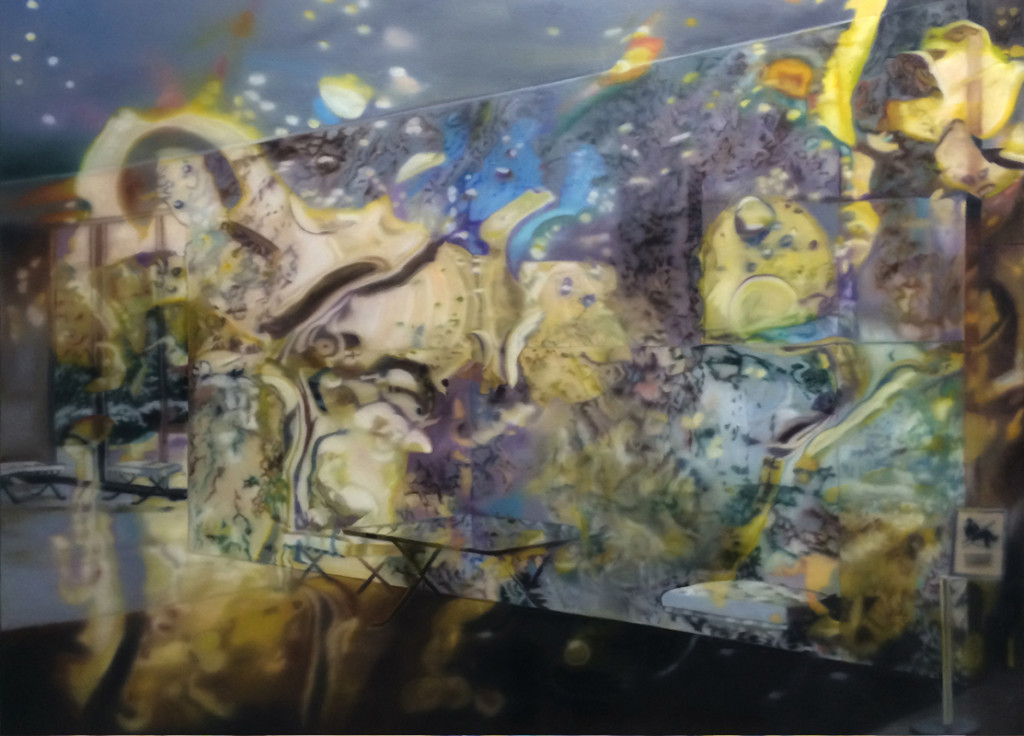
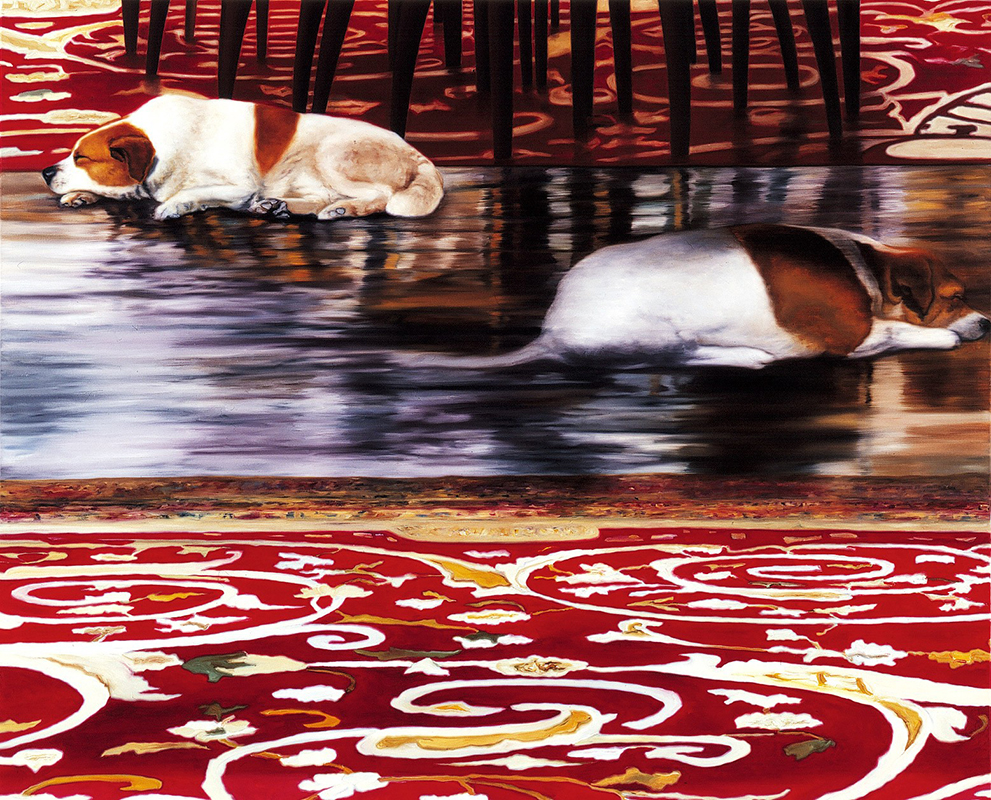
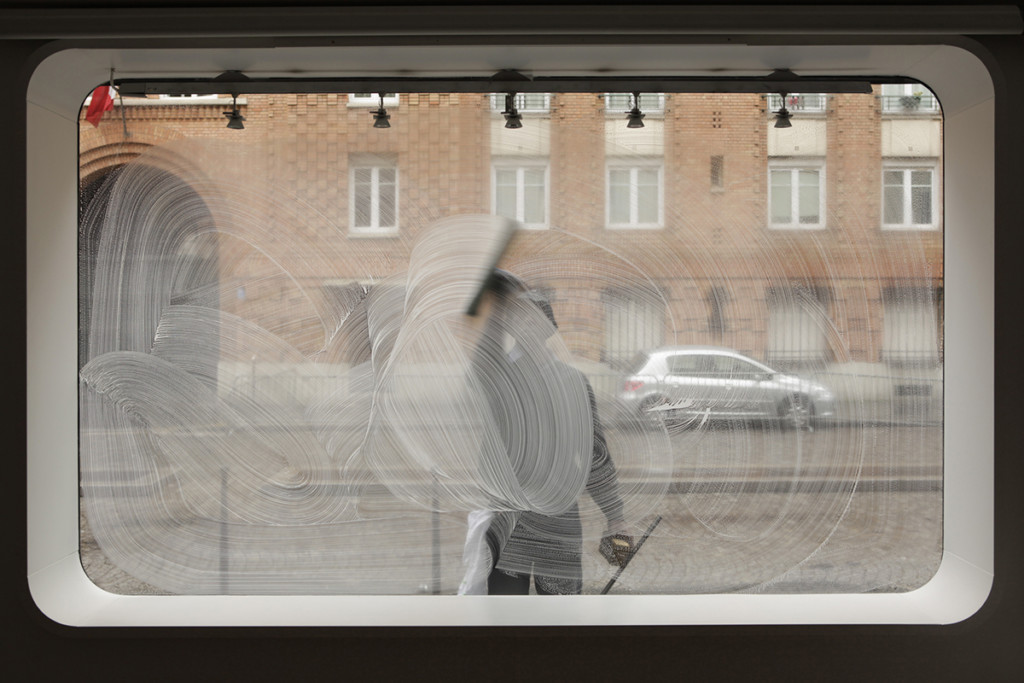
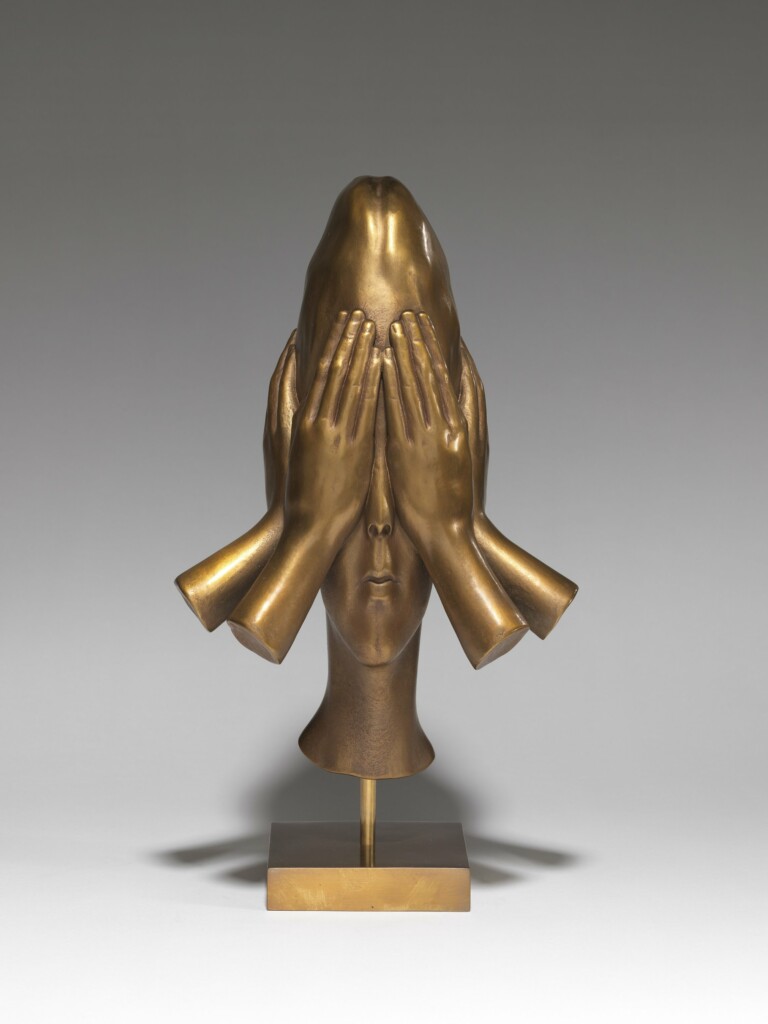
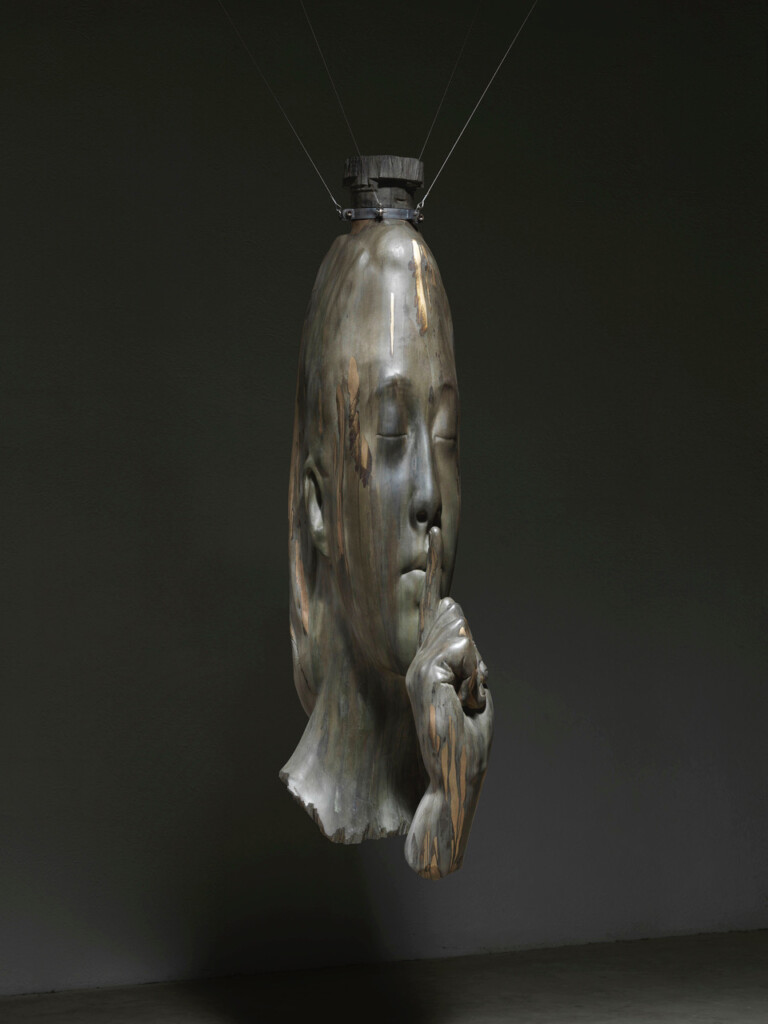
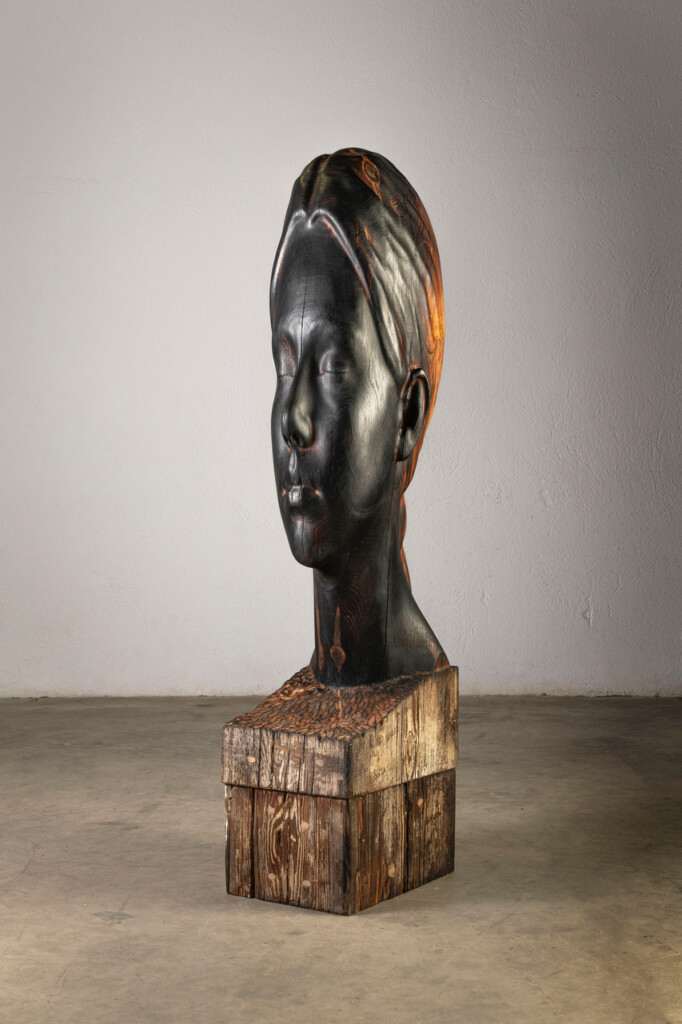
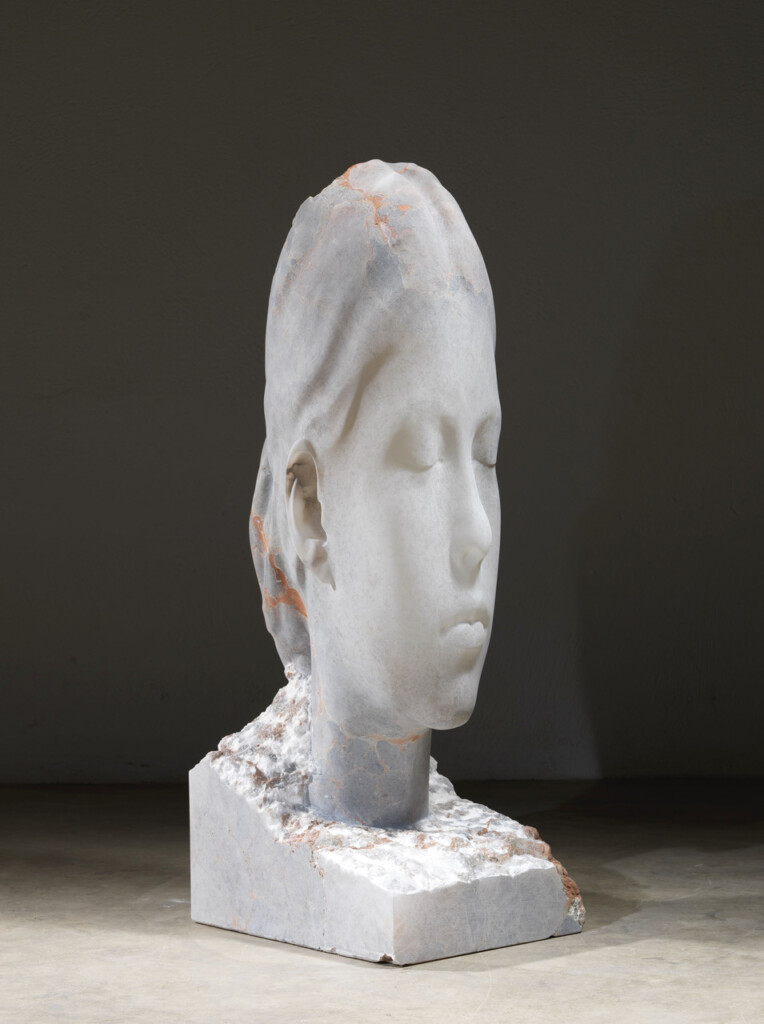

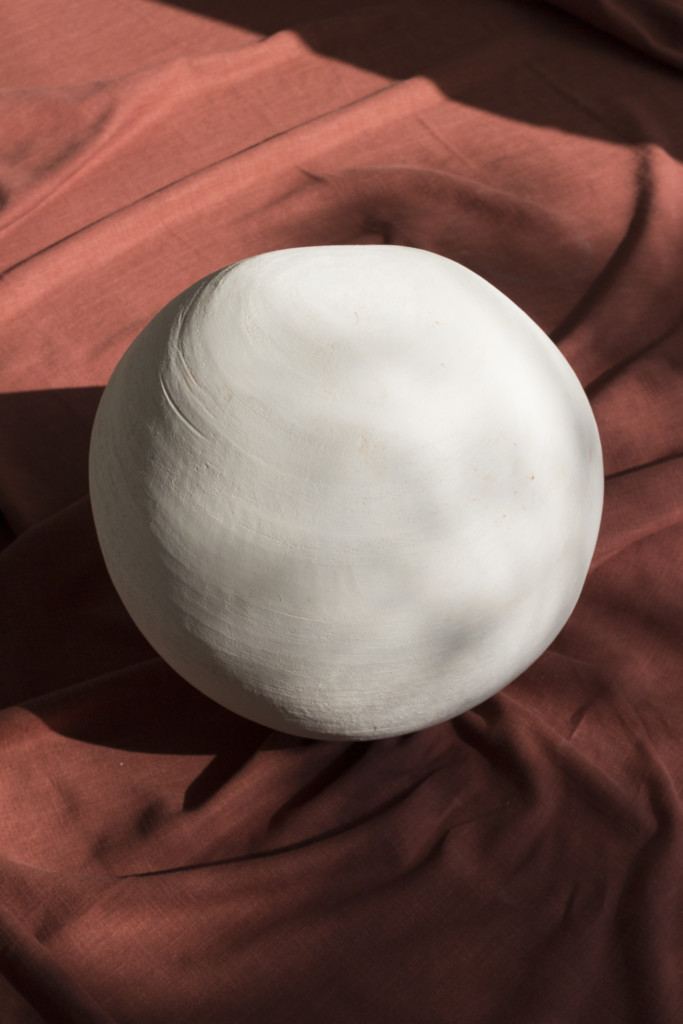
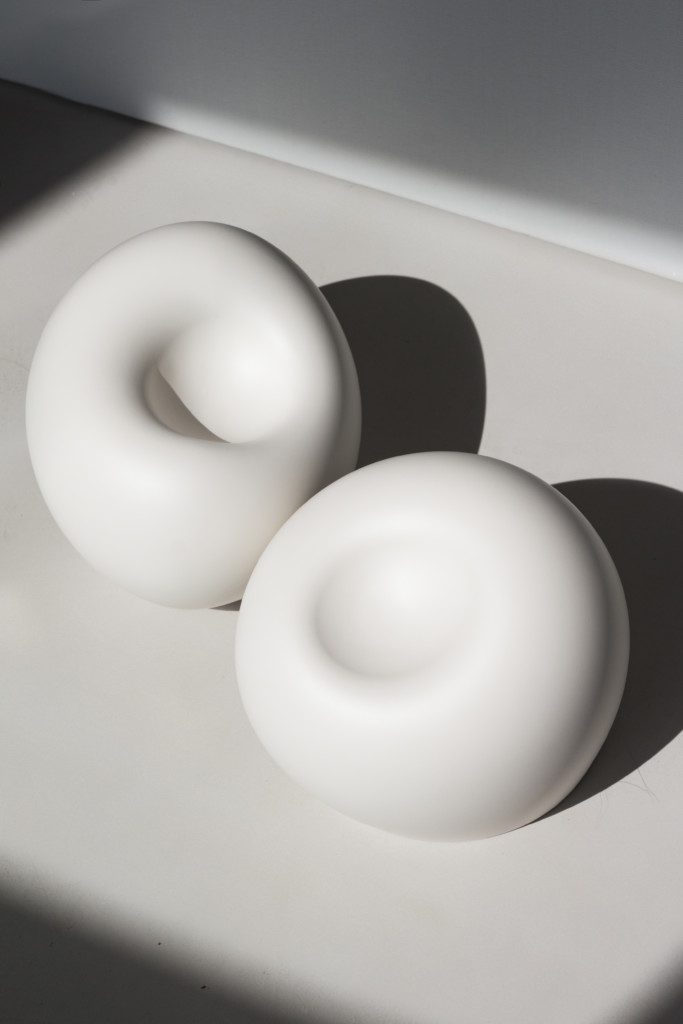
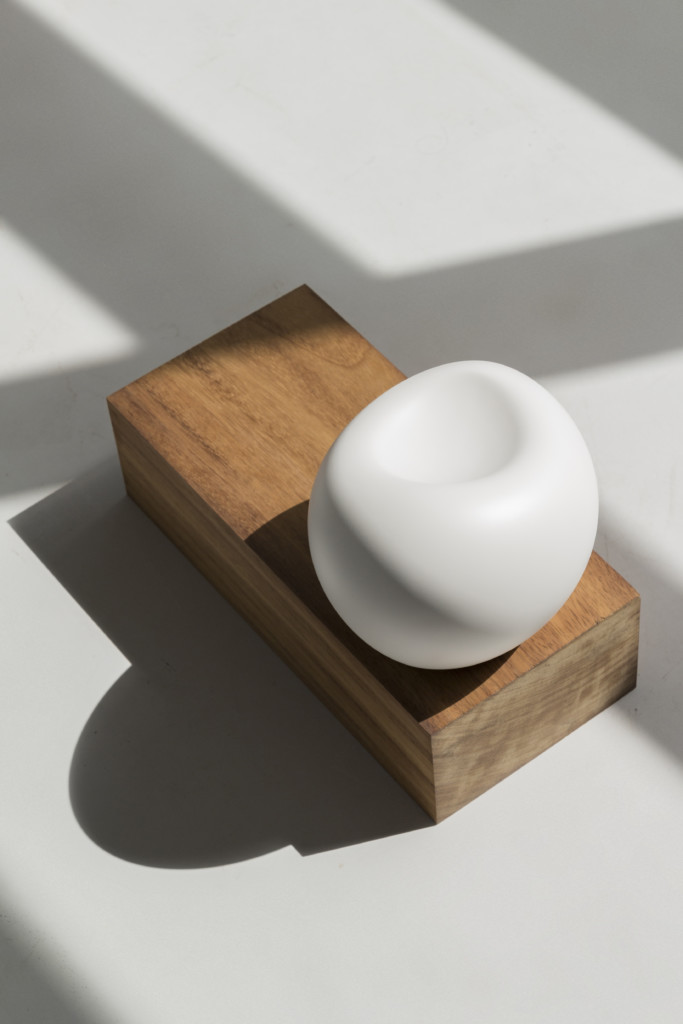
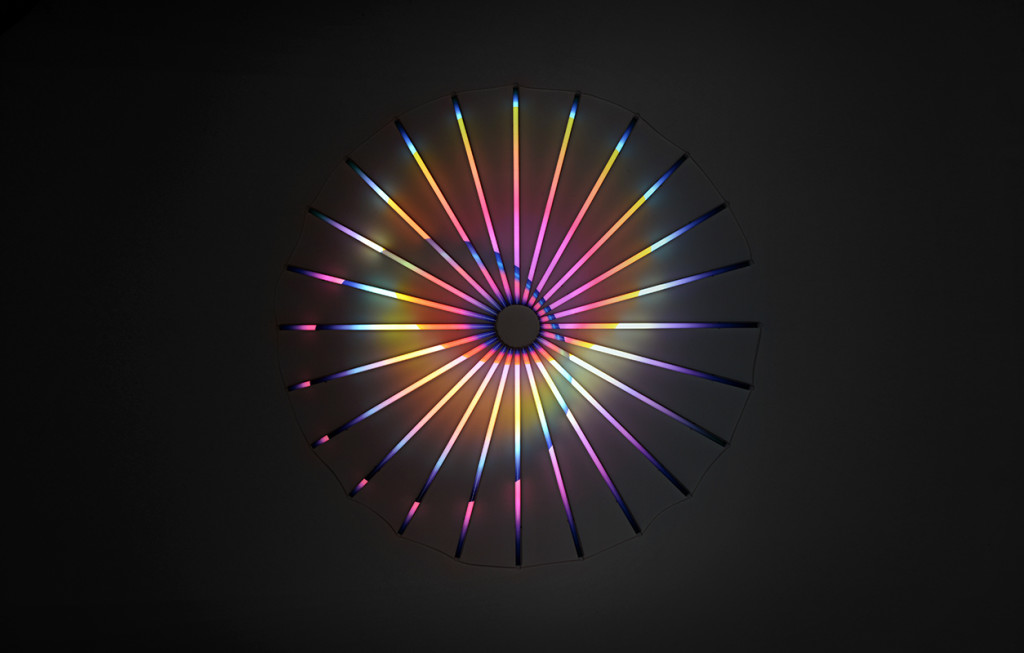
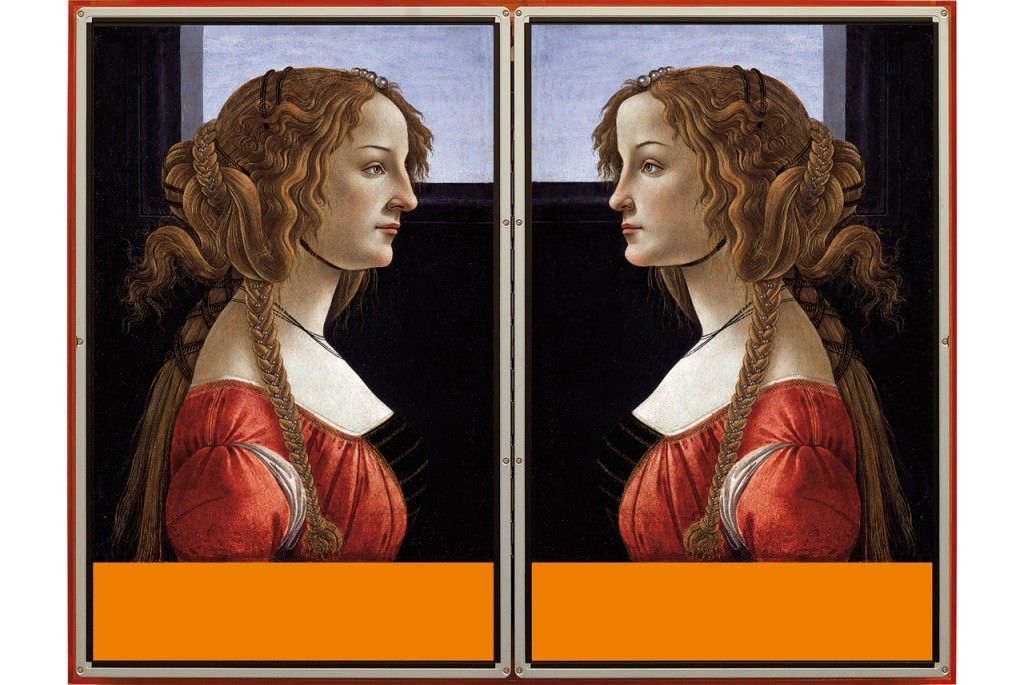
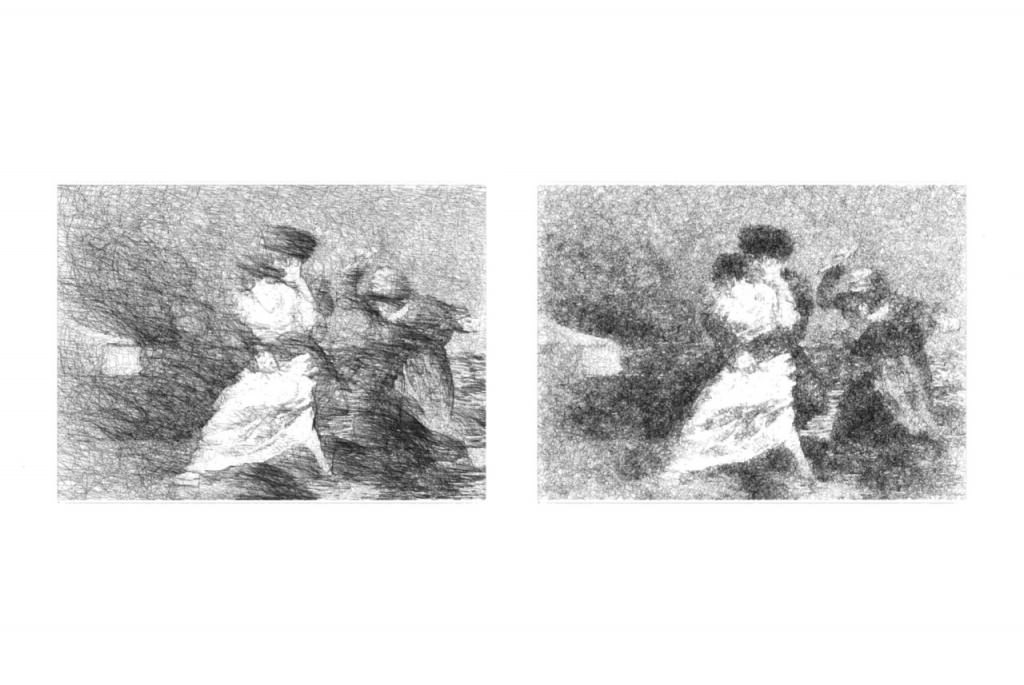
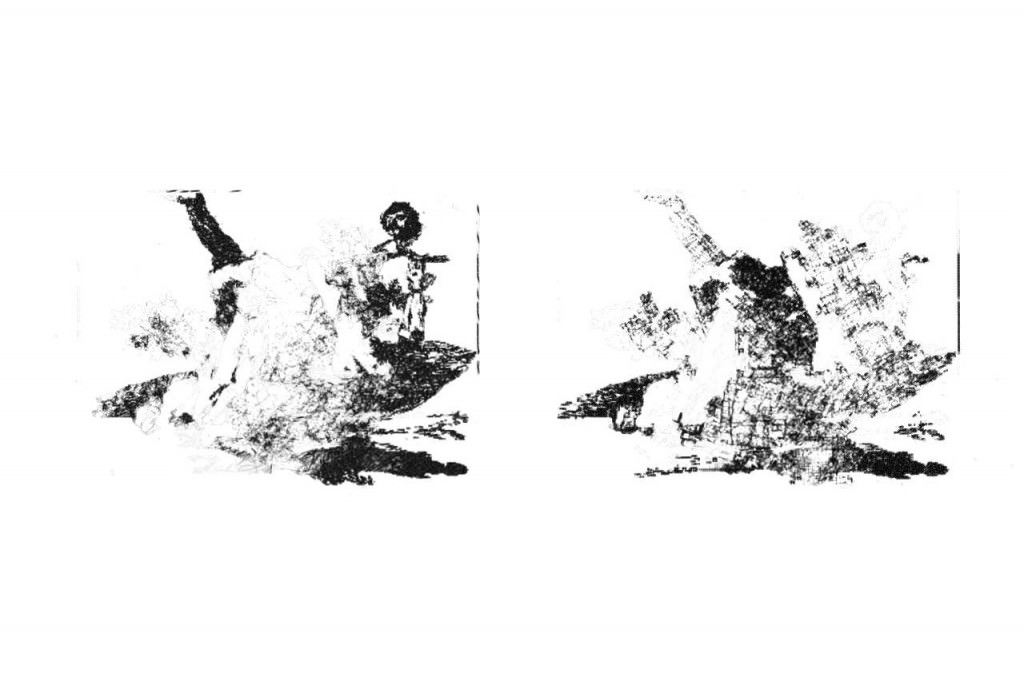
Inverso Mundus, by AES+F at Recontemporary, Torino

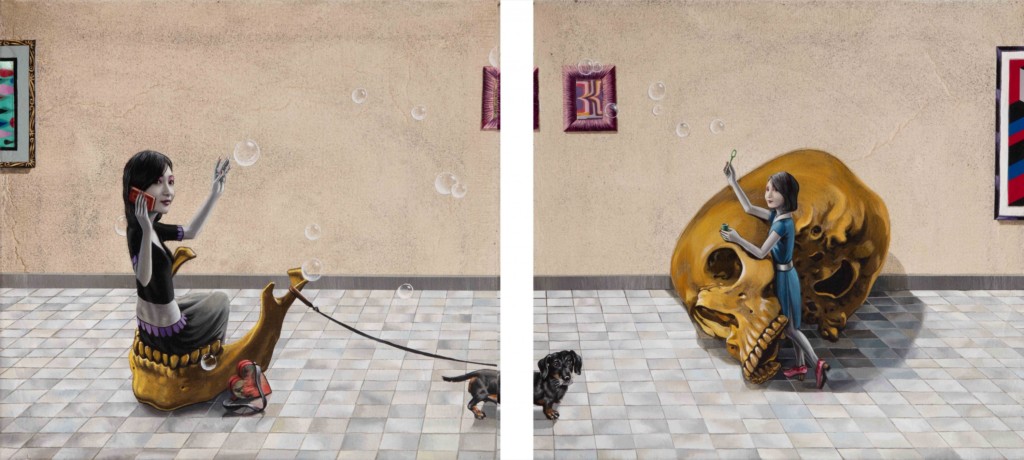
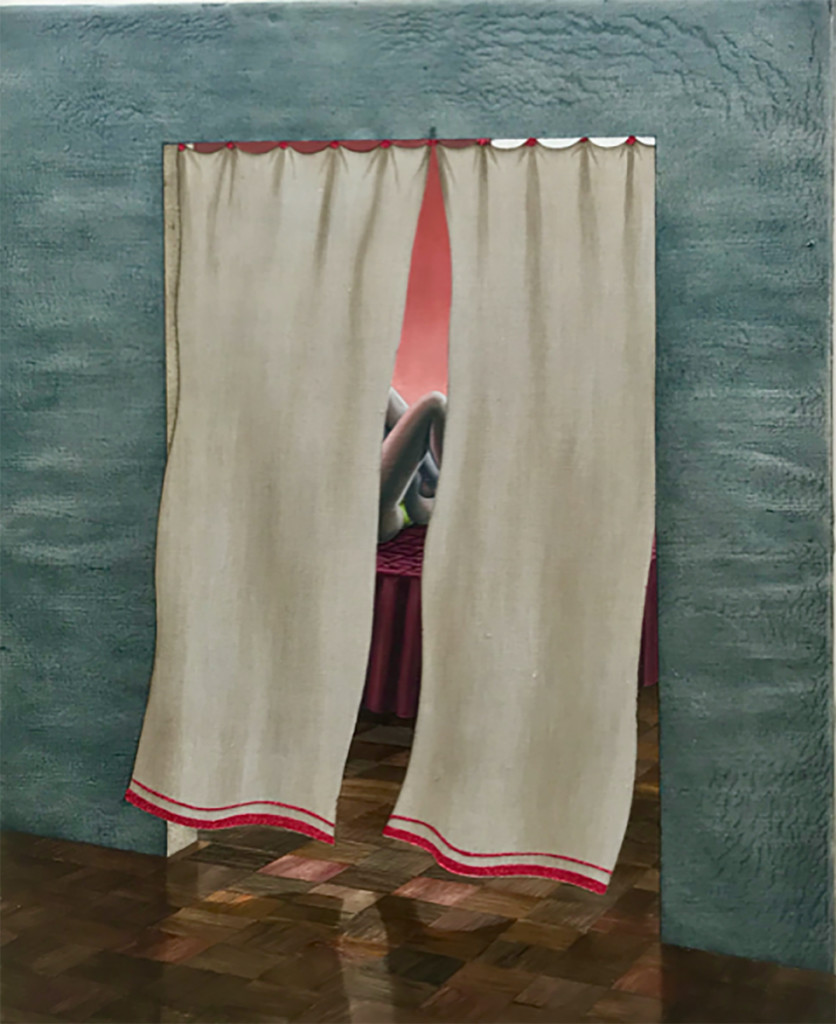
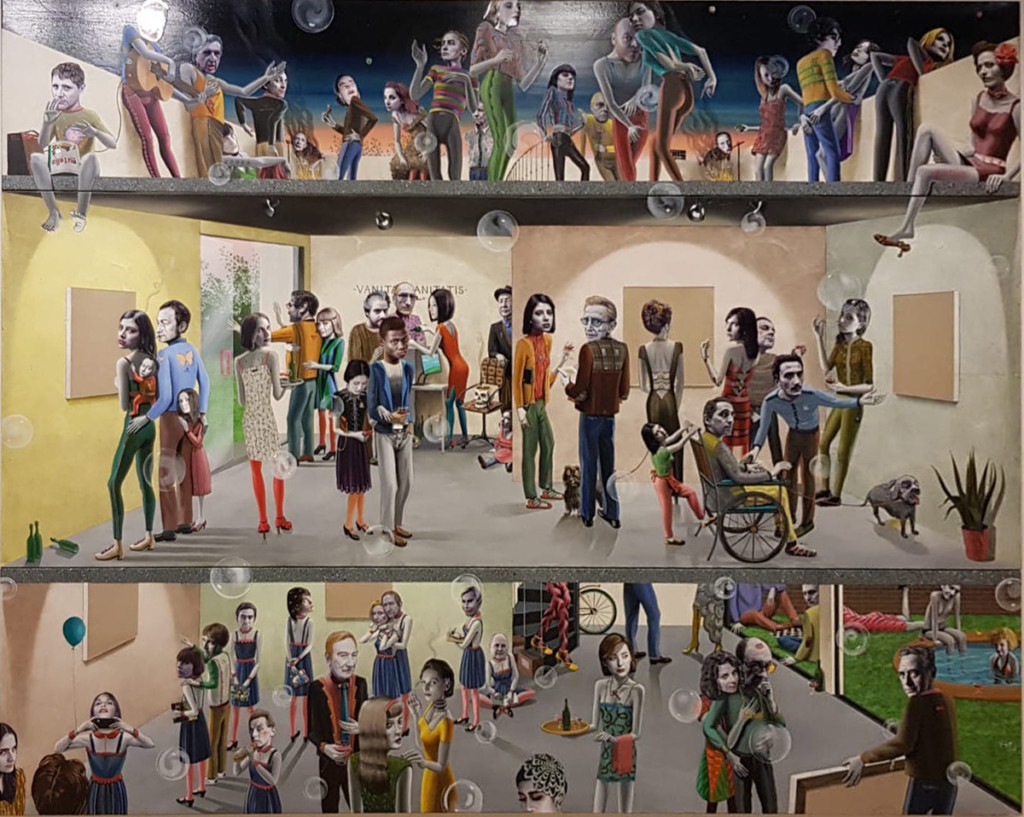
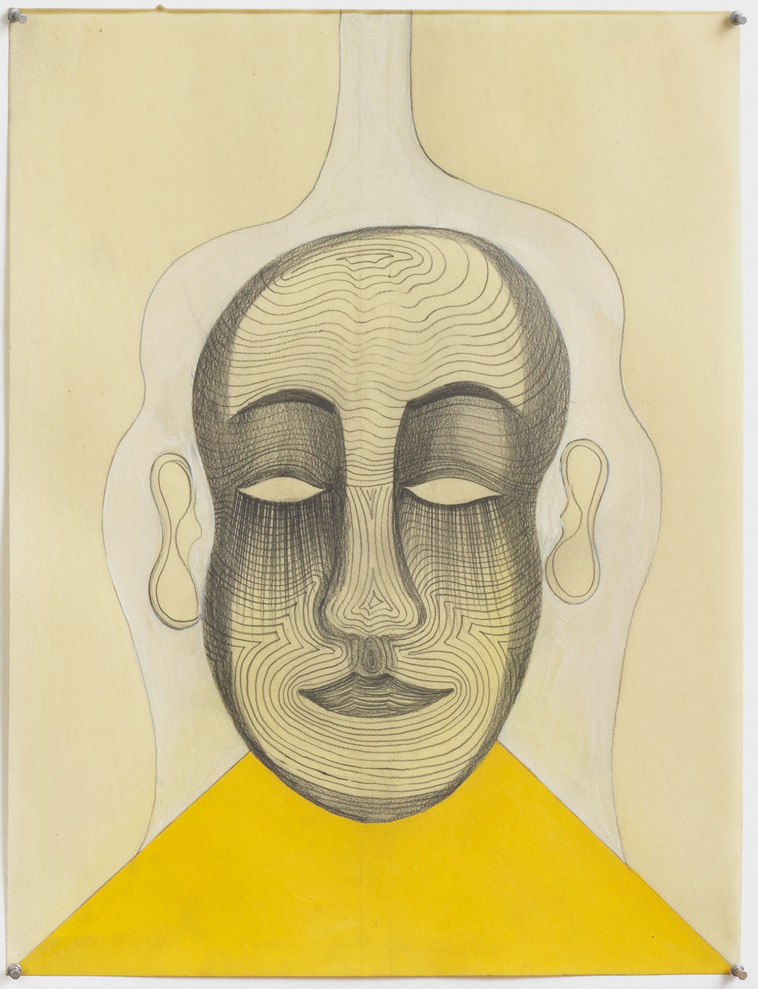
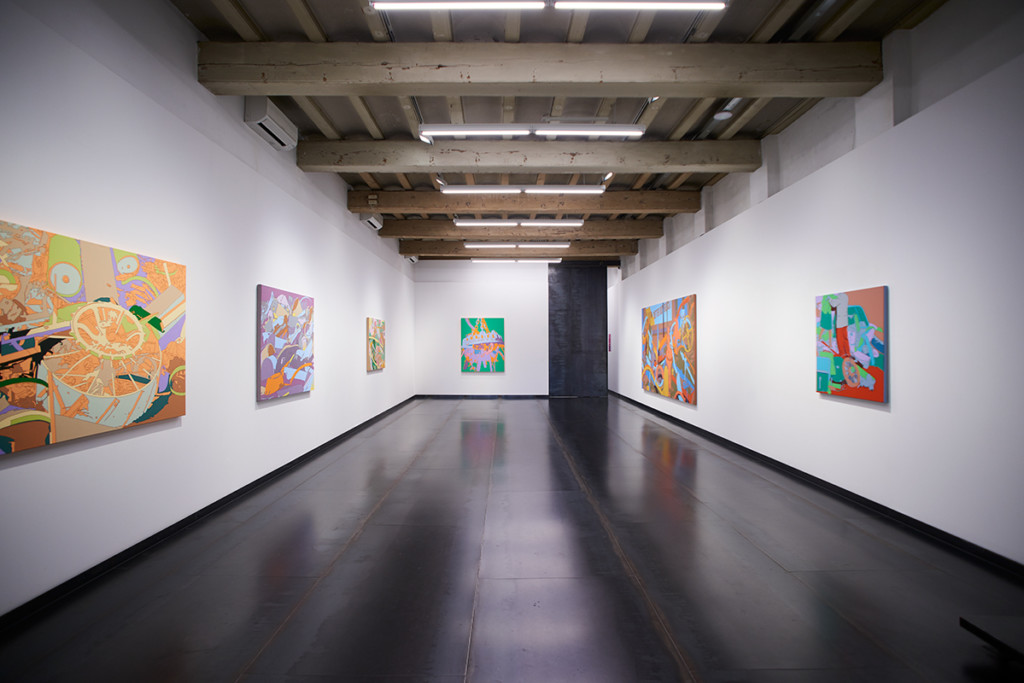
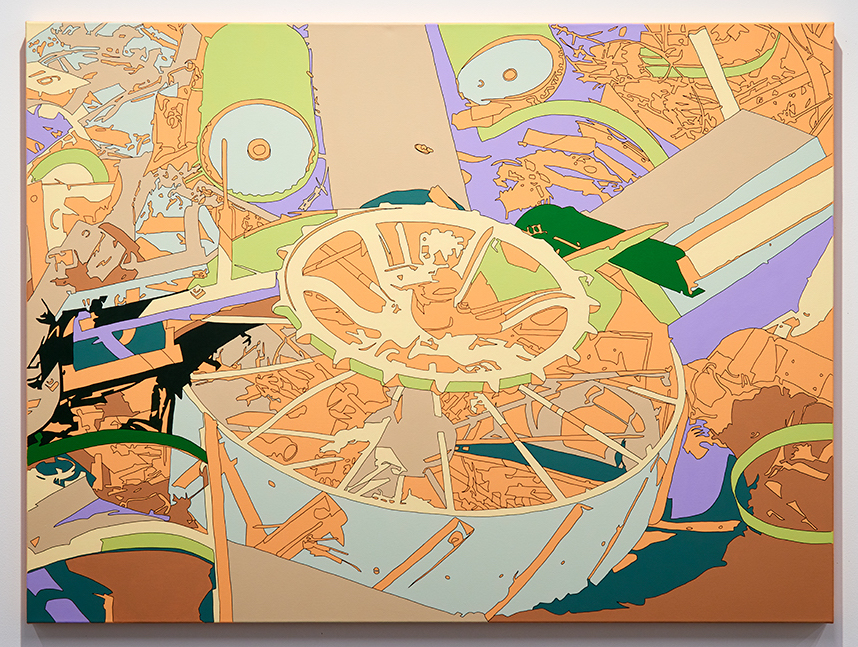
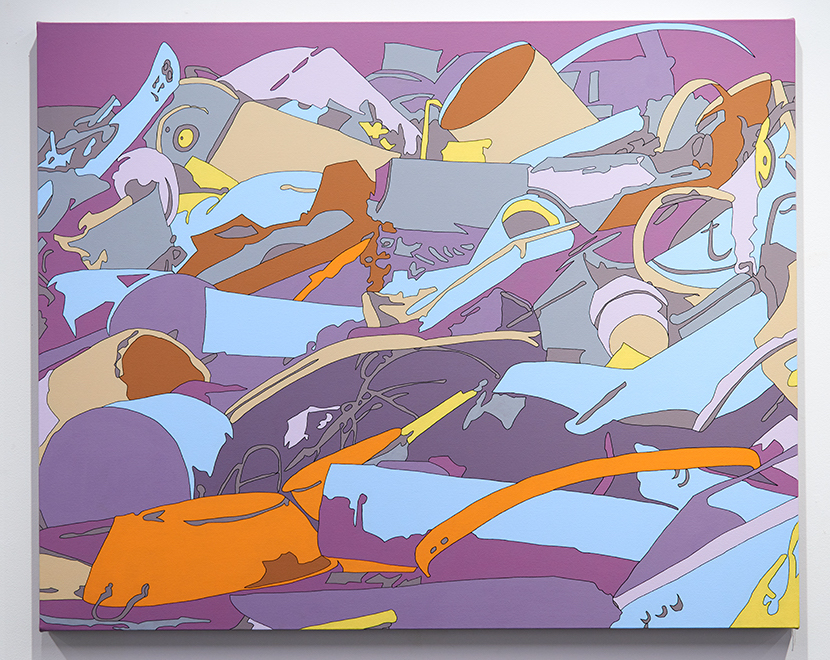
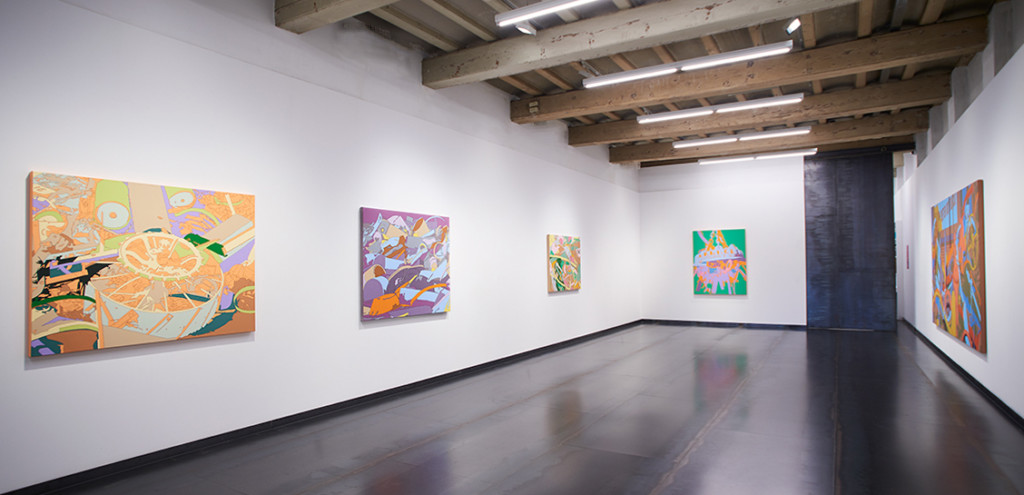
During the period of the Artissima fair, Recontemporary presents “Inverso Mundus” by the AES+F collective, a show in collaboration with Galeria SENDA (Barcelona).

Opening: Friday, November 4 from 7:00 p.m. to 9:00 p.m.

Press Preview: November 2 and 3, 10:30 a.m. – 1:30 p.m.

Extraordinary openings Art Week: 5.11 → 10.30am – 9pm / 6.11 → 4pm – 9pm

The work is signed by the AES+F collective, artists who have represented Russia on various occasions and events such as the Venice Biennale and Sao Paulo, and who at this time have openly distanced themselves from the politics of their country. A choice intended to support artistic production regardless of the country of origin.

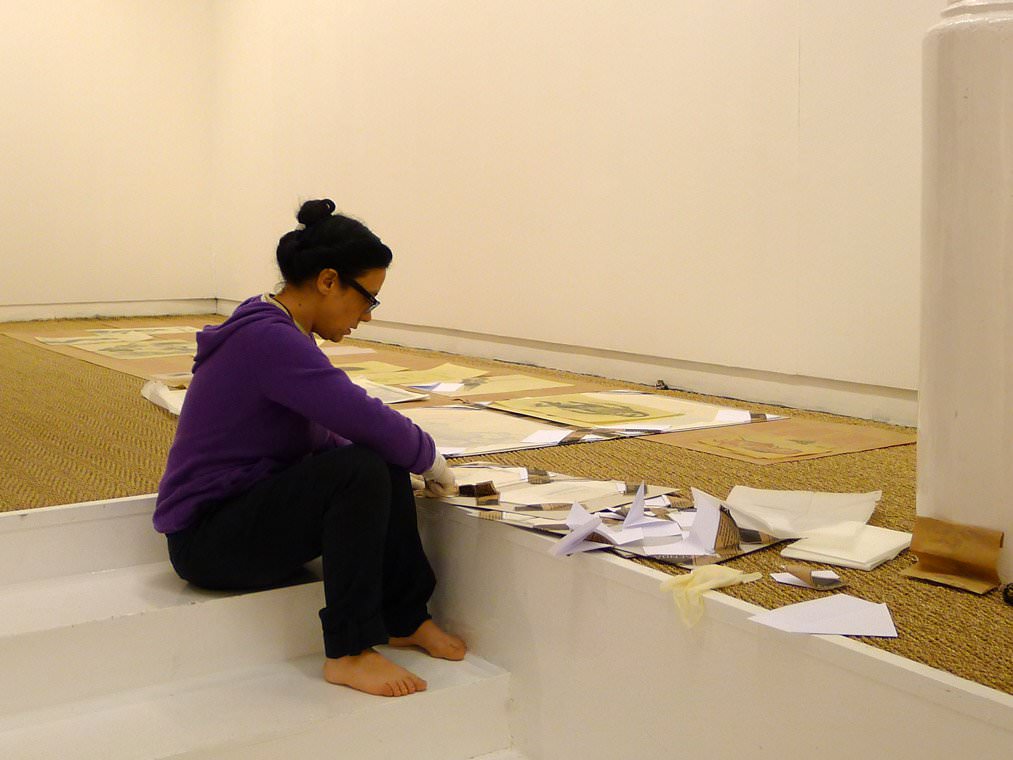
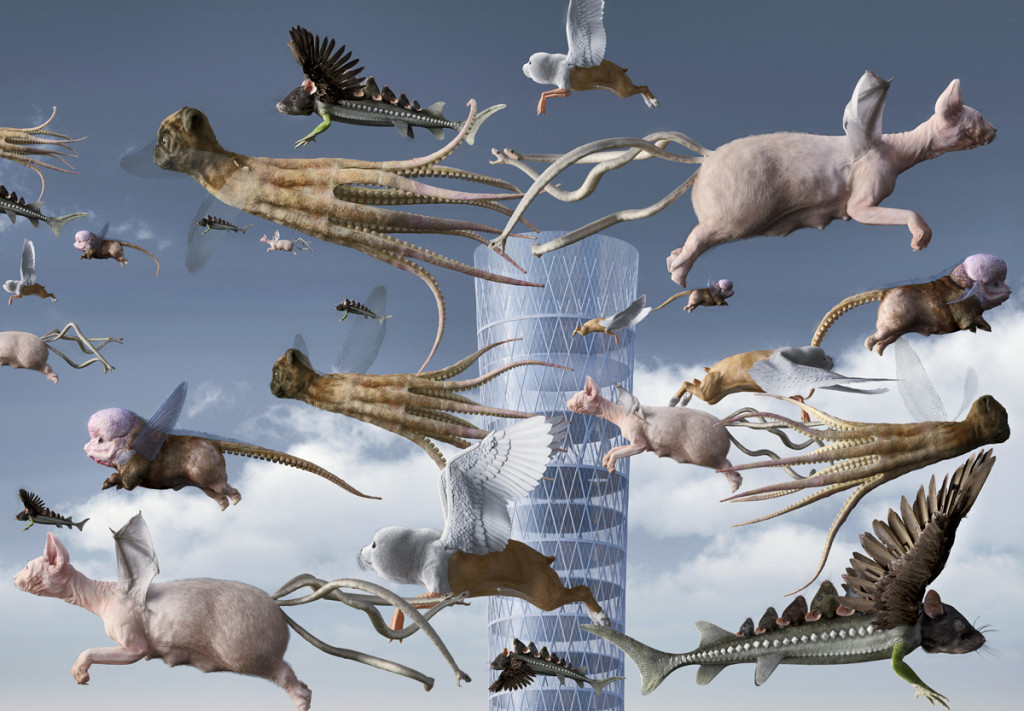
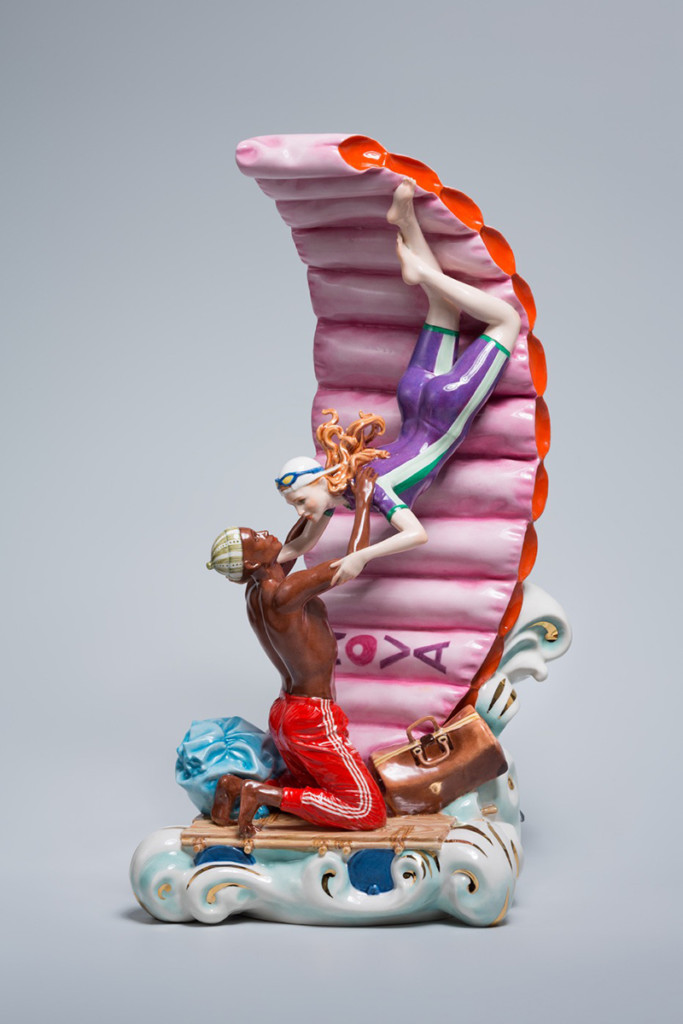
Inverso Mundus is a critique of the despotic situation we live in today, in the midst of the climate, social and economic crisis, exploitation and gender inequality. The video work, about 40 minutes long, is presented with an ad hoc setting designed by the designer Andrea Isola with the input of the participants in the Exhibition Design workshop organized by Recontemporary in the days immediately prior to the opening.

The work “Inverso Mundus” has as its initial point of reference the carnivalesque engravings of the 16th century in the “upside down world” genre, an early form of populist social criticism that emerged with the arrival of Gutenberg’s printing press. The title of the project mixes old Italian and Latin, from a centuries-old stratification of meanings, combining “Inverso”, the Italian “reverso” and old Italian “poetry”, with the Latin “Mundus”, which means “world”. “.

This work reinterprets contemporaneity through the tradition of printmaking, depicting a contemporary world consumed by a tragicomic apocalypse where social conventions are turned upside down to highlight underlying premises we take for granted:

Metrosexual garbage men bathe the streets with sewage and garbage. An international board of directors is usurped by its impoverished doppelgangers. The poor give alms to the rich. Chimeras come down from the sky to be petted like pets. A pig guts a butcher. Women dressed in cocktail dresses sensually torture men in cages and devices inspired by IKEA furniture in an ironic reversal of the Inquisition. Tweens and octogenarians fight a kickboxing match. Riot police embrace protesters in an orgy on a huge luxurious bed. Men and women carry donkeys on their backs and virus-like radiolaria in Haeckel’s illustrations, peering out and perching on unsuspecting people who are busy taking selfies.

The video’s background music is an amalgamation of Léon Boëllmann’s 1895 Gothique, an original piece by contemporary composer and media artist Dmitry Morozov (also known as VTOL), along with excerpts from Ravel, Liszt, Mozart and Tchaikovsky, with a special emphasis on “Casta Diva” by Norma by Vincenzo Bellini.

Recontemporary message:

“The works are a reference to the current situation of sudden changes and extreme instability, a moment in which more than ever it is necessary to be carried away by the communicative power of art and the power it has to unite and make people reflect, synthesizing universal messages.”
Yago Hortal presents Opera Season with Amics del Liceu at Lab36

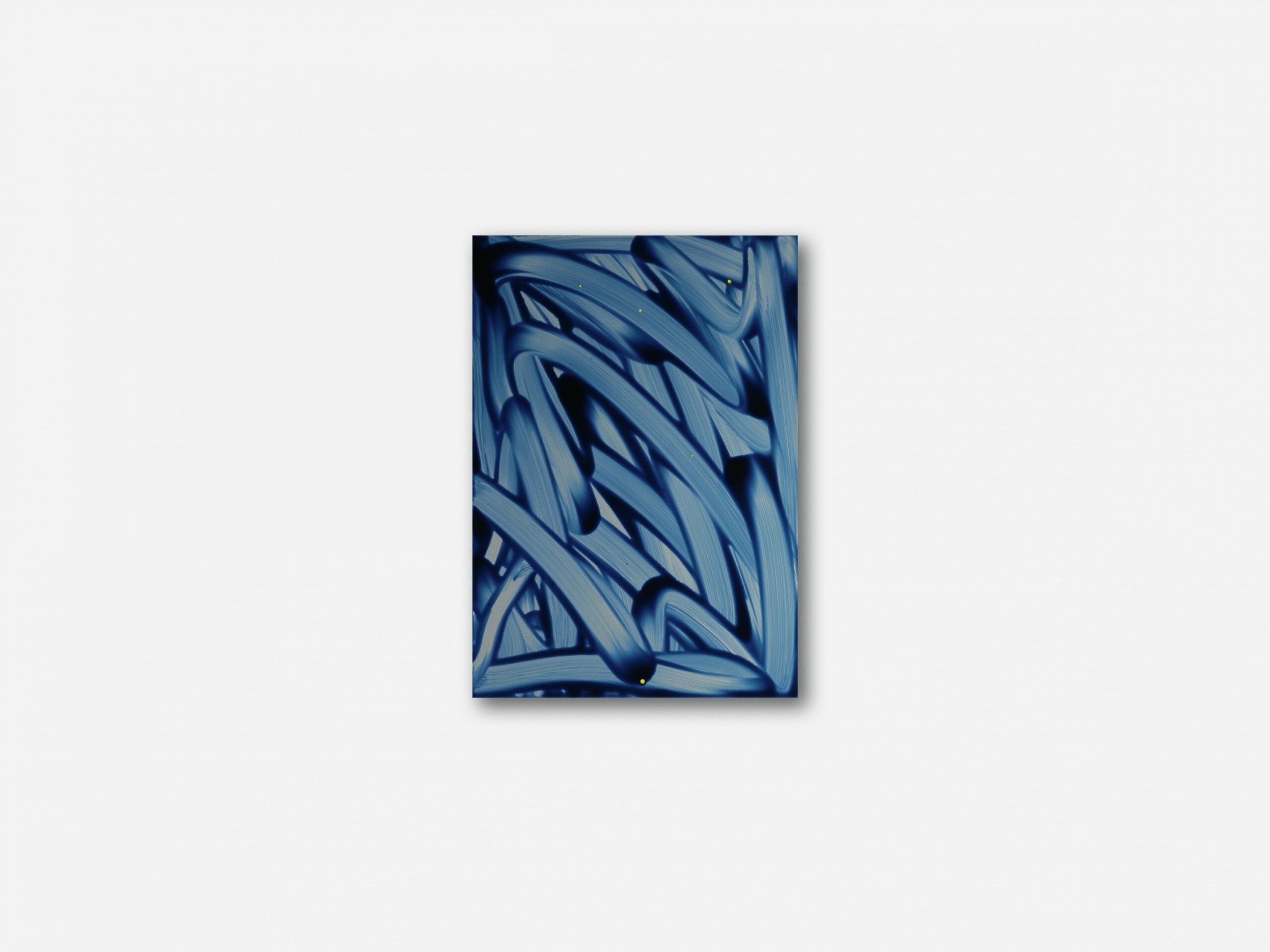
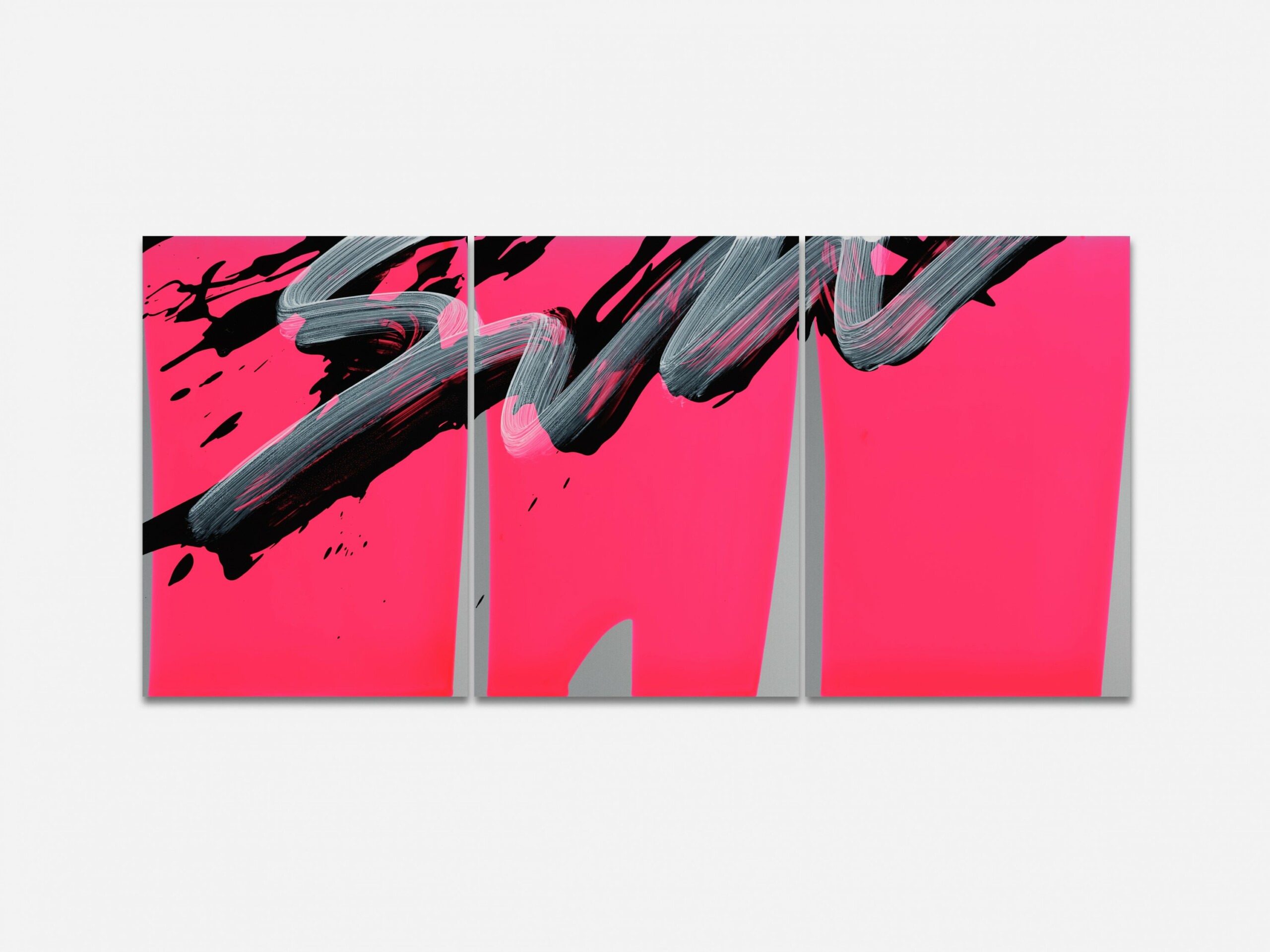
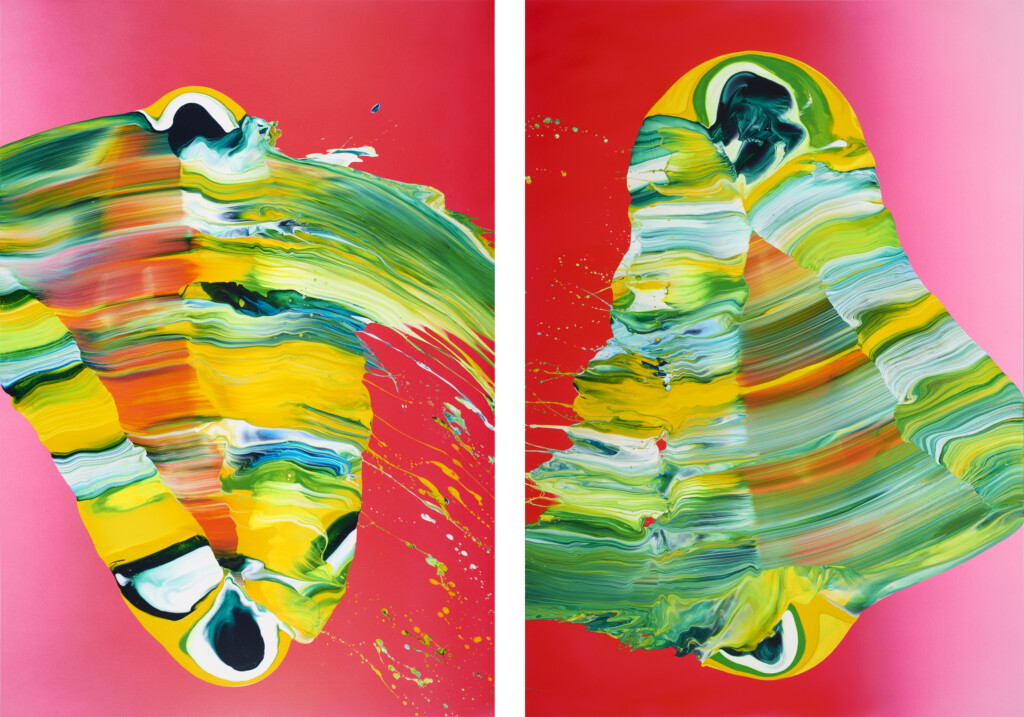
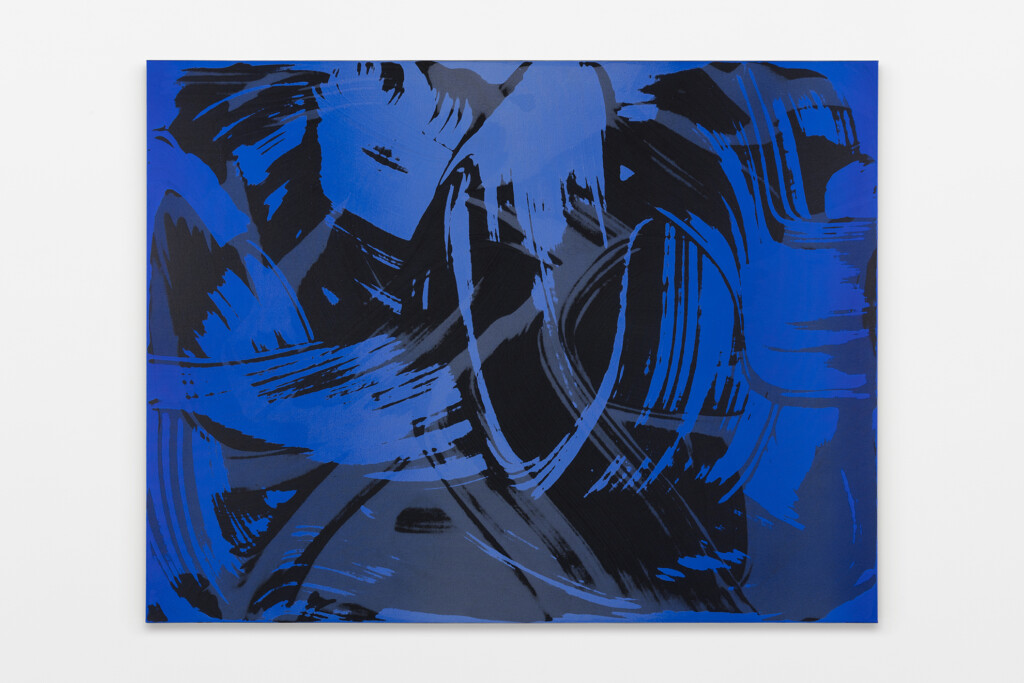
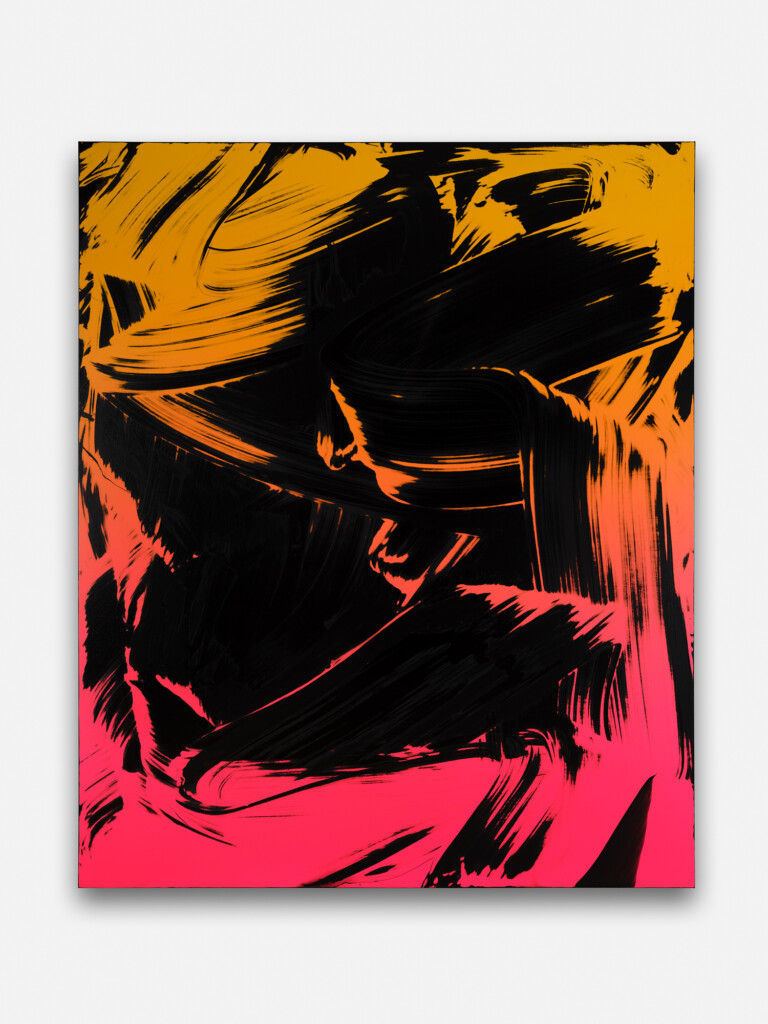
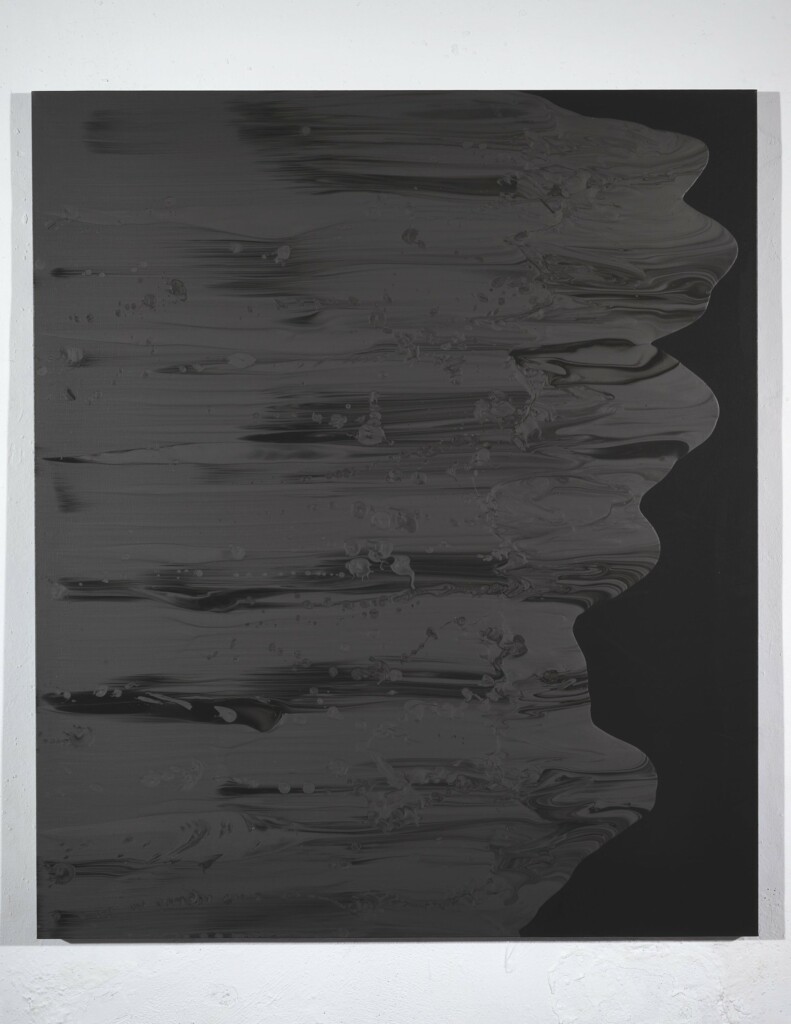
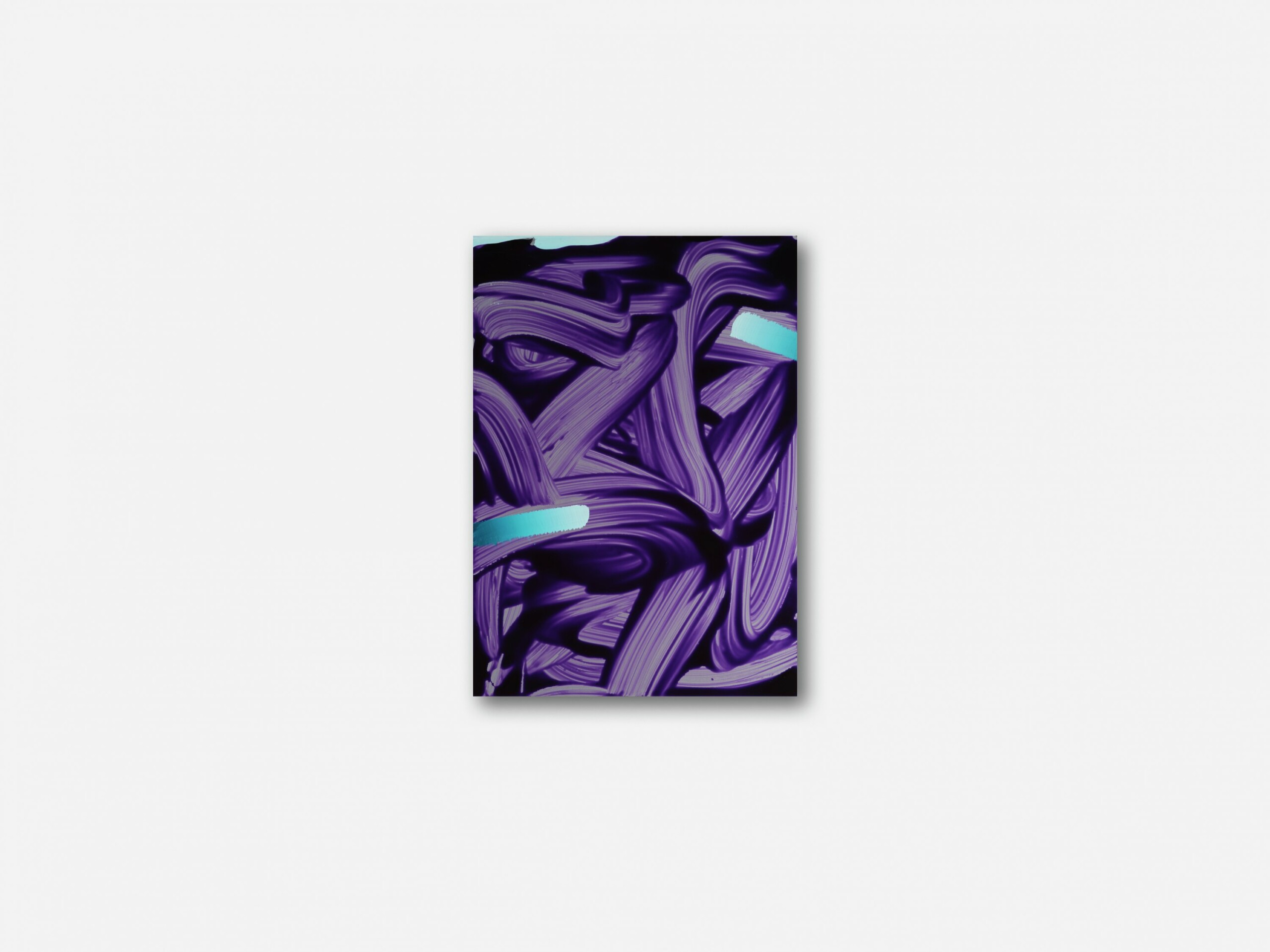
“Each opera had a color and each title I have treated with a different brushstroke, paying attention to the musical rhythm.”

Yago Hortal

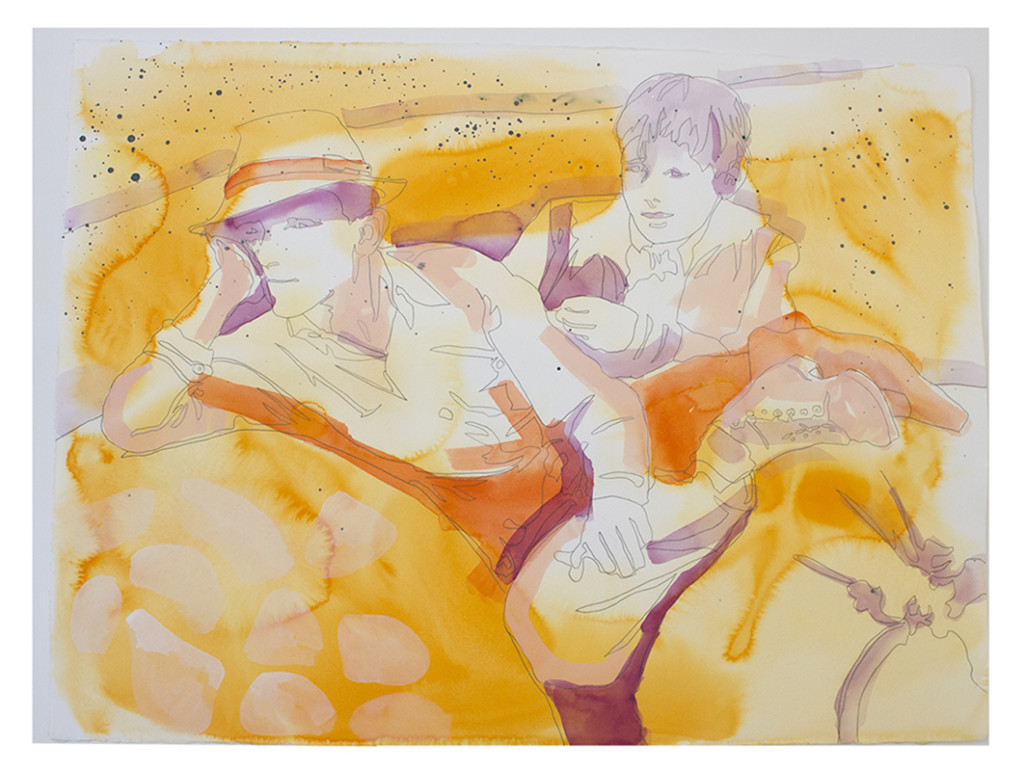
The artist from Barcelona debuts in the world of opera for the 31st edition of the publication of Amics del Liceu and exhibits 26 originals created for the book Temporada d’Opera: “Opera Season” at Lab36.

The link between art and music is one of the objectives of “Temporada d’Opera” and one of the reasons why Yago Hortal was commissioned to create the works for each of the operas that will be performed during the 2022-2023 season.

Opening this Wednesday, October 19 at 7:00 p.m. at Lab36. See you there!

“Temporada d’Opera” was born as a preparation tool to attend Liceu performances and as a path for the renewal of operatic iconography with contemporary artists. Every year the Association invites great personalities – writers, politicians, intellectuals, etc. – to present the operas programmed by the Gran Teatre del Liceu with the intention of showing unusual visions and, at the same time, making it clear that there are many and very diverse who love the art of opera. In other chapters, opera critics and musicologists from around the world also analyze the titles.

For more information on the work available in this exhibition, please contact by phone +34 934 87 67 59 or via e-mail to: info@galeriasenda.com

Visit our online store here.

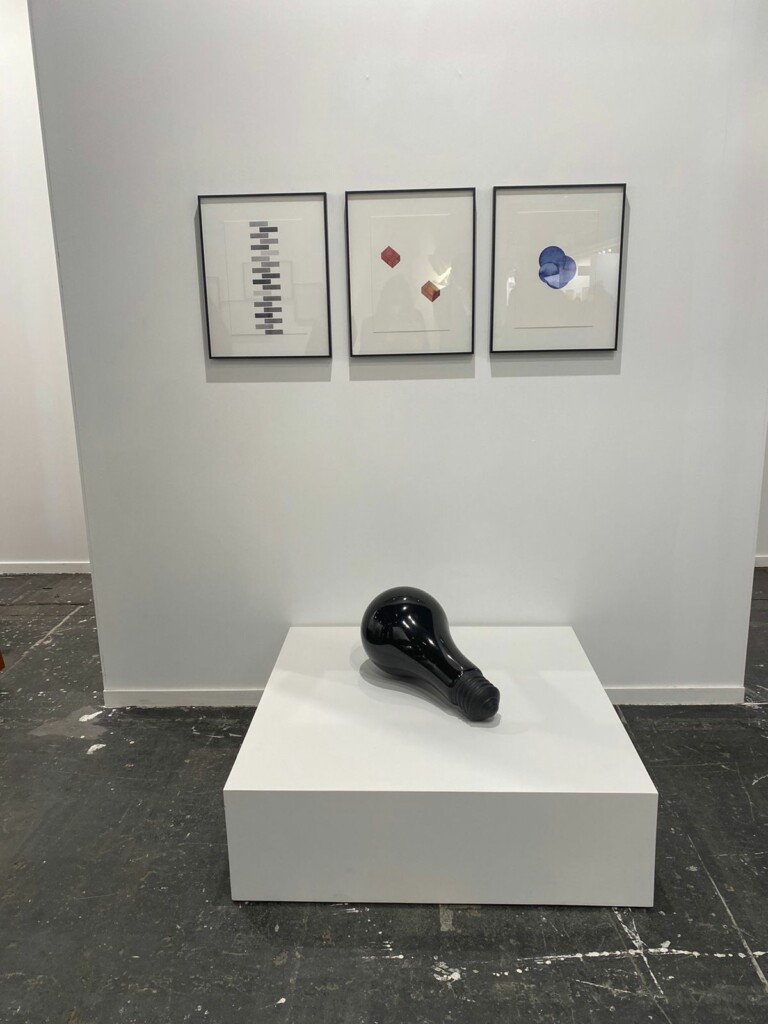
Galeria SENDA presents Iran Do Espirito Santo for ESTAMPA Madrid 2022

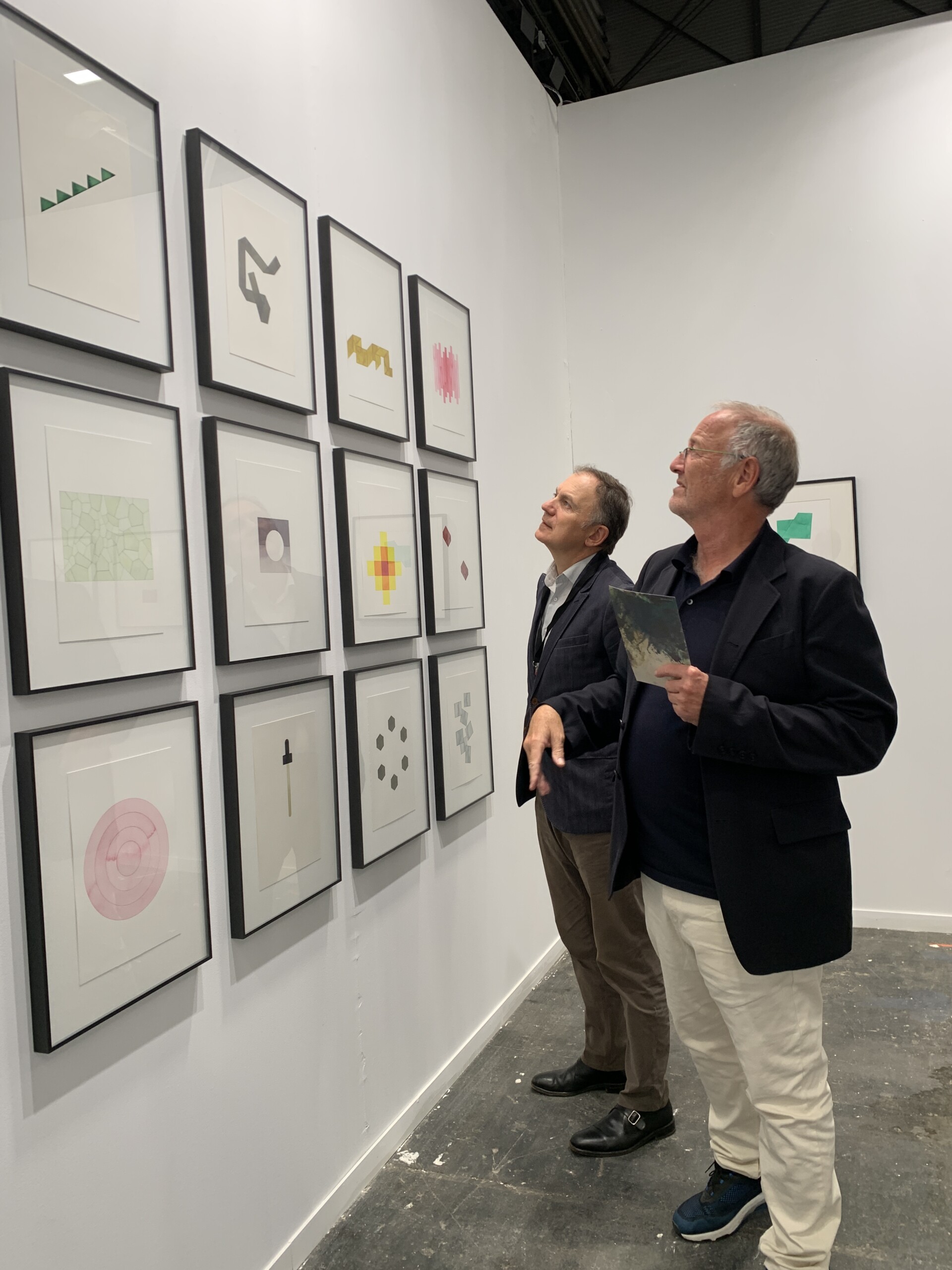
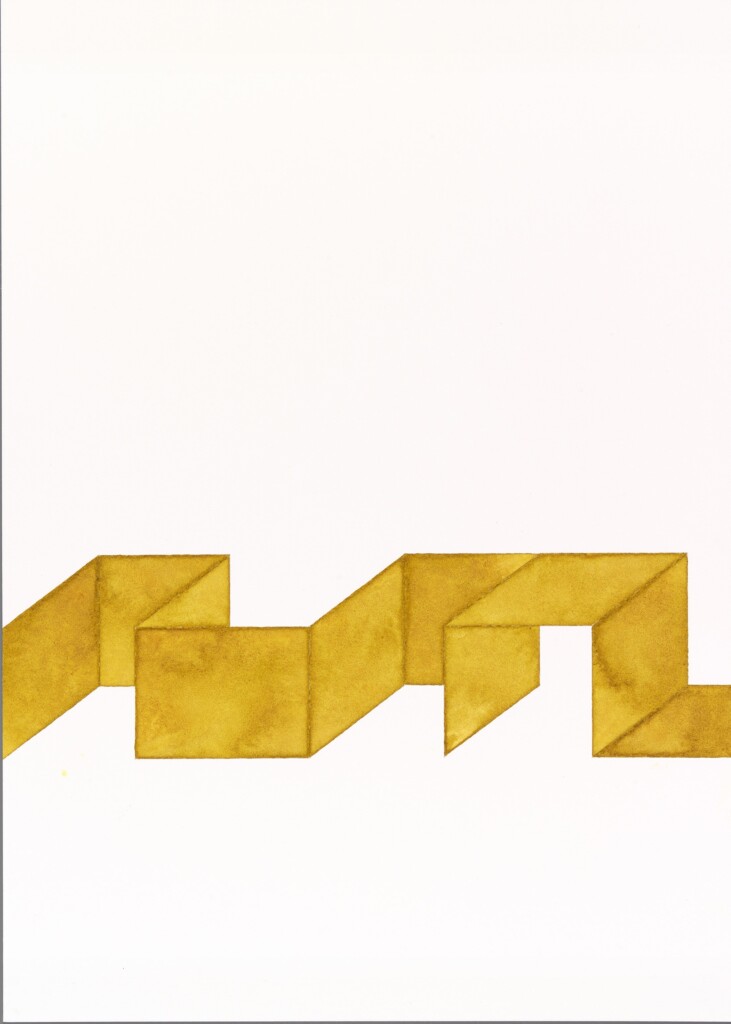
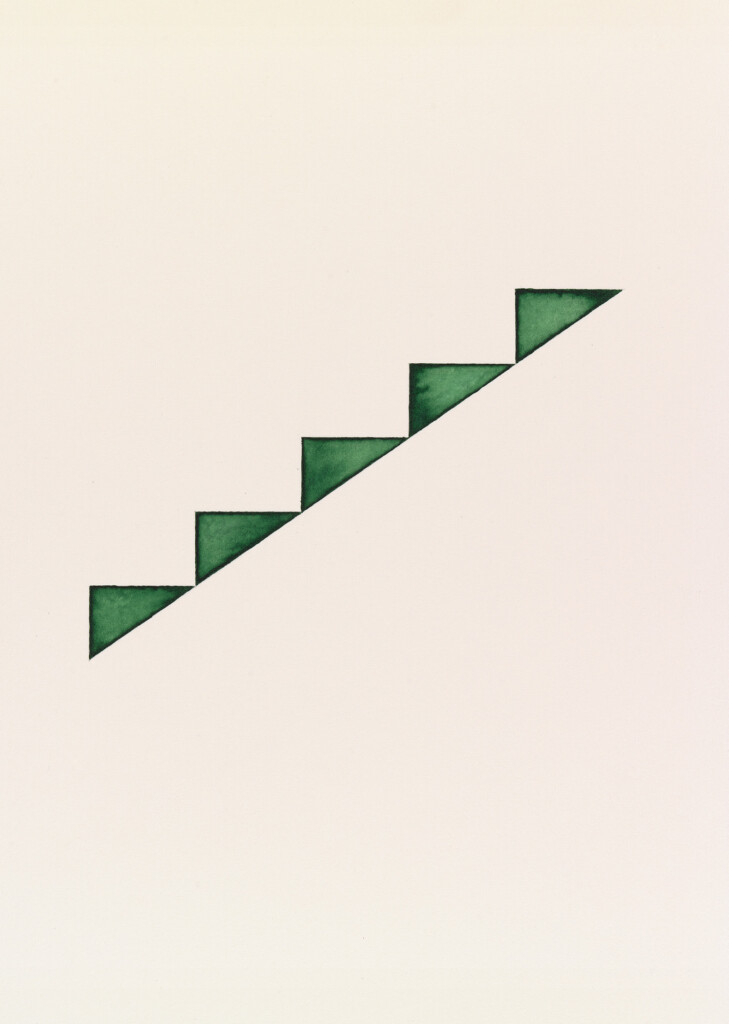
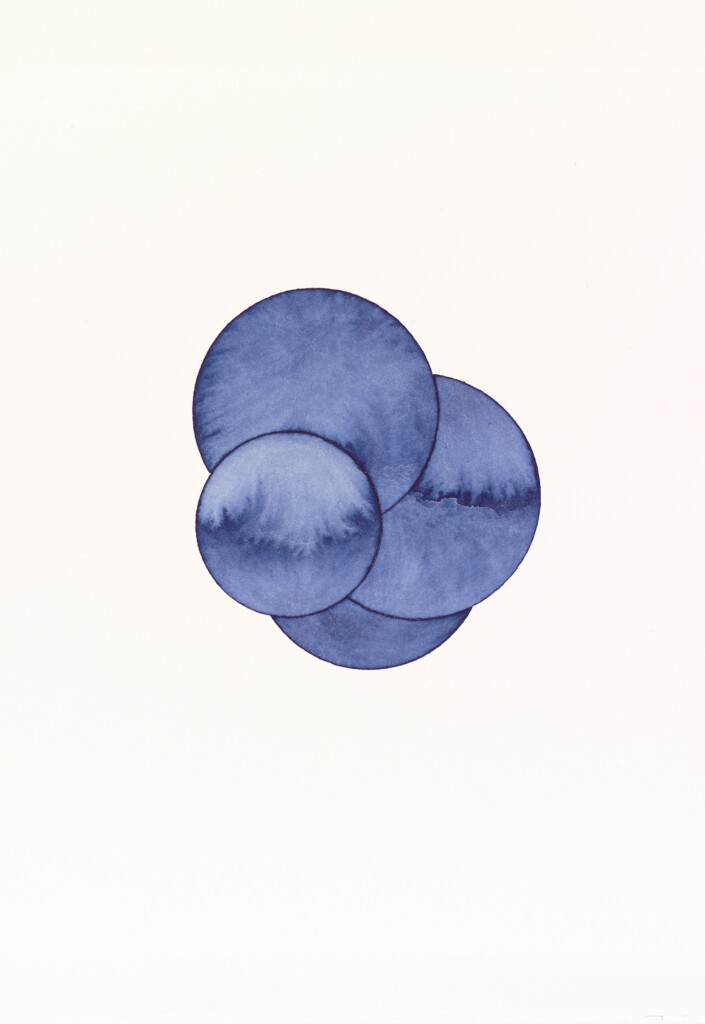
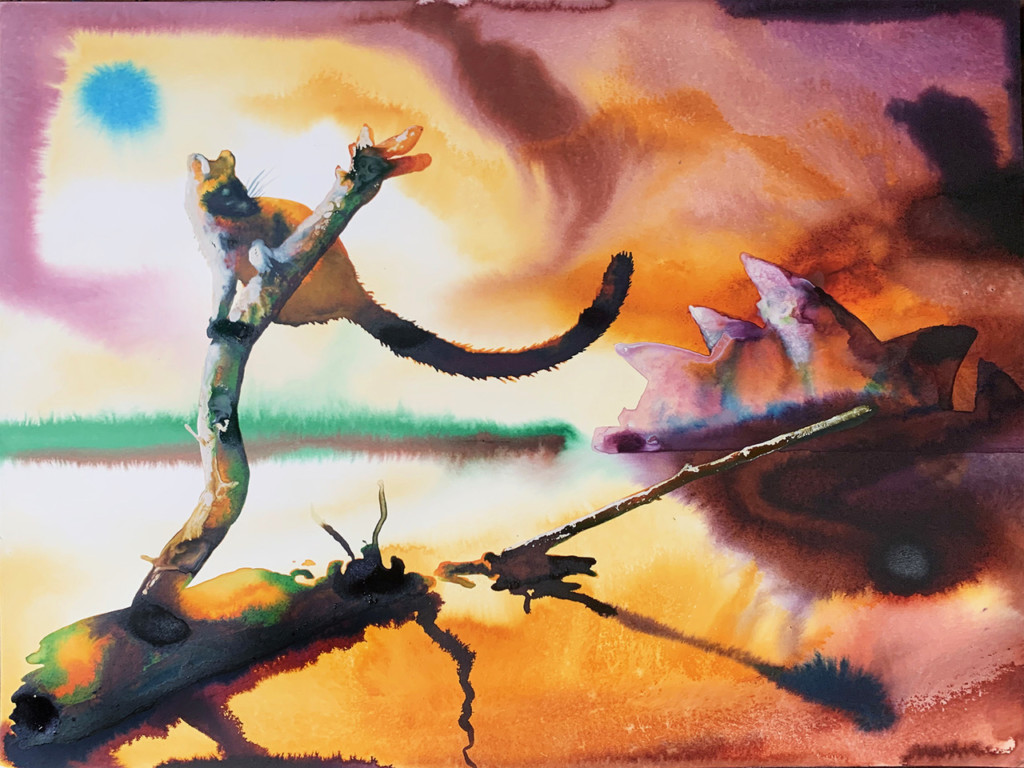
In this edition of the fair Estampa we present a single show by the Brazilian artist Iran Do Espirito Santo with a sample of watercolors produced throughout the confinement, with which the artist inaugurates the use of color while remaining faithful to his own refined and austere style.

Galeria SENDA booth at Estampa art fair, IFEMA Madrid

In this exhibition entitled “El Pangolín”, Do Espirito Santo builds perfectly balanced geometric representations thanks to a gaze focused on detail.

The title is shared with the writings of Enrique Juncosa co-published by SENDA Essay and by Turner, which will be presented during the fair. The watercolors illustrate this anthology and create a relationship between the two poetics: the pictorial discourse and literature harmonize in a single aesthetic in which the delicate works of Espírito Santo shape the game of ideas that Juncosa proposes to us.

Visit us at Stand 5A05 📍 from this Thursday 13th to 16th October at IFEMA Madrid.

Download the spanish press kit here.

Galeria SENDA presents Gino Rubert for SWAB art fair in Barcelona

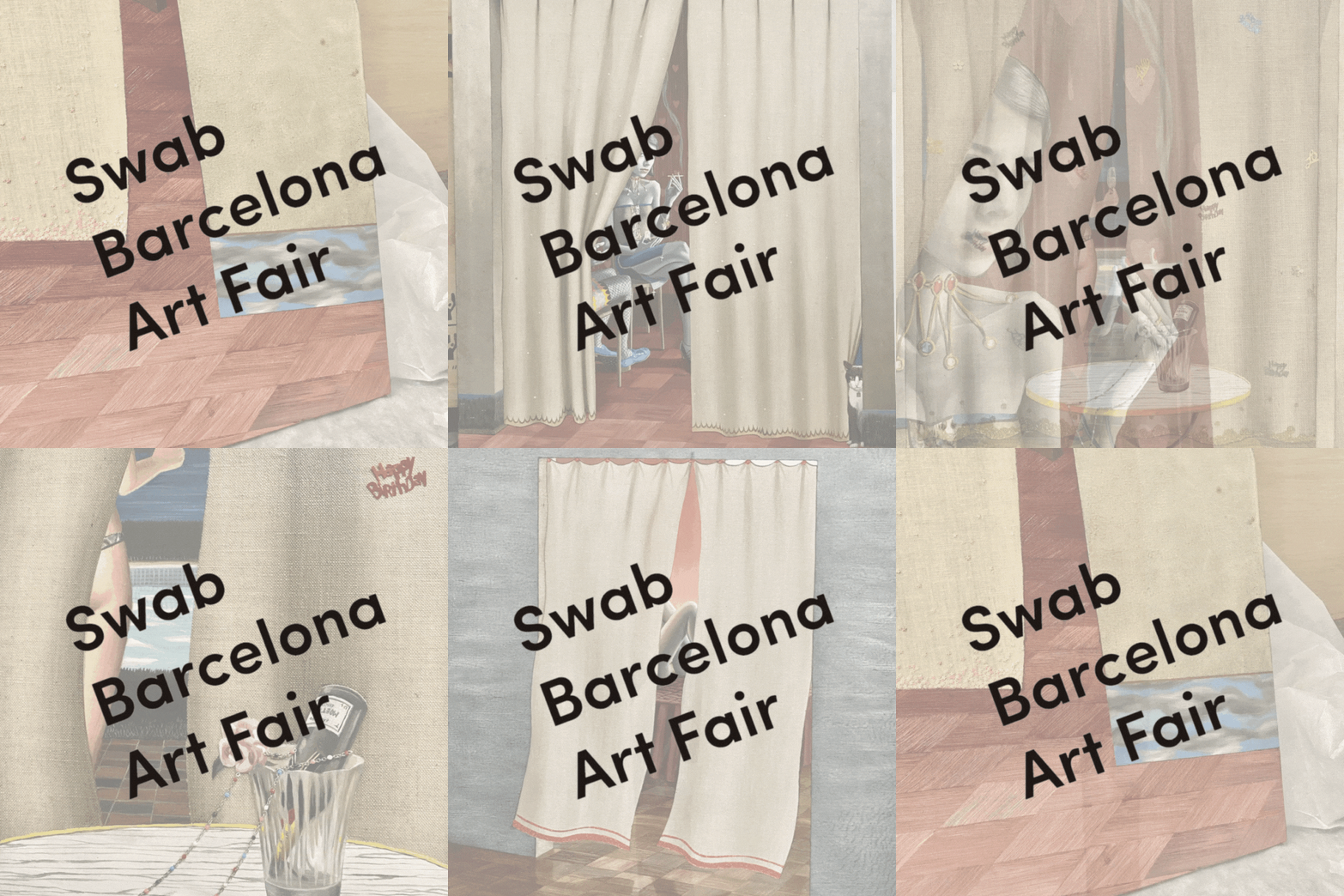
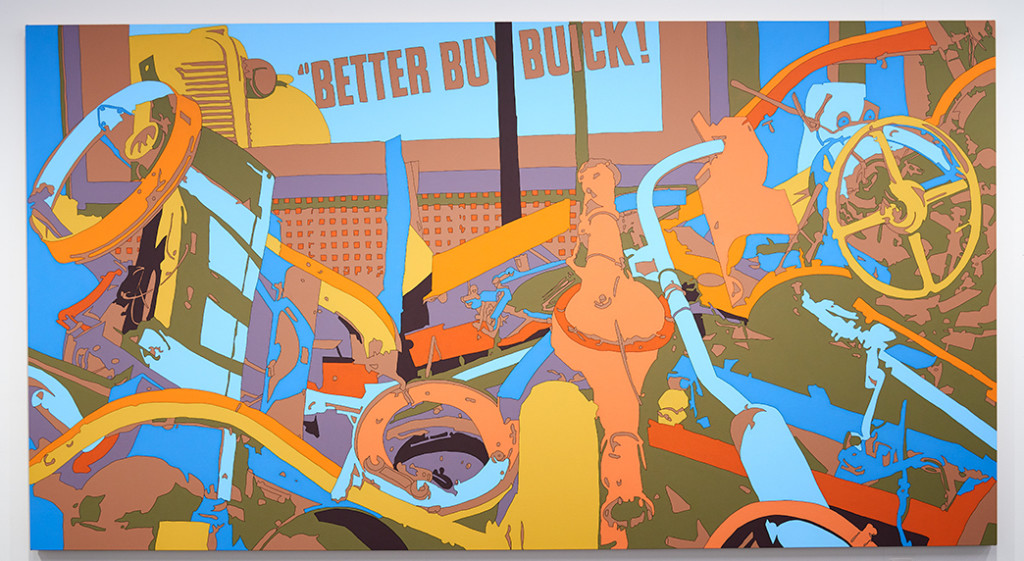
From SENDA Gallery we present a Gino Rubert  in this year’s edition of the fair SWAB. A single show starring the artist’s surprising works: recent paintings that incorporate light and sound. Rubert described his pictorial technique in an interview with Gisela Chillida in 2015:

I feel satisfied when the images finally suggest more than narrate. […] I love that people want to touch my paintings to understand what they are seeing, to create the illusion of space and action where there is neither one thing nor the other. Hence the taste for using the real objects you speak of [photographs, fabrics, plastics, hair, etc.].”

With 14 editions behind it, the SWAB fair faces 2022 maintaining its mission of providing projection to the spaces and disciplines that are charting the course of the art scene in the coming years. 
 

The edition will take place from October 6 to 9, 2022.
Visit us at Stand 25.

SWAB chooses Barcelona for its free spirit and cosmopolitan character. Holding the fair in this city means generating a unique platform for international exchange and dialogue, a meeting between cultures united by art and twinned under the blue Mediterranean sky. 

For all these reasons, SWAB is located in a representative place in the city, in front of the Mies van der Rohe Pavilion, at the foot of the Font Màgica, and guarded by the Venetian Towers of Plaza España: the Italian Pavilion of the Fira de Barcelona.

Booth installation view for SWAB 2022

We hope to see you there!

We will also be active on social media, follow us to find out about our latest news.

@galeriasenda #galeriasenda

Anna Malagrida presents “The Devil’s Stone” at the Garrotxa Museum

Natura Viva Project

October 29 – December 11, 2022, Garrotxa Museum

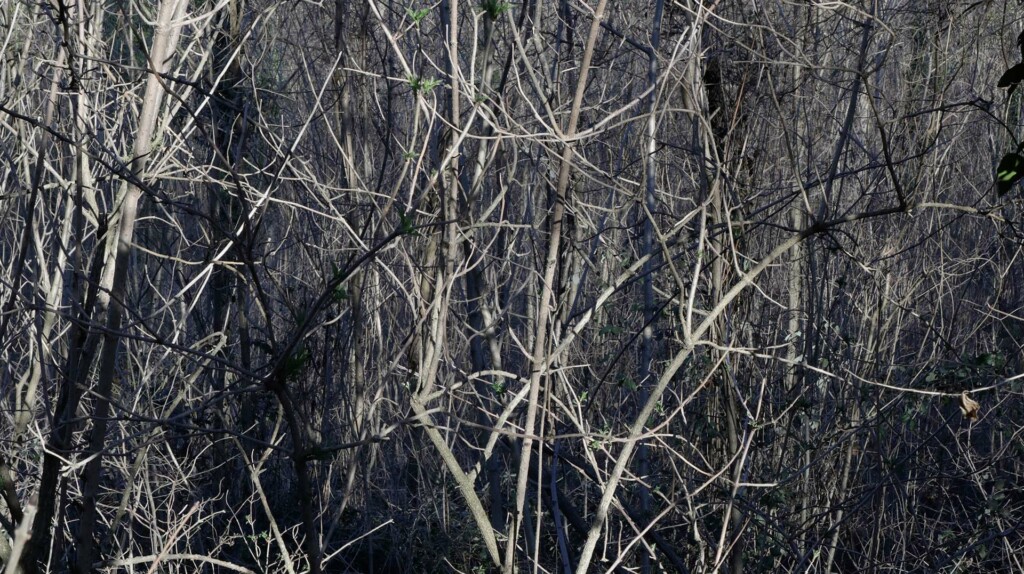
The artist Anna Malagrida presents a video installation that starts from the traces that man has perpetuated in the landscape of volcanic area of ​​La Garrotxa.

The Devil’s Stone, 2022″ focuses on the popular imagination that is created around these footprints and their perception.

The proposal is part of the Natura Viva project and is curated by Carolina Grau. Ten artists from ten Catalan cities have been invited to explore the local geography and reveal to us, once again, how to feel and learn from our nature.

The objective is to raise awareness and reflect on the evolution of our footprint and its impact on the biosphere. The result of the ten artistic projects can be seen simultaneously in the ten cities during the fall of 2022.

The Natura Viva project is promoted by Transversal, Network of Cultural Activities with the support of Department of Culture of the Government of Catalonia.

OPENING HOURS – Free admission


Weekdays from 10 a.m. to 1 p.m. and from 3 p.m. to 6 p.m.

Saturdays from 11 a.m. to 2 p.m. and from 4 p.m. to 7 p.m.

Sundays and holidays from 11 a.m. to 2 p.m.

Mondays closed

All the information here.

Galeria SENDA joins Talking Galleries 2022

Barcelona Symposium: Talking Galleries’ flagship meeting 

The Barcelona Symposium, at the heart of Talking Galleries’ work, is a two-day conference of debates, cogent conversations, and fruitful networking all around art galleries.

It is a unique opportunity for prominent art world figures to discuss and reflect on various aspects of art gallery management. It attracts a diverse audience, made up of gallerists, collectors, art journalists, curators, artists, and fair directors, who are engaged in the discussion and contribute to the exchange of expertise and relevant knowledge across all sectors of the art business.

Held annually in the Museum of Contemporary Art of Barcelona (MACBA), each edition of the event has brought together over 200 professionals from about 25 countries all around the world.

Click here to check the list of speakers.

Click here to find the full schedule.

Click here to buy tickets.

The Central Library of Cantabria hosts the work of the Italian photographer Massimo Vitali

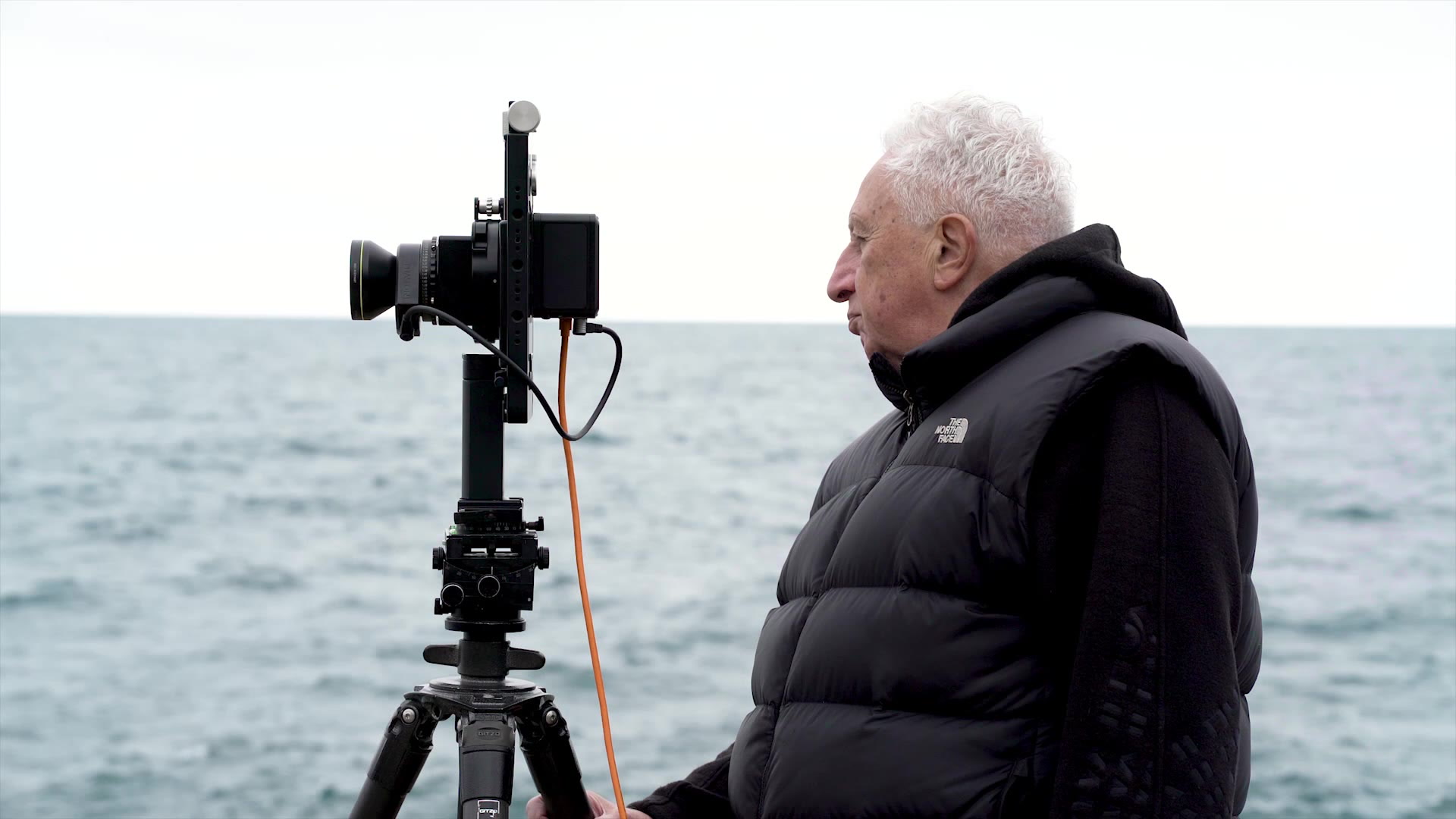
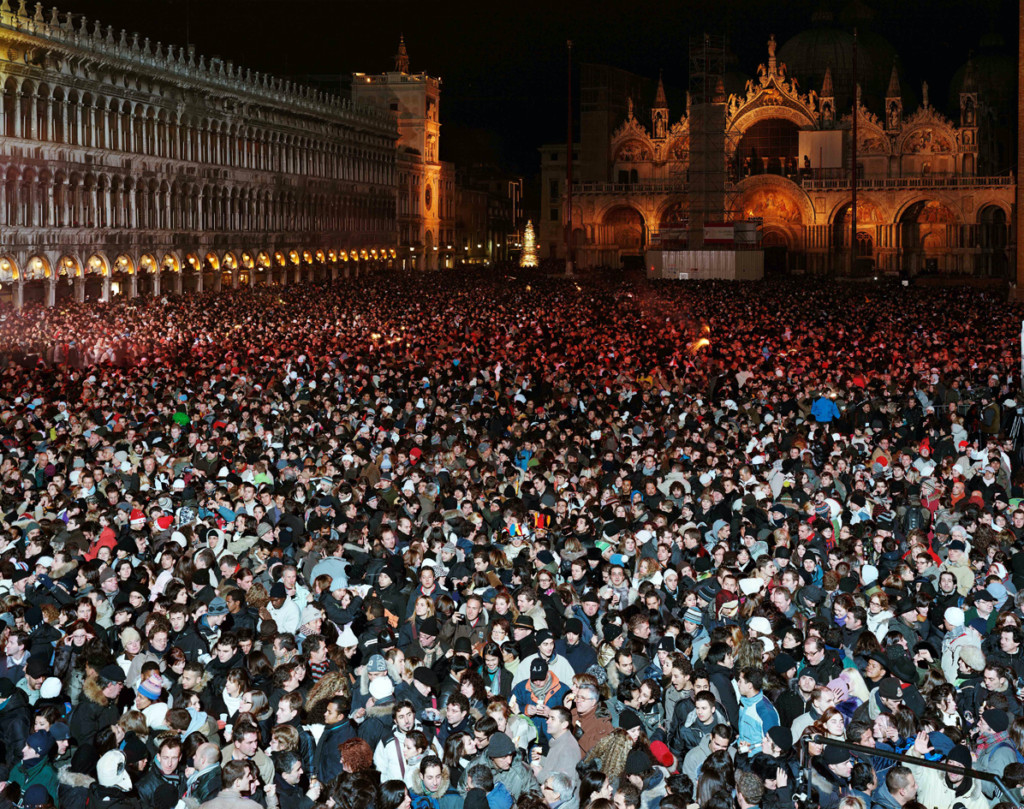
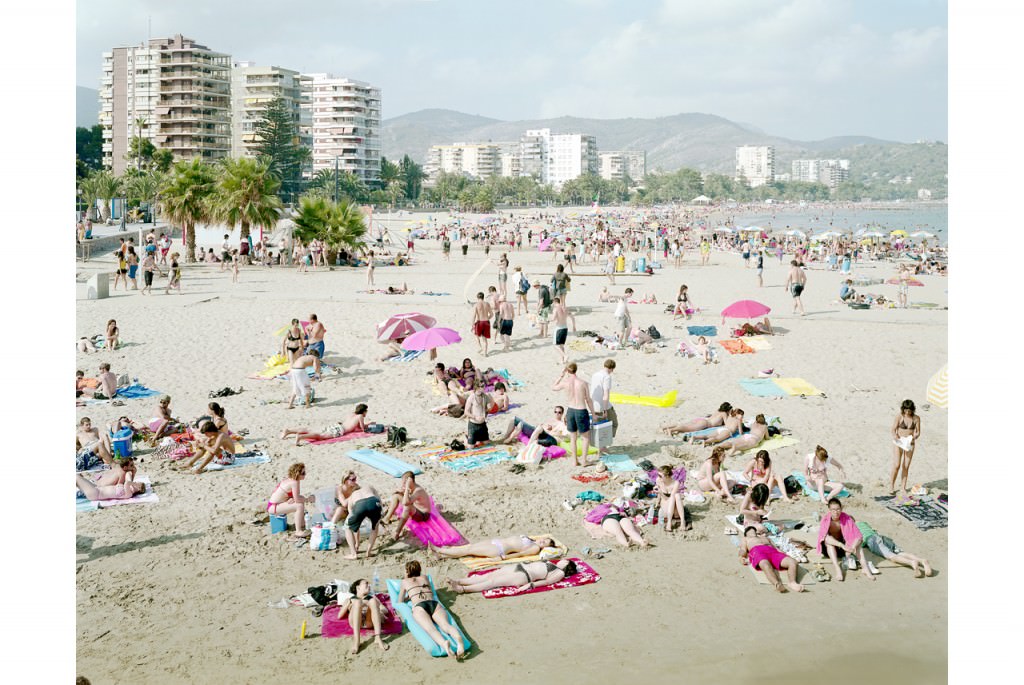
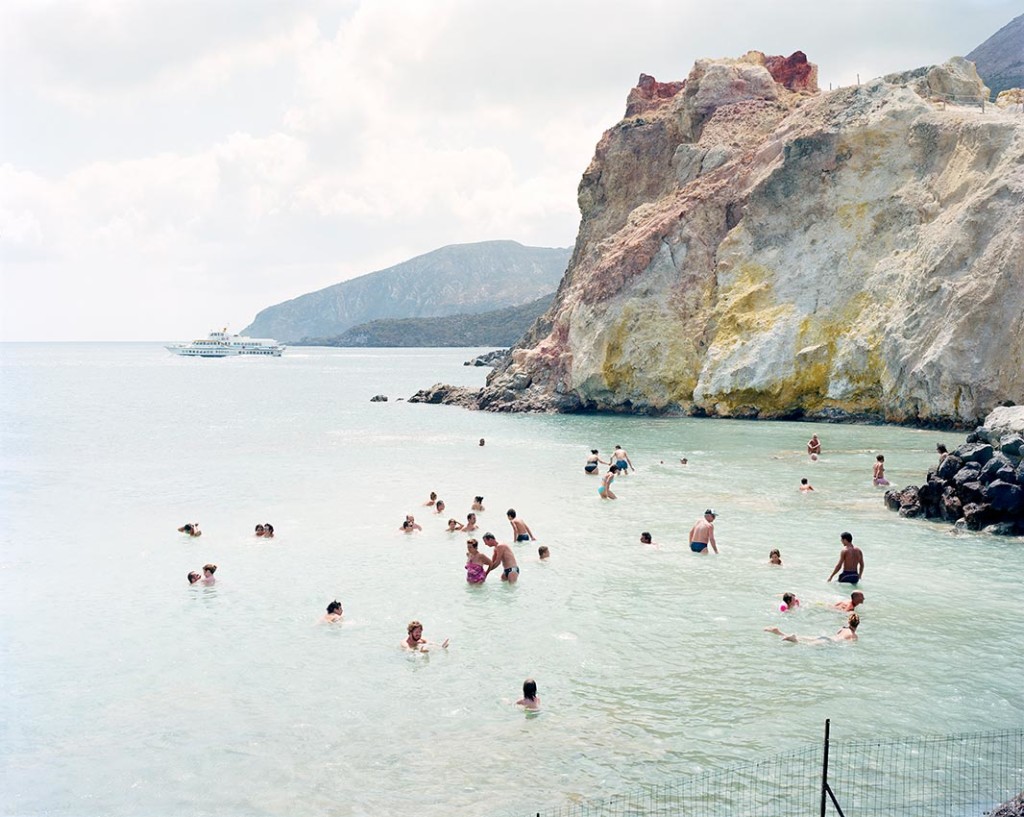
Since 1993, the Italian Massimo Vitali stands on a platform several meters high, and with a large camera he photographs beaches, nightclubs, ski resorts, supermarkets, swimming pools and other busy leisure areas.

The work of this contemporary photographer embodies the essence of leisure activity in the summer season.

But there’s more than meets the eye when it comes to this author’s idyllic seascapes. Vitali responded to the political turmoil in Italy in the 1940s, launching his beach series in the mid-1990s as a political commentary on mass tourism and social complacency. While Vitali’s photographs seem to depict the paradisiacal appearance from each place he captures, his work actually focuses on the individuals who appear in the composition and their collective response to society.

Using the beach as a platform for social research, Vitali sought to photograph bathers in their most vulnerable state in order to document society in its most authentic state Most of the artist’s work captures tourist destinations in Italy as it retains the idea that taking quality photos does not necessarily require traveling outside of your local community. Some of the famous places immortalized in Vitali’s work include Spargi Cala Corsara Cala Mariolu Porto Miggiano and Cefalù Viareggio however Vitali has since it has expanded beyond the borders of Italy to vacation spots in Brazil, Greece, Turkey and Spain.

Massimo Vitali photographs the latest outdoor furniture | Wallpaper*
Massimo Vitali, by Wallpaper*

Since the start of his iconic beach series, Vitali has continued to explore the natural environment, but instead focused on the impact of human disturbance on nature In contrast to his coastal scenes, Vitali focuses less on the pleasure and leisure of people and, instead, in the complex relationship between humans and their impact on the environment his most recent series entitled Disturbed Coastal Systems (April 2017) reveals an implicit message of the tension built between the man and nature.

Dates

08.09.2022- 02.10.2022

Organizer
Government of Cantabria. General Directorate of Culture and PHotoESPAÑA

Headquarters

Central Library of CantabriaC/ Ruiz de Alda, 19, 39009 Santander

Schedule

Mon-Fri / Mon-Fri: 09:00 – 21:00

Sat-Sun; fest / Sat-Sun; Hol: 11:00 a.m. – 8:00 p.m.

Entrance
Free entry / Admission free

More information about this artist and his work on our website.

Follow us on social media so you don’t miss any news or gallery activity!

@galeriasenda #galeriasenda

New Iran Do Espirito Santo acquisitions at the MoMa

Iran Do Espirito Santo’s page updated at the MoMA website with ten new acquisitions: two sculptures and eight drawings. 

It has been confirmed that Do Espirito Santo will be making a large wall painting (a version of ‘En Passant‘) at the exhibition of Contemporary Latin American Art that has the Cisneros collection as a starting point. Open on April 30th, 2023.

En Passant, Iran Do Espirito Santo

The new doors of Jaume Plensa at the Gran Teatre del Liceu in Barcelona

“The letter seems to me a beautiful metaphor of society: a single letter is nothing; but together with others it can form words, concepts; this is the power of community.” Jaume Plensa

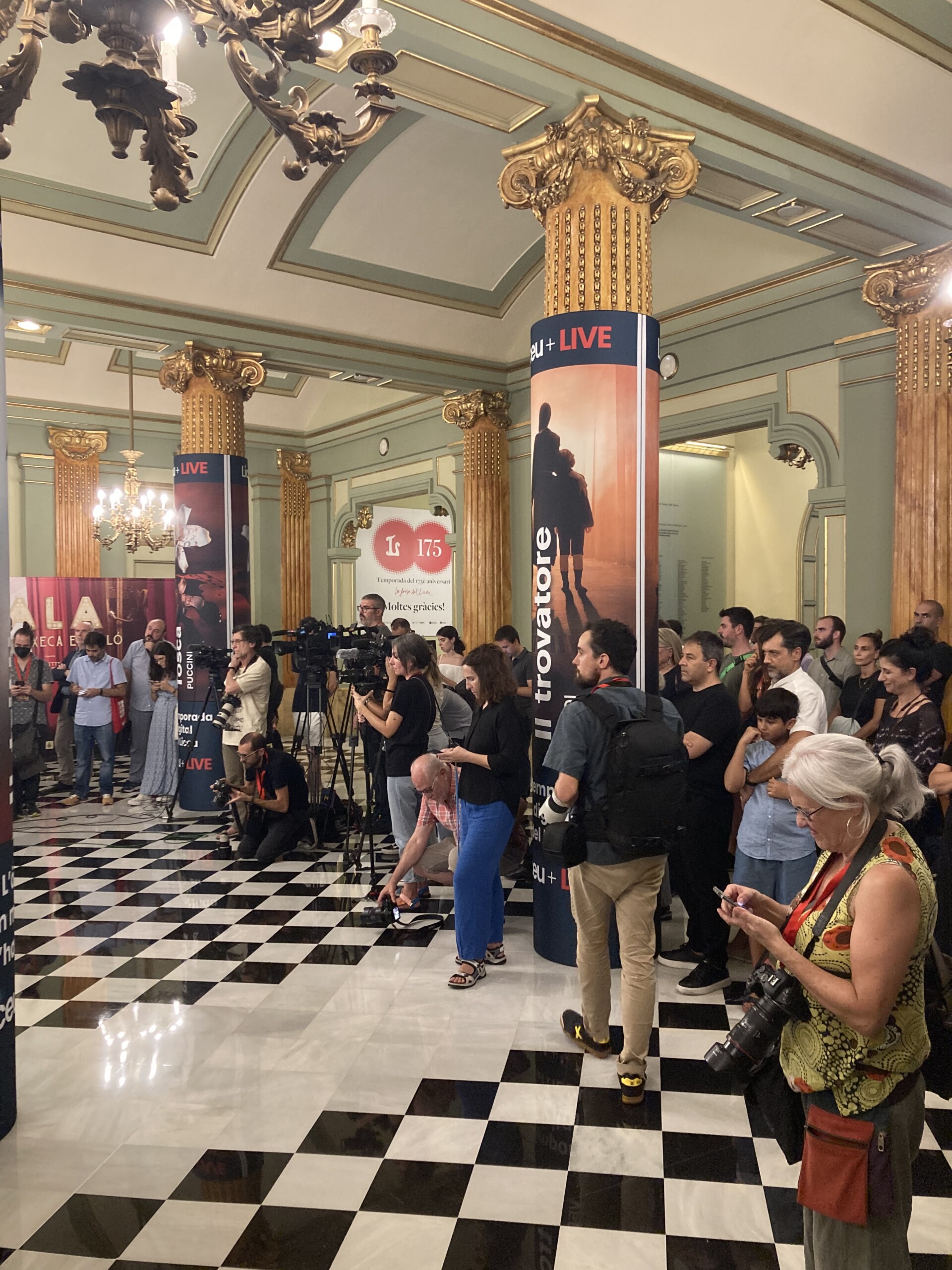
The Gran Teatre del Liceu opened the 2022-2023 season yesterday, Monday, with the new doors, or ‘Constellations’, the work of sculptor Jaume Plensa, highlighting the celebration of the 175th anniversary of the historic Barcelona institution.

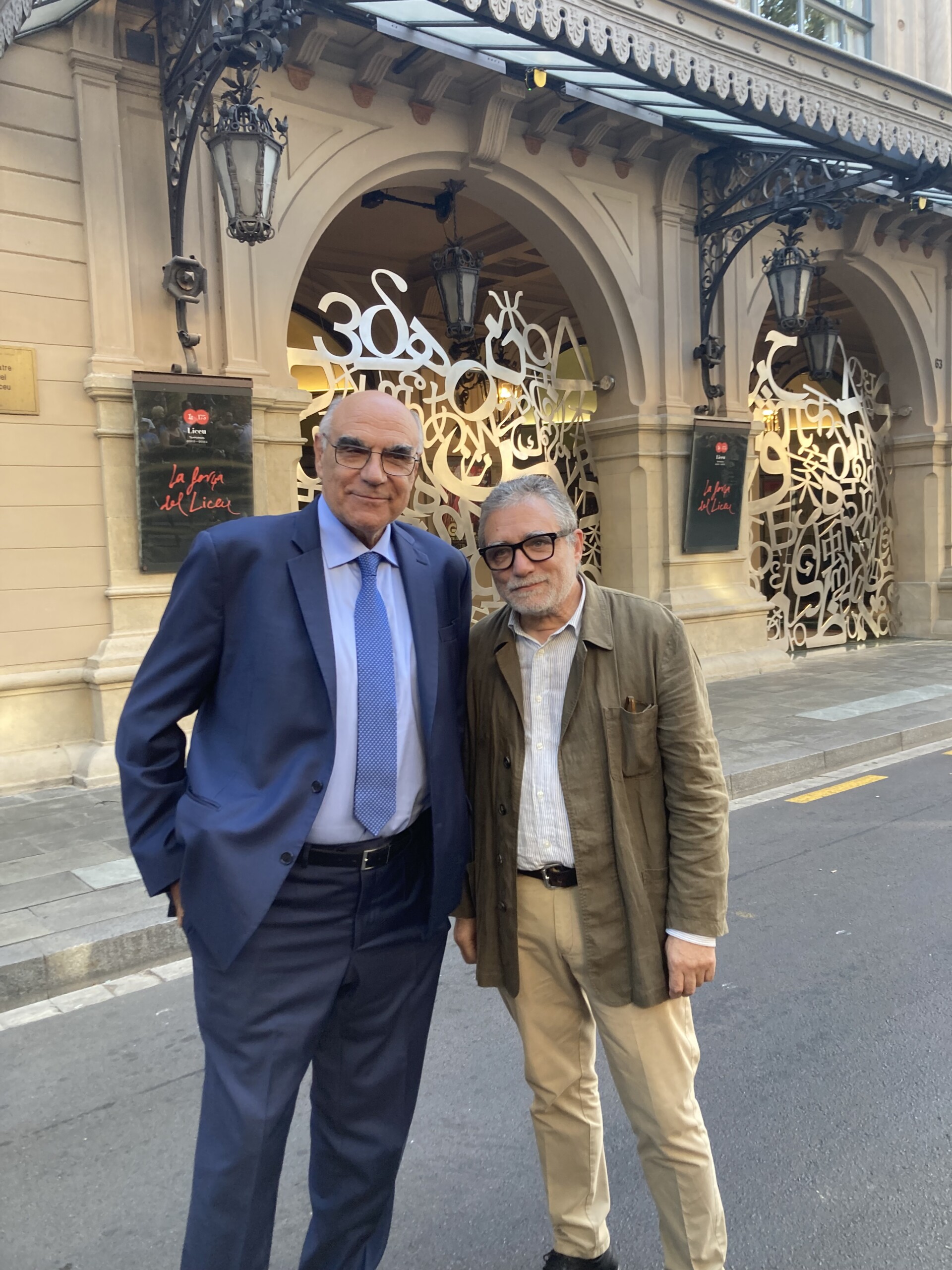
The artist Jaume Plensa next to Salvador Alemany, president of the Fundació del Gran Teatre del Liceu 

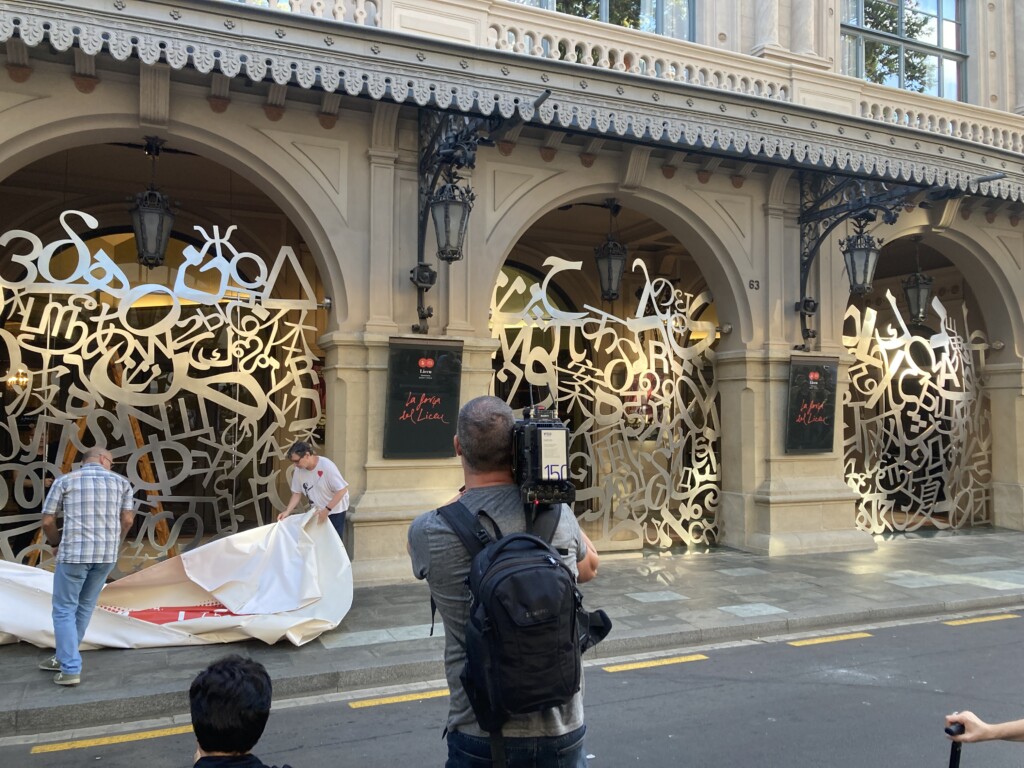
The doors (stainless steel, 4 x 4 m) are inspired by two classics of Catalan culture: the architect Antoni Gaudí, and the painter Joan Miró, with his nearby Pla de la Boquería mosaic, in addition to the close relationship with the name of one of his most original series ‘Constel·lacions (1939)’.

“I think this dialogue between the past and the future gives us the key to the present: the contemporary gesture at the heart of society, embracing music with words and voice with writing.” The artist said yesterday at the opening ceremony at Las Ramblas.

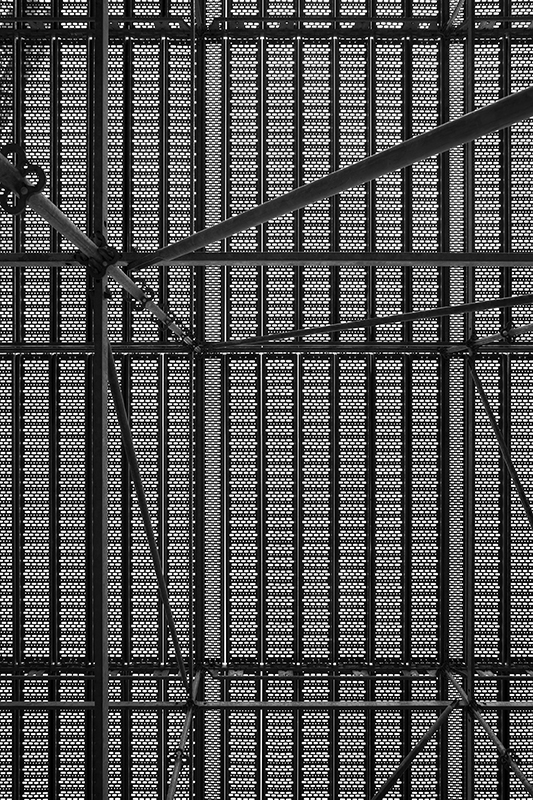
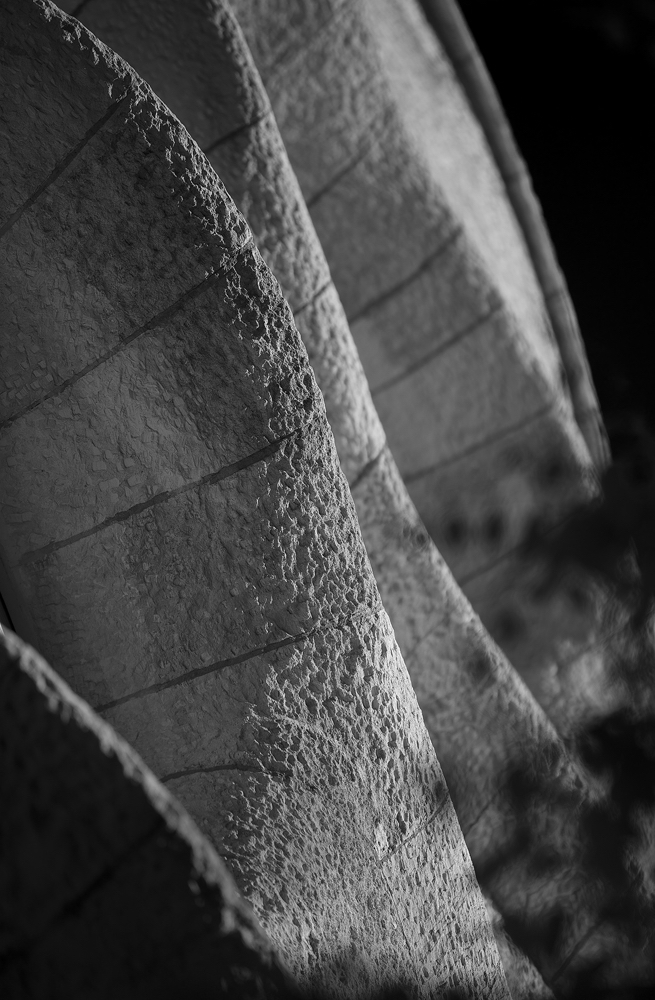
Plensa intends to vindicate the diversity of the promenade with letters from nine alphabets engraved on the railings – intermingling Arabic, Latin or Chinese – that will reflect their moving shadows on the floor of the entrance, when the doors reach the light of the lamps of the portal.

During the presentation of the doors, the Minister of Culture, Natàlia Garriga, also expressed the importance of this work for the city: “I want to thank all the members of the Board of Trustees who accepted it so quickly, that they see so lucidly that this proposal would be key for the Liceu, but also for the Ramblas, Barcelona and Catalonia.” And she has added that “having art available to everyone makes it possible for citizens to know and value it. I am sure that these doors will awaken the love for art in many pedestrians, and in the spectators who pass through them to enjoy the opera in this important facility.”

For his part, the Deputy Mayor for Culture, Education, Science and Community of the Barcelona City Council, Jordi Martí, has emphasized above all the commitment of the Liceu to “link to contemporary artists of the city and to do it in a total and determined way, not just with a small gesture. Today we are opening three doors, but we will also be able to see Macbeth with the stage direction of Jaume Plensa.” Martí has ​​insisted that the doors “improve the artistic environment of the Ramblas” and wanted to thank the artist for his “humble and restrained gesture because Constelaciones are integrated into the landscape and do not become an isolated work of art.”

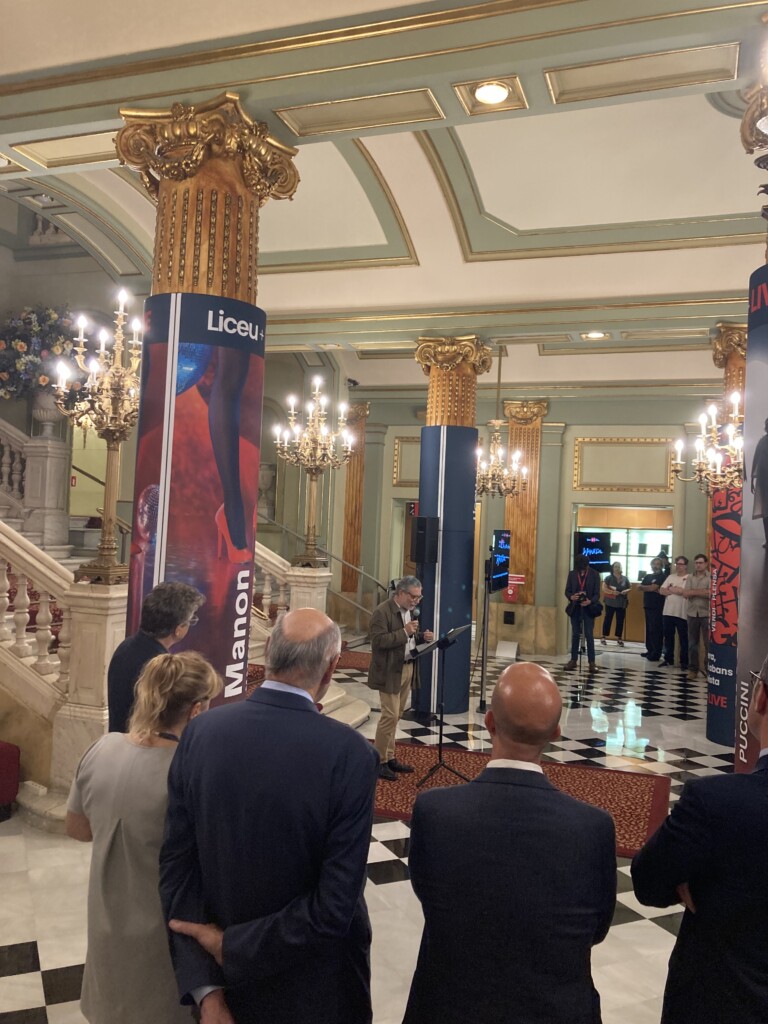
After the institutional parliaments, the act has continued with the first official opening of the doors while the Coro del Gran Teatre del Liceu performed the Wagnerian piece Freudig begrüß en wir die edle Halle (Tannhäuser, act II) on the Rambla, directed by the director of the Choir, Pablo Assante, and accompanied on piano by David-Huy Nguyen-Phung. A piece from the second act of the Tannhäuser that celebrates the entrance of the guests and that wants to be a symbolic and metaphorical gesture of doors that invite the public to enter and enjoy the universal language that is music.

“The alphabet represents a harmony that celebrates the great diversity of the world,” said Plensa. The president of the fundación del Liceo, Salvador Alemany, has stated that the sculptor’s work is “a gift that gives prestige to the Rambla and the Liceo”.

No es la primera vez que el escultor dispone de una obra cerca de un núcleo cultural de la ciudad condal. Carmela, un rostro de cuatro metros, mitad niña y mitad adolescente, preside la fachada del Palau de la Música. El artista, Premio Nacional de Artes Plásticas 2012, ha proyectado sus conocidos rostros en otras capitales como Madrid, (Julia) o New York (El alma del agua).

Plensa will maintain his relationship with the Liceo in the new season as the person in charge of the scenery of the Macbeth of Verdi, que se estrenará el próximo febrero.

Technical and operating elements

As for the technical details, these doors weigh around 500 kilograms each and migrate on a single axis that is embedded at the start of the arch just above the capital; of the pilasters. The convexity of the doors does not exceed the outer plane of the pilasters and means that the minimum passage below the open sheepfold is about 3 m high. One of the characteristics of the structure is that the doors do not open laterally, but have an opening movement from bottom to top. In this way, in addition to physical sculpture, we also seek a set of dialogues with spaces, reflections and optical visions of light and shadow. Thus, all those who walk the ground of the Rambla will be able to walk on this carpet of shadows of the installation itself. The work is integrated without affecting any other past element incorporated prior to the facade of Oriol Mestres from 1874 and recovered in 2019.

Bibliography:

https://www.liceubarcelona.cat/es/el-liceu-inaugura-la-obra-constelaciones-de-plensa

https://elpais.com/espana/catalunya/2022-09-05/el-liceo-inaugura-la-temporada-con-las-nuevas-puertas-de-jaume-plensa.html

https://www.lavanguardia.com/cultura/20220906/8504964/plensa-enriquece-fachada-gran-teatre.html

https://www.lavanguardia.com/cultura/20220905/8504963/abren-cierran-levitan.html

Jaume Plensa’s new doors at the Gran Teatre del Liceu are inaugurated

“The letter seems to me a beautiful metaphor for society: a single letter is nothing; but together with others it can form words, concepts; this is the power of the community. – Jaume Plensa

The Gran Teatre del Liceu inaugurated its 2022-2023 season on Monday with the new doors, or “Constel·lacions“, the work of sculptor Jaume Plensa, enhancing the celebration of the 175th anniversary of the historic Barcelona institution.

Photograph of two men posing in front of the Liceo gates

The artist Jaume Plensa together with Salvador Alemany, president of the Fundació del Gran Teatre del Liceu

The doors (stainless steel, 4 x 4 m) are inspired by two classics of Catalan culture: the architect Antoni Gaudí, and the painter Joan Miró, with his nearby Pla de la Boqueria mosaic, as well as the close relationship with the name of one of his most original series “Constel·lacions (1939)”.

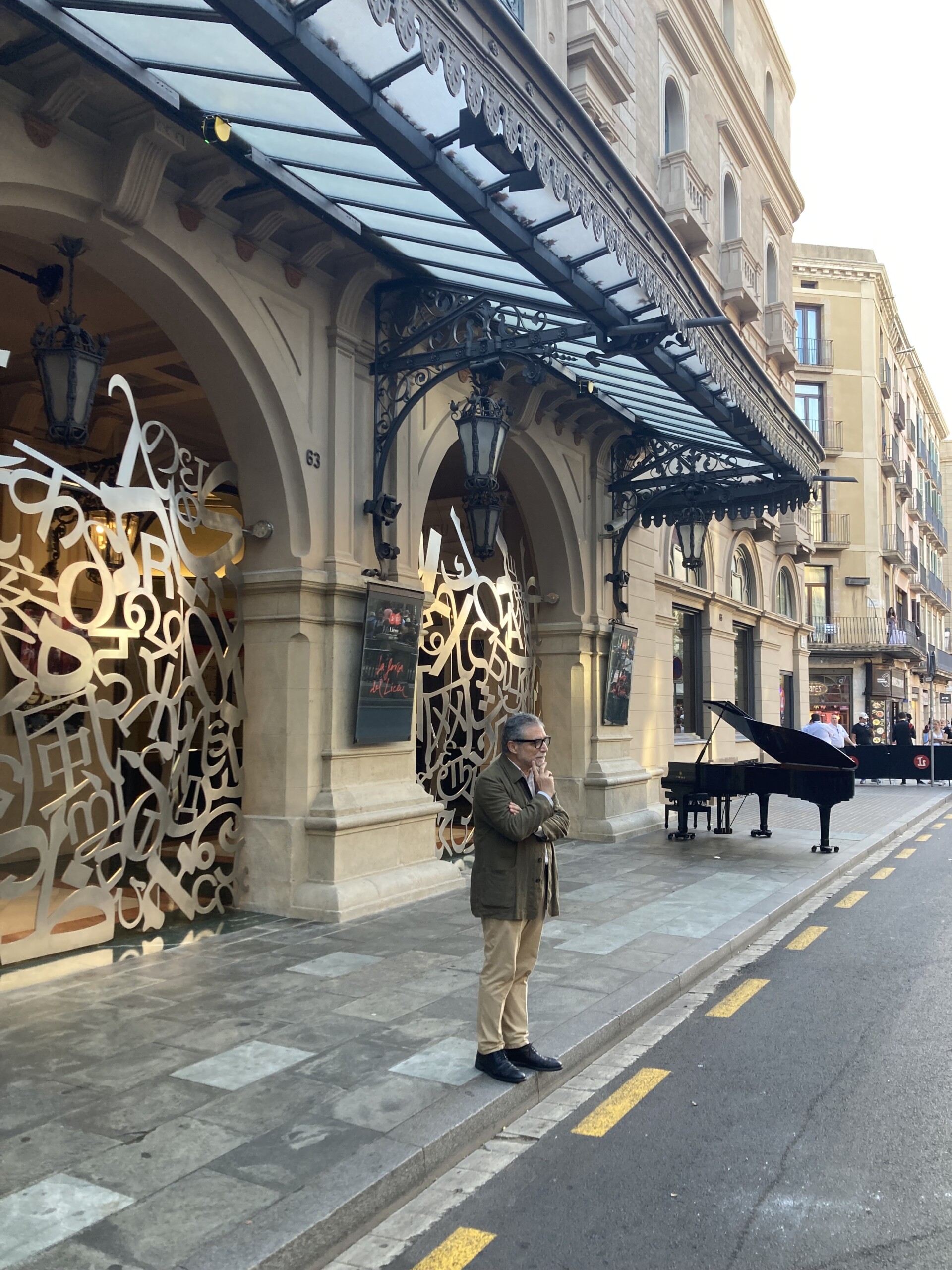
Photograph of a man in front of the doors of the Liceo and next to a grand piano

This dialogue between the past and the future I think gives us the key to the present: the contemporary gesture in the heart of society, embracing music with the word and the voice with writing“, said the artist yesterday at the opening ceremony in Las Ramblas.

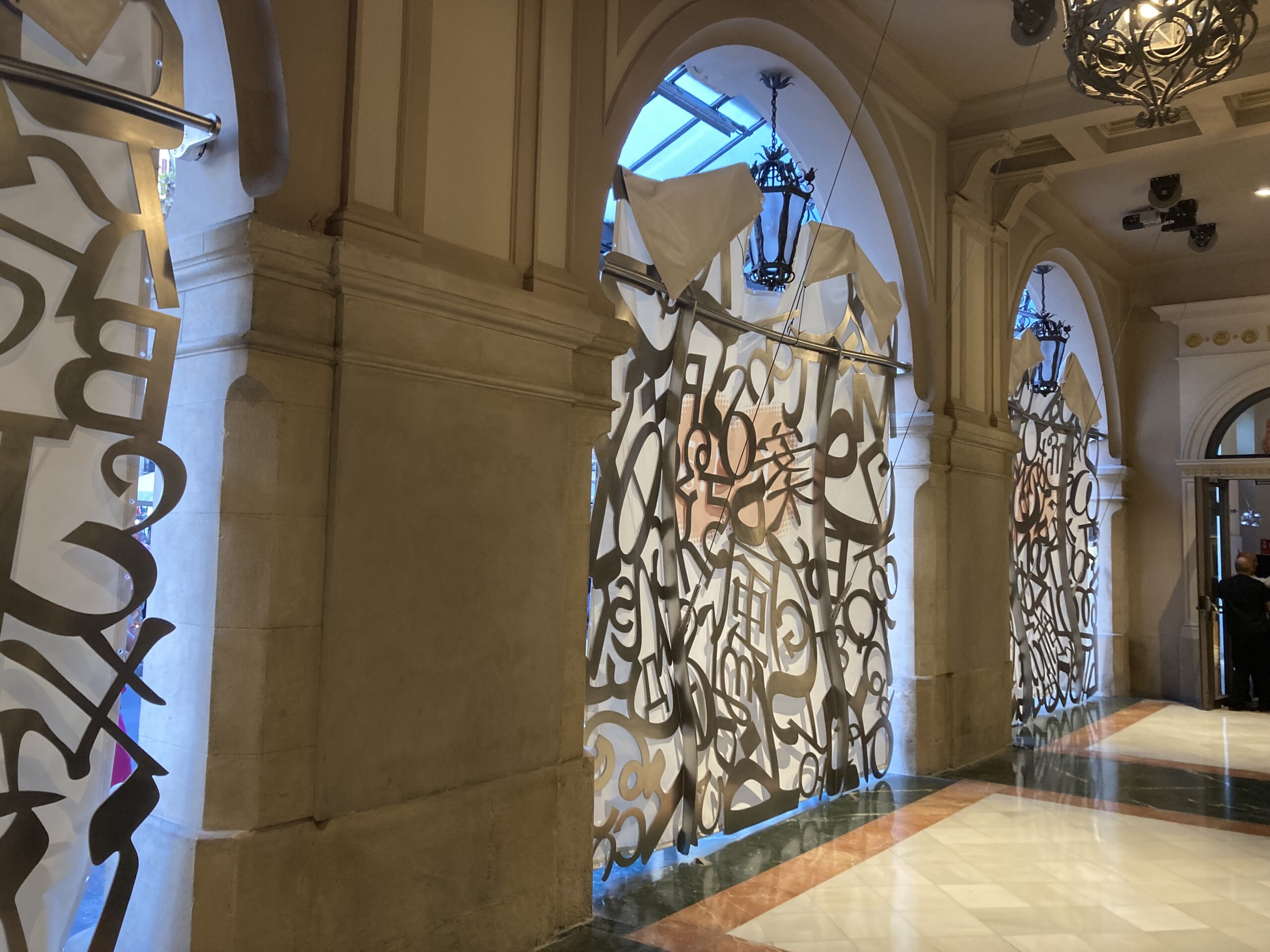
Plensa intends to vindicate the diversity of the promenade with letters of nine alphabets engraved on the railings – intermingling Arabic, Latin or Chinese – that will reflect their moving shadows on the floor of the entrance, when the doors reach the light of the lamps of the portal.

Interior image of the doors of the Liceo

During the presentation of the doors, the Councilor for Culture, Natàlia Garriga, also expressed the importance of this work for the city: “I want to thank all the members of the Board of Trustees for accepting it so quickly, for seeing with such lucidity that this proposal would be key for the Liceu, but also for the Ramblas, Barcelona and Catalonia“. And she added that “having art within everyone’s reach means that the public can get to know and appreciate it. I am sure that these doors will awaken the love of art in many pedestrians, and in the spectators who pass through them to enjoy the opera in this important facility“.

For his part, the Deputy Mayor for Culture, Education, Science and Community of the Barcelona City Council, Jordi Martí, has emphasized above all the Liceu‘s commitment to “link with contemporary artists of the city and to do so in a total and decisive way, not just with a small gesture. Today we are opening three doors, but we will also be able to see Macbeth with stage direction by Jaume Plensa“. Martí insisted that the doors “improve the artistic environment of Las Ramblas” and thanked the artist for his “humble gesture and restraint because Constellations are integrated into the landscape and do not become an isolated work of art“.

The opening of the doors was also attended by Joan Francesc Marco, director general of the Instituto Nacional de las Artes Escénicas y la Música (INAEM) of the Ministry of Culture, who wanted to highlight the importance of this day: “As a lycee and as director general of INAEM I feel a great happiness because this work of the renowned Jaume Plensa adds even more value to the theater and the city of Barcelona“.

After the institutional speeches, the event continued with the first official opening of the doors while the Choir of the Gran Teatre del Liceu performed in Las Ramblas the Wagnerian piece “Freudig begrüß en wir die edle Halle” (Tannhäuser, act II), conducted by the choir director, Pablo Assante, and accompanied on the piano by David-Huy Nguyen-Phung. A piece from the second act of Tannhäuser that celebrates the entrance of the guests and that wants to be a symbolic and metaphorical gesture of doors that invite the public to enter and enjoy the universal language that is music.

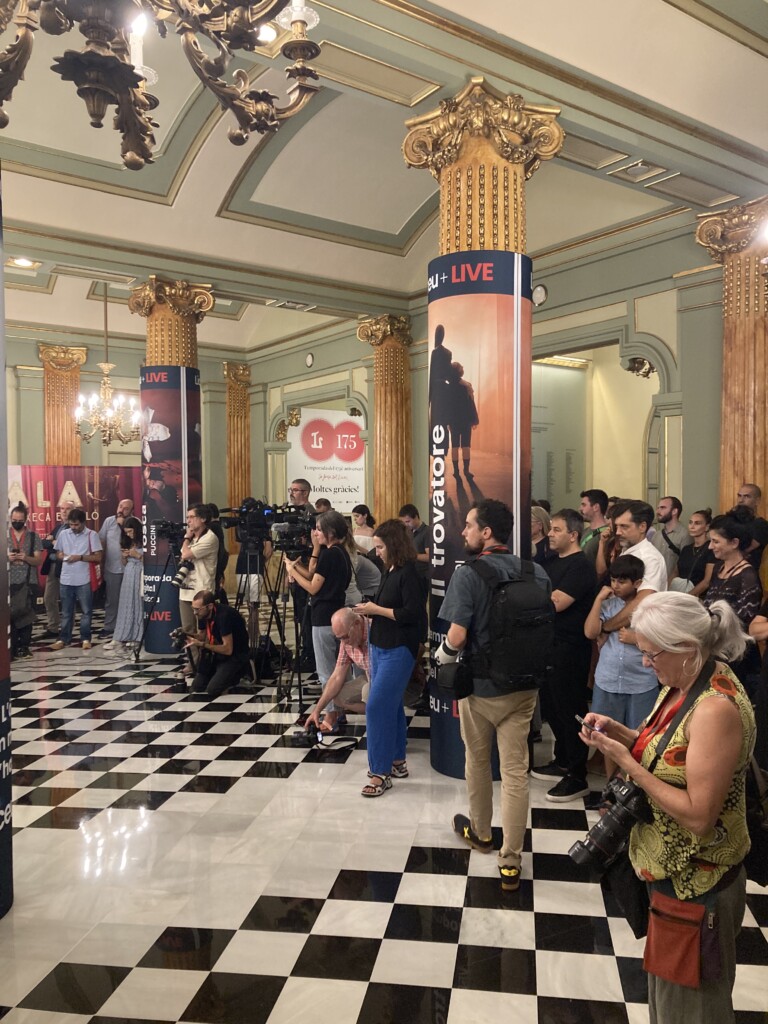
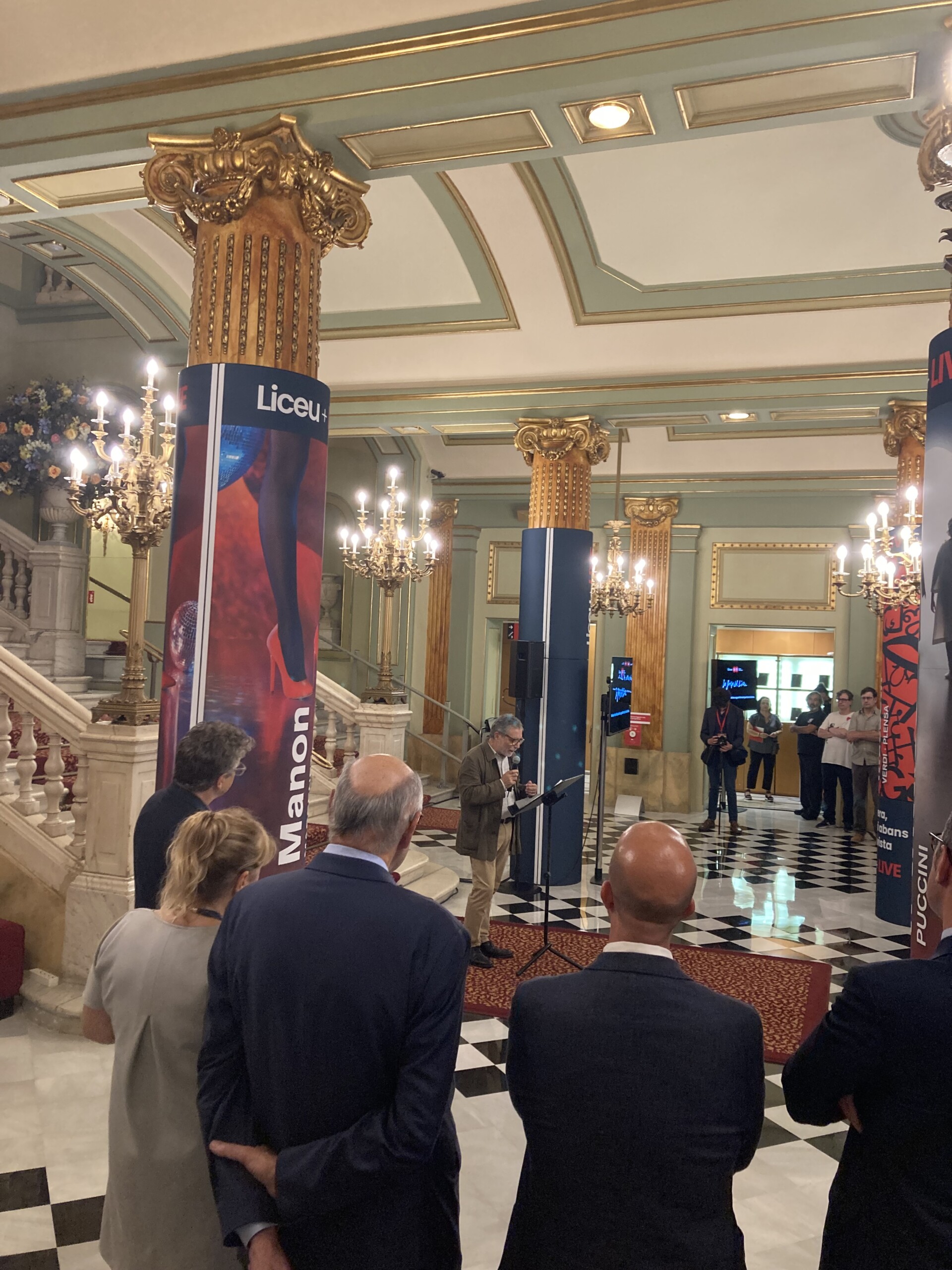
Image of the interior of the Liceo

The alphabet represents a harmony that celebrates the great diversity of the world“, said Plensa. The president of the Liceu Foundation, Salvador Alemany, said that the sculptor’s work is “a gift that gives prestige to the Rambla and the Liceu“.

It is not the first time that the sculptor has a work near a cultural center of the city. Carmela, a four-meter face, half girl and half teenager, presides over the facade of the Palau de la Música. The artist, winner of the 2012 National Plastic Arts Award, has projected his well-known faces in other capitals such as Madrid (“Julia“) or New York (“El alma del agua“).

Plensa will maintain his relationship with the Liceu in the new season as the person in charge of the scenography of Verdi’s Macbeth, which will be premiered next February.

Image of the facade of the Liceo

Technical and operating elements

As for the technical details, these doors weigh about 500 kilograms each and migrate on a single shaft that is embedded in the start of the arch just above the capital of the pilasters. The convexity of the doors does not exceed the outer plane of the pilasters and makes the minimum passage under the open sheepfold about 3 m high. One of the characteristics of the structure is that the doors do not open laterally, but have a bottom-up opening movement. In this way, in addition to the physical sculpture, a game of dialogues with spaces, reflections and optical visions of light and shadow is also sought. Thus, all those who step on the floor of the Rambles will be able to walk on this carpet of shadows of the installation itself. The work is integrated without affecting any other past element previously incorporated into the facade of Oriol Mestres of 1874 and recovered in 2019.

Excerpts from Liceu, El País and La Vanguardia (“Plensa enriquece la fachada del Gran Teatre” and “Las puertas del Liceu no se abren ni se cierran, levitan”)