







- No products in the cart.
Share:
The Brazilian period of Joan Ponç, spanning from 1953 to 1964, marks a decisive turning point in his trajectory, during which his visual language undergoes a structural transformation. This phase cannot be understood merely as a geographical relocation, but rather as an experience that profoundly reshapes the way the image is constructed, organized, and brought into presence.
Having emerged within the context of Dau al Set, Ponç developed a practice deeply rooted in the exploration of the oneiric and the psychic, where the figure functioned as a threshold into inner realms. His arrival in São Paulo places him within a culturally dense environment—shaped by overlapping traditions—that does not translate into a direct adoption of motifs, but rather into a reconfiguration of the internal logic of the work. As Margaret dos Santos notes, “Brazil does not offer Ponç a formal repertoire to incorporate, but an experience that transforms his relationship to the image”.
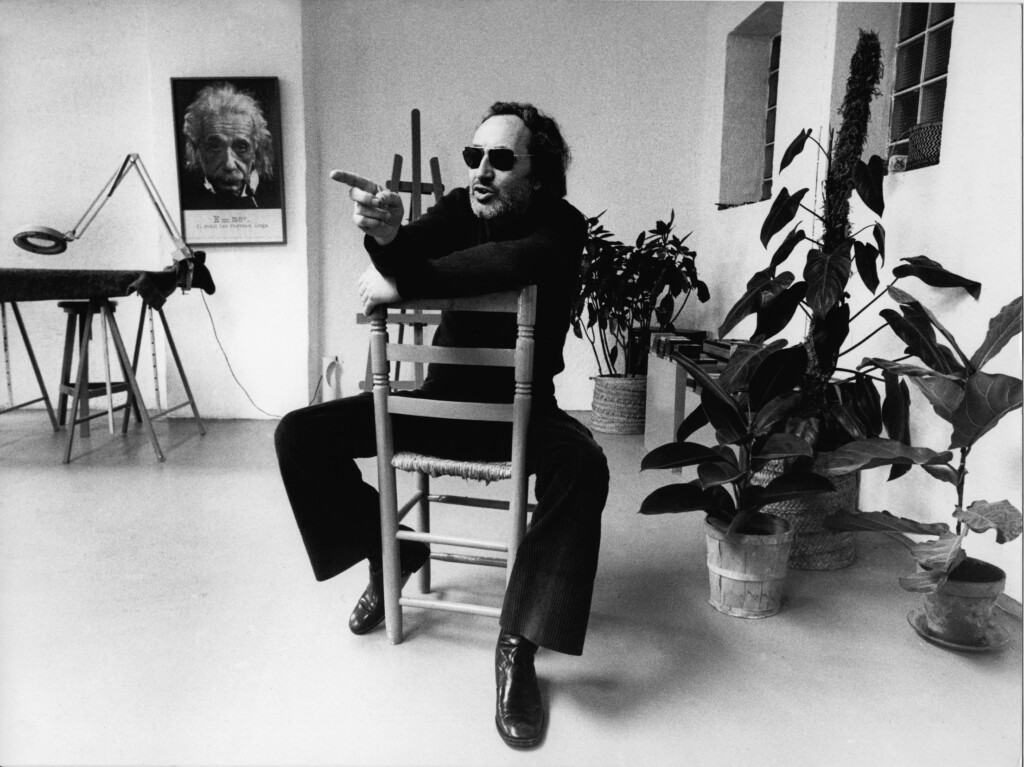
Ponç’s diaries provide a crucial entry point into this shift. Brazil appears in them as a space that alters his perception at a fundamental level: “Man in Brazil is closer to nature than the European, formed through books and concepts…” (Ponç, diary, c. 1950s). This observation introduces an ongoing tension between a culture structured by conceptual frameworks and a more immediate, sensorial engagement with the world, a tension that runs through his work and redefines his approach to form.
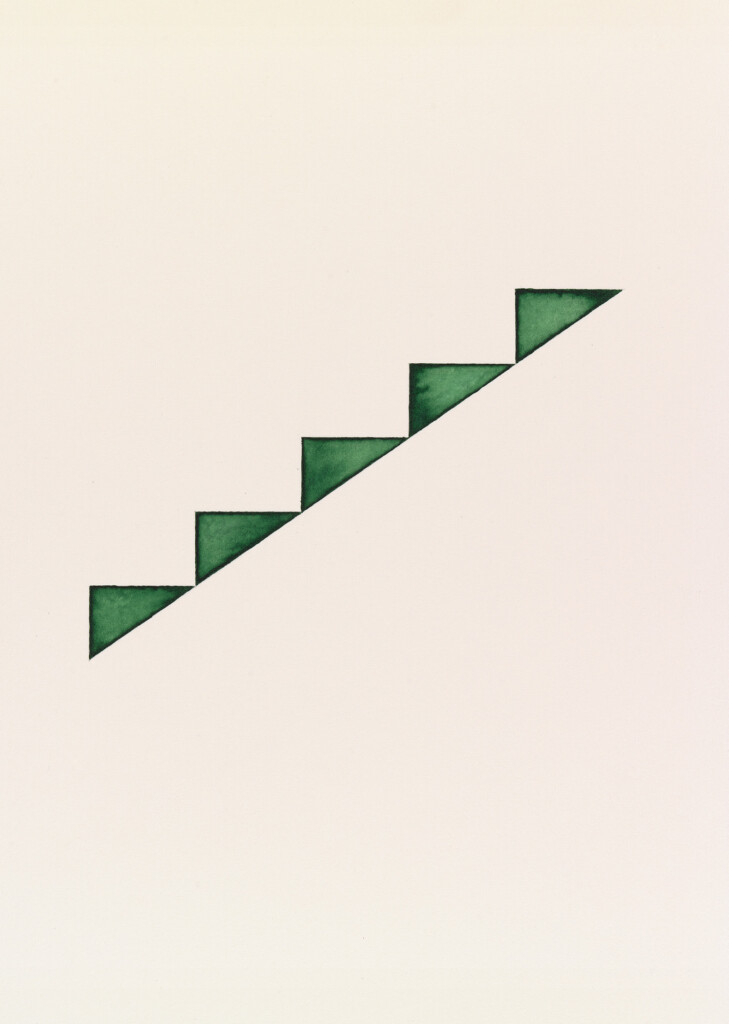
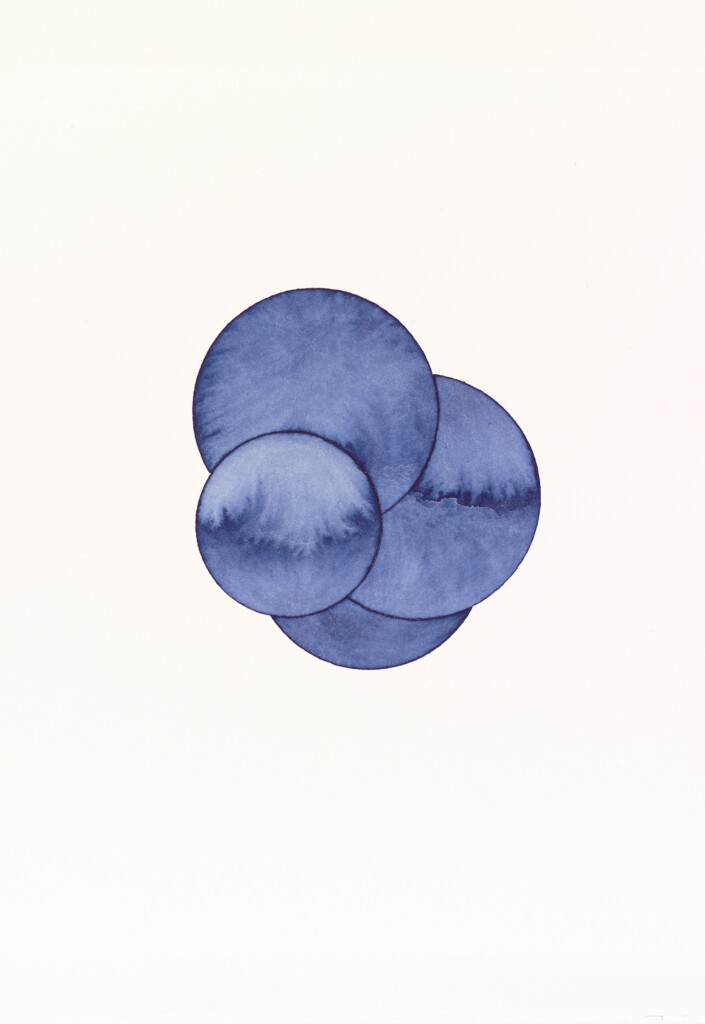
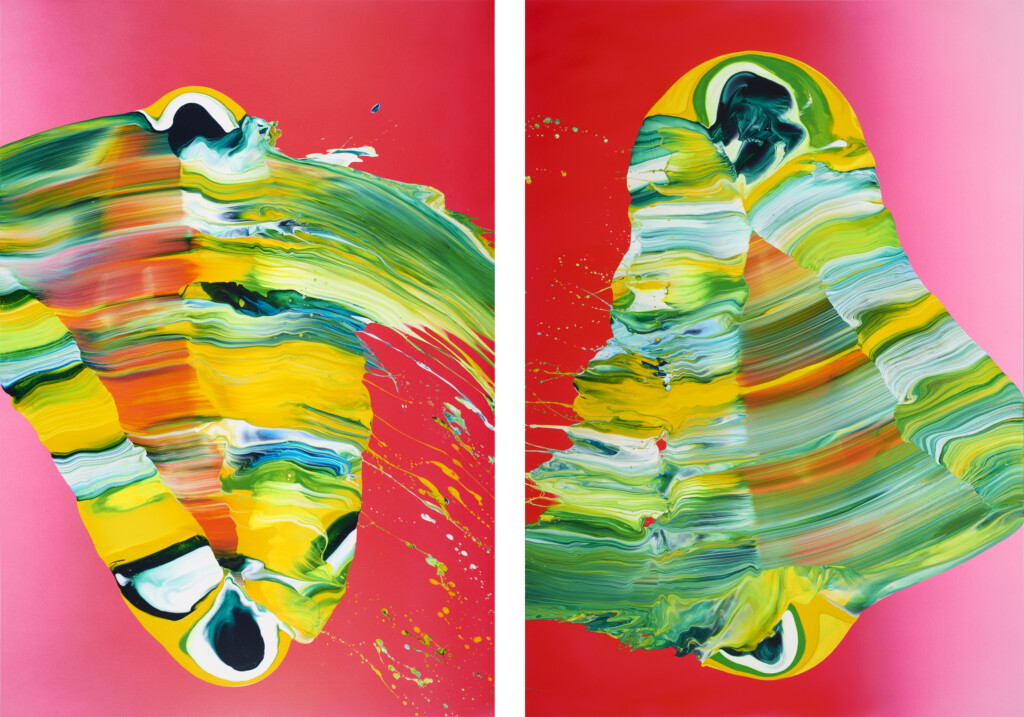
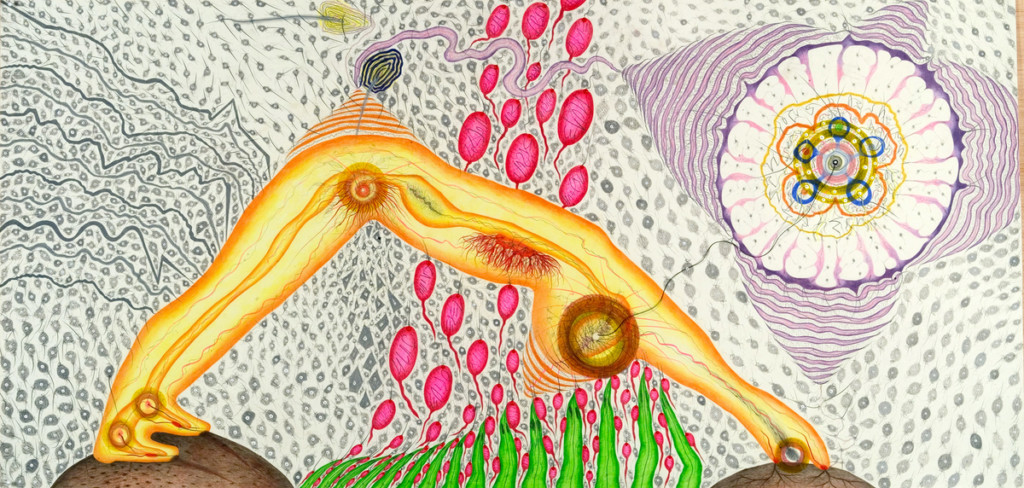
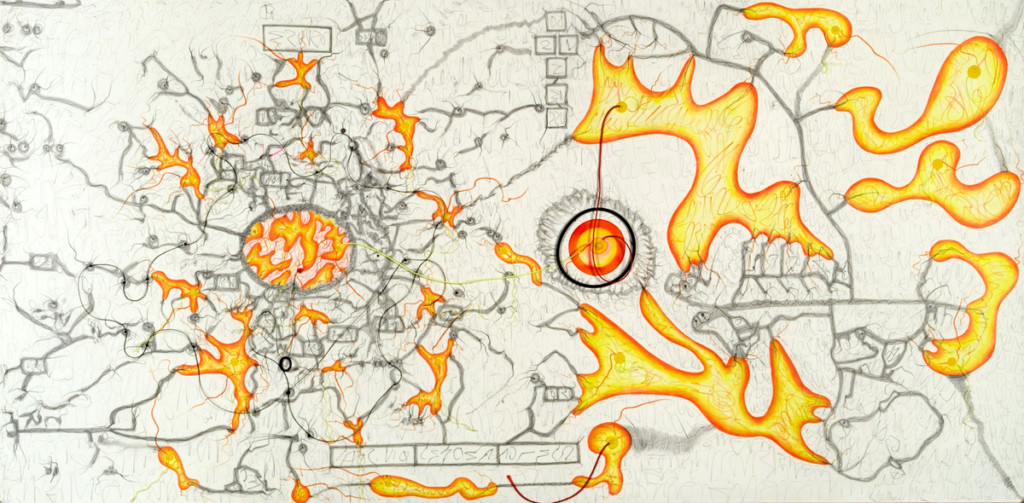
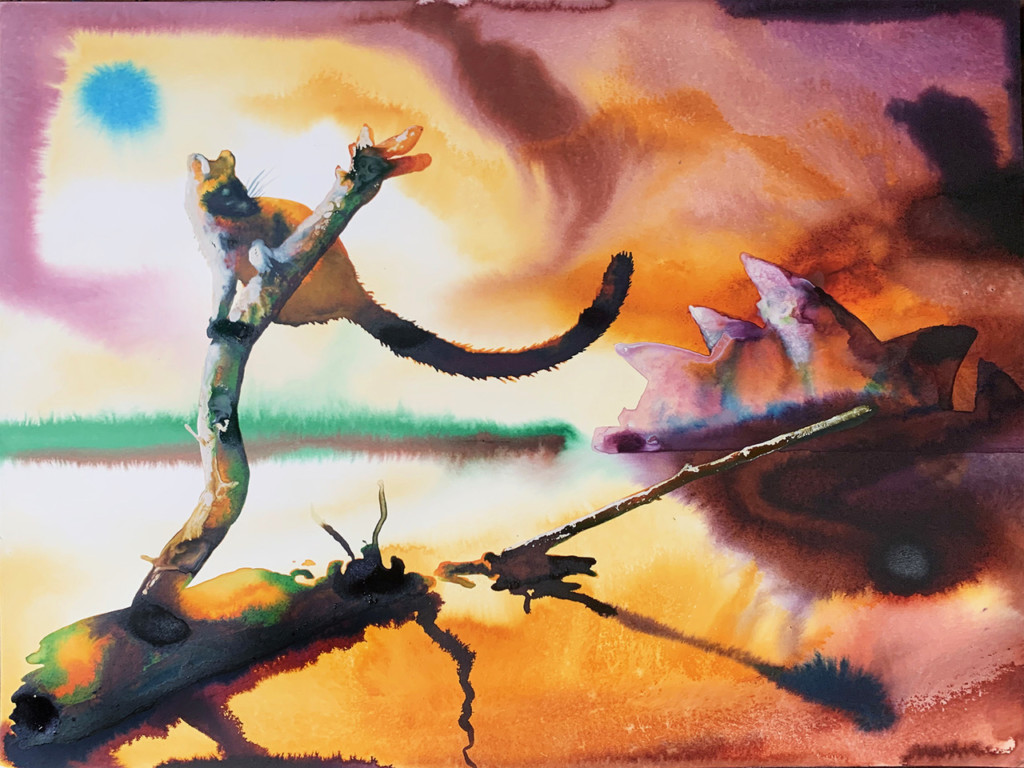
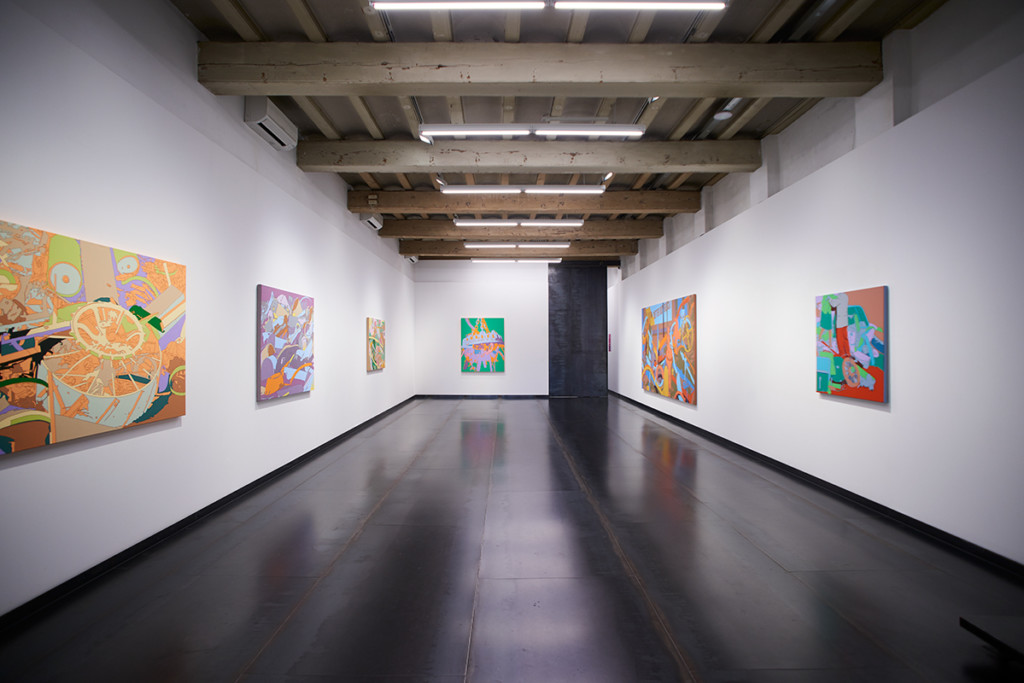
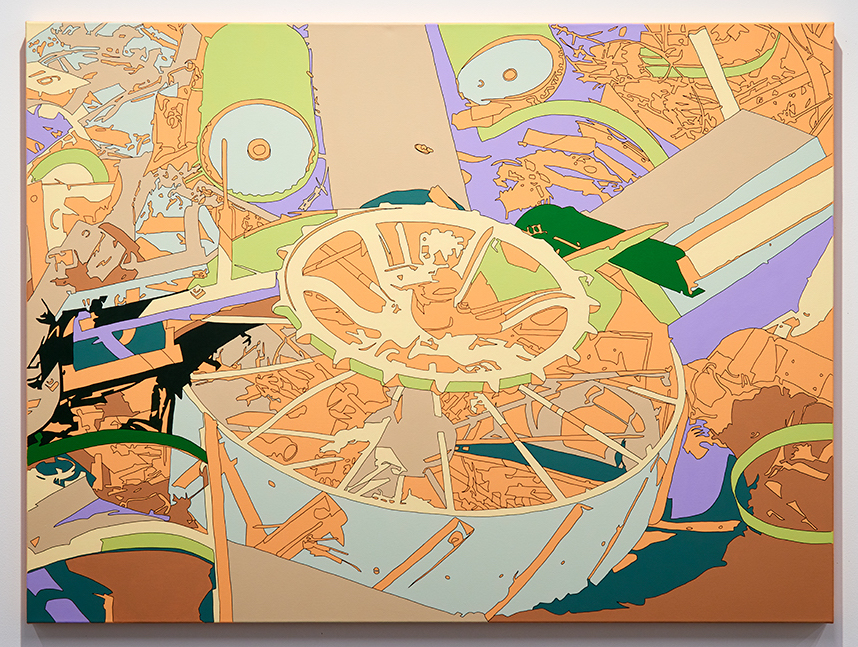
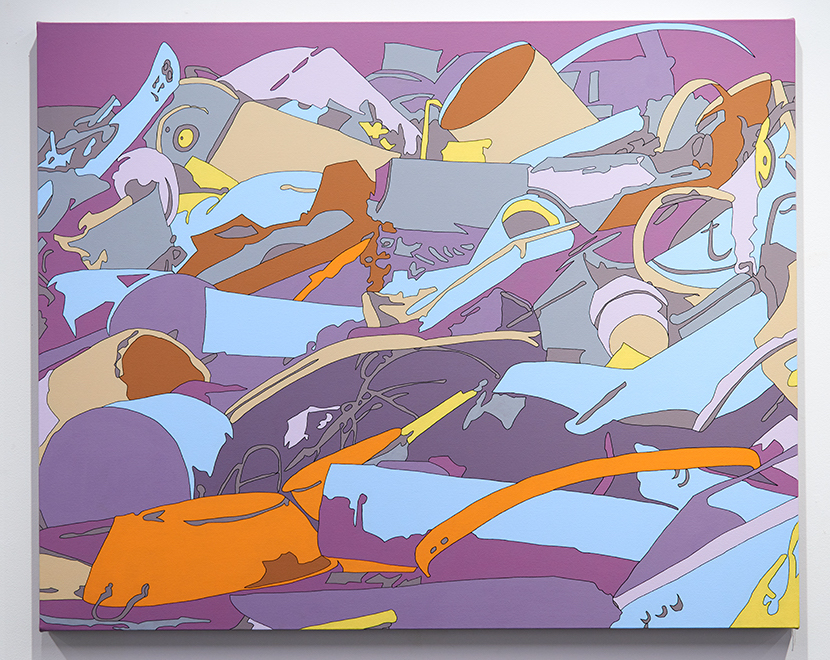
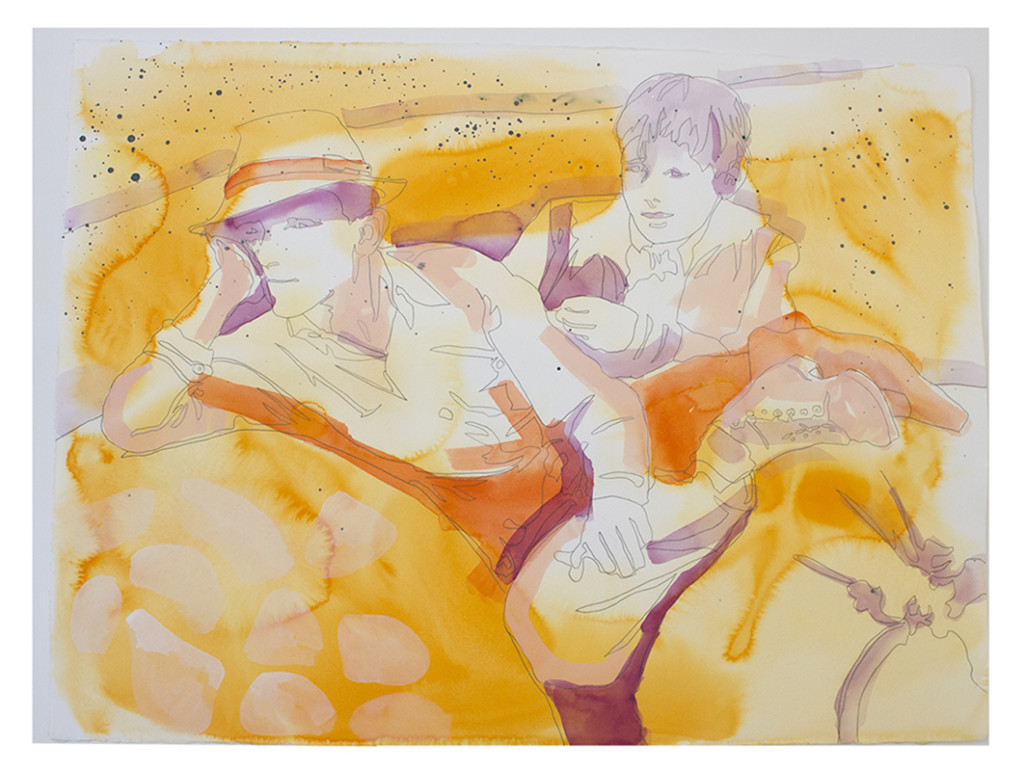
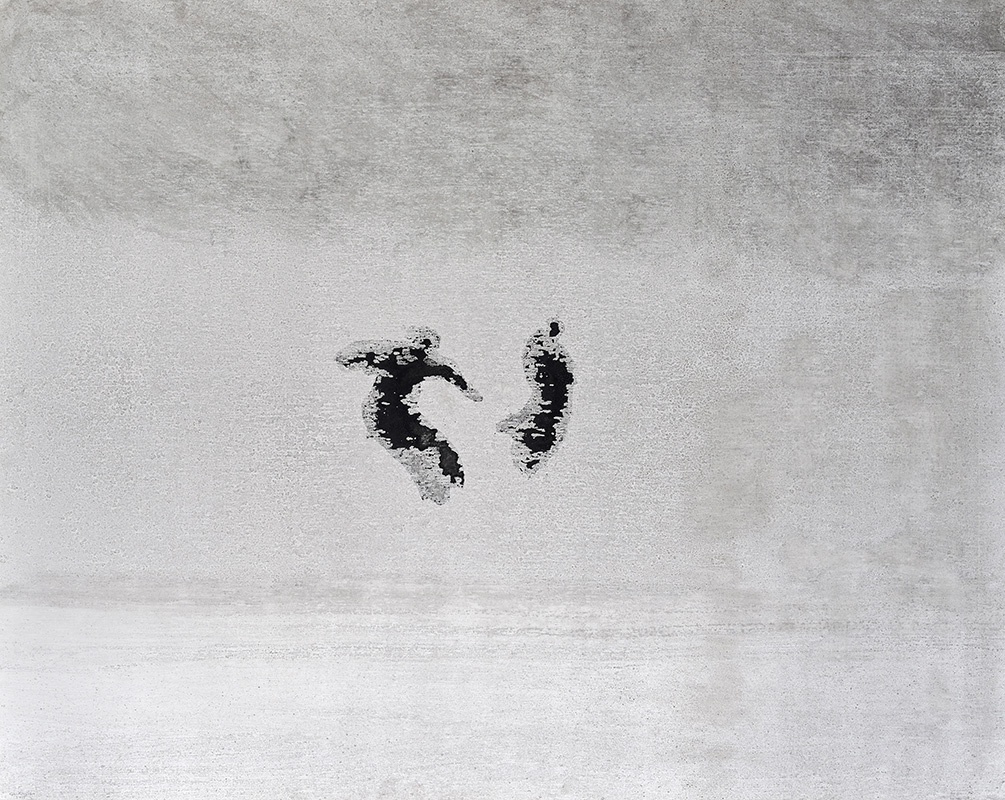
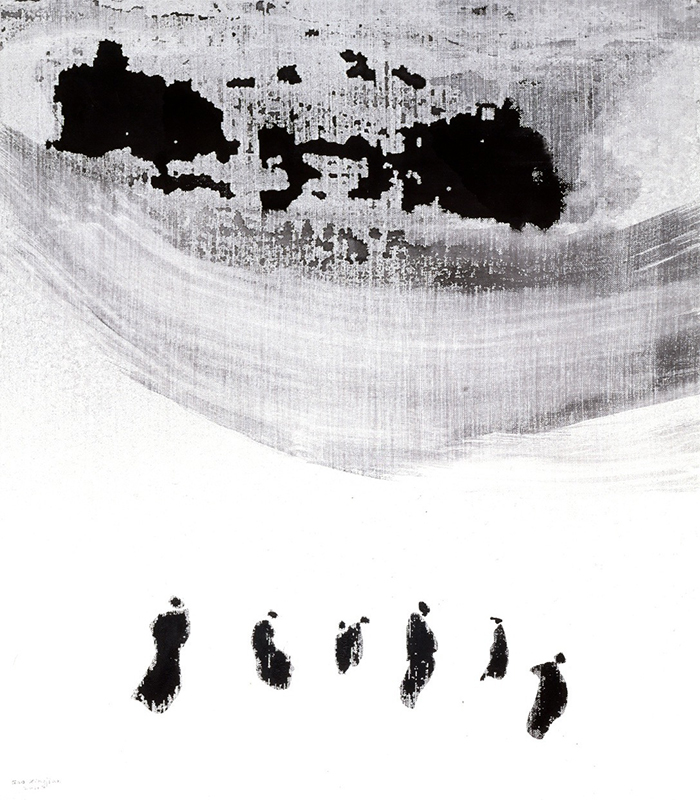
During these years, the image moves toward a condition of openness, where stability gives way to an organization based on internal relations, rhythms, and densities. In works from the Suite Presència series, this becomes particularly evident: the surface is activated through repetition, accumulation, and the construction of patterns that generate a sustained vibration. Concentric circles, dotted structures, and modular forms operate as perceptual devices, guiding the viewer into an expanded state of attention. The image unfolds as a field of tension, in which no element remains fixed.
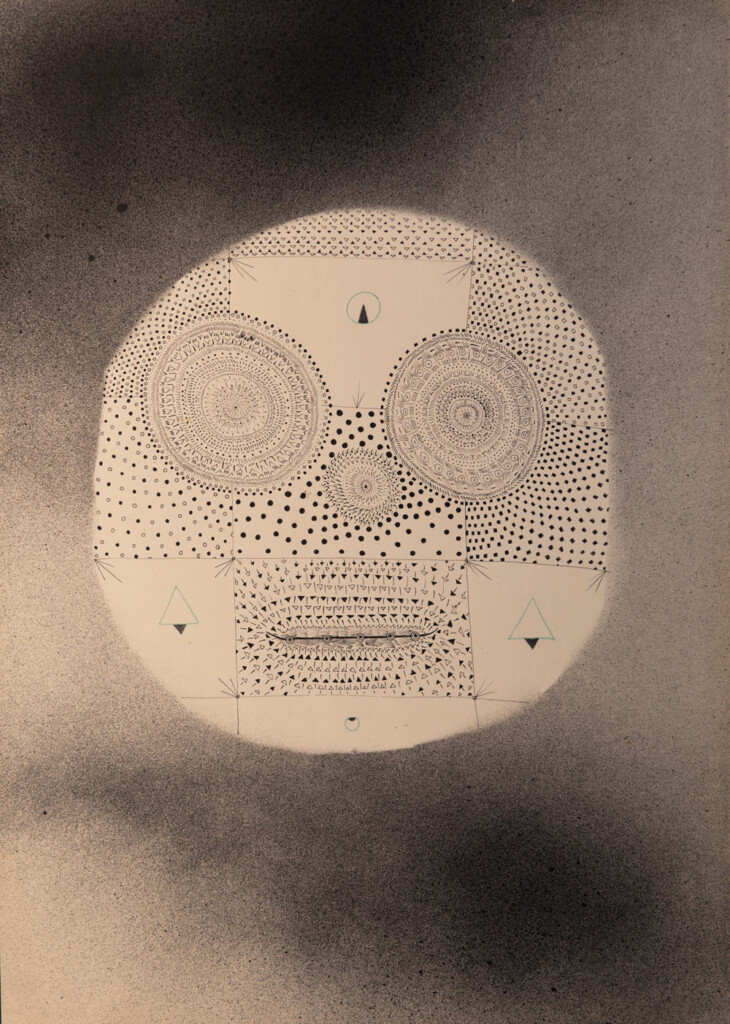
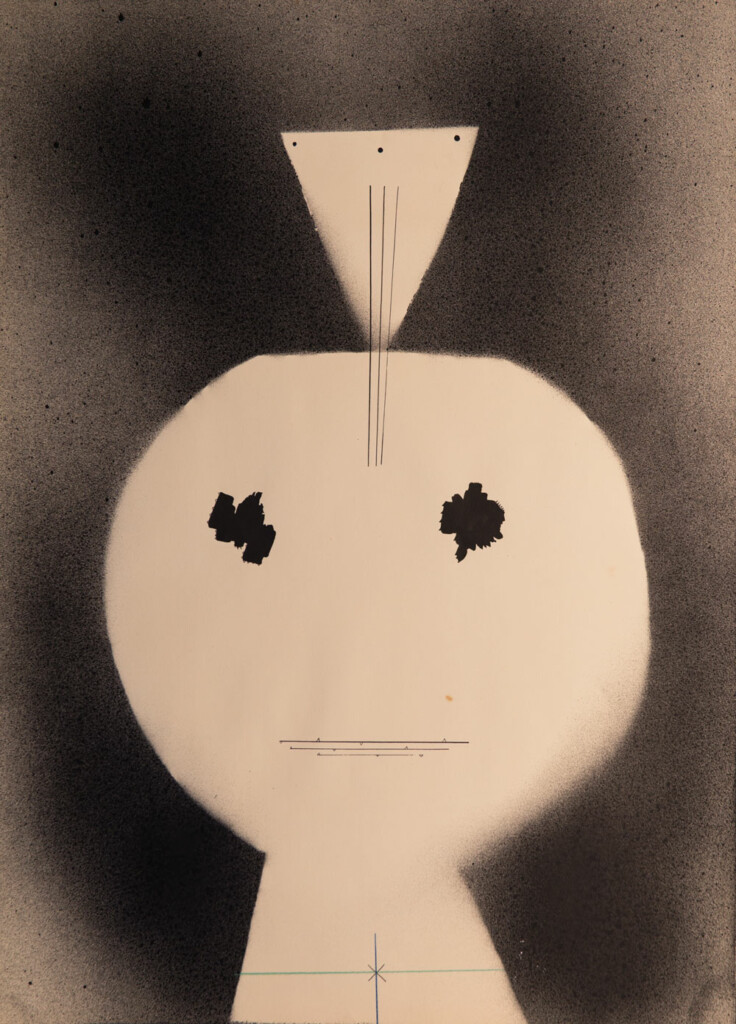
In contrast, Suite Meses introduces a distinct modulation of this logic, where time emerges as an underlying structure of the image. The compositions unfold in sequences that suggest cycles, variation, and recurrence, activating a reading based on duration rather than immediacy. Repetition here is inseparable from transformation, and each iteration introduces a subtle displacement. The image is no longer only a vibrating surface, but a system unfolding through intervals, structured by rhythm over time.
Margaret dos Santos’ assertion that “the work of this period does not seek to stabilize the image, but to intensify its vibration” (dos Santos, n.d.) finds a complementary expression in these two series: while Suite Presència concentrates vibration on the surface, Suite Meses expands it into a temporal dimension, where rhythm becomes the primary organizing principle.
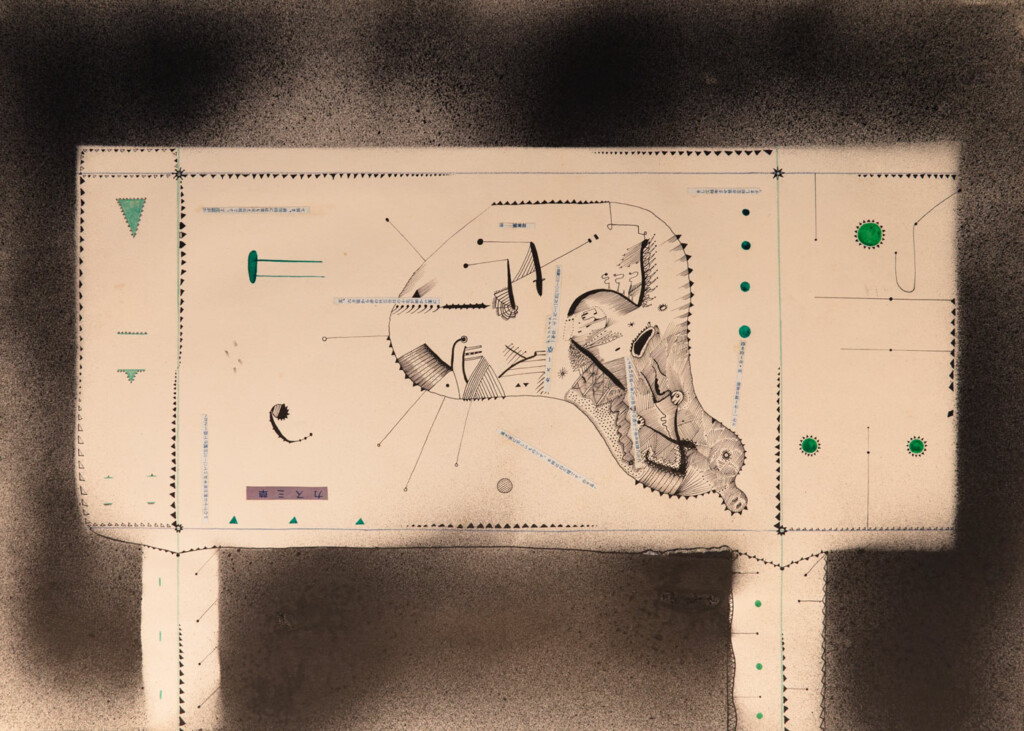
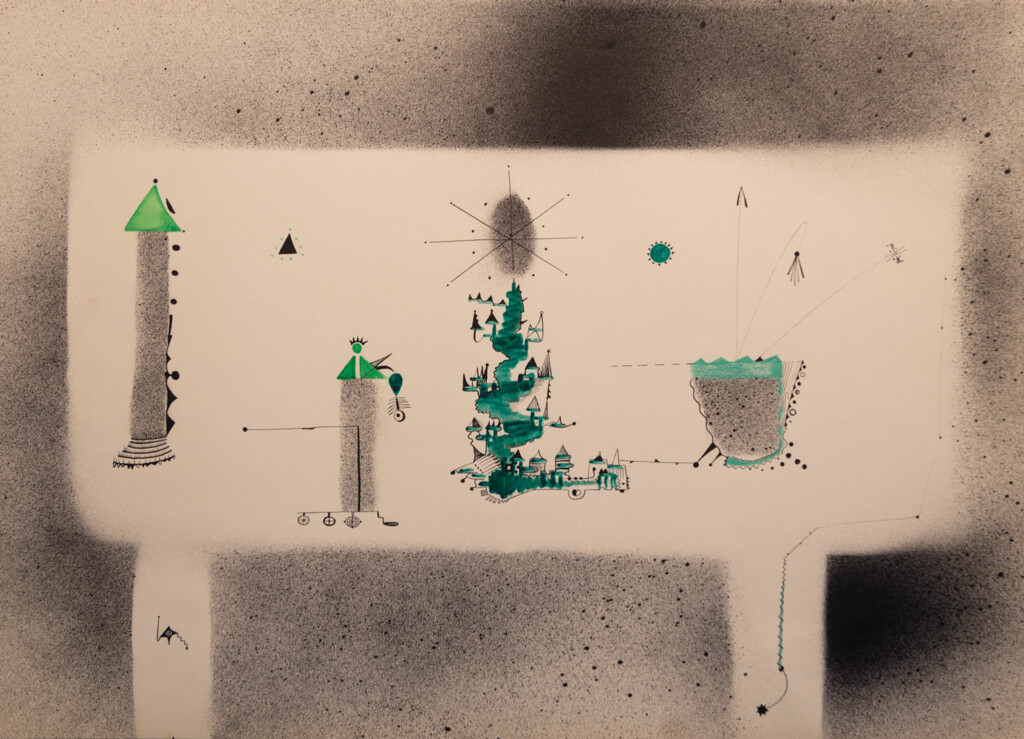
This transformation is also linked to a growing spiritual dimension, particularly through Ponç’s engagement with Jewish thought during his time in São Paulo. The image begins to function as a threshold, a space of mediation in which the visible is articulated in relation to what remains latent. As he writes: “It is not about painting what is seen, but making visible what insists behind things” (Ponç, diary, c. 1950s).
The work produced during this period reaches a state of radical openness, shaped by both intense productivity and episodes of destruction. The works presented in this exhibition carry a particular significance, having remained for decades within private collections, largely unseen by the public, and now offering access to a less visible yet essential dimension of Ponç’s practice.
In this context, his own words offer a powerful point of approach to the consciousness that underpins this period:
«Somos olas en un mar, o navío es mi atelier. Él flota, flota sobre este mar de almas que se agitan constantemente, que se funden, se destruyen, se comprenden y se ignora, quieren permanecer, pero sólo el mar permanece (…) Antes vivía en la superficie, pero sé ahora que lo que mantiene mi navío no es lo que se ve sino lo que existe (…) no es Nada y lo es todo (…) Cuando mi brújula se desorienta, vientos me conducen…»
(Ponç, 2009, p. 41)