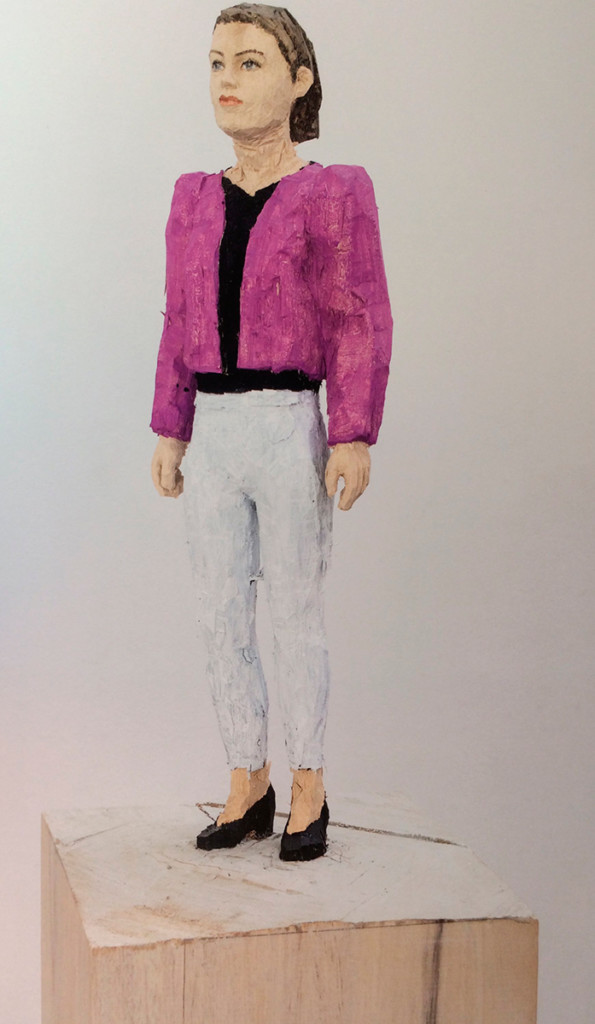
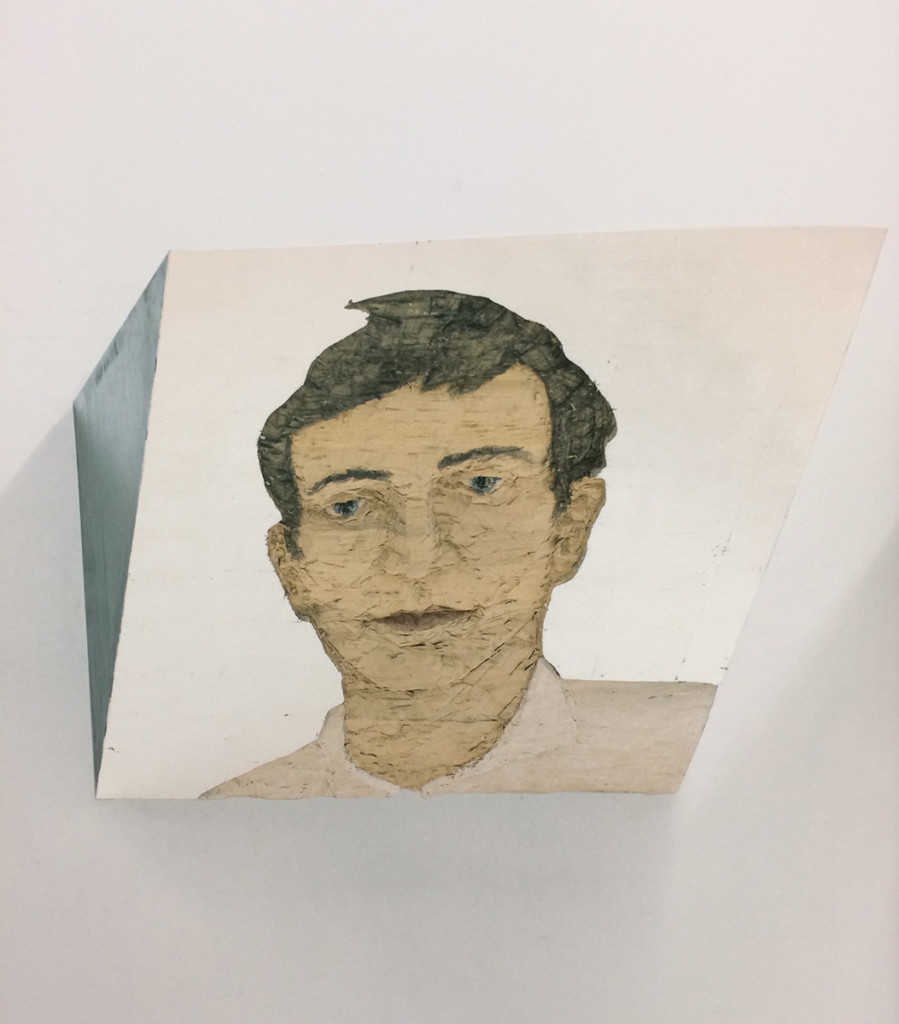
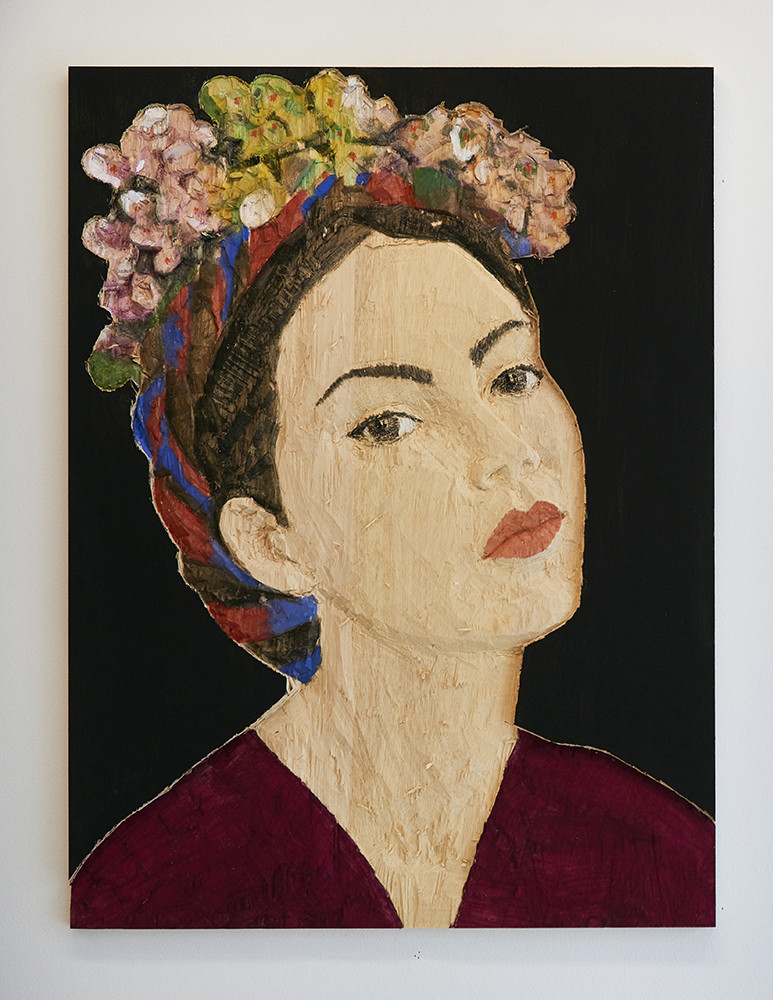
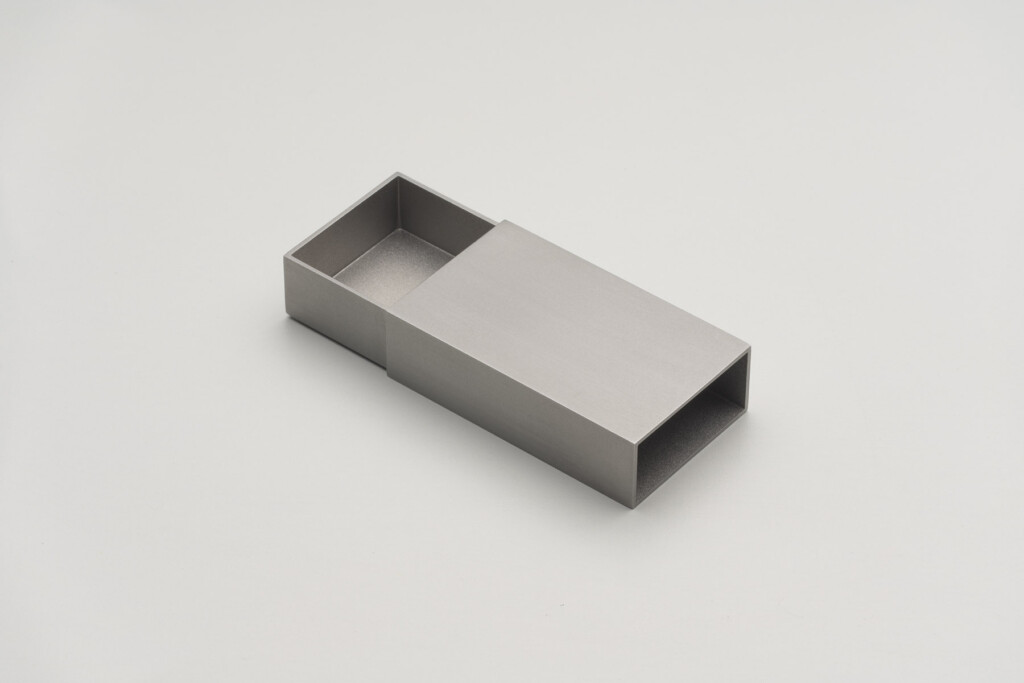
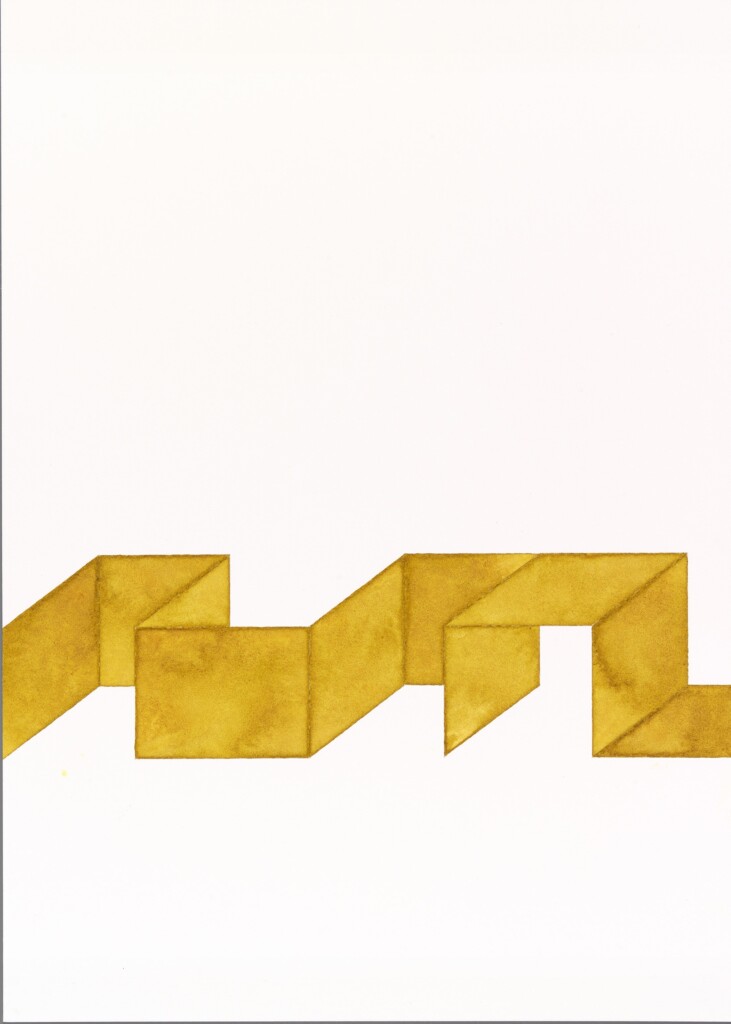
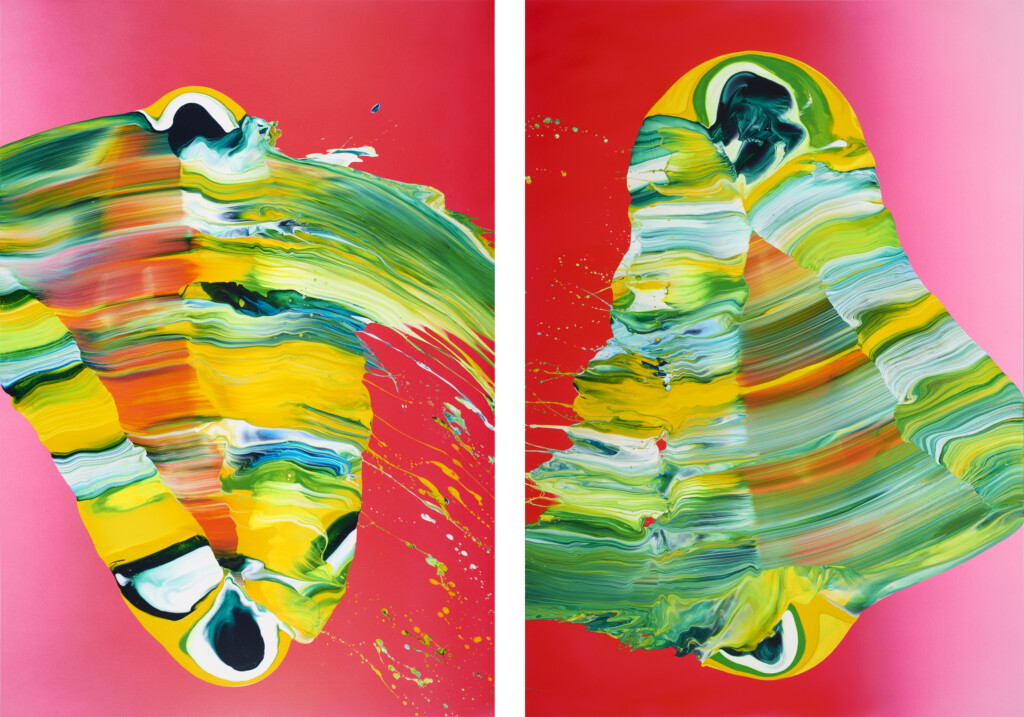
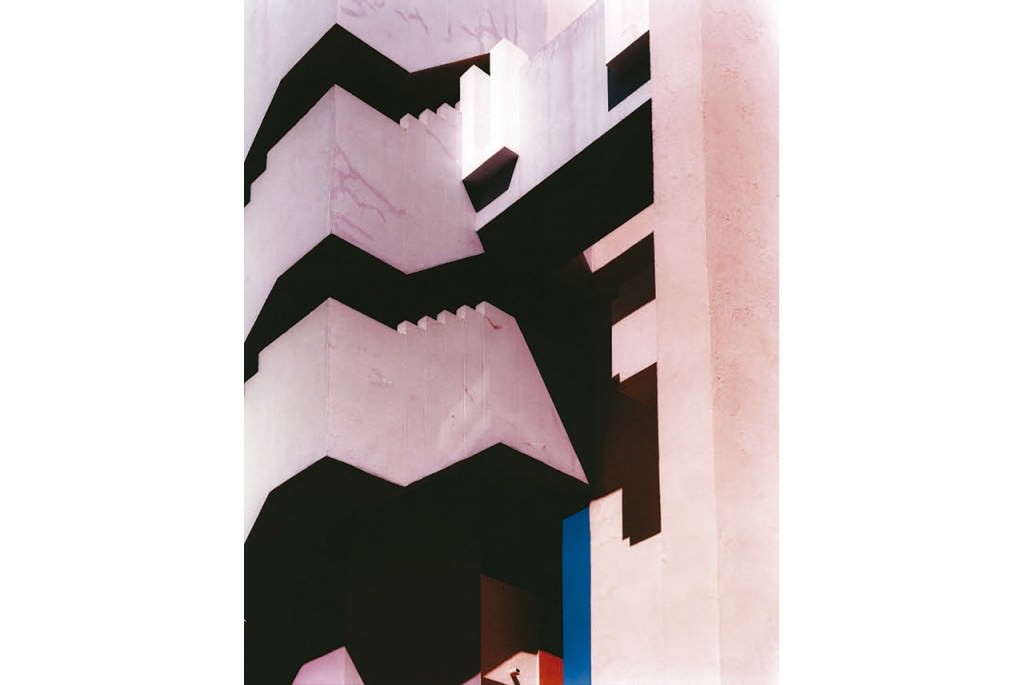
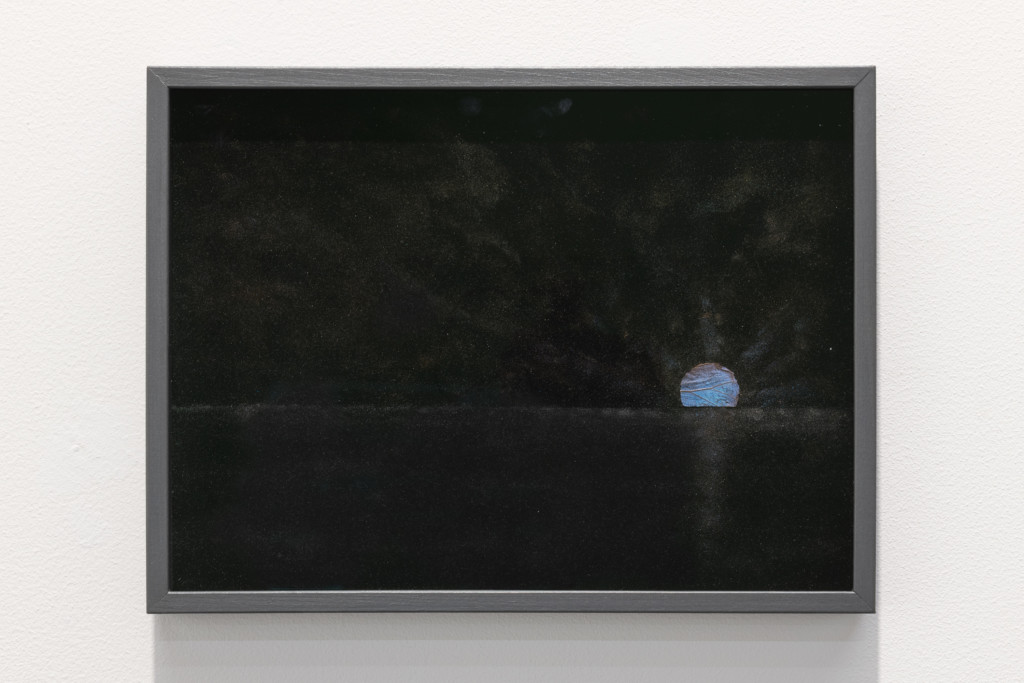
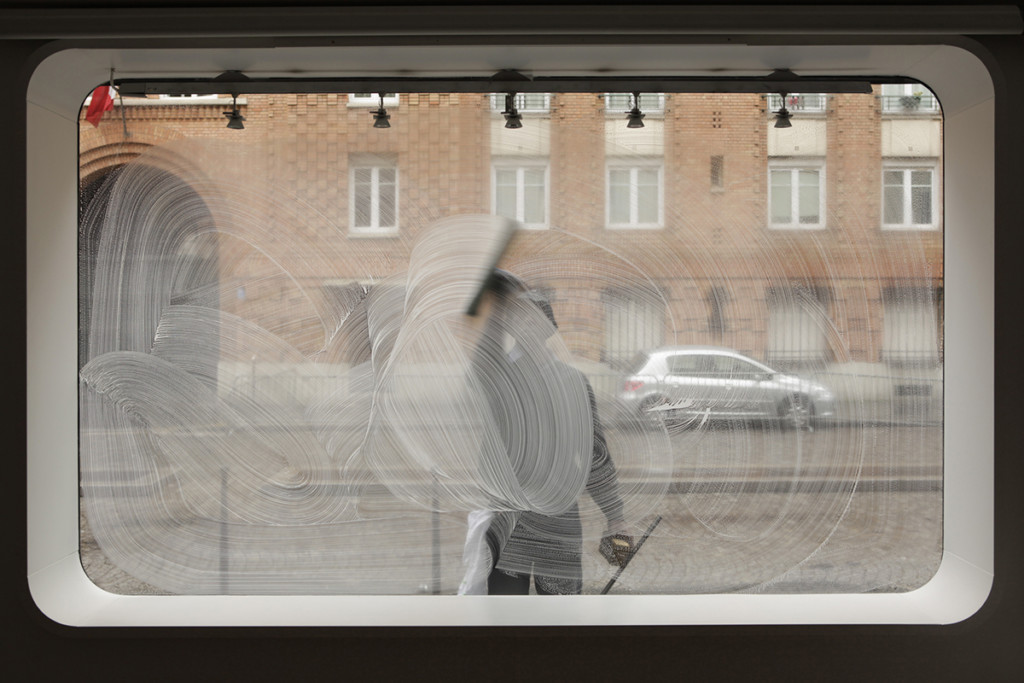
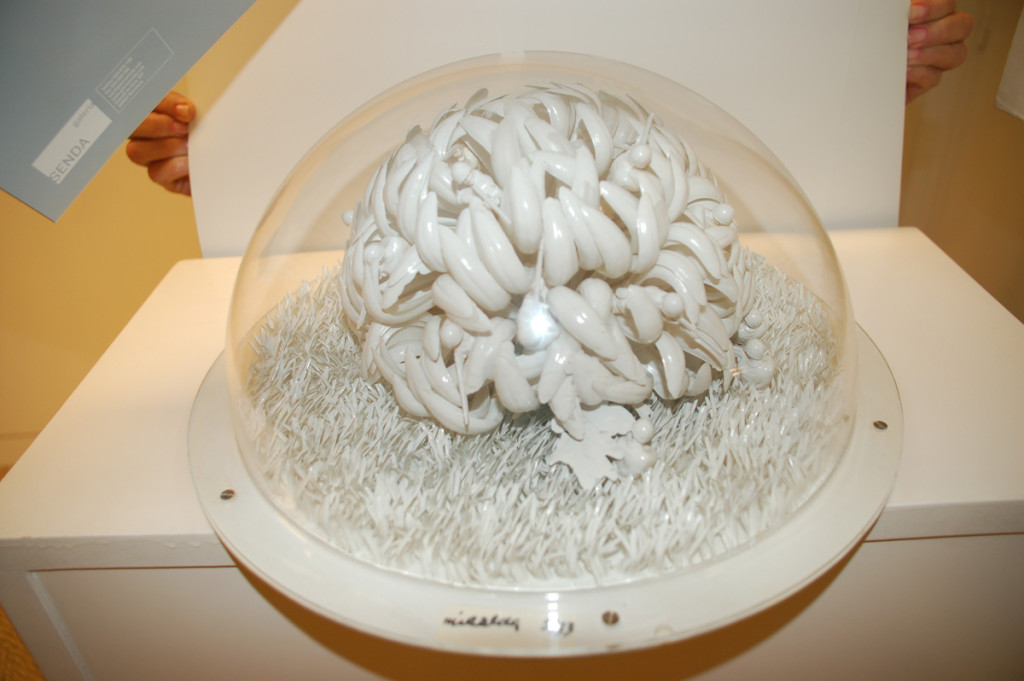
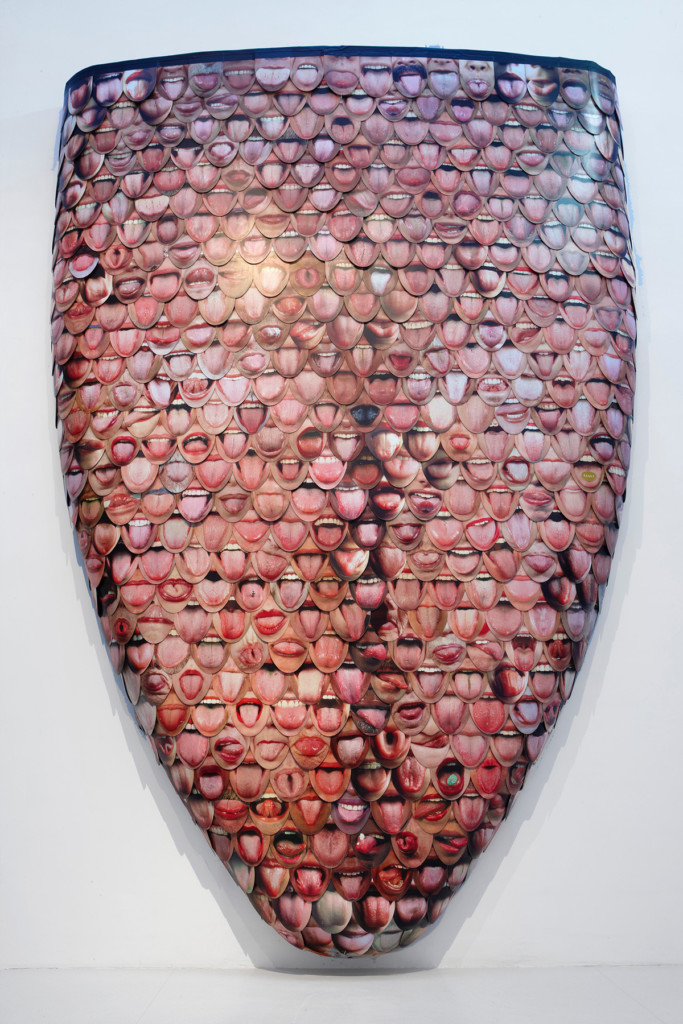
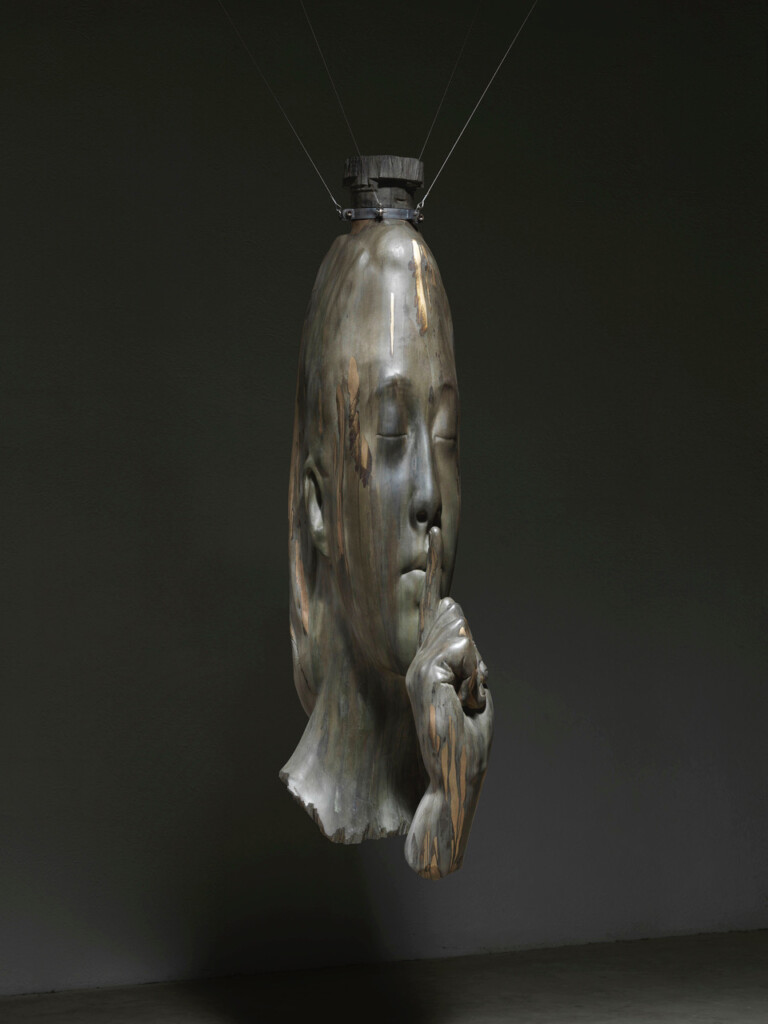
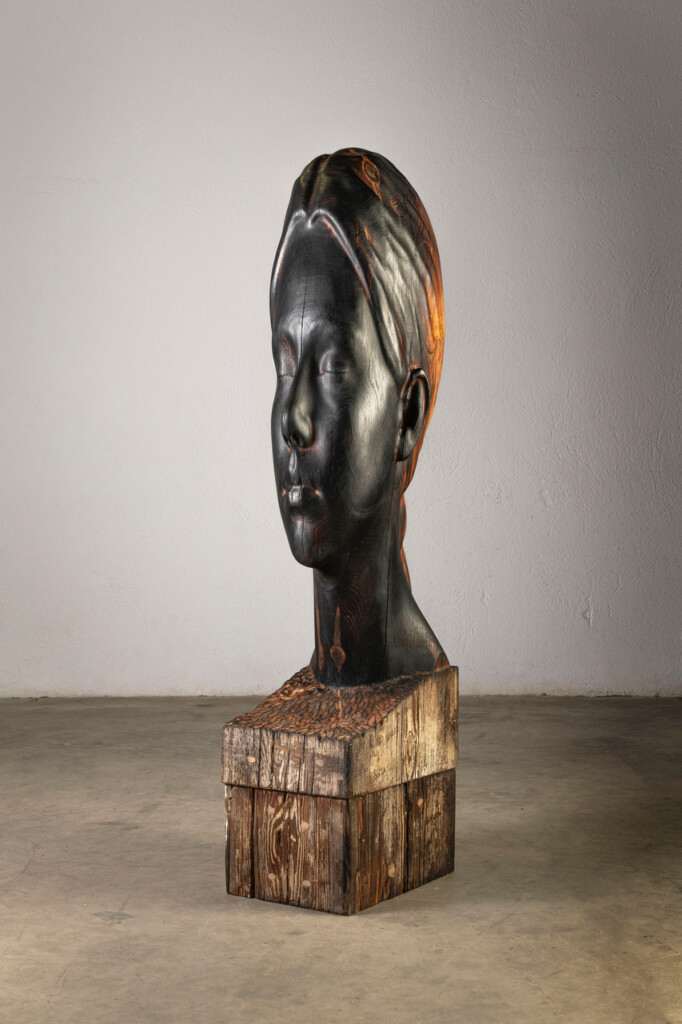
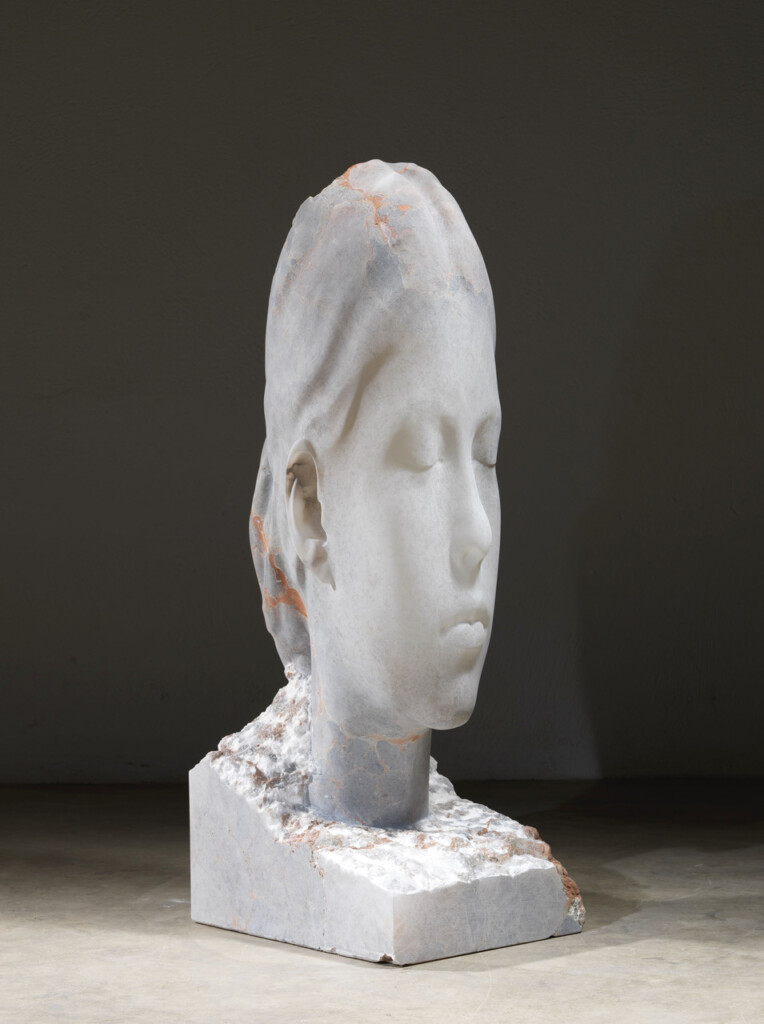
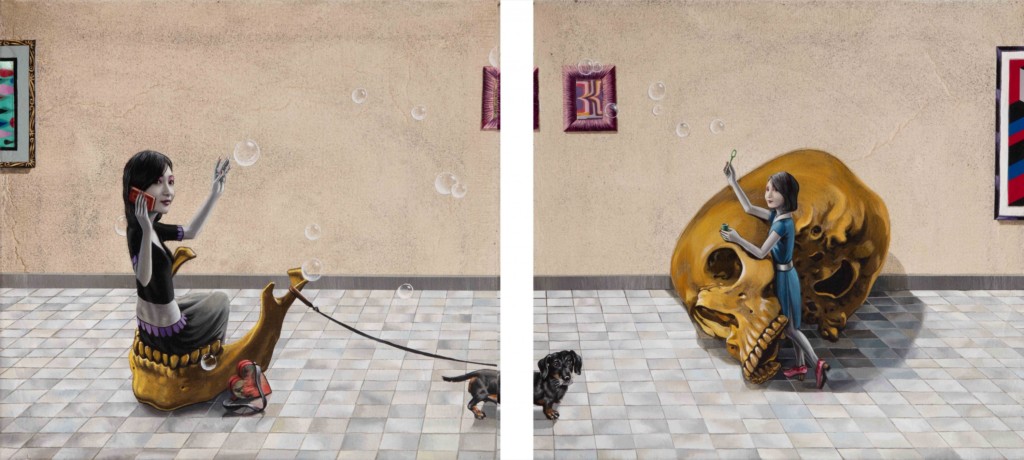
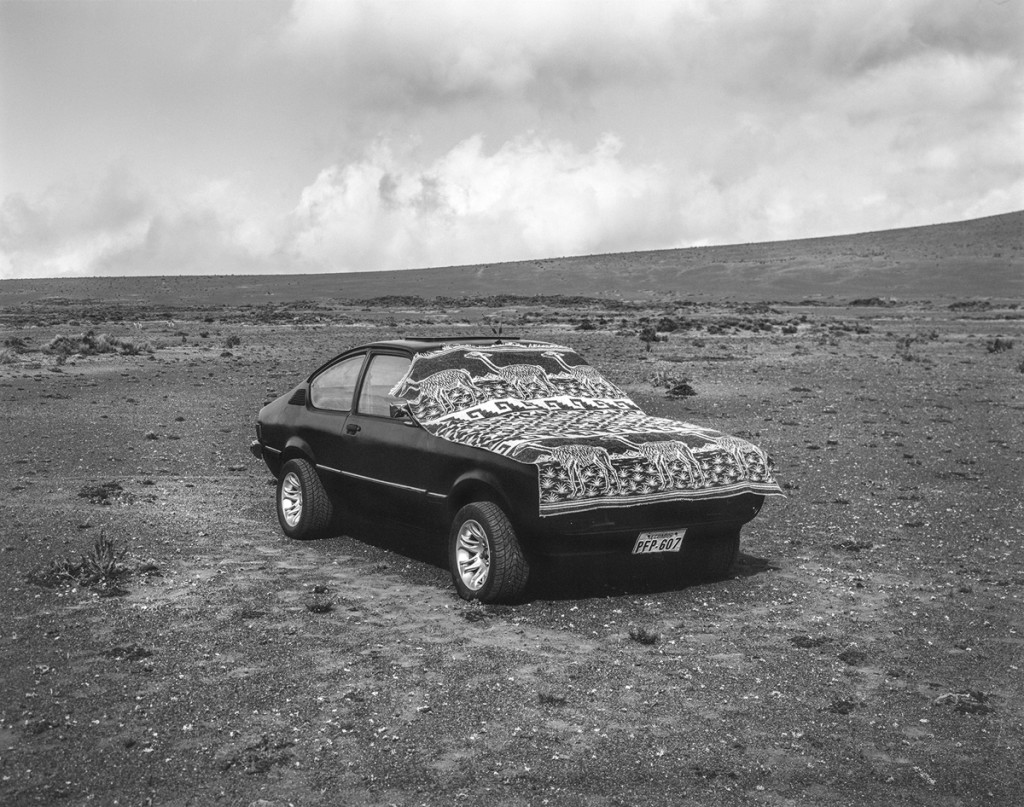
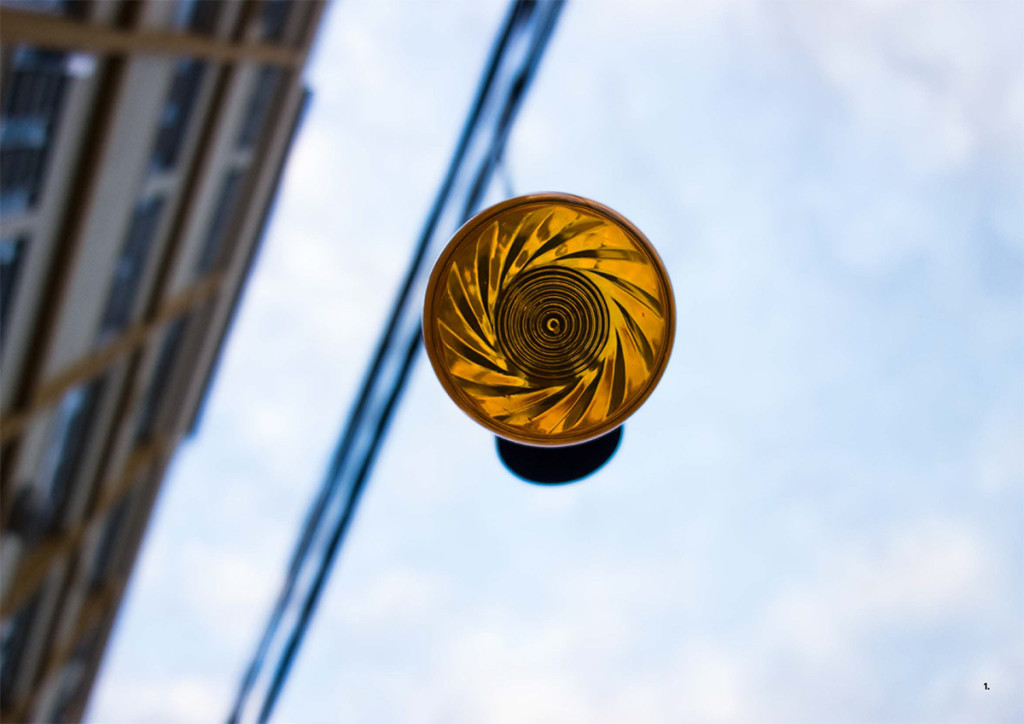
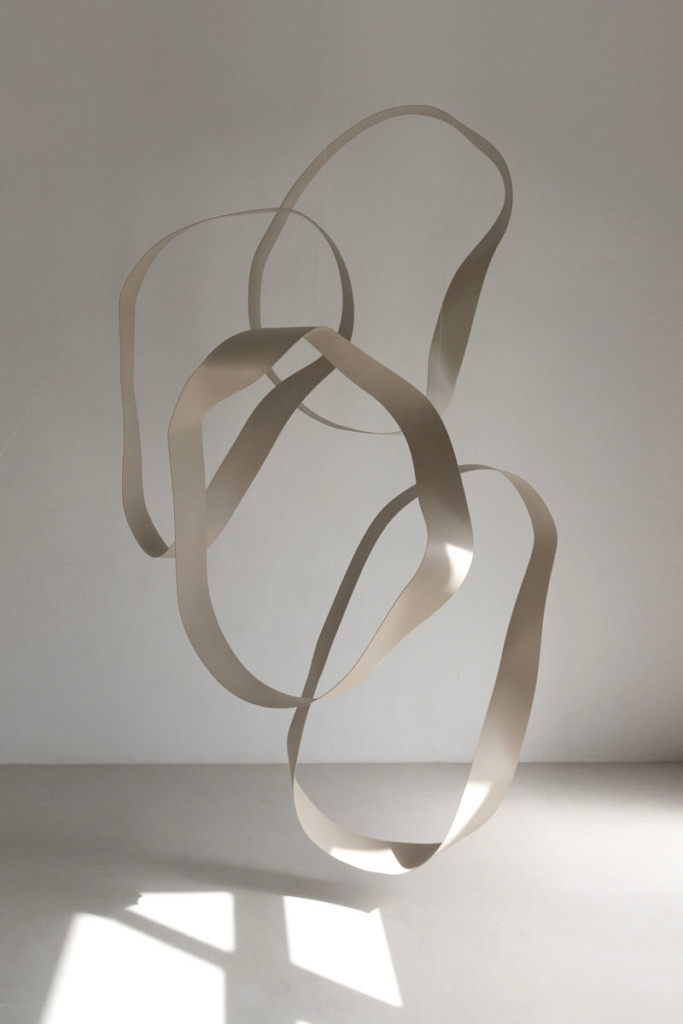
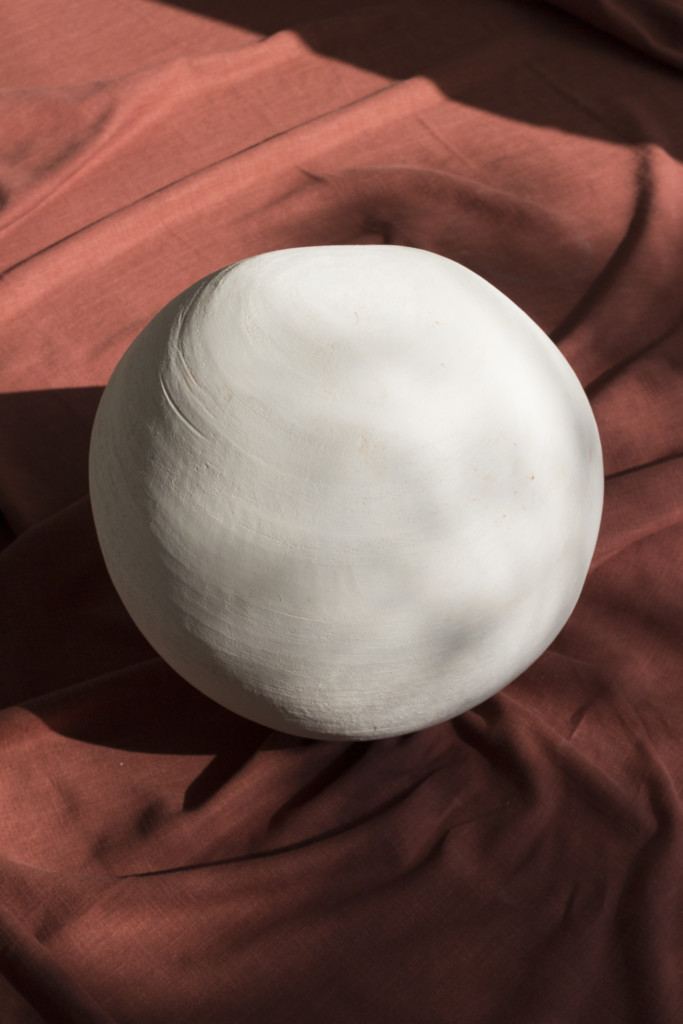
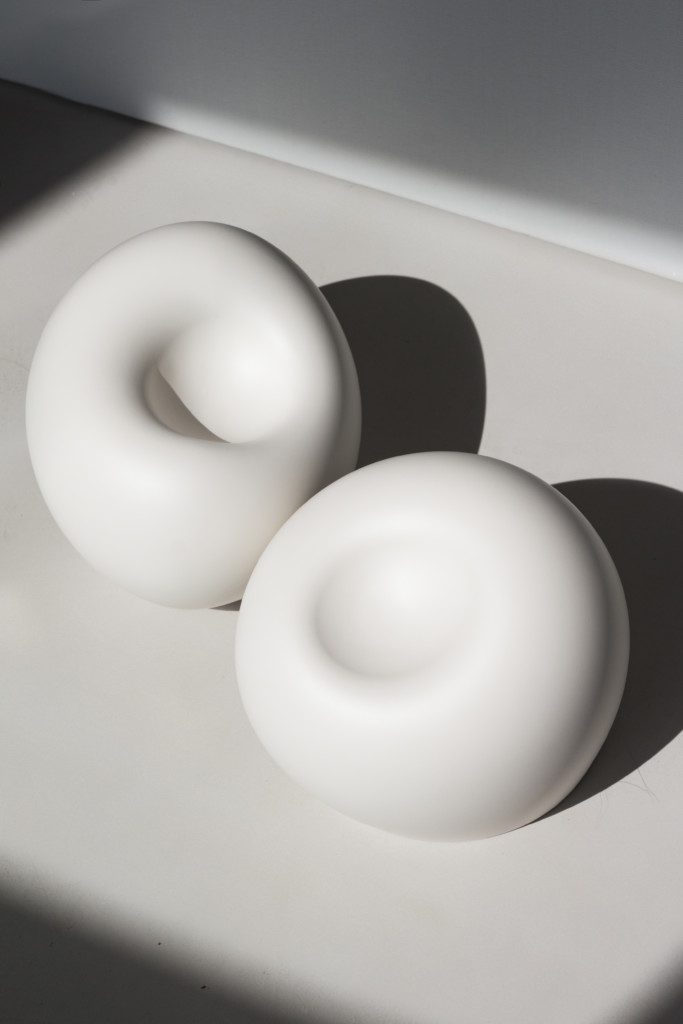
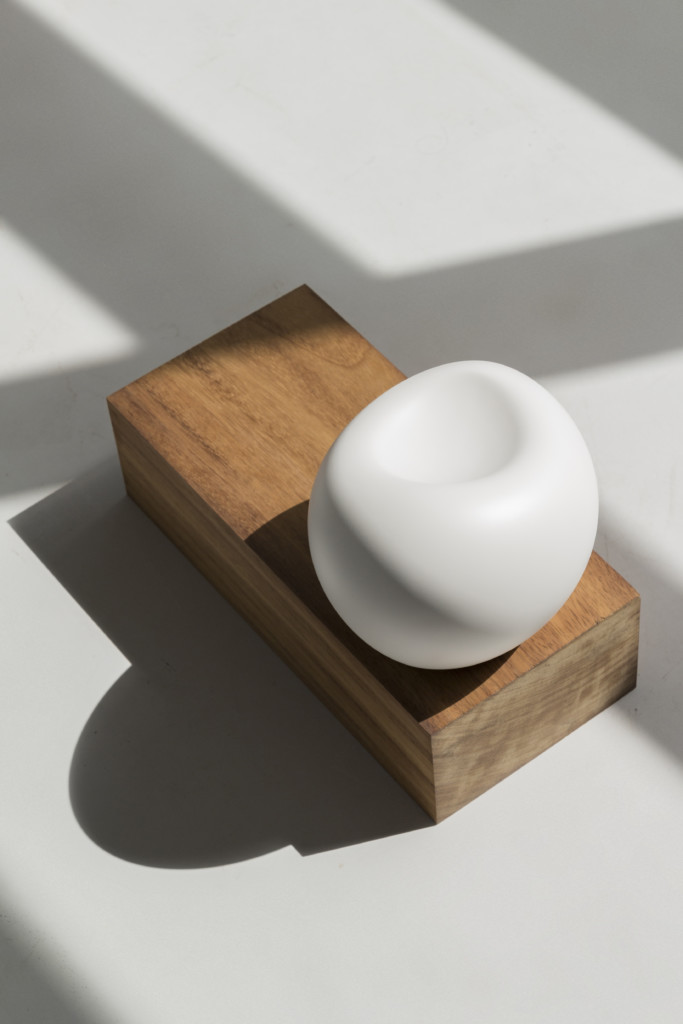
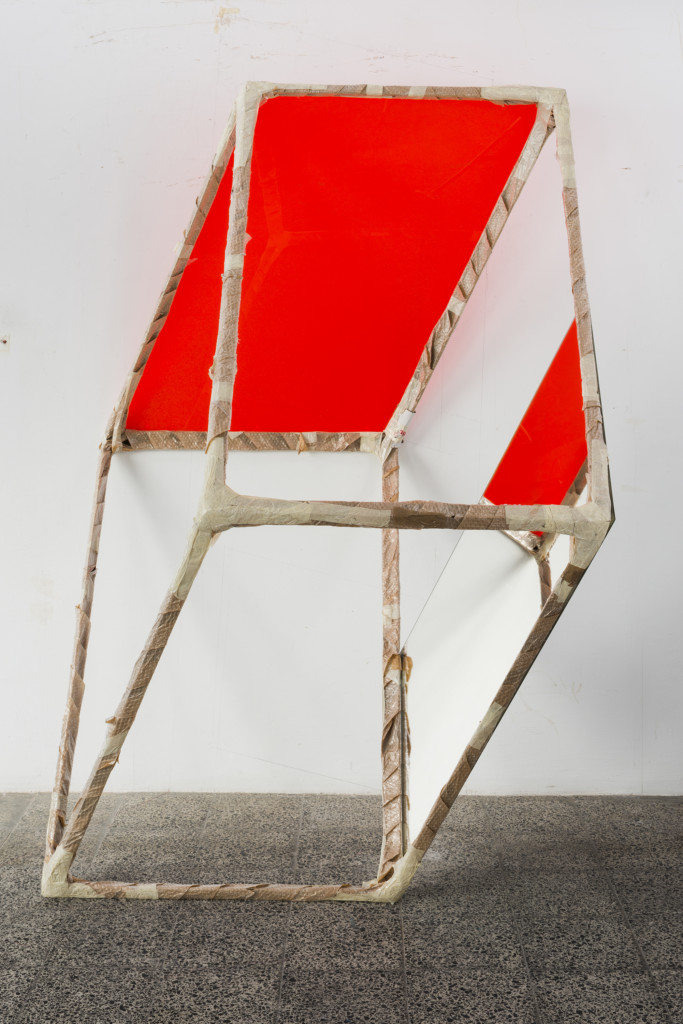
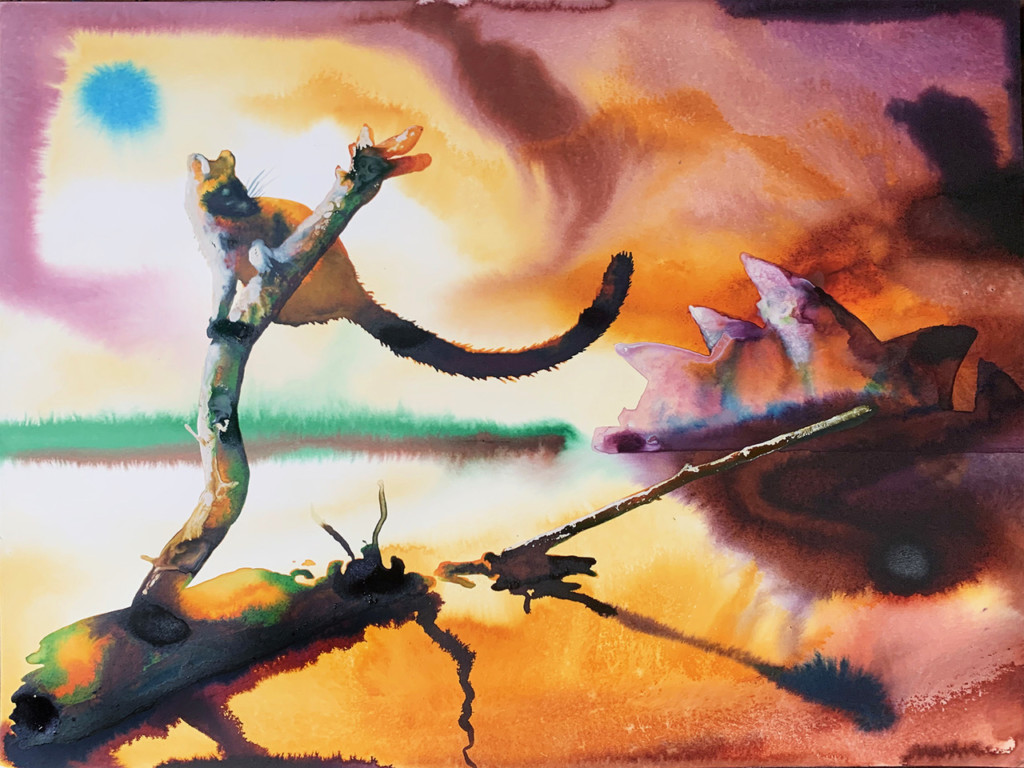
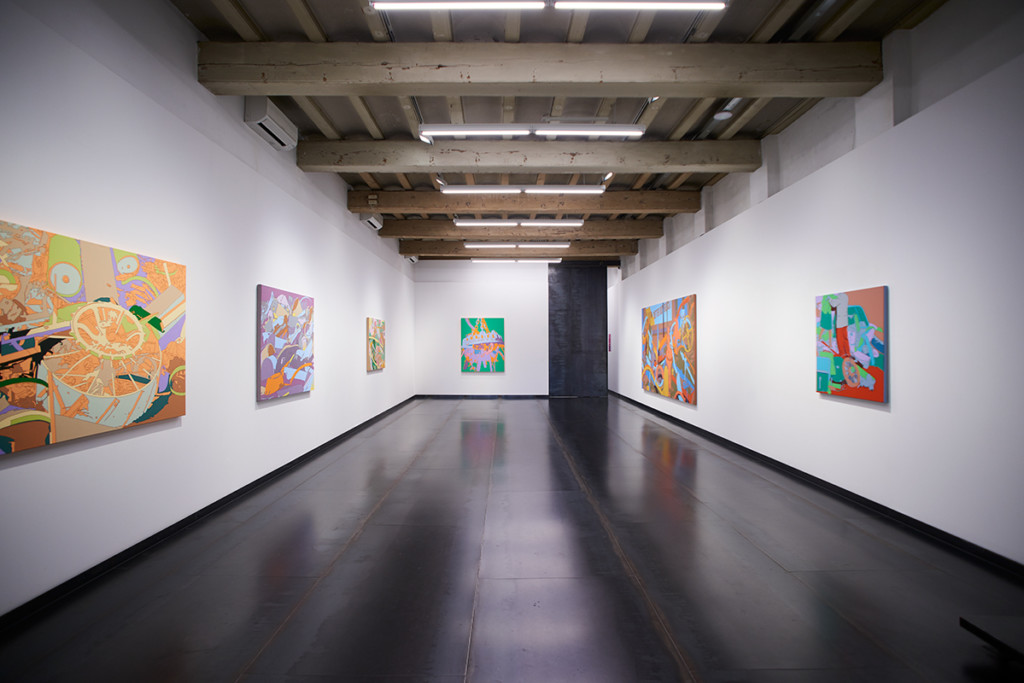
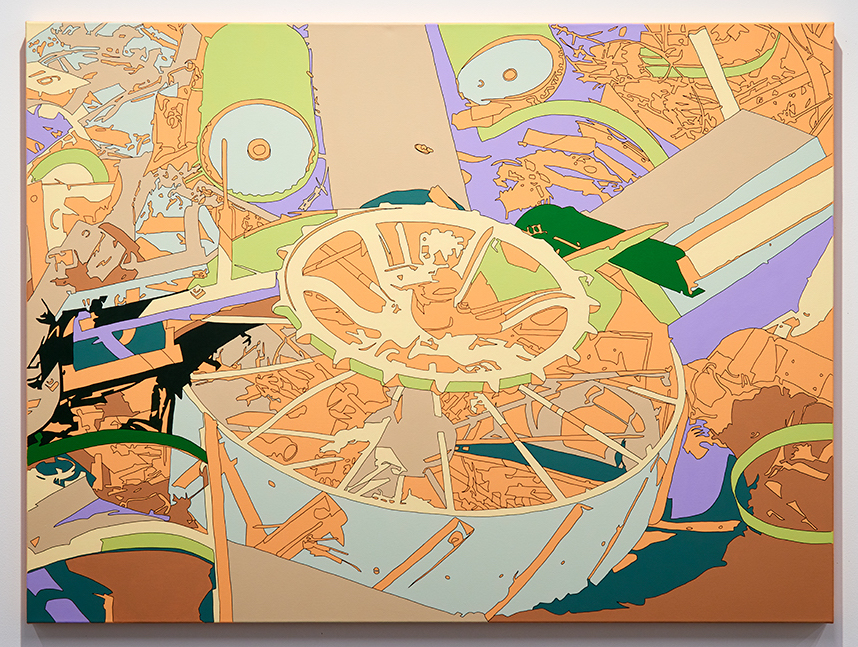
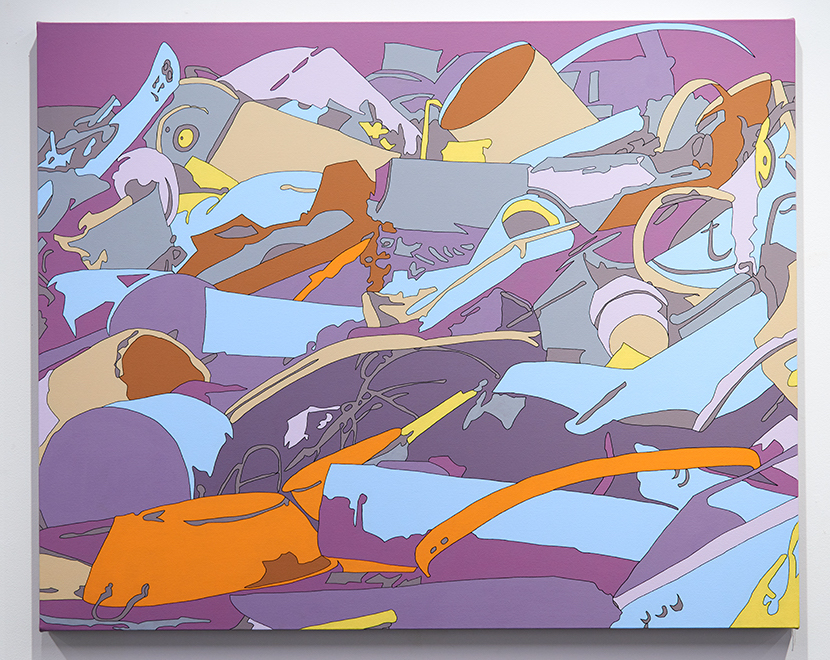
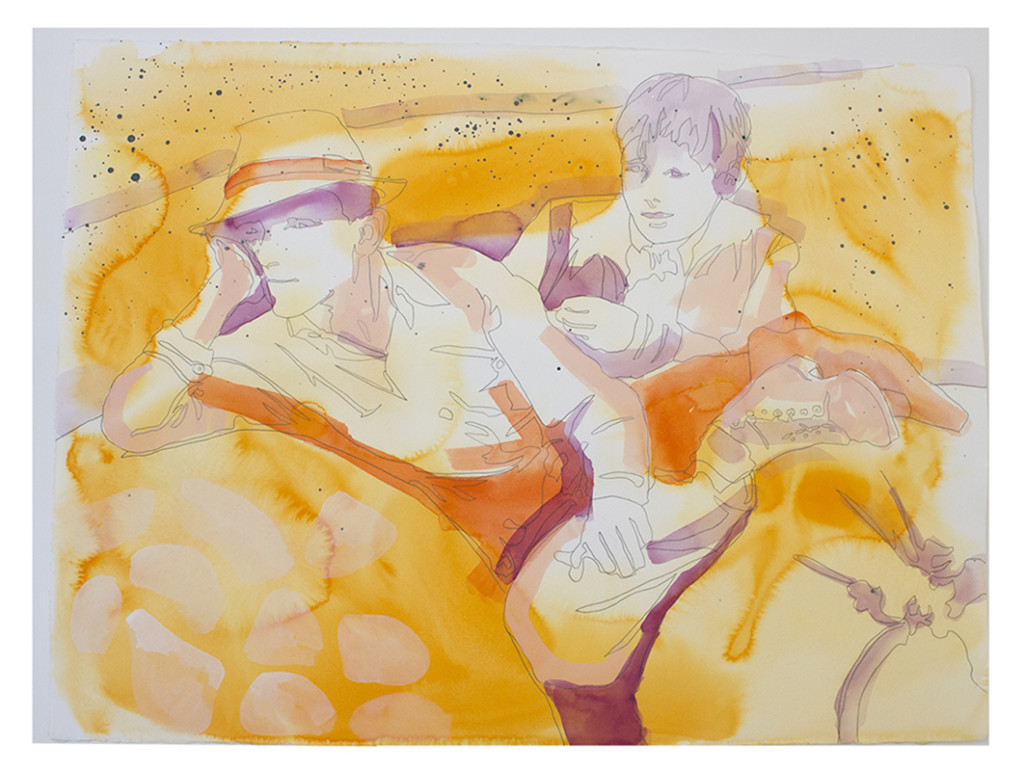
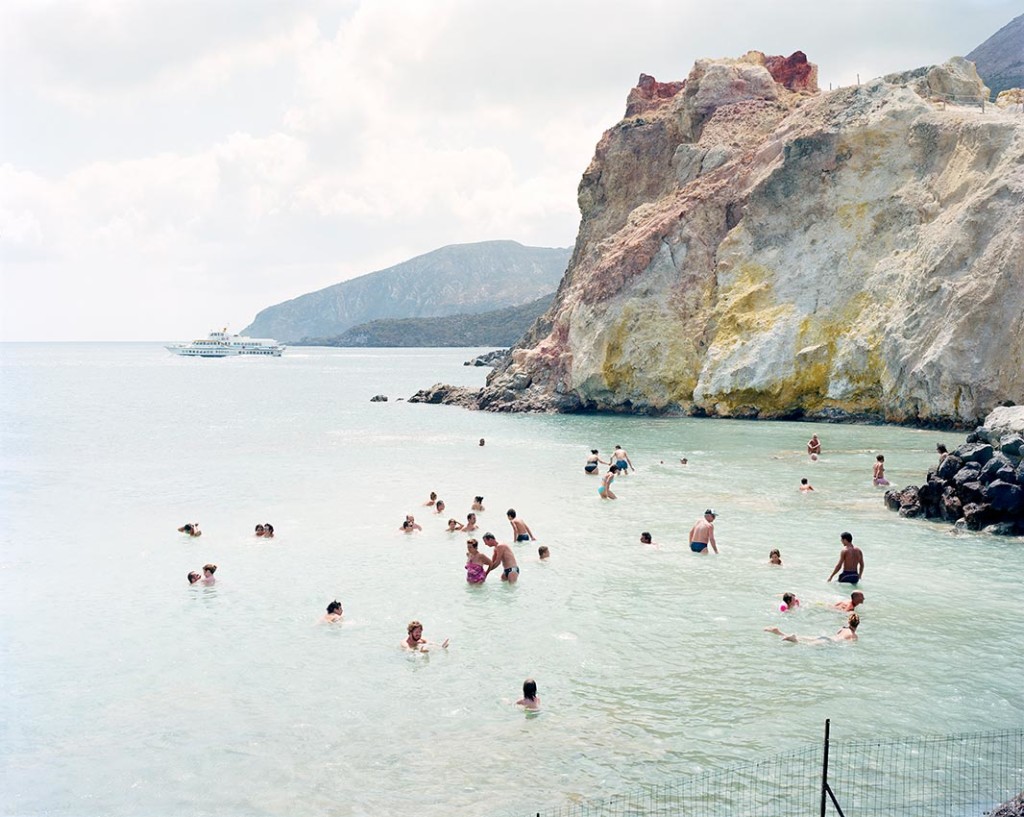
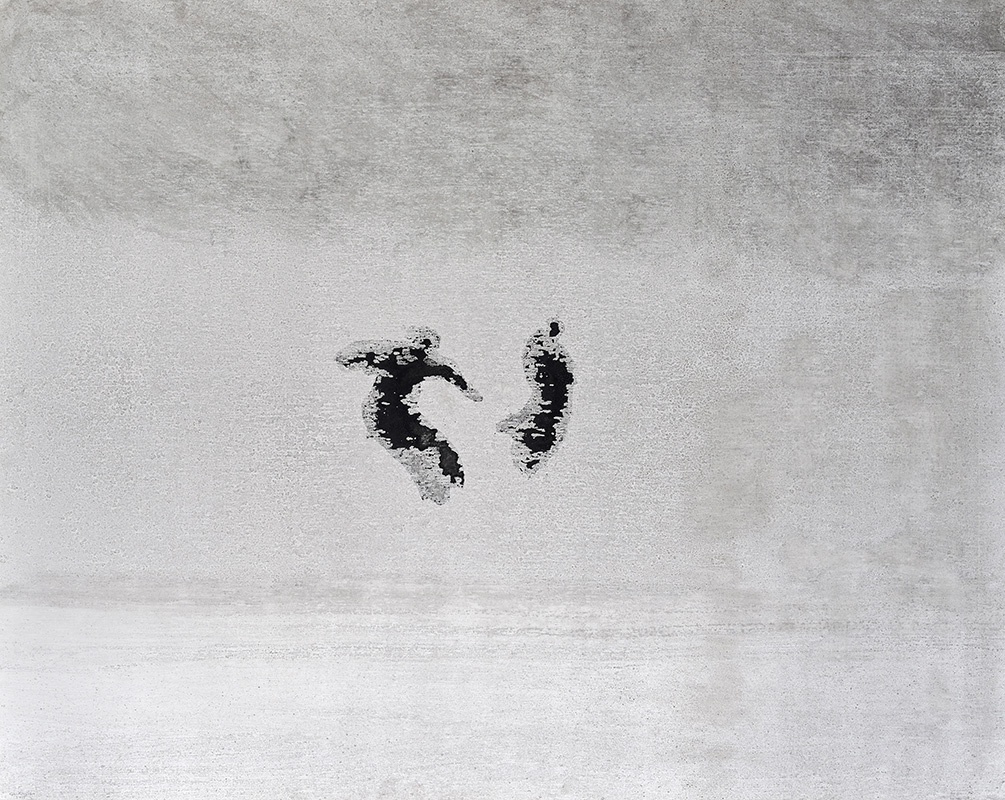
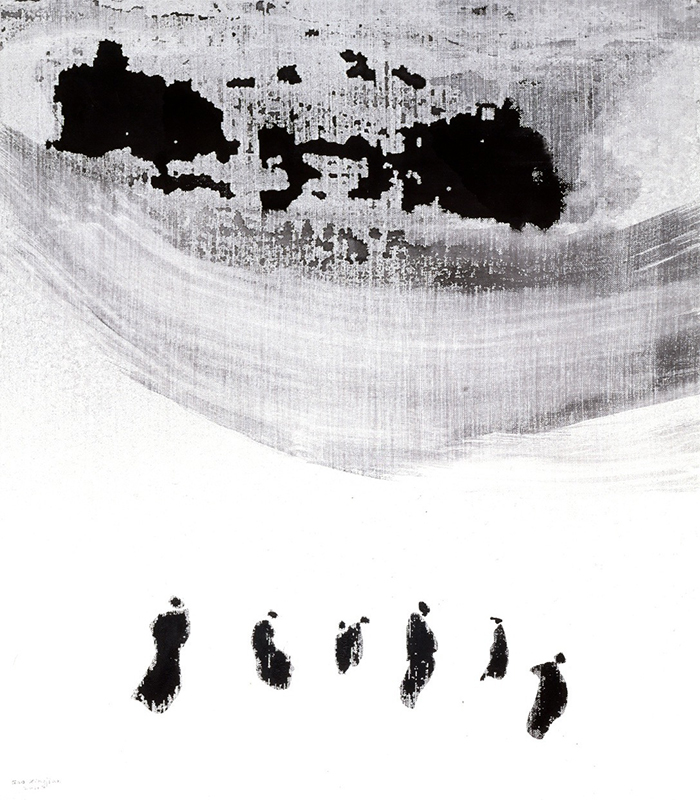
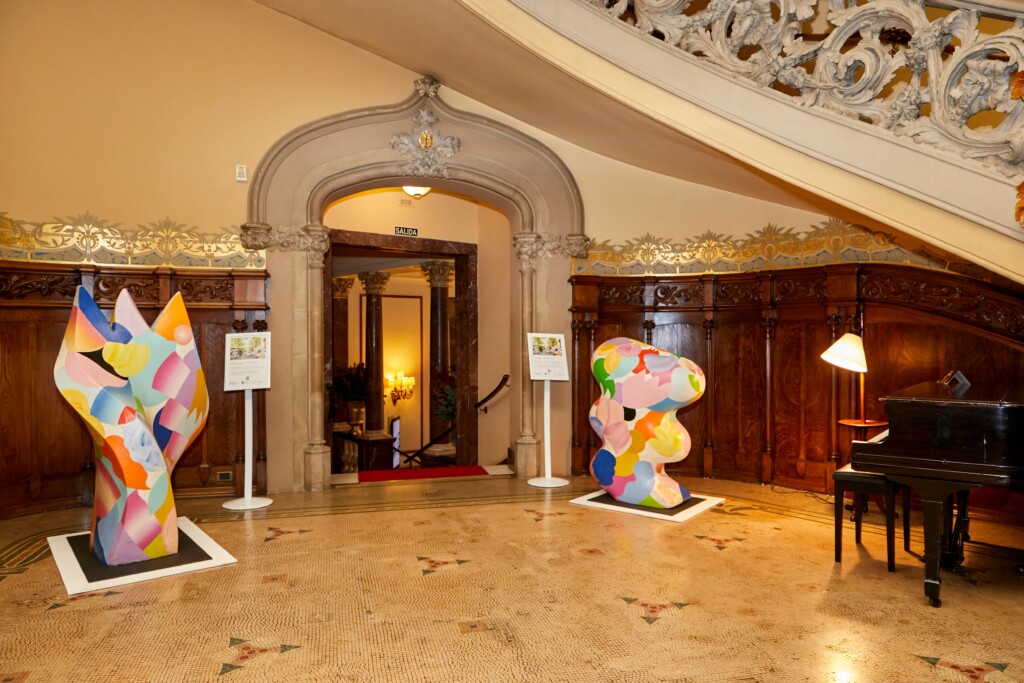
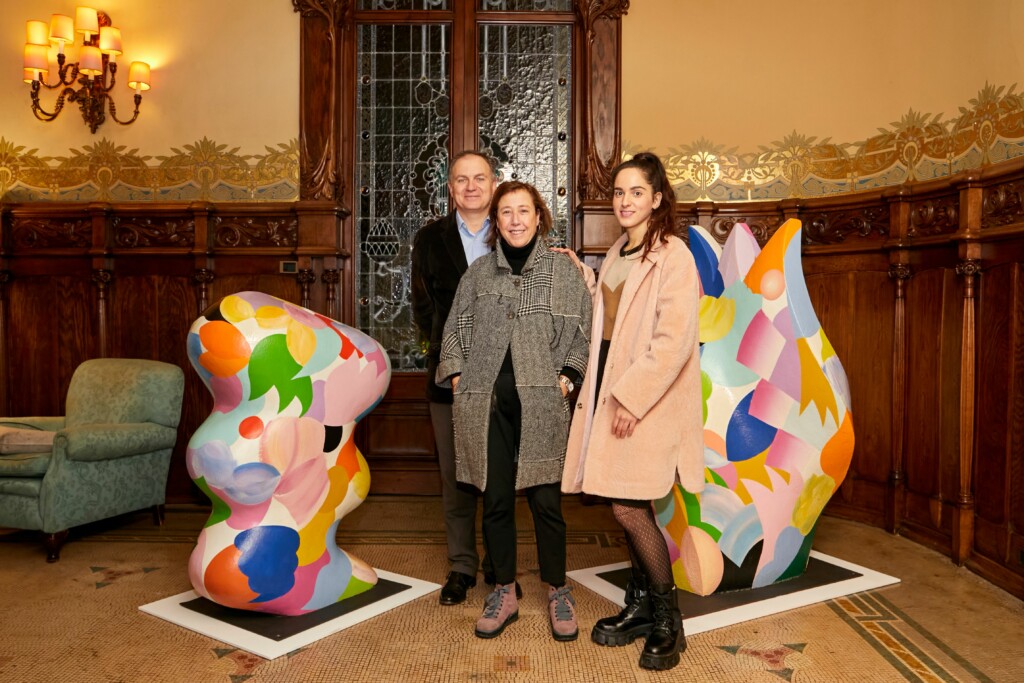
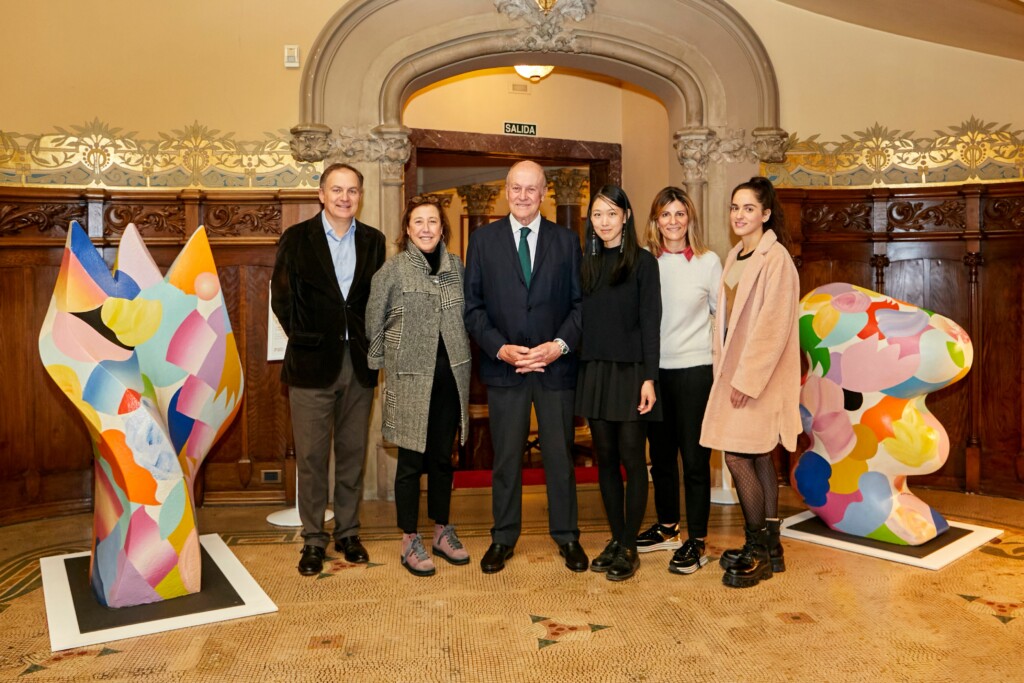
On the occasion of the By Invitation art fair, organized by the Círculo Ecuestre de Barcelona, La Roca Village, in collaboration with the Senda andLab36 galleries and the artistMina Hamada, donates some sculptures by the artist Mina Hamada for exhibition and charity sale in favor of the Fundación Lucha contra las Infecciones.
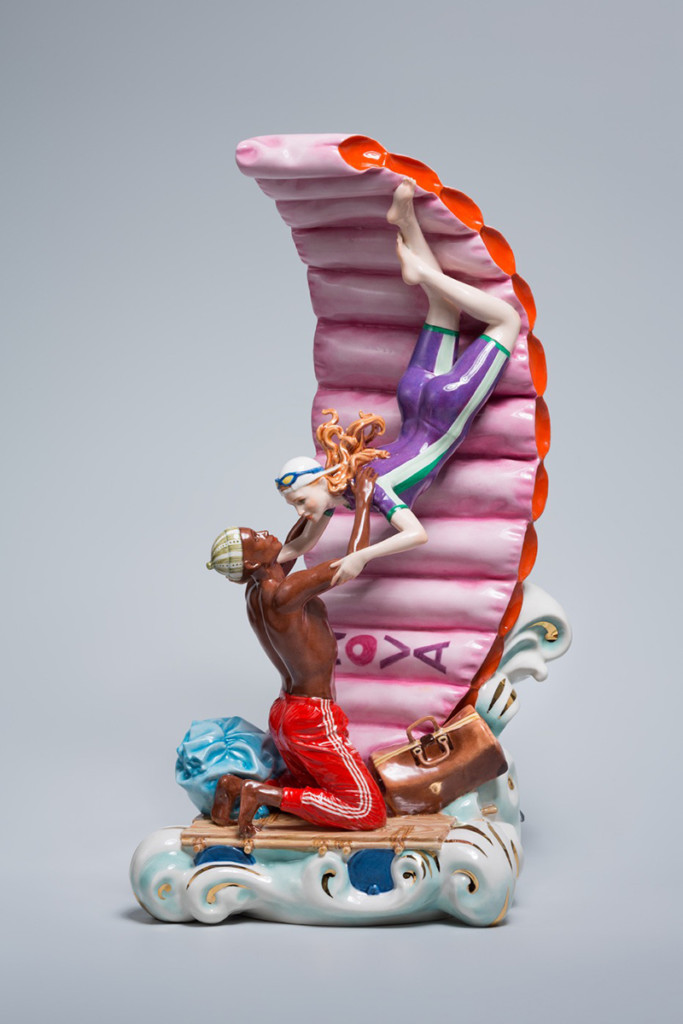
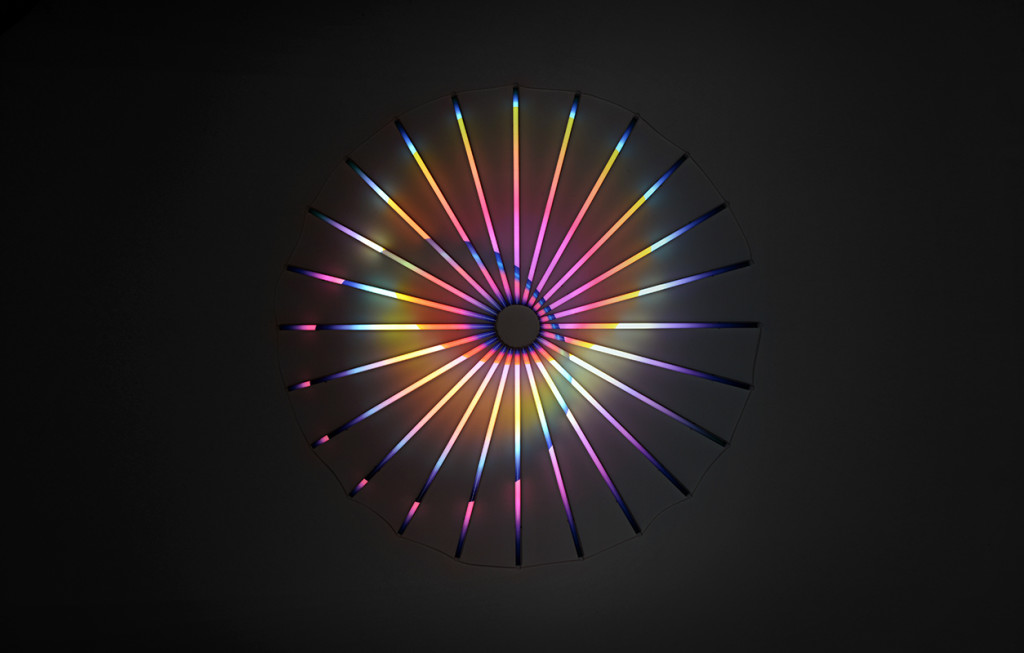
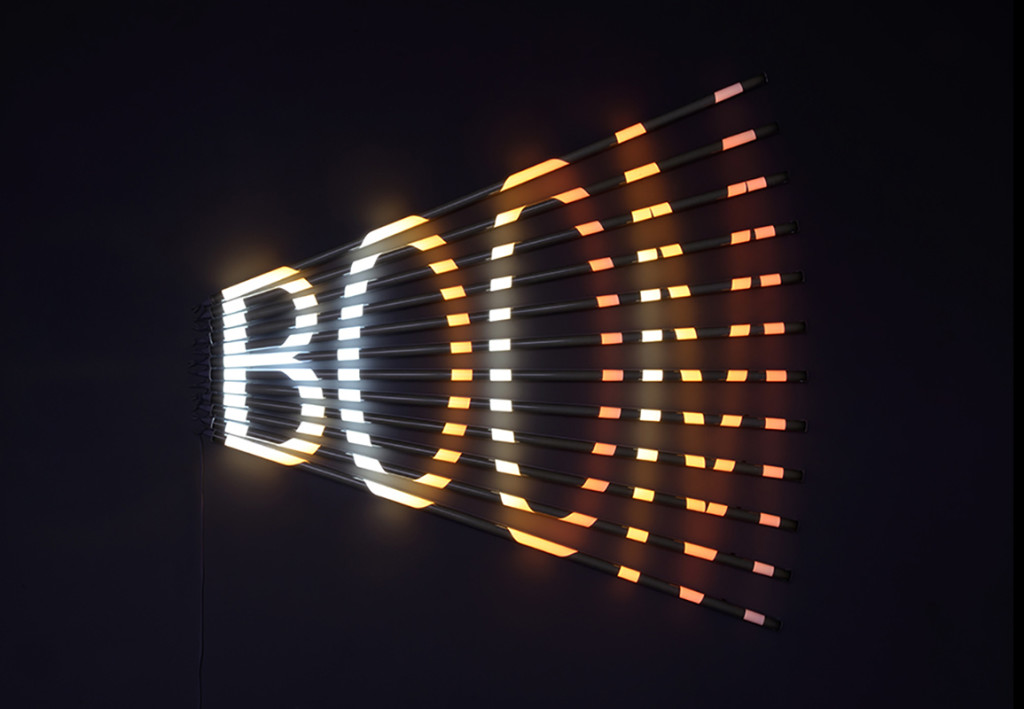
Paseo Colorido, Mina Hamada para La Roca Village, 2022
The galleries LAB36 and Galeria Senda together with Mina Hamada joins through art to the solidarity project led by La Roca Village with the Fight Against Infections Foundation as part of its commitment and mission.
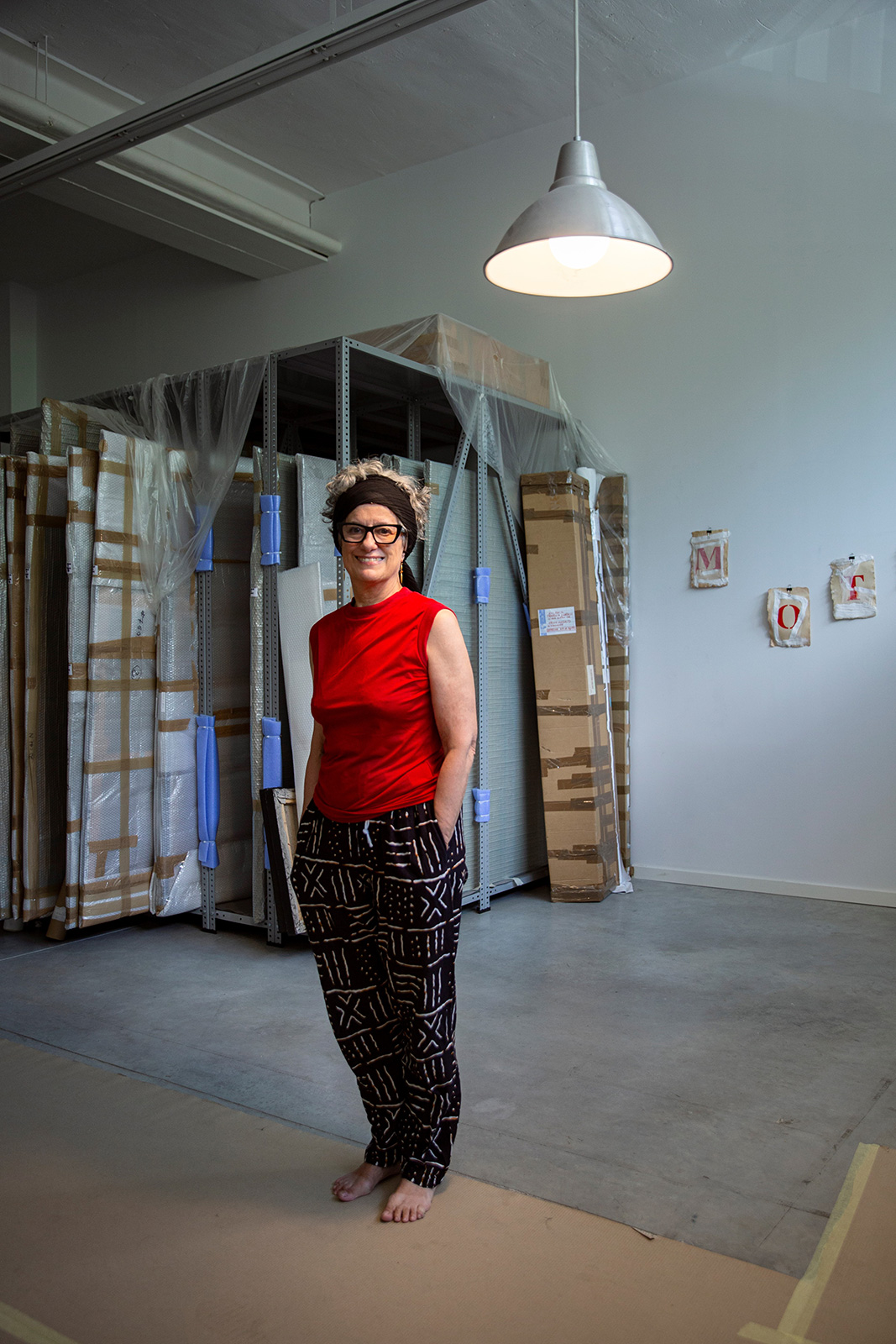
The sculptures by Mina Hamada, a Japanese artist based in Barcelona, are part of the project Paseo Colorido , which has been on display at La Roca Village since summer. As part of The Bicester Collection’s DO GOOD program, to which La Roca Village belongs, the amount from the sale of These 3 large-format pieces will go to the Fight Against Infectious Diseases Foundation, chaired by dr. Bonaventura Clotet.
Like last year, access will be by invitation only (contact the gallery) 📩 and a series of conferences will be held in parallel to the exhibition.
What would happen if we separated the artwork from the museographic context that surrounds it? How would that help us to perceive the work for itself, in its poetic essence?
Poetic Intention is an exercise that allows us to sound out a break in the institutional framework, offering a space for reflection and critique where the concept and the experience of ‘art’ are presented as emancipatory principles. Thus, a new storytelling is configured that encompasses absences and enables other discourses as common spaces, possible scenarios to question and update the forms of relationship established by artistic practices with the subjects.
‘Prelude. Poetic Intention’, is MACBA Collection’s new presentation in which politics and poetics enter a dialogue that reflects on the inherent relations between the work of art and its context, the subjects that surround it and the material culture it generates.
The exhibition takes a journey through case studies and presents works recently acquired by the Museum of Contemporary Art of Barcelona (MACBA) where the concept and the experience of ‘art’ are presented as emancipatory principles.
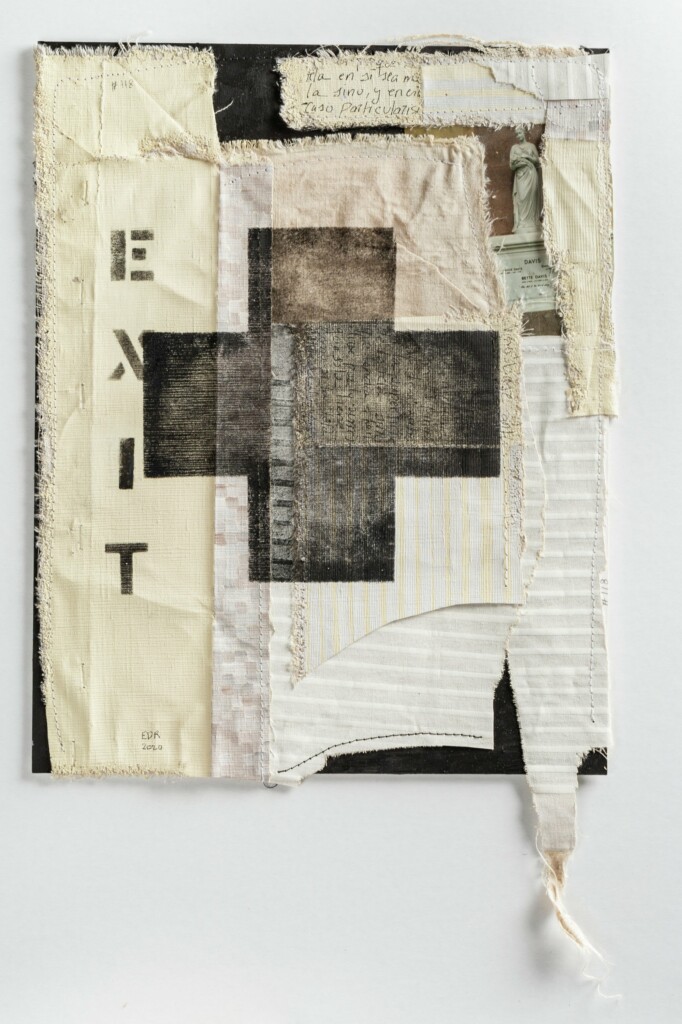
In the show, you will be able to see a selection of works by Elena Del Rivero, Valencian artist living in New York, who is presenting a solo exhibition in Galeria SENDA opening January 12th 2023 titled: Love Song, In Memoriam: Lawrence D. “Butch” Morris.
The exhibition is curated by Elvira Dyangani Ose, Antònia M. Perelló Ferrer, Claudia Segura Campins, and Patrícia Sorroche.
Since 14 December, on the first floor of the Meier building, Poetic Intention will open its doors. The pieces from the MACBA collection will remain on display until mid-2024.
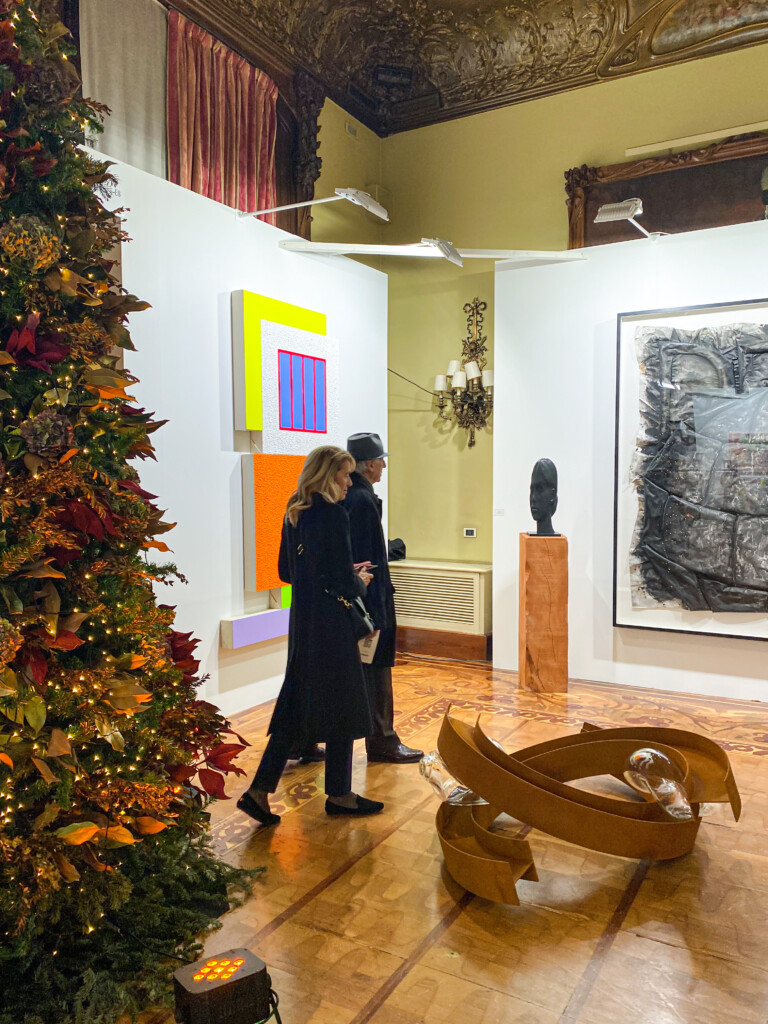
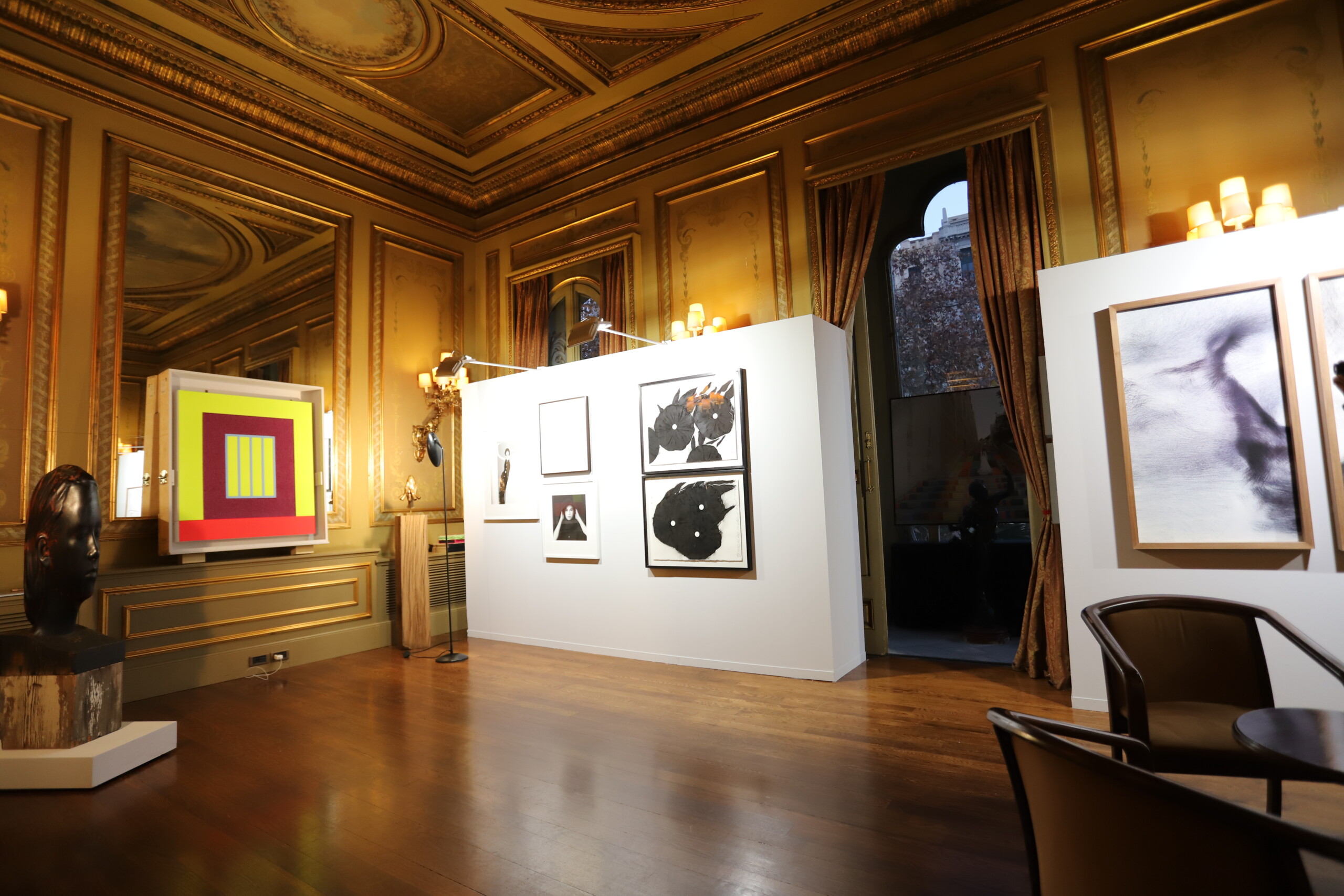
The Círculo Ecuestre organizes: By Invitation III International Circle of Modern and Contemporary Art, at the Círculo Ecuestre headquarters, from December 14th to December 18th.
This year there are 23 galleries, both national and international, which will exhibit representative works of Modern and Contemporary Art.
Again, access will be by invitation only (contact gallery), and a series of conferences will be held in parallel to the exhibition.
The Círculo Ecuestre is organizing this year 2022 its third edition of By Invitation: Círculo Internacional de Arte Moderno y Contemporáneo, at the club’s headquarters, located at 169 Bis Balmes Street. From December 14 to 18, twenty-three galleries, both national and international, have been chosen to exhibit representative works of modern and contemporary art in this Barcelona space. The By Invitation initiative arose from the mind of businessman and politician Enrique Lacalle, vice-president of the Círculo Ecuestre, in response to the need to offer the city of Barcelona a unique artistic event in an exclusive environment that makes attendees feel part of a special circle. Such has been the success of this annual exhibition that this year the Círculo Ecuestre is hosting the event for the third consecutive year.
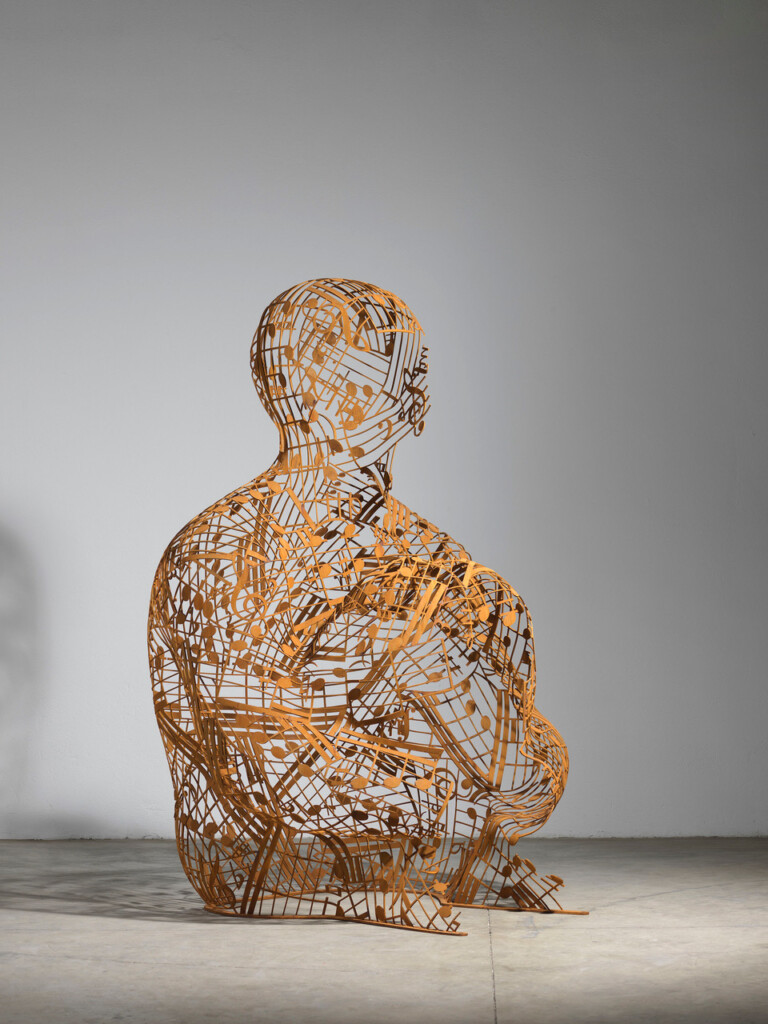
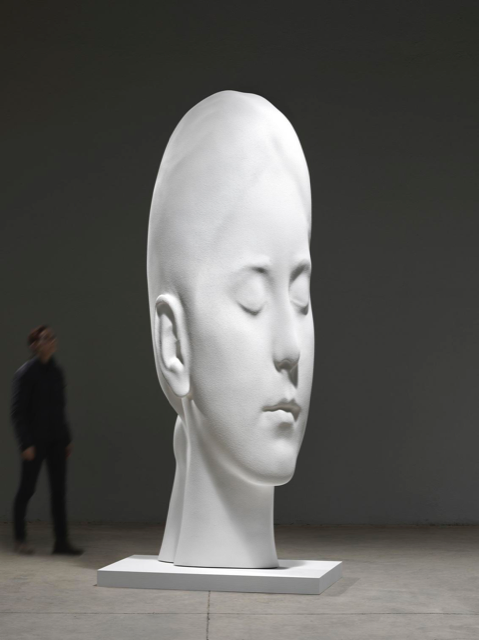
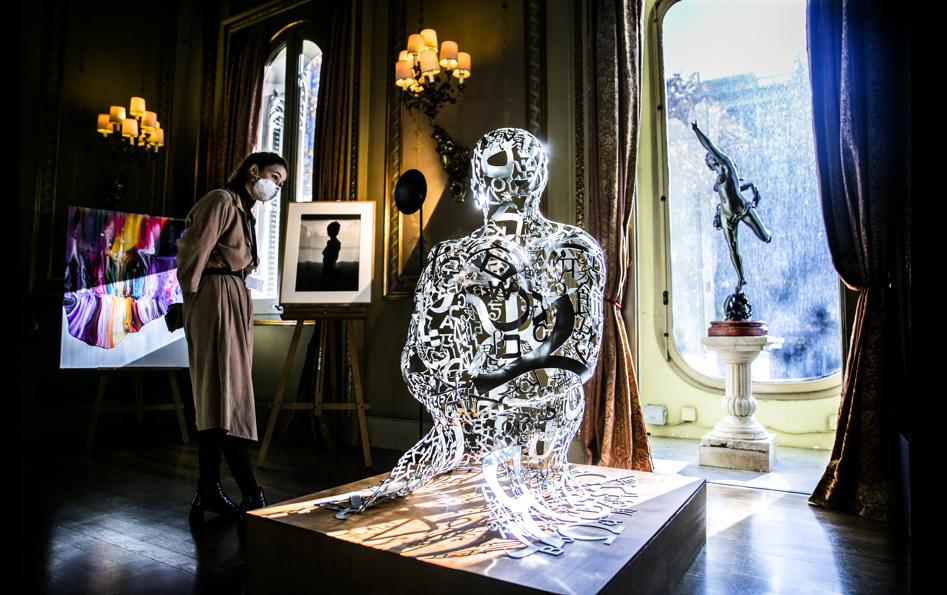
For this edition of By Invitation 2022, we present part of the collections of some of the artists that make up the essence of Galeria SENDA. Firstly, the internationally known Jaume Plensa will exhibit his spectacular bronze sculpture “Study for Martina” as well as his work on paper “Dee“. His projects, characterized by monumentality and the exploration of the duality between the material and the immaterial, stand out for his ability to create sculptures that transcend the physical and explore the human essence and communication. Plensa is recognized for his public sculptures located in cities around the world, which awaken reflection and emotional connection with the viewer.
Joining this artistic event are the works of Antoni Tàpies, the prominent Catalan artist known for his contribution to the informal art movement or informalism and for his exploration of matter and textures in his artistic representations. Tàpies developed a distinctive style that combined abstract elements with symbols and signs charged with meaning. His work reflects his interest in the spiritual and metaphysical, using everyday materials such as soil, sand and found objects to create a unique artistic expression that challenges the traditional conventions of art. Tàpies left a lasting legacy in Spanish and international contemporary art, being recognized as one of the most influential artists of the 20th century. Part of his legacy will be exhibited in this edition of By Invitation with works such as “LLULL XXXIV” or “Polze núm.2“.
North American Peter Halley will also be exhibiting at the Círculo Ecuestre this year. Peter Halley is an outstanding artist whose work has left a profound mark on the international art scene. Recognized for his participation in the neo-geo movement of the 1980s, Halley uses geometry as a language to explore space and time in our contemporary society. His works, with cold, rectilinear geometric forms, reflect the closed and often oppressive order of our urban environment. Through his characteristic roll-a-tex texture and expressive use of color, Halley establishes connections to Pop Art and mass culture, offering a critical and reflective look at our social and political reality.
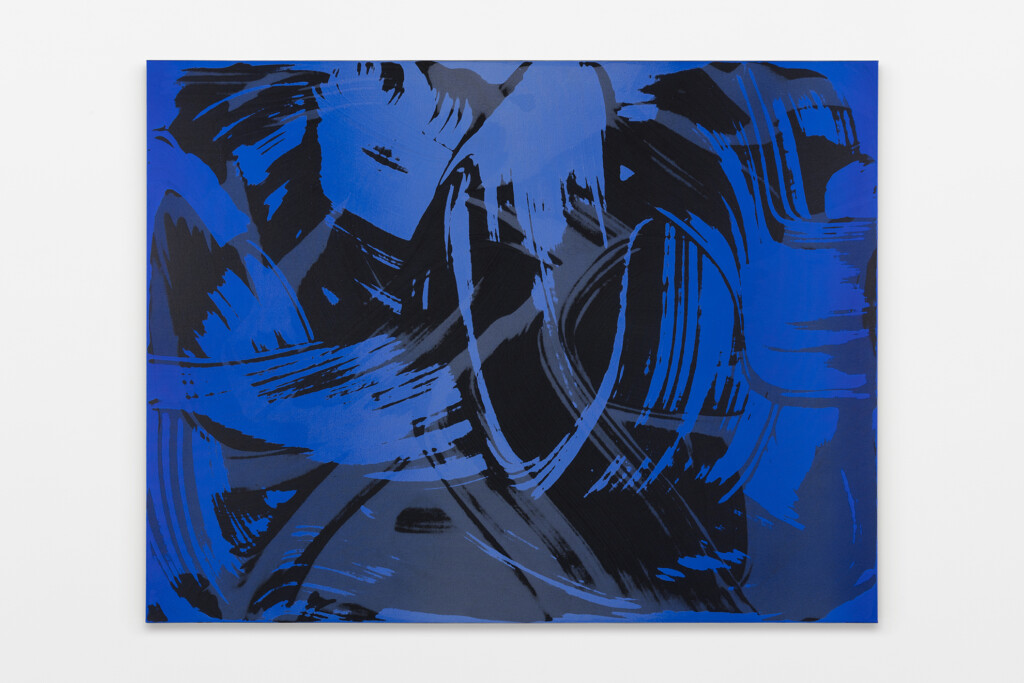
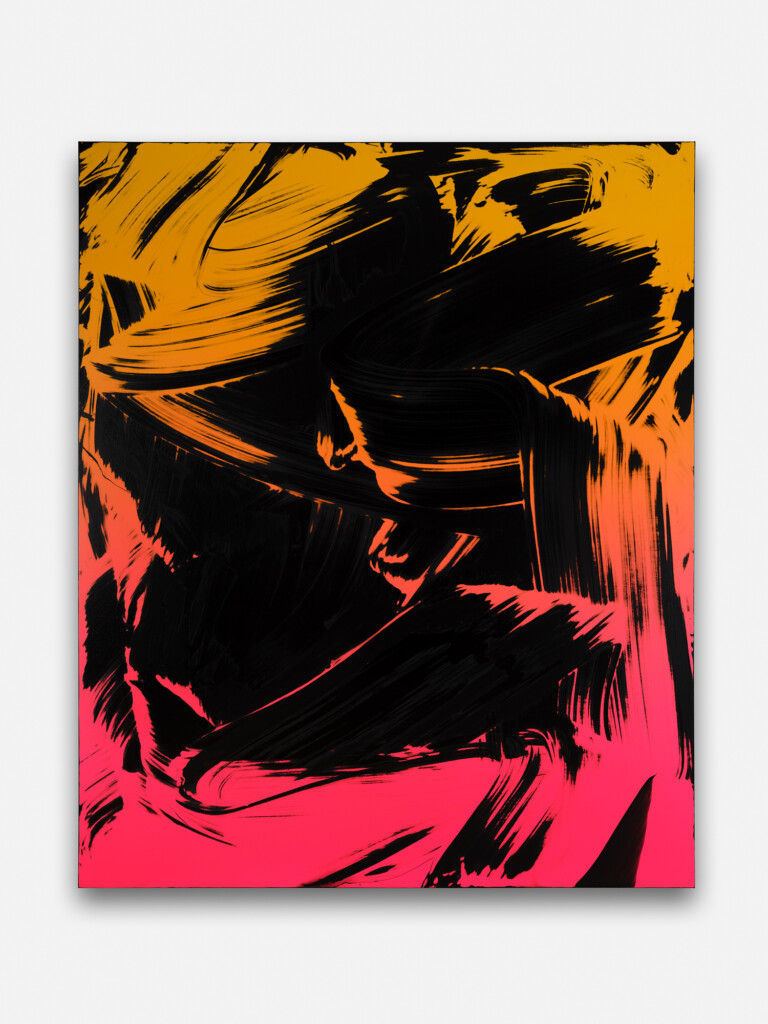
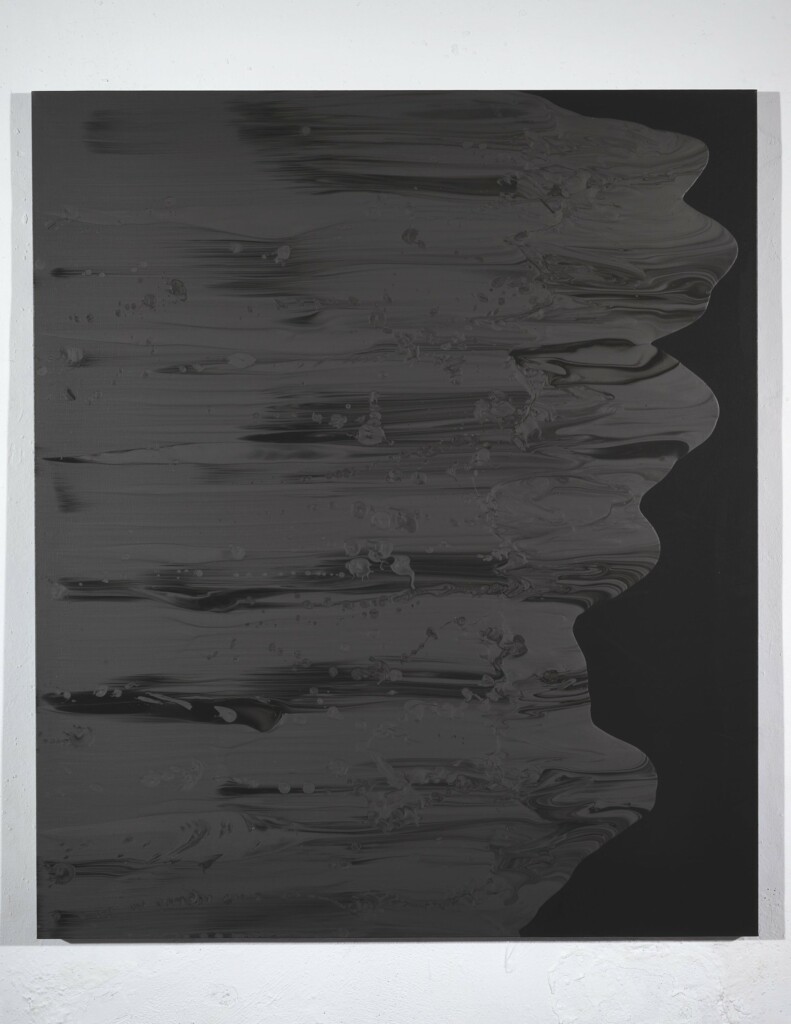
Yago Hortal and his monumental canvases will be hanging on the walls of By Invitation III. Born in Barcelona, he is an artist noted for fusing chance and consciousness in his creative process, turning the canvas into a vibrant stage where color comes to life. His expressive and passionate style invites the viewer to experience tactile sensations, creating a unique connection between the work and the viewer. A dozen of his canvases can be seen on the walls of the Círculo Ecuestre.
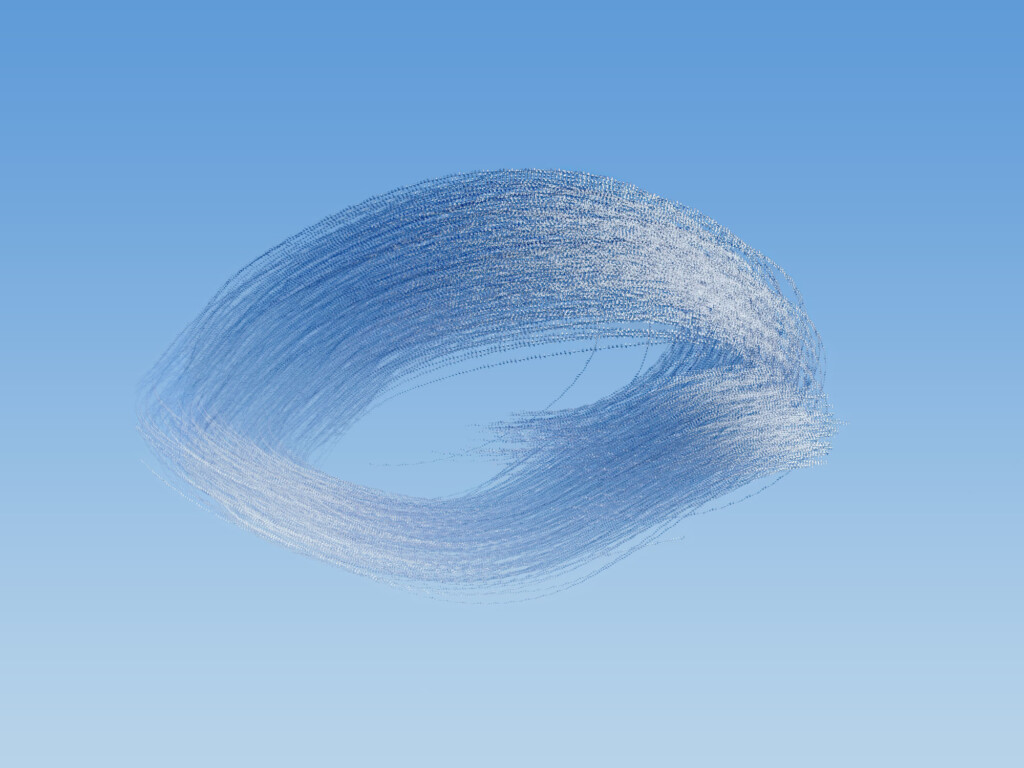
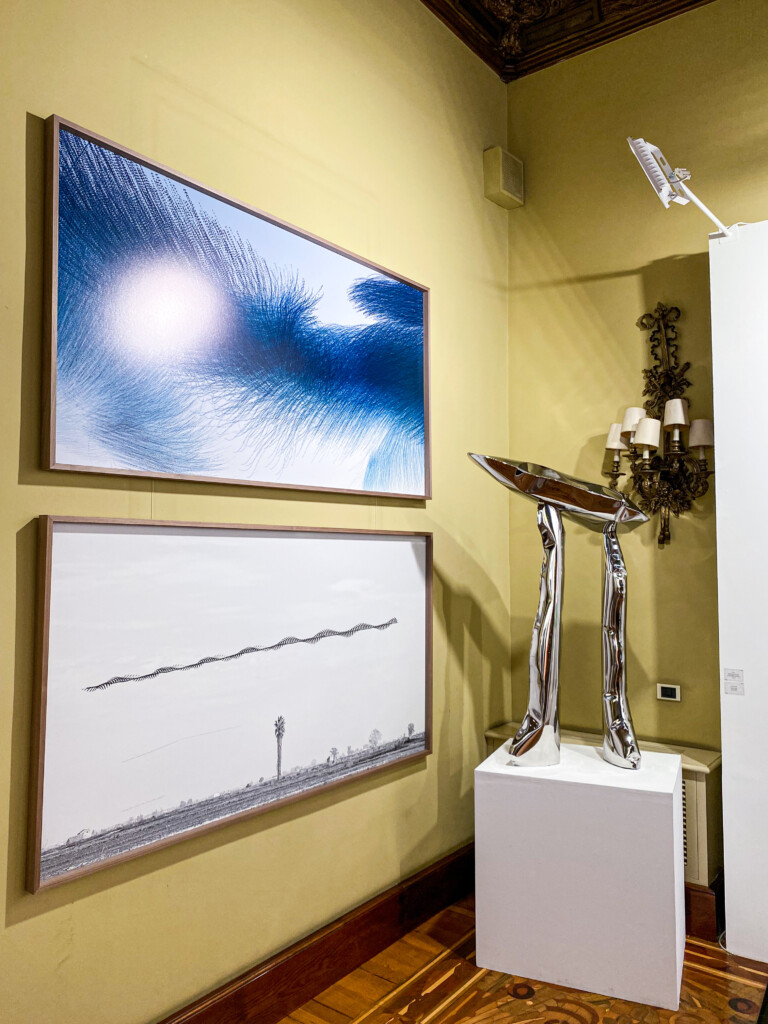
Xavi Bou‘s chronophotographic work will also be on display for this new edition. A geologist by training and photographer by passion, Bou has fused his love for the natural sciences with his artistic ability to reveal the hidden beauty of nature. Inspired by his experiences in the wetlands of the Llobregat delta, Bou has developed his most emblematic project, “Ornithographies,” which captures the invisible patterns traced by birds in the sky during flight. Through a unique combination of art and science, Bou has managed to challenge human perception and offer a new perspective of the natural world. This exhibition will feature three of his photographs from “Ornithographies“.
Túlio Pinto and his sculptural work “Complicity #34” will be present as part of SENDA‘s gallery proposal for By Invitation 2022. The Brazilian sculptor defies physical laws through his work, creating tensions and balances that defy gravity. With a background in Fine Arts and specialization in sculpture, Pinto uses a variety of opposing materials, such as cement, iron and frozen water, to achieve a unique harmony in his works.
Galeria SENDA‘s latest proposal is Gonzalo Guzmán, a sculptor from Madrid who, in his recent projects, uses lucid dreams as a source of inspiration and inner exploration in his art. His sculptures, which represent the metallic structures of his dreams, challenge the limits of reality and perception. By questioning our beliefs through art, Guzmán invites us to reflect on the world around us and our relationship with it.
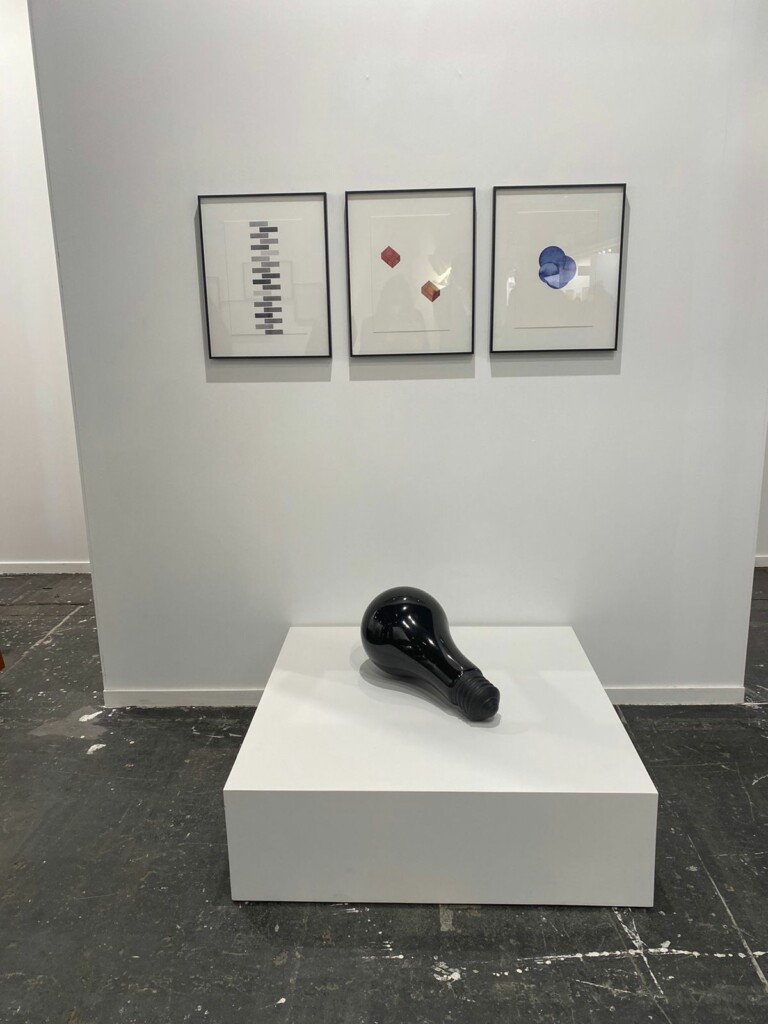
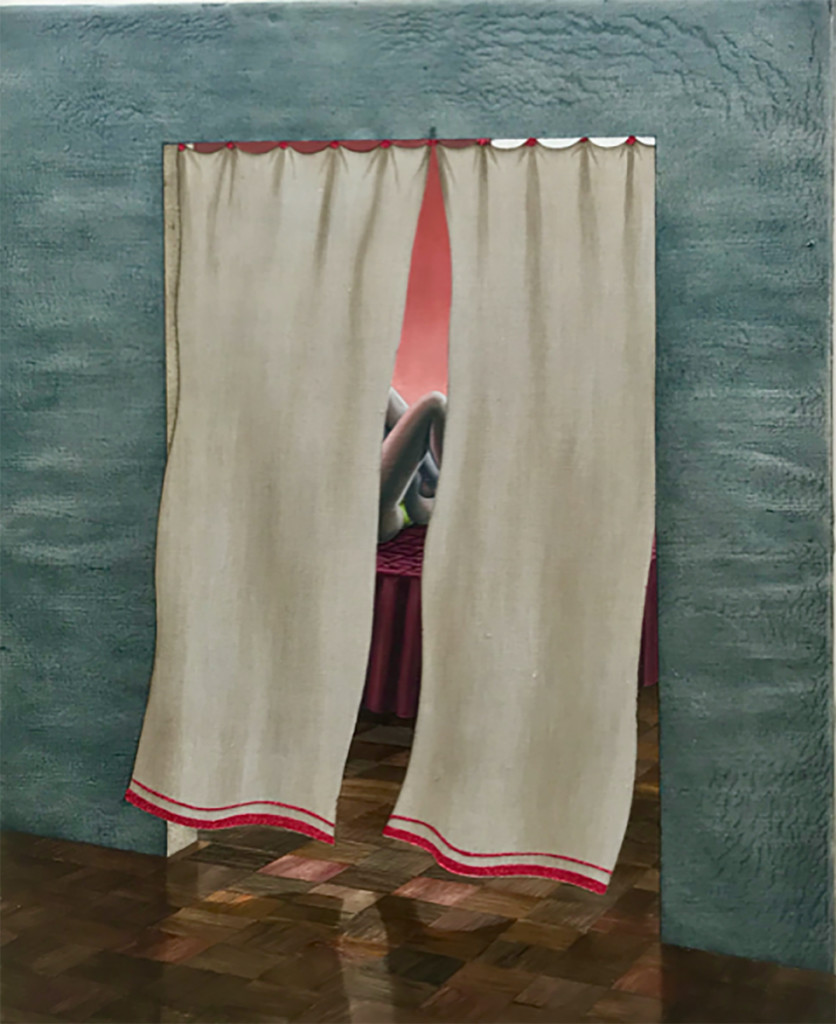
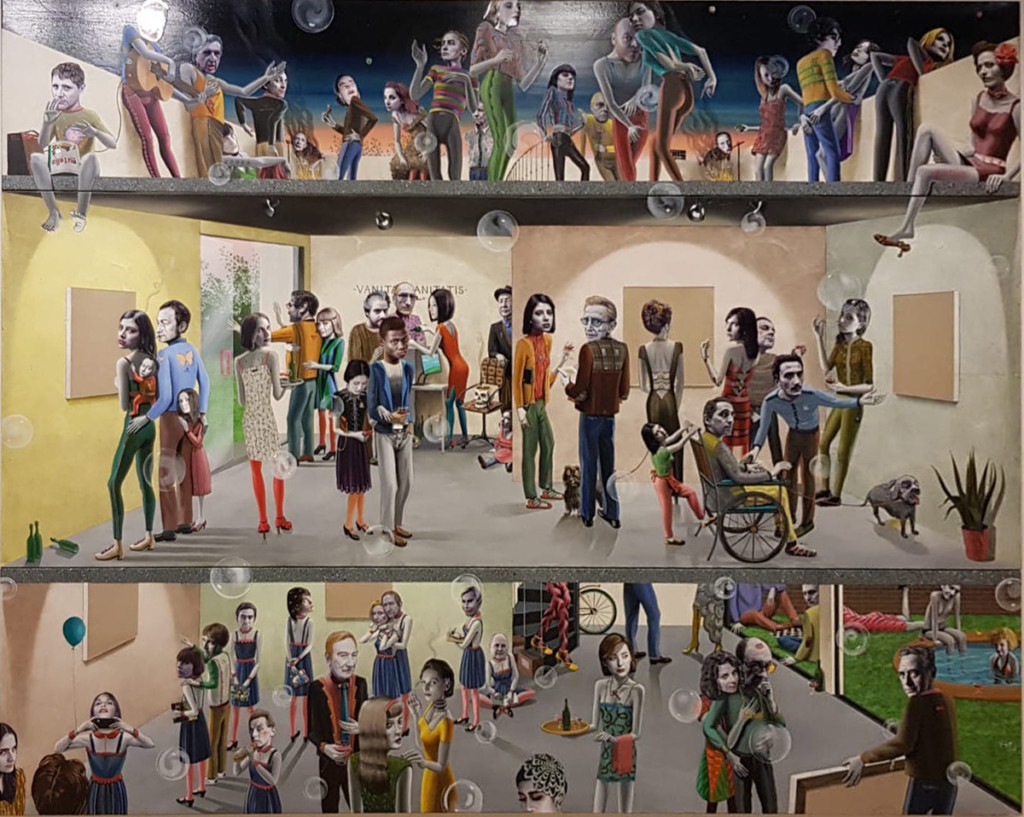
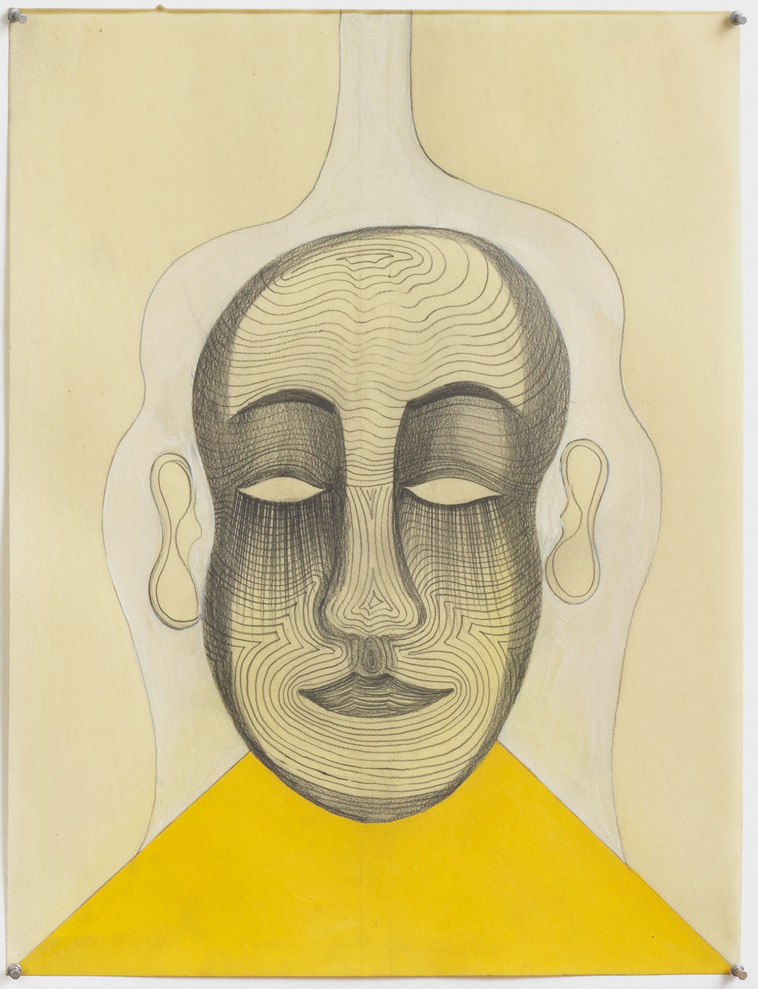
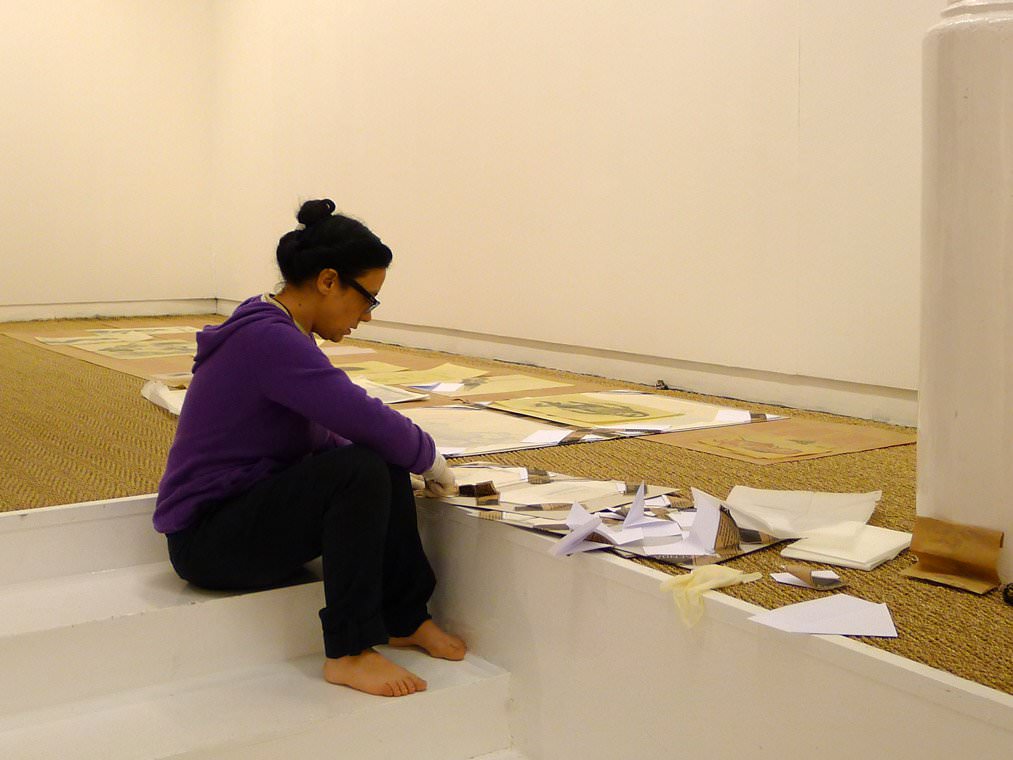
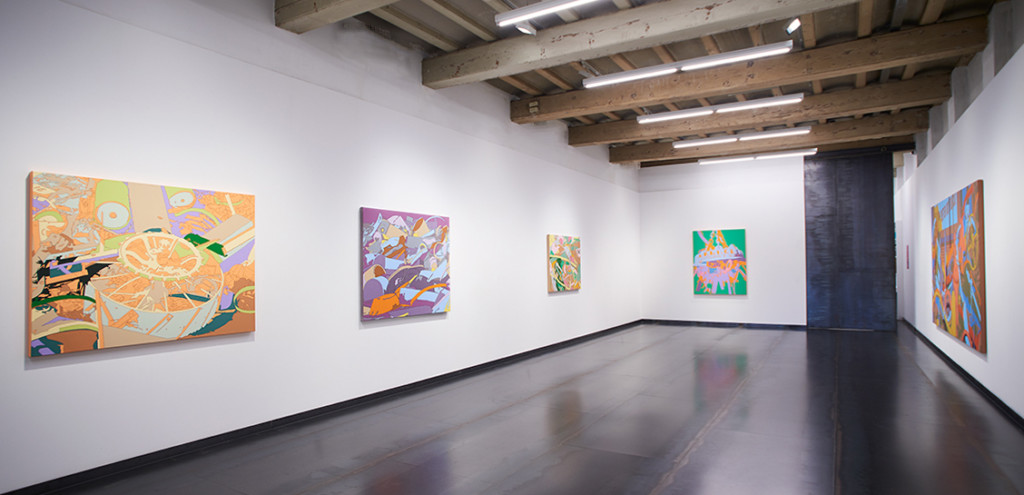
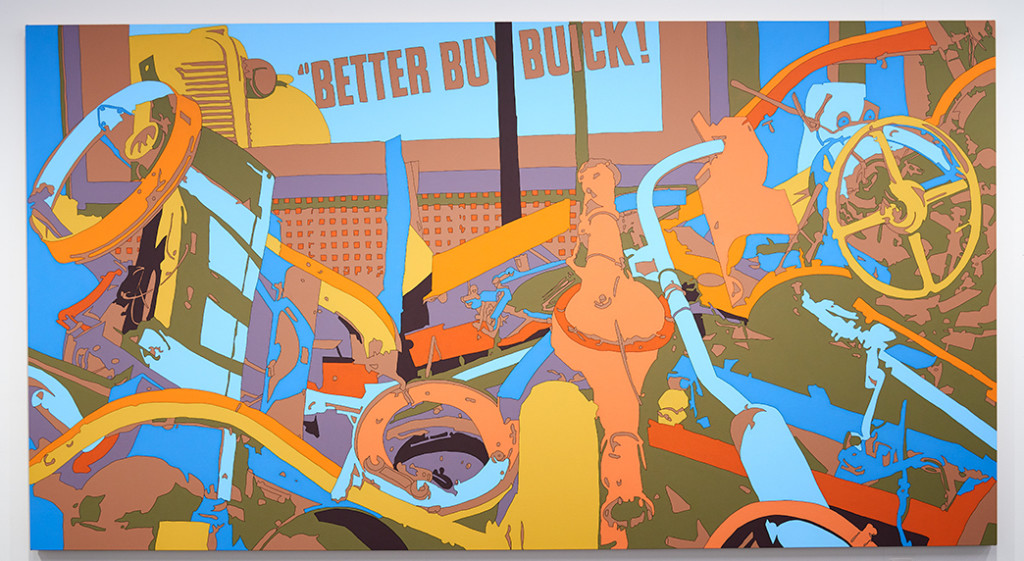
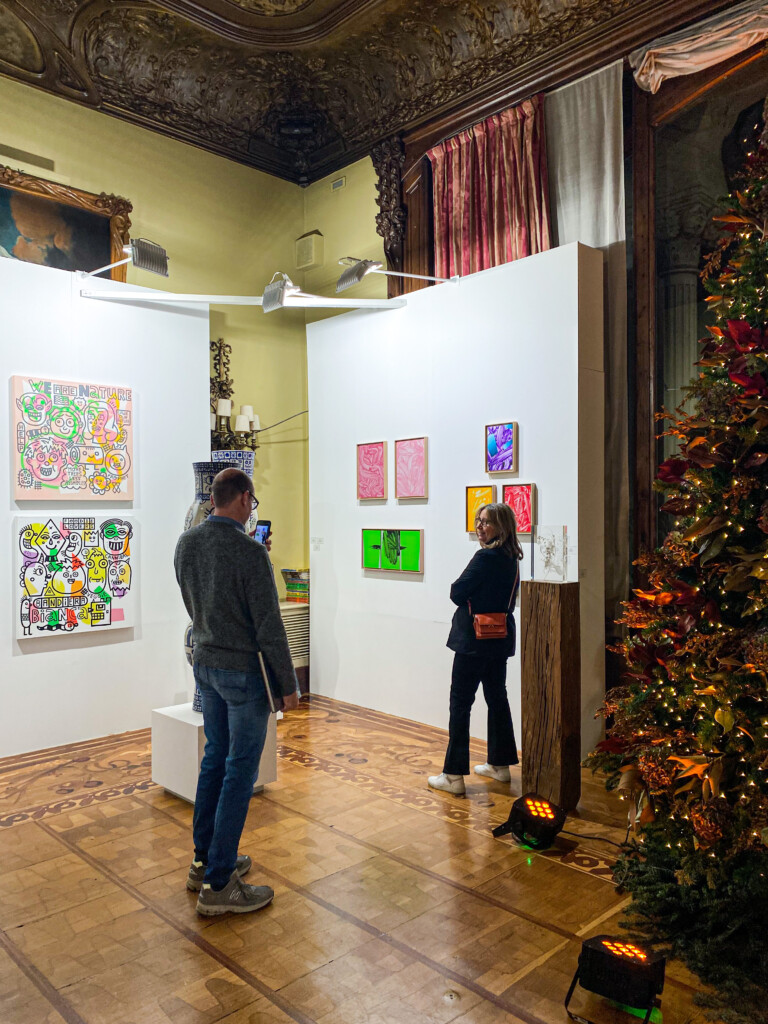
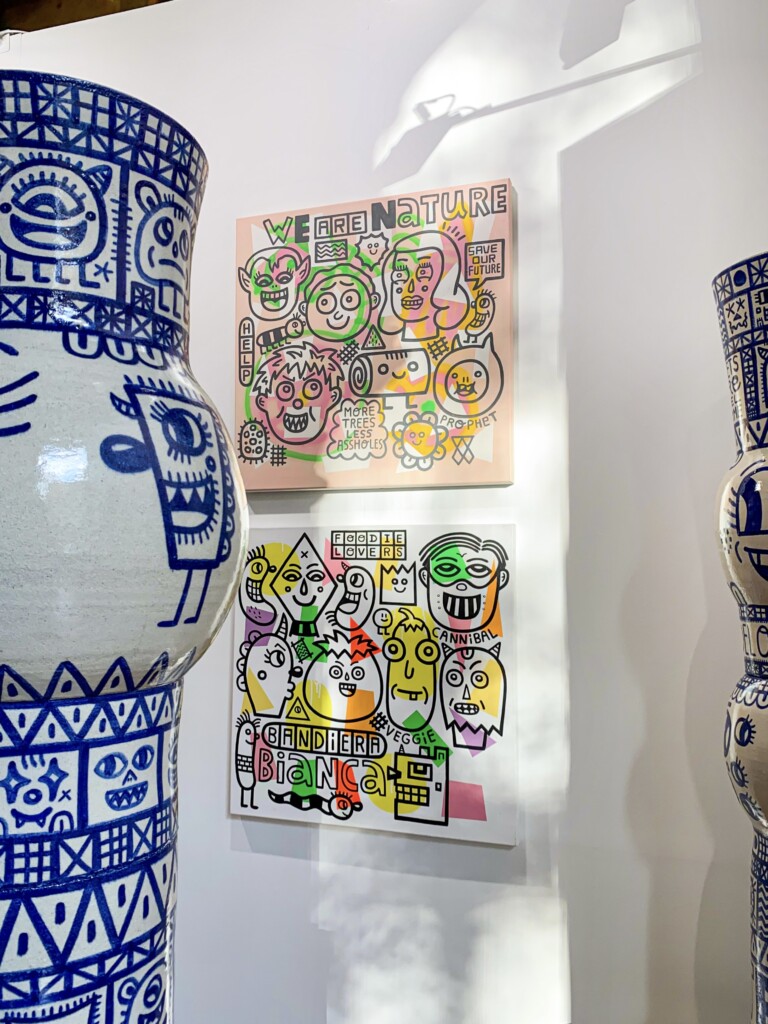
In collaboration with Lab36, we will also exhibit works by Albert Pinya and Mina Hamada. Pinya, a multidisciplinary artist, explores human duality and social tensions through his works. With a provocative style and vibrant palette, he addresses themes such as identity, power and contemporary culture. His paintings and sculptures, charged with symbolism and energy, incite the viewer to question the complexity of the modern world and human interactions. On the other hand, multicultural artist Hamada fuses influences from East and West in her expressive murals and artworks. With a palette of warm colors and organic forms, Hamada invites the viewer to explore her dream world, where youth and philosophical depth intertwine harmoniously.
LAB36 – Booth E9
Galeria SENDA – Booth E9
Xavi Bou & Gonzalo Guzmán
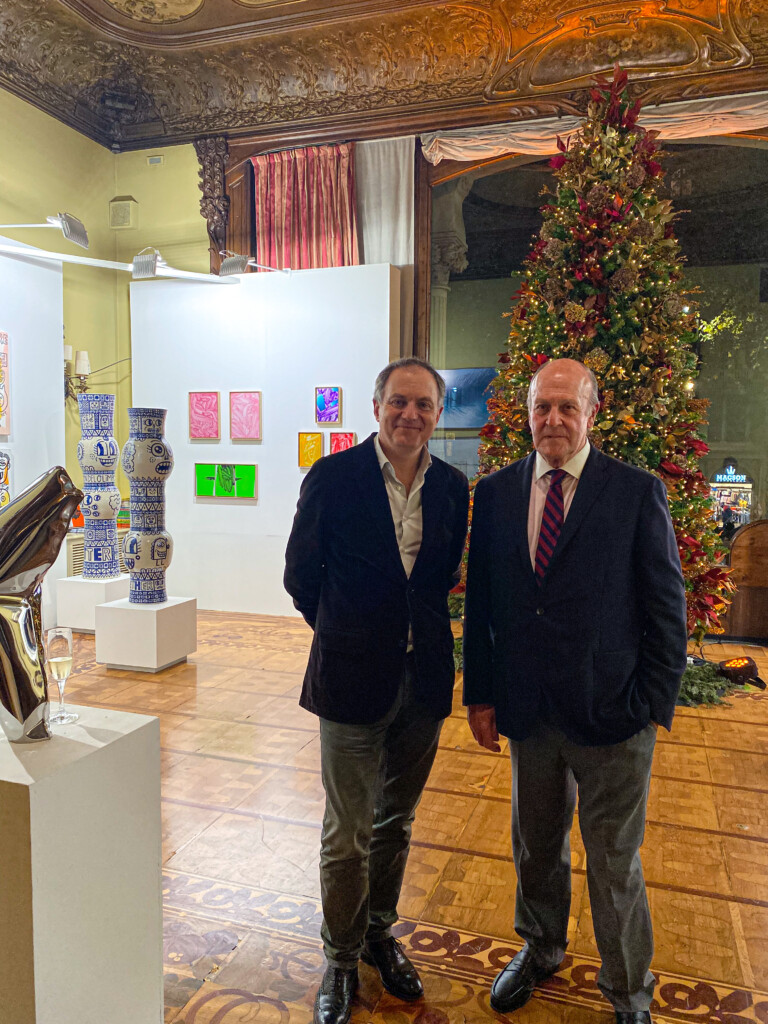
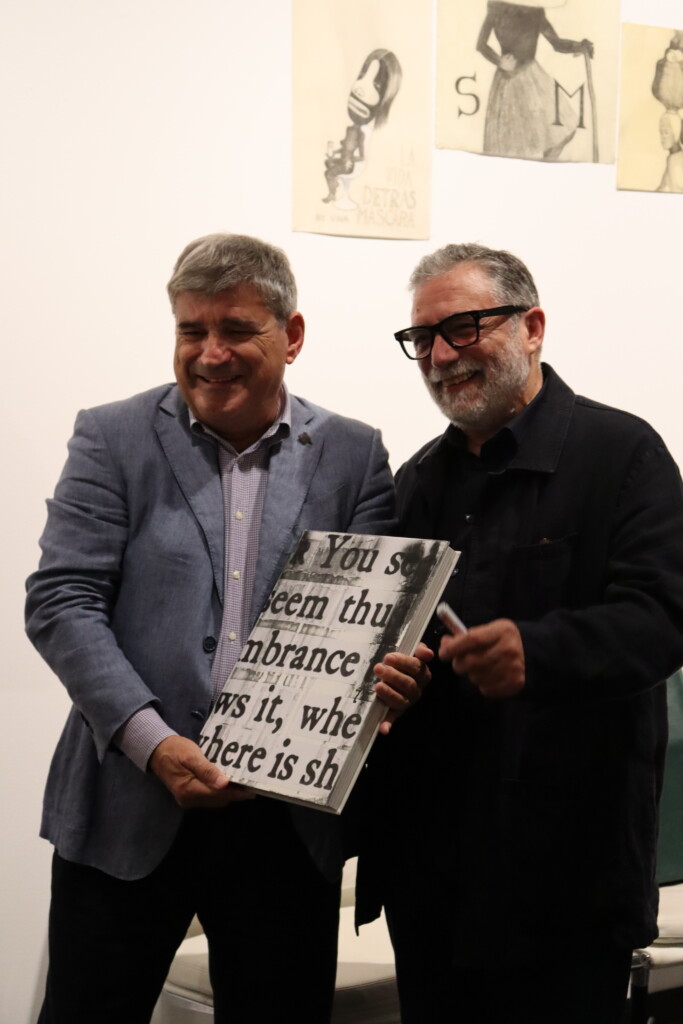
Carlos Durán & Enrique Lacalle
Albert Pinya
Installation shot 2020
Installation shot 2021
As this is a private social club, access to enjoy the exhibitions is by invitation only. To obtain one of these, please contact the gallery in advance. In addition, and in parallel to the exhibition, there will be a series of conferences related to the works presented. For more information about the By Invitation III program, click on the following link https://byinvitation.es/ and discover every detail of this new edition.
Comprising nearly a hundred works, the exhibition covers Jaume Plensa’s production from 1990 to the present and has as a common thread the influence of literature and literature in his artistic production.
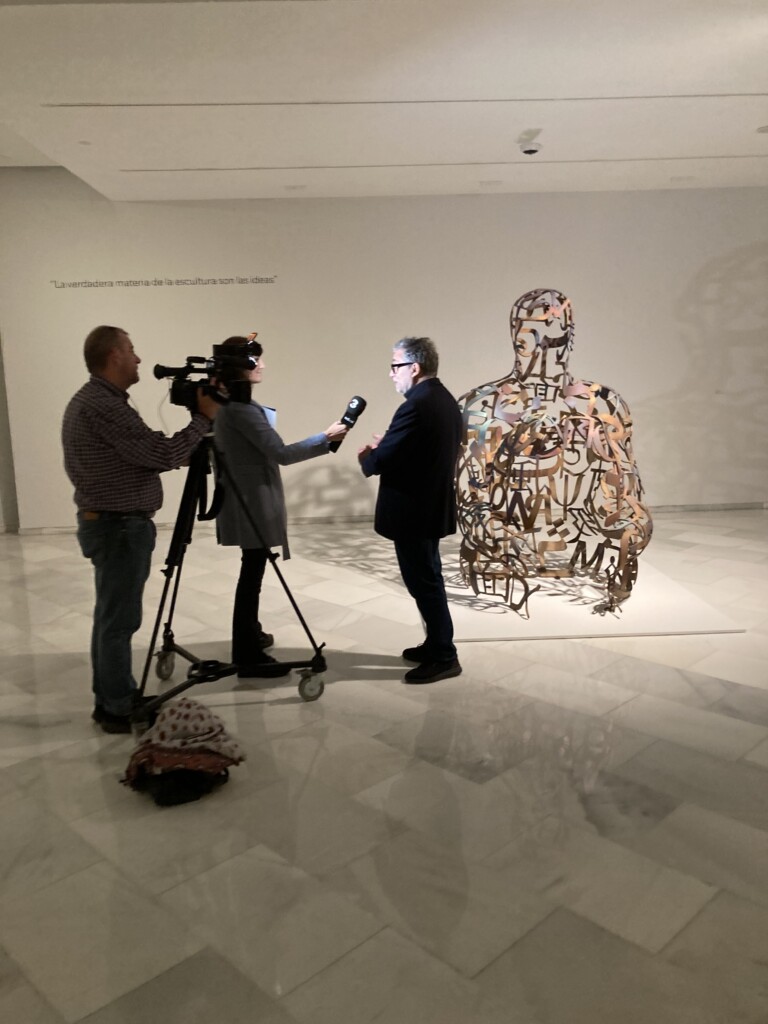
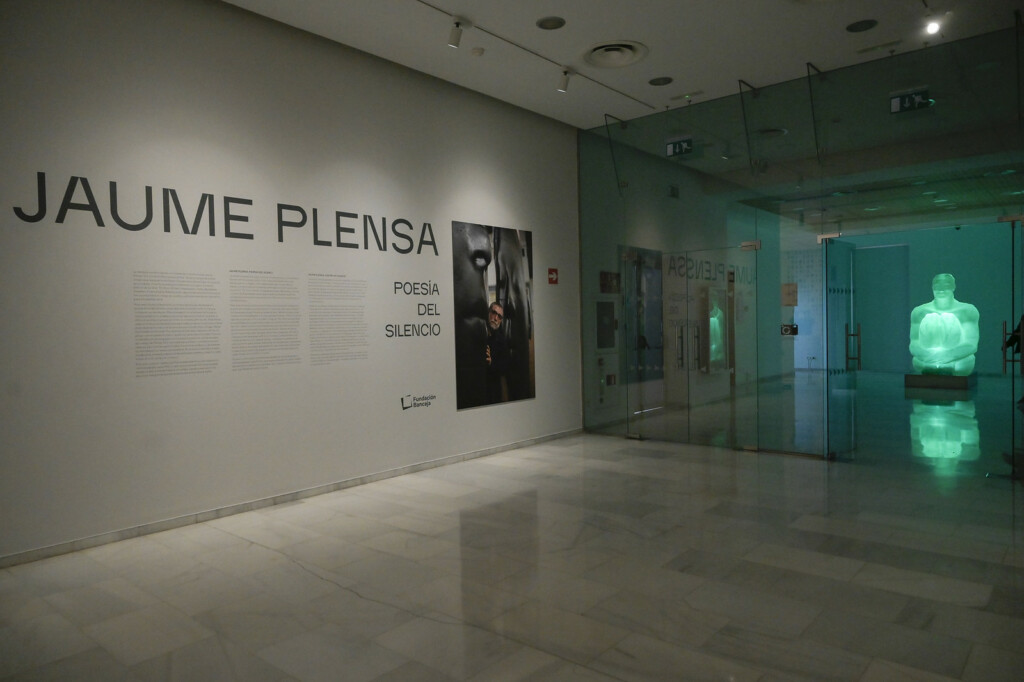
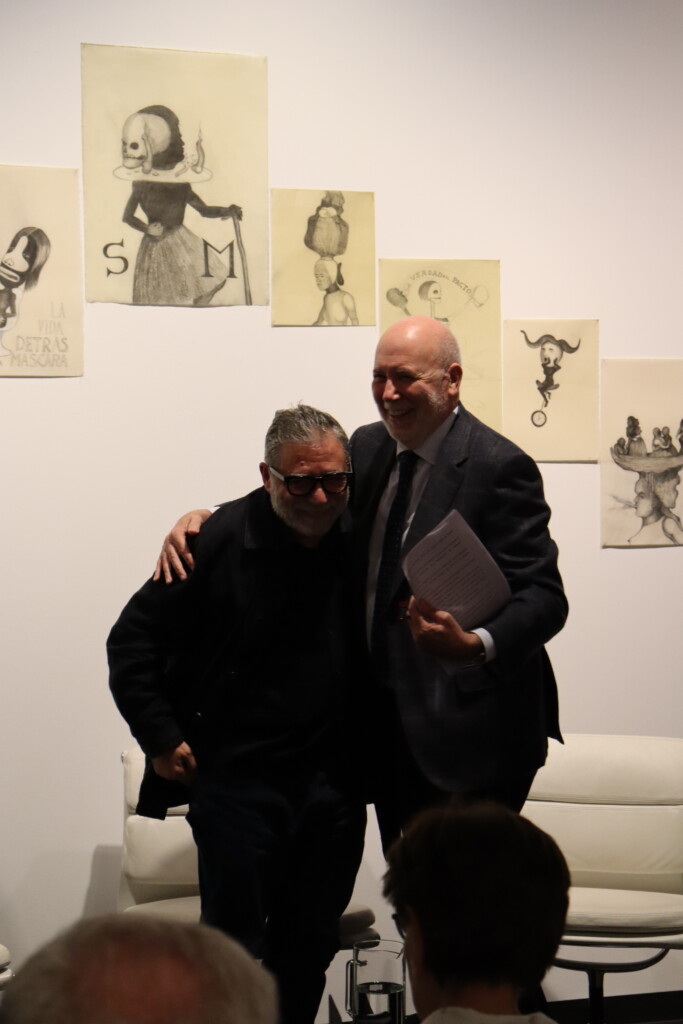
This morning, the Fundación Bancaja presented the exhibition “Jaume Plensa. Poetry of silence“, one of the largest retrospectives to date of one of the most renowned sculptors in international contemporary art. The exhibition reviews the artistic production of Jaume Plensa during four decades with the original influence of literature and letters in his work as a common thread, being the first retrospective to be developed from the prism of this creative universe that has been a constant throughout his career. The presentation was attended by Jaume Plensa; the president of the Fundación Bancaja, Rafael Alcón; and the curator of the exhibition, Javier Molins.
Installation shot, Poetry of Silence
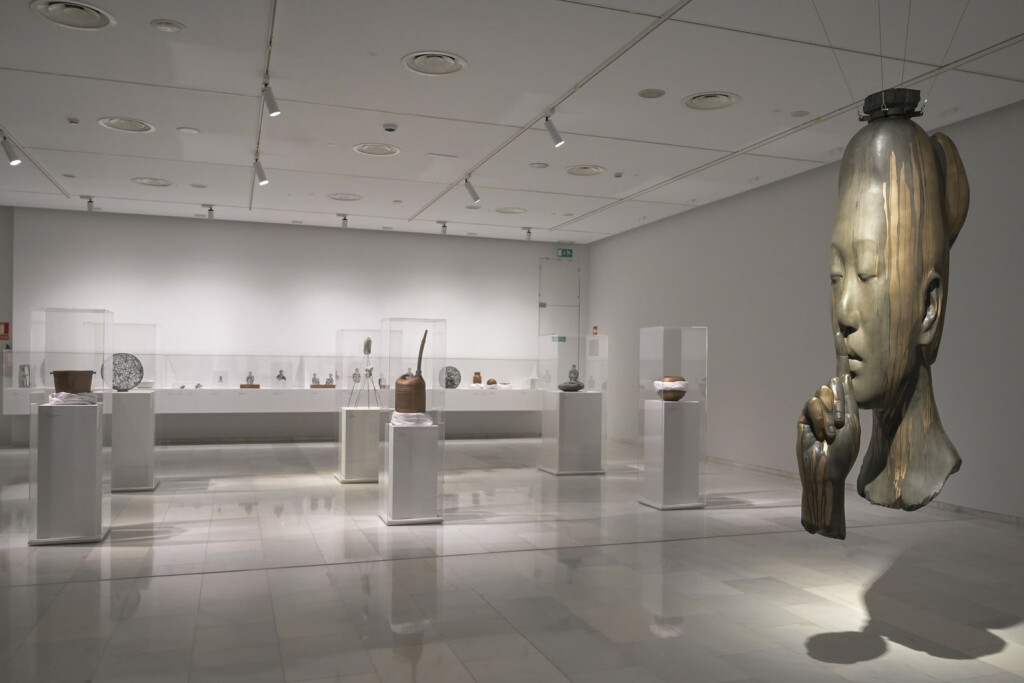
Installation shot, Poetry of Silence
The exhibition is made up of about a hundred pieces dating from 1990 to the present, based on his sculptural work but also including works on paper. The exhibition tour reveals to the public some unpublished sculptures created by Plensa during the COVID-19 confinement, which are presented for the first time. The pieces presented include the iconic sculpture “Together” (2014), which was exhibited in 2015 at the Abbey of San Giorgio Maggiore during the Venice Biennale and has not been exhibited since.
The artist Jaume Plensa for TV3
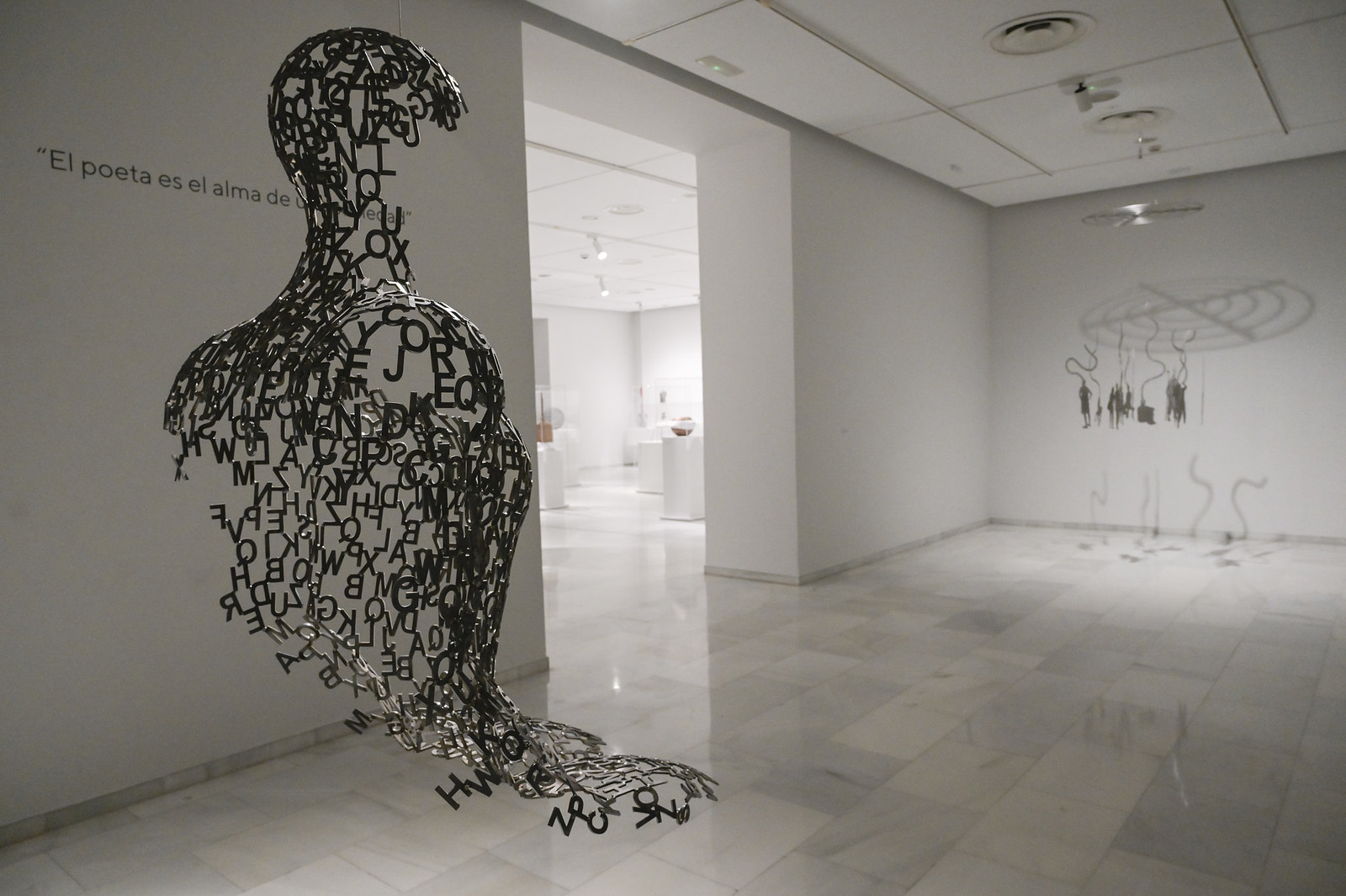
Literature has always been a source of inspiration for Jaume Plensa. T.S. Eliot, William Shakespeare, Dante, Goethe or Vicent Andrés Estellés are some of the writers who have accompanied him throughout his life and have served as inspiration for countless works. This literary influence also extends to the letter itself as an element with which he composes his sculptures.
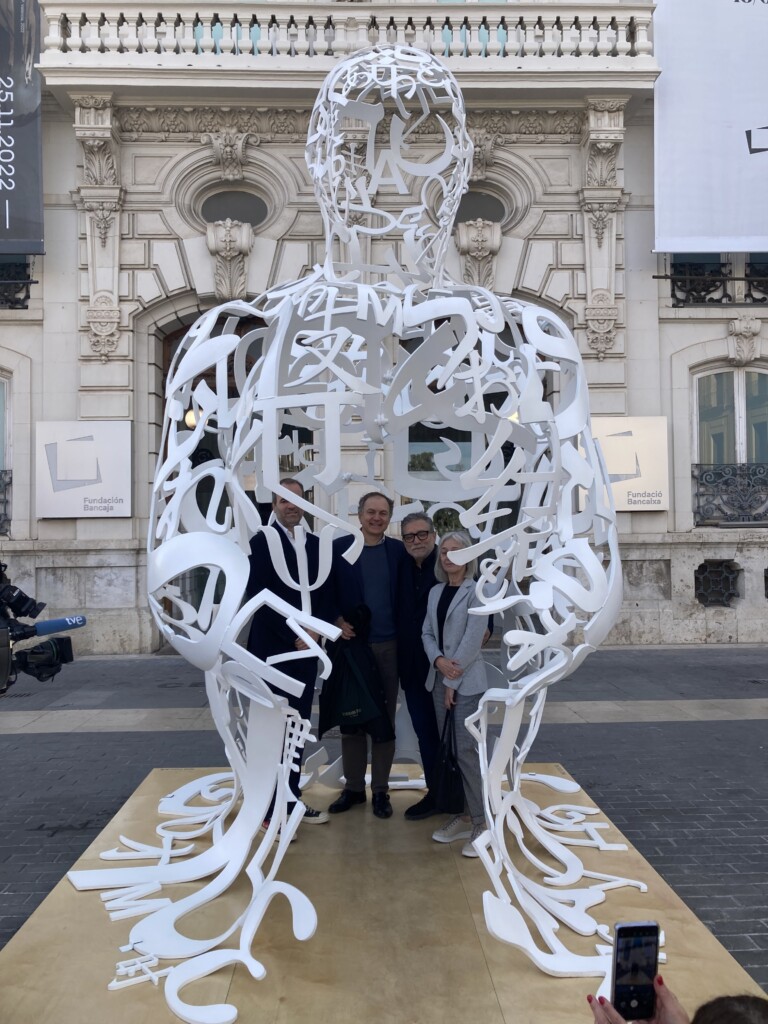
The exhibition shows how Plensa has used letters in many different ways, whether on curtains, gongs or the human body, perhaps his best-known works. This intersection of language with the human body is one of the bases of Plensa‘s work. As the artist explains, “a letter seems nothing, it is something humble, but together with others they form words, and words form texts and texts form thought“.
The sculptor began with the Latin alphabet and gradually incorporated other alphabets, such as Hebrew, Arabic, Chinese, Japanese, Greek, Cyrillic, Korean, Hindi, etc. For Plensa, each letter has a unique beauty, but all of them together are a sample of the diversity of the world and the coexistence of different cultures.
From left to right: Javier Molins, Carlos Durán, Jaume Plensa and Laura Medina
The retrospective includes both large and medium-sized works as well as Plensa‘s more intimate small-format works. Along with the presence of literature as a source of inspiration, the exhibition includes other constant themes in his career such as silence, dreams and desire, music and family.
The exhibition “Jaume Plensa. Poetry of silence” can be visited at the headquarters of the Fundación Bancaja in Valencia (Plaza Tetuán, 23) from November 25, 2022 to March 19, 2023.
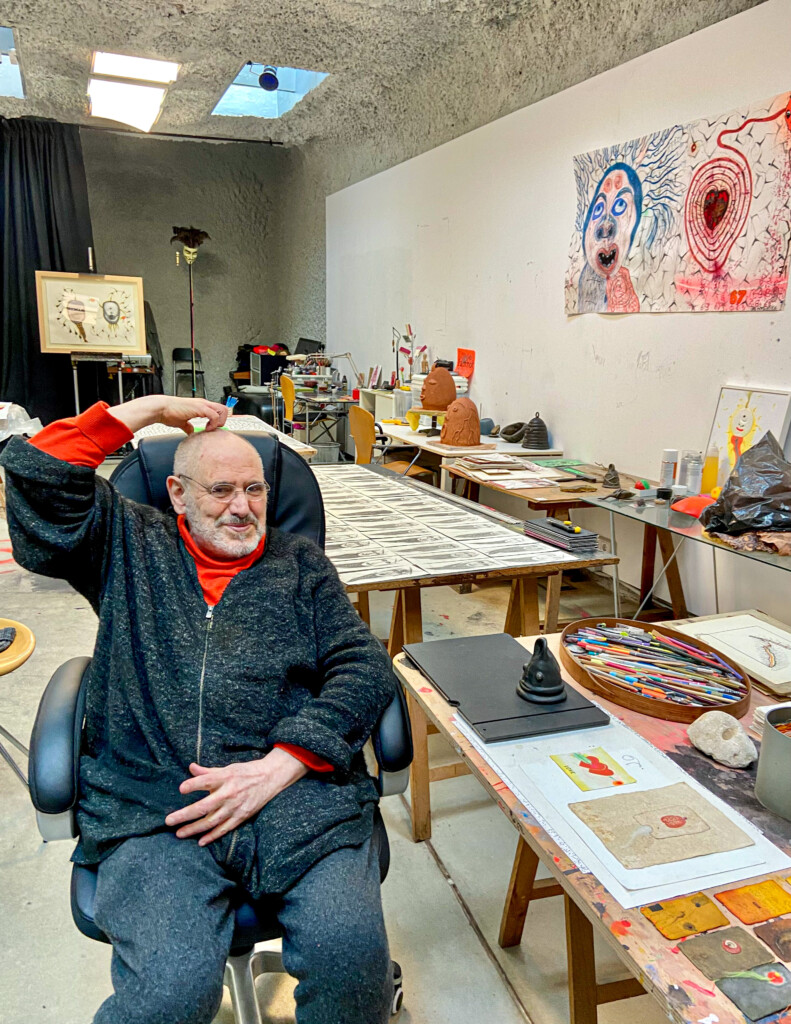
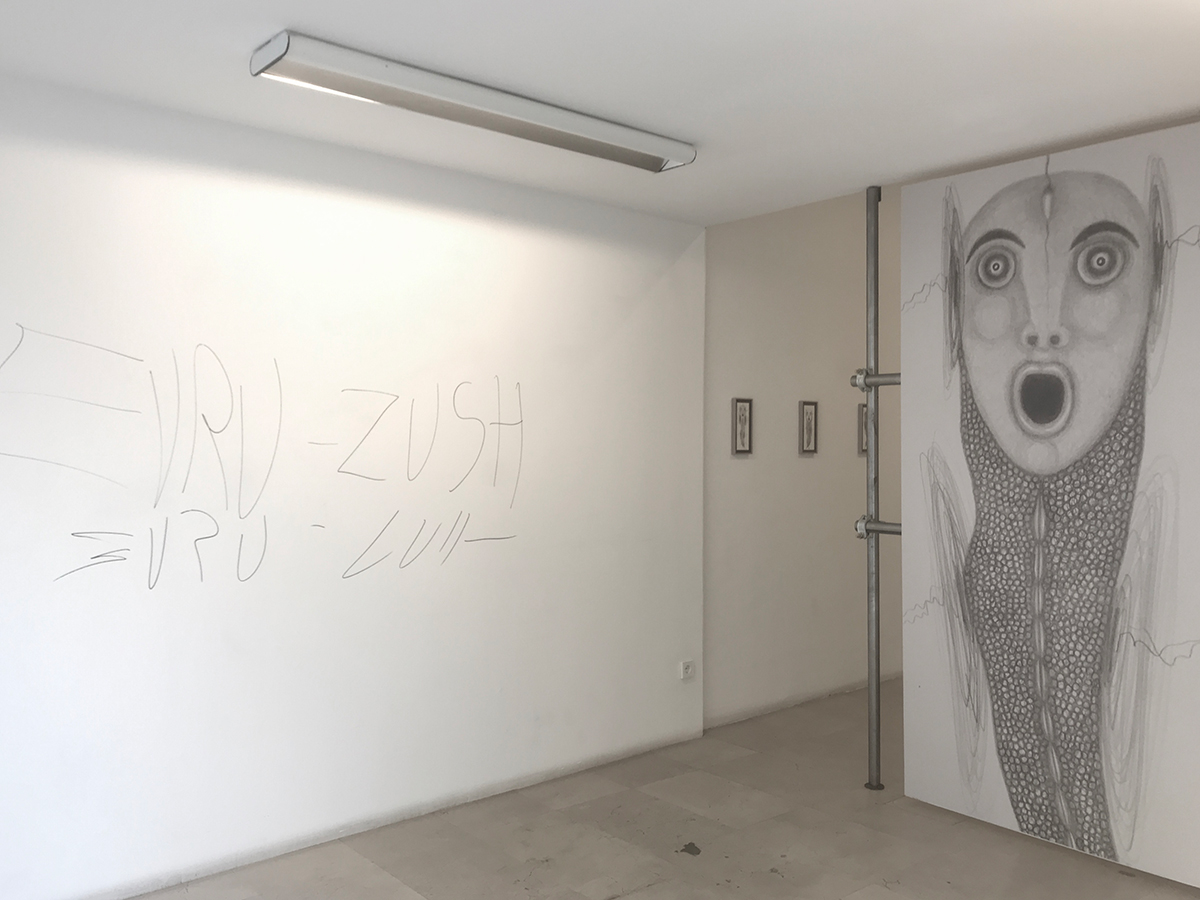
This morning, along with Chus Roig, we have visited Evru Zush at his home studio in Barcelona.
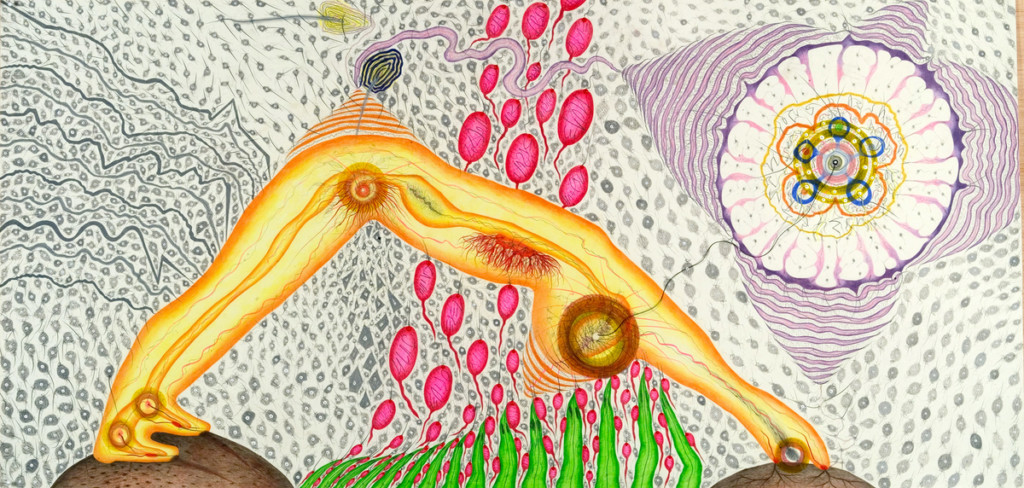
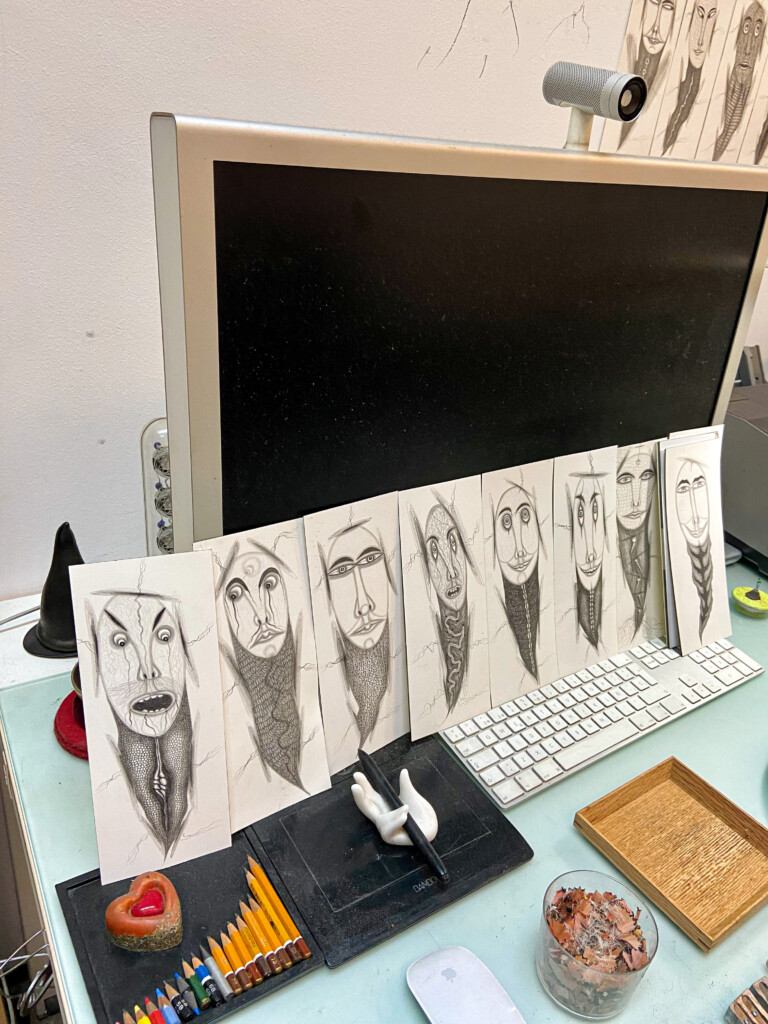
We remember his exhibition “Volver a ser” at Galeria SENDA almost three years ago, an exhibition of small-format pencil drawings with which he presents hybrid beings with a human face and a snake body.
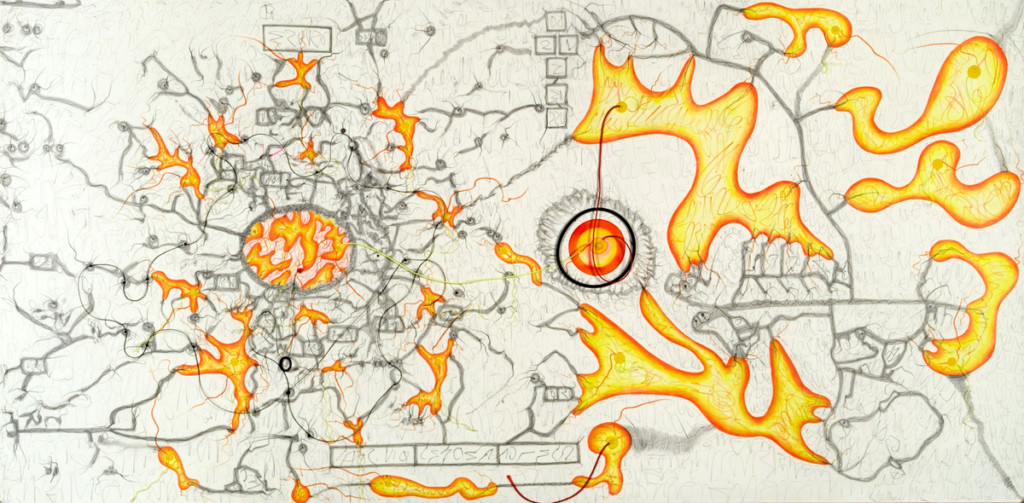
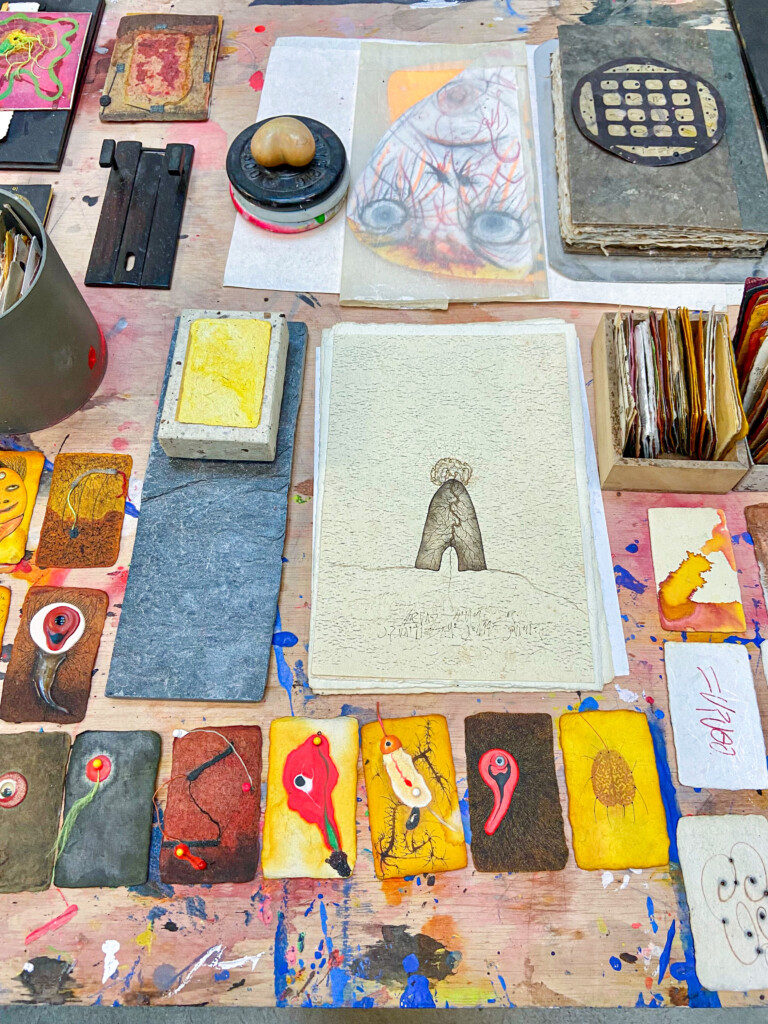
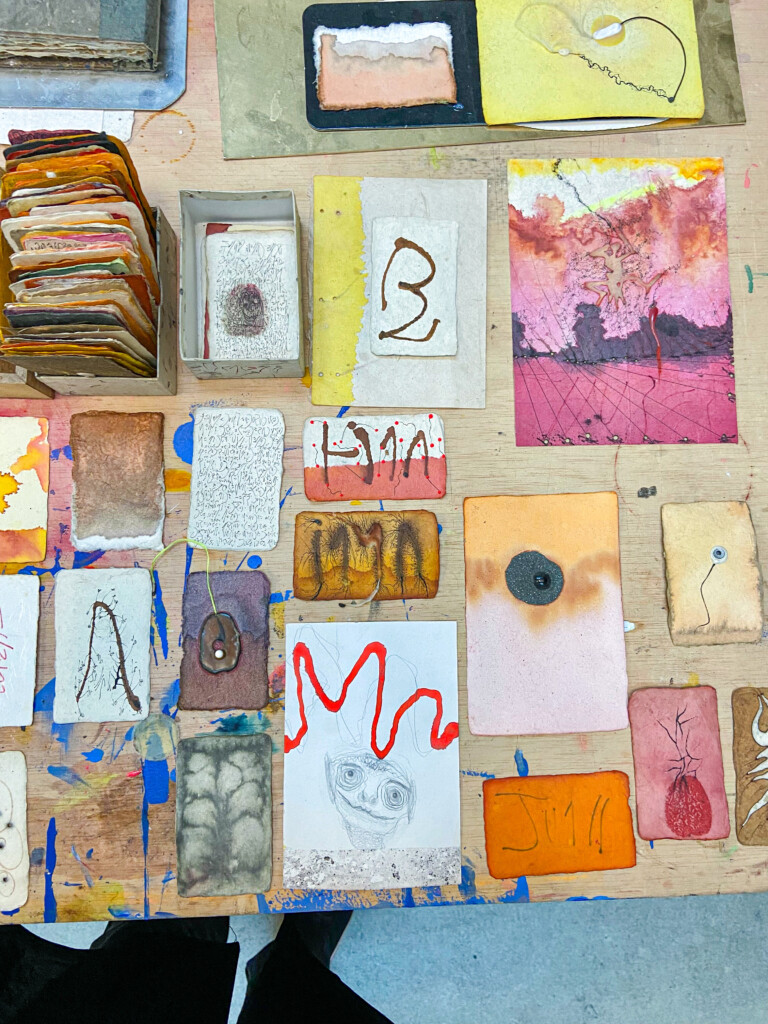
Evru Zush‘s work is characterized by the construction of a personal and autobiographical mythology, based on images that seem to overflow and the creation of his own style of writing, giving rise to multiple parallel universes that maintain a subtle balance where the logic of composition barely keeps the chaos in check.
During the creative process of his latest exhibition at the gallery, Evru Zush noticed that the drawings he was working on corresponded to the iconographic structure of the representations of the “Nagas”, Hindu deities with a human face and torso, generally female, and snake body. In this way, Evru’s constant desire to “be again” materializes, in the present exhibition, in the representation of snakes, beings that, like the artist himself, shed their skin in a natural process of renewal and increase.
Exhibition “Volver a Ser” Evru Zush in Galeria SENDA 2020
On January 12 at 7 pm Imma Prieto, director of Es Baluard, and Mateo Feijoo, curator of the El Archivo del Polvo project, will present LOVE SONG at Galeria SENDA
The exhibition is dedicated to the life and work of Lawrence D. “Butch” Morris (02.10.197 Long Beach CA.- 01.29.2013 Brooklyn, NY) whose music can be heard during the course of the exhibition courtesy of the artist’s legacy – with our thanks.
Del Rivero will present a selection of works taken from various projects carried out throughout his career that culminate in the concept of admiration for life and experience – leitmotiv and essence of the artist’s inspiration.
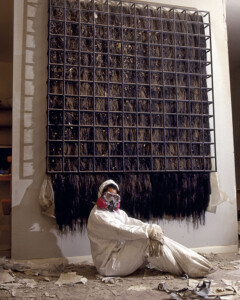
In the context of the last stage of the ”Dust Archive” (2001-2021), Love Song will include the 30 collages-assemblages that were presented in Es Baluard, Palma de Mallorca, built with pieces of painting rescued from his study of works destroyed during the 9/11 attack.
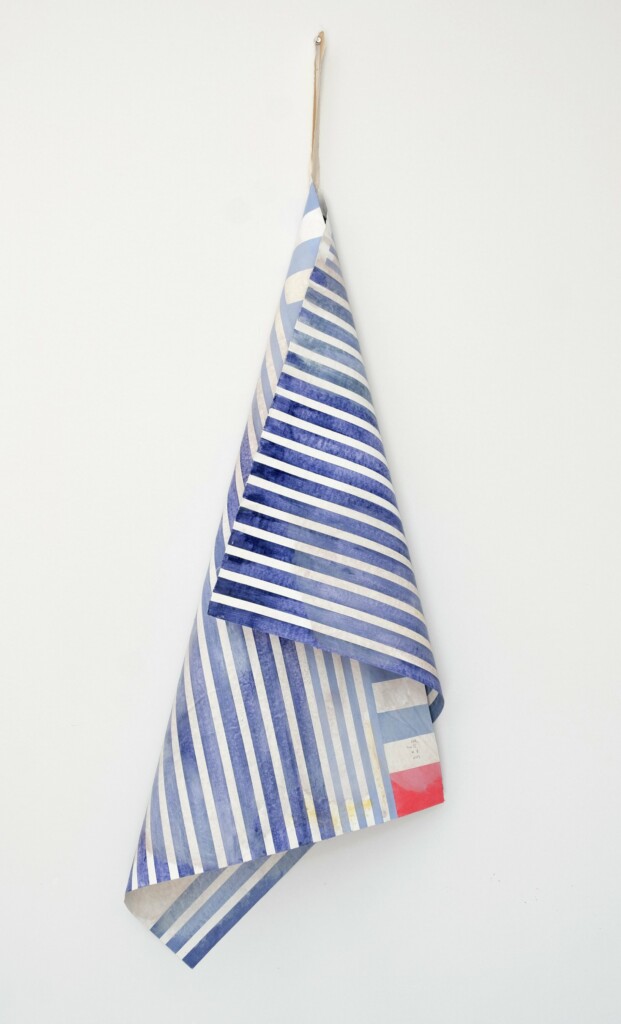
From “Letters from Home”, where the artist delves into the domestic with the kitchen table as a banner, the artist proposes a conceptual experience with kitchen towels-paintings from different years.
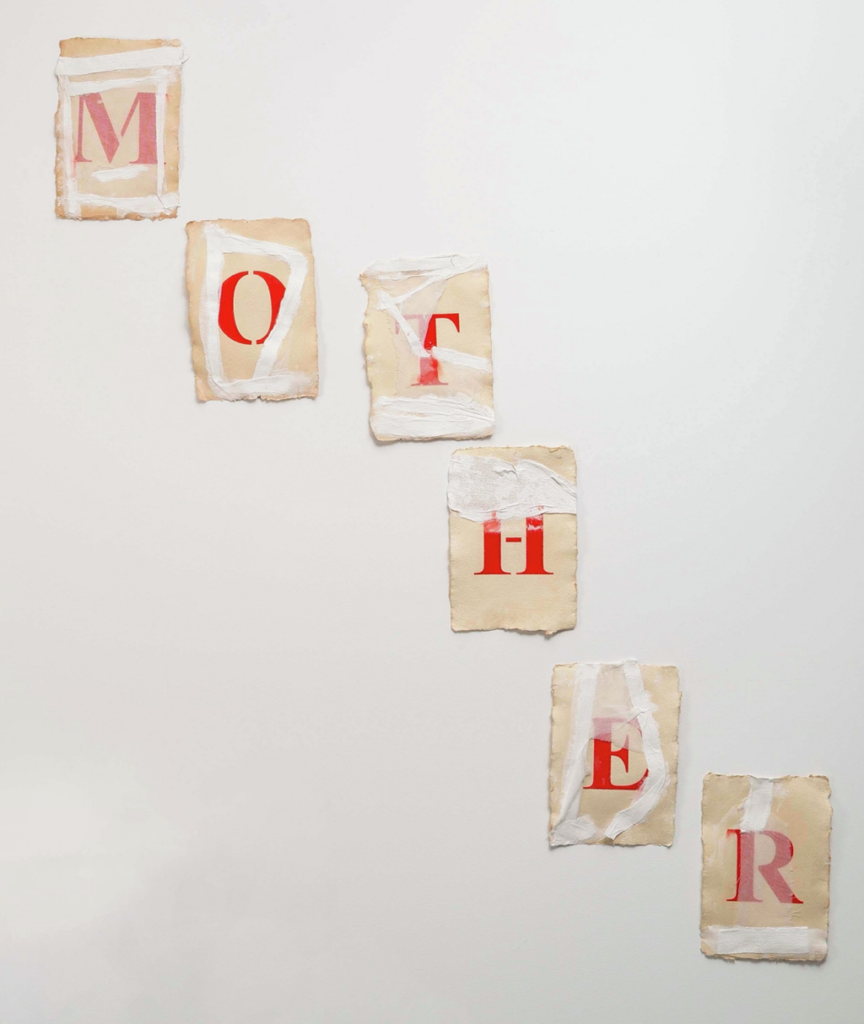
Elena also incorporates works related to the “Letters to the Mother” , another of her great projects since 1991, with elements that she has used constantly throughout her career such as needles, painting, embroidery and fabrics.
The exhibition is completed with ”Fragments of my Ruin”, a work in which all his ethical and aesthetic concerns of recent years come together in a large installation.
The artist Elena Del Rivero for Metal Magazine
With a photograph of Butch walking through the East Village in New York and taken by Elena in 2008, the exhibition will close along with others taken during the Black Lives Matter demonstrations in the Soho neighborhood. The images will accompany us throughout the visit as a reflection on the historical, the collective and the personal in the context of an immediate present.
Elena del Rivero has lived and worked in New York, USA, since 1991. She has had individual exhibitions at the Museo Nacional Centro de Arte Reina Sofía (Madrid); New Museum (New York), Corcoran Gallery of Art Washington D.C.); International Center of Photography (New York); The Drawing Center (New York); or the Patio Herreriano Museum in Valladolid, among others.
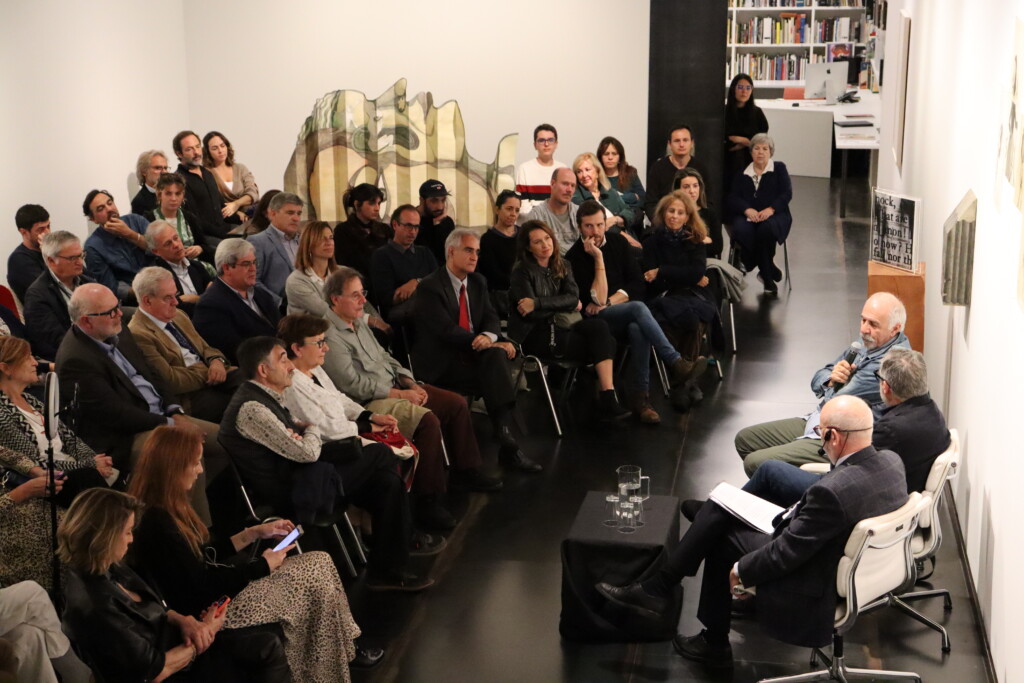
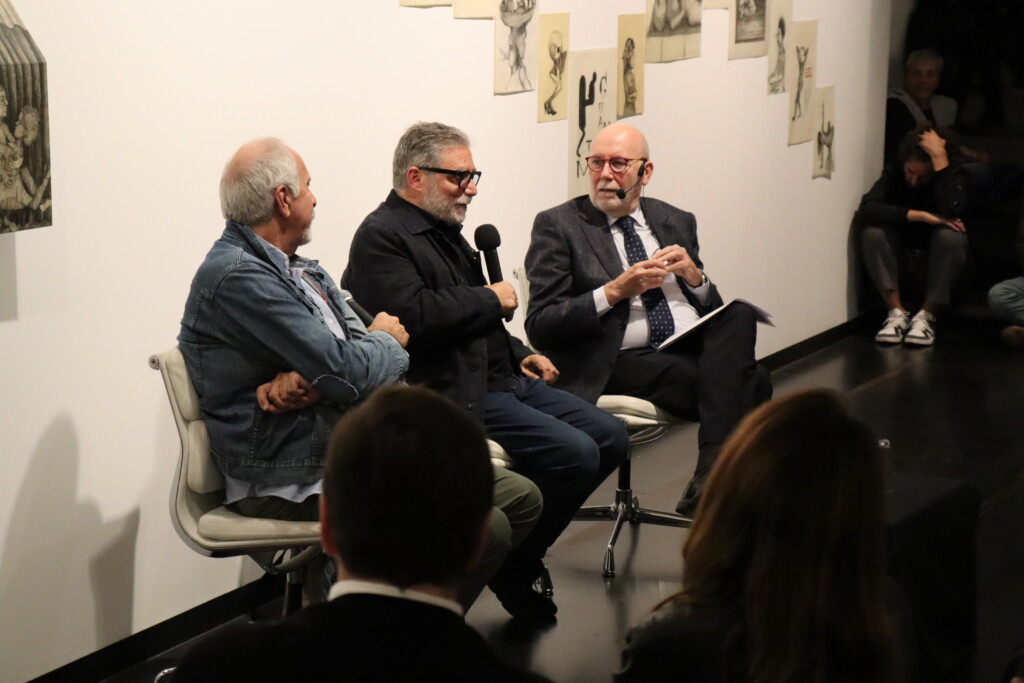
Last Monday, November 7, Barcelona became the epicenter of art and reflection when Galeria SENDA opened its doors to welcome three prominent names from the cultural world: sculptor Jaume Plensa, photographer Jean-Marie del Moral and journalist Màrius Carol. The reason for this meeting was the presentation of the book “Interior, 2022”, a work that transcends the printed pages to explore the challenges and opportunities faced by creators in the context of a globalized market.
The theme of the talk, entitled “Shared Challenges. Creating in a Global Marketplace“, addressed profound and pertinent questions about the creative process in the contemporary world. How do artists face the pressure of producing in a globalized environment? What impact do market trends have on creativity and originality? These were some of the questions raised during the conversation, which turned into an exciting dialogue between creative minds.
Jaume Plensa, known for his imposing sculptures that explore the relationship between the individual and the environment, shared his vision of the need to maintain authenticity in a world flooded with external influences. For Plensa, true creativity arises from the connection with oneself and the surrounding environment, and it is crucial to preserve that connection in a globalized context.
For his part, Jean-Marie del Moral, whose photography captures the essence of urban life and human diversity, spoke about the role of art as a tool for expression and resistance in an increasingly homogenized world. For Del Moral, creativity is an act of resistance against uniformity, a way of celebrating the diversity and complexity of the world we inhabit.
Màrius Carol, a journalist with a long career in the cultural field, provided a unique perspective on the role of the media in the promotion and dissemination of contemporary art. In a world where attention is fragmented and information is constantly flowing, Carol stressed the importance of telling authentic and meaningful stories that connect with audiences on an emotional level.
The presentation of the book “Interior, 2022” marked the beginning of a series of #SENDATalks, a typology of talks organized by Galeria SENDA that brings together artists, creators and thinkers to explore relevant topics in the world of art and culture. These meetings provide a platform for the exchange of ideas, debate and reflection, fostering an open and enriching dialogue between different disciplines and perspectives.
The event concluded with a question and answer session, where the audience had the opportunity to interact with the speakers and delve deeper into the topics discussed. The atmosphere was one of inspiration and camaraderie, leaving a lasting impression on all present and sowing the seeds for future conversations and creative collaborations. In short, the talk at Galeria SENDA was much more than a book presentation; it was a transformative encounter that illuminated the complexities and challenges of the creative process in the 21st century, and demonstrated the power of art and culture to bring people together and enrich our lives.
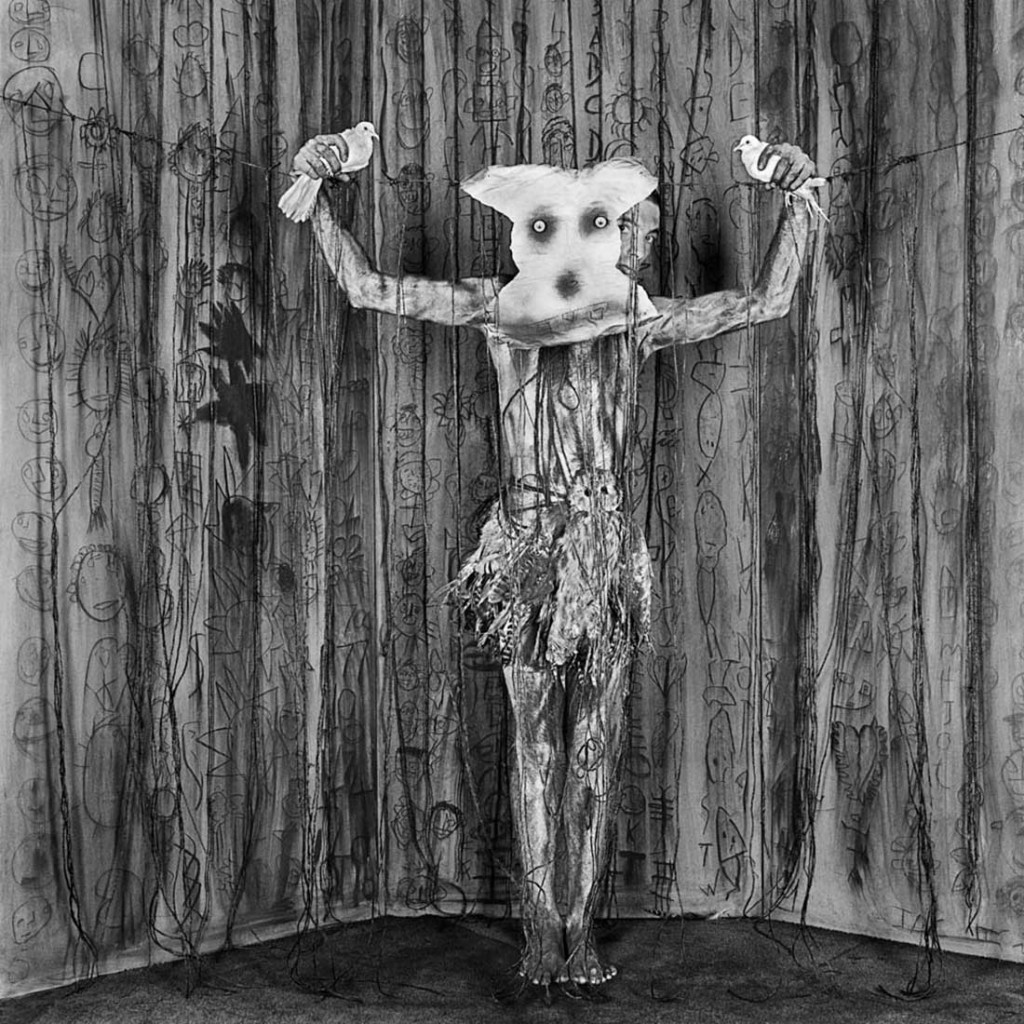
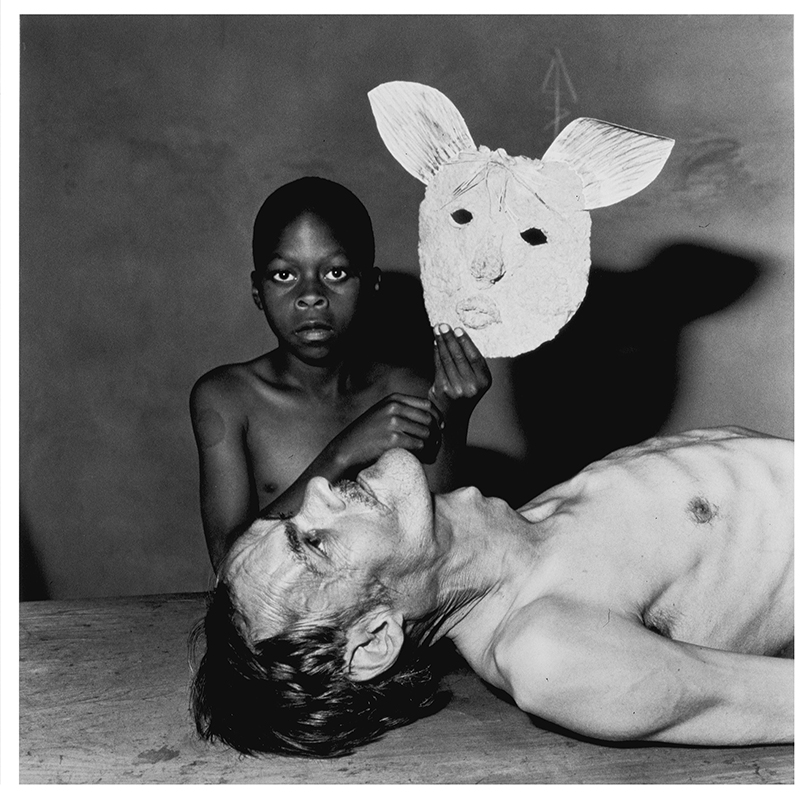
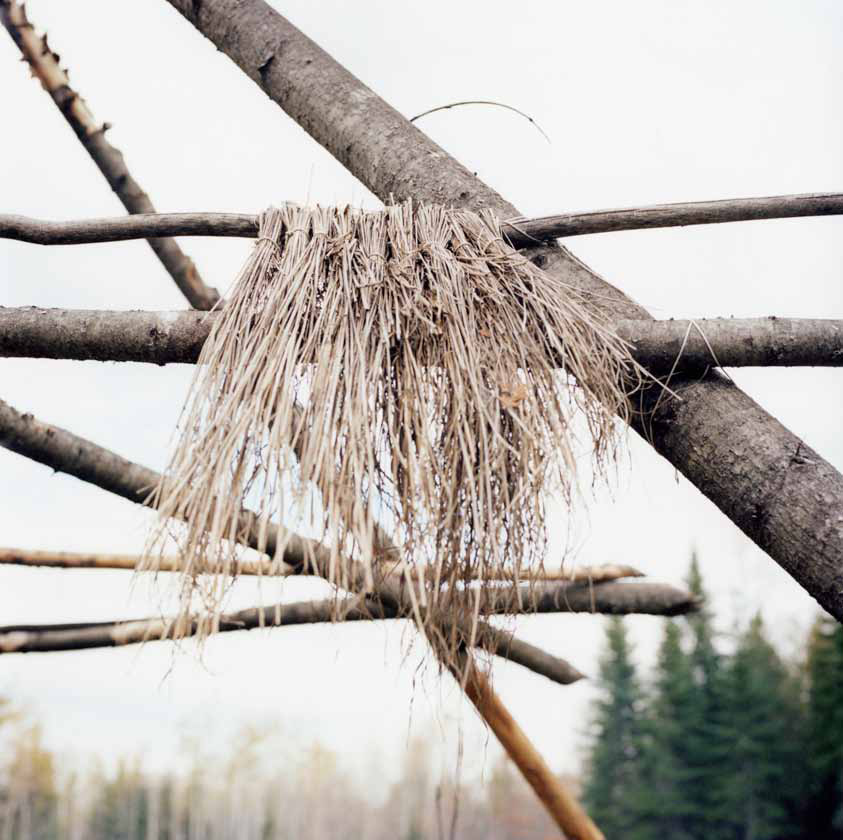
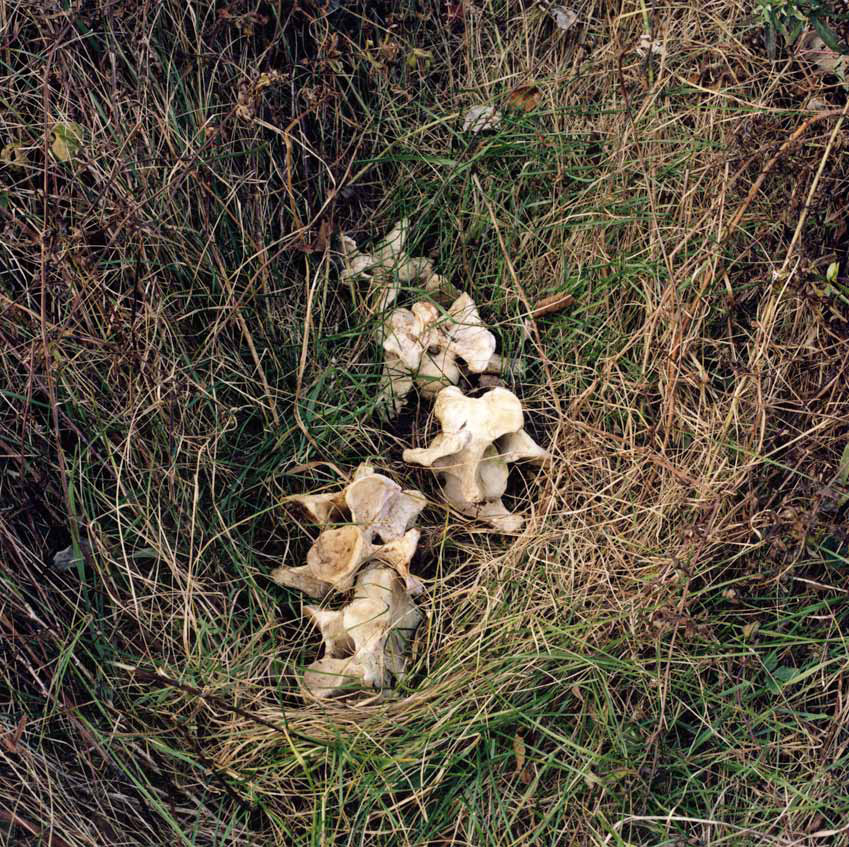
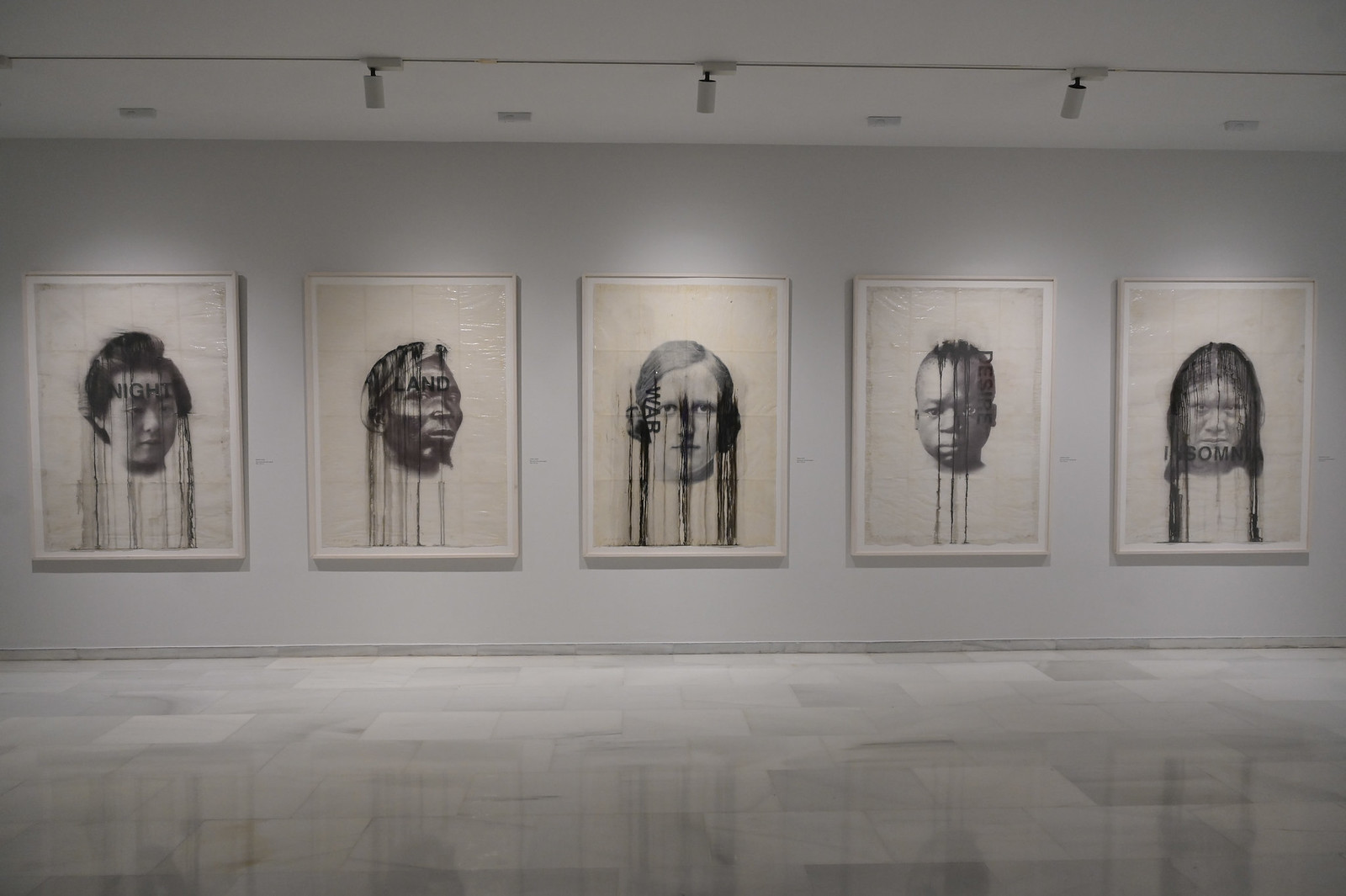
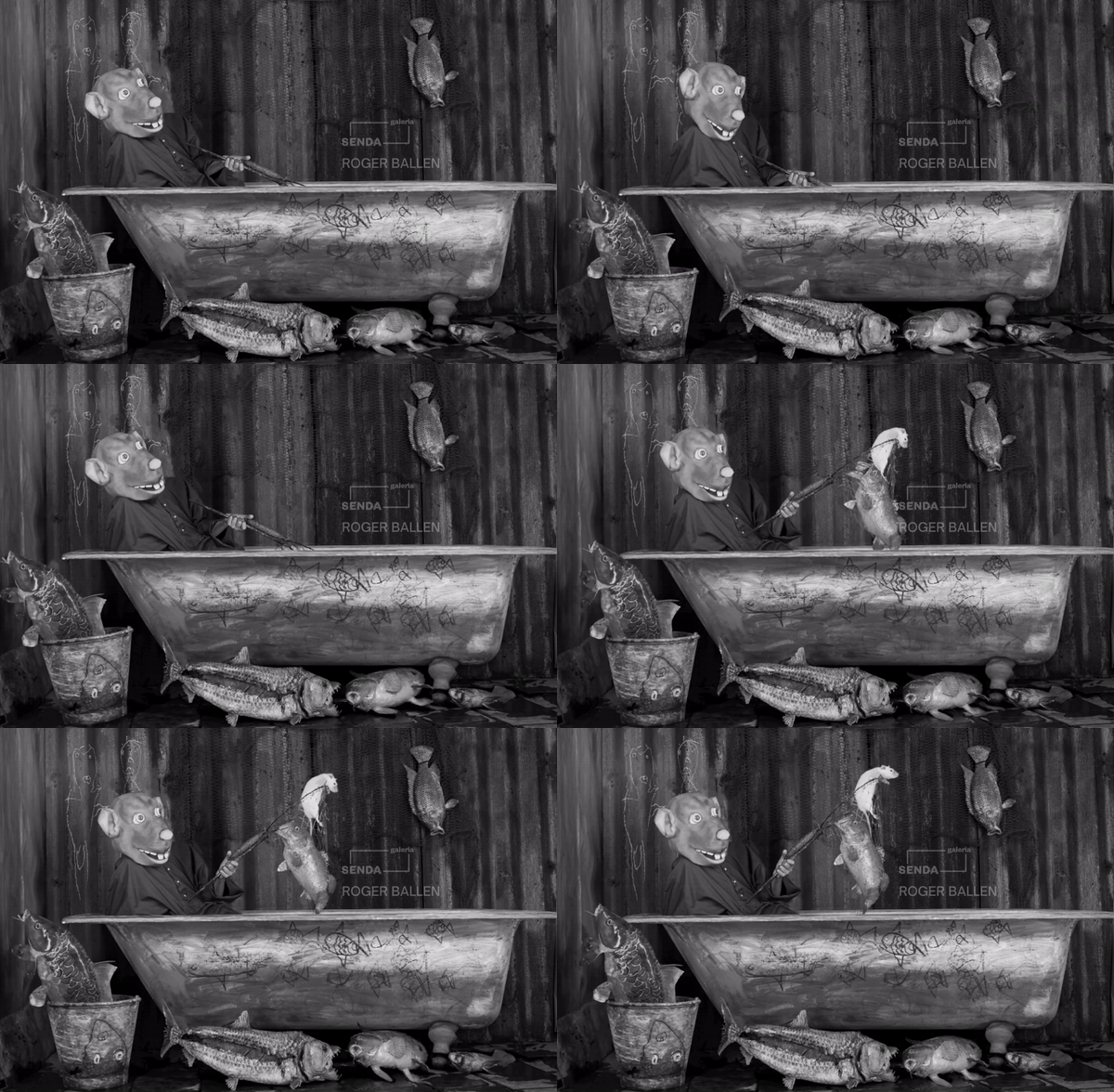
We’re happy to announce Roger Ballen as this year’s artist for Loop Fair with his work: “Roger the Rat”, which will be exhibited at #LOOP22 (15-17 Nov) where a selection of contemporary artists’ films and videos will be presented by international galleries in a unique viewing experience in Barcelona.
Roger Ballen created a persona, Roger the Rat. Here, the artist creates and documents an archetypal persona who is a part-human, part-rat creature who lives an isolated life outside of mainstream society. In this film, we follow Roger the Rat, as he moves out of his restrictive hovel to an abandoned graveyard of discarded mannequins taking them to his house to dress and communicate with them.
Initially Roger the Rat was ecstatic with his newfound companions as he could dress them, talk to them and share his feelings. As time passes, he comes increasingly frustrated by their lack of response which leads to his outbursts of violent and irrational behavior. Roger the Rat, gives expression to the corroding effects of loneliness, seclusion, and uncomfortable suffocation in confined spaces afflicted on the human psyche as a consequence of the isolation.
Roger Ballen was born in New York in 1950, son of a photograph editor at Magnum.
Ballen has worked as a geologist and mine consultant before launching his own photographic career, documenting small towns in rural Africa and their isolated inhabitants, spending more than 40 years living there.
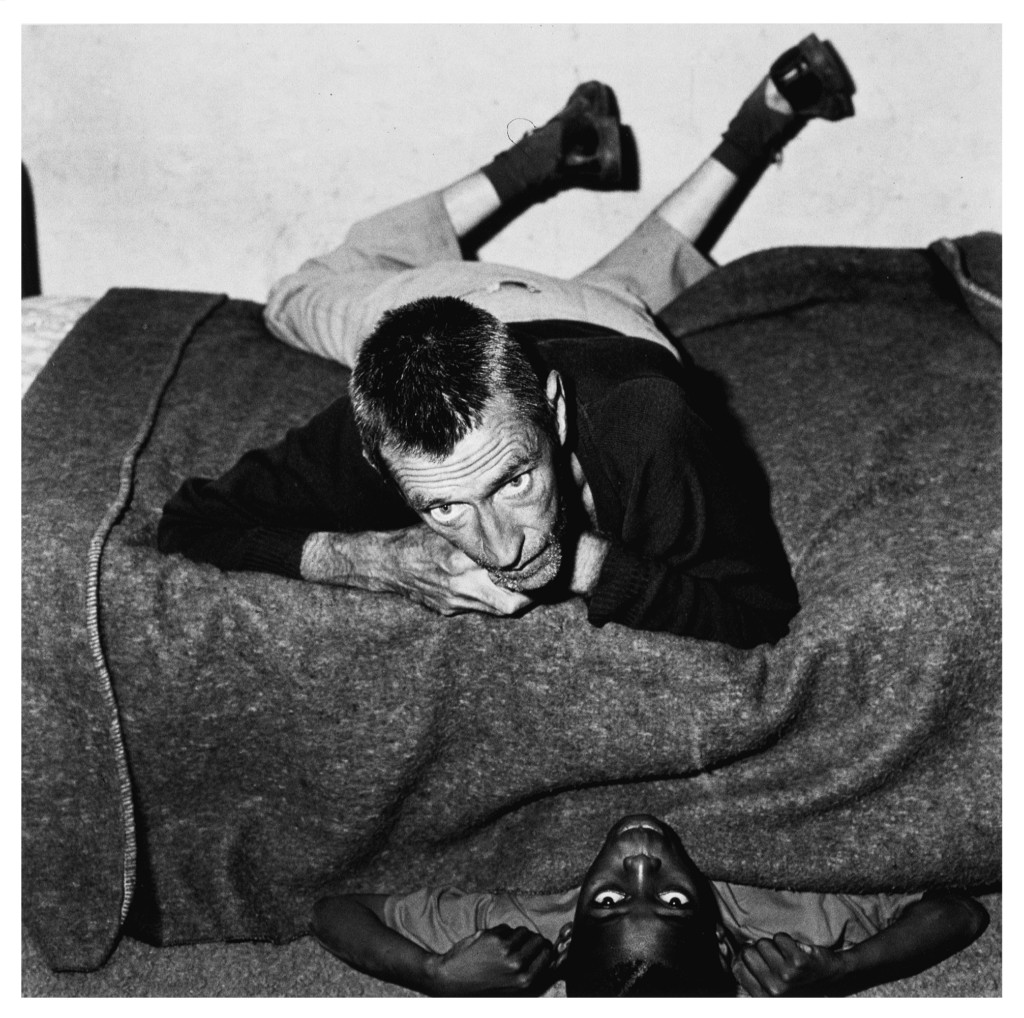
It was in the 90s when his style changed, trying the black and white technique and a more ‘documentary fiction’ approach to his work. Ballen has always been intrigued by the idea of a hybrid between photography and drawing, as well as the expansion of his visual language, making him experiment with video works where the human conditions are his main subject matter.
He is considered one of the most influential artists of the 21st century, having published over 25 books internationally and being part of multiple solo and group exhibitions since 1981.
Galeria SENDA presents Anthony Goicolea – “Don’t Make a Scene” (2020) LOOP Festival, 8 – 20 November 2022
Galeria SENDA is pleased to present Anthony Goicolea in this years edition of the LOOP Festival from the 8th of November till the 20th of November.
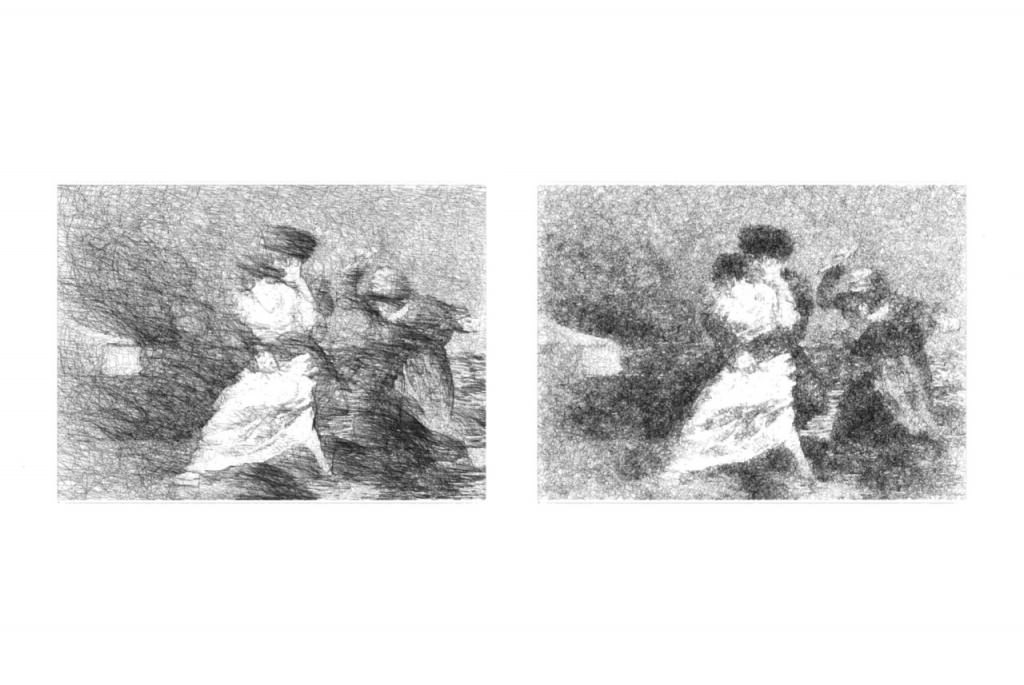
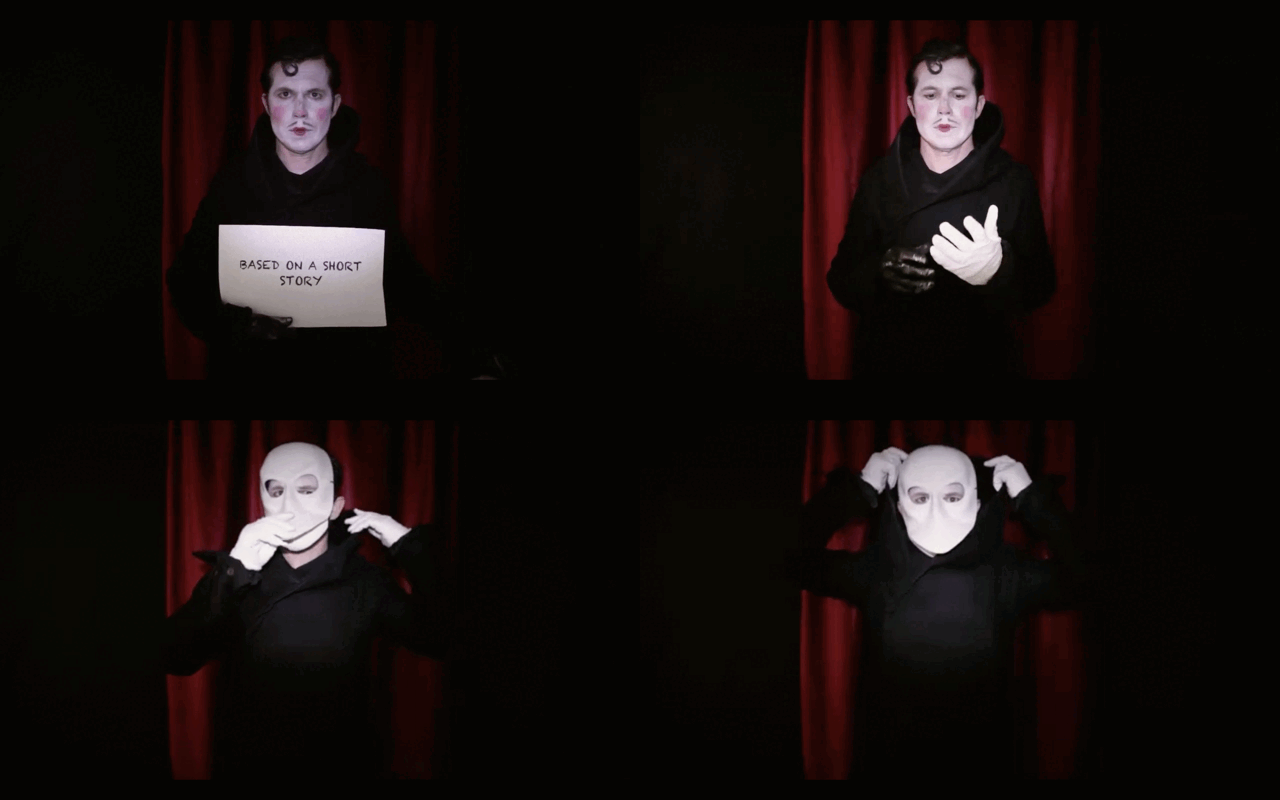
“Don’t Make a Scene” (2020) is a monologue presented in the form of a silent film. The short unfolds as a book of drawings made during the initial six weeks of the Covid-19 quarantine. Each drawing is done on semi-translucent sheets of mylar film. The portraits are character studies presented as actors from a one-act play.
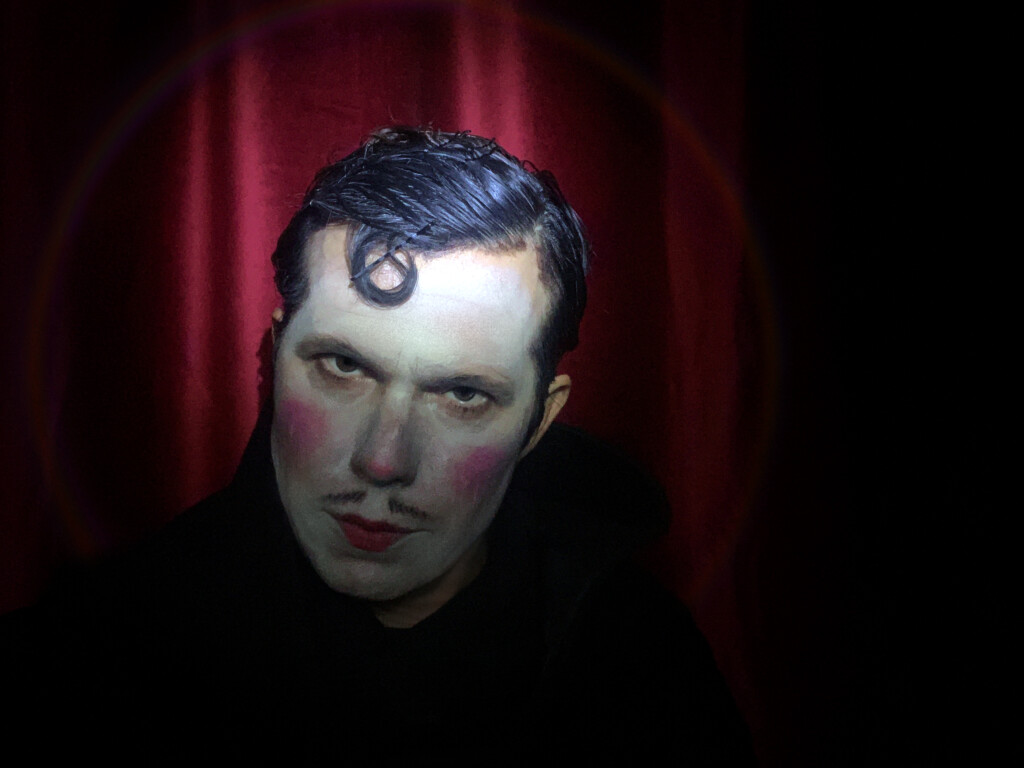
Made during a six-week period of forced isolation, Goicolea casts myself as the emcee in the guise of an early 1900’s cabaret host as an allusion to past and present pandemics.
Stills from the original video
Dressed in period stage drag the emcee enters in a black cloak and beaked mask. During the 17 th-century plague, European physicians wore beaked masks, leather gloves, and long coats in an attempt to fend off disease. The mask is removed to reveal pancake make-up and reddened cheeks that were often used to hide early signs of “Consumption” or the “White Plague”. And the pomaded coifure, rouge, lipstick and stage make up has links to paintings made during the pandemic of 1918 as well as referneces to drag and queer communities affected by the on going AIDS pandemic.
The musical accompaniment is a slow unfolding waltz whose beat is in sync with the rhythmic turning of the pages. The slow steady beat marches onward toward isolation, tedium, fear and the final hooded figure of death.
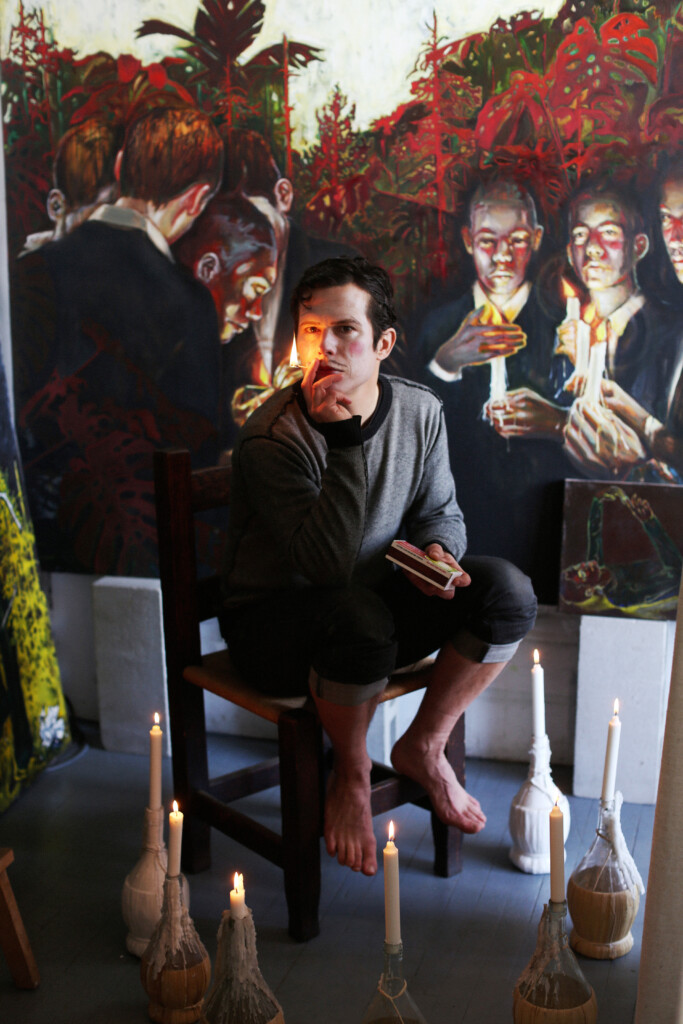
ARTIST BIO Anthony Goicolea is an American born artist of Cuban origin. Known internationally for his photographs, drawings, paintings, sculptural installations, and films, the artist works across mediums creating a self-referential visual language that explores identity, migration and transition, displacement and alienation, as well as assimilation and group dynamics. Goicolea uses the architecture of the human body and constructed landscapes to create worlds predicated on fantasy but based in reality.
About LOOP Barcelona
LOOP Barcelona is a platform dedicated to the study and promotion of the moving image. Founded in 2003, since its creation it offers a specialized audience a curated selection of video-related contents from challenging perspectives. An international community of artists, curators, gallerists, collectors and institution directors, team up to develop projects, which aim at exploring the capacities of video and film in today’s contemporary art discourses.