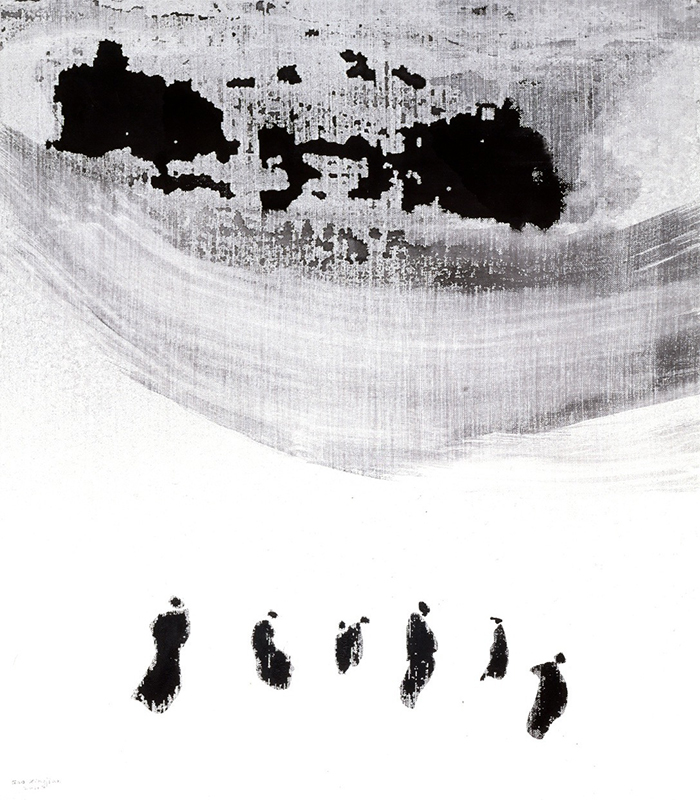
CARLA CASCALES ALIMBAU, Le Temps

The change in the conception of time experienced during the months of confinement has given rise to Carla Cascales Aliumbau’s reflection on the constant self-imposed rush in our society.
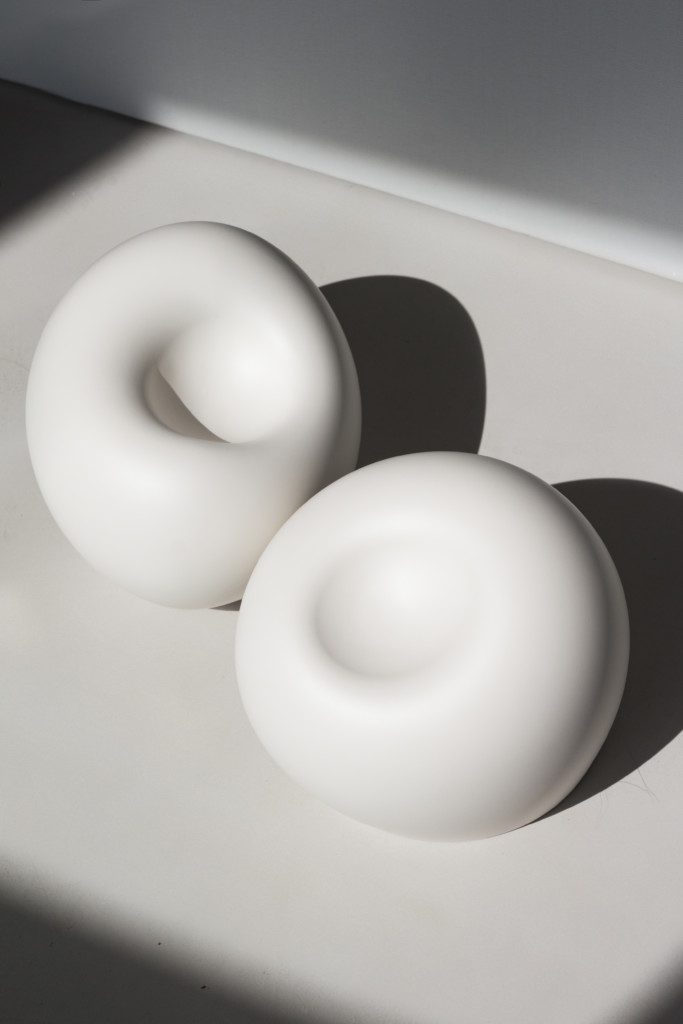
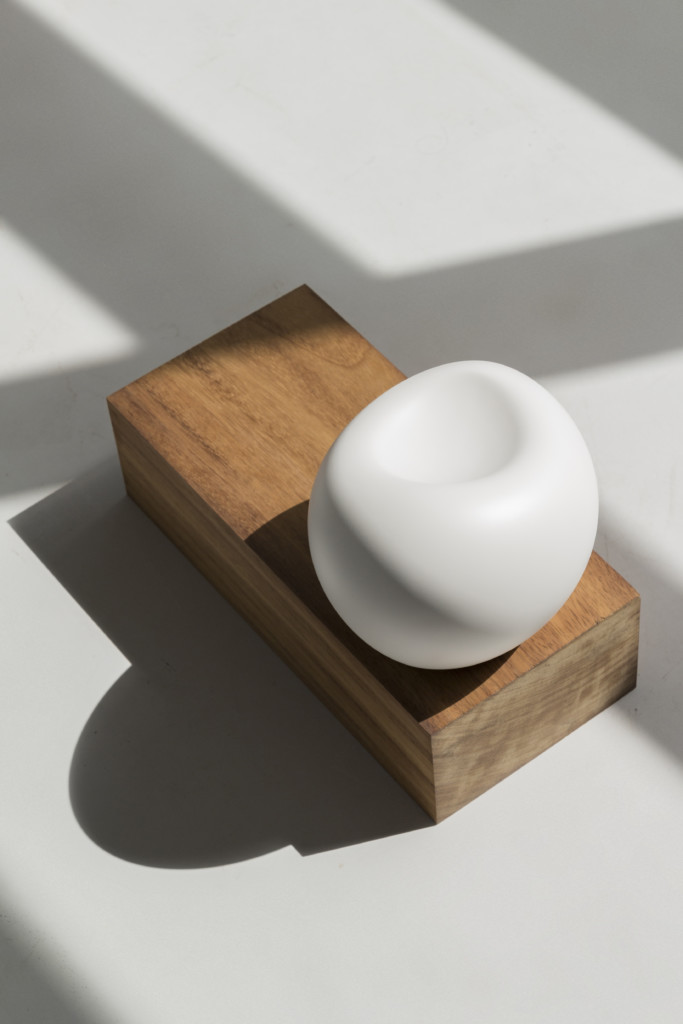
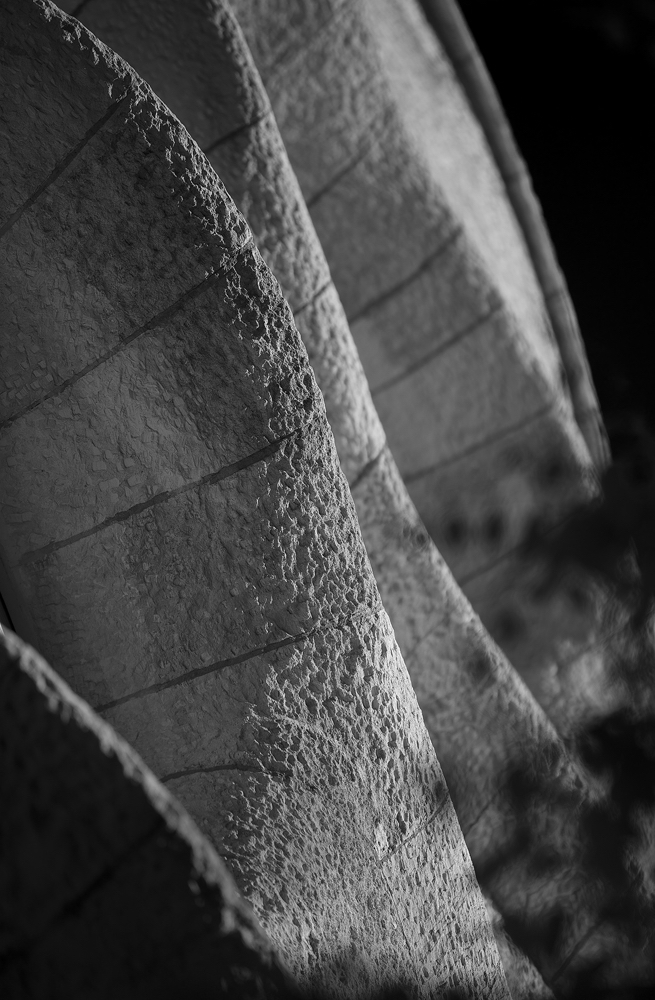
The artist recreates a feeling of stopped time, where the absence of color makes all the pieces merge with each other. It is in these instances that what usually goes unnoticed, such as textures, shadows, cracks and subtle movements, take importance.
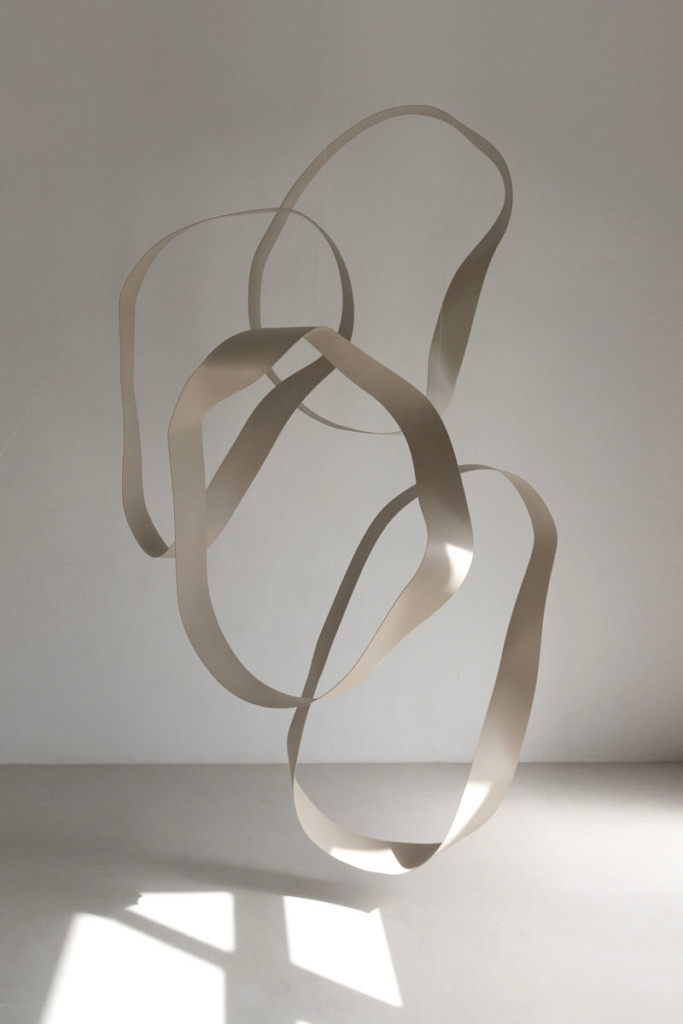
Diving underwater is one of those moments where time slows down, where there is no room for rush. The series of mobile sculptures, “Posidonias”, is a tribute to that bubble of silence, to the ductile movement of algae, pieces rocked by their own inertia, without exerting resistance, since for the artist the stopped time is not the absence of movement but calm. All the pieces have in common the static fluidity, as if by blinking or looking away they were to continue moving.
The sample also reflects the passage of time, the importance of roots and degradation as a symbol of beauty. In a year in which distant trips were canceled, Carla decided to visit the small Andalusian town where her grandparents were born before emigrating to Barcelona. There again she felt that time retained, without noise, without distractions, walking through the almond groves that her great-grandfather planted years ago and that are still there today.
As a tribute to these roots, most of the works are titled according to fragments of Bodas de Sangre, by García Lorca. It is not by chance that Carla makes reference to this tragedy – a work that is a fusion of pain and joy, which, according to the artist, is not far from how life can sometimes feel.
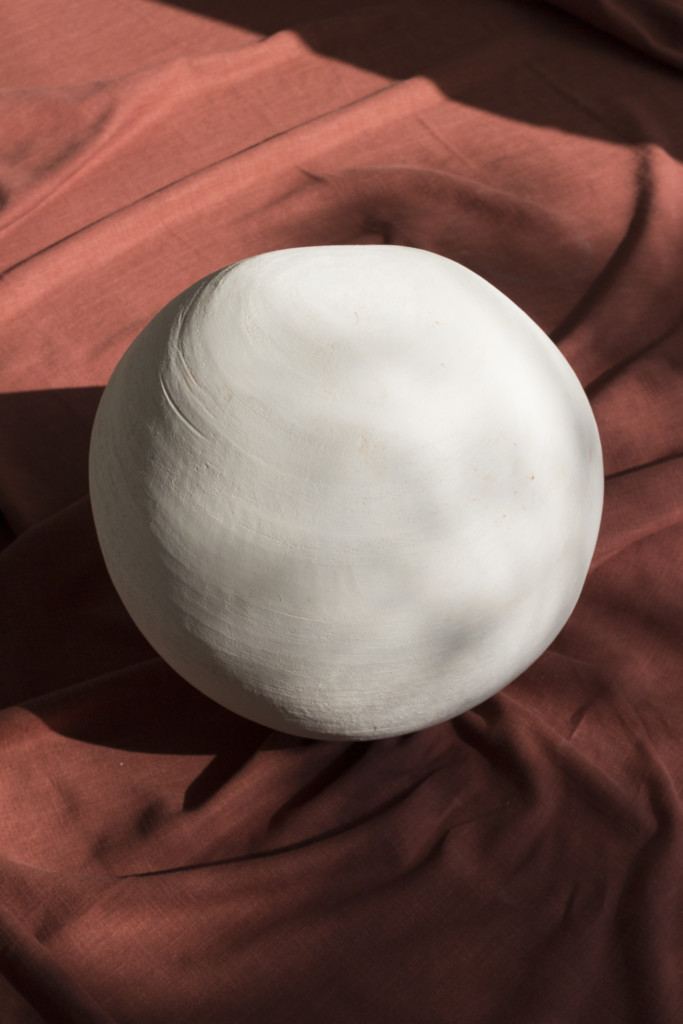
Carla was fascinated by the connection between the houses of the small Mediterranean fishing villages that she has seen since she was a child and those of the Andalusian countryside, the textures of the whitewashed  and irregular houses that perfectly adapt to their surroundings and that she seeks to evoque in her ceramic sculptures.
Without the calm of present time, without stopping, it is easy to get lost in a jumble of thoughts. This exhibition is a tribute to the time dedicated to knowing one’s own authenticity.
The soundtrack that accompanies the exhibition was composed by Marta Cascales Alimbau and it is available on Spotify.
_____________
Carla Cascales Aliumbau (1989) was born and currently works in Barcelona. Her work encompasses different media, incluiding drawing, painting and sculpture, which echoes a minimalist aesthetic while it is also influenced by architectural currents such as brutalism, evident in her use of raw materials. Likewise, her fascination for the Japanese aesthetics of the “Wabi Sabi” confers to her work a notion of beauty based on transience and impermanence. Her work process is a constant aesthetic search for the essence of form and the balance of materials, highlighting their irregularities and imperfections in contrast to the austerity of their shapes. She has held individual exhibitions in Madrid, London and New York and artistic installations in institutions such as the Matadero Creation Center in Madrid or La Caixa, ImagineBank in Barcelona. She has carried out art residencies in San Francisco in 2017, Florence in 2018, and Tokyo in 2019.

DOMESTIC ODYSSEYS. A group show online exclusive

The exhibition brings together the artists who have participated in the Instagram initiative “Welcome Home”, by featuring a selection of the artworks they produced within their domestic confinement, during the lockdown. Ranging from painting to photography, video, drawing, and sculpture, the works result from the drive of their authors to overcome the challenges of the quarantine through imaginative and ingenuous ways of doing and thinking, within and beyond art-making practices. Hence turning their domestic space and time of confinement into an inspiration enabler.


Recalling the 1968 epic science fiction movie 2001 A Space Odyssey by Stanley Kubric, DOMESTIC ODYSSEYS addresses the exploration of an unknown domestic life – as opposed to the unknown extraterrestrial life of the futuristic movie. Echoing the voyage to Jupiter imagined by Kubric, the exhibition theme offers a pretext to re-think our relationship with our domestic environment – an intimate space that, during the confinement, has suddenly and paradoxically turned into an unfamiliar and, sometimes, unsettling place of dwelling, into otherness.


 And yet, having transformed their homes into temporary studios (or vice versa), and hence, making a virtue of necessity, the artists of the DOMESTIC ODYSSEYS exhibition have been able to find the most authentic inspiration in their new domestic space. In some way, the artworks featured in the exhibition are the repository of untold intimate domestic tales, joys, and struggles – what we would call «domestic odysseys» – as well as of the desire to re-domesticate our unknown dwelling spaces.


Although they saw their exhibitions and plans for 2020 canceled or postponed, by reinventing themselves within precarious and temporary contingencies, once again they have shown to the world that art, as a form of knowledge production, can acquire multiple shapes, but it never ceases to be and manifest itself. Like in other moments in history, artists have been able to challenge the most critical times, turning art into an inspiring and resilient way of thinking, being, and doing differently.

TEDIUM. Senda at the Pushkin Museum of Moscow

TEDIUM is a video art screening program, co-curated by Galeria SENDA and the Pushkin State Museum of Fine Arts of Moscow, which features the work of Spanish and Latin American artists with whom Galeria Senda has collaborated throughout almost thirty years: Glenda León (Cuba, 1976), Teresa Serrano (Mexico, 1936), Miguel Angel Rios (Argentina, 1953), Anna Malagrida (Spain, 1970), Isabel Rocamora (Spain, 1968), Adrián Balseca (Ecuador, 1989) and Miralda (Spain, 1942).


With this initiative, the Pushkin Museum invites Galeria SENDA to participate in the museum’s 100 WAYS TO LIVE A MINUTE, a digital project “where people who create and reflect on art share their experiences of meaningful living of time”.


While the curatorial concept behind the program revolves around the notion of “tedium”understood as a human emotion of inquietude, that results from a particular experience of time —  the final video art selection (defined jointly by SENDA and Pushkin Museum) offers to the digital public of both institutions an overview of the work of some of the most interesting artists from the Ibero-American artistic panorama, who employ the medium of video to explore intimate themes or to address identity, inquietudes and social matters.


“All of humanity’s problems stem from man’s inability to sit quietly in a room alone,” said the seventeenth-century theologist and scientist Blaise Pascale. And yet, these days, we are learning not to fear the silence of time. Confined in our domestic space and forced to reduce our social life and work activity, we experience time’s most unexpected dimensions. Dealing with an unknown pacing of seconds, minutes, hours and days, we are learning to domesticate tedium — an intimate human emotion that has been an object of fascination and exploration of poets and philosophers for centuries — from Lucrecio to Leopardi, to Baudelaire and Oscar Wilde, amongst many others. In this instance, we might also discover that tedium can be a prelude for new ideas, unexpected sense of awareness or artistic inspiration.


Art can teach us a lot about unconventional ways of conceiving and experiencing time. In particular, video art is devoted to a distinct aesthetic (and politics) of time perception, often recalling the emotion of tedium: it breaks with the established modes of moving image storytelling of television and cinema, offering unconventional narrative timing to the eyes and the hears. In some way, video art turns us into pensive spectators, inclined to the patient awaiting of the unexpected, which might never come.


SENDA’s passion for video art is cultivated by supporting artists that work with video and moving images techniques, as well as by fomenting the culture of collecting video art in different ways. For instance, the director of SENDA, Carlos Durán, is the co-founder of the LOOP Barcelona festival and fair, a polyhedric international event, entirely dedicated to moving images arts. Celebrating its 18th edition in November 2020, LOOP has turned Barcelona into a reference of the international video art scene.


The video works featured in TEDIUM will be exclusively broadcasted by Pushkin Museum as part of their 100 WAYS TO LIVE A MINUTE on-line project, in a section, specially designed for this collaboration, of the website https://100waystoliveaminute.pushkinmuseum.art/?lang=en.

TEDIUM will unfold in three appointments: Saturday, May 30, Wednesday June 3, and Saturday June 6. Each day, at 19.00 Moscow time, a series of video artworks will be presented to the public and made available to be watched for 24 hours.


Saturday, May 30 (19:00 Moscow time  / 18:00 Barcelona time)

Glenda León (Cuba, 1976):

Hablando con Dios / Talking to God (2018)

Espejismo II / Mirage II (2019)       

Cada Respiro II  / Each Breath II (2015) 

Suspension / Suspension (2003) 

Anna Malagrida (Spain, 1970):

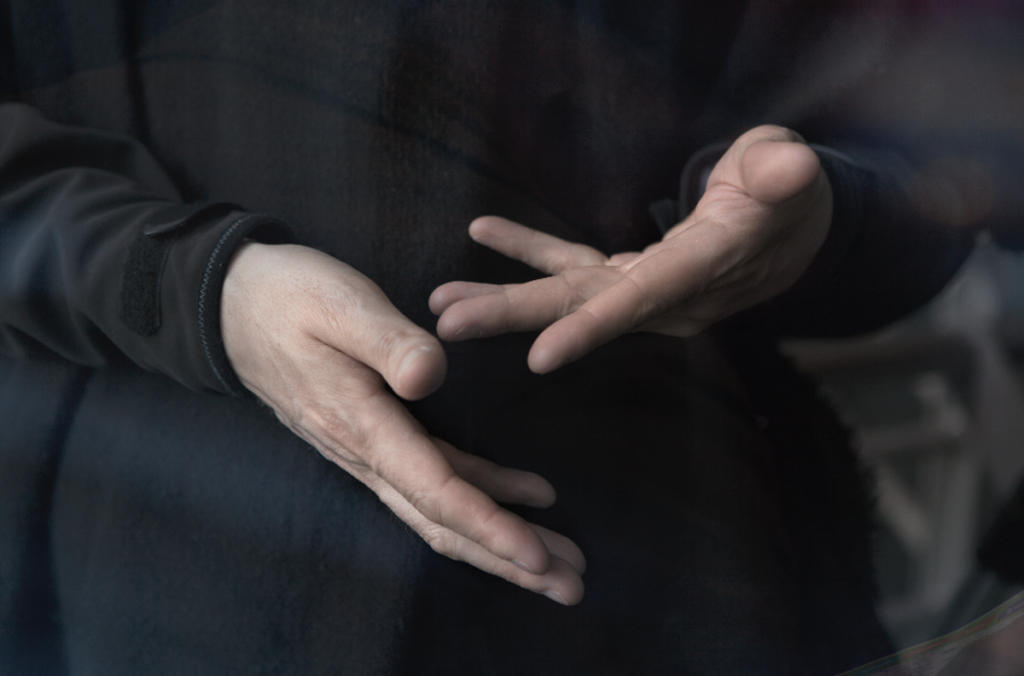
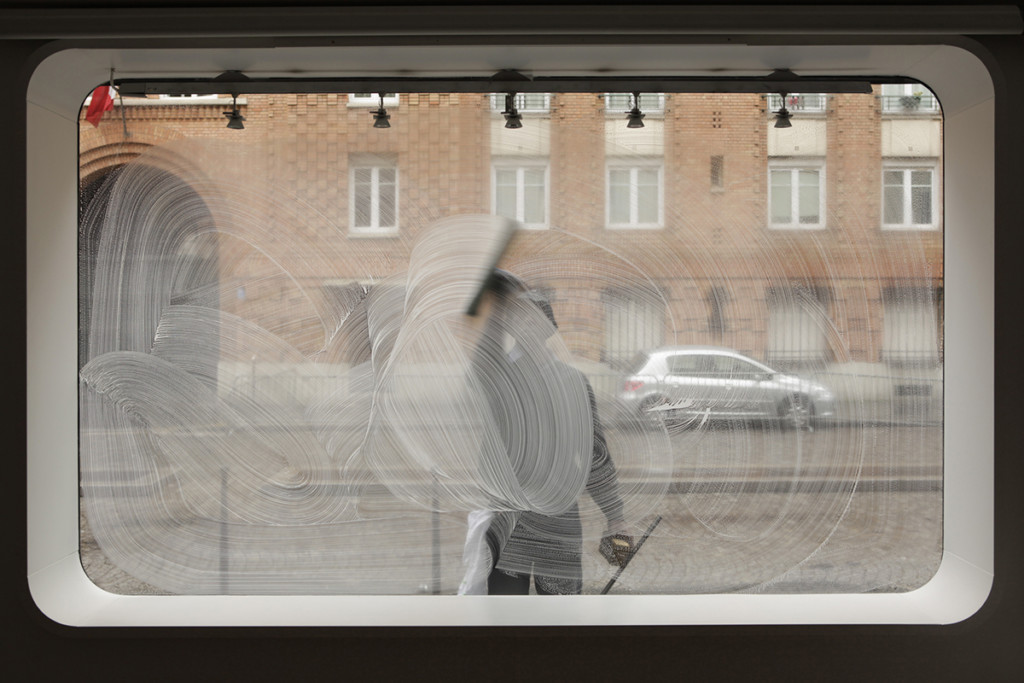
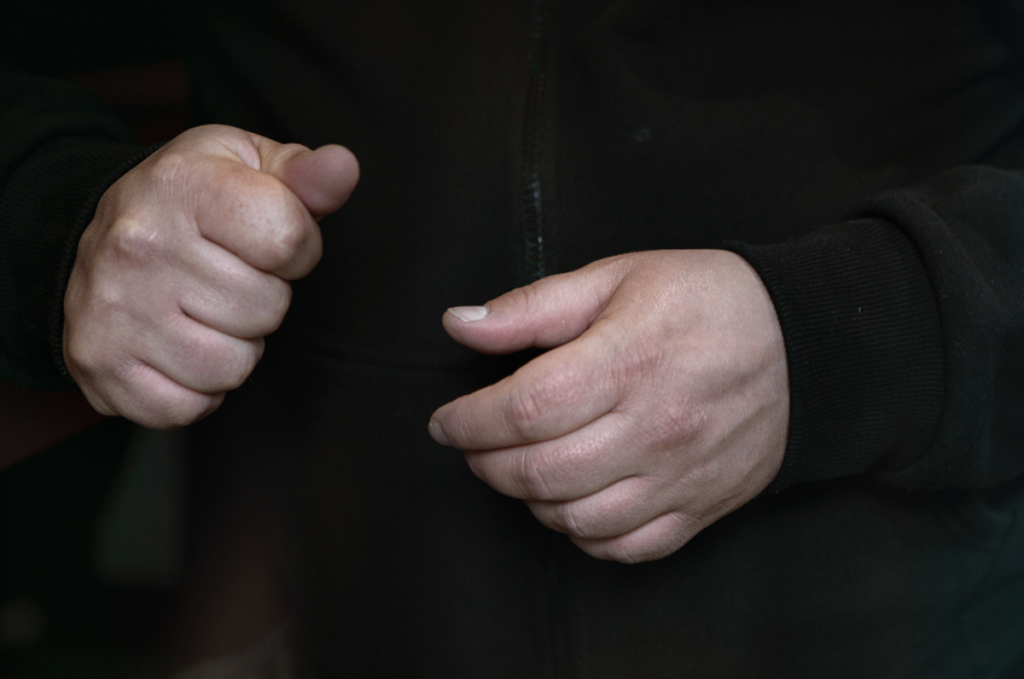
_El Limpiador de Cristales / The Window Cleaner (2010)

_Frontera / Border (2009)

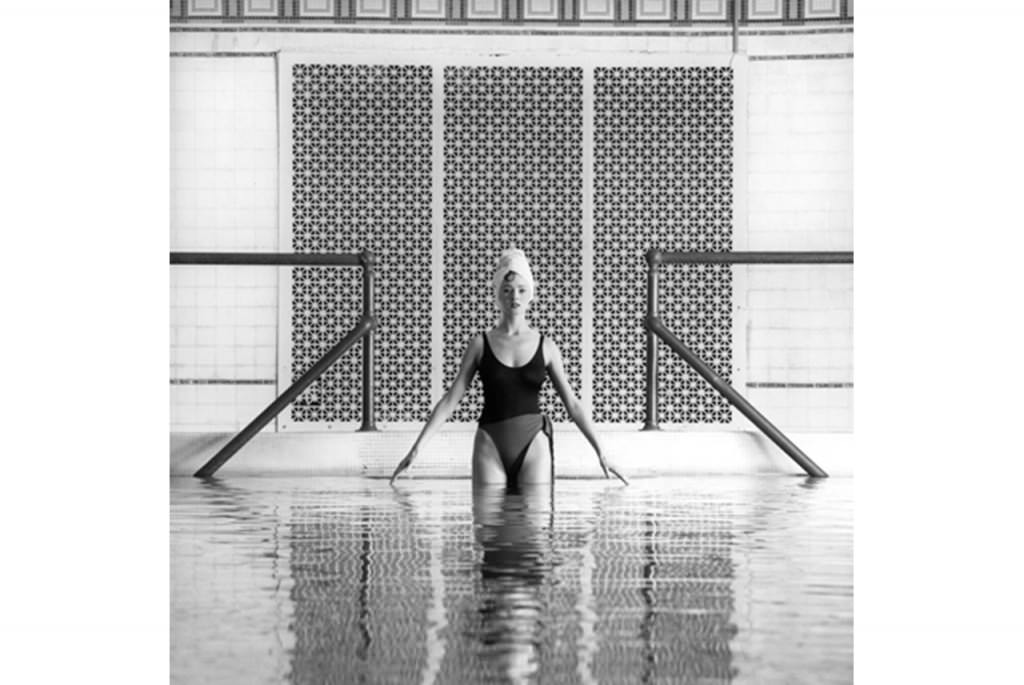
_Danza de Mujer  / Woman Dance (2007)


Wednesday, June 3 (19:00 Moscow time  / 18:00 Barcelona time)

Adrian Balseca (Ecuador, 1989):

_Grabador Fantasma / Phantom Recorder (2018)

_Suspensión I  / Suspension I (2019) 

_Medio Camino  / Halfway (2010)

Miguel Ángel Ríos (Argentina, 1943):

_Landlocked (2014)

_Piedras Blancas / White Stones(2014)

_Mulas / Mules (2014)


Saturday, June 6 (19:00 Moscow time  / 18:00 Barcelona time)

Isabel Rocamora (Spain, 1968):

_Horizonte de Exilio / Horizon of Exile (2007)

Teresa Serrano (Mexico, 1936):

_A Room of Her Own (2003)

Miralda (Spain, 1955):

_Apocalypse Lamb New York (1989–2018)

_Apocalypse Lamb Barcelona (1997–2018)
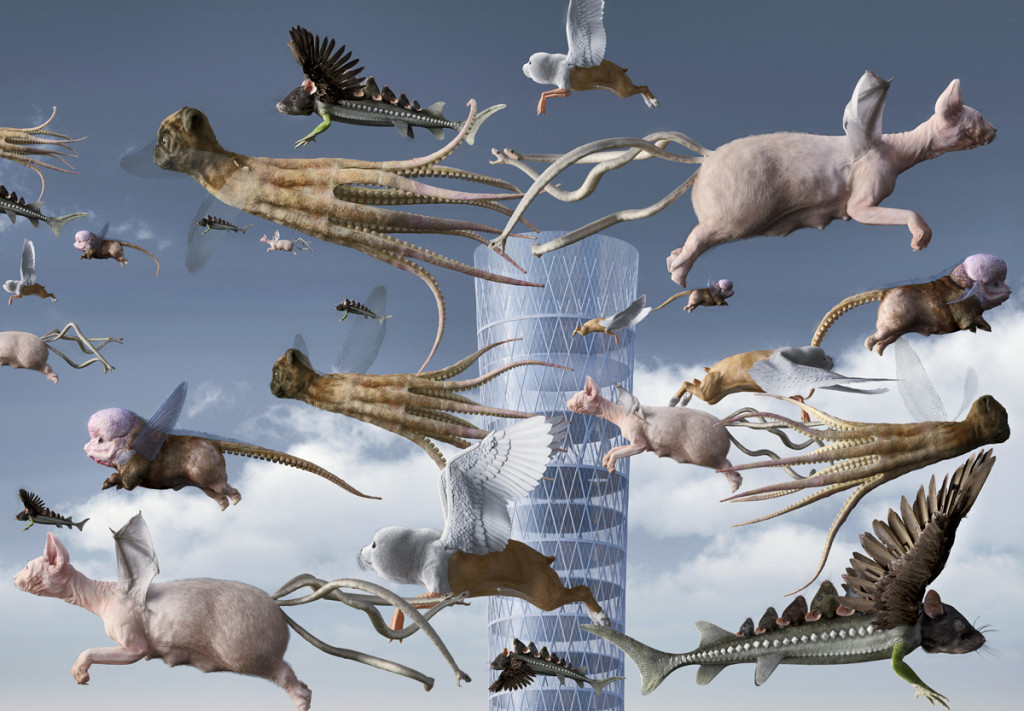


PETER HALLEY, New Paintings

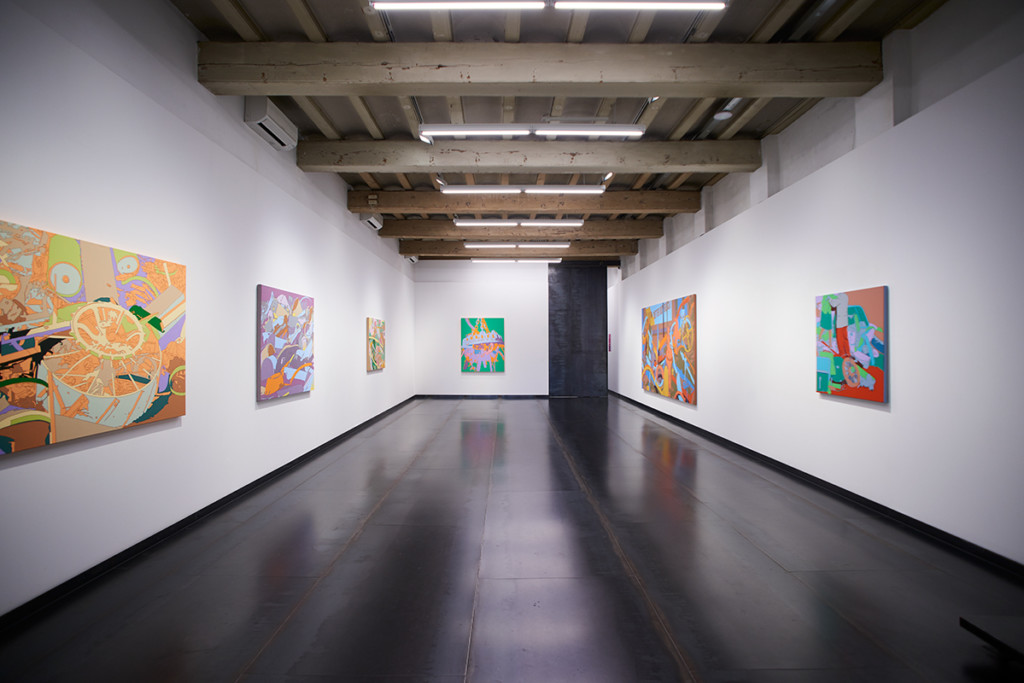
The new paintings presented by Peter Halley in Barcelona embody an important step in his career. The classic “cells” and “prisons” with or without a “circuit”, now expand, reshaping the edges of the canvas and leaving the rectangle behind.
Being true to his imagery – created already in the 80s – Halley introduces his sixth exhibition at Galeria Senda, the most committed one.

The colour palette of this new series also manifests a significant change. With an abundance of fluorescent yellow, violets and, above all, pinks (clear, warm and intense), Halley’s compositions become particularly luminous. The artist plays with different layers of preparation to give consistency and depth to the pictorial surface, as well as the use of “Roll-A-Tex”, a lumpy commercial paint, very popular in the 70s and 80s for home decoration, which has accompanied the artist for decades. With this, Halley creates contrasts of textures and reliefs between the compositional elements and combines the industrial and urban register with the sensuality of a tactile experience.

Peter Halley became known in the mid-eighties in New York as the driving force behind Neo-conceptualism, a current that appears as a reaction to Neo-Impressionism and which represents a resurgence of geometric abstraction. His style reflects the idea of language as a stable and self-referential system, and criticises the transcendental claims of minimalism. Furthermore, his work is influenced by the social theory of Structuralism, which proposes the analysis of socio-cultural systems and languages, based on deep symbolic configurations and structures that condition and determine everything that occurs in human activity.

“In our culture, geometry is usually considered a sign of the rational.  I, for whatever reason, have reversed that idea in my mind, and geometry,  has a primarily psychological rather than intellectual significance”, he states in his essay “Geometry and the Social” of 1991.

Thus, the cells and conducts that Peter Halley articulates and combines in his canvases are not a simple abstract geometric composition, but rather a symbolic image of the social schemes that surround us. In this way, the turning point in the format that Halley presents in the exhibition New Paintings in Senda Gallery also reflects a turn in his analysis of the models of organisation and communication in contemporary societies.

Examining these new works, it can be seen that these cells no longer fit into the regular structure of the canvas, but rather – as a metaphor of today’s society – establish a different relationship with it.  Opting for free and open forms, the cells impose their own designs, challenging the rectangular and immobile structure of the traditional canvas.  The irregular compositions that result from these formal searches by Peter Halley, although rigorously balanced and harmonious, seem to describe the profound changes in society in the digital era, as well as in the system of cognitive work.  Thus, through an internal metamorphosis in Halley’s iconic visual language, the American artist’s pictorial discourse echoes the flow of information generated by the new technologies, as well as the new communication regimes, usually dominated by the younger generation.

Escritos sobre arte (Senda Ensayo, 2020), the volume to be presented in the context of Peter Halley’s New Paintings exhibition is the first Spanish translation of the most innovative and personal essays written by Halley from 1981 to 2001. While offering a critical view of the changes affecting the field of art and culture in the period of so-called “post-modernity”, these texts offer a different approach to Peter Halley’s experience and his exquisite intellectual work.

EVRU ZUSH, To Be Again

With the exhibition “To be again” Evru/Zush returns to the art scene after a forced retirement due to health issues.


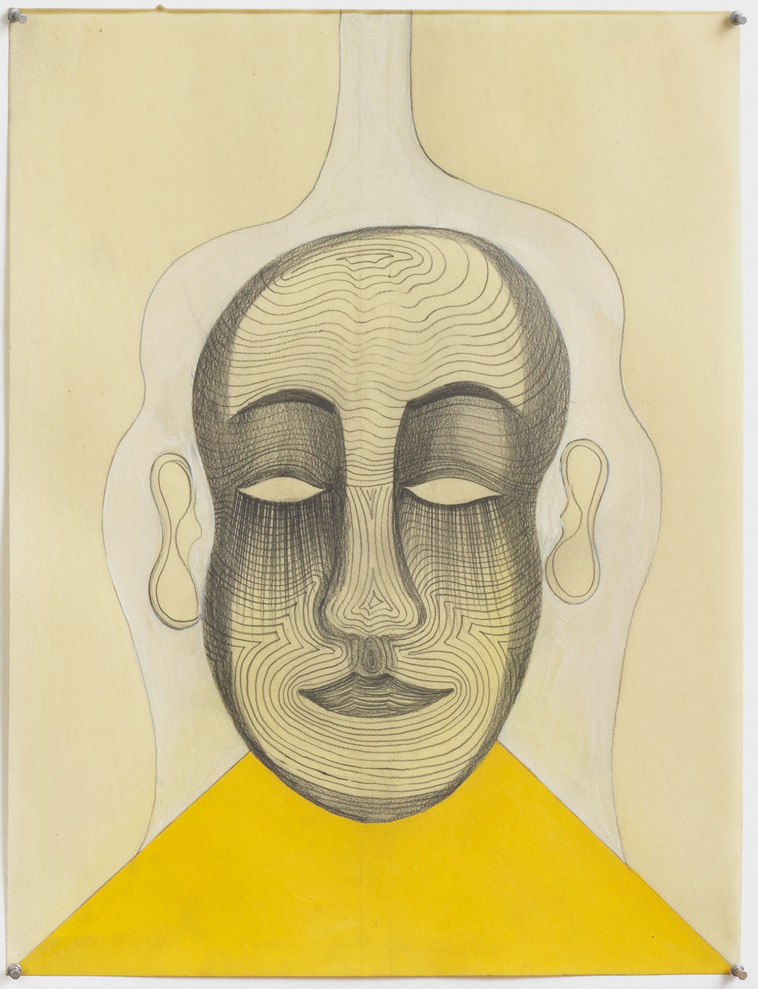
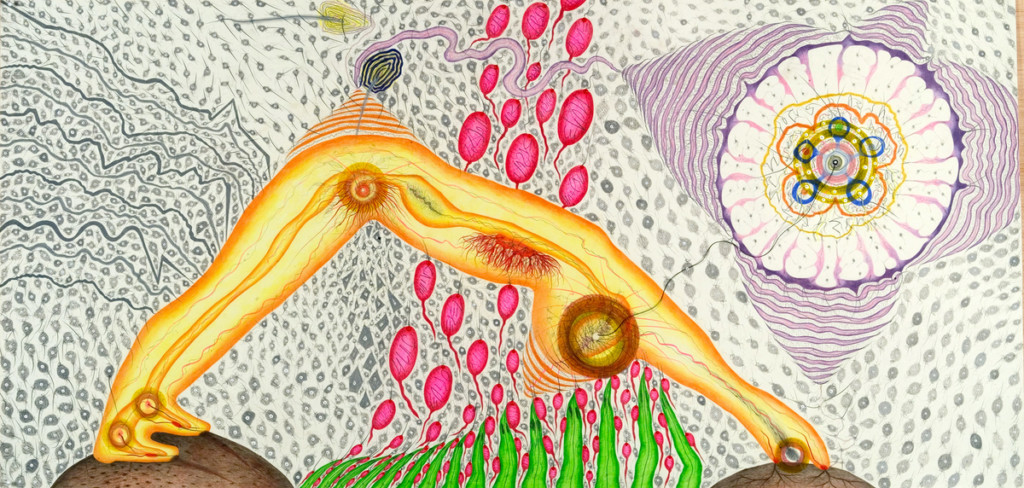
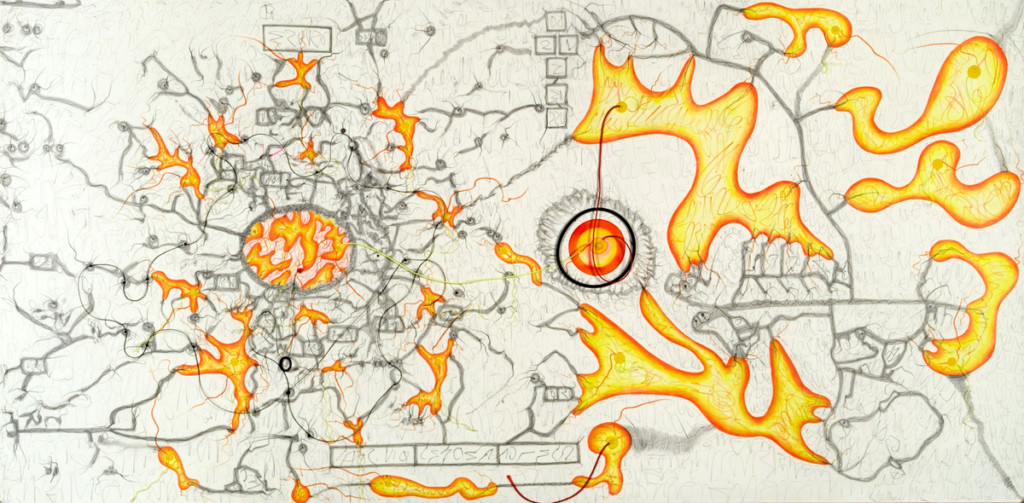
We find ourselves in front of a long series of small pencil drawings, on which he worked exclusively and intensely in these last years. In these works, the artist features hybrid beings with a human face and a snake body. These figures reveal metamorphic organisms through a dreamlike style that mixes reality and fantasy. The figures are structured through a network of nerves, veins or lymphatic channels in which their drives and moods -such as vitality, survival instinct, bodily pleasures or sexuality – flow, filtered through a primitive, intuitive spontaneity. These works have served as a way for art therapy or as cathartic relief for his feelings, and hence as a way of expressing emotions throughout time. 

In 1968, after spending a period in a psychiatric hospital of Barcelona, due to the possession of weed, the young artist Albert Porta decided to become Zush and to start a creative self-healing strategy. At the same time, he created the Evrugo Mental State,  establishing an imaginary territory and personalizing universal symbols associated with the idea of the state. In this way, he created an alphabet (the Asura), a currency (Los Tucares), as well as a hymn, a flag, and a passport. In the following 33 years, he employed the name Zush. However, after his retrospective exhibition at MACBA in 2001, he dismantles this alter ego. The disappearance of Zush gives way to the birth of Evru, a figured often defined as a ArtCienMist – a neologism that encompasses the artist concepts, scientist and mystic, and that embraces the technological and digital language and tools of the new era. 

During the creative process of To Be Again, Evru/Zush realized that the drawings he was working on corresponded to the iconographic structure of the Nagas representations, Hindu deities with human face and torso, generally female figure with a snake-like body. In this way, the constant desire to be Evru again materializes in this exhibition with the representation of reptile-beings that, as the artist himself, shed their skin in a natural process of renovation and growth. This will of transformation is a constant in his career through moments of inflection that allow him to reflect on concepts such as identity, alterity or the pass of time. Thus, this survival instinct and the will to rebirth is the declaration of intentions of a transgressive and unclassifiable artist that refuses and reaffirms himself more and more resounding and immortal.

Evru/Zush’s work has been shown in museums and institutions around the world. He has participated in historical exhibitions such as Sao Paulo Biennale (1967 and 1979), the Documenta VII in Kassel (1977) and Les Magiciens de la Terre organized by Jean Hubert-Martin at Centre Pompidou (1989). In 1975 he is awarded a scholarship by the Juan March Foundation, while in the ‘80s he receives a scholarship by DAAD. Since then, he begins to employ digital technology, coining the term PsicoManualDigital, receiving the prize Laus in 1999. More recently, in 2019 he participated in the 16ª Biennal of Istambul, curated by Nicolas Bourriaud. His work is part of important privates and public collections as the Centre Georges Pompidou (París), the Guggenheim Museum (New York), the MoMA (New York), the Fondation Cartier (París), the MNCARS (Madrid), the MACBA (Barcelona) or the IVAM (Valencia).
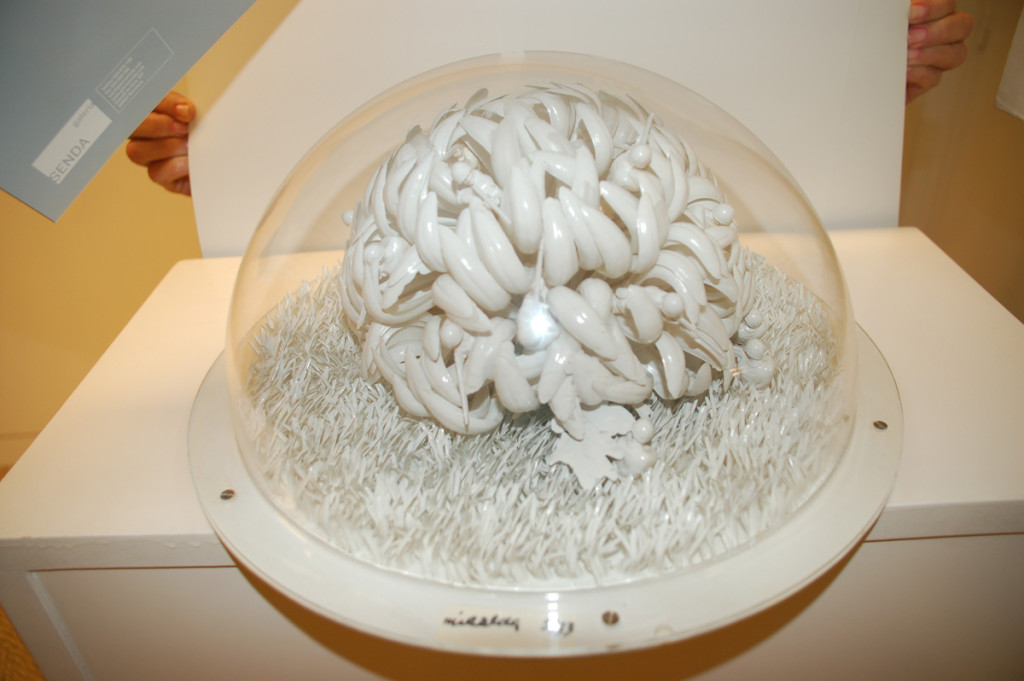
 

PRESS ARTICLES

GLENDA LÉON, Celestial Mechanics

Glenda León creates artworks in different languages like videos, photography, installations or public interventions in which she examined the relationship between artificial and natural elements where ordinary objects transform and reveal their metaphorical power. This capacity of creating new meanings through the contextualization, manipulations, and association of the objects work as a sounding board to question big questions.

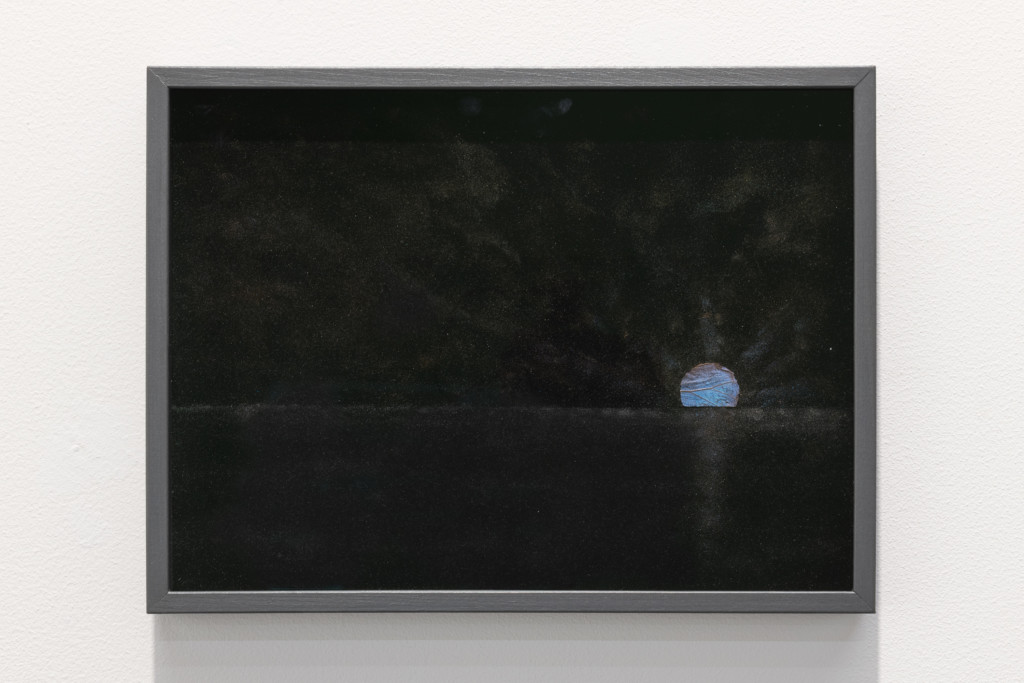
In Celestial Mechanics, the artist fosters a holistic vision of the universe:  all beings were conceived by the same energy that the Cosmos was created. Thereby, the artist uses an infimum element as it is the butterfly wing dust to promote a metamorphic journey that raises ontological and epistemological issues. Glenda León amplifies the qualities of a fragile material in an action, almost scientific, of discovery and deconstruction of a butterfly from stages of approaches and scales. One of his more intimate parts, the dust of his wins, is taken as material to present imaginaries cosmic landscapes.  The artists get inspired by the second axiom of Kybalión through the teaching of Hermes Trismegistus – ” “As above, so below; as below, so above” – to reflect on nature, her strength and her presence, as part of the indissoluble whole to which we belong. These pieces are grouped under the name Celestial bodies, inspired by Celestial Letters, works by the Cuban artist Loló Soldevilla of mid 20th century.

The use of butterfly wing dust on the work of Glenda León enrolls within that line of her work in which disputes the representation of reality through traditional means and assumes the use of unconventional materials as her own hair, flowers, feathers, cassette tape, gum or sand. Thus, the medium is transformed into the message in a more analog sense of what Marshall McLuhan expresses in his writings. In this way, the butterfly is a symbol of the empowerment of what we badly call ‘weak’; an increased fragility – in this case -, for the negative impact of the exploitation of natural resources.  Perhaps, the importance is not valued in all its magnitude of the existence of the butterfly in vital elements as the contribution to the pollination of flowers, the inclusion in the food chain as nourishment for birds or insectivorous mammals an even as benchmark for ecosystem health scholars.

Complements his work a poetic approach to the contents – so unusual in the current contemporary art – and that the artist considers necessary in the face of the superficiality that constantly surrounds us. Glenda León presents her vision of life as a path of spiritual growth and the role that art may have in this process. The immensity represented by the wings of this little being can become a space to look, to find or to remember the infinite beauty that surrounds us and that sometimes it remains hidden from our eyes.

CATALINA JARAMILLO, Heavier than Gold

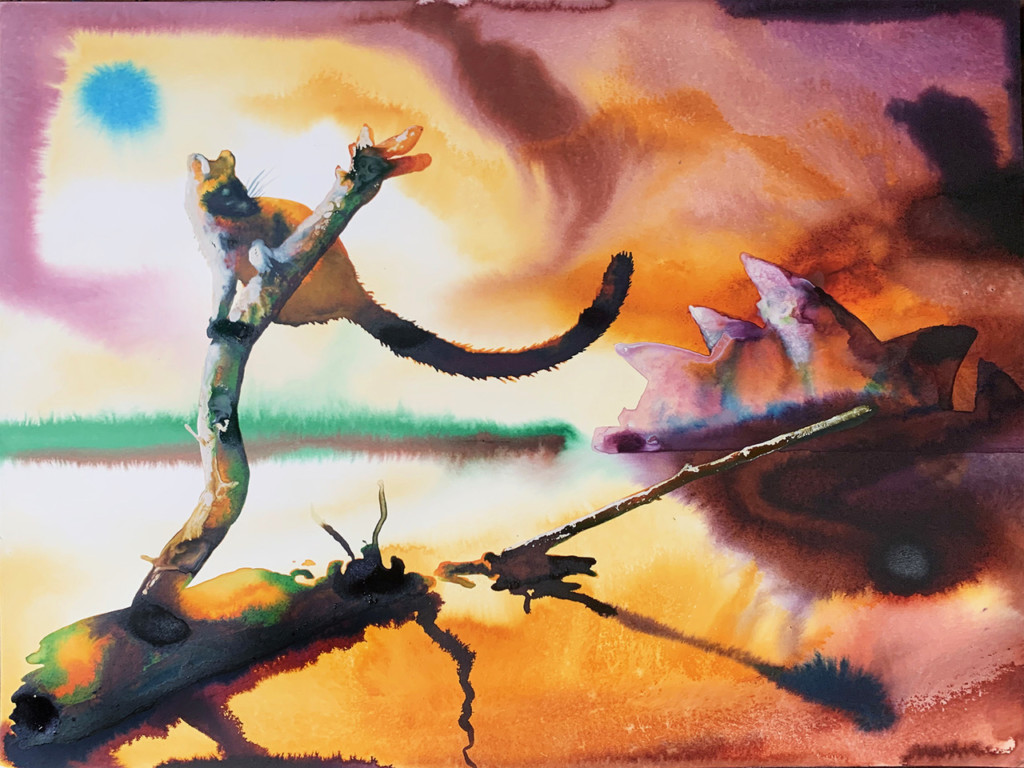
The new series of watercolor drawings from the Colombian artist Catalina Jaramillo is inspired by the tapestries of “The Lady and the unicorn. This is the name given to a collection of Flamenco tapestries from the XV century frequently considered as one of the most important works of the French revival. Each corresponds to one of the five senses, while the sixth one, which has the inscription “À mon seul désir”,  is associated with love or desire.

In this drawing series, Catalina engages with some of the main symbols of the tapestries and associates them with the steps of the alchemical transformation, making references to the work of Carl Gustav Jung, as well as to several alchemical treaties. In each drawing, the unicorn is the alchemist that purifies through the senses, while the characters assume the transformation.

AITOR ORTIZ

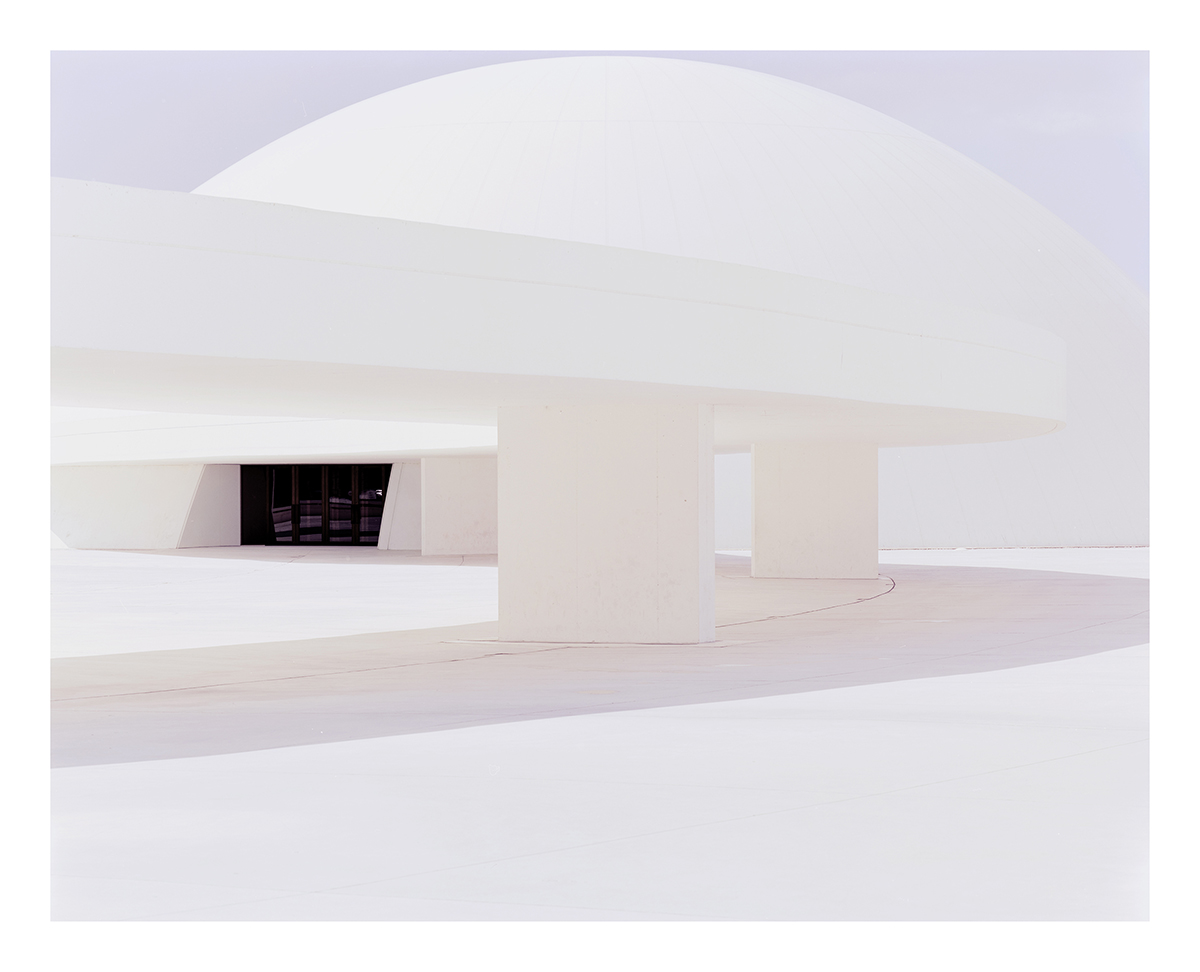
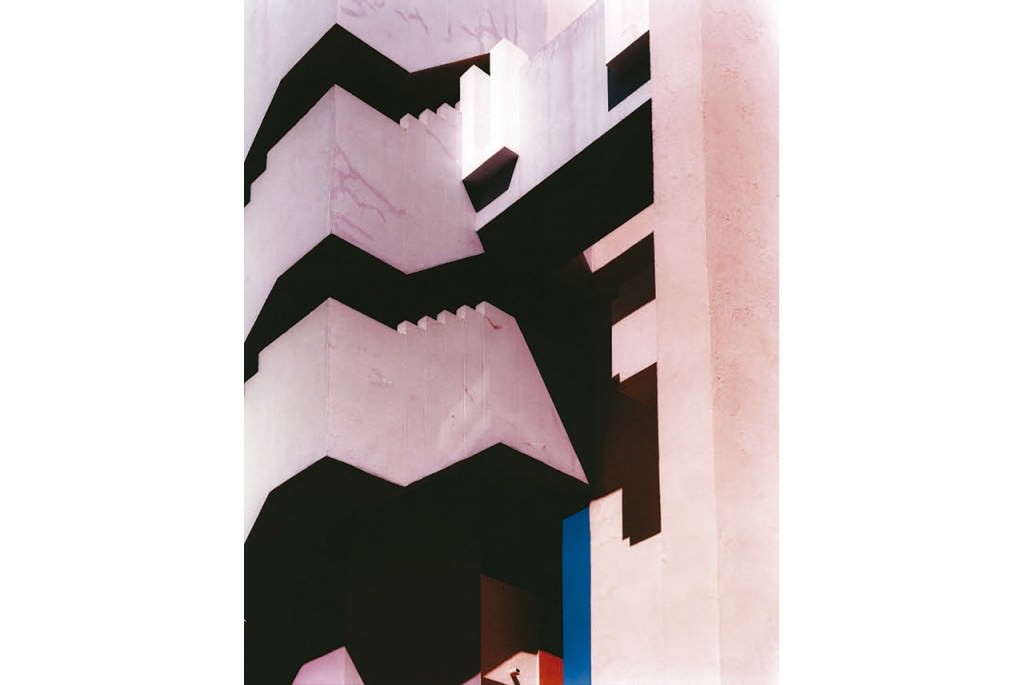
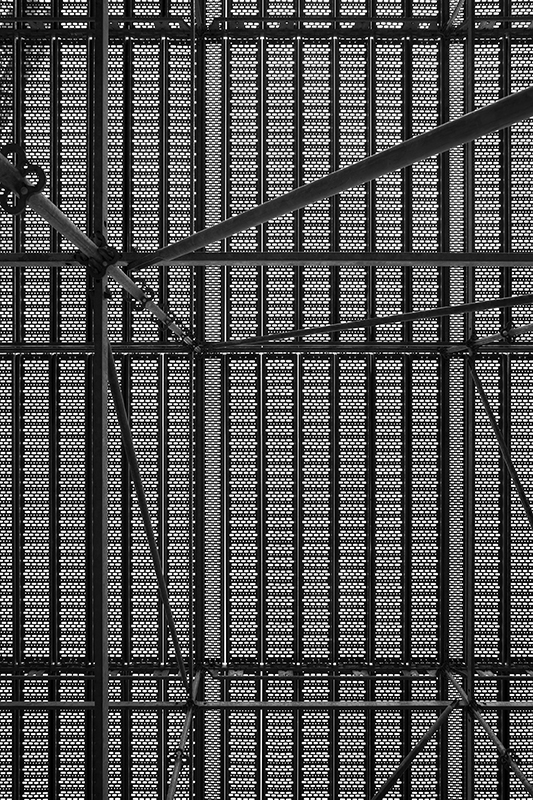
Aitor Ortiz  has developed a solid artistic career disputing the limits of architectural photography. The representation of the building is not seen from a documentary point of view instead refers the image to meta-photographic issues linked to the execution of the photograph or the formal possibilities of the representation itself. With this approach, his work has been extended into a more expanded field that includes the process of construction and perception of the image.

In front of his work, the viewer faces naked architectural constructions where there are no human tracks or elements that serve to contextualize these buildings. The reduction to structures without stylistic references creates doubt if the building is in the construction or degradation phase. This extirpation of all accessory causes the compositions to have a marked geometric character that enhances the structural component of the buildings, attending to their regularity and symmetry. Architecture abandons its third dimension in this way and becomes a two-dimensional and abstract representation that emphasizes its monumental aspect.

Aitor Ortiz also presents an evolution of his work through the combination of artistic languages. The artist does not consider artistic techniques as closed systems, but preliminary mechanisms of creation.We find three-dimensional sculptures made with photographic surfaces in which the author transgresses the traditional categories and extends his experience beyond the limits of the language of photography. This hybridization endows his research with the nature and autonomy of photography of a dialectical process that questions and modifies its own terms. This hybridization endows his research with the nature and autonomy of photography of a dialectical process that questions and modifies its own terms.

On the other hand, the photographs of the Amorfosis series arise from a concrete event that conditions architecture and reveals hidden structural elements or a certain constructive moment, such as a fire for example. Aitor Ortiz records this documentary information in order to reconstruct it later and dissociate it from its imminent obsolescence. This is how the constructive element itself comes into confrontation, the reconfiguration the viewer makes of photography with the tensions between the object of new construction and what the image shows.

GINO RUBERT, The place to be or not to be

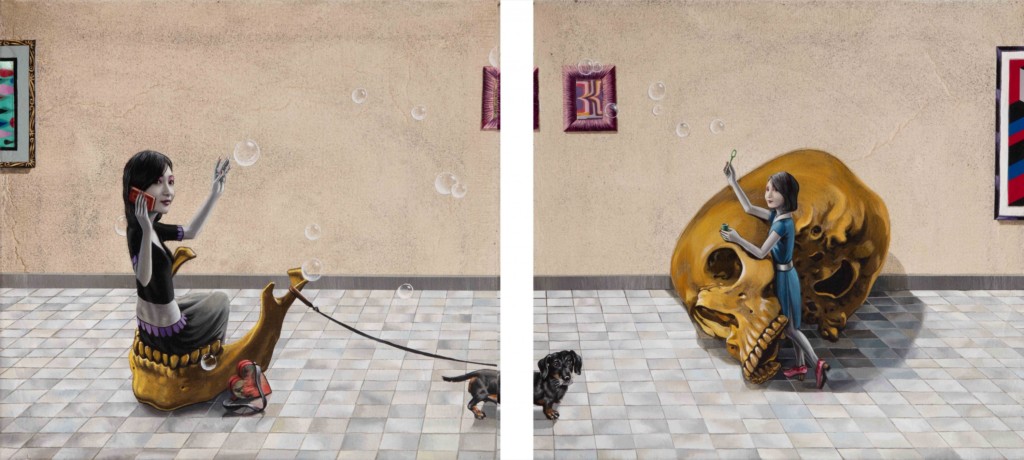
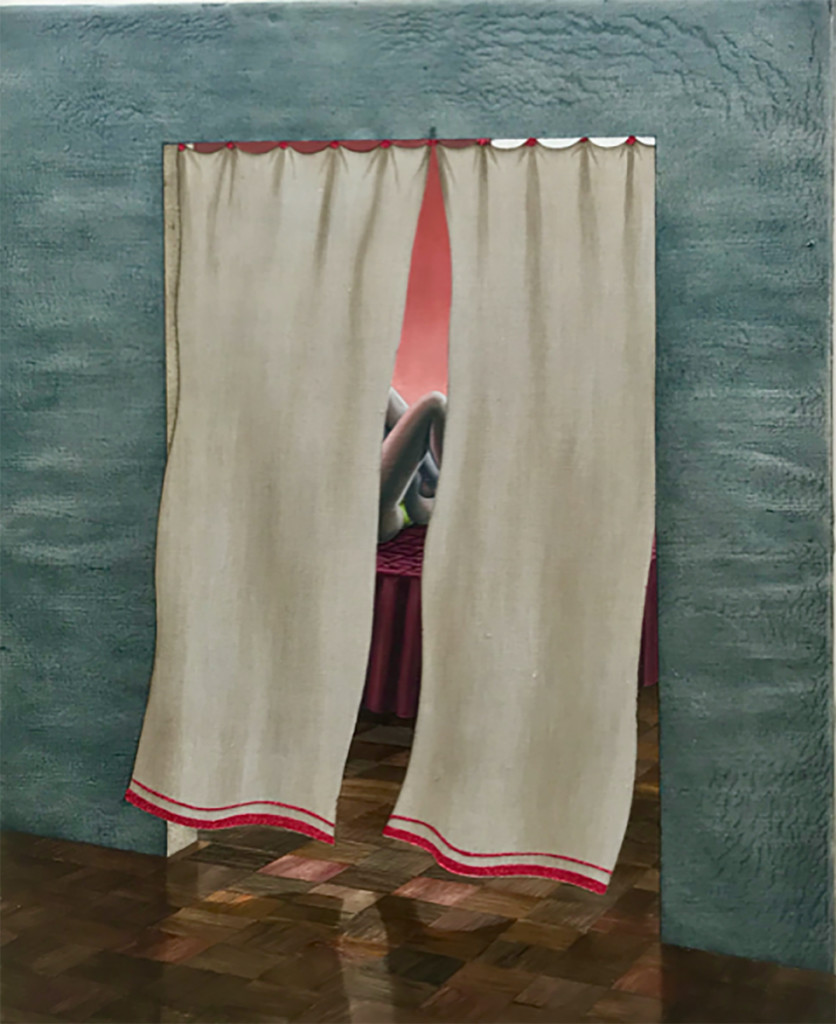
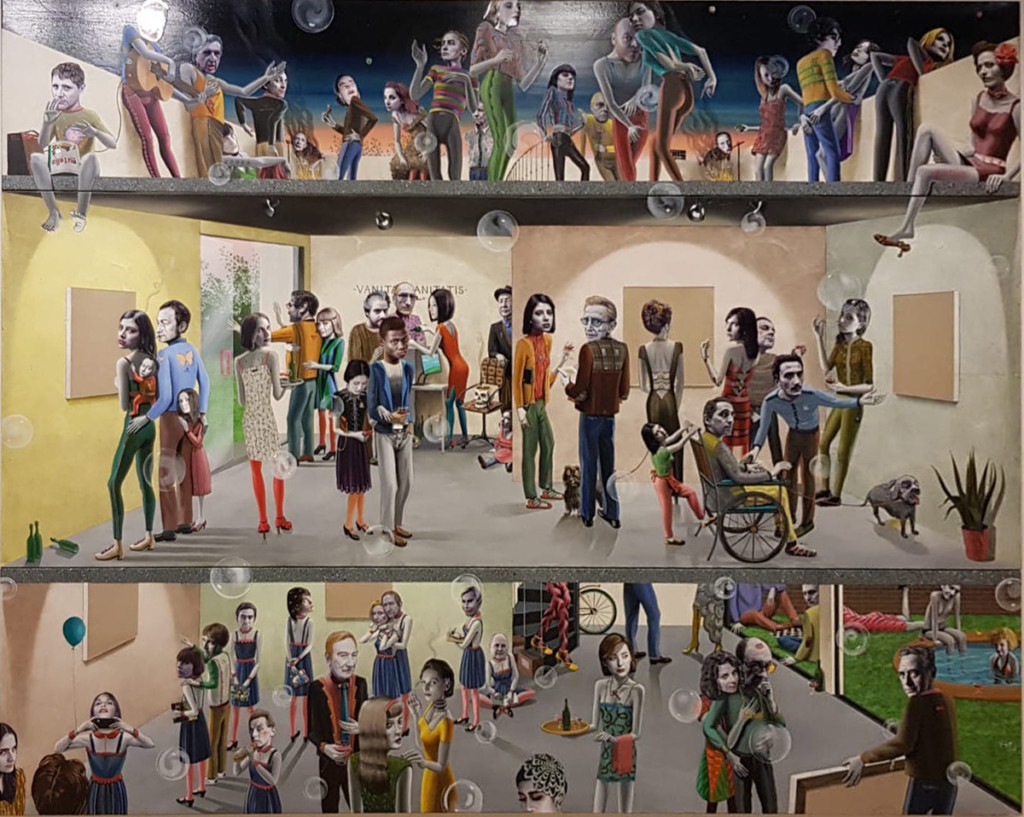
In this new series of large-format paintings, Gino Rubert portrays the world of art: its places, actors and events. The artist in society and in intimacy. To do so, he uses the rhetoric of meta-painting (the painting inside the painting) and also images where we see art galleries full of people attending an inauguration and other empty galleries that only have pictures resting on the floor and facing the wall. On the one hand, from the series The place to be, he talks about social life, glamour and shows business through baroque references such as the variegated horror vacui or symbols typical of Vanitas such as the skull or the soap bubble. On the other hand, the series To be or not to be reflects on the silence, solitude, and vertigo that invades the artist before the leap into the void that represents the night of the premiere.


“Even if we are not, are we? If no one looks at us, do we exist?” Gino Rubert


As an introduction to the exhibition in which light, colour, and drawing prevail over conceptual drifts, we find a large-format painting that presents the interior of an empty art gallery. In front of it, hundreds of photos and documents archived according to a precise but indecipherable criterion, more reminiscent of the secret record of an obsessive scientist than the photographic archive of an artist. With this scenic installation, Gino Rubert invites us to put ourselves in his place for a moment to understand his work process: “…I usually begin the paintings by spreading out photographic portraits on the canvas (some that I buy in flea markets, others that I have downloaded from the internet or, the most, that I have taken myself). And so, between those characters and myself, we are configuring a scene without previous ideas in such a way that finally the chemistry between those characters/souls and a point of scene direction on my part would be the ingredients of a cake that a priori I never know what form it will have or what it will taste like…”.

Following the trail of previous experimentations on collage and trompe l’oeil such as the use of natural hair in his exhibition Irma Lentamente (2009) or the introduction of text in Exvoto (2014), in the present The place to be or not to be, Gino Rubert introduces lighting on the back of some paintings in order to achieve a greater illusion of depth. As the artist says: “…I have always been particularly interested in that original ambition-function of painting to create the illusion of space; the process of translating with tricks, laws, and ingenuity, the world we perceive in three dimensions to the two-dimensional plane on which we draw…”.

Parallel to the exhibition, we will celebrate the publication of  Sí, quiero edited by Lunwerg and which presents an unusual and exciting portrait of sentimental relationships, with a series of events such as the presentation of the book and a round table.

AES+F, Mare Mediterraneum

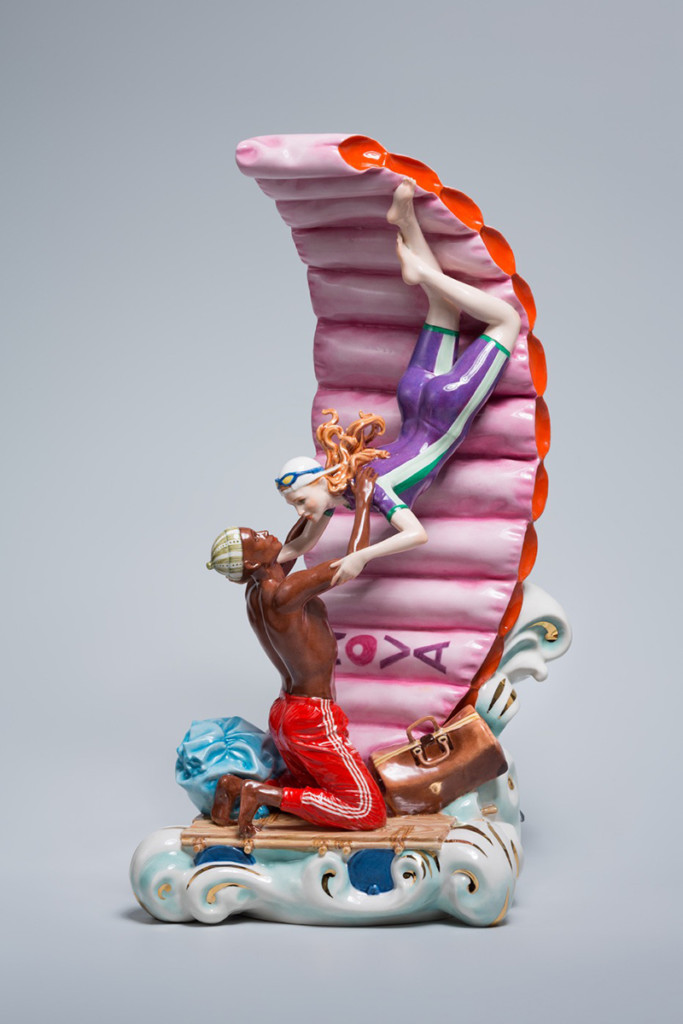
The Mediterranean Sea is the reservoir of civilization – its heart has pumped people, cultures, and religions from shore to shore like blood. The Phoenicians and Carthaginians flowed north, the Romans and Crusaders south, the Genoese east, Byzantines west, the Islamic Caliphates east, west, north, and south. Sicily is right in the middle and the waves of storms of all civilizations have splashed on her shores. This is still happening today.

The Mediterranean Sea is once again the epicenter of ideological contradiction. War has pushed refugees and migrants who, saving themselves, have floated and swum across it to confront Europe with a difficult choice. (In ancient myth Europa herself was also forced to cross this sea). Their choice has already led to politically charged and ideological confrontations, to the polarization of public opinion and to the rise of xenophobia and ethnic violence.

This tragic situation has become a political conflict as well as the subject of negotiation and ideological speculation. In this form, it has been transmitted by media as a meme in what is now described as ‘post-truth’. The ethical situation that has unfolded out of this is paradoxical, to say the least.

Making porcelain figurines on this subject could be thought an extreme manifestation of this paradox yet, through its distance, an artistic image may be more radical than reality itself because it can push conceptual limits.

Porcelain has always been a symbol of contentment and bourgeois comfort. The recent waves of migrations have confronted Europe with a dilemma: whether to accept refugees – allowing them to enter at the cost of the material and psychological comfort of their hosts; or to reject them in an immoral, inhumane, and cynical act that would undermine the co-operative ethical basis of Europe itself.

Comfort is both fallible and fragile, like the porcelain that is associated with it. Kept safe for generations in high places, porcelain figurines are attentively guarded but their fragility encapsulates the threat of instantaneous loss. They shatter easily.

The chosen form and material of these works contrast with the drama of what is unfolding in the Mediterranean today, and, by doing so, point to it. A reflected ray of light illuminates better than a direct one. We think that this holds true concerning this work.

Edited by David Elliott