GLENDA LÉON, Celestial Mechanics

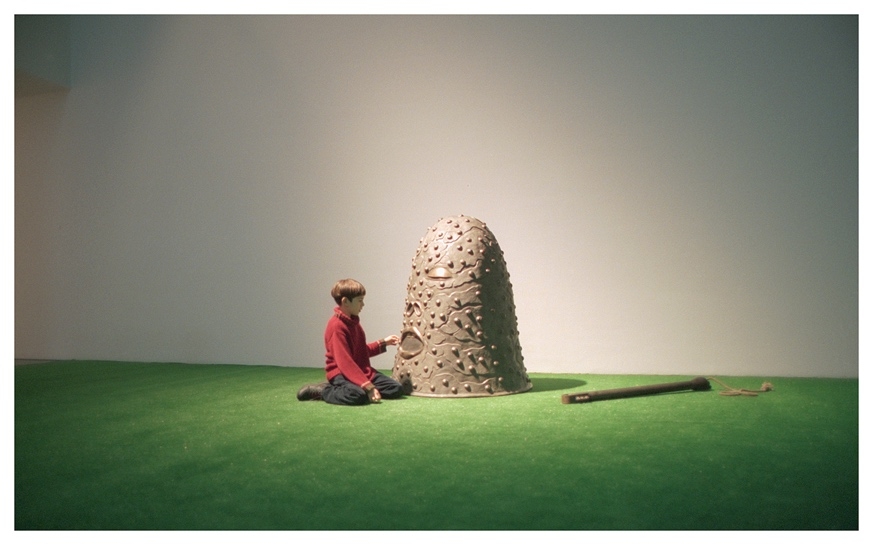
Glenda León creates artworks in different languages like videos, photography, installations or public interventions in which she examined the relationship between artificial and natural elements where ordinary objects transform and reveal their metaphorical power. This capacity of creating new meanings through the contextualization, manipulations, and association of the objects work as a sounding board to question big questions.

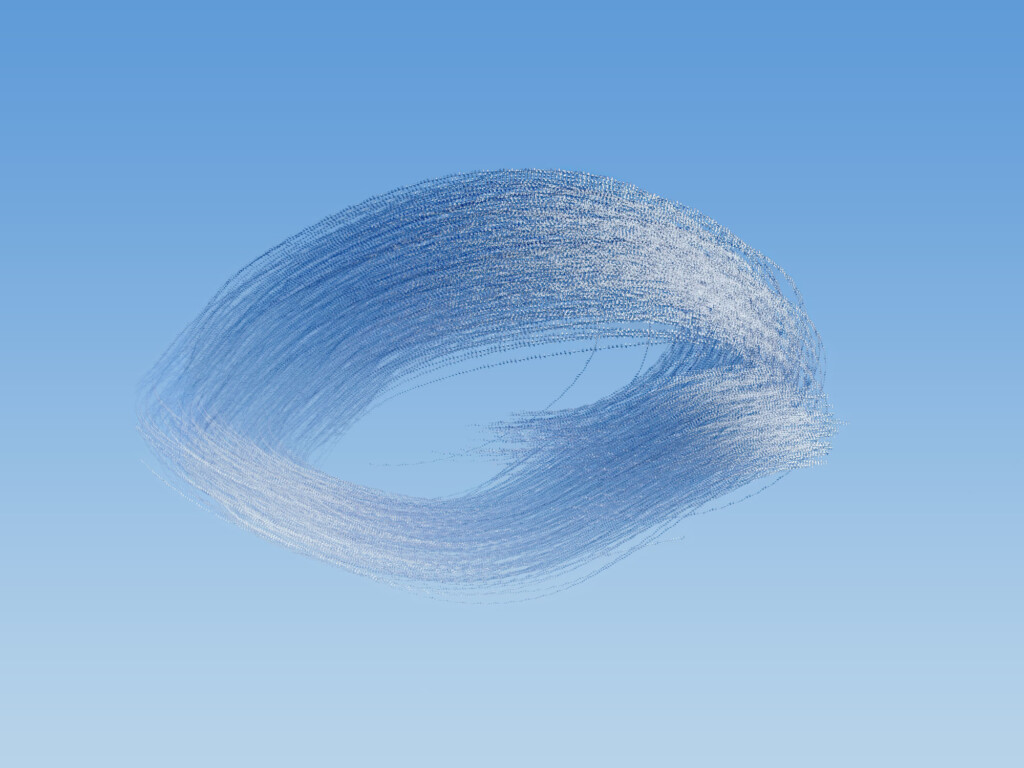
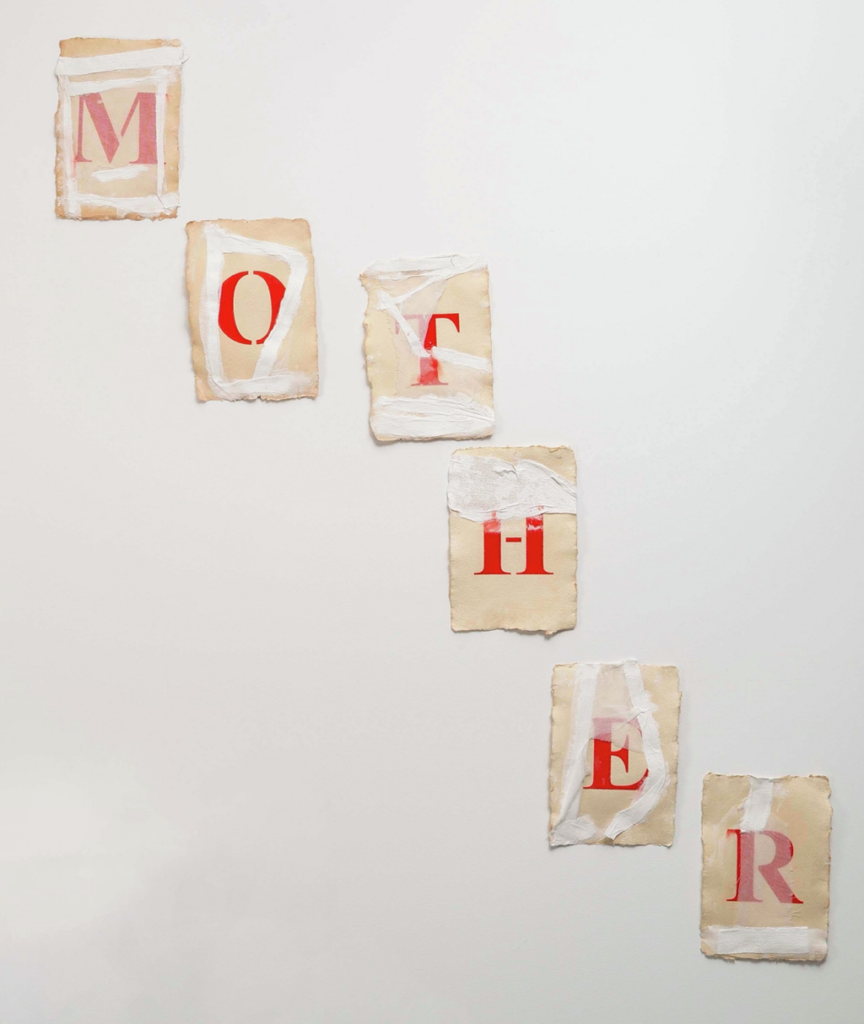
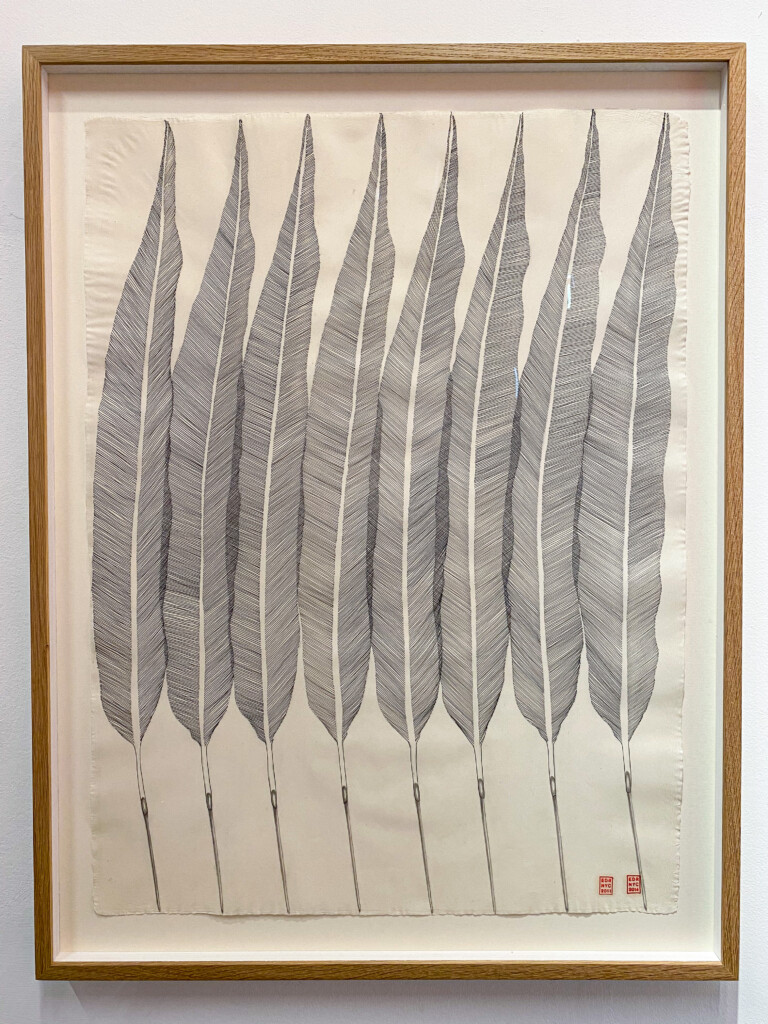
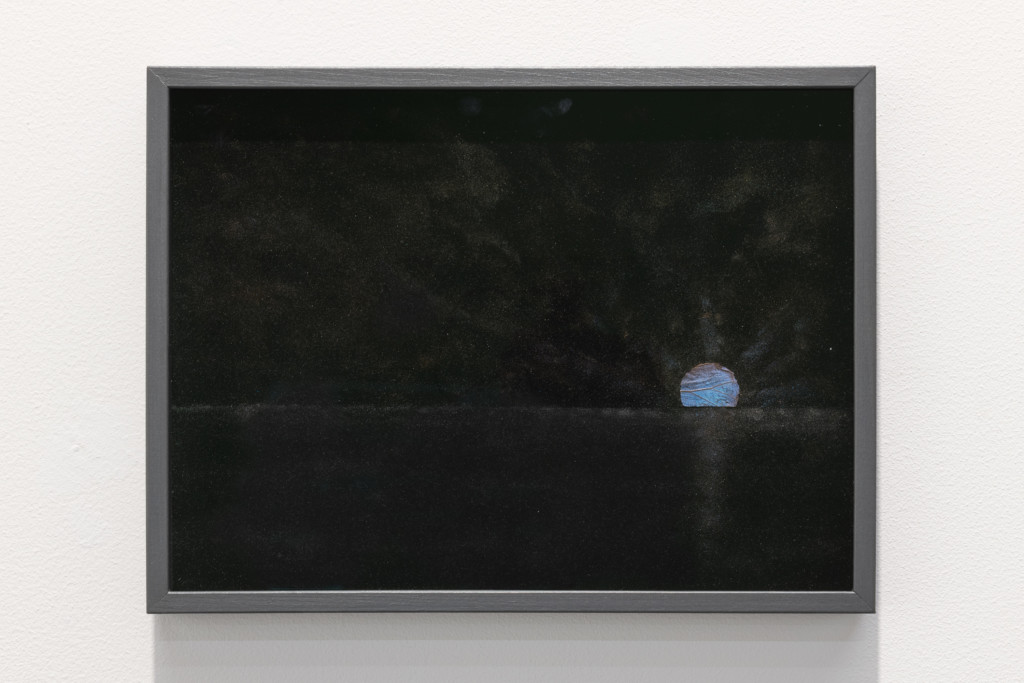
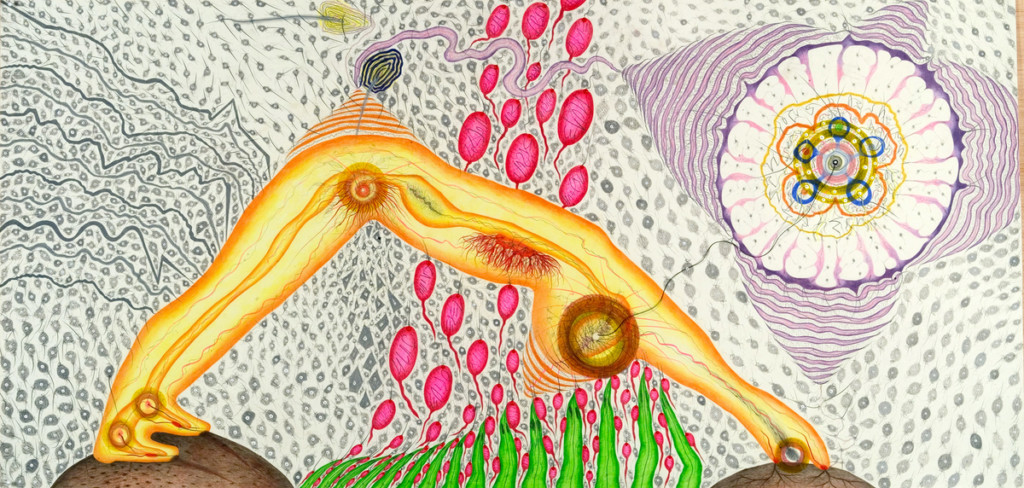
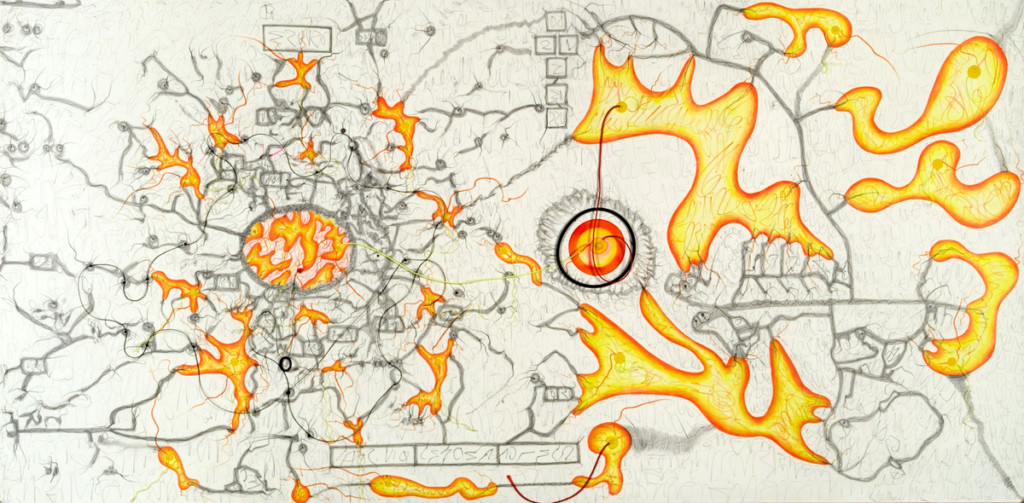
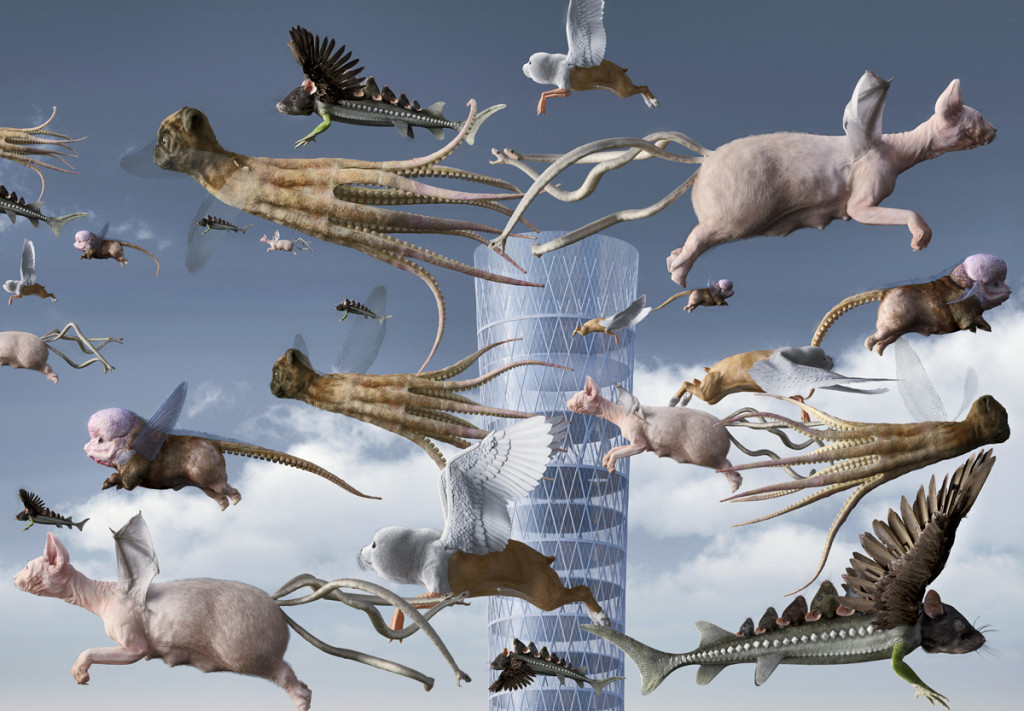
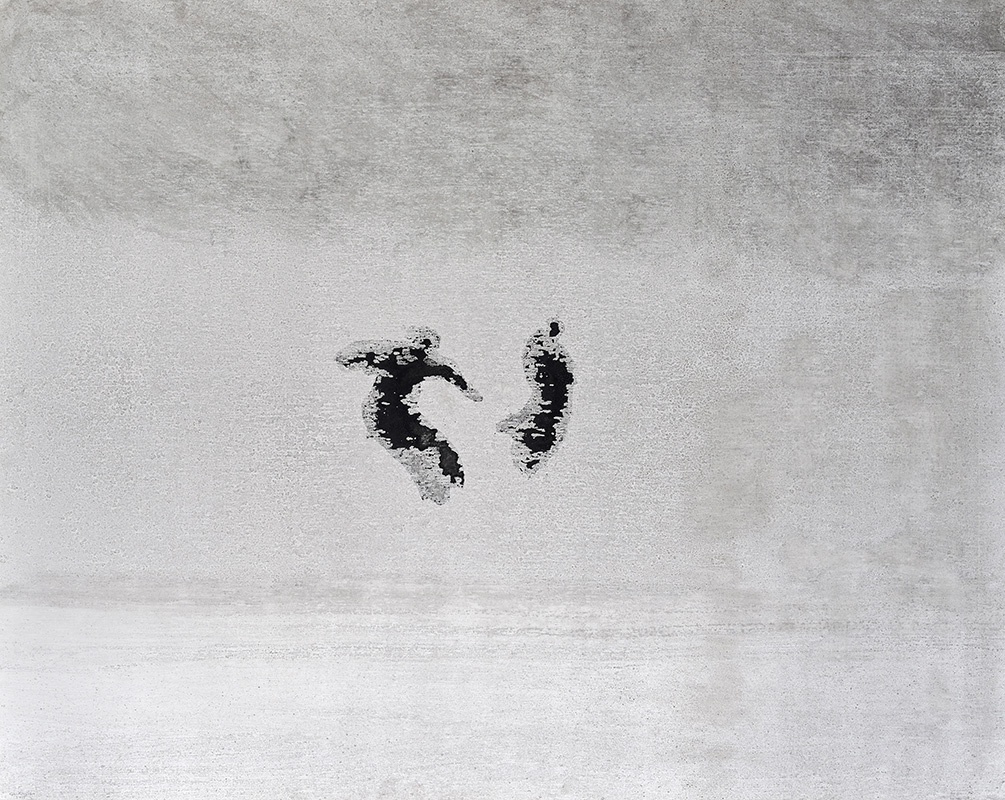
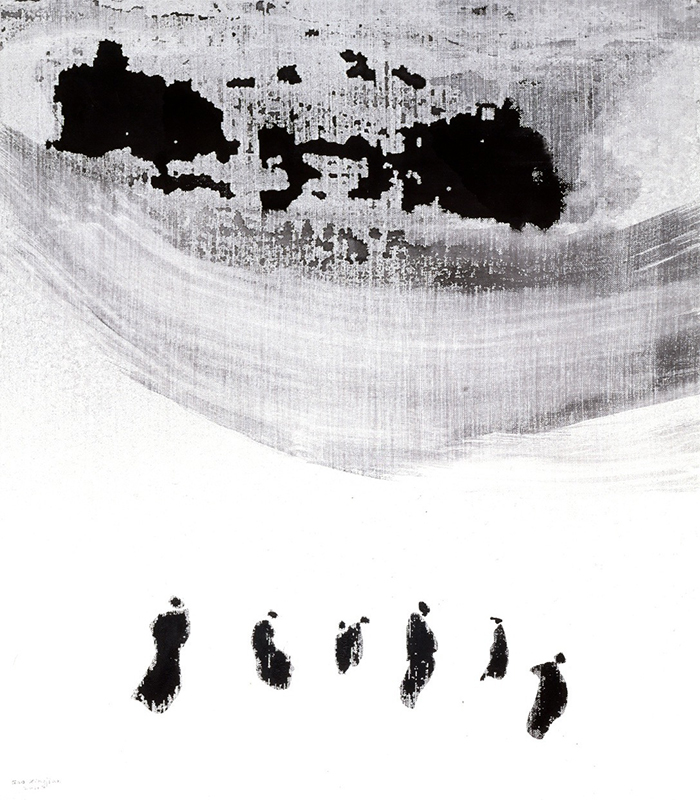
In Celestial Mechanics, the artist fosters a holistic vision of the universe:  all beings were conceived by the same energy that the Cosmos was created. Thereby, the artist uses an infimum element as it is the butterfly wing dust to promote a metamorphic journey that raises ontological and epistemological issues. Glenda León amplifies the qualities of a fragile material in an action, almost scientific, of discovery and deconstruction of a butterfly from stages of approaches and scales. One of his more intimate parts, the dust of his wins, is taken as material to present imaginaries cosmic landscapes.  The artists get inspired by the second axiom of Kybalión through the teaching of Hermes Trismegistus – ” “As above, so below; as below, so above” – to reflect on nature, her strength and her presence, as part of the indissoluble whole to which we belong. These pieces are grouped under the name Celestial bodies, inspired by Celestial Letters, works by the Cuban artist Loló Soldevilla of mid 20th century.

The use of butterfly wing dust on the work of Glenda León enrolls within that line of her work in which disputes the representation of reality through traditional means and assumes the use of unconventional materials as her own hair, flowers, feathers, cassette tape, gum or sand. Thus, the medium is transformed into the message in a more analog sense of what Marshall McLuhan expresses in his writings. In this way, the butterfly is a symbol of the empowerment of what we badly call ‘weak’; an increased fragility – in this case -, for the negative impact of the exploitation of natural resources.  Perhaps, the importance is not valued in all its magnitude of the existence of the butterfly in vital elements as the contribution to the pollination of flowers, the inclusion in the food chain as nourishment for birds or insectivorous mammals an even as benchmark for ecosystem health scholars.

Complements his work a poetic approach to the contents – so unusual in the current contemporary art – and that the artist considers necessary in the face of the superficiality that constantly surrounds us. Glenda León presents her vision of life as a path of spiritual growth and the role that art may have in this process. The immensity represented by the wings of this little being can become a space to look, to find or to remember the infinite beauty that surrounds us and that sometimes it remains hidden from our eyes.

CATALINA JARAMILLO, Heavier than Gold

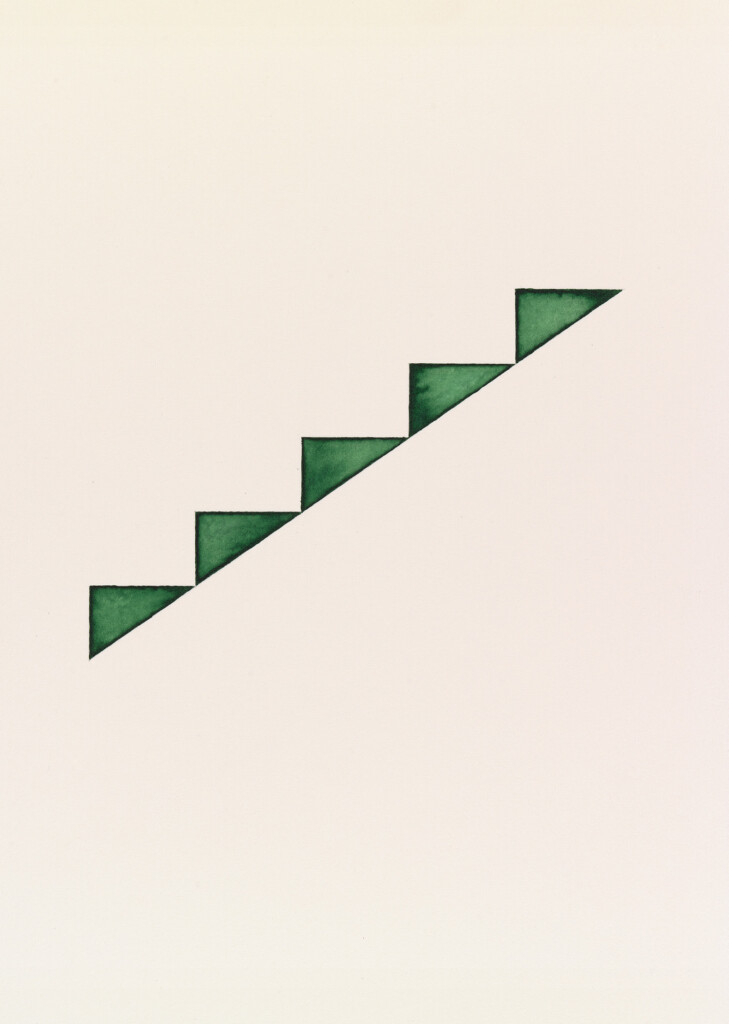
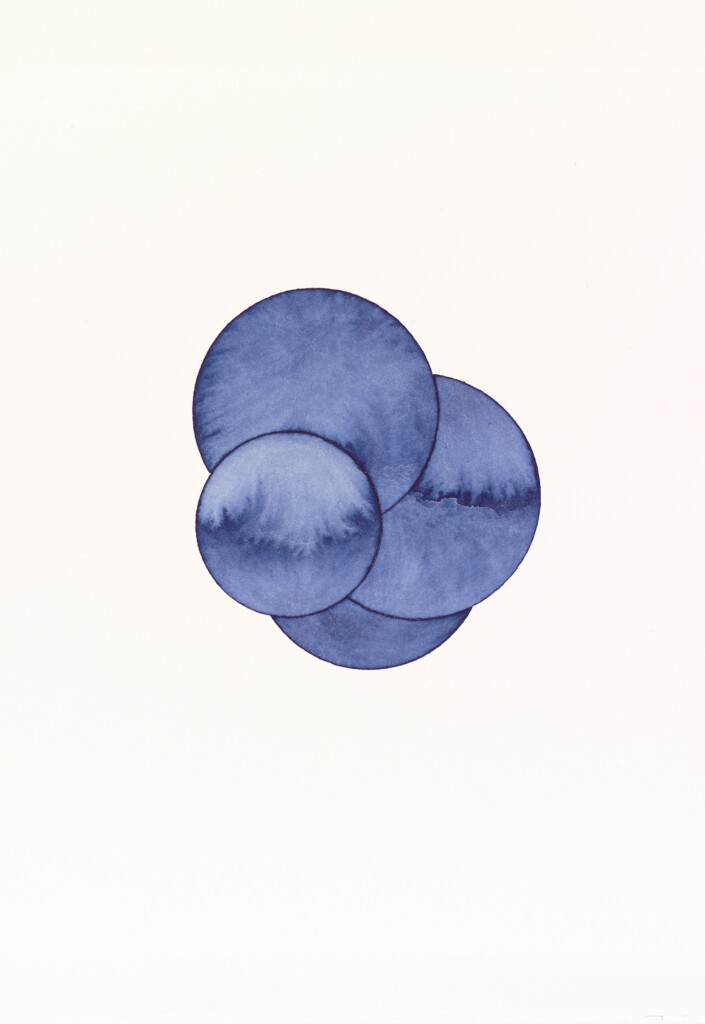
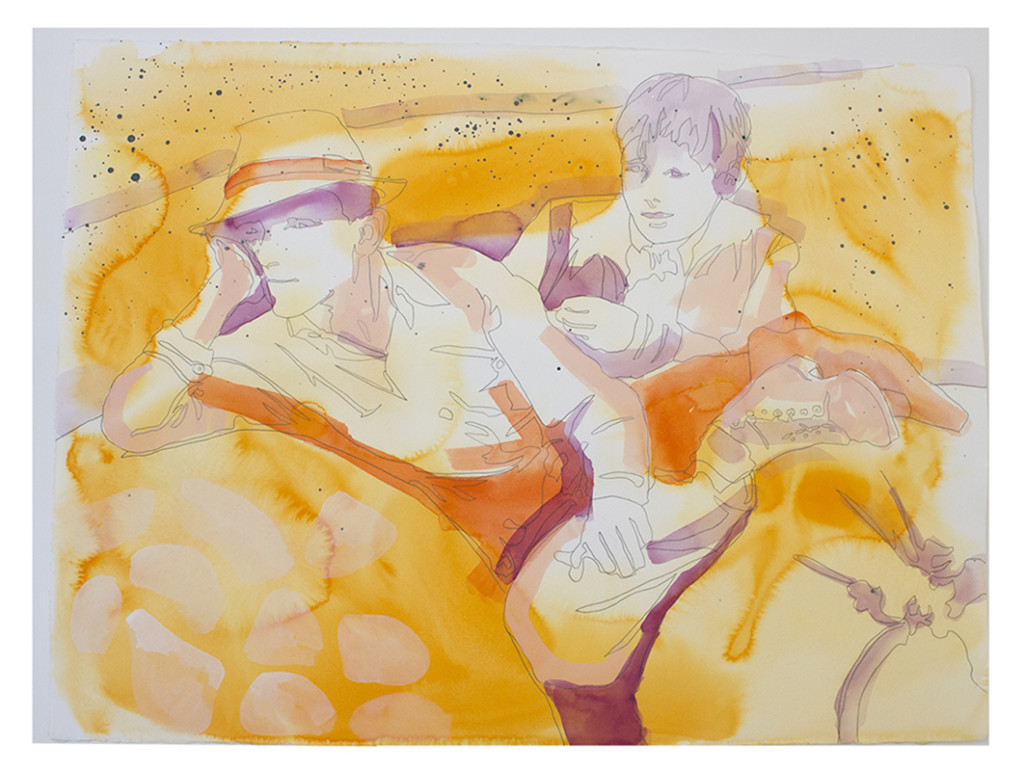
The new series of watercolor drawings from the Colombian artist Catalina Jaramillo is inspired by the tapestries of “The Lady and the unicorn. This is the name given to a collection of Flamenco tapestries from the XV century frequently considered as one of the most important works of the French revival. Each corresponds to one of the five senses, while the sixth one, which has the inscription “À mon seul désir”,  is associated with love or desire.

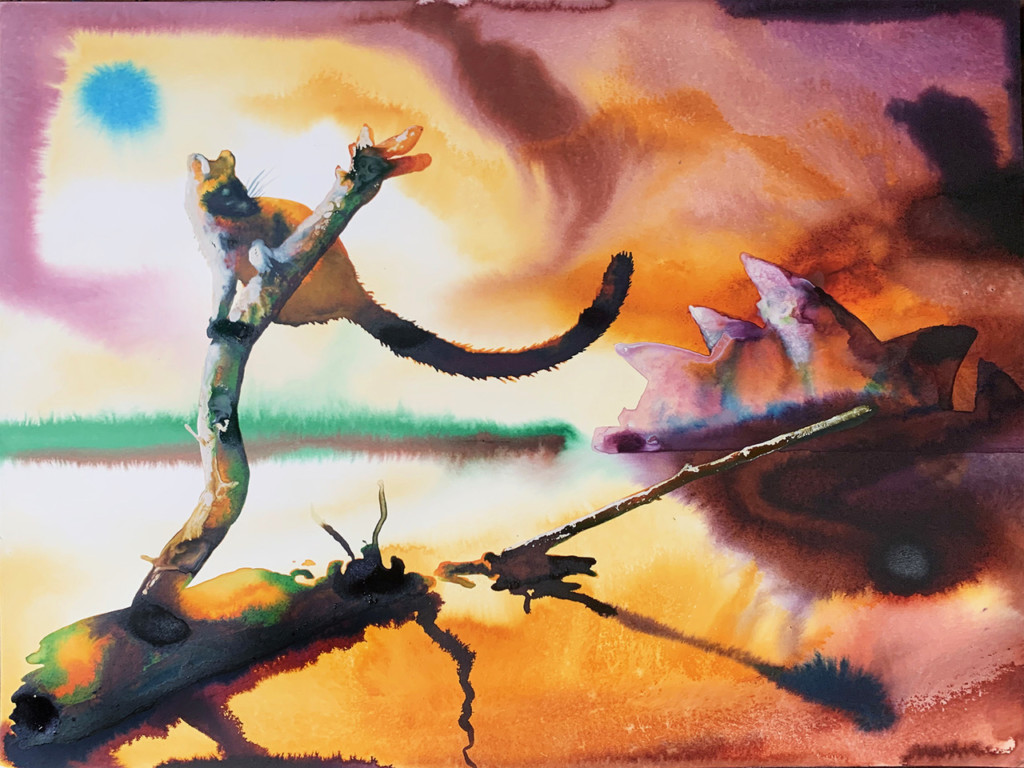
In this drawing series, Catalina engages with some of the main symbols of the tapestries and associates them with the steps of the alchemical transformation, making references to the work of Carl Gustav Jung, as well as to several alchemical treaties. In each drawing, the unicorn is the alchemist that purifies through the senses, while the characters assume the transformation.

AITOR ORTIZ

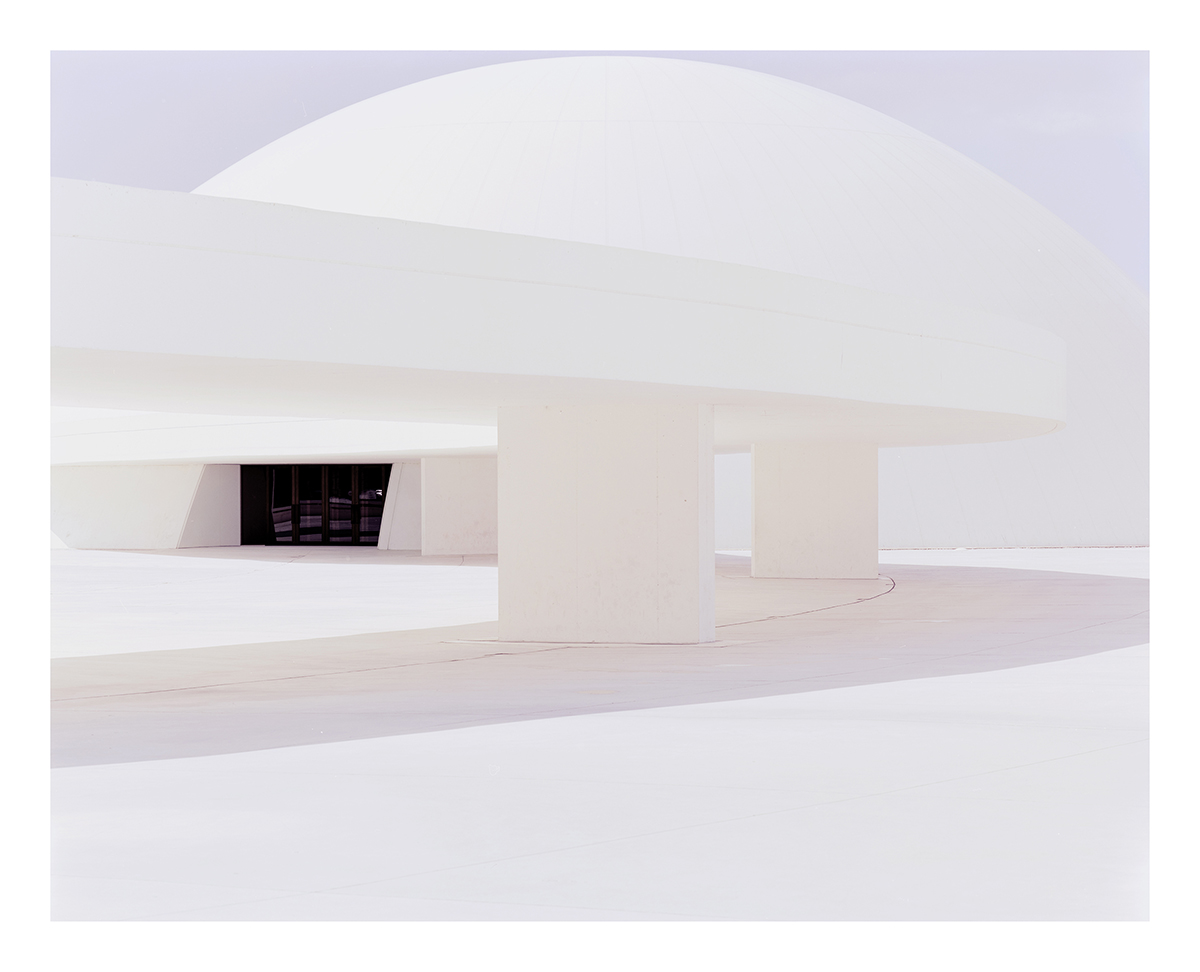
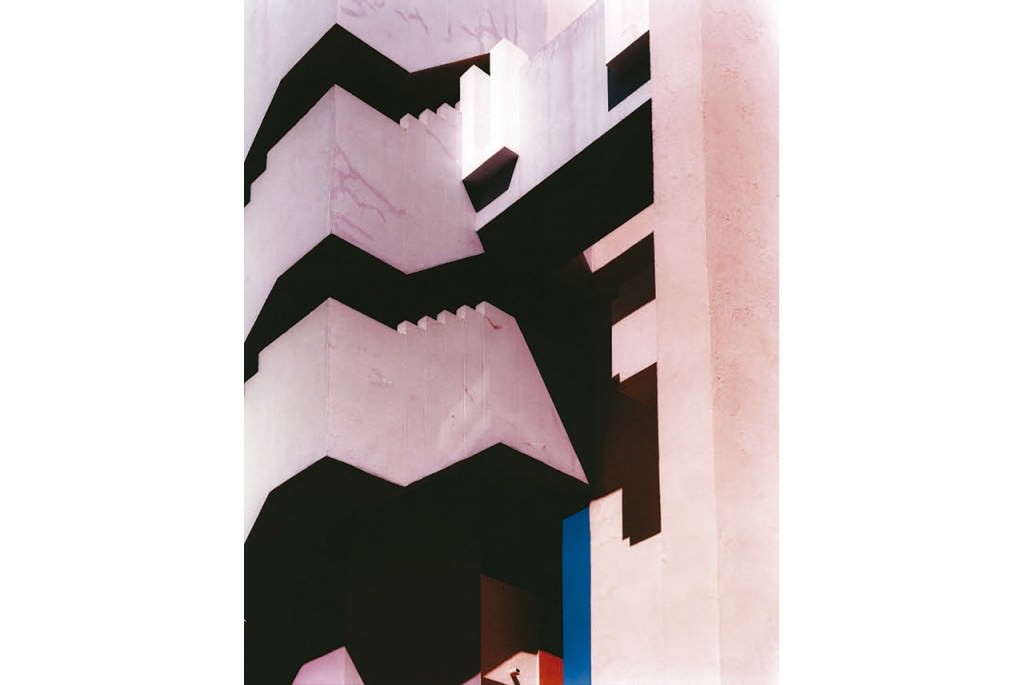
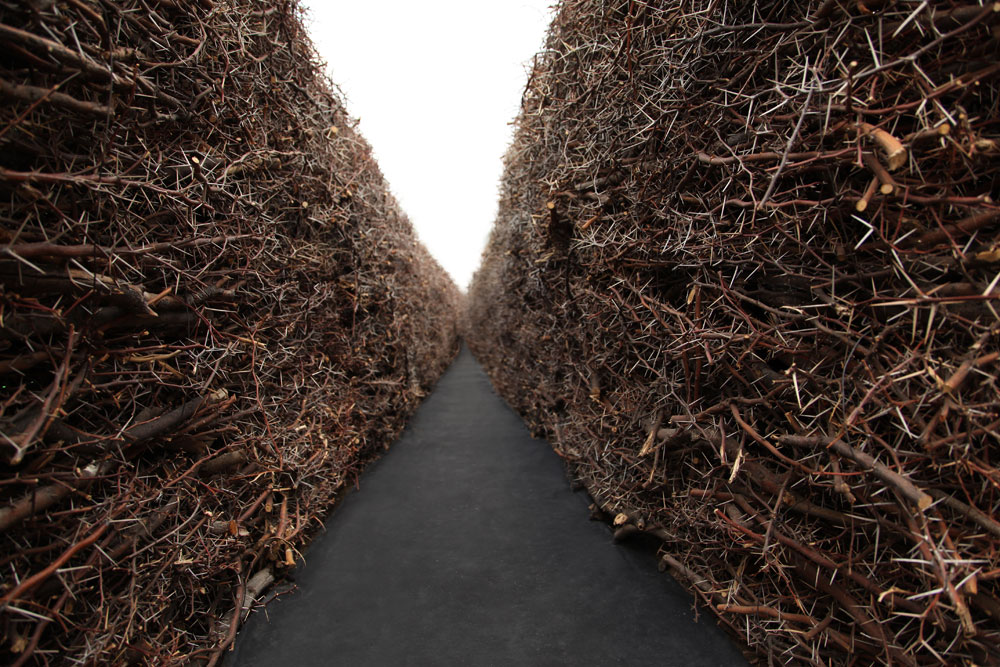
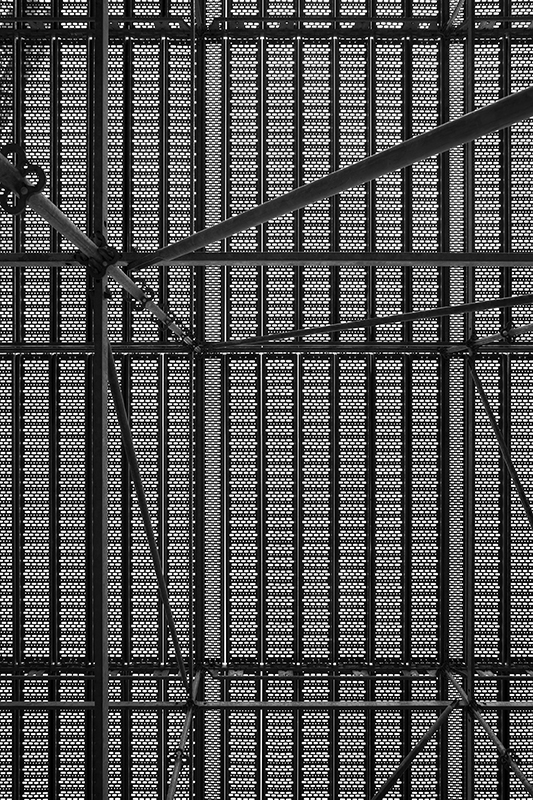
Aitor Ortiz  has developed a solid artistic career disputing the limits of architectural photography. The representation of the building is not seen from a documentary point of view instead refers the image to meta-photographic issues linked to the execution of the photograph or the formal possibilities of the representation itself. With this approach, his work has been extended into a more expanded field that includes the process of construction and perception of the image.

In front of his work, the viewer faces naked architectural constructions where there are no human tracks or elements that serve to contextualize these buildings. The reduction to structures without stylistic references creates doubt if the building is in the construction or degradation phase. This extirpation of all accessory causes the compositions to have a marked geometric character that enhances the structural component of the buildings, attending to their regularity and symmetry. Architecture abandons its third dimension in this way and becomes a two-dimensional and abstract representation that emphasizes its monumental aspect.

Aitor Ortiz also presents an evolution of his work through the combination of artistic languages. The artist does not consider artistic techniques as closed systems, but preliminary mechanisms of creation.We find three-dimensional sculptures made with photographic surfaces in which the author transgresses the traditional categories and extends his experience beyond the limits of the language of photography. This hybridization endows his research with the nature and autonomy of photography of a dialectical process that questions and modifies its own terms. This hybridization endows his research with the nature and autonomy of photography of a dialectical process that questions and modifies its own terms.

On the other hand, the photographs of the Amorfosis series arise from a concrete event that conditions architecture and reveals hidden structural elements or a certain constructive moment, such as a fire for example. Aitor Ortiz records this documentary information in order to reconstruct it later and dissociate it from its imminent obsolescence. This is how the constructive element itself comes into confrontation, the reconfiguration the viewer makes of photography with the tensions between the object of new construction and what the image shows.

GINO RUBERT, The place to be or not to be

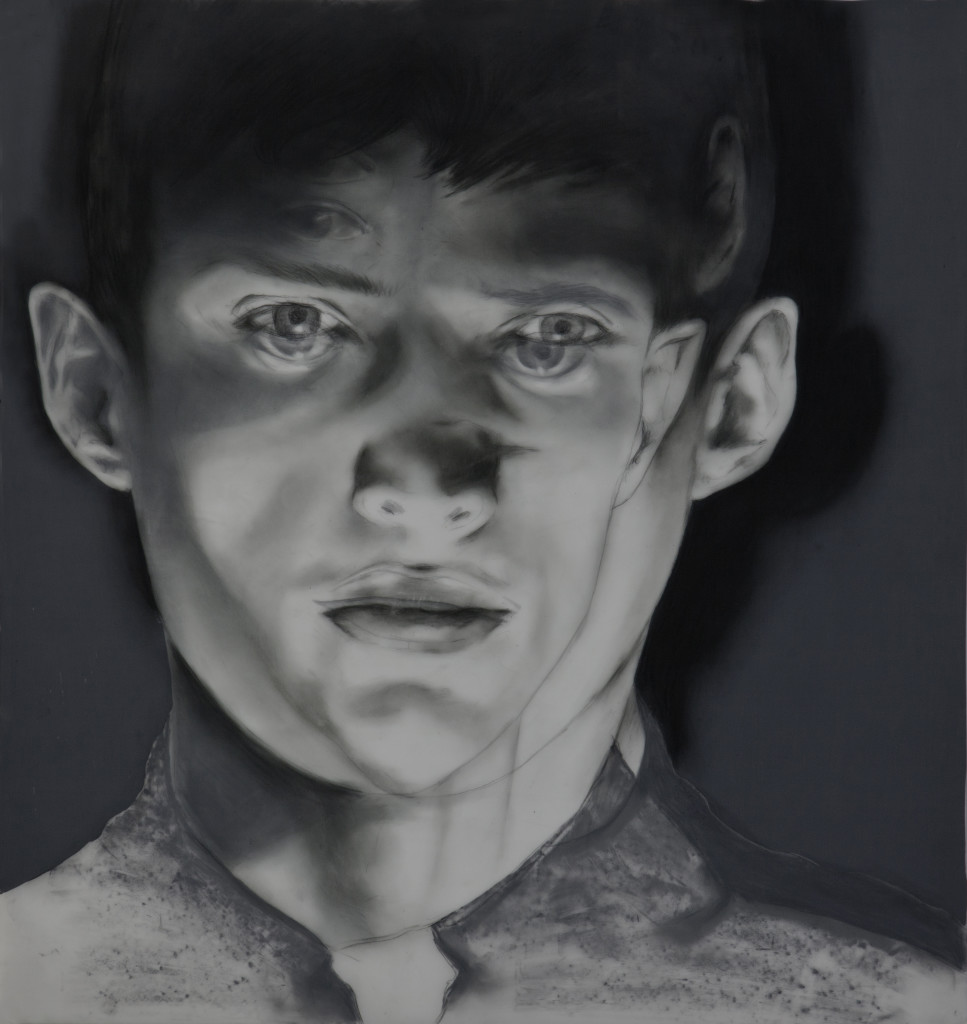
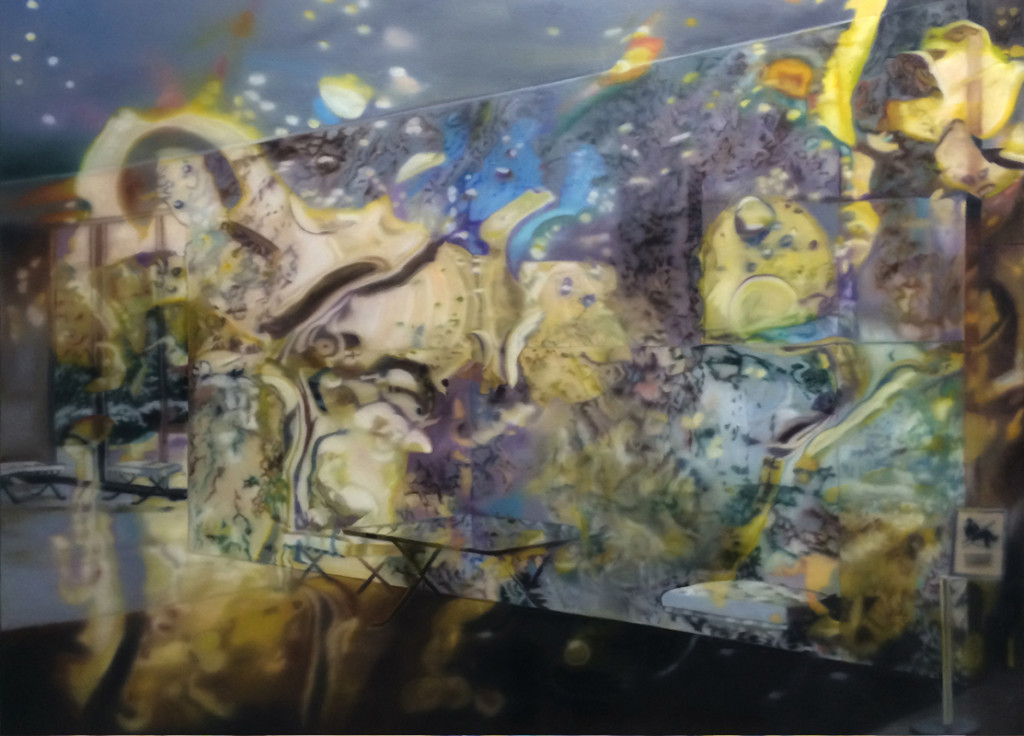
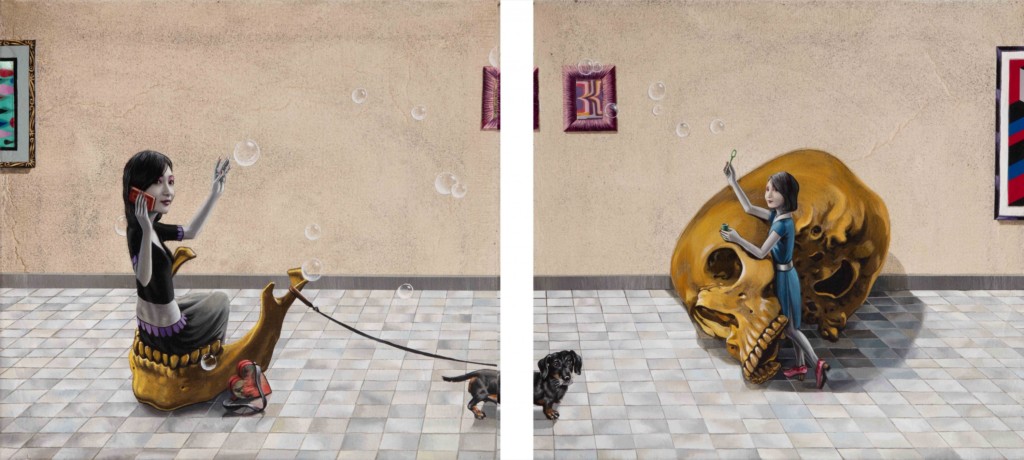
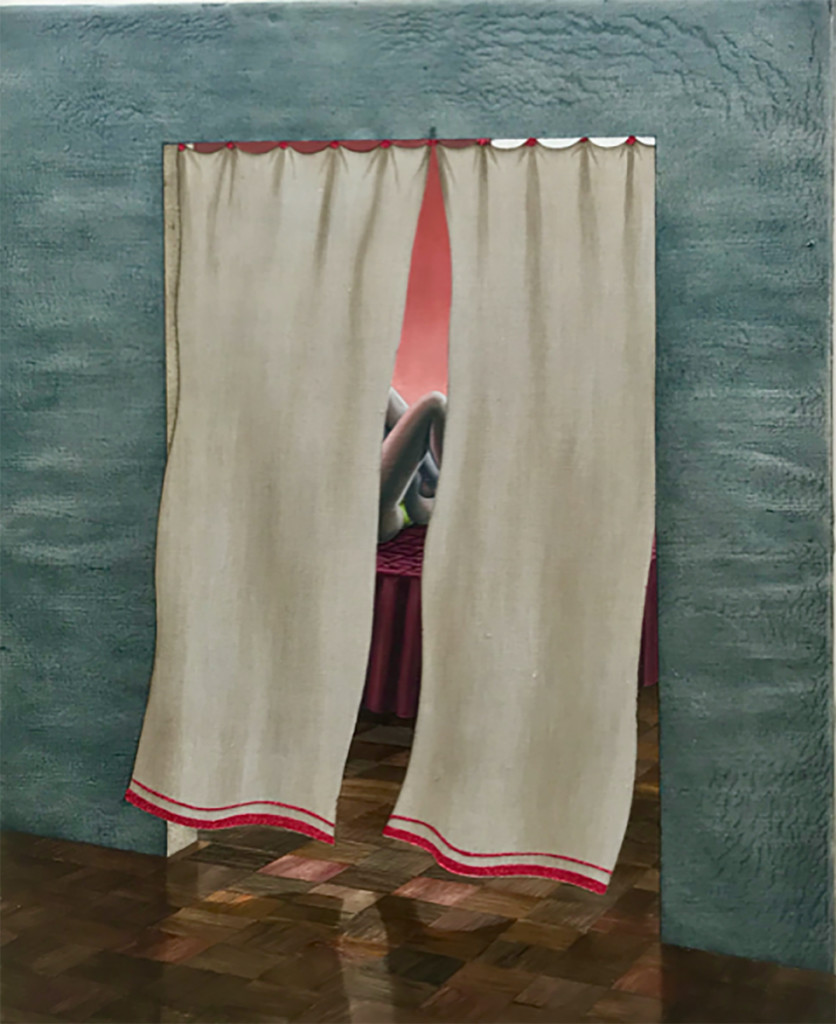
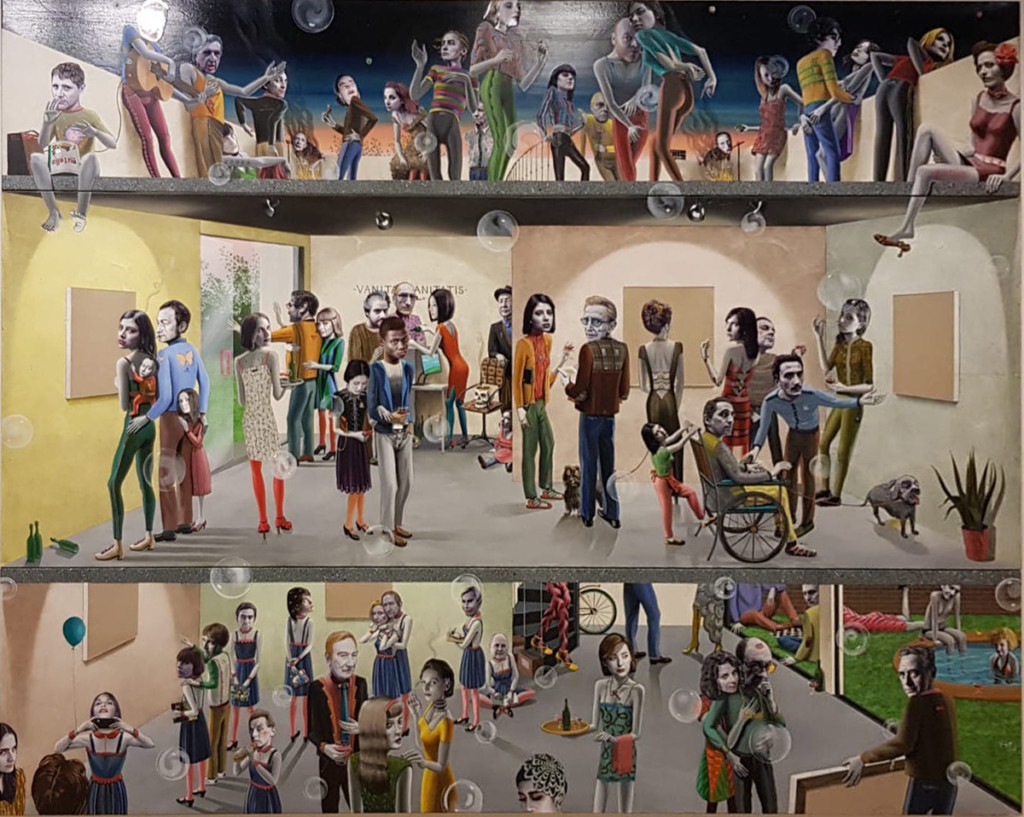
In this new series of large-format paintings, Gino Rubert portrays the world of art: its places, actors and events. The artist in society and in intimacy. To do so, he uses the rhetoric of meta-painting (the painting inside the painting) and also images where we see art galleries full of people attending an inauguration and other empty galleries that only have pictures resting on the floor and facing the wall. On the one hand, from the series The place to be, he talks about social life, glamour and shows business through baroque references such as the variegated horror vacui or symbols typical of Vanitas such as the skull or the soap bubble. On the other hand, the series To be or not to be reflects on the silence, solitude, and vertigo that invades the artist before the leap into the void that represents the night of the premiere.
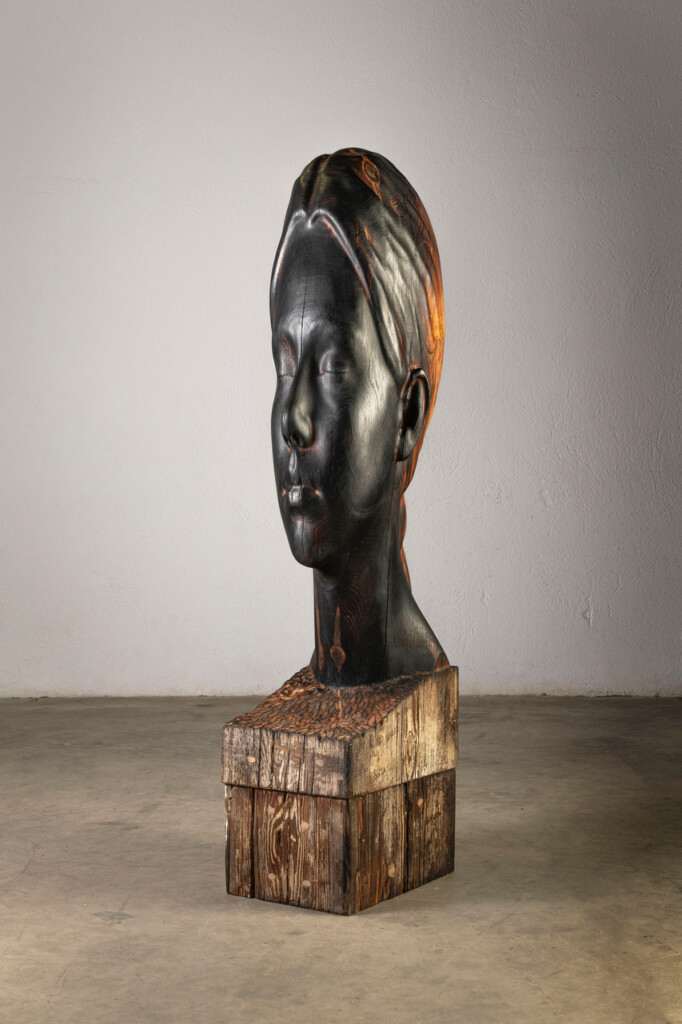
 

“Even if we are not, are we? If no one looks at us, do we exist?” Gino Rubert


As an introduction to the exhibition in which light, colour, and drawing prevail over conceptual drifts, we find a large-format painting that presents the interior of an empty art gallery. In front of it, hundreds of photos and documents archived according to a precise but indecipherable criterion, more reminiscent of the secret record of an obsessive scientist than the photographic archive of an artist. With this scenic installation, Gino Rubert invites us to put ourselves in his place for a moment to understand his work process: “…I usually begin the paintings by spreading out photographic portraits on the canvas (some that I buy in flea markets, others that I have downloaded from the internet or, the most, that I have taken myself). And so, between those characters and myself, we are configuring a scene without previous ideas in such a way that finally the chemistry between those characters/souls and a point of scene direction on my part would be the ingredients of a cake that a priori I never know what form it will have or what it will taste like…”.

Following the trail of previous experimentations on collage and trompe l’oeil such as the use of natural hair in his exhibition Irma Lentamente (2009) or the introduction of text in Exvoto (2014), in the present The place to be or not to be, Gino Rubert introduces lighting on the back of some paintings in order to achieve a greater illusion of depth. As the artist says: “…I have always been particularly interested in that original ambition-function of painting to create the illusion of space; the process of translating with tricks, laws, and ingenuity, the world we perceive in three dimensions to the two-dimensional plane on which we draw…”.

Parallel to the exhibition, we will celebrate the publication of  Sí, quiero edited by Lunwerg and which presents an unusual and exciting portrait of sentimental relationships, with a series of events such as the presentation of the book and a round table.

AES+F, Mare Mediterraneum

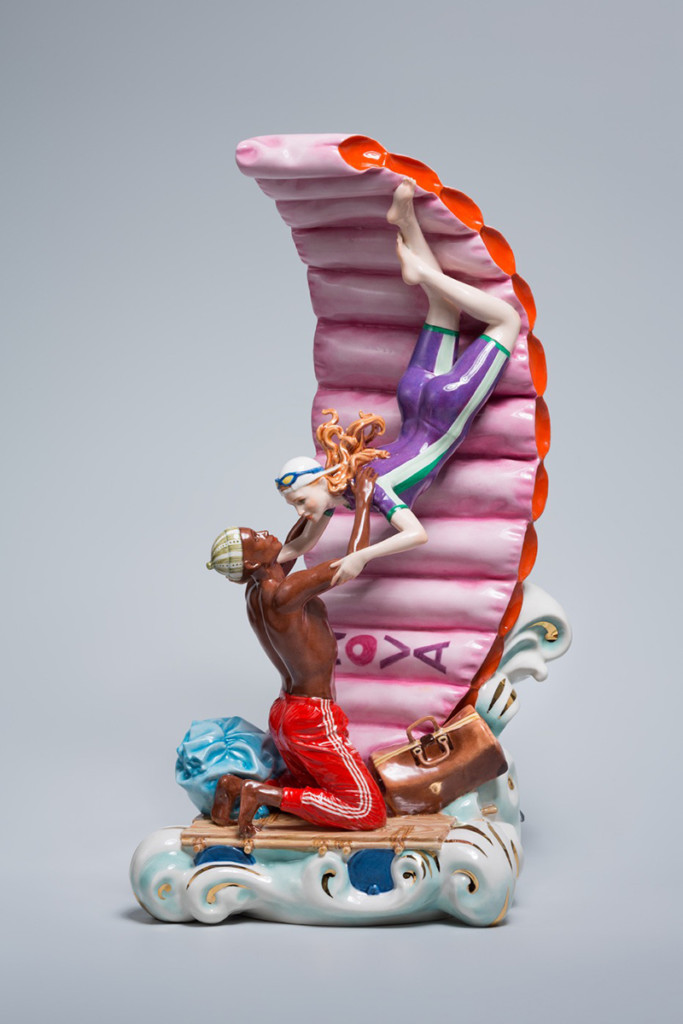
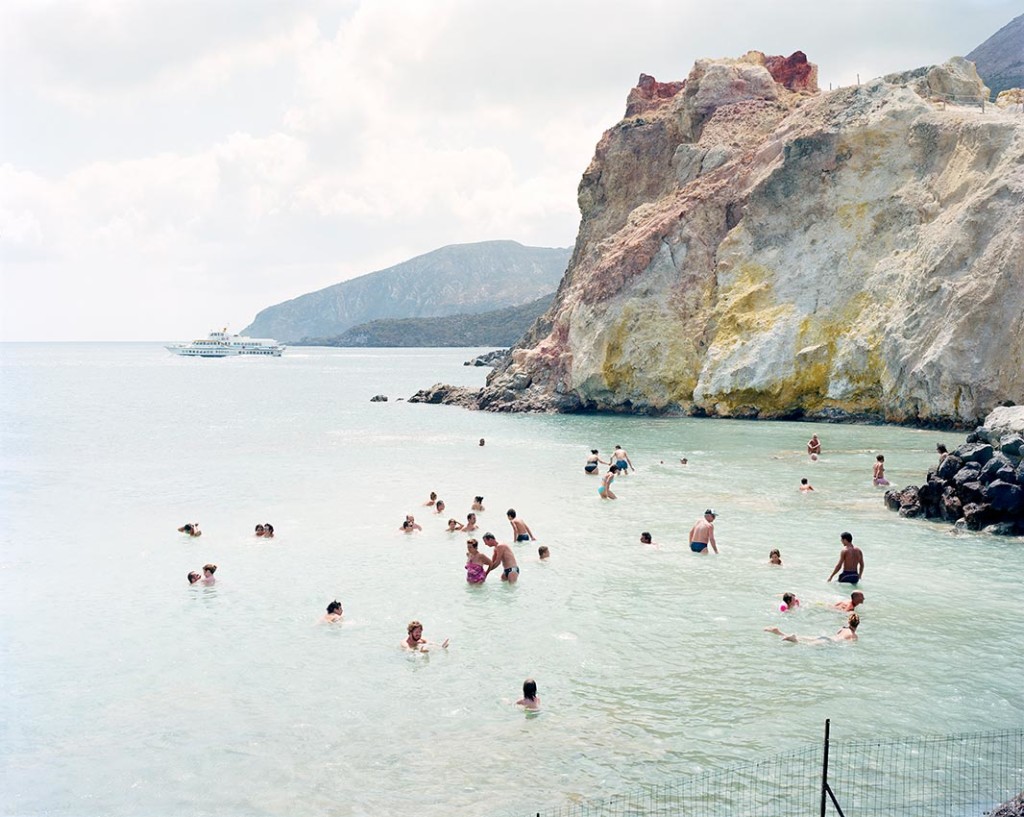
The Mediterranean Sea is the reservoir of civilization – its heart has pumped people, cultures, and religions from shore to shore like blood. The Phoenicians and Carthaginians flowed north, the Romans and Crusaders south, the Genoese east, Byzantines west, the Islamic Caliphates east, west, north, and south. Sicily is right in the middle and the waves of storms of all civilizations have splashed on her shores. This is still happening today.

The Mediterranean Sea is once again the epicenter of ideological contradiction. War has pushed refugees and migrants who, saving themselves, have floated and swum across it to confront Europe with a difficult choice. (In ancient myth Europa herself was also forced to cross this sea). Their choice has already led to politically charged and ideological confrontations, to the polarization of public opinion and to the rise of xenophobia and ethnic violence.

This tragic situation has become a political conflict as well as the subject of negotiation and ideological speculation. In this form, it has been transmitted by media as a meme in what is now described as ‘post-truth’. The ethical situation that has unfolded out of this is paradoxical, to say the least.

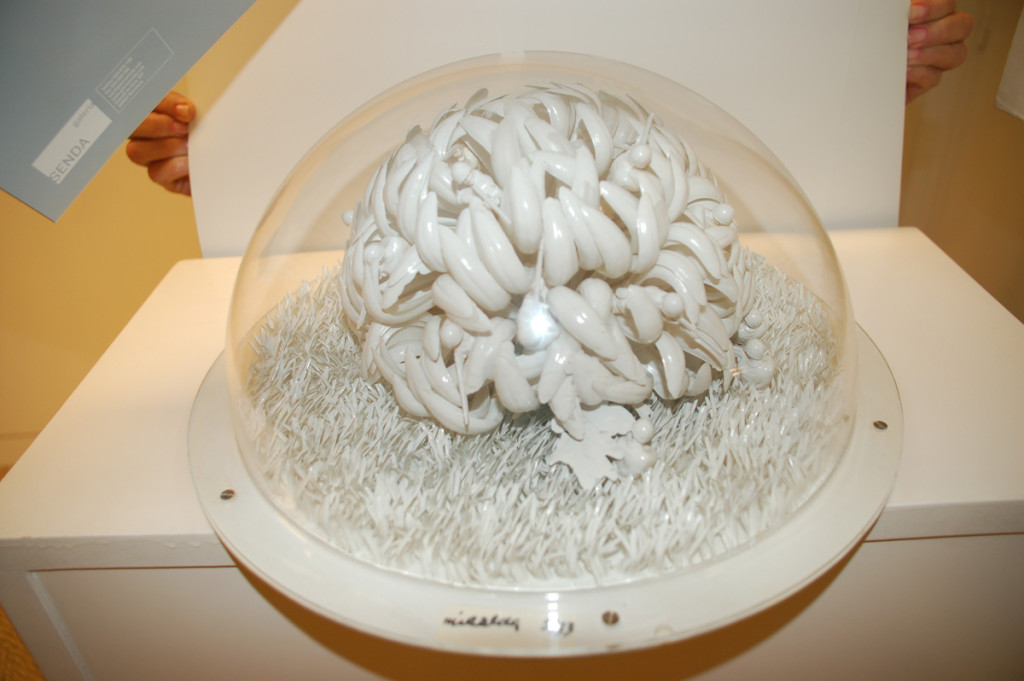
Making porcelain figurines on this subject could be thought an extreme manifestation of this paradox yet, through its distance, an artistic image may be more radical than reality itself because it can push conceptual limits.

Porcelain has always been a symbol of contentment and bourgeois comfort. The recent waves of migrations have confronted Europe with a dilemma: whether to accept refugees – allowing them to enter at the cost of the material and psychological comfort of their hosts; or to reject them in an immoral, inhumane, and cynical act that would undermine the co-operative ethical basis of Europe itself.

Comfort is both fallible and fragile, like the porcelain that is associated with it. Kept safe for generations in high places, porcelain figurines are attentively guarded but their fragility encapsulates the threat of instantaneous loss. They shatter easily.

The chosen form and material of these works contrast with the drama of what is unfolding in the Mediterranean today, and, by doing so, point to it. A reflected ray of light illuminates better than a direct one. We think that this holds true concerning this work.

Edited by David Elliott

MIGUEL ANGEL RÍOS, Landlocked

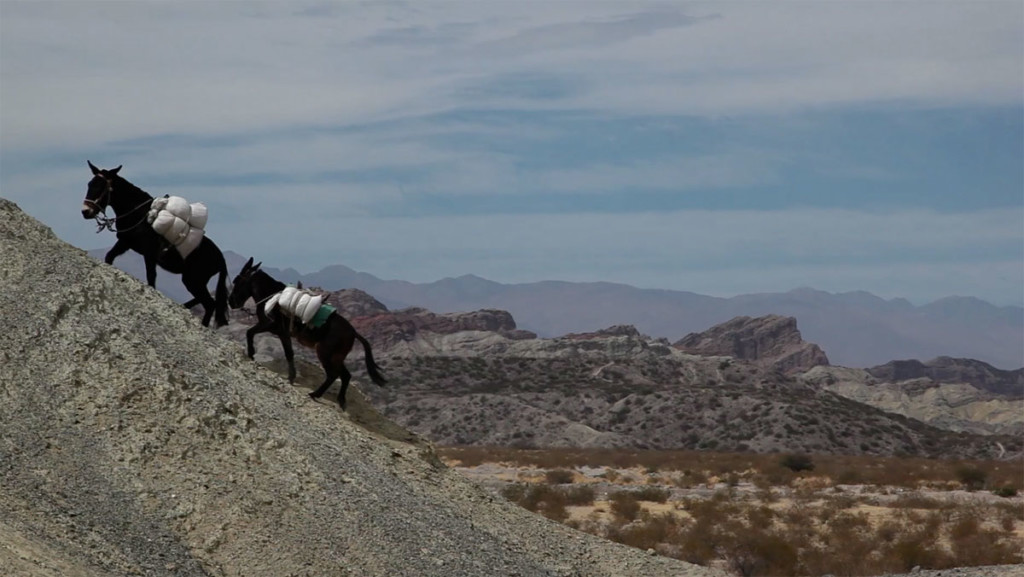
In his work, Miguel Angel Ríos pairs a rigorous conceptual approach with a meticulously constructed, often handmade aesthetic. Since the 1970s, he has made work about the concept of the “Latin American,” using this idea as both an artistic strategy and a political problem. Since the early-2000s, Ríos has also delved into the medium of video to create symbolic narratives about human experience, violence, and mortality.

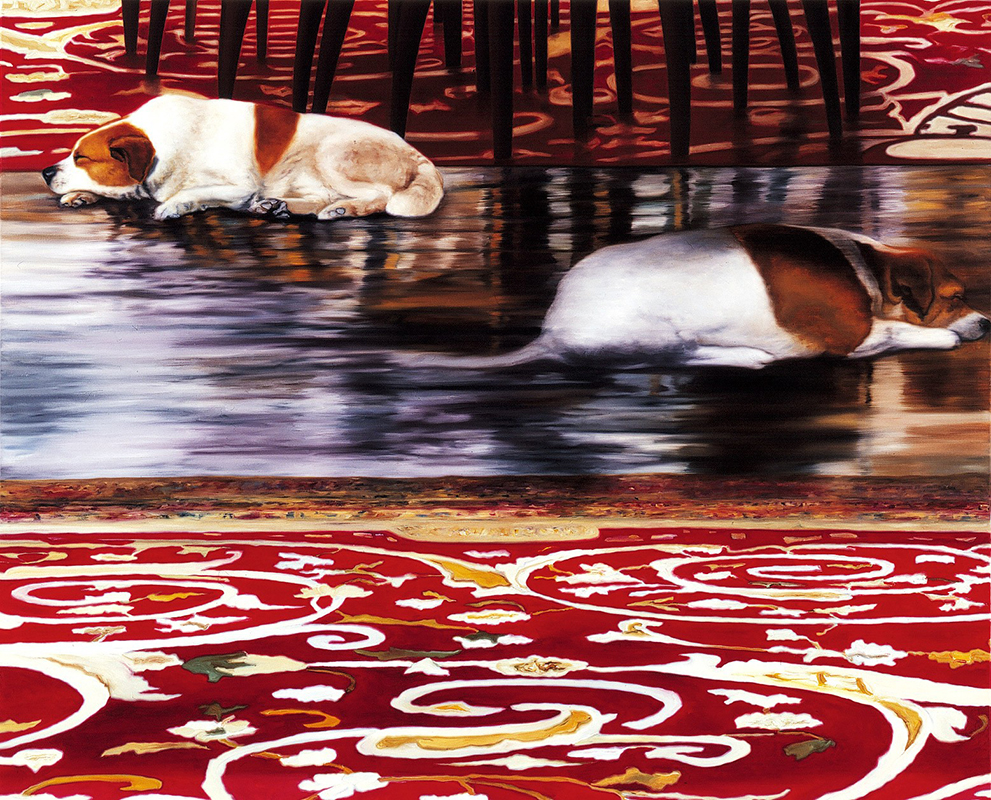
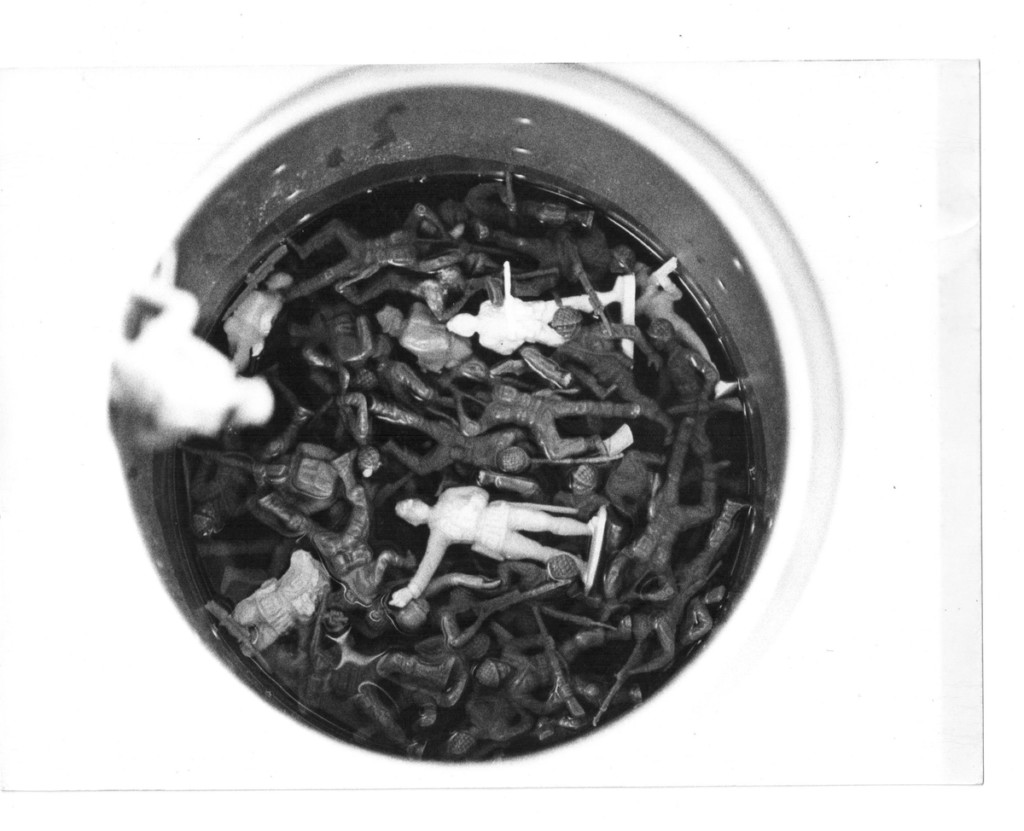
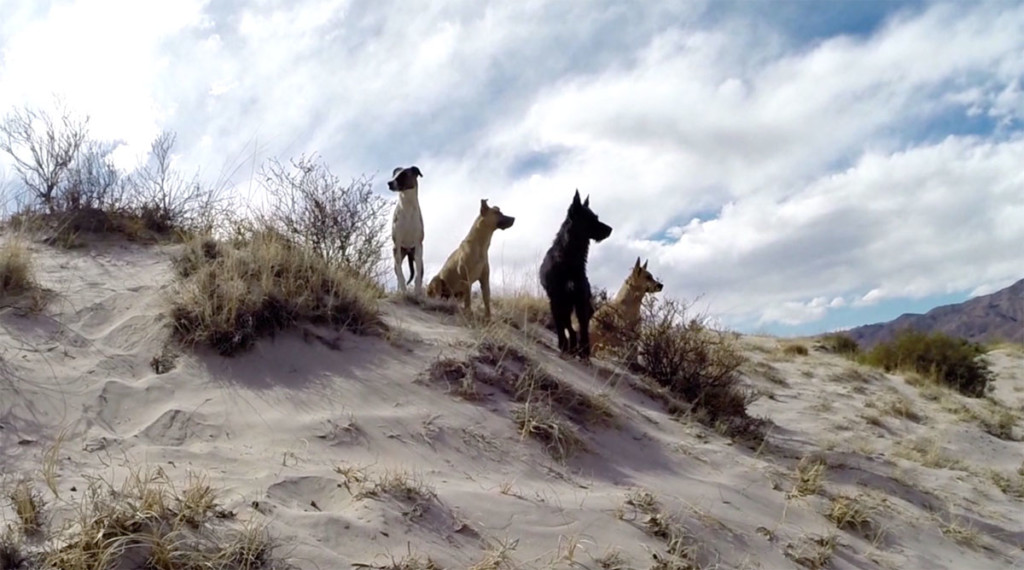
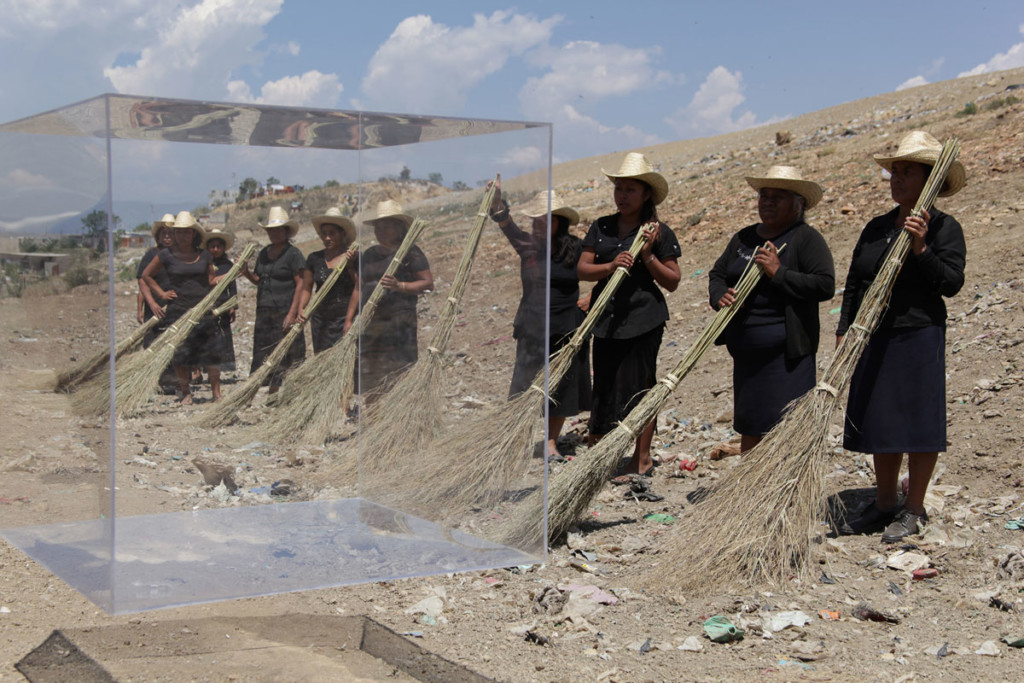
LANDLOCKED: Bolivia has suffered since several centuries access block to the Pacific Ocean. The video Landlocked is a Metaphor of desire of the unreachable. Dogs of the high mountains from the Andes foothills, were trained to dig and execute their work, creating an illusion to get to the Ocean.

MIRALDA. Three Projects (NYC-MIA-BCN)

The exhibition MIRALDA THREE PROJECTS (NYC-MIA-BCN) will present original works, records and documentary archives of The Last Ingredients (MIA), Apocalypsis Lamb (NY-BCN) and Santa Eulalia. 175 (BCN).

The Last Ingredients was a performance of a procession of vehicles and a public feast in Miami in 2016, which celebrated the opening of the Faena Forum Art Center of Rem Koolhaas. The Bedspread Apocalypsis Lamb was part of the Honeymoon project in which an imaginary wedding between the Statue of Liberty of NY and the Columbus Monument of Barcelona was held; In 1989 the Bedspread took part in the Columbus Day tour in New York City and in 1995 hundreds of people carried it to the MNAC where was raised and in which it remains as part of the permanent collection. Finally, Santa Eulalia. 175 consisted of a performance with a procession of 80 musicians and 150 banners, as well as a series of festive events on the occasion of the 175th anniversary of Santa Eulalia store in 2018.

Photos, drawings, videos, objects, collages, etc., will be shown as record material and this will allow the viewer to get an idea of the scope and complexity of each of these works with the public intervention of participatory and processional character and that characterizes the artist.


YAGO HORTAL, Rigor and Pink

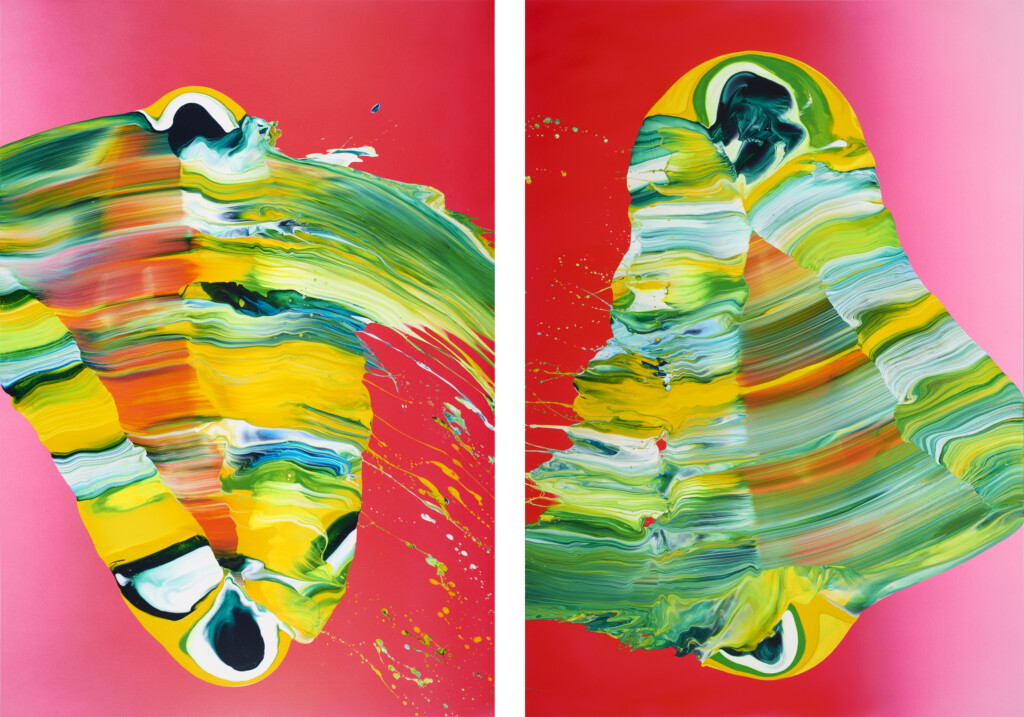
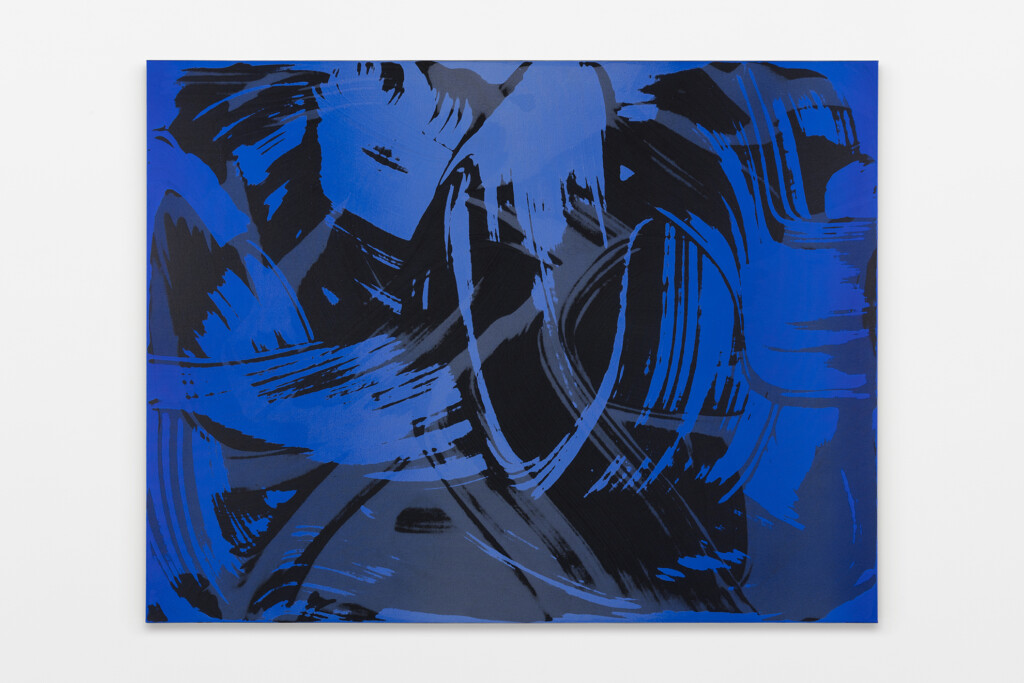
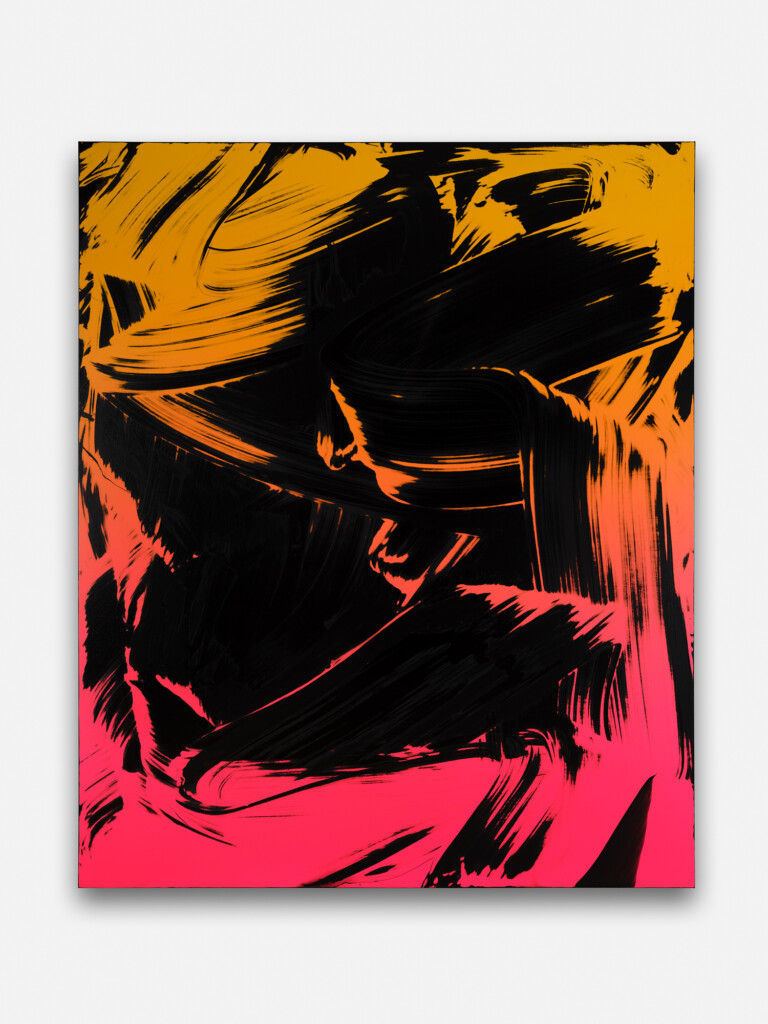
Yago Hortal poses in Rigor y Rosa an exercise of synthesis and confrontation of the semantic of his language and stresses the foundations of his painting through an inversion of the assimilated concepts and a resignation of his comfort zone. In an introspective challenge and through a formal reduction of expressive mediums he bares his work into form and background thus reaffirming his practice.

Through a visual palette endowed with a great variety of tones and fluorescent colours, Yago Hortal inverts the duality of neutral background and relevance of the brushstroke to deepen in the specificities of his praxis and to give value to the whole painting. In the optical cognitive illusions, as the Rubin’s Vase investigated by the psychologist Edgar Rubin and developed by Gestalt theory, it is produced the multistable perception or tendency to jump back and forth between two or more interpretations, in this way Hortal plays with the alternation of the role of the background and figure. Thus, he emphasizes the entire pictorial surface and claims the contribution of the background as a positive space to perceive in an autonomous way and on equal terms with the brushstroke of the foreground.

This synthetics artworks stripped of all artifice and allow the viewer to appreciate with greater clarity the energetic brushstrokes generated by acceleration rhythms and pause that flow into the composition as a color explosion. Furthermore, these brushstrokes become more stylized and lead the way of the look providing a sense of movement to the representation. This process of deconstruction emphasizes the traceability of the creative process through the evidence of the used technique with the splashes and drips of paint cut out on the background. In this way, the forms expand all over the linen, process that culminates in the expansion of the painting beyond the limits of the canvas, endowing the artifacts with a marked sculptural character. In a new impulse, Yago Hortal often uses polyptychs of different measures and provisions that burst into the architectural space by adding the vacuum in which they are reflected and merged the colors as pictorial surface to apprehend.

Ola Kolehmainen presents “Sacred Spaces”

Ola Kolehmainen received in 2014 a commission of the Borusan Collection of Istanbul to develop a photographic project about the Byzantine tradition and the mosques built by the ottoman architect Mimar Sinan. Ola Kolehmainen’s work has always been characterized by reflecting images of contemporary architecture and in this occasion, and for the first time, historical buildings became the object of work. When he was developing Istanbul series, Kolehmainen conceived in parallel the idea of Sacred Spaces’s ones in which spirituality is linked again with contemporary creation through an extensive study of the aesthetic and historic legacy of the religious architecture.

The process of photographing antic empty buildings took him almost fourth years. The pieces are the result of an exhausting research of lighting and framings, based only on the natural light and artificial pre-existing of the building without any type of effect or manipulation. Each place required very careful selected moment to capture a specific light of the desired enviroment.

In some photos of this series Kolehmainen develops a new visual approach based on the fragmentation and deconstruction technique. The views of the spaces are divided and reassembled again in a by-chance-collage through multiples perspectives that create one unique image. In this way, the photos offer a three-dimensional feeling from the use of wide depth field and ranch of lights and shadows. Ola compares this technique of framed details with the reading of a book:


“You get caught. Stuck on details. Drawn in. We get to go back. Focus on a point of reference. The frame helps us focus on the details within it”

The result of the project becomes a visual celebration where the atmosphere and the light are the common thread that weaves images of main monotheistic religious buildings. The ancient churches, synagogues and mosques contribute in the work of the artist with a new research paradigm in the research that captures sublimity and mysticism. At the same time, his work reflexes the points in common and underlines the mutual influences of the deferens religions inviting the viewer to the reflection about universal nature of Sacred Spaces.

Francis Ruyter “Let Us Now Praise Famous Men”

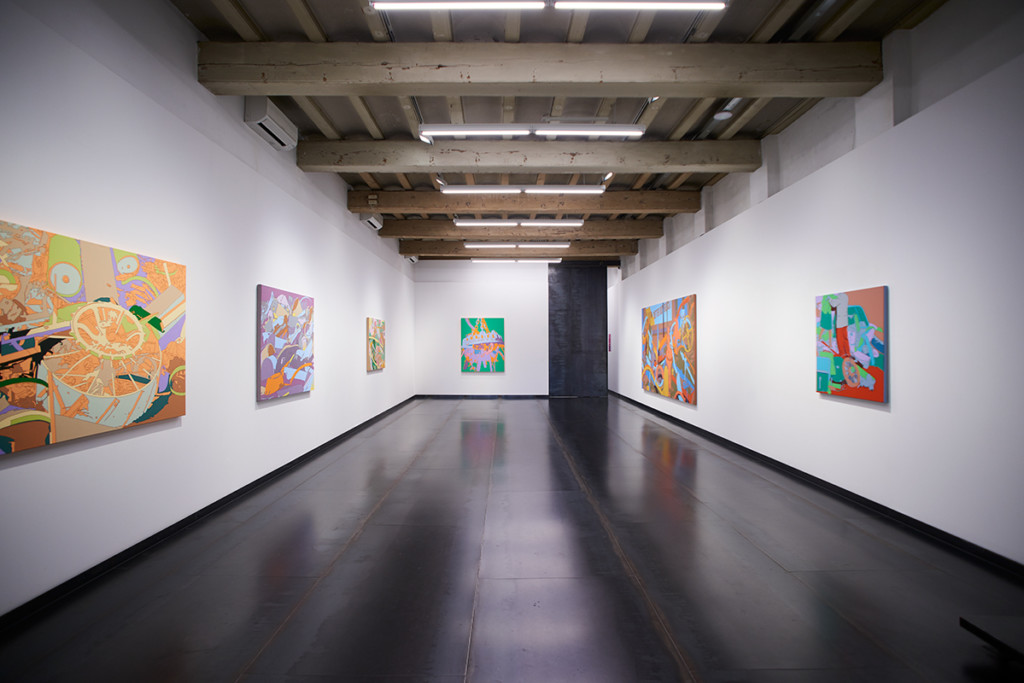
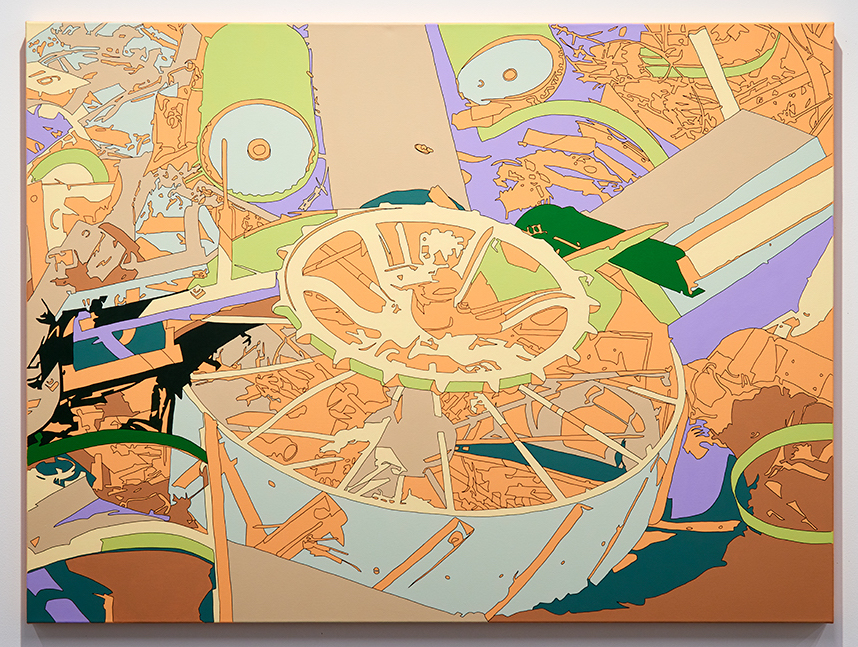
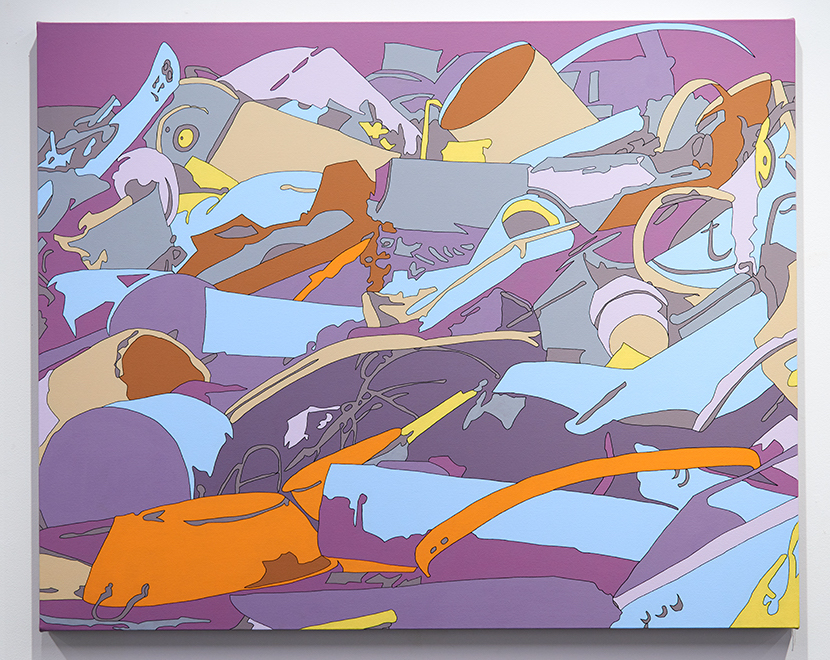
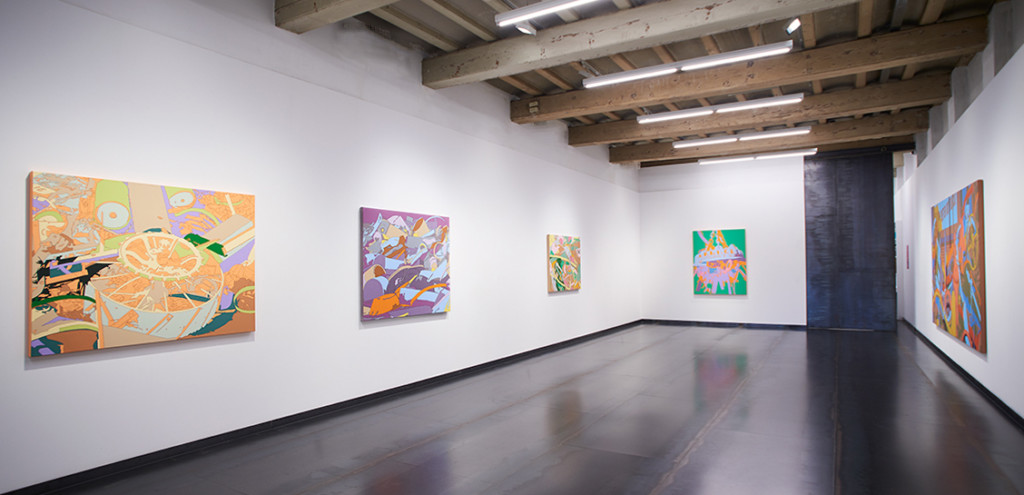
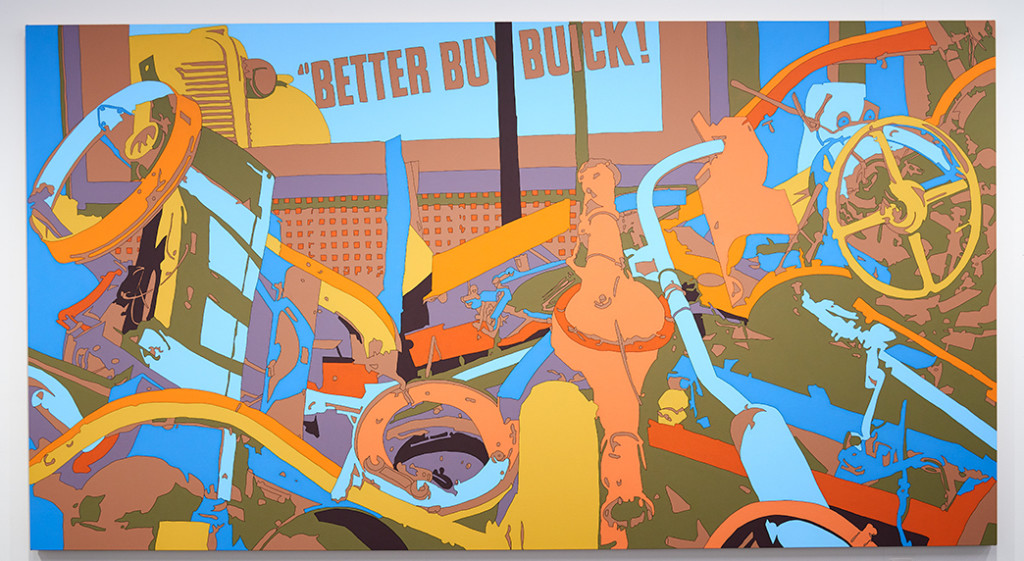
The title of the present exhibition Let Us Now Praise Famous Men refers to the book of the same name written by James Agee and illustrated with photographs by Walker Evans. Published in 1941, it documented rural life in the United States during the Great Depression of the 1930s. Francis Ruyter uses appropriationism as a tool; all the paintings have as reference photographs of the huge patrimony treasured by the Library of Congress of the United States. It is one of the largest archives in the world created from the funds of the Farm Secure Administration and the Office of War Information: black and white images that portray the life of the Americans between 1935 and 1944. These images, produced through gubernamental agencies, transcend the propaganda and, at the end, have become a reference for the American identity. It is a file reviewed by multiple authors with a generative character as it is digitized and disseminated.

The archival objects of the post-industrial era have already been subjected to systems of order and reclassification and lately they are divided in a global scheme through the Internet. The growing presence of data banks, image files and visual interfaces allow us to trace Ruyter’s interest in photographic archives. This can be compare with technological ruins that face the changes of the scientific and social knowledge that provides Ruyter’s paintings a contextual depth of referents connected by interrelated nodes.

The artistic process of Francis Ruyter merges new technologies with traditional techniques of drawing and painting. Ruyter uses monochrome paint and permanent marker to recreate the images of these photographs. These works deployed visually as abstract paintings despite their figurative origin. We are faced with synthetic works with a marked tone reduction, painted with non-naturalistic colours at all, and composed of energetic colour planes. This saturated chromaticism comes violent in conflict with our perception of the photographic act as a graphic document that brings verisimilitude to the image. The contours divide the surface into planes of shadows clueless in a representation in which the illusion of depth is eliminated. This denial of the volume reduces to the minimum expression the photographic origin of the image as the language of light and emphasizes the markedly two-dimensional character of the work.