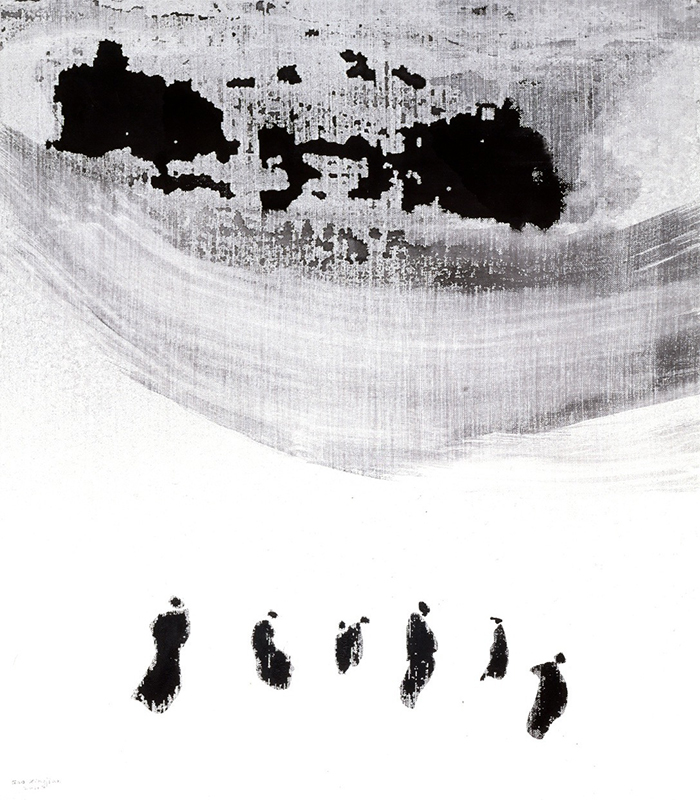
VER ES INVENTAR. Barcelona: arquitectura y ciudad

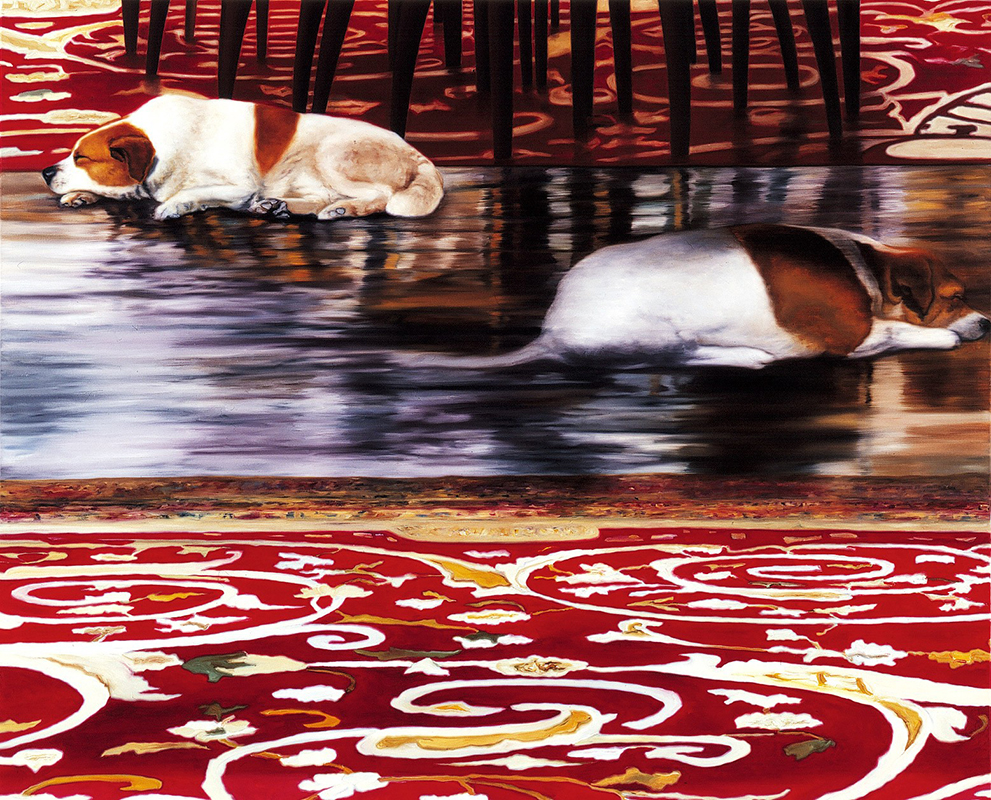
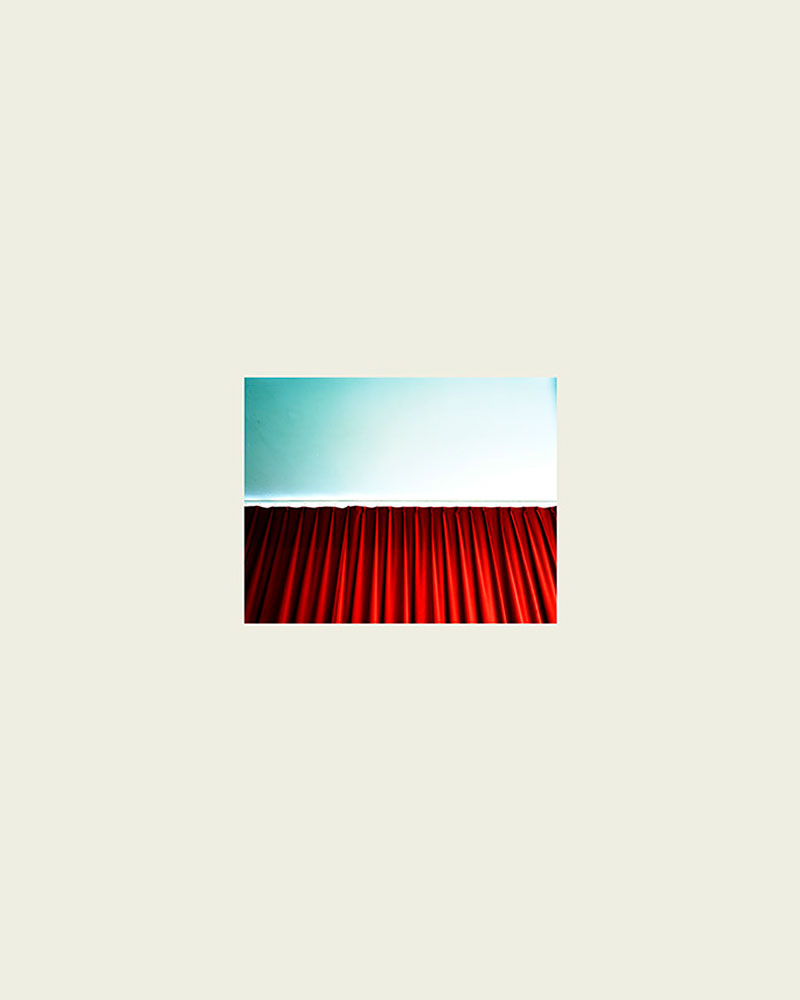
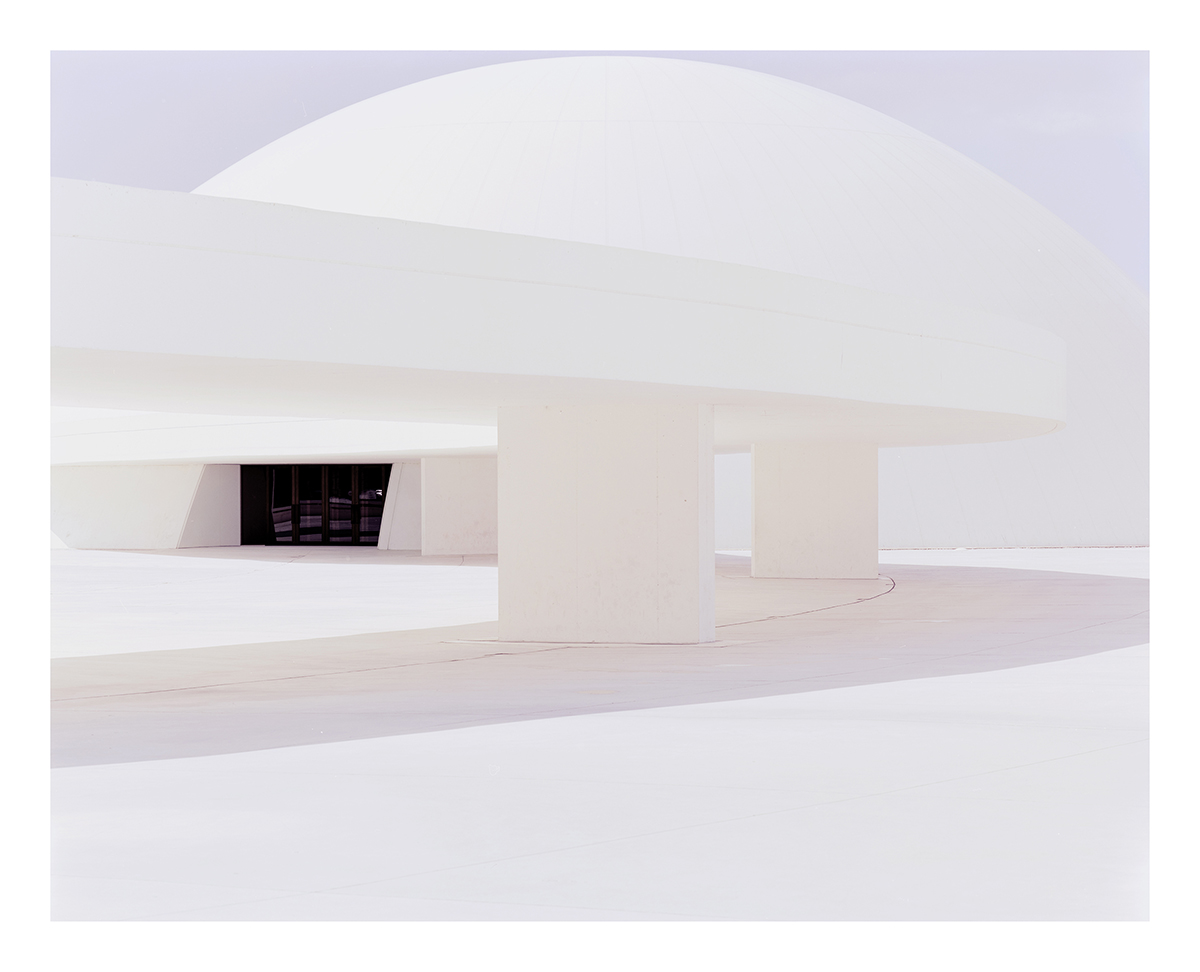
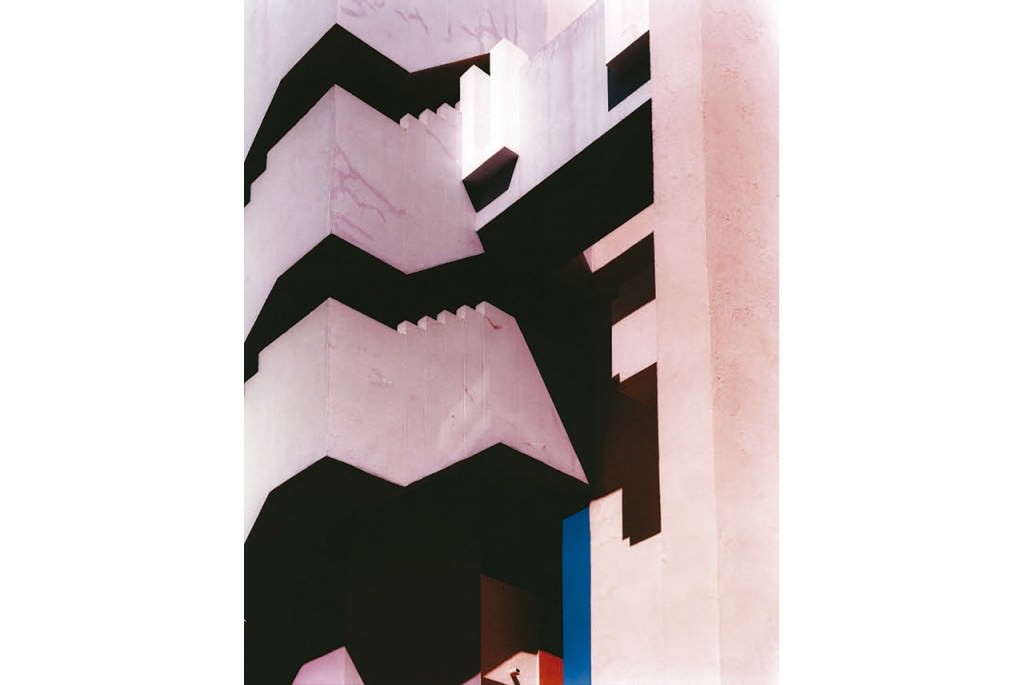
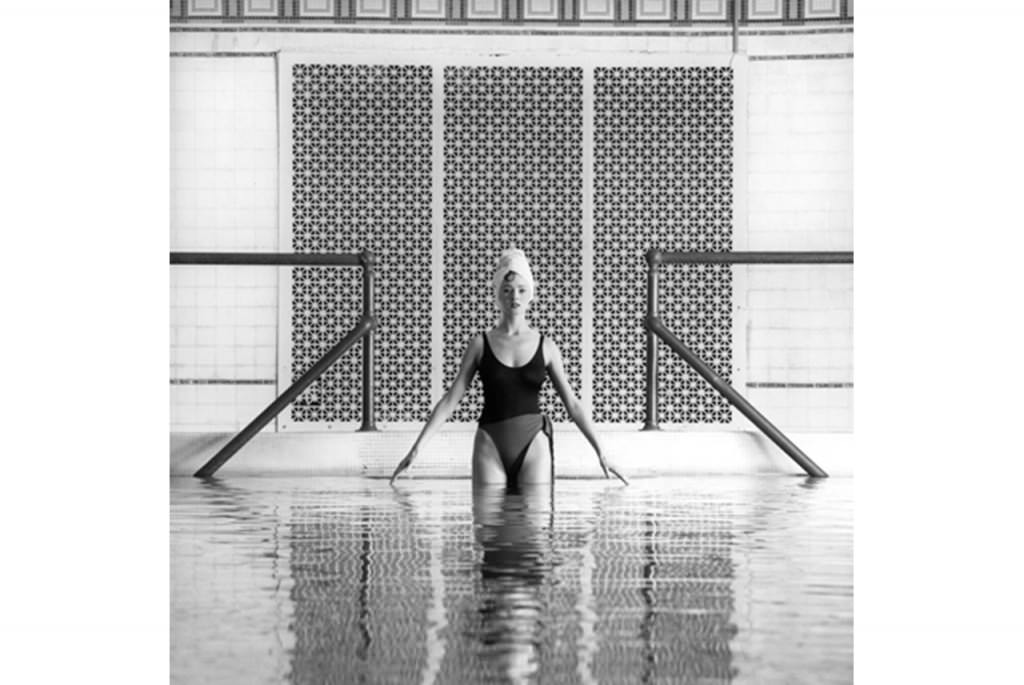
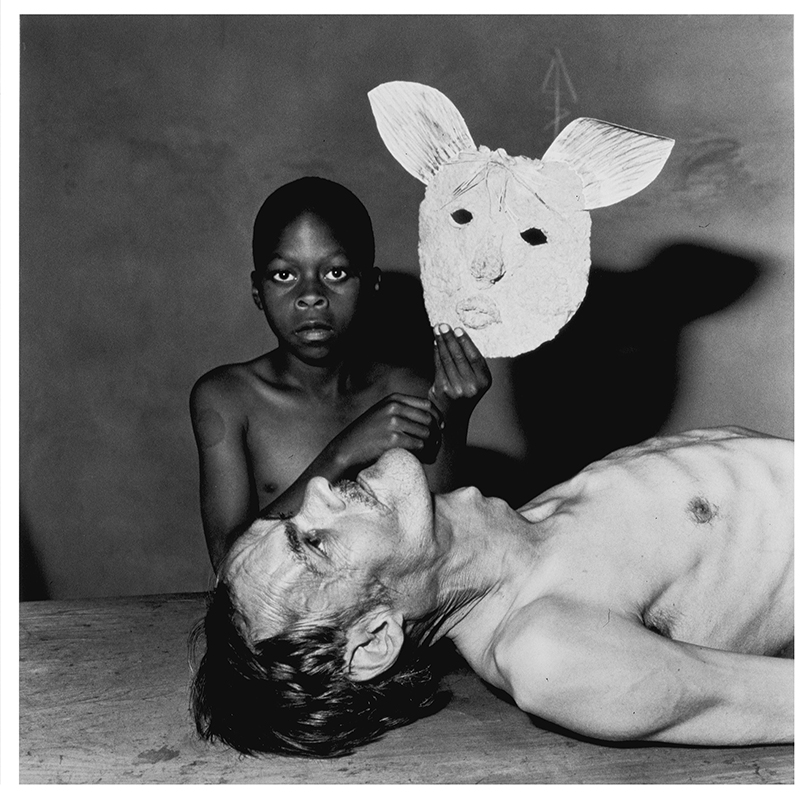
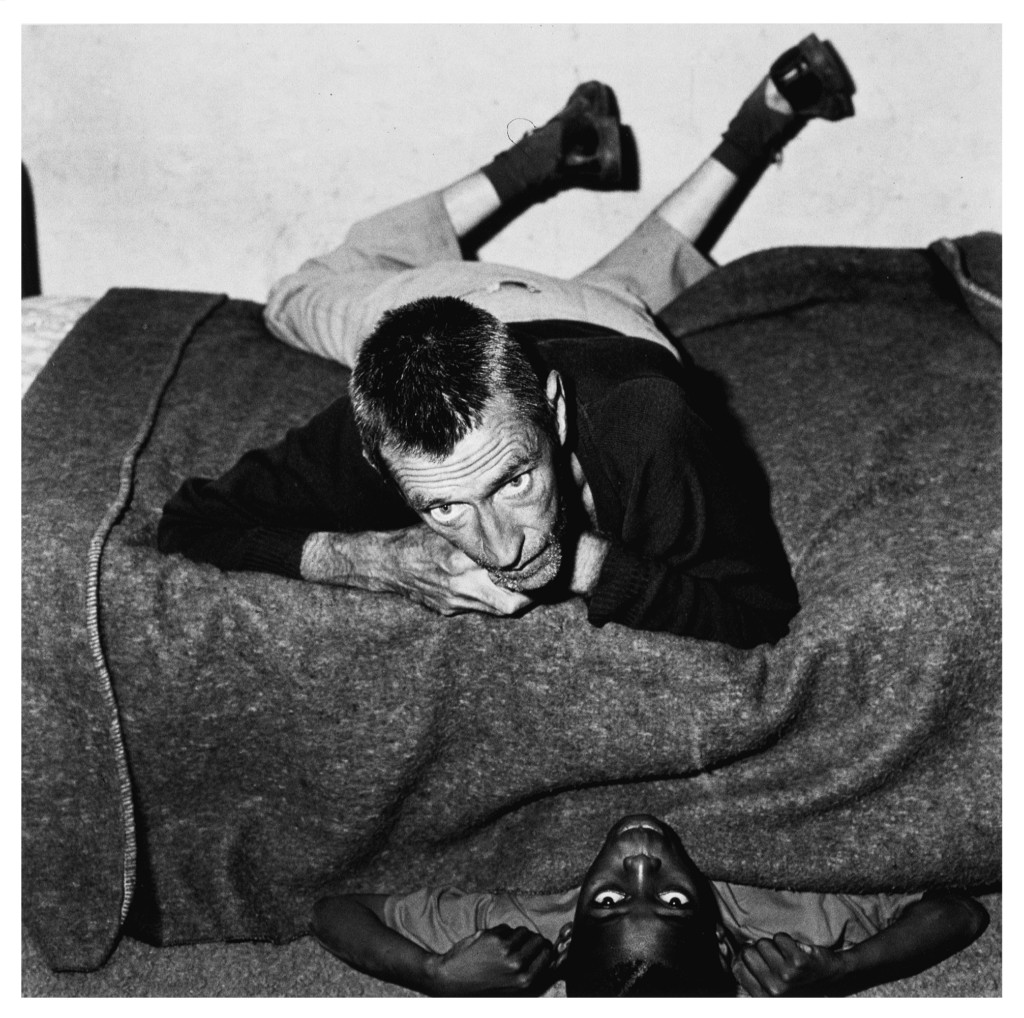
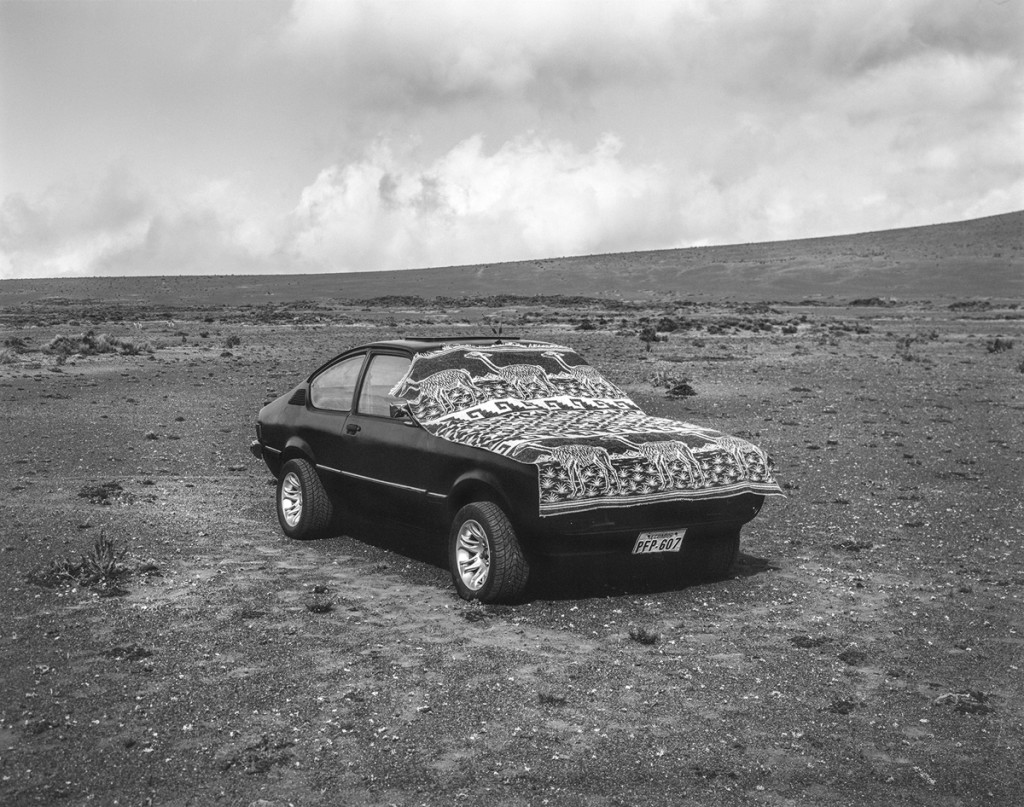
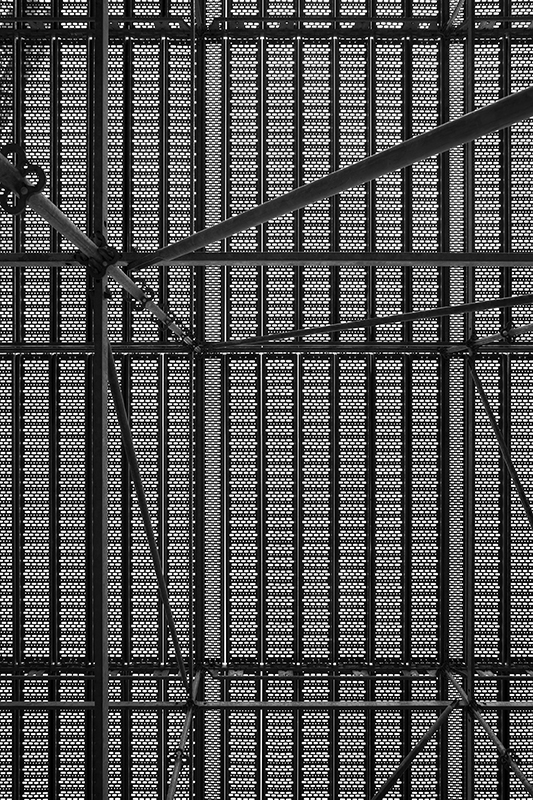
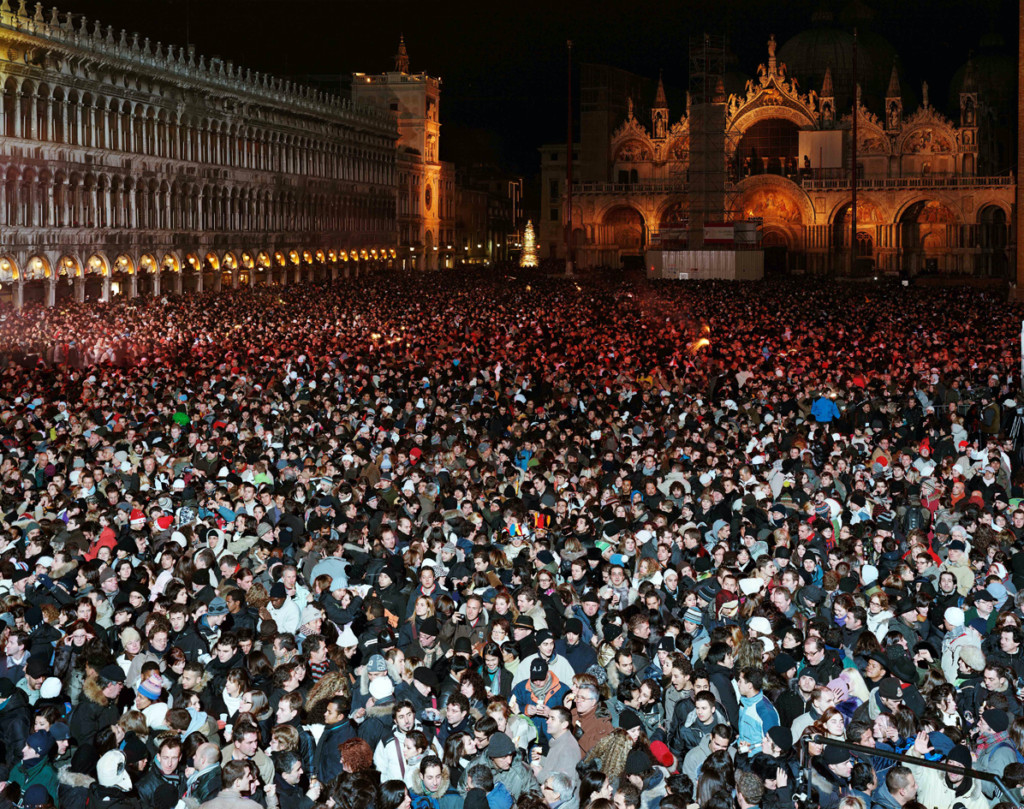
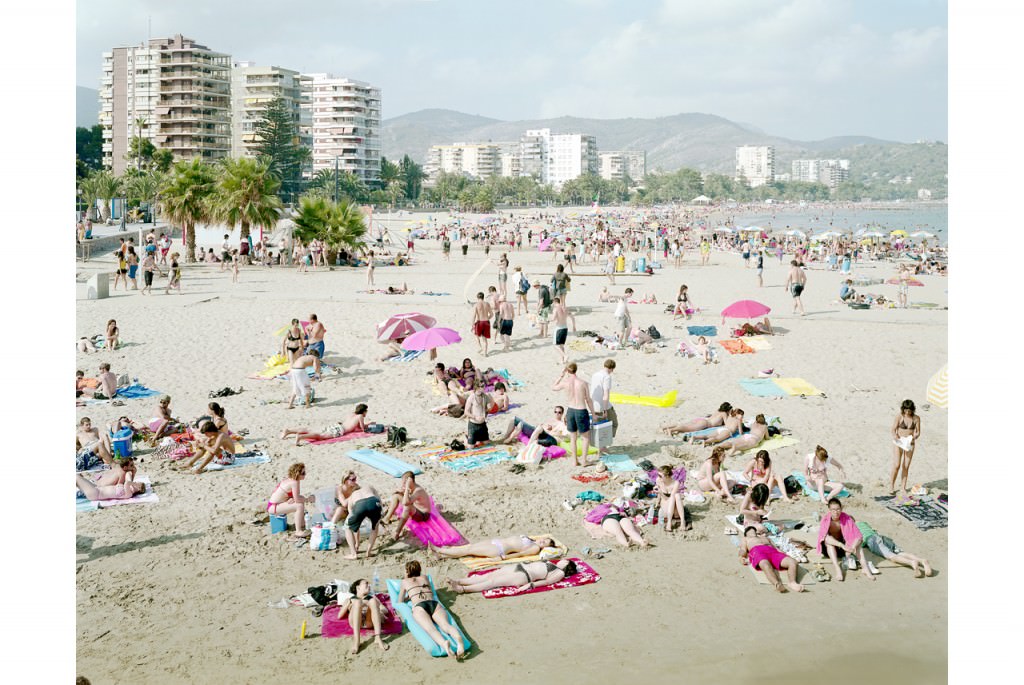
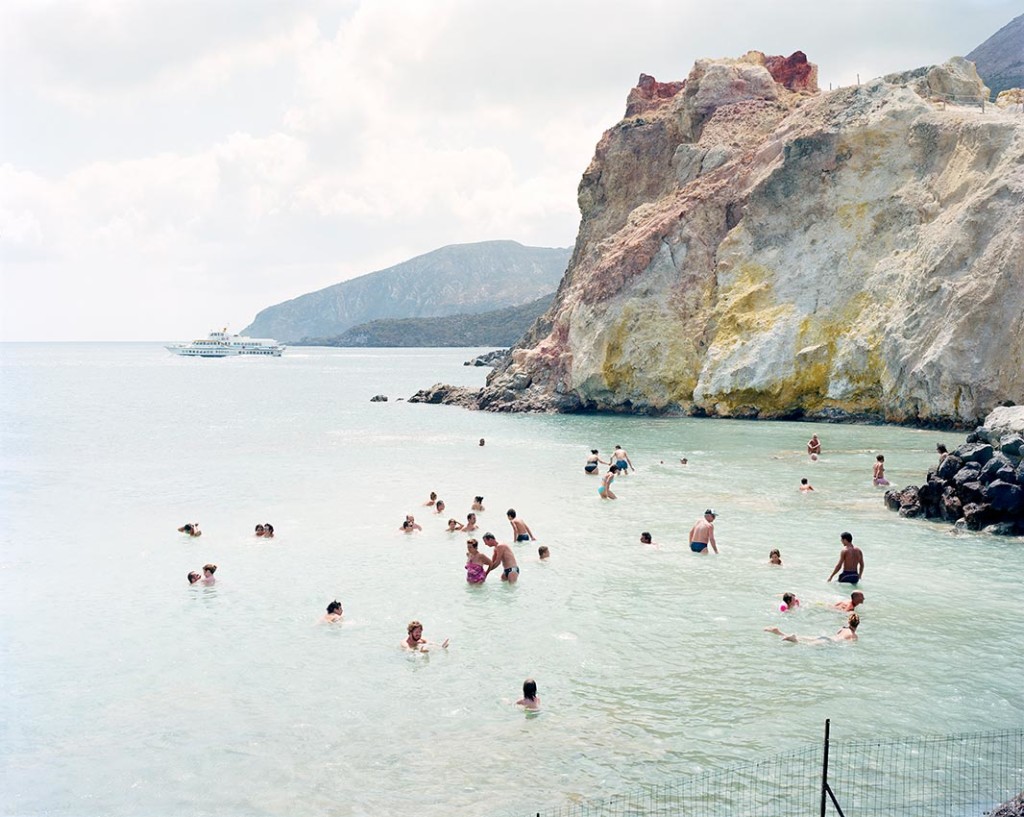
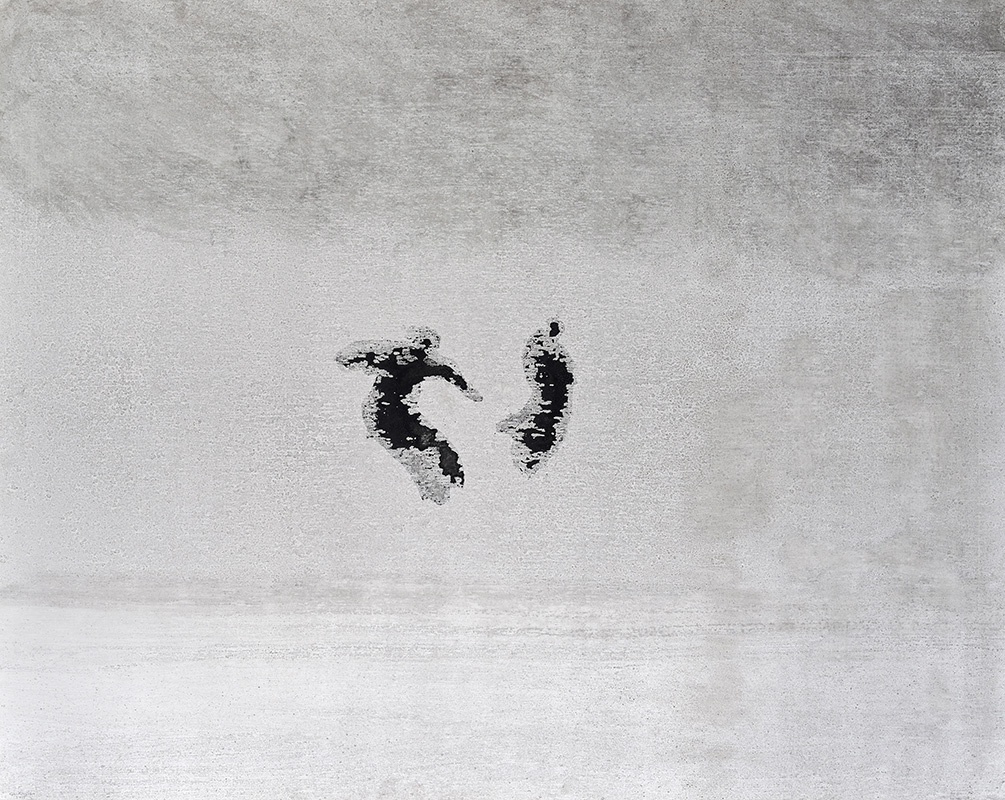
A group exhibition bringing together a selection of works chosen by Jordi Bernadó around architecture, the city, and its transformations. Through diverse photographic approaches, the exhibition reflects on the ways we perceive, represent, and inhabit the urban environment. The presence of a fragment of Montjuïc connects these perspectives to Barcelona’s material history.

The exhibition is grounded in the idea that every photograph constitutes a position taken toward the world. Beyond its documentary dimension, the image articulates a way of seeing, interpreting, and constructing reality. In this context, architecture and the city cease to be understood as mere physical settings and instead emerge as spaces onto which social transformations, modes of inhabitation, and new contemporary sensibilities are projected.

Conceived through Jordi Bernadó’s perspective, the exhibition brings together a selection of works that explore different approaches to the urban landscape and the built environment, understanding photography as a critical tool capable of revealing the multiple layers—political, symbolic, and affective—that shape the experience of the city.

The exhibition unfolds in dialogue with contemporary debates surrounding architecture, urbanism, and perception, paying particular attention to the ways in which images shape our relationship with the environment and condition our ways of seeing. Through a range of visual languages, the works shift architecture away from its strictly functional dimension toward a more sensitive and reflective reading, where space appears as a territory in constant transformation.

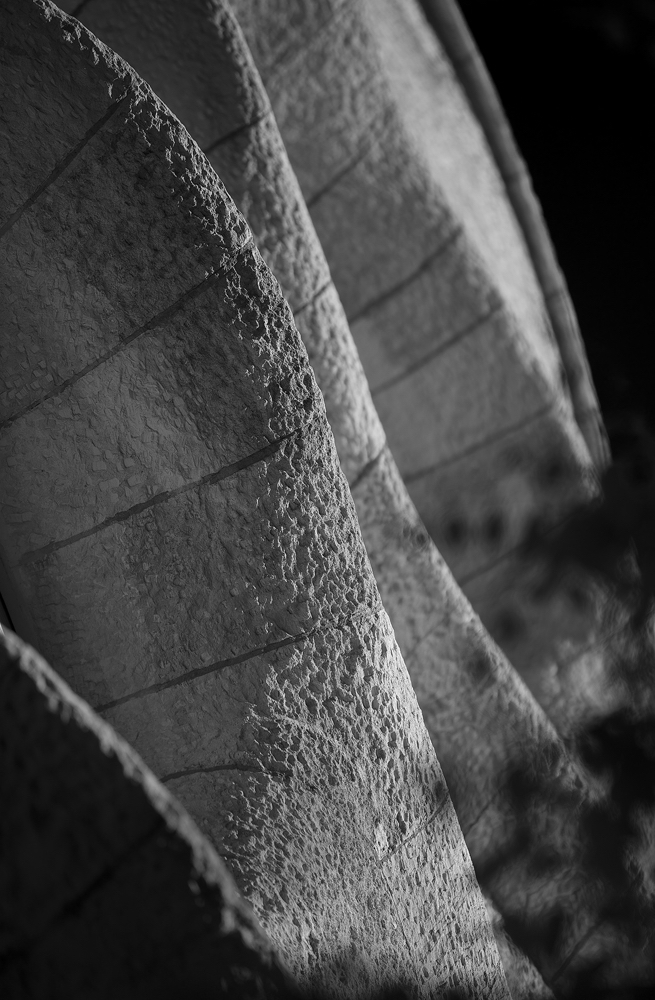
At the heart of this journey emerges the presence of a stone extracted from Montjuïc, incorporated into the exhibition space as an element that feels both foreign and deeply connected to Barcelona’s material history. Its presence introduces a disruption within the visual ensemble, redirecting attention from the representation of the city toward one of its most primary and constitutive elements. Rather than functioning as a sculptural object, the stone prompts a reflection on matter, origin, and the ways in which landscape, architecture, and urban memory remain inscribed within that which physically sustains the city.

Artists:

Gabriele Basilico

Jordi Bernadó

Jordi Guillumet & Mònica Roselló

Roger Grasas

Ola Kolehmainen

Manolo Laguillo

Martí Llorens

Josep Maria Llobet

Anna Malagrida & Mathieu Pernot

Eduardo Nave

Aitor Ortiz

Carles Puig

Humberto Rivas

Txema Salvans

Jon Tugores

Laura Van Severen

Massimo Vitali

MARCEL R. JULIANA: “An Aquatic Stroll”

Prologue

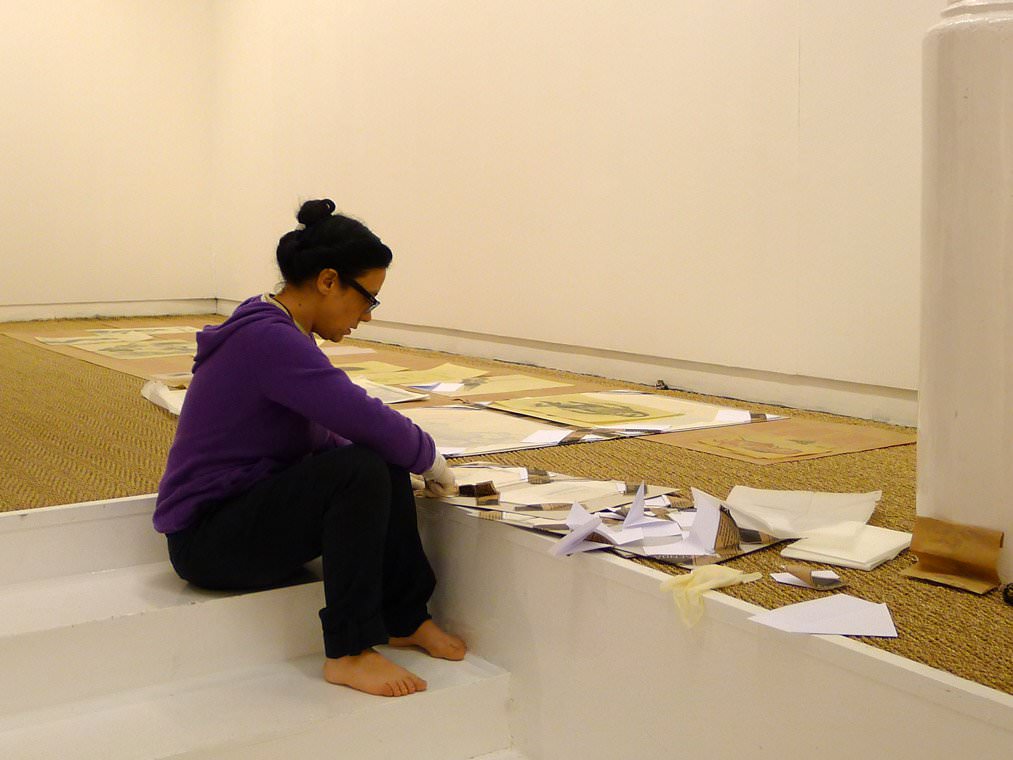
Before becoming an exhibition, An Aquatic Stroll begins as an open process.

In the weeks leading up to the opening, Marcel R. Juliana will intervene on the walls of Galeria SENDA’s Mezzanine, allowing the drawings to gradually emerge before the eyes of visitors. This action transforms the space into a site of work and observation, where the public can encounter the first gestures, paths, and intuitions that shape the exhibition.

More than a preview, this intervention invites visitors to accompany the artist at the beginning of his stroll: a journey that will gradually unfold until it becomes an exhibition.

About the exhibition

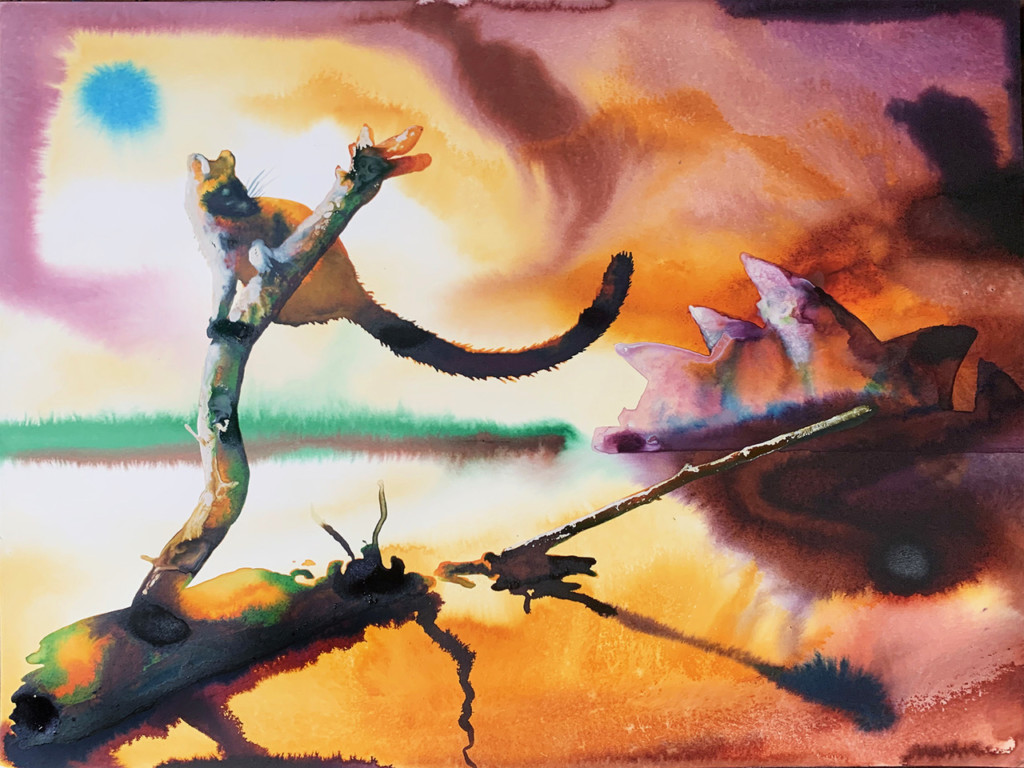
Presented as part of Art Nou 2026, the exhibition by Marcel R. Juliana unfolds as a drift through a garden where memory, fiction, and observation intertwine through the language of drawing. Conceived as a journey open to discovery, the project takes as one of its points of departure La apócrifa historia del Hércules enamorado y de su león emasculado, a book written by Sergio Mariano Colina, edited by Ignacio Rodríguez Somovilla, and illustrated by the artist himself. Its pages recount the singular story of a sculpture of the Farnese Hercules once located in the Martí-Codolar gardens in Barcelona, a place that, in the early 1940s, echoed the traditions of Italian and French gardens through its parterres, fountains, giochi d’acqua, and intricate hydraulic systems designed to channel water, shape the landscape, and nourish the imagination.

These gardens serve as the starting point for an exhibition that does not seek to reconstruct a specific site, but rather to inhabit the atmosphere that still seems to linger among its pathways. Marcel R. Juliana approaches this territory as one might wander without a predetermined destination, allowing the journey to emerge from whatever appears along the way. A shadow cast on the ground, the irregular shape of a stone, a branch bent by time, or the unexpected presence of a figure become events capable of redirecting the gaze and opening new associations.

A key influence throughout this process has been the Greek dancer Vangélis Liopirákis, whose sensitivity has accompanied the development of the exhibition from its earliest stages. His understanding of movement as a form of attentiveness to space and to the transformations of the body quietly permeates the works. Something of this embodied awareness can be felt in the way figures emerge from and dissolve into vegetation, in the tension of certain gestures, and in the sense of suspension that runs through many of the drawings. The garden becomes more than a setting; it is inhabited by presences that move, wait, disappear, or merge with the landscape. As in a choreography, each element seems to follow its own rhythm while simultaneously belonging to a larger composition in which bodies, plants, shadows, and architecture share the same breath.

For the first time, the artist does not begin with a predefined theme or narrative structure. The exhibition unfolds as a sequence of observations linked together, resembling the movement of a camera advancing slowly and pausing whenever something demands attention. The works emerge from this exercise in contemplation, constructing a fragmented narrative where history and imagination coexist, where the memory of a place encounters the possibilities it still contains.

The exhibition is developed entirely through drawing, understood here as material, method, and way of thinking. Each work seems to ask what happens when the line leaves behind its descriptive function and begins to explore, when drawing ceases to represent the world and starts moving through it. The result is a body of work that invites viewers to linger on what usually goes unnoticed, revealing the extraordinary complexity that can reside within the simplest gestures.

With this exhibition, SENDA joins the Art Nou 2026 programme through a project that understands drawing as a form of knowledge and experience. A walk through a real and imagined garden where each image becomes a pause, an observation, and a possibility for encounter.

Artist: Marcel R. Juliana
Production: Daniela Plou
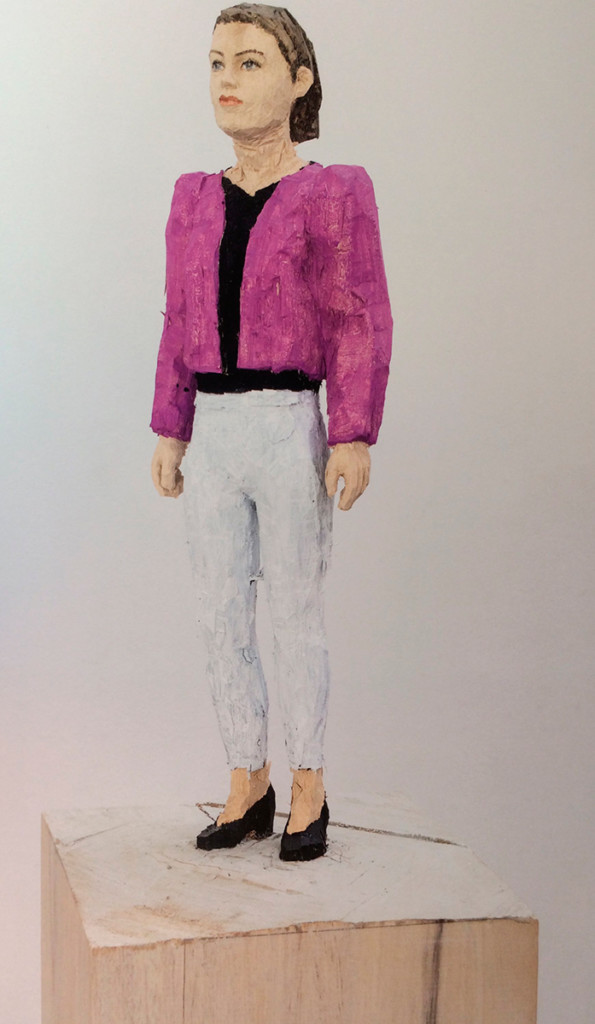
Hacia lo esencial: prácticas de mediación

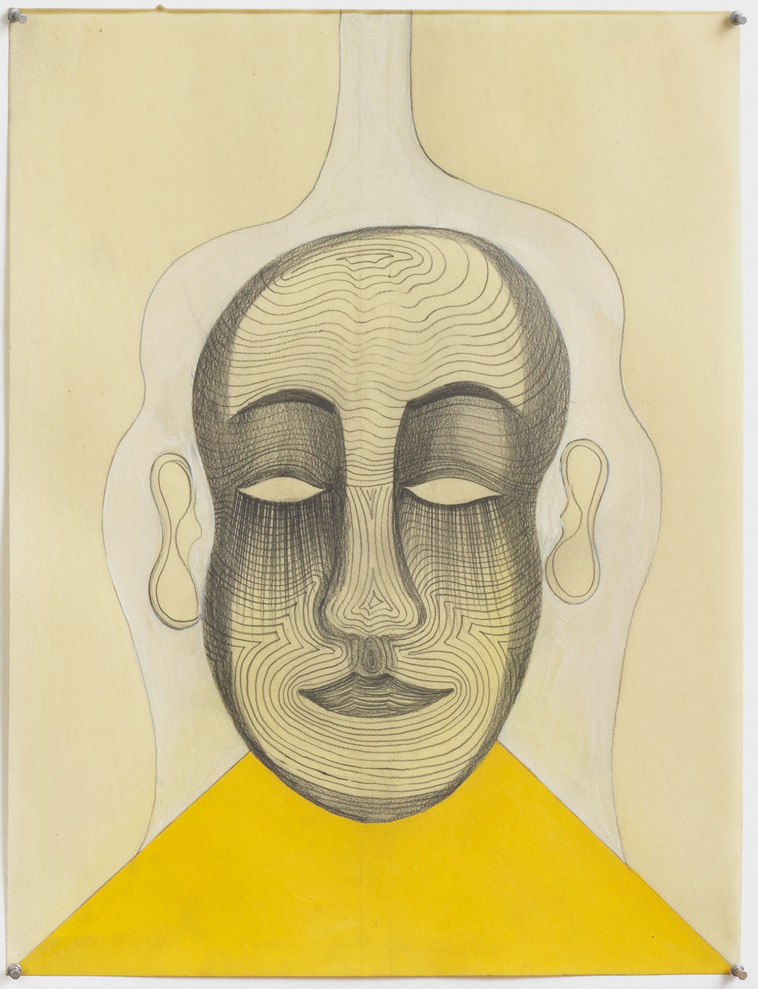
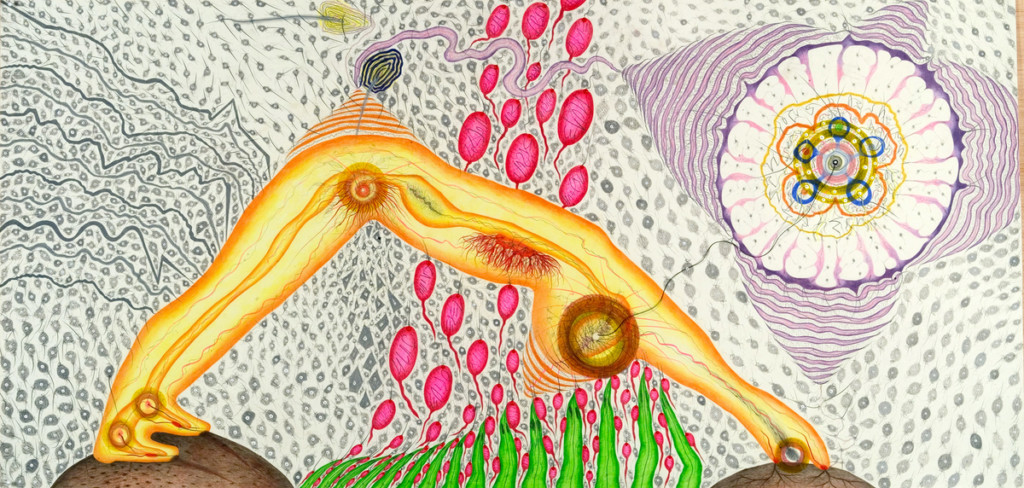
Hacia lo esencial: prácticas de mediación brings together Joan Ponç and Sandra Vásquez de la Horra in an encounter that positions artistic practice as a threshold toward deeper dimensions of human experience. The exhibition is constructed through resonance, emerging from affinities rooted in the symbolic, the archetypal, and that which remains at the margins of the visible.

The inclusion of Ponç responds to a desire to reactivate his work from a contemporary perspective, opening new layers of interpretation that connect it with current sensibilities. Within this framework, Vásquez de la Horra’s work introduces an intimate and ritual dimension, where drawing operates as a language that traverses the psychic, the spiritual, and the bodily, unfolding images that oscillate between the personal and the universal.

Both artists share an approach to creation that exceeds representation, acting instead as a form of mediation between the material and the intangible. Their works do not seek to fix meaning, but rather to generate states of perception—transitional zones where the image opens itself to uncertainty and invites an experience that engages both vision and sensibility.

This encounter arises from an initiative by the gallery, driven by the interest of its directors in fostering dialogues across temporalities and reactivating Ponç’s work in relation to contemporary practices, thus encouraging new modes of engagement and interpretation.

From Thursday, April 16, 2026, at 7:00 pm, Trafalgar, 32, Barcelona.


Curatorial text

Exhibition handout

XAVI BOU. Fluctus

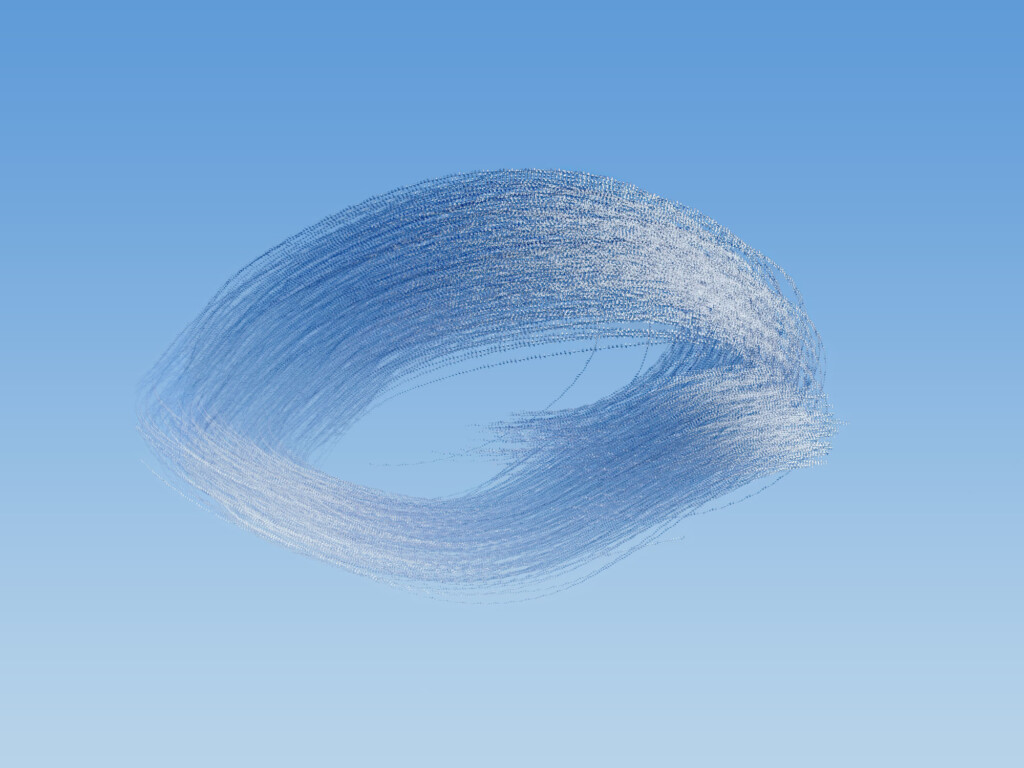
Galeria SENDA presents Fluctus, a new project by Xavi Bou that condenses, in suspended images, the first seconds of a bird’s flight. Recorded in super slow motion from a top-down perspective, the works reveal the singularity of each gesture, the inner structure of movement, and the morphological and chromatic diversity of each species.
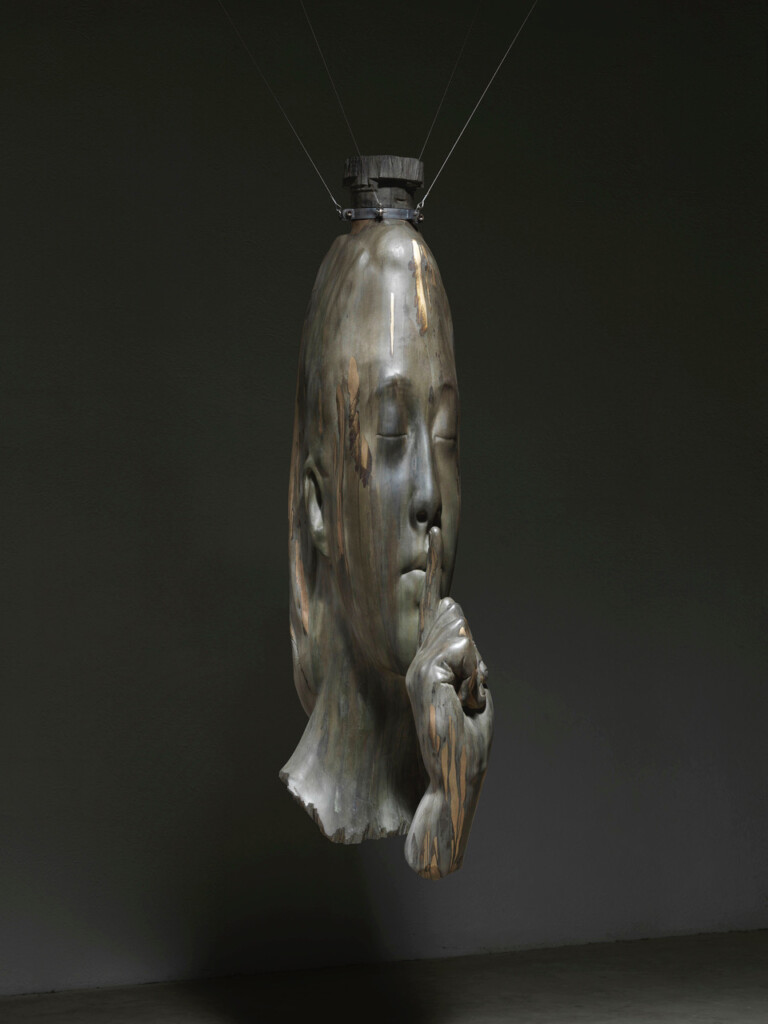
Unlike his renowned Ornithographies, where the focus lay on collective flight and interaction between individuals, Fluctus shifts attention toward the singular body. By isolating the bird against a white or black background, Bou highlights the richness of its forms and colors, which tend to dissolve in group flight. The body thus becomes a living trace: a figure in transition between impulse and direction, between الأرض and air.
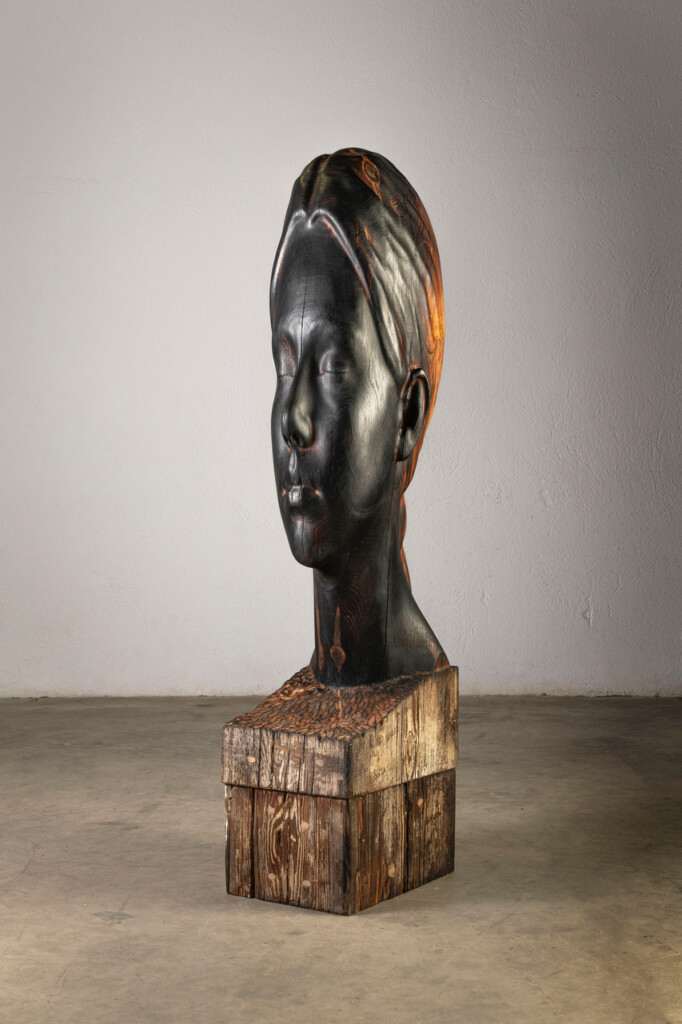
The title, from the Latin fluctus (wave), refers to the temporal expansion of the gesture. Each image functions as a suspended wave that condenses past, present, and future, activating a slowed-down gaze that invites us to observe what usually goes unnoticed. Rather than freezing an instant, Bou constructs a fluid temporality: a way of seeing time as natural choreography.

Created in collaboration with ornithologists and wildlife recovery centers, the project guarantees an ethical and respectful approach: the birds are recorded at the moment of their release, under controlled and safe conditions. Fluctus is conceived as a growing collection, in which each image is presented printed at real scale, evoking the ancient cabinets of curiosities.

In dialogue with the tradition of these cabinets—not as accumulations of rarities, but as devices of visual interrogation—Bou proposes an experience that dissolves the boundaries between art, science, and technology. His images do not document; they reveal: invisible choreographies, trajectories that escape ordinary vision, patterns that remind us that the natural world is not an object of control, but a sensitive territory where everything is in relation.

In a time marked by ecological crisis and technological acceleration, Fluctus is a call for perceptual empathy. An invitation to look with other eyes, to think of animals not as symbols or exotic creatures, but as companions in existence with whom we share a planet and a common destiny.

Celeste

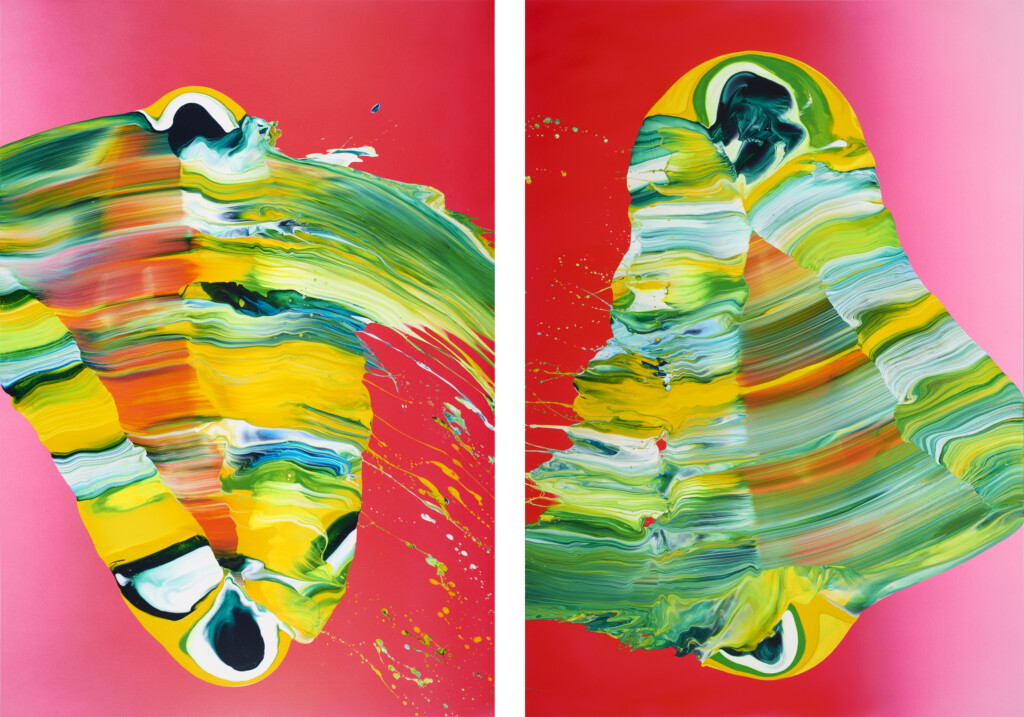
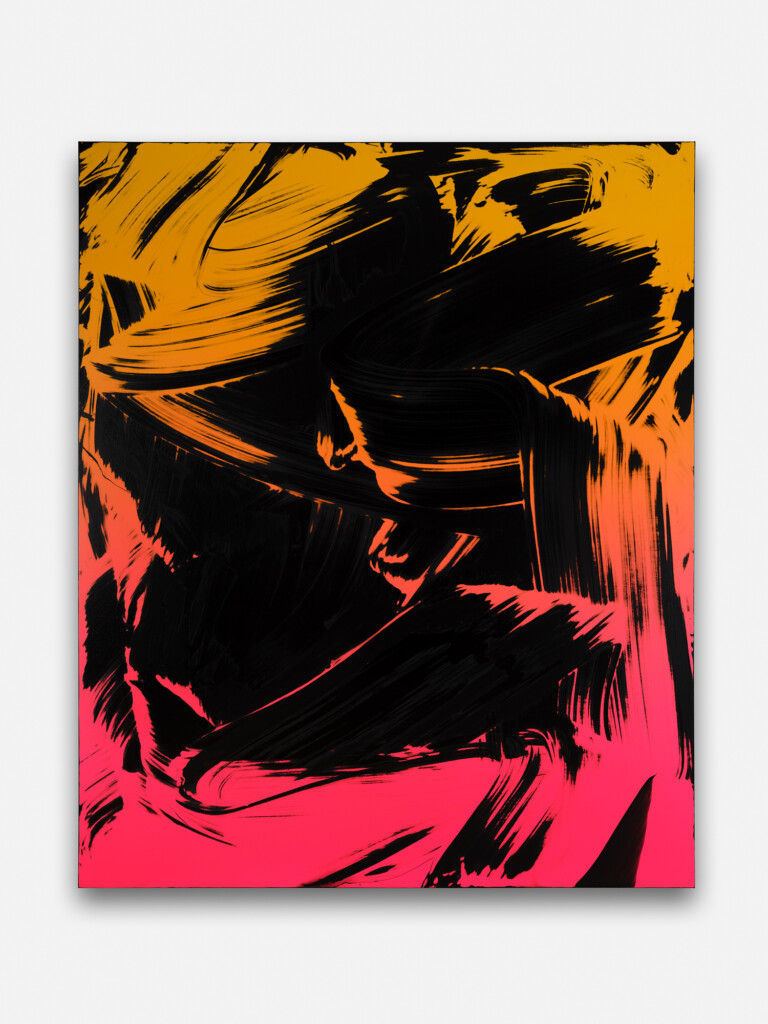
Galeria Senda presents Anselm Reyle this January for the first time, one of the most prominent artists of contemporary abstraction. Born in 1970 in Tübingen, Reyle lives and works in Berlin and develops a practice that explores abstraction through the lens of material culture, spanning painting, sculpture, and installation.

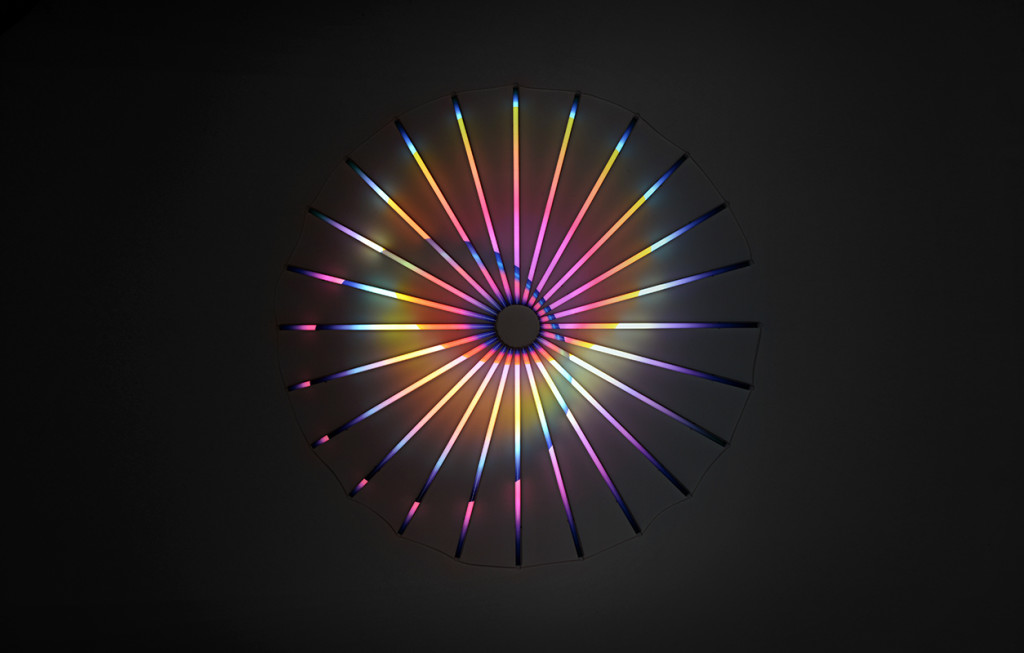
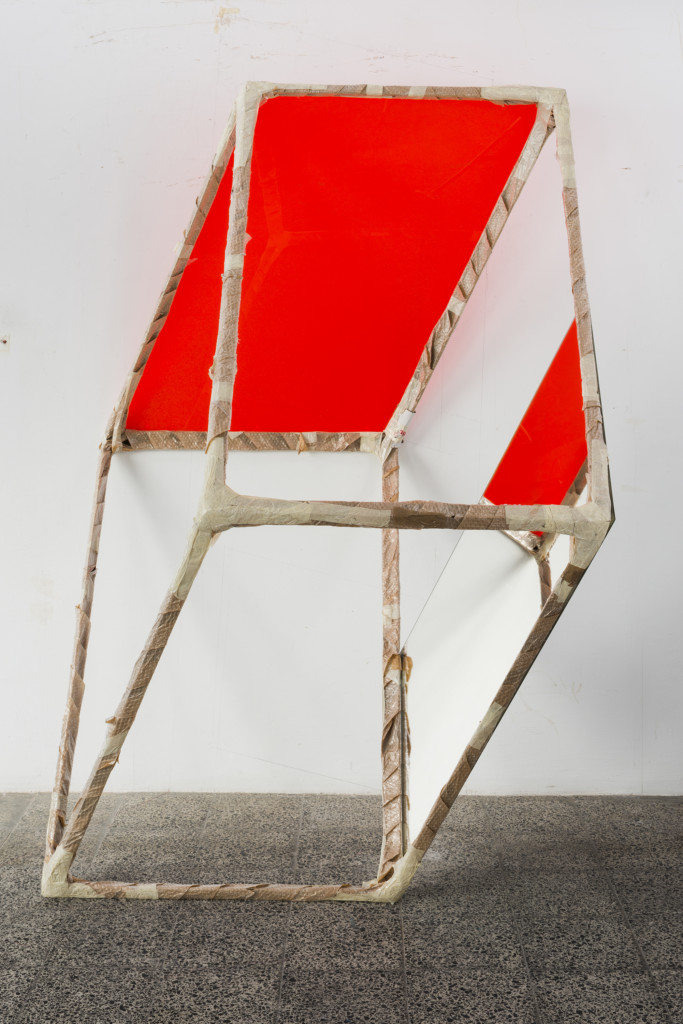
Reyle’s visual language is built from industrial materials and highly charged surfaces: reflective foils, acrylic (Perspex), neon, ceramics, and objets trouvés reconfigured into new formal and conceptual structures. Through these elements, the artist questions traditional hierarchies of materials and reinterprets the codes of historical abstraction from a contemporary sensibility.

His best-known series—including the foil and stripe paintings—rework the strategies of twentieth-century abstraction through excess, repetition, and artifice. In recent years, Reyle has expanded his vocabulary by incorporating large-scale ceramics and neon sculptures, extending his investigation toward the sculptural and architectural presence of painting and blurring the boundaries between pictorial work and object.

Reyle’s work challenges perceptual expectations and cultural references by situating modernist languages within the context of mass production, exhibition, and the circulation of contemporary images. Through the distortion and repetition of abstract codes, the artist examines how aesthetic value is constructed and perceived today, inviting viewers to reconsider the tension between surface and depth, originality and reproduction, as well as the porous boundaries between high and low culture.

Anselm Reyle has held exhibitions at institutions such as XPM Museum (Changsha), MoCA Westport, Kunsthalle Vogelmann, Aranya Art Center, Deichtorhallen Hamburg, Schinkel Pavillon (Berlin), Arken Museum of Modern Art, Des Moines Art Center, Kunsthalle Tübingen, and Kunsthalle Zürich, among others. His work is included in major international collections, including the Centre Pompidou and the Fondation Louis Vuitton in Paris, the Pinault Collection in Venice, the Saatchi Gallery in London, the Samsung Museum of Modern Art in Seoul, Museo Jumex in Mexico City, and the Sammlung Boros in Berlin.

ANNA MALAGRIDA & MATHIEU PERNOT, Desplazamientos

About the exhibition

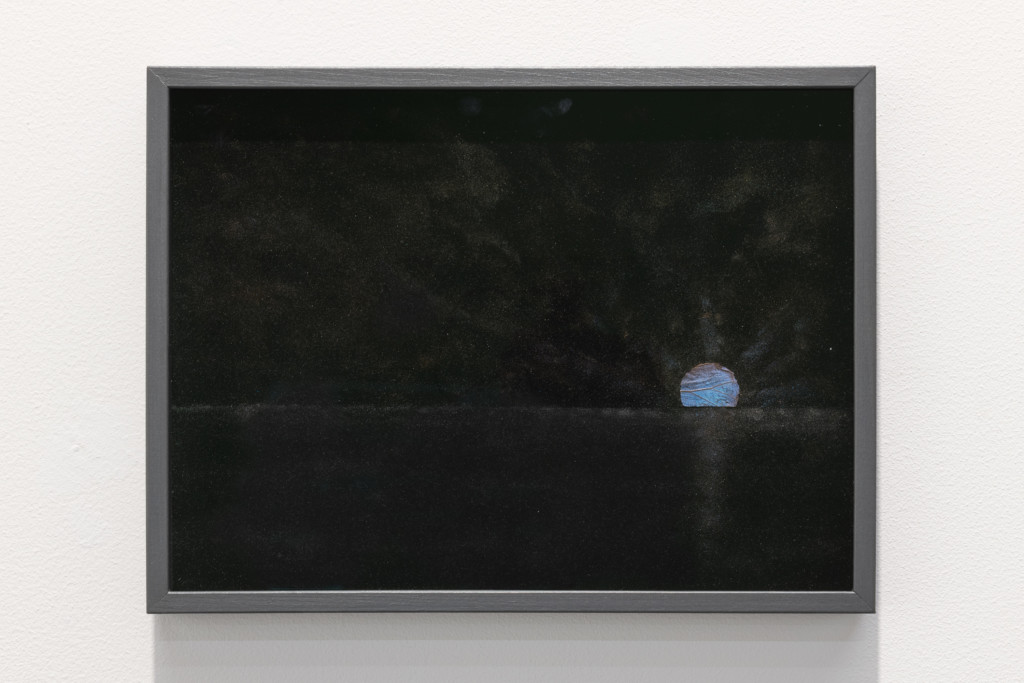
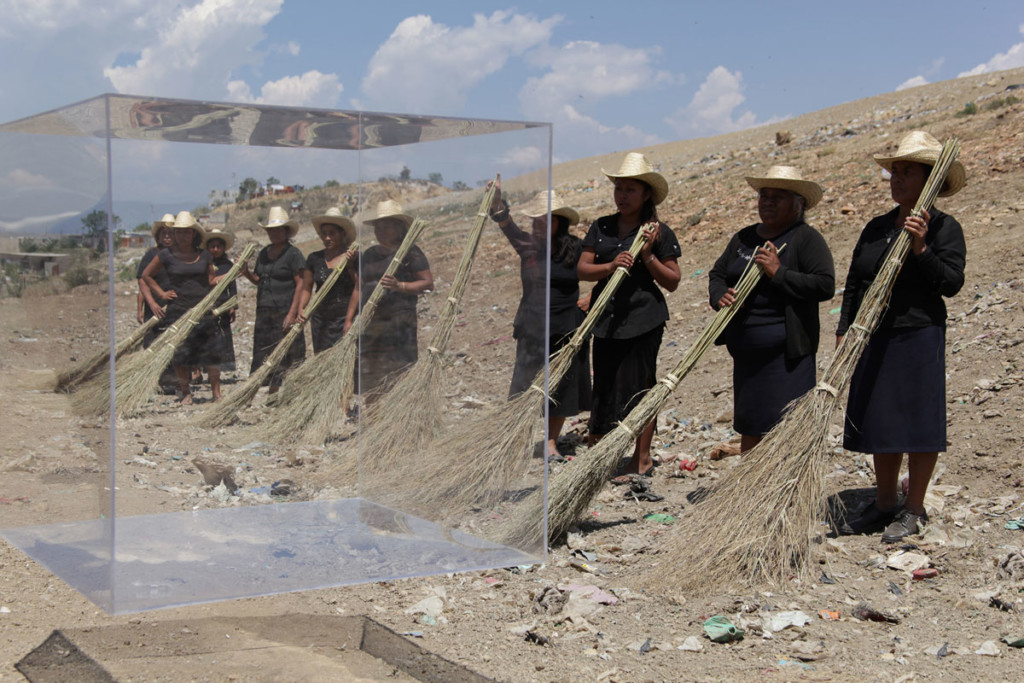
Desplazamientos is a joint project by Anna Malagrida and Mathieu Pernot that reflects on the changes in Mediterranean biodiversity caused by displacement and human intervention over time.

Anna Malagrida focuses on the history of opuntia cacti, which were brought to Spain from Mexico, during the Spanish colonization in the 16th century, to develop the production of cochineal dye. This crimson pigment became one of the most coveted treasures of colonial trade, used by Baroque painters and dyers to color the garments of Europe’s ruling elites. Nowadays, the lack of rainfall and the impact of climate change are weakening these cacti in certain parts of the Mediterranean. As they become more fragile, they are attacked by a pest: the uncontrolled cochineal insect, which has spread widely and now seems to be devastating them. The artist concentrates on the Mediterranean landscape of Cap de Creus, where these cacti had previously flourished.

On the opposite shore of the Mediterranean, in the Spanish enclave of Melilla, Mathieu Pernot photographs the forest along the fence that protects the enclave from the arrival of potential migrants. The eucalyptus tree, imported from Australia in the 19th century, and the pine tree, whose many varieties were introduced by Napoleon, they have become silent witnesses to the restrictions imposed on human movement and migration in this space. Behind the trees, in the background of the image, a massive metal fence topped with barbed wire divides the territory in two and marks the border between nation-states.

Both artists remind us that a color, like a plant species, carries with it a history. And they also recall the many forms of migration: those that were forced in the past, and those that are forbidden today.

About the artists

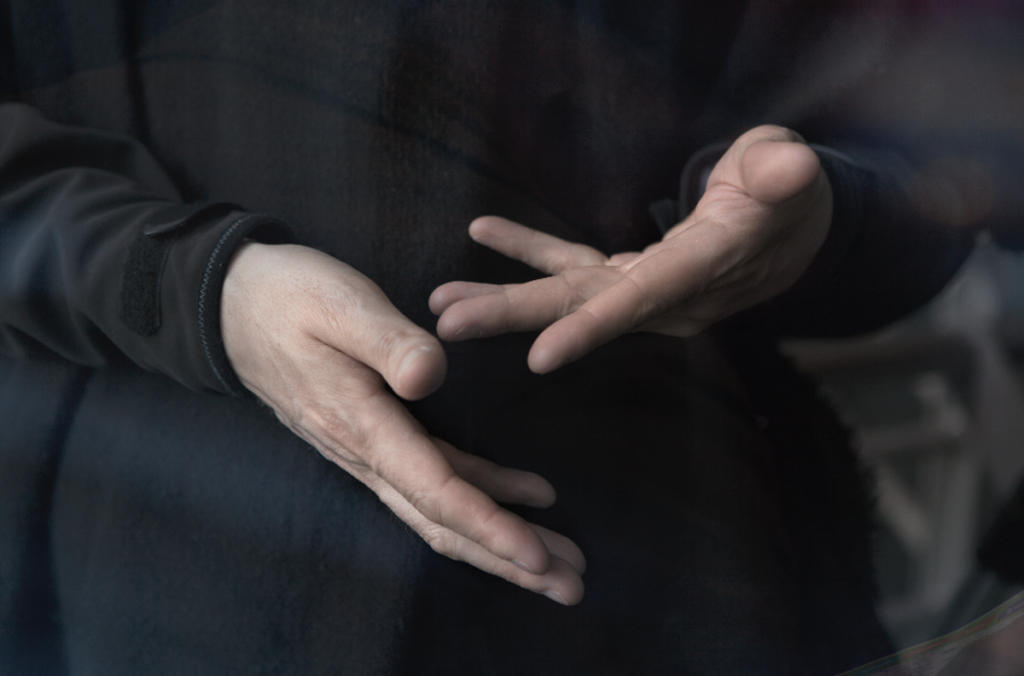
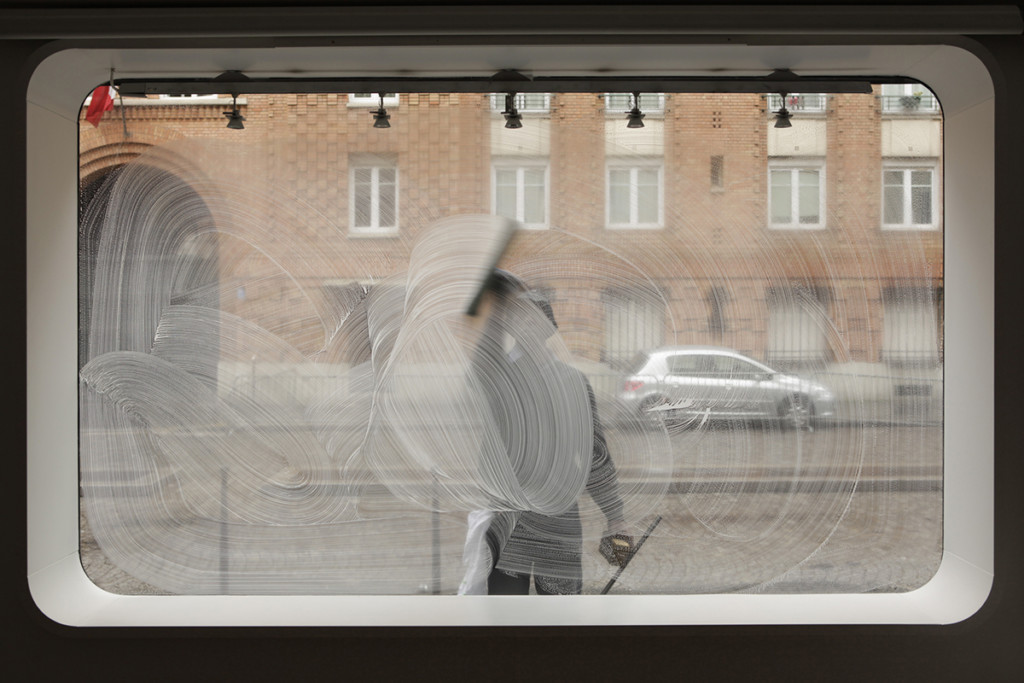
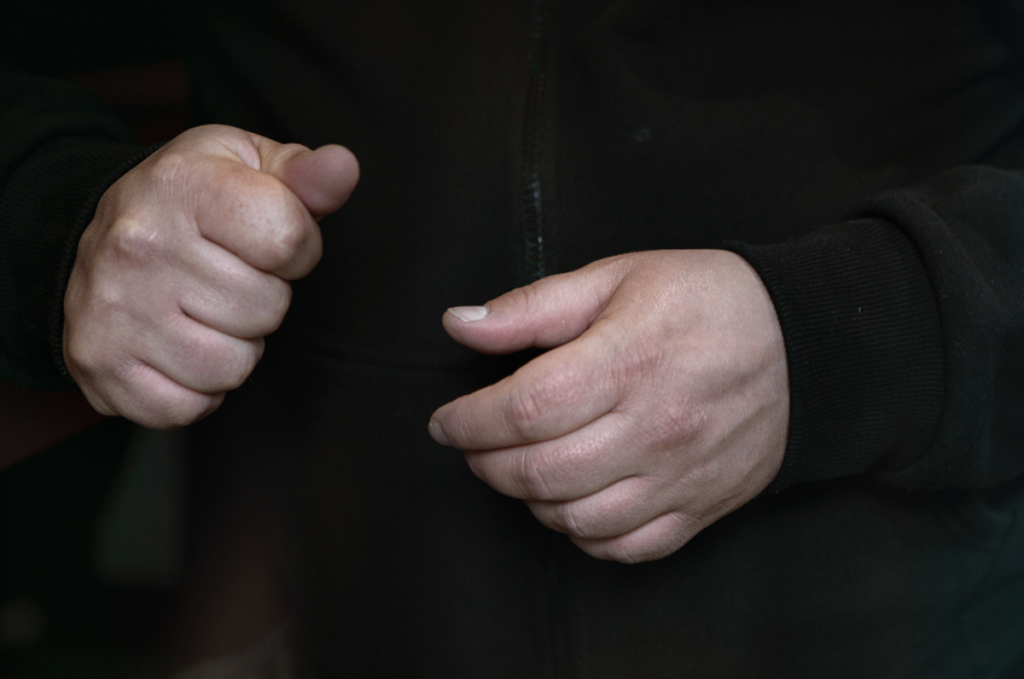
Anna Malagrida (Barcelona, Spain, 1970) primarily uses photography and video to explore and recreate, through careful observation, our daily experiences and the unstable balance between private and public. The artists abandons representation of reality, and appeals, in exchange, to our fantasy: inviting us to project ourselves onto the surface of her images and to generate our own visual content both within and beyond them.

As if by its own gravity, in Malagrida’s work, the city becomes a theatre, a stage suitable in which to recount the delicate relationship between humans and their surroundings. The artist first examines and then encourages us to look. Through a lucid and unpretentious approach, her work seduces, reconciles, and places us between the visible and the invisible.

Mathieu Pernot (Fréjus, France, 1970) studied art history at the University of Grenoble before attending the École Nationale de la Photographie in Arles, where he graduated in 1996. Although Pernot specializes in documentary photography, he also takes alternative paths so that his work composes a fictional reconstruction. He addresses contemporary issues, while referencing a long iconographic tradition and aiming to spark dialogue between images, people, situations, and objects. In this way, he constantly asks questions about our relationship with the world and its representations.

Nomadic and vulnerable individuals, such as the gypsies and migrants, who become characters crossed by stories that stretch across time. Through both his own photographic practice and the use of documents, Mathieu Pernot experiments with the different ways of representing the world and the notion of how we use the photographic medium.

ELENA DEL RIVERO, Transitar la Quema

As part of the Museu Tàpies’ Extramurs 2025 programme, Galeria Senda presents Diarios this November, a series by Elena del Rivero that forms part of the project ‘Transitar La Quema’.

La Quema began in Galicia in 2024 (promoted by A Casa do Pozo) and is a radical proposal in which the artist burned her own work after it had been exhibited in private homes and spaces in the village. Documented in images and sound, this symbolic act explores destruction as a gesture of purification and renewal, and is now being transferred to the urban context of Barcelona as part of a broader reflection on memory, art and public space.

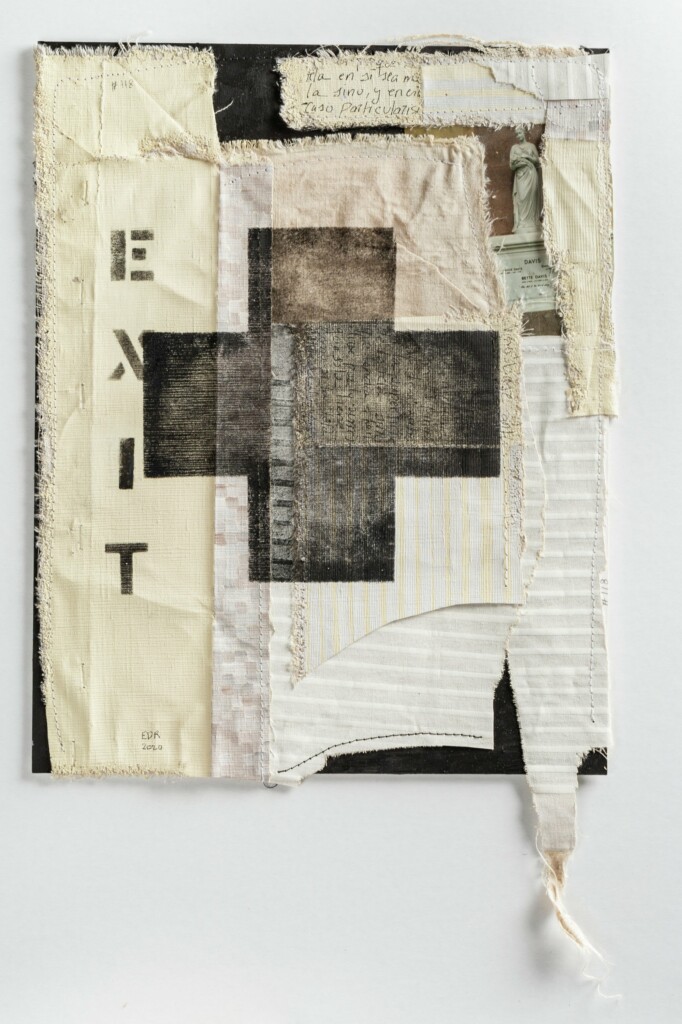
Diarios consists of small-format pieces that belong to Del Rivero’s intimate and everyday imagination. Through collage and the gluing of objects found on her morning walks, the artist shapes a visual narrative that records the ephemeral, the vulnerable and the domestic. These deeply personal works offer a leisurely look at time and experience, in tension with the radical gesture of La Quema.

In dialogue with Del Rivero’s graphic series, and as part of the City Screen 2025 program, two documentaries will be screened: “O carro e o home” (1940–1945) by Antonio Román and Xaquín Lorenzo, which offers an ethnographic look at rural Galicia, and “Documental La Quema” (2025) by Impro Films, which documents the radical project in which the artist burned her own work.

This exhibition opens up a space to rethink how we inhabit the world and how art can intervene in it, from the intimate to the collective.

Aryz, PRELUDIO

About the exhibition

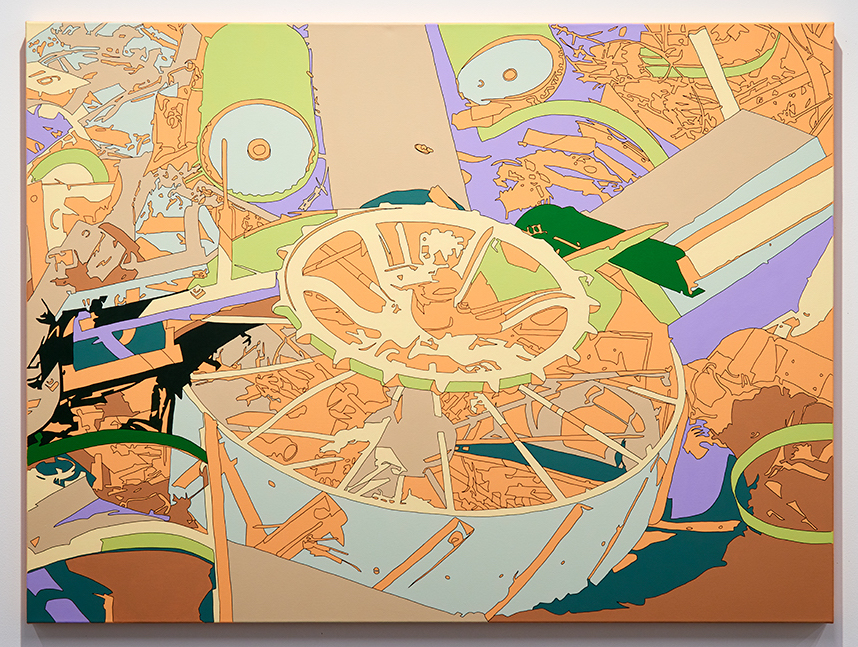
PRELUDIO follows the line begun with the Vestigio series, in which the artist Aryz – Octavi Arrizabalaga (Palo Alto, 1988) engages in a dialogue with some of the creators who have influenced him throughout his career. On this occasion, he presents a series of large-format oil paintings conceived as  small visual dialogues with the great masters of painting. Each work is a tribute to the classical pictorial tradition and some of its fundamental themes.

From a contemporary perspective, Aryz acknowledges the legacy of traditional painting and revindicates the painter’s craft as a legitimate means of expression and cultural transmission. PRELUDIO is essentially configured as a bridge between past and present: a deliberate return to pictorial tradition that functions as an introduction or opening to a more experimental artistic proposal yet to be revealed.


EXHIBITION HANDOUT


About the artist

ARYZ – Octavi Arrizabalaga (Palo Alto, California, 1988), graduated in 2010 from the Faculty of Fine Arts in Barcelona, began his artistic practice in the early 2000s by painting murals around the Barcelona area. Over the past decade, he has left his mark in countries such as Canada, Japan, France, Denmark, China, Madagascar, Poland, and the United States, among others. Since 2019, he has devoted more time to studio exploration, which has allowed him to develop concepts in a more reflective manner. Among his most ambitious solo projects are Pugna (2019) in France and Vestigio (2024) in the Czech Republic. In addition to his pictorial production, in recent years he has created large-scale temporary interventions in unique spaces, adopting a hybrid approach that merges muralism and studio painting.

Currently, painting and printmaking are central pillars of his artistic practice in Cardedeu. His interest in printmaking techniques has led him to collaborate with the publishing house Polígrafa Obra Gráfica, with whom he regularly produces limited editions. In 2024, he was awarded the prestigious Pollock-Krasner Foundation Grant.

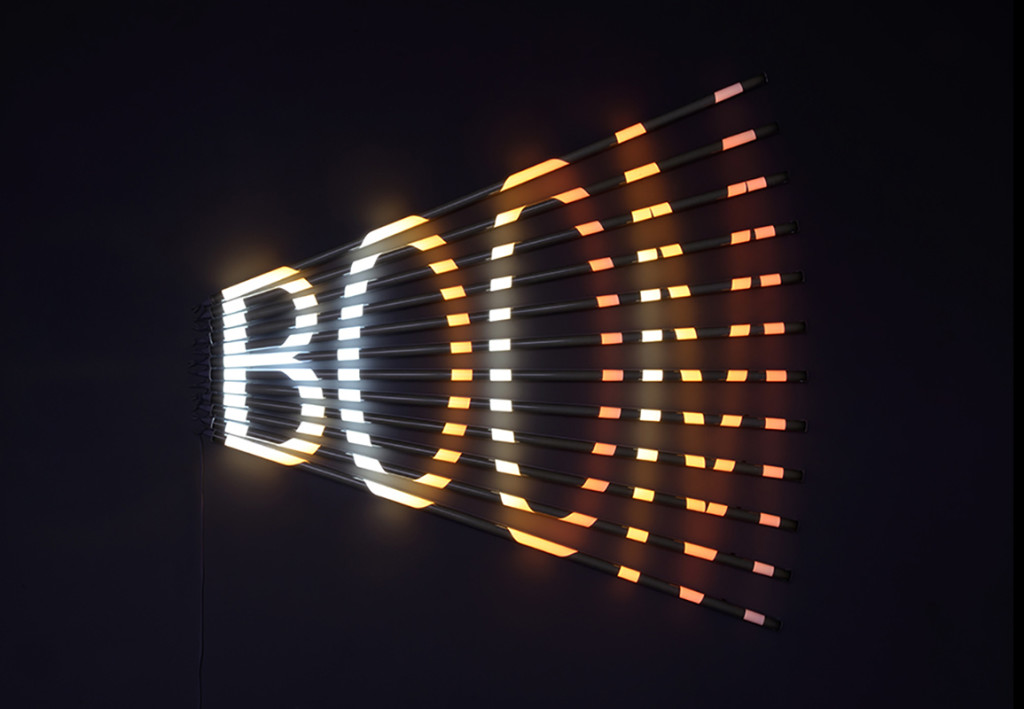
MIRALDA, BOOOM

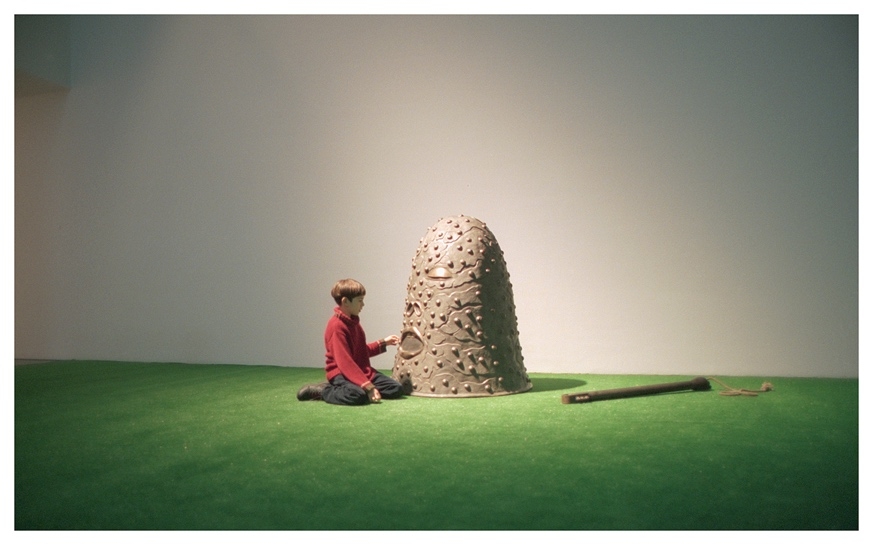
On the occasion of the launch of the book BOOOM 1962–1972, opens on 7 May 2025 an exhibition that brings together a selection of photographs, drawings and sculptures that trace the beginnings of Miralda’s career and his consolidation as a key figure in the international artistic avant-garde of the 1970s.

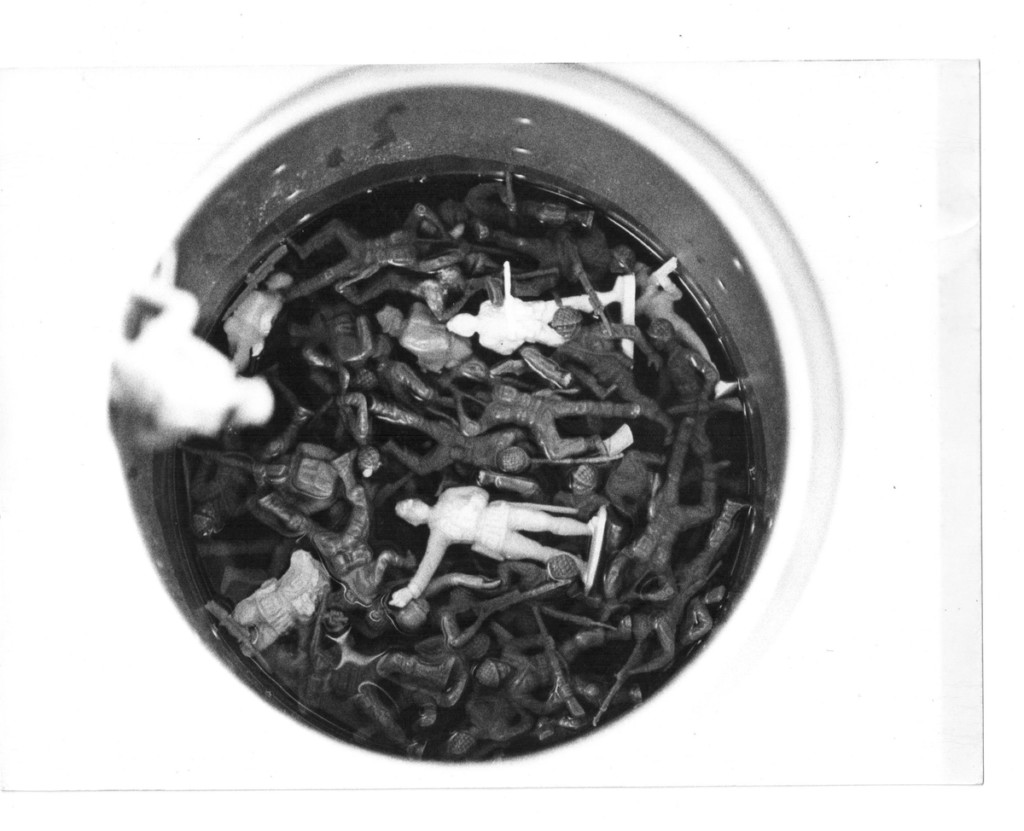
Under the presence of the iconic white soldier who, taking on human dimensions, Miralda strolled through the streets of Paris in search of a pedestal (París. La Cumparsita, Miralda and Benet Rossell, 1972),and taking as a starting point the first photographs taken during his military service at the Los Castillejos camp, this journey – through works such as Soldats Soldés, Essais d’Amélioration and the series Bien/Mal— reveals how irony and social criticism have defined Miralda’s visual language, questioning the symbols of power, imposed morality and military logic.

Published by La Fábrica and edited by Ignasi Duarte, the book BOOOM 1962–1972 presents an unpublished archive that connects with the present day in a disturbing way. In a context marked by new forms of violence and control, Miralda’s work remains deeply critical and relevant.


‘Almost sixty years after Soldats soldés, the absurdity of ’good and wrong‘ is more present than ever.’ (Juan Garrigues)


Press Release

JAUME PLENSA, Murmuri

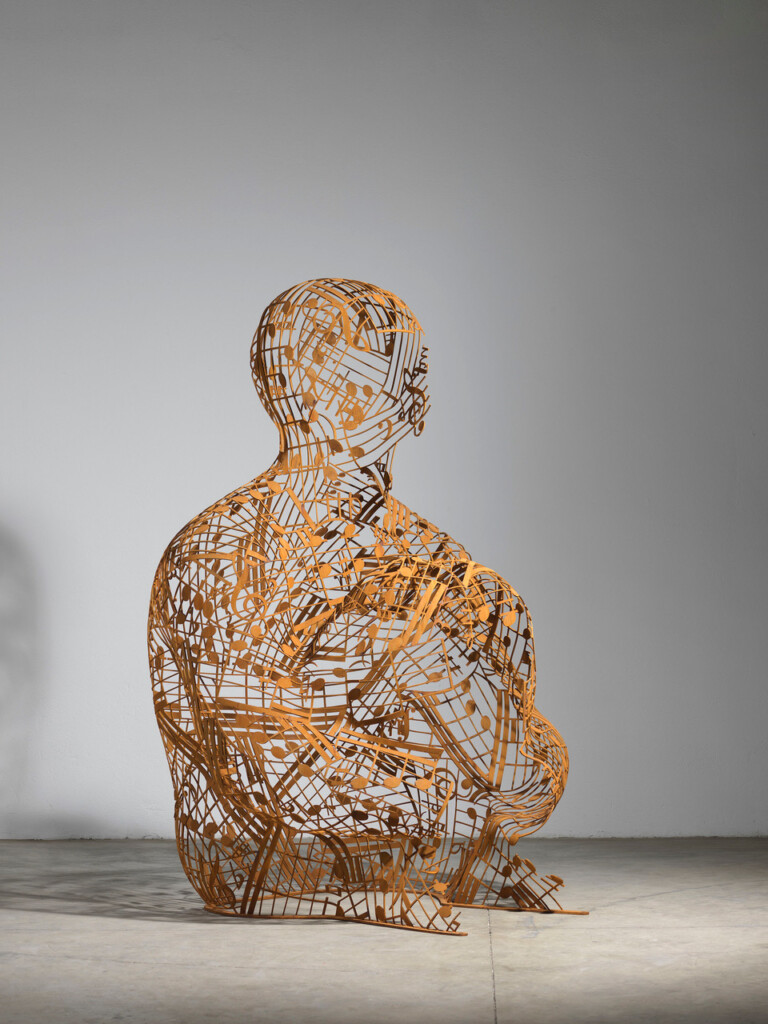
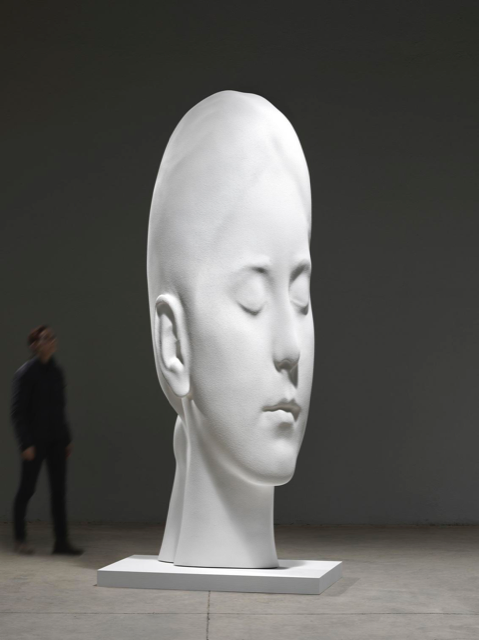
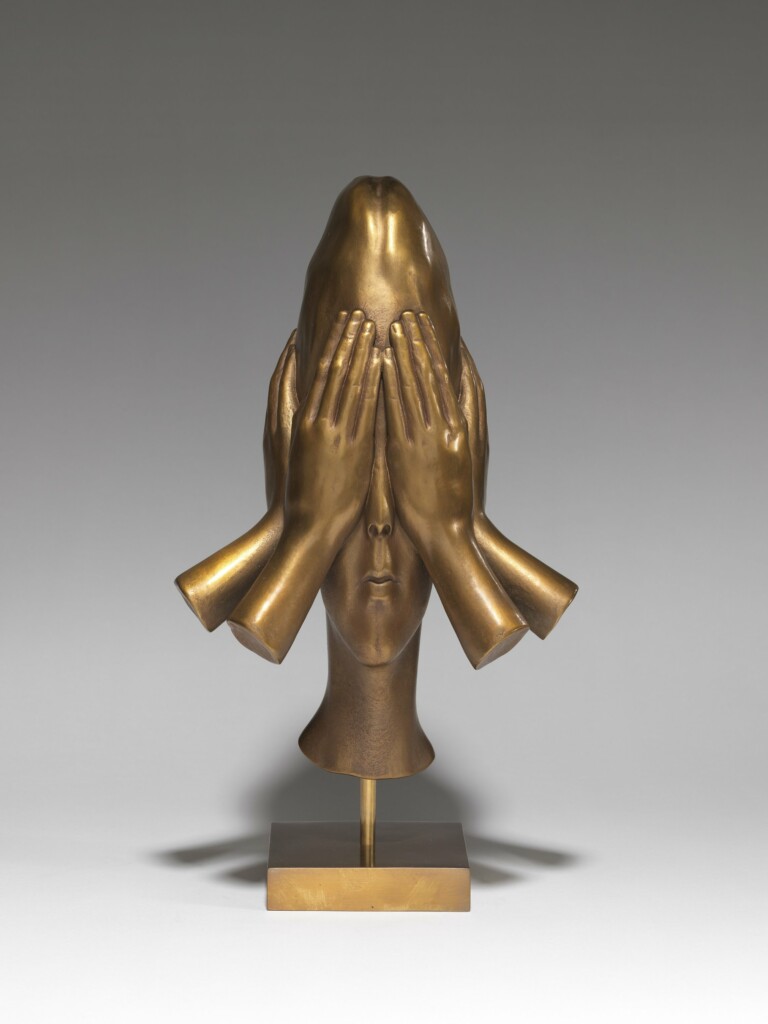
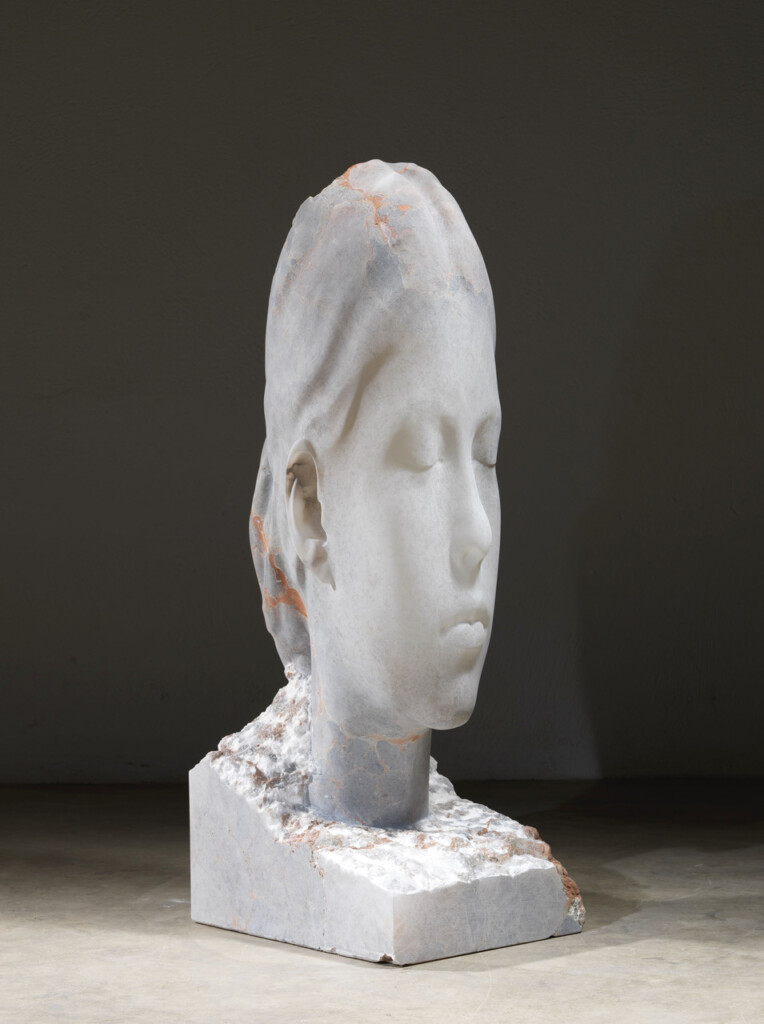
On February 19, 2025, galeria SENDA will present a new exhibition by the artist Jaume Plensa, Murmuri, a Catalan word which means “whisper”. In this show, Plensa works with different materials his already iconic imagery. Alabaster, bronze, paper, Murano glass and iron give shape to a group of works where his characteristic sculptures are the main protagonists.

Plensa‘s practice is based on the constant search for beauty in simplicity. True to his style, the artist presents his iconic busts and letters that intertwine as universal signs of communication and reflection. Each piece is a testament to his technique and his ability to connect with human emotions. An example of this is one of the series presented in this exhibition, Nest. In this series, we find reliefs of contemplative or dreamy faces emerging from alabaster, conveying new ways of representing figurative forms in contemporary portraiture. In fact, Plensa is internationally recognized as one of today’s leading contemporary portraitists, harnessing the power of this approach to convey our relationship to the world and to each other, underscoring our shared humanity through portraits of individuals.

In Murmuri, the artist establishes a link between the meaning and the musicality of the Catalan word, and the imaginary that defines his artistic practice. The whispers, like Plensa‘s sculptures, are presented as delicate expressions, but charged with emotional intensity, capable of resonating with those who perceive them. This exhibition invites the viewer to listen to what is not said, reaffirming his commitment to an aesthetic that celebrates both the fragility and the depth of the human experience.


Press release