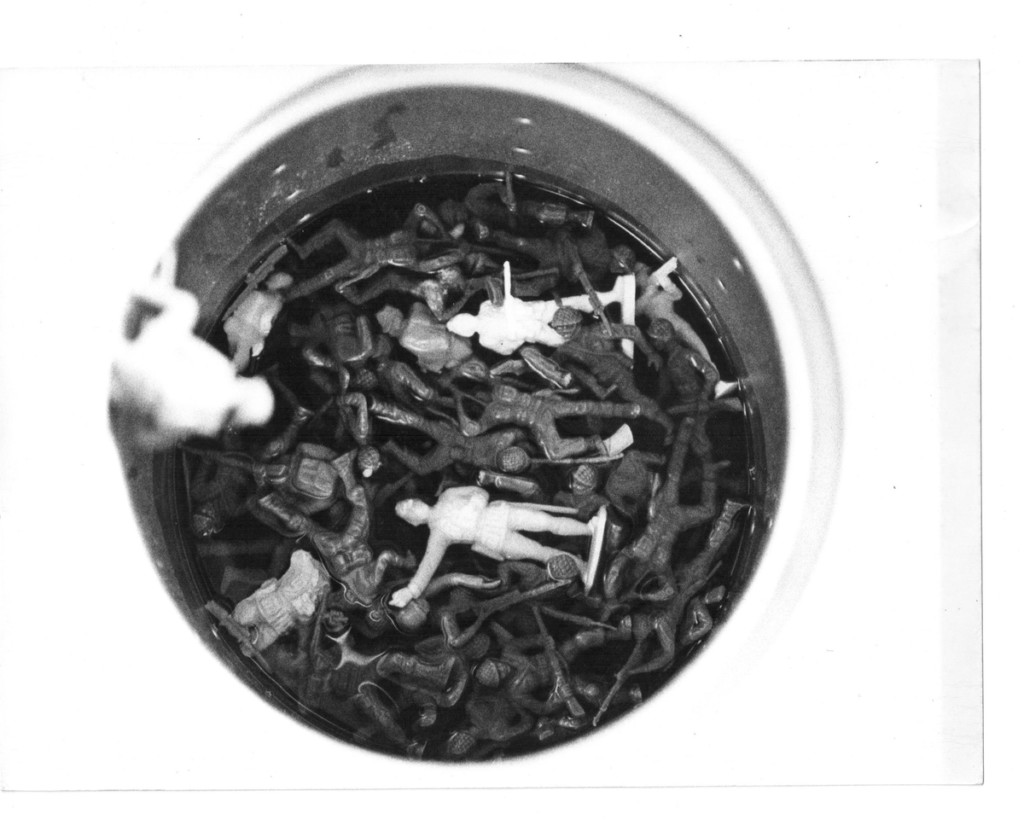
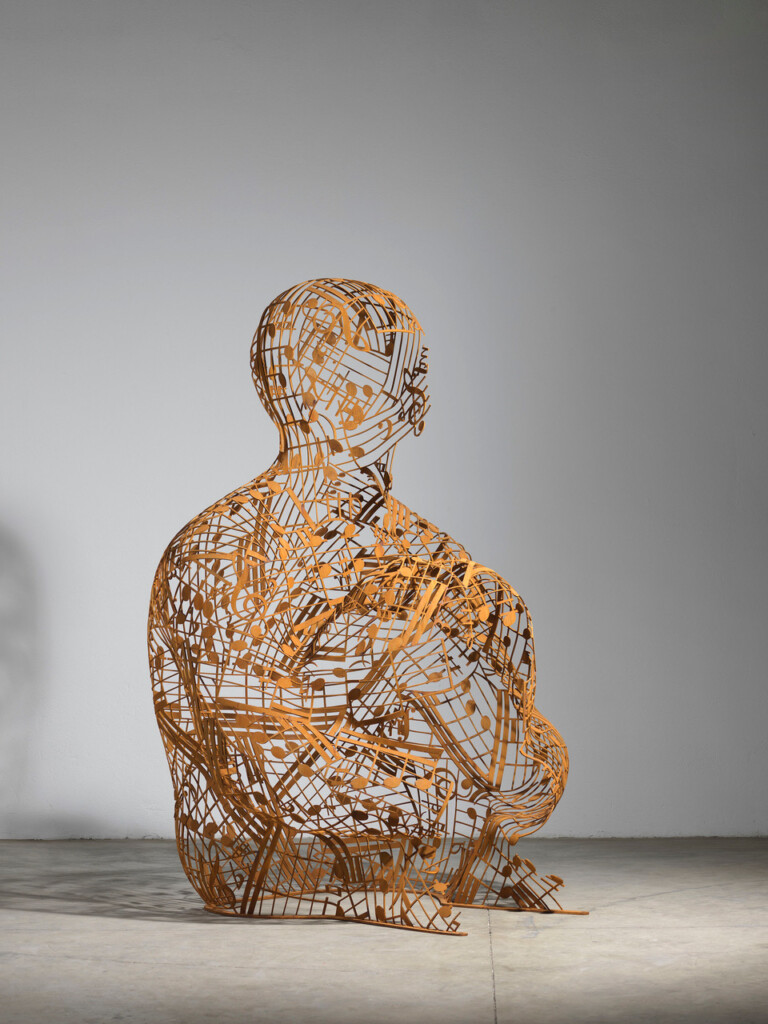
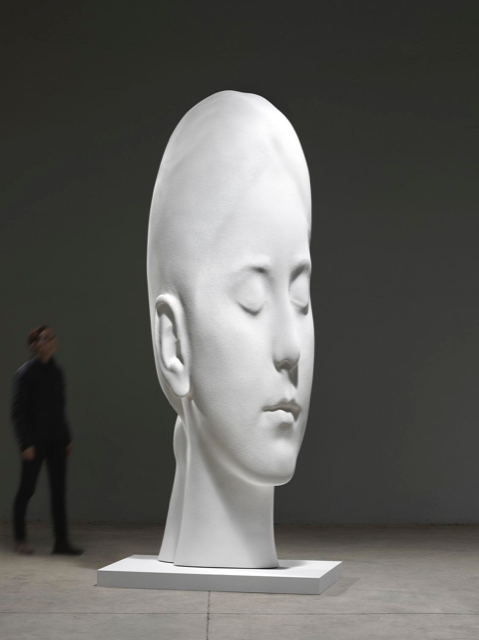
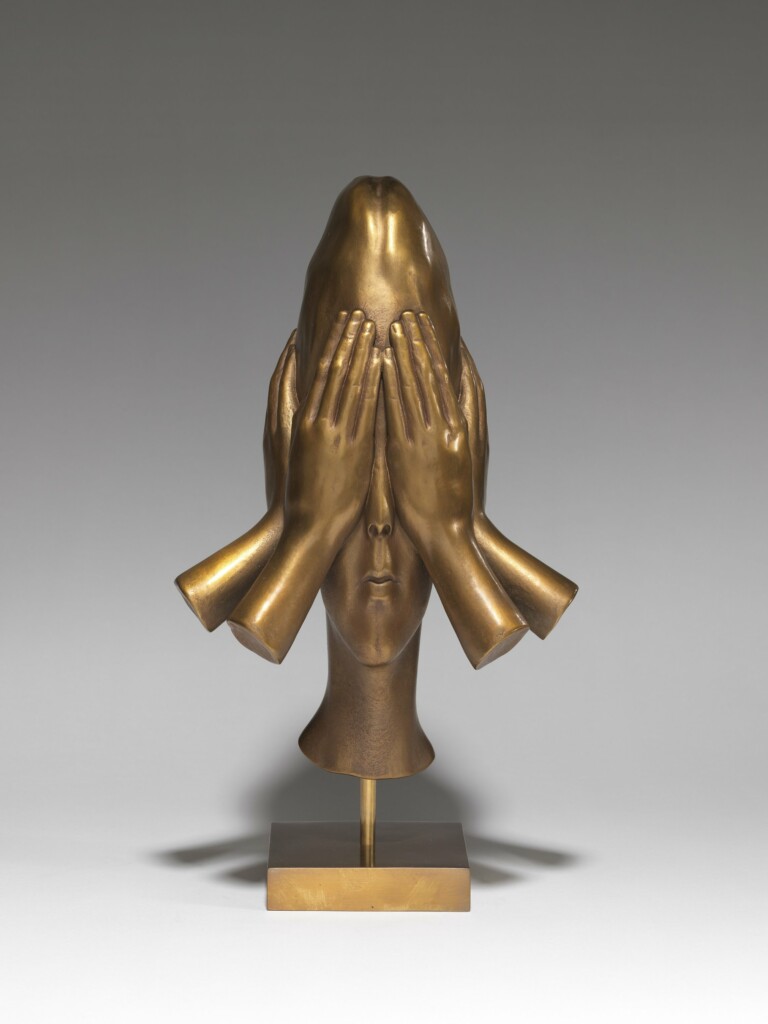

ROBERT MAPPLETHORPE. Un/known Pleasures

Opening · Thursday, 26 November 2026

6:00 pm — Guided exhibition tour
Led by Jordi Bernadó and Agustín Pérez-Torres, Partner at BIG – Bjarke Ingels Group.
Advance registration required · Limited capacity.
Register here

7:30 pm — Public opening reception


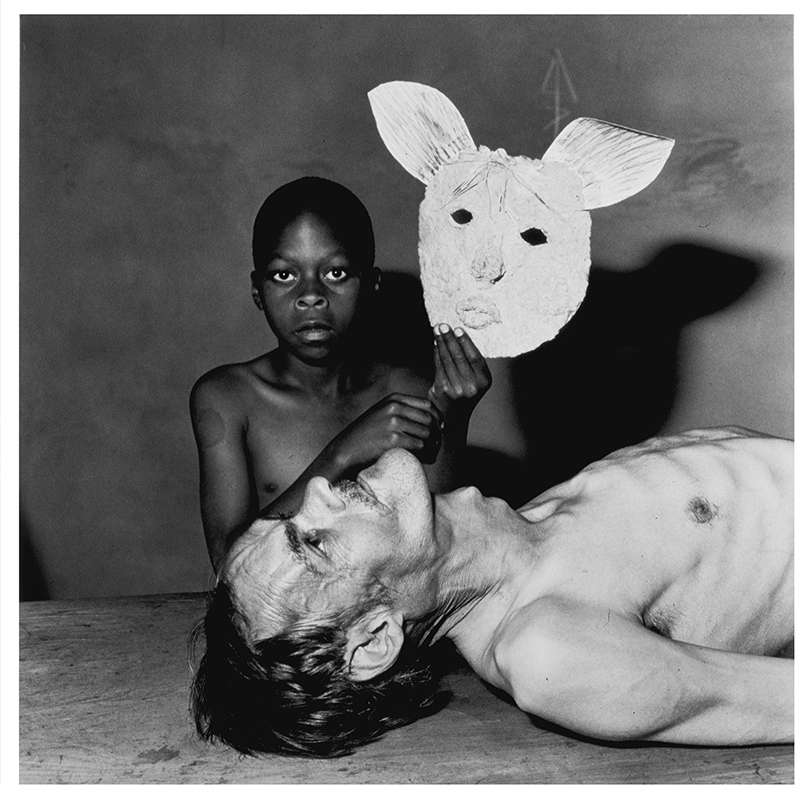
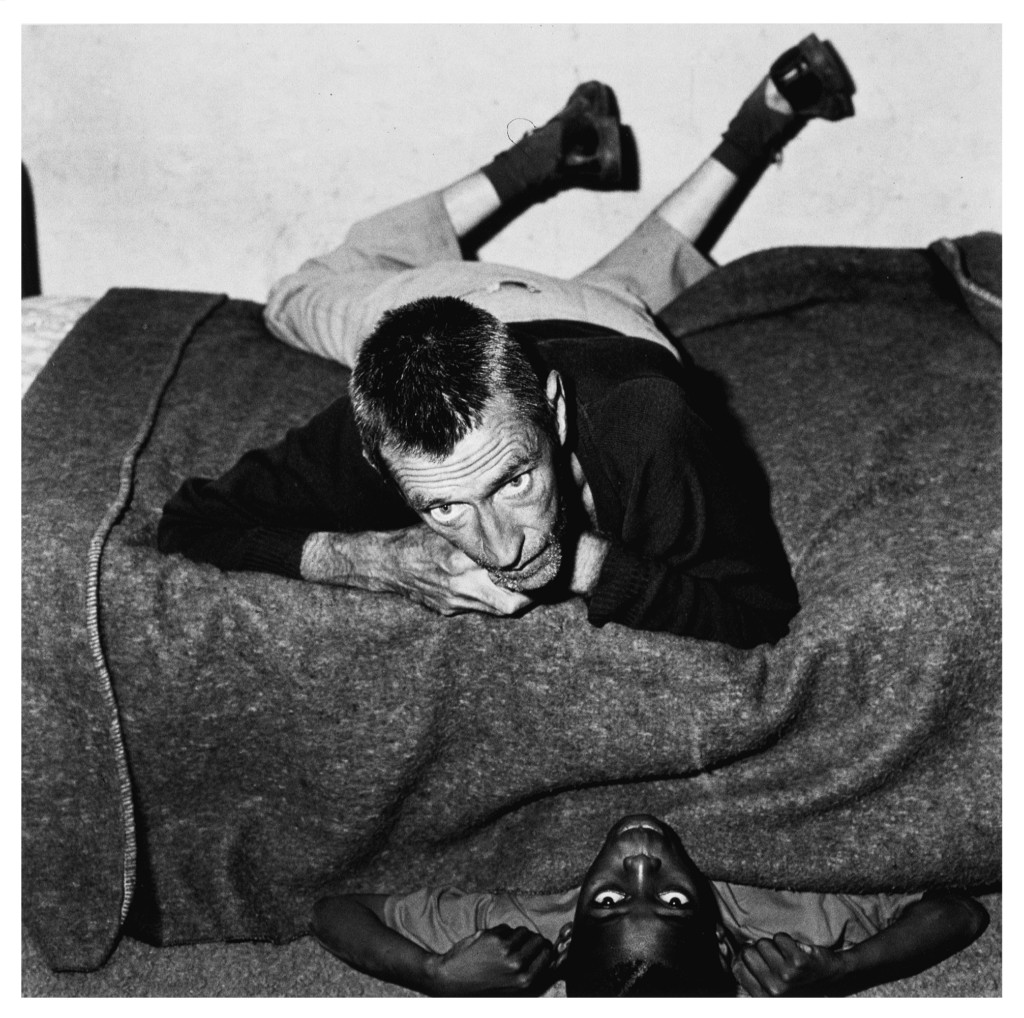
Galeria SENDA presents Un/known Pleasures: Arquitectures de l’Interior, its fifth exhibition dedicated to Robert Mapplethorpe (1946–1989), organised in collaboration with the Robert Mapplethorpe Foundation. The exhibition also features a site-specific intervention conceived by Agustín Pérez-Torres, Partner at BIG – Bjarke Ingels Group. The project is part of the official programme of Barcelona 2026, World Capital of Architecture.

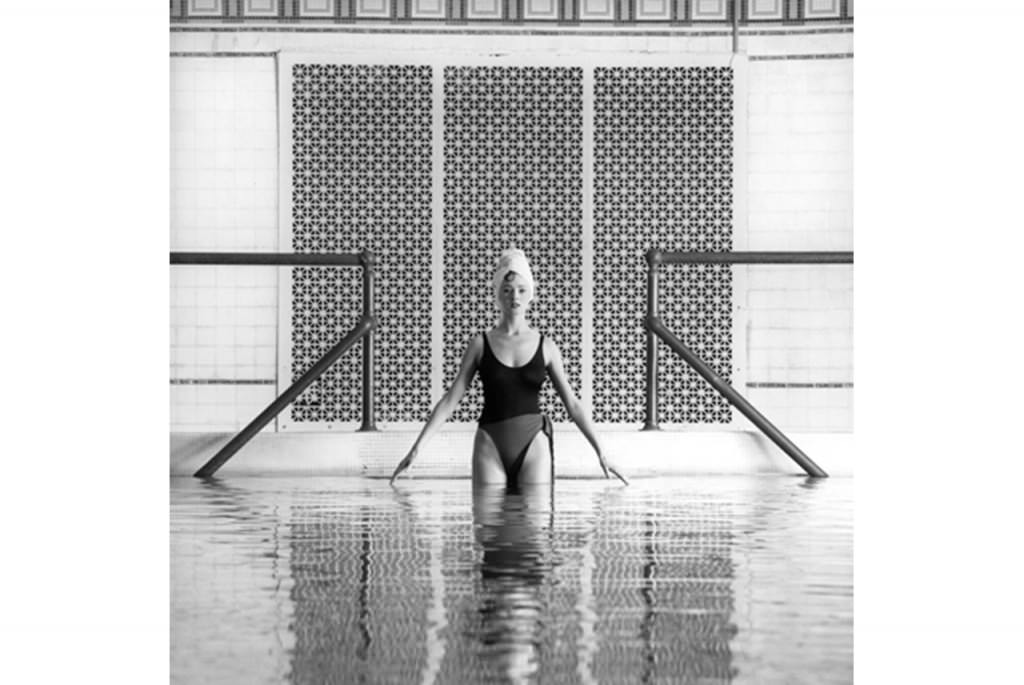
The exhibition offers a fresh perspective on Mapplethorpe’s work through the relationship between photography, architecture and the gaze. The formal precision of his images reveals a close affinity with the principles of architectural composition: light defines volume, framing structures space, and figures take on an almost sculptural presence. Across his portraits, studies of the human body and still lifes, the relationship between figure and surroundings shapes our perception of the image.

Rooted in the cultural landscape of New York during the 1970s and 1980s, Mapplethorpe’s photography explores questions of the body, identity and desire. The tension between the visible and the concealed lies at the heart of Un/known Pleasures, a title that evokes both what an image reveals and what remains beyond our perception.

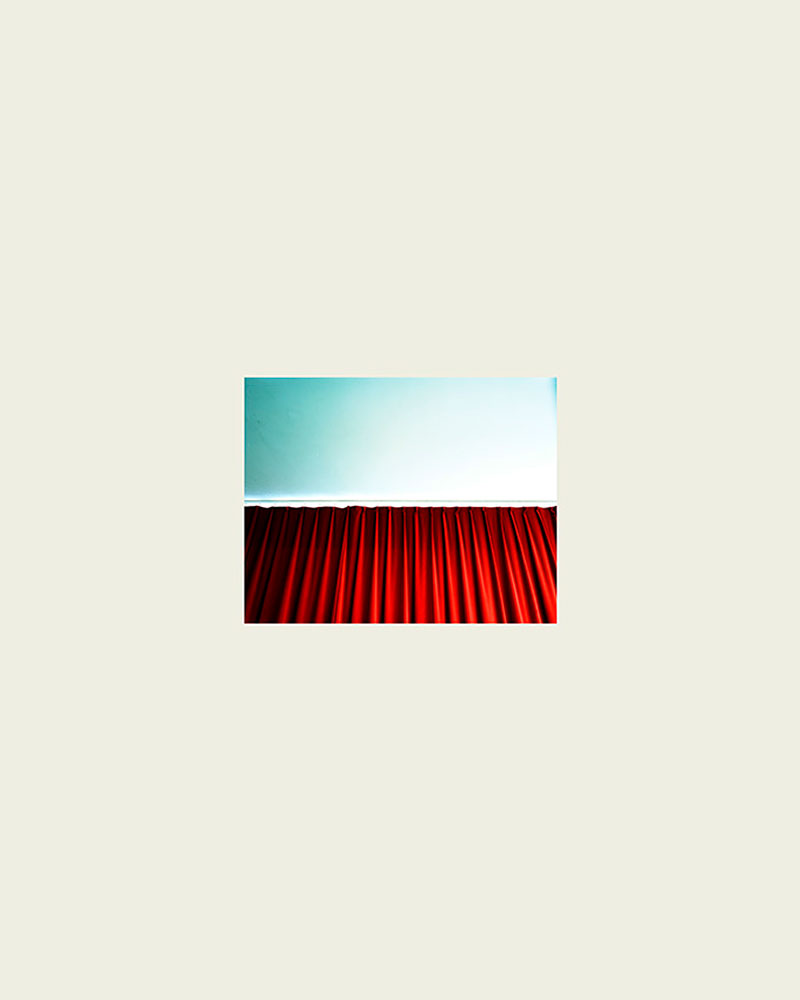
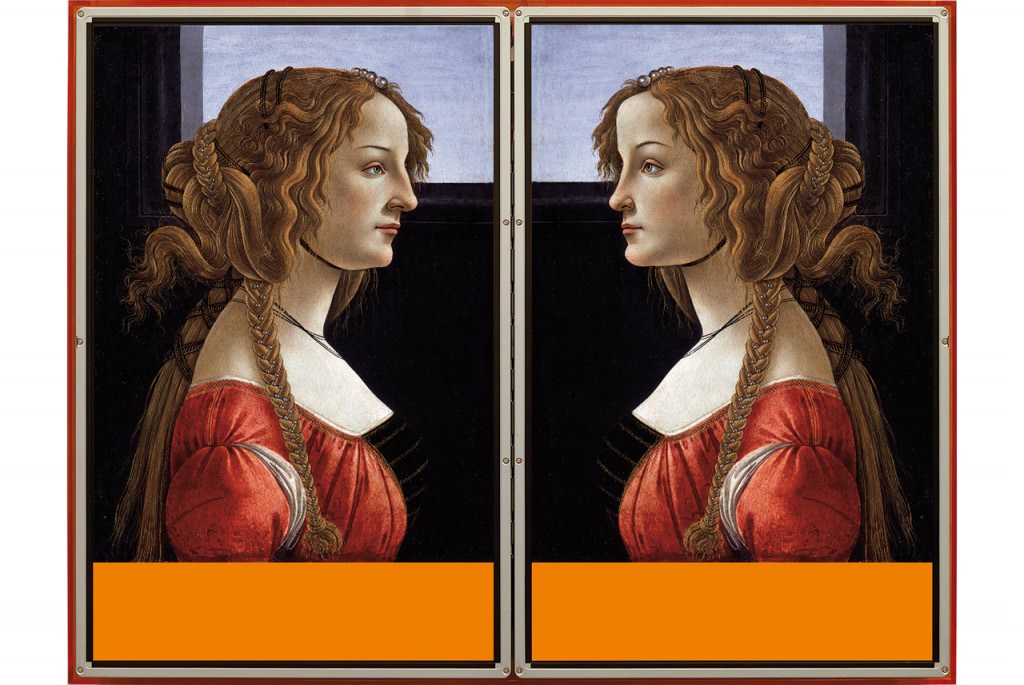
This exploration is extended through Agustín Pérez-Torres’s intervention, which draws on the theatrical concept of the fourth wall, the imaginary boundary separating the audience from the scene. In his text The Fourth Wall, Undone: Mapplethorpe’s Gaze, written for the exhibition, the architect suggests that “each image is a threshold, not a window.” This idea takes physical form in the gallery through a photograph secured to the wall by straps, transforming the wall into an active element in the relationship between artwork, space and viewer.

Un/known Pleasures: Arquitectures de l’Interior invites visitors to reconsider their position before an image and explore how photography constructs its own spaces. The dialogue between Mapplethorpe’s work and Pérez-Torres’s intervention expands the notion of the interior, placing the gaze at the point of encounter between representation and the viewer’s experience.

Venue: Galeria SENDA, Trafalgar 32, Barcelona

Organised in collaboration with: The Robert Mapplethorpe Foundation

With the participation of: BIG – Bjarke Ingels Group

As part of: Barcelona 2026, World Capital of Architecture


GONZALO GUZMÁN. INTUS

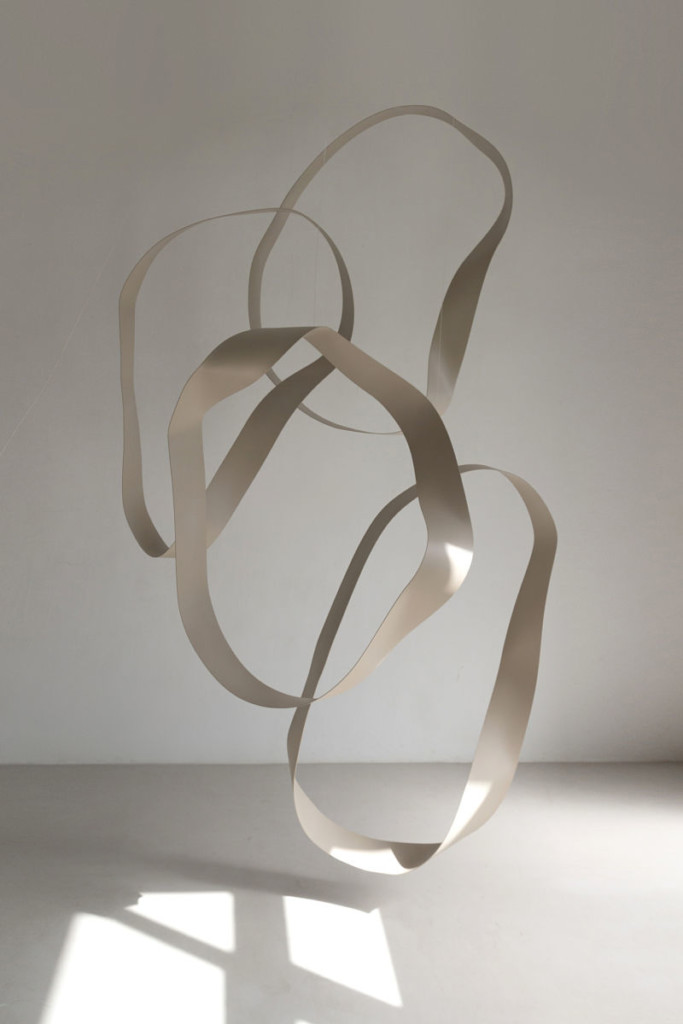
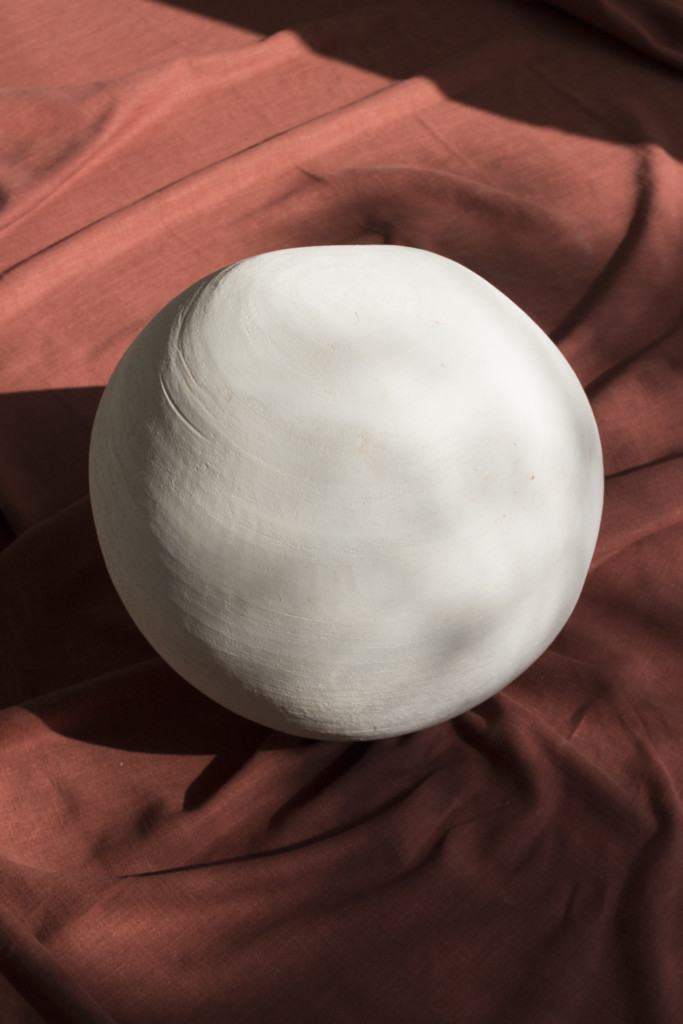
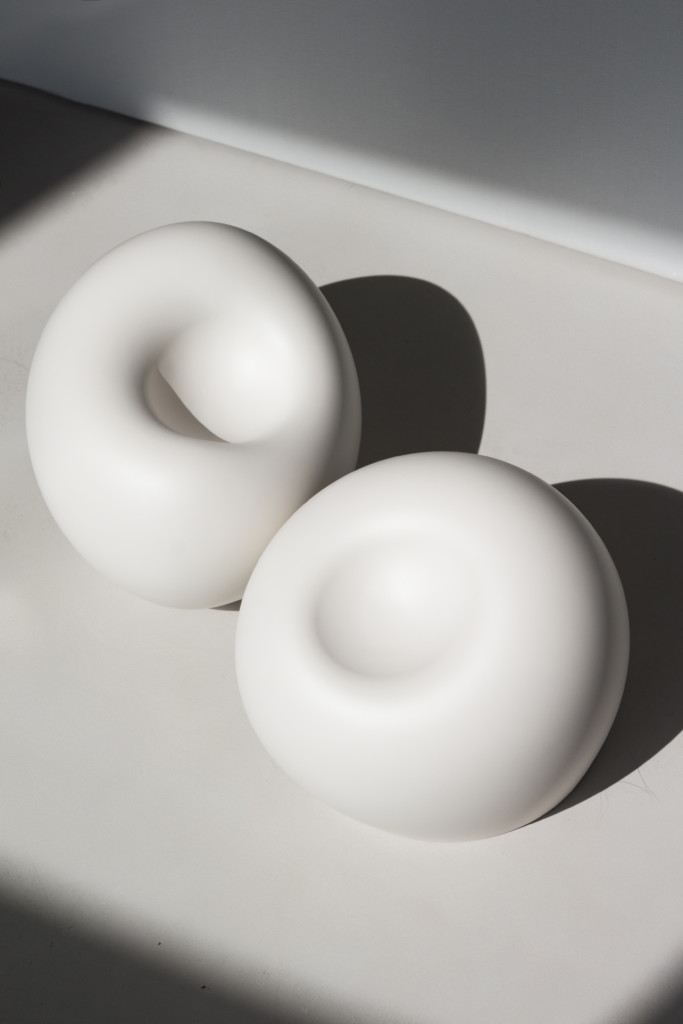
For years, Gonzalo Guzmán has developed a working process based on the transformation of two sheets of steel welded together. Subjected to water pressure, they expand until they acquire a volume that has not been modelled in advance. Although the artist determines the initial conditions, the form emerges through forces that he cannot fully control. The metal surface retains the tensions generated during this process, becoming a record of what has taken place within it.

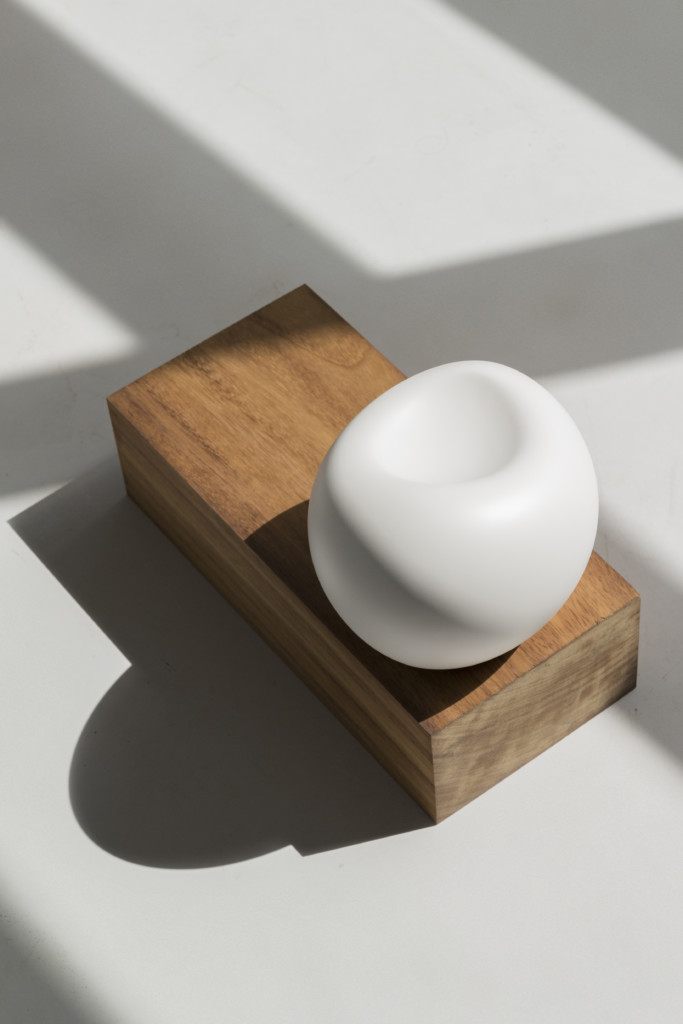
INTUS, a Latin adverb meaning “within,” “on the inside,” or “inward,” indicates the movement that structures the exhibition. Attention shifts towards the space defined by these surfaces, previously inaccessible to view. The sculptures from the INTUS series, made of plaster and marble, materialise fragments of the cave’s negative space. By isolating these volumes and presenting them as autonomous bodies, the artist makes visible a form that had previously existed as a cavity. The void acquires material presence while retaining traces of contact with what once enclosed it.

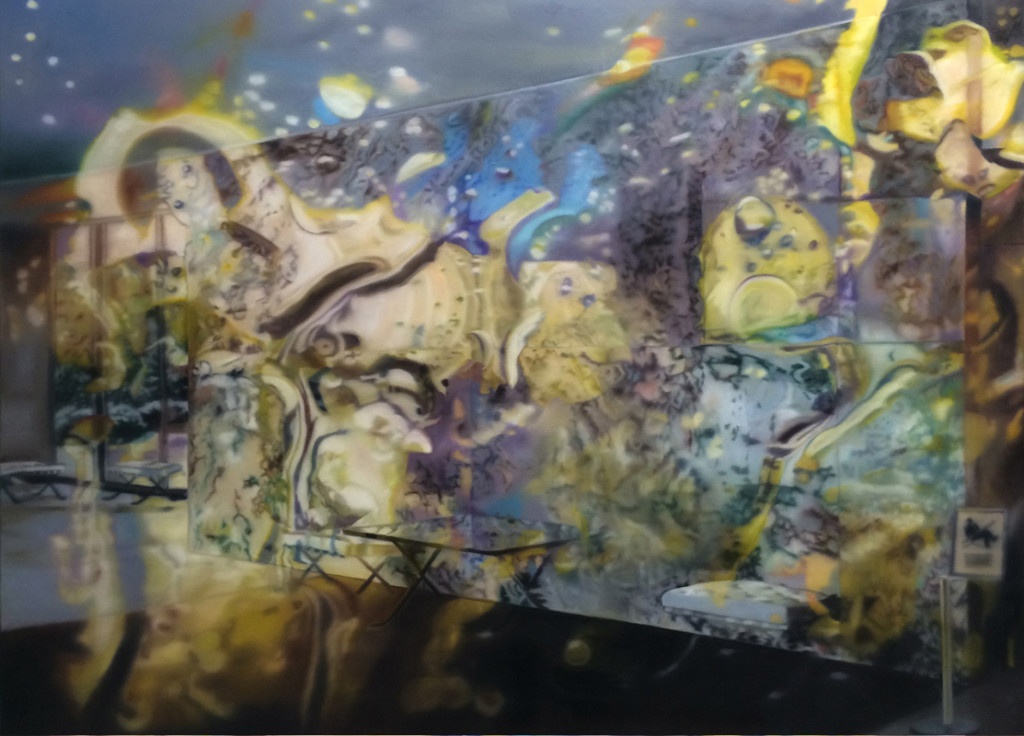
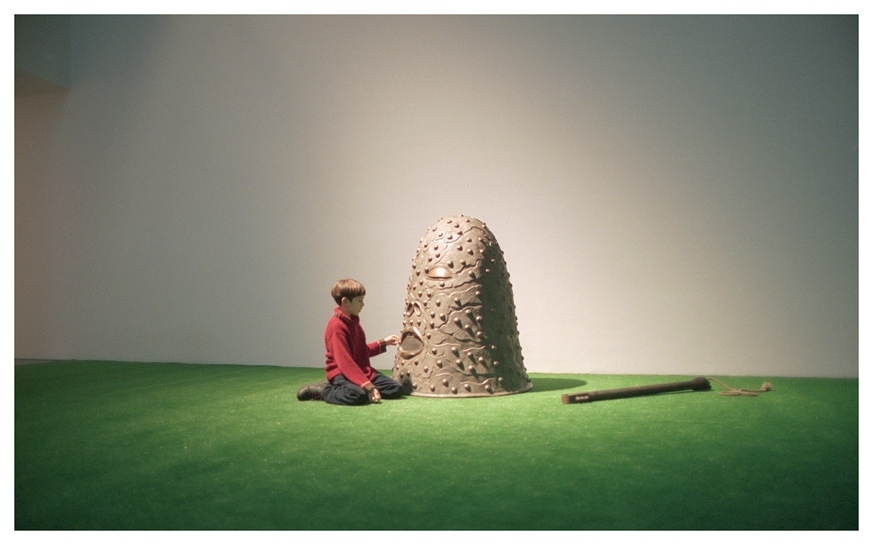
This line of enquiry takes on an architectural scale in the exhibition’s central work: a cave constructed from a thin membrane of polished stainless steel that visitors can enter. A cave ordinarily exists as a cavity surrounded by the mass of a mountain. In this installation, Guzmán removes that mass and retains only the surface that distinguishes inside from outside. Architecture is reduced to its boundary, while the absence of the mountain becomes perceptible through the space it has left behind.

The reflective surface incorporates the gallery and the bodies of those who move through the work. Its folds fragment the images and alter their appearance with each movement, allowing visitors to participate actively in shaping what they see. The cave therefore generates images through the encounter between matter and the viewer’s presence.

This capacity recalls prehistoric caves, where the irregularities of the rock contributed to the configuration of the figures represented. In INTUS, the folds of the steel perform a similar function, although the images they produce are temporary and depend on what takes place around them. Space and bodies appear across the surface and re-emerge transformed.

Finally, an inverse yet complementary relationship is established between the installation and the sculptures: the plaster and marble pieces turn the void into matter, while the cave preserves the membrane that makes it perceptible. Through these two operations, Gonzalo Guzmán presents the surface as an active element that contains, transforms, and makes visible what occurs within it.


Exhibition handout

Curatorial text


VER ES INVENTAR. Barcelona: arquitectura y ciudad

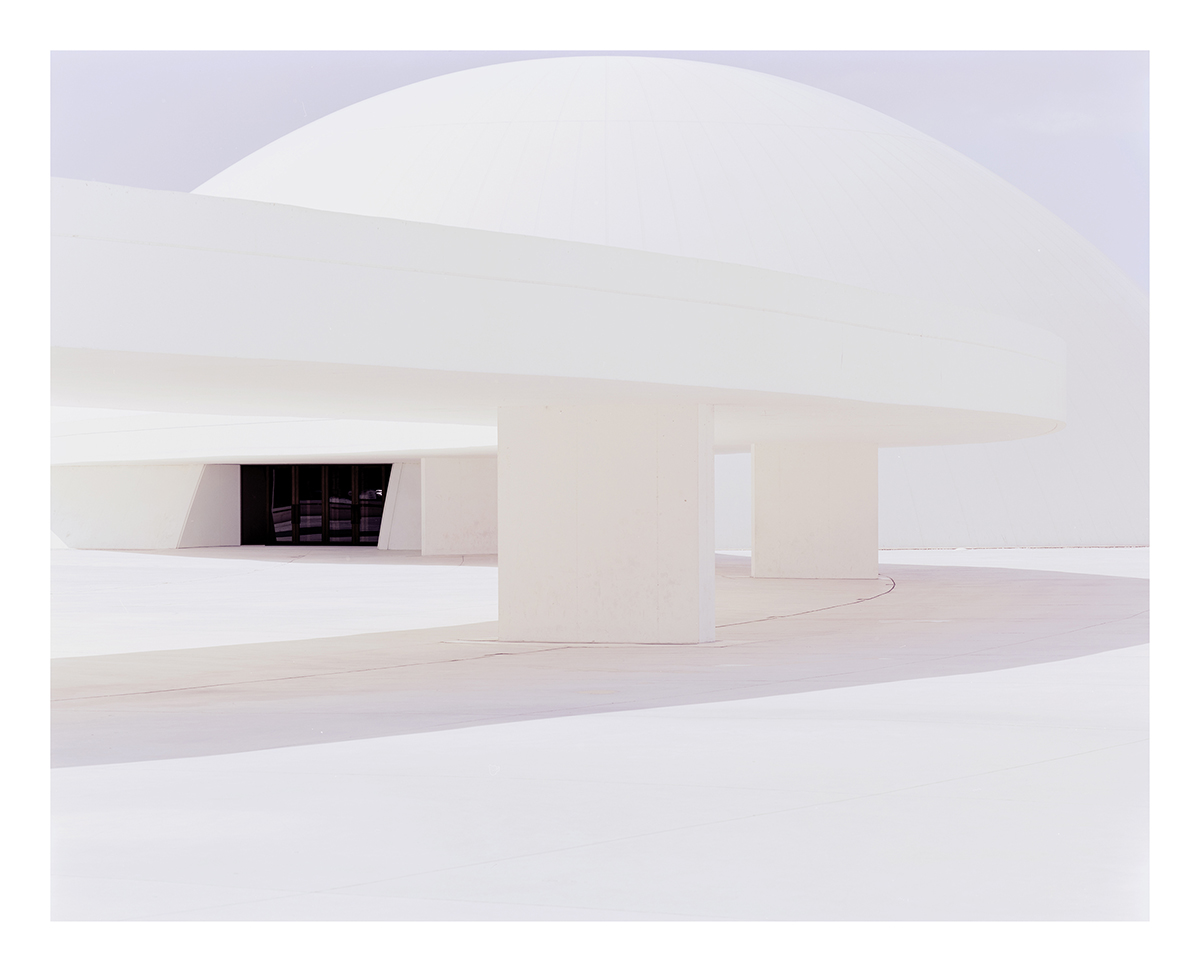
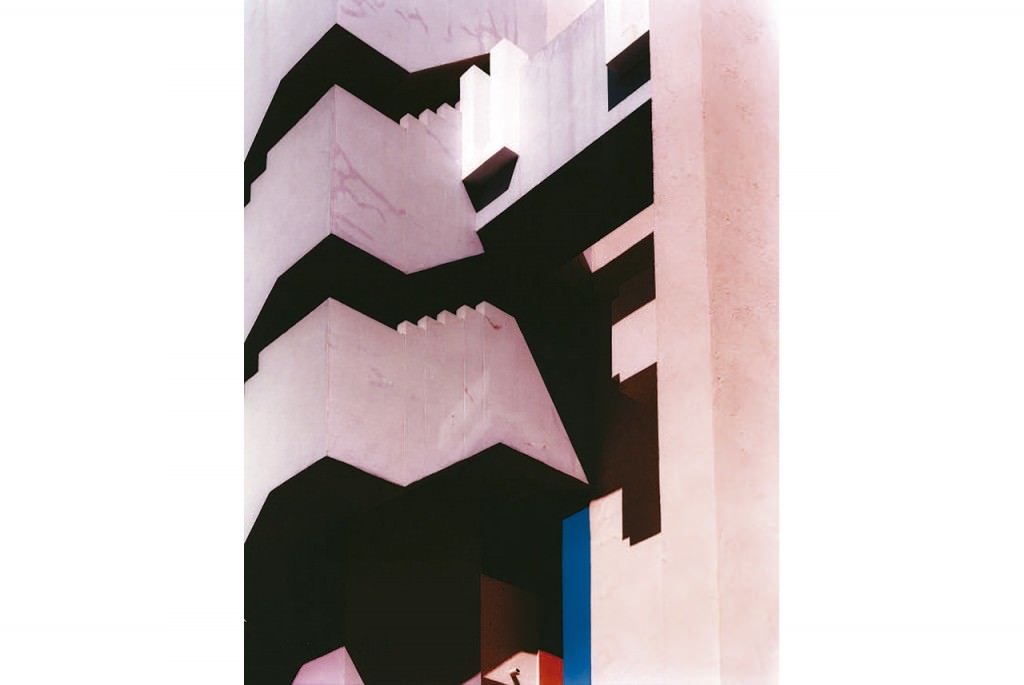
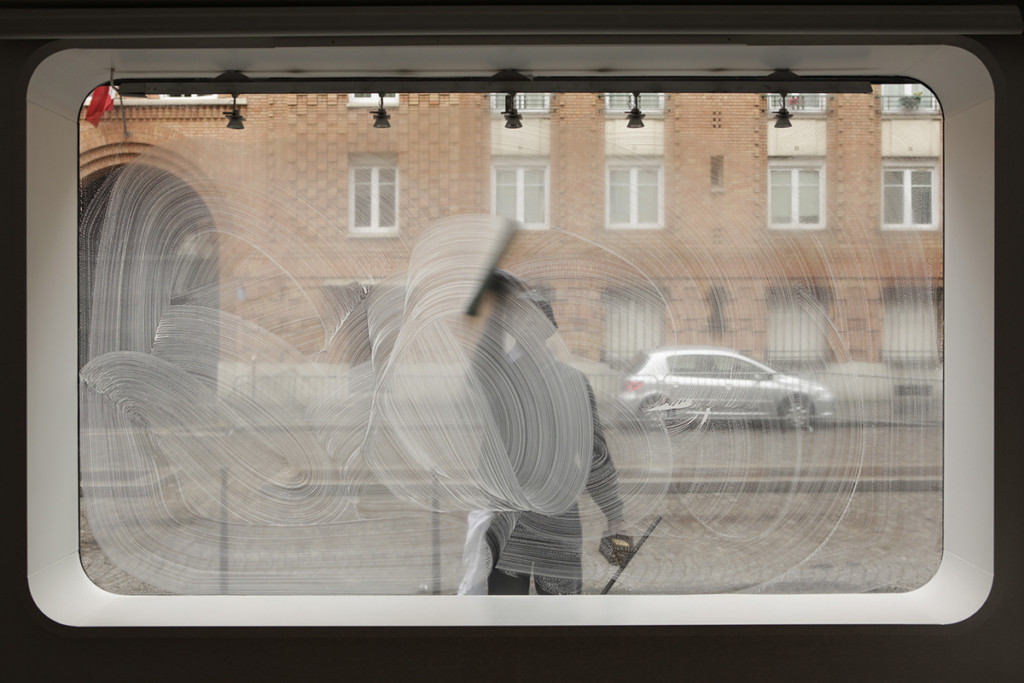
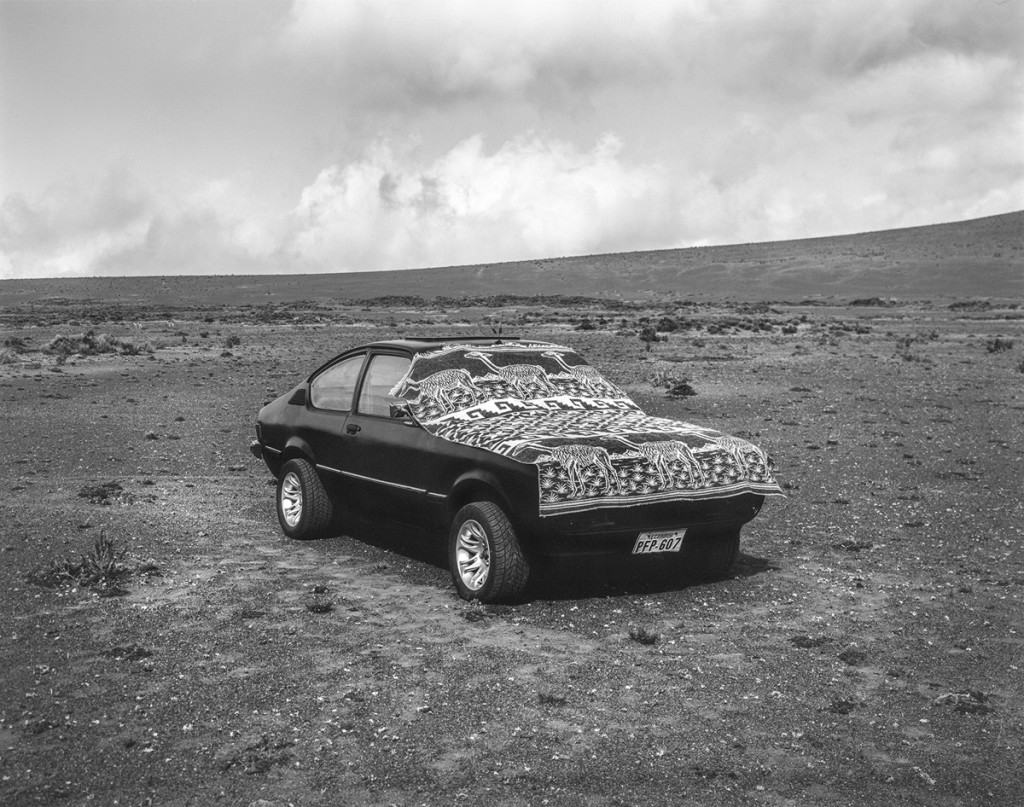
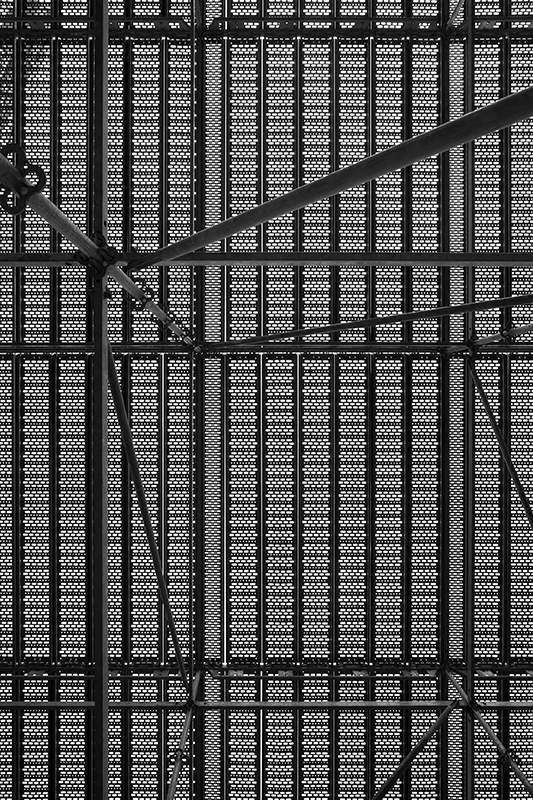
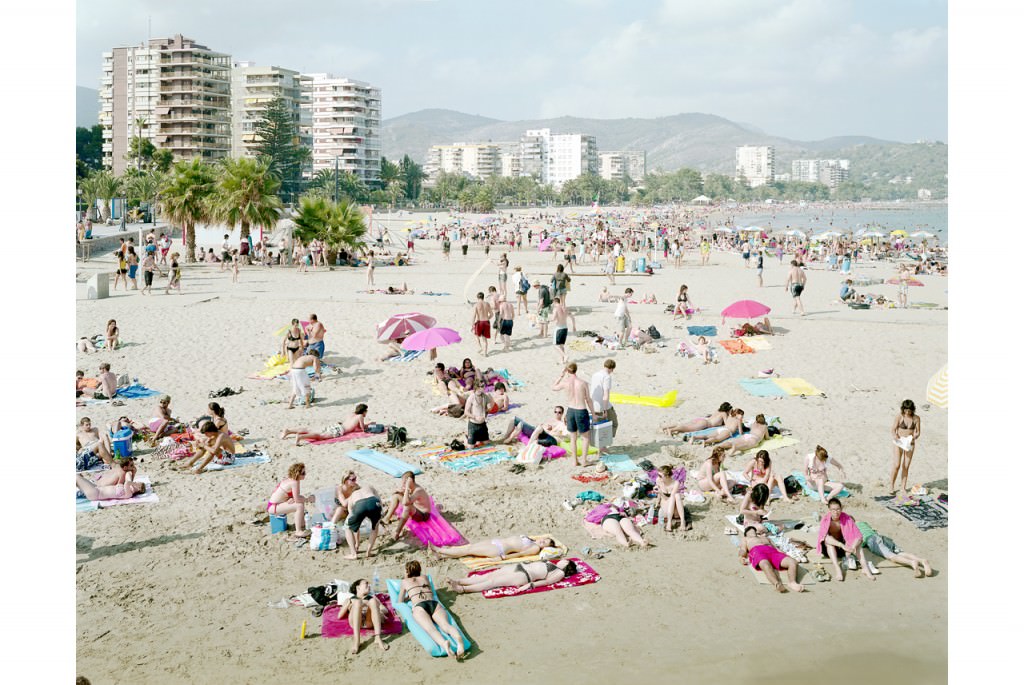
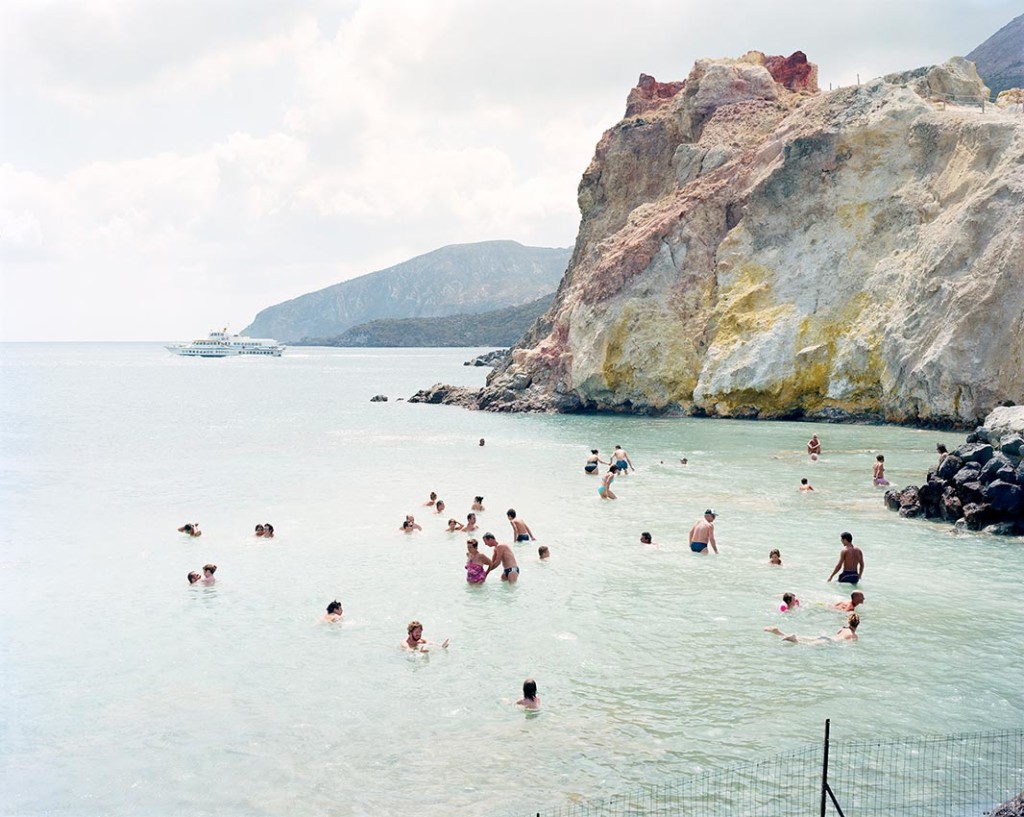
A group exhibition bringing together a selection of works chosen by Jordi Bernadó around architecture, the city, and its transformations. Through diverse photographic approaches, the exhibition reflects on the ways we perceive, represent, and inhabit the urban environment. The presence of a fragment of Montjuïc connects these perspectives to Barcelona’s material history.

The exhibition is grounded in the idea that every photograph constitutes a position taken toward the world. Beyond its documentary dimension, the image articulates a way of seeing, interpreting, and constructing reality. In this context, architecture and the city cease to be understood as mere physical settings and instead emerge as spaces onto which social transformations, modes of inhabitation, and new contemporary sensibilities are projected.

Conceived through Jordi Bernadó’s perspective, the exhibition brings together a selection of works that explore different approaches to the urban landscape and the built environment, understanding photography as a critical tool capable of revealing the multiple layers—political, symbolic, and affective—that shape the experience of the city.

The exhibition unfolds in dialogue with contemporary debates surrounding architecture, urbanism, and perception, paying particular attention to the ways in which images shape our relationship with the environment and condition our ways of seeing. Through a range of visual languages, the works shift architecture away from its strictly functional dimension toward a more sensitive and reflective reading, where space appears as a territory in constant transformation.

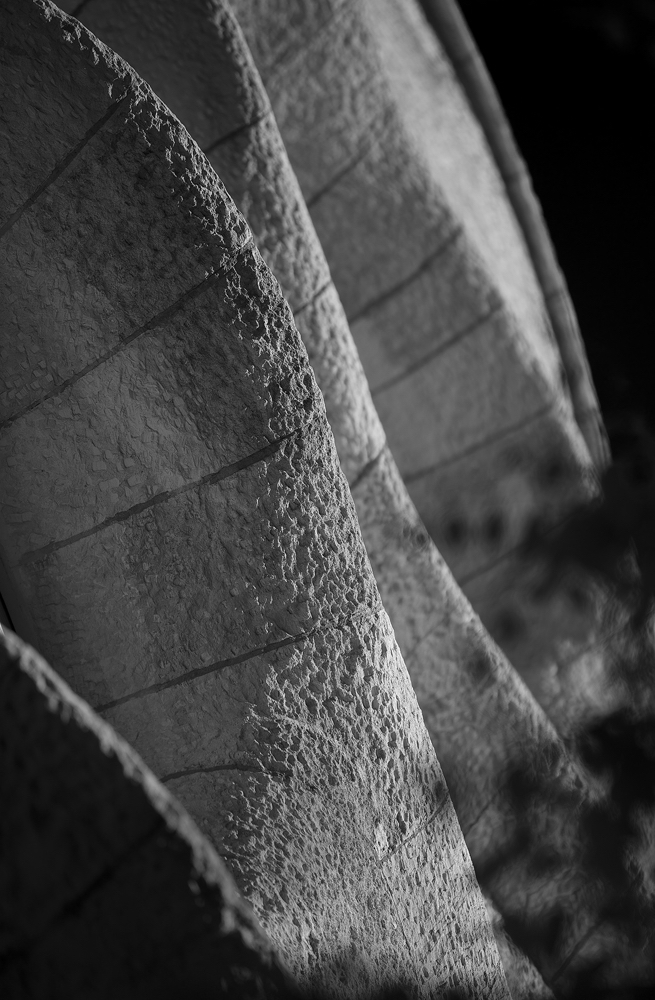
At the heart of this journey emerges the presence of a stone extracted from Montjuïc, incorporated into the exhibition space as an element that feels both foreign and deeply connected to Barcelona’s material history. Its presence introduces a disruption within the visual ensemble, redirecting attention from the representation of the city toward one of its most primary and constitutive elements. Rather than functioning as a sculptural object, the stone prompts a reflection on matter, origin, and the ways in which landscape, architecture, and urban memory remain inscribed within that which physically sustains the city.

Artists:

Gabriele Basilico

Jordi Bernadó

Jordi Guillumet & Mònica Roselló

Roger Grasas

Ola Kolehmainen

Manolo Laguillo

Martí Llorens

Josep Maria Llobet

Anna Malagrida & Mathieu Pernot

Eduardo Nave

Aitor Ortiz

Carles Puig

Humberto Rivas

Txema Salvans

Jon Tugores

Laura Van Severen

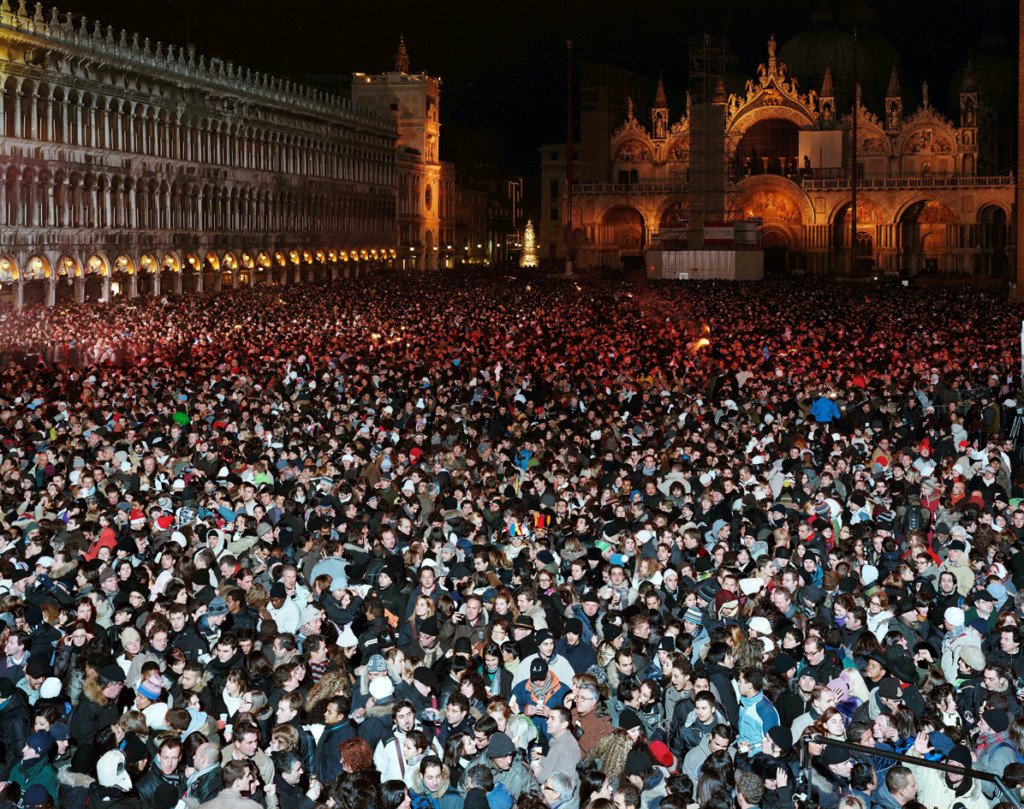
Massimo Vitali


Conversation Series

09.07.2026 · 7 pm

I. And Our Places, My Life, Brief as Photographs

With Ricardo Devesa and participating photographers

The first of two conversations organised as part of the exhibition Seeing Is Inventing. In this session, Ricardo Devesa will be joined by participating photographers to reflect on the places that inhabit memory, the stories contained within images, and photography’s ability to register spaces and their temporalities which, as John Berger wrote, are “brief as photographs.”

Ricardo Devesa is an architect and holds a PhD in Architecture. He is the author of Domesticidad a la intemperie (Actar, 2022), a professor and researcher at La Salle School of Architecture, Universitat Ramon Llull, co-founder of urbanNext.net, and served as Editor-in-Chief of Actar Publishers for thirteen years. His research focuses on architectural theory, publishing and dissemination, relational logics, and the intersections between architecture, nature, and art.