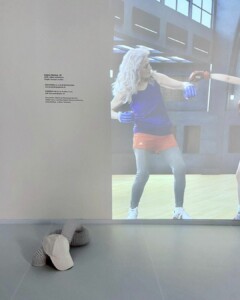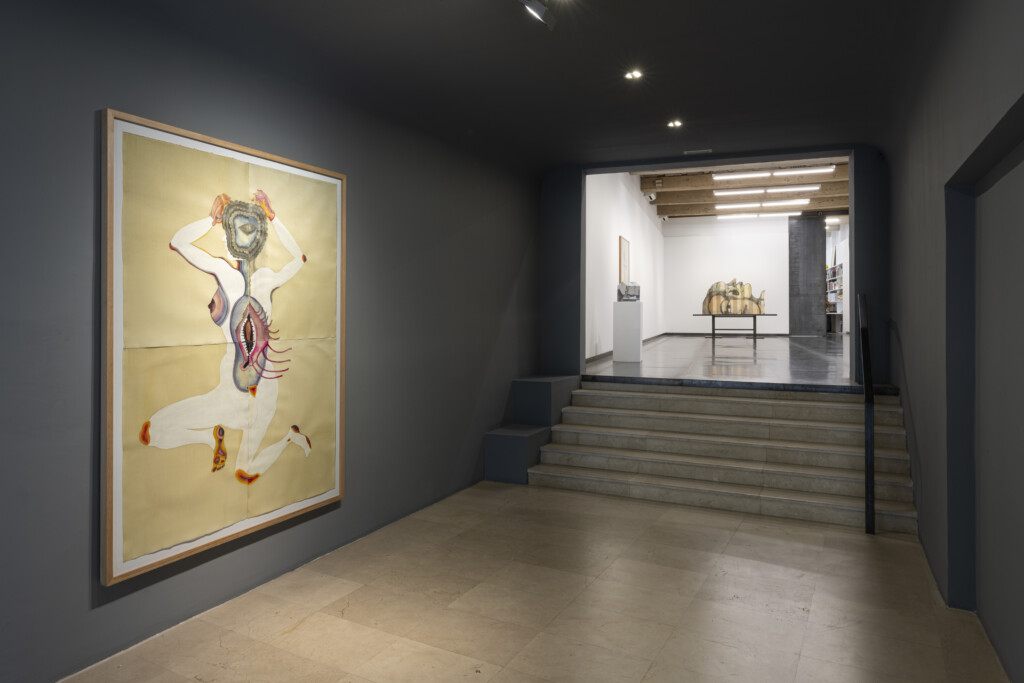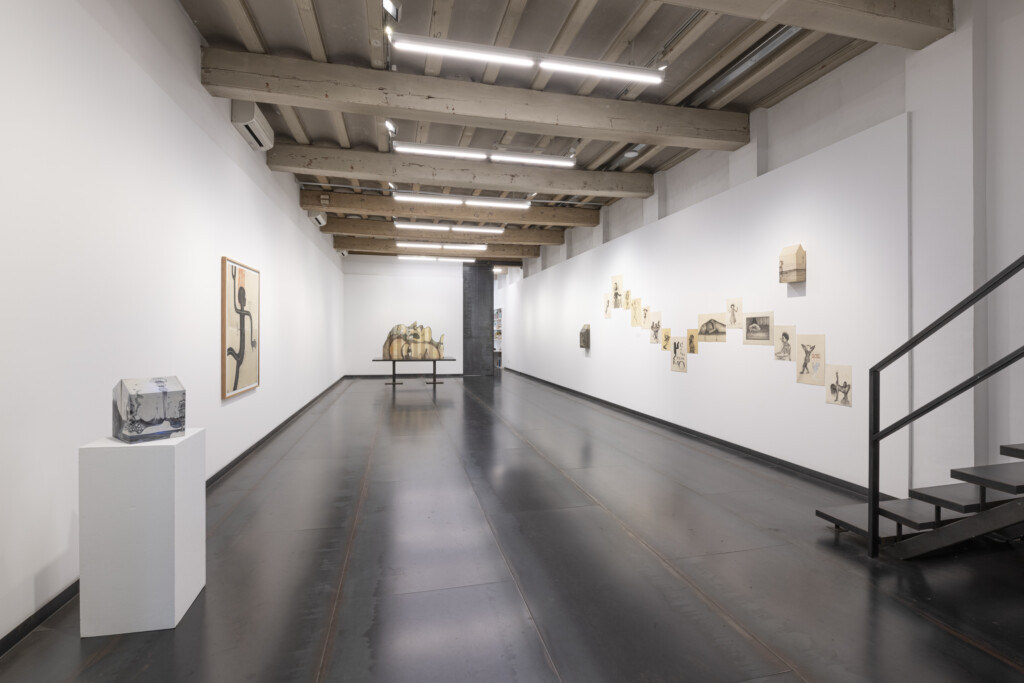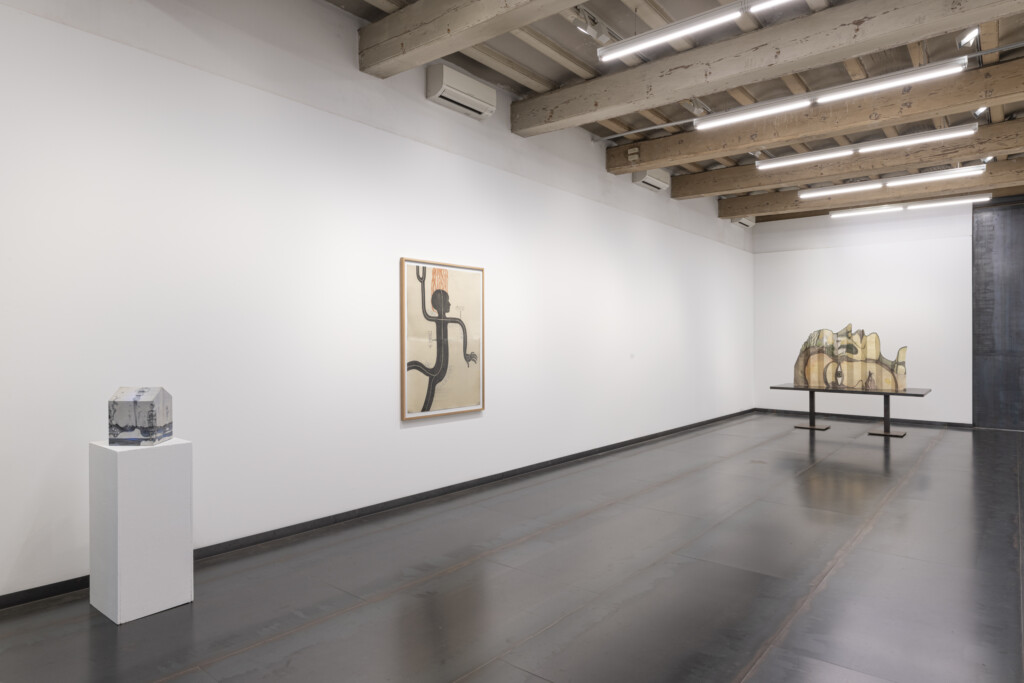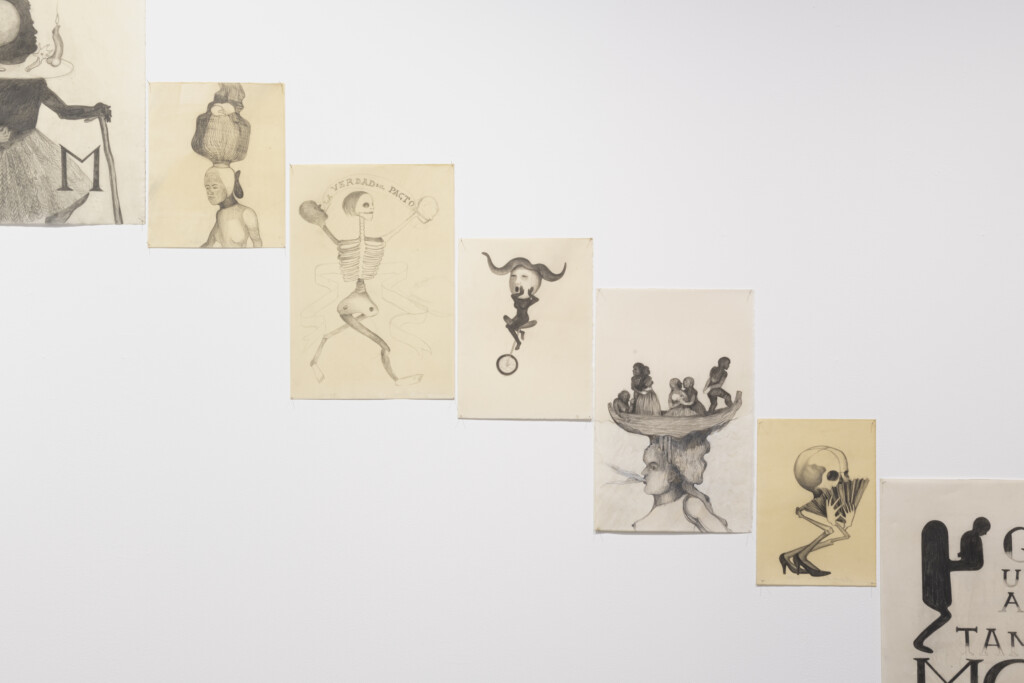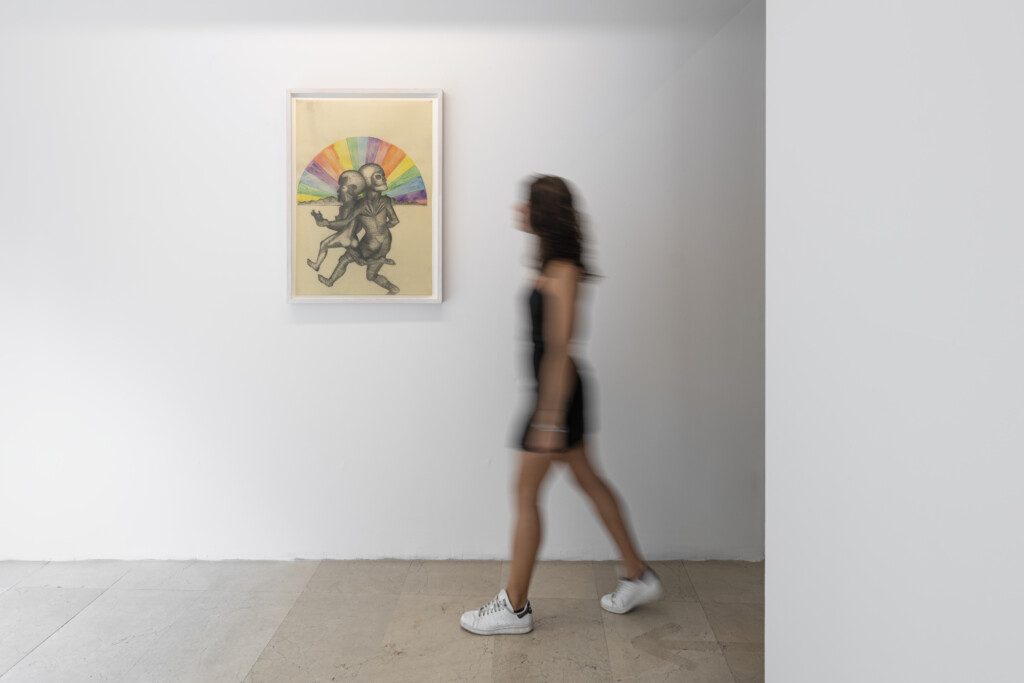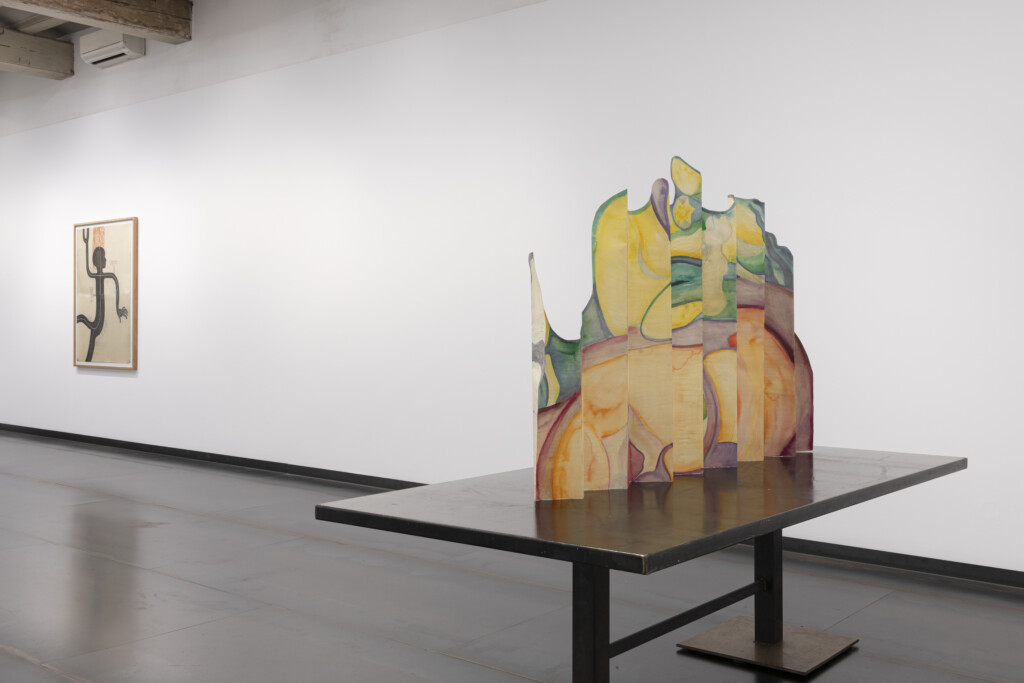
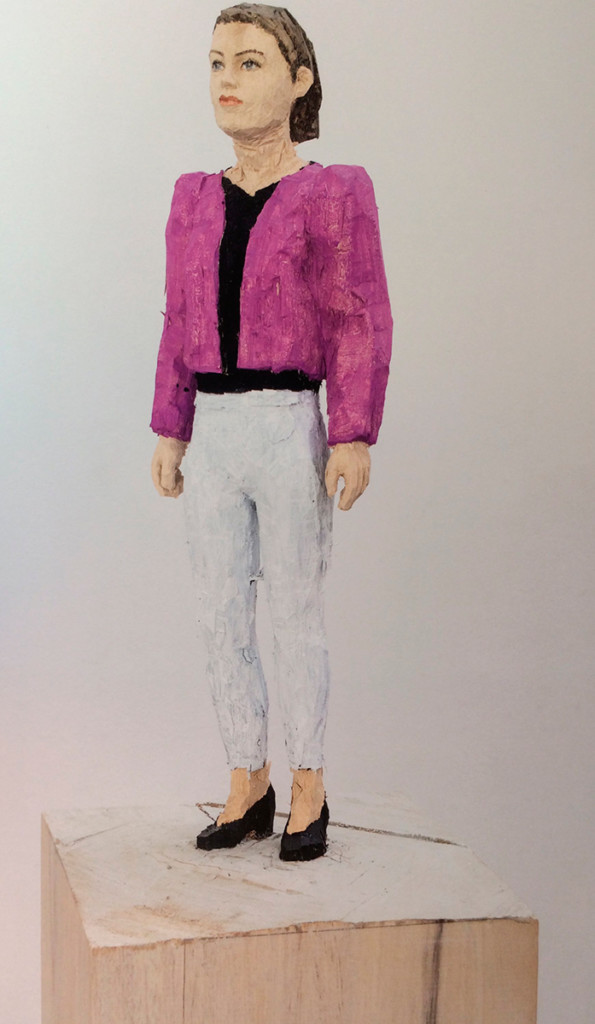
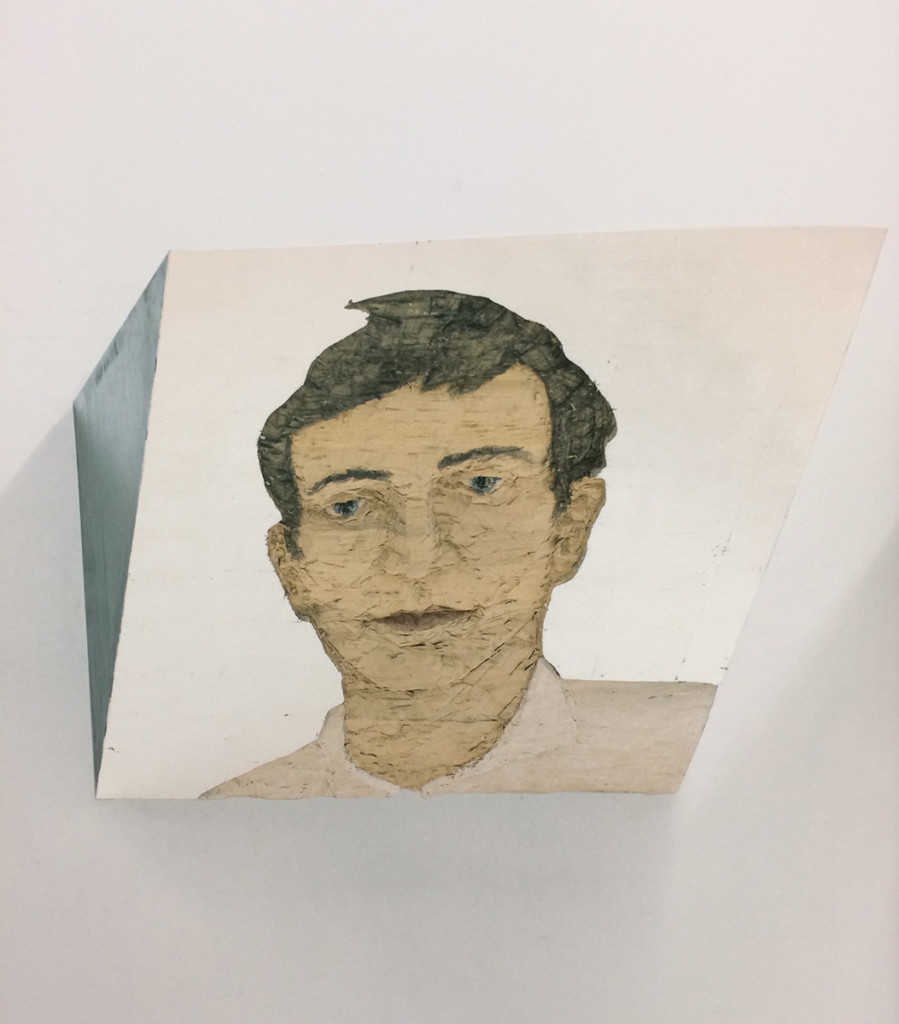
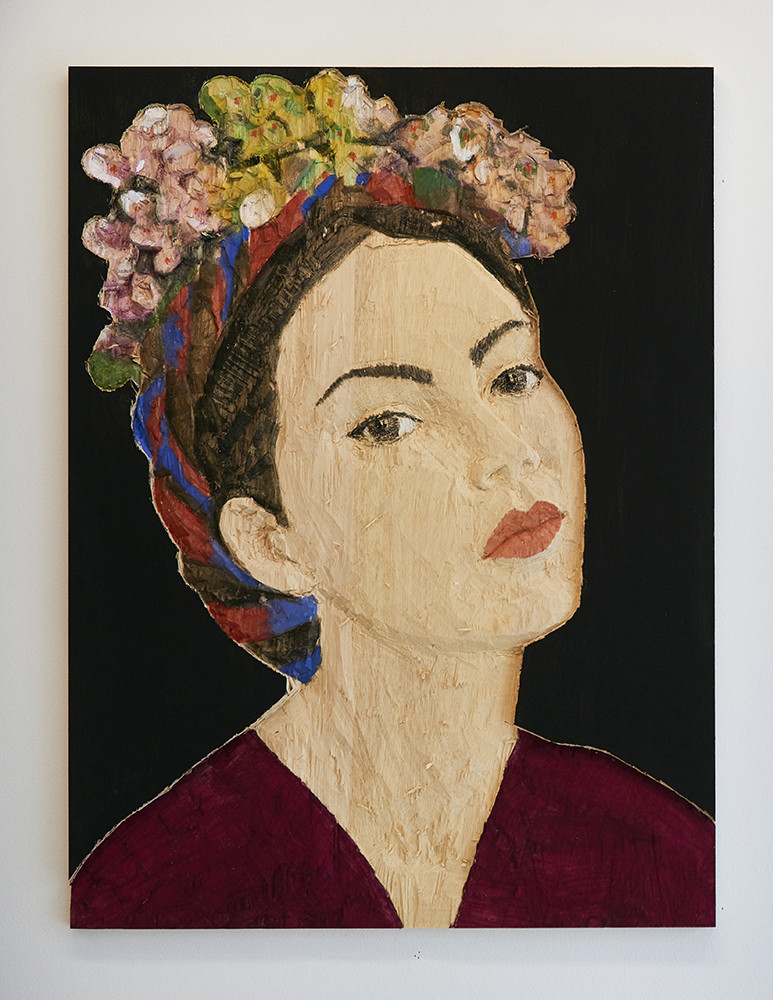
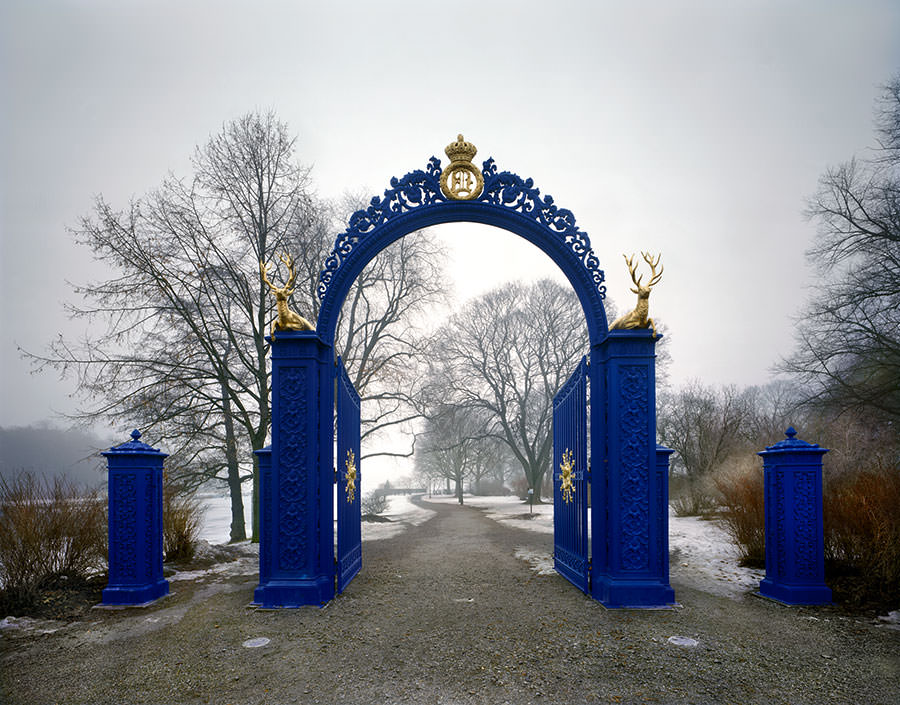
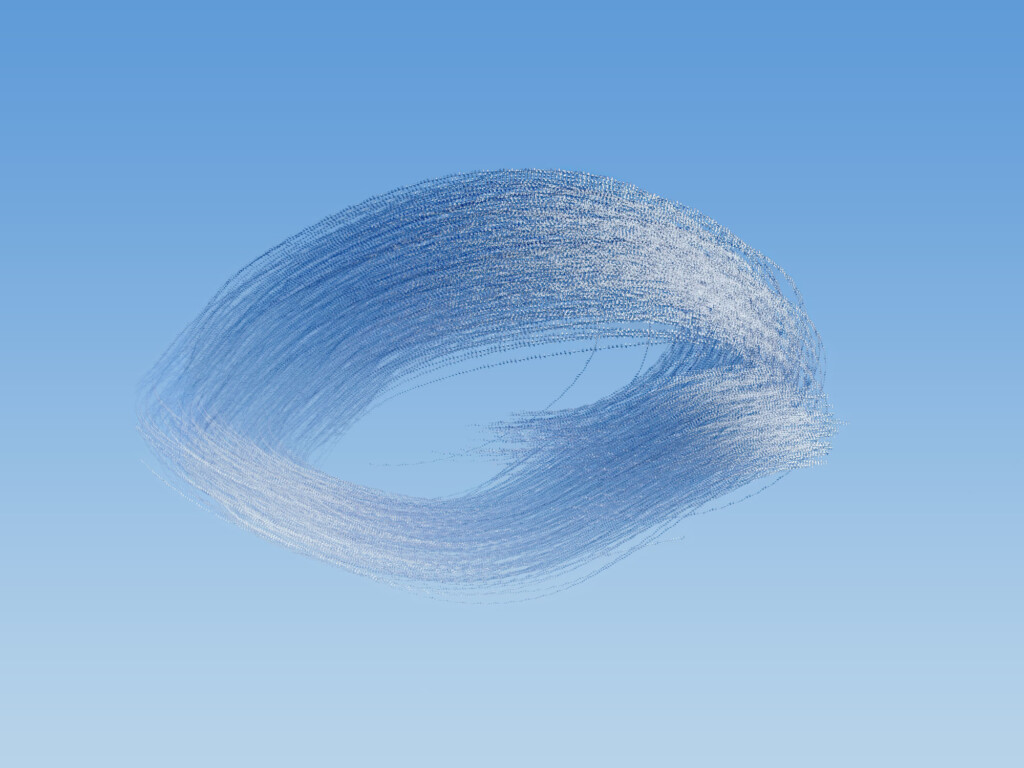
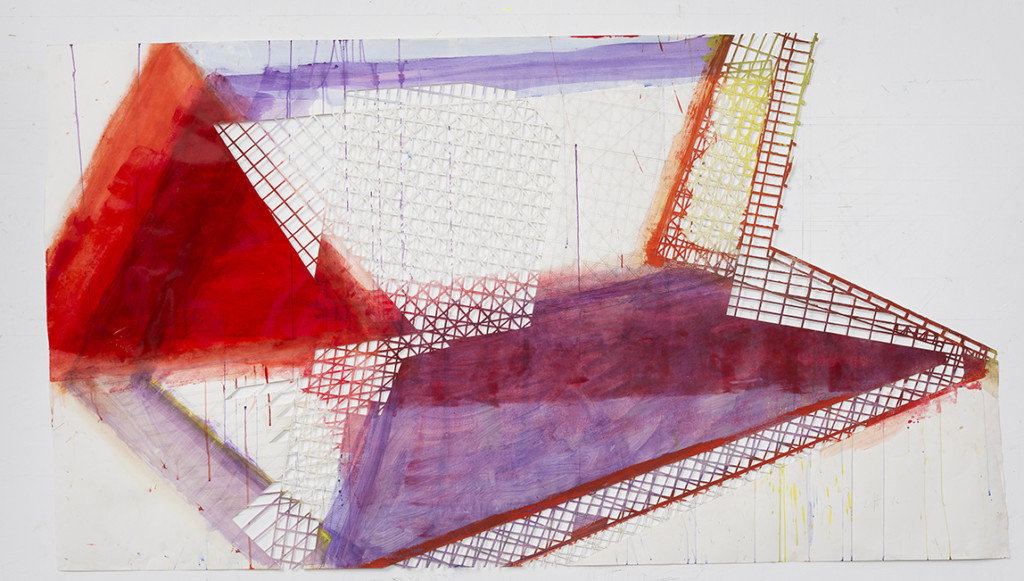
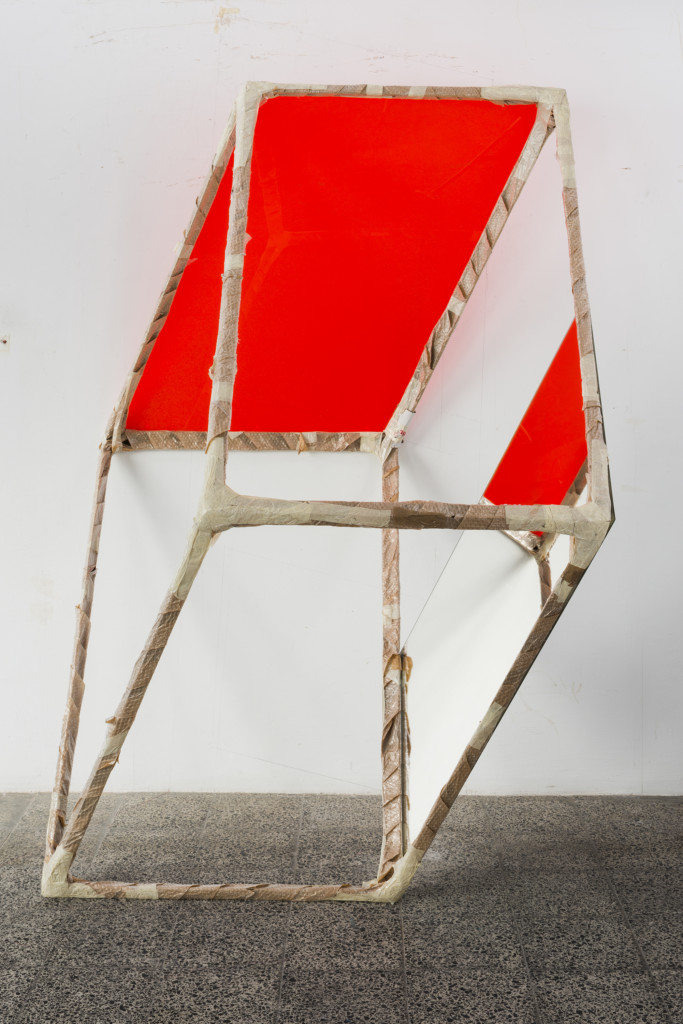
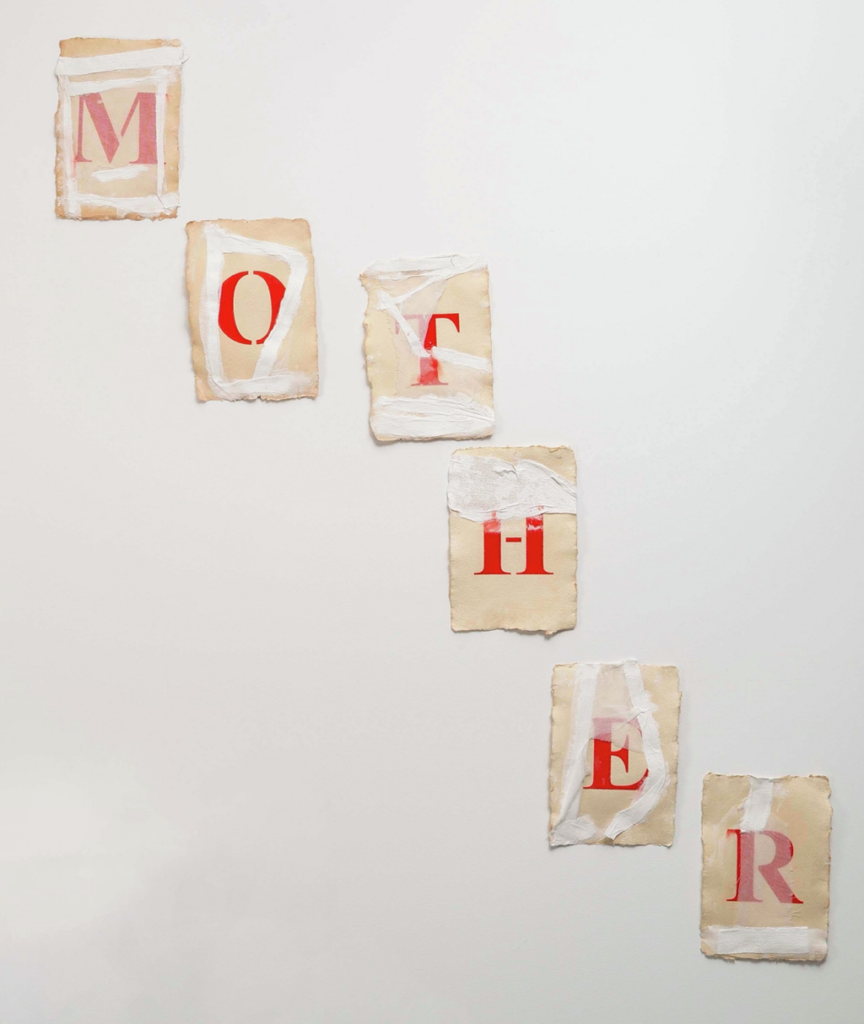
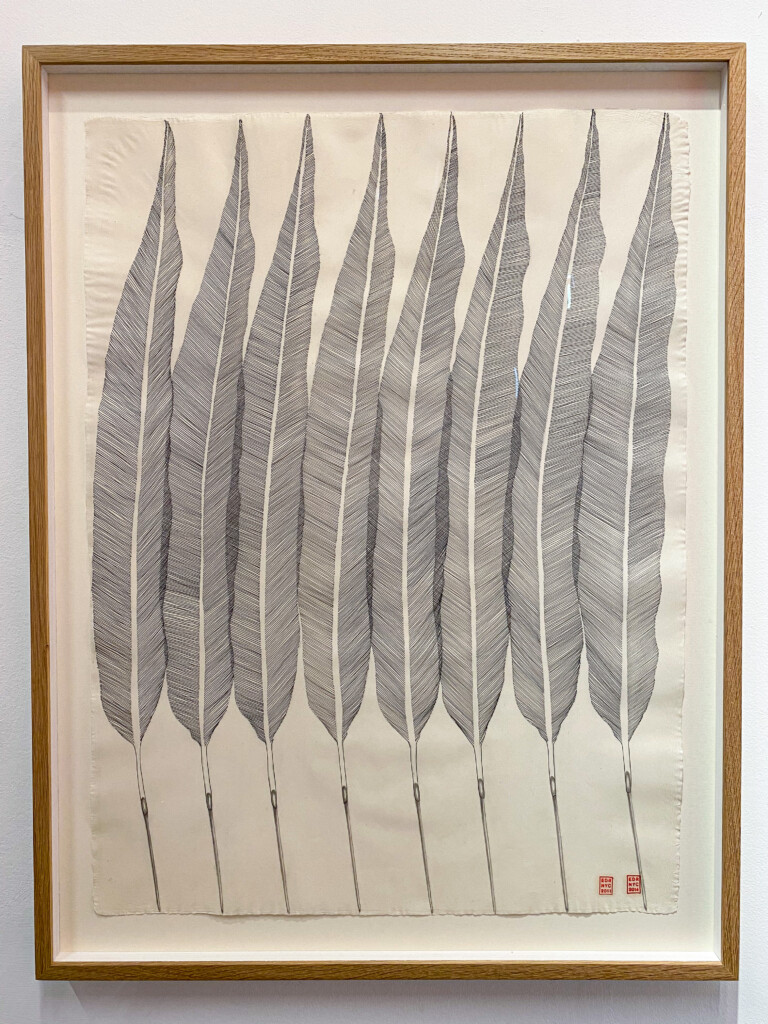
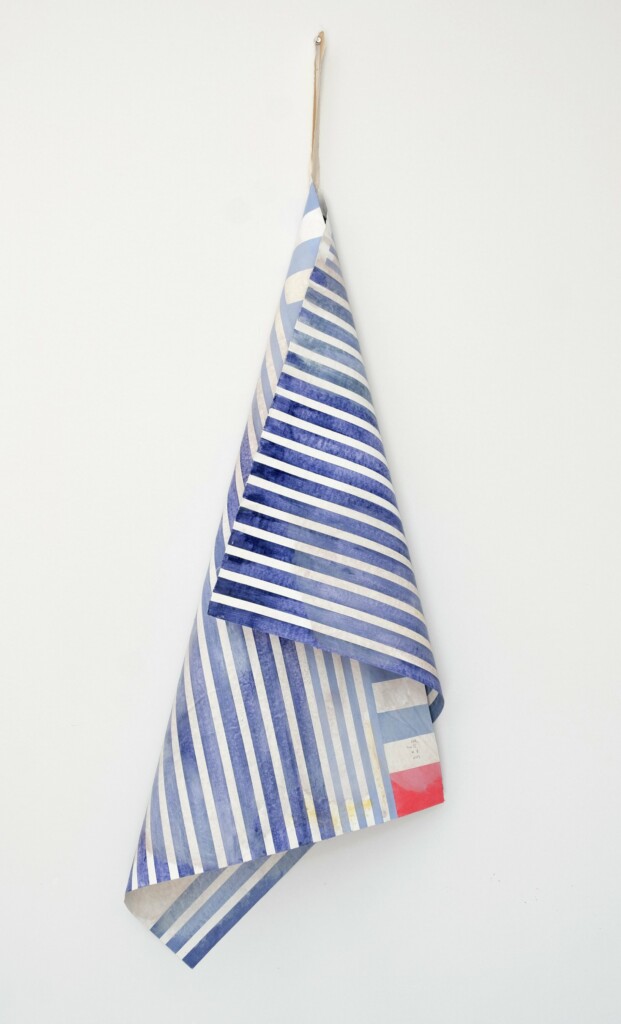
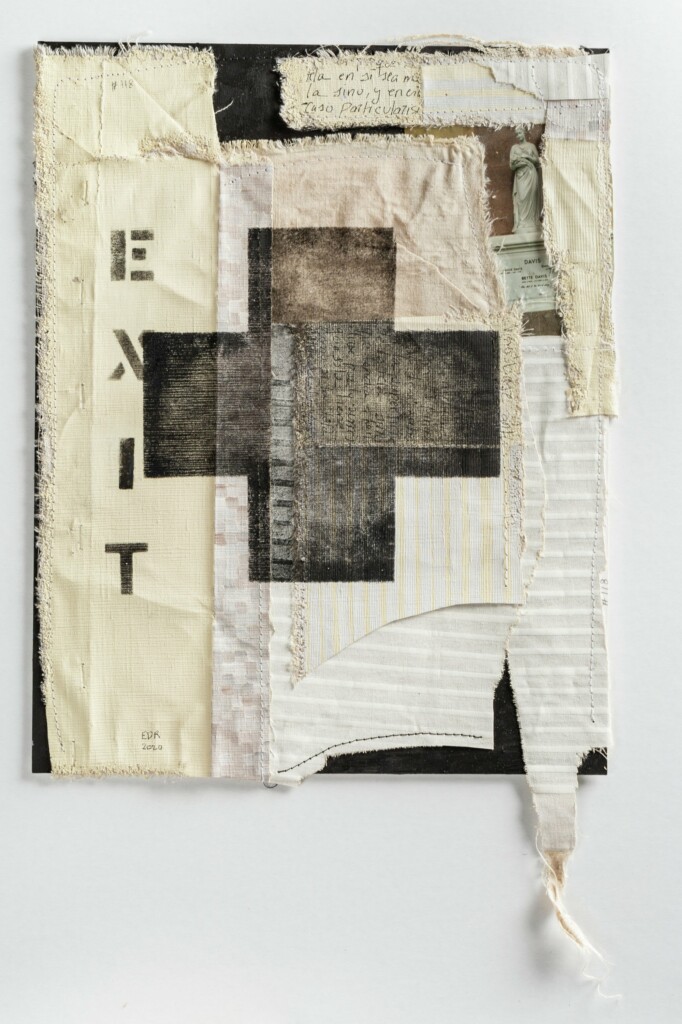
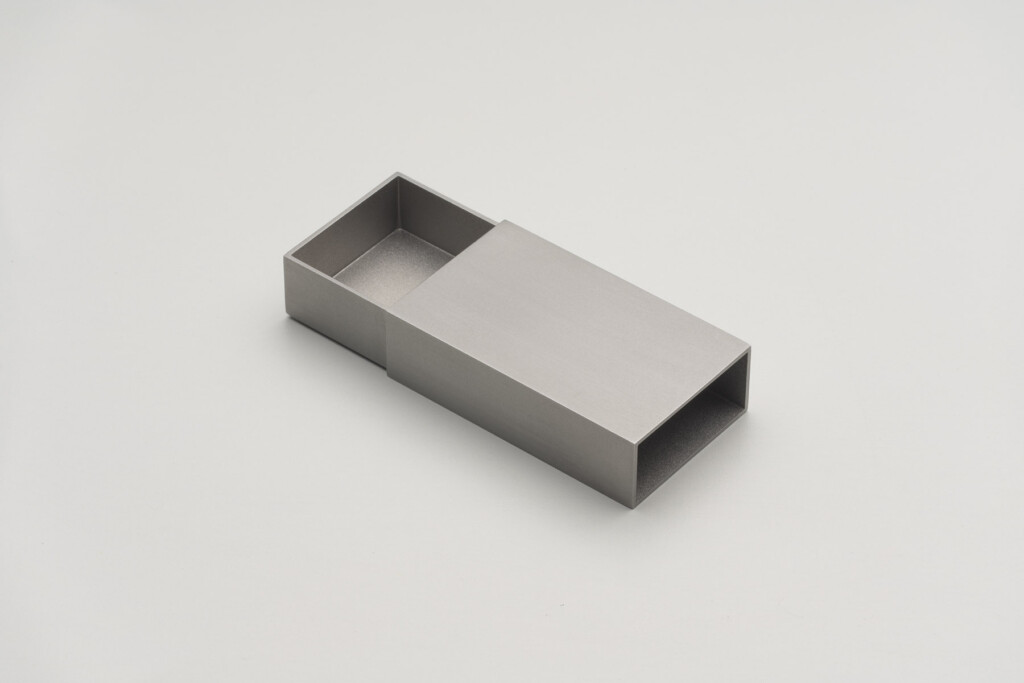
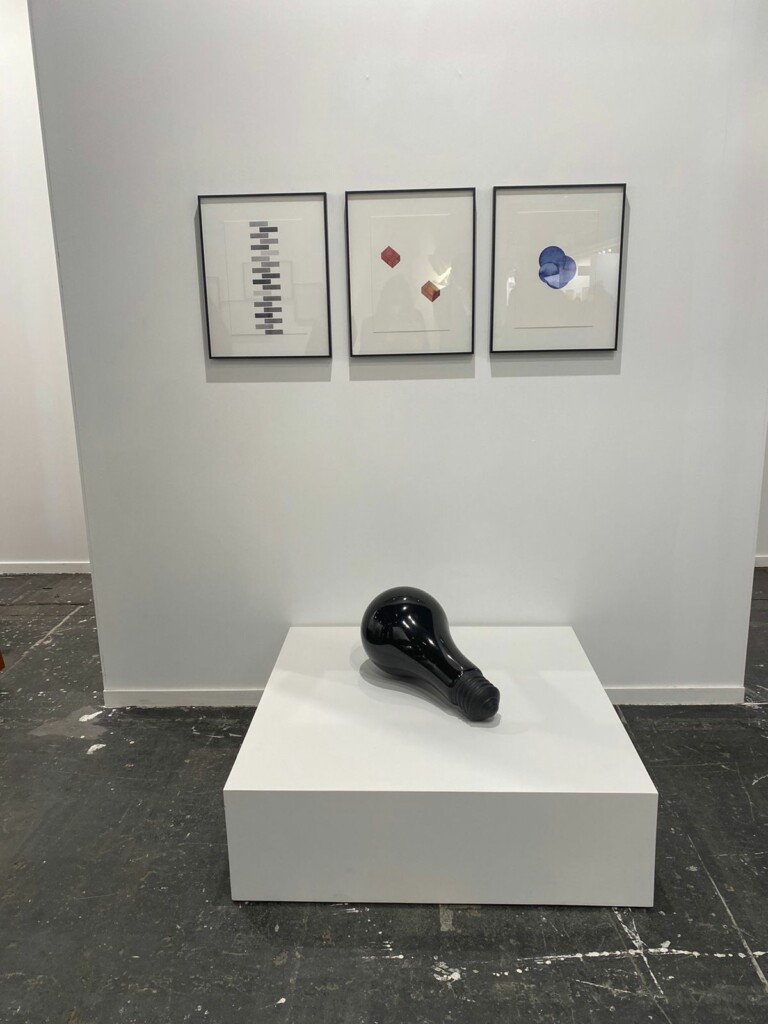
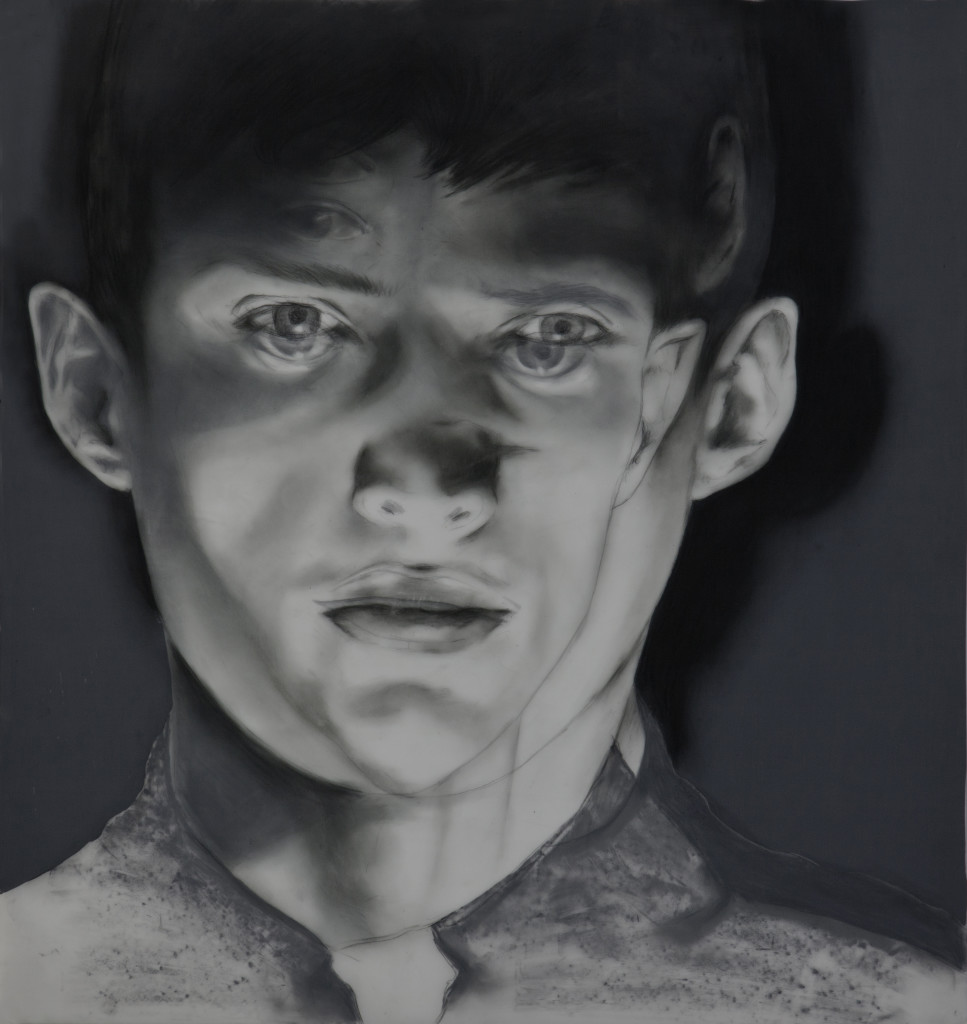
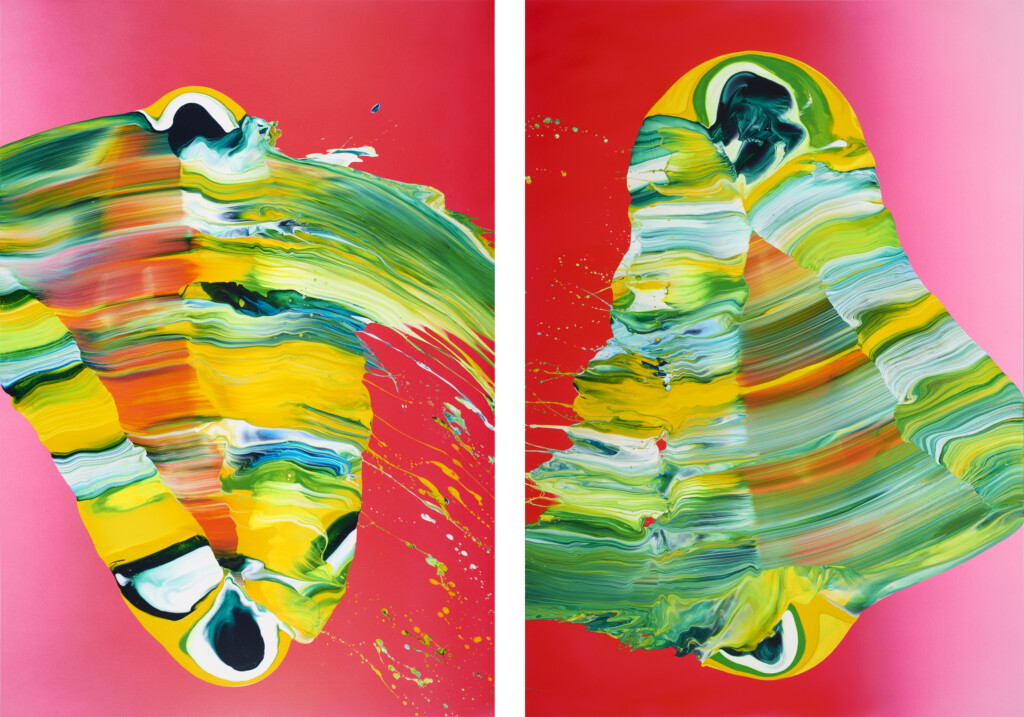
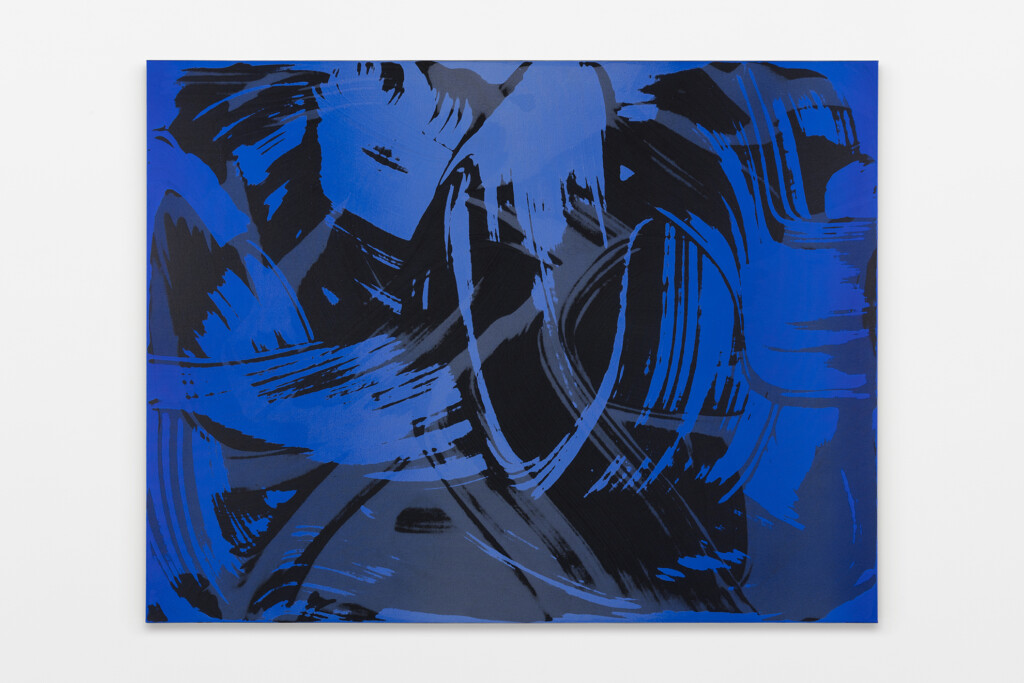
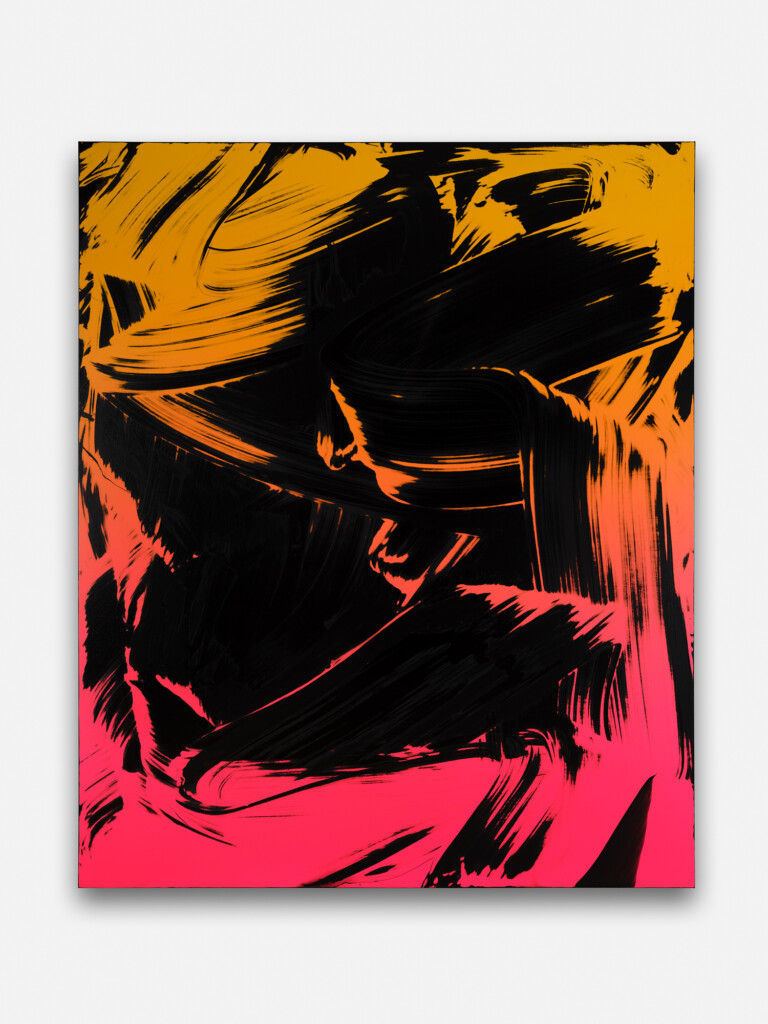
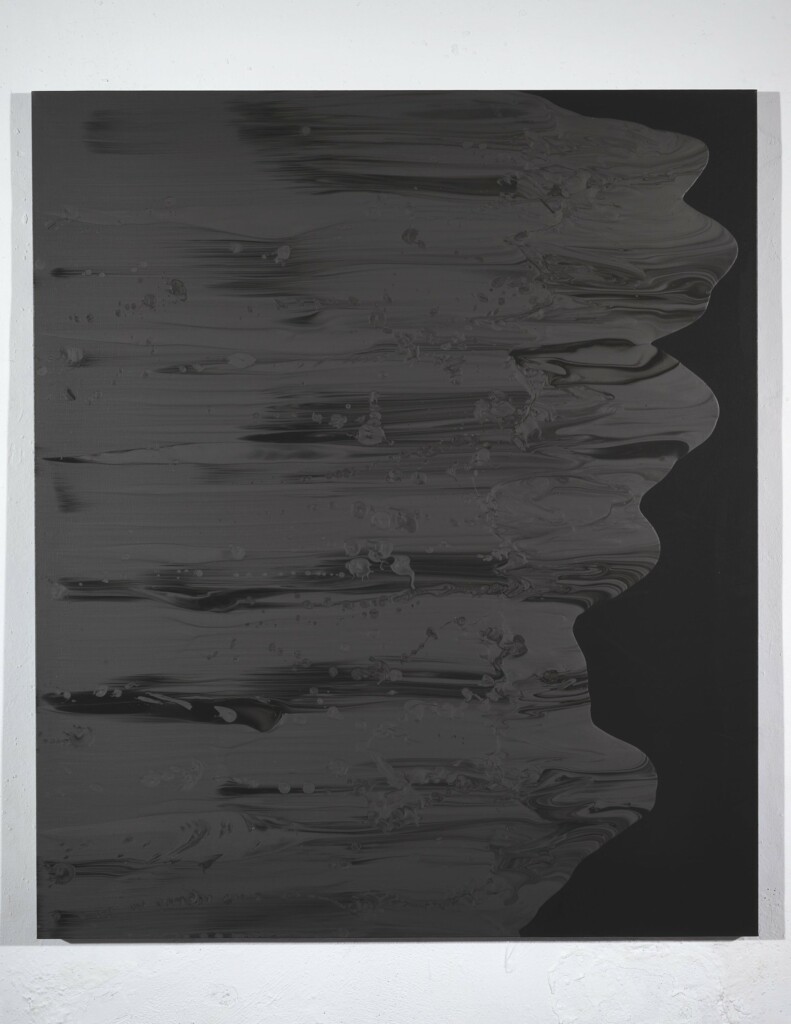
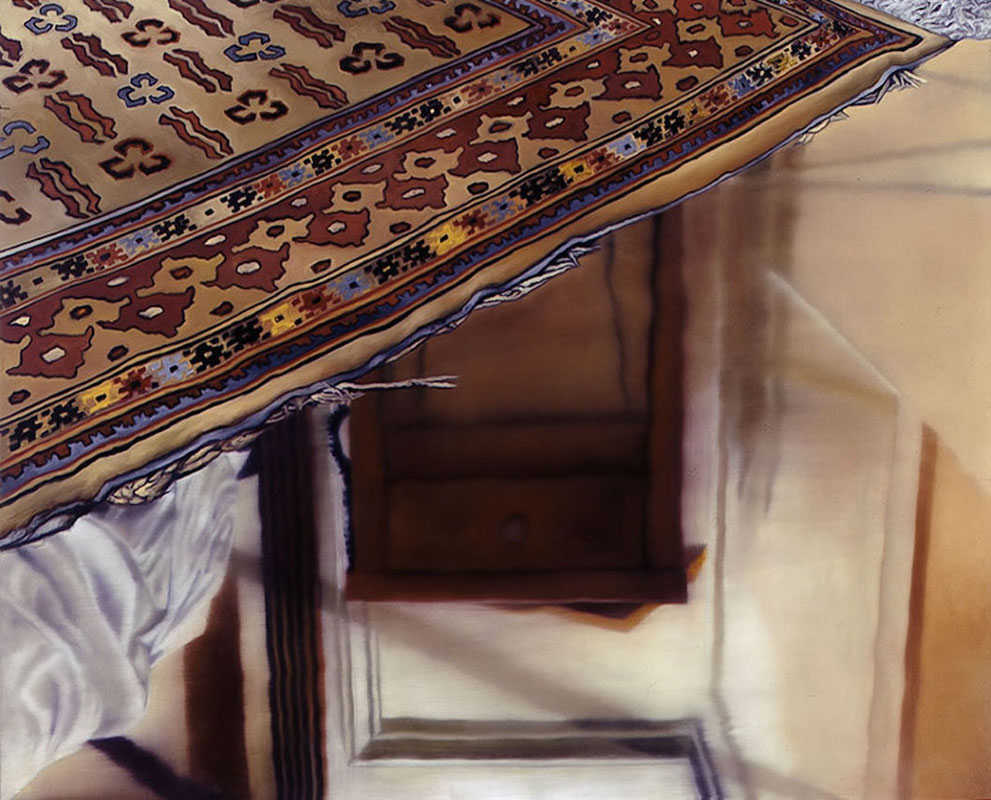
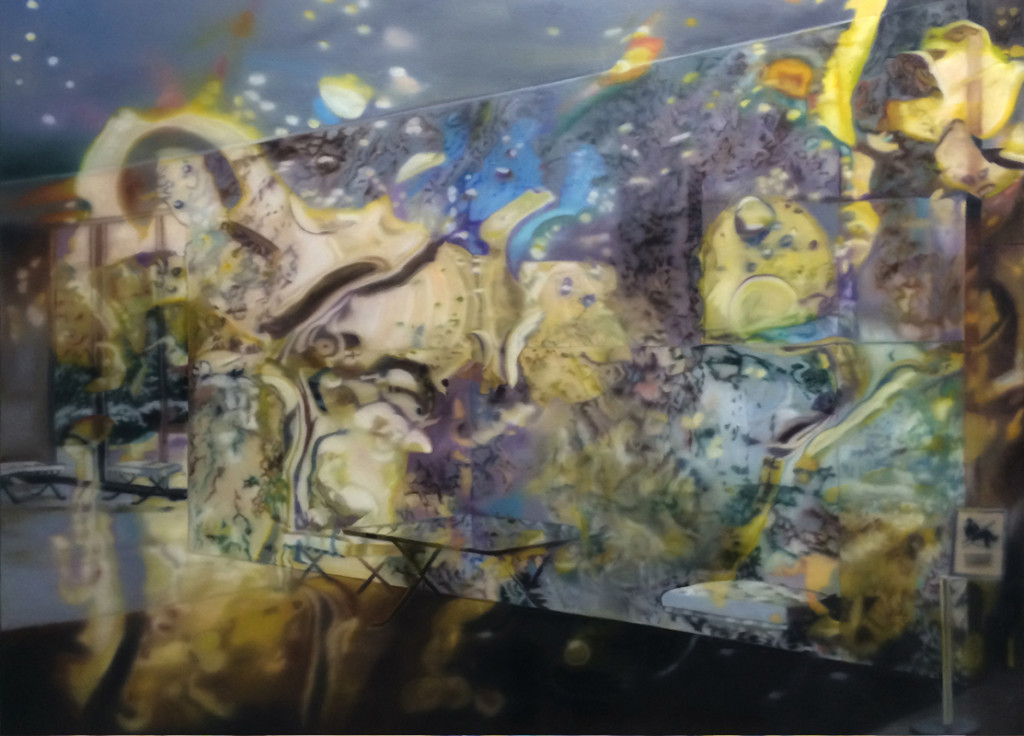
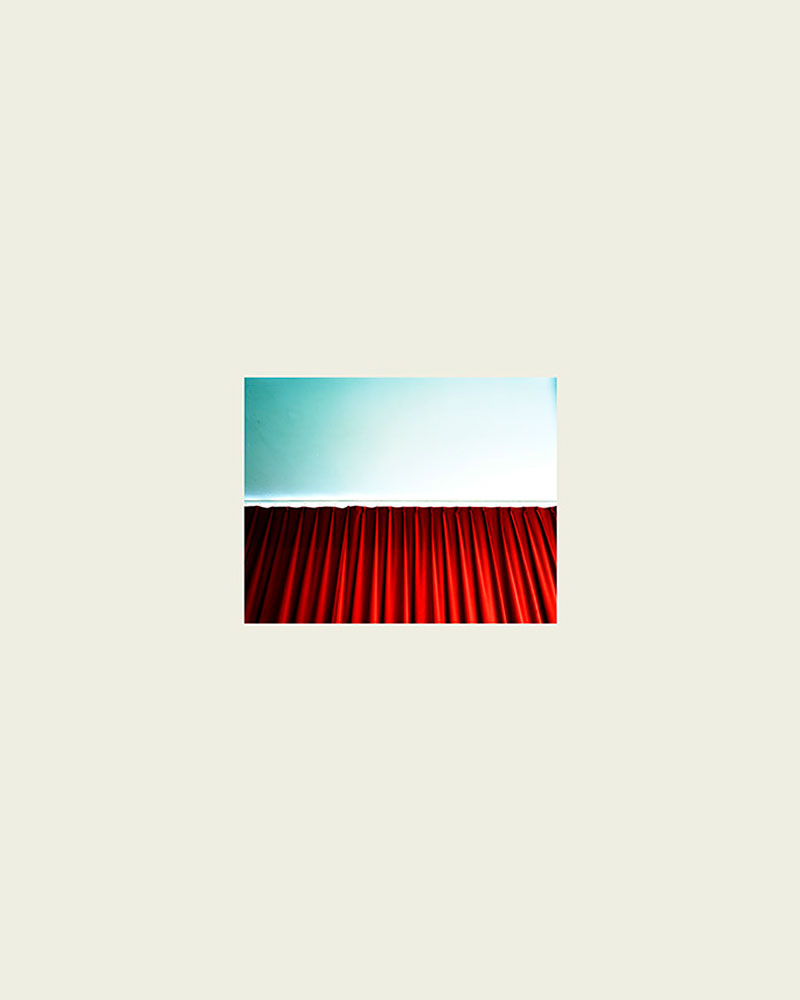
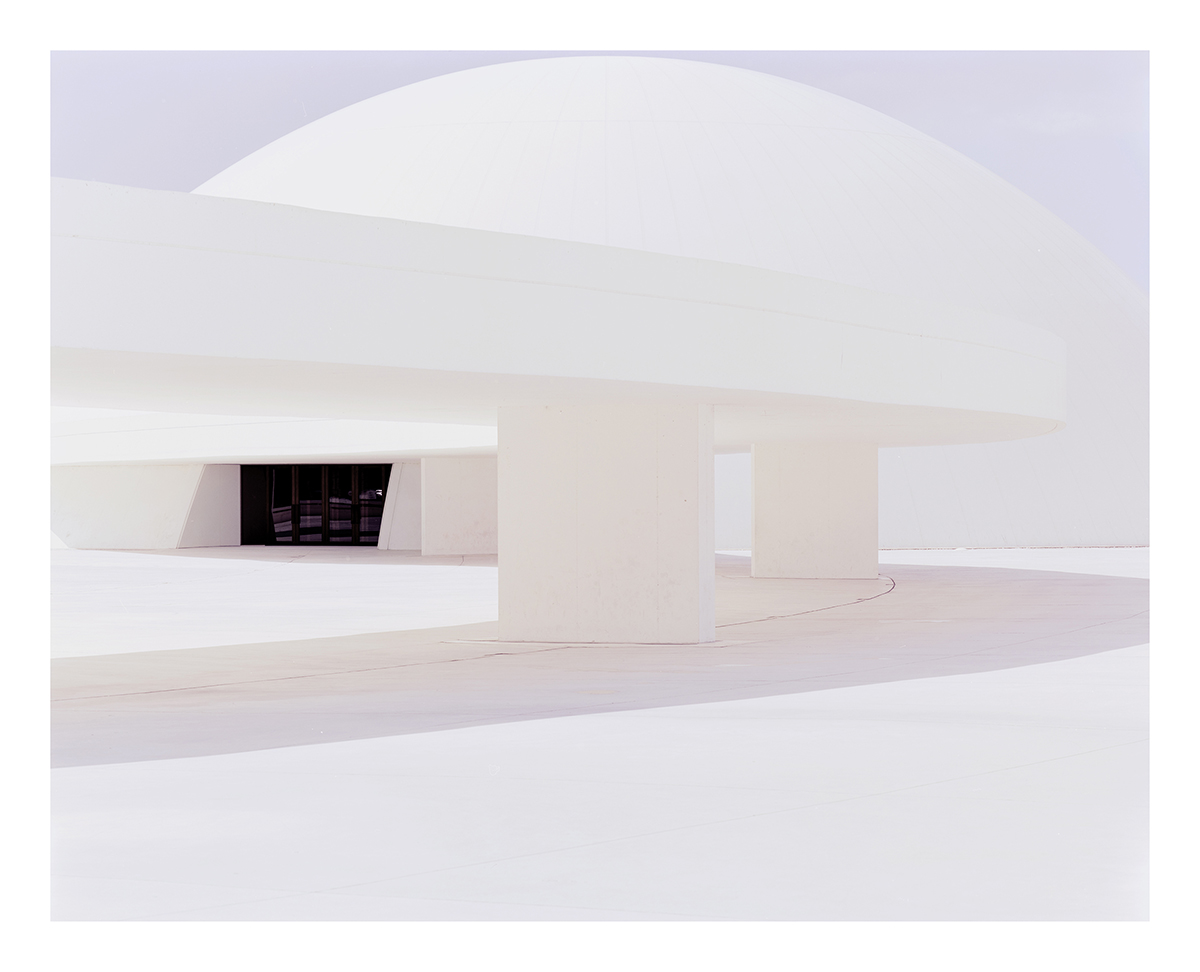
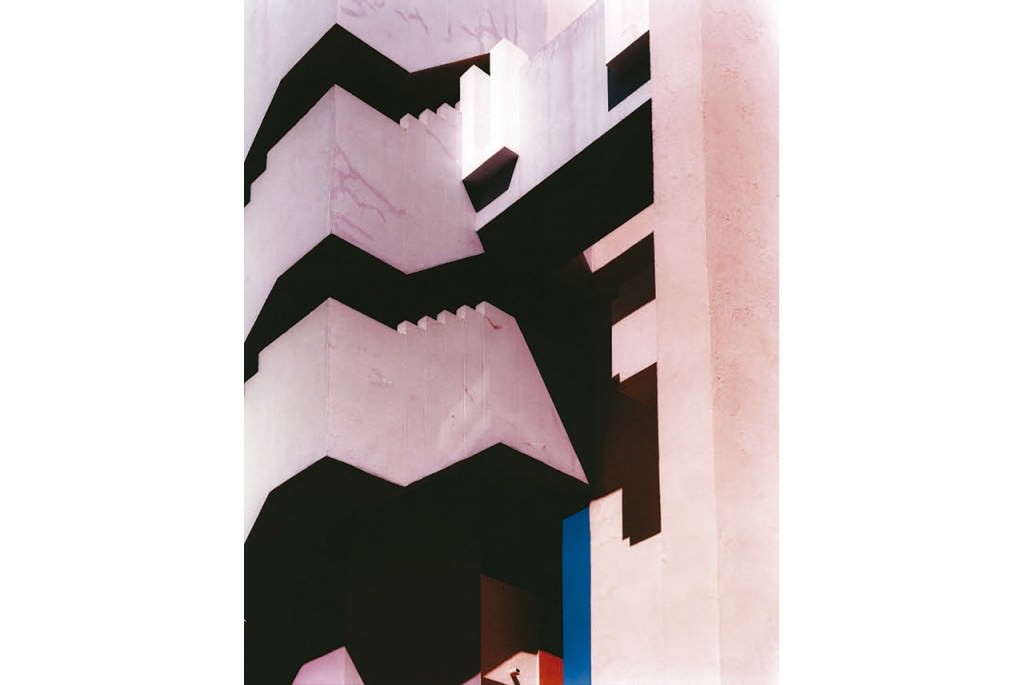
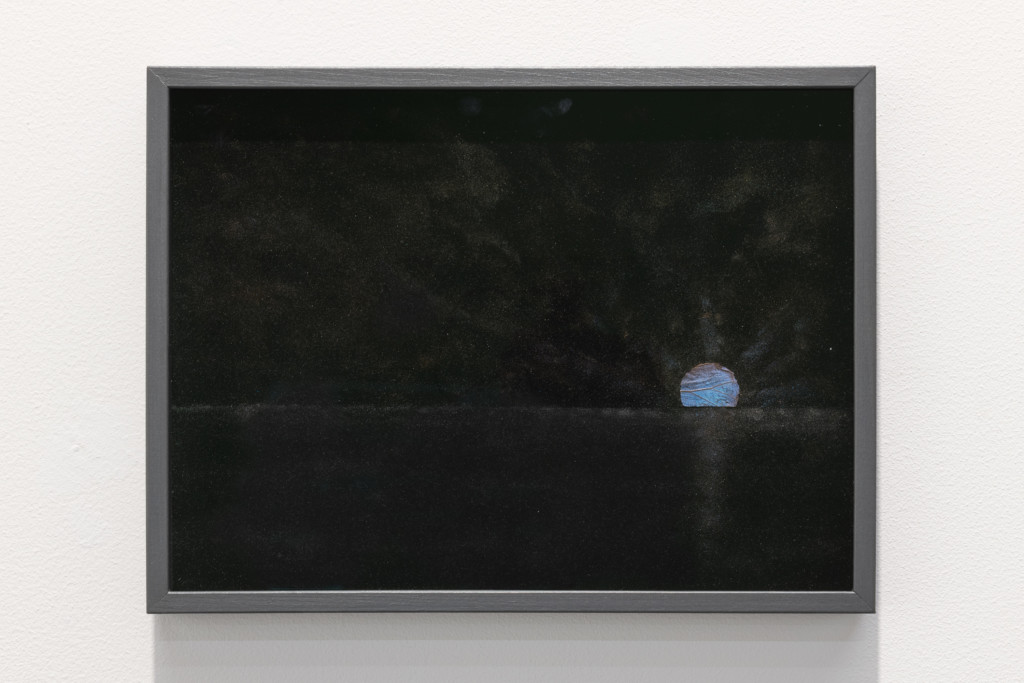
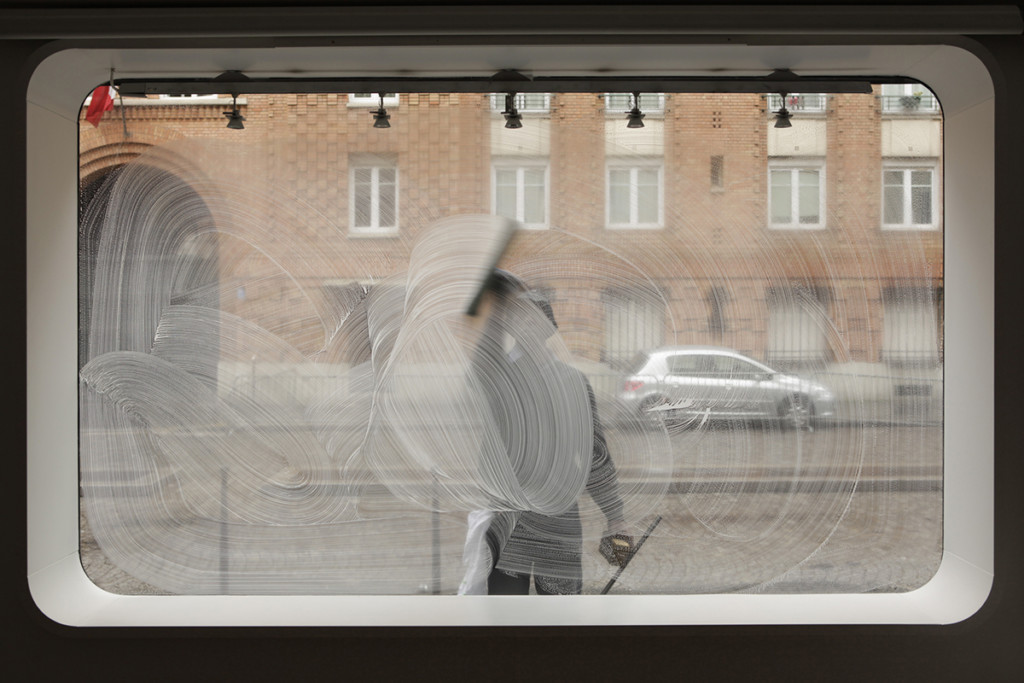
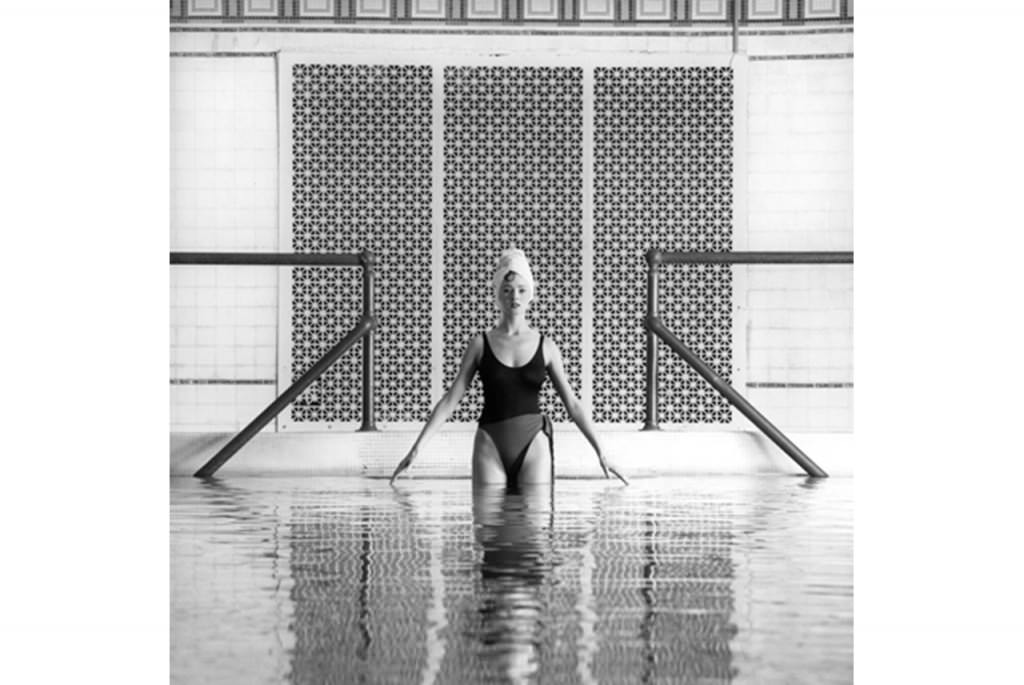
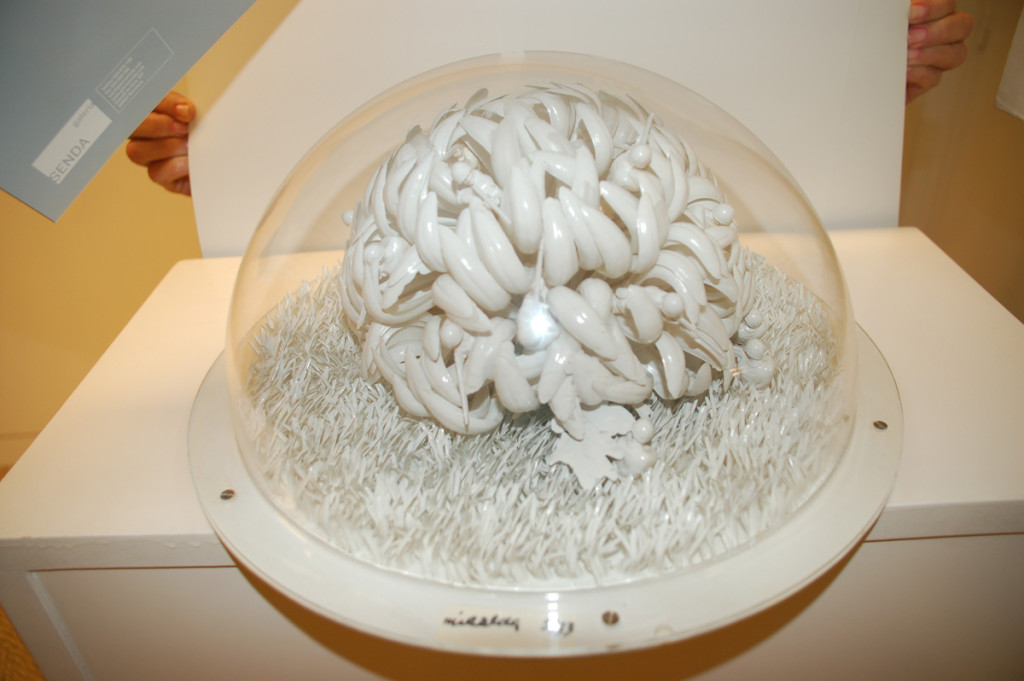
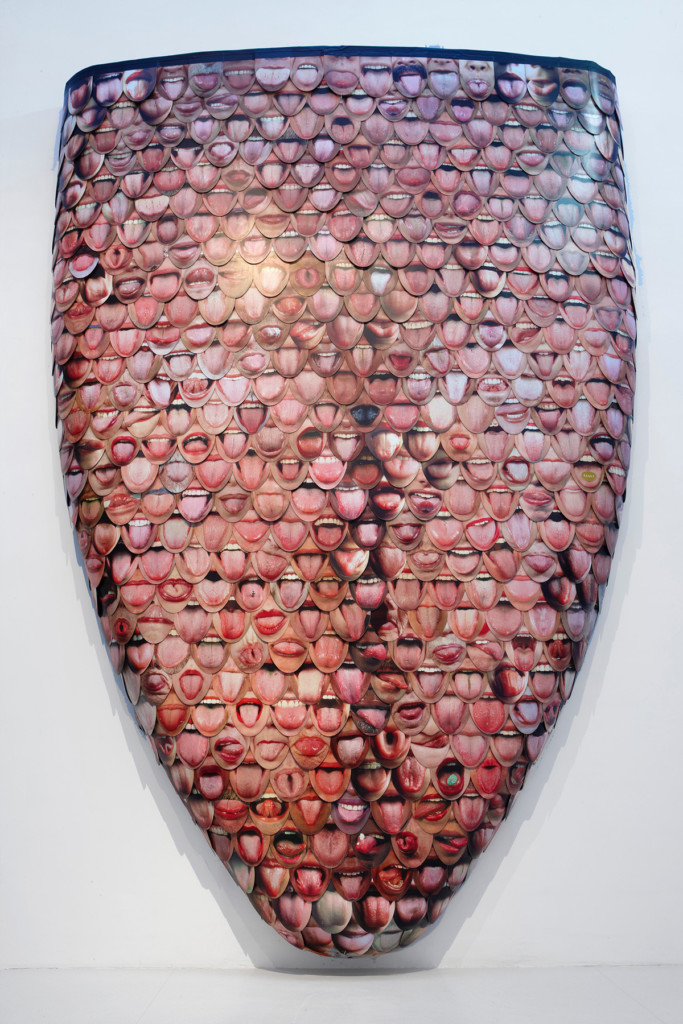
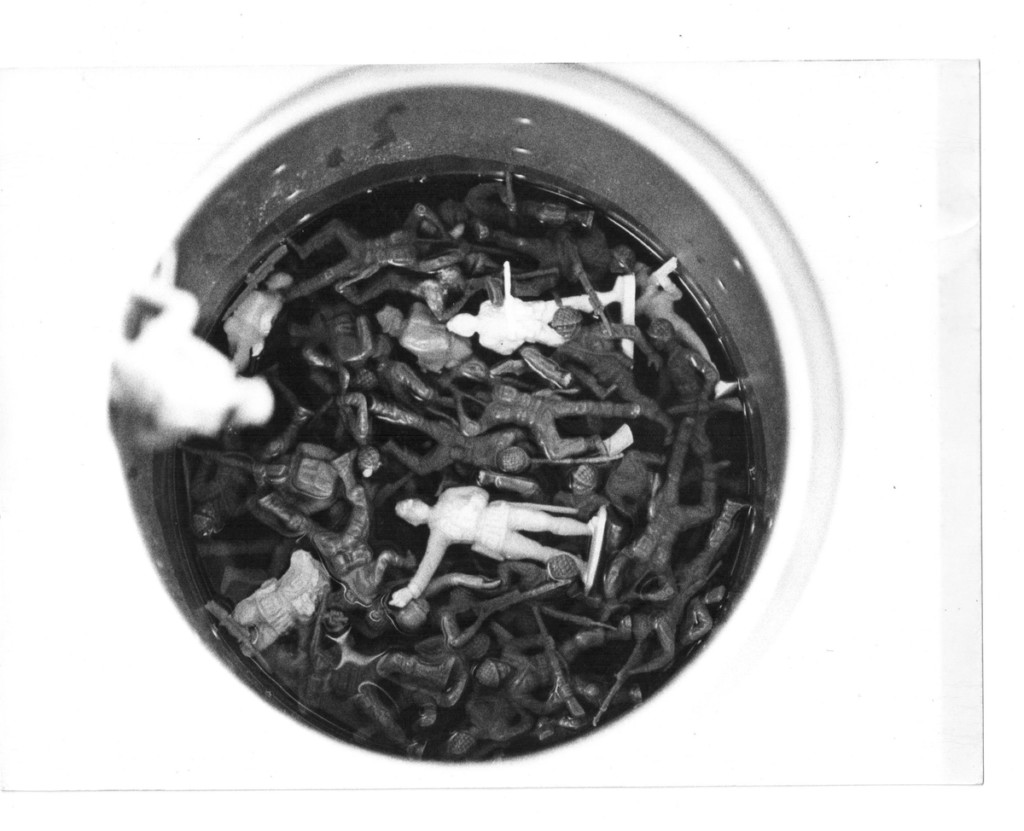
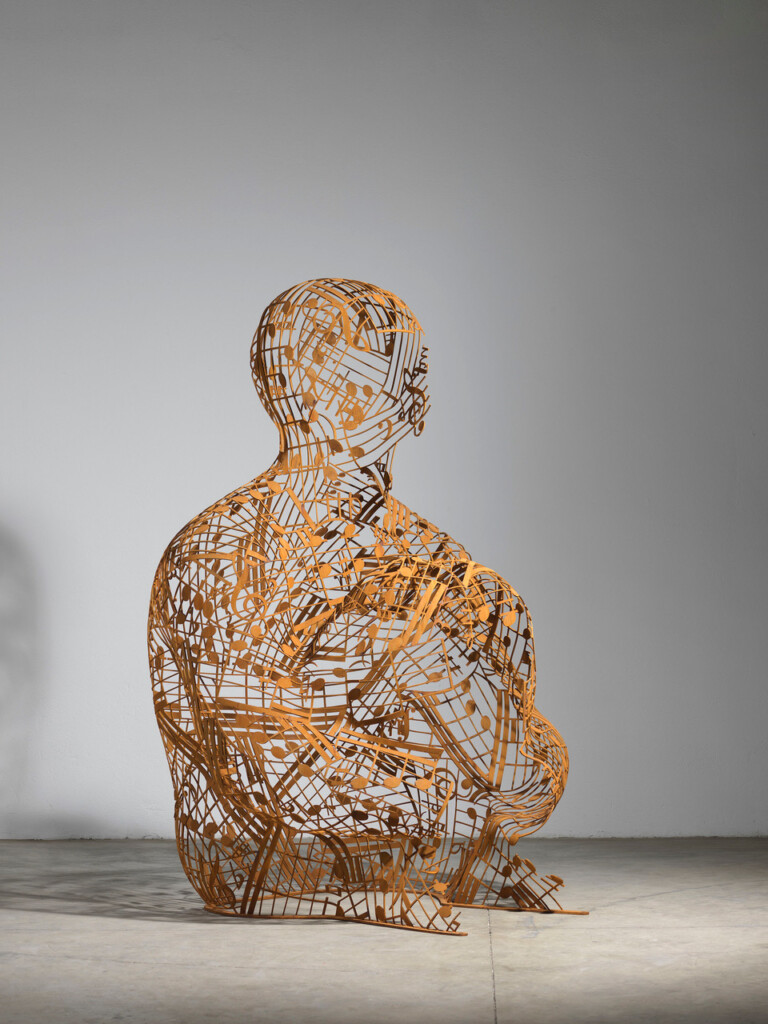
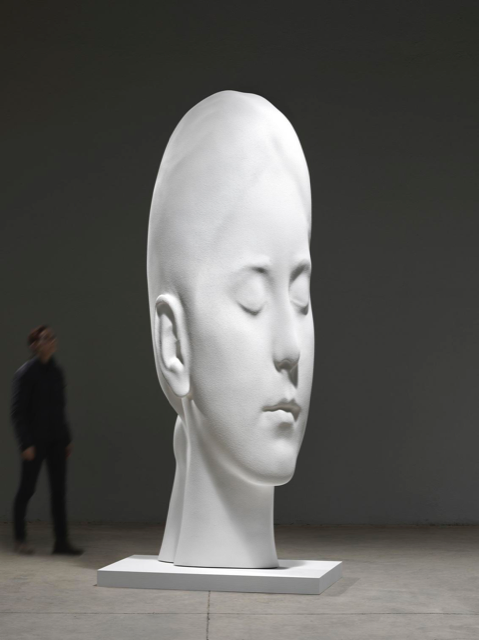
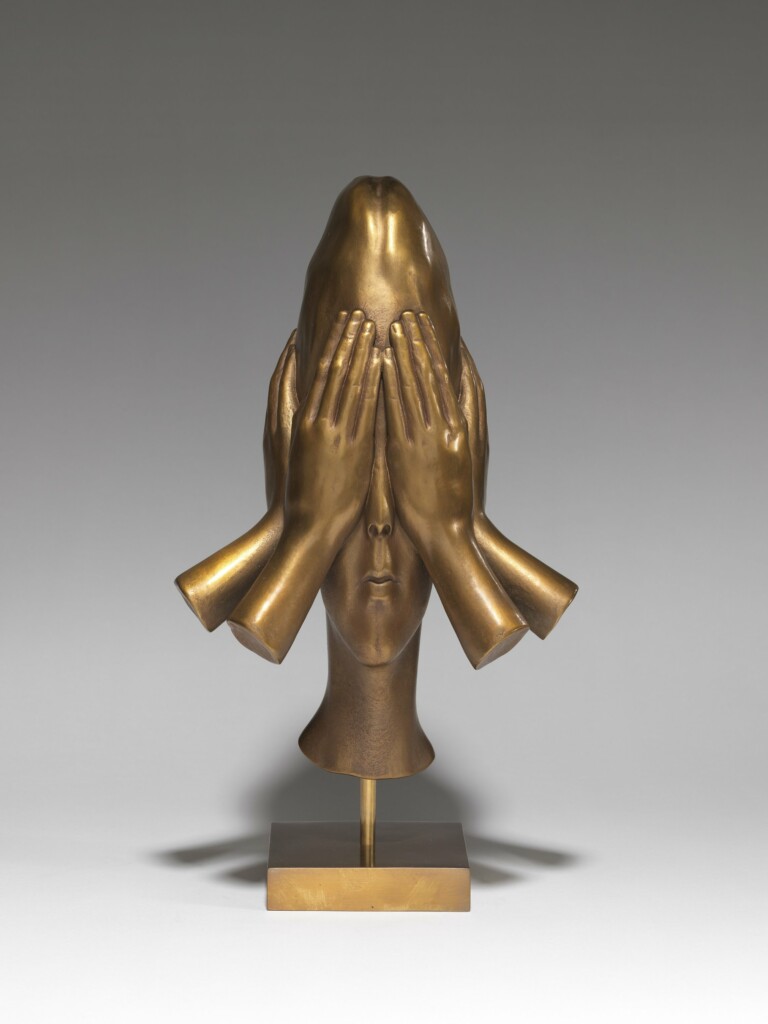
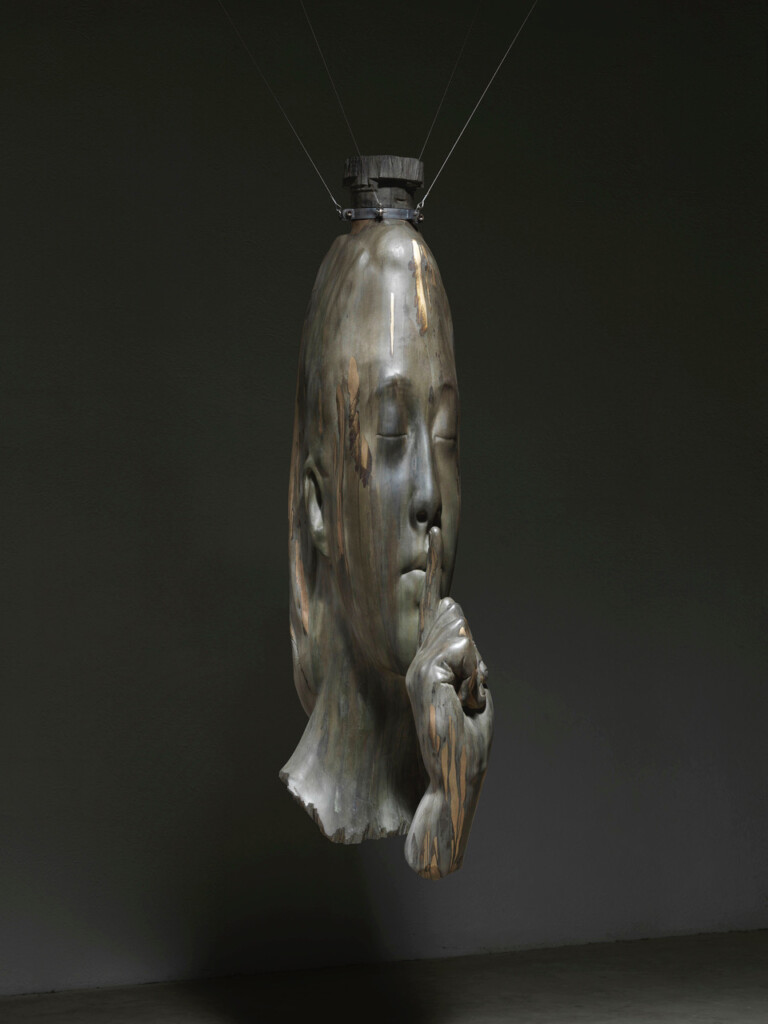
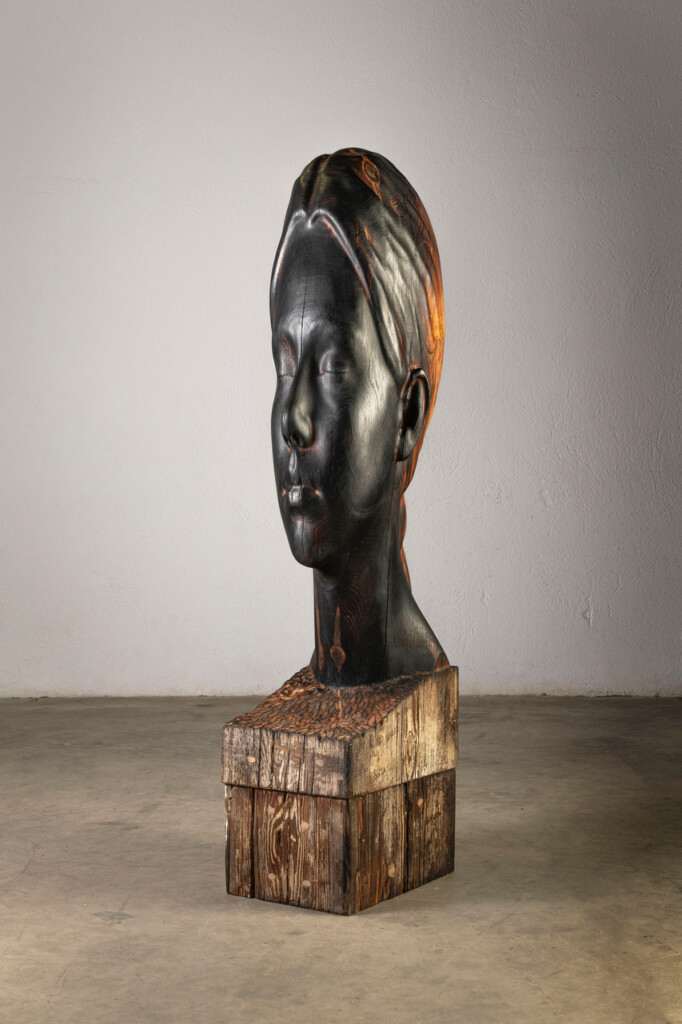
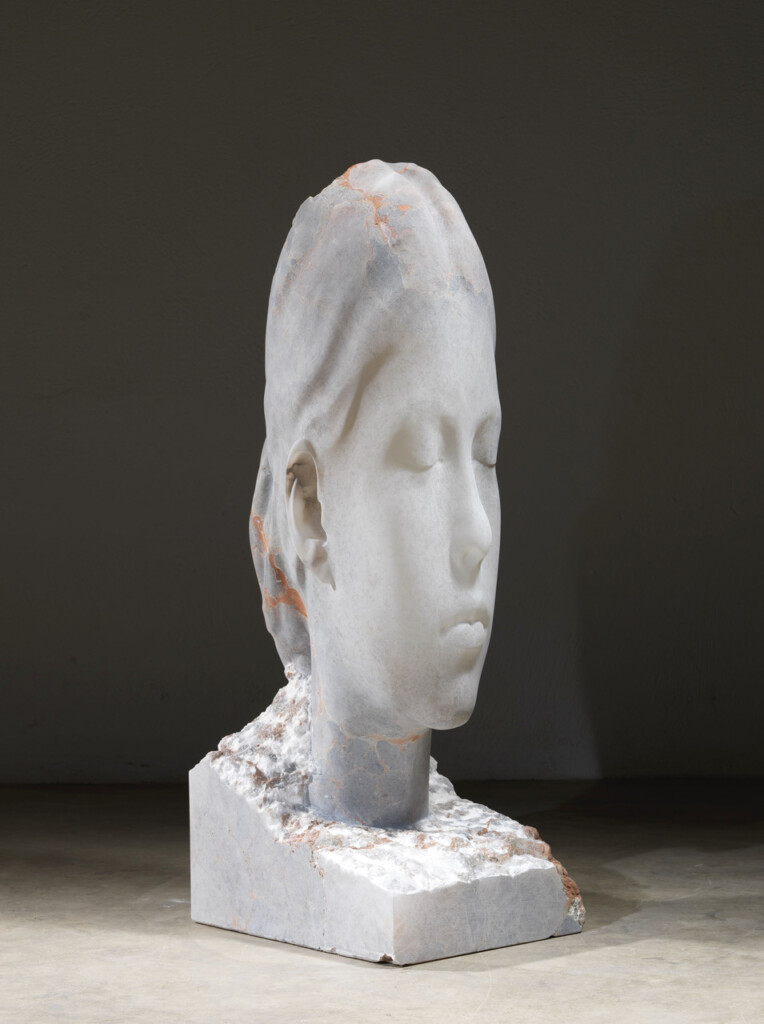
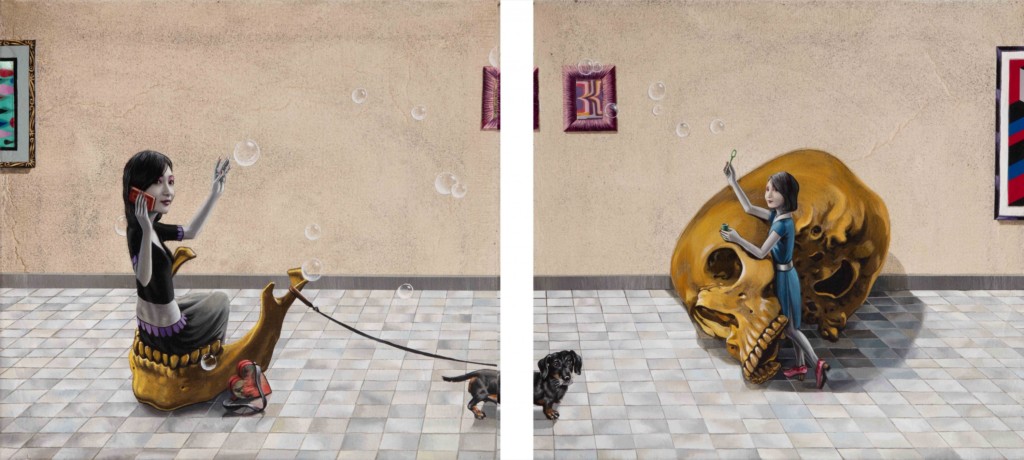
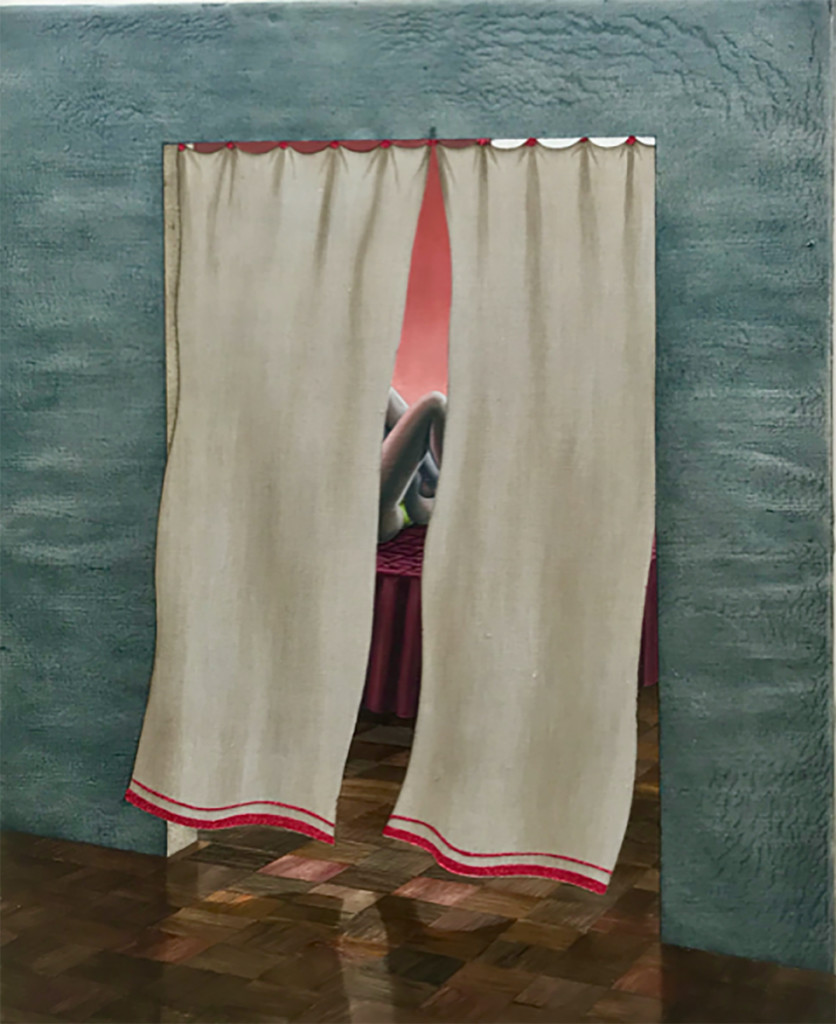
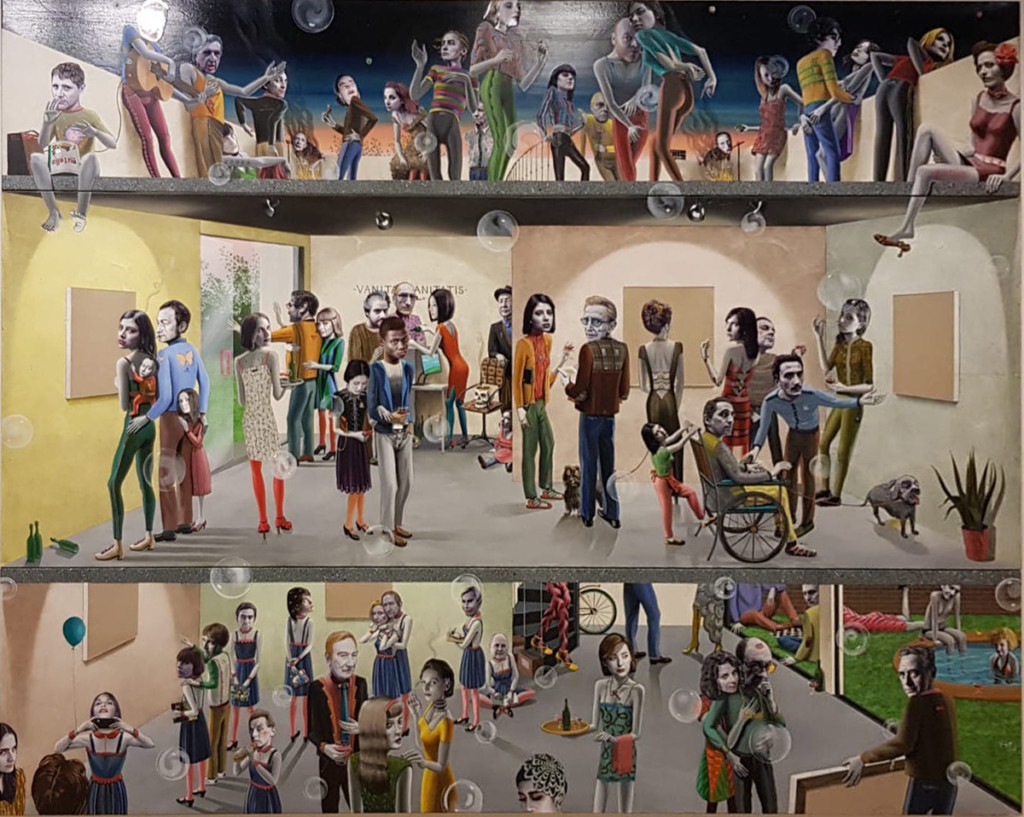
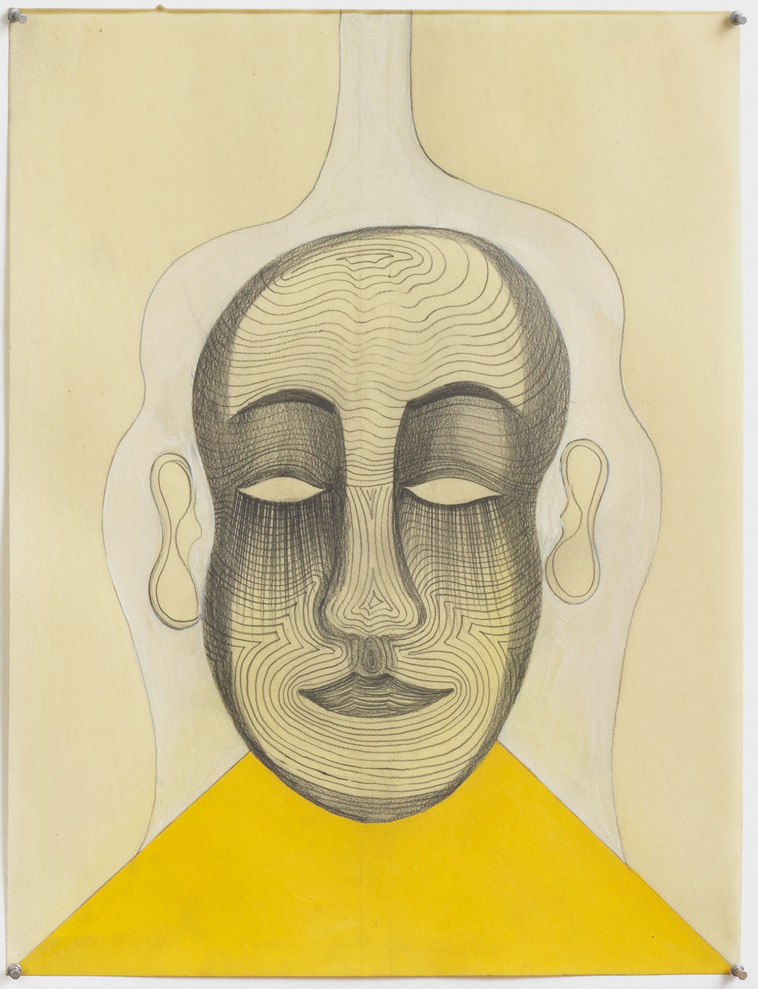
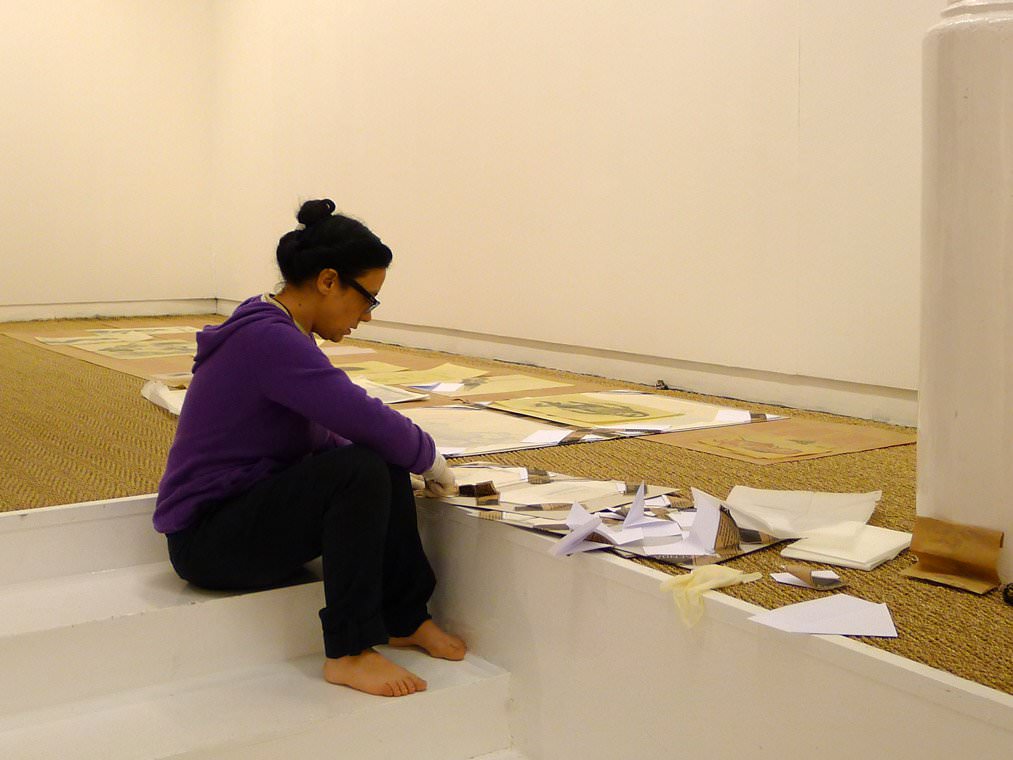
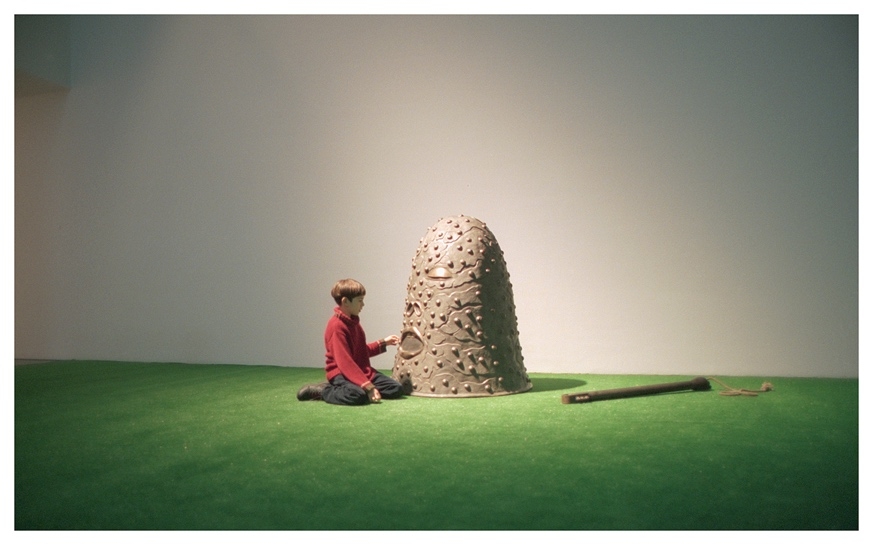

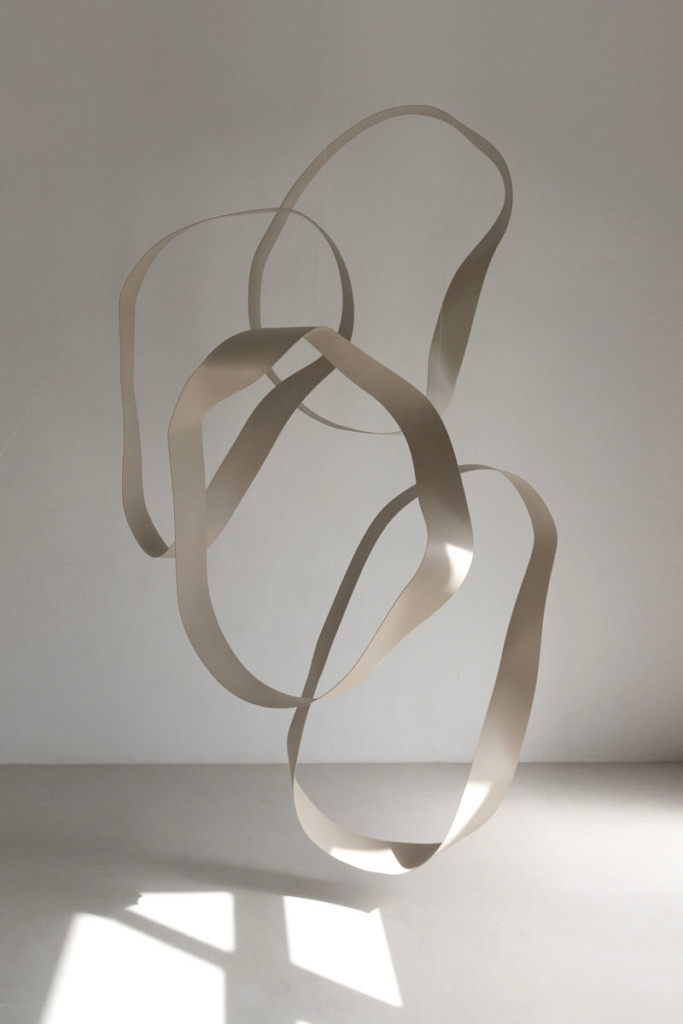
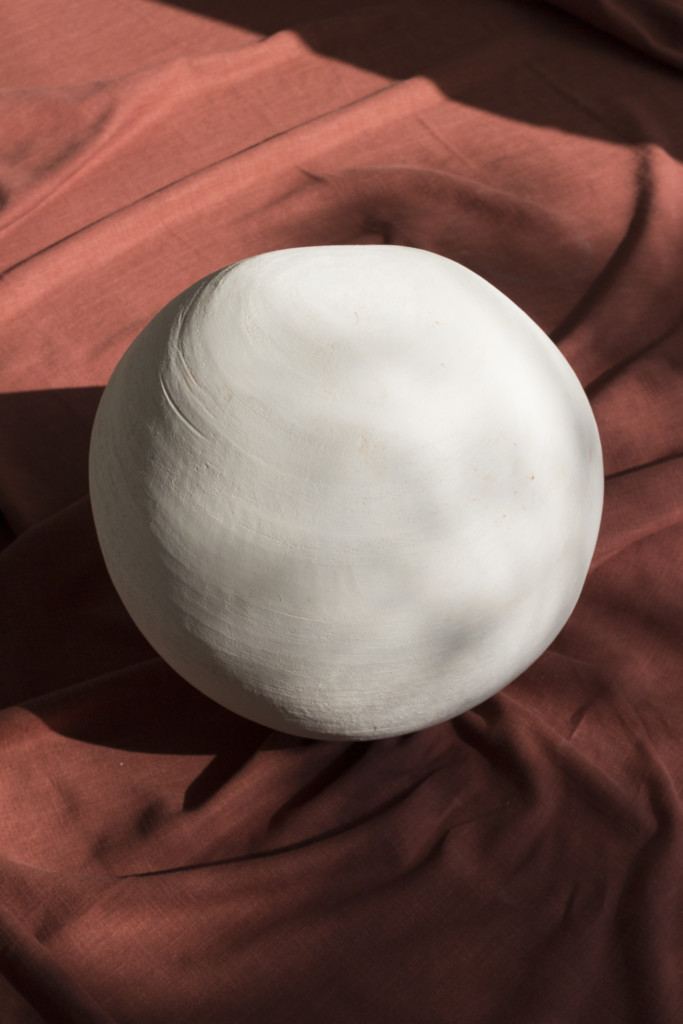
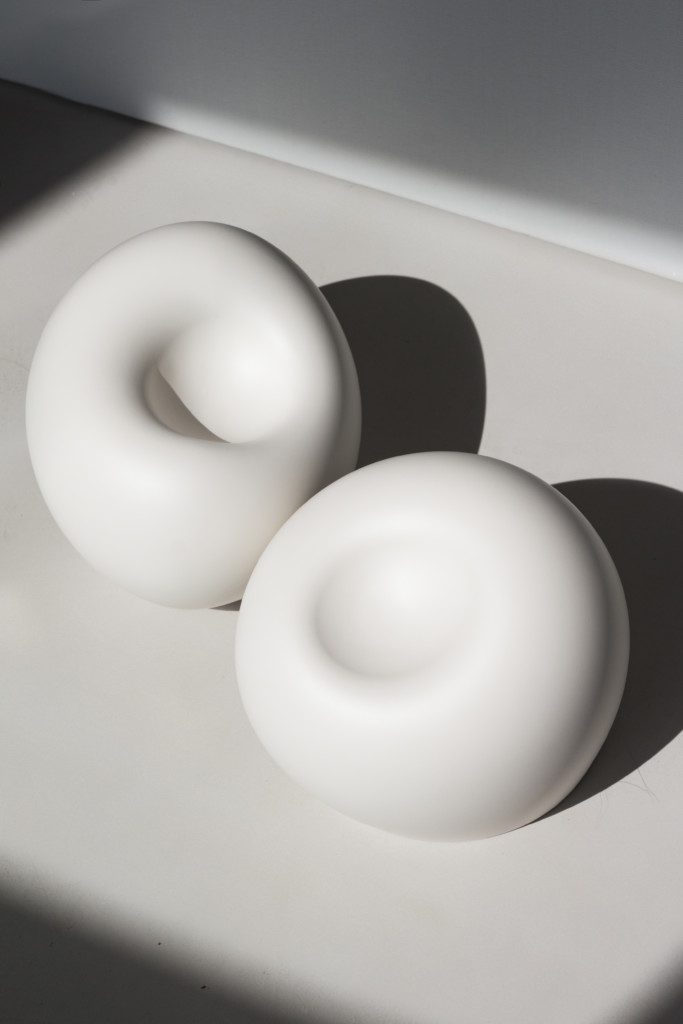
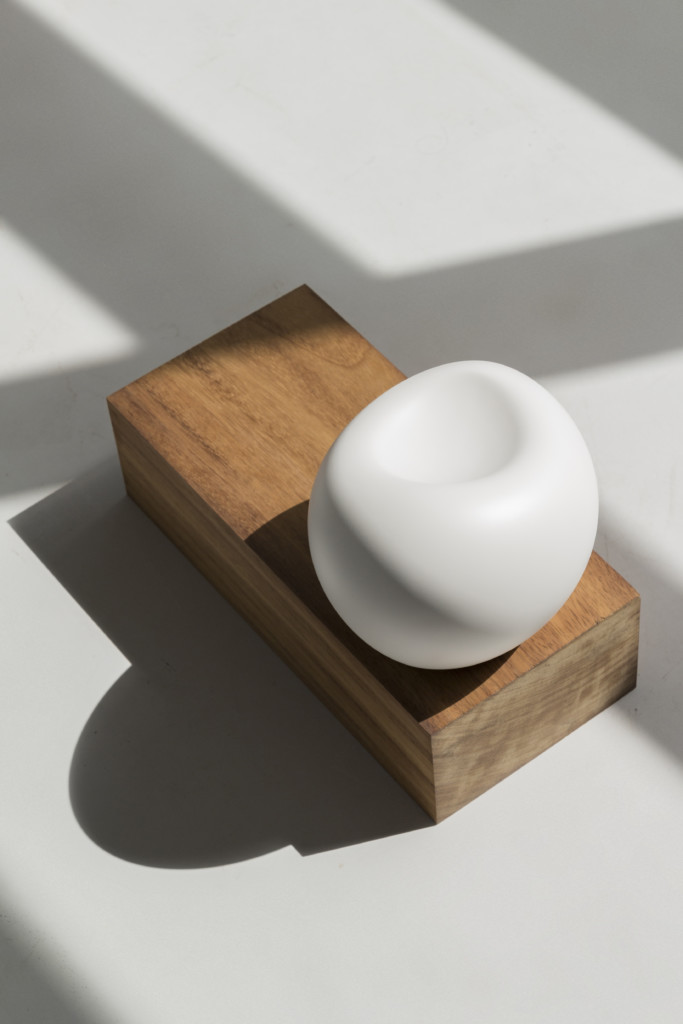
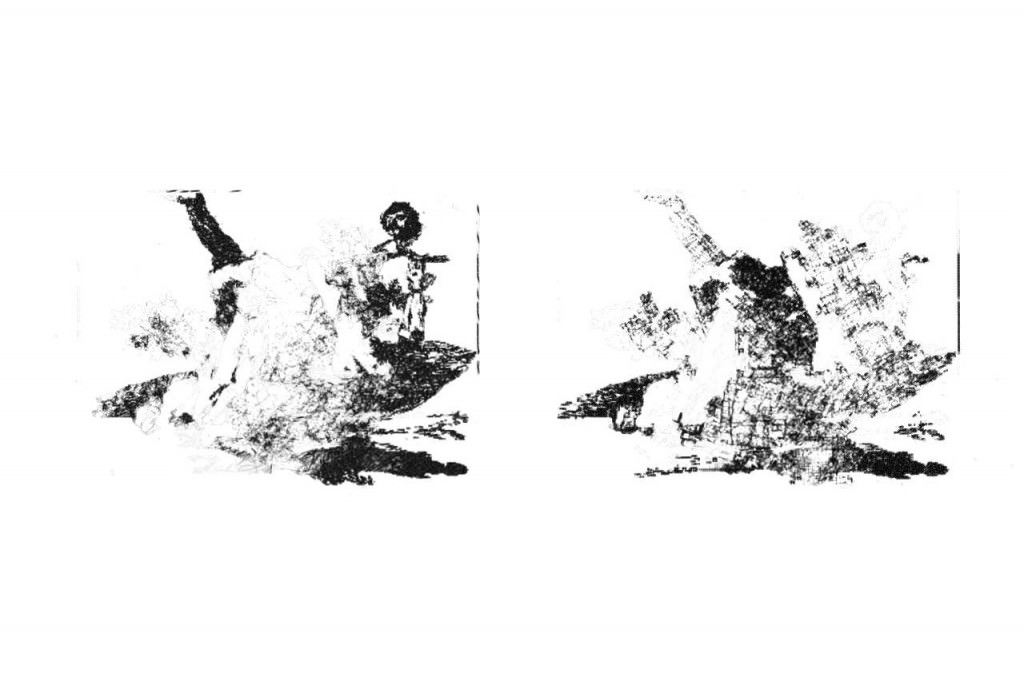
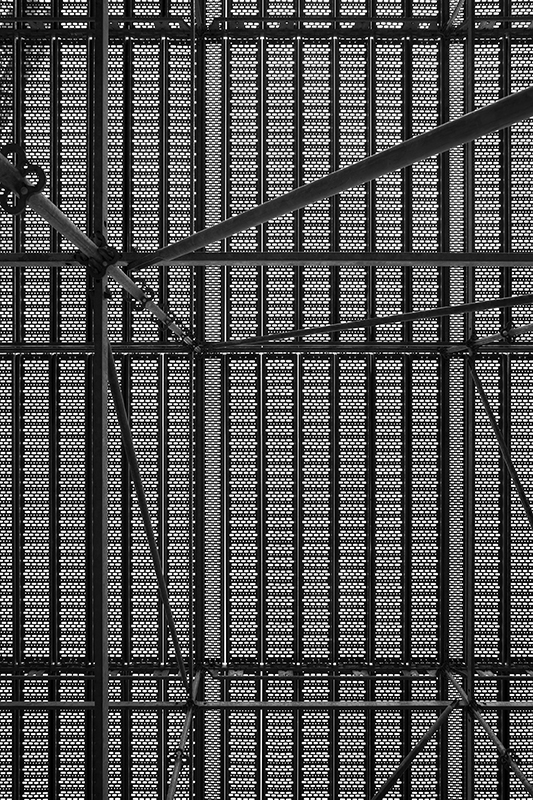
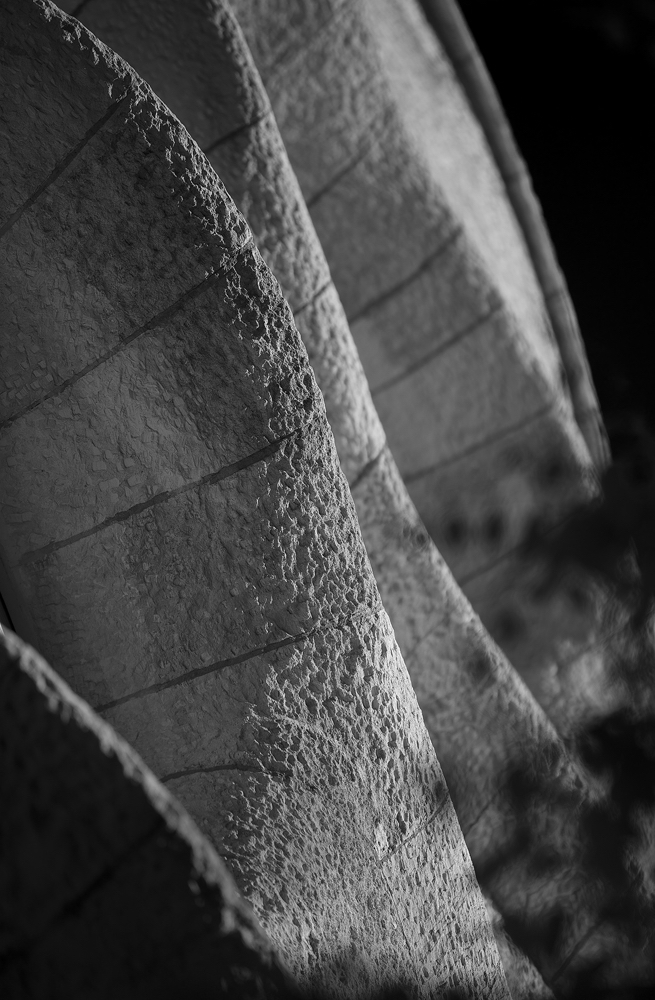
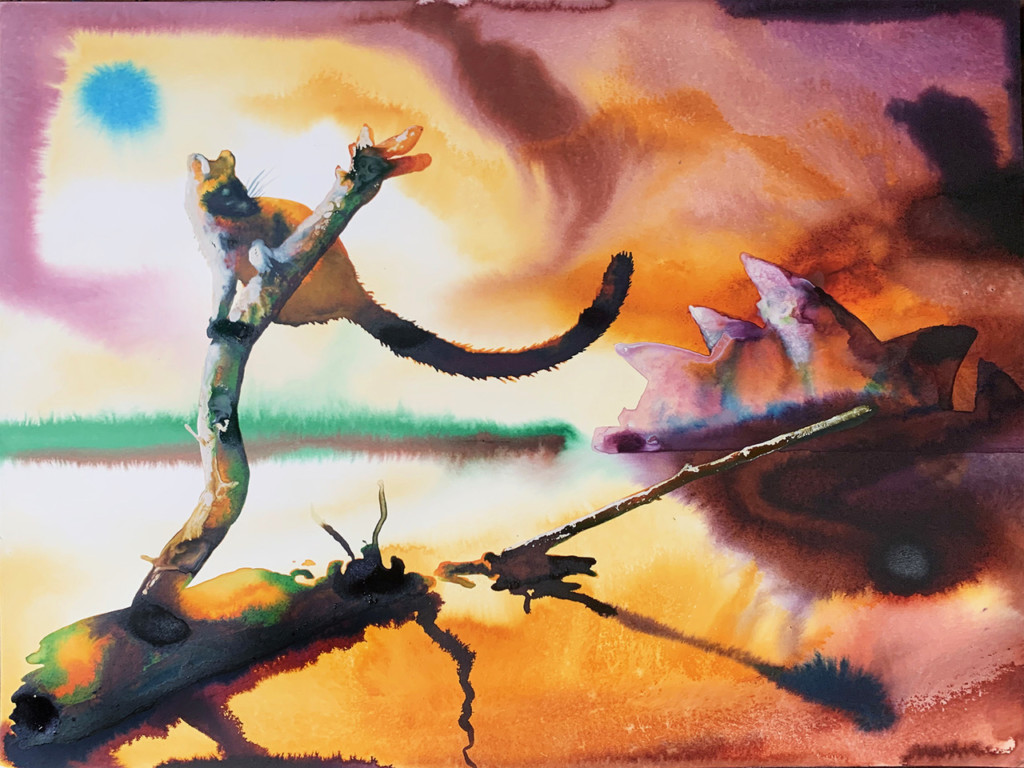
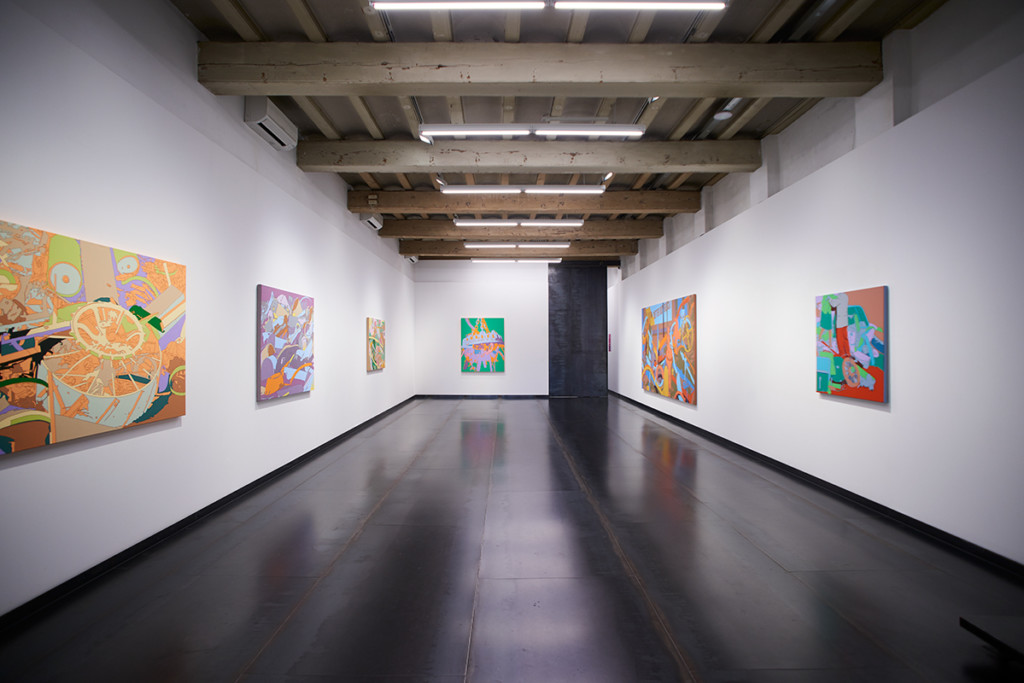
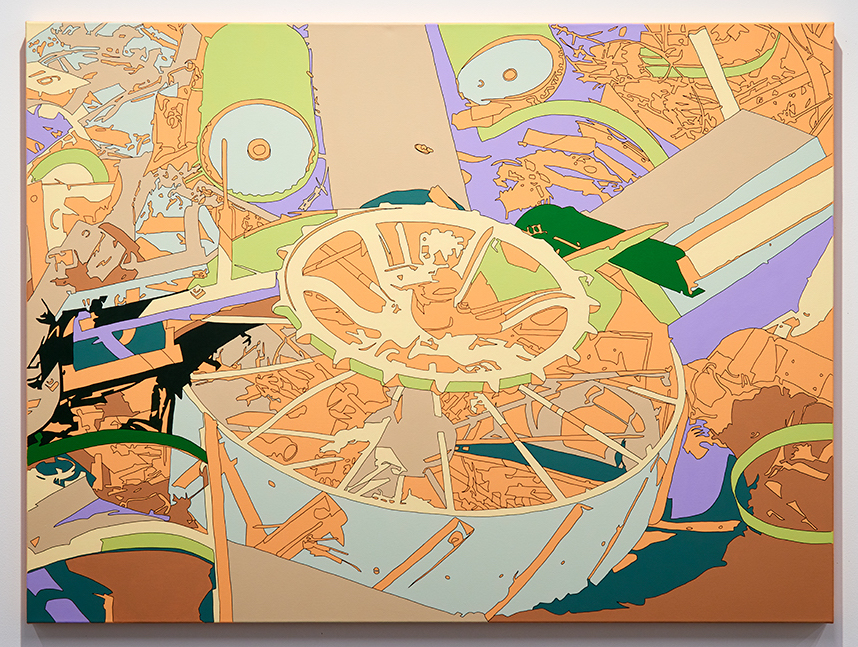
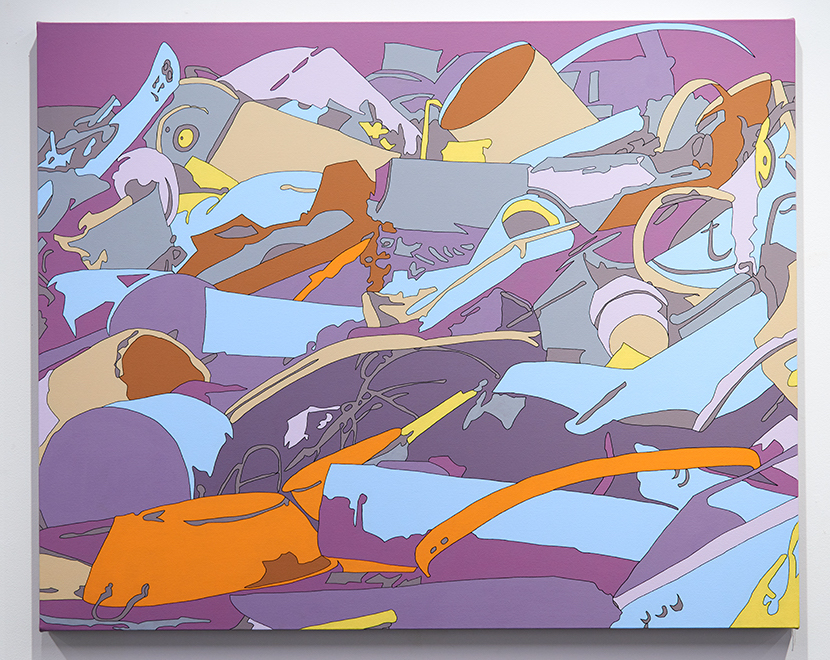
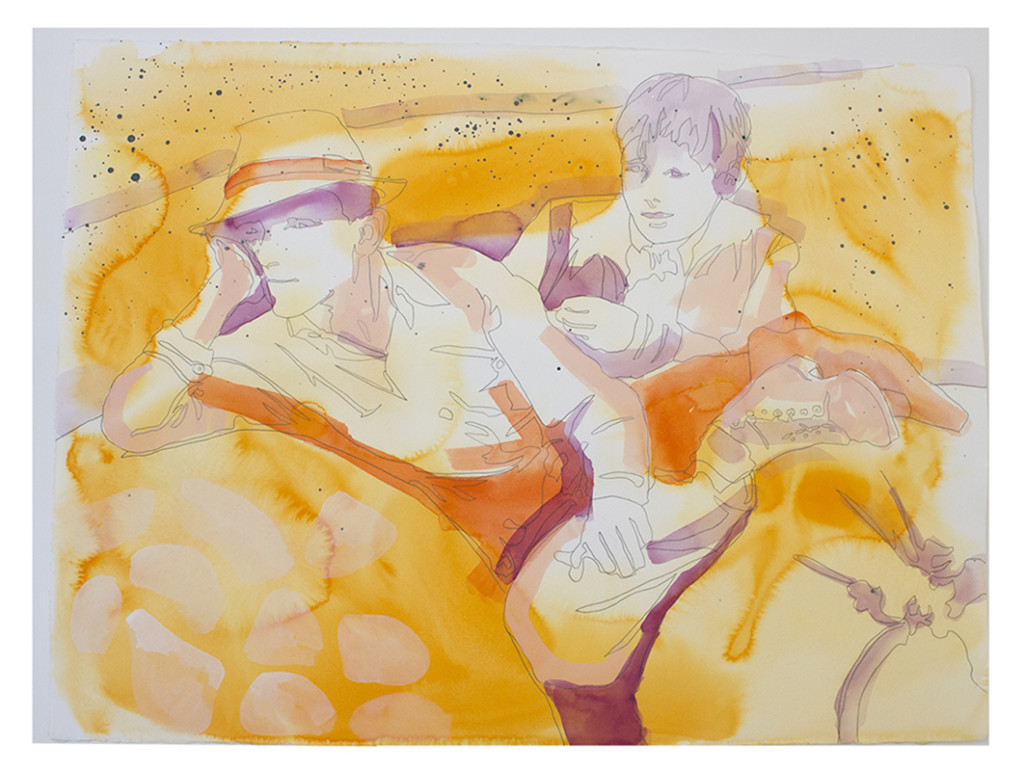
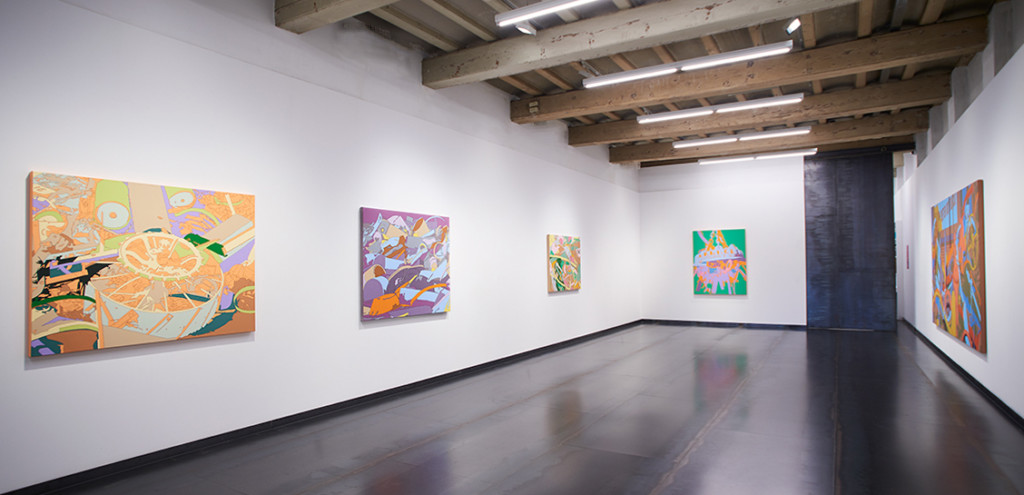
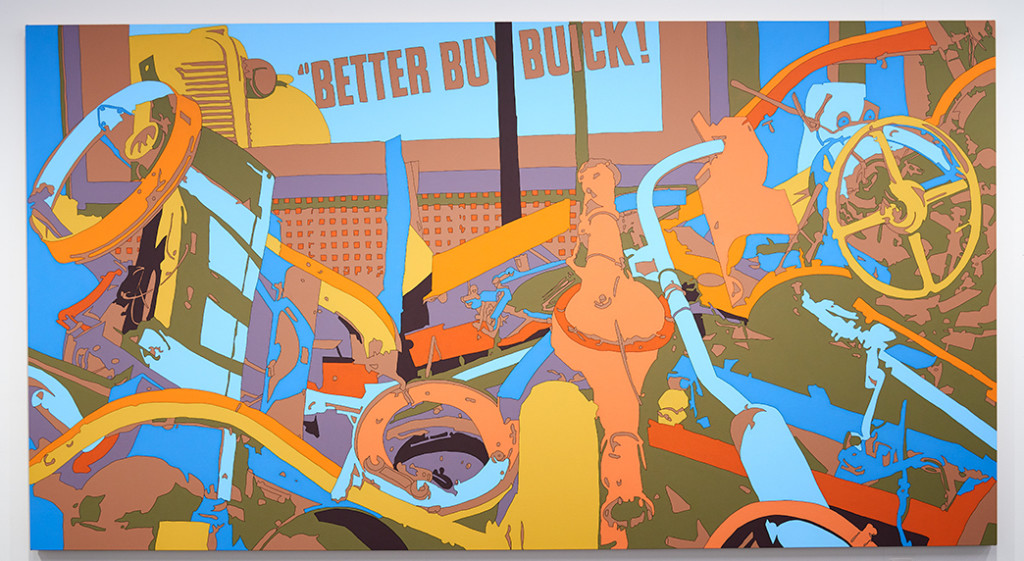
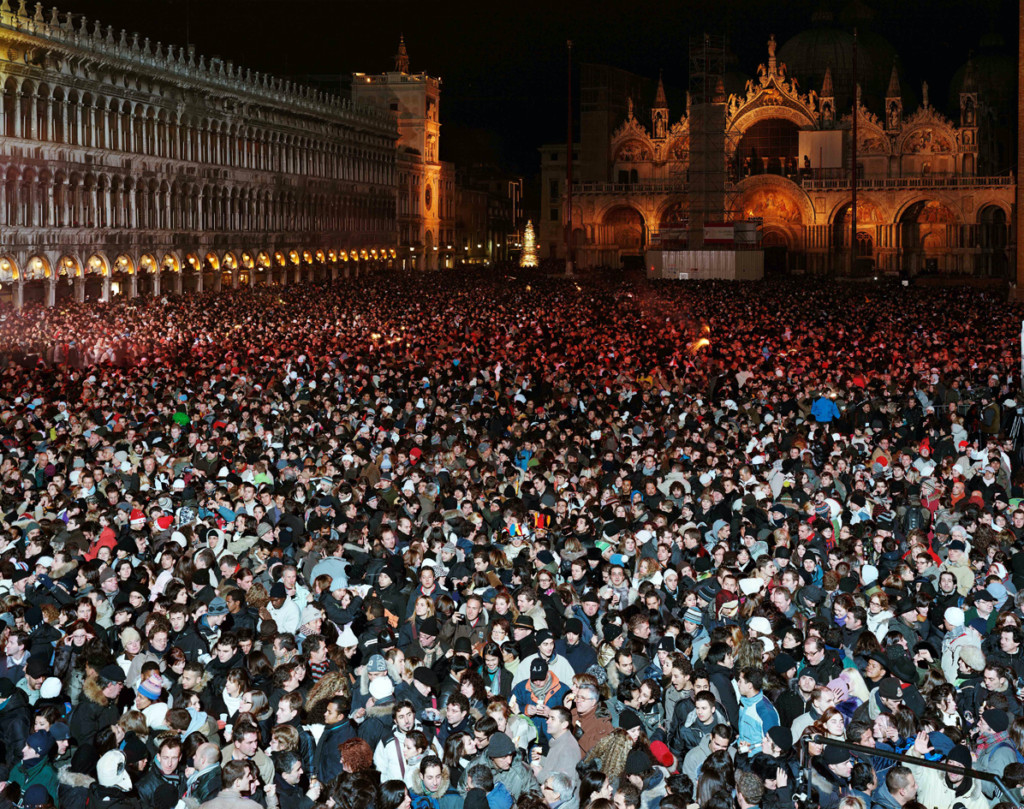
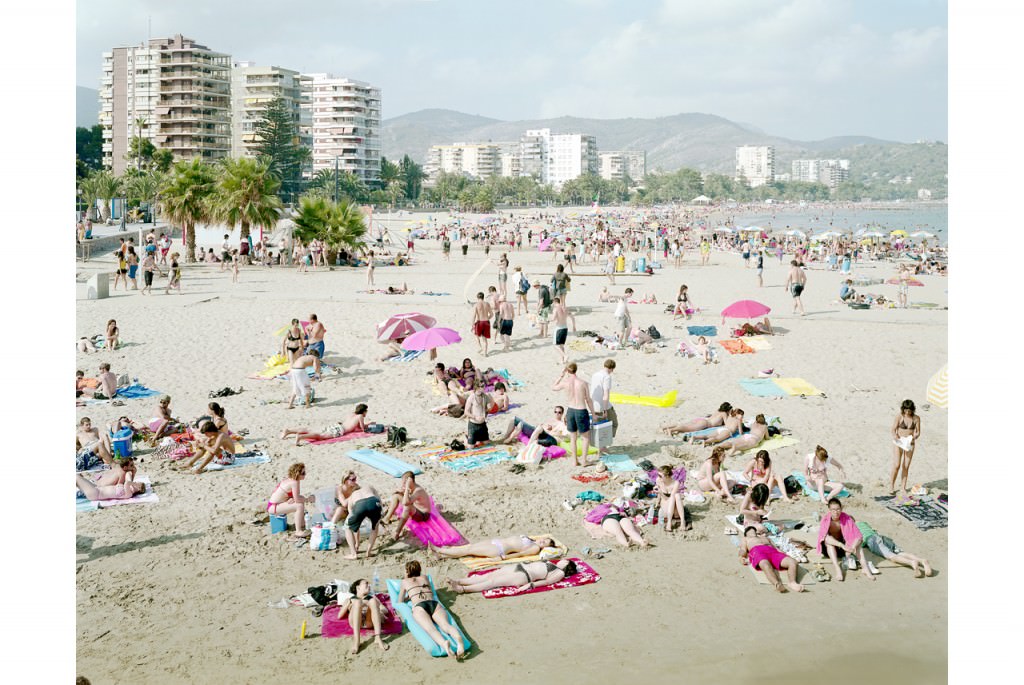
“In a world of people, I am a wall”. Within the space of the gallery, a discourse is created between the figurative art of Jaume Plensa and Stephen Balkenhol and that of Tulio Pinto and Jose Pedro Croft’s abstraction influenced by minimalism. This collective showcase plays around with notions of size, balance and presence, as well as demonstrating that space can be dominated by notions of the real and the symbolic, alike.
AES+F presents Turandot
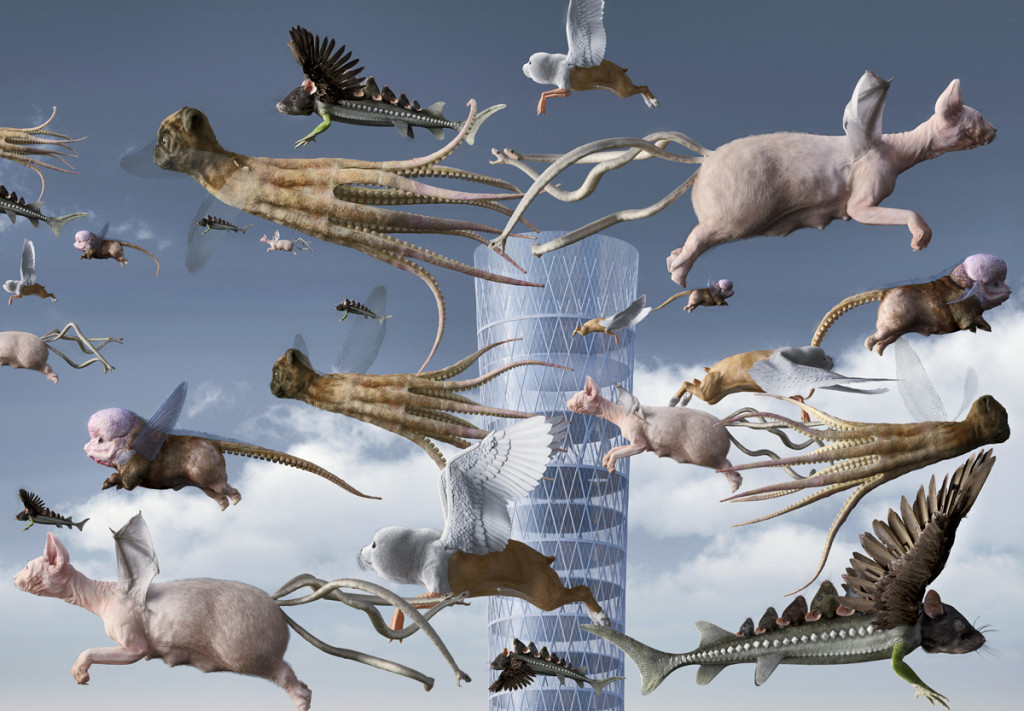
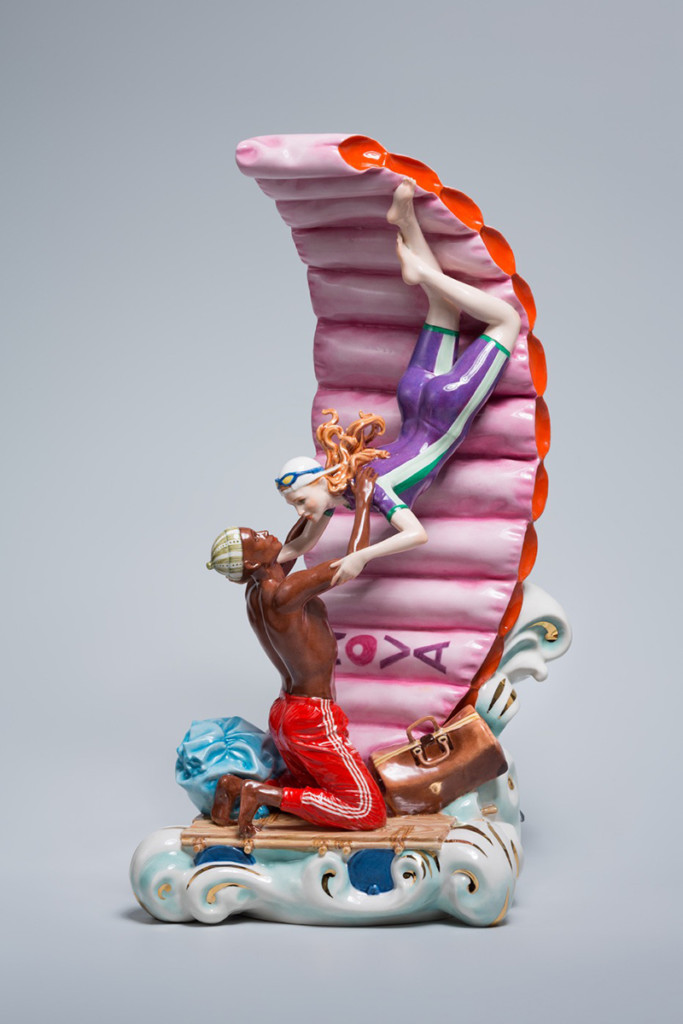
His work is based on the tensions created between the traditional and the contemporary, from technology to narrative and aesthetics. This is also true for their recent production of Turandot. The collective brings together the classic Turandot, adapted to today’s socio-political dynamics, with the Euro-Oriental fusion aesthetic for which AES+F is so well known. The result is a magnificent wave of surreal visual and aural stimuli.
This work raises existential questions about China from a Western perspective, women’s revenge and authoritarianism, and a mixture of past and future, each of these themes intertwined.
IRAN DO ESPIRITO SANTO, El Pangolín
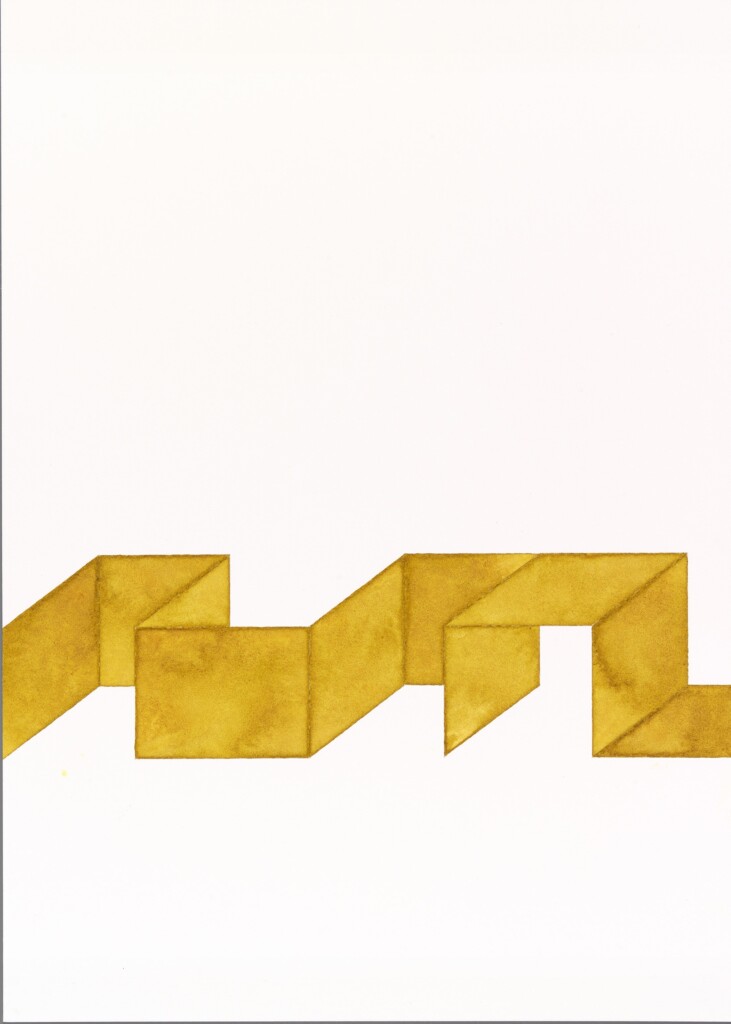
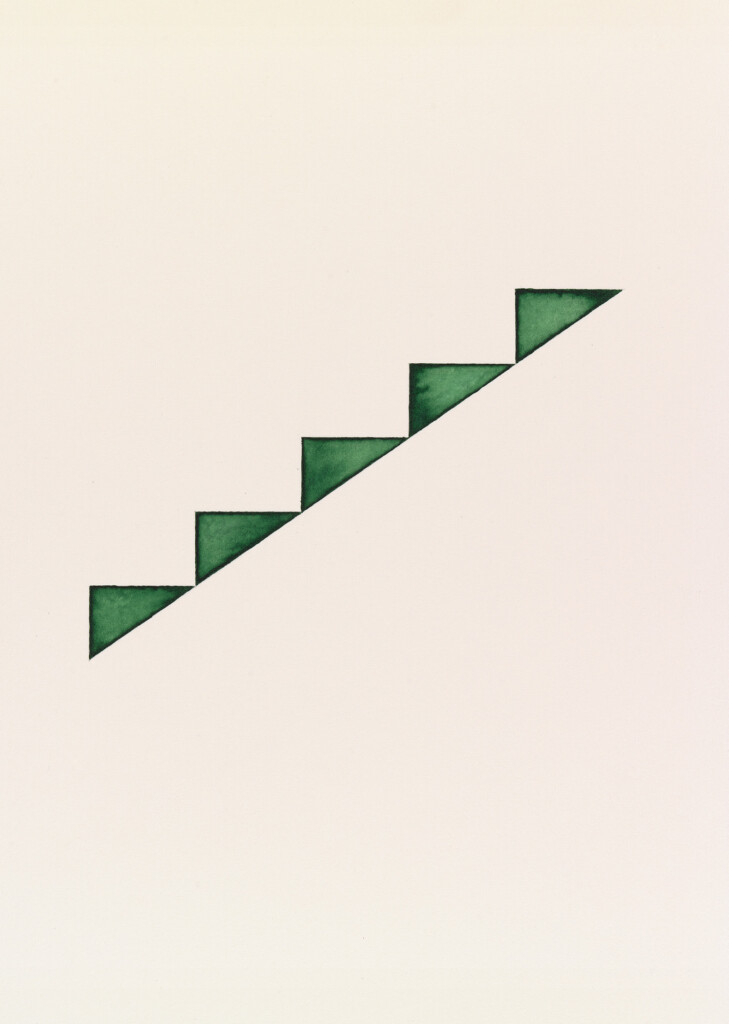
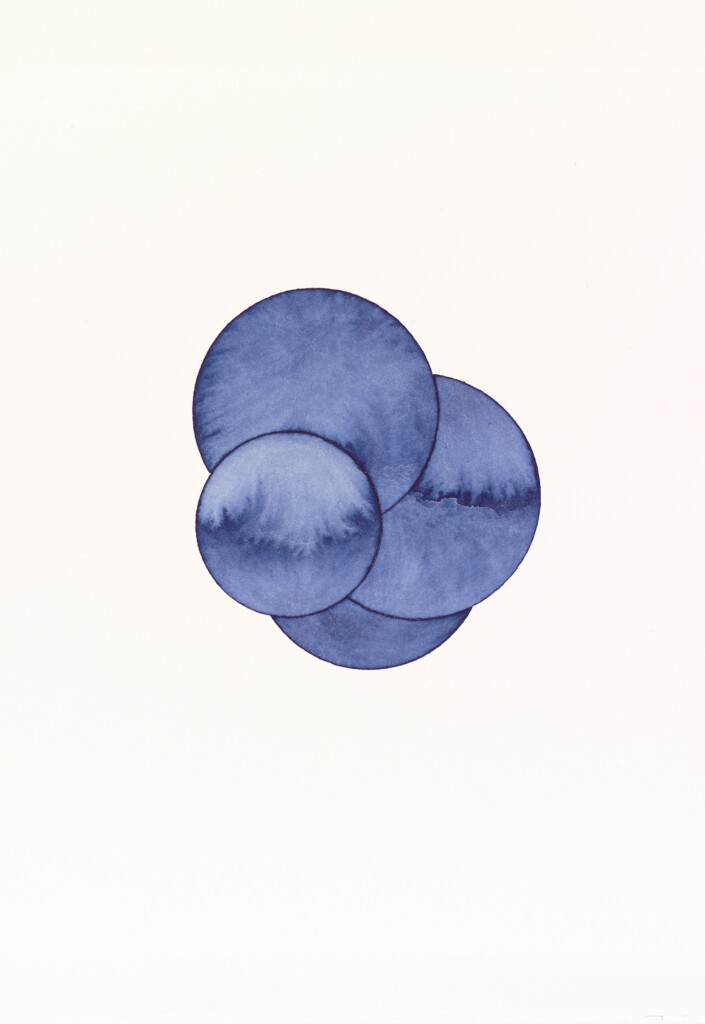
Espírito Santo exhibits in Senda a new series of watercolors, produced during the months of confinement. The artist inaugurates the use of color while remaining faithful to his own refined and austere style.
The attention to the forms and the delicacy of the tonalities are the main aspects that intertwine the whole series, exhibiting a softer facet that, nevertheless, maintains its own conceptual references.
One of the distinctive aspects of Espírito Santo’s work is his reductionist aesthetics. In this exhibition, he builds geometric representations perfectly balanced as a result of his focus on detail. The paulista artist chooses monochromatic tones, making use of gradient and soft colors to give depth to the works. The watercolors create a dialogue between the precision of the details and the purity of the forms. In this series, Iran do Espírito Santo reinvents itself throughout his work and invites us to get in touch with another facet of his visual language by proposing a new aesthetic experience.
The exhibition is the product of the long worked project El Pangolin, an anthology that includes the publication of Enrique Juncosa’s writings co-published by SENDA Ensayo and Turner.
The watercolors illustrate this anthology and create a connection between the two poetic: the pictorial discourse and literature are harmonized in a single aesthetic, in which the delicate works of Espírito Santo give shape to the play of ideas proposed by Juncosa.
The series of watercolors The Pangolin transports the visitor to the multiple realities constructed by Espírito Santo and invites us to redirect our view on his compositions.
Iran do Espírito Santo (Mococa, 1963) is internationally known for his ambitious site-specific installations, as well as for his figurative or abstract sculptures, which are part of the aesthetic translation of minimalism. His works are part of collections at the MoMA in New York, the MACBA in Barcelona and the Museum of Modern Art in São Paulo.
Enrique Juncosa (Palma de Mallorca, 1961) is a writer, exhibition curator and cultural manager. He was director of the Irish Museum of Modern Art in Dublin from 2003 to 2012, for which he received the Order of Civil Merit from the Spanish State, and before that he was deputy director of the Reina Sofia Museum, Madrid (2000-2003) and the IVAM, Valencia (1998-2000) and is one of the most solid voices in the field of abstraction on the Spanish curatorial map.
Download the press release here
Download the compilation of reviews and articles: Diario de Mallorca; Estrella Rota; Articulo José Carlos Llop , Blog de Álvaro Valverde

Lab 36 features Ivan Forcadell : The Vegans Buy Flores
We join in with great ideas that we are unable to fully sustain. Many of them represent progress, change and evolution, but they are also the origin of hypocritical attitudes in our society. Vegans buy flowers is an exercise of self-criticism that highlights the contradictions we all tend to fall into. Iván Forcadell (1993) crosses the limit of everything that should not be said with this experiment that vindicates his need to end the hypocrisy and silences imposed by contemporary morality.
The exhibition is a tribute to flowers, main characters of an excessive universe of fun and carefreeness that floods the gallery’s room. The artist wants to give a voice to these beings, talk about their feelings and build a safe space for them; show that not all are the same, not all enjoy the same mental state or have the same dreams … Shall we talk about the flowers’ fetishes? In a constant humorous mood, the author imagines how the day to day of a flower must be like. He wonders: Does anyone ever thinks how the rose feels when its used indiscriminately for funerals and celebrations? What is the chamomile doing? Or what happen’s when the lavander isn’t in the mood to hide bad smells?
The key of this exhibition is the irony, present in each symbol, in the language, and even in its colors. As seen in the artist’s first piece of video art titled “Another Price in Love”, the artist’s main intention is to transport the viewer to the precise moment when a flower is being defoliated while screeching screams fill the space through a strident and agonizing sounds. Thus he reveals the pain of others and how others use it for their own benefit.
The Virgin of Flowers, the second axis of the show, embodies that tradition that is always present in Forcadell’s proposals. This virgin sculpture with a kitsch air that alludes to those pre-Christian cultures in which flowers were the central element of the offerings; meant to convert the viewer into a devotee and, with a certain sarcasm, invites them to participate in this rite that consists of offering a flower while condemning it to observe the world from impotence. The judges of the act are the vessels located in front of the virgin. Which alude to the great contradiction of the show, in which they are at the same time containers of life, inasmuch as they keep the flowers fresh, but at the same time they become funeral urns, since in the background they are spaces without escape for them.
Forcadell plays with the viewer and in a witty manner proposes an exercise in self-criticism. He represents the subtlety of contradictions and asks whether we will be able to perceive in all of those in which we incur. Vegans buy flowers is evidence of that fine line that sustains our morals.
To learn more about the exhibition, schedule your appointment and learn more about the Lab 36 visit the website at www.lab36.org and its social networks at www.instagram.com/lab36.bcn
Lab 36 features Bea Sarrias and Morrosko Vila-Sant-Joan in Welcome to La Ricarda!
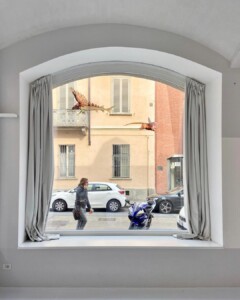
“Bienvenidos a La Ricada” (Welcome to La Ricarda” is intended to be an open window from Lab 36 by Galeria Senda to the house and its surroundings. A celebration of a way to understand and embrace culture, which has always been portrayed by the welcoming spirit of La Ricarda. The bright and cheerful colors of the paintings pay a festive tribute to La Ricarda and textures of the audiovisuals show us her skin, the richness of the materials that compose her, and her natural environment.
“Bienvenidos a La Ricarda” is intended to be an immersive experience, a guided tour that transmits emotions similar to the produced when visiting the house. Painting and audiovisual come together and complement each other to offer a complete portrait of a truly special and unique place. A place that in addition to being an architectural jewel recognized throughout the world holds the story of a family, a way of perceiving life and culture.
The exhibition will be released at Gallery Weekend on 15 September from 17.00 to 20 hrs.
To learn more about the exhibition, schedule your appointment and learn more about the Lab 36 visit the website at www.lab36.org and its social networks at www.instagram.com/lab36.bcn
MIGUEL ÁNGEL MADRIGAL, La distancia que separa
In his first exhibition at Senda Gallery, Mexican artist Miguel Angel Madrigal speculates from sculpture about the fragile and thin frontier that separates nature from culture, the order of the Earth from the realm of the human, the eternal and the finite. A border that can be abruptly transgressed in a single moment: a road accident, an illness, a meteorological catastrophe, a sudden death.
Madrigal constructs elements that are in perpetual equilibrium and tension and which can fracture at any moment. These limit situations suggest symbiotic relationships -material and symbolic-, where physical and psychological space unfolds between two objects that challenge gravity and stop time.
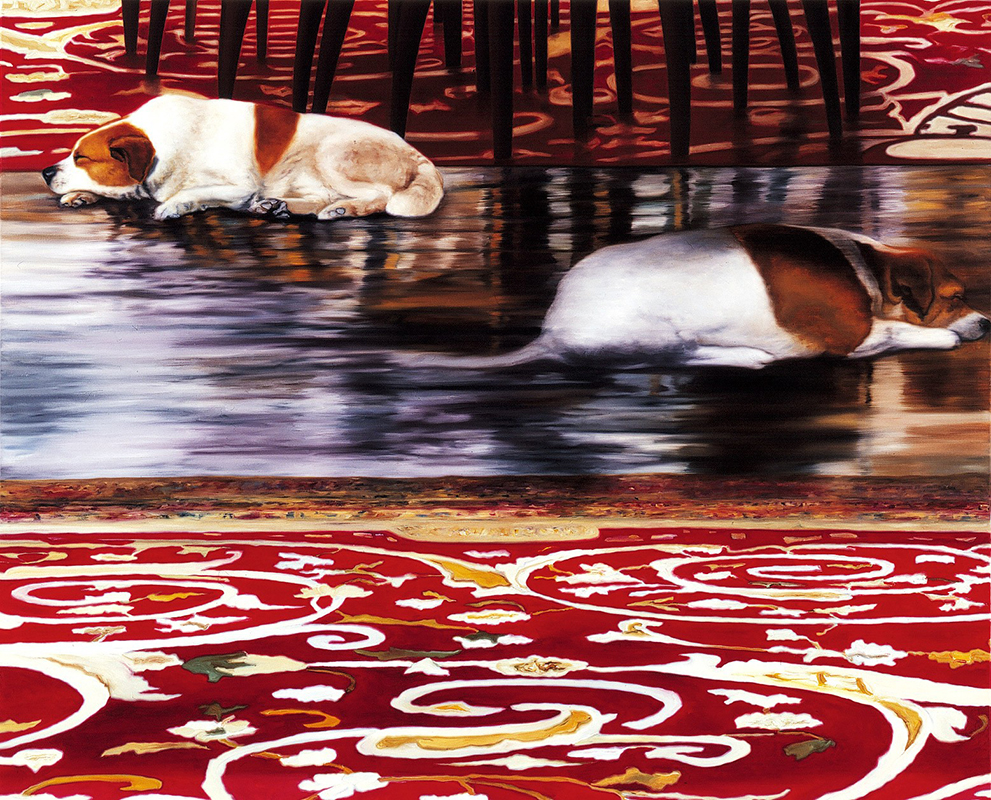
In “The distance that separates”, Madrigal objectifies the absurd and transforms it through a series of formal and plastic resources that allude to a careful and studied treatment of the sculptural discipline. From the representation of dogs in absurd situations such as: a dog climbing on a ladder or another dog challenging the balance by being supported by four pool balls that extend over the ground, the artist questions the acts of everyday life from the absurd, in which he draws a tenuous line between the lived and the unlived, the already experienced and the expectations that are recovered in fragments of time contained in experiences and expectations where the improbable becomes real.
YAGO HORTAL, ¿Otra vez?
Constant research and experimentation are characteristic of Yago Hortal (Barcelona, 1983), who returns to Galeria Senda to inaugurate a new stage and season. The exhibition, which can be visited from 15 September, will surprise all those who are familiar with the work of the Barcelona-born artist, who moves away from a successful formula to discover new ways of dialoguing with painting, introducing new concepts and techniques.
Hortal, who held his first exhibition at the gallery in 2006, has shown his work there on many occasions. His solid career has earned him, this year, a much commented individual exhibition, Allò era abans, això és ara, at the Can Framis museum (Fundació Vilacasas). Hortal has generated a recognizable and unmistakable image, a style of her own that now, however, she seems to be running away from.La seva obra parteix d’un fort compromís amb la pintura i amb l’acte de pintar i en aquest moment evoluciona.
His work is based on a strong commitment to painting and the act of painting and is currently evolving. Hortal continues on a path of experimentation to inaugurate this new stage, also exploring new techniques and styles. His canvases, where vibrant forms used to be structured and color was portrayed, are stripped of all superficiality to reveal the essential and make the trace visible. Now, Hortal intervenes on the canvas and removes everything that remains on it, revealing a negative of the painting process itself, a record of the creative trace.
The great visual impact of Hortal’s work was largely due to his suggestive style, the effervescence of his forms, and the application of pictorial masses, which created a third dimension and expanded the pieces beyond their natural limits, the canvases. From this additive technique, in which everything was added and added, the artist now moves away; it is a subtraction that reveals the process of painting, the essence that Hortal brings out. He maintains his expressiveness but inverts the protagonism. The forms that were previously arranged, guiding the gaze and dotting the canvas, are not added, establishing a new dynamic in which it is the movement and gestures of the brushstroke itself and not the paint that structures the work; the whole painting becomes a testimony to the pictorial action.
Moving away from fluorine tones, Hortal has adapted his colourful compositions to primary and natural tones. He sheds the impetus and vitality of the forms he had worked with until now, which masked the strokes and traces of brushes and paintbrushes. He replaces it with a layered work, with flat colours and carefully separated levels; what constitutes the painting, what is essential, “is not what is added, but what is subtracted”.
Yago Hortal’s work reinvents itself, in accordance with his continuous restlessness to experiment and grow. Unaware of trends, he follows the rhythm of his own beat and draws a singular path in search of a dialogue with painting.
ARCO Madrid 2021
In our 28th participation at the ARCO fair in Madrid, we present a selection of the latest creations by a series of artists with whom we have worked over the last few years. Both national and international artists, who are the pillars of our identity and history as a gallery, as well as new proposals by younger or emerging artists.
This year we will once again count on the presence of Jaume Plensa (Barcelona, 1955), an iconic figure of sculpture at an international level, who has just closed an exhibition in our gallery a few months ago, and of whom we will present a piece at ARCOmadrid 2021. Peter Halley (New York, 1953), whose exhibition “New Paintings” opened the 2020-2021 season at SENDA Gallery, will also be present with one of his latest works. Photographs by Jordi Bernadó (Lleida, 1966), whose ID series will be shown at the end of the year at MNAC in Barcelona, and Ola Kolehmainen (Helsinki, 1966) will not be missing; both artists are currently working on new projects. Painter Yago Hortal (Barcelona, 1983) will present his monographic book edited by SENDA Ensayo and a series of large-format paintings with which he inaugurates a new formal turn; some of these works have been part of Hortal’s solo show at the Vila Casas Foundation (Barcelona).
Following the success of the solo show at ARCOmadrid 2020 by Brazilian artist Túlio Pinto (Brasilia, 1974), who has joined the gallery’s roster, we will present one of his most recent sculptures. Our proposal also includes a series of small-format works on paper by EVRU/ZUSH (Barcelona, 1946), an artist who returned to the national art scene last year with the exhibition “Volver a Ser” (SENDA gallery, 2020), after more than eight years of absence. Madrid-based Cuban artist Glenda Leon (Havana, 1976), after participating in the TEDIUM video art group exhibition at the Pushkin Museum in Moscow, made up of SENDA artists and the solo show Music of Forms at the MEIAC in Badajoz, will be present with a conceptual work from the series “Every Form is a Form of Time” (2020). We will also have the presence of a new artist, the American Donald Sultan (Asheville, 1951), with a large-format painting. He has just inaugurated his first solo exhibition at SENDA gallery.
Following our previous participations in ARCOmadrid, we will propose to expand our stand with an adjacent space dedicated to an artist’s project, which this year will be dedicated to Carla Cascales.
Translated with www.DeepL.com/Translator (free version)
ARCO Madrid 2021, CARLA CASCALES ALIMBAU
Sandstorms convert dust into oxygen
Sandstorms originate in deserts when the wind lifts layers of dust and blows them into the atmosphere. The dust can then travel thousands of miles until it falls on the Amazon forest or into the sea. The artist Carla Cascales Alimbau (1989) uses this natural sediment as a pigment, thus turning the powder into raw material for her paintings. The artist was born and currently works in Barcelona. Her work consists of drawings, paintings, and sculptures that evoke minimalist aesthetics with influences of architectural movements such as Brutalism. Likewise, her fascination for the Japanese aesthetics of the “Wabi Sabi” confers her work an idea of beauty based on the concepts of irregularity and impermanence.
In her solo exhibition at ARCO 2021, Carla Cascales highlights that everything in nature is cyclical, in the way that sandstorms are an important source of minerals for the Amazon forest and at the same time influence the growth of plankton. Plankton, apart from being the main food source of marine species, also absorbs large quantities of carbon dioxide and contributes almost 50% of the planet’s oxygen to the atmosphere. In this way, dust from sandstorms is the oxygen we breathe.
Currently, she is calling for a change in mentality and sensitivity, pushing for a vision of the world understood as an ecosystem in which all species of the planet coexist, united by symbiotic and interdependent relationships. As Donna Haraway argues, “in nature there are no autonomous organisms, rather we are all part of ecosystems integrated into each other”. The series Sandstorms is part of a movement that seeks to restore ecosystems by stopping and reversing the damage we have caused, intending to preserve nature rather than exploit it.
Her technique also involves some alchemy. Through various sedimentation processes, dust forms the stones from which the artist extracts the pigment, grinding them manually. Thus, the strength of natural pigments is evidenced, when mixed with water they are not dissolved but remain dispersed or suspended in the paint, just as dust from sandstorms does on the sea. The compositional possibilities are infinite, obtaining an almost unlimited range of colors and shades ranging from oxide red to the color of warm soil.
DONALD SULTAN, Day and night: New Paintings and drawings
Donald Sultan is a painter, sculptor, and engraver known for his large-format works in which he uses industrial materials to represent everyday objects. In his usual iconography, flowers and fruits shaped in colorful still lifes on dark backgrounds stand out; the delicacy and elegance of the representations contrast with the materials he uses: tar, aluminum, enamel, or tiles on Masonite. The industrial elements generate several layers of depth with a feeling of low relief while offering a palpable reference to the taxation of the work. This interest is central to Sultan’s work, which explores the dichotomies of the natural and the artificial, softness and roughness, or figuration and abstraction.
For this exhibition, Sultan has created a new series of large-format works under the title of Mimosas. The first paintings in this series were made in 2019 and were inspired by a bouquet that a friend gave him in the south of France. The mimosa tree has fern-shaped leaves and flowers that assemble dandelions with their seeds. Donald Sultan began by drawing pictures of the mimosa flower and then explored this organic motif more abstractly.
This current work of the Mimosas offers a historical continuity from the New Image Painting movement line of the 70s and its later work. In this exhibition, we can also find the largest work made in the 90s that is part of the expressionist series “Smoke Rings” based on the representation of tobacco smoke rings. In the words of Donald Sultan:
“Painting has often been declared to be dead, and how many times has it shown us that it will never disappear? We call the classic movies ” old movies”, but we never call the masterpieces “old paintings”. Good painting is timeless “
Thus, his most recent work can be interpreted as an extension of the previous one; the organic elements represented are compressed in their most basic form in a form reduction investigation. The recurring motifs of still life such as fruits and flowers represented with everyday materials create a contradiction, a dichotomy, where the structure of the work of art is heavy, but at the same time, the images become light. In this lies the gaze of Donald Sultan, in the transformation and deconstruction of ordinary organic elements in an abstract expression that generates a material paradox as well as sensual.
Donald Sultan (1951, Asheville, United States) lives and works in New York and Sag Harbor, NY. He studied a Master of Fine Arts at the Art Institute of Chicago in 1975 and has been exhibiting extensively in major international museums and galleries ever since. Sultan’s works are represented in prestigious public collections including the Tate Gallery in London, the Museum of Contemporary Art in Tokyo, the Pompidou Center in Paris, the Museum of Fine Arts in Boston, the MOMA, the Museum of Modern Art in New York, or the Guggenheim Museum in New York, among others.