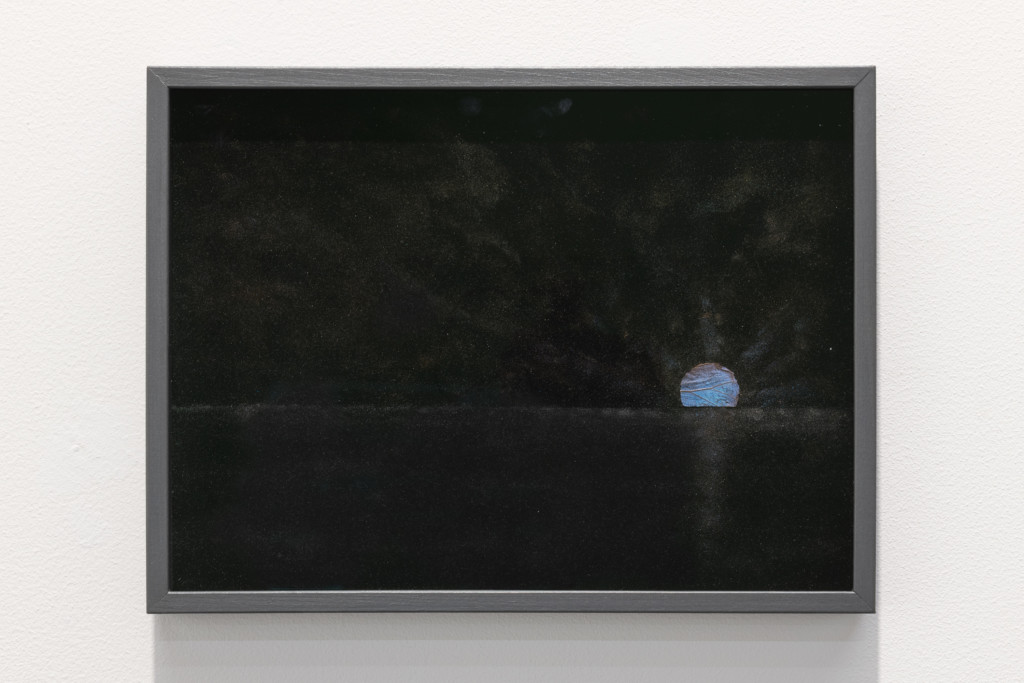
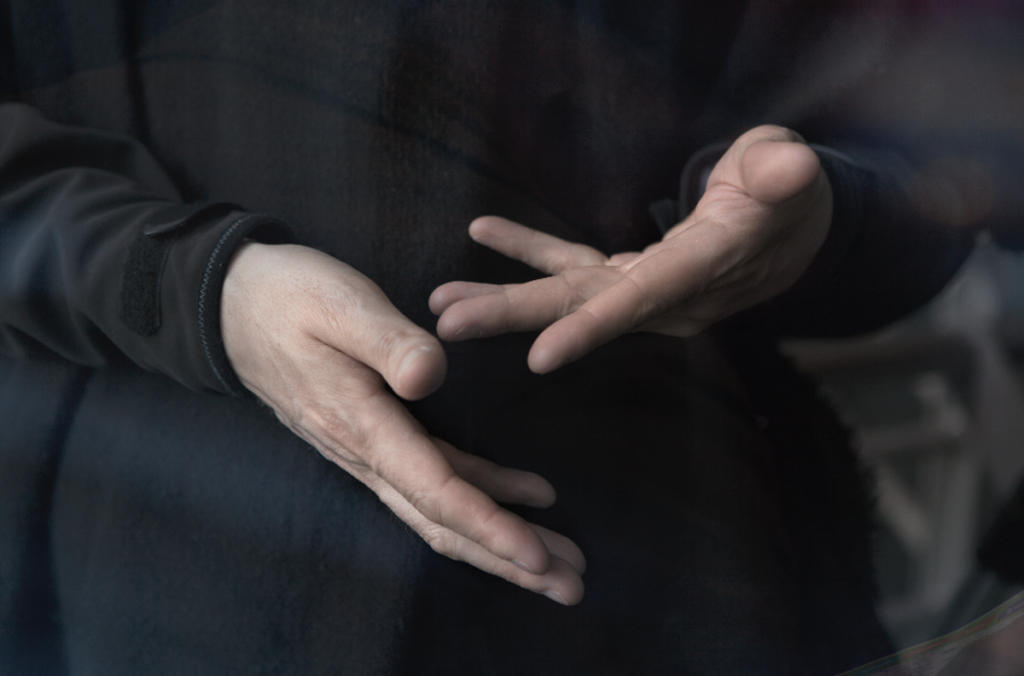
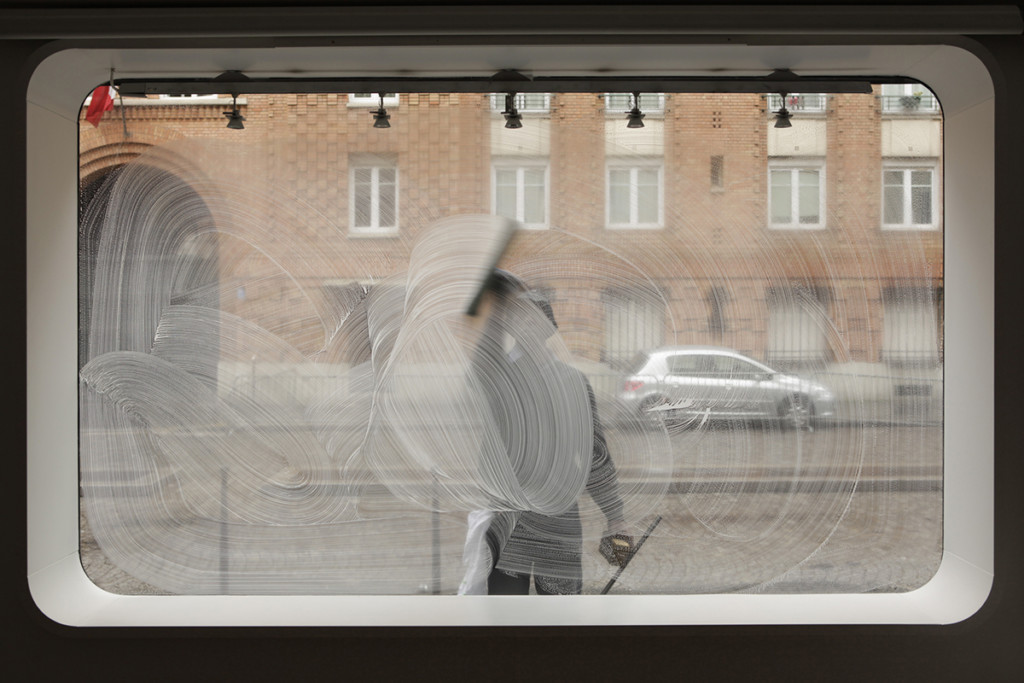
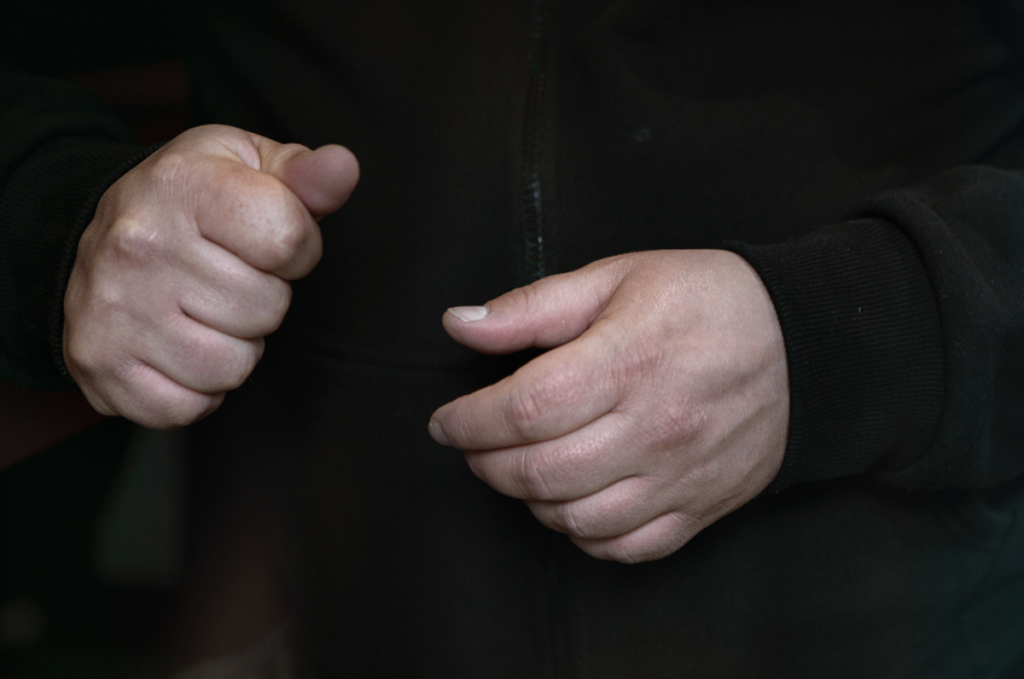
ROBERT WILSON, Gao Xingjian/Video Portrait | #LoopFestival2024

LOOP Festival celebrates its 22nd edition, inviting us to explore the power of artistic gestures to awaken the viewer’s consciousness and provoke, albeit subtly, a change in the structures of power and thought. Under this premise, this year’s festival focuses on the ability of art to impact us deeply, generating a reflection that leads us to rethink our relationships and our place in a world marked by environmental and social challenges.


Robert Wilson: Master of Time 

In this context of transformation, galeria SENDA presents the work “Gao Xingjian/Video Portrait” by Robert Wilson, an artist who has been instrumental in redefining the boundaries of theater, visual arts and video art since the 1970s. Wilson began his career in video with Video 50 in 1978, a work that revolutionized audiovisual narrative with non-linear episodes created for television in Germany. Later, in 2004, he began his “Video Portraits” series, using new high-definition technology to capture iconic cultural and artistic figures in moving portraits that defy photography and film.

Wilson’s career is a continuing testament to innovation and multidisciplinarity. From his early theatrical productions and his collaboration with Philip Glass on the opera Einstein on the Beach, Wilson has worked with iconic figures such as Lou Reed, Susan Sontag and Laurie Anderson. His mastery of performance art and his ability to integrate elements such as lighting, sculpture and music have earned him global recognition at institutions such as the Louvre, the Pompidou Center and the ZKM Karlsruhe, where he has made his mark with stunning exhibitions.


“Gao Xingjian/Video Portrait”: Frozen Motion Portraits

The portrait of Gao Xingjian, writer and 2000 Nobel Laureate in Literature, is part of Wilson’s series that has explored the depth and subtlety of numerous characters, from Lady Gaga and Brad Pitt to exotic animals. In this work, Wilson employs a wide range of visual and narrative elements – such as lighting, makeup, set design and choreography – to create a work that appears static, but reveals minimal movement upon closer inspection. The result is a portrait that captures the essence of the character, trapping the viewer in a space suspended between film and photography.

“The Video Portraits can be seen in the three traditional ways that artists construct space.
If I hold my hand in front of my face, I can say it is a portrait. If I see my hand at a distance, I can say it is part of a still life,and if I see it from across the street, I can say that it is part of a landscape.

In constructing these spaces, we see an image which can be thought of as a portrait. 

If we look carefully, this still life is a real life.”

– Robert Wilson

In the case of “Gao Xingjian/ Video Portrait”, an 8 minute 53-second video portrait with music by Peter Cerone, Robert Wilson shows us a close-up black and white shot of the face of artist and writer Gao Xingjian. Crossing his face diagonally, a phrase appears in French: La solitude est une condition necessaire de la liberté ( Solitude is a necessary condition of freedom ), a nod to Xingjian’s autobiographical novel “The Book of a Man Alone”.


A Contemporary Dialogue on Video Art at LOOP Festival 2024

For this edition of LOOP Festival, Robert Wilson’s participation at galeria SENDA invites the viewer to an experience of slow and reflective contemplation. In a world of rapid stimuli and fleeting images, Wilson forces us to stop, to feel each small gesture, to observe and to appreciate the power of subtlety in art.

Somoure at LOOP Fair 2024, MÓNICA RIKIĆ

Once again, SENDA participates in the new edition of LOOP Fair, a unique event that redefines the experience of art fairs by placing the moving image as the protagonist. This year, from October 19th to 21st at the Hotel Almanac Barcelona, SENDA brings an avant-garde proposal by Mónica Rikić, outstanding electronic artist and winner of the Premi Nacional de Cultura de Catalunya 2021. Her video essay entitled “Somoure” invites viewers to reflect on the future of assisted living through the use of robotic technologies.


“Somoure”: An artistic reflection on the future of assisted living

In this context, Mónica Rikić presents “Somoure”, a video that is part of her artistic research project, made in collaboration with the Institut de Robòtica i Informàtica Industrial (IRI UPC-CSIC) and funded by the European platform S+T+ARTS and the Catalan initiative Hac Te (Hub of Art, Science and Technology). “Somoure” raises crucial questions about how technology, especially assistive robotics, can transform the lives of the elderly in an ever-aging world. Through a narrative that combines visual essay with conceptual art, Rikić invites us to explore not only the benefits of these technologies, but also their ethical and social implications.

The work, conceptualized, directed and written by the artist herself, features the participation of Agustina Isidori as artistic director and audiovisual producer, and Rodolfo Venegas (Sonikgroove Studio) at the baton of the video’s original music. “Somoure” offers a critical and poetic look at the processes of creation of these technologies. It documents the process of developing assistive robots, from conception to implementation, and raises a series of questions about how these innovations can affect the daily lives of those who need them most. This video essay is more than just documentation; it is a window into the future of robotics and an invitation to reflect on the role of technology in human life.


The screening of “Somoure” at Manifesta 15

The relevance of “Somoure” transcends the borders of LOOP Fair. This video will also be part of Manifesta 15, the European nomadic biennial that, in 2024, comes to the metropolitan region of Barcelona. From September 8th to November 24th, Manifesta will carry out artistic interventions in historic spaces and unpublished industrial buildings, and in this context, “Somoure” will be presented at the monastery of Sant Cugat as a key piece that dialogues with technology and contemporary life.


About Mónica Rikić: A pioneering voice in art and technology

Born in Barcelona in 1986, Mónica Rikić has built an exceptional trajectory in the field of electronic art and technological research. Her work combines code and creative electronics with non-digital objects, creating interactive projects and robotic installations that challenge our preconceived ideas about technology. Her work focuses on alternative technology and open hardware, exploring how these tools can be used in innovative and accessible ways. Rikić has been exhibited in prestigious festivals and institutions around the world and her pieces are part of important contemporary art collections such as the .NewArt {foundation;}, the DKV Collection or the Col·lecció Nacional d’Art Contemporani de Catalunya.


SENDA at LOOP Fair: A collaboration that drives digital art forward

Galeria SENDA‘s participation in LOOP Fair with Mónica Rikić‘s work reaffirms its commitment to the promotion of digital and avant-garde art. “Somoure” not only represents this vision, but also opens new conversations about the future of assisted living and the impact of robotics on society.

The invitation is open to all those who wish to immerse themselves in Mónica Rikić‘s universe and reflect on the role technologies will play in tomorrow’s life. Loop Fair 2024 promises to be an unmissable meeting point for contemporary art, and SENDA, with “Somoure”, will occupy a prominent place in this narrative. See you at the Hotel Almanac!
PETER HALLEY, The Long Game

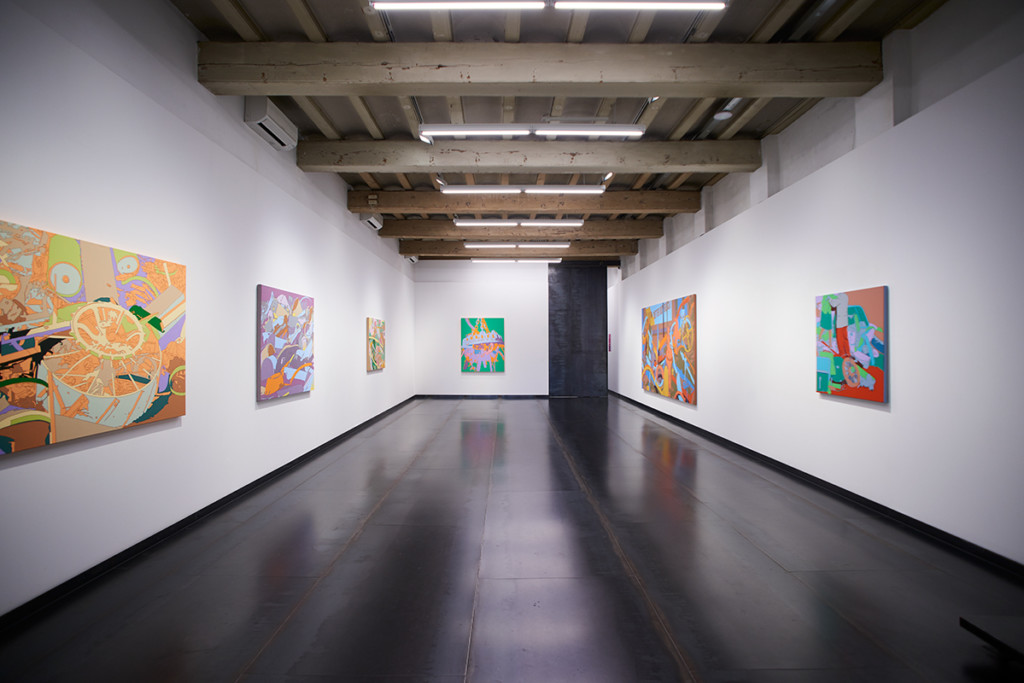
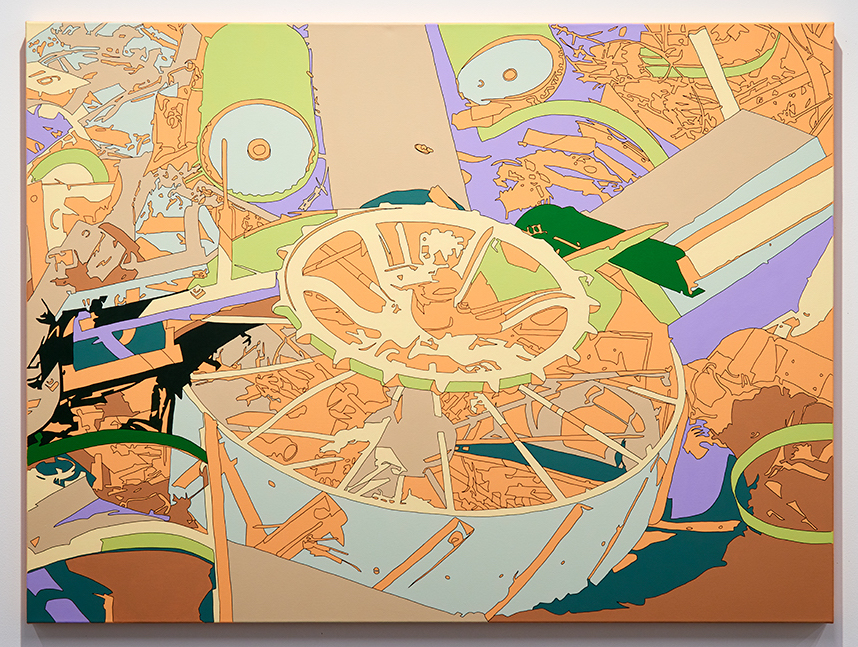
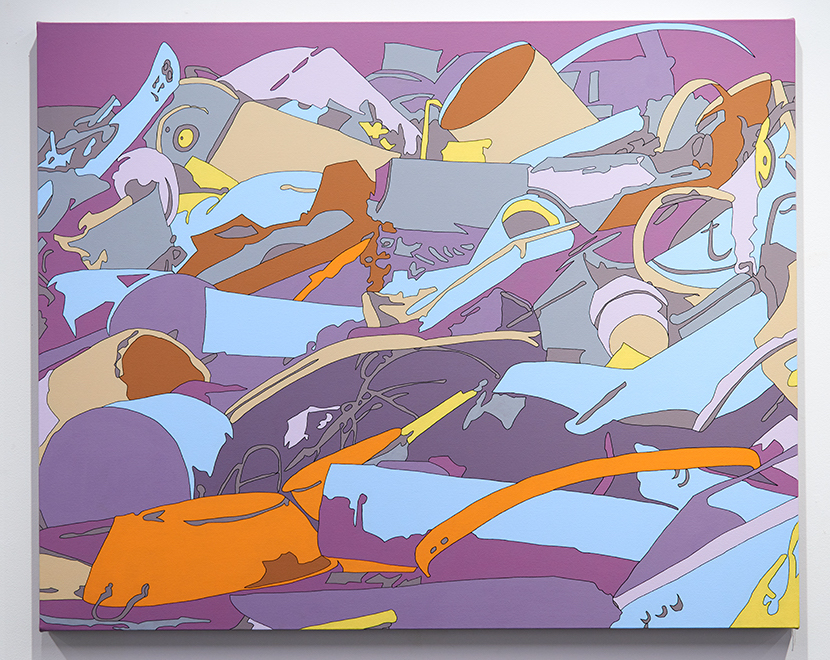
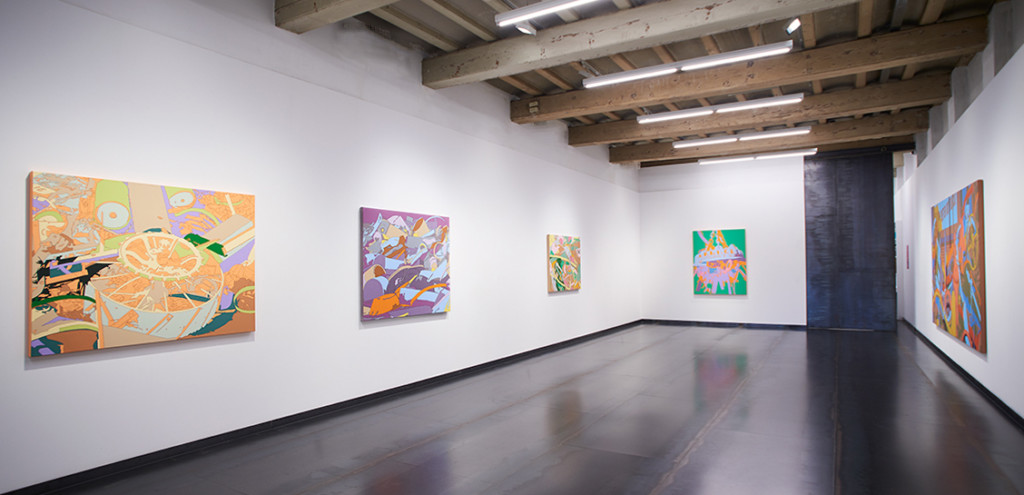
Celebrating more than thirty years of fruitful collaboration with galeria SENDA, New Yorker Peter Halley presents an exhibition specifically conceived for the venue, consisting of a monumental mural work that contrasts with a carefully selected collection of pieces of a singular small format. For this show, Halley proposes a transformation of the gallery space, establishing a counterpoint through the dialogue between a series of compositions in which their movement and structures confront the striking painting “The Long Game”, the work that gives its name to the exhibition.

The exhibition is structured around a group of eight small-format works, which, together with a large-scale piece, propose a visual game that invites the viewer to explore the confrontational relationships between the different works. This last creation, approximately five meters wide, represents the largest work that Peter Halley has shown to date in the gallery, standing out for its ability to transform the exhibition space and conceive the show as a whole. It is also characterized by an accumulation of its iconic cells and prisons, evoking the experience of urban life always referenced.

In addition, this exhibition at galeria SENDA temporarily coincides with the outstanding retrospective dedicated to Peter Halley at the Museo Nacional Thyssen-Bornemisza in Madrid, entitled «Peter Halley in Spain», which brings together a significant selection of paintings from important public and private collections, including those of the Museo Nacional Centro de Arte Reina Sofía and the Fundación Hortensia Herrero. The combination of both exhibitions, in Barcelona and Madrid, offer a broad and deep vision of Halley‘s work, reaffirming his relevance in the contemporary art scene.


Press release

La Vanguardia article

Las Nueve Musas article

GINO RUBERT, Cariàtide

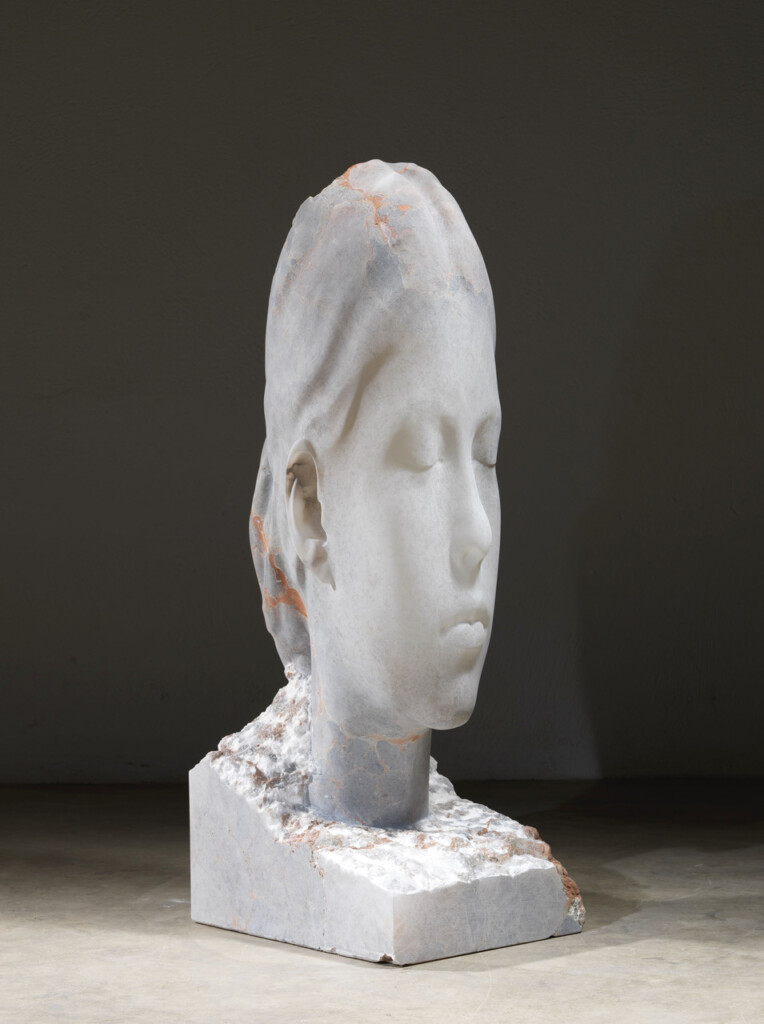
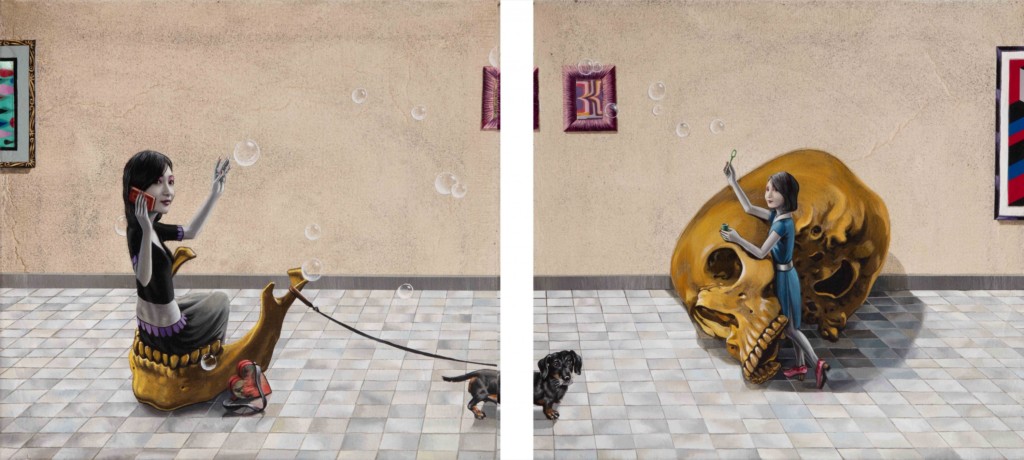
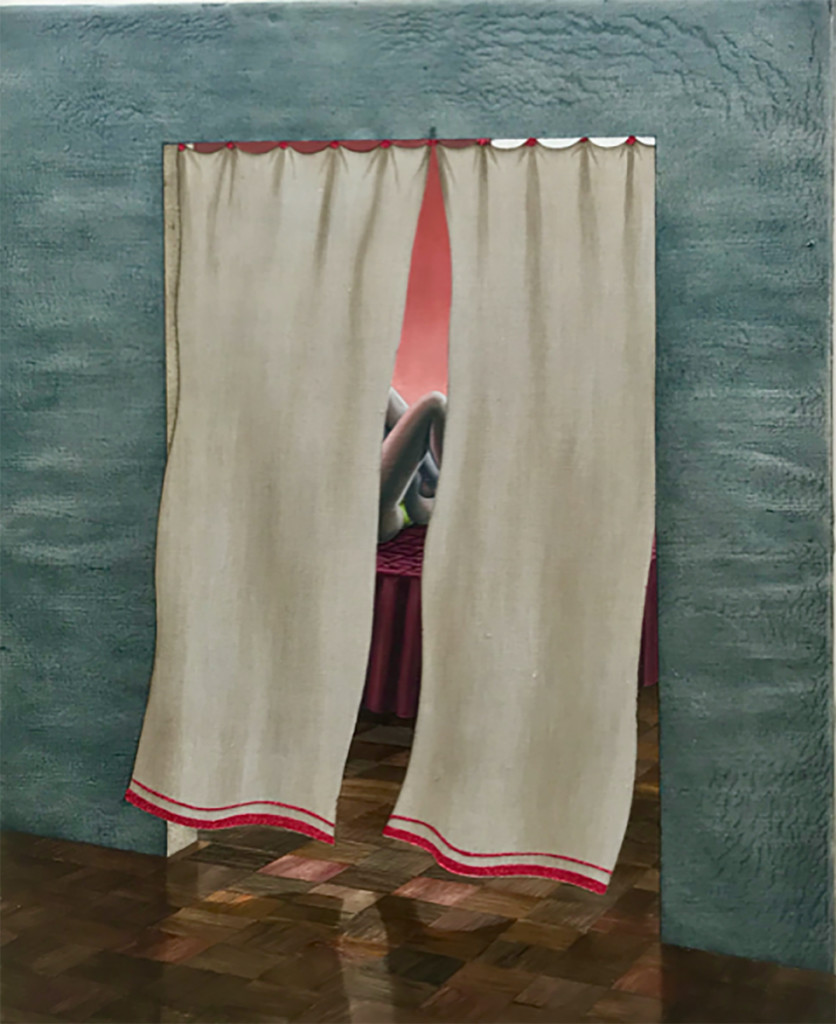
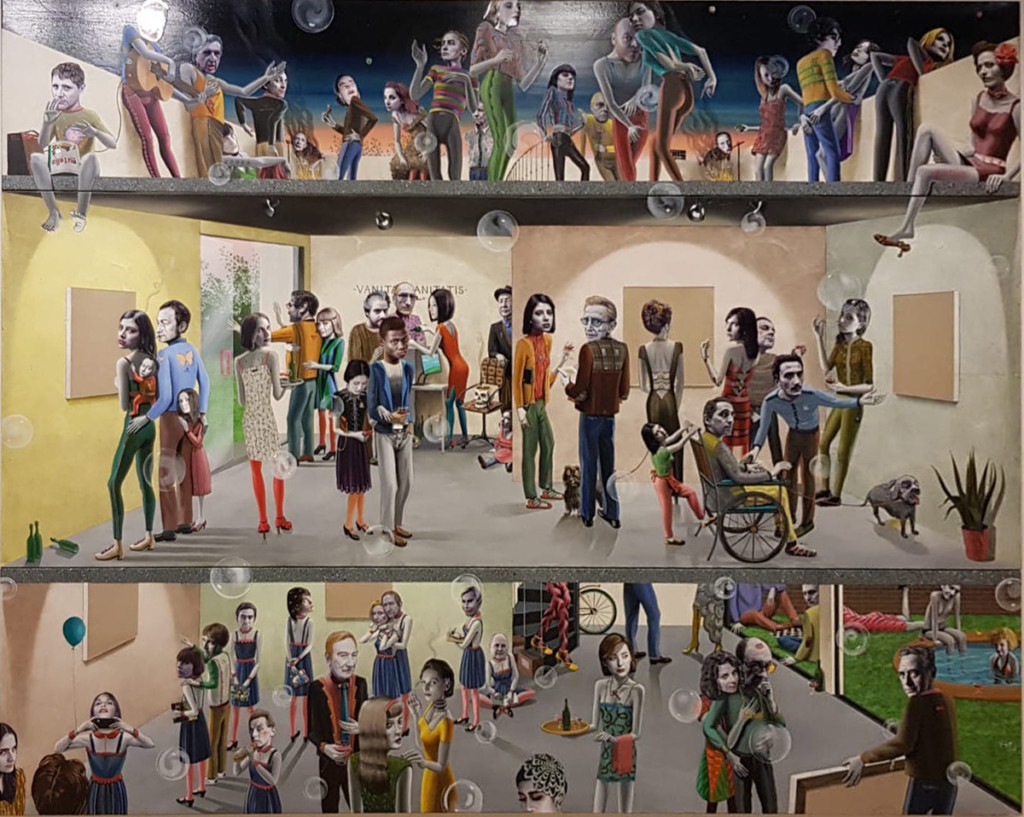
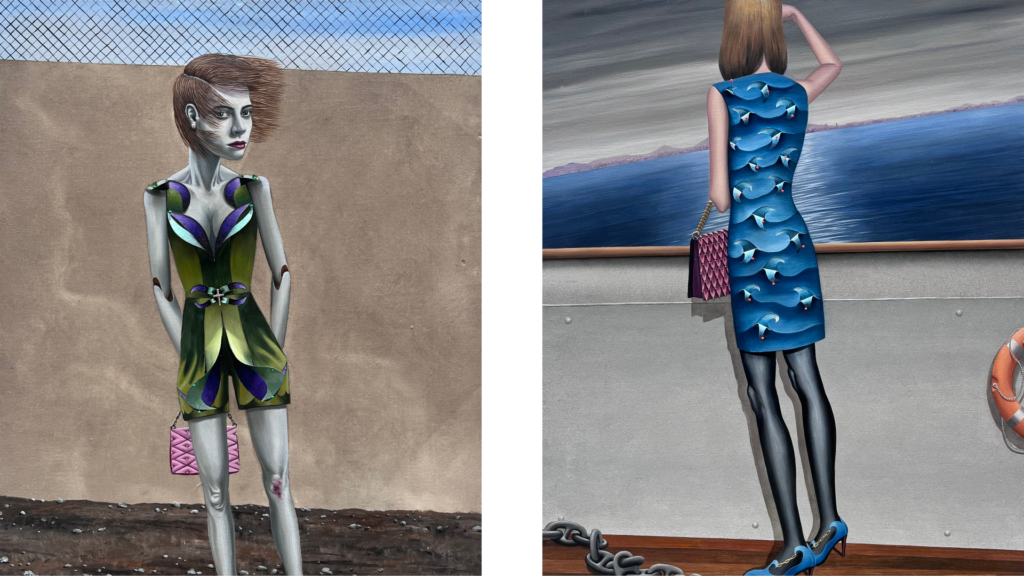
In this new exhibition, Gino Rubert leaves behind the rhetoric of meta-painting in which he was immersed during his large-format polyptychs on the art world. Here, Rubert shifts the focus away from social and sentimental vanities to raw loneliness. Portraits of women trapped by their destiny, with clothes sculpted on the canvas, whose figures are split by the frame, as if the limits of the canvas were trapping them in the same way that the entablature and the base hold the Greek caryatids, those fascinating women-columns that support the south face of the Temple of the Erechtheion in Athens, and with that gesture hold up the world. Powerful women who, far from submitting or resigning themselves, look us in the face, turn their backs, shout, sing, or sail, without ever losing their balance and composure, in a world that is tilted by furious winds.

      Childhood (2024). 55 x 46 cm / El desembarco (2024). 81 x 70 cm

After a year working on this new series of paintings, it is time to look at them as a whole, and try to understand where they come from and where they are going. Now, at last, there is room for questions: not while I was painting. Because questions bring answers, and painting – for me – consists of a dialogue between intuitions, forms, colours, and textures, never between ideas, theories, theses or convictions.

So why women alone, why so serious, why trapped by frames that leave part of their feet or their heads out, why do some sing, others shout, others look straight ahead, or turn their backs to us, why do pins hold their dresses, as if they were mannequins or stuffed butterflies?
Undoubtedly, a lot has to do with a certain weariness with all those inquisitive and complicit looks from the hundreds of characters that populate my previous paintings. And in this sense the need for a shift towards more intimate, less strident, more classical, less baroque territories.

– Gino


La Vanguardia article


Within the framework of

With the support of

ART NOU. CARLA CASCALES, Como un manantial

Read here the curatorial text →

Within the framework of Art Nou Nova Visió – Festival of Emerging Art of Barcelona and Hospitalet de Llobregat, Carla Cascales presents the exhibition “Like a Spring” at the SENDA gallery. The show includes a series of unpublished ceramics and large-format paintings that explore the concept of impermanence, celebrating the random, fortuitous, and spontaneous. Cascales’ work proposes a holistic view of the world, in which human beings and their environment are connected and in constant flow.

The paintings presented in the exhibition display soft color transitions, encompassing a palette of warm tones such as reds, ochres, and browns. These abstract works evoke a sense of movement and fluidity, capturing the essence of a spring that bursts forcefully from the earth. The paintings represent the immensity and the ungraspable, reflecting the influence of the sea and Mediterranean culture in her work.

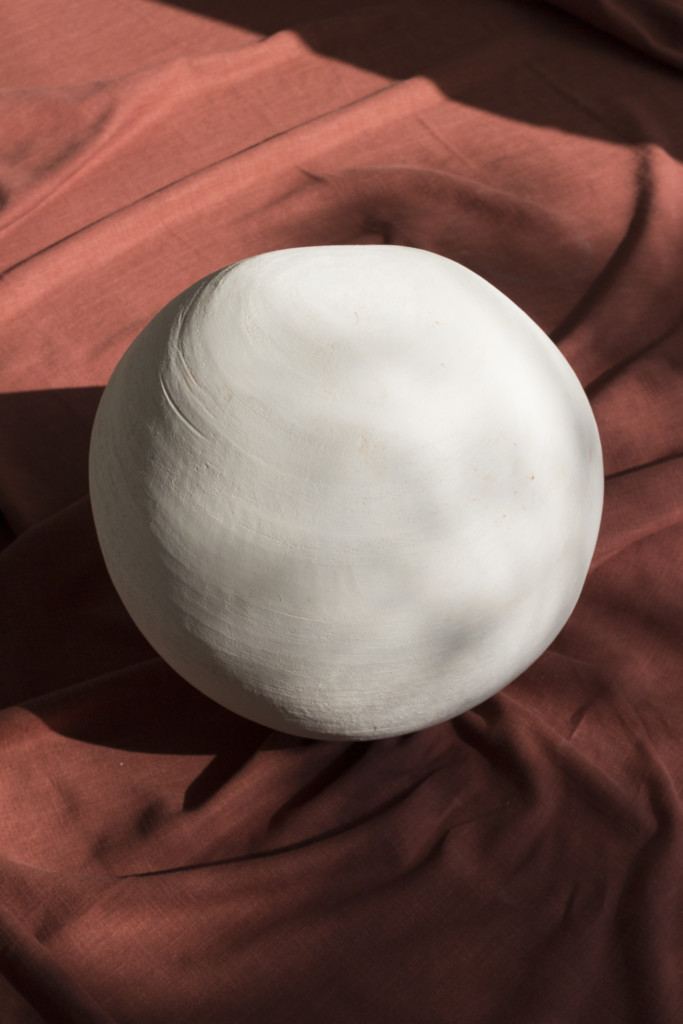
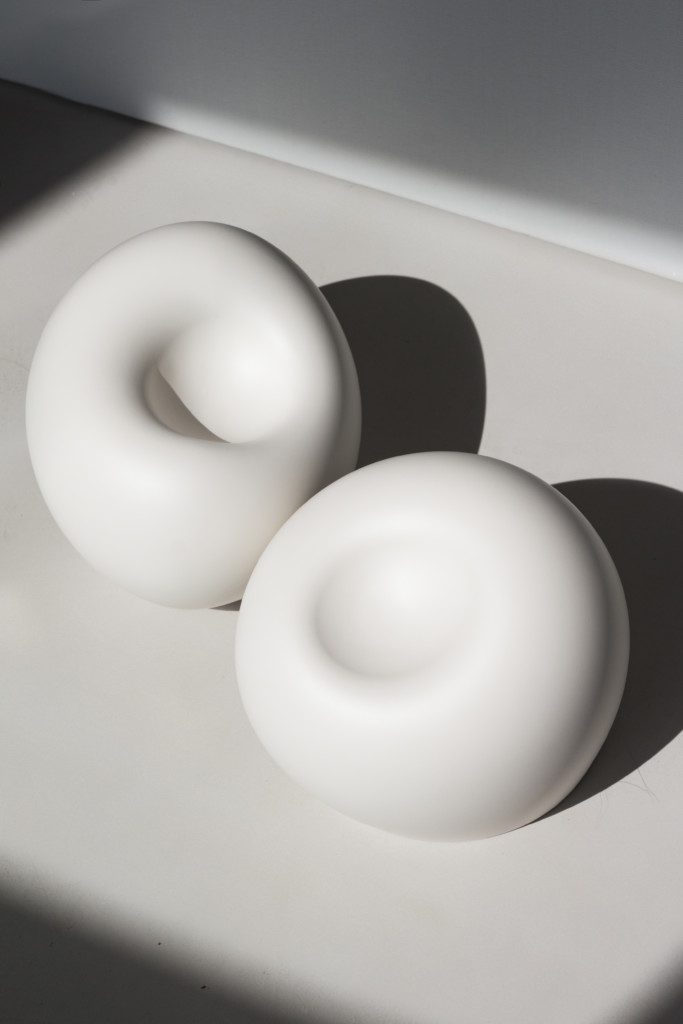
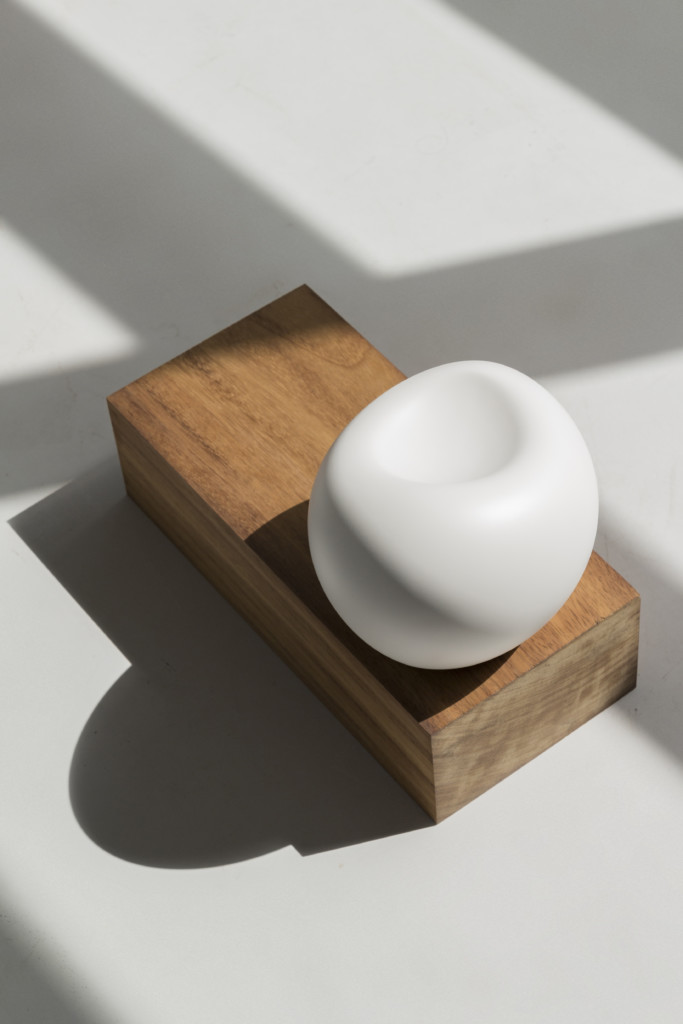
Alongside the paintings, the exhibition includes a series of new ceramics that reflect the same philosophy. The sculptures, with their organic shapes and varied textures, link to antiquity, heritage, and all that is primitive and ancestral in archaic Mediterranean cultures. Additionally, the influence of Eastern currents, especially Japanese philosophy and aesthetics, is manifested in the idea of imperfection, impermanence, and transience, elements that are reflected in the surfaces and forms of the ceramics.

As part of

With the support of


XAVI BOU, Ornithographies

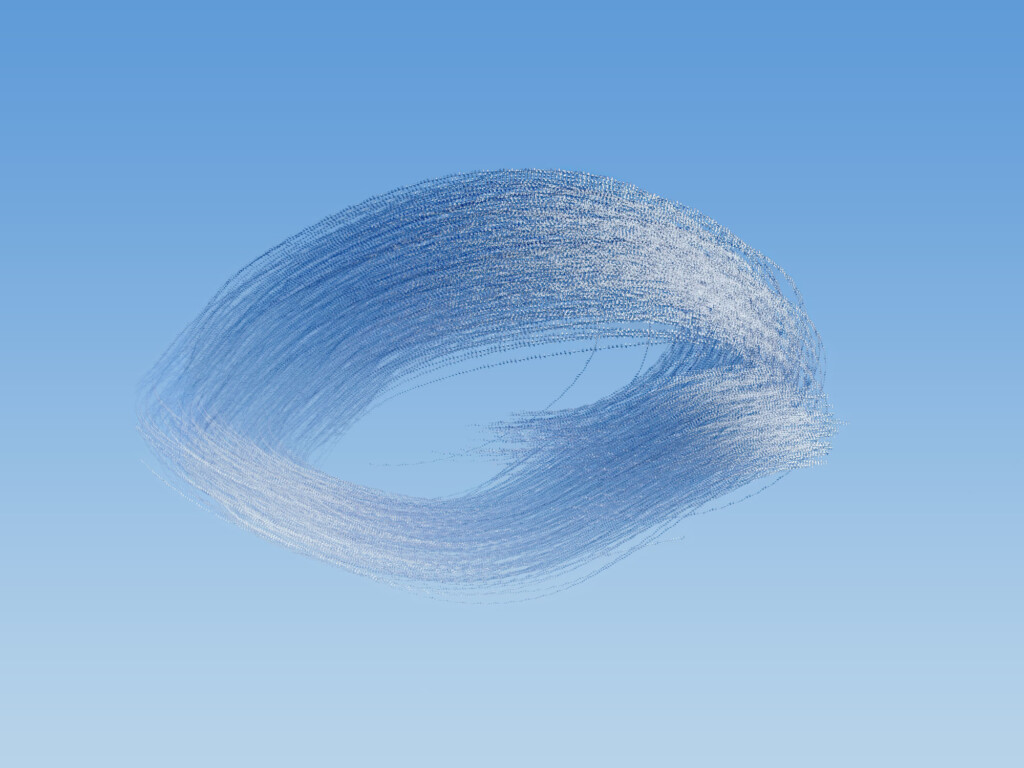
«Ornithographies. Tracks in the sky» is the first solo exhibition of the artist Xavi Bou in galleria SENDA. For the occasion, he presents 15 of his famous “Ornithographies”, photographs that capture the flight path of birds. His works tangible samples of the balance between art and science, are witnesses of the moments that were past, present and future in the flight of these birds.

Bou’s purpose is, through an exercise of visual poetry, to spread the importance of caring for the environment by inviting viewers to perceive the world with the same curious and innocent gaze of the child we once were. The approach Bou uses to portray the scenes of his “Ornithographies” is not invasive. In fact, he rejects distant study, resulting in images of organic forms that stimulate the imagination.

The photographs capture the flight of very diverse birds in different parts of Catalonia, Spain and even abroad, with a work captured in Uist (Scotland). With photographs taken in coastal places such as Roses, the Illes Medes or Tarifa; as well as in inland places such as Tremp, Monfragüe or Medina-Sidonia; Bou manages to trace that invisible trace to the human eye that birds create when flying through the sky.

His work has been published in international press such as National Geographic, The Guardian, Der Spiegel, Geo and Sonntag, among many other publishers. In addition, he has exhibited “Ornithographies” in solo exhibitions in Germany, Belgium, Russia, Spain, Canada, France, Mexico and Greece, among other places in the world. In fact, after the success of his project, in 2023 his “Ornitographies” were published in a book of the same name by Lynx Edicions.

Currently, Bou has initiatives underway that explore other artistic resources and disciplines, such as video, as well as other subjects of study, such as insects. Therefore, the raw material of his work continues to be nature and his personal challenge is to show it in an innovative and aesthetic way that helps the public to approach art and, above all, to raise awareness about the environment.

Xavi Bou sees himself as a “curator” who tracks down the choreography of birds and makes it visible.” Very rarely, therefore, landscapes or cloud formations in the sky remain visible on the monochrome image backgrounds at the bottom of the picture and may hardly contribute to deciphering the actual image subject without relevant background knowledge.

Read the text →

– Uta M. Reindl.  Professor, translator, critic and art curator

ROBERT WILSON, The Messiah (Der Messias)

Galeria SENDA is pleased to present the first exhibition of works on paper by Robert Wilson in a Barcelona gallery on the occasion of his stage production of Der Messias at the Gran Teatre del Liceu.

Although he has achieved universal fame for his work as a stage director and playwright, Robert Wilson’s work is firmly rooted in the fine arts. This accomplished draftsman, painter and video maker is one of the few artists who works in different artistic media without being driven by a single method of creation.

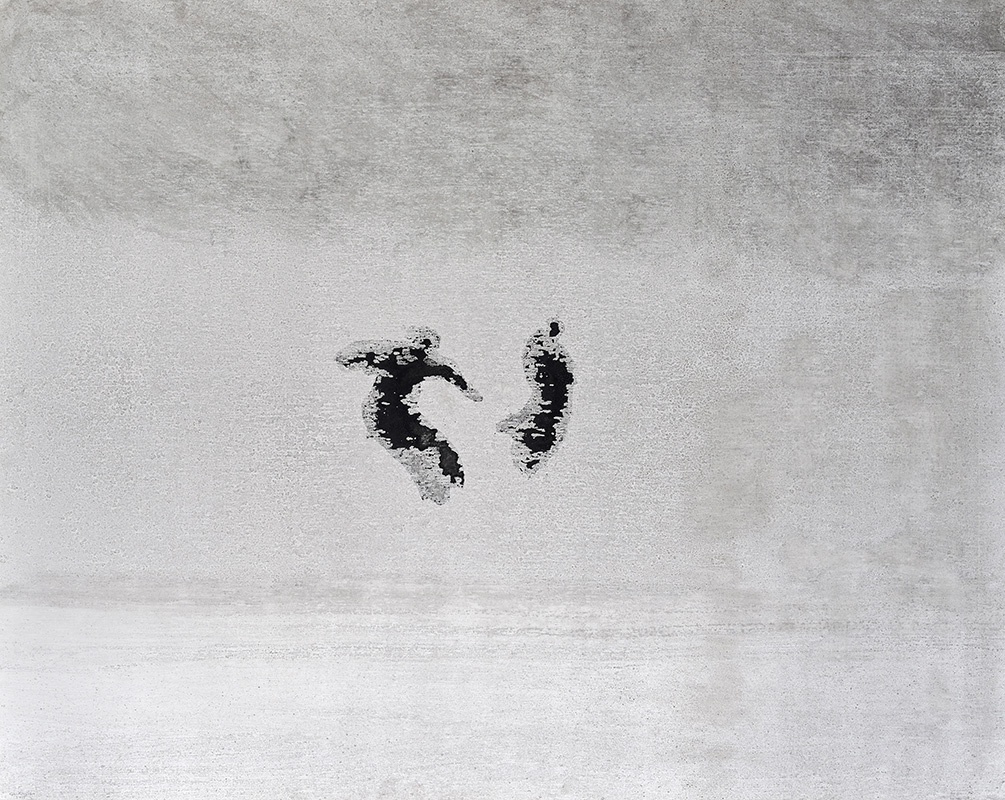
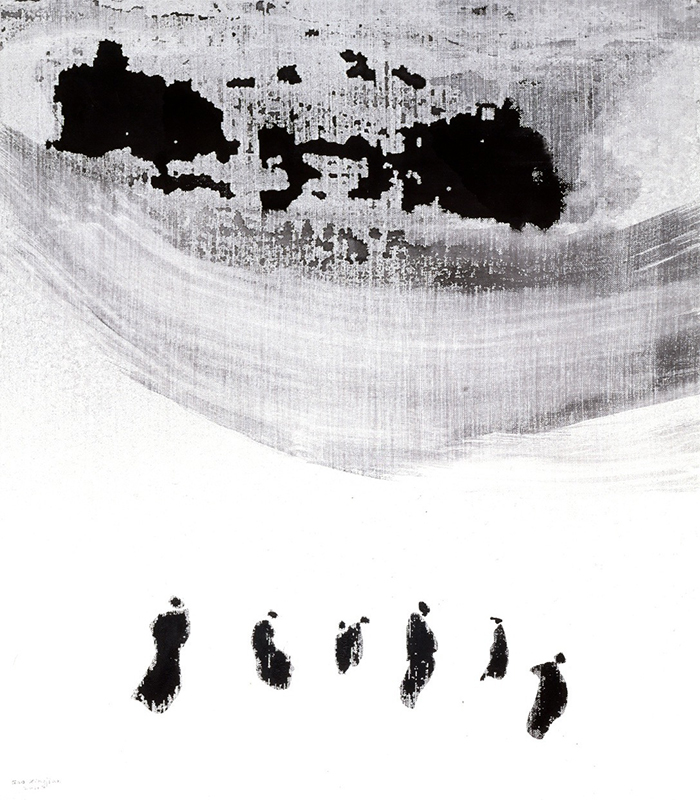
The artist works on his compositions before, during and after the conception of a production. On this occasion, the works capture what Wilson imagined for an act, scene or interlude of The Messiah. Rendered in subtle shades of black and white, they capture on paper ephemeral moments from his latest production. The originals move away from the realistic representation of set design and depict currents of energy, echoing Wilson’s use of light to define the space on stage.

These originals, which are usually presented in sequence, offer subtle variations on the same motif and act as records of his creative process throughout the rehearsals. Created in Berlin and Salzburg and closely related to the evanescence of a moment, it is possible to appreciate them independently of his theatrical work as purely poetic objects.

The strict structure of The Messiah, determined by the alternation between individual numbers for the four vocal soloists and the same number of choral sections, constitutes for Wilson the starting point for a staging that works with surreal images and tries to create a container for the music.


«For me, The Messiah is not just a religious work, but a kind of spiritual journey»

– Robert Wilson


ABOUT ROBERT WILSON

Born in Waco, Texas, Robert Wilson is one of the world’s foremost theatrical and visual artists. His stage works unconventionally integrate a wide variety of artistic media, including dance, movement, lighting, sculpture, music, and text. His images are aesthetically stunning and emotionally charged, and his productions have earned him global public and critical acclaim. After completing his academic training at the University of Texas and Pratt Institute in Brooklyn, Wilson founded the New York-based performance collective «The Byrd Hoffman School of Byrds» in the mid-1960s and developed his early masterpieces, including Deafman Glance (1970) and A Letter for Queen Victoria (1974-1975). He wrote the influential opera Einstein on the Beach (1976) in collaboration with Philip Glass.

Wilson’s artistic collaborators include a number of writers and musicians such as Heiner Müller, Tom Waits, Susan Sontag, Laurie Anderson, William Burroughs, Lou Reed and Jessye Norman. He has also left his mark on masterpieces such as Beckett’s Krapp’s Last Tape, Brecht/Weill’s Threepenny Opera, Debussy’s Pelléas et Mélisande, Goethe’s Faust, Homer’s Odyssey, Jean de la Fontaine’s Fables, Puccini’s Madama Butterfly and Verdi’s La Traviata. Wilson’s drawings, paintings and sculptures have been exhibited in hundreds of solo and group exhibitions worldwide, and his works are in museums and private collections around the world. Wilson has been the recipient of numerous awards for excellence, including a Pulitzer Prize nomination, two Ubu Awards, the Golden Lion of the Venice Biennale and an Olivier Award.

He was elected member of the American Academy of Arts and Letters, as well as of the German Academy of Arts, and holds 8 honorary doctorates. France awarded him the distinction of Commander of the Order of Arts and Letters (2003) and Officer of the Legion of Honor (2014); and Germany awarded him the Officer’s Cross of the Order of Merit (2014).

Wilson is the founder and artistic director of The Watermill Center, a laboratory for the arts in Water Mill, New York.

LAST & LOST, Jordi Bernadó

In his new work, the artist and photographer Jordi Bernadó travels in search of a world that disappears. Last and Lost is a series of eight photographs displayed in a solo exhibition at Galería Senda starting January 24. These eight pieces are part of a larger project, still ongoing, in which the artist asks himself about the ecological and philosophical challenges of the present. Issues such as sustainability, the relationship between technology and nature, the horizons of the future, and democracy are fundamental in this new work.

The Last and Lost exhibition focuses on the environmental dimension, creating a reflection on the loss and human destruction of nature. The eight photographs portray lost places, ecosystems in danger of extinction, areas uninhabitable due to pollution, or forms of life that struggle to survive. Each image shows a reality that is about to cease to be so. The artist becomes a witness and spectator of an ambiguous state between existing and non-being.

An archive of losses: from the oldest tree in the world, Old Tjikko, in Sweden, whose roots are more than 9,565 years old, to the most remote and inaccessible lake, Lac Télé, in the Republic of the Congo, an immense mirror of sewage in the middle of nature, or the desolate landscapes of Zone Rouge, in France, devastated by the explosives and chemical spills of the First World War, whose entry is prohibited and much of the area is considered unrecoverable.

Bernadó also travels to the Great Blue Hole in Belize, to the Great Barrier Reef in Australia, to Racetrack Playa in California and Nevada, to the Danakil Desert in Ethiopia, and to the Doha Desert in Qatar, where the famous sculptures by Richard Serra East-West/West-East. At each destination, he encounters scenes of extinction and yet strange flashes of light.

Bernadó flees alarmism and resignation. It emphasizes the human will and appeals to the desire to nourish life and preserve beauty. It urges us to look into the unknown and question our actions.

His interest in landscape and identity has marked Bernadó’s work throughout his career. In recent years, his interest in the way we tell ourselves about the world—and how we construct fiction about the future and uncertainty—has taken on special relevance in his artistic practice. Last and Lost is the first chapter of an ambitious, long-term project that aims to put these fictions of the world in images and reflect on the possibilities of action (and narration) in the face of contemporary challenges.

Descarga la hoja de sala AQUÍ

PETER HALLEY, Hand-Painted: Watercolors and Drawings

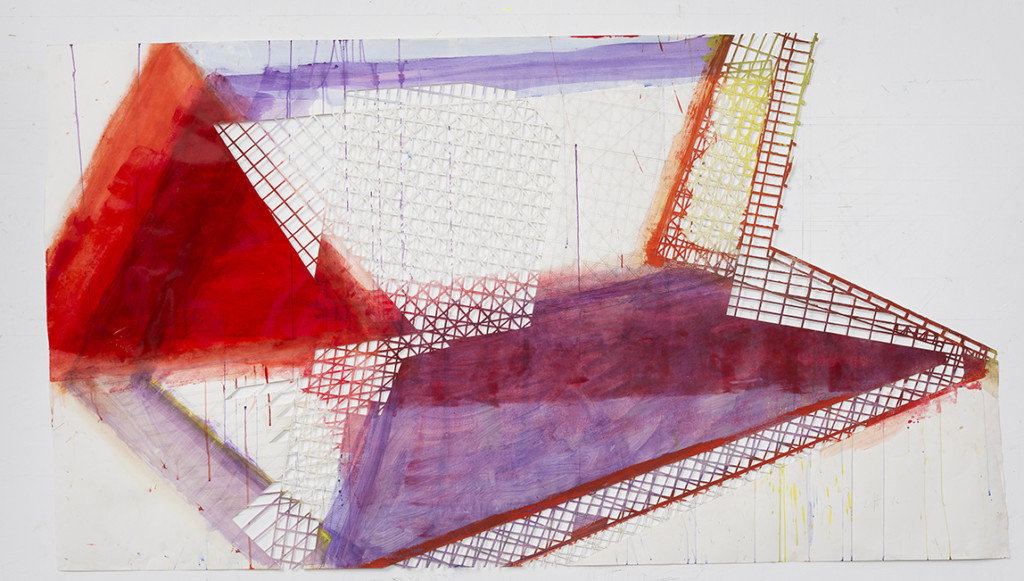
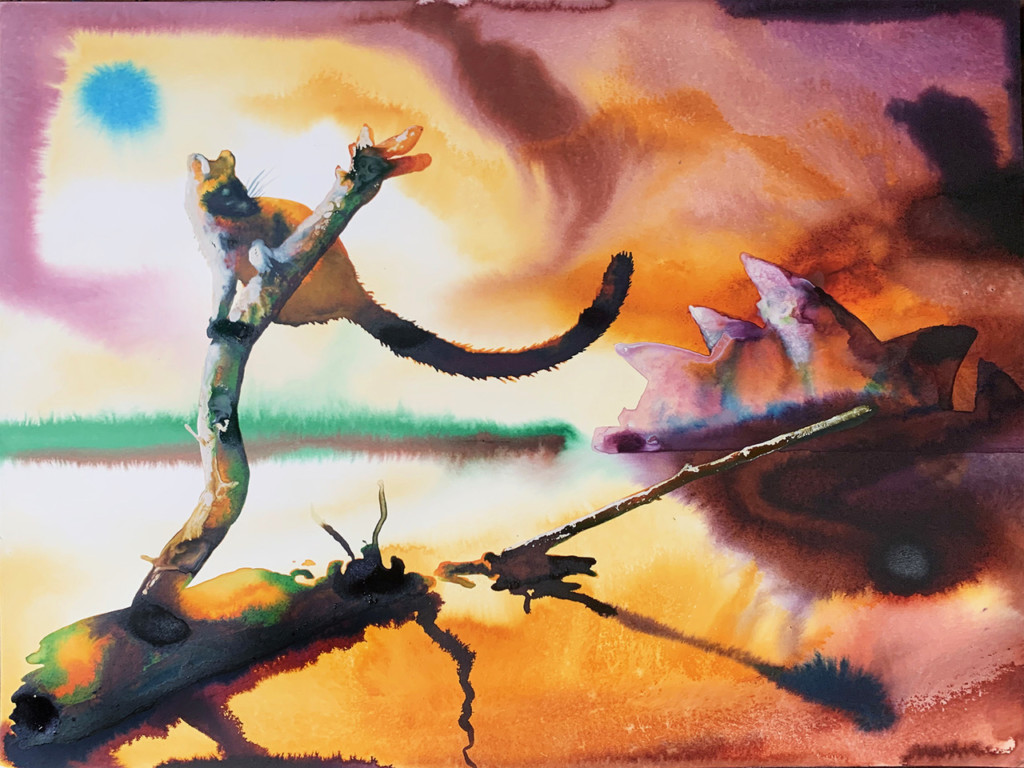
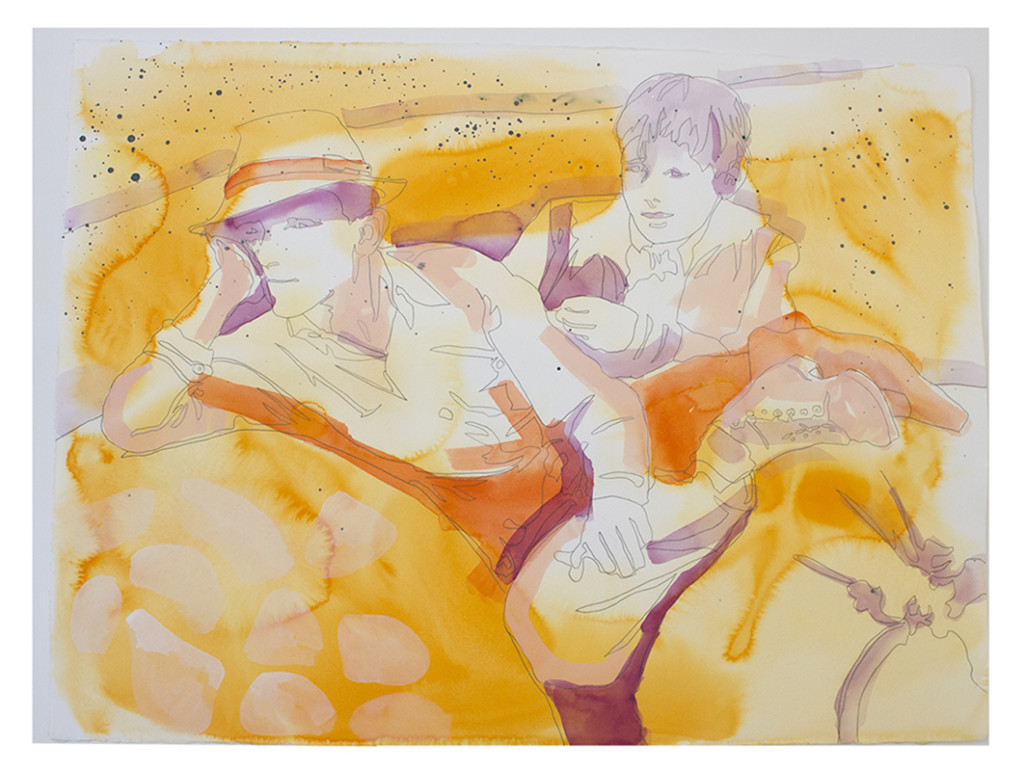
Hand-Painted: Watercolors and Drawings is the first exhibition to present intimate, hand-painted works by Peter Halley, which stand in compelling contrast to the artist’s meticulously executed paintings for which the Neo-Conceptualist American painter is globally known. 

These hand-painted works reveal the unique quality of the artist’s hand through his nuanced brushwork, giving insight into the artist’s approach to his creative process. The genesis of his paintings in these hand-painted works surprisingly reveals Halley’s reliance on spontaneity and improvisation. 

Halley’s new hand-painted watercolors revisit his cartoon-influenced “Exploding Cell” imagery, a theme to which Halley has repeatedly returned since the 1990s in both prints and large-scale installations. 

The drawings serve as scaled color studies for his iconic large-scale paintings — a working method that Halley has used since the 1980s. The exhibition includes four examples from the early 1990s on graph paper, before the artist began composing his paintings on the computer (as is his practice today). In contrast to these early works, the show includes 9 recent drawings executed from the 2021 to the present. 

JAMES CLAR, Run Dog Wild | #LoopFestival2023

RUN DOG WILD’ (2021) was created by attaching a laser scanner to a car that was driven throughout downtown Manila during the pandemic lockdown. The laserscanner projected animated frames of a running dog onto the buildings and cars, overlapping a ‘virtual’ dog onto the physical environment of the city. At the time of its creation the city was under 8pm curfew lockdown, the streets were empty, and one could only imagine being outside roaming free on the streets like the animals do. Instead, everyone was ‘connected’ inside use various technological means. RUN DOG WILD overlaps a virtual animal onto a physical space like a daydream of a person locked inside. The piece could only have been achieved during the city’s lockdown state, whereas now the gridlock of 24/7 traffic has re- entered life of the city’s inhabitants.