ROBERT WILSON, The Messiah (Der Messias)

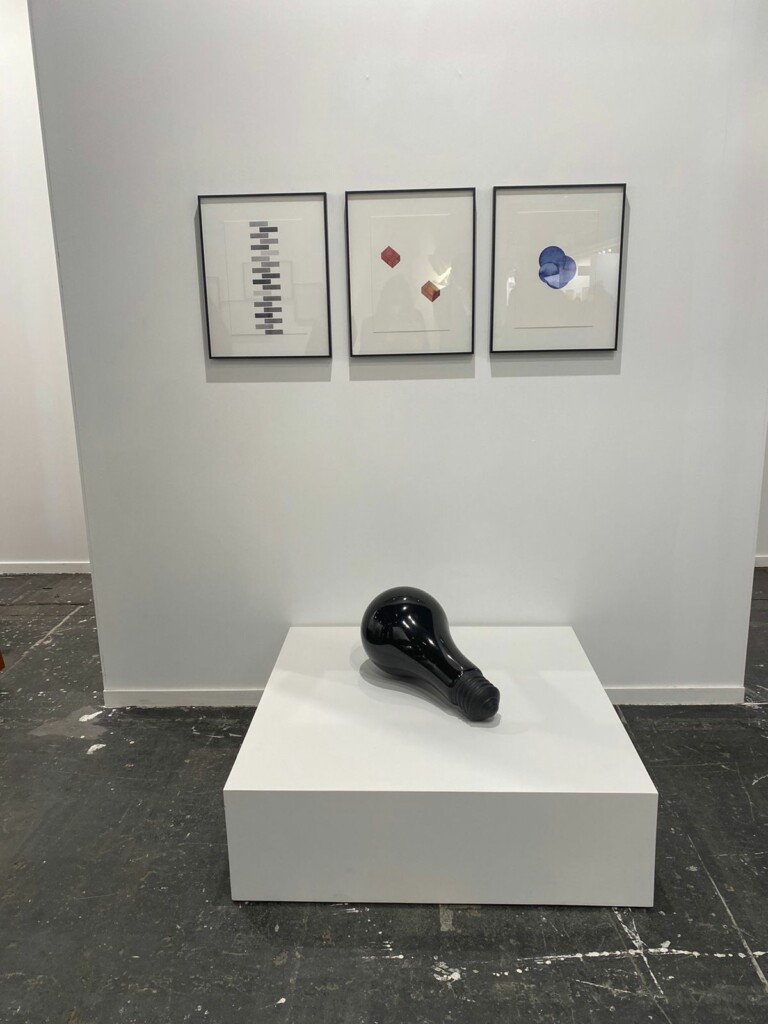
Galeria SENDA is pleased to present the first exhibition of works on paper by Robert Wilson in a Barcelona gallery on the occasion of his stage production of Der Messias at the Gran Teatre del Liceu.

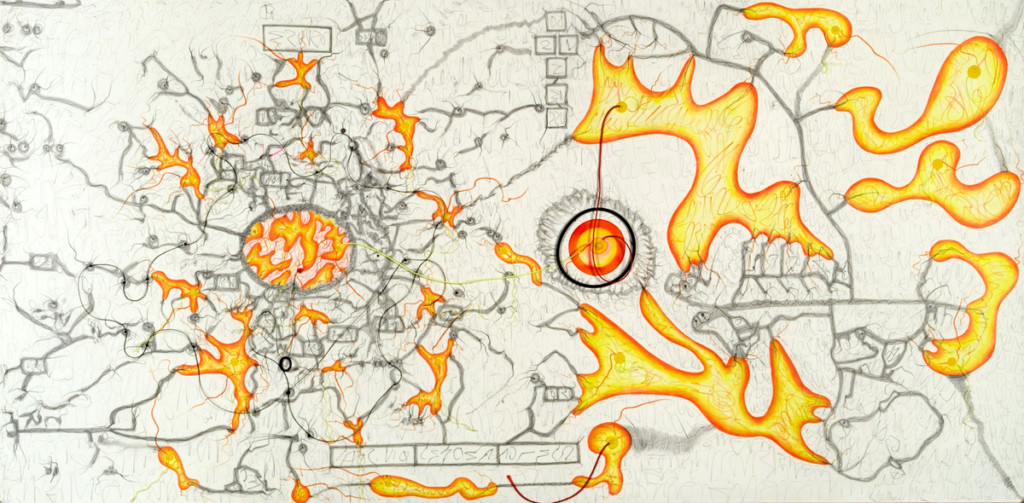
Although he has achieved universal fame for his work as a stage director and playwright, Robert Wilson’s work is firmly rooted in the fine arts. This accomplished draftsman, painter and video maker is one of the few artists who works in different artistic media without being driven by a single method of creation.

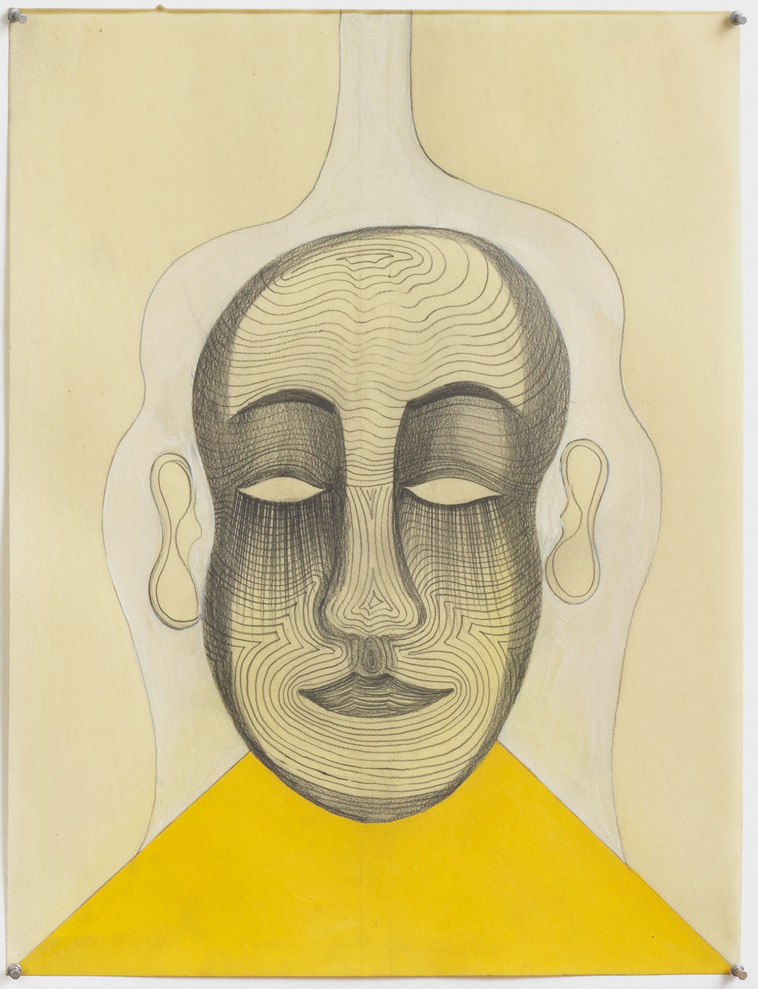
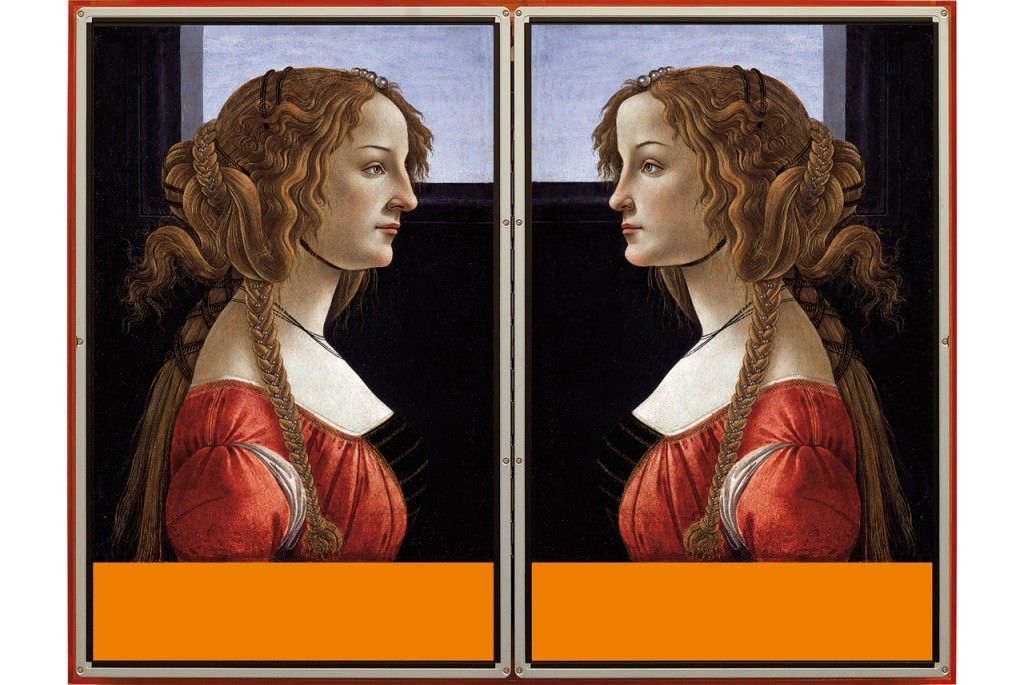
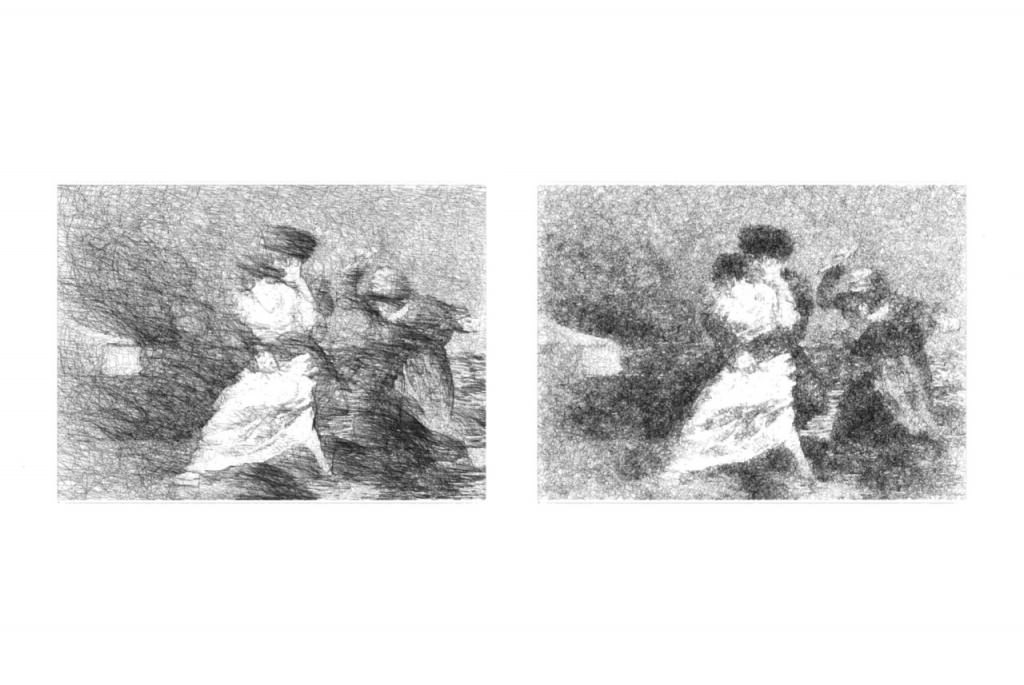
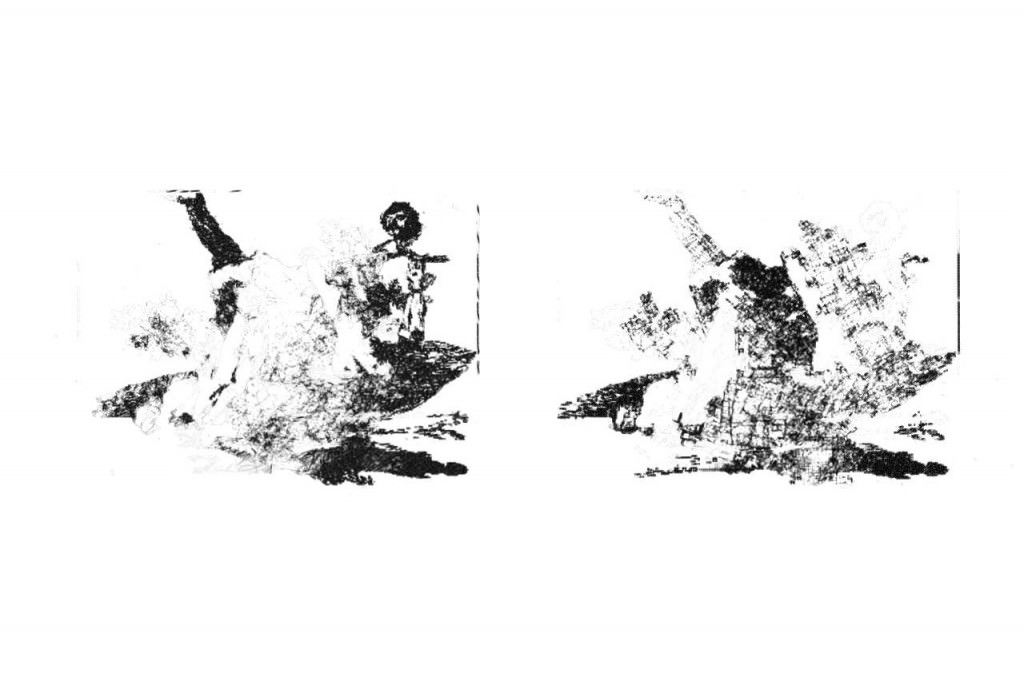
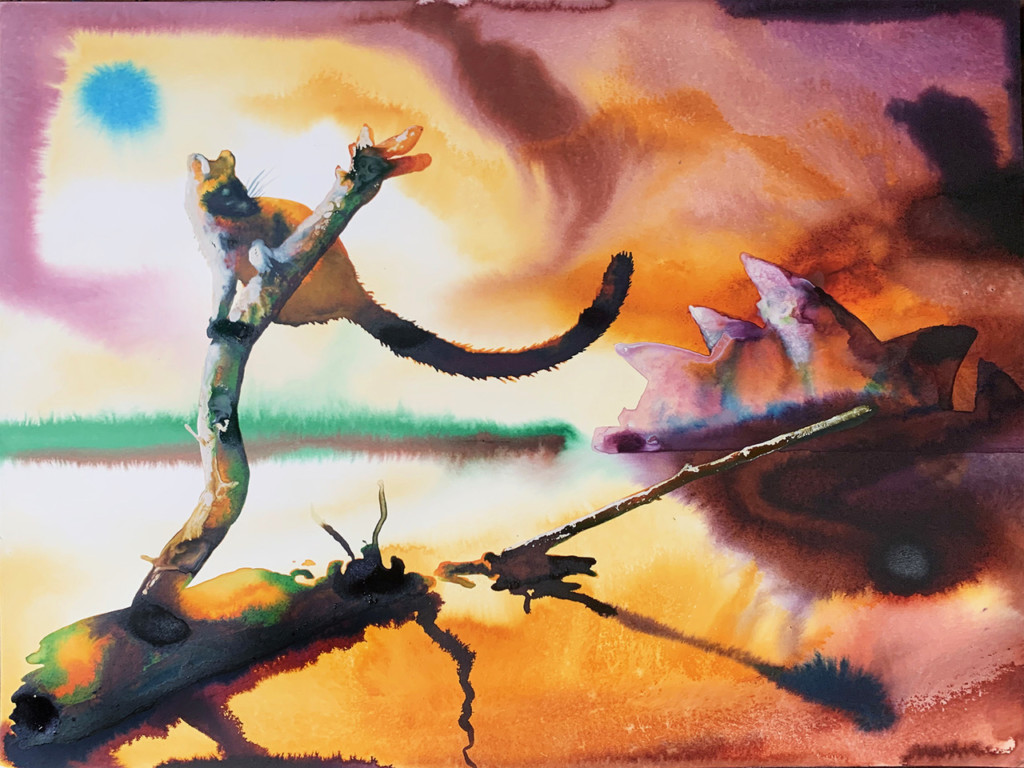
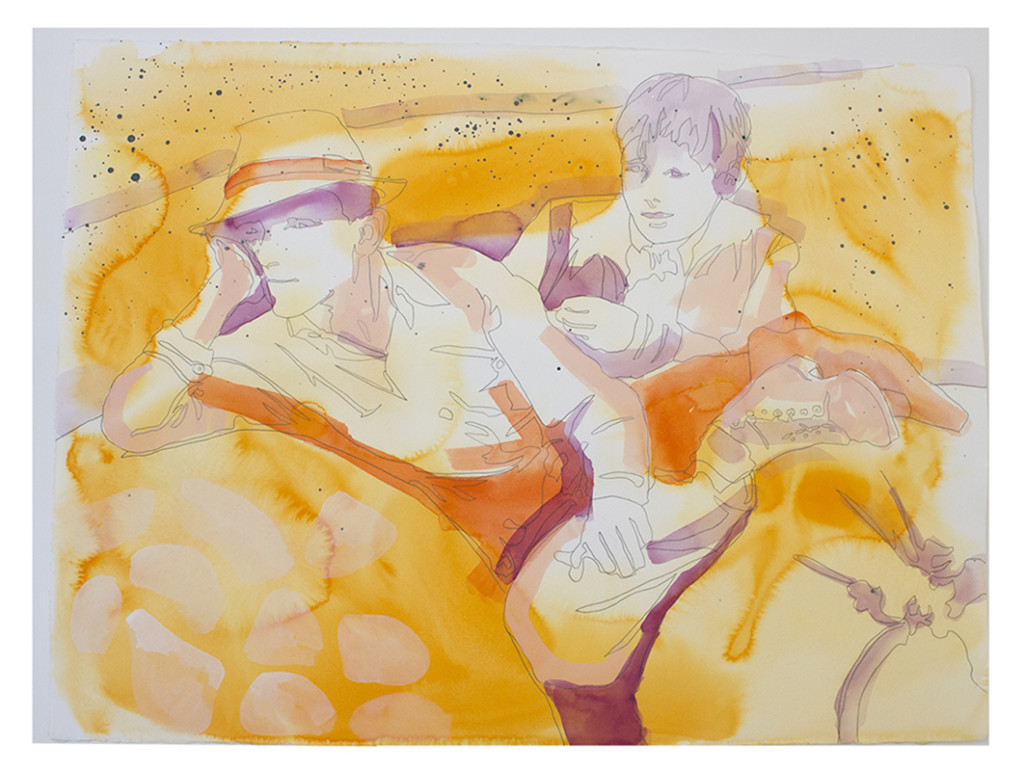
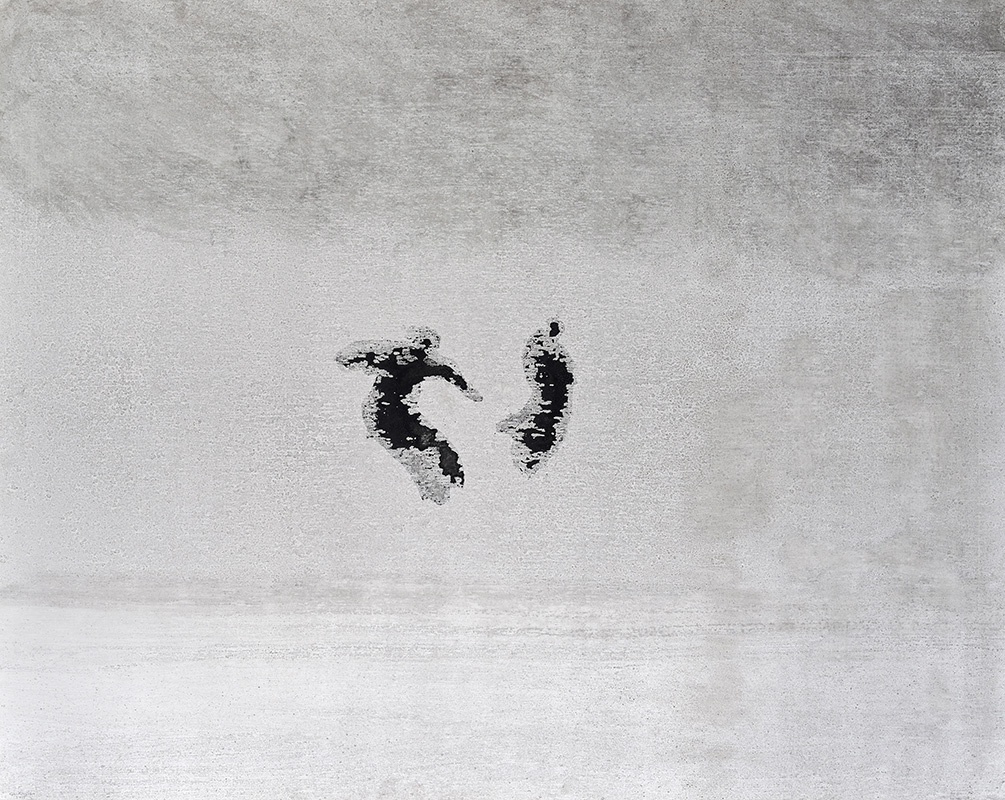
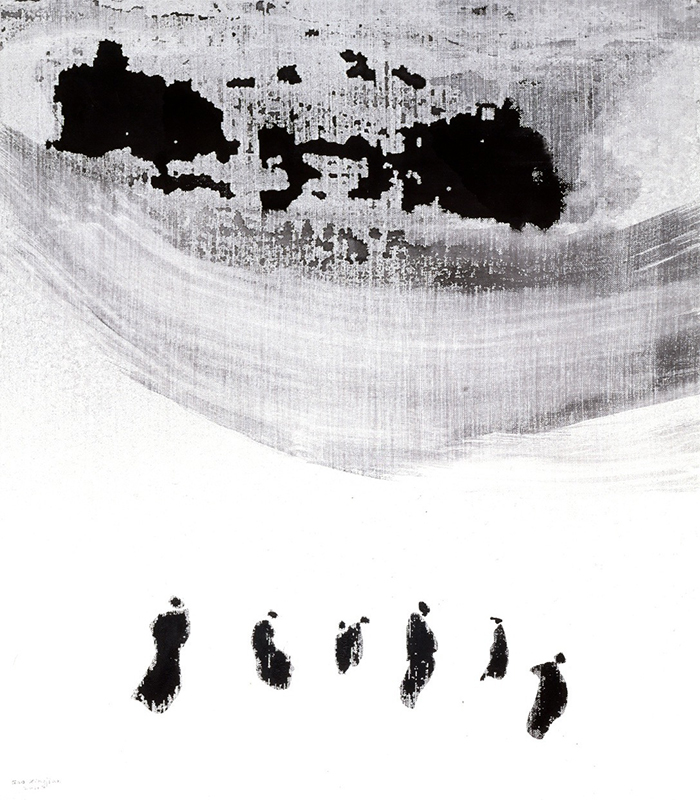
The artist works on his compositions before, during and after the conception of a production. On this occasion, the works capture what Wilson imagined for an act, scene or interlude of The Messiah. Rendered in subtle shades of black and white, they capture on paper ephemeral moments from his latest production. The originals move away from the realistic representation of set design and depict currents of energy, echoing Wilson’s use of light to define the space on stage.

These originals, which are usually presented in sequence, offer subtle variations on the same motif and act as records of his creative process throughout the rehearsals. Created in Berlin and Salzburg and closely related to the evanescence of a moment, it is possible to appreciate them independently of his theatrical work as purely poetic objects.

The strict structure of The Messiah, determined by the alternation between individual numbers for the four vocal soloists and the same number of choral sections, constitutes for Wilson the starting point for a staging that works with surreal images and tries to create a container for the music.


«For me, The Messiah is not just a religious work, but a kind of spiritual journey»

– Robert Wilson


ABOUT ROBERT WILSON

Born in Waco, Texas, Robert Wilson is one of the world’s foremost theatrical and visual artists. His stage works unconventionally integrate a wide variety of artistic media, including dance, movement, lighting, sculpture, music, and text. His images are aesthetically stunning and emotionally charged, and his productions have earned him global public and critical acclaim. After completing his academic training at the University of Texas and Pratt Institute in Brooklyn, Wilson founded the New York-based performance collective «The Byrd Hoffman School of Byrds» in the mid-1960s and developed his early masterpieces, including Deafman Glance (1970) and A Letter for Queen Victoria (1974-1975). He wrote the influential opera Einstein on the Beach (1976) in collaboration with Philip Glass.

Wilson’s artistic collaborators include a number of writers and musicians such as Heiner Müller, Tom Waits, Susan Sontag, Laurie Anderson, William Burroughs, Lou Reed and Jessye Norman. He has also left his mark on masterpieces such as Beckett’s Krapp’s Last Tape, Brecht/Weill’s Threepenny Opera, Debussy’s Pelléas et Mélisande, Goethe’s Faust, Homer’s Odyssey, Jean de la Fontaine’s Fables, Puccini’s Madama Butterfly and Verdi’s La Traviata. Wilson’s drawings, paintings and sculptures have been exhibited in hundreds of solo and group exhibitions worldwide, and his works are in museums and private collections around the world. Wilson has been the recipient of numerous awards for excellence, including a Pulitzer Prize nomination, two Ubu Awards, the Golden Lion of the Venice Biennale and an Olivier Award.

He was elected member of the American Academy of Arts and Letters, as well as of the German Academy of Arts, and holds 8 honorary doctorates. France awarded him the distinction of Commander of the Order of Arts and Letters (2003) and Officer of the Legion of Honor (2014); and Germany awarded him the Officer’s Cross of the Order of Merit (2014).

Wilson is the founder and artistic director of The Watermill Center, a laboratory for the arts in Water Mill, New York.
LAST & LOST, Jordi Bernadó

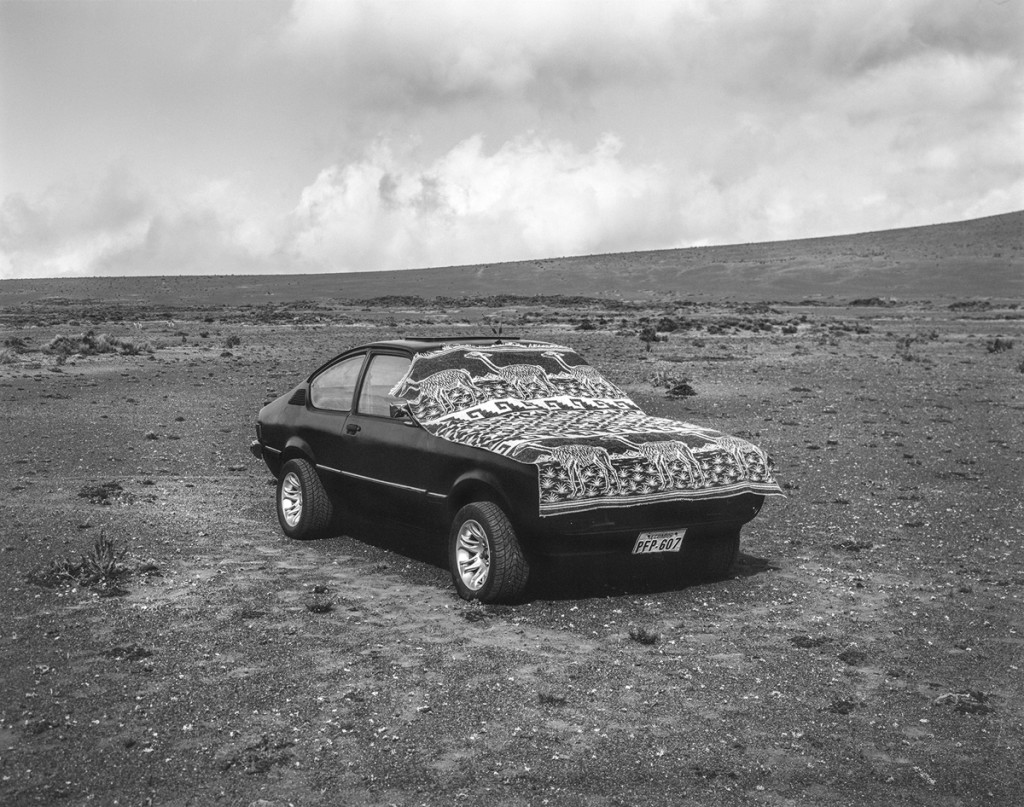
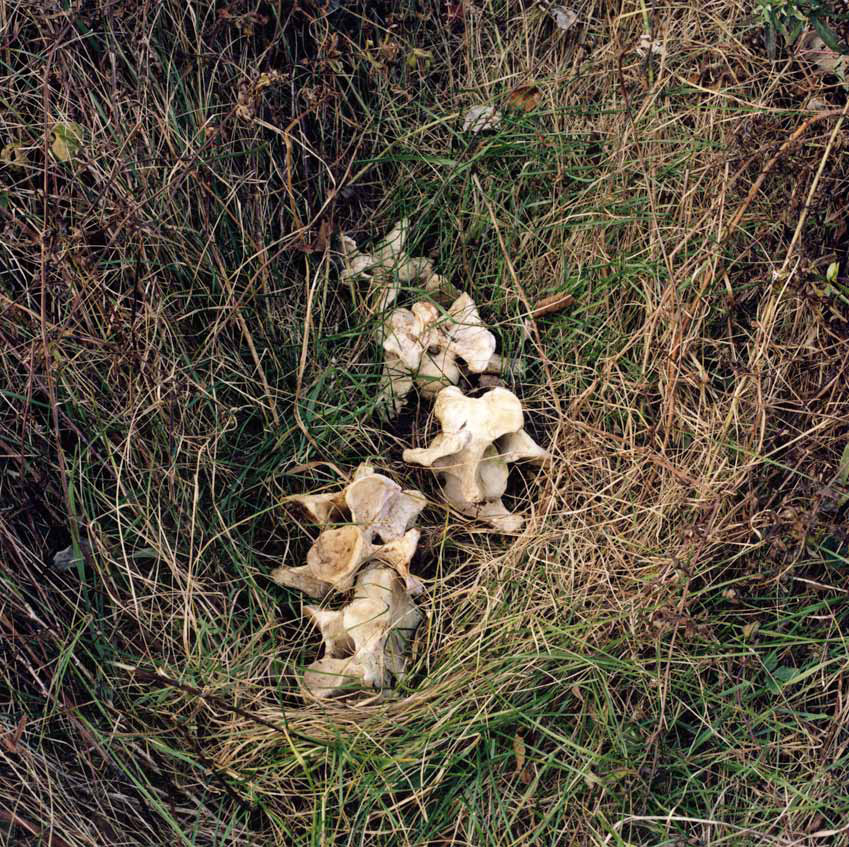
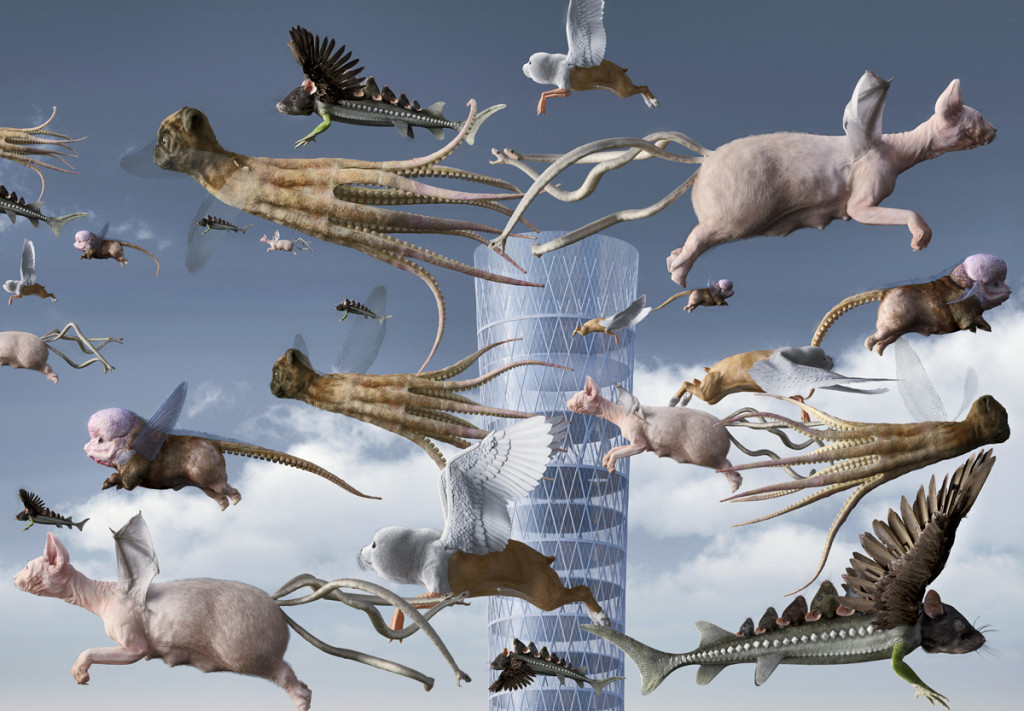
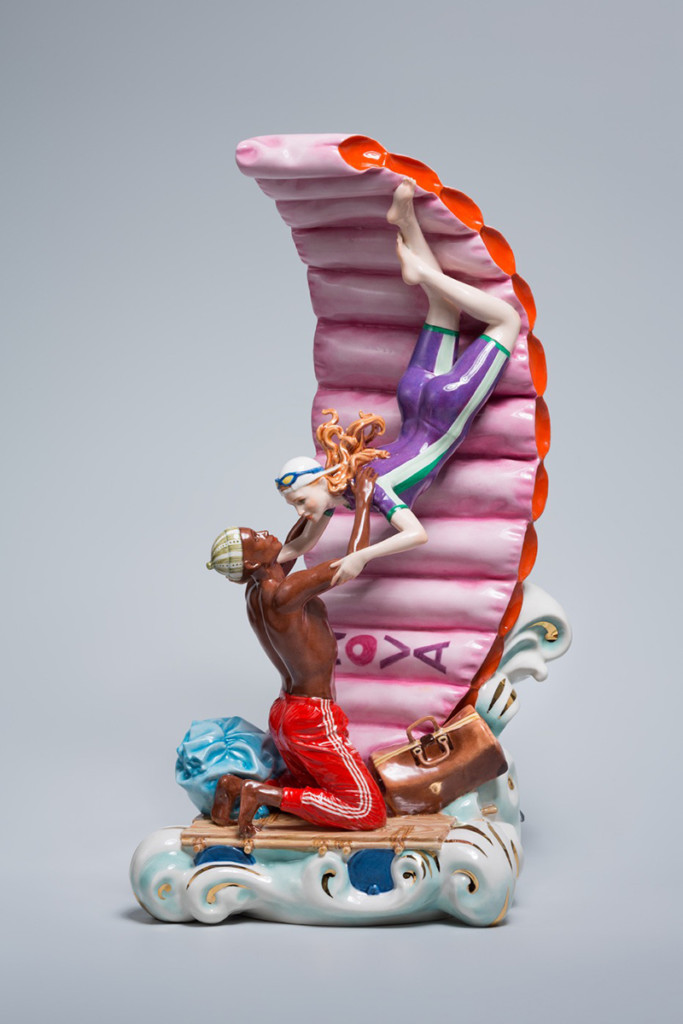
In his new work, the artist and photographer Jordi Bernadó travels in search of a world that disappears. Last and Lost is a series of eight photographs displayed in a solo exhibition at Galería Senda starting January 24. These eight pieces are part of a larger project, still ongoing, in which the artist asks himself about the ecological and philosophical challenges of the present. Issues such as sustainability, the relationship between technology and nature, the horizons of the future, and democracy are fundamental in this new work.

The Last and Lost exhibition focuses on the environmental dimension, creating a reflection on the loss and human destruction of nature. The eight photographs portray lost places, ecosystems in danger of extinction, areas uninhabitable due to pollution, or forms of life that struggle to survive. Each image shows a reality that is about to cease to be so. The artist becomes a witness and spectator of an ambiguous state between existing and non-being.

An archive of losses: from the oldest tree in the world, Old Tjikko, in Sweden, whose roots are more than 9,565 years old, to the most remote and inaccessible lake, Lac Télé, in the Republic of the Congo, an immense mirror of sewage in the middle of nature, or the desolate landscapes of Zone Rouge, in France, devastated by the explosives and chemical spills of the First World War, whose entry is prohibited and much of the area is considered unrecoverable.

Bernadó also travels to the Great Blue Hole in Belize, to the Great Barrier Reef in Australia, to Racetrack Playa in California and Nevada, to the Danakil Desert in Ethiopia, and to the Doha Desert in Qatar, where the famous sculptures by Richard Serra East-West/West-East. At each destination, he encounters scenes of extinction and yet strange flashes of light.

Bernadó flees alarmism and resignation. It emphasizes the human will and appeals to the desire to nourish life and preserve beauty. It urges us to look into the unknown and question our actions.

His interest in landscape and identity has marked Bernadó’s work throughout his career. In recent years, his interest in the way we tell ourselves about the world—and how we construct fiction about the future and uncertainty—has taken on special relevance in his artistic practice. Last and Lost is the first chapter of an ambitious, long-term project that aims to put these fictions of the world in images and reflect on the possibilities of action (and narration) in the face of contemporary challenges.

Descarga la hoja de sala AQUÍ

PETER HALLEY, Hand-Painted: Watercolors and Drawings

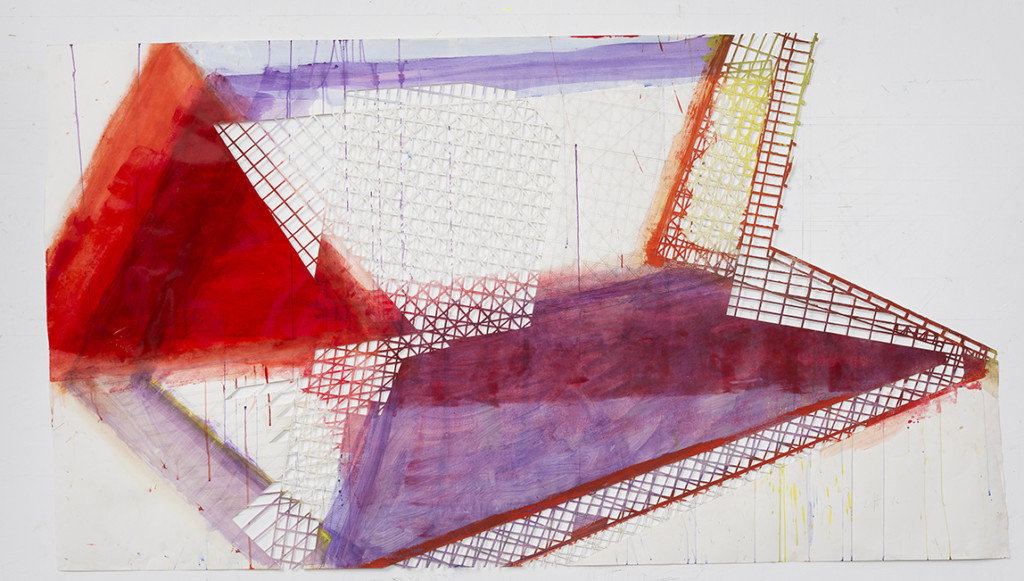
Hand-Painted: Watercolors and Drawings is the first exhibition to present intimate, hand-painted works by Peter Halley, which stand in compelling contrast to the artist’s meticulously executed paintings for which the Neo-Conceptualist American painter is globally known. 

These hand-painted works reveal the unique quality of the artist’s hand through his nuanced brushwork, giving insight into the artist’s approach to his creative process. The genesis of his paintings in these hand-painted works surprisingly reveals Halley’s reliance on spontaneity and improvisation. 

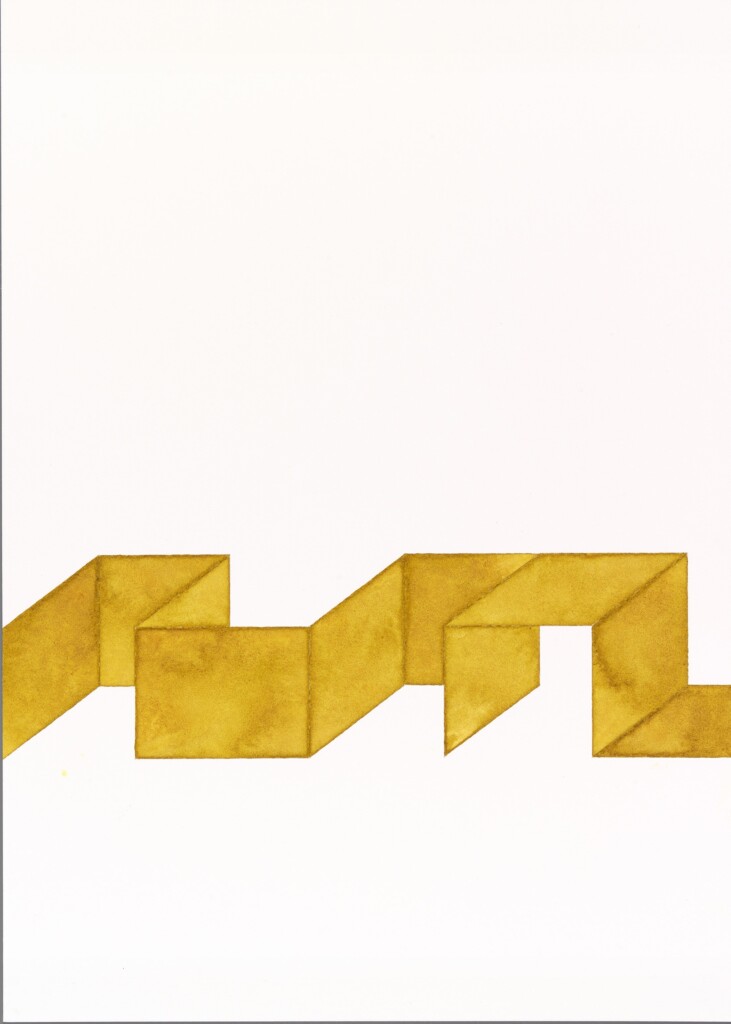
Halley’s new hand-painted watercolors revisit his cartoon-influenced “Exploding Cell” imagery, a theme to which Halley has repeatedly returned since the 1990s in both prints and large-scale installations. 

The drawings serve as scaled color studies for his iconic large-scale paintings — a working method that Halley has used since the 1980s. The exhibition includes four examples from the early 1990s on graph paper, before the artist began composing his paintings on the computer (as is his practice today). In contrast to these early works, the show includes 9 recent drawings executed from the 2021 to the present. 

JAMES CLAR, Run Dog Wild | #LoopFestival2023

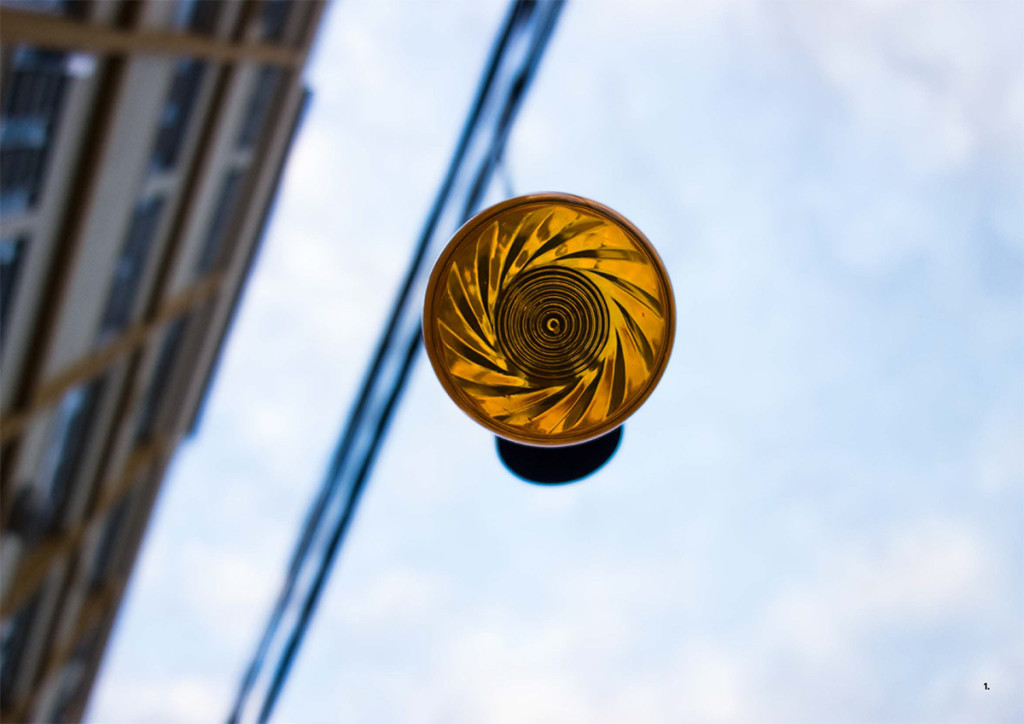
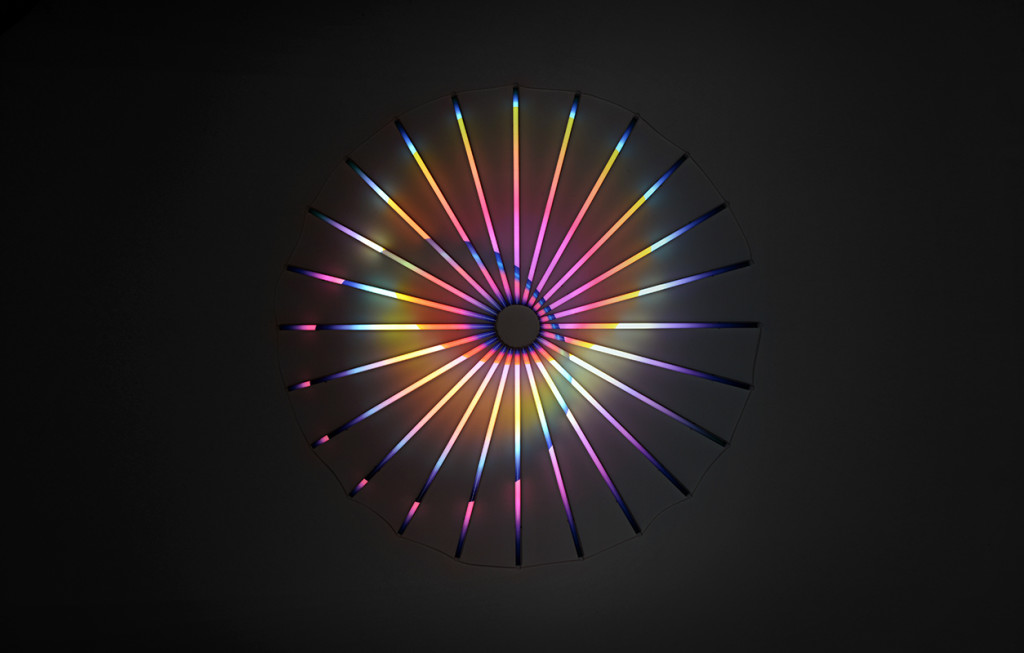
RUN DOG WILD’ (2021) was created by attaching a laser scanner to a car that was driven throughout downtown Manila during the pandemic lockdown. The laserscanner projected animated frames of a running dog onto the buildings and cars, overlapping a ‘virtual’ dog onto the physical environment of the city. At the time of its creation the city was under 8pm curfew lockdown, the streets were empty, and one could only imagine being outside roaming free on the streets like the animals do. Instead, everyone was ‘connected’ inside use various technological means. RUN DOG WILD overlaps a virtual animal onto a physical space like a daydream of a person locked inside. The piece could only have been achieved during the city’s lockdown state, whereas now the gridlock of 24/7 traffic has re- entered life of the city’s inhabitants.

ROBERT MAPPLETHORPE, Hunted Obsession

Robert Mapplethorpe was born in 1946 in Floral Park, New York. In the 1970s, Robert Mapplethorpe emerged as an artist in New York, coinciding with the rise of photography as fine art and the explosion of punk and gay cultures. Originally trained in painting and sculpture, he transitioned to photography, crafting erotic collages and later his own Polaroid images. His exhibitions featured erotic nudes, still lifes, and celebrity portraits using a large-format camera.
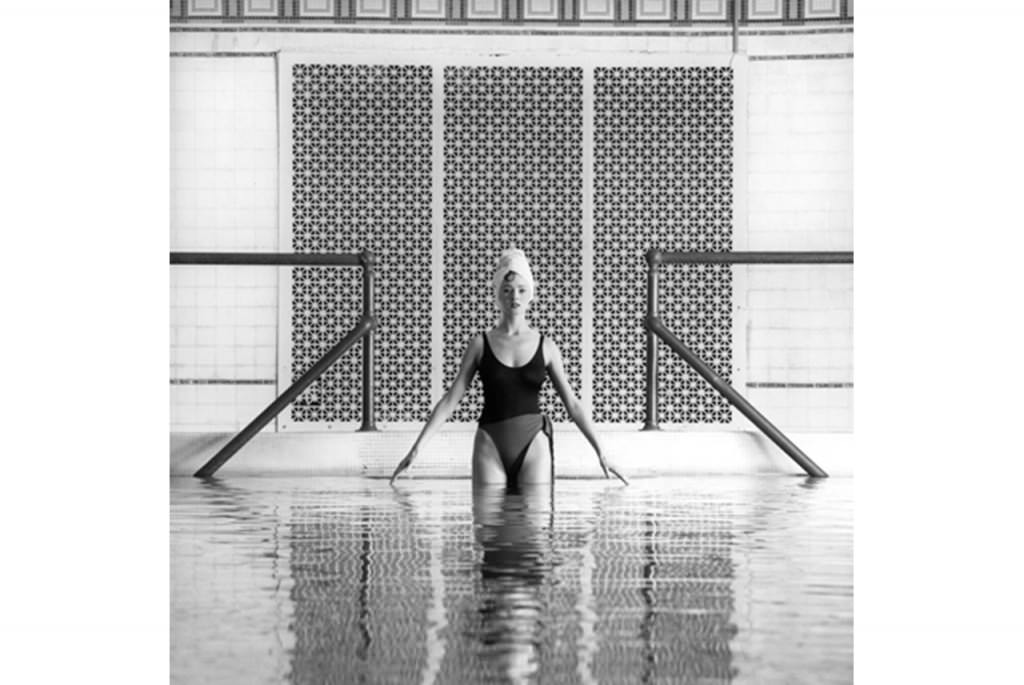
By the late 1970s, Mapplethorpe’s work adopted a style reminiscent of Helmut Newton and Man Ray. Mapplethorpe continued to explore explicit homoerotic themes, sparking debates on public funding for the visual arts during the contentious 1980s. Despite occasional color usage, Mapplethorpe favored black-and- white photography, using it to explore paradoxes and binary relationships.

In his works, he challenges conventional gender distinctions, blurring identity in self- portraits and collapsing dualisms through symbolic imagery. The development of his work over the last two decades of his life reveals a strong, consistent vision of reality, as he tried to unite opposites such as order and disorder, life and death, and man and woman while striving to find the perfect balance between form and content.

“I don’t like that particular word ‘shocking.’ I’m looking for the unexpected. I’m looking for things I’ve never seen before…I was in a position to take those pictures. I felt an obligation to do them.”

– Mapplethorpe, 1988

Mapplethorpe’s photographs are easily recognizable — the intimacy and sensuality in the subject matter and the delicacy with which they are shot; eroticism and vigor accentuated by sharp shadows so saturated they appear almost monochromatic; the push and pull between crossing limits and keeping boundaries; and finding the present through classically depicted figures.

This exhibition showcases the wingspan of the artist’s work through carefully selected dialogues inherent in the works. Underlying themes that unify nudes, portraits, flowers, and sculptures. There is a piece of Mapplethorpe’s essence in every shadow, every angle, and every deliberate inclusion or exclusion of what’s within the frame.


All Mapplethorpe Images © Robert Mapplethorpe Foundation

Sountrack para Robert Mapplethorpe por Javier Panera

GONZALO GUZMÁN, Colisión

Gonzalo Guzmán (Madrid, 1991) educated as an industrial designer and has been working in sculpture since the time of the pandemic, when he began to have lucid dreams, an experience that can affect up to 50% of the population at least once in their lives. In them, the subject is aware that he is living a dream and from that point he takes control of his development.

Collision is his first solo exhibition at Galeria SENDA, as part of the Art Nou festival, Barcelona’s emerging art festival, which aims to promote the talent of young artists and, among other things, give them the opportunity to exhibit, as in this case, for the first time in a gallery.

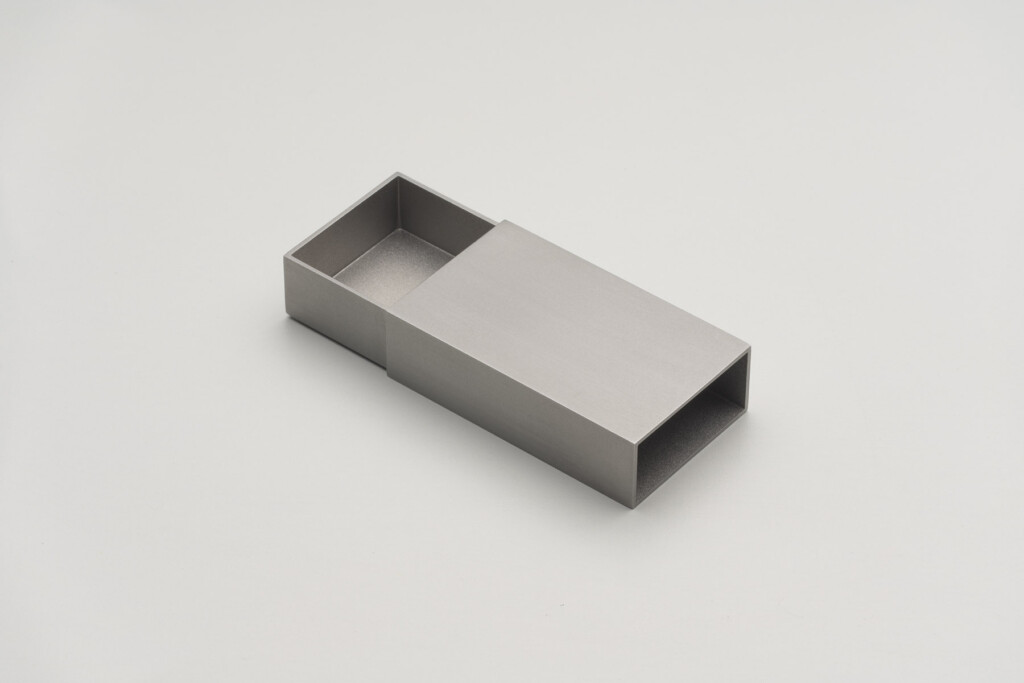
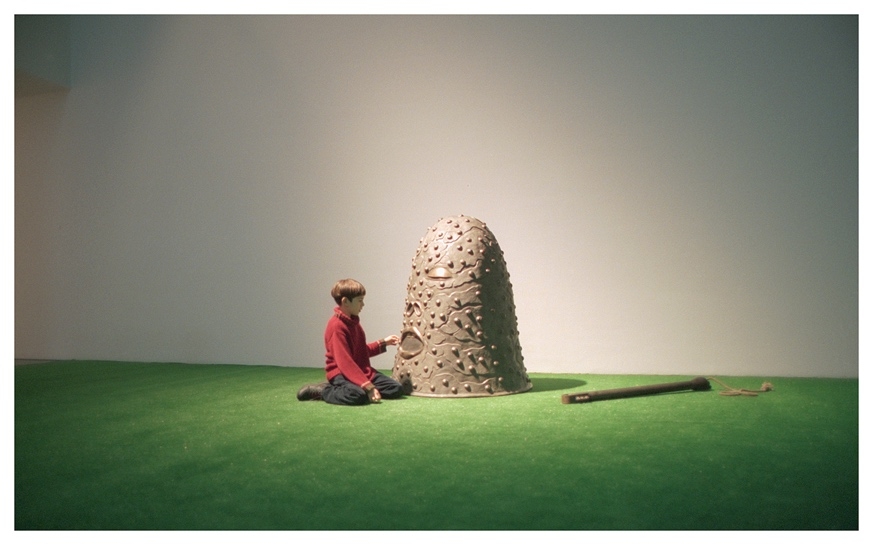
Lucid dreams have marked Gonzalo Guzmán, and as a result of experiencing them, he decided to radically change his life and dedicate himself fully to sculpture in order to capture his dreams. His artistic production is made up of metallic pieces of stainless steel that refer to megalithic monuments such as dolmens, which often appear in his dream world. The creation of sculptures is a form of research to translate these figures into reality. The fact of materialising them enables Guzmán to interact with them on the real plane, and at the same time other people can do so. In addition, the material embodiment of these works raises awareness of how dreams can transform our surroundings.

The centrepiece of the exhibition is Collision, a structure that has also been the protagonist of his dreams. This installation is composed of the representation of a three-metre stainless steel stalactite suspended from the ceiling of the gallery on a reflective surface. The reflection of the stalactite on the area generates the illusion that there is also a stalagmite and, therefore, they are two structures that are about to touch. The strength of the composition lies in the closeness of an impossible collision; in the tension of volumes about to collide.

When looking at the installation, the spectator may question whether he is really looking at a six-metre structure or a three-metre structure reflected on a surface. However, neither of the two options is wrong. Likewise, the perception of time is also altered through the presence in the exhibition of an inoperative clock, since when we dream the notion of time fades away. The public will also be able to contemplate other sculptures by the artist present in his dreams that allude to megalithic structures.

The questions suggested by the observation of Collision lead us to reflect on the blurred boundaries between what is and what is not real. This same situation happens in lucid dreams where the unknown remains as to what is part of them, and consequently, the apprehension of reality and our belief system may collide.

The structure is suspended from a false tensioned ceiling illuminated with LED lights, which has been implemented by Barrisol and the company Instalación de Materiales Acústicos y Decorativos (IMAD).

Abaut the artist GONZALO_GUZMAN_SENDA_mayo2023


www.barrisol.com / www.imadsa.es

TÚLIO PINTO, Empatía

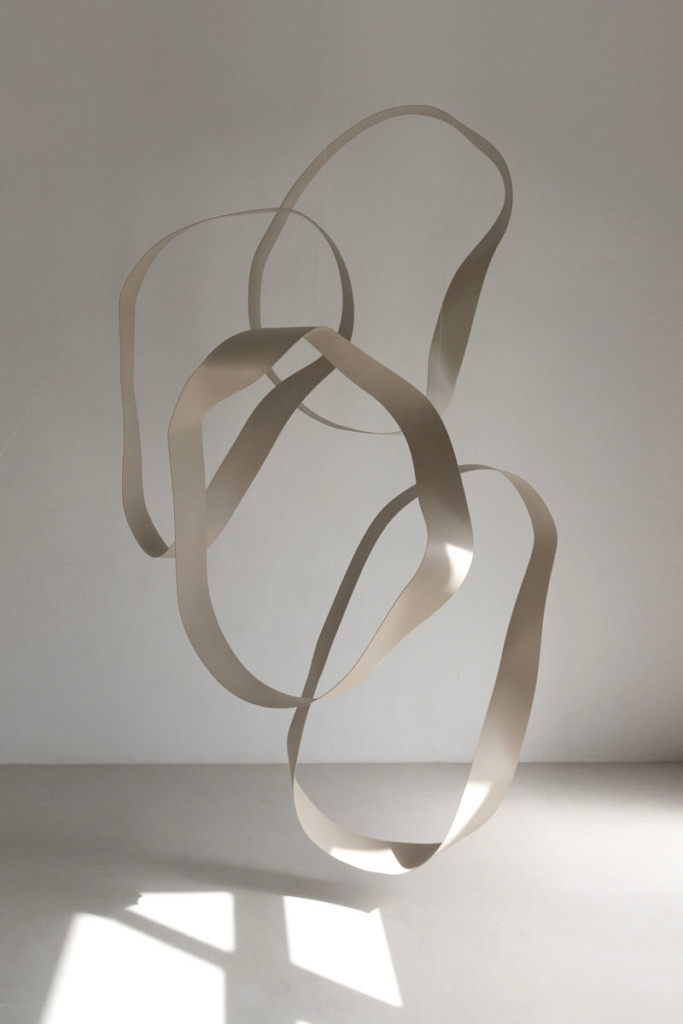
Túlio Pinto is for the first time at Galeria Senda, for a solo show, displaying his sculptures of glass bubbles delicately trapped between pieces of rusty steel, disregarding, for this collection, other materials, typical of him, such as stones, steel and ropes. Once again, the Brazilian artist is trying to test the limits of ordinary, industrial materials, creating apprehension in perfectly balanced, harmonious compositions.

The exhibition ‘Empathy’ is comprised of six sculptures made in Spain, that together bring about a place of experience and reflection. Túlio presents multiple arrangements articulated with the same materials to examine the unnatural encounter between different elements. The dialogue created through these engagements are metaphors for the conditions of existing. Concepts of transformation, balance and impermanence are all brought to light, open to interpretation of the viewers. Strikingly, rather than assigning meaning to materials, Túlio uses the features of the mediums to form a definition.

With subtle references to Russian Constructivism, Túlio Pinto has a very unconventional approach to sculpture. He obtains pieces of his sculptures in natural conditions and establishes an unstable interaction with their different properties such as their weight, density and dimension. Nothing is glued or fixed, everything stays in place with the pressure of the blown glass and the weight exerted by the steel tapes. Túlio creates a visual representation of the magical empathy between two materials that are not known for complementing each other. The juxtaposition of not only the temperaments of the materials but also their placements that Túlio so deliberately selects gives his work a sense of duality. There is constant contrast between the materials- from the fragility, transparency and shininess of glass to the the rigidity, opacity and dullness of the steel. There are also references to the materialization of the invisible force- gravity. A force taken for granted despite its power over everything on earth.

As a child, Túlio had a peculiar habit of collecting stones he found near his home and taking them with him on vacation. He would release these stones into different soils, hoping to generate some kind of existential crisis for the minerals of the earth. To this day, he still displaces stones and challenges limits of their resistance. Túlio Pinto never ceases to push the boundaries.


Download the press release here

We invite you to follow us on social media so you don’t miss any news or gallery activity!

Share your experience with us using @galeriasenda & #galeriasenda


ANTHONY GOICOLEA, Back To One

We are pleased to announce that Galeria SENDA will be presenting a solo exhibition by Anthony Goicolea (Atlanta, 1971), opening Thursday April 13th at 7pm. This marks Goicolea’s third solo show with the gallery and will feature a selection of his most recent works.


ARTIST STATEMENT

My work is a visceral reaction to a lifetime navigating the coded boundaries that exist between cultures, genders, ages, and traditions.

I paint fictional scenarios through the lens of my personal and family history. Growing up Cuban, gay and Catholic in the Deep South during the early 1970s forged my awareness of social constructs such as regional traditions, rituals, and history, and how those elements play out and define arenas of identity, gender, and place.

I was coming of age in the midst of the Cuban refugee crisis coupled with the advent of the AIDS crises and the rise of the religious right, a confluence of events that remarkably parallels our current cultural and political climate.

My paintings are poignant, cinematic portraits that mix cross-cultural references. I use coded cultural signifiers gleaned from folklore, mythology, religion, and fairytales, in my paintings to draw parallels between past and present.

These works are characterized by a feeling of familiarity and dreamlike otherworldliness. I gravitate towards scenarios that focus on the figure caught in a transitional “in-between state” that defies clear interpretation as a result of conflicting cultural touchstones or signifiers. Many of the figures are painted in a moment of fatigue or ennui. Their acrid colors, androgynous poses, and deadpan stares are rendered in a thick scumble over rough linen to reveal past layers of paint.

The similarities between the advent of AIDS and the Covid-19 pandemic, the refugee crises of the 70’s and current anti-immigration nativism, and the Reagan era culture wars compared to the resurgent right’s religious attack on race, gender, and bodily autonomy have combined to reawaken memories of navigating familiar terrain in my adolescence. My paintings address these murky childhood memories through a cast of fictional character studies. Like jaded actors from another era, the figures in my paintings mirror the past and stare out with an exhausted gaze knowing the parallels of our current situation have set the stage for yet another repeat performance.

ELENA DEL RIVERO, Love Song

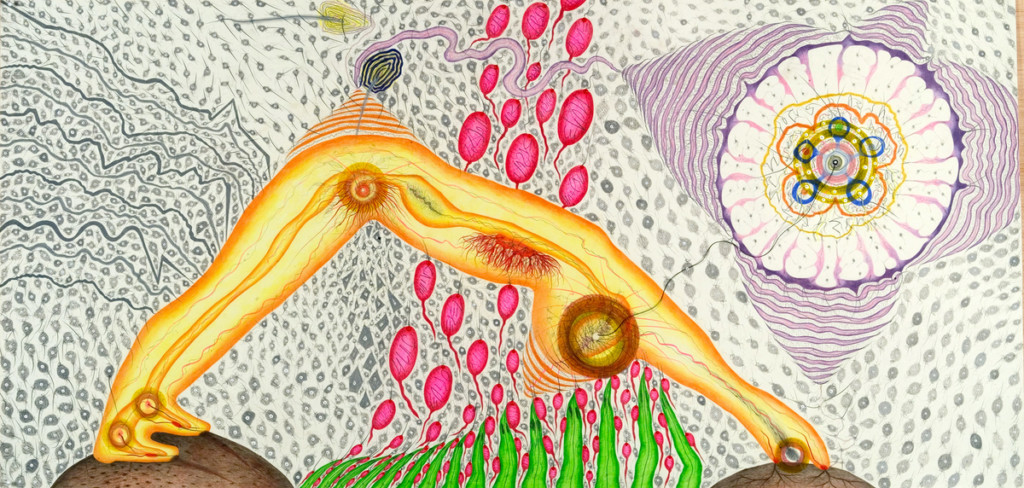
The work of Elena Del Rivero paves the way for two independent lines that dialogue with each other: the historical; that points to the collective pain of loss, and the personal; that is born from the construction process of our existential pillars.

This exhibition is dedicated to the life and work of Lawrence D. “Butch” Morris (02.10.1947 Long Beach CA.- 01.29.2013 Brooklyn, NY) whose music can be heard during the course of the exhibition courtesy of the artist’s legacy – with our thanks.

Del Rivero will present a selection of works taken from various projects carried out throughout her career that culminate in the concept of admiration for life and experience – leitmotiv and essence of the artist’s inspiration.

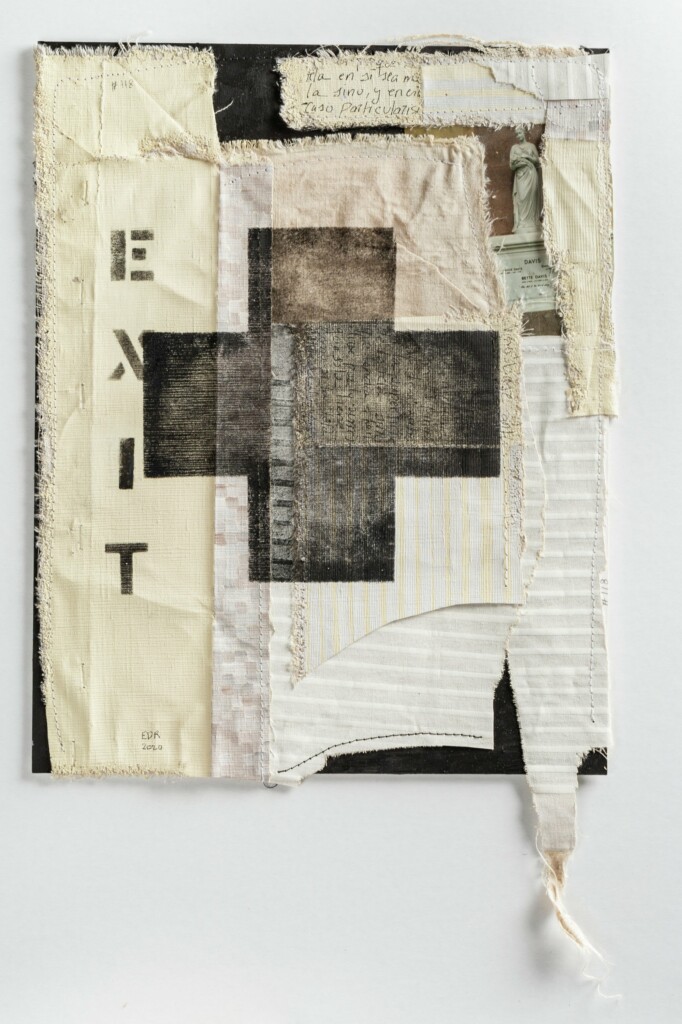
In the context of the last stage of the “Archivo del Polvo” (Dust Archive) (2001-2021), Love Song will include the 30 collages-assemblages that were presented in Es Baluard, Palma de Mallorca, built with the pieces of painting rescued from his studio from the works destroyed during the 9/11 attack.
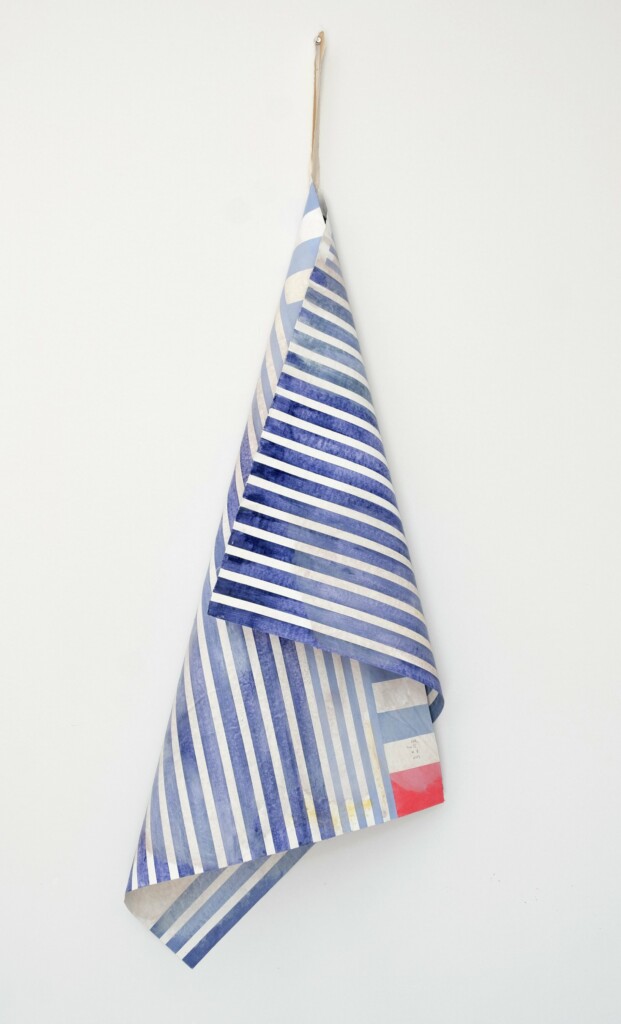
From “Letters from Home”, where the artist delves into the domestic with the kitchen table as a banner, the artist proposes a conceptual experience with kitchen towels-paintings from different years.
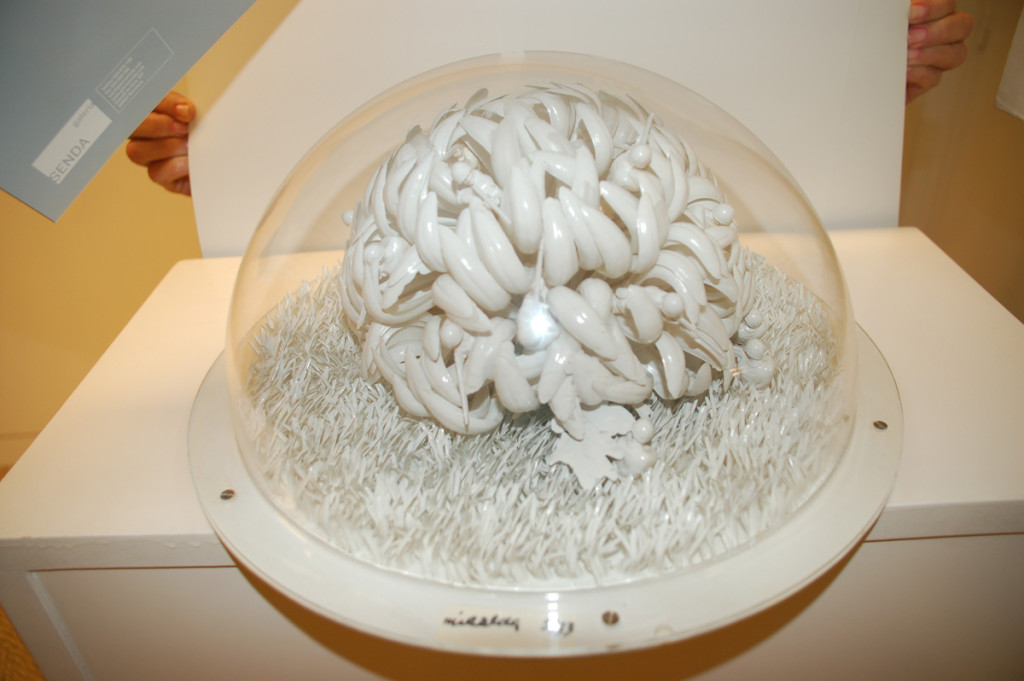
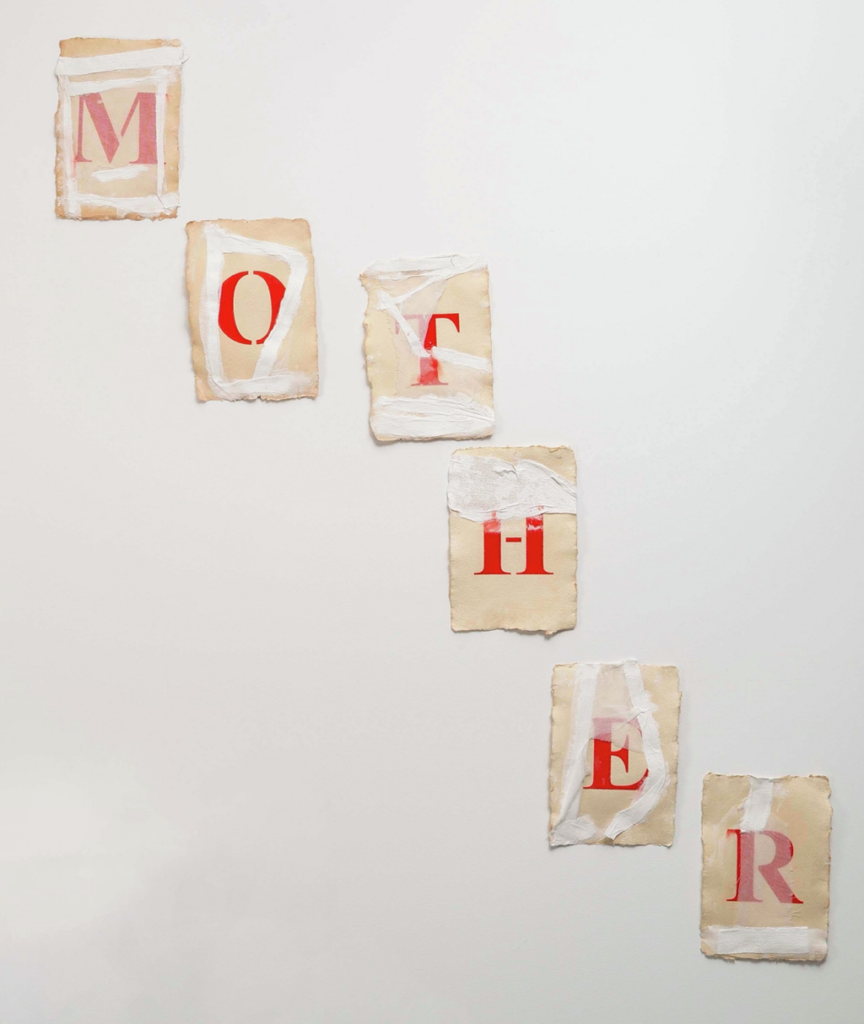
Elena also incorporates works related to “Letters to the Mother”, another of her great projects since 1991, with elements that she has used constantly throughout her career such as needles, paint, embroidery and fabrics.

The exhibition is completed with “Fragments of my Ruin”, a work in which all her ethical and aesthetic concerns of recent years come together in a large installation.

Click here to see available works

With a photograph of Butch walking through the East Village in New York and taken by Elena in 2008, the exhibition will close along with others taken during the Black Lives Matter demonstrations in the Soho neighborhood. The images will accompany us throughout the visit as a reflection on the historical, the collective and the personal in the context of an immediate present.

The uses that the artist gives to the materials manage to organically structure the phases that arose as a result of the attacks, as do her drifts and personal reflections that are consolidated in a strong narrative that is the source of her own artistic process.

In the words of the director of Es Baluard (Museum of Contemporary Art of Palma de Mallorca), Imma Prieto: «The importance of Elena Del Rivero’s project lies in the connection established between a specific event, 9/11, and a relationship that unites past, present and future.

Read Imma Prieto’s statement about “Love Song” here: 

ARTIST BIO

Elena del Rivero has lived and worked in New York, USA, since 1991. She has had individual exhibitions at the Museo Nacional Centro de Arte Reina Sofía (Madrid); New Museum (New York), Corcoran Gallery of Art Washington D.C.); International Center of Photography (New York); The Drawing Center (New York); or the Patio Herreriano Museum in Valladolid, among others.

ANTHONY GOICOLEA, Don’t Make a Scene | #LoopFestival2022

Galeria SENDA presents Anthony Goicolea – “Don’t Make a Scene” (2020)
LOOP Festival, 8 – 20 November 2022

Galeria SENDA is pleased to present Anthony Goicolea in this years edition of the LOOP Festival from the 8th of November till the 20th of November.

“Don’t Make a Scene” (2020) is a monologue presented in the form of a silent film. The short unfolds as a book of drawings made during the initial six weeks of the Covid-19 quarantine. Each drawing is done on semi-translucent sheets of mylar film. The portraits are character studies presented as actors from a one-act play.

Made during a six-week period of forced isolation, Goicolea casts myself as the emcee in the guise of an early 1900’s cabaret host as an allusion to past and present pandemics.

Stills from the original video

Dressed in period stage drag the emcee enters in a black cloak and beaked mask. During the 17 th-century plague, European physicians wore beaked masks, leather gloves, and long coats in an attempt to fend off disease. The mask is removed to reveal pancake make-up and reddened cheeks that were often used to hide early signs of “Consumption” or the “White Plague”. And the pomaded coifure, rouge, lipstick and stage make up has links to paintings made during the pandemic of 1918 as well as referneces to drag and queer communities affected by the on going AIDS pandemic.

The musical accompaniment is a slow unfolding waltz whose beat is in sync with the rhythmic turning of the pages. The slow steady beat marches onward toward isolation, tedium, fear and the final hooded figure of death.

ARTIST BIO
Anthony Goicolea is an American born artist of Cuban origin. Known internationally for his photographs, drawings, paintings, sculptural installations, and films, the artist works across mediums creating a self-referential visual language that explores identity, migration and transition, displacement and alienation, as well as assimilation and group dynamics. Goicolea uses the architecture of the human body and constructed landscapes to create worlds predicated on fantasy but based in reality.

About LOOP Barcelona

LOOP Barcelona is a platform dedicated to the study and promotion of the moving image. Founded in 2003, since its creation it offers a specialized audience a curated selection of video-related contents from challenging perspectives. An international community of artists, curators, gallerists, collectors and institution directors, team up to develop projects, which aim at exploring the capacities of video and film in today’s contemporary art discourses.