Prologue
Before becoming an exhibition, An Aquatic Stroll begins as an open process.
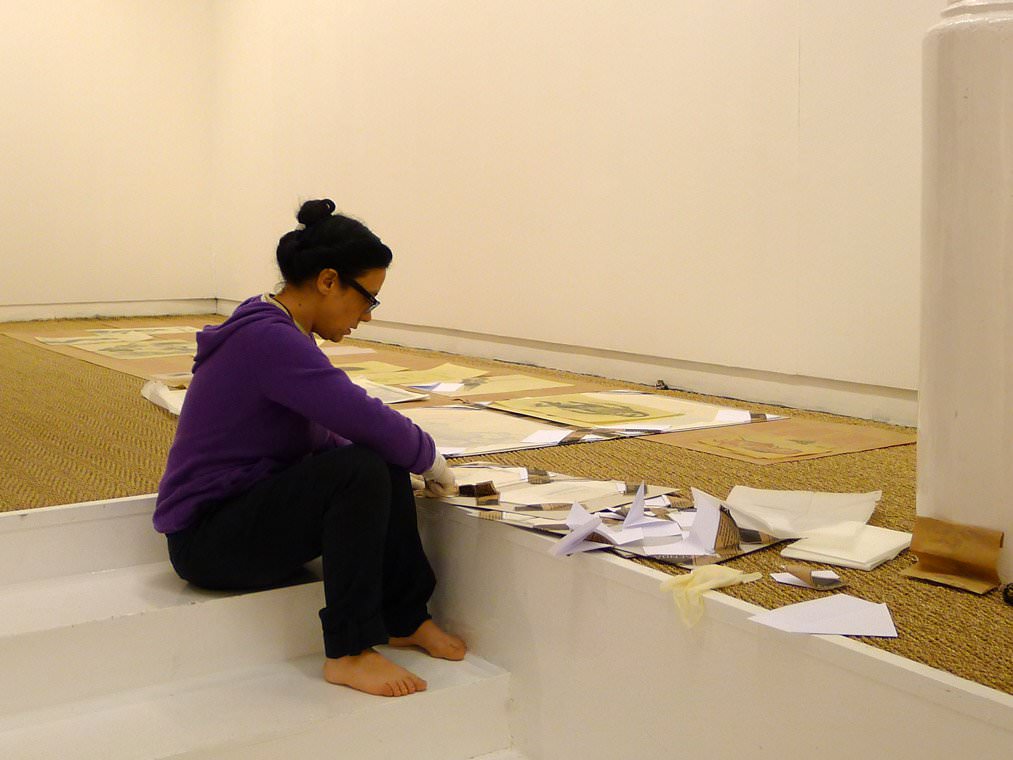
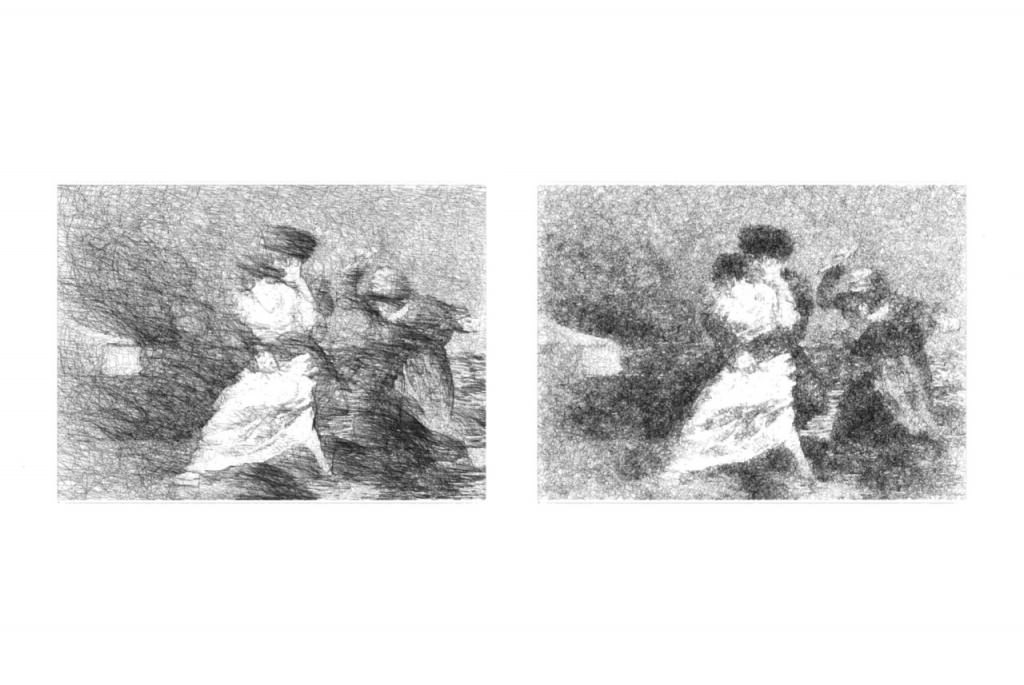
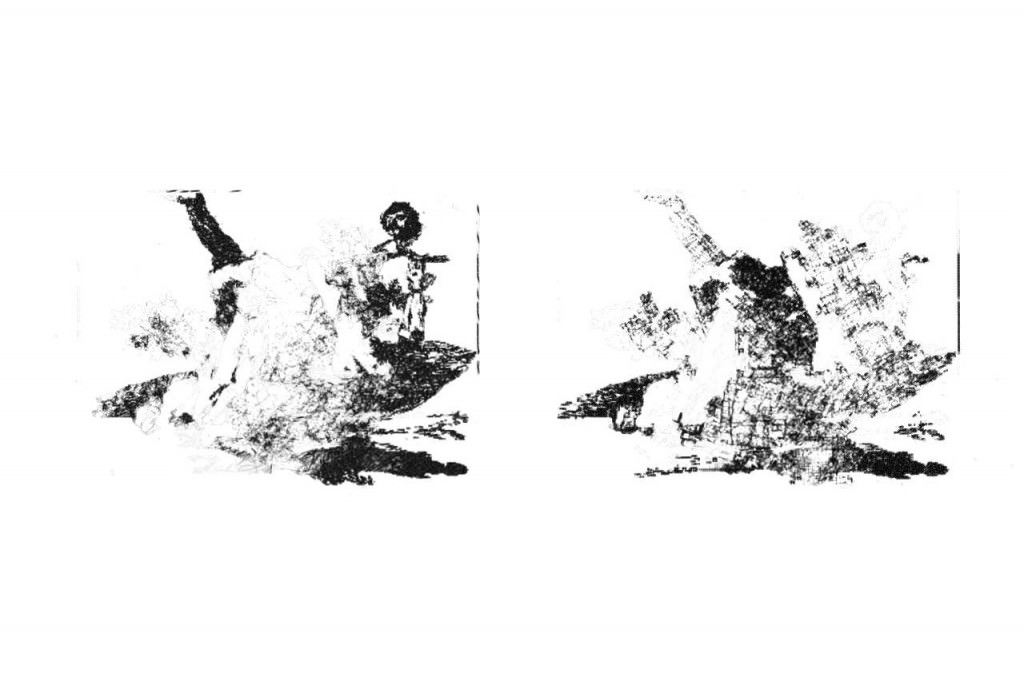
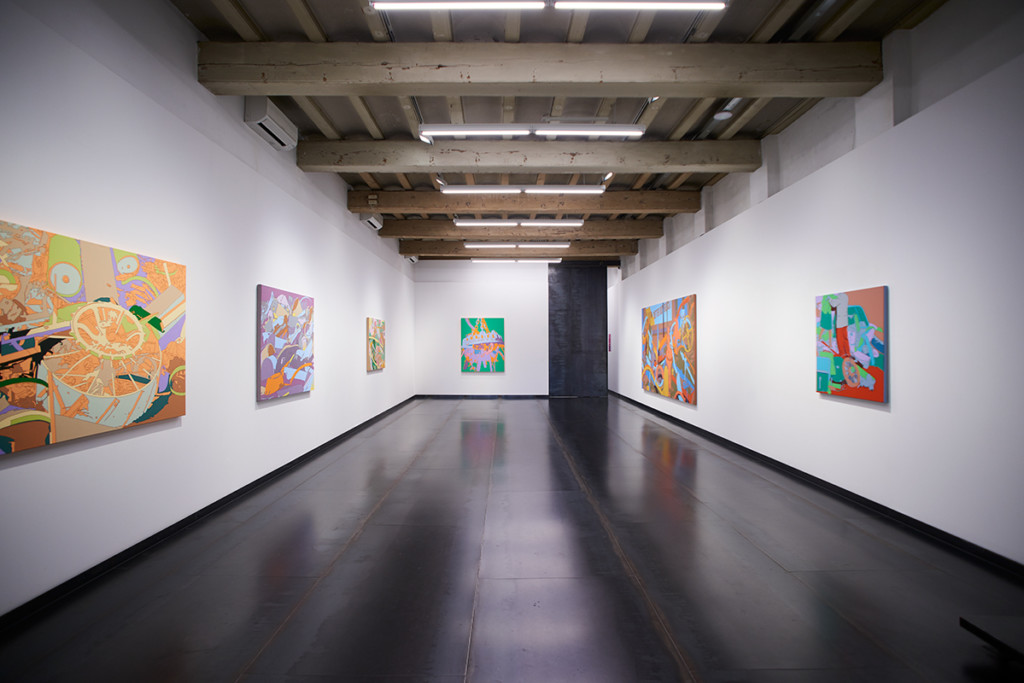
In the weeks leading up to the opening, Marcel R. Juliana will intervene on the walls of Galeria SENDA’s Mezzanine, allowing the drawings to gradually emerge before the eyes of visitors. This action transforms the space into a site of work and observation, where the public can encounter the first gestures, paths, and intuitions that shape the exhibition.
More than a preview, this intervention invites visitors to accompany the artist at the beginning of his stroll: a journey that will gradually unfold until it becomes an exhibition.
About the exhibition
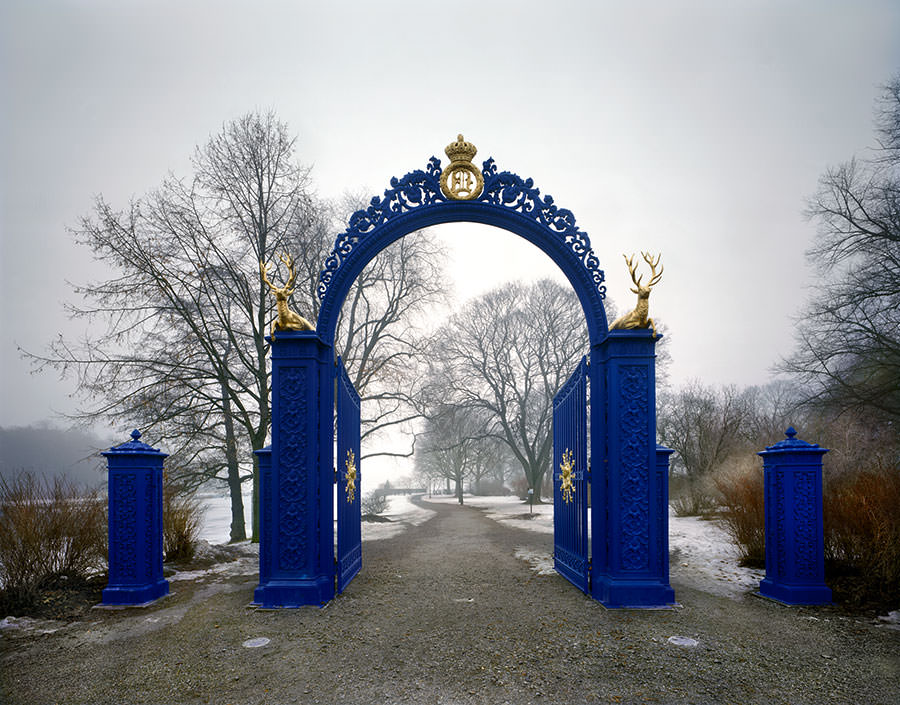
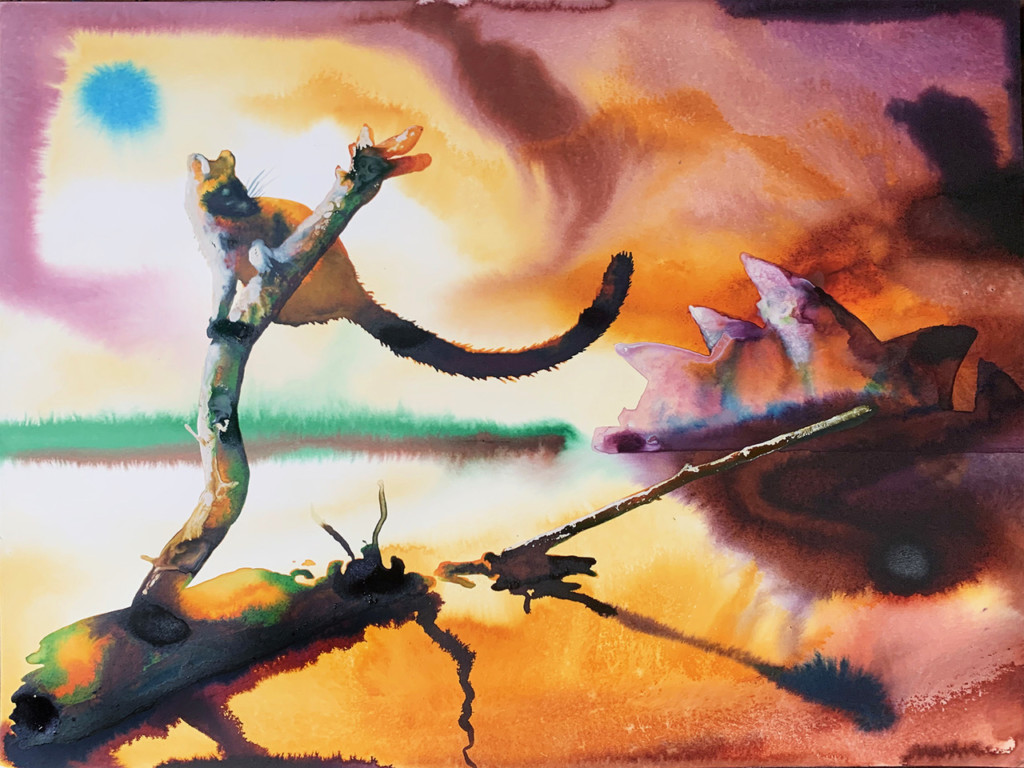
Presented as part of Art Nou 2026, the exhibition by Marcel R. Juliana unfolds as a drift through a garden where memory, fiction, and observation intertwine through the language of drawing. Conceived as a journey open to discovery, the project takes as one of its points of departure La apócrifa historia del Hércules enamorado y de su león emasculado, a book written by Sergio Mariano Colina, edited by Ignacio Rodríguez Somovilla, and illustrated by the artist himself. Its pages recount the singular story of a sculpture of the Farnese Hercules once located in the Martí-Codolar gardens in Barcelona, a place that, in the early 1940s, echoed the traditions of Italian and French gardens through its parterres, fountains, giochi d’acqua, and intricate hydraulic systems designed to channel water, shape the landscape, and nourish the imagination.
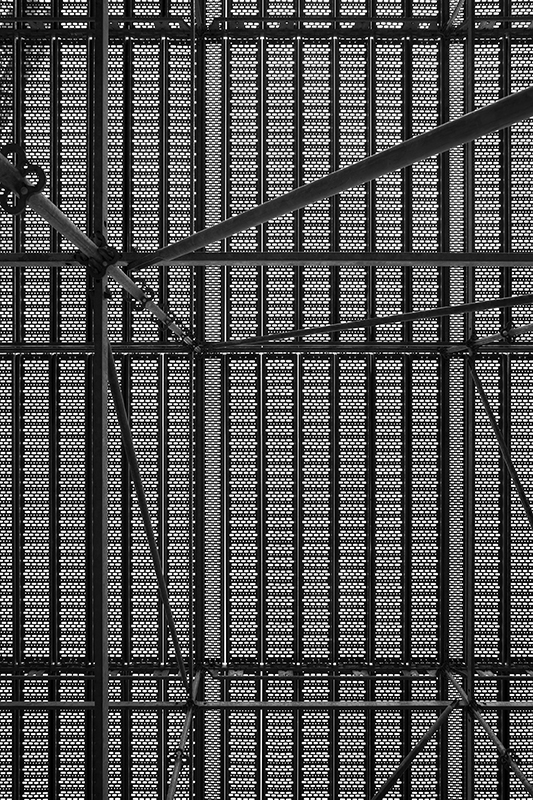
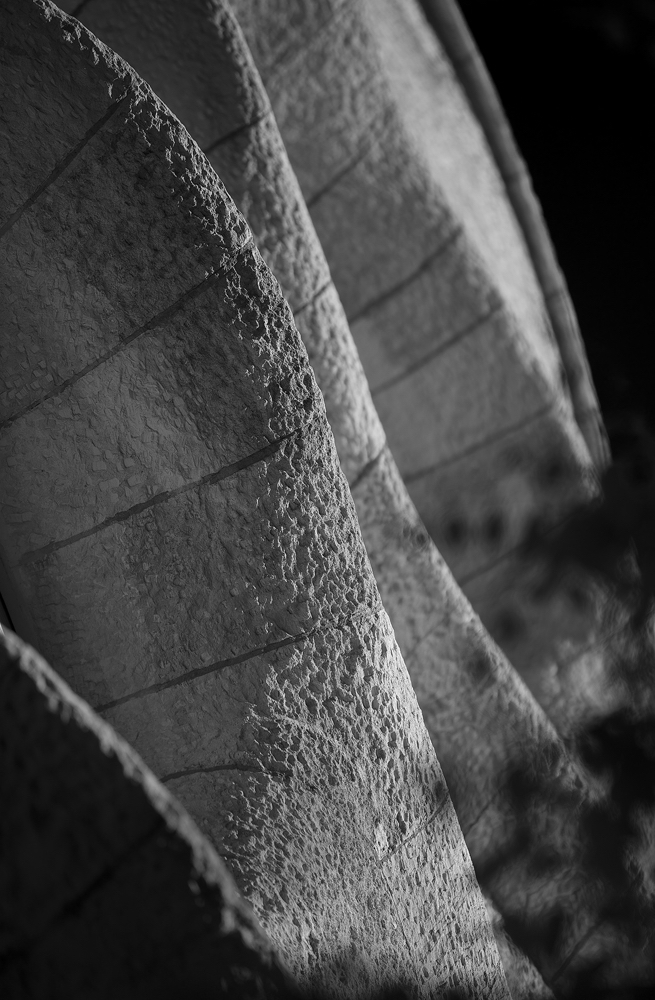
These gardens serve as the starting point for an exhibition that does not seek to reconstruct a specific site, but rather to inhabit the atmosphere that still seems to linger among its pathways. Marcel R. Juliana approaches this territory as one might wander without a predetermined destination, allowing the journey to emerge from whatever appears along the way. A shadow cast on the ground, the irregular shape of a stone, a branch bent by time, or the unexpected presence of a figure become events capable of redirecting the gaze and opening new associations.
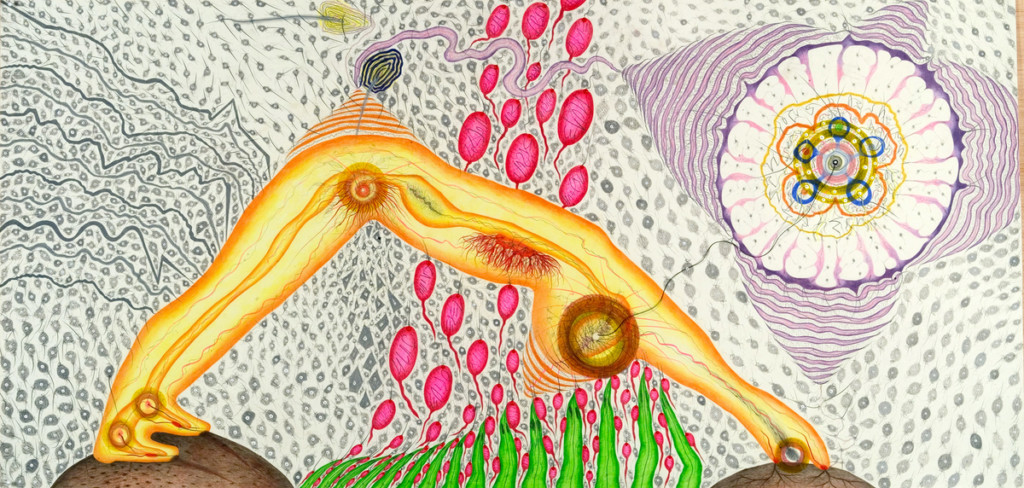
A key influence throughout this process has been the Greek dancer Vangélis Liopirákis, whose sensitivity has accompanied the development of the exhibition from its earliest stages. His understanding of movement as a form of attentiveness to space and to the transformations of the body quietly permeates the works. Something of this embodied awareness can be felt in the way figures emerge from and dissolve into vegetation, in the tension of certain gestures, and in the sense of suspension that runs through many of the drawings. The garden becomes more than a setting; it is inhabited by presences that move, wait, disappear, or merge with the landscape. As in a choreography, each element seems to follow its own rhythm while simultaneously belonging to a larger composition in which bodies, plants, shadows, and architecture share the same breath.
For the first time, the artist does not begin with a predefined theme or narrative structure. The exhibition unfolds as a sequence of observations linked together, resembling the movement of a camera advancing slowly and pausing whenever something demands attention. The works emerge from this exercise in contemplation, constructing a fragmented narrative where history and imagination coexist, where the memory of a place encounters the possibilities it still contains.
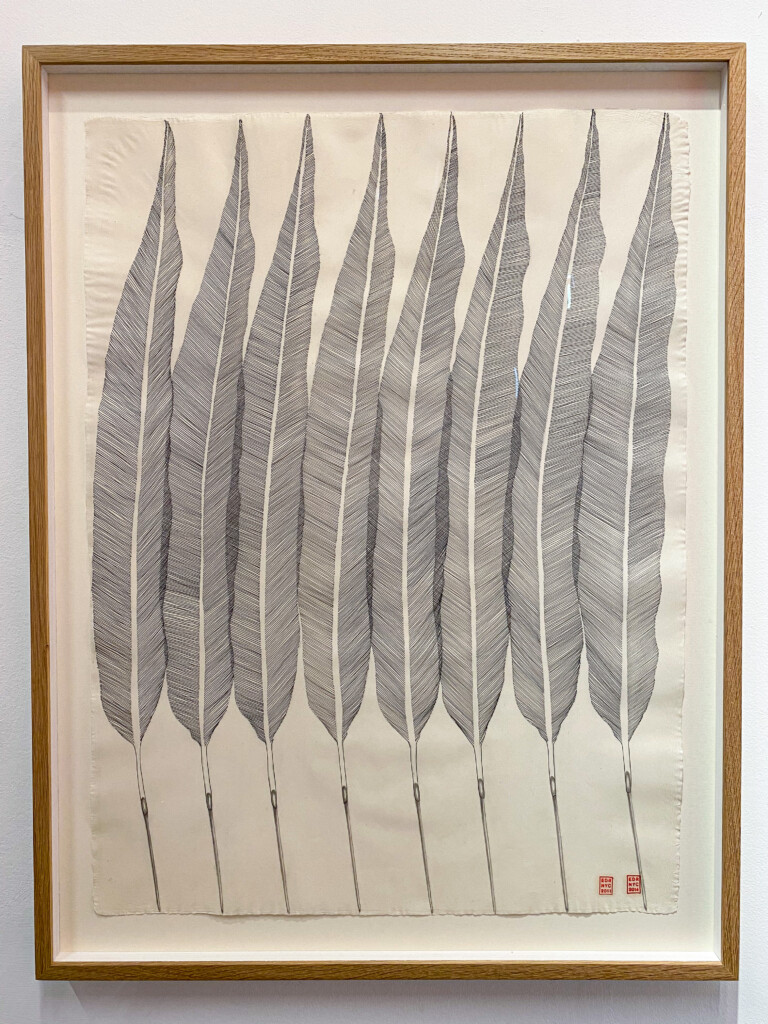
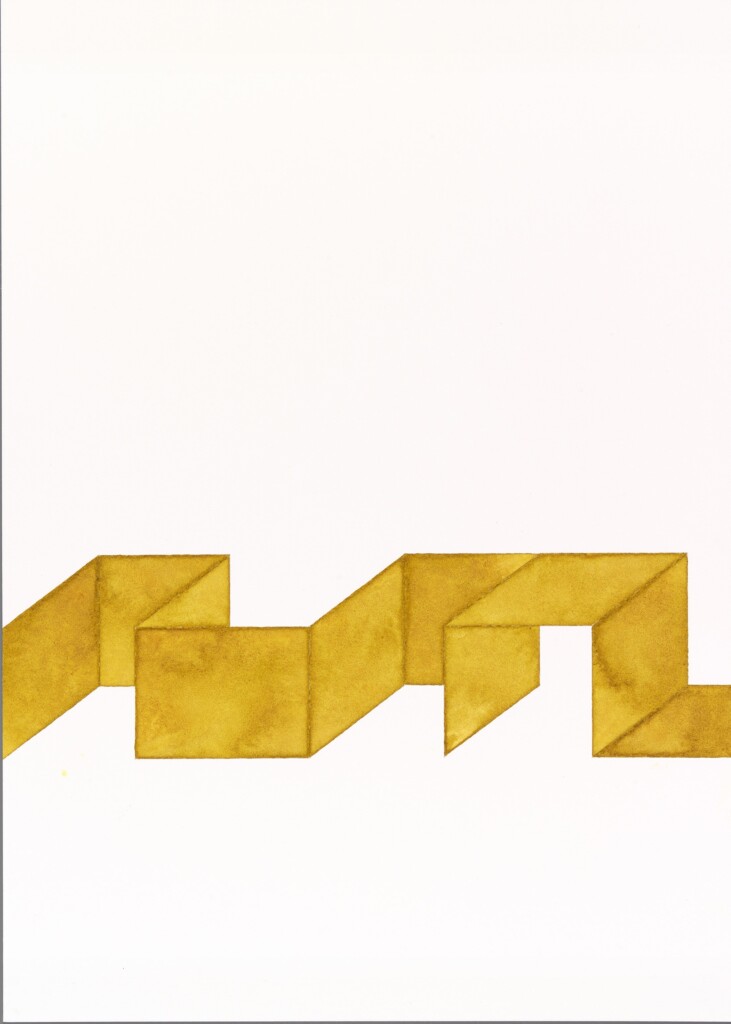
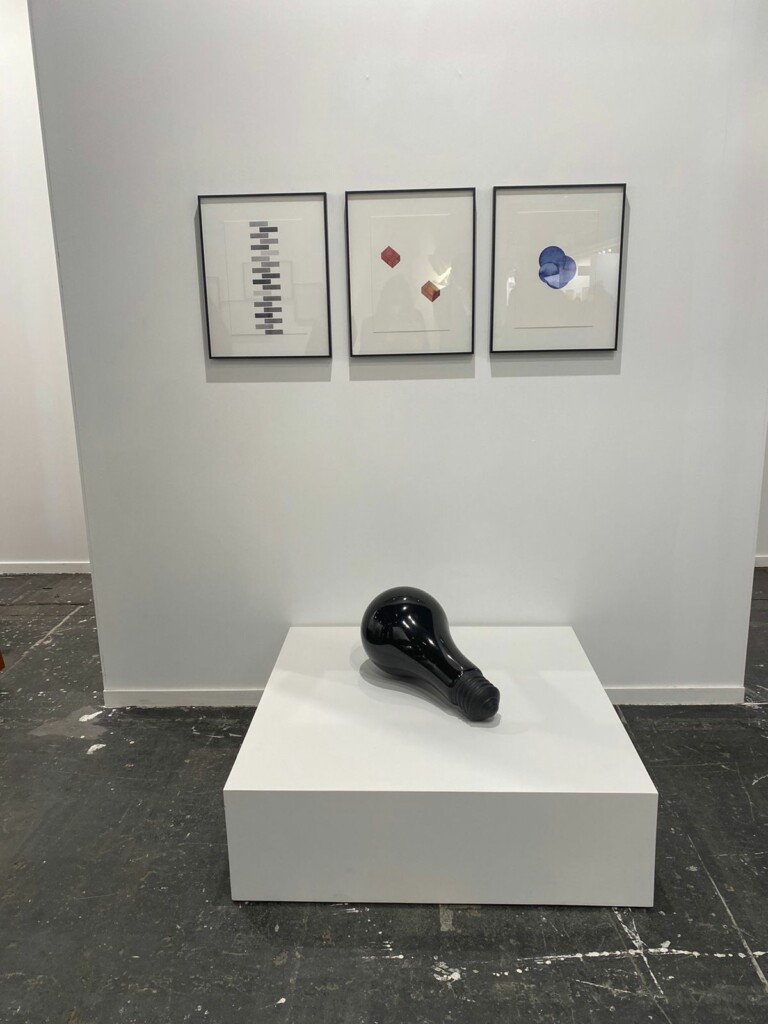
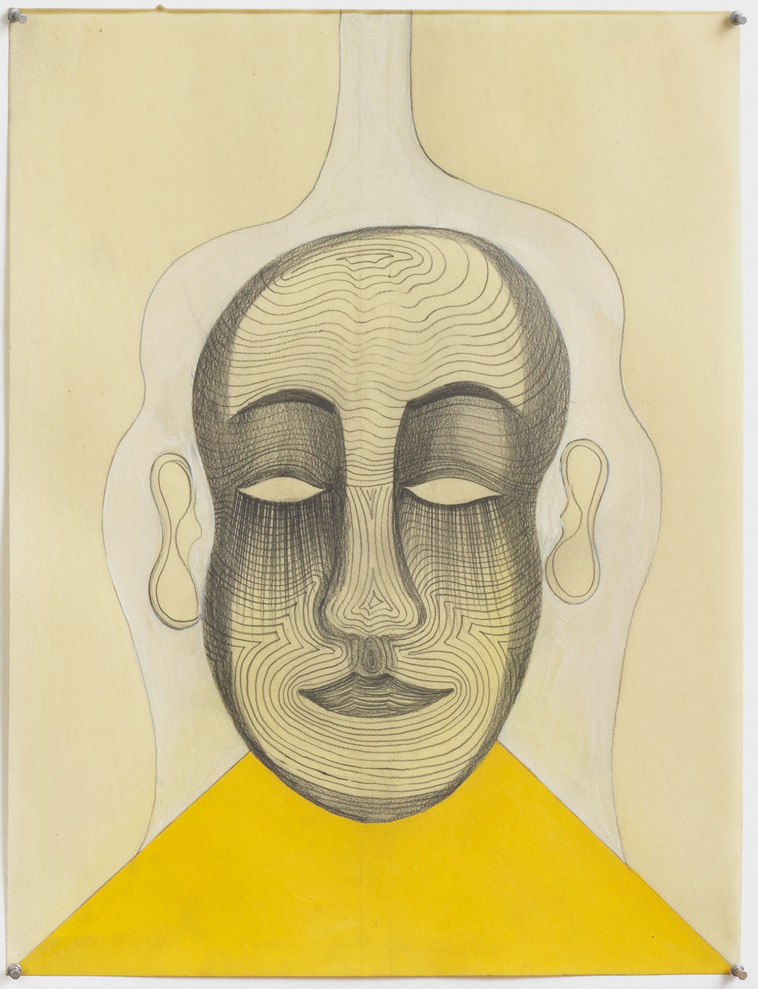
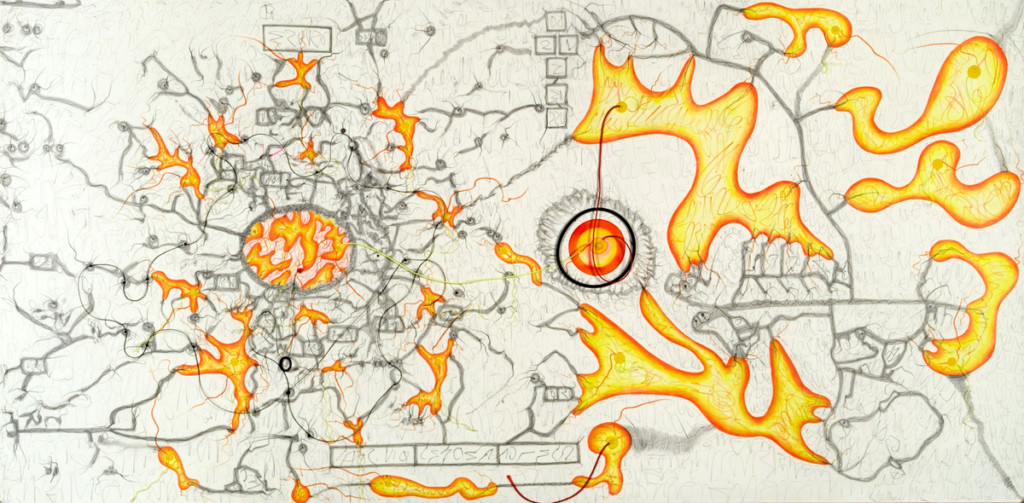
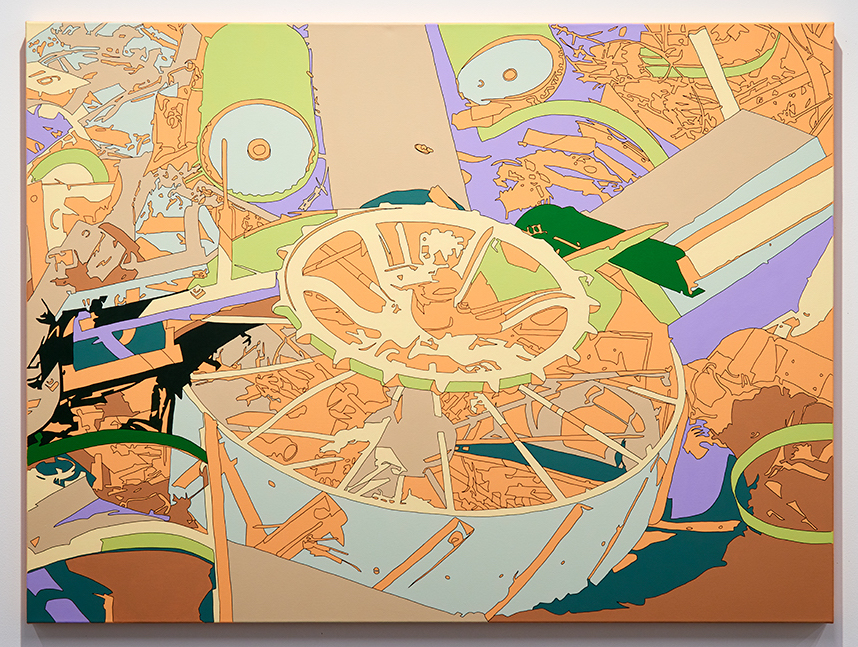
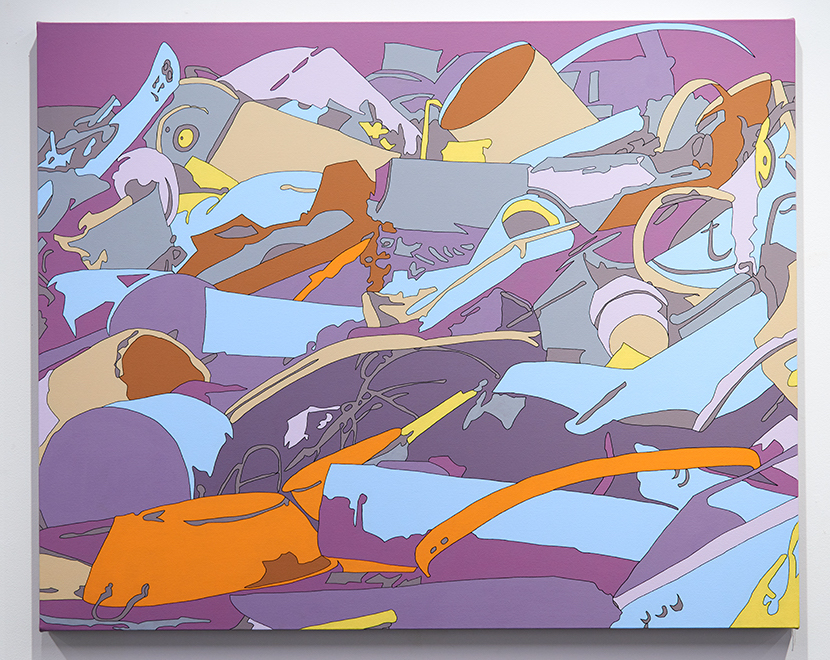
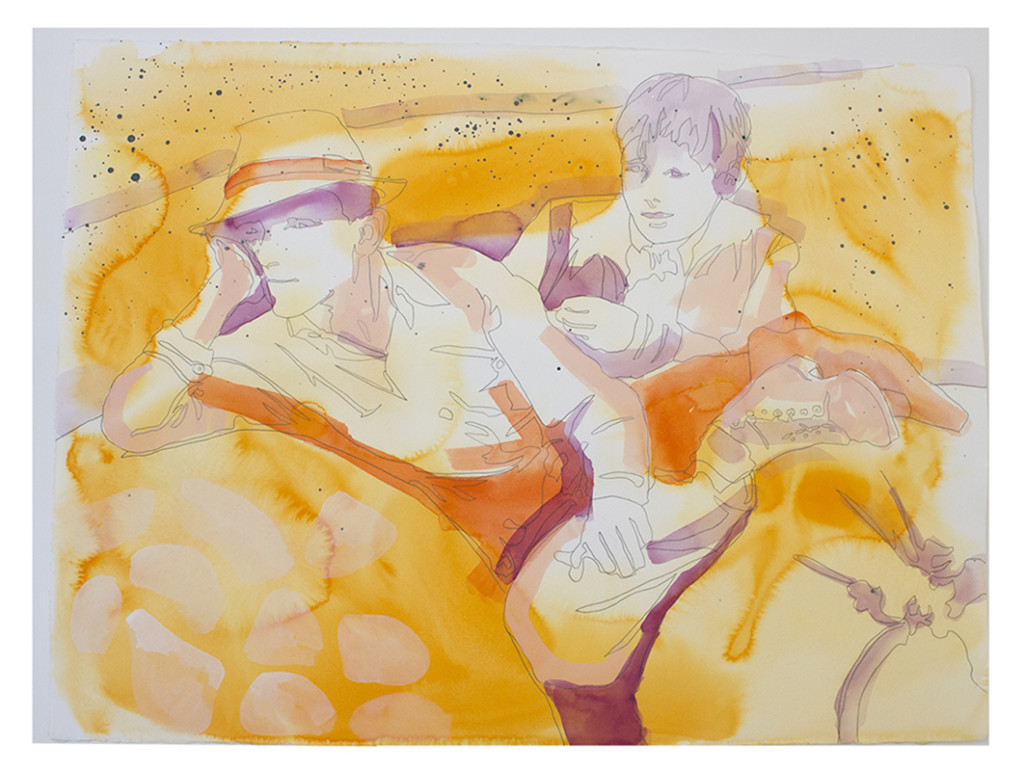
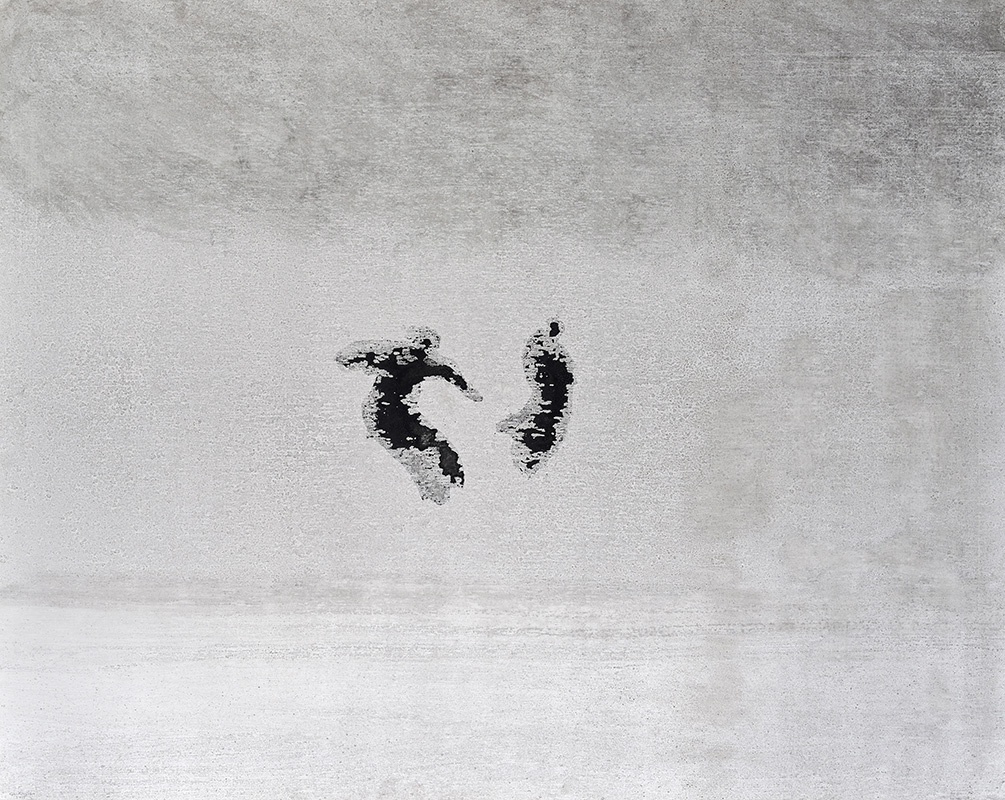
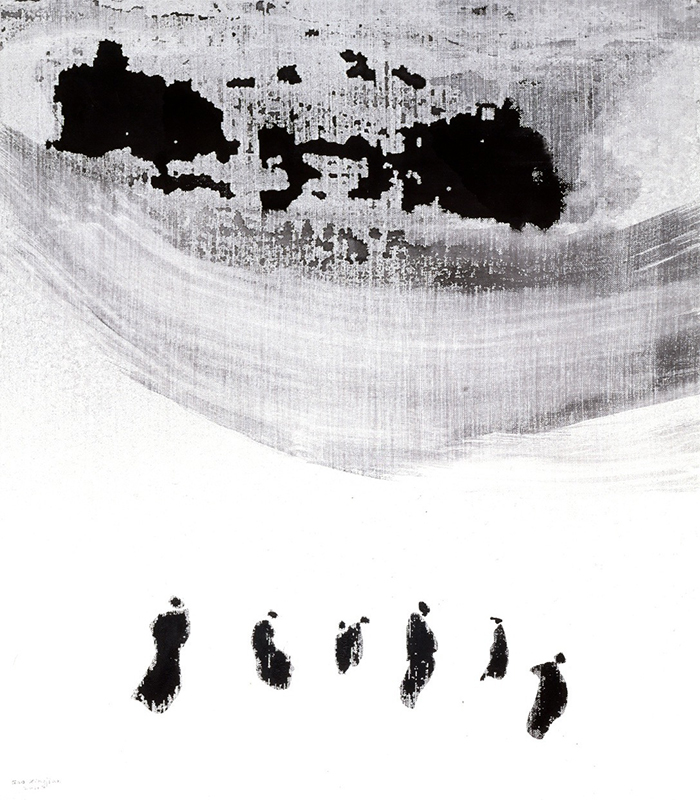
The exhibition is developed entirely through drawing, understood here as material, method, and way of thinking. Each work seems to ask what happens when the line leaves behind its descriptive function and begins to explore, when drawing ceases to represent the world and starts moving through it. The result is a body of work that invites viewers to linger on what usually goes unnoticed, revealing the extraordinary complexity that can reside within the simplest gestures.
With this exhibition, SENDA joins the Art Nou 2026 programme through a project that understands drawing as a form of knowledge and experience. A walk through a real and imagined garden where each image becomes a pause, an observation, and a possibility for encounter.
Artist: Marcel R. Juliana
Production: Daniela Plou