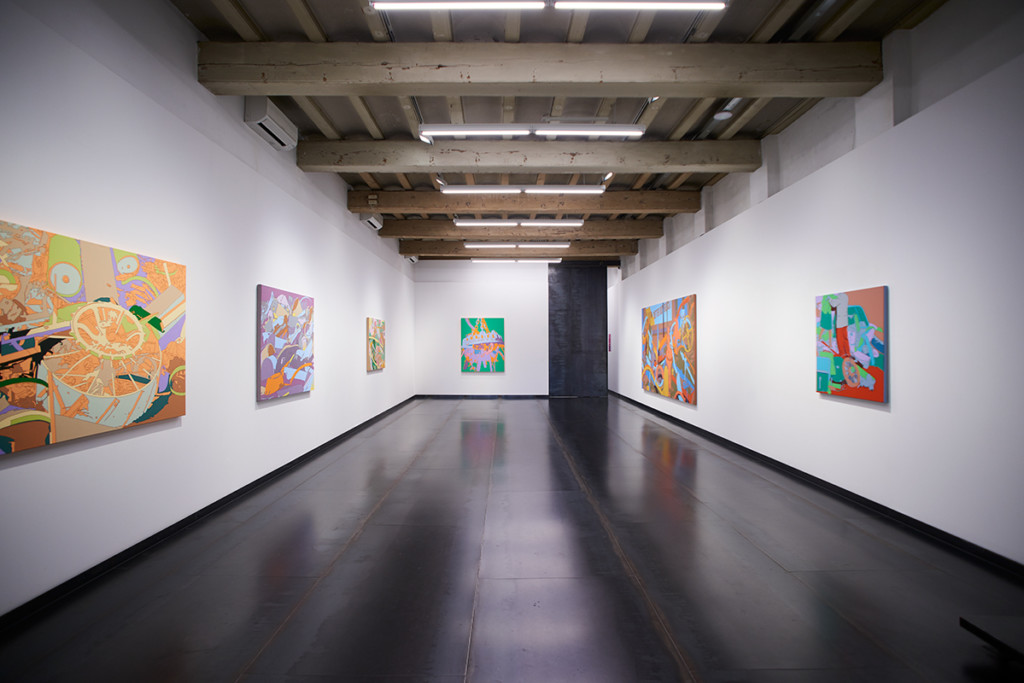
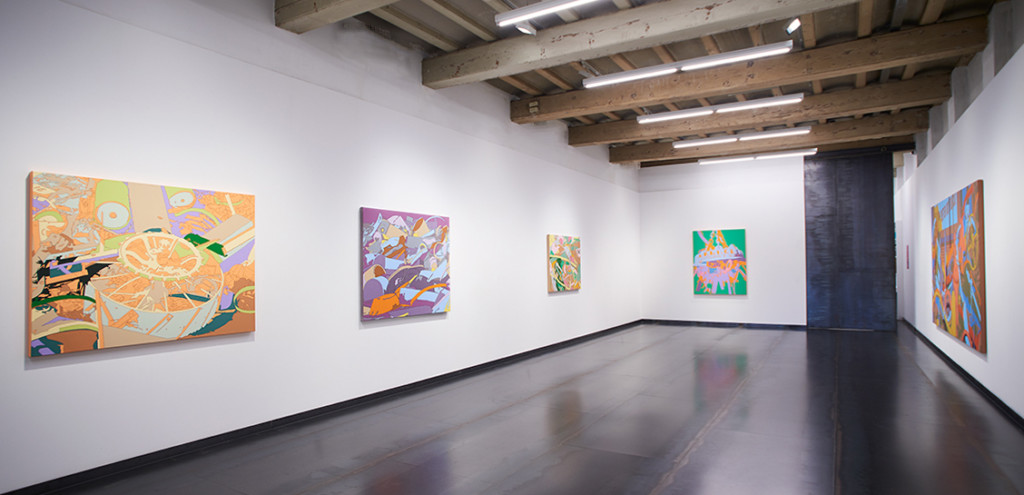
Once again this year, SENDA is pleased to announce that we will be back at By Invitation 2024, an exhibition of modern and contemporary art that, for the fifth consecutive year, will be held at the Círculo Ecuestre de Barcelona.
With the intention of fostering the dialogue between different artistic currents, By Invitation 2024 will feature invited galleries and selected projects, covering both the secondary market and the primary market of established and emerging artists from the national scene. The show will be mostly made up of galleries from Barcelona, although there will also be galleries from other parts of Spain, such as Madrid, Valencia and Gijon.
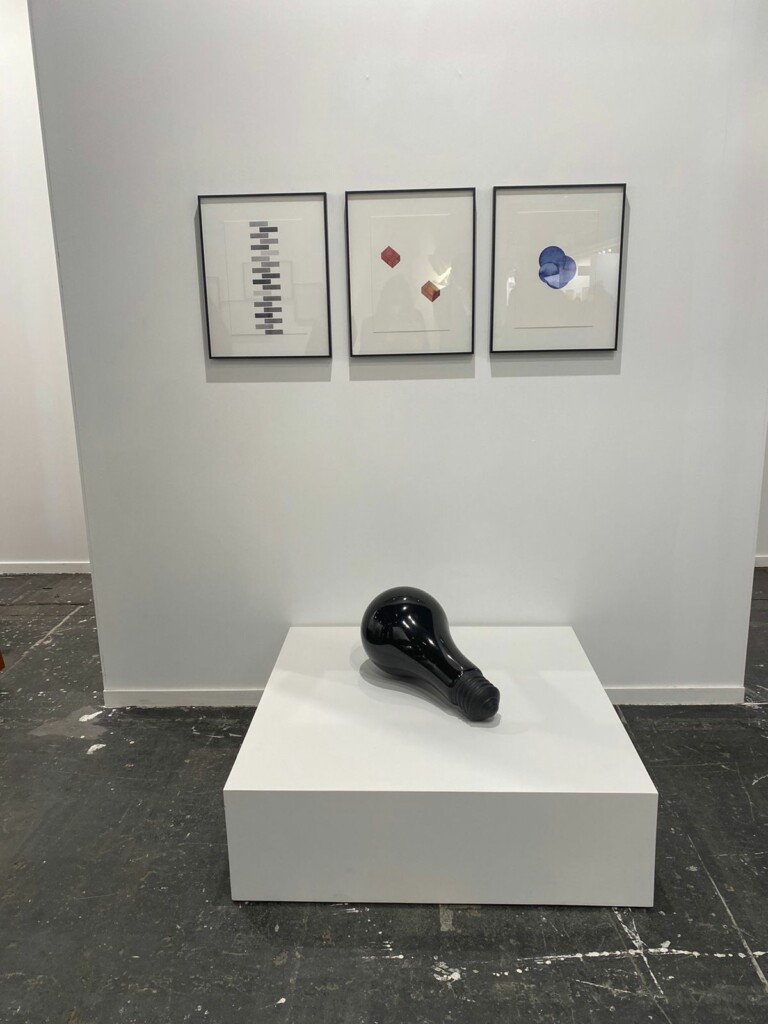
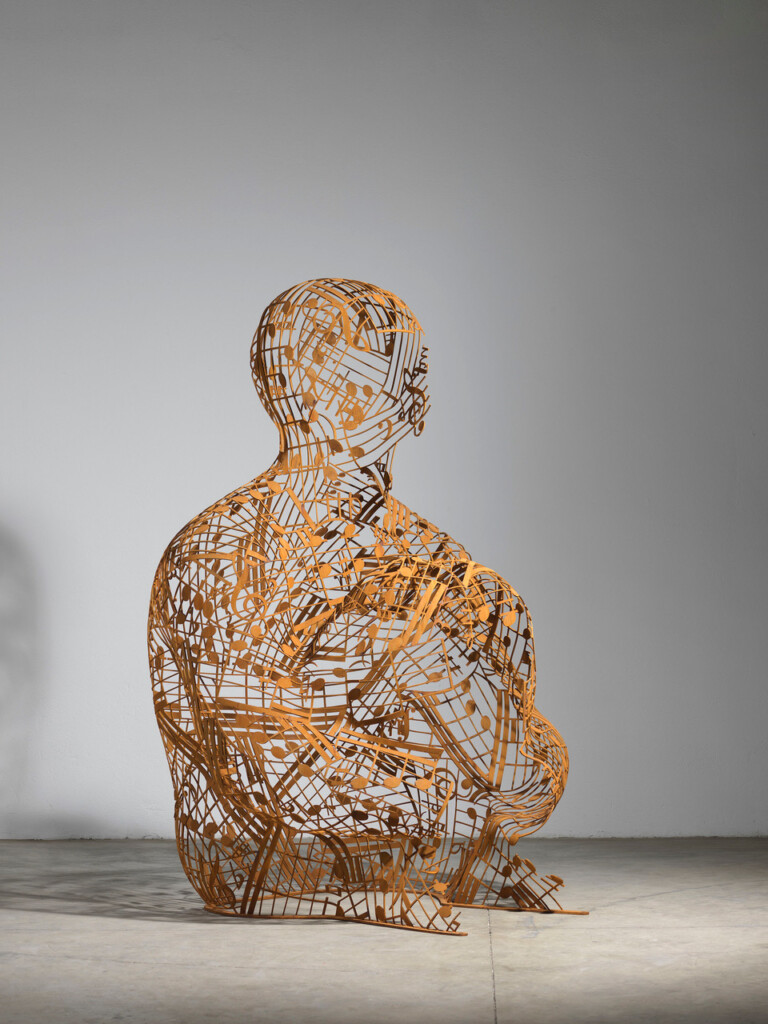
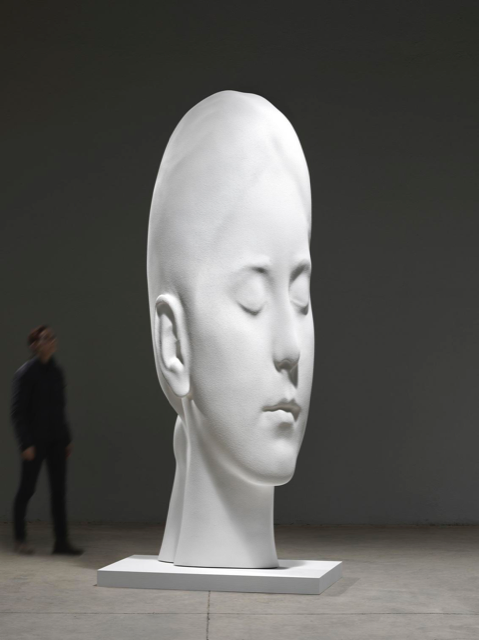
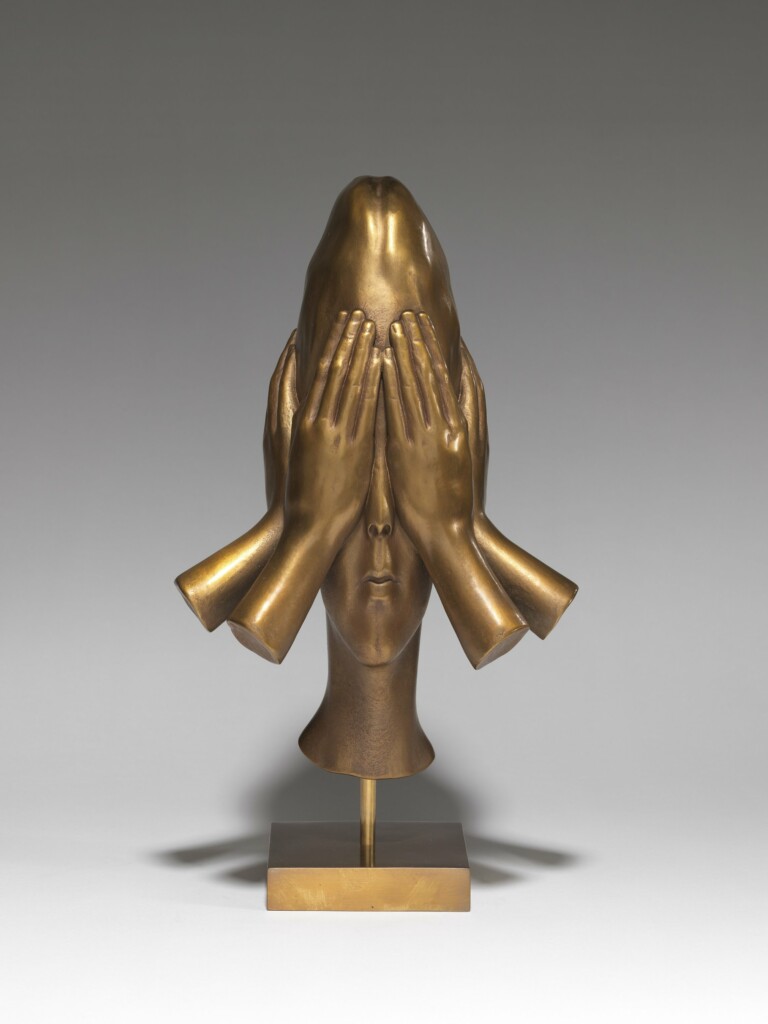
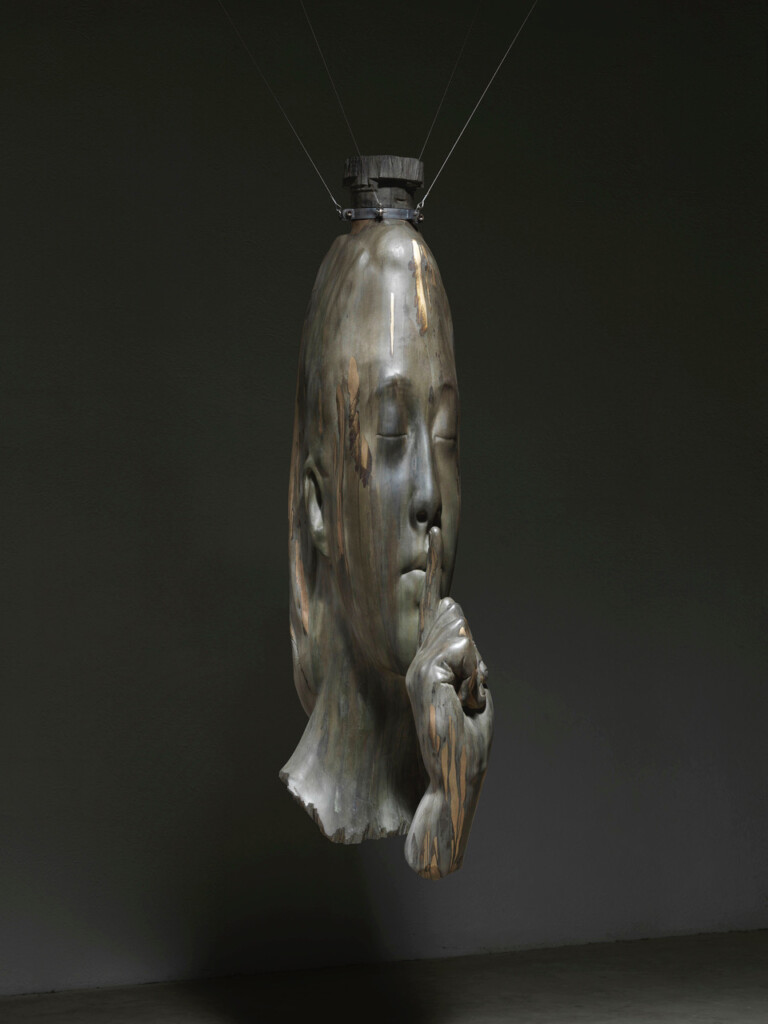
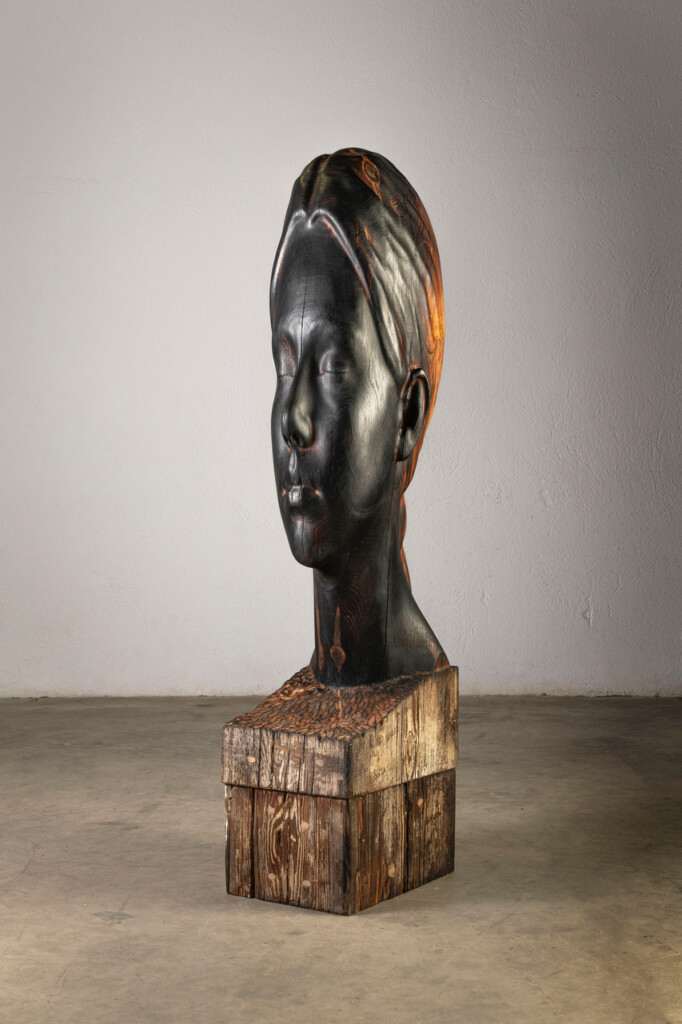
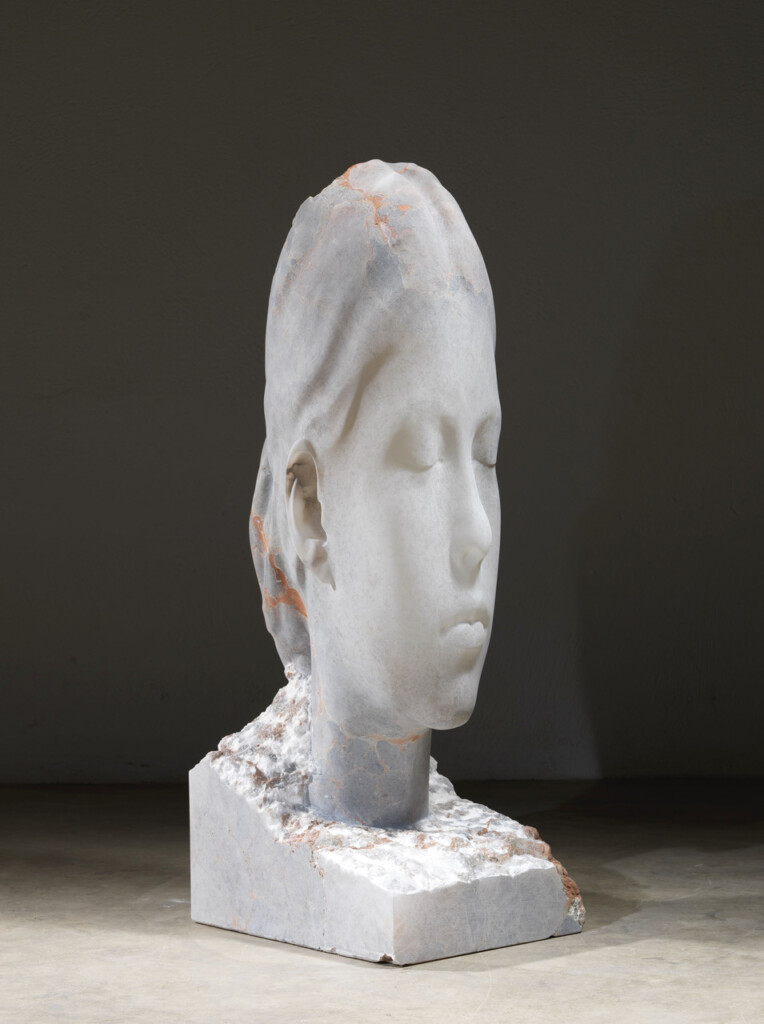
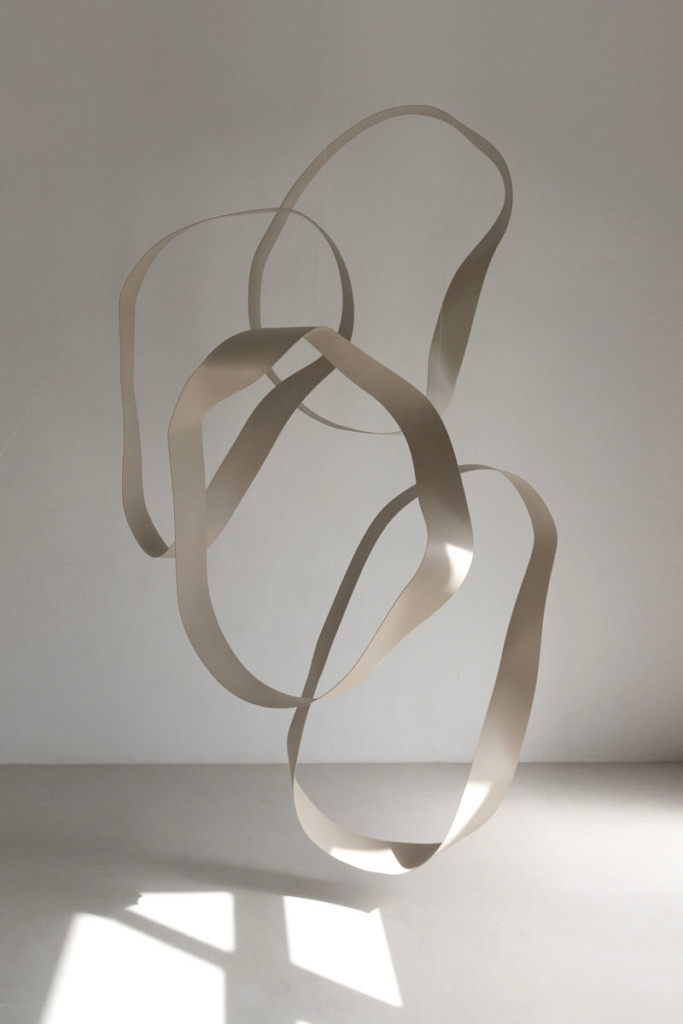
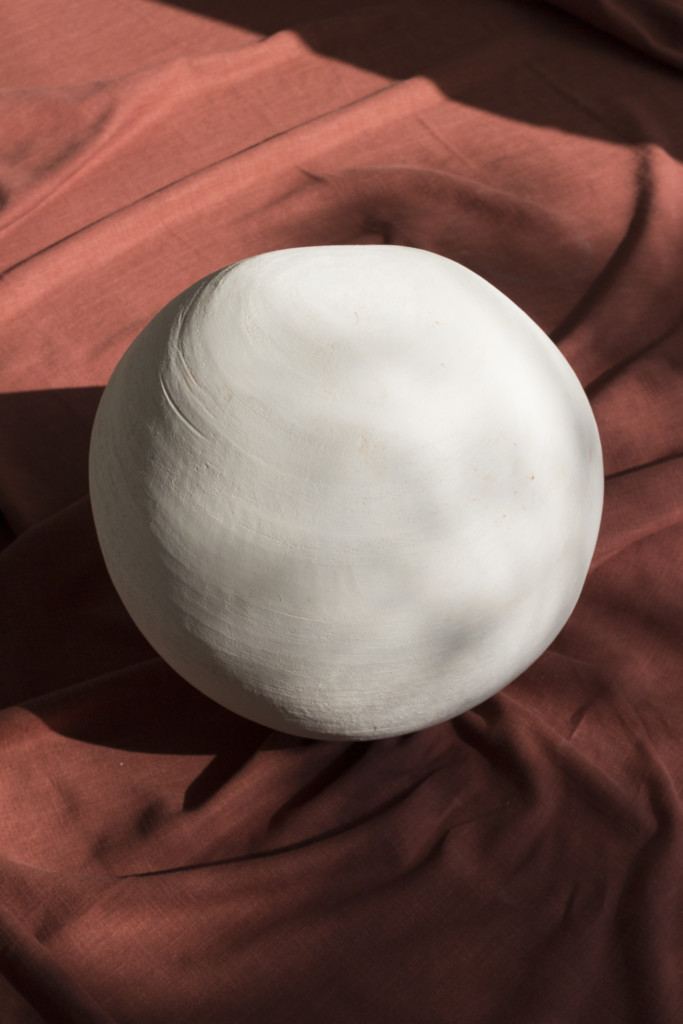
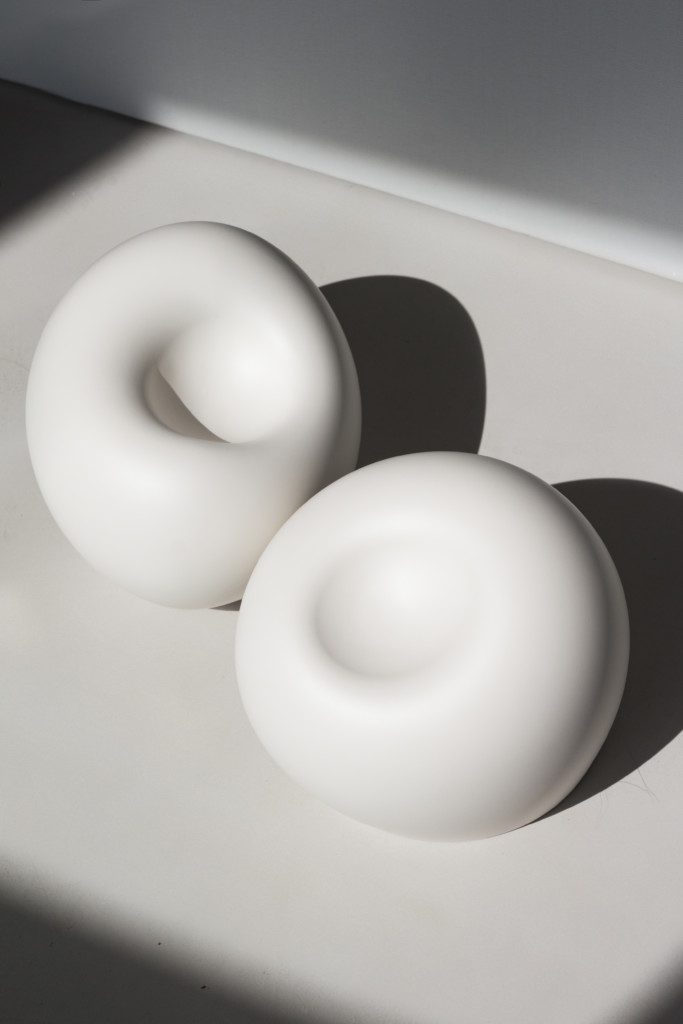
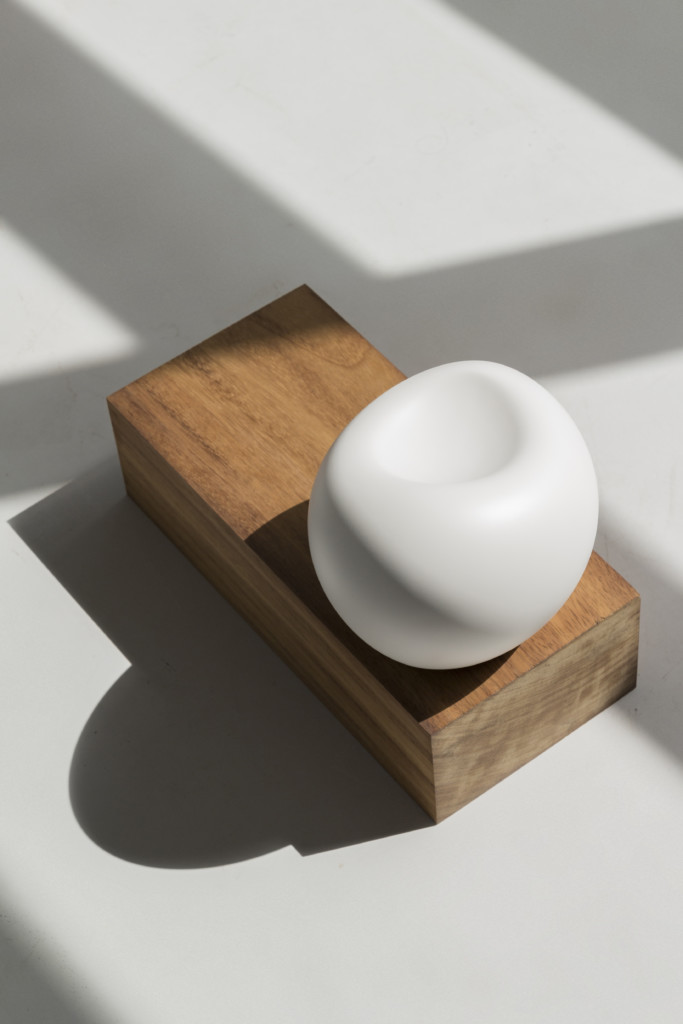
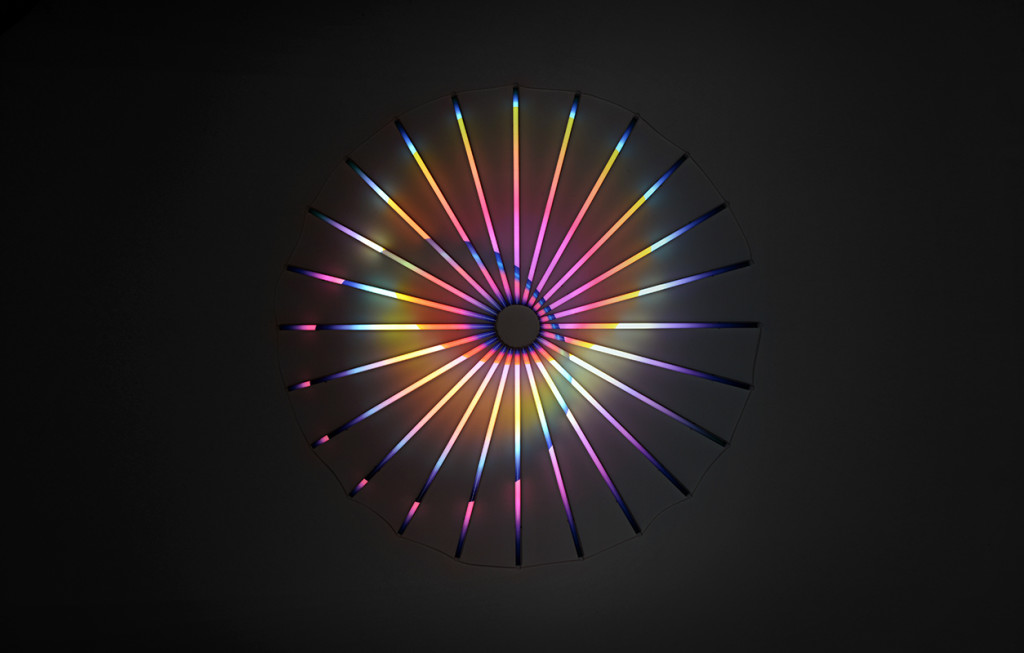
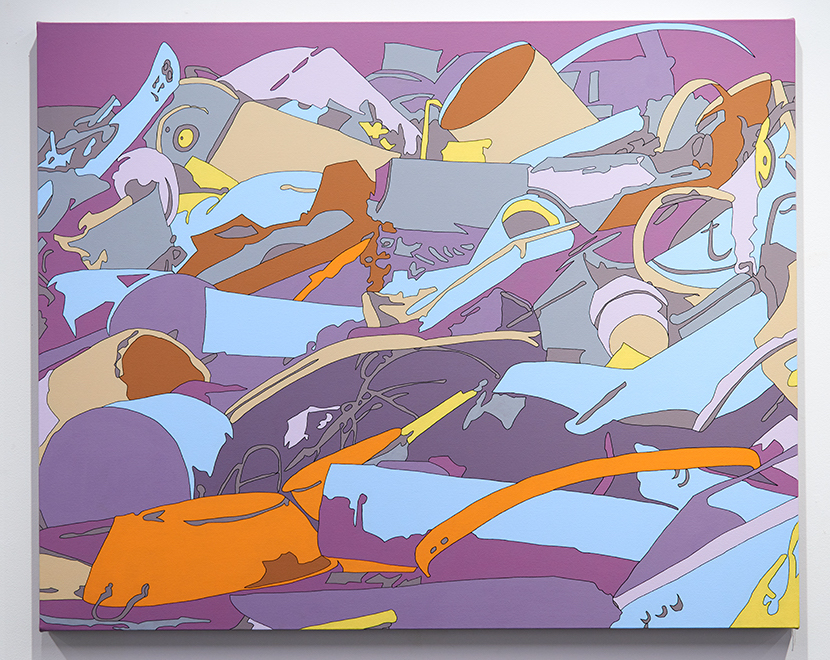
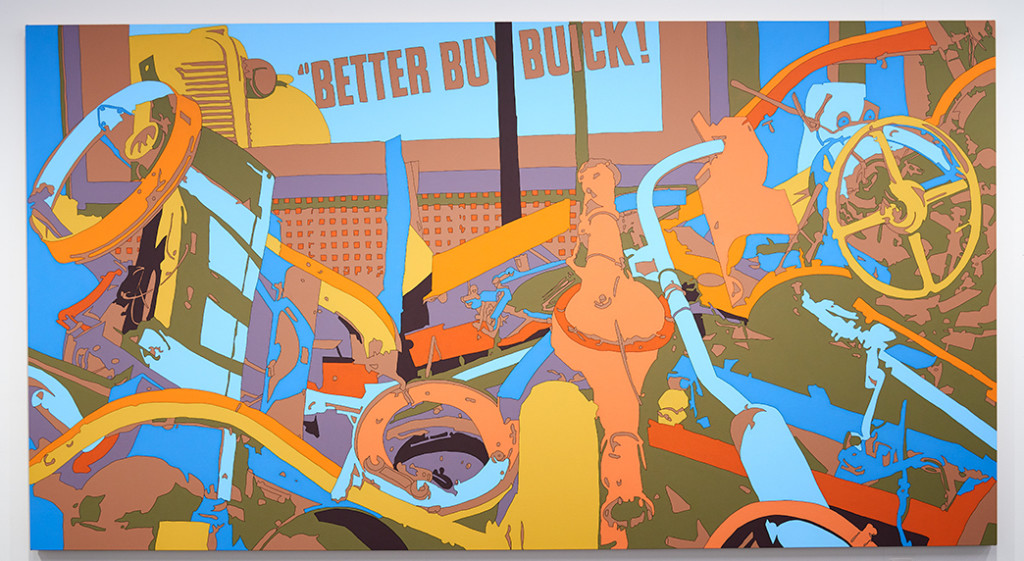
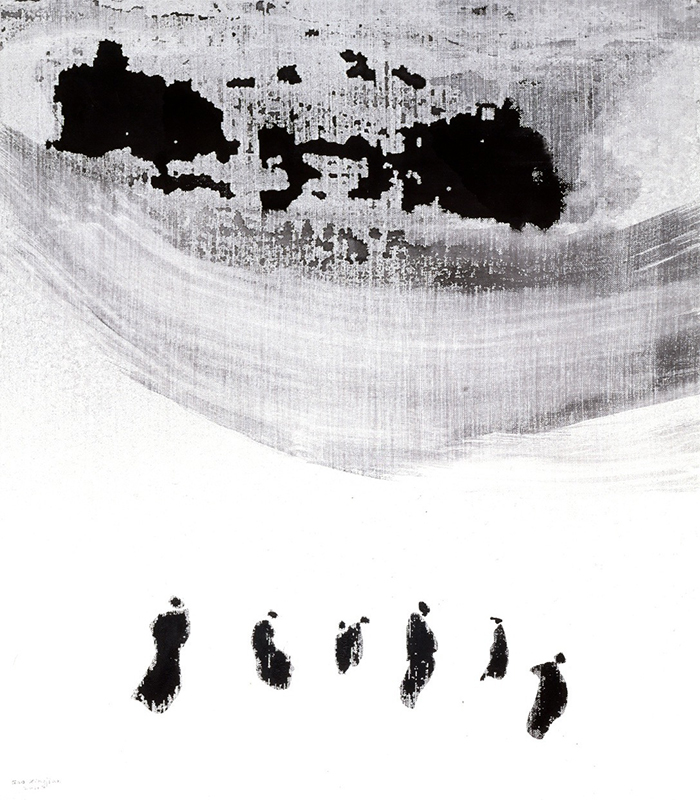
In this edition, SENDA has its own space to present its gallery proposal: the Japanese Room. The imposing room will host the works of a wide variety of artists, reflecting the versatility of the gallery. From the Chinese ink lithographs of Gao Xingjian, to the dreamlike sculptures of Gonzalo Guzman, the imposing acrylic paintings of Yago Hortal, the colorful wooden creations of Mina Hamada, the black and white photographs of Robert Mapplethorpe, or the mixed media compositions of the internationally renowned Jaume Plensa.
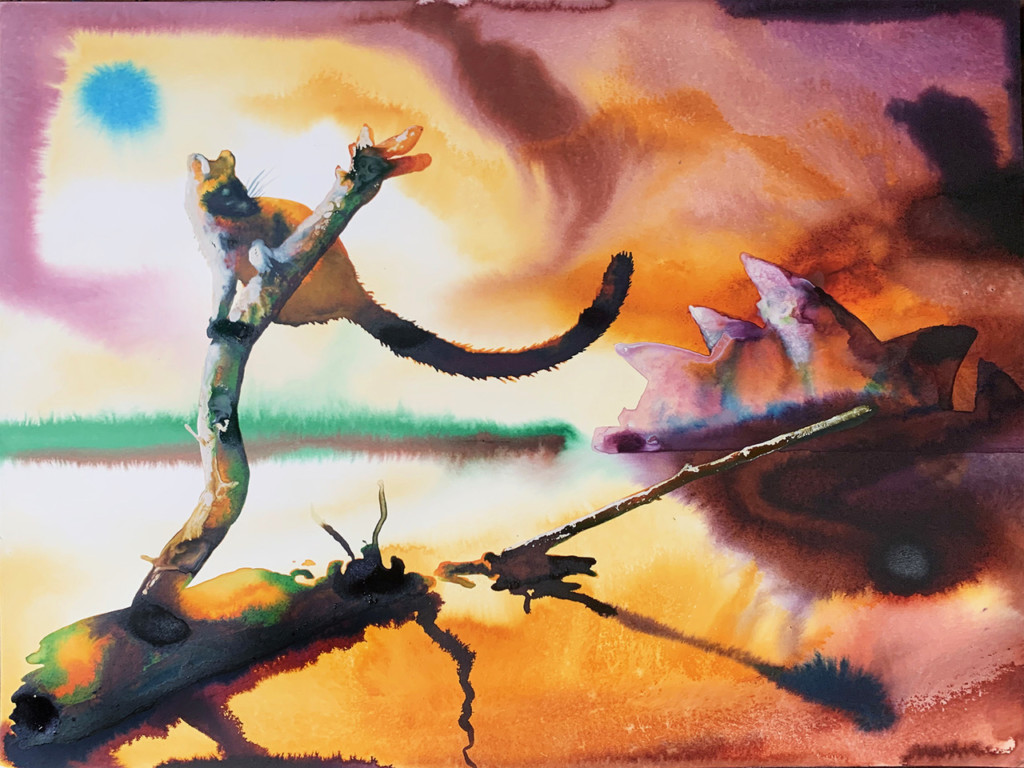
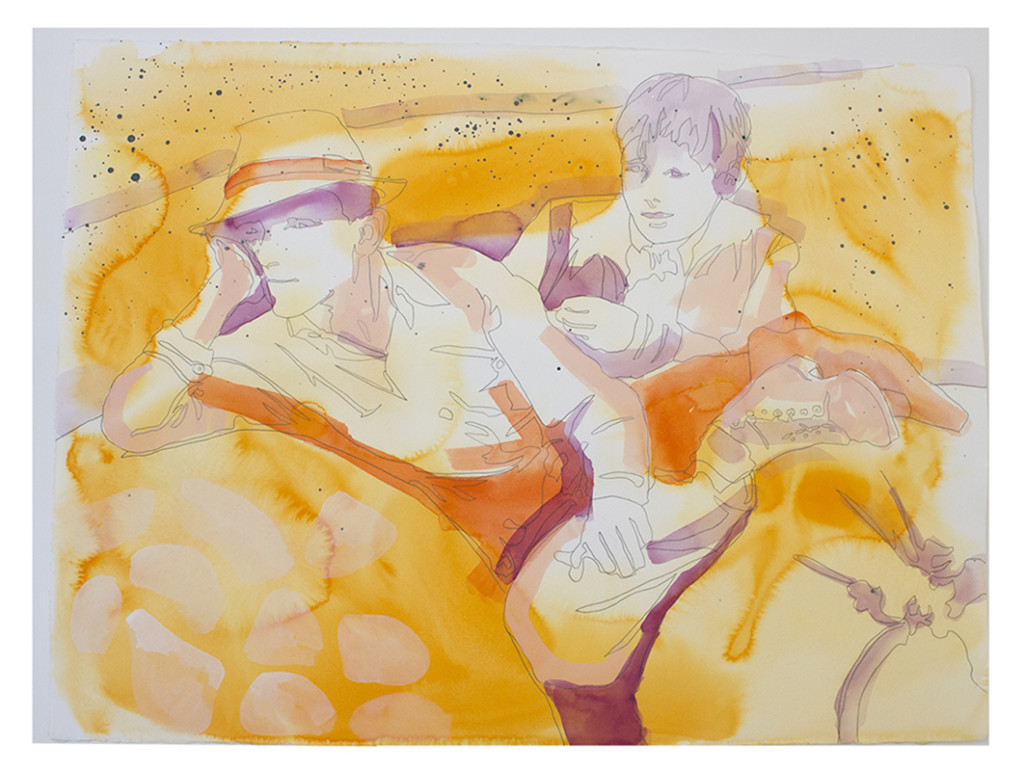
In particular, we would like to let you know that the hall will be an accomplice of a tribute to the famed painter Joan Miró on the occasion of his year of celebration. The piece presented will be a watercolor, “Aquarelle sur papier”, from the artist’s Japanese series. A perfect work to be exhibited in a room full of oriental influences.
If you do not want to miss the opportunity to be part of this exhibition, ask for your accreditation in the link below. See you from the 7th to the 10th of November at the Círculo Ecuestre de Barcelona.
An honorary doctorate is the highest distinction that a university can bestow on a person in recognition of an outstanding academic, scientific or cultural career. Jaume Plensa, one of the most influential artists of our time, has had a 2024 full of awards, consolidating his status as a key figure in contemporary art. This year, the Catalan sculptor has been awarded two honorary doctorates, awarded by a national and a foreign university, bringing his total to five titles of this rank in his career.
A successful year
In 2024, Plensa was honoured by the University of Notre-Dame (Indiana, USA) in April and more recently, on 30 September, by the Universitat de Barcelona, in an event that honoured other prominent figures from the world of culture such as filmmaker J.A. Bayona, multidisciplinary artist Lita Cabellut and actress and stage director Núria Espert. These awards not only celebrate Plensa‘s artistic excellence, but also his impact on society through his commitment to causes such as social justice and human rights.
From his imposing public sculptures to his delicate installations, Plensa has left a profound mark on the global art scene. His work transcends borders and connects with the viewer in a visceral way, inviting us to reflect on the human condition, spirituality and collective memory. Works such as the monumental ‘Crown Fountain’ in Chicago’s Millennium Park or ‘Nomade’ in Antibes (France) demonstrate Plensa‘s ability to transform public space into a place of contemplation and dialogue.
From here, we join in the applause for Jaume Plensa, whose art continues to inspire, break barriers and create human connections on a global level.
From October 19th, 2024, to January 19th, 2025, the Museo Nacional Thyssen-Bornemisza Madrid will open its doors to a major retrospective of Peter Halley, in collaboration with galeria SENDA. This monographic exhibition, part of the exhibition program of Blanca and Borja Thyssen-Bornemisza’s collection, features 20 paintings by the New York contemporary classic, from both public and private Spanish collections.
This is the first time since 1992, when the Museo Nacional Centro de Arte Reina Sofía dedicated an exhibition to Halley, that Spain has hosted such a comprehensive retrospective of the artist. The exhibition encompasses his production from 1985 to 2024, exploring all stages of Halley‘s career. The selection of works has been carefully curated by Guillermo Solana, artistic director of the Museo Nacional Thyssen-Bornemisza Madrid, and by the artist himself, who has also designed the installation, promising a unique visual and conceptual experience for museum visitors. The exhibition highlights the exceptional reception that Halley‘s work has enjoyed in Spain for almost forty years, presenting twenty large-format works that span his entire career and with which one can observe his evolution over time.
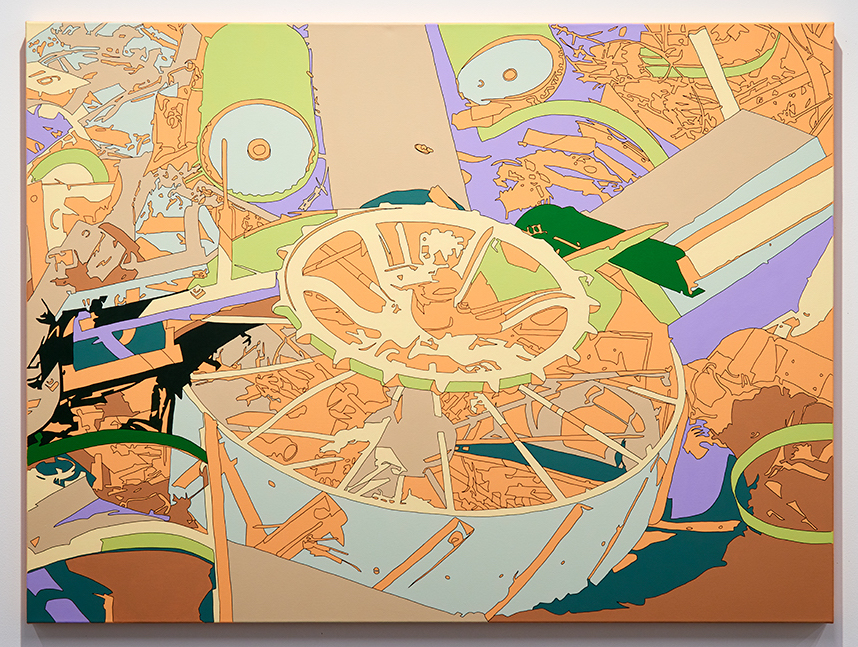
In addition, this exhibition coincides with another show dedicated to Peter Halley at galeria SENDA, on the occasion of more than thirty years of collaboration between the artist and the gallery. Halley will present unpublished pieces designed specifically for the venue, forming a set consisting of a huge mural work that contrasts with a collection of very unique small format. The presentation will take place this December.
“Art and science: shared trajectories”, a dialogue between the artist Xavi Bou and the professor and researcher Josep Perelló, will take place on 4th June at 7pm at galeria SENDA. Framed in Bou’s current exhibition at the gallery, both will offer us their perspective that intertwines art and science.
A meeting of gazes
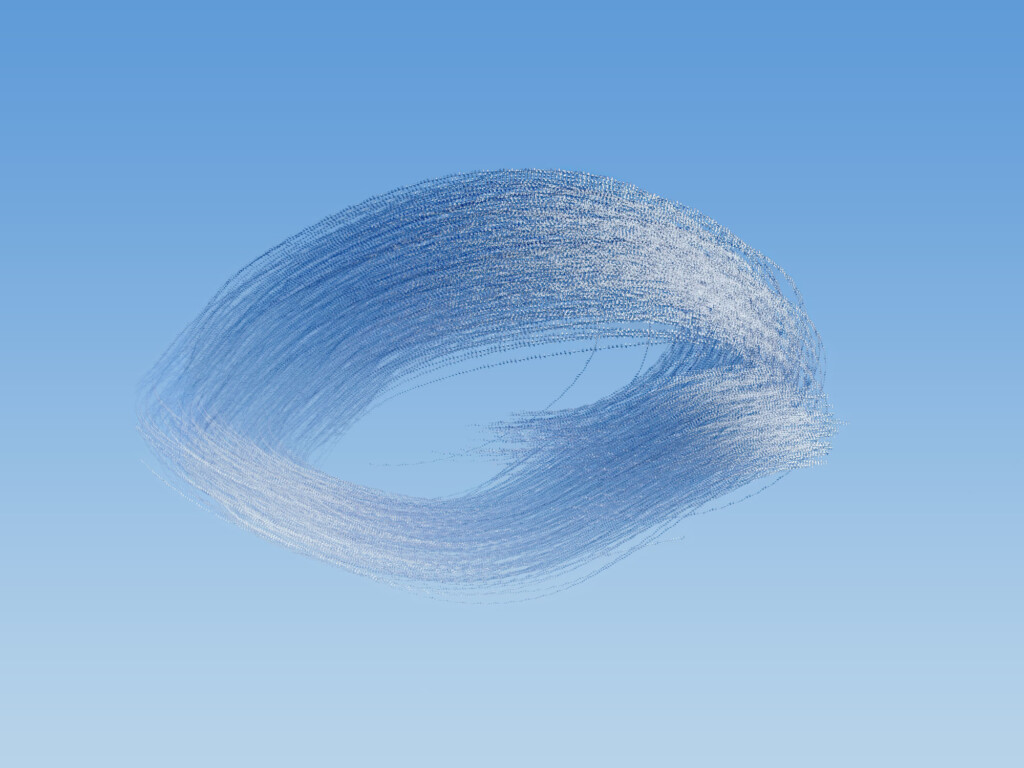
Xavi Bou, through his project “Ornithographies”, explores the flight of birds using advanced photographic techniques that reveal patterns invisible to the human eye. His work is not only visually stunning, but also invites deep reflection on nature, the importance of preserving wildlife, and our place in it.
Josep Perelló is a professor in the Department of Condensed Matter Physics at the University of Barcelona (UB) and a researcher at the UB Institute of Complex Systems (UBICS). Founder of the OpenSystems-UB group, Perelló promotes scientific research projects with citizen participation and artistic practices. His work in citizen science and collective experiments for public space has been recognised and acclaimed both locally and internationally.
For all this, Perelló‘s historical knowledge and Bou‘s artistic and nature experience converge in a talk that fuses art and science from a different perspective.
The fusion between art and science
During the talk, Josep Perelló will provide a historical perspective on the intersection between art and science, exploring how these two fields have dialogued and influenced each other over the centuries. His experience as head and curator of the Science Area at Arts Santa Mònica, as well as his work at the Barcelona Office of Citizen Science and the Ciutat i Ciència Biennial, provides him with an enriching vision that promises to broaden our understanding and appreciation of this interdisciplinary fusion.
Xavi Bou, for his part, will share his personal experience and creative process. He will take us through the development of his project “Ornithographies”, from the initial inspiration to the technical and artistic realisation of his photographs. It will be a unique opportunity to understand art from the perspective of the person who creates it, and how science can be a powerful tool in the artistic process.
Do you want to attend?
We’ll be waiting for you on 4th June at 7pm at galeria SENDA (Trafalgar, 32). The talk is free and open to the public. You only have to confirm your attendance by clicking on this link and register.
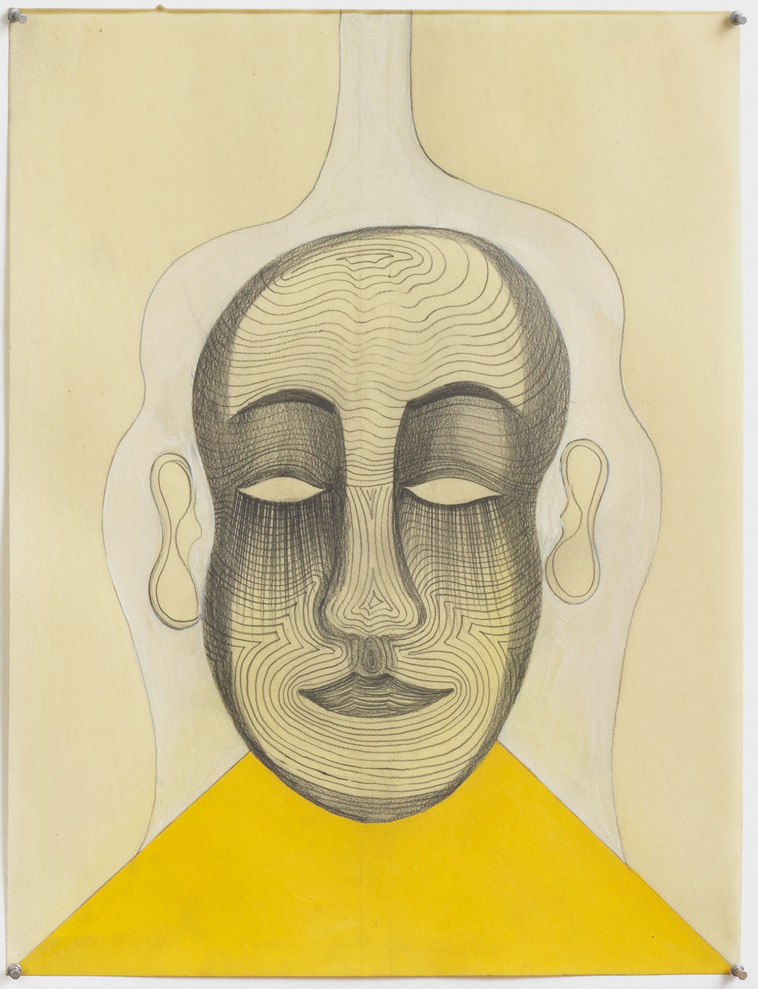
From Galeria SENDA, we are pleased to announce that Chilean artist Sandra Vásquez de la Horra has been awarded the Käthe Kollwitz Award. For those who don’t know about the history of this annual award, it was born in 1960 and is named after the German artist Käthe Kollwitz. Kollwitz was a painter, sculptor and printmaker in the realist movement, who was very socially committed to this style during the 19th century and who embraced expressionism in the early 20th century. The Akademie der Künste – Berlin Academy of Arts – has awarded its prize this year to Vásquez de la Horra, who has been living in Germany since 1995.
More about the artist
Sandra Vásquez de la Horra, born in 1967 in Viña del Mar (Chile), graduated in Visual Communication at the University of Design in her hometown and subsequently completed her studies in Fine Arts at the Academy of Art in Düsseldorf (Germany). Abroad, in 2002, he studied photography, film and new media at the Kunsthochschule für Medien Köln – Academy of Visual Arts in Cologne. It should also be noted that since he moved to Germany in 1995, he has continued to produce his work from Berlin. Therefore, we can observe the great esteem and the indissoluble bond that the artist and the German country have created after years of living and creating new projects from there.
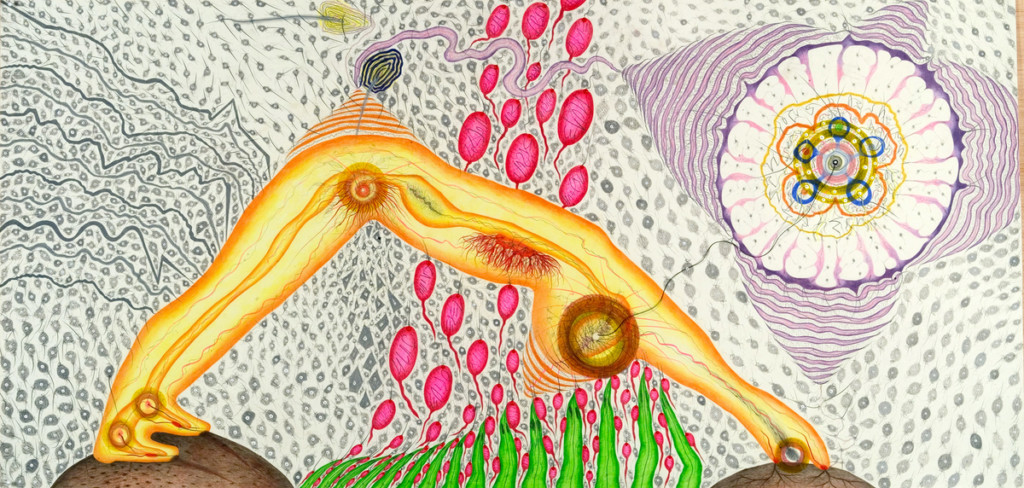
In Vásquez de la Horra‘s works, the artist uses wax crayon to construct a dark imaginary that evokes an imaginary and fantastical world that touches on subversive themes such as religion, mythology, sex, popular culture, social networks and death. Through this dystopian execution, the spectator is introduced into a universe of fictitious and enchanted creatures characterised by carnal and psychological concerns, a resource that Vásquez de la Horra uses to make us reflect on social issues that affect us directly, although we often leave them aside. Therefore, we could say that she is an artist whose visual language thematises the conflicts faced by today’s society.
Her works bring together a series of archetypes of the collective consciousness, questions of gender and sexuality, intercultural reflections and themes of spiritual practices. The reason for this artistic discourse that is so rooted in social protest can be explained when one gets to know the artist’s biography. Vásquez de la Horra grew up in an era which, following the coup d’état of the Chilean military junta in 1973 and the seizure of power by Augusto Pinochet, was dominated by torture, repression, disappearances and numerous human rights violations for more than seventeen years.
With the return of democracy in 1990, the population was able to digest and come to terms with the country’s history, the imprint of which can be seen in Sandra Vásquez de la Horra‘s artwork. In addition to showing the barbarities that her country experienced, her projects depict family confrontations, the mythologies of the indigenous population and the colonial domination of Europeans in Central and South America.
The drawings Vásquez de la Horra creates are both small and large format, on paper and cardboard, and are characterised by their density, colours and precision. Some of his creations are dipped in wax, a treatment that adds depth to the drawing and allows him to construct three-dimensional works in the form of an accordion.
Prize and celebration
On the occasion of the award ceremony of the Käthe Kollwitz Award 2023, the Akademie der Künste will exhibit a selection of Vásquez de la Horra‘s works; a total of more than 60 drawings, photographs and objects that will be exhibited in a site-specific installation. The ceremony will take place at the Akademie der Künste itself on 18 June at 7 p.m. and the special exhibition will be open to the public from 19 June to 25 August.
Currently, the work of Catalan sculptor Jaume Plensa can be seen in numerous venues around the world, including the exhibition at La Pedrera in Barcelona from March 31st through July 23rd, 2023. However, beyond this exhibition, Plensa‘s work is diverse and complex, and deserves an in-depth review. In this article, we want to explore his work beyond his current exhibition in Barcelona, and highlight his time in our gallery over the years.
From March 31st, at La Pedrera, you will be able to discover the most intimate and unknown Plensa in an exhibition that, for the first time, reveals the influence that literature, language and the alphabet have had on his work.
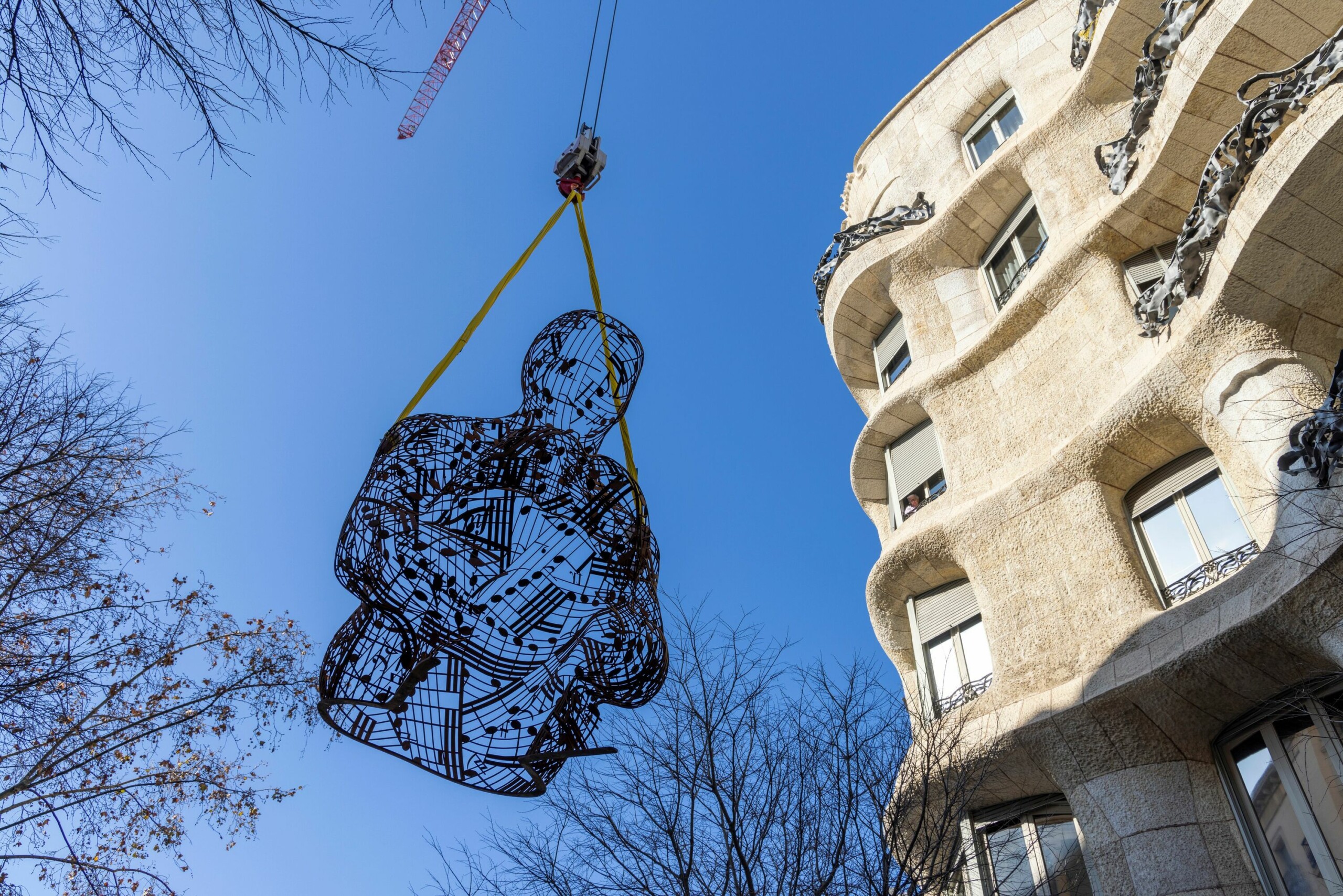
Installation of Jaume Plensa’s work at La Pedrera
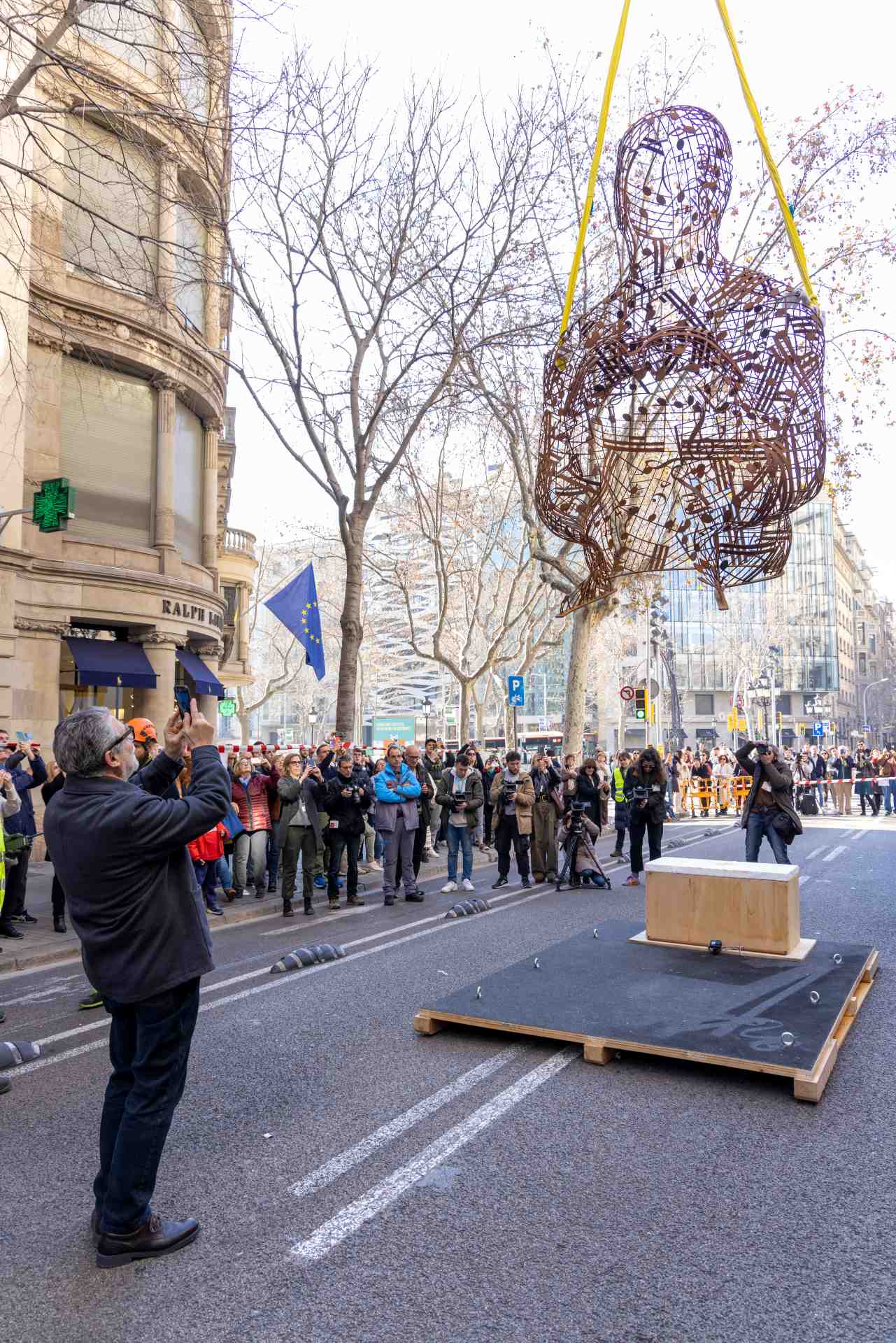
This exhibition is a unique opportunity to delve into the most particular work of this internationally renowned sculptor. With a career spanning from the late twentieth century to the present, Jaume Plensa has stood out for his work on the human figure, where he often fuses matter, words and music in a constant dialogue. This exhibition, curated by Javier Molins, will show some of the artist’s most representative pieces, as well as his evolution over the years.
Jaume Plensa during the installation of his work at La Pedrera
From Galeria SENDA, having exhibited the sculptor’s work on more than one occasion, we are thrilled that the city of Barcelona receives it in such an honorable way. It makes us especially excited to remember his passage through the gallery, which never goes unnoticed.
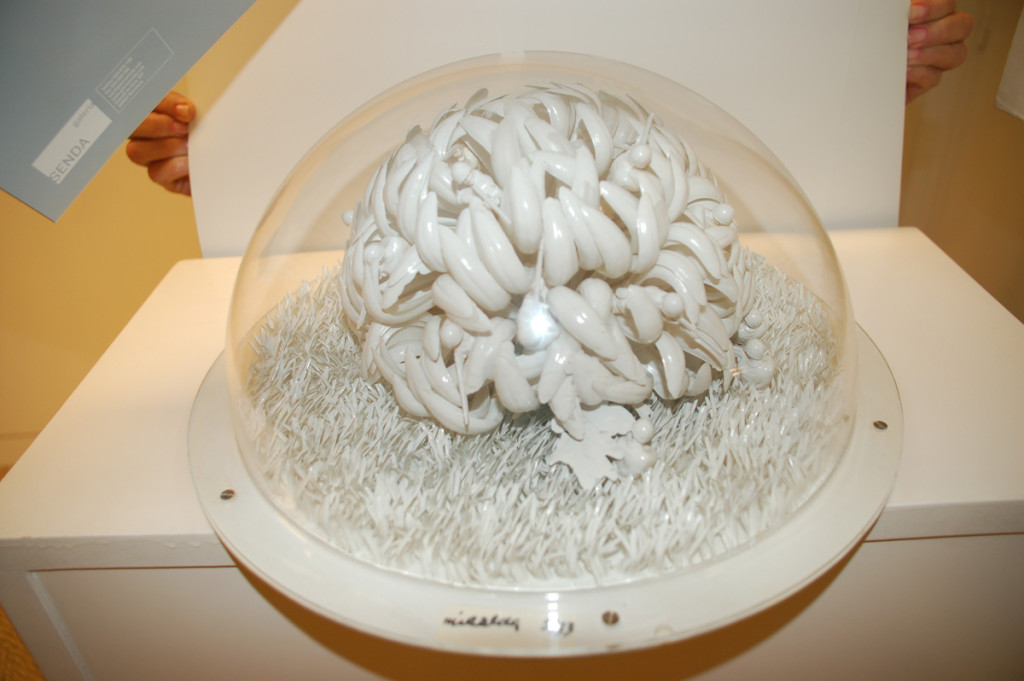
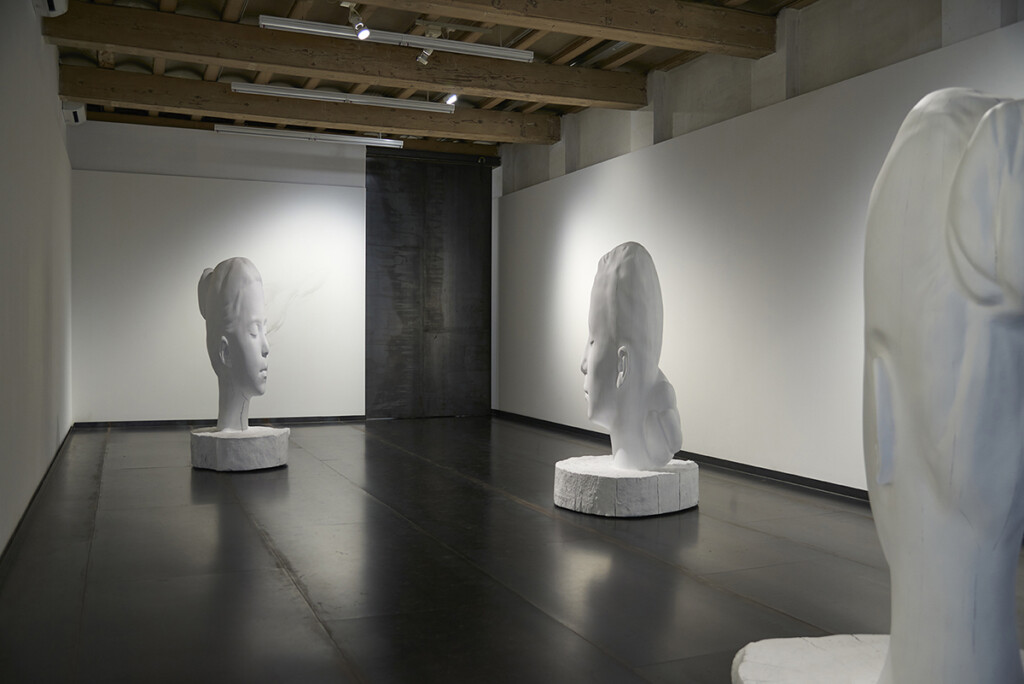
At the end of 2016, Jaume Plensa held his first exhibition at Galeria SENDA: «El Bosc Blanc», after 7 years without exhibiting in Barcelona, his hometown. Plensa presented a work that confronted what is shown with what is hidden, the past with the future, the natural construction with the creation by the hand of man, and the sound vibration with silence.
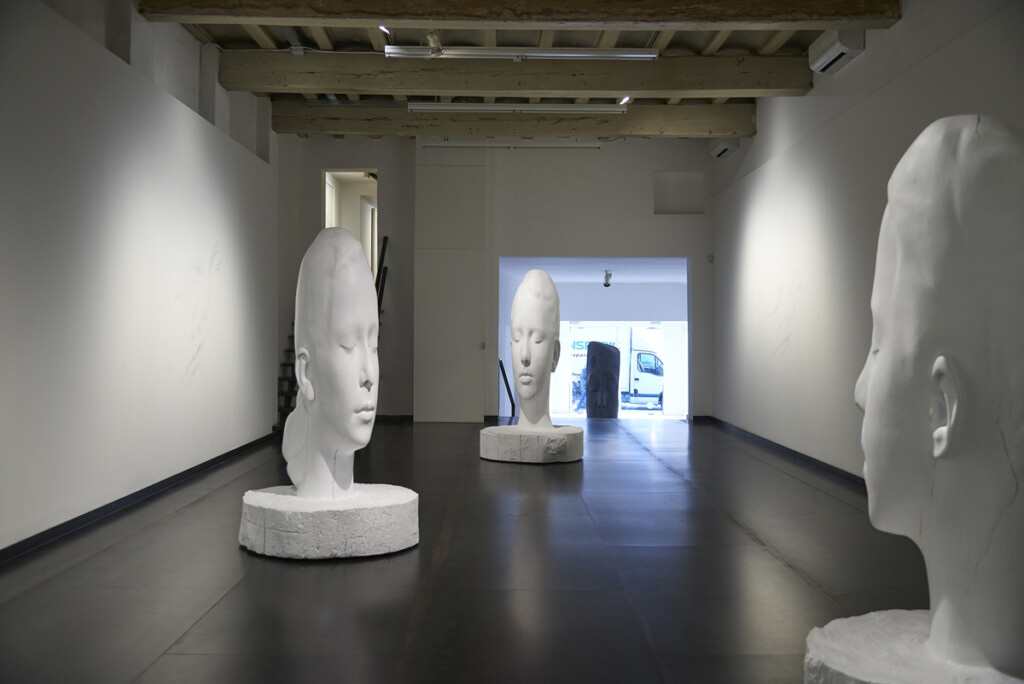
Gallery view, 2016
Gallery view, 2016
The exhibition consisted of various sculptures of young, female faces representing individuality within the social collectivity. The white pieces, “Lou“, “Duna” and “Isabella“, seemed to float on the floor and were complemented by graphite drawings on the wall. Plensa sought for the viewer to connect with the pieces and find their own path through the works placed in the space.
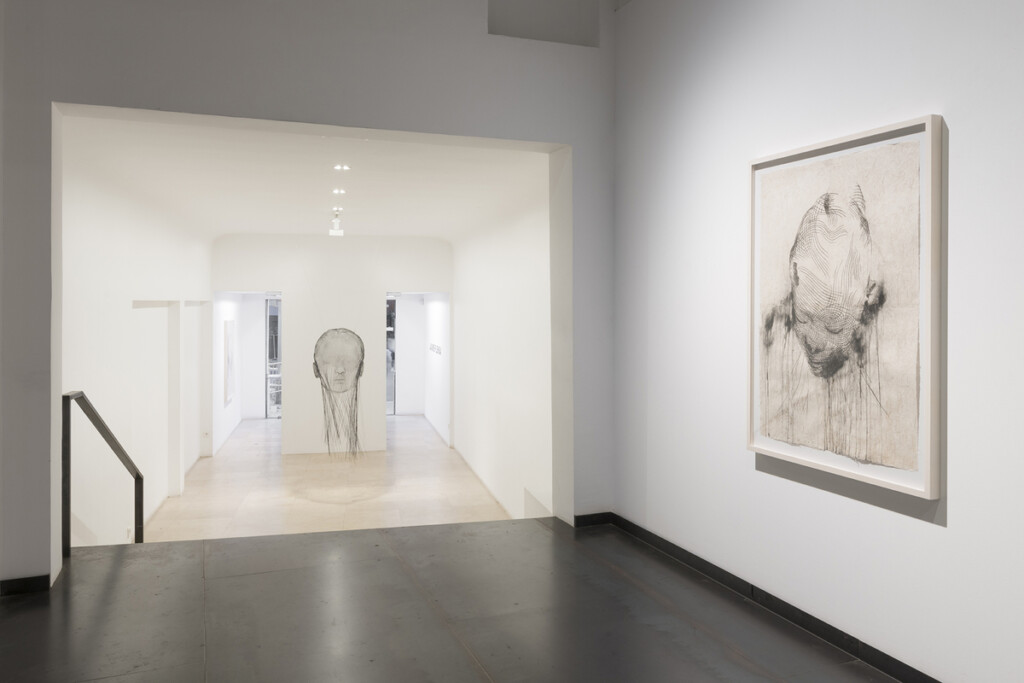
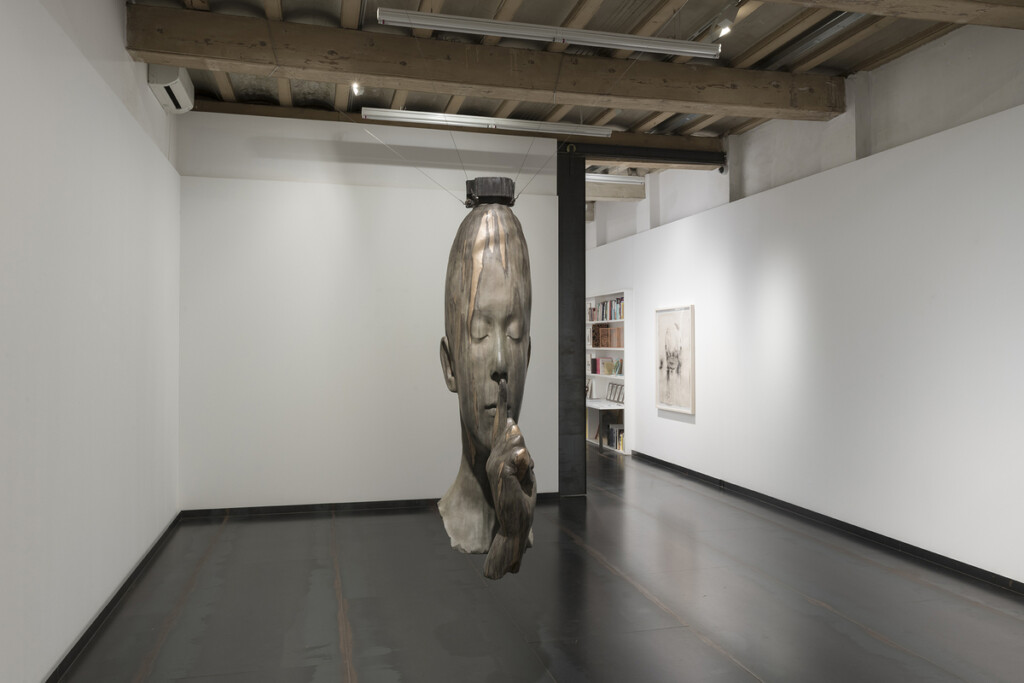
At the end of 2020, he returned to present a new exhibition «La Llarga Nit» at Galeria SENDA, in which he praised the mysterious time of the night, capable of inspiring the soul of poets. The works in the exhibition presented sleeping and silent figures, with a lyrical and contemplative dimension. Plensa suggests that, by having to stop the machinery of doing, humanity is putting into function the machinery of thinking, generating new ways of living in the world. The exhibition included suspended sculptures, works on paper, among other works.
Gallery view, 2020
Gallery view, 2020
In addition, beyond the exhibitions, Plensa accompanied us on two occasions last year. The first time he participated with Javier Molins in a talk that took place at the gallery on the occasion of the presentation of the book “Artists in the Nazi camps”. In this talk, Plensa and Molins shared their reflections on the work of artists who were victims of the Holocaust and its importance in the history of art. The second occasion was also in 2022, when he participated in another talk together with photographer Jean-Marie del Moral and journalist Màrius Carol during the presentation of the book «Interior, 2022» by By Publications. In this #SENDATalks, they shared their experiences and reflections on art and creativity in today’s world.
However, even further back in time, in 2017, German sculptor Stephan Balkenhol and Jaume Plensa met on the gallery’s mezzanine to talk about «Sculptures and Public Space» in a dialogue about their trajectory and their interest in promoting sculpture as a value for society and culture.
We are grateful to have been able to witness Plensa‘s unwavering commitment to contemporary art and the opportunity to present his work in a gallery in his own city.
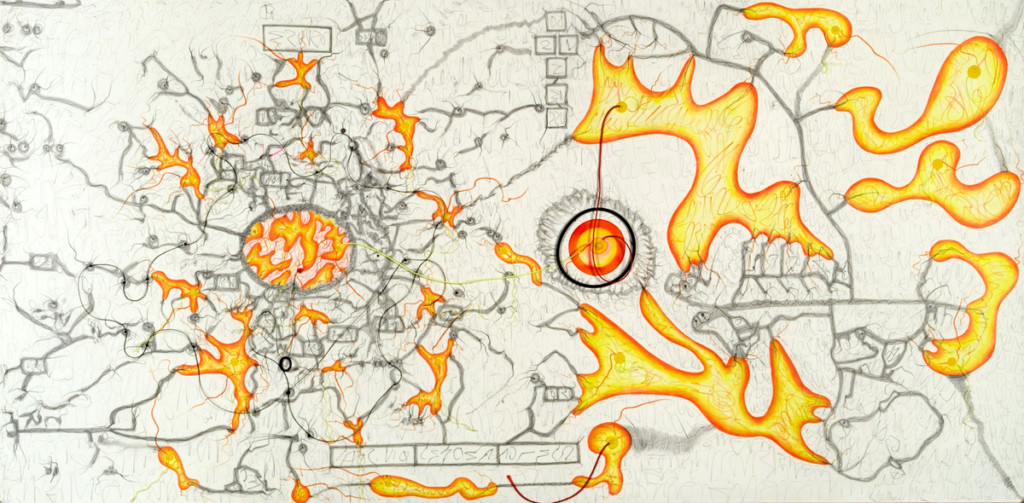
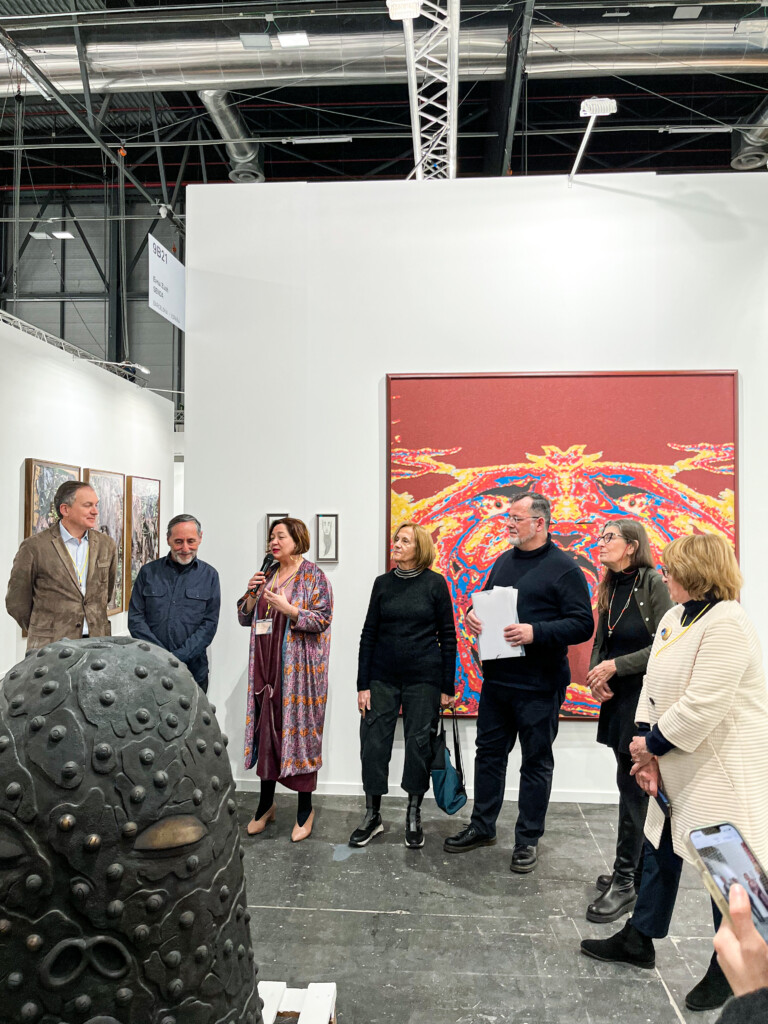
The artist Evru/Zush has been awarded the 18th Electronic Art Arco-Beep prize for his work Opaulo (1990), a digital print on canvas exhibited at our stand (9B21 – galeria SENDA). This award, established in 2006, and carried out in collaboration with the ARCOMadrid Fair, has been set as the origin, the triggering element, from the .BEEP { Collection;}, a pioneering initiative in the dissemination of electronic and digital art in Spain.
The work of Evru / Zush is a clear example of his ability to create art that transcends the limits of what is conventional. From the gallery we express our pride and satisfaction at having exhibited the winning work and at having collaborated with an artist who is a “universal pioneer in a world that promotes interactivity and viewer participation”.
Visit by Natalia Garriga, Minister of Culture of the Generalitat, Edgar García, director of the ICEC, Marta Gusta, Director of the Area of Visual Arts at ICEC, Ester Capella, delegate of the Generalitat (Madrid).
We congratulate Zush / Evru on their well-deserved award and thank the Beep Collection and the Newart Foundation for their important work in promoting electronic and digital art .
After the recent inauguration of the monographic exhibition “Zush in Ibiza ”, at the Fundació Suñol in Barcelona, in collaboration with the Museu d’Art Contemporani d’Eivissa, Evru/Zush returns to exhibit part of his work conceived in Ibiza (1968-1983), a fundamental period for the artist, who experimented with very different formats and techniques never seen before. Precisely at that time, in 1968, the young artist Albert Porta decided to become Zush and carry out a creative self-healing strategy after he had passed through the phrenopathy hospital in Barcelona.
If we were to read in a prestigious medium in the art world that an artist has created a highly personal proposal that is absolutely coherent, ingenious, solid and bold in the metaverse, with avatars and codes, languages of the world video game or augmented reality, with stereoscopic images, colors and unreal worlds, providing a radically new scenario to the world of creation, we would launch ourselves to discover the proposal of this advanced Artist.
That is precisely what Zush already did, more than 40 years ago!
Booth view 9B21 (Artist Project) #1
Booth view 9B21 (Artist Project) #2
Evrugo Mental State, a world as real as our own, but existing in an uncertain place (which today we would probably translate as some sort of metaverse) with its own language, characters that inhabit it, currency, anthem and so many other characteristics typical of a real world, it was worked on and defined by him for years and presented in different contexts, we have seen it at MACBA, at the Reina Sofía, the São Paulo biennials or at Documenta, and even in the fantastic exhibition of the “Wizards of the Earth” at the Pompidou Center by Jean Huber Martin.
That real world, it has been and it is and that shows us how advanced in his time our honoree always was and is, who launched himself to investigate and create (through some devices, then called Personal Computers and that were unattainable except for a few professionals or researchers) and with them, through tools that would surprise us today, to continue creating their fascinating world. The WWW had not even been imagined then. Before our today.
Several words like Scanahrome or Infographics had to be invented. Works worked through digitalization and then in some cases printed on those rudimentary devices that today we would call plotters.
Zush is undoubtedly a universal pioneer in this world and that is why we want to pay tribute to his work.
“My thing is individual mythologies. I am someone who generates his own way of thinking, of seeing reality or of seeing the world. What interests me is being a bridge between sanity and madness”.
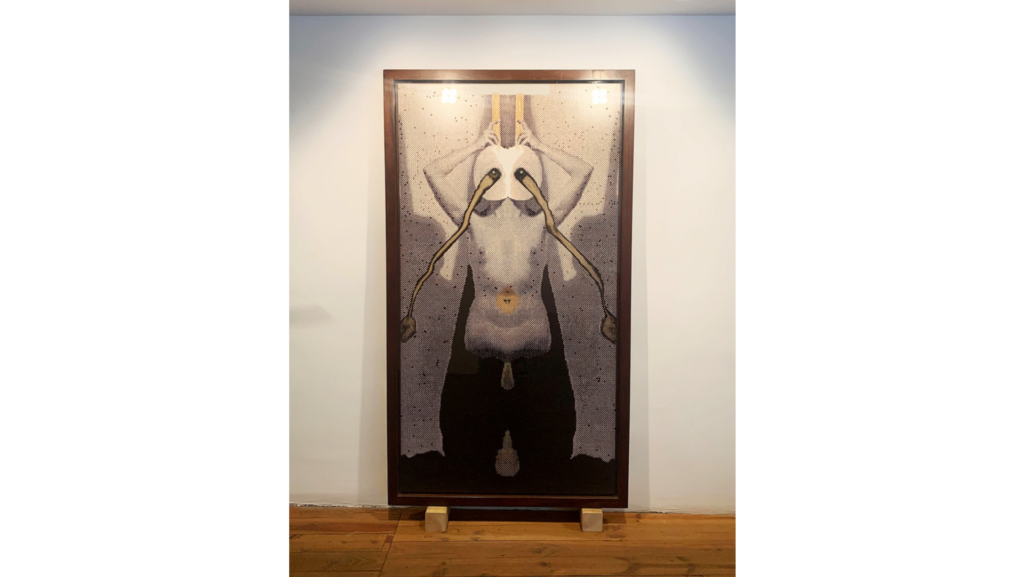
Evru/Zush
Renusa, 1989-1990
Acrylic painting on photography paper mounted on wood
200 × 100 × 5 cm
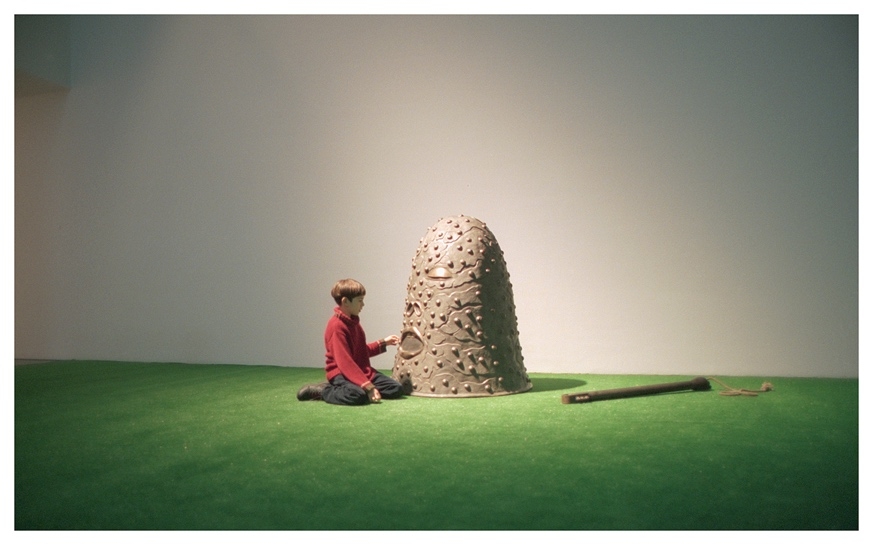
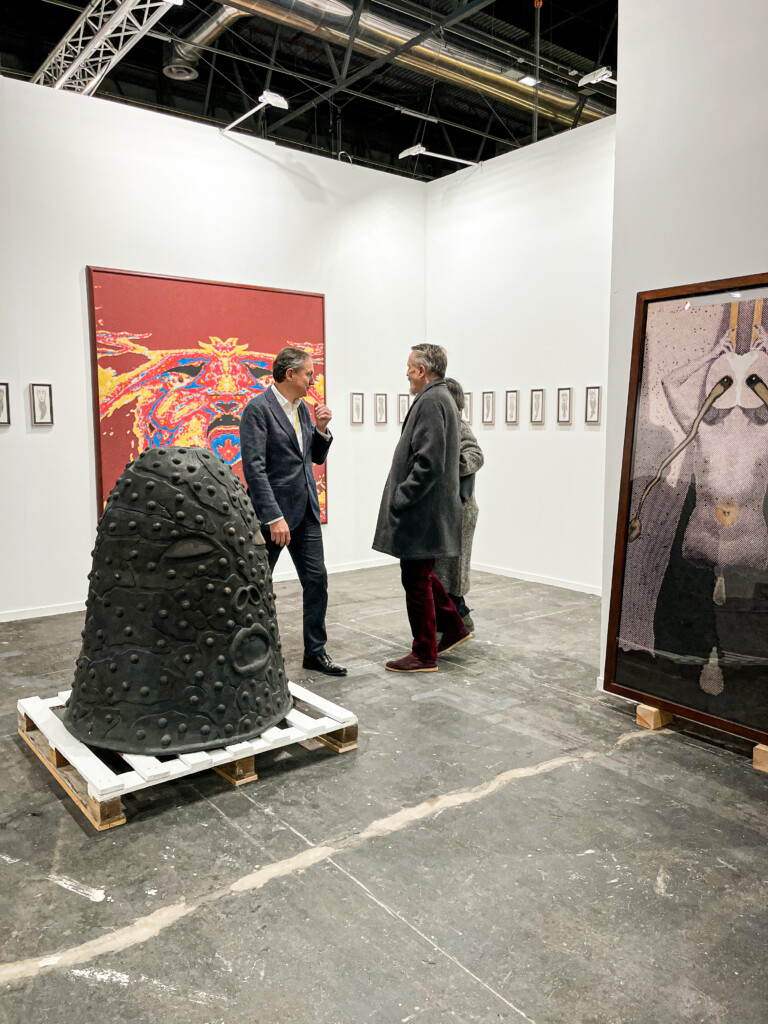
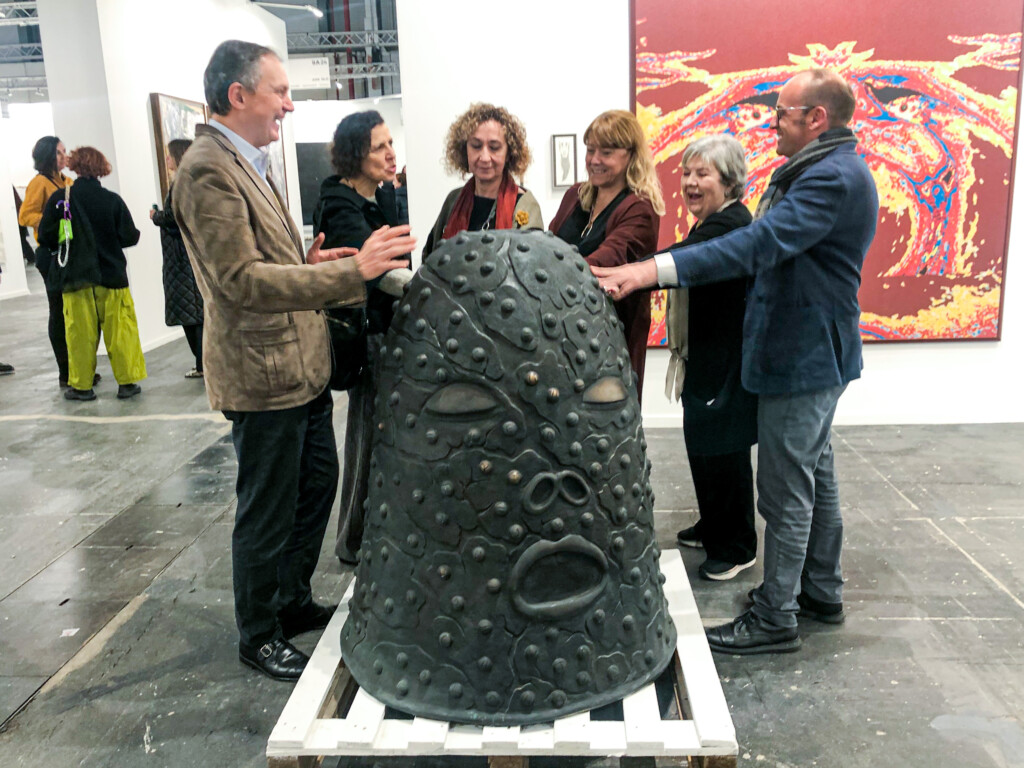
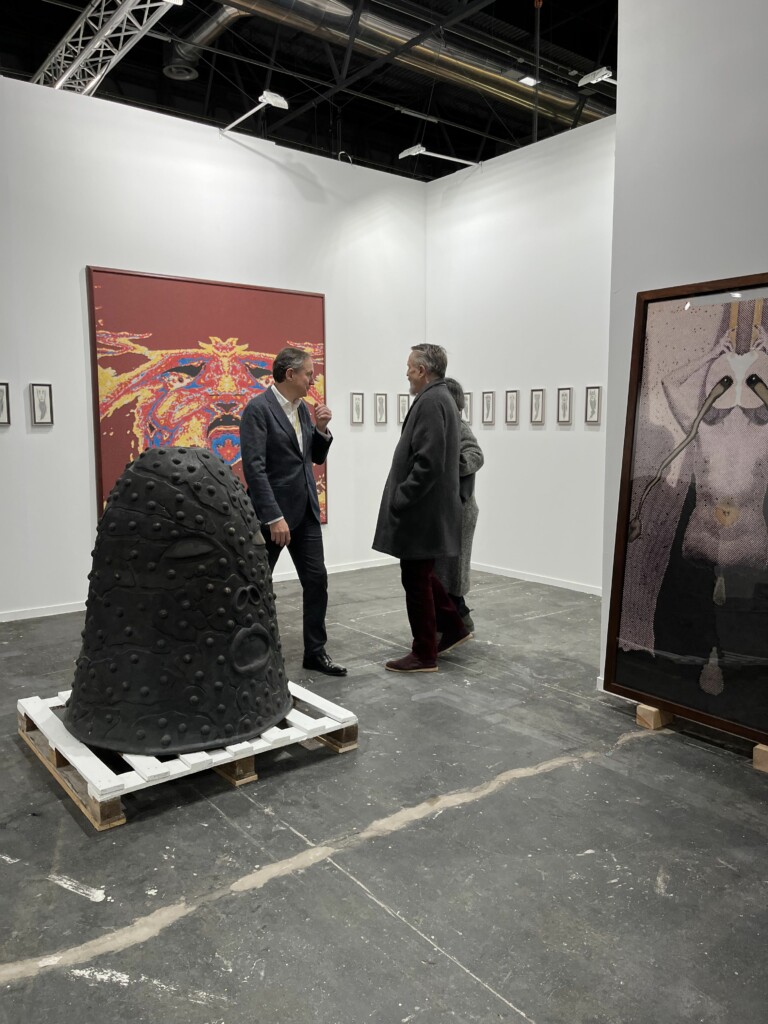
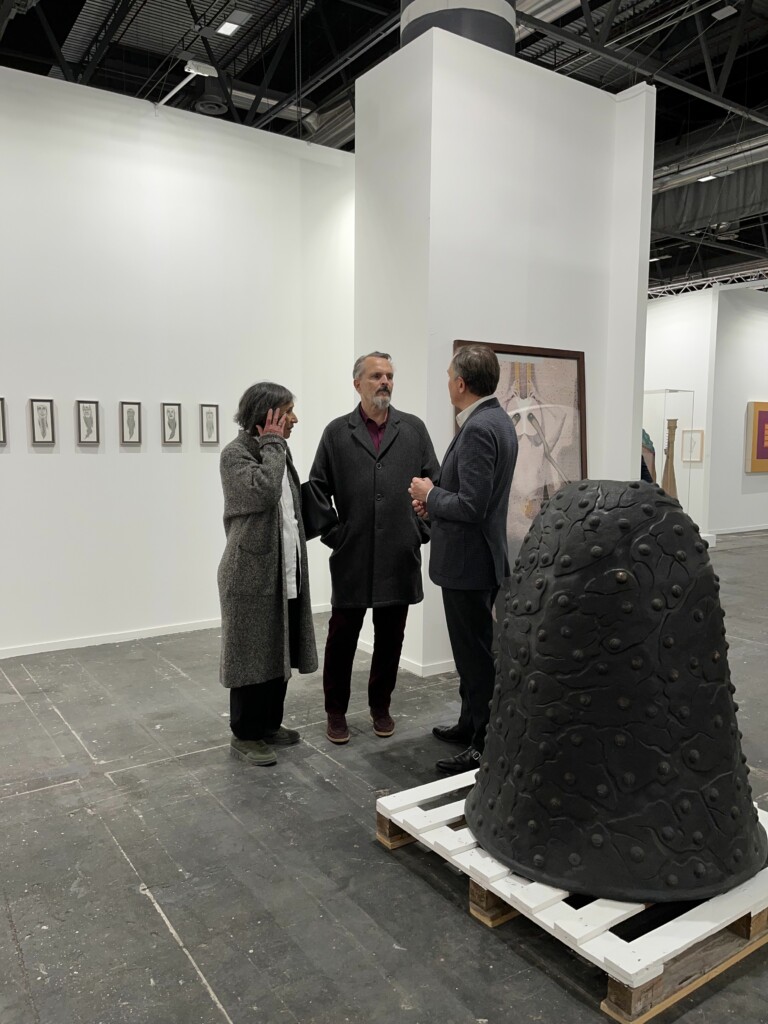
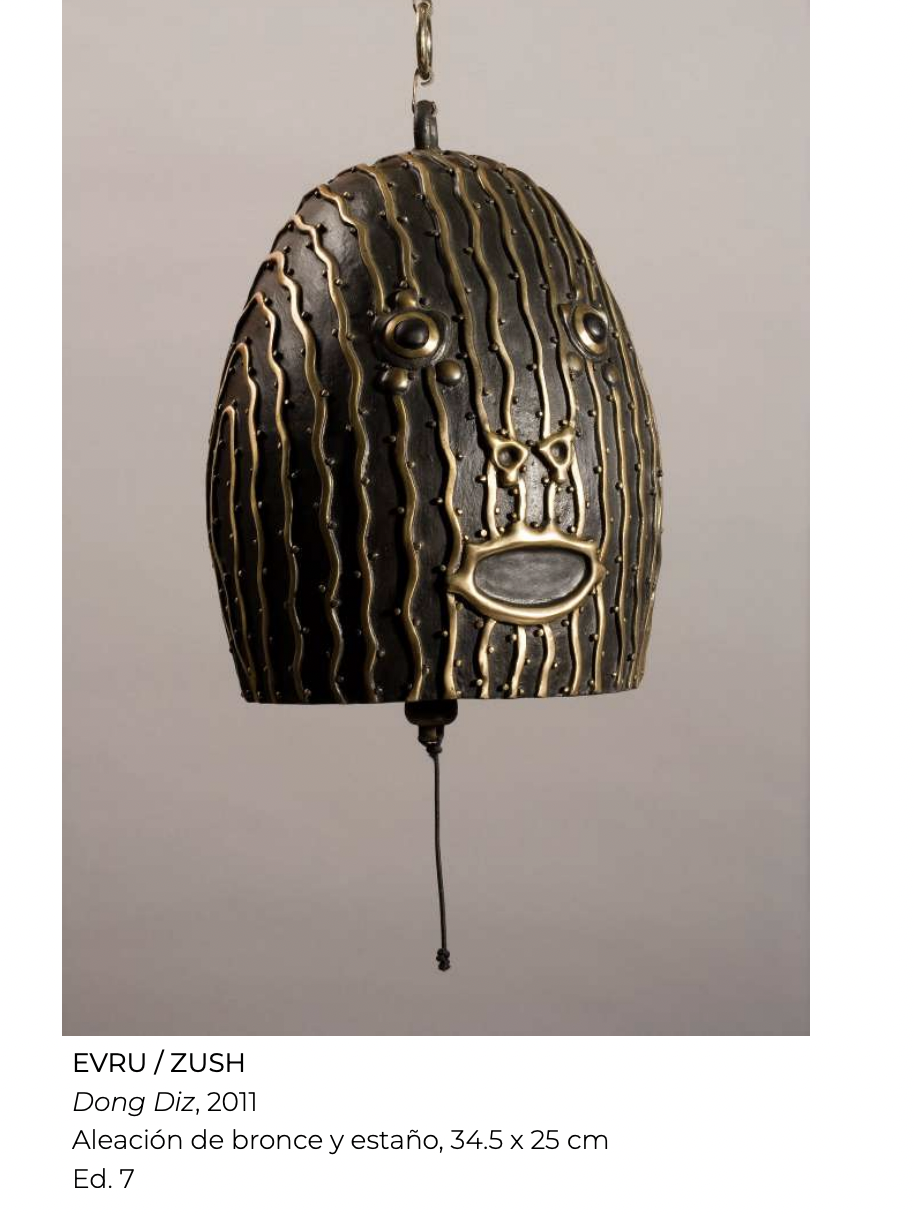
Thus, once again, the bells are once again the protagonists in space, this time accompanied by their famous nagas, Hindu deities with a human face and torso, generally of a woman, and the body of a snake. In this way, the desire to return to being Evru materializes, under the representation of snakes, beings that, like the artist himself, shed their skin in a natural process of renewal and growth. This desire for transformation is a constant in his career, through turning points that allow him to reflect on concepts such as identity, otherness or the passage of time. Thus, the desire for death and rebirth is the declaration of intent of a transgressive and unclassifiable artist who denies himself and reaffirms himself more and more emphatically and immortal.
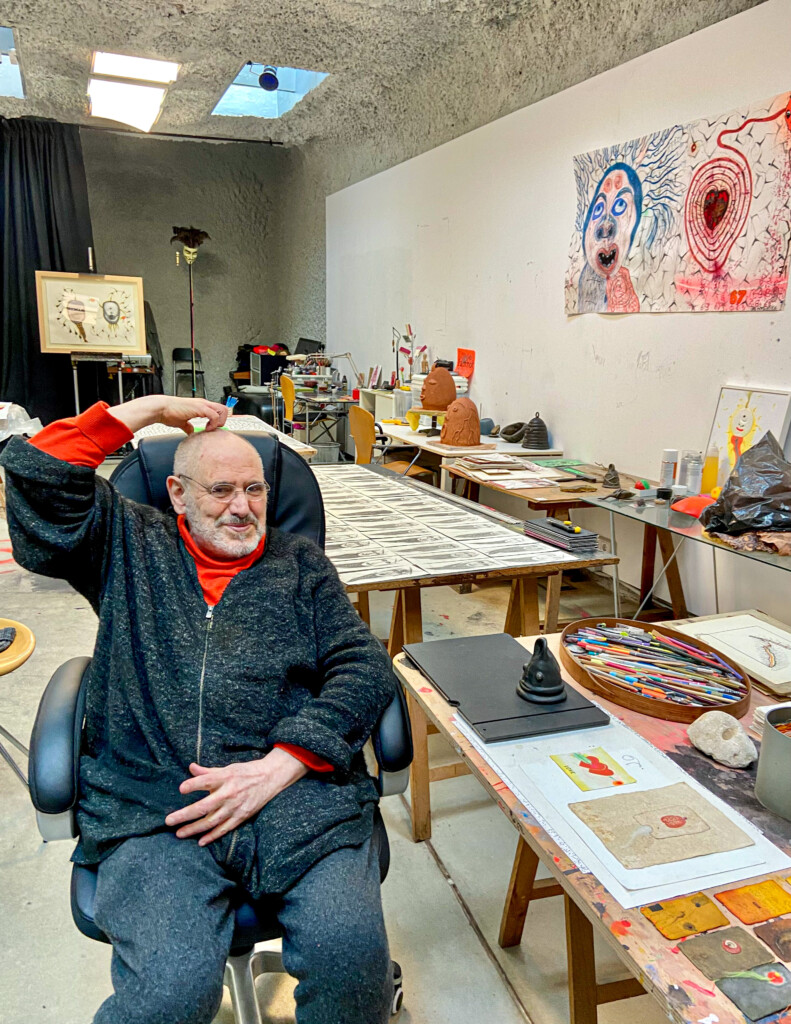
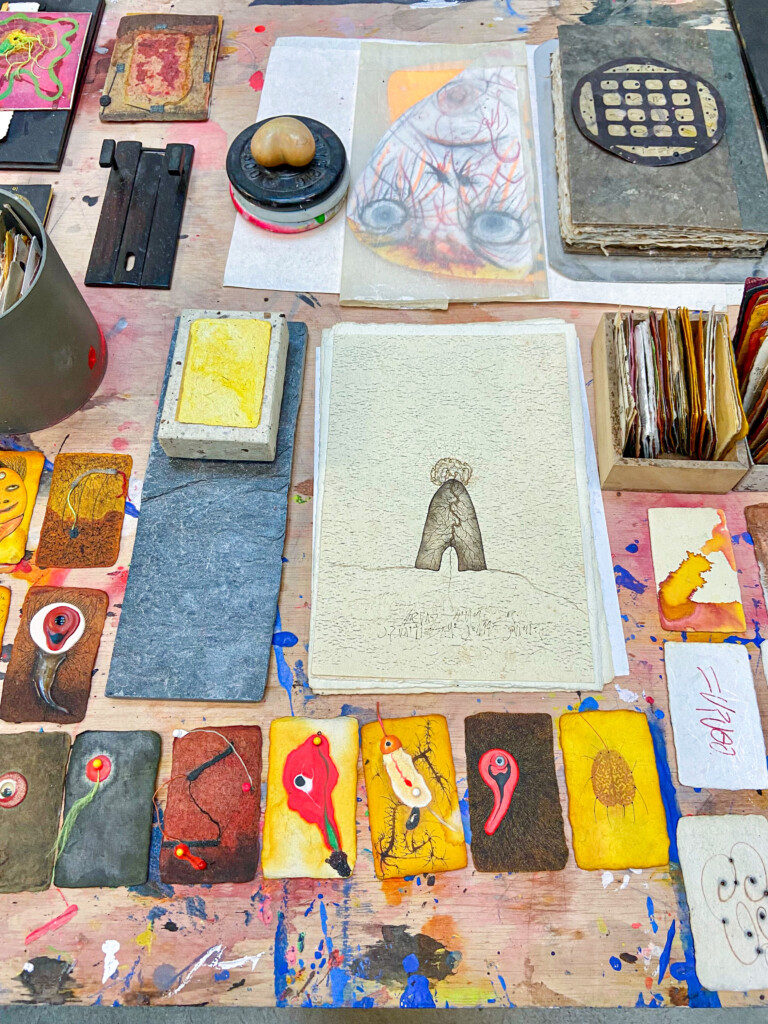
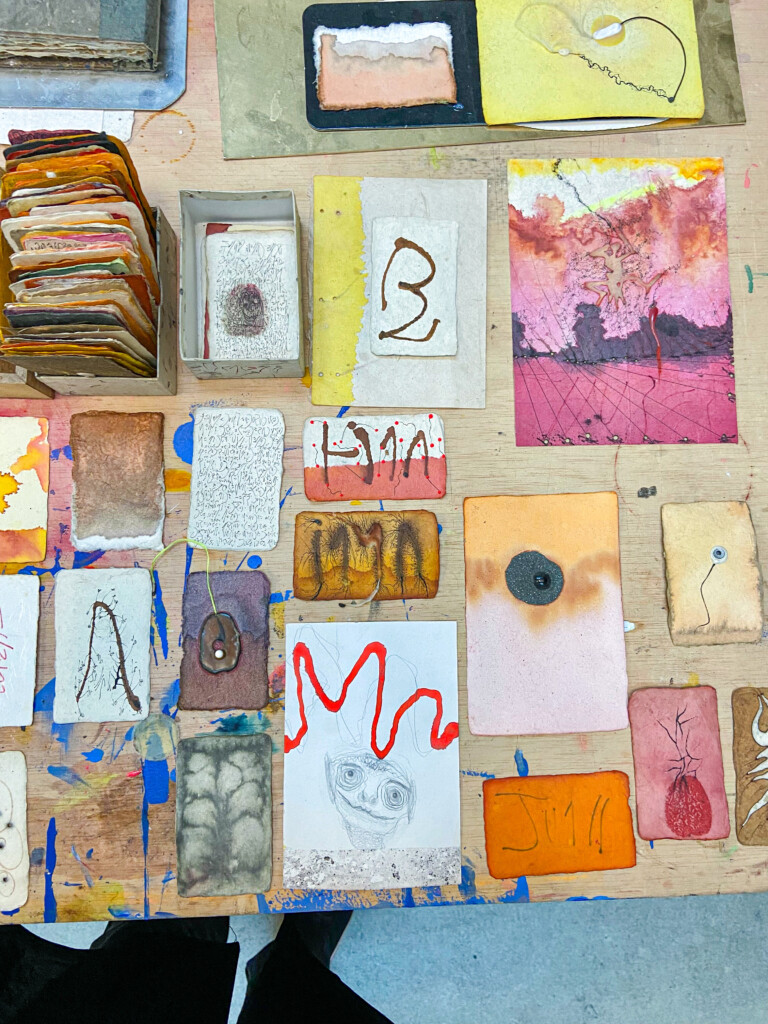
This morning, along with Chus Roig, we have visited Evru Zush at his home studio in Barcelona.
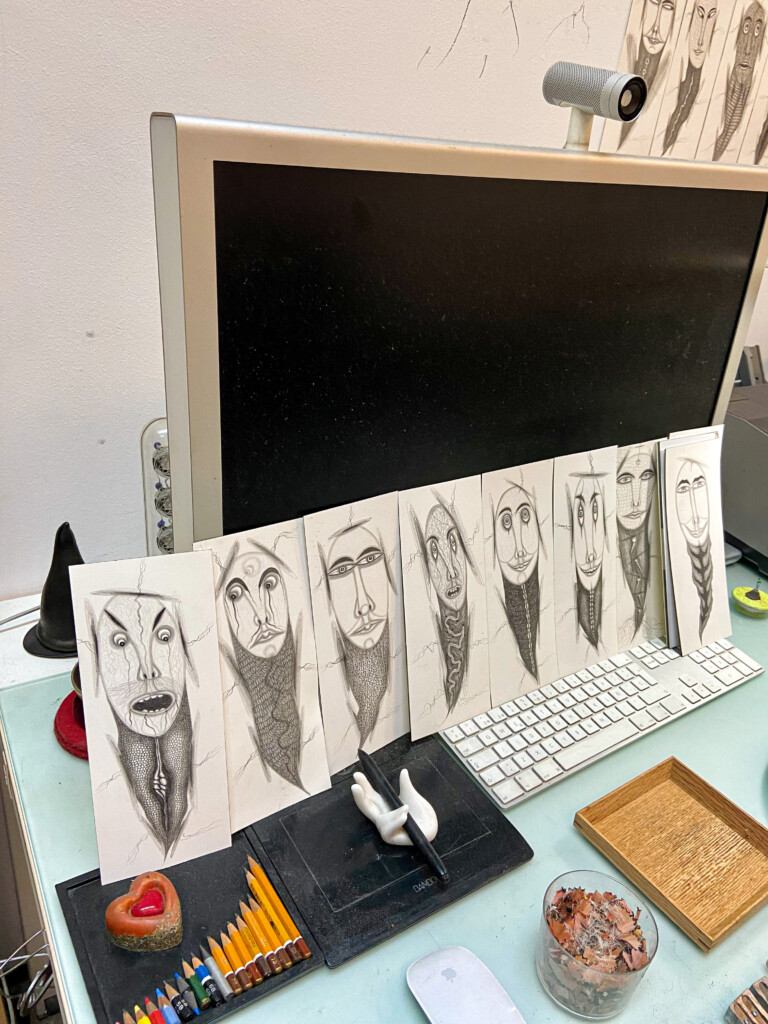
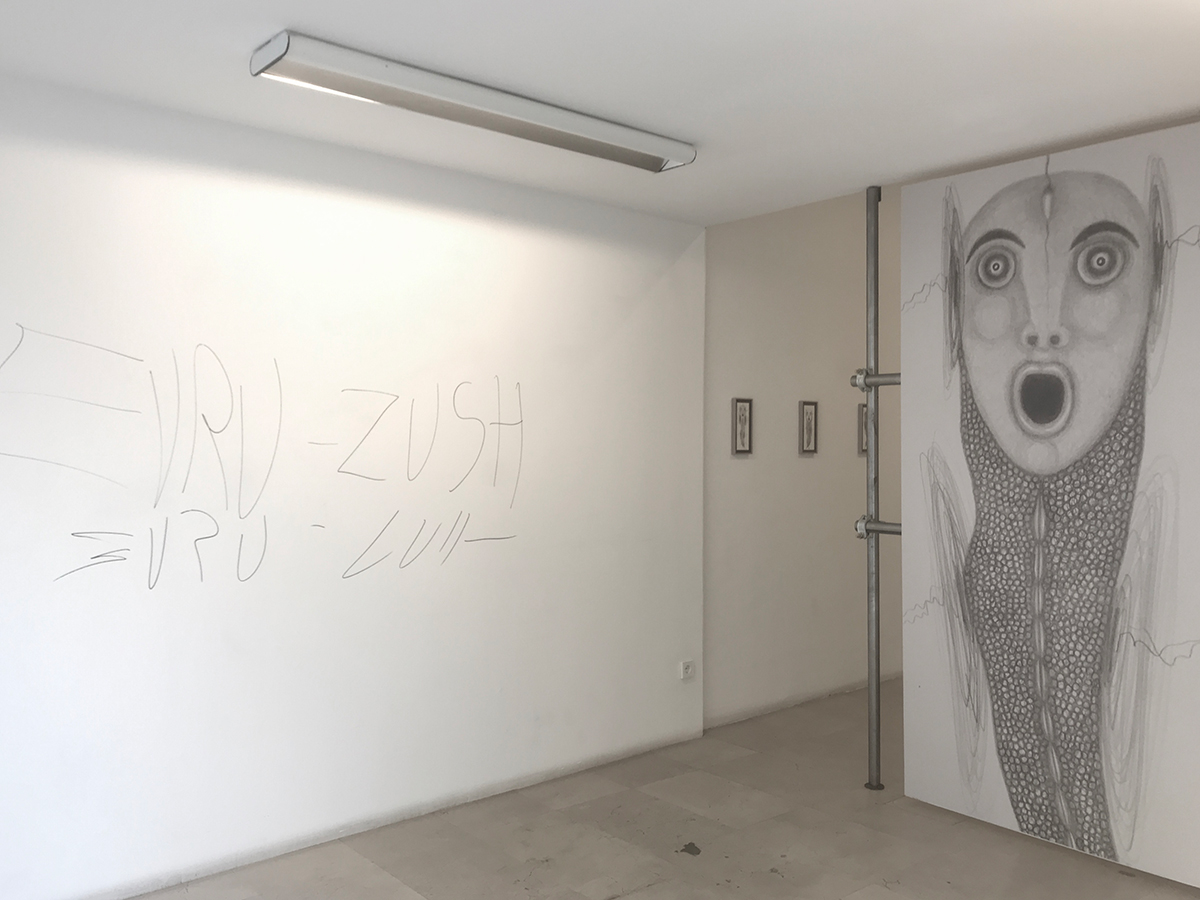
We remember his exhibition “Volver a ser” at Galeria SENDA almost three years ago, an exhibition of small-format pencil drawings with which he presents hybrid beings with a human face and a snake body.
Evru Zush‘s work is characterized by the construction of a personal and autobiographical mythology, based on images that seem to overflow and the creation of his own style of writing, giving rise to multiple parallel universes that maintain a subtle balance where the logic of composition barely keeps the chaos in check.
During the creative process of his latest exhibition at the gallery, Evru Zush noticed that the drawings he was working on corresponded to the iconographic structure of the representations of the “Nagas”, Hindu deities with a human face and torso, generally female, and snake body. In this way, Evru’s constant desire to “be again” materializes, in the present exhibition, in the representation of snakes, beings that, like the artist himself, shed their skin in a natural process of renewal and increase.
Exhibition “Volver a Ser” Evru Zush in Galeria SENDA 2020