Dreamscapes & Other Tales

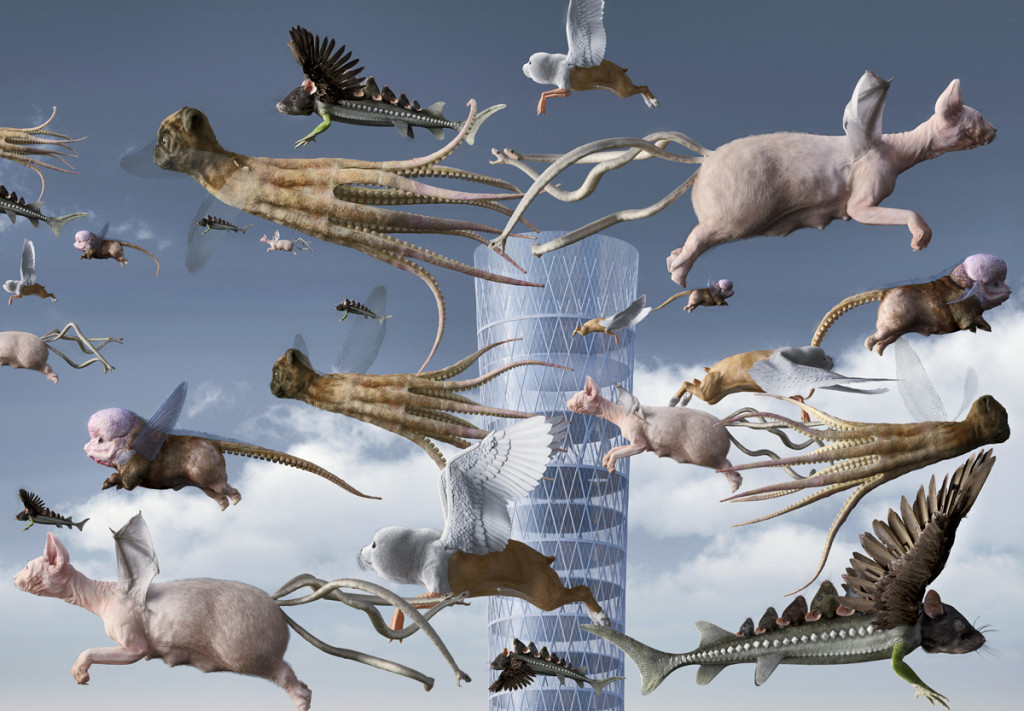
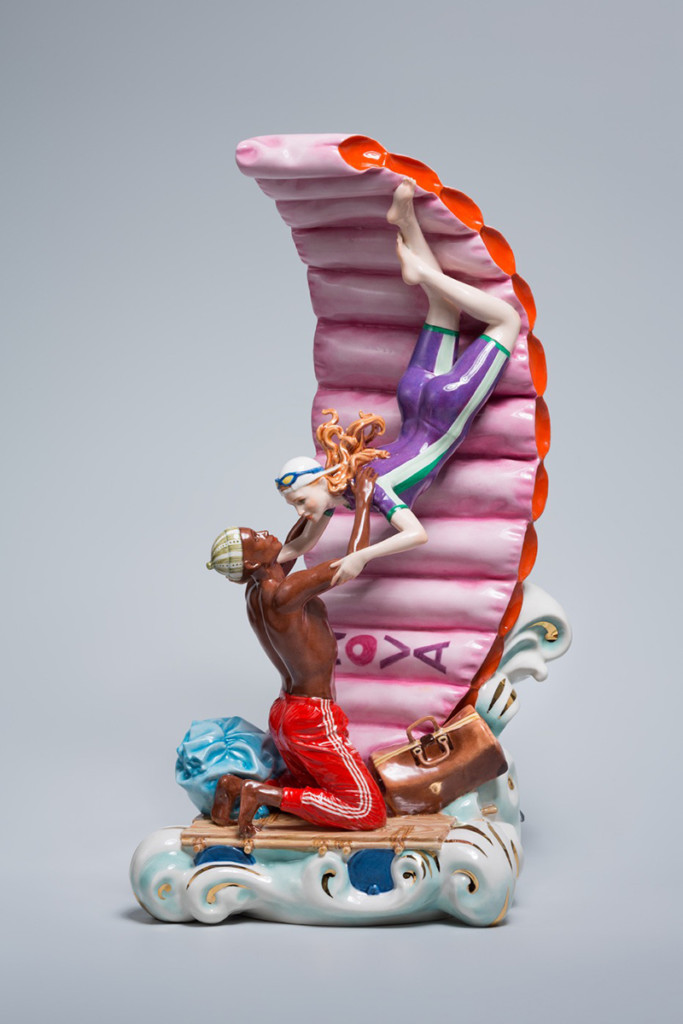
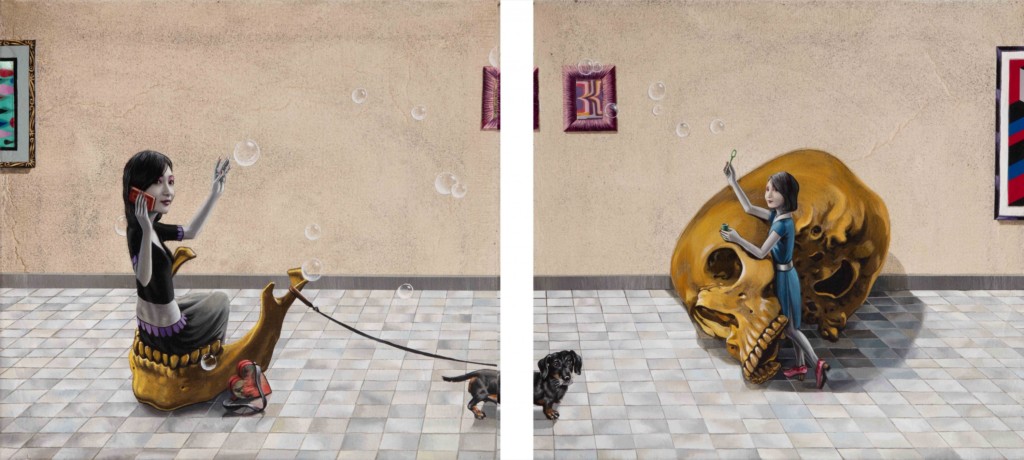
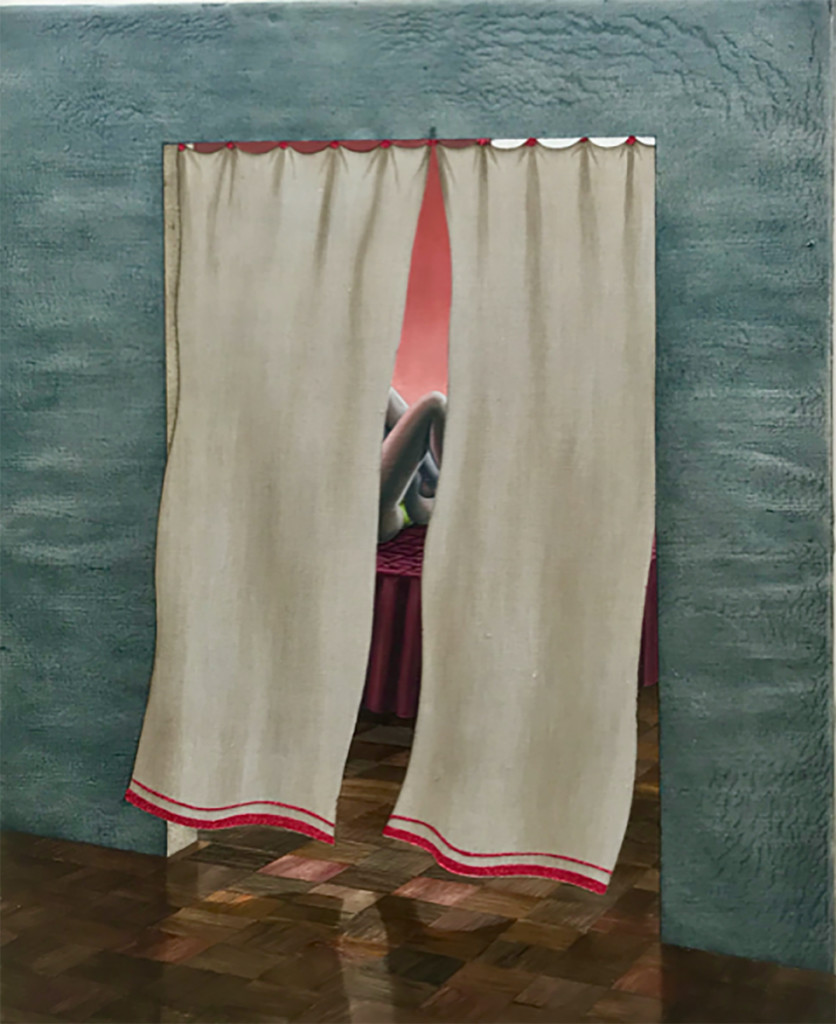
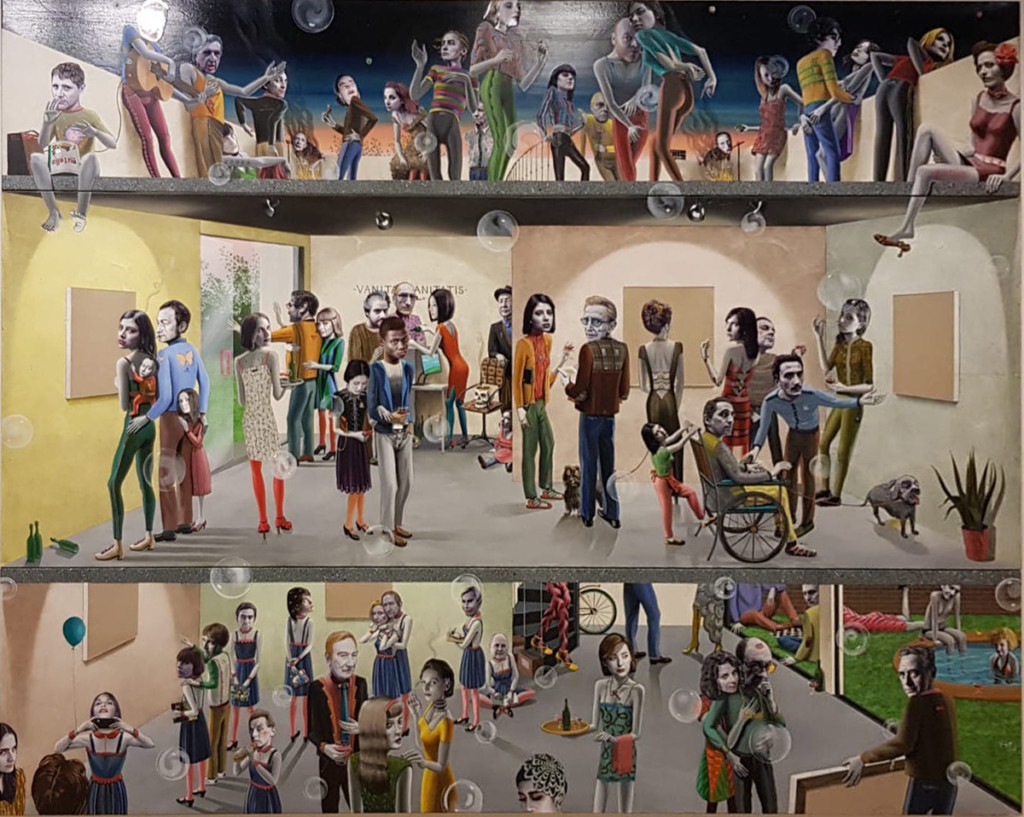
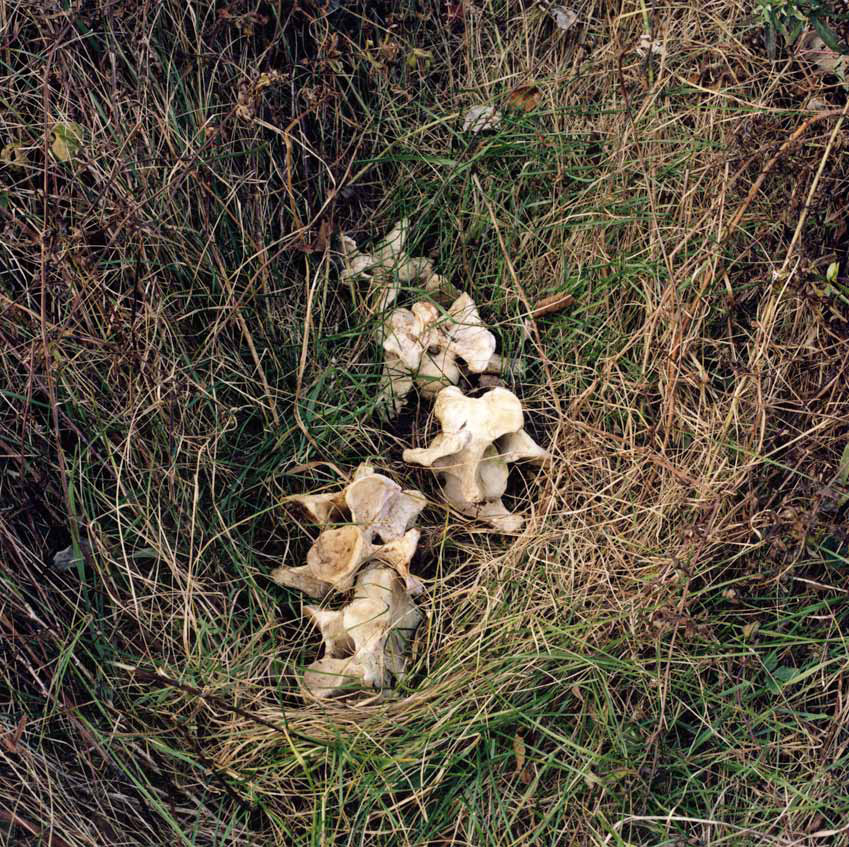
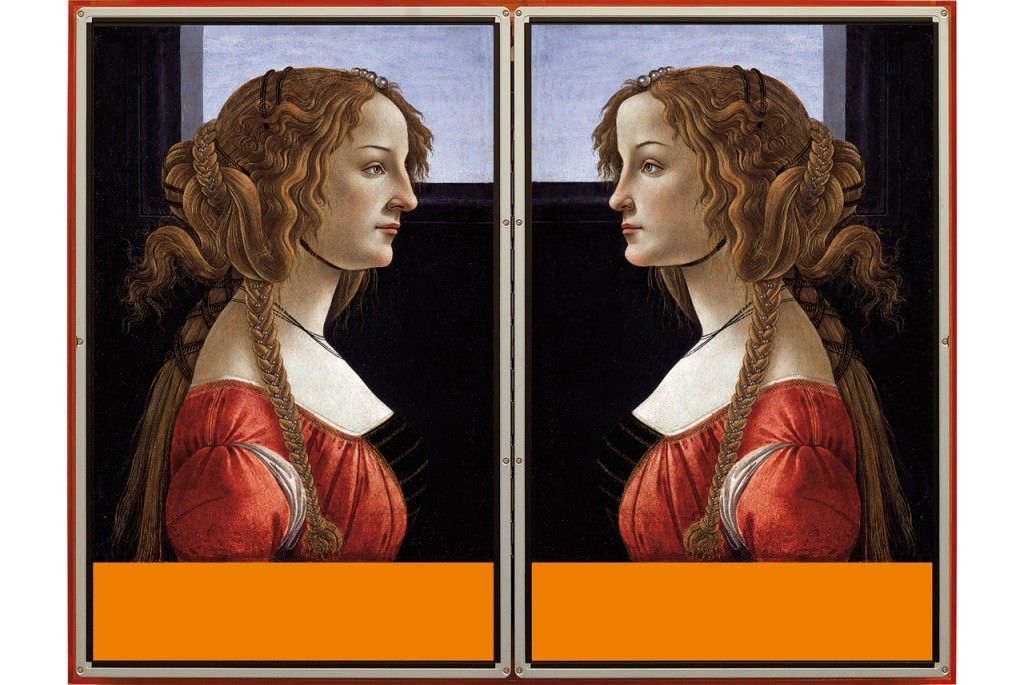
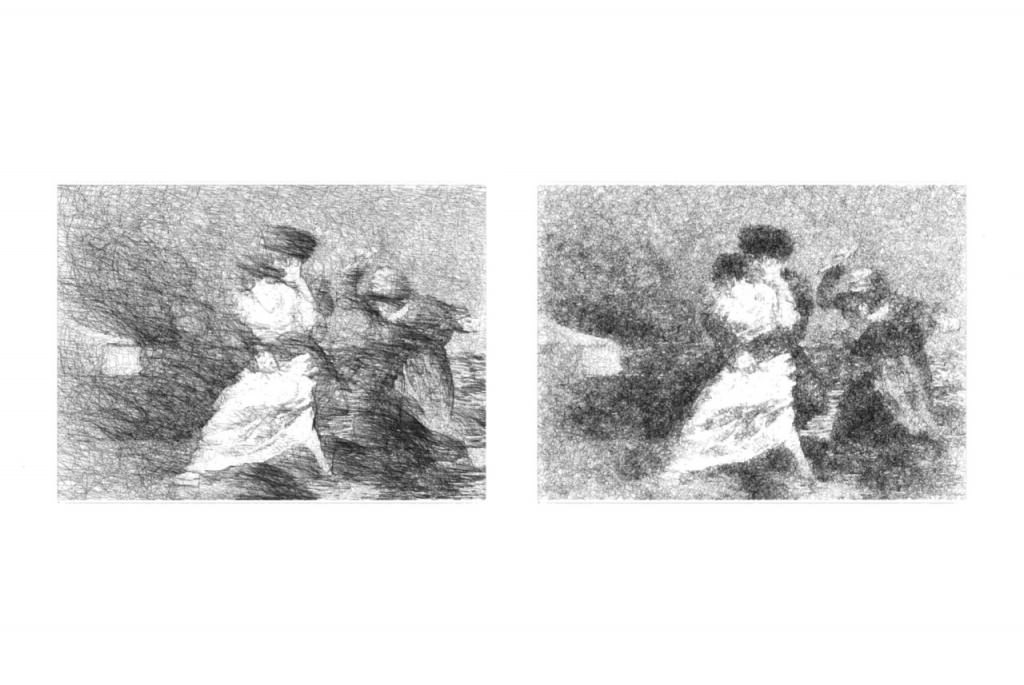
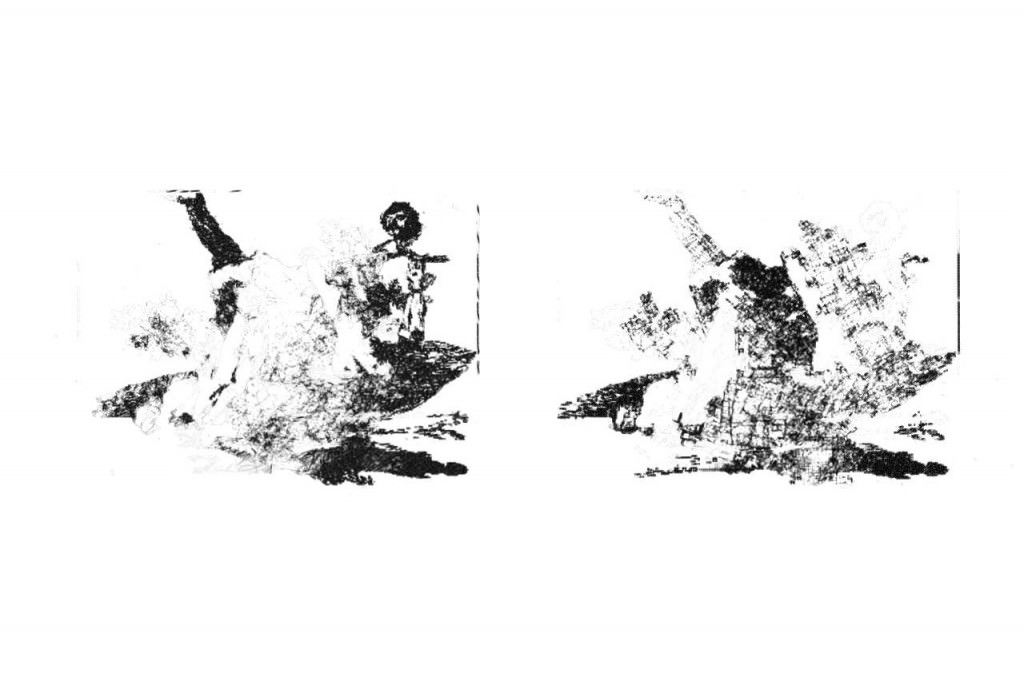
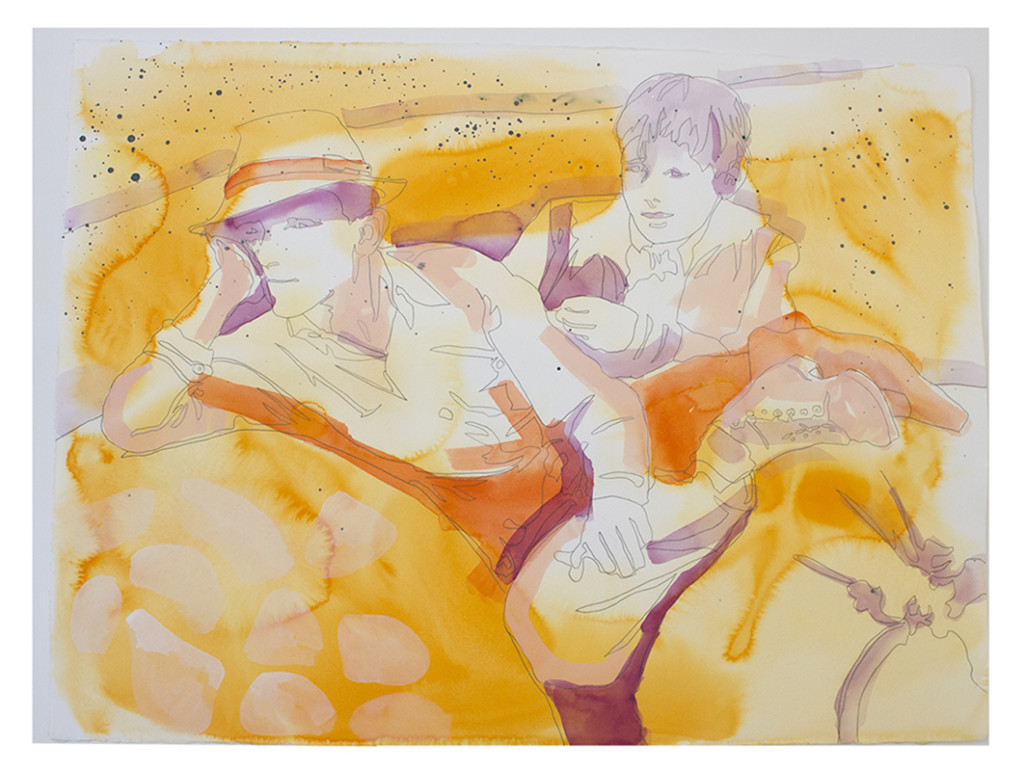
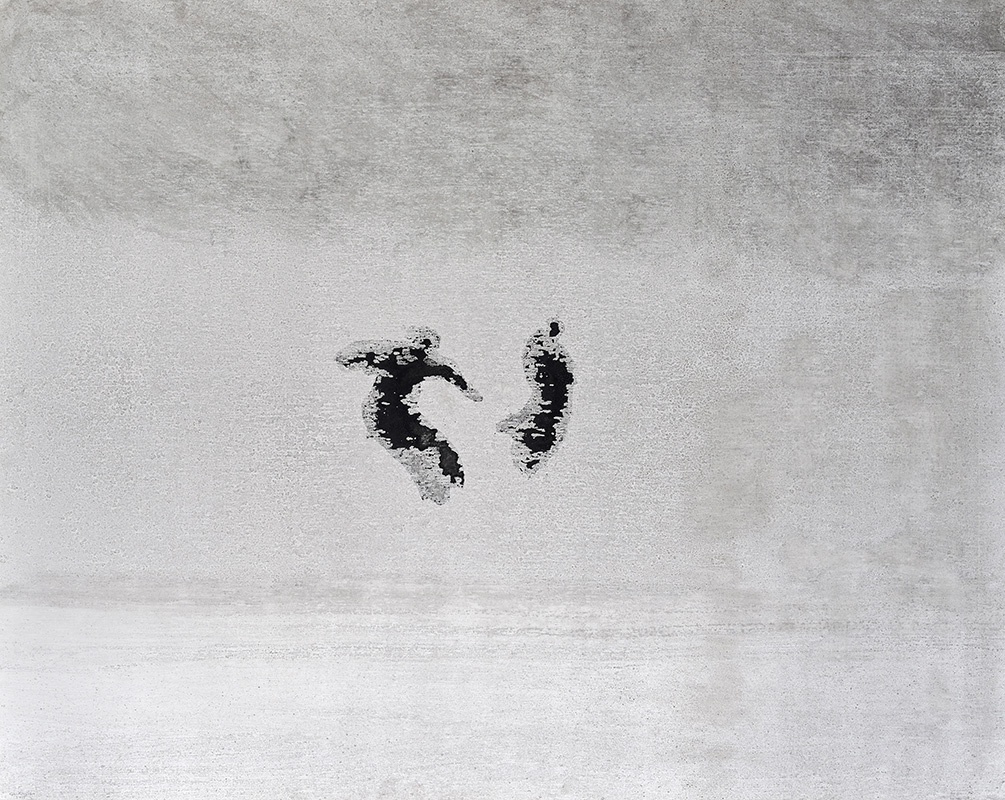
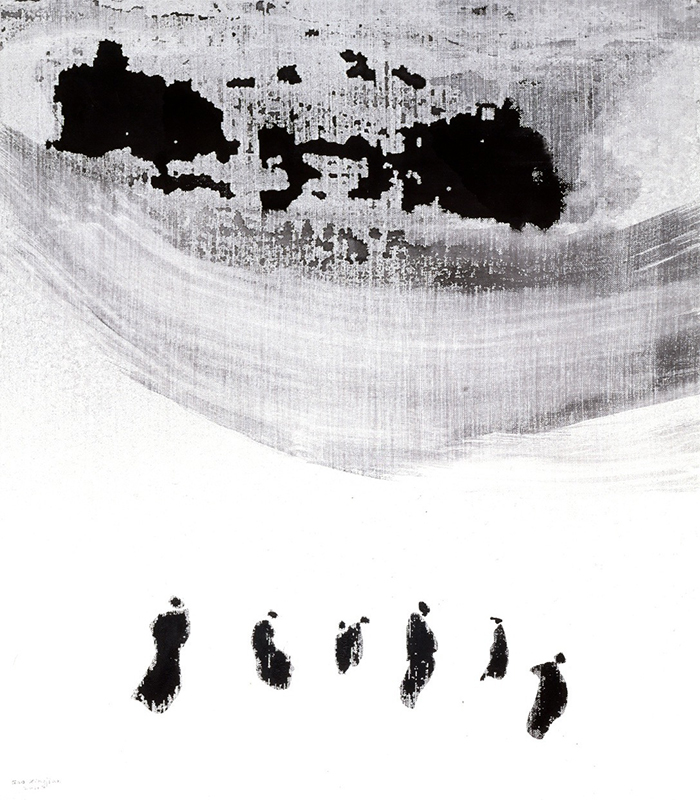
“DREAMSCAPES AND OTHER TALES” is an online-only group show that brings together a selection of works on paper by artists by Evru/Zush (Spain,1946), Catalina Jaramillo (Colombia, 1981), Sandra Vásquez de la Horra (Chile,1967), Gino Rubert (México, 1969) and the collective AES+F (created in Moscow in 1987).
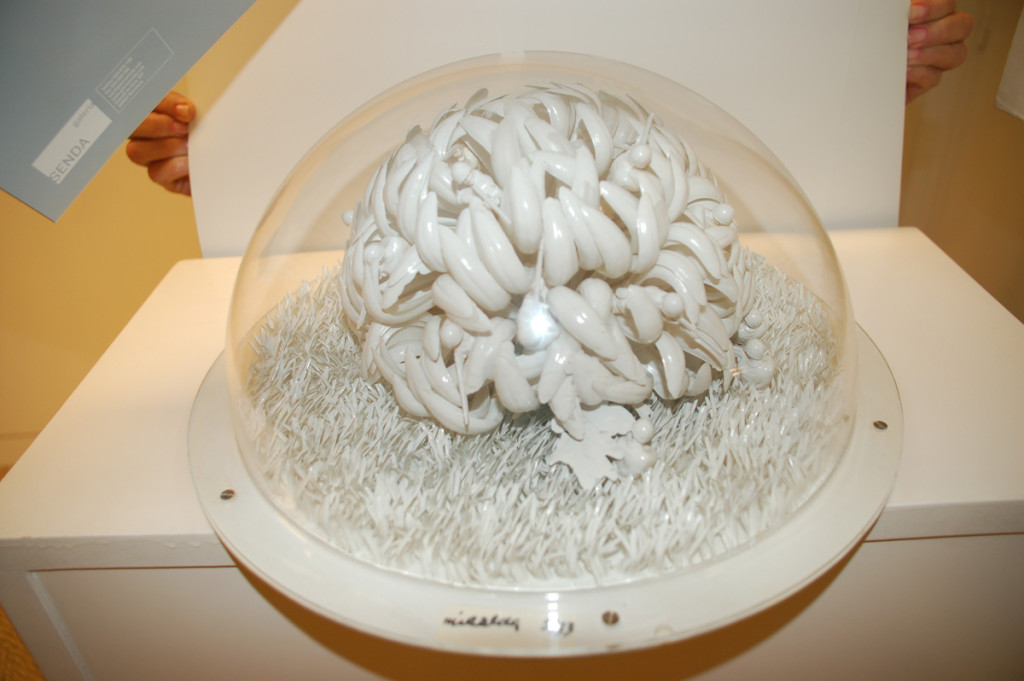
Through different figurative iconographies, the featured artworks explore, complex oneiric landscapes and imaginative scenarios. With a unique aesthetic and stylistic signature, each of them engages with the forces of fear and desire that stand behind the oneiric machinery of the individual and the society at large. Making reference, in some cases, to the psychoanalysis literature, or abandoning themselves to the intuitive process of creation, their authors put into scene particular mythologies, depicting social allegories and paradoxes, opening unexpected windows toward utopias, magic or spiritual realms, or composing tales of erotic scenarios.

While some of these artists are known for their works on paper (Sandra Vasquez de la Horra, Catalina Jaramillo and, partially, Evru/Zush), others have employed this medium occasionally, to study the themes and subjects of their paintings or tell particular stories (Gino Rubert) or as part of multi-media projects that include porcelain sculptures and video (AES+F).

A project by Mariella Franzoni


Link to the DREAMSCAPES AND OTHER TALES show on Artsy:
https://www.artsy.net/show/galeria-senda-dreamscapes-and-other-tales-works-on-paper-by-aes-plus-f-gino-rubert-catalina-jaramillo-sandra-vasquez-de-la-horra-evru-slash-zush

ARCO Madrid 2020

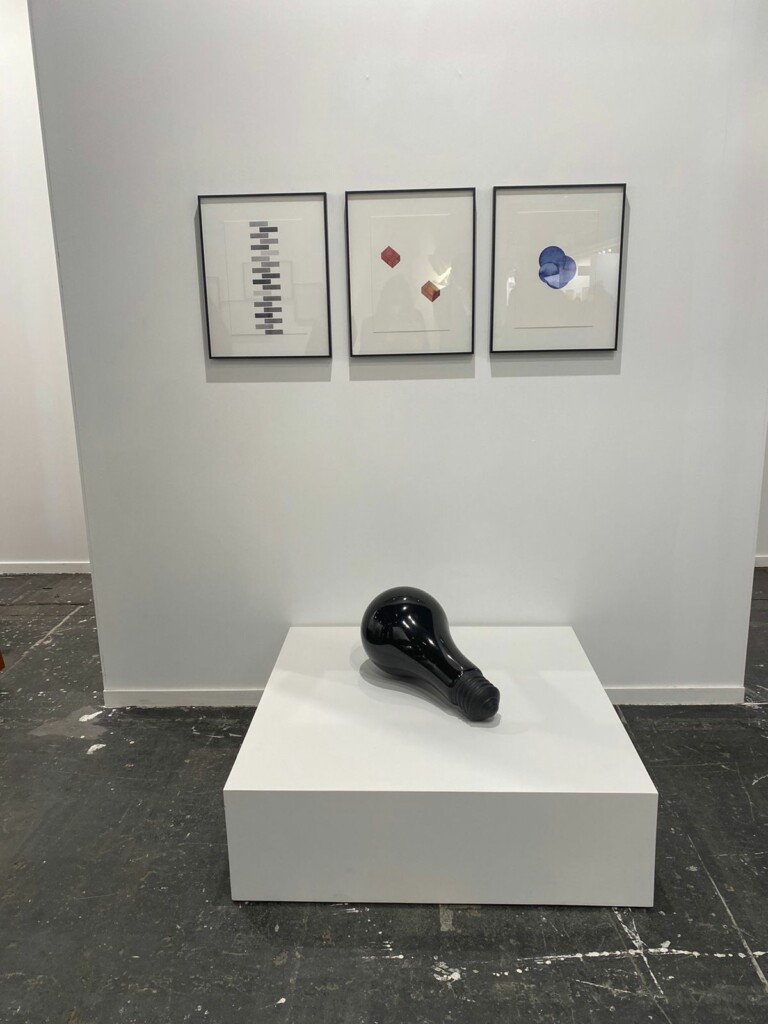
Galeria SENDA at Arco Madrid 2020
February 26 – 01 March (Booths 9F08 and 9F08A) 

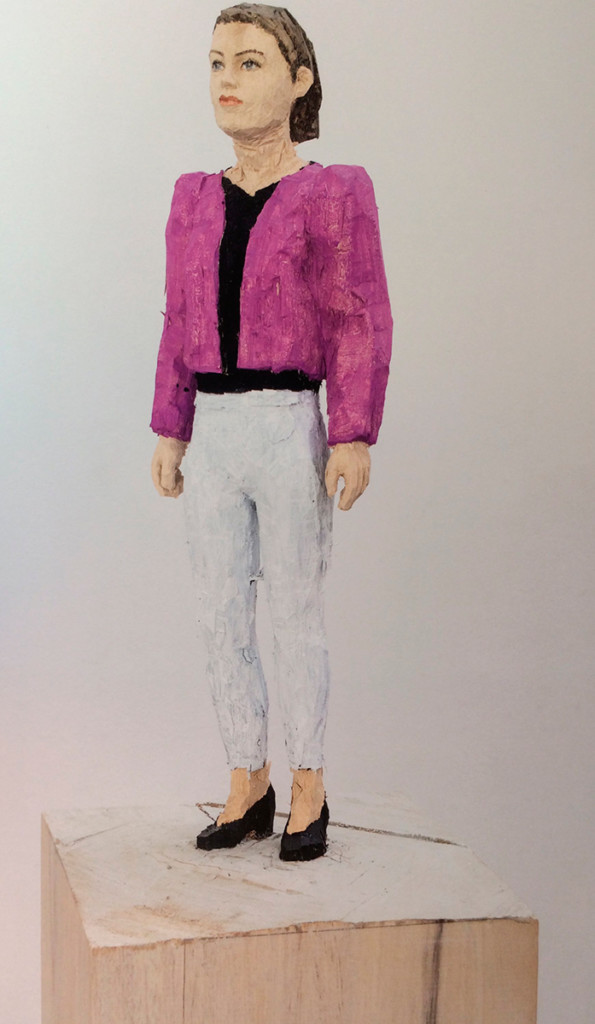
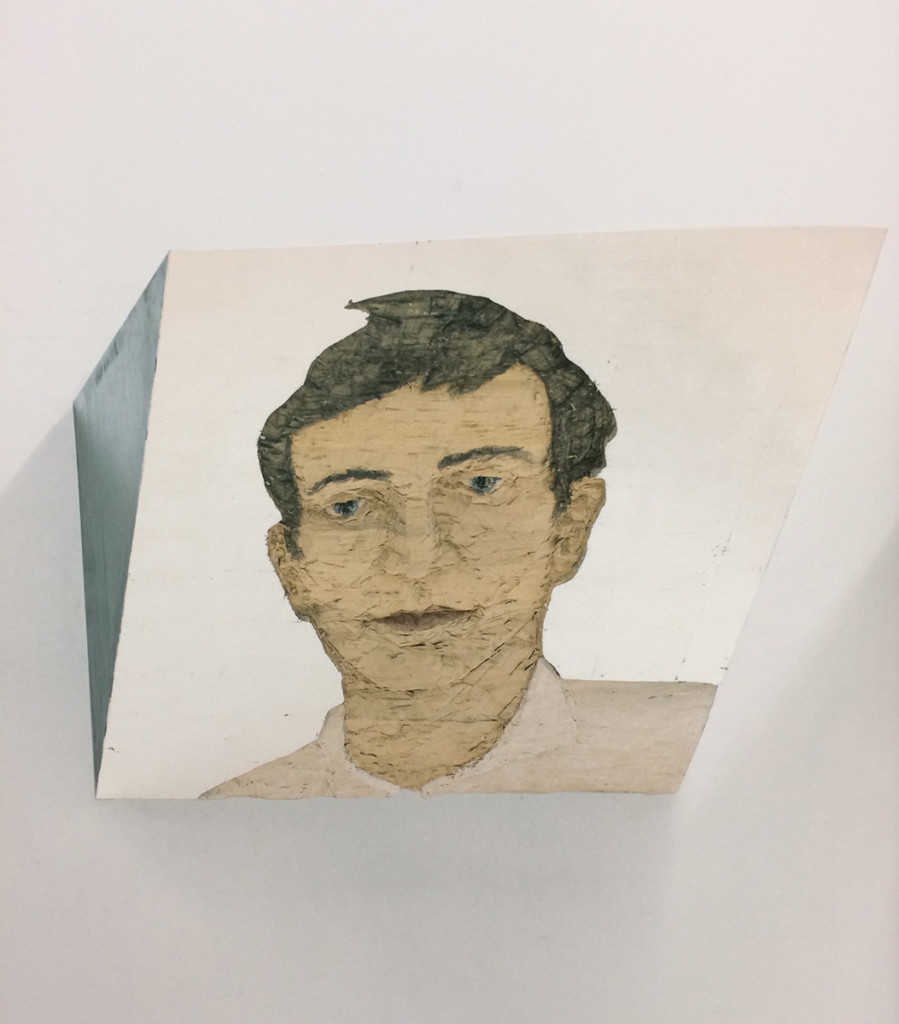
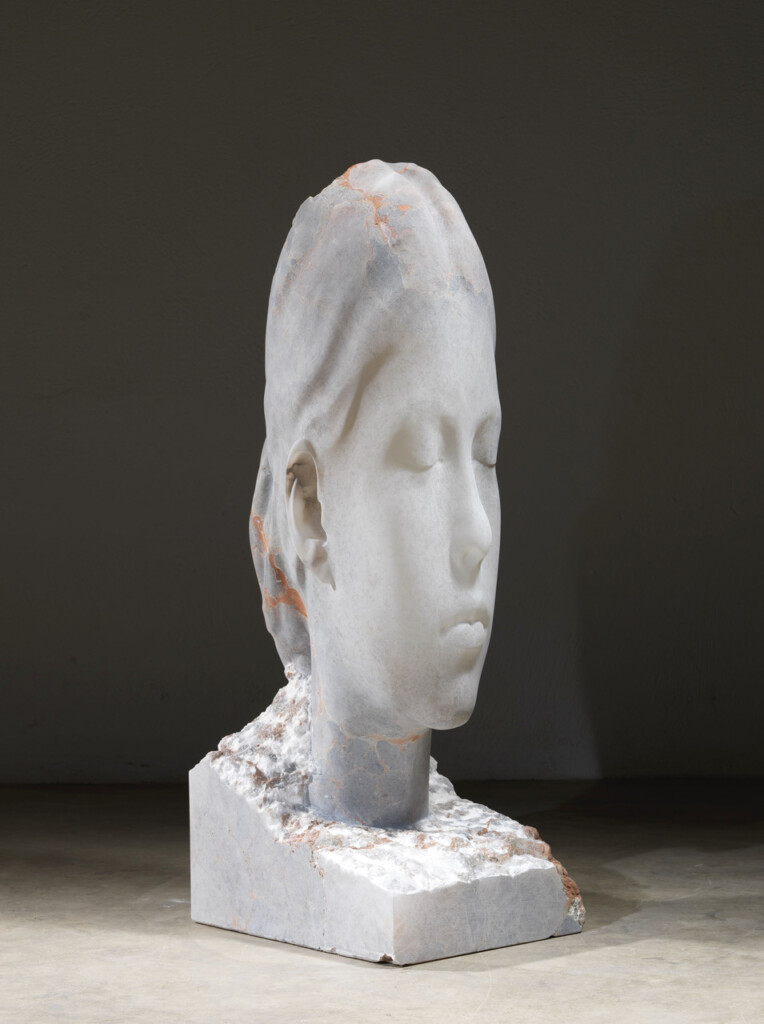
Galeria SENDA will be present  at Arco Madrid 2020 with works by the artists Stephan Balkenhol, Jordi Bernadó, José Pedro Croft, Peter Halley, Yago Hortal, Glenda León, Miralda, Aitor Ortiz, Jaume Plensa, Gino Rubert, Evru/Zush and Túlio Pinto.

ARCO Madrid 2020, TÚLIO PINTO

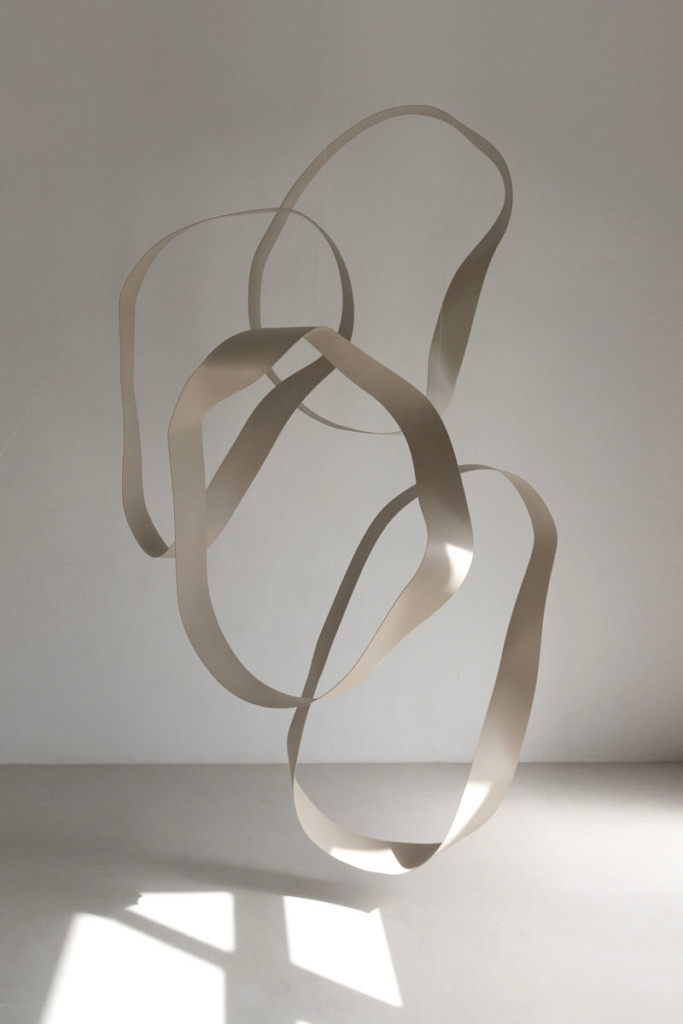
Túlio Pinto (Brasilia, 1974) develops his artistic research through the force of opposites, generating tensions that challenge the physical laws as gravity while remaining in perfect balance. This harmony is achieved through the perfect weighting of the masses, volume and density of materials of opposite natures and behaviours such as cement, iron, rock, glass, plastic and water.


EVRU ZUSH, To Be Again

With the exhibition “To be again” Evru/Zush returns to the art scene after a forced retirement due to health issues.


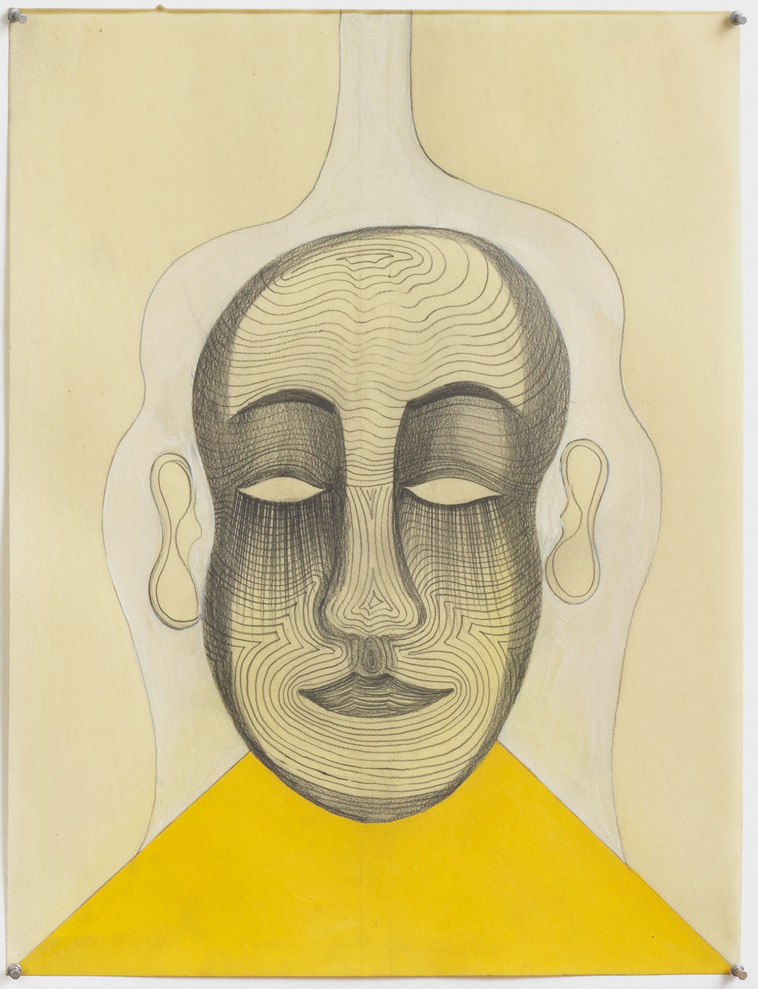
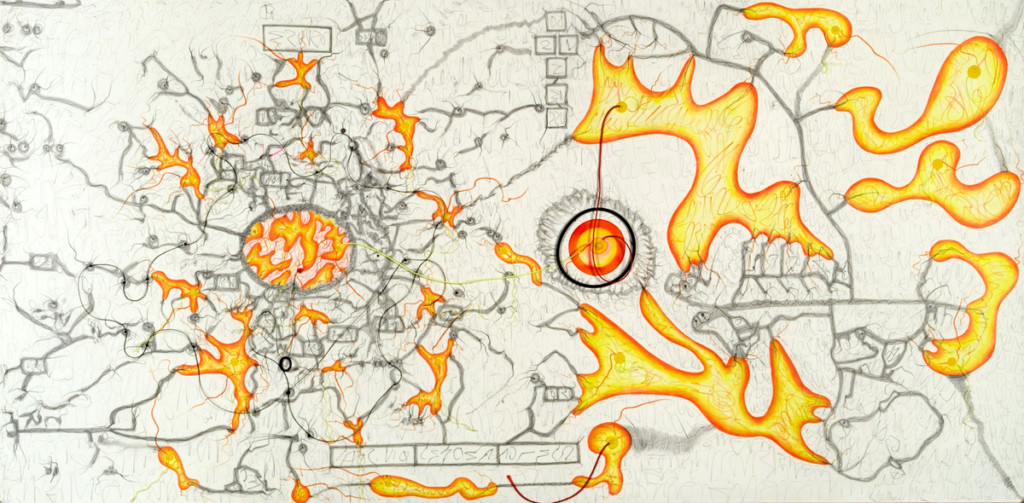
We find ourselves in front of a long series of small pencil drawings, on which he worked exclusively and intensely in these last years. In these works, the artist features hybrid beings with a human face and a snake body. These figures reveal metamorphic organisms through a dreamlike style that mixes reality and fantasy. The figures are structured through a network of nerves, veins or lymphatic channels in which their drives and moods -such as vitality, survival instinct, bodily pleasures or sexuality – flow, filtered through a primitive, intuitive spontaneity. These works have served as a way for art therapy or as cathartic relief for his feelings, and hence as a way of expressing emotions throughout time. 

In 1968, after spending a period in a psychiatric hospital of Barcelona, due to the possession of weed, the young artist Albert Porta decided to become Zush and to start a creative self-healing strategy. At the same time, he created the Evrugo Mental State,  establishing an imaginary territory and personalizing universal symbols associated with the idea of the state. In this way, he created an alphabet (the Asura), a currency (Los Tucares), as well as a hymn, a flag, and a passport. In the following 33 years, he employed the name Zush. However, after his retrospective exhibition at MACBA in 2001, he dismantles this alter ego. The disappearance of Zush gives way to the birth of Evru, a figured often defined as a ArtCienMist – a neologism that encompasses the artist concepts, scientist and mystic, and that embraces the technological and digital language and tools of the new era. 

During the creative process of To Be Again, Evru/Zush realized that the drawings he was working on corresponded to the iconographic structure of the Nagas representations, Hindu deities with human face and torso, generally female figure with a snake-like body. In this way, the constant desire to be Evru again materializes in this exhibition with the representation of reptile-beings that, as the artist himself, shed their skin in a natural process of renovation and growth. This will of transformation is a constant in his career through moments of inflection that allow him to reflect on concepts such as identity, alterity or the pass of time. Thus, this survival instinct and the will to rebirth is the declaration of intentions of a transgressive and unclassifiable artist that refuses and reaffirms himself more and more resounding and immortal.

Evru/Zush’s work has been shown in museums and institutions around the world. He has participated in historical exhibitions such as Sao Paulo Biennale (1967 and 1979), the Documenta VII in Kassel (1977) and Les Magiciens de la Terre organized by Jean Hubert-Martin at Centre Pompidou (1989). In 1975 he is awarded a scholarship by the Juan March Foundation, while in the ‘80s he receives a scholarship by DAAD. Since then, he begins to employ digital technology, coining the term PsicoManualDigital, receiving the prize Laus in 1999. More recently, in 2019 he participated in the 16ª Biennal of Istambul, curated by Nicolas Bourriaud. His work is part of important privates and public collections as the Centre Georges Pompidou (París), the Guggenheim Museum (New York), the MoMA (New York), the Fondation Cartier (París), the MNCARS (Madrid), the MACBA (Barcelona) or the IVAM (Valencia).


PRESS ARTICLES

Adrián Balseca presents Suspensión I

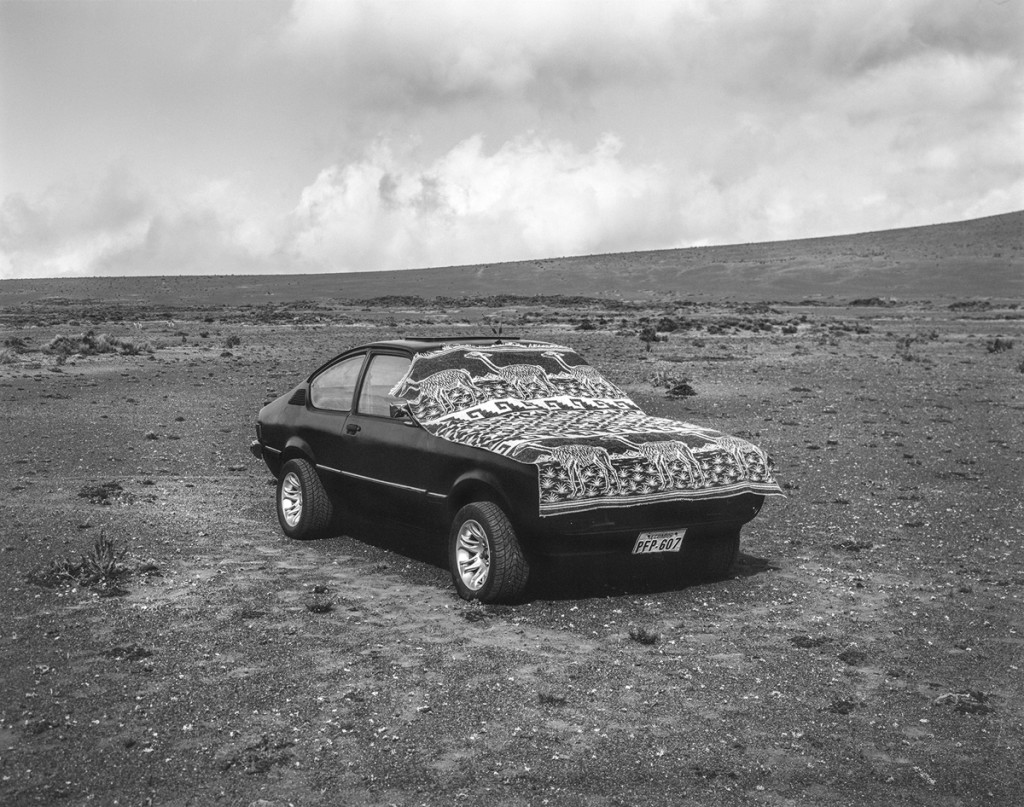
Revisits the archetype of an exuberant and paradisiacal land “Pais de la cucaña”, transgressing the popular game of colonial times, known in the South American region as “cucaña” or “palo encebado”. A tall balsa tree trunk, endemic to the subtropical jungles of Ecuador, has been cut down and from it, in the middle of an Amazonian forest, containers containing local fossil fuels are suspended. The image of the light but strong trunk (the lightest of its kind) is a playful vehicle that supports and hangs the “trophies” of modern progress.

The energy paradigm fed the emancipatory dreams of modern societies;  Adrián Balseca’s artistic work opposes the momentum of accumulation and individualism of late capitalism, other ways of being in the world that include solidarity, collectivism, materiality and questioning wealth as a form of power based on the extraction of fossil fuels.

Adrián Balseca “Phanton Recorder”

With Phantom Recorder (2018), Adrián Balseca questions the materiality of the world in the age of the Anthropocene. Currently, as the influence of human activity upon the Earth has become a major geological force, capable of irreversibly transforming the planetary ecosystem, Balseca acts and gets involved as an artist to generate a symbology of these challenges on the Ecuadorian territory.

Balseca’s artistic practice is a non-modern one, in the sense of Bruno Latour (1991)1, in which the functional, the utopian, and the poetic are never clearly separated. According to Latour, modern humans have never stopped creating hybrid objects, not only belonging to the technical or scientific worlds, but also participating in the political, cultural or economic ones. As they created these objects, however, modern humans rejected any notion of their hybridness, maintaining instead a world vision that is based on the “Great Division” (Latour 1991) between nature and culture.

In opposition to this modern order, Balseca overcomes its ontological, disciplinary divisions, and challenges the extraterritorial status of art. The point of departure of Phantom Recorder is Werner Herzog’s film Fitzcarraldo (1982), which tells the story of Brian Sweeny Fitzgerald in the early 20th century.

This businessman aspires to make a fortune with rubber and, being a lover of music, dreams about building an opera house in the Amazon jungle. What catches Balseca’s attention in this excessive endeavor is the visually dislocated, out-of-place aesthetic of a gramophone on a boat that wanders through the jungle. When he reconstructs the visual aspect of the scene, however, he subverts the “colonial regimen” by modifying the acoustic dimension. In fact, the function of the gramophone in this work is inverted; instead of silencing the forest and its inhabitants by spreading the sound of an aria through the silent jungle, it records the sound of the forest, aware both of the human and the non-human.

By means of this provocative gesture, the artist denounces the bourgeois notion of the autonomy of art, this non-relation that is exemplified by the aria2 performed by Enrico Caruso. Based on this film, on its director and the main character, Balseca exposes the idea of art as a specific historical construct, belonging to a modern, colonial system of divisions. Balseca also removes the main character in his work and reuses the gramophone’s technology to “listen” to “nature”, which demonstrates that every artistic sign is charged with the forces of non-human actants, operating as a translating device for cosmic and material processes.

Sandra Vásquez de la Horra presents a Solo Show in Artissima

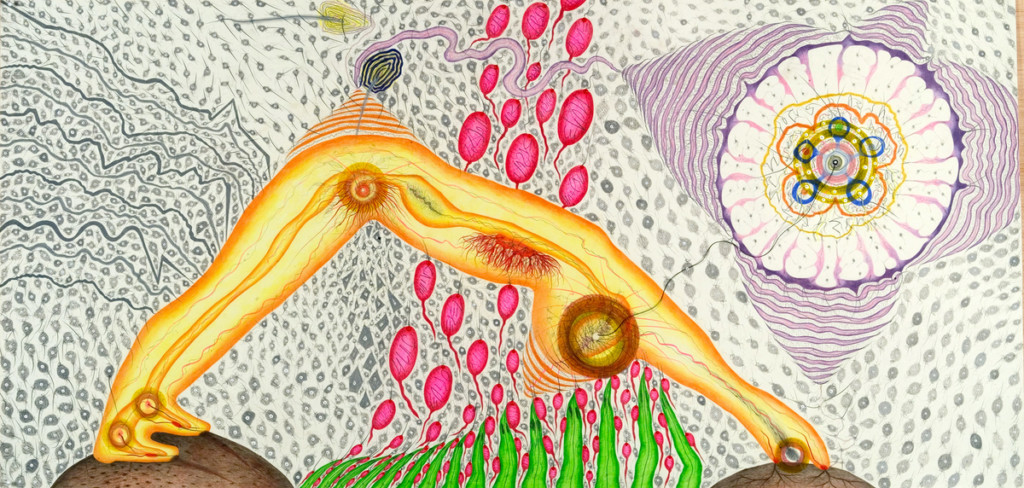
Sandra Vásquez de la Horra has developed a poetic work, which illustrates stories inspired by memories, the unconscious and by sexuality. From a predominance of the female figure, her work reveals the personality of the artist through a synthetic language based on her mark, typography and austerity. In this exhibition, Sandra Vásquez de la Horra, focus her production on the mystical and religious traditions of the Iberian Peninsula influenced by the black legend and the ancestral folk traditions. Moreover, Vásquez de la Horra has started to work with three-dimensional pieces made by paper with drawn surfaces. Besides this atmosphere, animal’s pictures and the rich nature comes from the magic of the artwork that brings us into a dreamy lecture of the work.

GLENDA LÉON, Celestial Mechanics

Glenda León creates artworks in different languages like videos, photography, installations or public interventions in which she examined the relationship between artificial and natural elements where ordinary objects transform and reveal their metaphorical power. This capacity of creating new meanings through the contextualization, manipulations, and association of the objects work as a sounding board to question big questions.

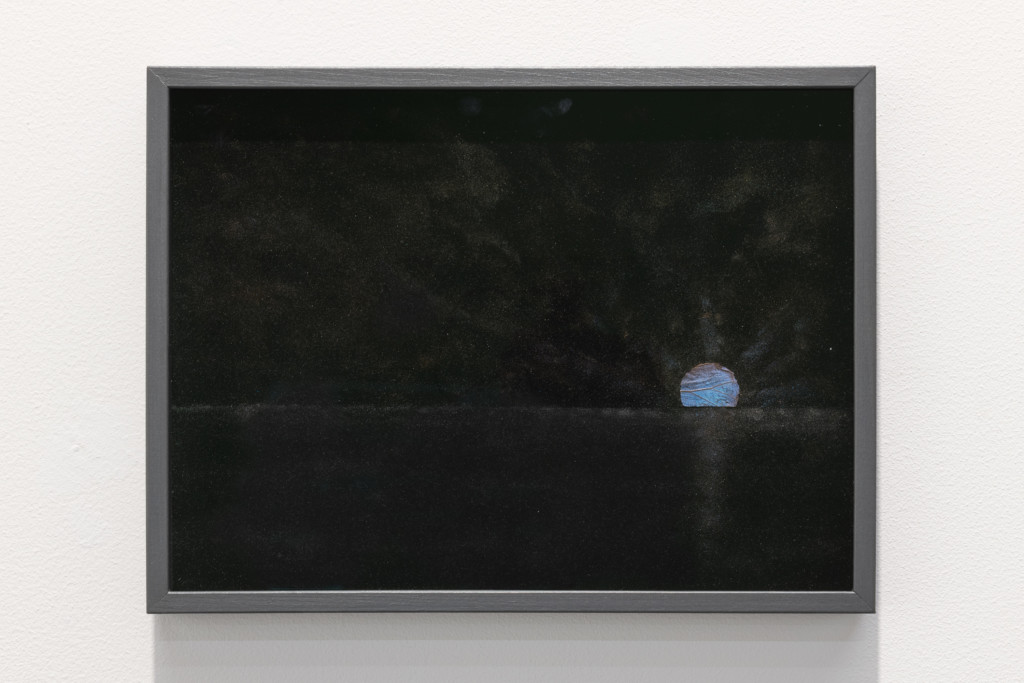
In Celestial Mechanics, the artist fosters a holistic vision of the universe:  all beings were conceived by the same energy that the Cosmos was created. Thereby, the artist uses an infimum element as it is the butterfly wing dust to promote a metamorphic journey that raises ontological and epistemological issues. Glenda León amplifies the qualities of a fragile material in an action, almost scientific, of discovery and deconstruction of a butterfly from stages of approaches and scales. One of his more intimate parts, the dust of his wins, is taken as material to present imaginaries cosmic landscapes.  The artists get inspired by the second axiom of Kybalión through the teaching of Hermes Trismegistus – ” “As above, so below; as below, so above” – to reflect on nature, her strength and her presence, as part of the indissoluble whole to which we belong. These pieces are grouped under the name Celestial bodies, inspired by Celestial Letters, works by the Cuban artist Loló Soldevilla of mid 20th century.

The use of butterfly wing dust on the work of Glenda León enrolls within that line of her work in which disputes the representation of reality through traditional means and assumes the use of unconventional materials as her own hair, flowers, feathers, cassette tape, gum or sand. Thus, the medium is transformed into the message in a more analog sense of what Marshall McLuhan expresses in his writings. In this way, the butterfly is a symbol of the empowerment of what we badly call ‘weak’; an increased fragility – in this case -, for the negative impact of the exploitation of natural resources.  Perhaps, the importance is not valued in all its magnitude of the existence of the butterfly in vital elements as the contribution to the pollination of flowers, the inclusion in the food chain as nourishment for birds or insectivorous mammals an even as benchmark for ecosystem health scholars.

Complements his work a poetic approach to the contents – so unusual in the current contemporary art – and that the artist considers necessary in the face of the superficiality that constantly surrounds us. Glenda León presents her vision of life as a path of spiritual growth and the role that art may have in this process. The immensity represented by the wings of this little being can become a space to look, to find or to remember the infinite beauty that surrounds us and that sometimes it remains hidden from our eyes.

Oleg Dou

LAB 36 presents a new solo show by Oleg Dou (Moscow, 1983)  with a sample that leaves the square format through portraits of characters of hybrid appearance that provide novel ways to the contemporary iconographic tradition. This exhibition is part of the official program of Artnou 2019. 

Oleg Dou takes from the occidental culture his interest in the portrait. Historically, the perseveration of the memory of one person was tightly related to the moral evaluation of the representation. That is,  traditionally only those who were worthy were portrayed. Instead, Oleg Dou’s works develop the presentation of the body as a subversion object through photo capture and digital retouching. In this way, fictional characters with a pale appearance make us question the concepts of beauty, innocence, and perfection bringing us closer to the aesthetics of the strange.

With an extremely neat job, but with a vital aspect, the artist refutes the perception of what defines innocence and youth. In a world went the artificiality and hyperreality occur daily, Oleg Dou makes us feel that the bizarre is part of the intrinsically human. In an interview with The Zoon Magazine, the young photographer said: “I use the artificial nature of digital photography as a tool to reach the point between opposites such as alive and dead, attractive and disturbing, beautiful and ugly. Thus I’m searching to transcribe the feeling of presence that you get while passing a plastic mannequin”.

In his new series “Reborn” Oleg Dou gives one more step and add new composites elements of his language. Parallel to the portraits, Flora, and fauna are added in the photographic theme as well as still lifes of the classical type. Once again, we also face disturbing elements as the insertion of sexual elements in misplaced or unexpected locations. Each photo captures an artificial beauty created through the representation of simple shapes and vegetable elements that are ruined at the same time. Likewise, we find characters with attributes from the animal kingdom that do not refer to the wild condition of the human being or its brutal dimension but transform the characters of the series in a kind of unusual prints that combines the unreal and disturbing with a new way of iconography mythology.

Oleg Dou studied at the Moscow State Institute of Steel and Alloys (2001-2006) had his first individual exhibition in the gallery Le Simoun de Paris went he has 23 years old. In 2007 was awarded the International Photography Awards and the International Color Awards and in 2009 with the Arte Laguna Art Prize, that deserved the attention of the international artistic community. Since then, his work has been included in numerous individual and collective exhibitions in different institutions of Europe and North America, among them, are Atopía in the Centre de Cultura Contemporània of Barcelona (CCCB) in 2010 or the individual in the Multimedia Art Museum of Moscow in 2012.

CATALINA JARAMILLO, Heavier than Gold

The new series of watercolor drawings from the Colombian artist Catalina Jaramillo is inspired by the tapestries of “The Lady and the unicorn. This is the name given to a collection of Flamenco tapestries from the XV century frequently considered as one of the most important works of the French revival. Each corresponds to one of the five senses, while the sixth one, which has the inscription “À mon seul désir”,  is associated with love or desire.

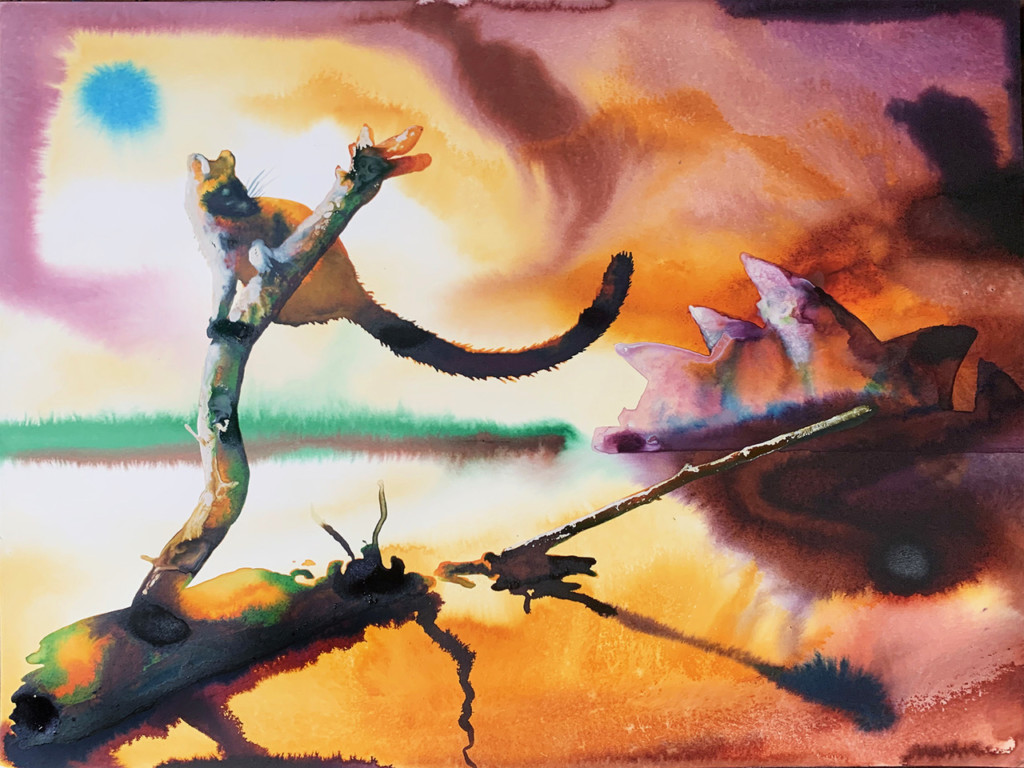
In this drawing series, Catalina engages with some of the main symbols of the tapestries and associates them with the steps of the alchemical transformation, making references to the work of Carl Gustav Jung, as well as to several alchemical treaties. In each drawing, the unicorn is the alchemist that purifies through the senses, while the characters assume the transformation.