
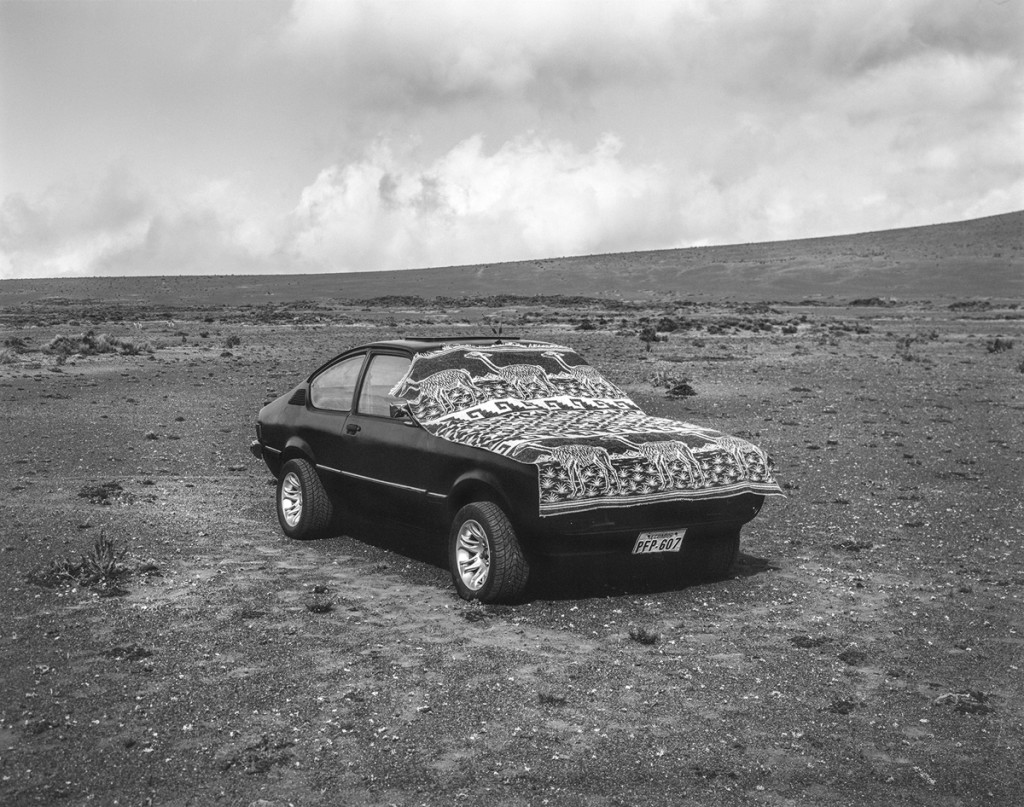


Roger The Rat Ballen at Loop Fair 2022, ROGER BALLEN

Roger Ballen, “Roger The Rat” for LOOP Fair Barcelona

15- 17 November 2022

📍Room 304, Almanac Barcelona

We’re happy to announce Roger Ballen as this year’s artist for Loop Fair with his work: “Roger the Rat”, which will be exhibited at #LOOP22 (15-17 Nov) where a selection of contemporary artists’ films and videos will be presented by international galleries in a unique viewing experience in Barcelona.

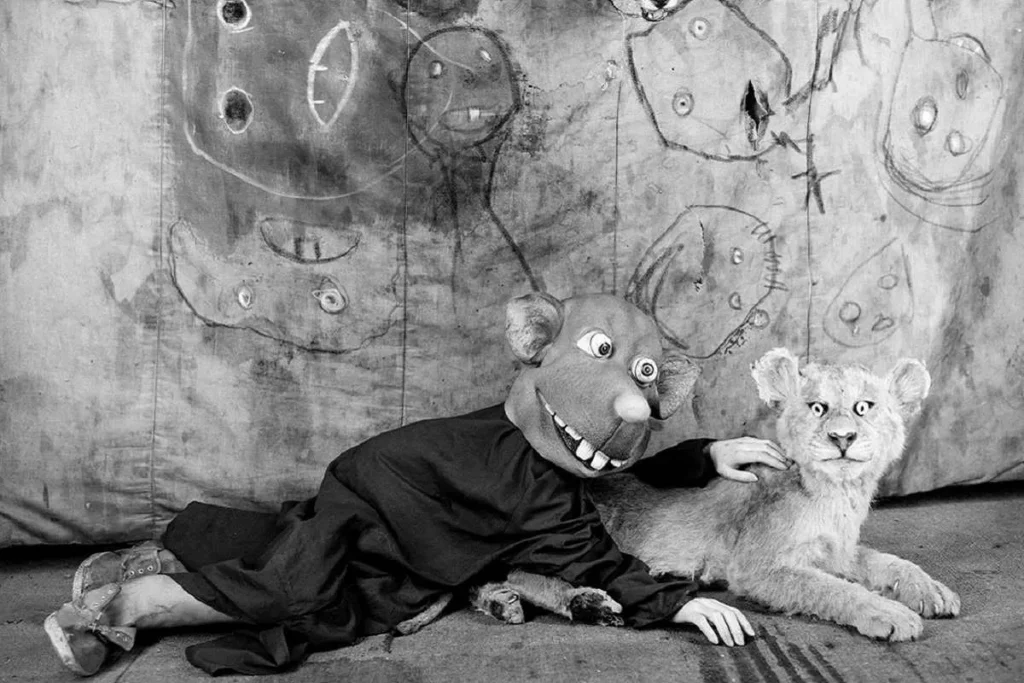
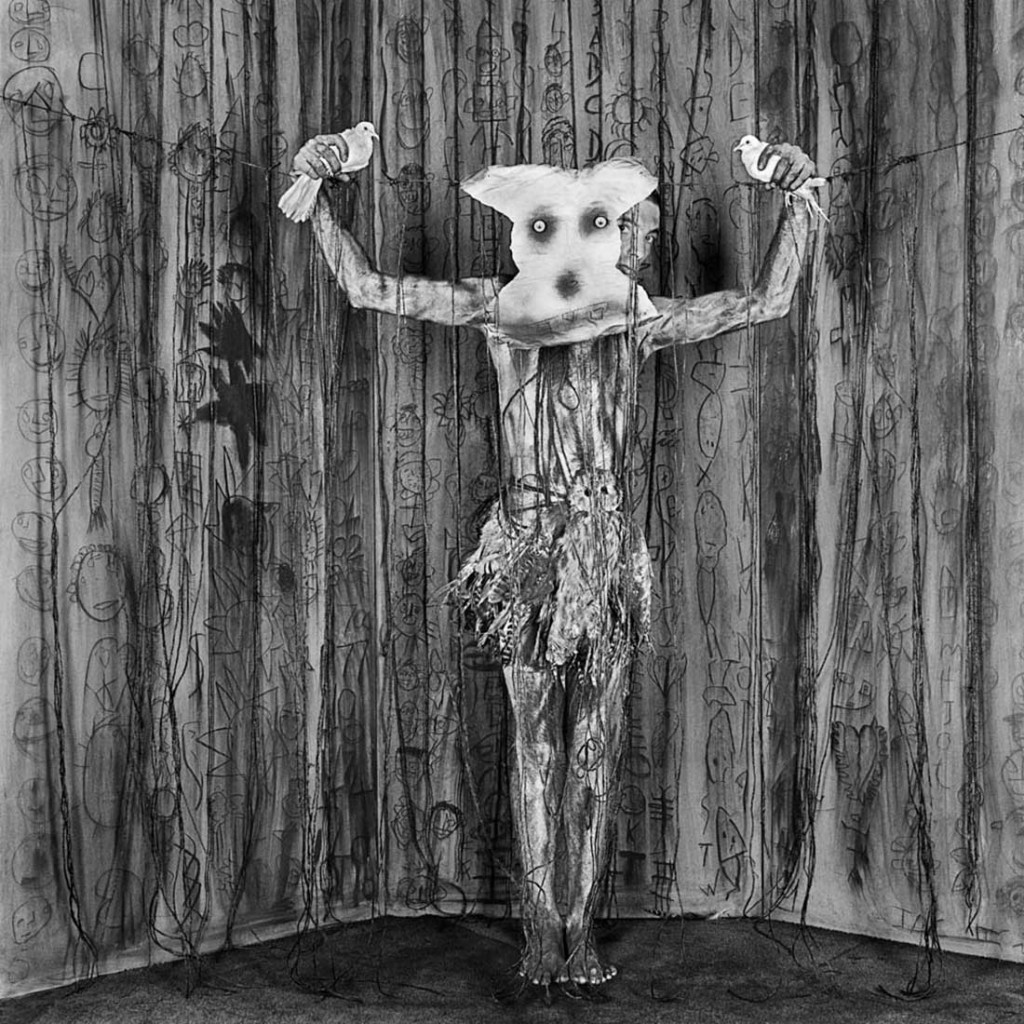
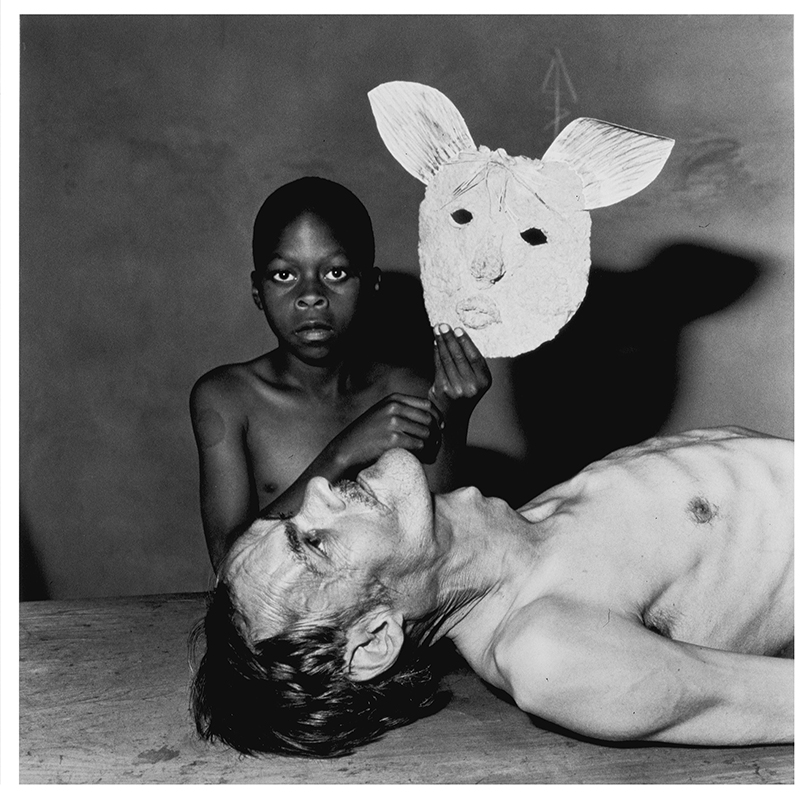
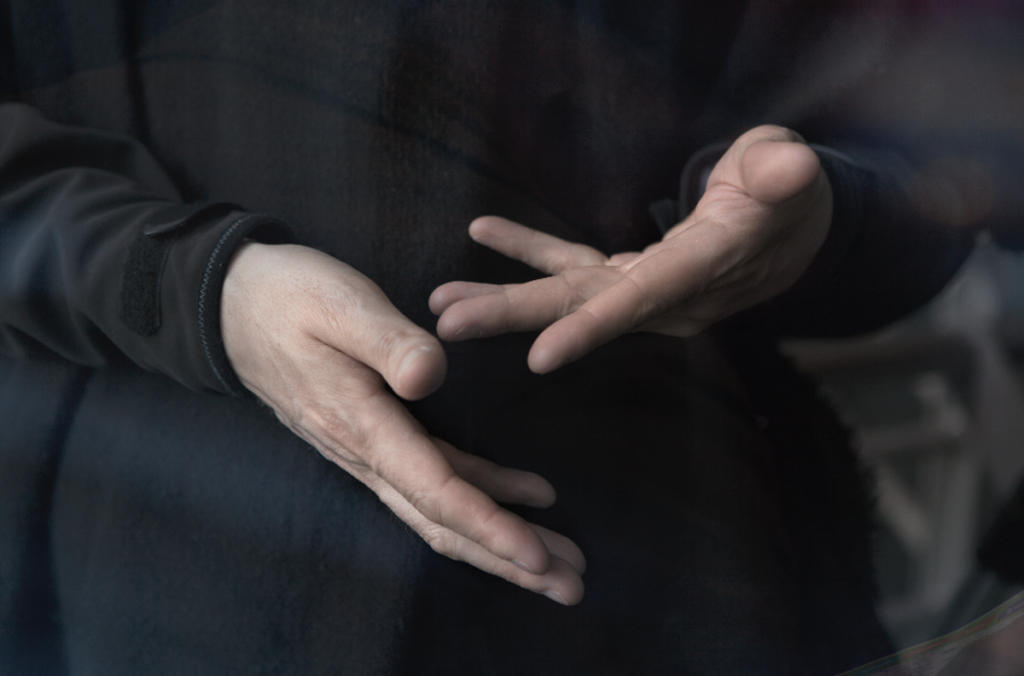
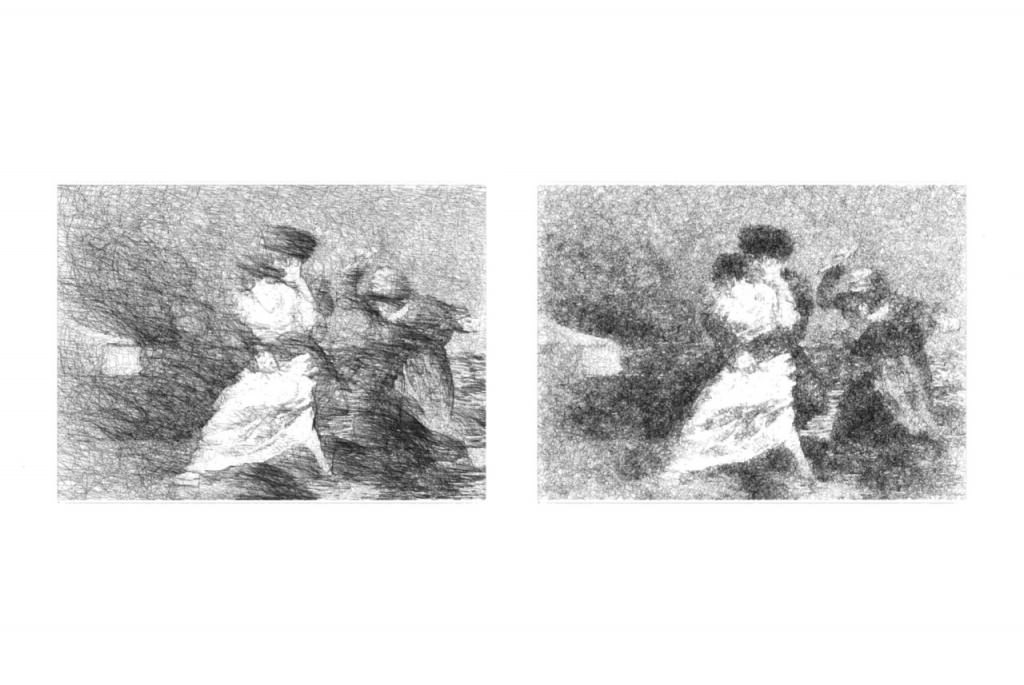
Roger Ballen created a persona, Roger the Rat. Here, the artist creates and documents an archetypal persona who is a part-human, part-rat creature who lives an isolated life outside of mainstream society. In this film, we follow Roger the Rat, as he moves out of his restrictive hovel to an abandoned graveyard of discarded mannequins taking them to his house to dress and communicate with them.

Initially Roger the Rat was ecstatic with his newfound companions as he could dress them, talk to them and share his feelings. As time passes, he comes increasingly frustrated by their lack of response which leads to his outbursts of violent and irrational behavior. Roger the Rat, gives expression to the corroding effects of loneliness, seclusion, and uncomfortable suffocation in confined spaces afflicted on the human psyche as a consequence of the isolation.


ARTIST BIO

Roger Ballen was born in New York in 1950, son of a photograph editor at Magnum.

Ballen has worked as a geologist and mine consultant before launching his own photographic career, documenting small towns in rural Africa and their isolated inhabitants, spending more than 40 years living there.

It was in the 90s when his style changed, trying the black and white technique and a more ‘documentary fiction’ approach to his work. Ballen has always been intrigued by the idea of a hybrid between photography and drawing, as well as the expansion of his visual language, making him experiment with video works where the human conditions are his main subject matter.

He is considered one of the most influential artists of the 21st century, having published over 25 books internationally and being part of multiple solo and group exhibitions since 1981.

ANTHONY GOICOLEA, Don’t Make a Scene | #LoopFestival2022

Galeria SENDA presents Anthony Goicolea – “Don’t Make a Scene” (2020)
LOOP Festival, 8 – 20 November 2022

Galeria SENDA is pleased to present Anthony Goicolea in this years edition of the LOOP Festival from the 8th of November till the 20th of November.

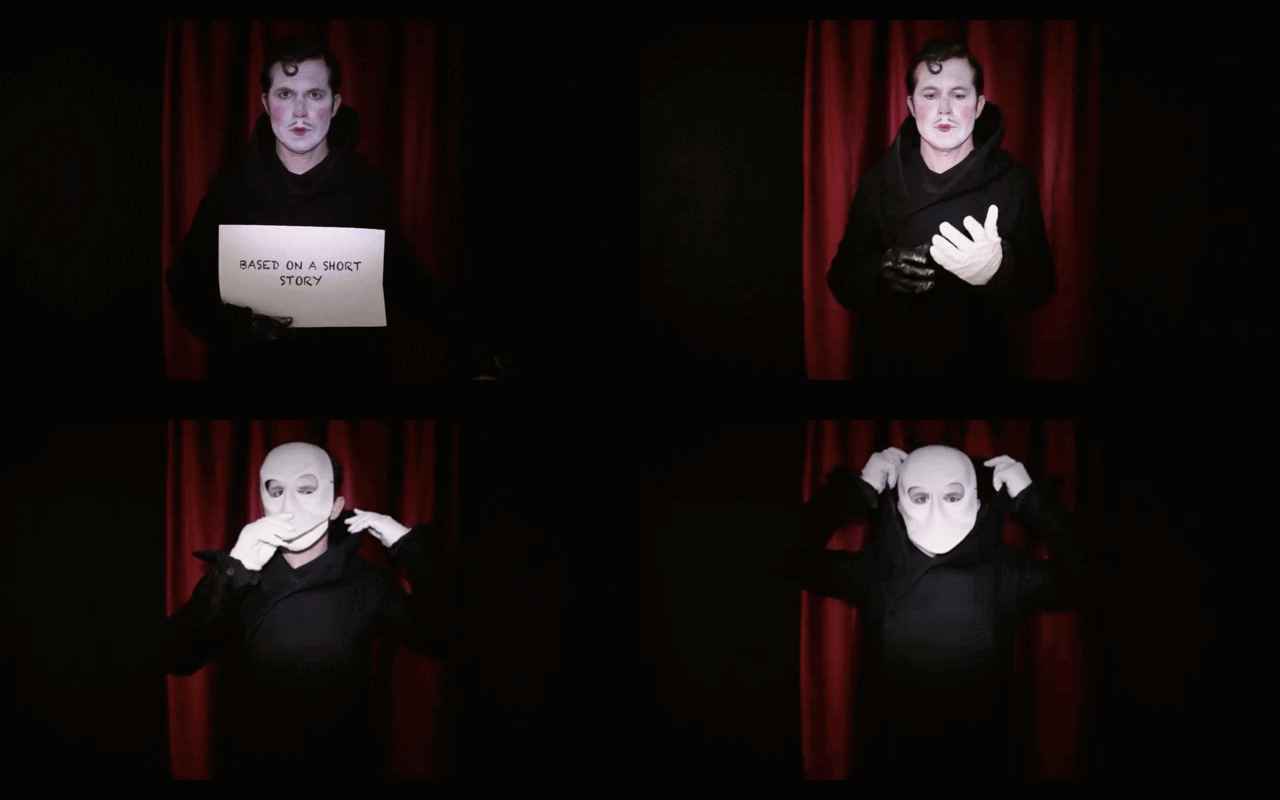
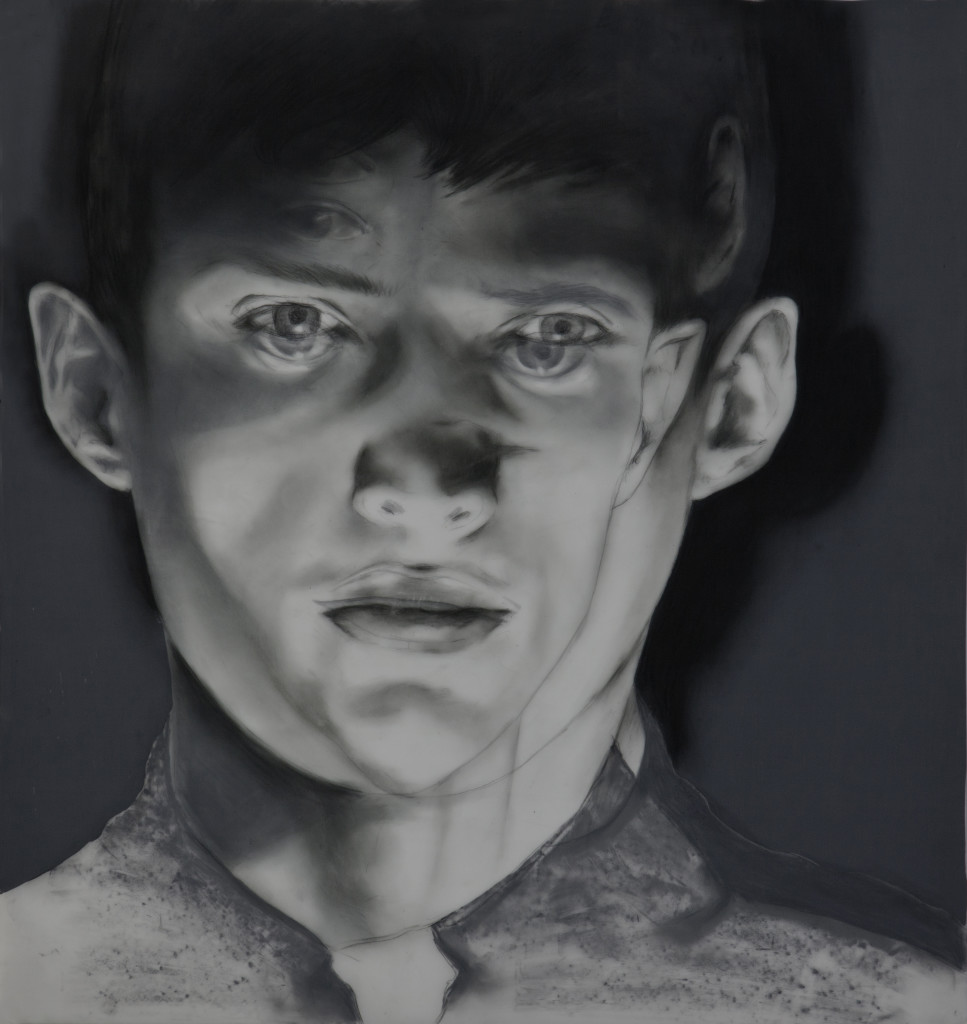
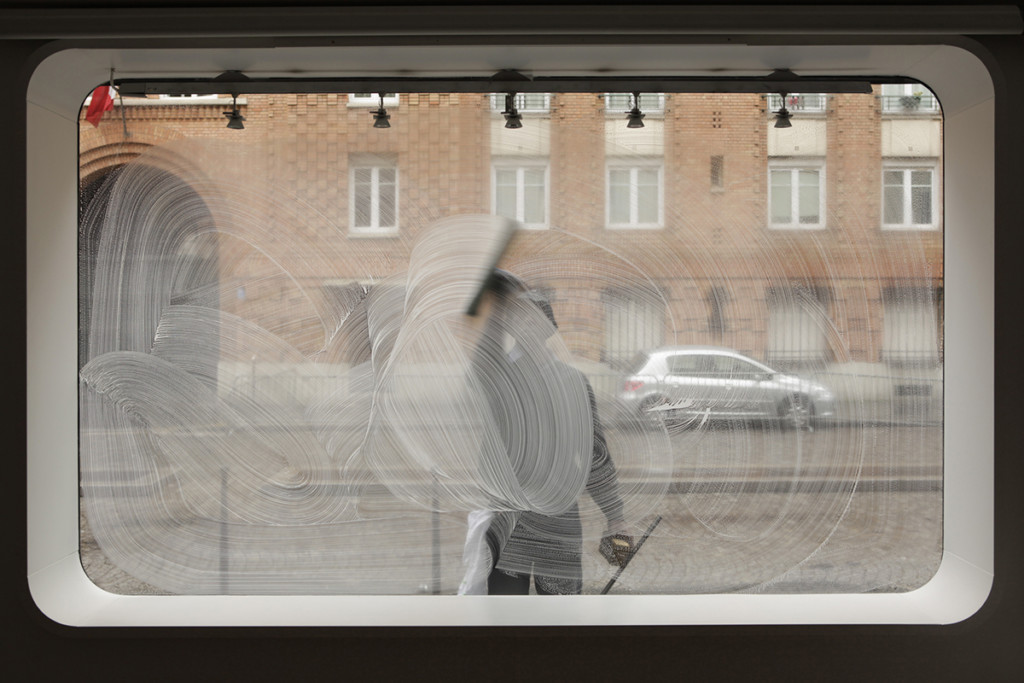
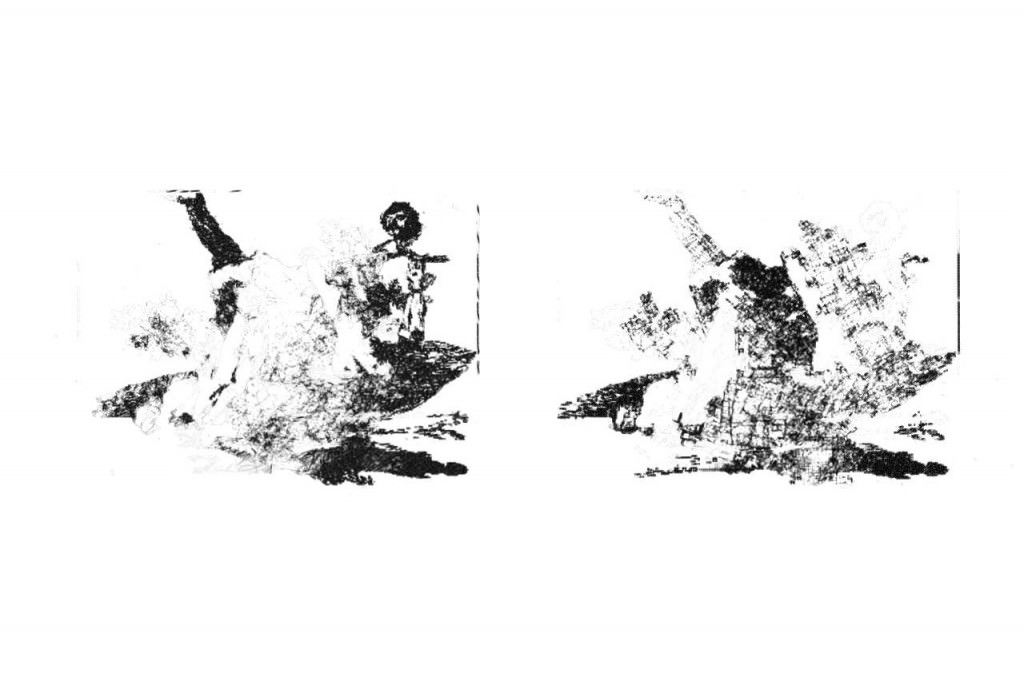
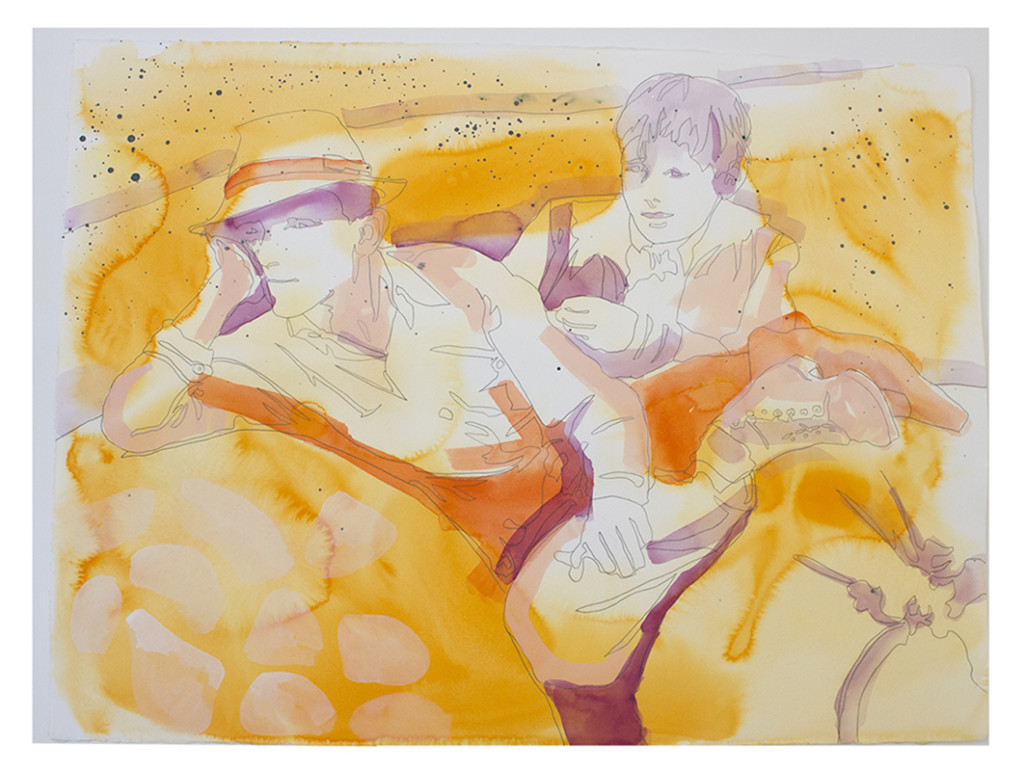
“Don’t Make a Scene” (2020) is a monologue presented in the form of a silent film. The short unfolds as a book of drawings made during the initial six weeks of the Covid-19 quarantine. Each drawing is done on semi-translucent sheets of mylar film. The portraits are character studies presented as actors from a one-act play.

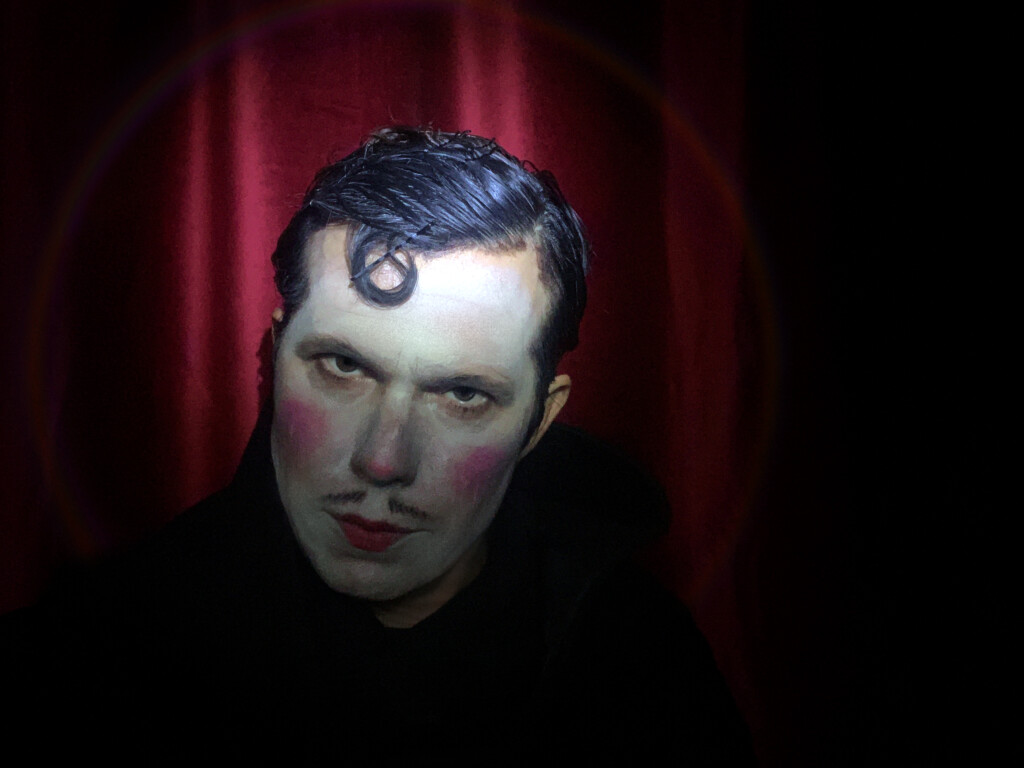
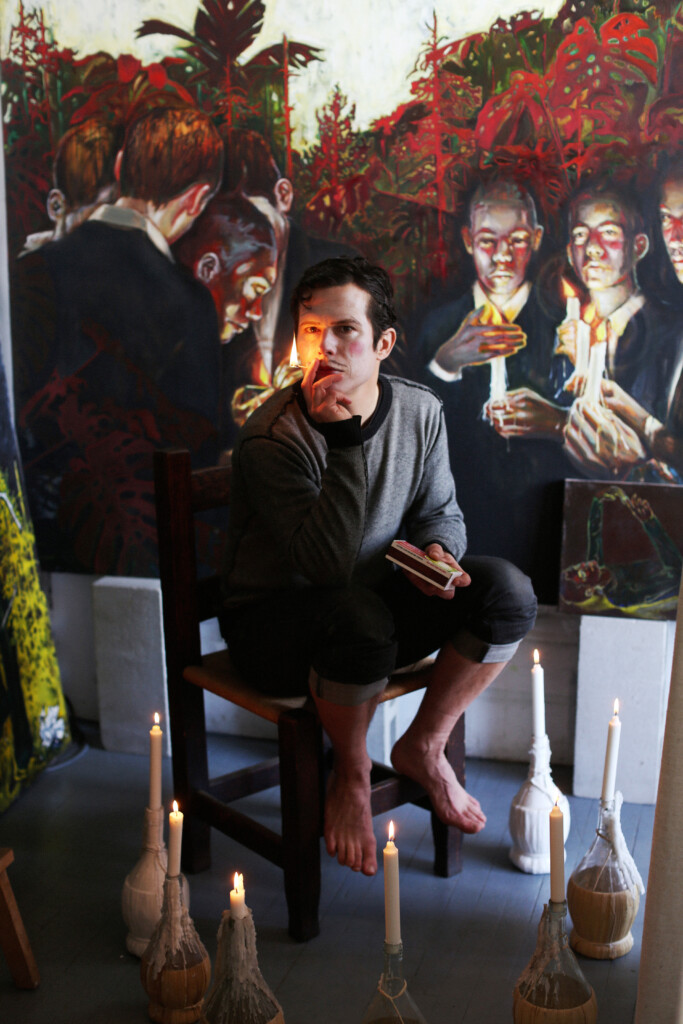
Made during a six-week period of forced isolation, Goicolea casts myself as the emcee in the guise of an early 1900’s cabaret host as an allusion to past and present pandemics.

Stills from the original video

Dressed in period stage drag the emcee enters in a black cloak and beaked mask. During the 17 th-century plague, European physicians wore beaked masks, leather gloves, and long coats in an attempt to fend off disease. The mask is removed to reveal pancake make-up and reddened cheeks that were often used to hide early signs of “Consumption” or the “White Plague”. And the pomaded coifure, rouge, lipstick and stage make up has links to paintings made during the pandemic of 1918 as well as referneces to drag and queer communities affected by the on going AIDS pandemic.

The musical accompaniment is a slow unfolding waltz whose beat is in sync with the rhythmic turning of the pages. The slow steady beat marches onward toward isolation, tedium, fear and the final hooded figure of death.

ARTIST BIO
Anthony Goicolea is an American born artist of Cuban origin. Known internationally for his photographs, drawings, paintings, sculptural installations, and films, the artist works across mediums creating a self-referential visual language that explores identity, migration and transition, displacement and alienation, as well as assimilation and group dynamics. Goicolea uses the architecture of the human body and constructed landscapes to create worlds predicated on fantasy but based in reality.

About LOOP Barcelona

LOOP Barcelona is a platform dedicated to the study and promotion of the moving image. Founded in 2003, since its creation it offers a specialized audience a curated selection of video-related contents from challenging perspectives. An international community of artists, curators, gallerists, collectors and institution directors, team up to develop projects, which aim at exploring the capacities of video and film in today’s contemporary art discourses.


#SENDATalks | Shared challenges. Creation in the global market.

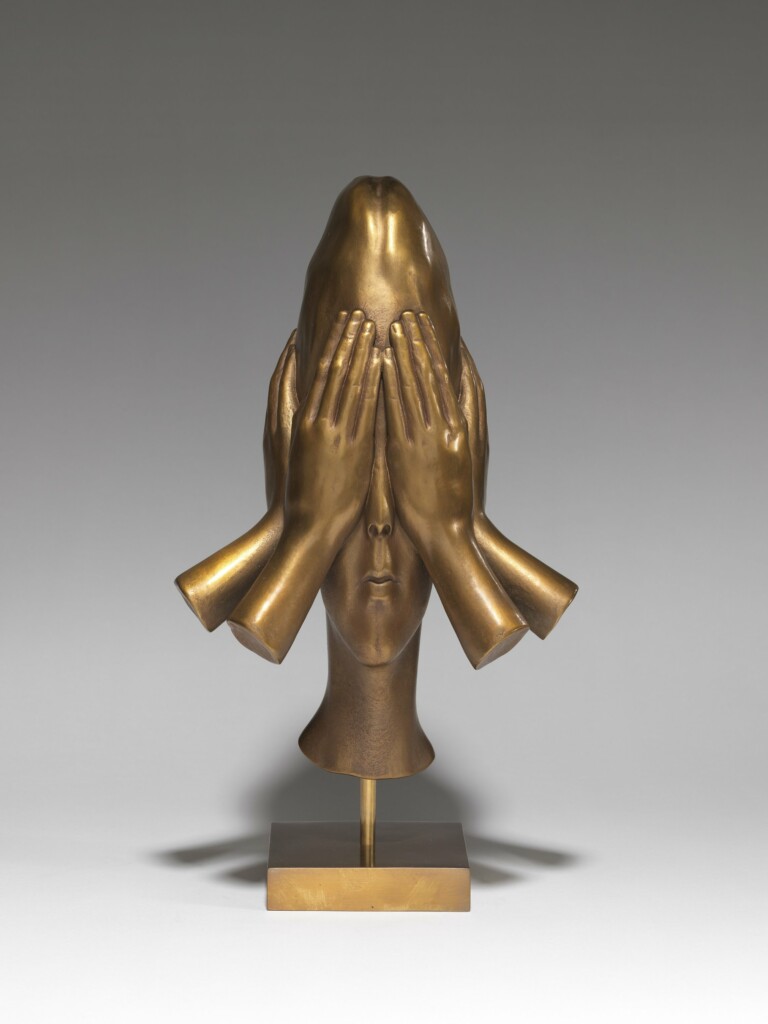
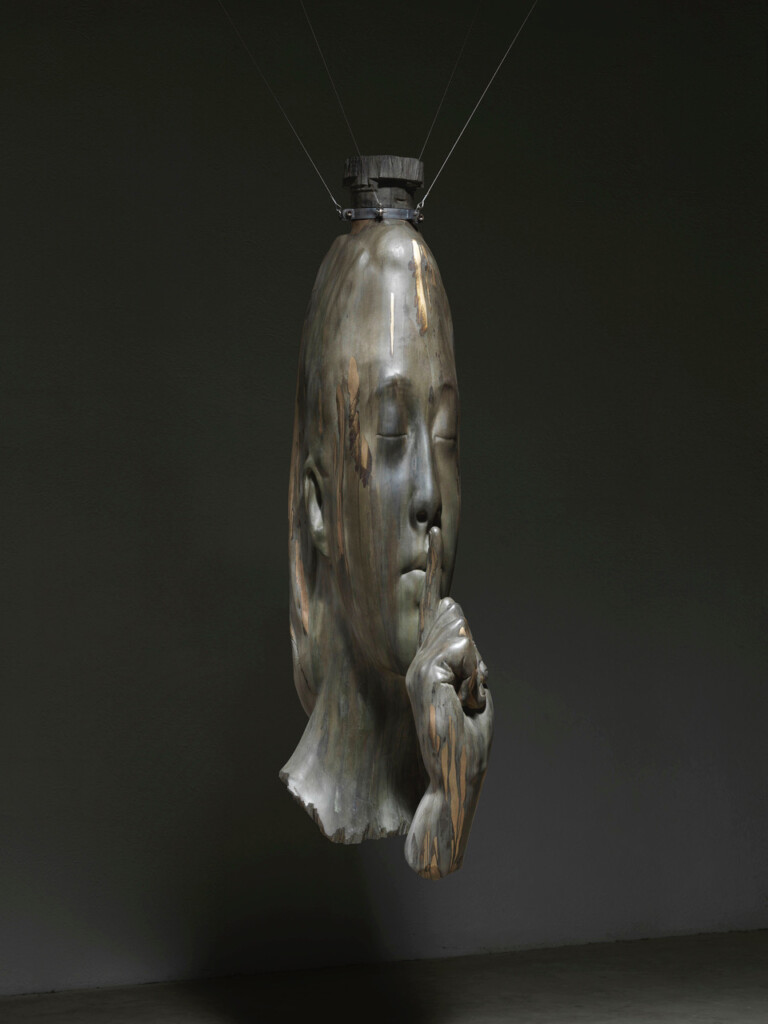
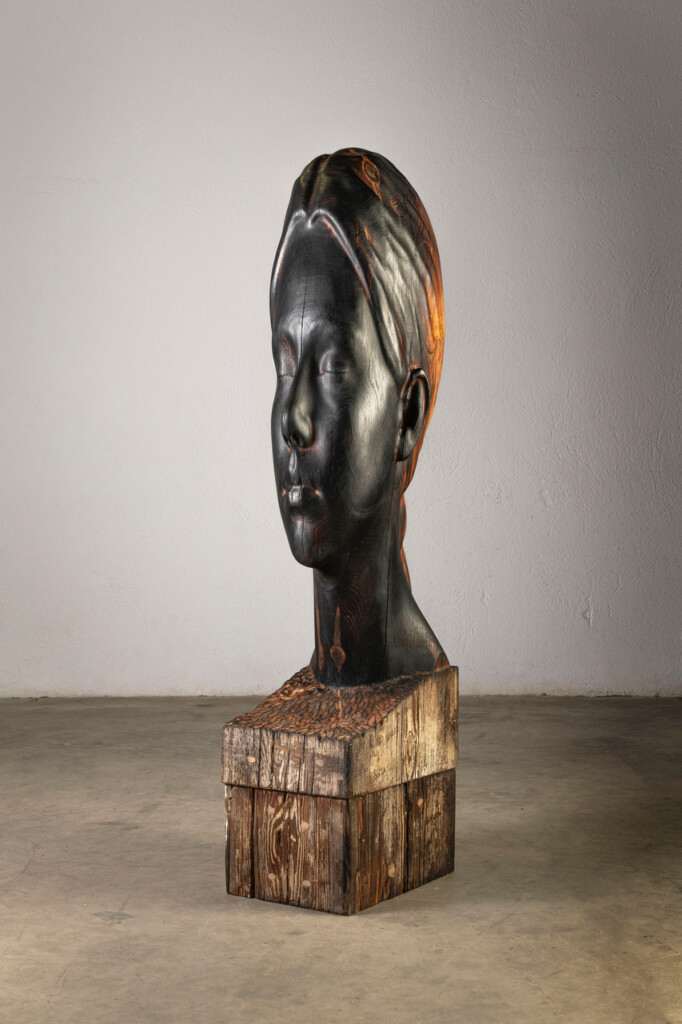
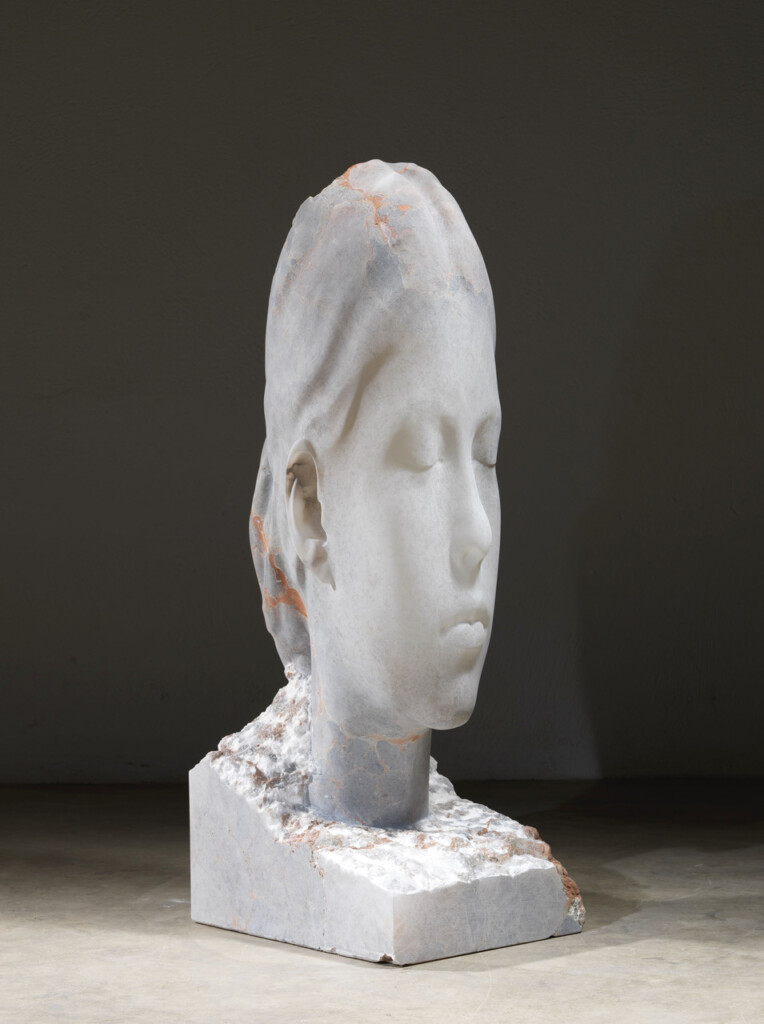
#SENDATalks | Jaume Plensa / Jean-Marie del Moral / Marius Carol

Shared challenges. Creation in a global market.


Monday, November 7th, 7 p.m. (CEST)

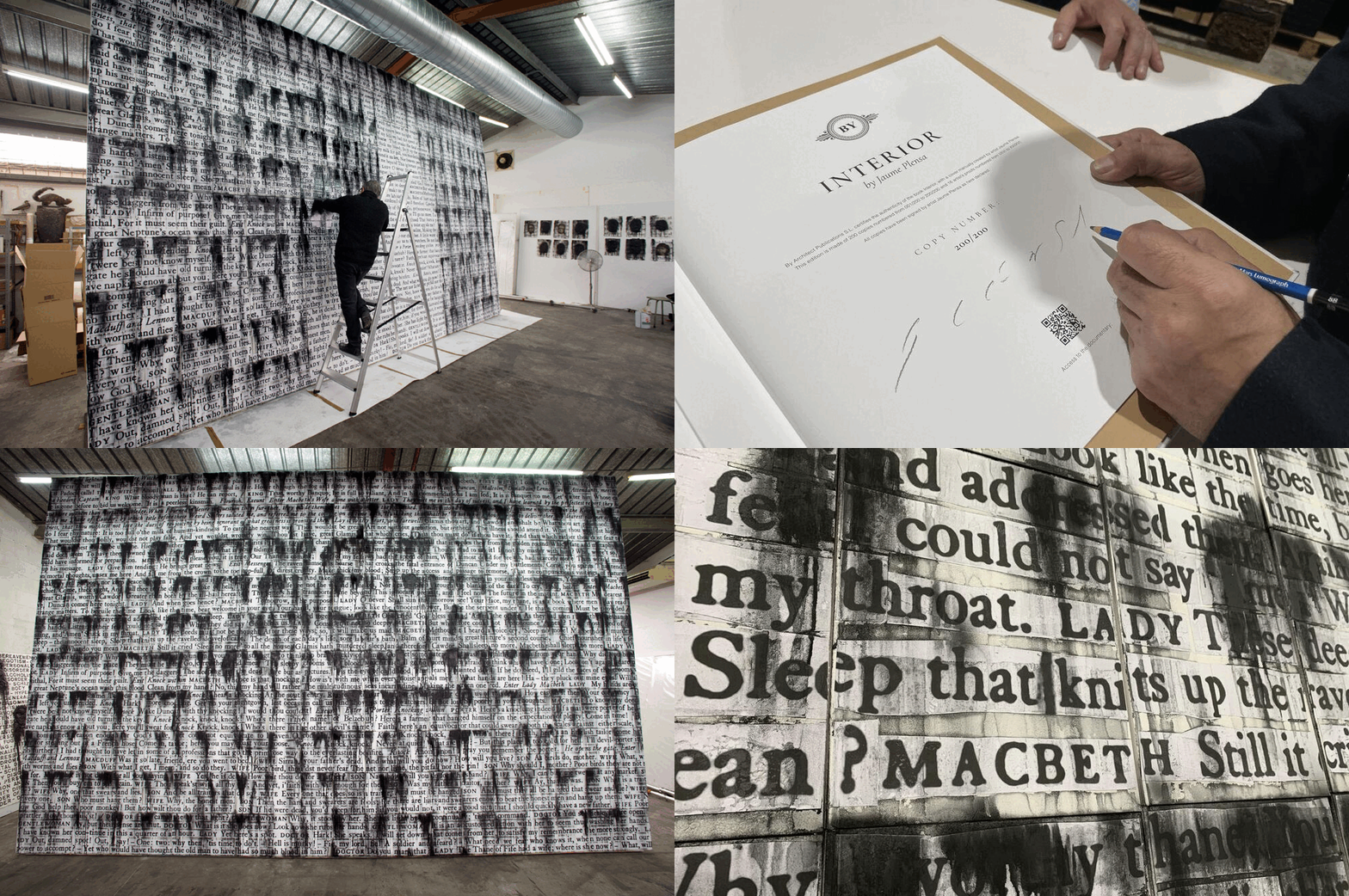
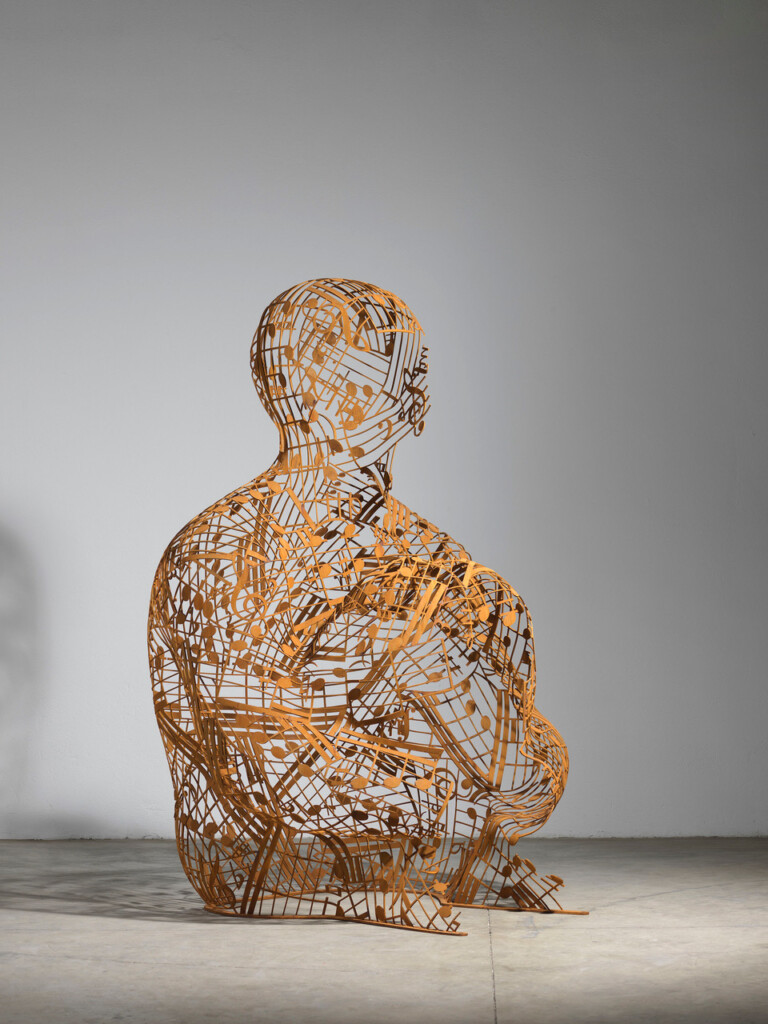
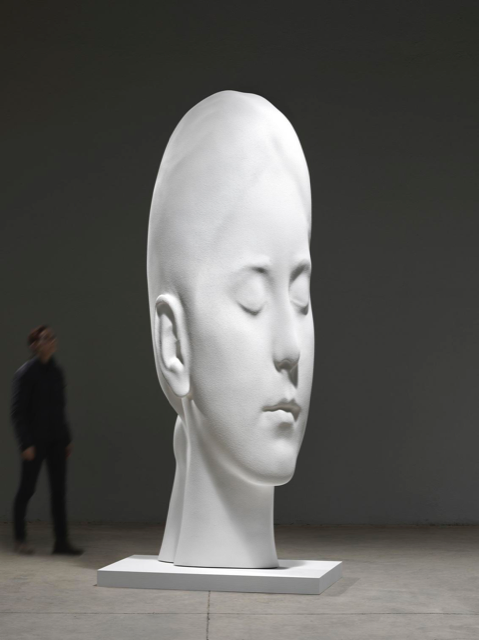
Join us for the talk between the sculptor Jaume Plensa, the photographer Jean-Marie del Moral, and the journalist Marius Carol, next Monday, November 7 at 7:00 p.m. on the occasion of the presentation of the book “Interior, 2022” by the publisher By Publications in Galeria SENDA.

The event will be live online through our Instagram and Youtube account.


Inverso Mundus, by AES+F at Recontemporary, Torino

The work is signed by the AES+F collective, artists who have represented Russia on various occasions and events such as the Venice Biennale and Sao Paulo, and who at this time have openly distanced themselves from the politics of their country. A choice intended to support artistic production regardless of the country of origin.

Inverso Mundus is a critique of the despotic situation we live in today, in the midst of the climate, social and economic crisis, exploitation and gender inequality. The video work, about 40 minutes long, is presented with an ad hoc setting designed by the designer Andrea Isola with the input of the participants in the Exhibition Design workshop organized by Recontemporary in the days immediately prior to the opening.

To enrich the exhibition, the suggestive Mon Viewing Room by collector Michele Forneris, in collaboration with Recontemporary, hosts another work by the artists, Psychosis, which can be visited by appointment by sending an email to spazioomon@gmail.com: a little hidden gem in the city for the most curious.

The work “Inverso Mundus” has as its initial point of reference the carnivalesque engravings of the 16th century in the “upside down world” genre, an early form of populist social criticism that emerged with the arrival of Gutenberg’s printing press. The title of the project mixes old Italian and Latin, from a centuries-old stratification of meanings, combining “Inverso”, the Italian “reverso” and old Italian “poetry”, with the Latin “Mundus”, which means “world”. “.

This work reinterprets contemporaneity through the tradition of printmaking, depicting a contemporary world consumed by a tragicomic apocalypse where social conventions are turned upside down to highlight underlying premises we take for granted:

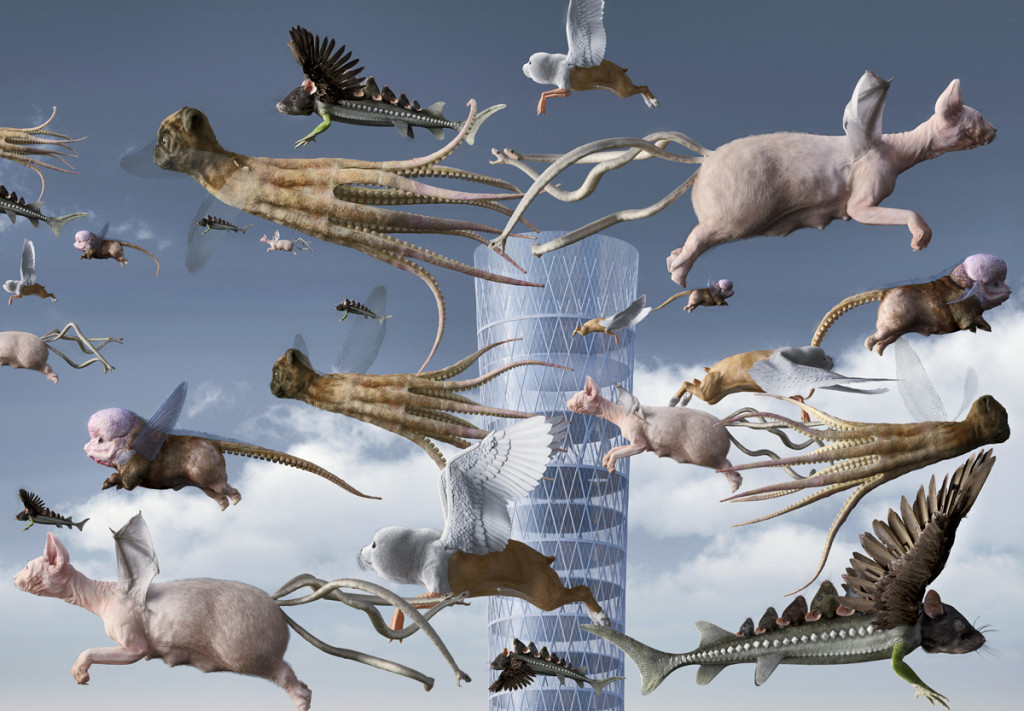
Metrosexual garbage men bathe the streets with sewage and garbage. An international board of directors is usurped by its impoverished doppelgangers. The poor give alms to the rich. Chimeras come down from the sky to be petted like pets. A pig guts a butcher. Women dressed in cocktail dresses sensually torture men in cages and devices inspired by IKEA furniture in an ironic reversal of the Inquisition. Tweens and octogenarians fight a kickboxing match. Riot police embrace protesters in an orgy on a huge luxurious bed. Men and women carry donkeys on their backs and virus-like radiolaria in Haeckel’s illustrations, peering out and perching on unsuspecting people who are busy taking selfies.

The video’s background music is an amalgamation of Léon Boëllmann’s 1895 Gothique, an original piece by contemporary composer and media artist Dmitry Morozov (also known as VTOL), along with excerpts from Ravel, Liszt, Mozart and Tchaikovsky, with a special emphasis on “Casta Diva” by Norma by Vincenzo Bellini.


Recontemporary message:

“The works are a reference to the current situation of sudden changes and extreme instability, a moment in which more than ever it is necessary to be carried away by the communicative power of art and the power it has to unite and make people reflect, synthesizing universal messages.”

Inverso Mundus, por AES+F en Recontemporary, Torino

The work is signed by the AES+F collective, artists who have represented Russia on various occasions and events such as the Venice Biennale and Sao Paulo, and who at this time have openly distanced themselves from the politics of their country. A choice intended to support artistic production regardless of the country of origin.

Inverso Mundus is a critique of the despotic situation we live in today, in the midst of the climate, social and economic crisis, exploitation and gender inequality. The video work, about 40 minutes long, is presented with an ad hoc setting designed by the designer Andrea Isola with the input of the participants in the Exhibition Design workshop organized by Recontemporary in the days immediately prior to the opening.

To enrich the exhibition, the suggestive Mon Viewing Room by collector Michele Forneris, in collaboration with Recontemporary, hosts another work by the artists, Psychosis, which can be visited by appointment by sending an email to spazioomon@gmail.com: a little hidden gem in the city for the most curious.

The work “Inverso Mundus” has as its initial point of reference the carnivalesque engravings of the 16th century in the “upside down world” genre, an early form of populist social criticism that emerged with the arrival of Gutenberg’s printing press. The title of the project mixes old Italian and Latin, from a centuries-old stratification of meanings, combining “Inverso”, the Italian “reverso” and old Italian “poetry”, with the Latin “Mundus”, which means “world”. “.

This work reinterprets contemporaneity through the tradition of printmaking, depicting a contemporary world consumed by a tragicomic apocalypse where social conventions are turned upside down to highlight underlying premises we take for granted:

Metrosexual garbage men bathe the streets with sewage and garbage. An international board of directors is usurped by its impoverished doppelgangers. The poor give alms to the rich. Chimeras come down from the sky to be petted like pets. A pig guts a butcher. Women dressed in cocktail dresses sensually torture men in cages and devices inspired by IKEA furniture in an ironic reversal of the Inquisition. Tweens and octogenarians fight a kickboxing match. Riot police embrace protesters in an orgy on a huge luxurious bed. Men and women carry donkeys on their backs and virus-like radiolaria in Haeckel’s illustrations, peering out and perching on unsuspecting people who are busy taking selfies.

The video’s background music is an amalgamation of Léon Boëllmann’s 1895 Gothique, an original piece by contemporary composer and media artist Dmitry Morozov (also known as VTOL), along with excerpts from Ravel, Liszt, Mozart and Tchaikovsky, with a special emphasis on “Casta Diva” by Norma by Vincenzo Bellini.

Inverso Mundus, por AES+F en Recontemporary, Torino

La obra está firmada por el colectivo AES+F, artistas que han representado a Rusia en diversas ocasiones y eventos como la Bienal de Venecia y Sao Paulo, y que en este momento se han distanciado abiertamente de la política de su país. Una elección destinada a apoyar la producción artística independientemente del país de origen.

Inverso Mundus es una crítica a la situación despótica que vivimos hoy, en medio de la crisis climática, social y económica, la explotación y la desigualdad de género. La obra de vídeo, de unos 40 minutos de duración, se presenta con una ambientación ad hoc diseñada por la diseñadora Andrea Isola con la aportación de los participantes en el taller de Diseño de Exhibiciones organizado por Recontemporary en los días inmediatamente anteriores a la inauguración.

Para enriquecer la exposición, la sugerente Mon Viewing Room del coleccionista Michele Forneris, acoge en colaboración con Recontemporary otra obra de los artistas, Psychosis, que se puede visitar con cita previa enviando un correo electrónico a spazioomon@gmail.com: una pequeña joya escondida en la ciudad para los más curiosos.

La obra “Inverso Mundus” tiene como punto de referencia inicial los grabados carnavalescos del siglo XVI en el género del “mundo al revés”, una forma temprana de crítica social populista surgida con la llegada de la imprenta de Gutenberg. El título del proyecto mezcla el italiano antiguo y el latín, a partir de una estratificación de significados centenaria, combinando “Inverso”, el “reverso” italiano y la “poesía” italiana antigua, con el latín “Mundus”, que significa “mundo”.

Esta obra reinterpreta la contemporaneidad a través de la tradición del grabado, representando un mundo contemporáneo consumido por un apocalipsis tragicómico donde las convenciones sociales se trastornan para resaltar las premisas subyacentes que damos por sentadas:

Los basureros metrosexuales bañan las calles con aguas negras y basura. Una junta directiva internacional es usurpada por sus dobles empobrecidos. Los pobres dan limosna a los ricos. Las quimeras bajan del cielo para ser acariciadas como mascotas. Un cerdo destripa a un carnicero. Mujeres vestidas con vestidos de cóctel torturan sensualmente a los hombres en jaulas y dispositivos inspirados en los muebles de IKEA en una irónica inversión de la Inquisición. Preadolescentes y octogenarios pelean un combate de kickboxing. La policía antidisturbios abraza a los manifestantes en una orgía sobre una enorme cama de lujo. Hombres y mujeres llevan burros a la espalda y radiolarios similares a los virus de las ilustraciones de Haeckel, se asoman y se posan sobre personas desprevenidas que están ocupadas tomándose selfies.

La música de fondo del video es una amalgama del Gothique de 1895 de Léon Boëllmann, una pieza original del compositor y artista de medios contemporáneo Dmitry Morozov (también conocido como VTOL), junto con extractos de Ravel, Liszt, Mozart y Tchaikovsky, con un énfasis especial en “Casta Diva” de Norma de Vincenzo Bellini.


Inverso Mundus, por AES+F en Recontemporary, Torino

La obra está firmada por el colectivo AES+F, artistas que han representado a Rusia en diversas ocasiones y eventos como la Bienal de Venecia y Sao Paulo, y que en este momento se han distanciado abiertamente de la política de su país. Una elección destinada a apoyar la producción artística independientemente del país de origen.

Inverso Mundus es una crítica a la situación despótica que vivimos hoy, en medio de la crisis climática, social y económica, la explotación y la desigualdad de género. La obra de vídeo, de unos 40 minutos de duración, se presenta con una ambientación ad hoc diseñada por la diseñadora Andrea Isola con la aportación de los participantes en el taller de Diseño de Exhibiciones organizado por Recontemporary en los días inmediatamente anteriores a la inauguración.

La obra “Inverso Mundus” tiene como punto de referencia inicial los grabados carnavalescos del siglo XVI en el género del “mundo al revés”, una forma temprana de crítica social populista surgida con la llegada de la imprenta de Gutenberg. El título del proyecto mezcla el italiano antiguo y el latín, a partir de una estratificación de significados centenaria, combinando “Inverso”, el “reverso” italiano y la “poesía” italiana antigua, con el latín “Mundus”, que significa “mundo”.

Installation at Recontemporary, Torino

Esta obra reinterpreta la contemporaneidad a través de la tradición del grabado, representando un mundo contemporáneo consumido por un apocalipsis tragicómico donde las convenciones sociales se trastornan para resaltar las premisas subyacentes que damos por sentadas:

Los basureros metrosexuales bañan las calles con aguas negras y basura. Una junta directiva internacional es usurpada por sus dobles empobrecidos. Los pobres dan limosna a los ricos. Las quimeras bajan del cielo para ser acariciadas como mascotas. Un cerdo destripa a un carnicero. Mujeres vestidas con vestidos de cóctel torturan sensualmente a los hombres en jaulas y dispositivos inspirados en los muebles de IKEA en una irónica inversión de la Inquisición. Preadolescentes y octogenarios pelean un combate de kickboxing. La policía antidisturbios abraza a los manifestantes en una orgía sobre una enorme cama de lujo. Hombres y mujeres llevan burros a la espalda y radiolarios similares a los virus de las ilustraciones de Haeckel, se asoman y se posan sobre personas desprevenidas que están ocupadas tomándose selfies.

La música de fondo del video es una amalgama del Gothique de 1895 de Léon Boëllmann, una pieza original del compositor y artista de medios contemporáneo Dmitry Morozov (también conocido como VTOL), junto con extractos de Ravel, Liszt, Mozart y Tchaikovsky, con un énfasis especial en “Casta Diva” de Norma de Vincenzo Bellini.

Installation at Recontemporary, Torino


Sandra Vásquez de la Horra presents Aura at Galeria SENDA

Chilean artist Sandra Vásquez de la Horra returns to Galeria SENDA to present Aura.

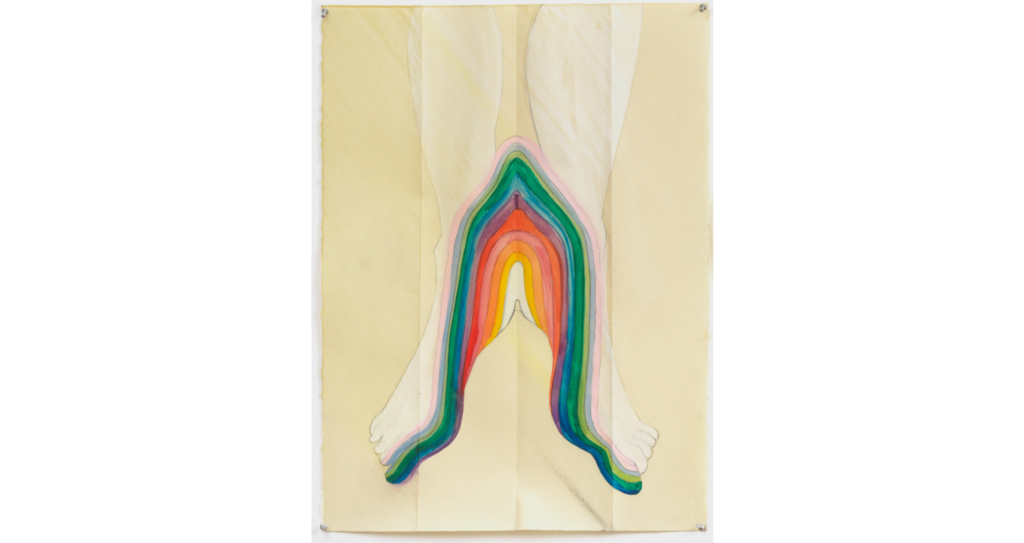
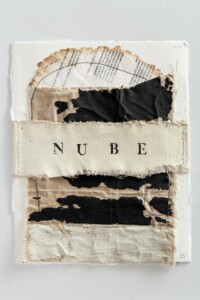
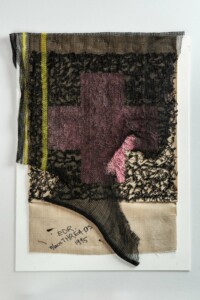
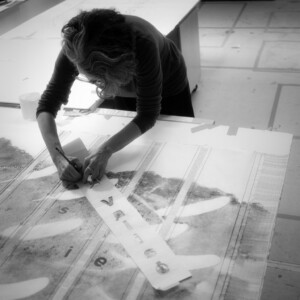
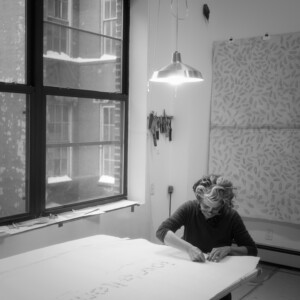
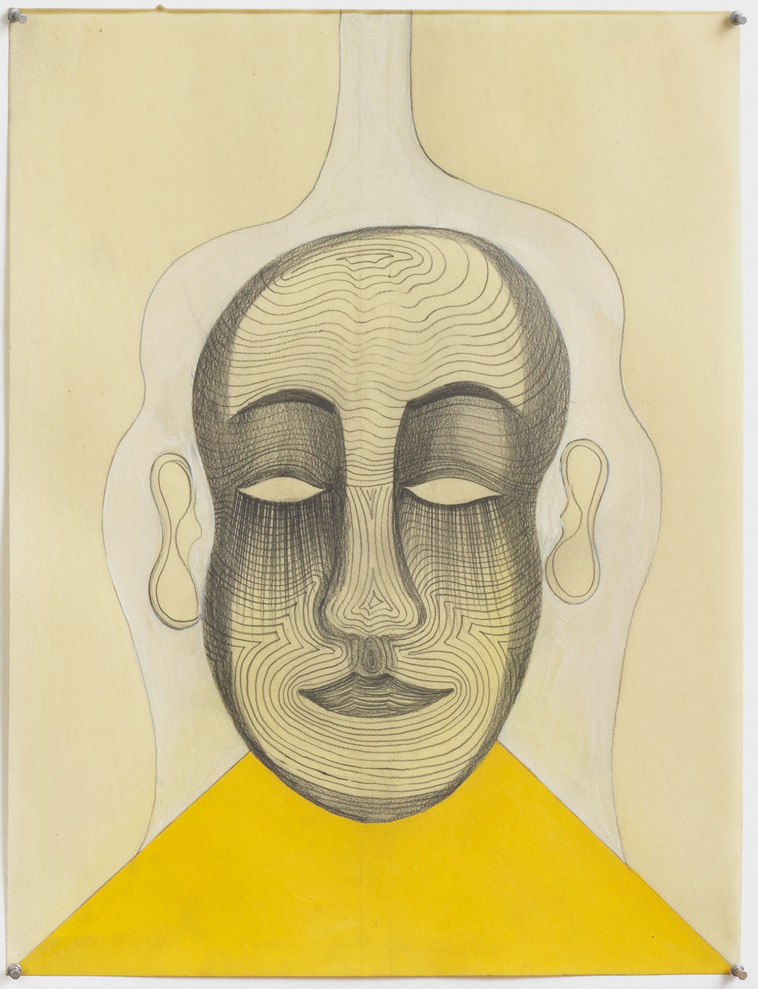
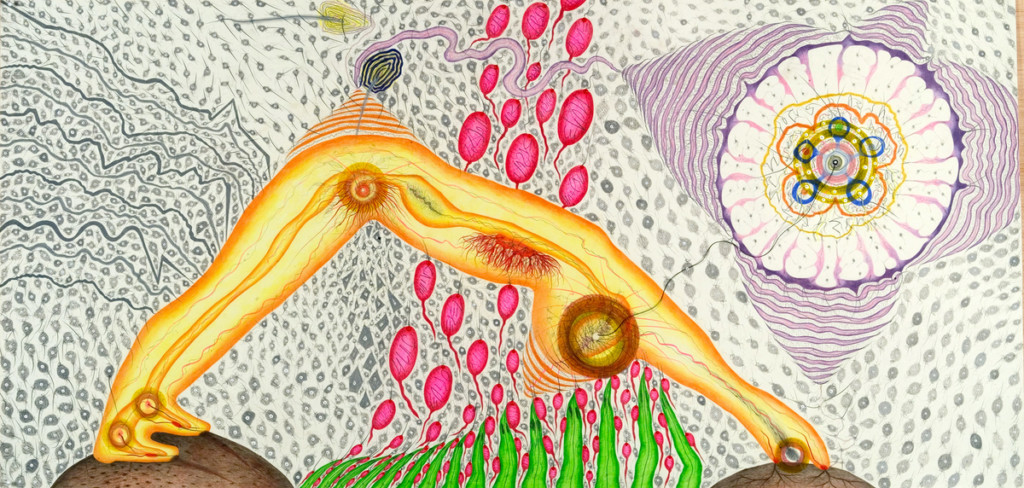
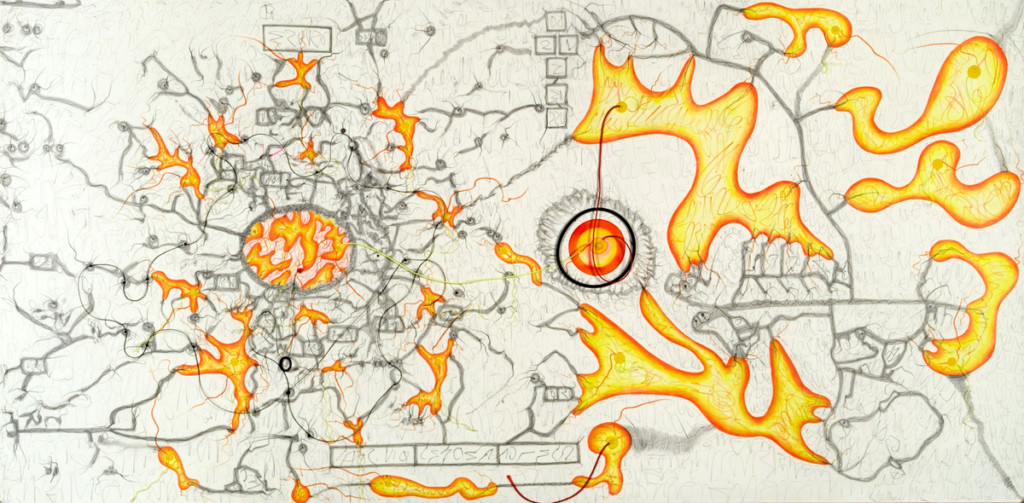
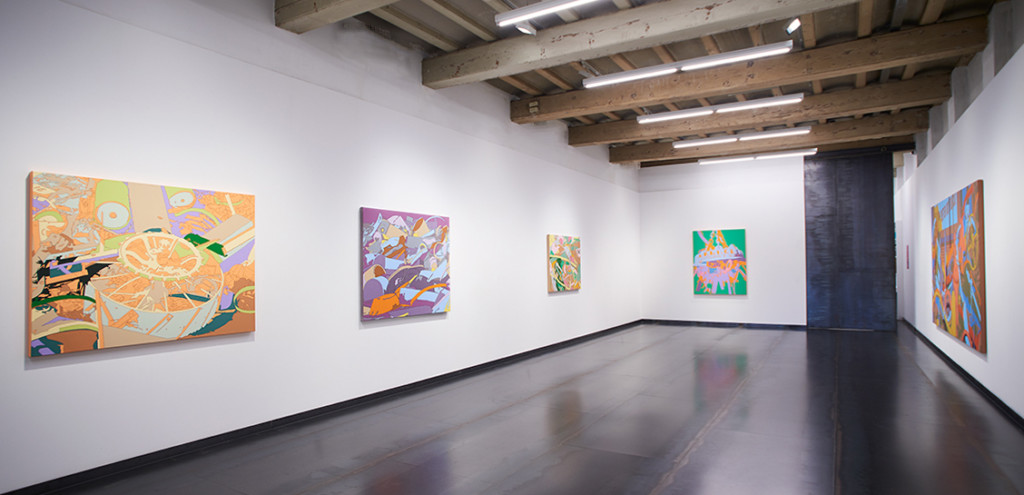
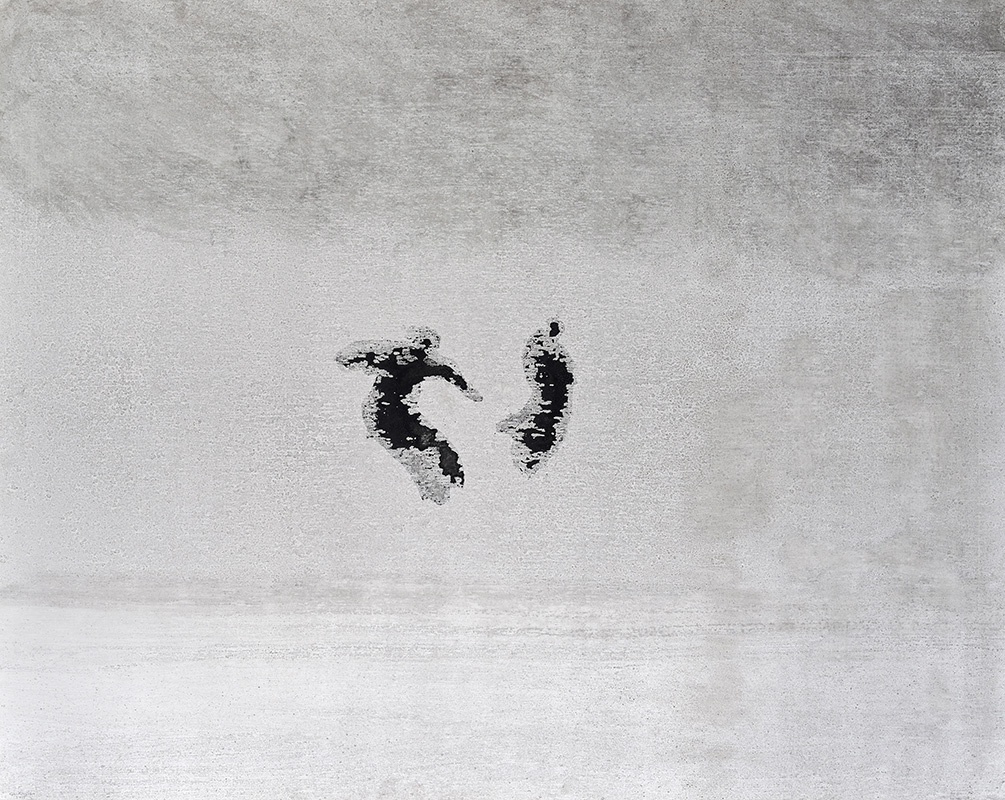
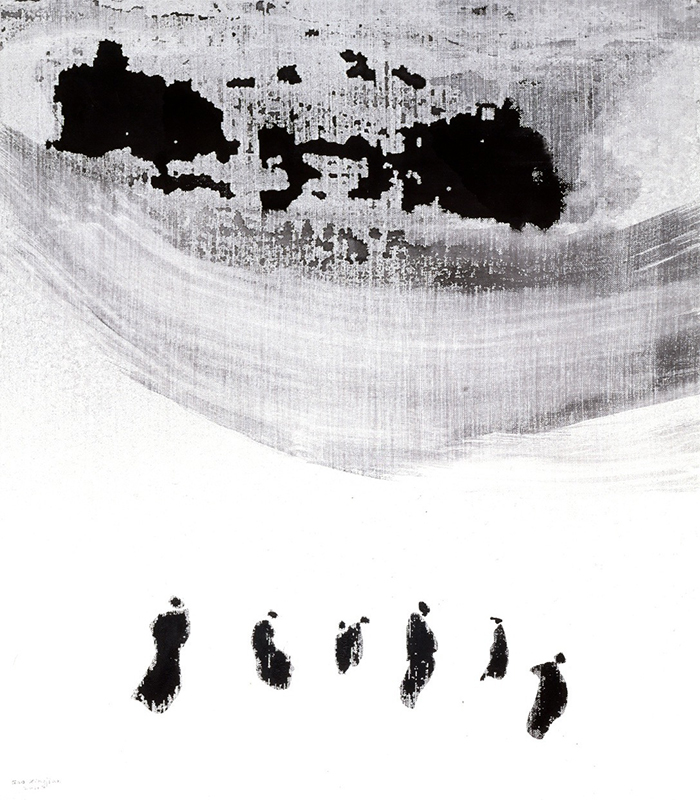
In this exhibition, the artist introduces us to the complex universe of theosophy, which explores the link between the aura and human nature. Through a multiplicity of techniques that range from three-dimensional pieces, charcoal, watercolor and wax; Vásquez de la Horra traces bodies that she conceives as geographic entities, endowing them with labyrinths, landscapes, and mountain ranges. These bodies, now territories, are divided into two planes, the physical-earthly and the mystical.

In the physical aspect, there is a political burden of resistance of the people against the Chilean dictatorship; and in the mystical aspect, the artist takes the concept of the seven planes or chakras to dialogue in unison between the universe and the earth. This is how the bodies captured on paper dipped in wax become thresholds that lie waiting for the energy cosmic. An energy that expands and travels through the soul and its many emotional facets to give life to what we call Aura.


BIO

Sandra Vásquez de la Horra graduated from the University of Design of Viña del Mar. She continued her studies at the Kunstakademie of Düsseldorf being a disciple of Jannis Kounellis and Rosemarie Trockel. Her work has been exhibited at the Bonnefanten Museum in Maastricht, the Pompidou Center in Paris, the Kunst Palast Museum in Düsseldorf and the Albertina Museum in Vienna. In 2009 she won the Contemporary Drawing Prize awarded by the Guerlain Foundation in Paris. In 2012 Vásquez de la Horra participated in The Imminence of Poetics at the São Paulo Biennial. His work can be found in important public collections such as the MOMA in New York, The Art Institute of Chicago, the Pompidou Museum in Paris, the Pinakothek der Moderne in Munich, the Kunst Palast Museum in Düsseldorf, and The National Gallery of Victoria in Australia. among other. Sandra Vásquez de la Horra currently lives and works in Berlin.

Share your experience at the gallery with us! Let’s connect!

@galeriasenda #galeriasenda

AVAILABLE PIECES HERE


(To view or purchase available pieces please head to our online shop or contact us via e-mail / phone and we will happily assist you.)


PRESS


AES+F in THE ARMORY SHOW 2022 “Mare Mediterraneum”

The Russian collective AES+F exhibits once again through galeria SENDA: Mare Mediterraneum, after passing through the Teatro Massimo in Palermo, Italy in 2018 –an official event at the same time as the Manifesta art fair– and its follow-up exhibition at Trafalgar, 32, in 2019. This time, we present a single show for this edition of The Armory Show in New York, from September 9 to 11, 2022 at the Javits Center.


Press release (excerpt):

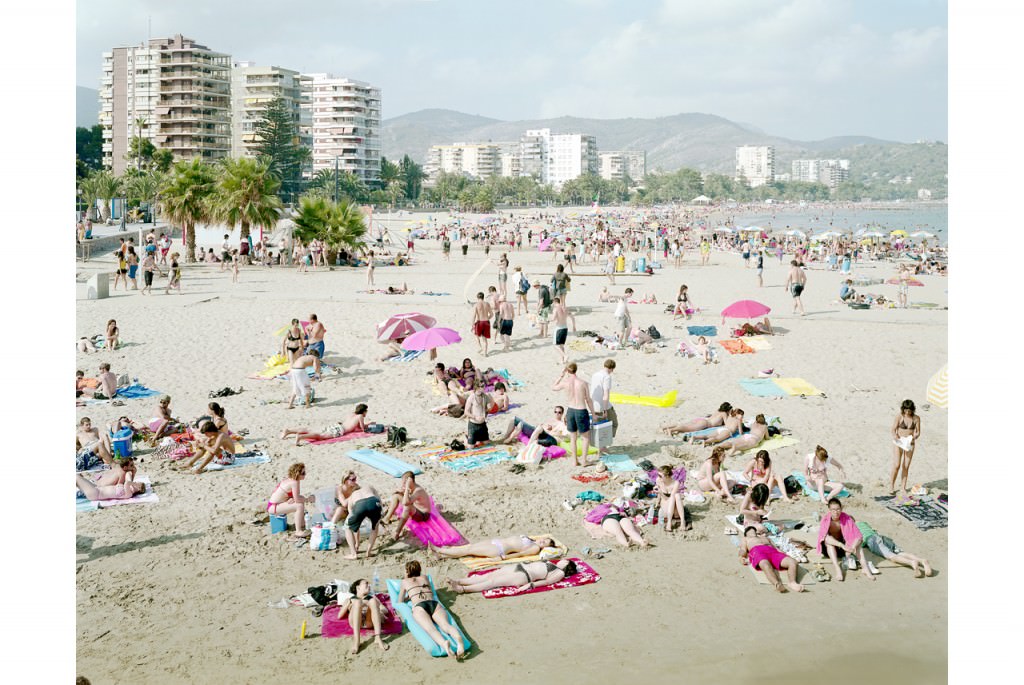
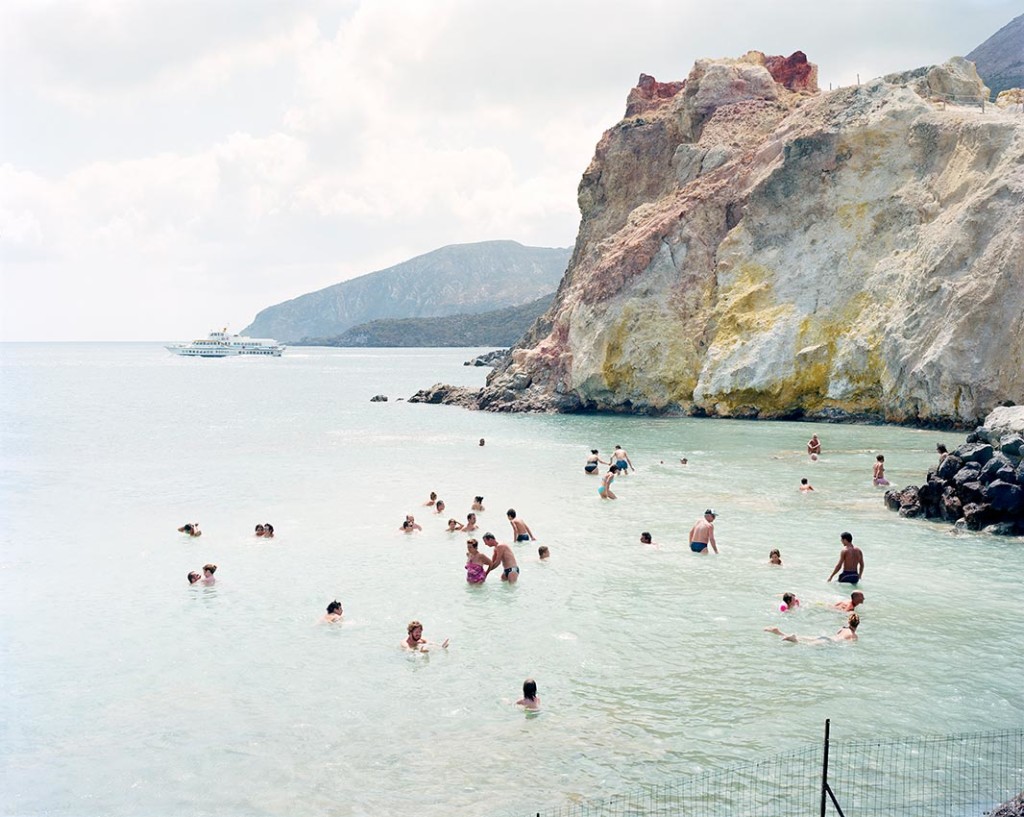
The Mediterranean Sea is the reserve of civilization: its heart has pumped people, cultures and religions from one coast to another like blood. The Phoenicians and the Carthaginians expanded to the north, the Romans and the Crusades to the south, the Genoese to the east, the Byzantine empire to the west, the Islamic caliphate to the east, west, north, and south. Sicily is right in the middle and the storm waves of all civilizations have splashed on its shores. This is still happening today.

The Mediterranean Sea is once again the epicenter of the ideological contradiction. The war has pushed refugees and migrants who, to save themselves, have had to swim and survive to face Europe with a difficult choice. (In ancient mythology, Europe was also forced to cross this sea.) His election has led to political and ideological clashes, the polarization of public opinion and the rise of xenophobia and ethnic violence.

This tragic situation has become a political conflict, as well as an issue of negotiation and ideological speculation. In this way, it has been transmitted by the media as a concept defined today as “post-truth”. The ethical situation that has developed is paradoxical.

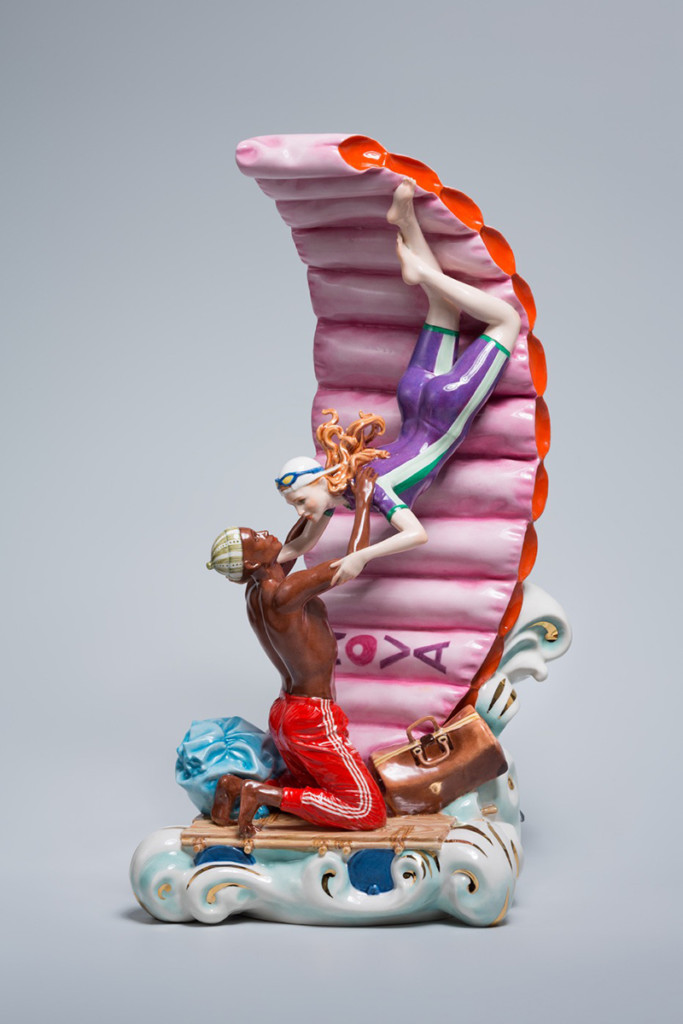
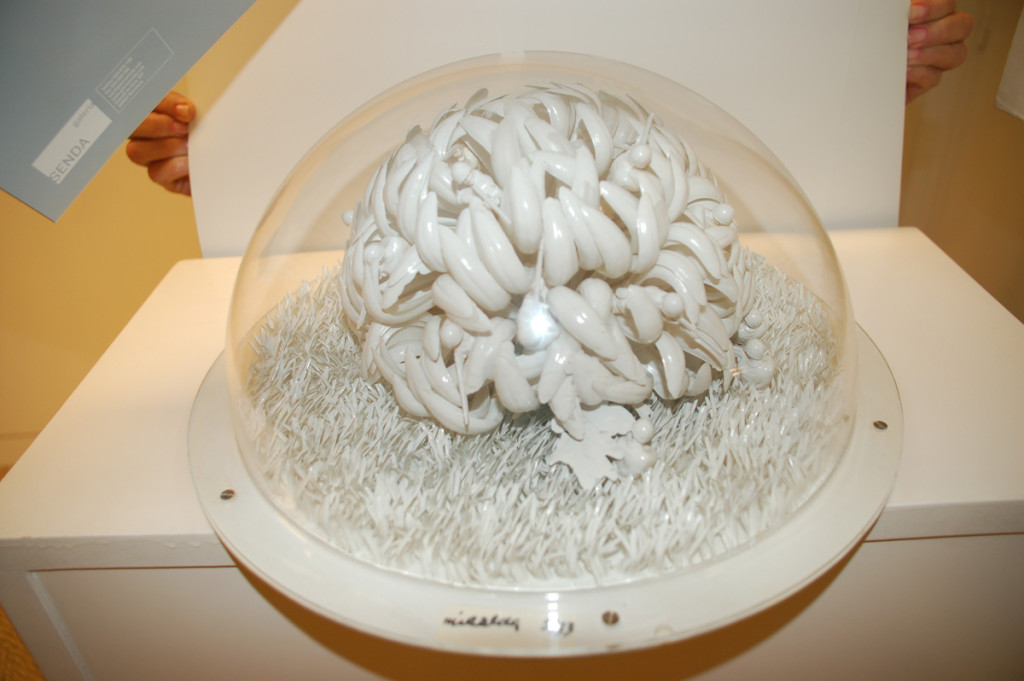
Working with porcelain figures in this theme could be considered an extreme manifestation of this paradox, from a distance an artistic image can be more radical than reality itself because it can push conceptual boundaries.

Porcelain has always been a symbol of satisfaction and bourgeois comfort. The recent waves of migration have confronted Europe with a dilemma: whether to accept the refugees, allowing them to enter at the expense of the material and psychological comfort of their hosts; or to reject them in an immoral, inhuman and cynical act that would damage the cooperative ethical basis of Europe itself.

Comfort is fallible and fragile, like the china associated with it. Kept safe for generations in high places, porcelain figurines are carefully guarded but their fragility encapsulates the threat of instant loss. They break easily.

The chosen form and material of these works contrast with the drama of what is unfolding in the Mediterranean today. A reflected ray of light illuminates better than a direct one. We think this bears truth about this work.


Edited by David Elliott


Follow us on social media & don’t miss any activity or news from the gallery!

Connect with us: @galeriasenda #galeriasenda


AITOR ORTIZ, Gaudí, Impresiones íntimas

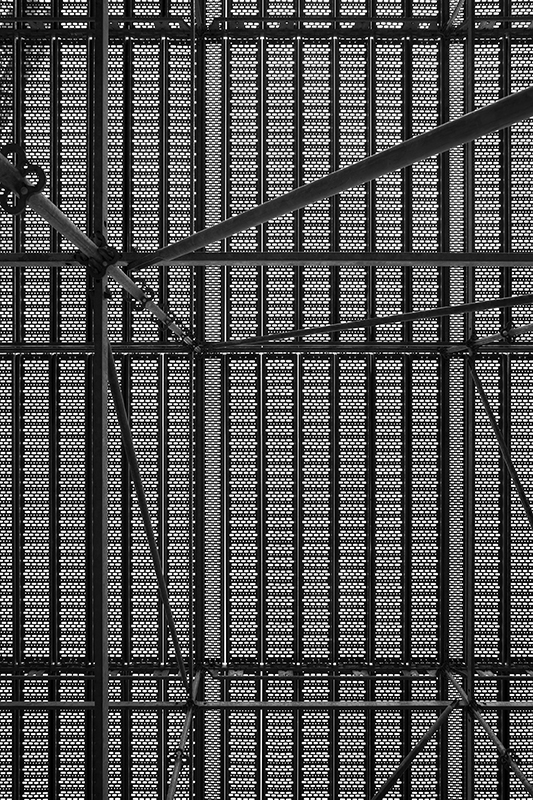
Aitor Ortiz’s work has been intimately related to architecture, to the extent that it has been buildings and structures of all kinds, repeatedly observed from the most diverse angles, that have been the focus of attention of almost all his photographs, even those in which the subject has ceased to be recognizable.

However, his photographs are not merely illustrative, nor are they conceived for the greater glory of architecture. On the contrary, their real interest lies in what the author himself defines as “dilemmas between representation and interpretation” of the original referents.

Photography, understood as a medium, was an essential tool for Gaudí’s university learning thanks to the discovery of photographic albums of the great expeditions. These sources influenced his heterodox and cosmopolitan vision of architecture and the development of his constructive ingenuity. Photography was for him like a workshop tool, recording and inverting his models made with catenaries to check their final result.

Gaudí’s works have been revisited many times. The saturation of photographs taken of his works has shaped a generalized vision of an excessive, colorful, figurative, expressionist and rather corny architect, but tremendously popular. However, his architecture is much more avant-garde and rich: Gaudí went from neoclassicism to modernity and knew how to incorporate the constructive advances motivated by the second industrial evolution.

The review of his work through millions of photographs available in publications and on the Internet has imposed itself in a vulgar and repetitive way to the direct experience with his work and, consequently, has caused a trivialization effect in the dissemination of his works.

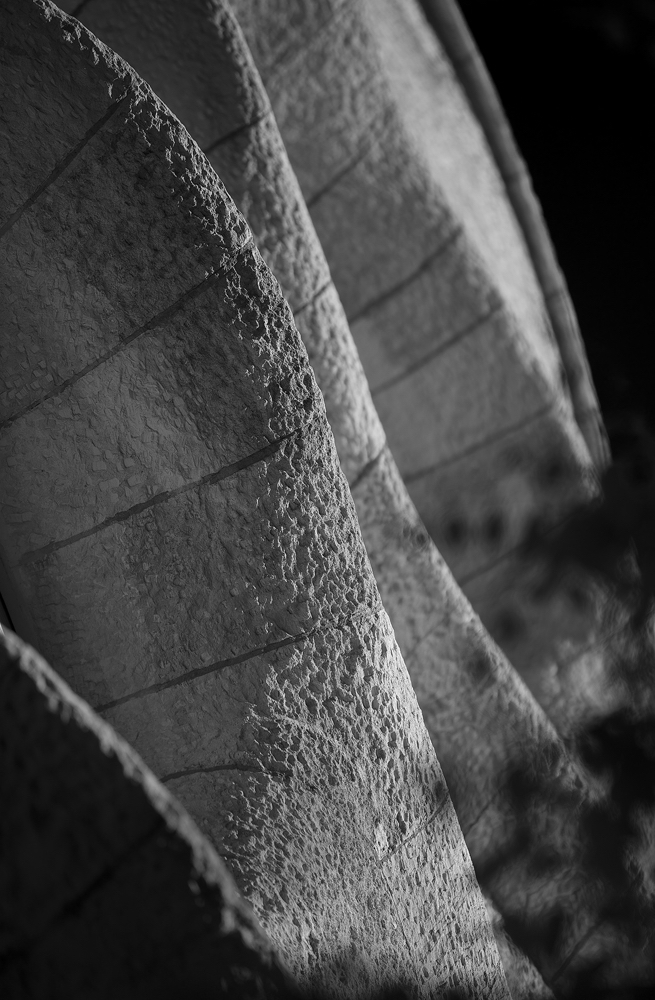
This series, carried out interruptedly for more than four years, flees from any preconceived idea about Gaudí’s work. It is a clean and complete review of his most significant works. The photographic work focuses especially on his creative process, the laboratory of genius, where he materialized his designs and his models, which are deliberately presented at the same level as the built work.
The ambiguity and synthesis of Aitor Ortiz’s images make us distance ourselves from the “here and now” to become representations of constructed, designed or simply imagined spaces.

By photographing Gaudí’s architectural work, Aitor Ortiz does not cease to be who he was or who he is, for he has managed to find a Gaudí parallel to the spectacular one that amazes us with its forms and chromaticism. The black and white look of the Basque photographer invites us to know another Gaudí that is no less than the previous one, although it has not been observed with thoroughness: a more subtle and delicate Gaudí, a barely imperceptible Gaudí, almost secret, a Gaudí that goes unnoticed among the fanciful creations of his undulating imagination.

Aitor Ortiz’s camera is an eye that reveals what is visible, yet invisible to an eye overwhelmed and exhausted by a story overflowing with narrative richness.