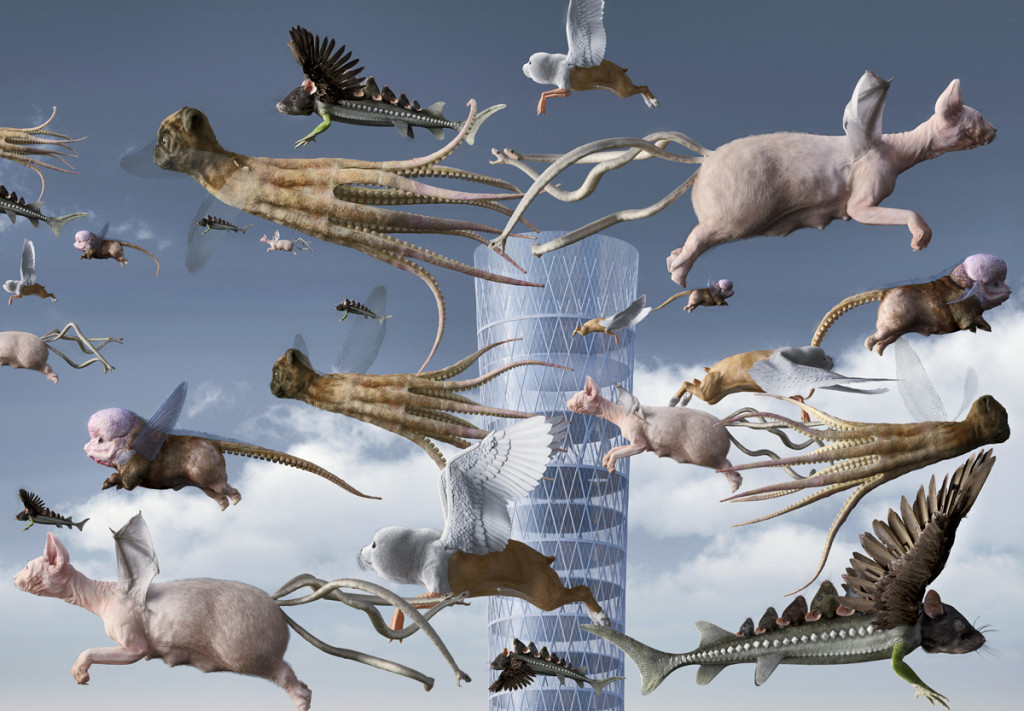
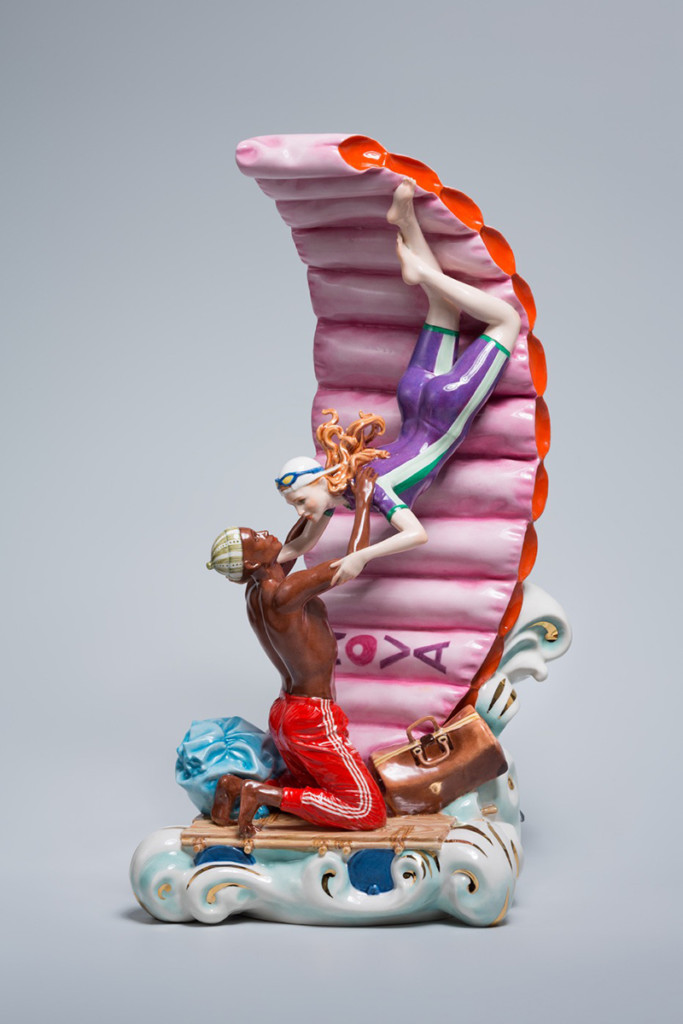
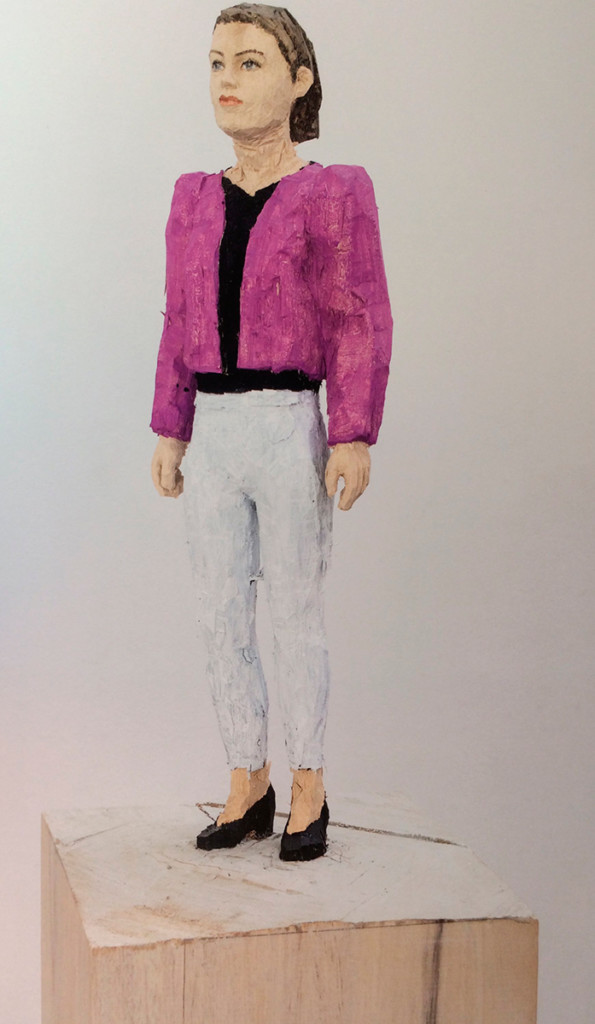
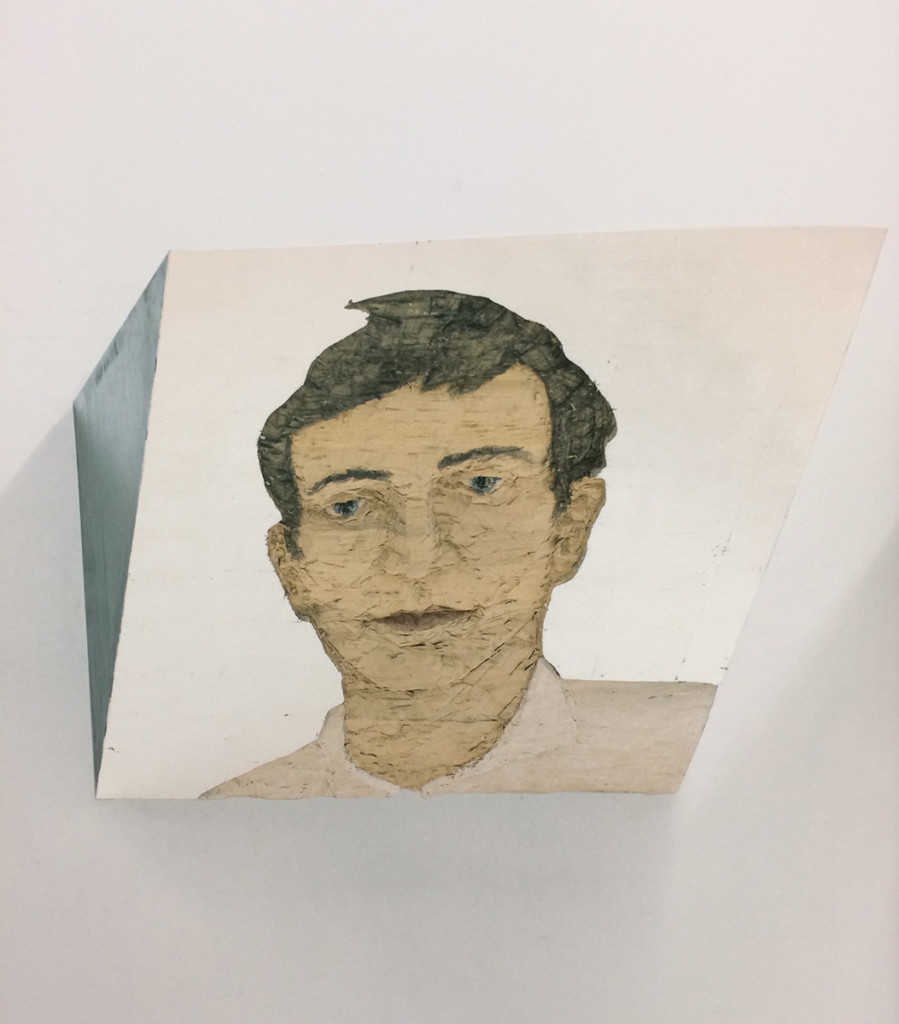
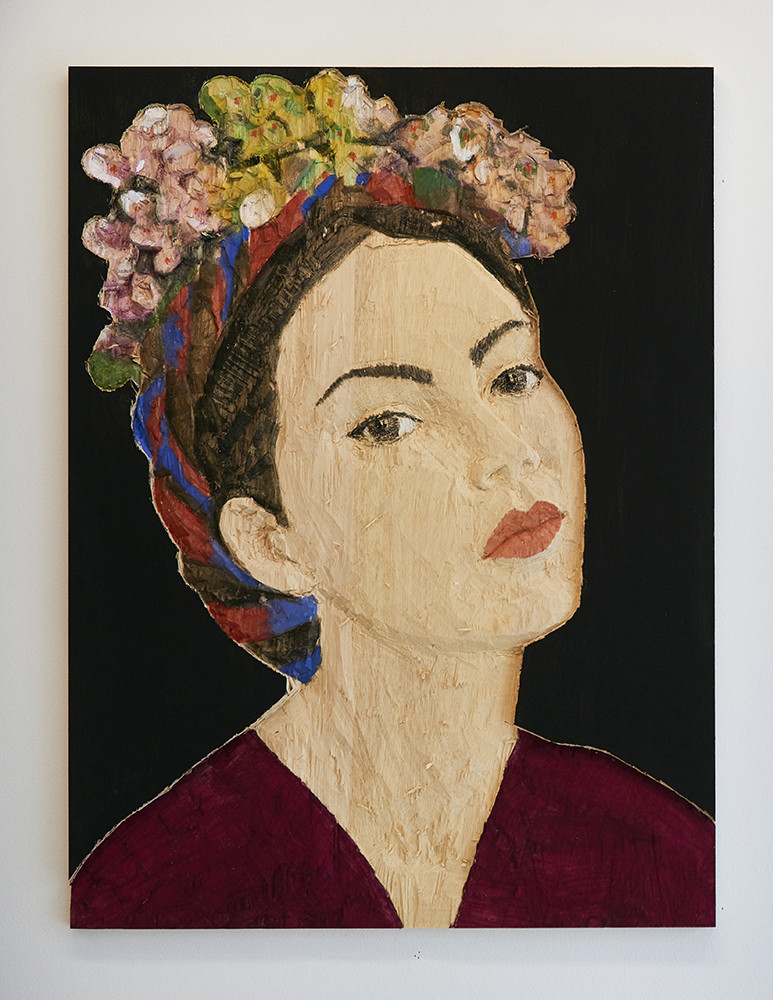
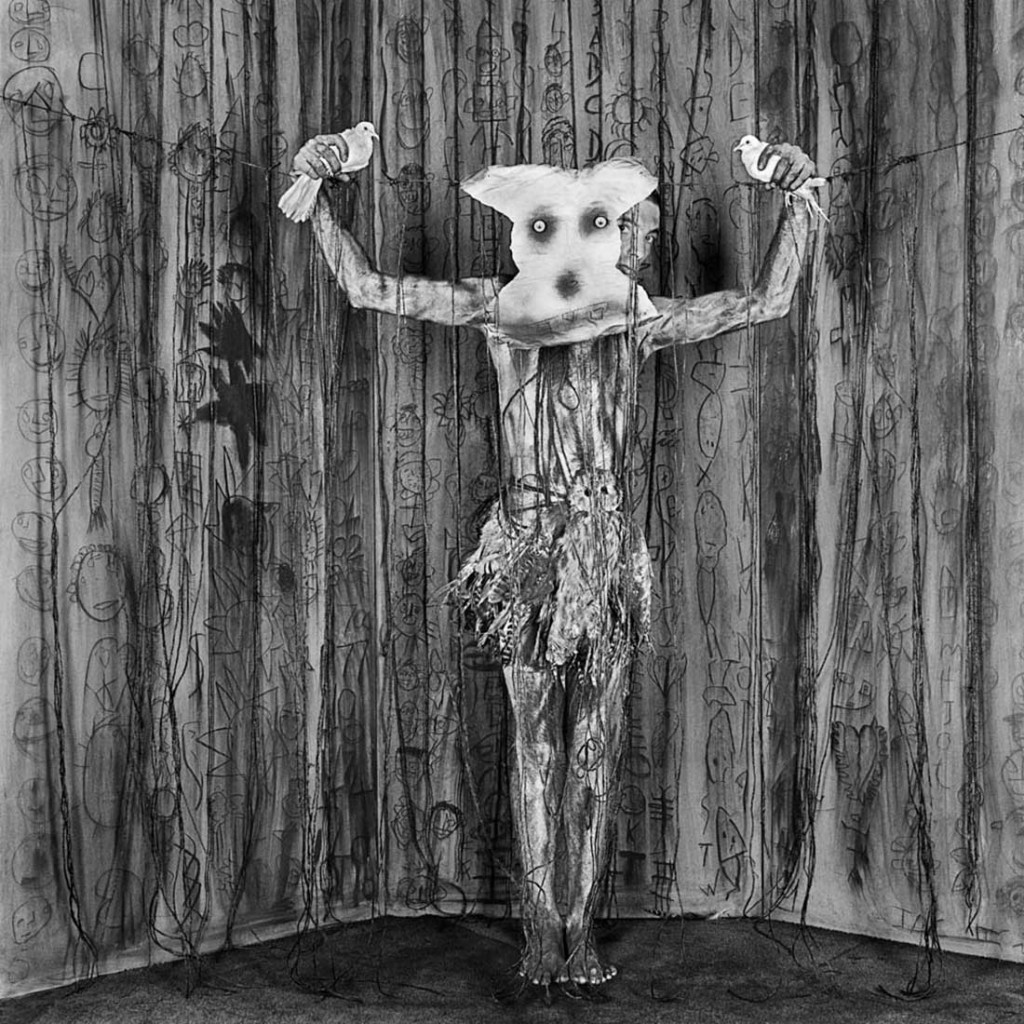
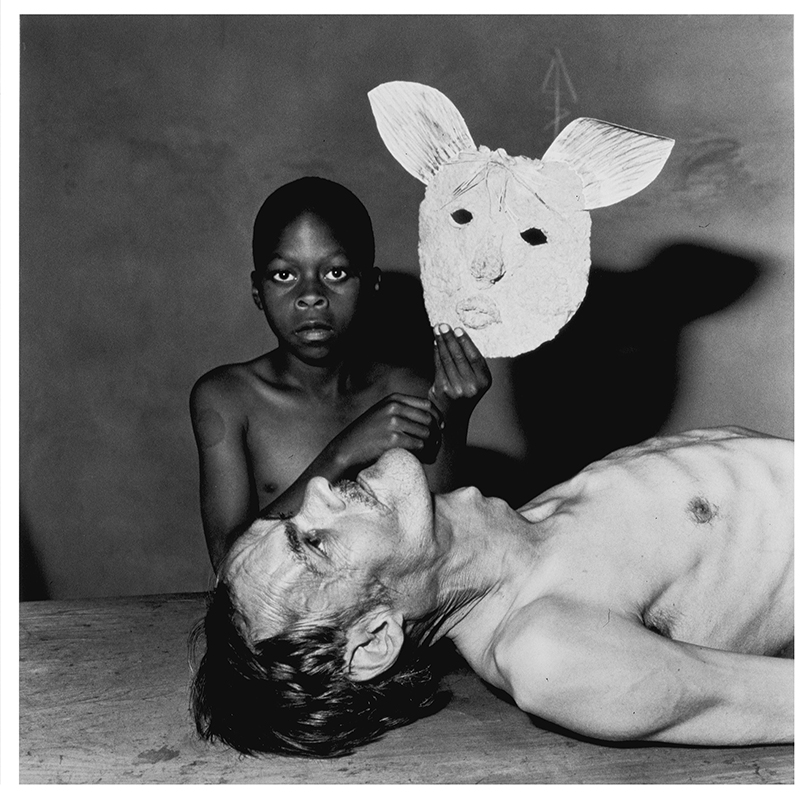
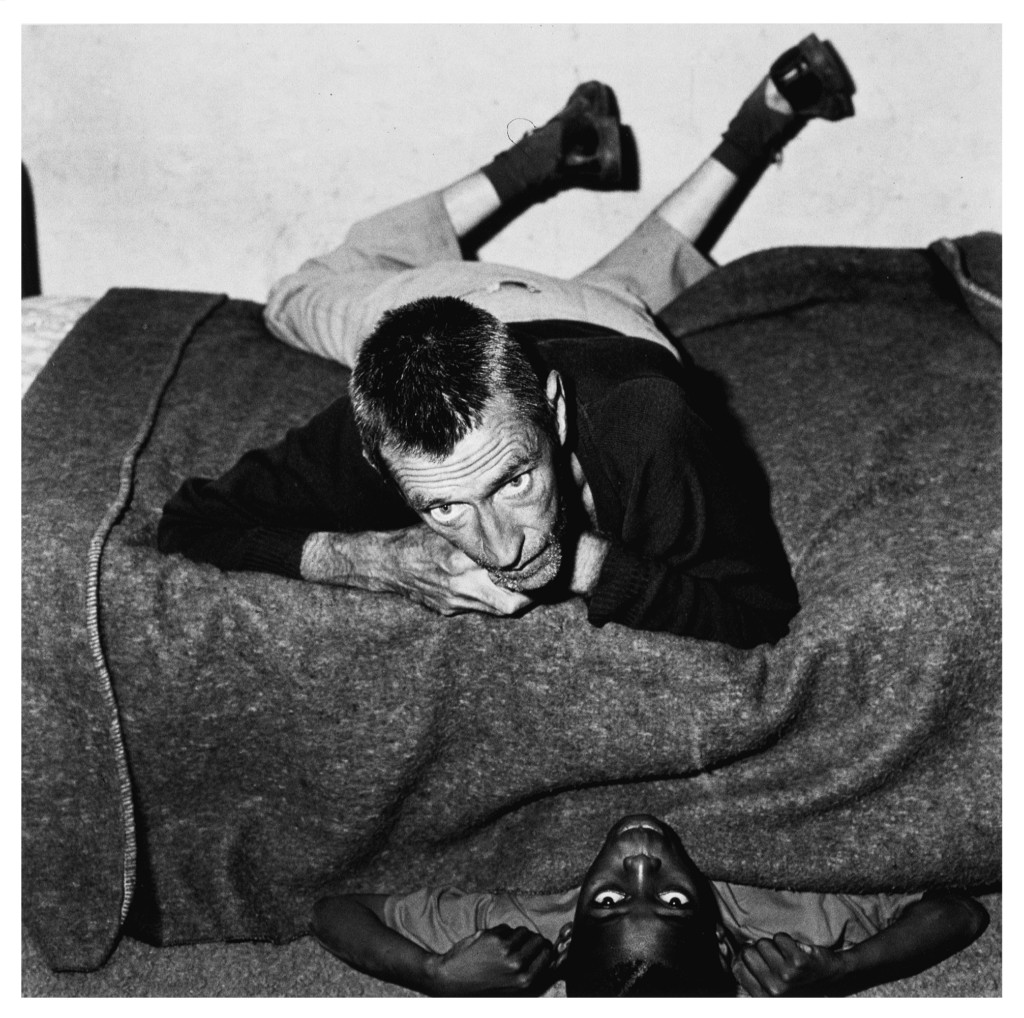
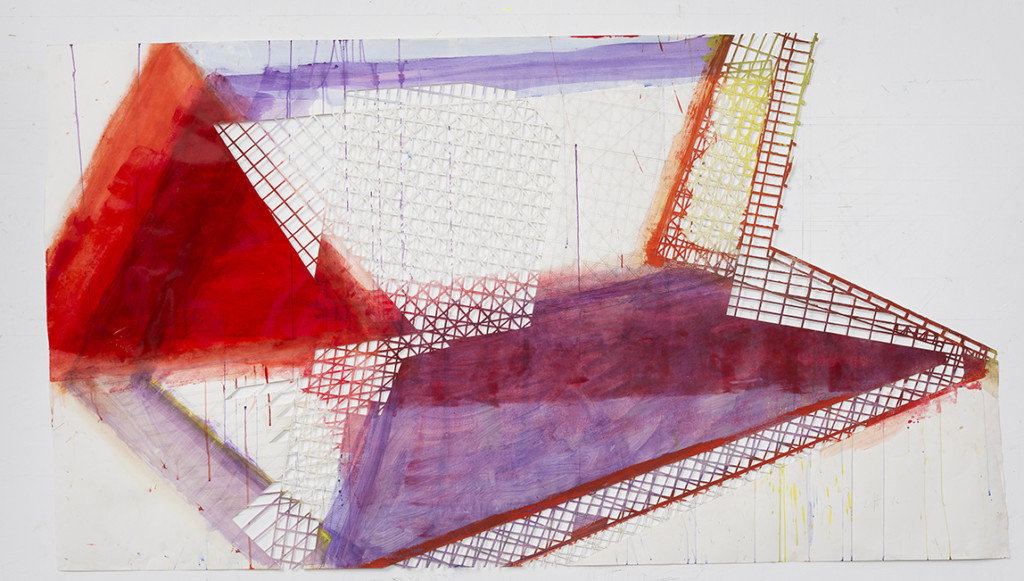
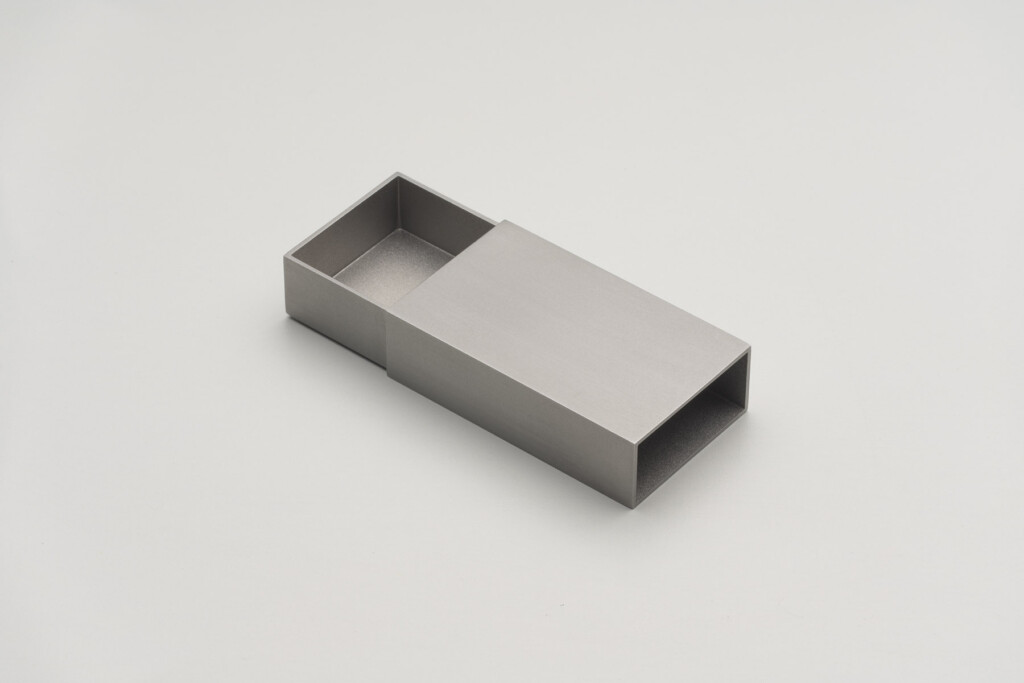
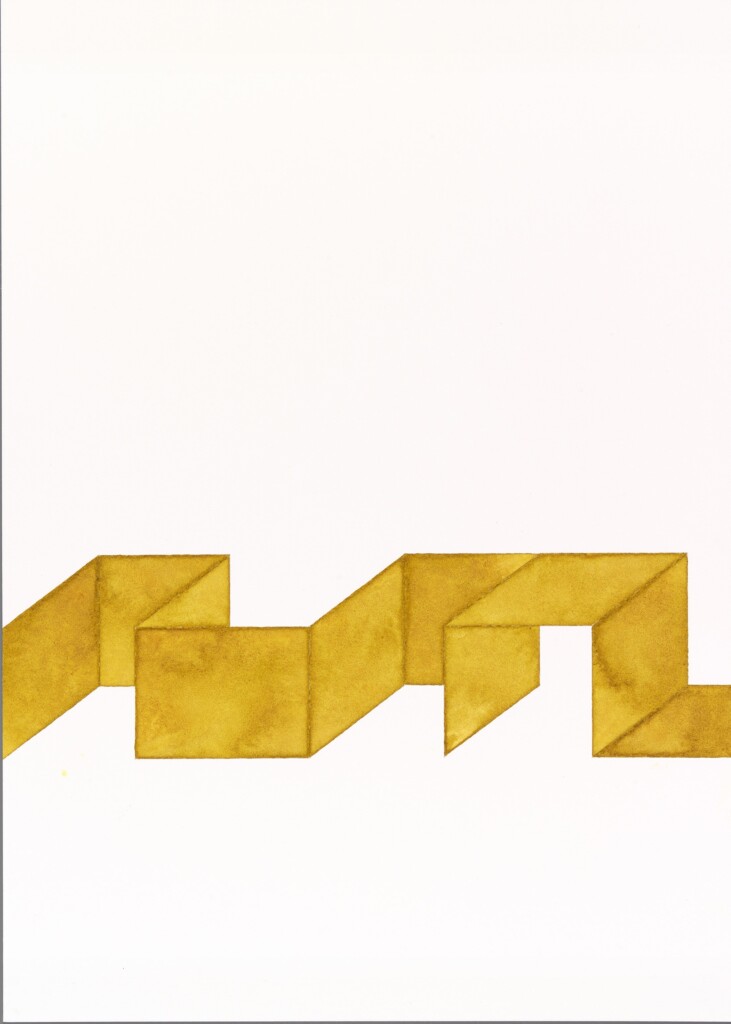
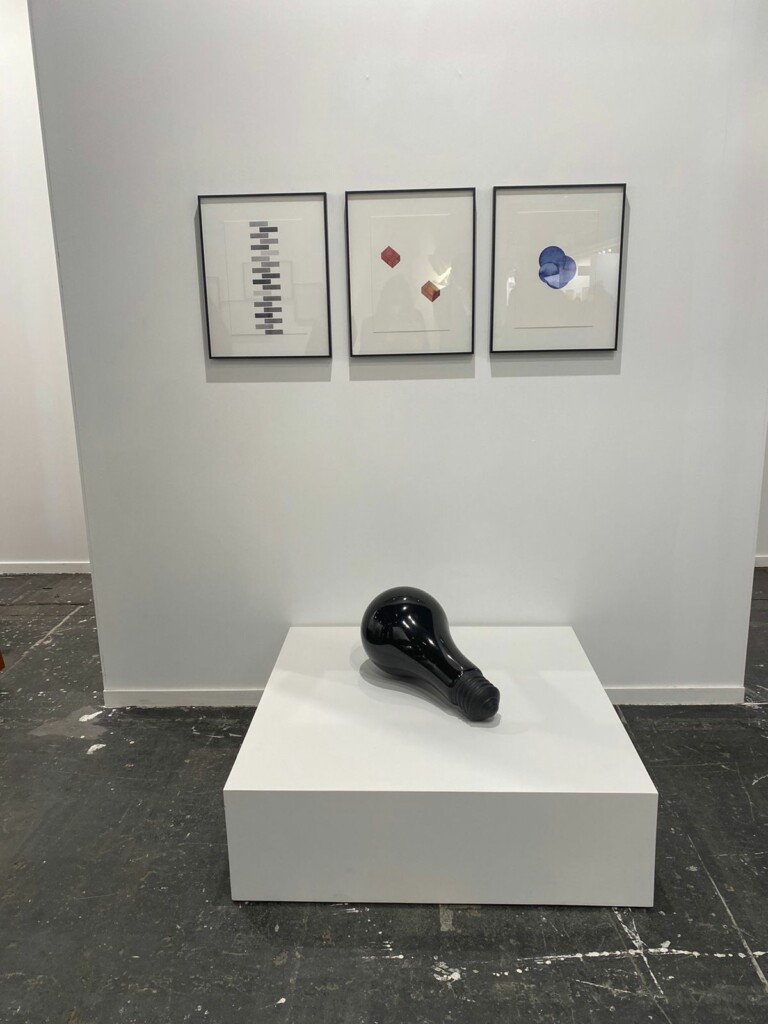
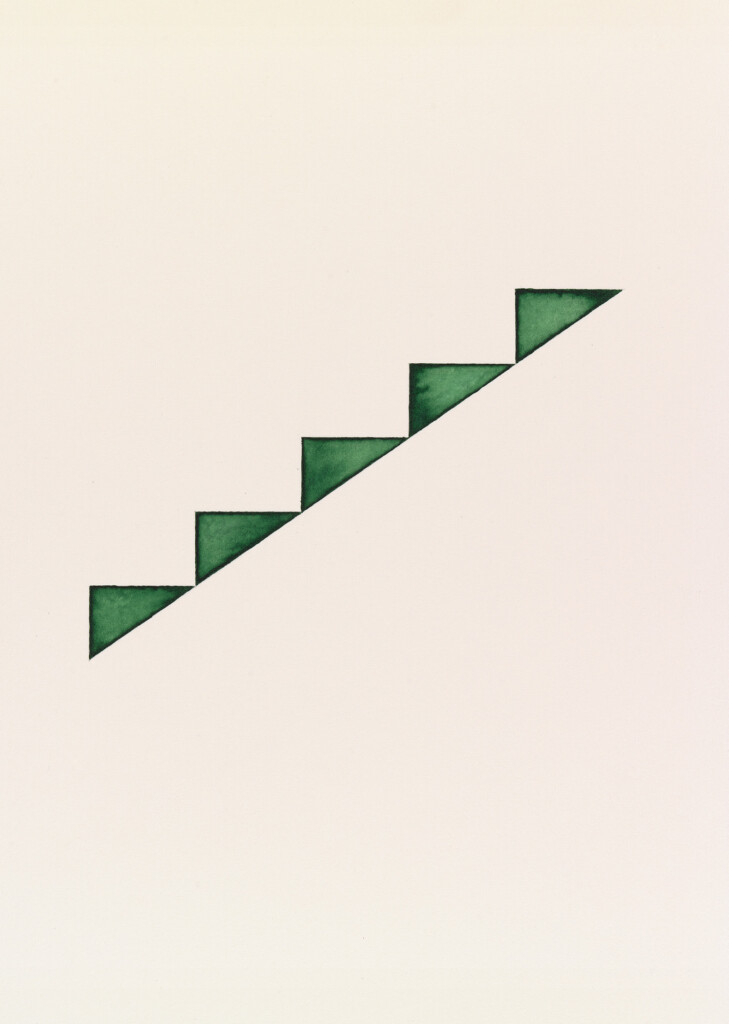
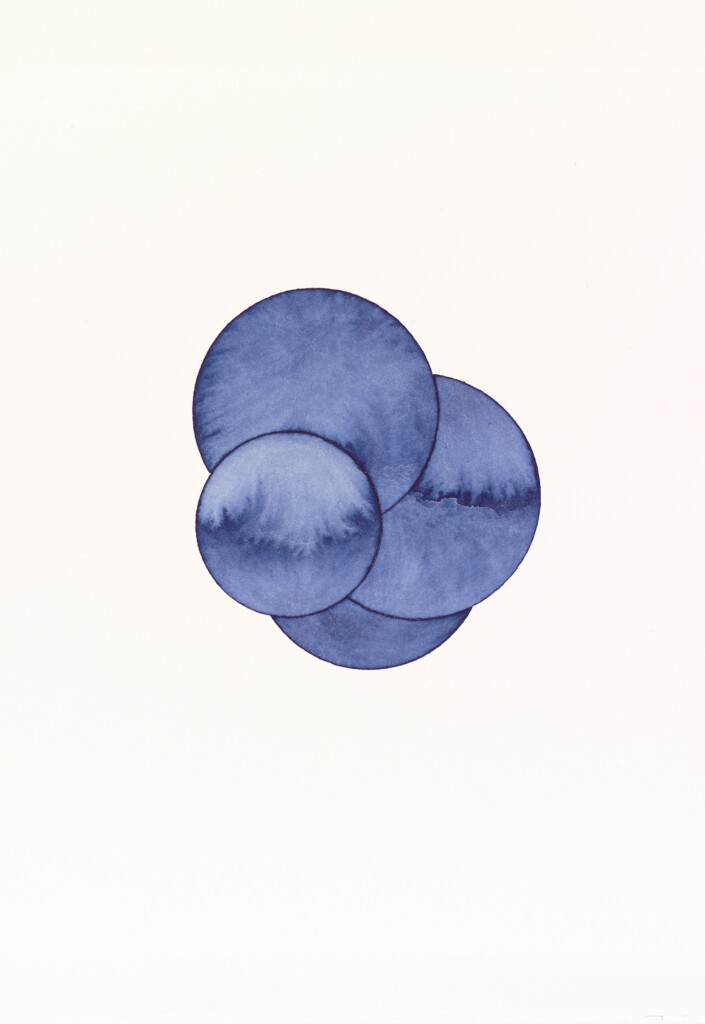
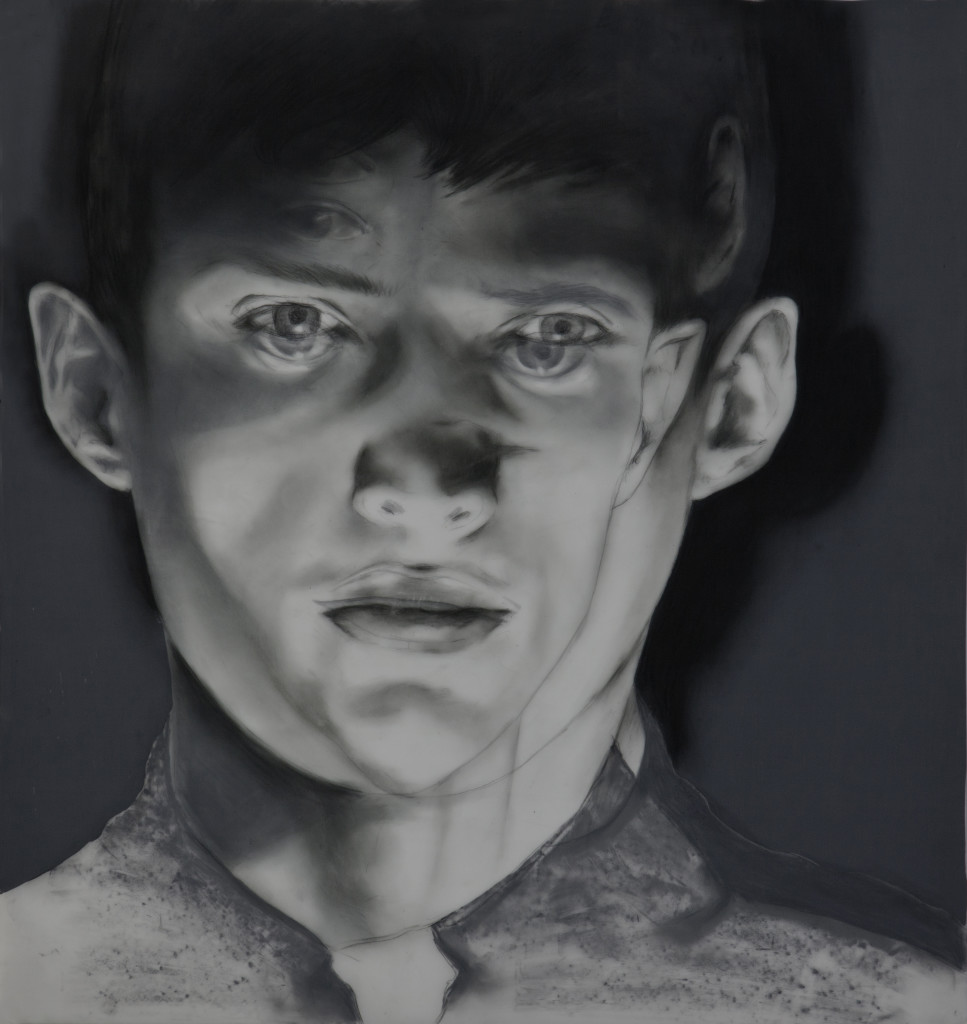
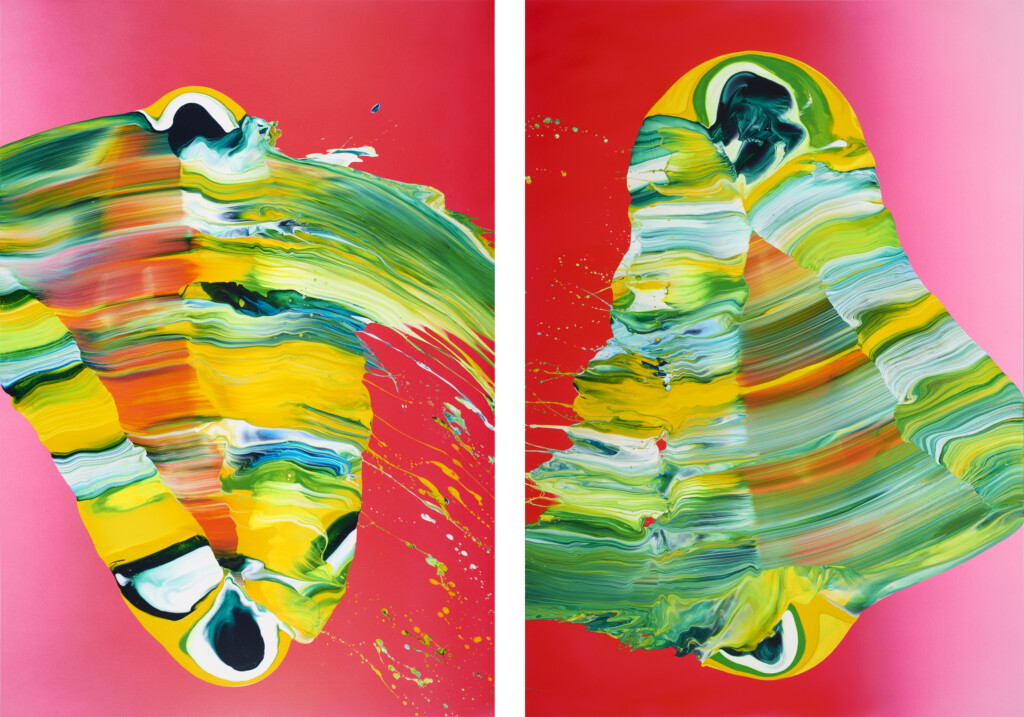
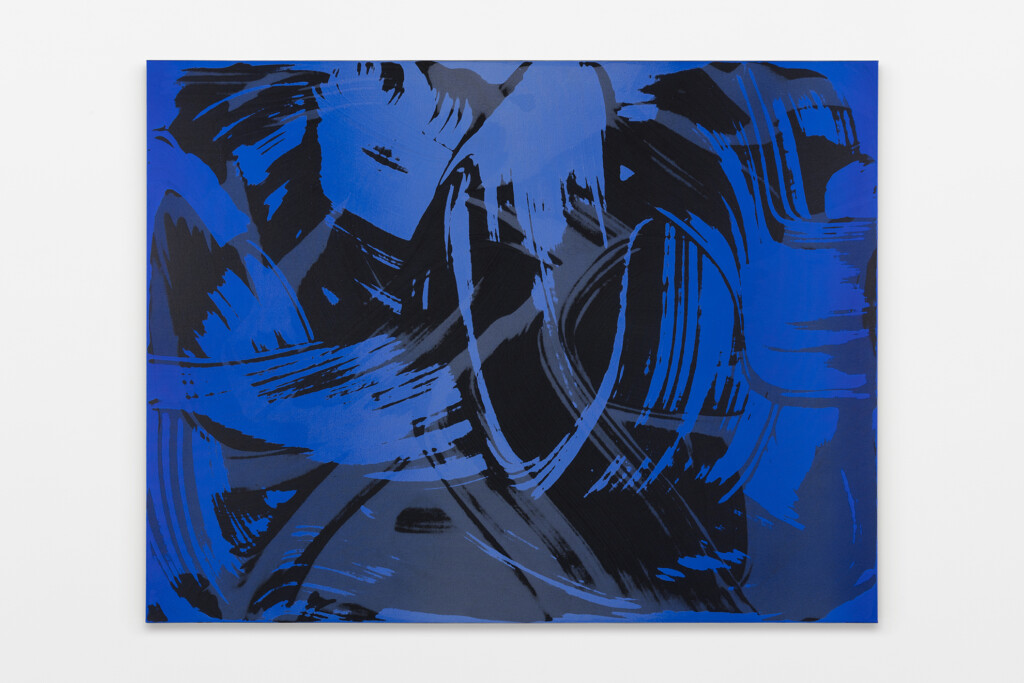
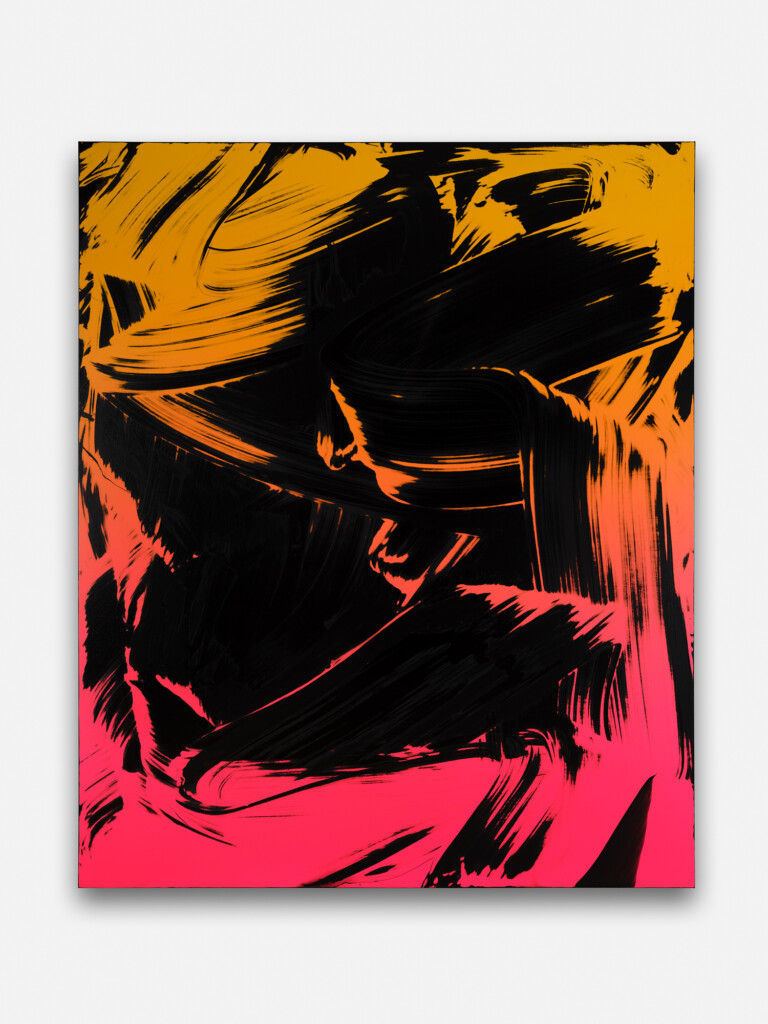
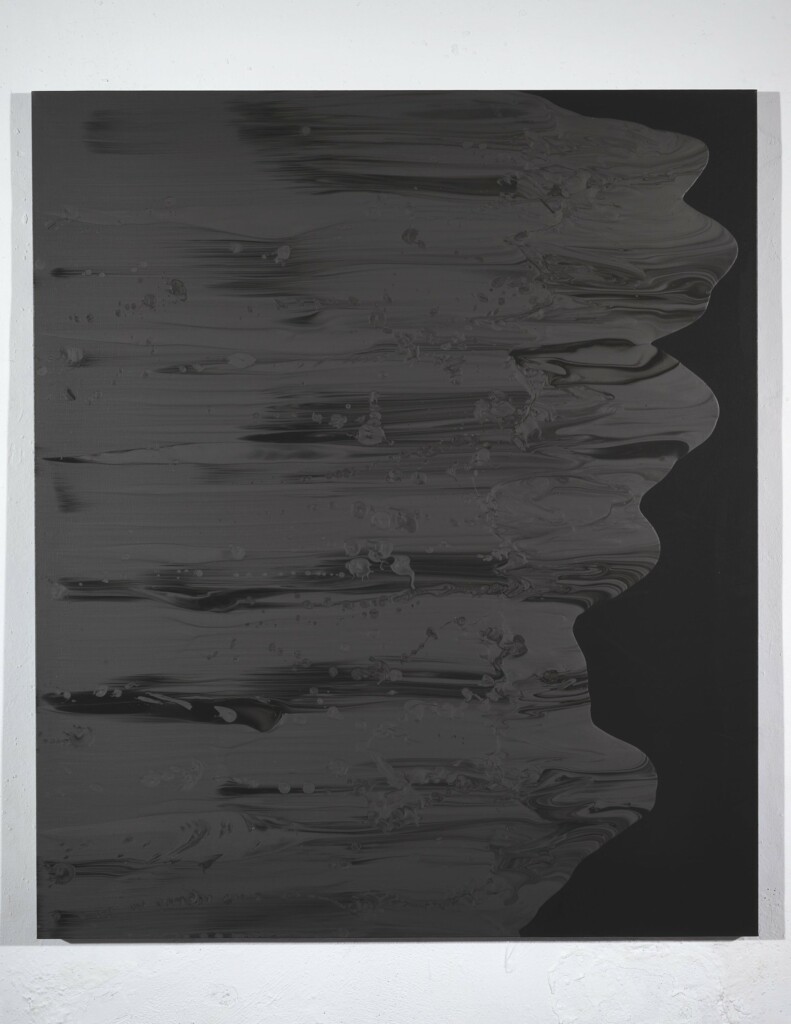
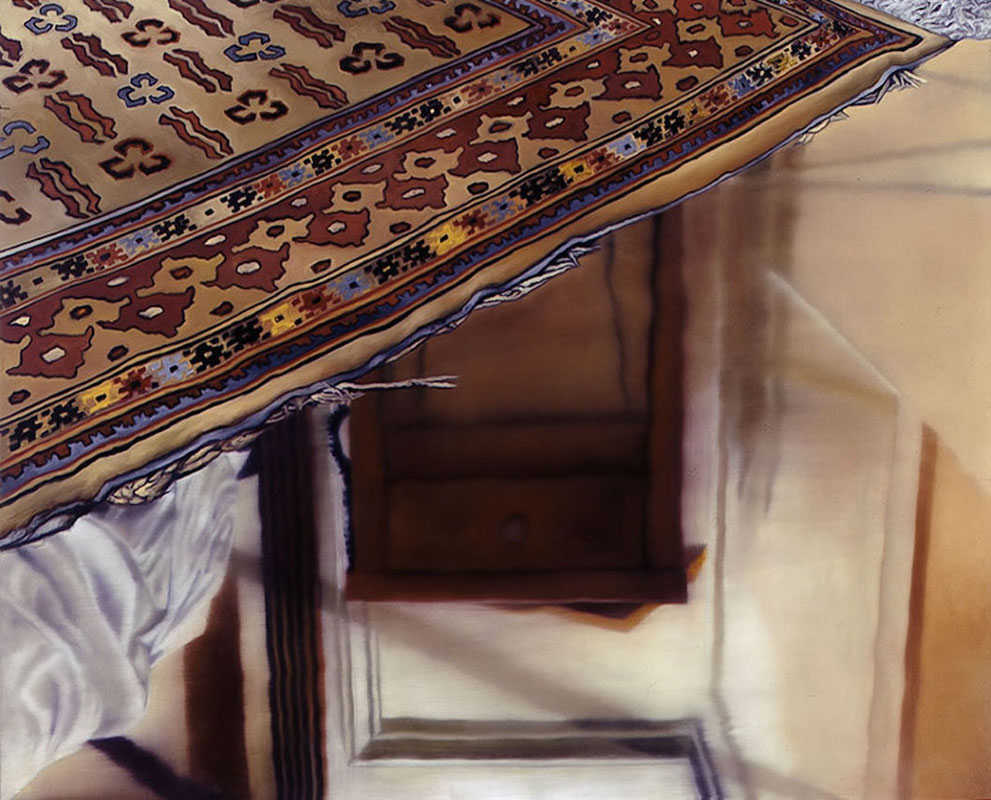
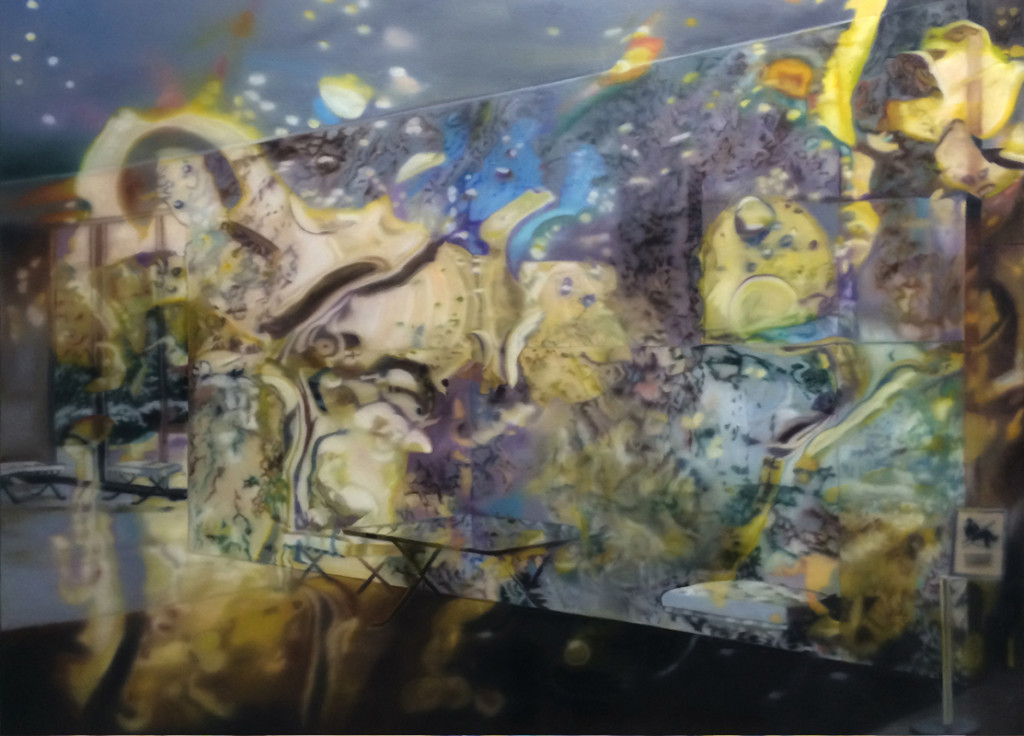
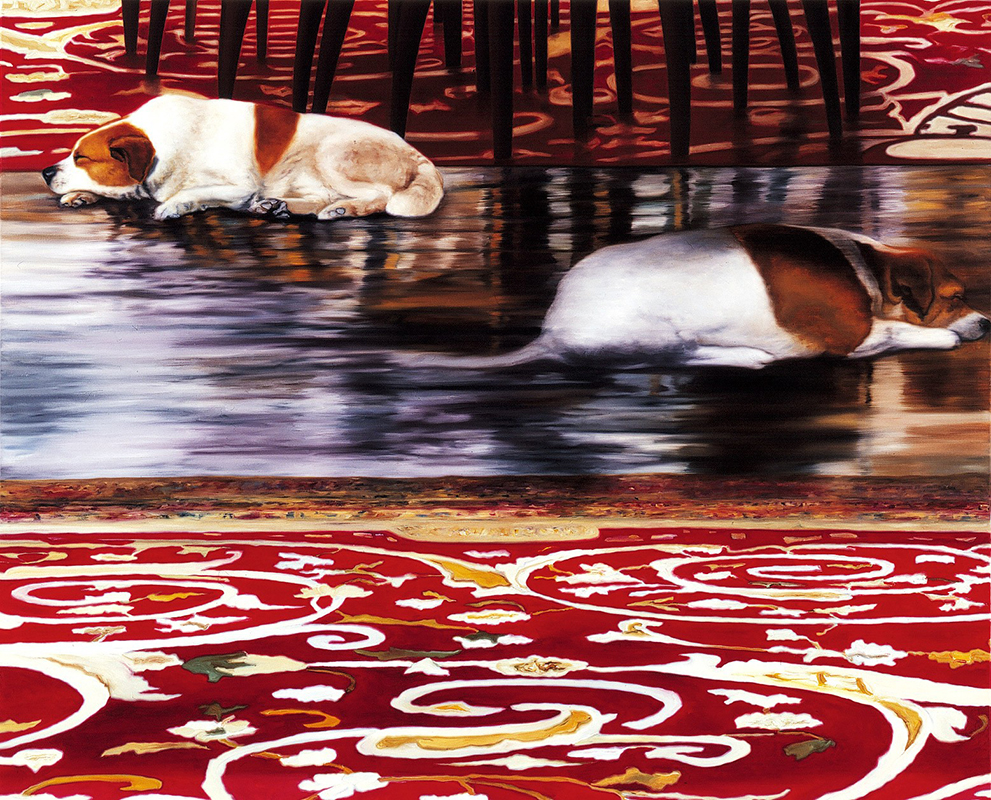
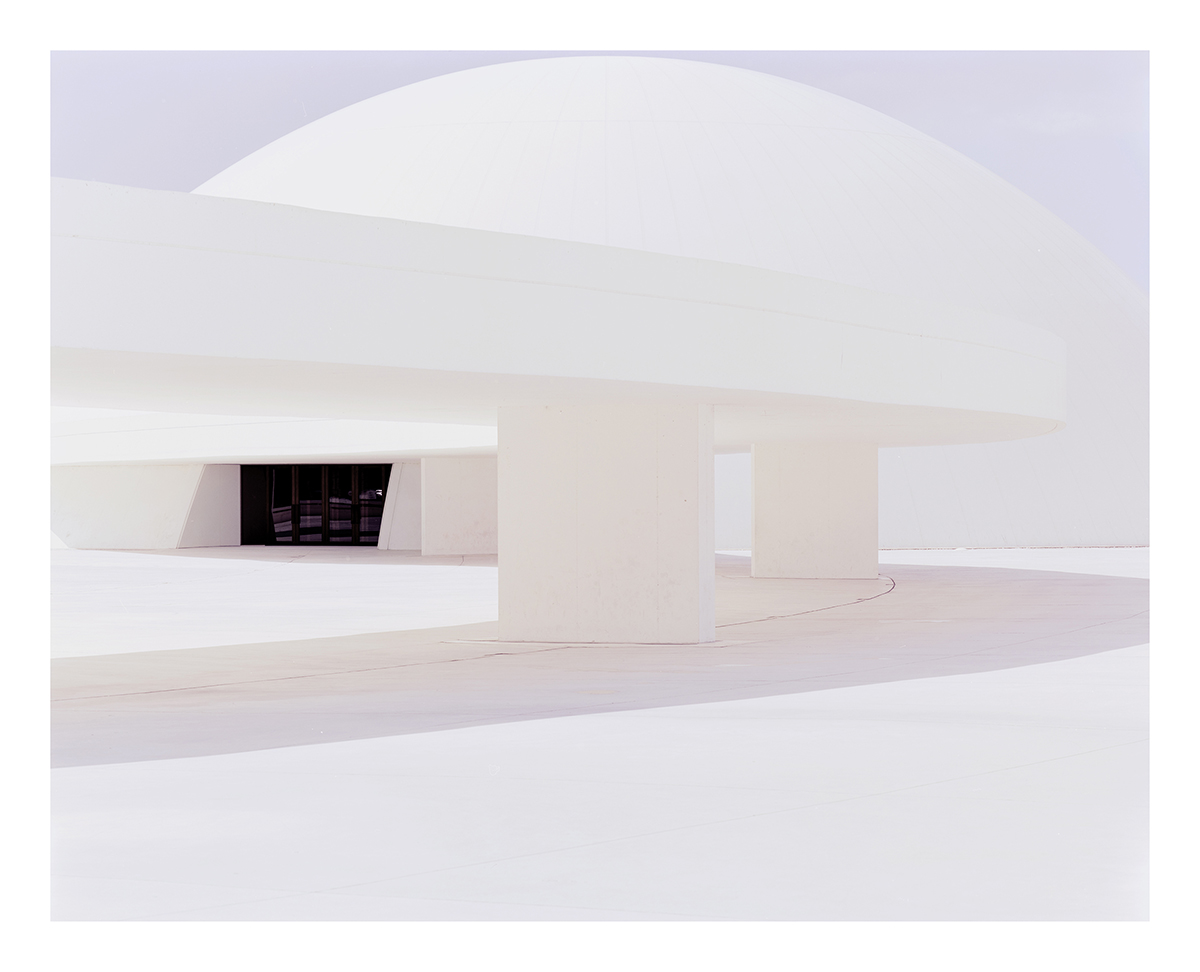
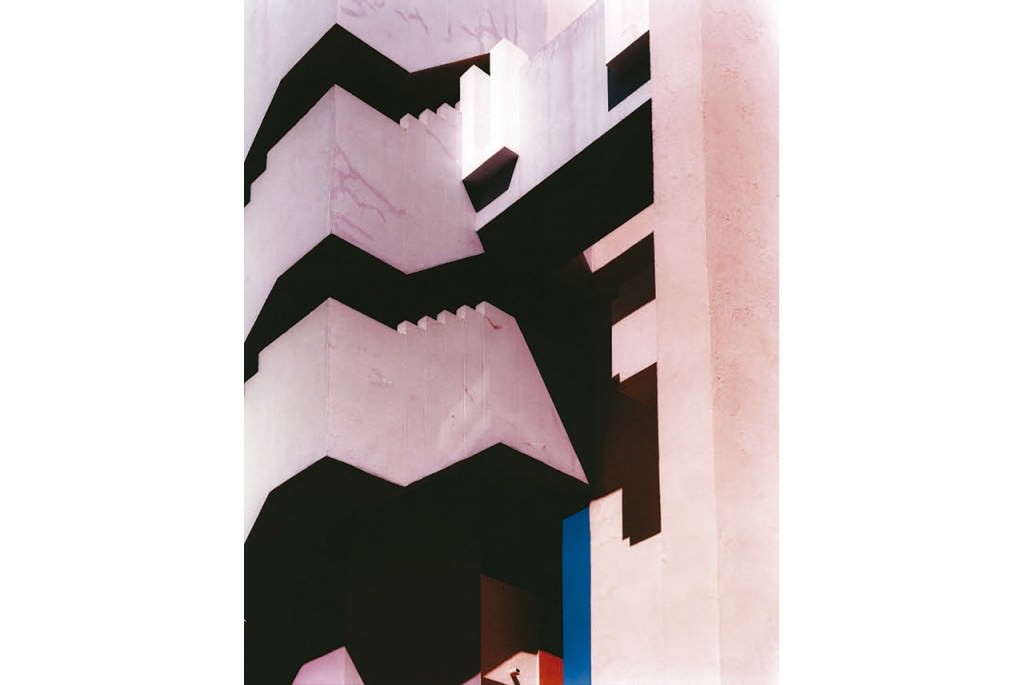
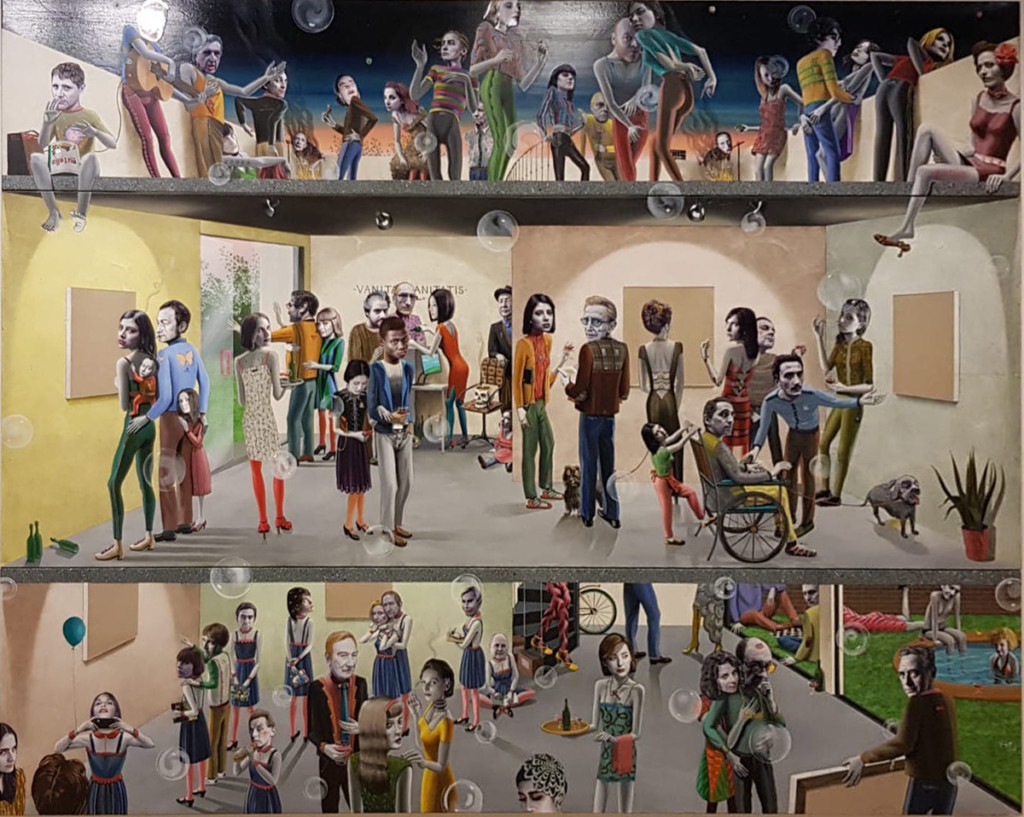
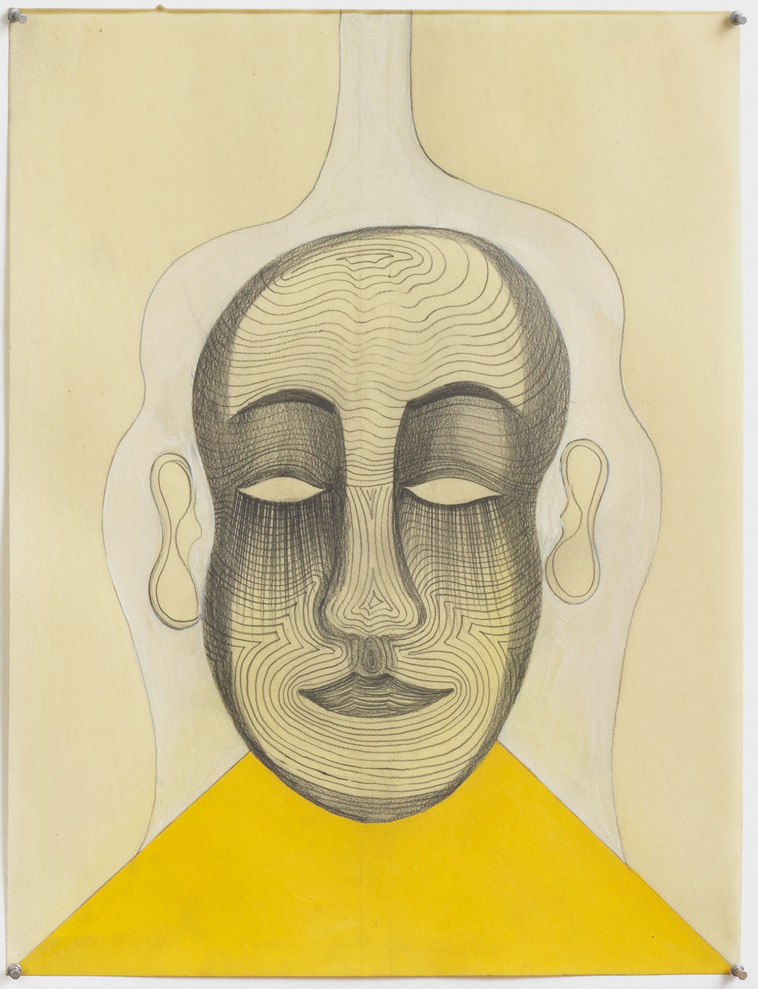
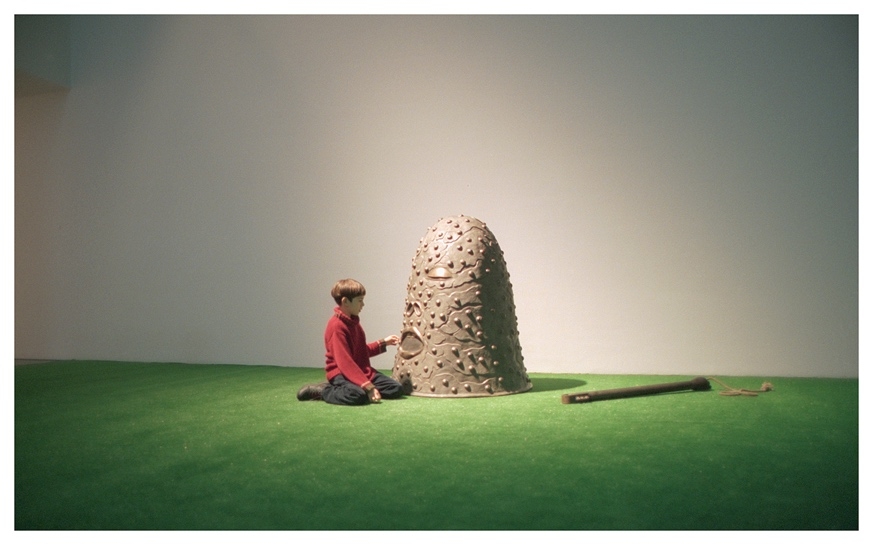
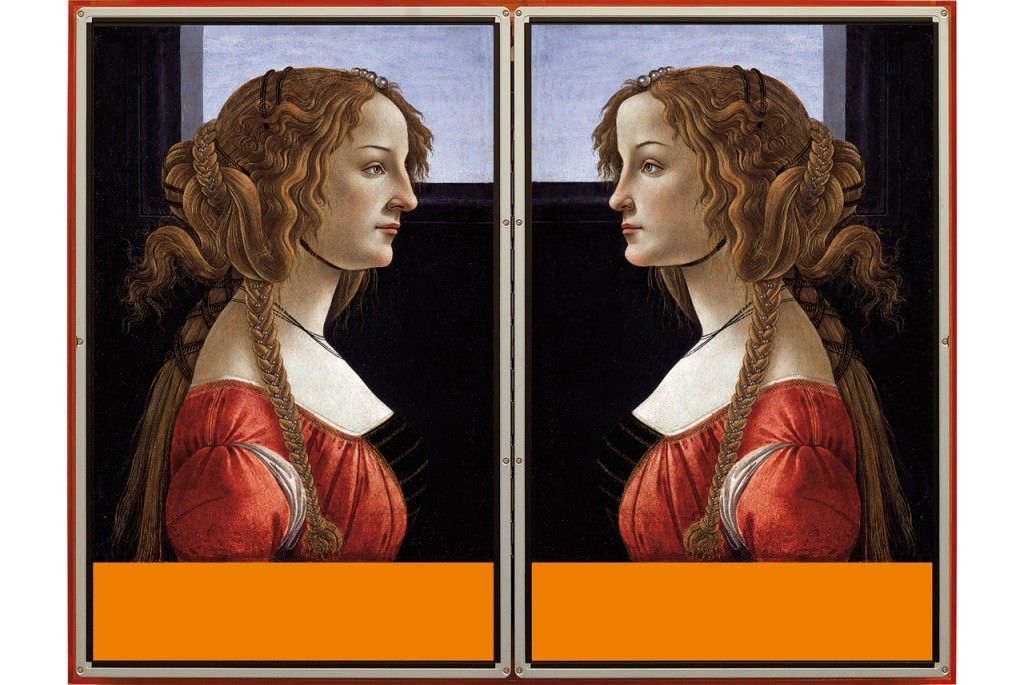
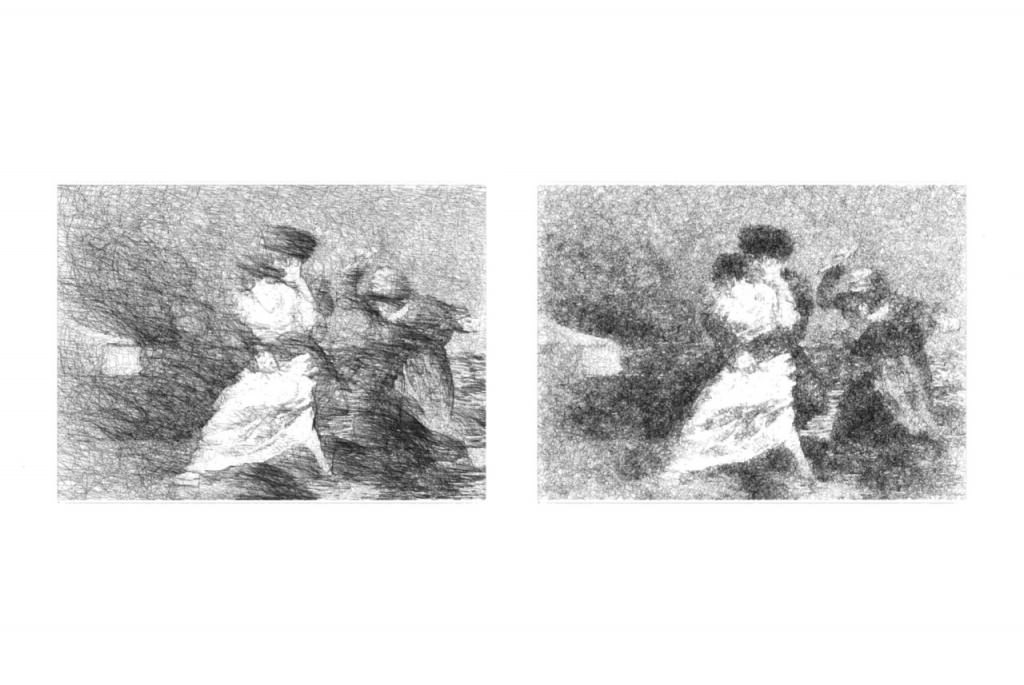
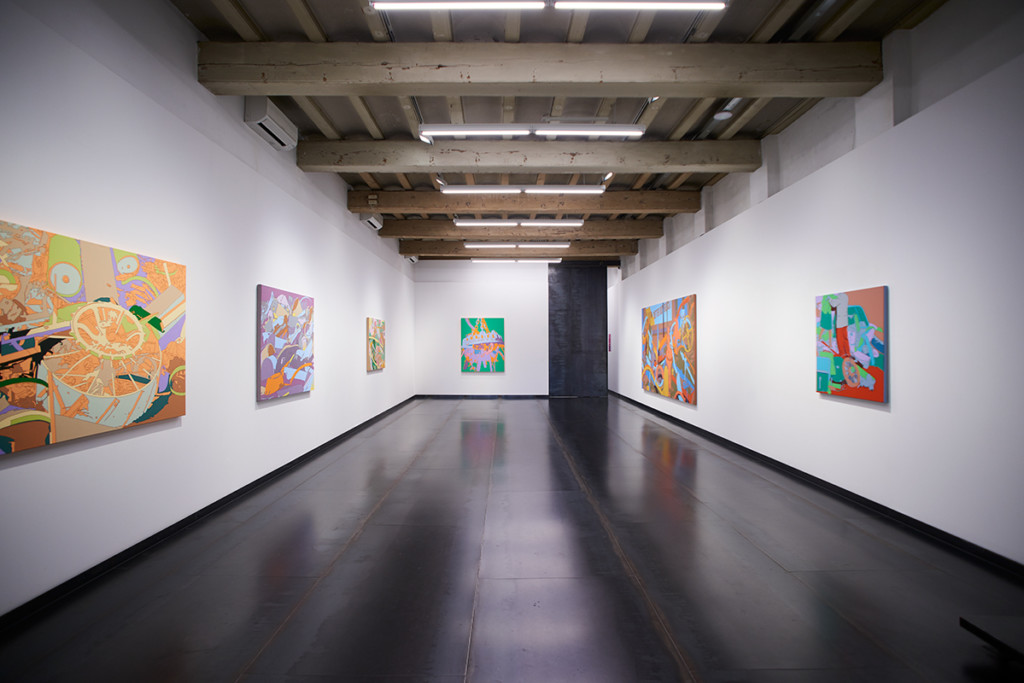
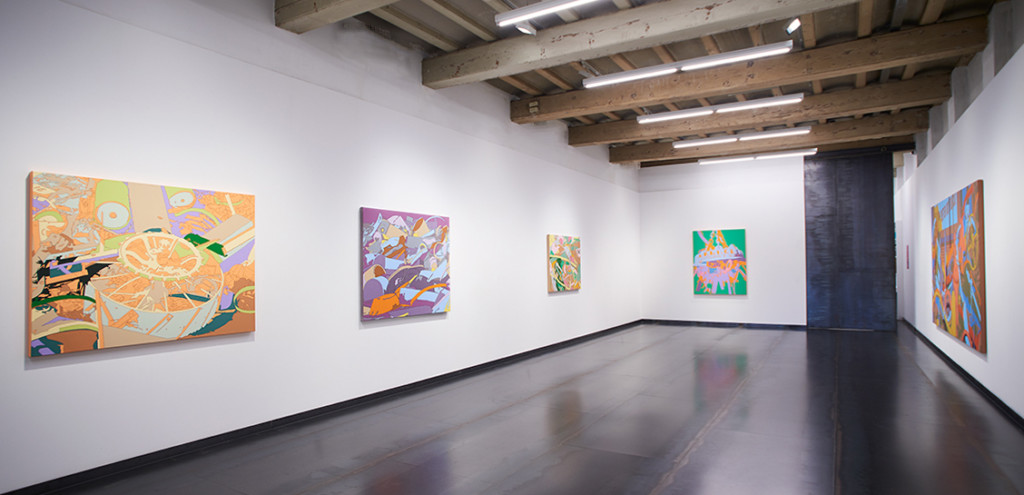
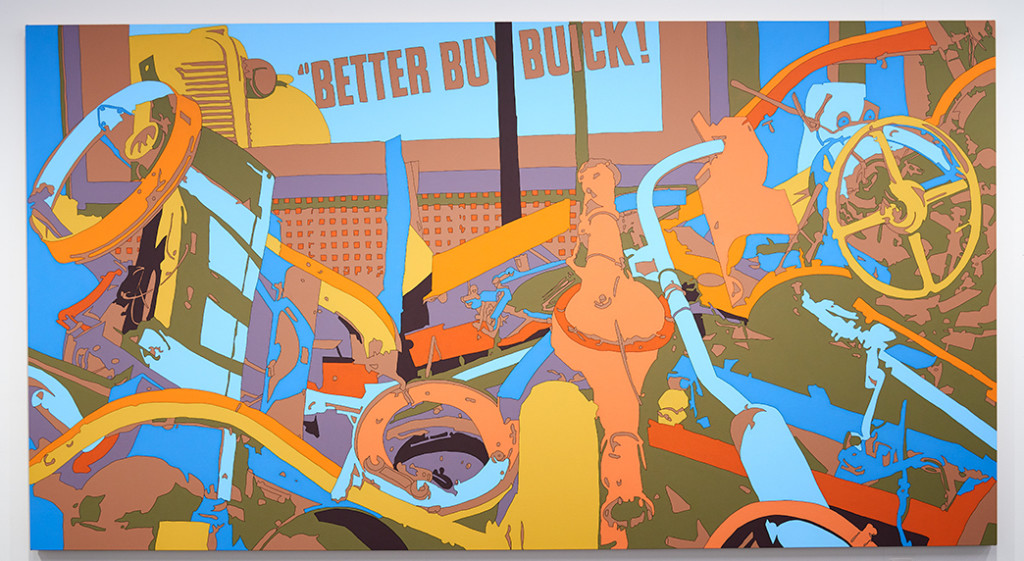
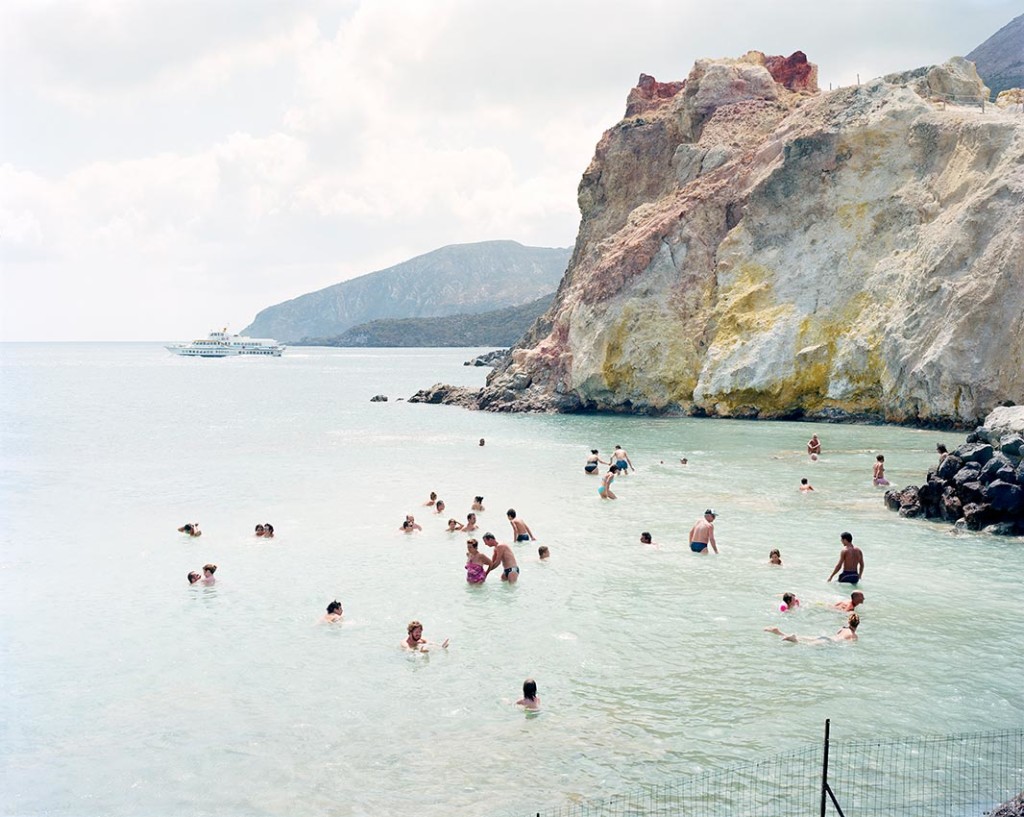
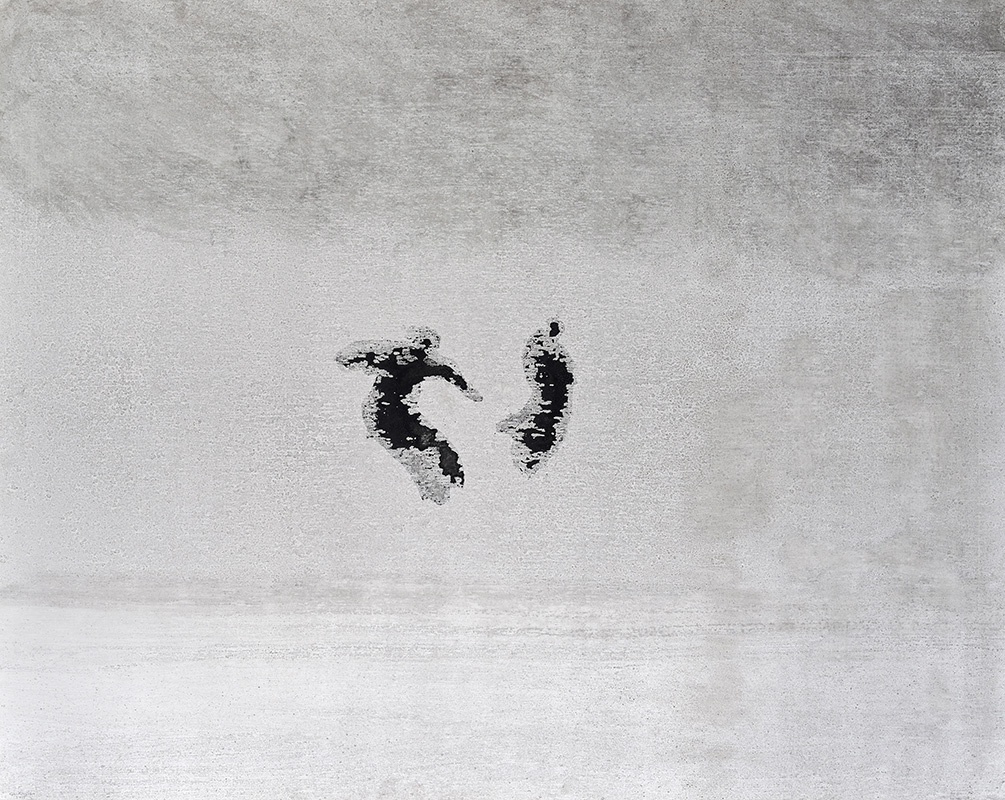
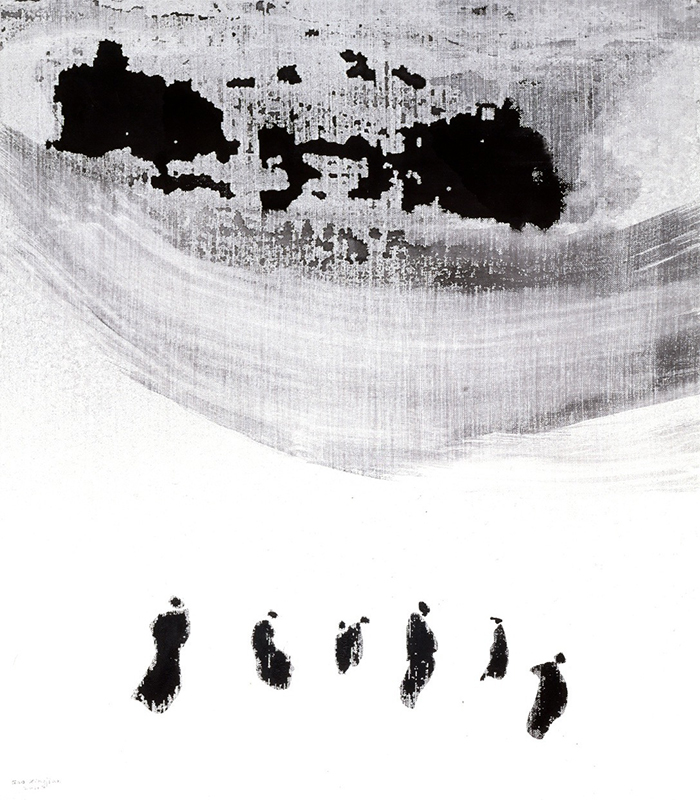
Galeria Senda will participate on the 11th edition of Contemporary Istanbul with a selection of works by artists such as Peter Halley, AES+F, Francis Lisa Ruyter, Ola Kolehmainen, among others. Join us at Booth A1-115!
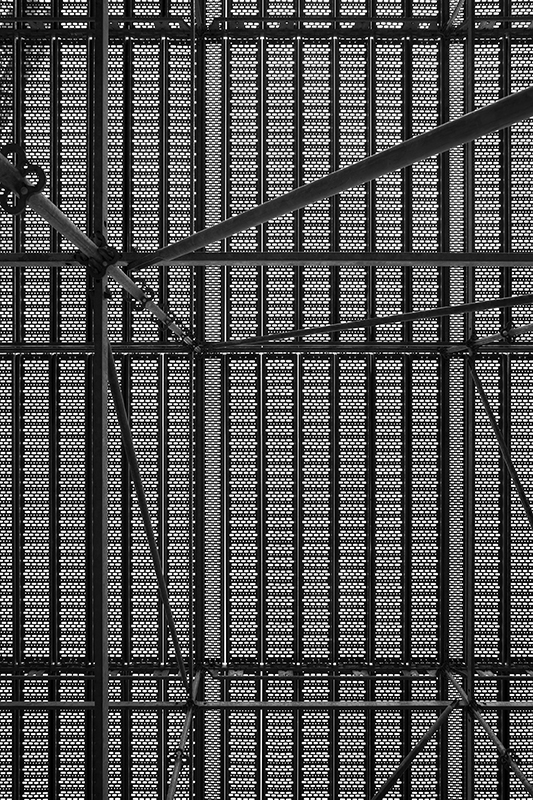
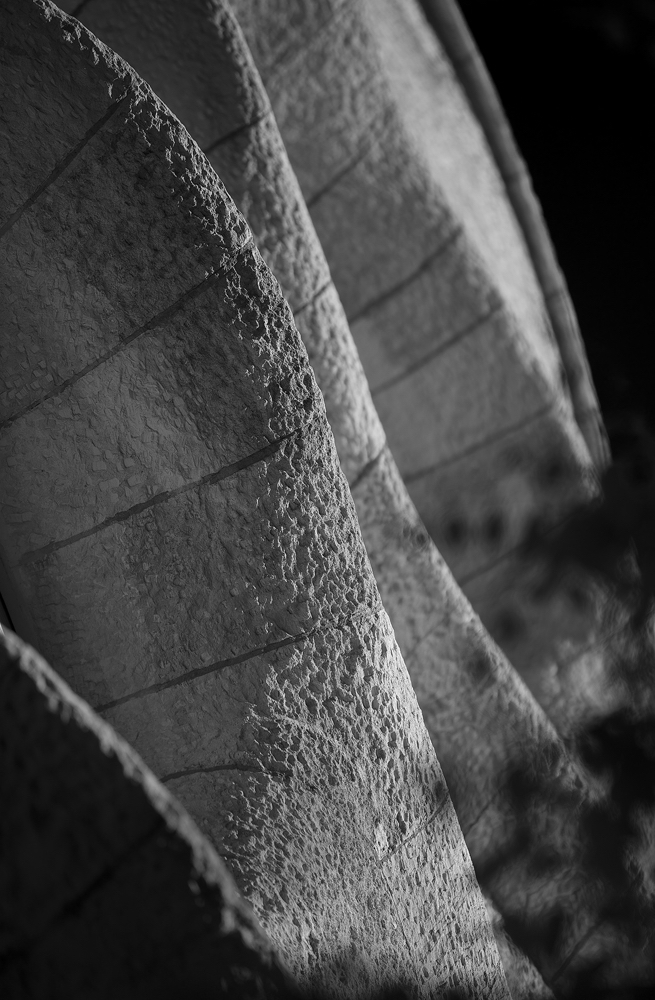
Galeria Senda will have its first collaboration with the acclaimed Turkish photographer Ahmet Ertug in Istanbul, his hometown, with a show of his renowned large-format photographs of the Byzantine and Ottoman architecture and art.
With 112 galleries from 28 countries, viennacontemporary, is the largest and most prominent art fair in the region, the highest concentration of Eastern European galleries worldwide. Senda participates for the first time in these event, presenting a solo show of the recognized Russian artists Oleg Dou.
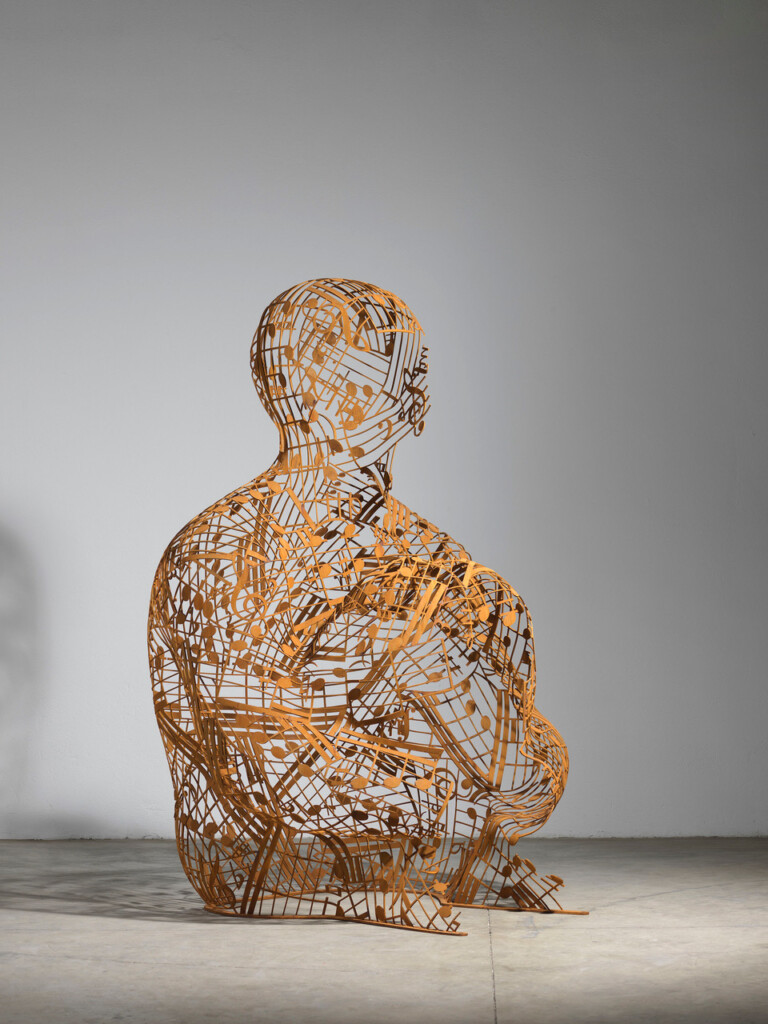
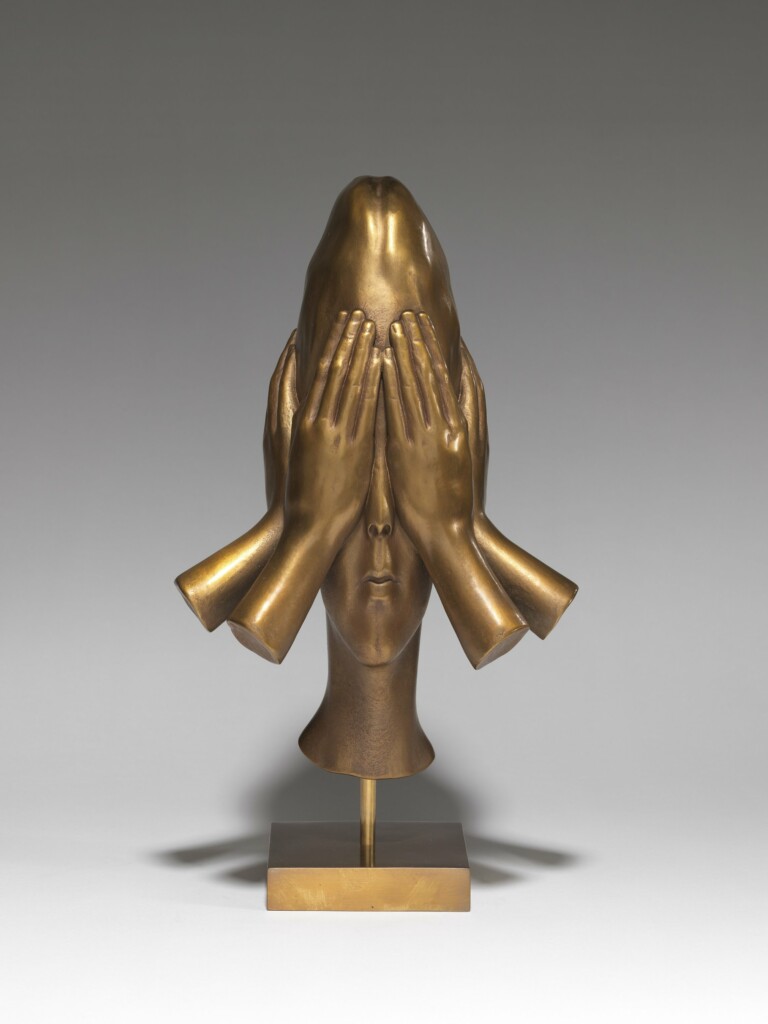
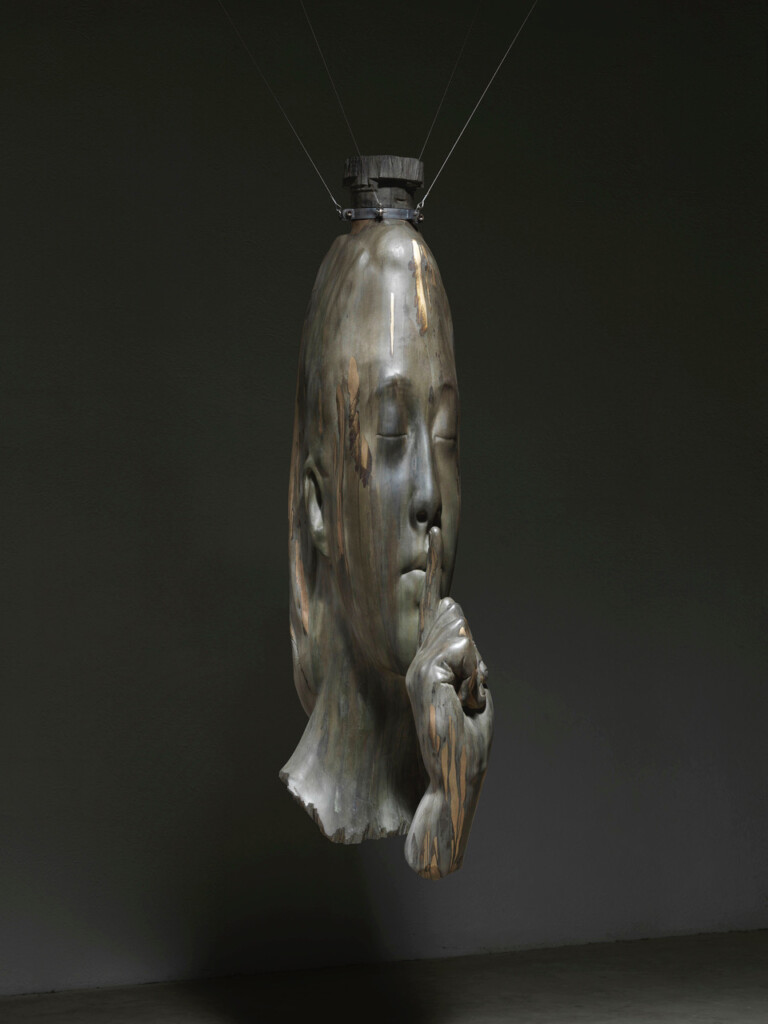
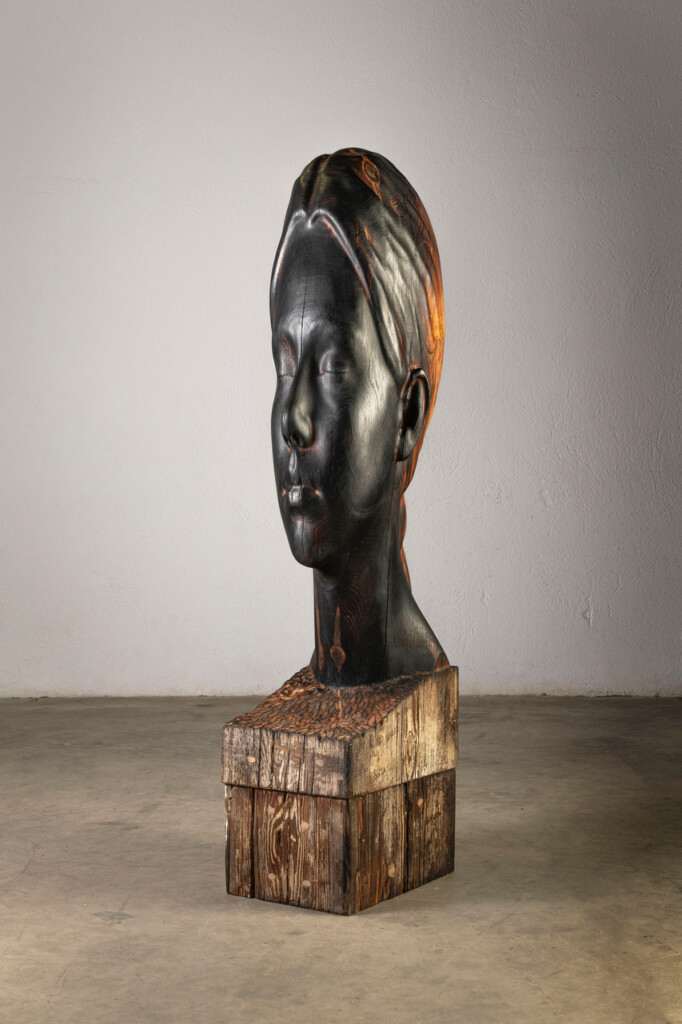
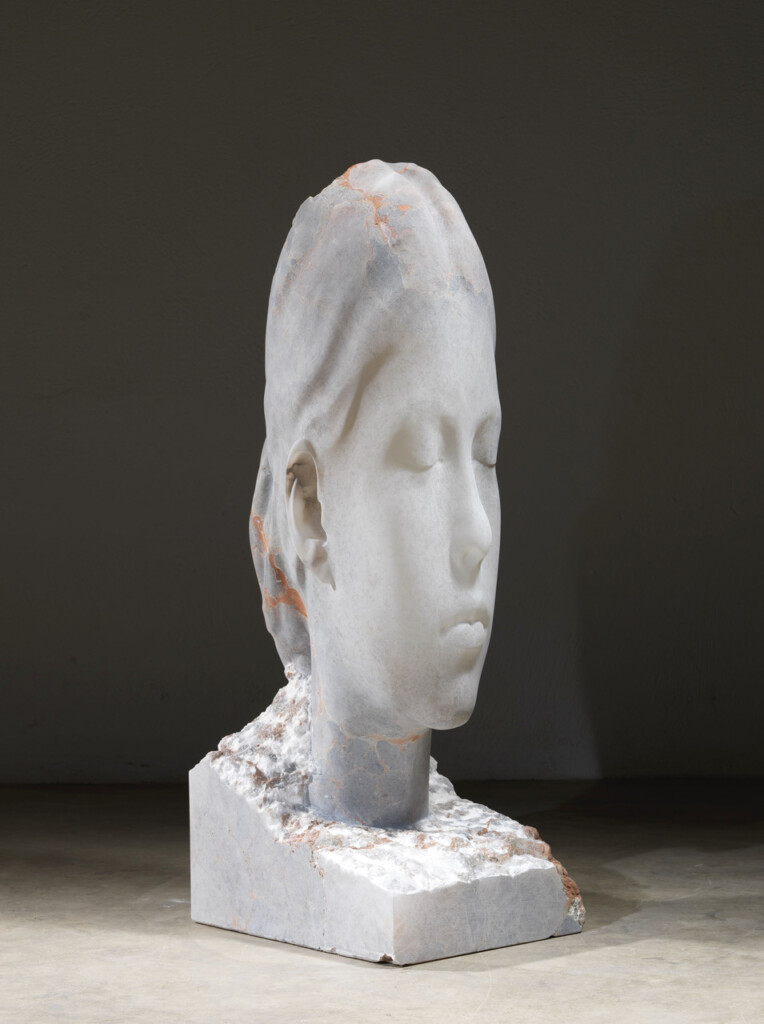
Jaume Plensa presents a work of friendly confrontments: between what is shown and what is hidden, between the imprints of the past and the opening towards the future, between nature’s formations and man’s creation; and between sonorous vibration and the most intimate realms of silence. After seven years without exhibiting in a gallery in Barcelona, the artist will have his first solo show at Galeria SENDA, coinciding with our 25th anniversary.
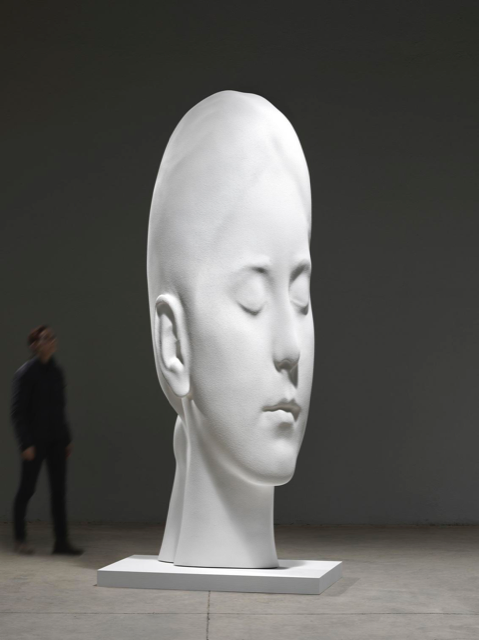
Entrails of an allegorical forest are revealed through sculptures of young female faces. A face is like a tree: within the forest of social collectiveness, each one maintains its individuality. The girls close their eyes and their fleeting beauty stays immortalized. The sculptor elongates the heads in order to distance them from their materiality, presenting them with a more totemic and spiritual quality. This way, he portrays introspection and contemplation towards man’s most profound inner self.
The white pieces Lou, Duna, and Isabella are sculpted in a wooden mold, which then is transferred to bronze and covered with a white patina. Sustained on a base, the faces lose their weight and seem to be floating on the ground. His Isabella, made with basalt, suggests a blend between organic materials and human intervention, and the dark tones create chromatic contrasts with his white pieces. This way, Plensa completely encloses the show by extending the paper support to the wall, integrating the gallery’s space with his work to explore the possibilities of fusion between drawing, sculpture, and architecture.
With this exhibition, Plensa wishes that the audience connects with the pieces in the same way that he finds inspiration to work. “It is an exhibition that demands solitude. Sculpture is a pathway that comes from yourself, goes towards yourself, and is with yourself.”
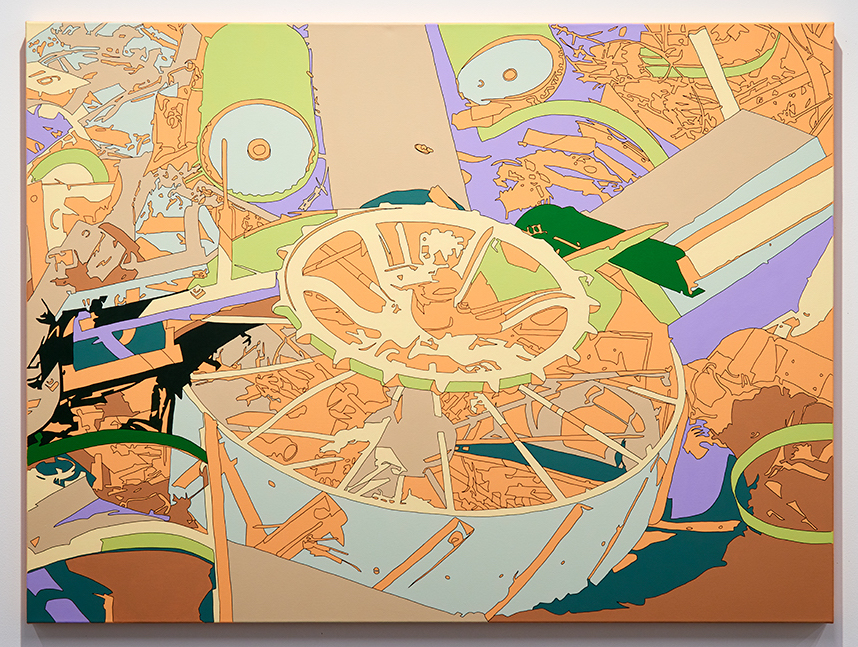
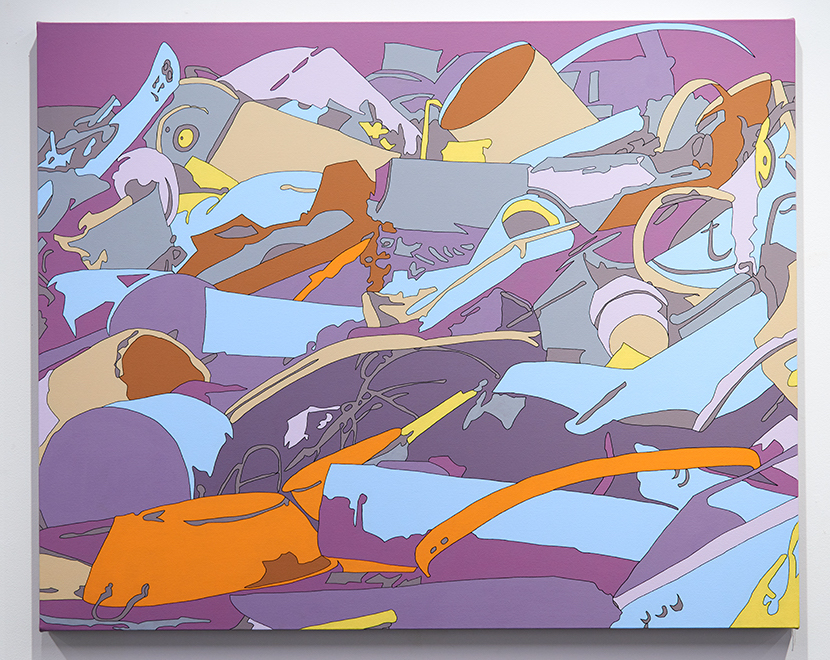
With 112 galleries from 28 countries, viennacontemporary, is the largest and most prominent art fair in the region, the highest concentration of Eastern European galleries worldwide. Senda participates for the first time in these event, presenting a solo show of one the icons of 80´s Lisa Ruyter.
Simulacrum is Anthony Goicolea’s second solo exhibition at Galeria Senda. Known for his versatile profile, this artist focuses on a wide spectrum of medium in his creation that range from digitally manipulated landscapes to paintings that reflect beautiful bodylines. He is inspired by the interaction with nature and themes about identity and migration. The artist fully immerses himself into his work to demonstrate the good and evil, capturing both what is beautiful and what is intensely grotesque, -things that can attract and repulse.
By mastering the techniques of graphite and oil in his recent series Anonymous Portraits, dedicated to the human body, the artist depicts it, representing its gestures and lines in movement. On the other hand, his landscapes range from dream-like woodland environments to vast urban and industrial wastelands. The use of Mylar paper, a semi-translucent material, allows Goicolea to play with layers of shades and paint for both the creation of colourful landscapes and the exploration of gracious delicate movements.
The Phosphorescence exhibition shows a series of paintings that focus on the isolation of the individual in our society. The series reflects situations of absolute intimacy where the subject is totally isolated from all surroundings and is immersed in the light emitted by certain electronic devices.
Light takes on a spiritual connotation. If someone unaware of the meaning of the screen itself were to observe the scenes that make up Phosphorescence, they would think something magical or mystical was happening.
Silence, stillness, calm. The invasion of the intimate space.
The characters appear from the shadows and are immersed in this light that traps them. The subtlety of the darkness makes their faces appear blurred, and lose their identity, in a metaphor for depersonalisation.
“A phosphorescent jewel gives off its glow and colour in the dark and loses its beauty in the light of day. Were it not for shadows, there would be no beauty.” (Jun’ichirō Tanizaki, In Praise of Shadows)
Place: LAB 36, Calle Trafalgar 36, Barcelona.
Visiting hours: Tuesday – Friday 4pm to 8pm

When speaking about method, the repetition is mentioned, but rarely the insistence. To insist is synonymous of to research, and at the same time implies the development of an almost unbearable continuity sustained by the nerve, by a reliance which knows it will find a reward, not only in the effect, but also in the construction of a character. This exhibition explores -from the work of an artist devoted to painting-, the possibility of a different contemporary world, open to an esthetic that does not allow any kind of assimilation to our present and, thus, it opens itself in a radical way to futurity.
Boum! Boum! En avant la musique! is a 29 minute fiction movie filmed in Paris in 1974 in 16 mm colour (Kodakhrome II), interpreted by Jaume Xifra and Pierre Restany, and edited on DVD in 2007.
The pathetic figure of a Marshal wanders a mound of boots of dead soldiers, as a parody of the military leaders that always survive at the rear bases, draws a kind of rancid and triumphalist path. “The film inspires a metaphor that engages you into a soft delirium. It is a playful critique, resounding and burlesque, a savage attack against the inconsistency of the war, and a chant to the revealing and committed creativity”. (Pierre Restany)
It is a musical film with a wide repertoire of songs from the soldierly that includes speeches and original photographic documents from World War I.
Besides, if we go through the cast of actors, together with Xifra, Restany, Miralda himself –who interprets the soldier-, we can find names like Denis Rivière, Jean-Pierre Béranger, Liliane François or Roy Adzak. All of them evoque the Parisian artistic atmosphere that Miralda and Rossell frequented at the beginning of the 70’s
Place: Hotel YURBBAN, calle trafalgar 30, Barcelona.
Time: 10h a 19h
It is an imaginary journey inspired in the industry of mass tourism, entertainment, the elderly and the concept of a journey with no return. Filmed in super 8 in 1980 in a cruise as part of the unrealised project “By boat, by train and by plane”, the video, recently edited, presents itself as a story of five episodes: Goodbye, Initiation Ritual, Sweets&Enjoyment, Enigma and Uploading.
The video starts with the farewell of the passengers on board, afterwards they join us for a tour on the boat through a processional ritual through the halls, a cake banquet and a dance in the ballroom. To these cheerful and crowded scenes, follow others more silent with the hallways full of luggage that will afterwards be landed by the crew.