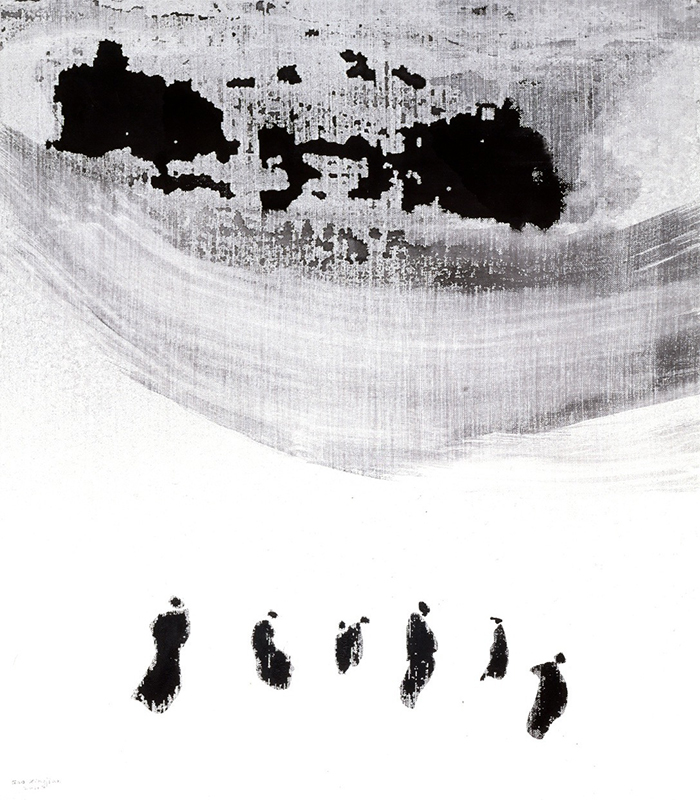
Cloud in a Raindrop by Ebru Uygun

The well-known Turkish artist expose a set composed by a variety of more that ten works produced this current year. Across an intense and impulsive process, Ebru Uygun remits us the fragmented dreaminess, where the ideas of time, rhythm and liturgical repetition lie.

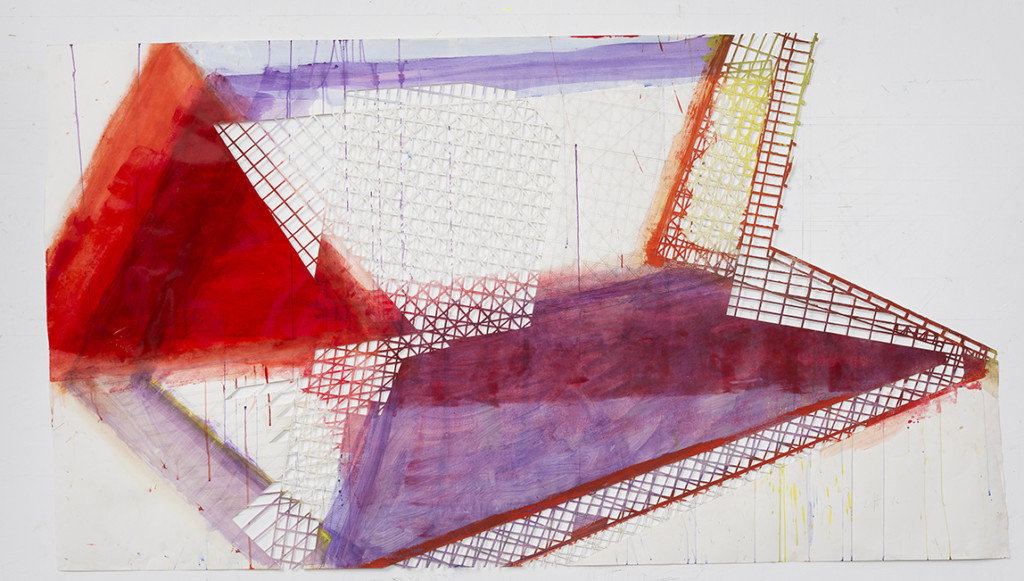
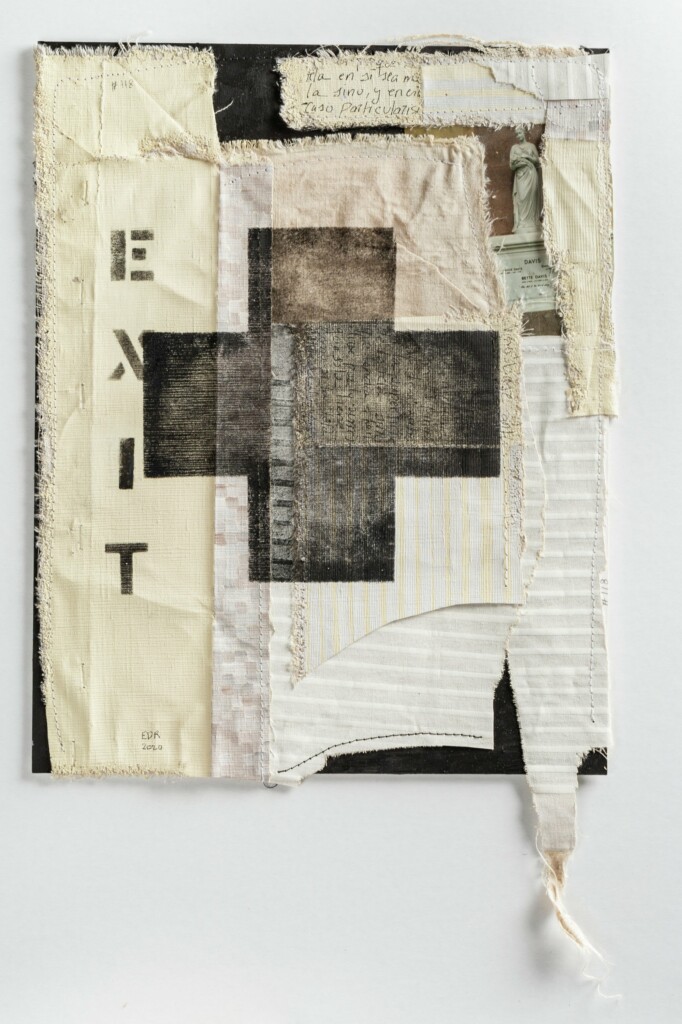
Ebru Uygun works with four swathes of canvas, first painted and then deconstructed by her hands. She tears the painted material into strips, a performance that becomes physically demanding; once begun she cannot stop. We can easily imagine her working with unfettered abandon, relieved of rules, structures or any traditional painting practice. Uygun also archives the sound of this performance, recording all the audio activity at the studio, from the violent act of tearing of the canvas to the heavy breathing of her toil.

In this way, this pictorial reconstruction creates a not deliberate composition, where the colour fragments change from two to three dimension in a chance of pictorial bas-relief. Her picture becomes sensorial and the surface turn into an textures object which remits us to the techniques of assemblage or collage with threads, strips and pieces of material, hanging from the canvas.

This laborious technique resembles to a ritual process that invades the work of spirituality across artistic and unconscious drives. Through this practice, the artist highlights the evolution of the work process as an emancipation process of the pictorial traditional practice in an act of construction and deconstruction. The appealing fragility of this random composition brings us to the aesthetic knowledge via the poetical meditation.

The Spirit of Imagination by Jordi Bernadó & Quimet Sabaté

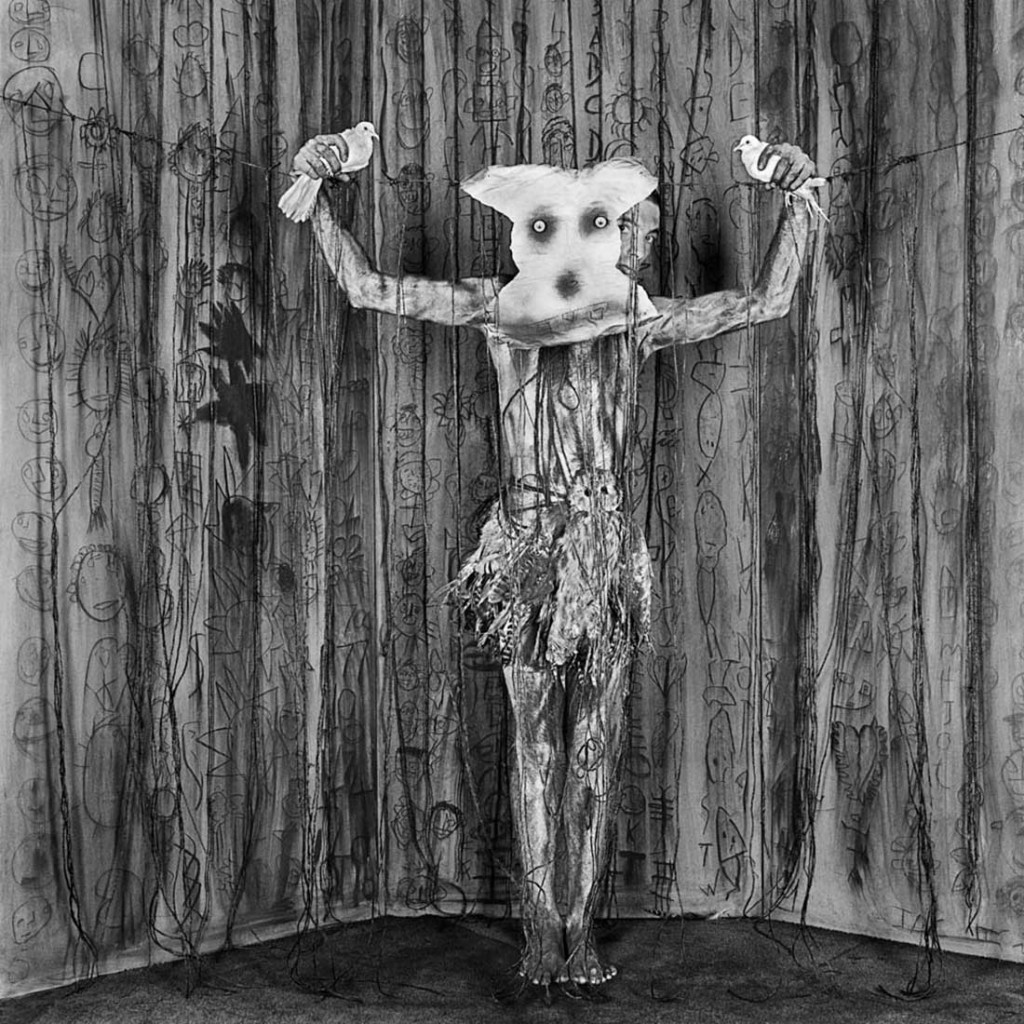
The history of discoveries it is understood through chance and serendipity. In this case it is a story of crossed roads between two persons that created their Works from two opposing points of views what occupies us. The exhibition invites us to reflect to what extent we have control in our lives and professional careers, or about the games the future holds for us.

In the end, each life is no more than the sum of contingent facts, a chronicle of chance intersections, of flukes, of random events that divulge nothing but their own lack of purpose

The New York trilogy, Paul Austier

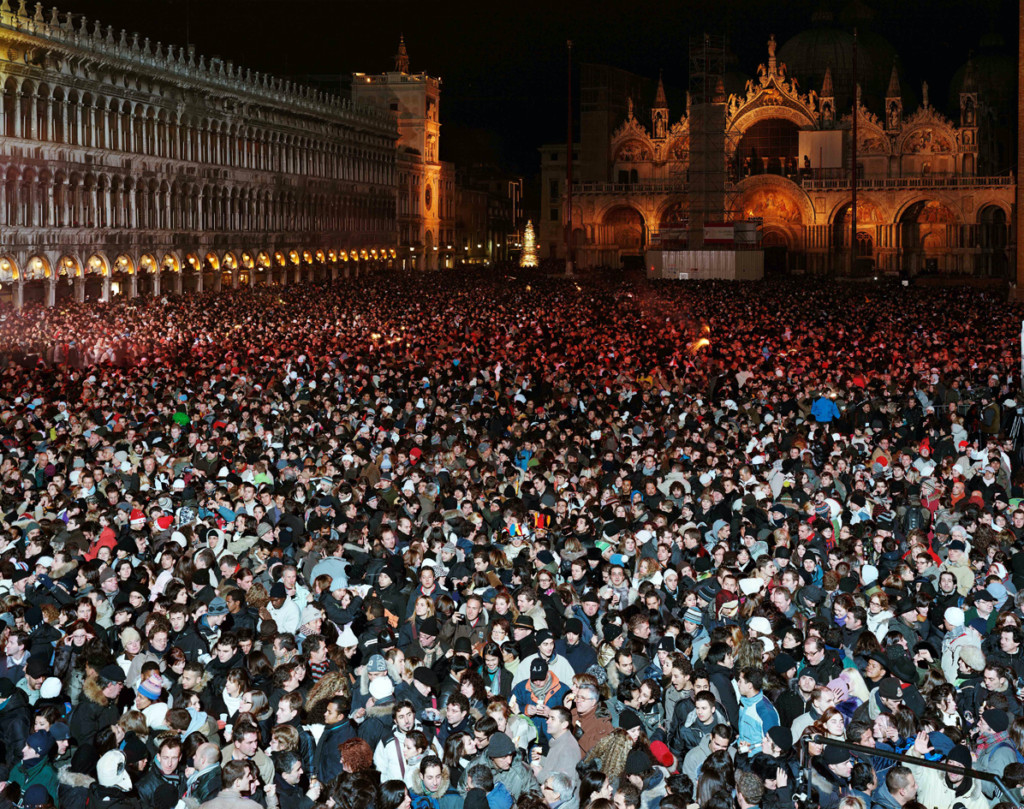
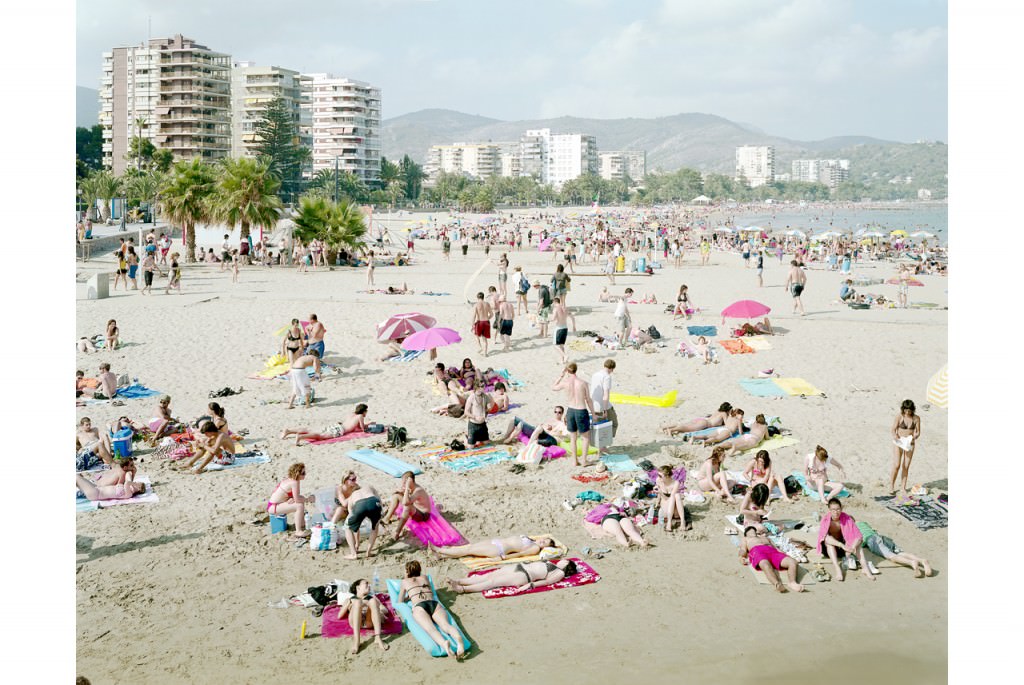
The origin of the chain of coincidences draw from an artistic project of galleria SENDA that analyse the Rambla’s transits, main tourist artery of Barcelona, through the eyes of the recognized photographers Massimo Vitali and Jordi Bernadó. Vitali focus his work on the leisure spaces and hence on public spaces, on his part Bernadó discover us the inner of its buildings. After more than a year of work, the exhibition is finally placed in Arts Santa Mònica of Barcelona by the offering on the initiative of the institution.

While looking for extravagant places, Jordi Bernadó submerged himself in the underworlds of La Rambla and went in El Portal de la Pau, in the Quimet Sabaté studio. It is a unique painter’s workshop exaggerated and open to the public. In the first meeting, Jordi Bernadó took pictures and included them in the exhibition of Art Santa Mònica.

And so, in gratitude with his hospitality, Jordi hive as a gift a batch of his photography books to Quimet Sabaté. At that time, he activates unconsciously a two-way path. Quimet Sabaté decide to tear some pages away of Jordi’s books to use them as canvas, painting surrealistic elements and reproducing new compositions as of the original photographs. This works were sold as souvenir to tourists for a small fee.

It was only later when Bernadó discover that his pictures have been reused. At that moment he decides to exhibit his photographs adding the wrested pages painted by Sabaté in his exhibition “Fragmentos para una cronotopografía del simulacro” hold in MACUF in Coruña (2011).
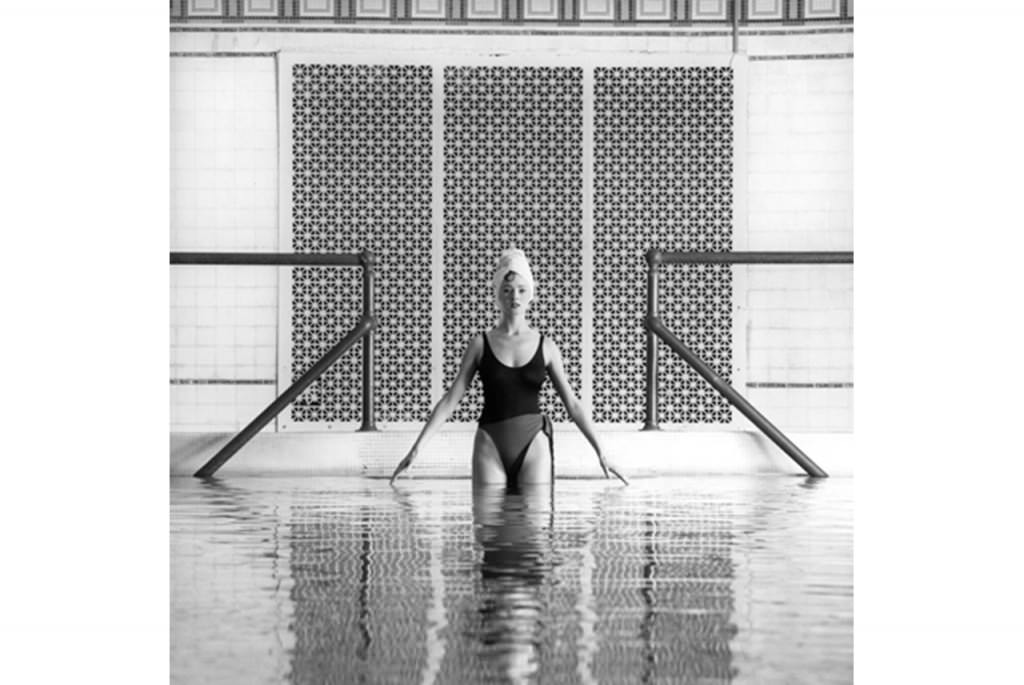
Some months ago, Bernadó decided to take a new look of Sabaté’s studio containing a number of the photography’s intervened by the painter. In the present exhibition, we meet the result of this relationship and this ramified path through Bernadó’s photographs and Sabaté’s contributions.
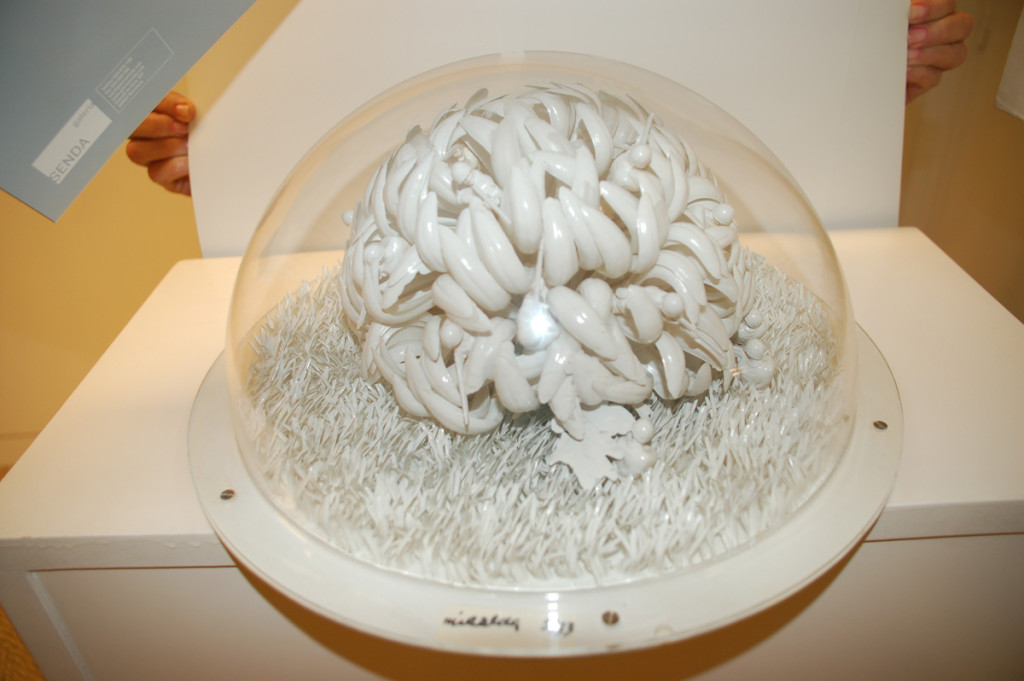
Bernadó’s production of the last years is characterized by the induction to doubt, if the images he present are an expression of what we are looking to or just a simulation. Quimet use Bernadó’s photos adding erotic imagery and stereotypical surrealistic elements, creating a humorous vision without a further intellectual pretension. In this sense, we find images where the ambiguity, the paradox and the misrepresentation of Bernadó are merged with the superimposed fictions of Sabaté. The result is a game of mirrors that delve in the concept of representation as a simulation.

STEPHAN BALKENHOL, New Sculptures

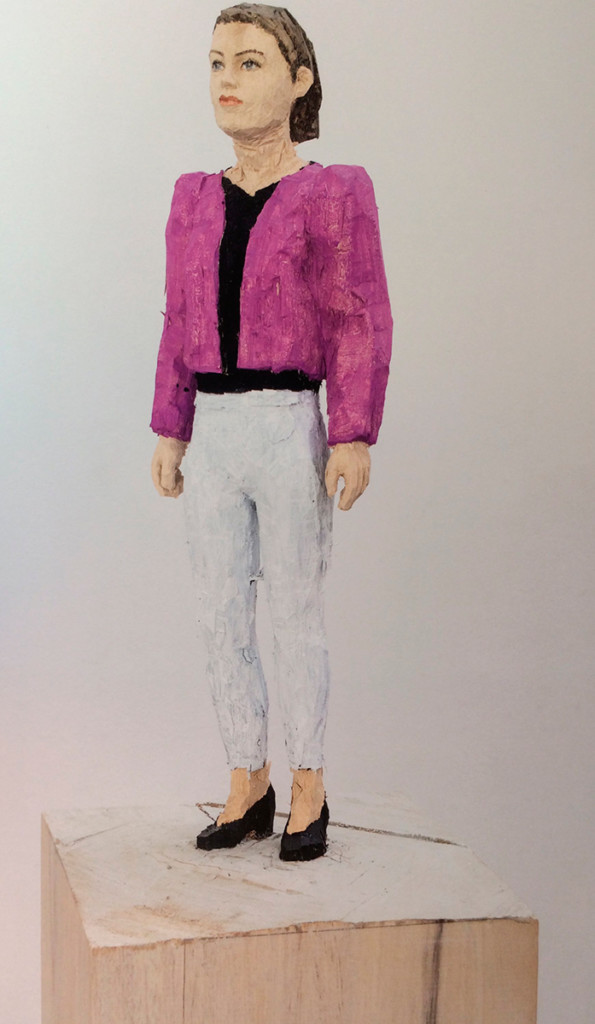
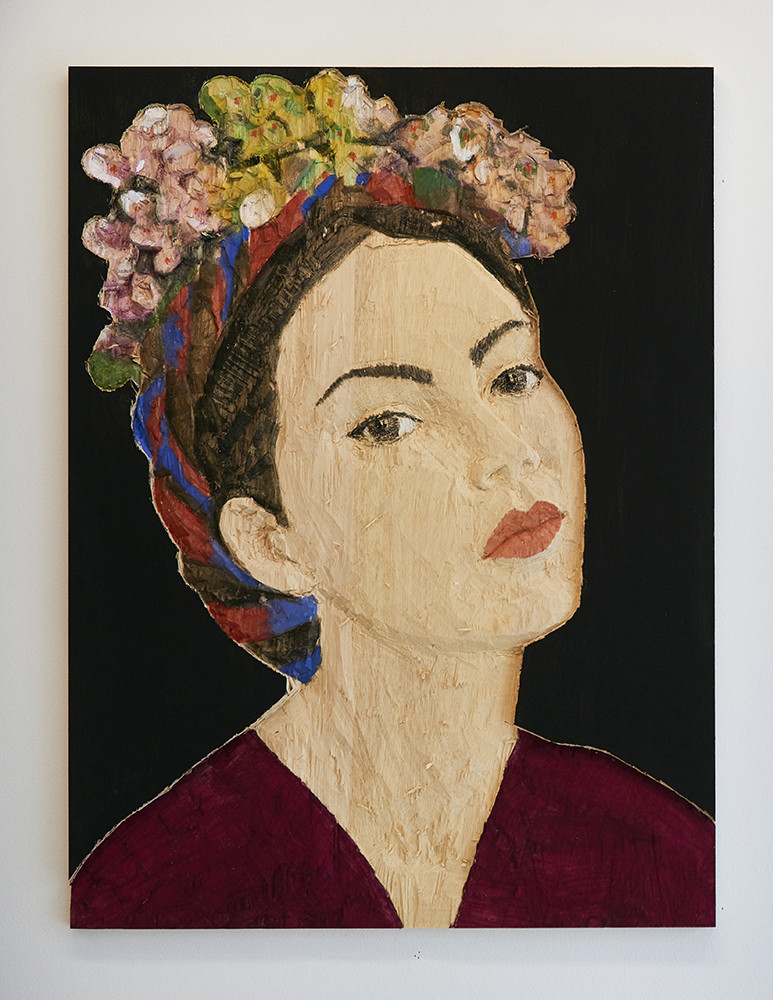
Stephan Balkenhol is characterized by his strive to reground figurative sculpture. His ability to
carve, alongside a constant investigation of the role of sculpture within the contemporary art
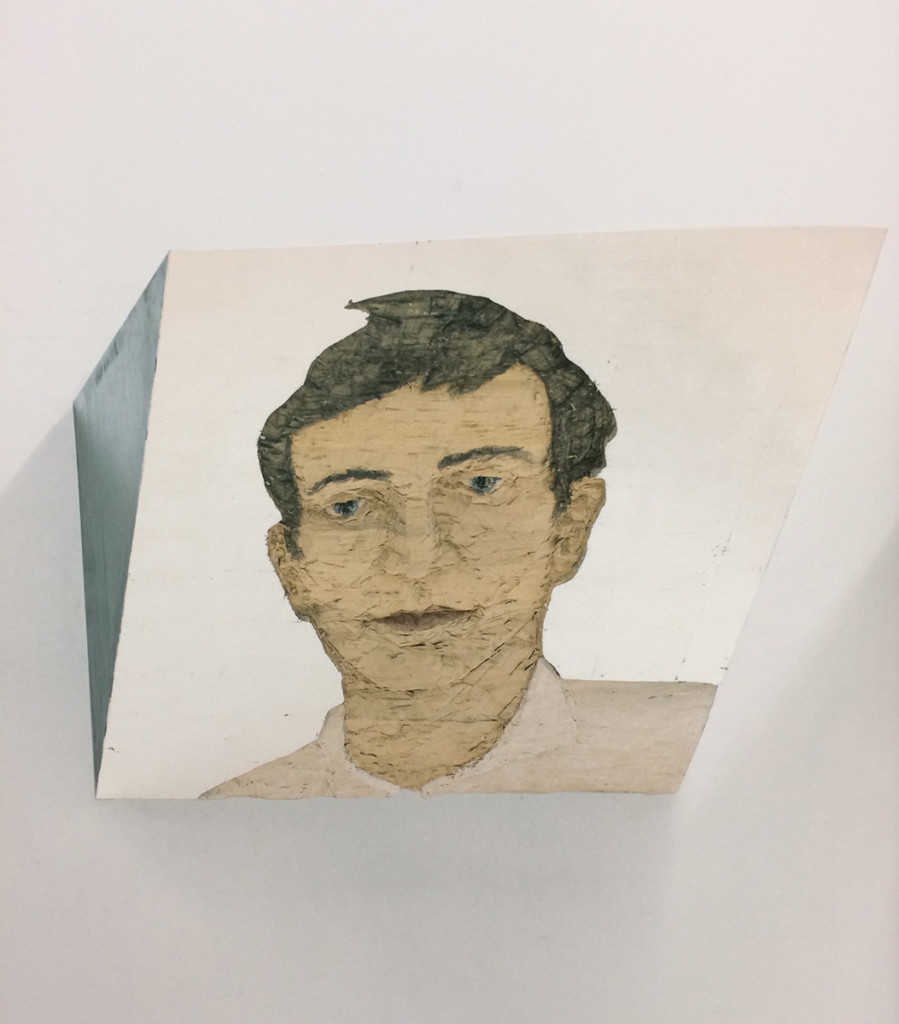
production, make him stand out from the prevailing tendencies. The artist uses soft wood, such
as Popler and Wawa, which can be seen in the reminiscent chisel marks, cracks or knots left as a
hint to his technique. Balkenhol uses for the most of his works a single block of wood,
polychromatic, delimiting the sculpture from its own pedestal, which is carved in a totem style.
His way of carving wood is, in a way, a continuation of the popular and medieval techniques.

The human figure is usually the driving force of his work. His characters are generally
anonymous men and women, with expressionless faces that are often depicted standing and
ordinarily dressed. Their postures, however, seem rather trivial and mysterious. The lack of
expression makes the game of interpretation quite difficult, but its presence hooks the viewer
to the gaze of these human sized figures. Elements that can be regarded as capricious, such as
the position of the hands or the inclination of the heads, become the hidden keys that reveal
the relationship between the figures, as well as tightening the link between the statues, the
viewer and the locations they occupy.

Balkenhol is able to strengthen his work with the viewer, who immerses himself In a deep
atmosphere of complicity. It is his link with what is contemporary that makes him differ
between sculptural scale, which he takes to be the ideal scale, and the human scale, considered
the mere standard. The artist says the following, as a way of inviting us to dechypher his secret
‘my sculptures do not narrate. There is something secret about them and It is not I who ought
to betray their secret’.

ARCO Madrid 2018

Booth 9F06

February  21–25, 2018
IFEMA Madrid

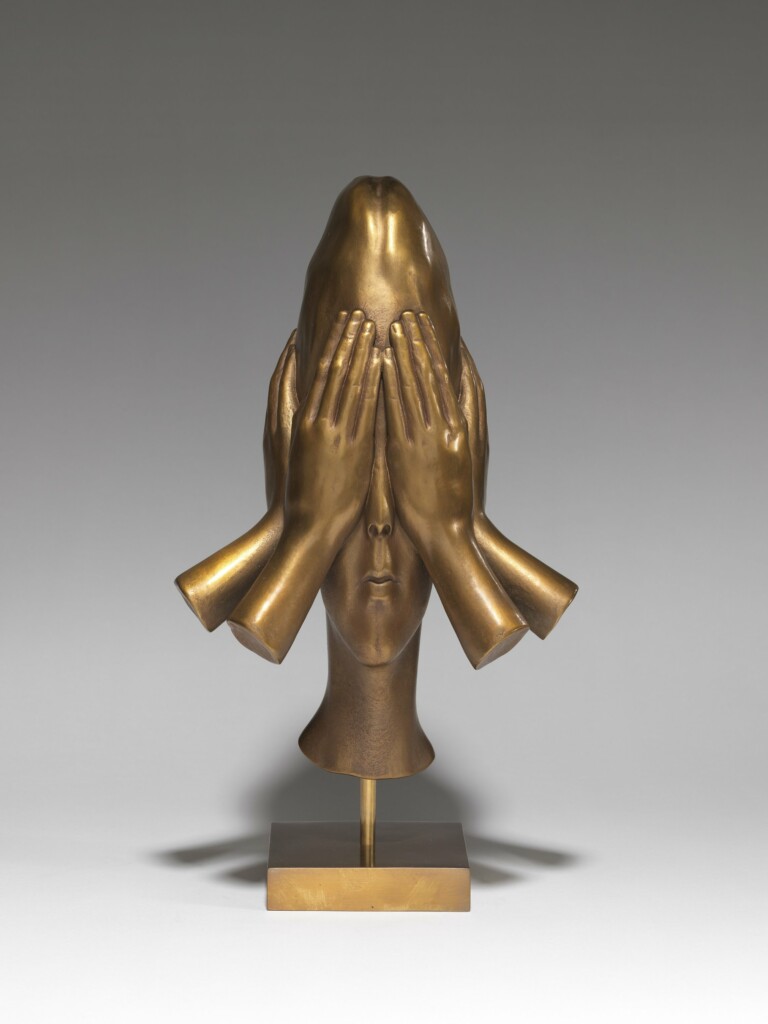
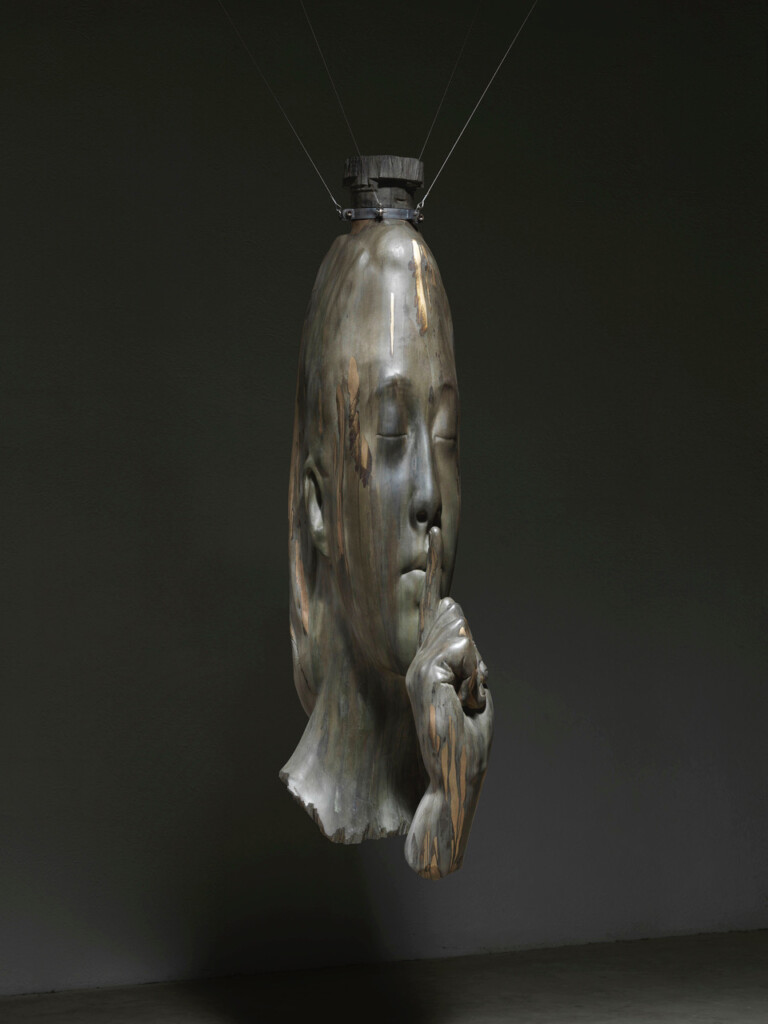
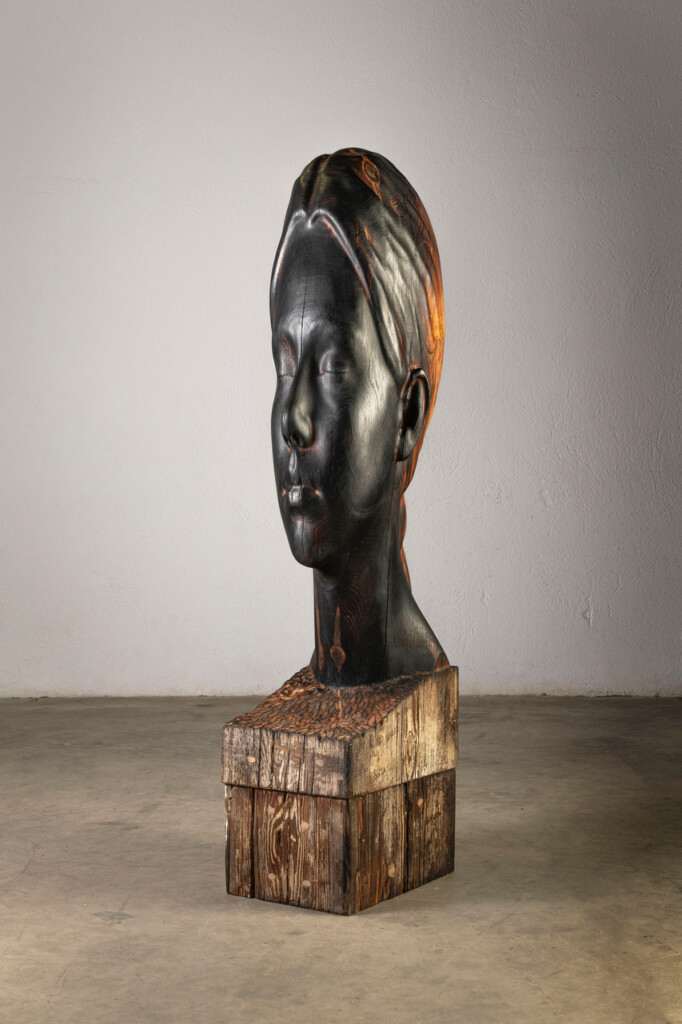
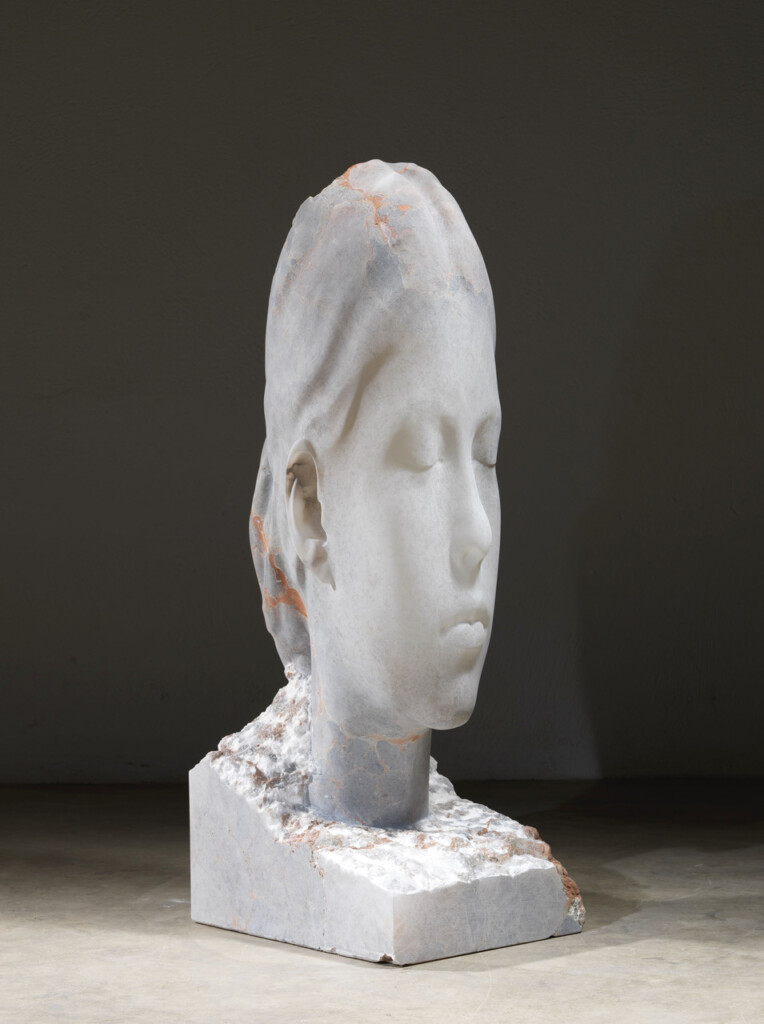
We are pleased to participate in ARCO Madrid 2018, presenting works by Stephan Balkenhol, Jordi Bernadó, José Pedro Croft, Peter Halley, Yago Hortal, Glenda León, Anna Malagrida, Jaume Plensa and Sandra Vásquez de la Horra.

Meridianos by Sandra Vásquez de la Horra

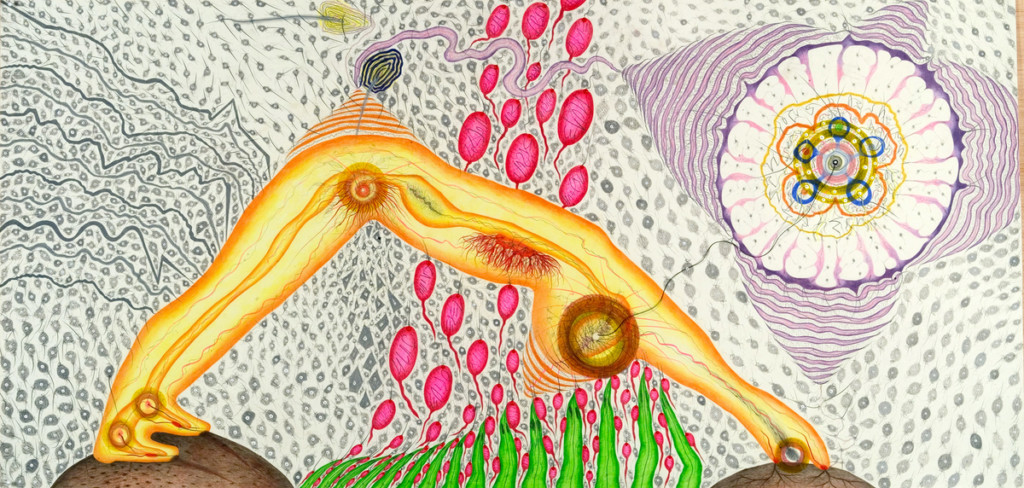
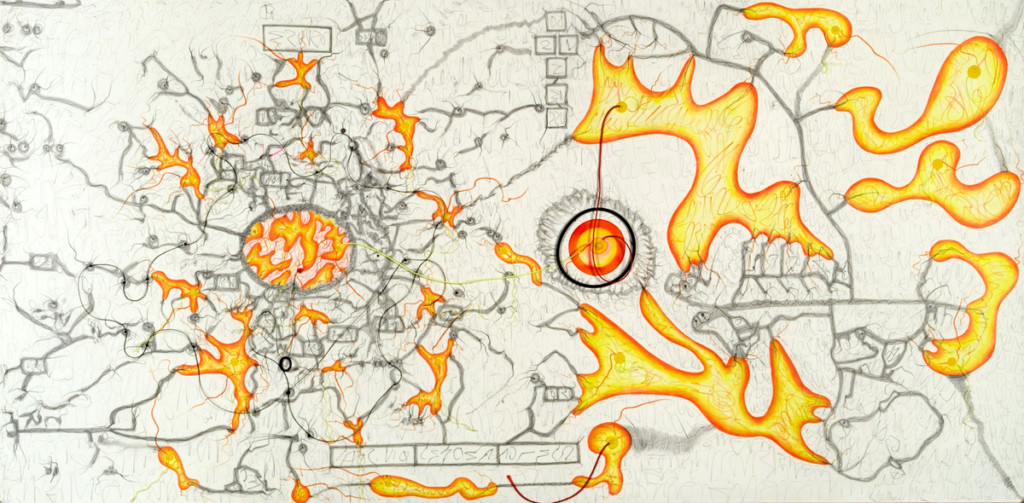
Sandra Vásquez de la Horra has developed a poetic work, which illustrates stories inspired by memories, the unconscious and by sexuality. From a predominance of the female figure, her work reveals the personality of the artist through a synthetic language based on her mark, typography and austerity. In this exhibition, Sandra Vásquez de la Horra, focus her production on the mystical and religious traditions of the Iberian Peninsula influenced by the black legend and the ancestral folk traditions.

This exhibition represents a technical evolution of her work. Sandra keeps on her personal technique of sealed drawings with transparent wax film, that gives permanence and protection to the artwork. In past exhibitions she presented her drawings in installations of small papers habitually distributed in diverse forms. These structures were intertwined asymmetrically without narrative content. On this occasion, Sandra Vásquez de la Horra presents big size work fractionated in sheets of paper that make up a unique artwork. This change of the scale increases our approach towards the artwork. They are pieces of human size and proportional to spectator which radiate a kind of voyeurism, and they fix the public’s gaze on a sort of direct confrontation.

Moreover, Vásquez de la Horra has started to work with three-dimensional pieces made by paper with drawn surfaces. These simple structures with prism shape are similar to architectonic constructions of little houses. Each one of the four sides of the houses is composed by an independent pictorial plane, where the spectator fuse in, in a total connection with the artwork. The inspiration for these houses was the childhood memories of the artist in Viña del Mar, Chile. The modernist house was the artist has grown up with big windows that shown a park with huge green environment, where it was located. Besides this atmosphere, animal’s pictures and the rich nature comes from the magic of the artwork that brings us into a dreamy lecture of the work.

As a further step, Sandra Vasquez de la Horra will presenting as well, a sequence of ceramic sculptures recently produced in a ceramic workshop in Barcelona, and that she will be using as preliminary works to produce for the very first time a bronze sculpture.

Visions de Berlín: Jaume Plensa, Miralda, Jordi Bernadó & Chema Alvargonzález

Cultural ephemerid and urban phenomenon recognized worldwide, the German capital was and still is synonymous with change, with transmutation. LAB36 offers multiple and heterogeneous perspectives, in the same way the city does. Political, poetic, impossible and pondered visions converge.


A group of Spanish artists invites us to walk around the city, from the divided Berlin to the current urban environment. In Taste Point Charlie (1979), the filmic journey and the fantasy of trespassing broadcasted by an inquiring Miralda reveal the violence of a cleaved city, ten years before the fall of the Wall. On the other hand, Plensa brings us closer to the more solemn and human side of the metropolis through the work he produced in Berlin, in the 80’s. While Jordi Bernadó presents the aftermath of History, Chema Alvargonzález delivers a chronicle of collapse and shows us a newer Berlin too. The latter two are the ones who capture, by means of the photographic lens, the fragmented reality of a later city—prelude to a destiny that is as much uncertain as promising.

Glenda León: Dirigir las nubes

Addressing clouds

According to a renowned scientist of quantum physics, there is evidence that, having achieved the degree of concentration and will needed, any individual can direct the clouds. The event occurred on different parts of the world but has seldom been seen, since nowadays almost no one looks carefully at the sky.

However, many people have found quite accurate shapes in the clouds, but they remain ignoring its peculiar origin.

Art Brussels 2017

Galeria Senda will be participating in Art Brussels 2017 that will take place in the exhibition space Tour & Taxis. In this edition will be hosting artworks from the renowned artists: Stephan Balkenhol, Gao Xingjian, Jaume Plensa, José Pedro Croft, Ola Kolehmainen, Anthony Goicolea, James Clar, Oleg Dou and Peter Halley.

Anna Malagrida: Cristal House

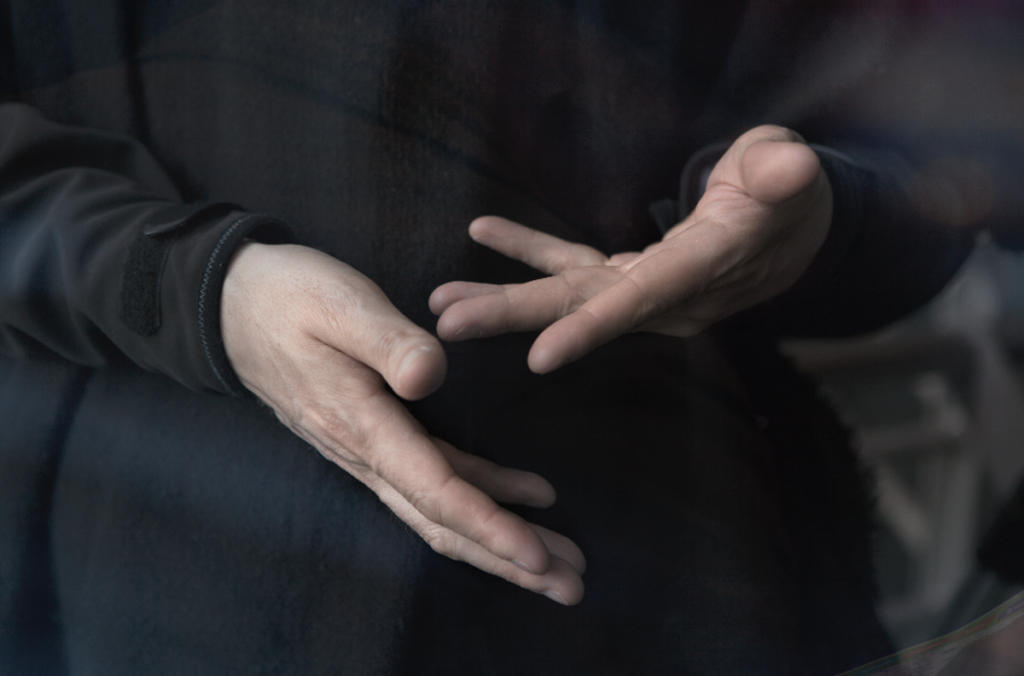
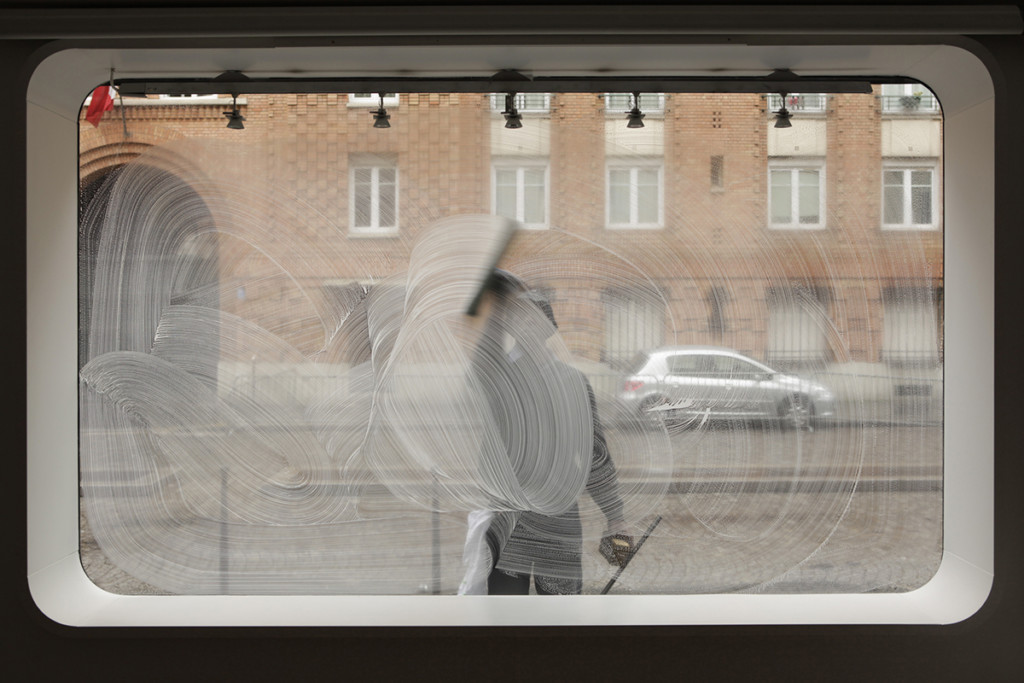
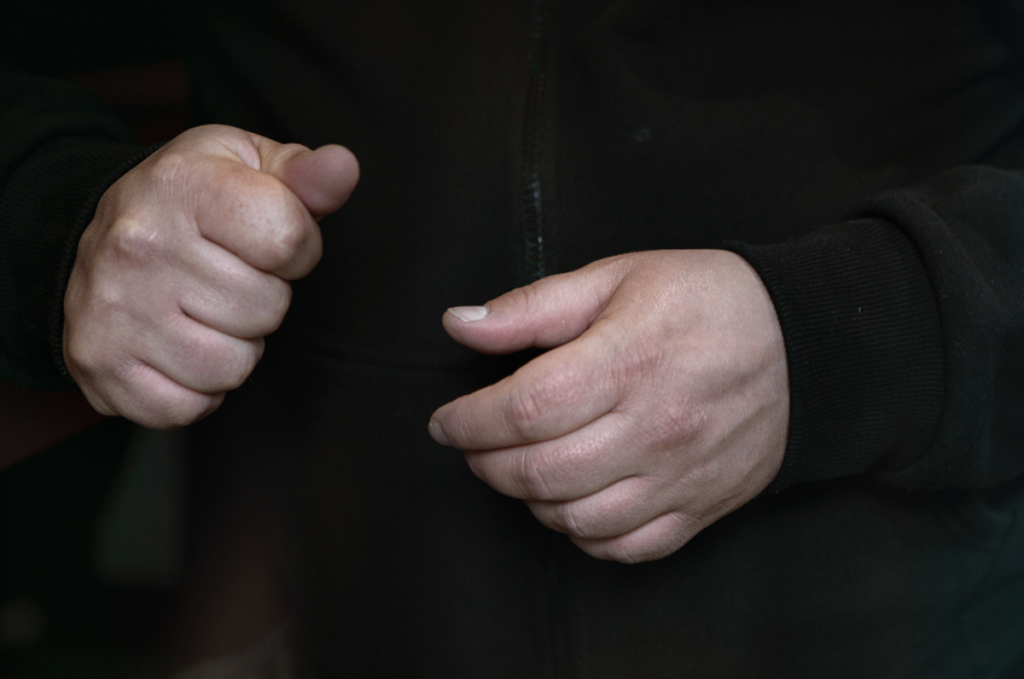
Cristal House (crystal house) is the name of a racing horse. In her new project, Anna Malagrida draws upon photography, text and video to carry out the attempted depletion of a place: a horse-race betting house located in the center of Paris. From the street and through the large windows, Malagrida shoots repetitive movements and the waiting of the gamblers. Located in the interior of the room, she meets them and carefully listens to them. Lured by great megalopolis, a large majority of the gamblers are migrants coming from all over the world dreaming of a better life. The notions of dreaming and the inherent hope to every gambler unfolds into the image of the one who migrates.

A strange game of reflections places the audience before the hopes of the hapless. Their words, reproduced in the text fragments, shape the lives and dreams that converge in this venue of encounter and gamble. From the interior of this Cristal House, the camera records through the windows a passage of the life in the streets, showing the movement of the city while revealing its multiculturalism and intense pace. Malagrida attempts to depict all every-day things and events that the camera manages to capture through different perspectives given by the windows. Thus, the betting house is transformed into a theatre of hope and the city into its scenery. Seductive, a promise of a better life, the metropolis gathering individuals coming from all over the world becomes a transit space, of fortuitous intersections, and a multiplier of solitudes.

VOLTA NY 2017: Anthony Goicolea + James Clar

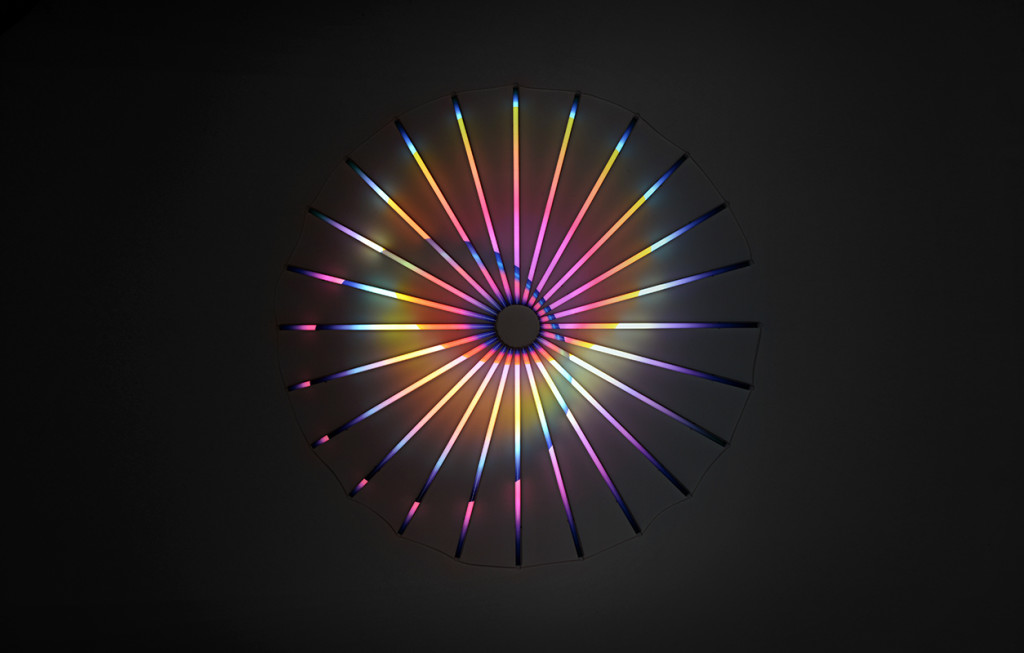
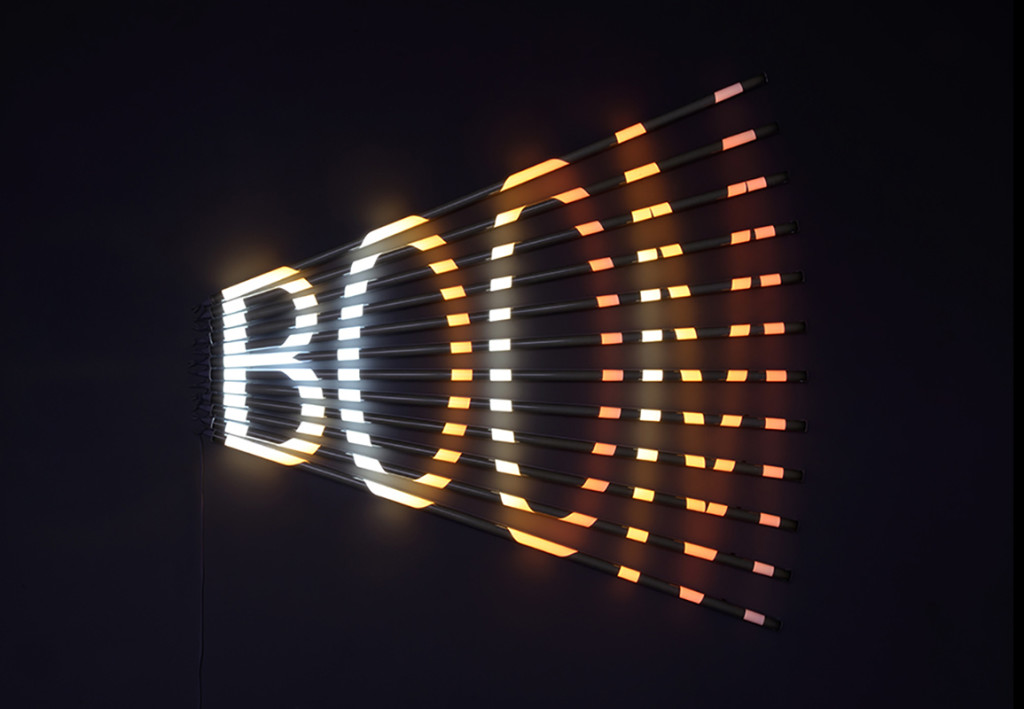
Galería SENDA booth  present the works of American-Cuban artist Anthony Goicolea with his most recents works Double Projection Shadow Portrait III  and  Anonymous Self-Portrait. For its part LAB 36 will show the characteristics lighting  installations of the visual artist James Clar.