Desplazamientos

About the exhibition

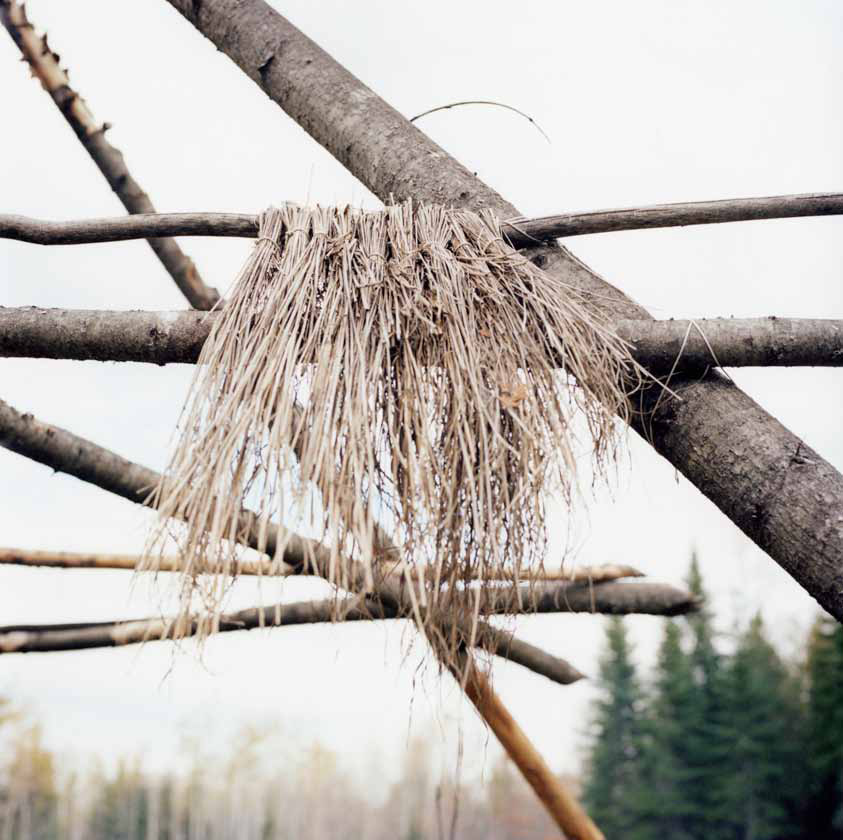
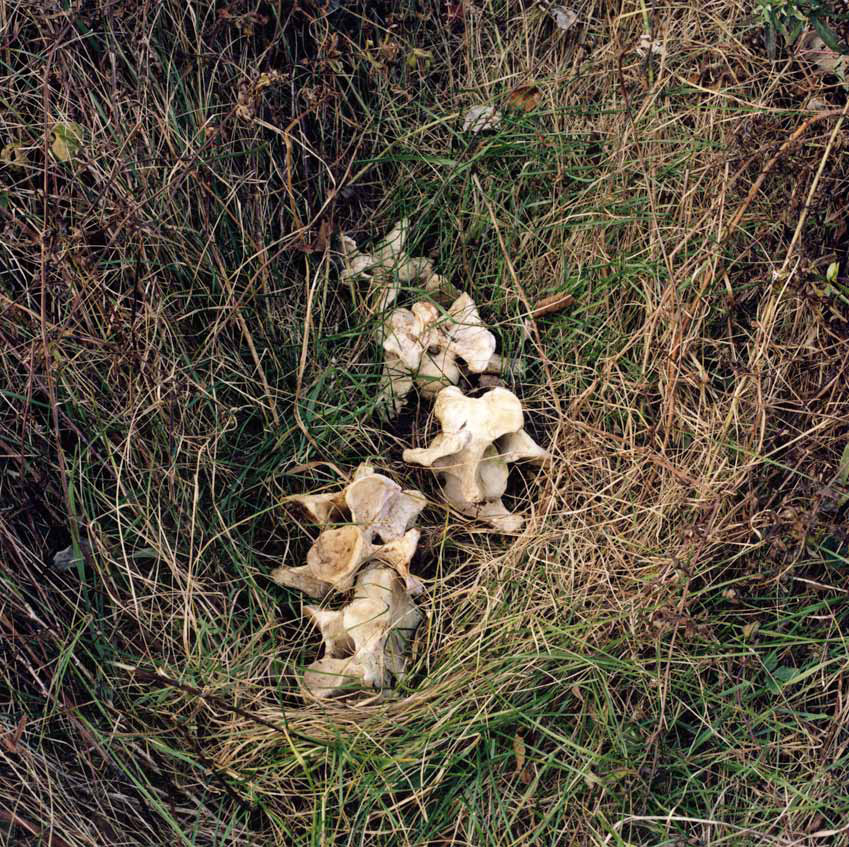
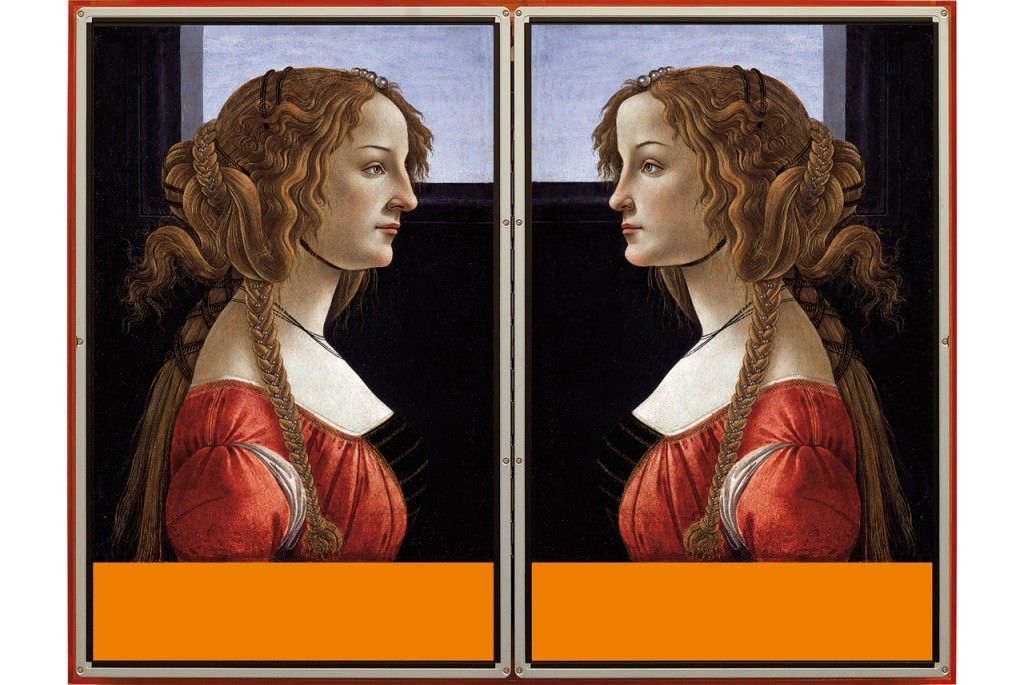
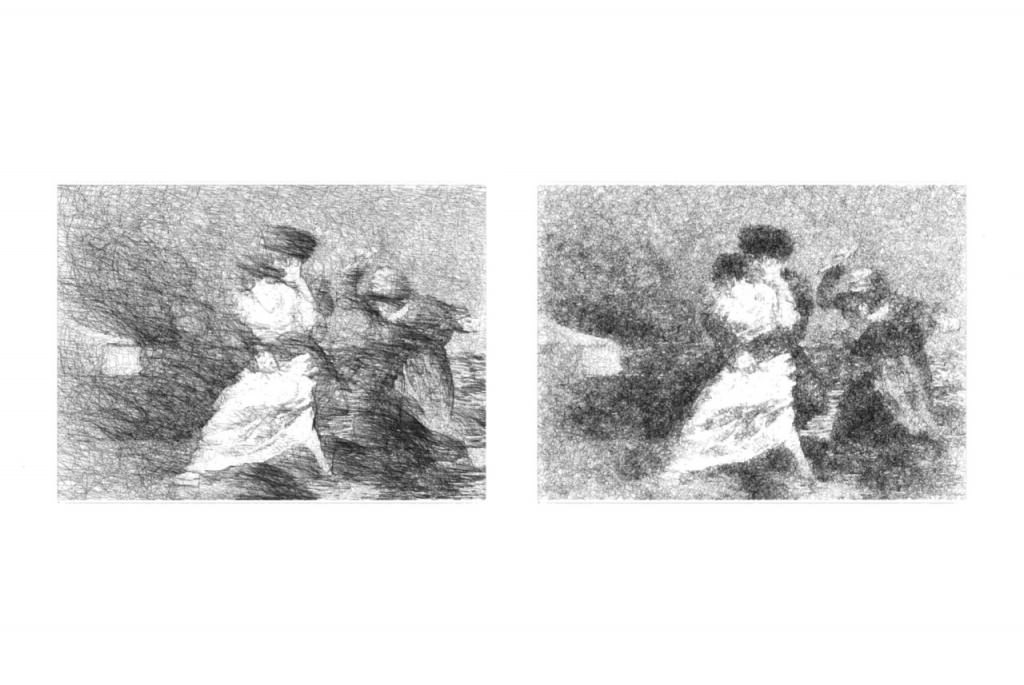
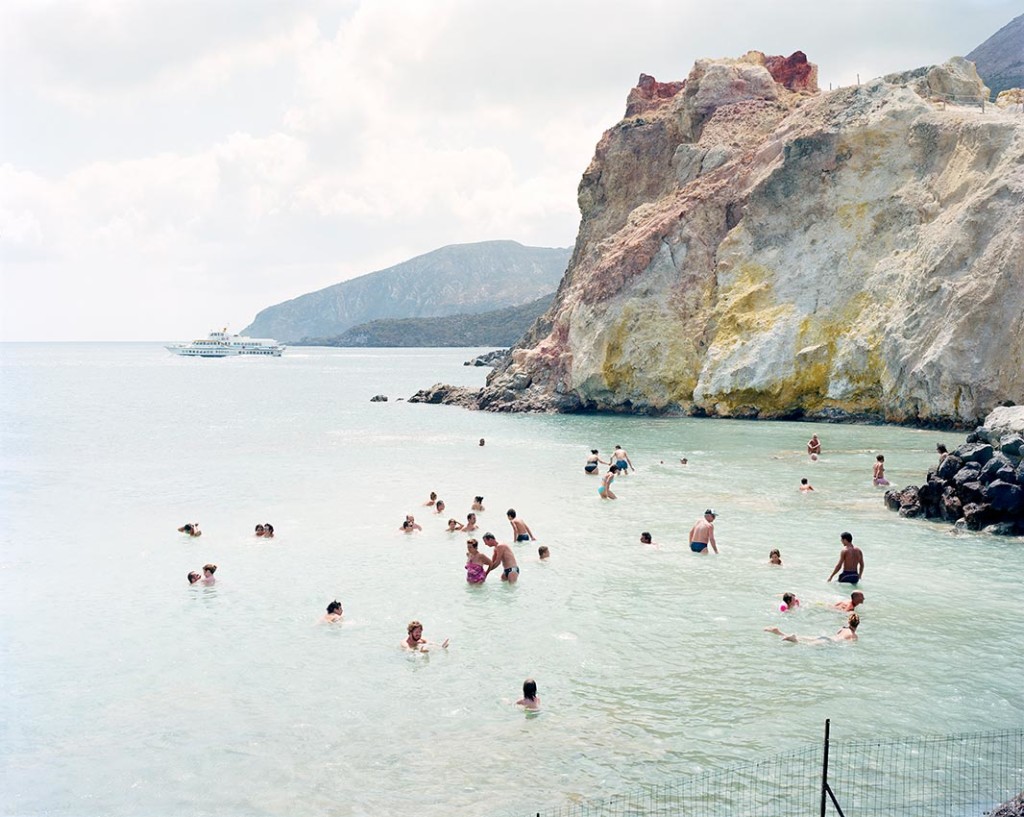
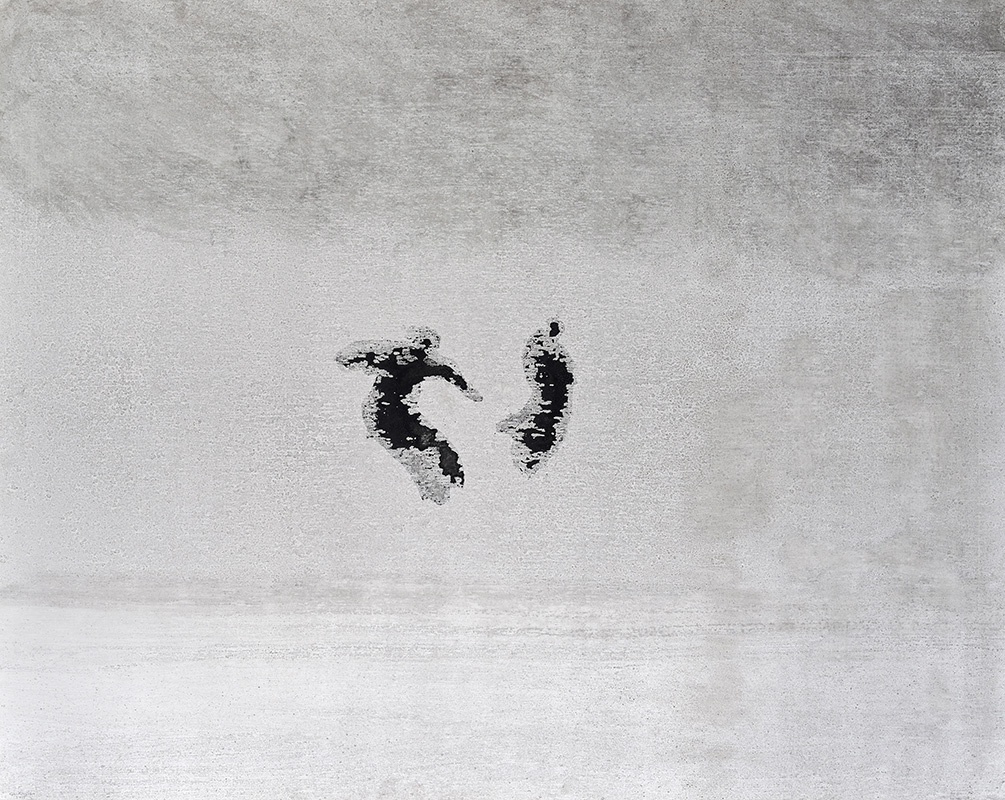
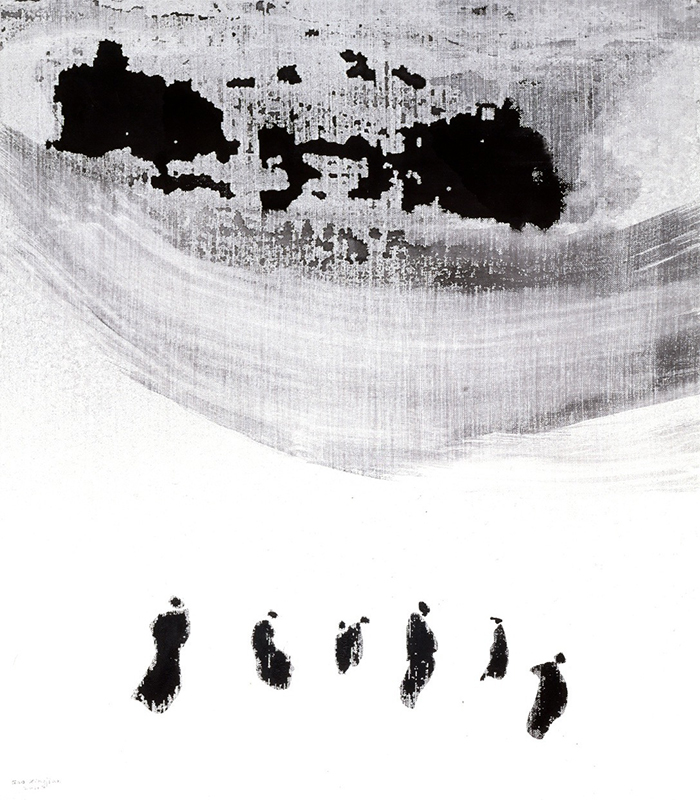
Desplazamientos is a joint project by Anna Malagrida and Mathieu Pernot that reflects on the changes in Mediterranean biodiversity caused by displacement and human intervention over time.

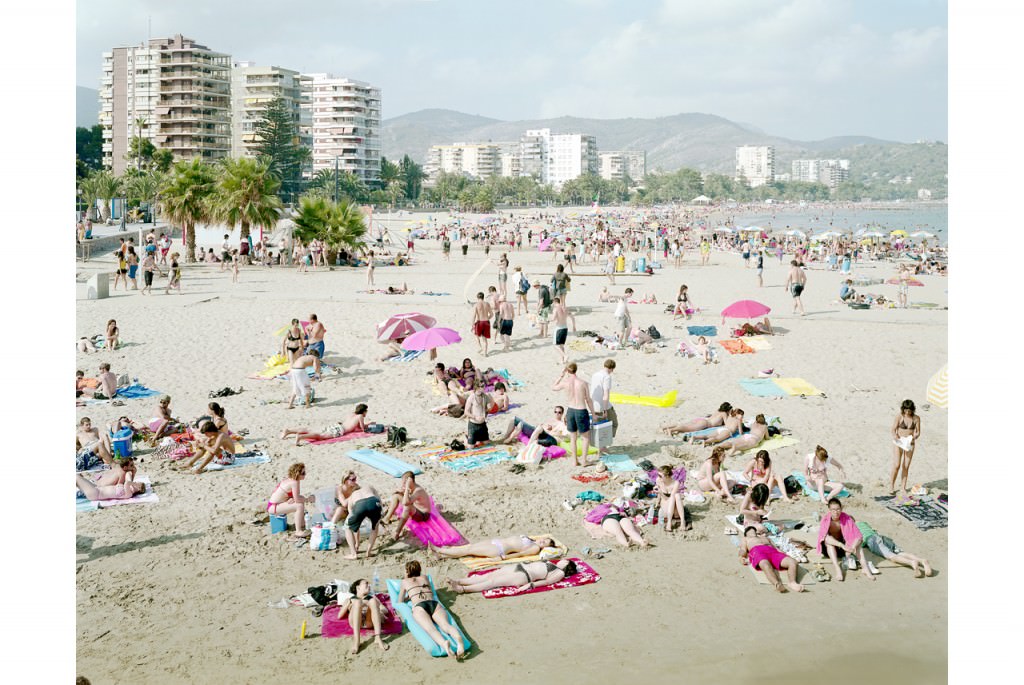
Anna Malagrida focuses on the history of opuntia cacti, which were brought to Spain from Mexico, during the Spanish colonization in the 16th century, to develop the production of cochineal dye. This crimson pigment became one of the most coveted treasures of colonial trade, used by Baroque painters and dyers to color the garments of Europe’s ruling elites. Nowadays, the lack of rainfall and the impact of climate change are weakening these cacti in certain parts of the Mediterranean. As they become more fragile, they are attacked by a pest: the uncontrolled cochineal insect, which has spread widely and now seems to be devastating them. The artist concentrates on the Mediterranean landscape of Cap de Creus, where these cacti had previously flourished.

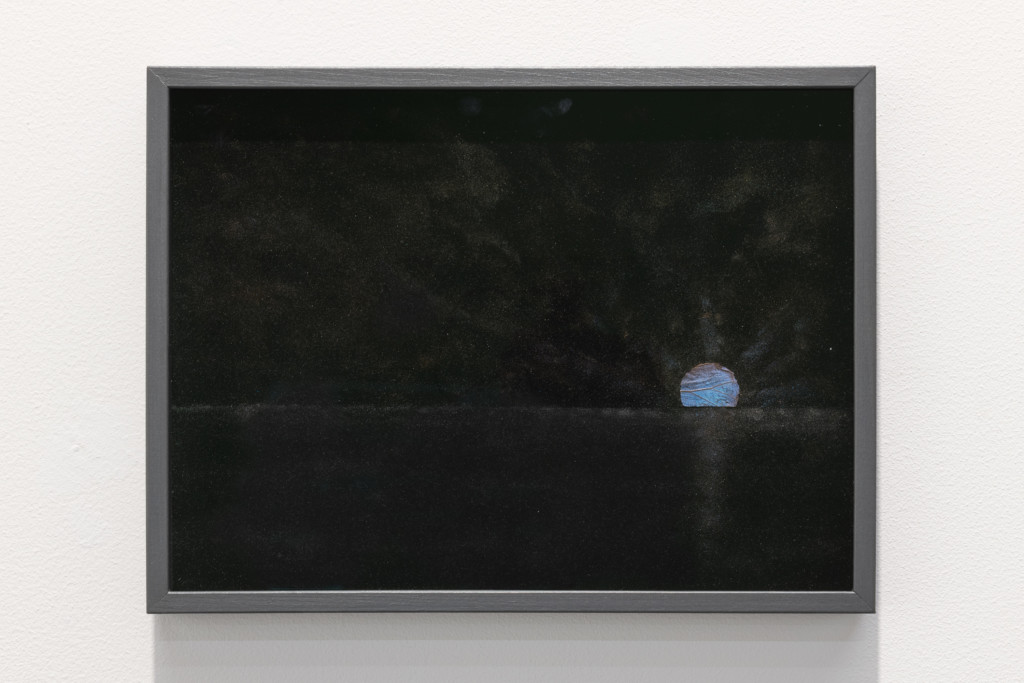
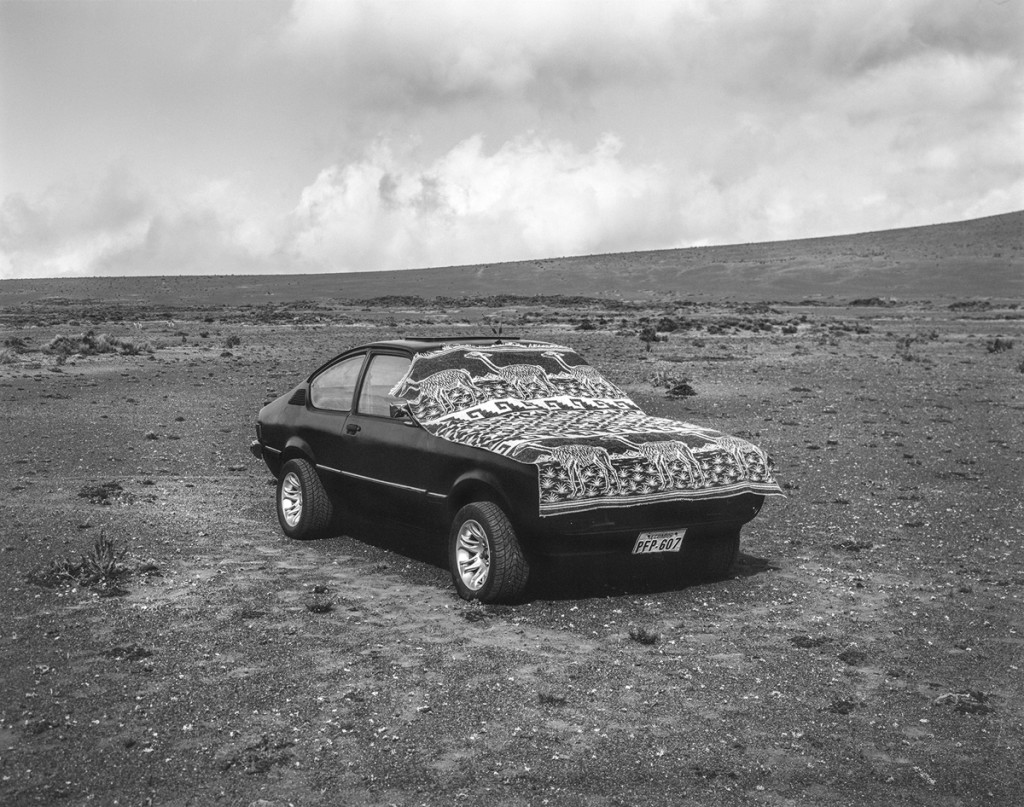
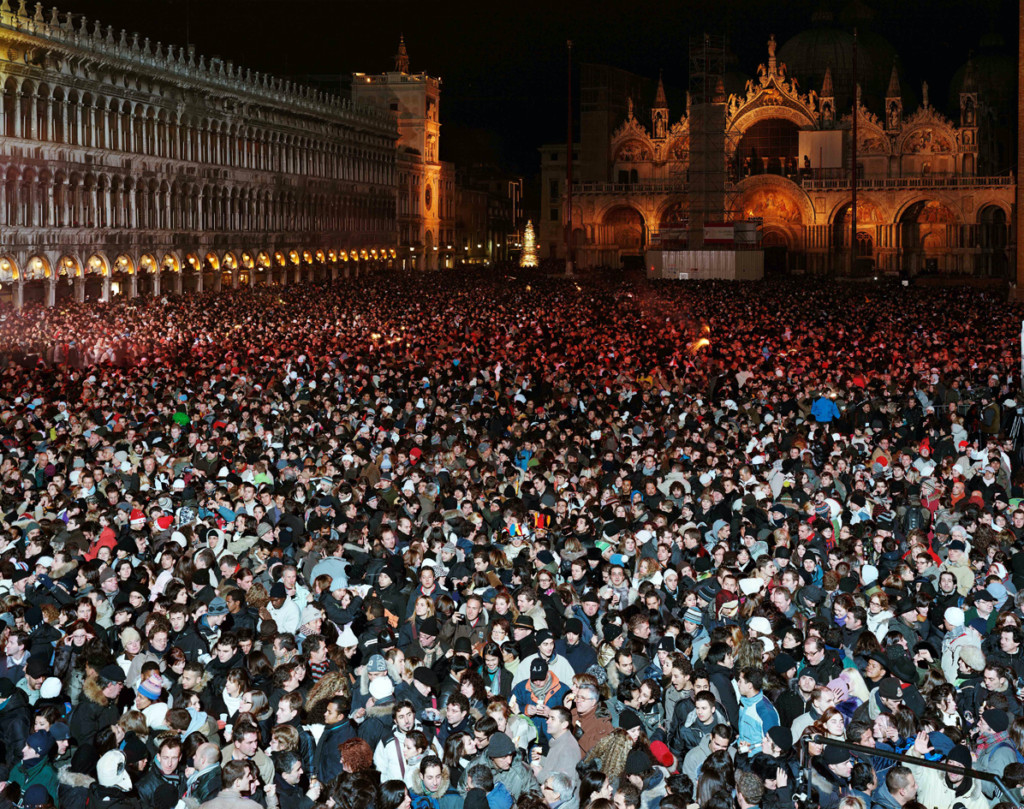
On the opposite shore of the Mediterranean, in the Spanish enclave of Melilla, Mathieu Pernot photographs the forest along the fence that protects the enclave from the arrival of potential migrants. The eucalyptus tree, imported from Australia in the 19th century, and the pine tree, whose many varieties were introduced by Napoleon, they have become silent witnesses to the restrictions imposed on human movement and migration in this space. Behind the trees, in the background of the image, a massive metal fence topped with barbed wire divides the territory in two and marks the border between nation-states.

Both artists remind us that a color, like a plant species, carries with it a history. And they also recall the many forms of migration: those that were forced in the past, and those that are forbidden today.

About the artists

Anna Malagrida (Barcelona, Spain, 1970) primarily uses photography and video to explore and recreate, through careful observation, our daily experiences and the unstable balance between private and public. The artists abandons representation of reality, and appeals, in exchange, to our fantasy: inviting us to project ourselves onto the surface of her images and to generate our own visual content both within and beyond them.

As if by its own gravity, in Malagrida’s work, the city becomes a theatre, a stage suitable in which to recount the delicate relationship between humans and their surroundings. The artist first examines and then encourages us to look. Through a lucid and unpretentious approach, her work seduces, reconciles, and places us between the visible and the invisible.

Mathieu Pernot (Fréjus, France, 1970) studied art history at the University of Grenoble before attending the École Nationale de la Photographie in Arles, where he graduated in 1996. Although Pernot specializes in documentary photography, he also takes alternative paths so that his work composes a fictional reconstruction. He addresses contemporary issues, while referencing a long iconographic tradition and aiming to spark dialogue between images, people, situations, and objects. In this way, he constantly asks questions about our relationship with the world and its representations.

Nomadic and vulnerable individuals, such as the gypsies and migrants, who become characters crossed by stories that stretch across time. Through both his own photographic practice and the use of documents, Mathieu Pernot experiments with the different ways of representing the world and the notion of how we use the photographic medium.

Trazos y Pedazos

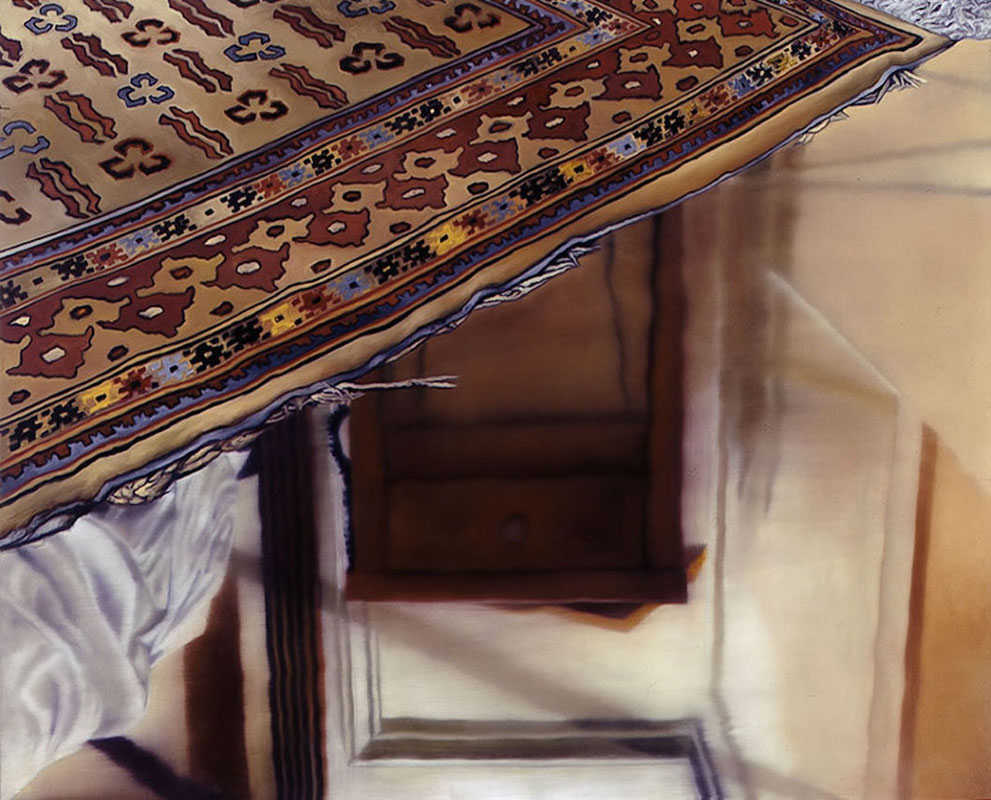
It all begins with Karin Kneffel: an unmade duvet, an old television where cowboys without a destiny ride across the screen, and, on the floor, a broken vase. The scene has something like a prologue, as if we’ve arriving late to the story. The important events have already taken place, but their echoes remain: in the folds, the strokes and the fragments.

The sounds of Glenda León, transformed into blue sculptures, are whispers from another time: a horse’s neigh, birds that fly, the breeze. As if the film on the television had escaped into space and become matter. These forms pulse gently, reminding us that the invisible also leaves a trace.

The leporellos and the wax-covered figures where the artist Sandra Vásquez de la Horra’s it suggest us an intimate narrative, almost secret. Aymarás, The bañista, and El tango feroz appear as vignettes of a story within a story: characters proceeding between paper houses, ritual shadows, physical gestures and memory.
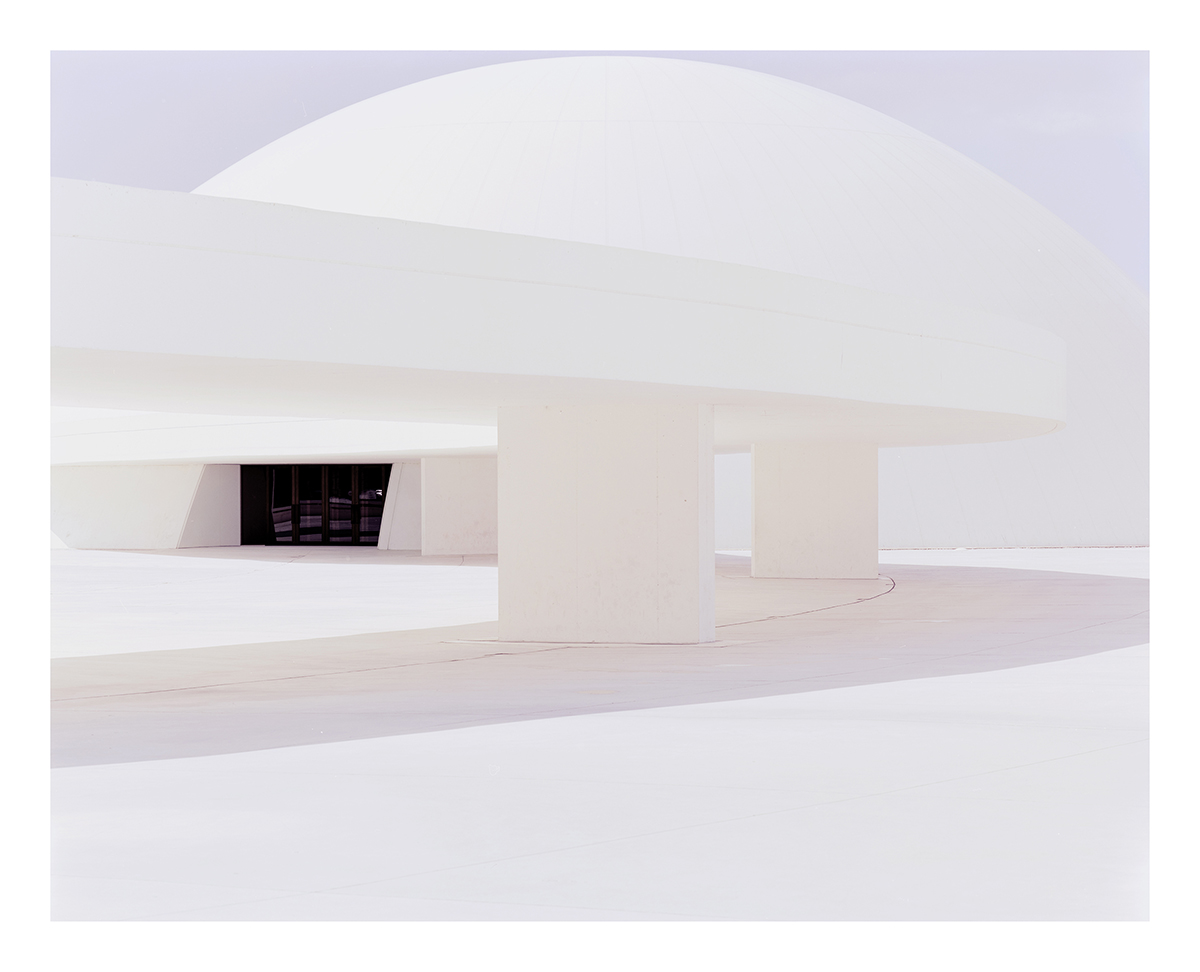
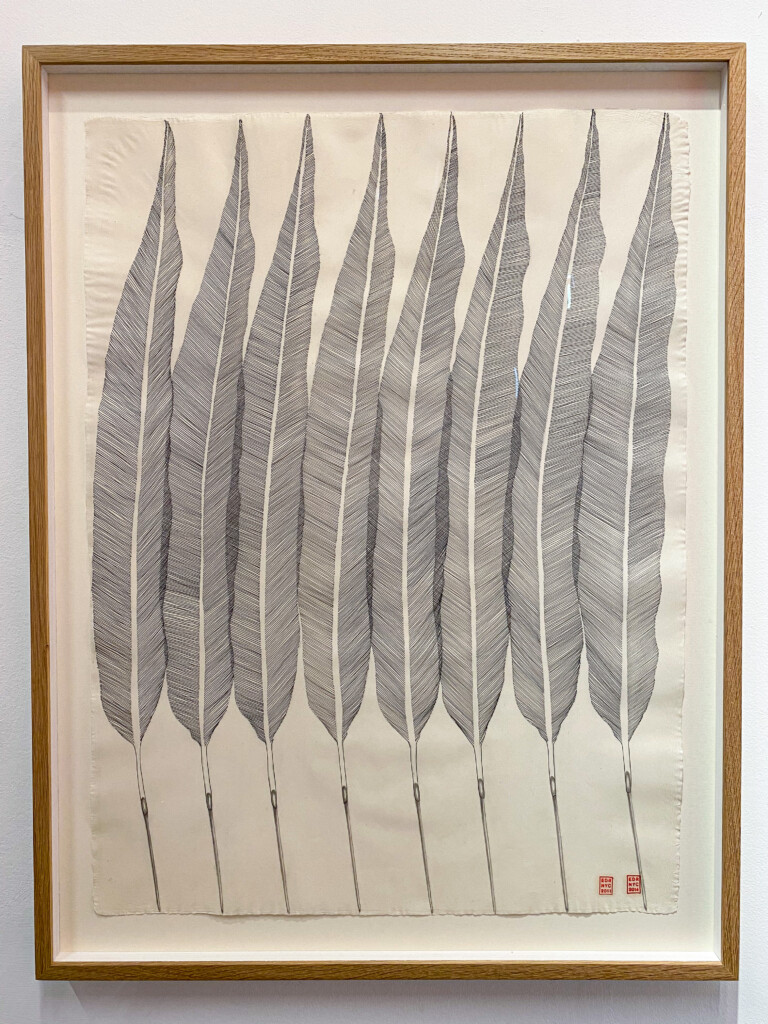
Elena del Rivero’s feathers, suspended like flying letters, can be read as fragile messages in transit. Flying Letter #24 seems written for someone who will never even read it, but its movement keeps the attempt at communication alive. Adjacent, a stainless-steel menhir emerges like a lucid dream: a vertical presence, a mirror, a threshold. Gonzalo Guzmán’s work suggests an impossible gleaming stone, that remind us that every story needs a place to pause to reflect.

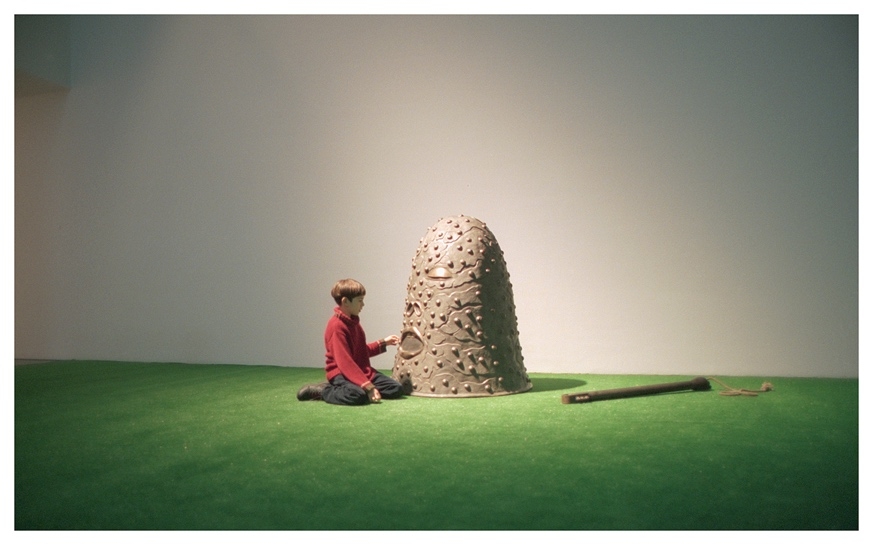
Close by, Jaume Plensa’s iron distills the weight of the human into abstraction. His CAP III evokes both head and silence, mass and thought. A piece that doesn’t explain literally, but holds something within: as if is keeping the secret of a narrative we’ve yet have to learn how to read. On the floor, Susana Solano’s structure conjures spaces we’ve passed through, while Evru/Zush’s bell holds within it the resonance of every sound that has been and those that are still waiting to be heard.

Thus, among brushstrokes and fragments, the mezzanine becomes a stage. The painting is a prologue; the sculptures, chapters; the sounds, background whispers. We move through the space as one moves through an open-ended story: a tale of action and consequence, of gestures and traces, visible and invisible.

Everything is in motion, in tension. Like a dream breaking apart upon waking.

Transitar “La Quema”, ELENA DEL RIVERO

As part of the Museu Tàpies’ Extramurs 2025 programme, Galeria Senda presents Diarios this November, a series by Elena del Rivero that forms part of the project ‘Transitar La Quema’.

La Quema began in Galicia in 2024 (promoted by A Casa do Pozo) and is a radical proposal in which the artist burned her own work after it had been exhibited in private homes and spaces in the village. Documented in images and sound, this symbolic act explores destruction as a gesture of purification and renewal, and is now being transferred to the urban context of Barcelona as part of a broader reflection on memory, art and public space.

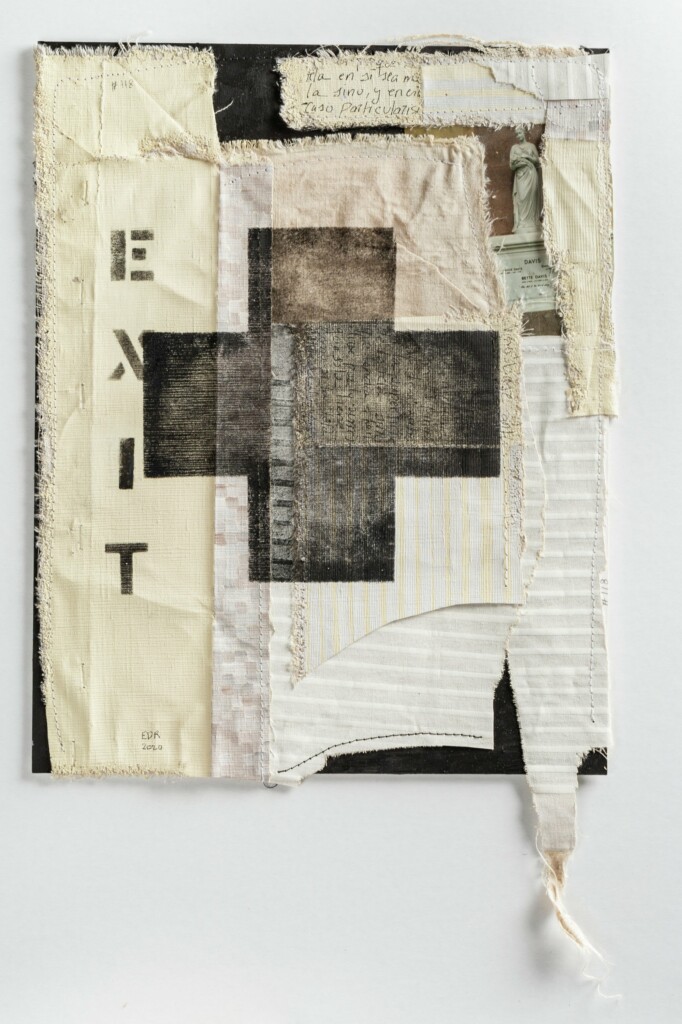
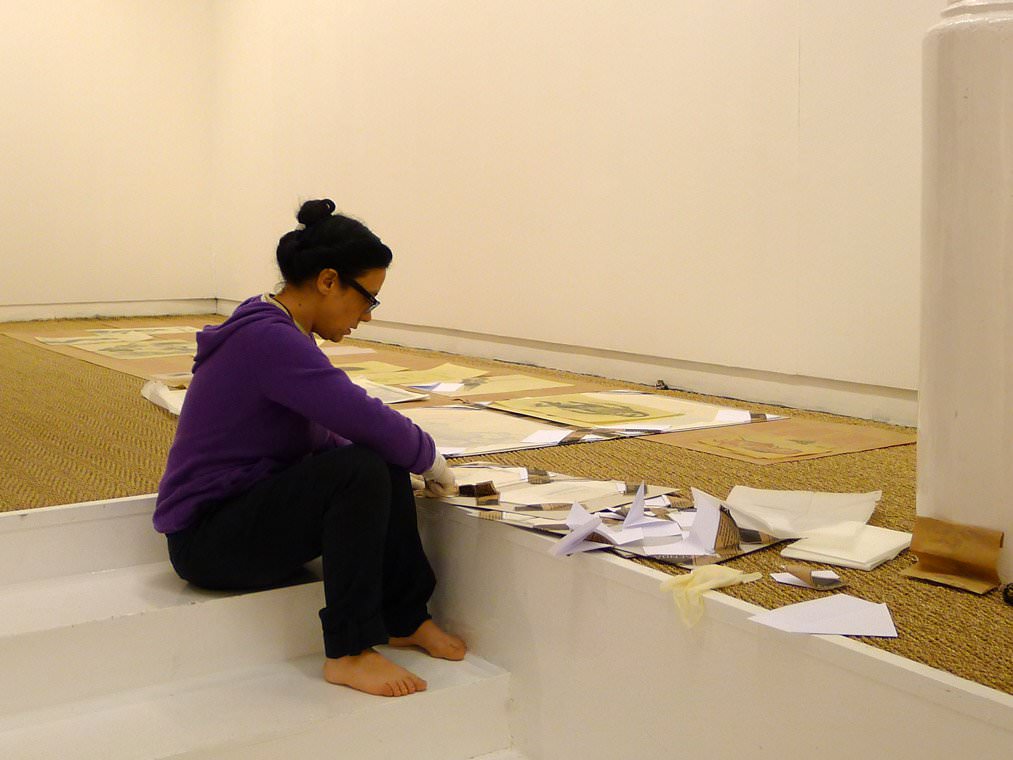
Diarios consists of small-format pieces that belong to Del Rivero’s intimate and everyday imagination. Through collage and the gluing of objects found on her morning walks, the artist shapes a visual narrative that records the ephemeral, the vulnerable and the domestic. These deeply personal works offer a leisurely look at time and experience, in tension with the radical gesture of La Quema.

In dialogue with Del Rivero’s graphic series, and as part of the City Screen 2025 program, two documentaries will be screened: “O carro e o home” (1940–1945) by Antonio Román and Xaquín Lorenzo, which offers an ethnographic look at rural Galicia, and “Documental La Quema” (2025) by Impro Films, which documents the radical project in which the artist burned her own work.

This exhibition opens up a space to rethink how we inhabit the world and how art can intervene in it, from the intimate to the collective.

Aryz, PRELUDIO

About the exhibition

PRELUDIO follows the line begun with the Vestigio series, in which the artist Aryz – Octavi Arrizabalaga (Palo Alto, 1988) engages in a dialogue with some of the creators who have influenced him throughout his career. On this occasion, he presents a series of large-format oil paintings conceived as  small visual dialogues with the great masters of painting. Each work is a tribute to the classical pictorial tradition and some of its fundamental themes.

From a contemporary perspective, Aryz acknowledges the legacy of traditional painting and revindicates the painter’s craft as a legitimate means of expression and cultural transmission. PRELUDIO is essentially configured as a bridge between past and present: a deliberate return to pictorial tradition that functions as an introduction or opening to a more experimental artistic proposal yet to be revealed.


EXHIBITION HANDOUT


About the artist

ARYZ – Octavi Arrizabalaga (Palo Alto, California, 1988), graduated in 2010 from the Faculty of Fine Arts in Barcelona, began his artistic practice in the early 2000s by painting murals around the Barcelona area. Over the past decade, he has left his mark in countries such as Canada, Japan, France, Denmark, China, Madagascar, Poland, and the United States, among others. Since 2019, he has devoted more time to studio exploration, which has allowed him to develop concepts in a more reflective manner. Among his most ambitious solo projects are Pugna (2019) in France and Vestigio (2024) in the Czech Republic. In addition to his pictorial production, in recent years he has created large-scale temporary interventions in unique spaces, adopting a hybrid approach that merges muralism and studio painting.

Currently, painting and printmaking are central pillars of his artistic practice in Cardedeu. His interest in printmaking techniques has led him to collaborate with the publishing house Polígrafa Obra Gráfica, with whom he regularly produces limited editions. In 2024, he was awarded the prestigious Pollock-Krasner Foundation Grant.

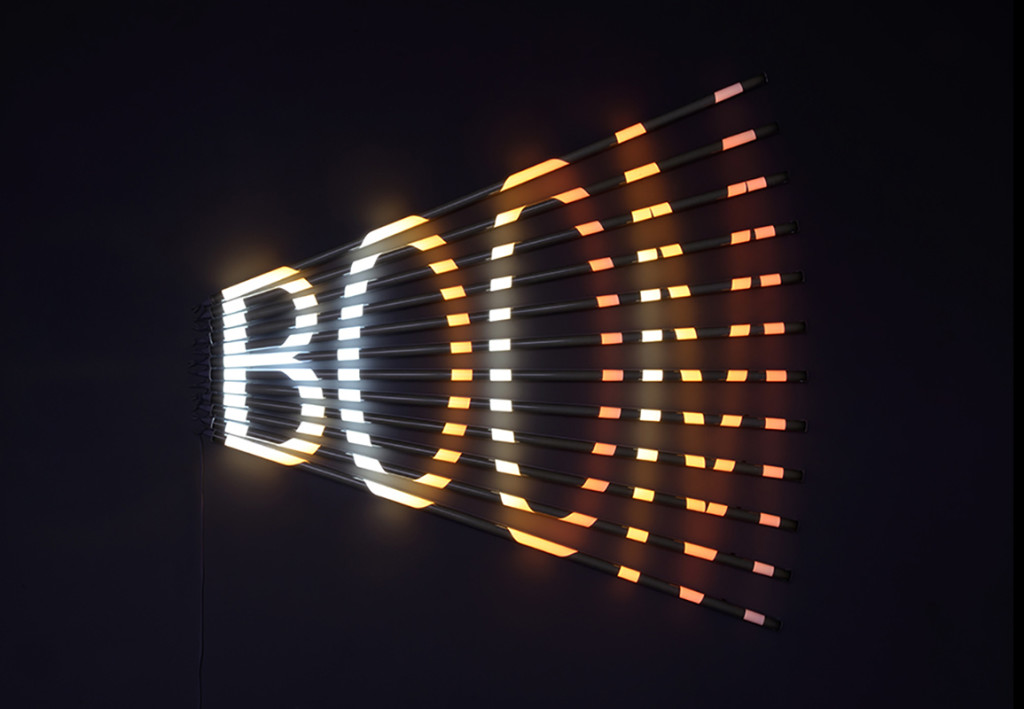
MIRALDA, BOOOM

On the occasion of the launch of the book BOOOM 1962–1972, opens on 7 May 2025 an exhibition that brings together a selection of photographs, drawings and sculptures that trace the beginnings of Miralda’s career and his consolidation as a key figure in the international artistic avant-garde of the 1970s.

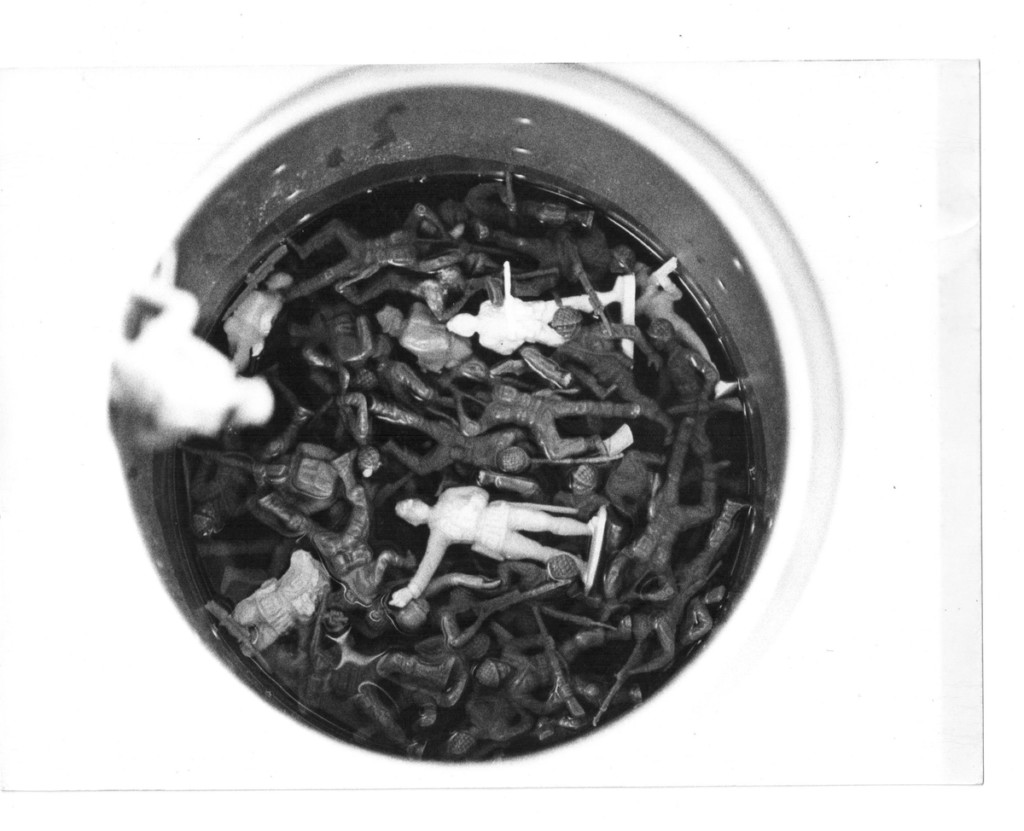
Under the presence of the iconic white soldier who, taking on human dimensions, Miralda strolled through the streets of Paris in search of a pedestal (París. La Cumparsita, Miralda and Benet Rossell, 1972),and taking as a starting point the first photographs taken during his military service at the Los Castillejos camp, this journey – through works such as Soldats Soldés, Essais d’Amélioration and the series Bien/Mal— reveals how irony and social criticism have defined Miralda’s visual language, questioning the symbols of power, imposed morality and military logic.

Published by La Fábrica and edited by Ignasi Duarte, the book BOOOM 1962–1972 presents an unpublished archive that connects with the present day in a disturbing way. In a context marked by new forms of violence and control, Miralda’s work remains deeply critical and relevant.


‘Almost sixty years after Soldats soldés, the absurdity of ’good and wrong‘ is more present than ever.’ (Juan Garrigues)


Press Release

galeria SENDA at Loop Lab Busan

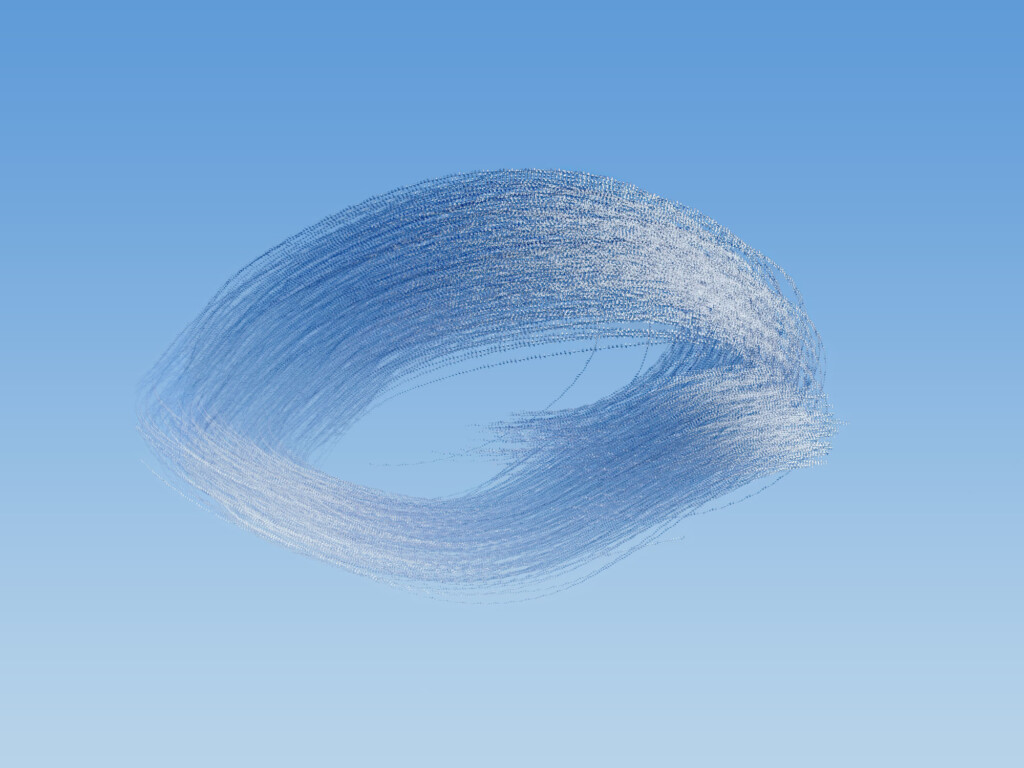
Galeria Senda participates in the first edition of the international multimedia art fair Loop Lab Busan, a new initiative of Loop Barcelona. SENDA presents Tous les Oiseaux du Monde by Xavi Bou (Barcelona, 1979)

Xavi Bou, Tous Les Oiseaux Du Monde, 2022, 5′ 13″

This video was created following an invitation for an artistic residency held from 2020 to 2022 at the University of Leuven in Belgium. In it, working with teams from different faculties, the artist raises the hypothetical possibility of monitoring and calculating the total number of birds on the planet, through the generation of Artificial Intelligence models that allow individuals of all species to be identified.

The trend in our society, organized through Big Data, is to control all information and track any useful parameter, including those from nature. Bou questions whether we will be able to register all the living beings on the planet through the analysis of both structured and unstructured information as a possible nod in the fight against the climate crisis and the restoration of ecosystems and habitats.

Thomas More wrote the book “Utopia” in 1516. It was first published in Dirk Martens’ printing house in Leuven. The book coins the concept of utopia and describes an ideal and peaceful society where people live free and in harmony with nature. For Thomas More, the establishment of a new method of government had to be based on a tool that guaranteed excellence in business administration: mathematics.

More than 500 years later, the algorithms generated by Artificial Intelligence and its capacity for exponential advancement restore the notions of utopia and dystopia articulated in the work of Xavi Bou. The ability to predict, understand, and work autonomously, simulating human intelligence, opens new uncertain horizons that scare and excite us at the same time.

Likewise, Bou’s work reflects and questions the capacity for control and the impact on the freedom and security of individuals fostered by the newly available tools.

Fears about the risks of Artificial Intelligence seem to be prevailing over the hopes generated by new opportunities. Bou’s vision does not offer certain answers to open questions but points out the idea that the proper use of this technology depends on the ethics of those who develop it and the ability of users to control their privacy and protect their data.

This work was carried out sometime before the launch of ChatGPT and other platforms that only confirm all the doubts, fears, and, why not, hopes that the author invites us to question through a work it transcends the theme and genre it addresses.

Galeria SENDA in Paris

To head start the month of April, galería SENDA travels to Paris with a selection of artists that weaves together materiality, perception, and identity through an intergenerational lens. The works on view share a common sensibility: a deep engagement with the tactile and the conceptual, the intimate and the expansive.


Among the artists presented are Peter Halley, with his geometric compositions and exploration of modern space—alongside his solo exhibition at Casal Solleric (Palma de Mallorca); and Yago Hortal, known for his energetic, chromatically immersive gesture painting. Also on view will be a sculpture by Stephan Balkenhol; Brazilian artist Iran do Espírito Santo’s work—ranging from sculpture to his Pangolin watercolor series; Glenda León’s organic marble forms; and Anthony Goicolea’s layered compositions that blend photography, drawing, and painting in a meditation on memory and identity.

We are pleased to count on the special presence of Jordi Bernadó and Gonzalo Guzmán. Bernadó will present ID Project, a critical reflection on space and its role in shaping identity. Gonzalo Guzmán, meanwhile, will exhibit stainless steel sculptures inspired by lucid dreams—works that blur the boundary between inner and outer worlds, translating dream imagery into enduring sculptural form.


This first participation in Art Paris 2025 marks a new chapter in our journey: another step in the internationalization of our artists and in building bridges between scenes, cities, and ways of seeing.


We look forward to seeing you at Art Paris 2025, from 3 to 6 April at the Grand Palais, booth D12.

ARCO Madrid 2025

For this new edition of ARCOmadrid, galeria SENDA once again builds a narrative between the different artists that fill the walls of our stand with stories. With a very varied proposal, our mission this year is to dialogue between the different figures, both emerging and consolidated, who show in Madrid their most personal creations.


This year, ARYZ joins our booth for the first time, and we have the pleasure of exhibiting his work Los autónomos on our exterior wall. Following this piece, the artist began to create his latest series, Vestigio, where he creates a bidirectional conversation with paintings, sculptures and baroque photographs that catch his attention. Joining the canvas and paper, Cuban-born American ANTHONY GOICOLEA, known for his own visual language, explores the socio-cultural, economic and political context of his life experience as a Cuban, gay and Catholic in the deep south of the country. Color and fluorine, as always, come from the hand of New Yorker PETER HALLEY, whose largest work to date has been exhibited in our gallery at ARCO. That work, approximately five meters wide, plays in consonance with four smaller format pieces, which remain a clear reference to his iconic cells and prisons that evoke the experience of urban life. Accompanying Halley’s color, YAGO HORTAL‘s creations revisit the capital. The textural sensations that the artist generates with his lively brushstrokes have led him to explore new ways of approaching his work, and that is why for this edition of ARCO we will present his most recent project. The drawings of Chilean SANDRA VÁSQUEZ DE LA HORRA will be in charge of evoking a fictitious and obscure world influenced by common themes such as religion, sex, pop culture or death, providing the viewer with a carnal and psychological vision of these issues. Finally, and also on paper, ROBERT WILSON‘s preparatory sketches for his stage production of the opera Der Messias at the Gran Teatre del Liceu will be exhibited in Madrid. These drawings, which capture currents of energy, move away from realism to represent the essence of the theatrical work conceived by the artist.
 

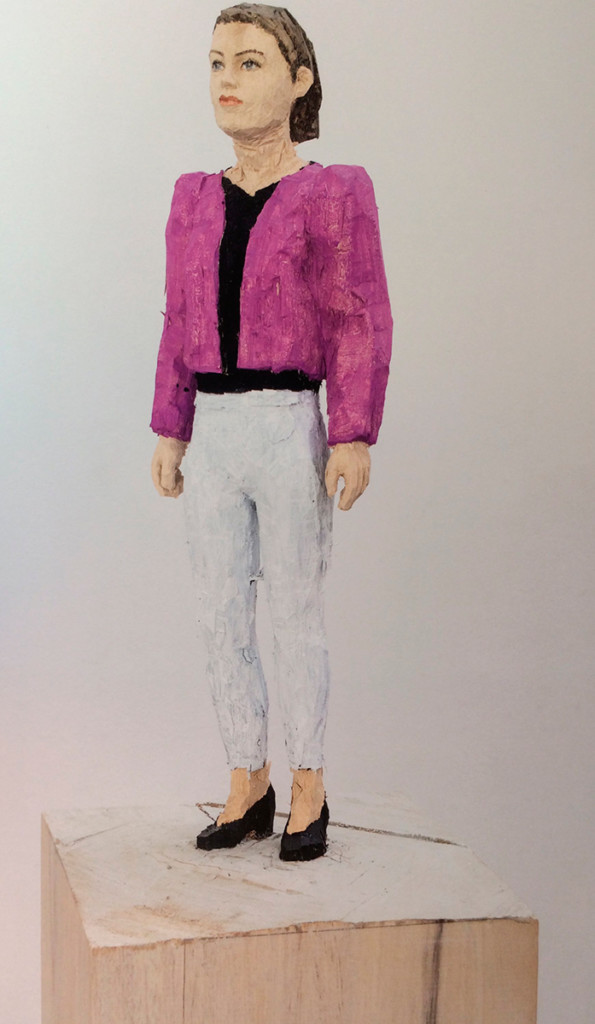
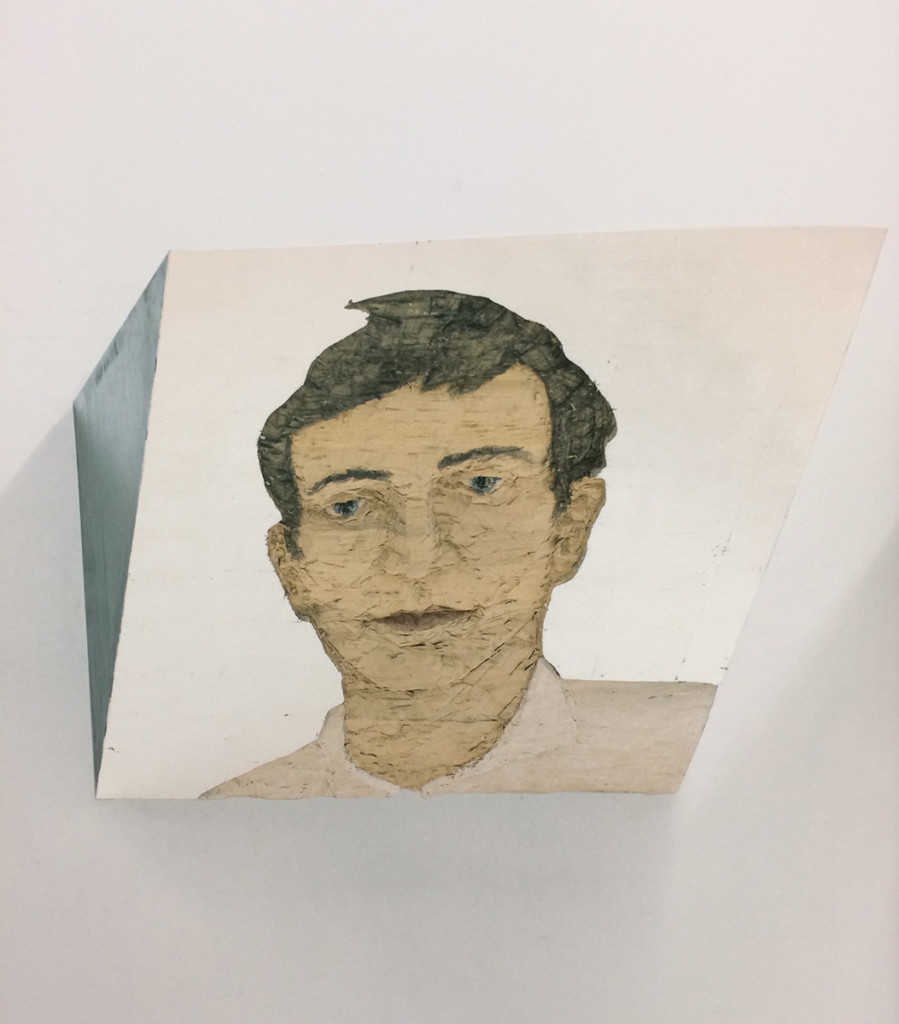
The discipline of sculpture will be represented by several artists, very different from each other, so they will show a rich range of techniques and materials. The polychrome wood pieces of the German STEPHAN BALKENHOL join our stand, to reflect a contrast between the roughness of the chiseled wood and the neatness of the final form. The oneiric dreams of GONZALO GUZMÁN sculpted in stainless steel will forge a metallic set of menhirs and stelae that will show the purest idiosyncrasy of the artist. Finally, our stand will be crowned by the sculptural work of the famous JAUME PLENSA, of whom we currently have an exhibition in our space at 32 Trafalgar Street in Barcelona. With Murmuri, a Catalan word that means “whisper” and that gives its name to the exhibition, Plensa plays with the use of different materials such as alabaster, Murano glass and bronze to give form to that which is intangible.


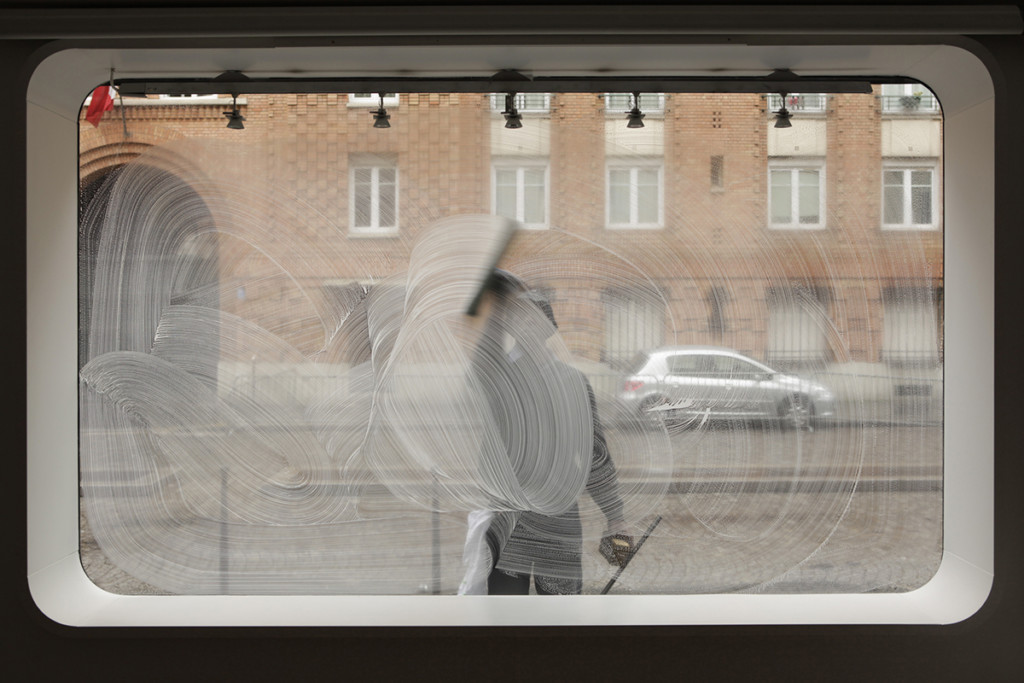
Photography also has a special place in our stand. First, XAVI BOU presents his project Fluctus in a curated space at the fair, which shows the fleeting moment of birds taking off from a zenithal point of view. Bou, who focuses his artistic work on capturing the invisible patterns of the flight of these animals, aims with his works to generate empathy and social awareness, reminding us that each living being is unique and essential in each of our ecosystems. On the other hand, and following the common thread of the fight against misinformation about climate change, six of the works of JORDI BERNADÓ‘s project Last & Lost will be in Madrid. This project is a photographic examination of loss and finitude in the context of the climate crisis, which reflects on the need for a shared commitment to nature and sustainability, and proposes new hopeful ways of seeing the world. To conclude with this artistic discipline, the series Escaparates by ANNA MALAGRIDA will have its place at the fair, coinciding also with the exhibition that the Fundació Tàpies is preparing for the artist.


To conclude our proposal for this forty-fourth edition of ARCOmadrid, we will be exhibiting one of the most current installations by Cuban artist GLENDA LEÓN. With Murmurs of the Earth, Leon aims to materialize the energy in its different magnitudes, thanks to the technique of glazed clay and her spirit of wanting to visually show the shared balance of the objects that surround us in our daily lives.

ZⓈONAMACO Mexico 2025

ZⓈONAMACO México Arte Contemporáneo is the largest art fair in Latin America. This year, Mexico City will host galleries and visitors from the 5th to the 9th of February, with a twenty-first edition composed of four sections: Main Section, in which SENDA will be present; ZⓈONAMACO Ejes, ZⓈONAMACO Sur and ZⓈONAMACO Arte Moderno.

For this edition, we present a very wide range of artists, covering many artistic disciplines such as photography, sculpture and painting. With the clear objective of giving visibility to all facets of art, we also want to pay tribute to the country that hosts this fair.


GINO RUBERT

Son of a Mexican mother, Gino Rubert‘s art has always been influenced by his roots. Formally, he recognises himself as a child of the tradition that art must first seduce the eye through artifices such as trompe l’oeil and distortions, and from there invite us to reflect. Therefore, for ZⓈONAMACO we bring some of the works that the artist exhibited in SENDA in his last show ‘Cariàtide’ and that contain those deceptions that trap us inside the painting. In ‘Cariàtide’, Rubert moves the focus away from social and sentimental vanities, to put it on raw loneliness. Portraits of women trapped by the canvas, with clothes sculpted on it, whose figures are split by the frame, as if the limits of the canvas were trapping them in the same way as the entablature and the base hold the Greek caryatids (women-columns).

Collaboration:


JAUME PLENSA

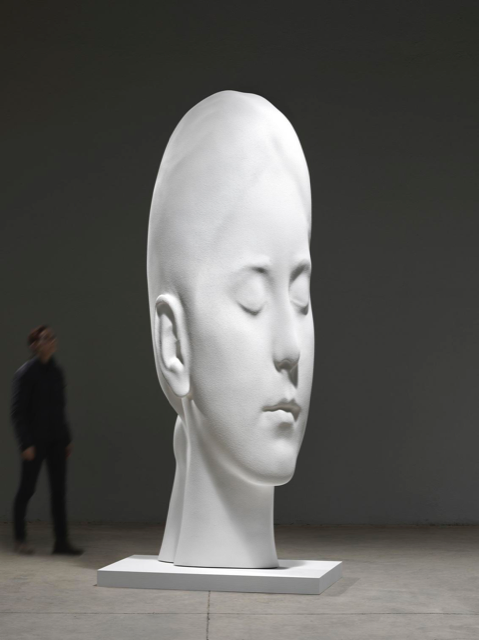
On this occasion, the sculptures of the Catalan Jaume Plensa cross the ocean. The impressive 120-metre high work, ‘FLORA’, will be one of the highlights of our stand. The serenity of its face in contrast to its large dimensions reminds us of Plensa‘s genius in transmitting calm and reflection, yet the lively and dynamic environment in which his compositions are always found.


PETER HALLEY

The New Yorker Peter Halley will also be present at ZⓈONAMACO. Some of his iconic cells will travel to the fair to add a touch of light and colour to the space. Halley is one of the most influential artists on the international scene. He became known in the mid-eighties as the driving force behind the so-called Neo-Conceptualist movement. Although he uses geometry as a fundamental support for his works, he always insists on his figurative reference: the space and time of our society, its political and social terrain, and the closed order in which we live.


ROBERT MAPPLETHORPE

The presence of photography comes from Robert Mapplethorpe: eight of his black and white archive photographs will be exhibited at our stand. The tension of the photographed bodies, the dynamism of their forms, the naked skin of his models. As a whole, it is an ode to the artist’s work, to his essence and DNA as a photographer, conveying his purest style with this selection of works.


MIGUEL ÁNGEL RÍOS

A piece by Argentine artist Miguel Ángel Ríos will be exhibited in Mexico City, more specifically, one dedicated to the ancient capital of the Mexica Empire, Tenochtitlan. This conceptual artist explores themes of violence, power and human fragility. After studying in Buenos Aires and emigrating due to the dictatorship, he worked with maps and indigenous traditions, and since 2000 has focused on symbolic videos such as his iconic spinning tops. His work is in renowned collections such as the MoMA in New York or the Reina Sofía in Madrid.
 

TERESA SERRANO

Finally, the figure of the Mexican artist Teresa Serrano completes the proposal for our stand. Serrano‘s plastic work is based on a very solid political stance, which has a strong autobiographical relationship with her experience as a woman, but at the same time links the content of her works with themes and images clearly framed in the Mexican and international social context. Her embroidered leather and iron structures that will be exhibited at ZⓈONAMACO are a tangible annex of her ideology.


If you are spending a few days in Mexico City, come and see us at stand A104. We are sure that our proposal will not leave you indifferent!

JAUME PLENSA, Murmuri

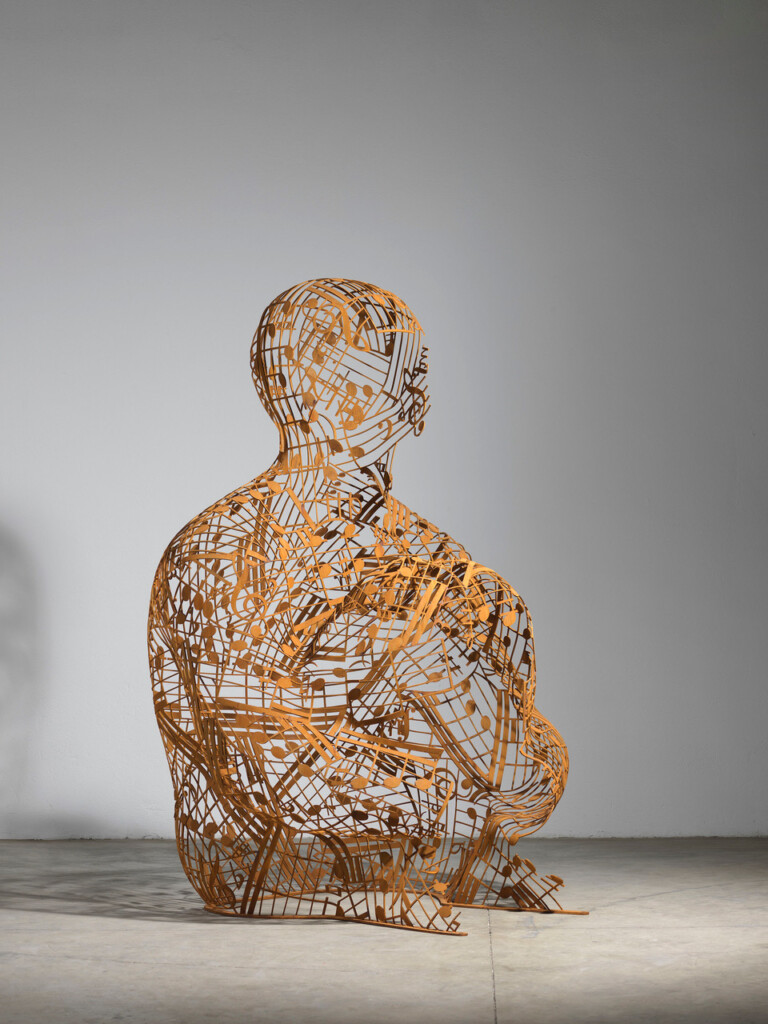
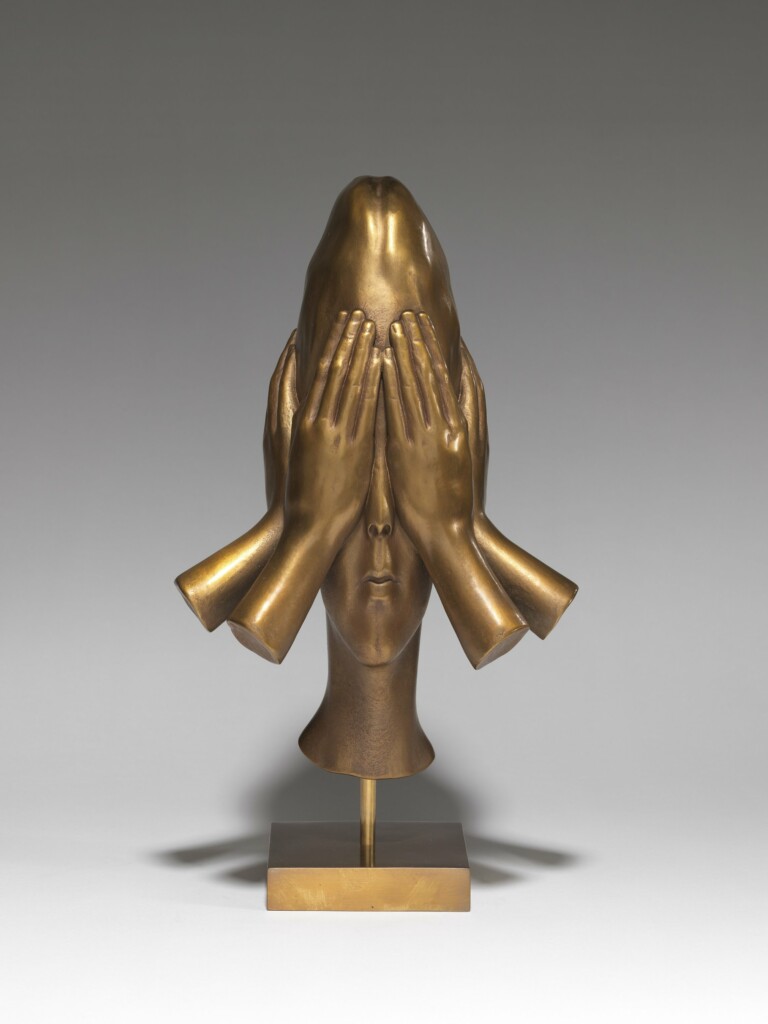
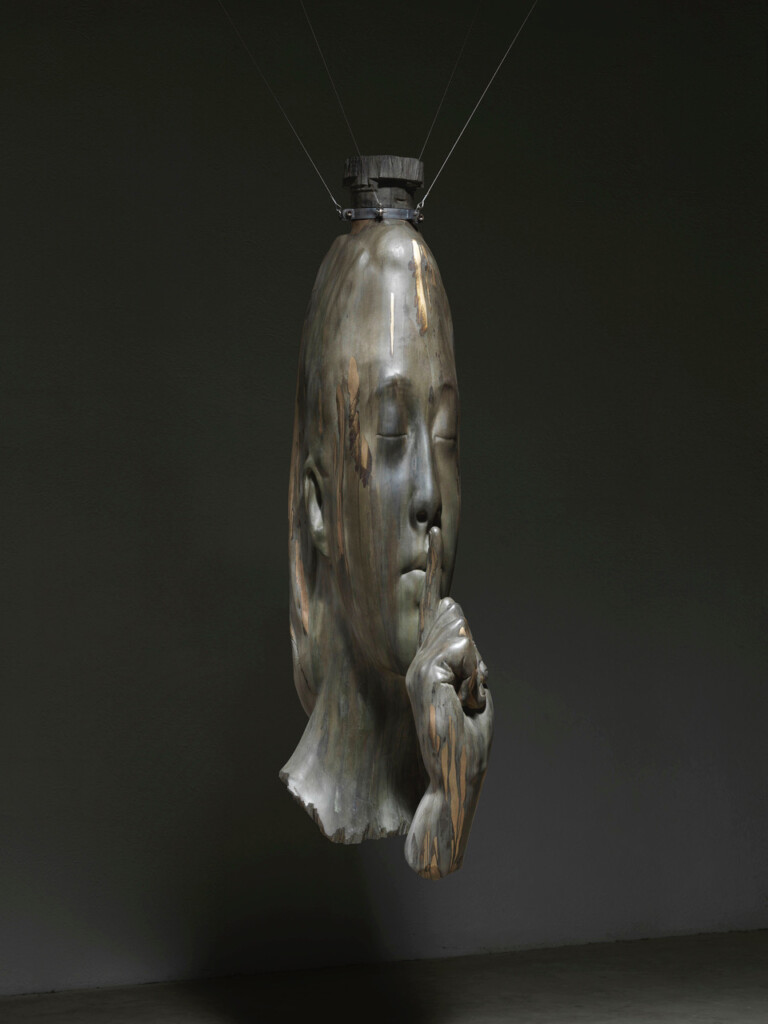
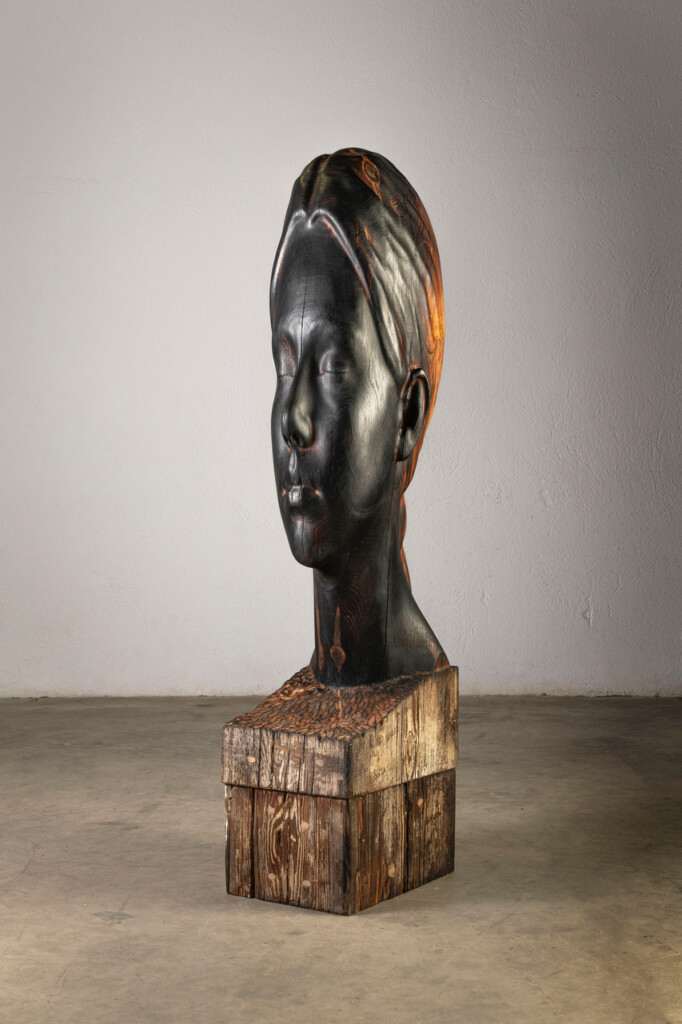
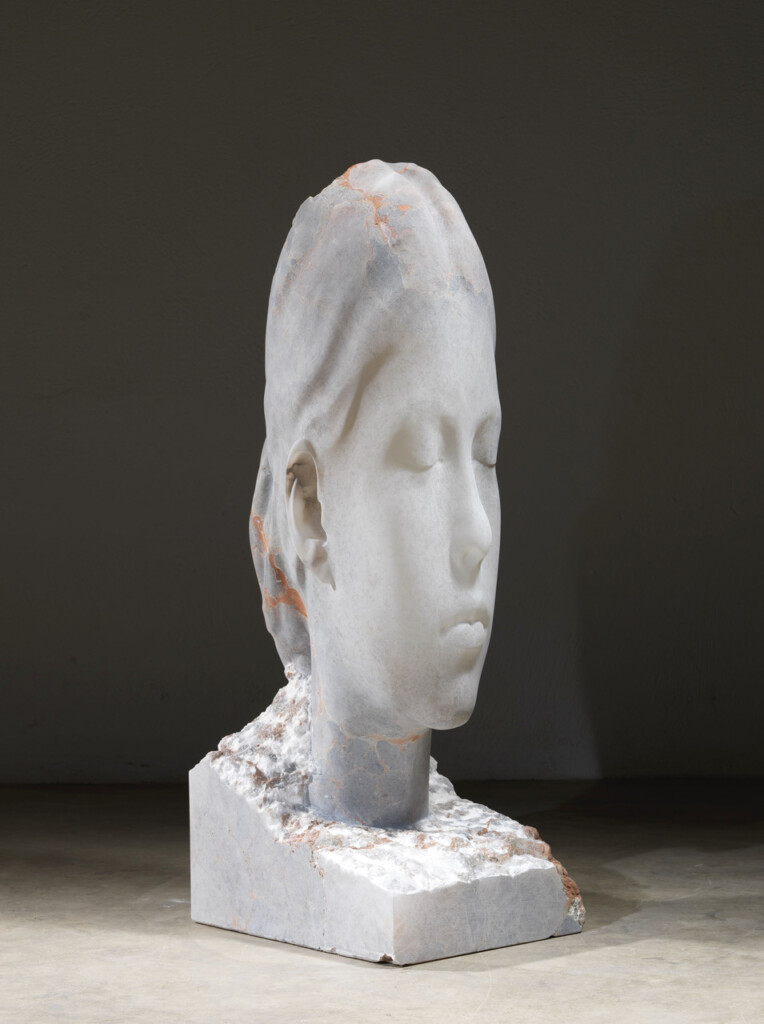
On February 19, 2025, galeria SENDA will present a new exhibition by the artist Jaume Plensa, Murmuri, a Catalan word which means “whisper”. In this show, Plensa works with different materials his already iconic imagery. Alabaster, bronze, paper, Murano glass and iron give shape to a group of works where his characteristic sculptures are the main protagonists.

Plensa‘s practice is based on the constant search for beauty in simplicity. True to his style, the artist presents his iconic busts and letters that intertwine as universal signs of communication and reflection. Each piece is a testament to his technique and his ability to connect with human emotions. An example of this is one of the series presented in this exhibition, Nest. In this series, we find reliefs of contemplative or dreamy faces emerging from alabaster, conveying new ways of representing figurative forms in contemporary portraiture. In fact, Plensa is internationally recognized as one of today’s leading contemporary portraitists, harnessing the power of this approach to convey our relationship to the world and to each other, underscoring our shared humanity through portraits of individuals.

In Murmuri, the artist establishes a link between the meaning and the musicality of the Catalan word, and the imaginary that defines his artistic practice. The whispers, like Plensa‘s sculptures, are presented as delicate expressions, but charged with emotional intensity, capable of resonating with those who perceive them. This exhibition invites the viewer to listen to what is not said, reaffirming his commitment to an aesthetic that celebrates both the fragility and the depth of the human experience.


Press release