

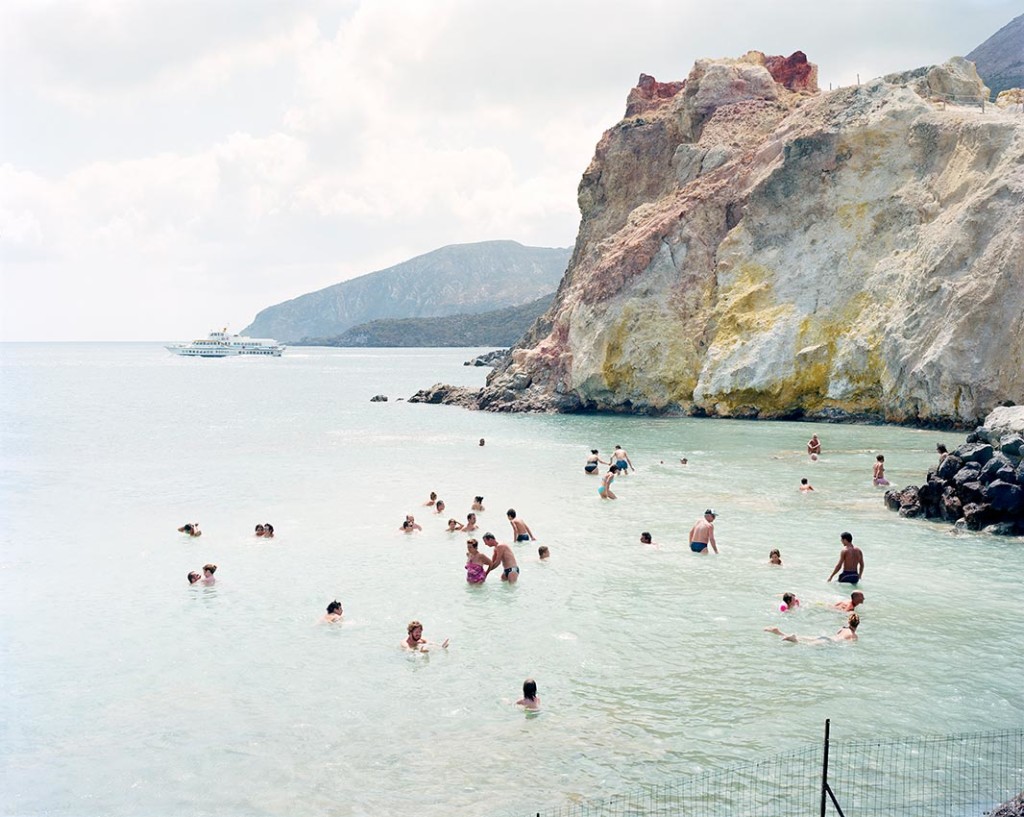
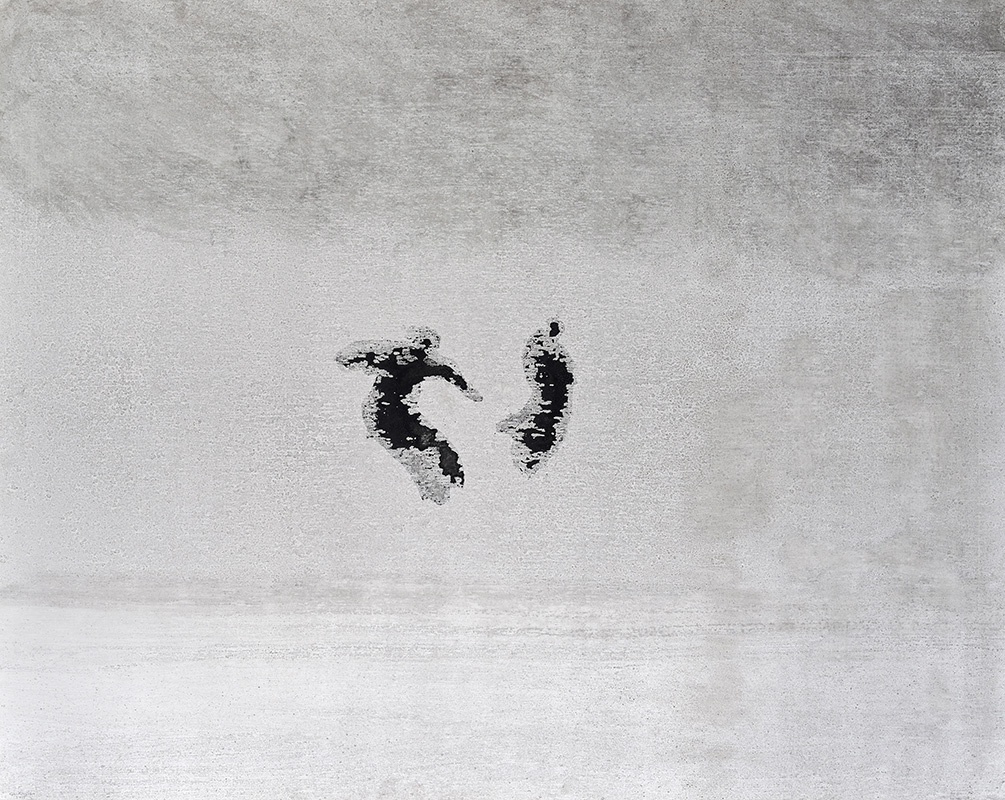
José Pedro Croft, the representative of Portugal in Venice Biennale, will exhibit at Galeria Senda on March 2017

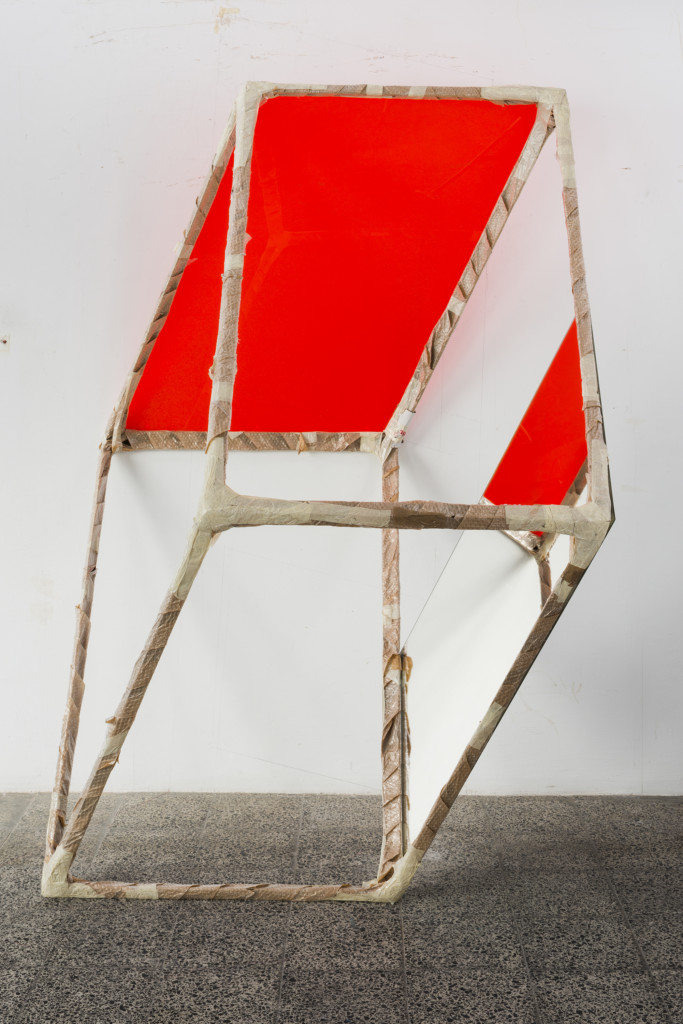
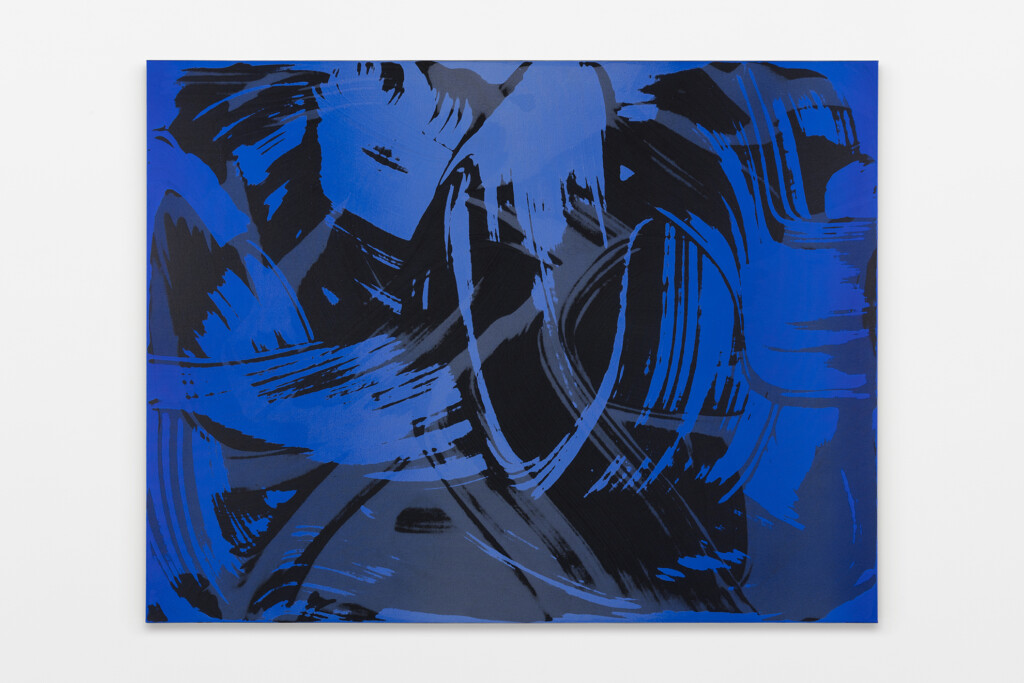
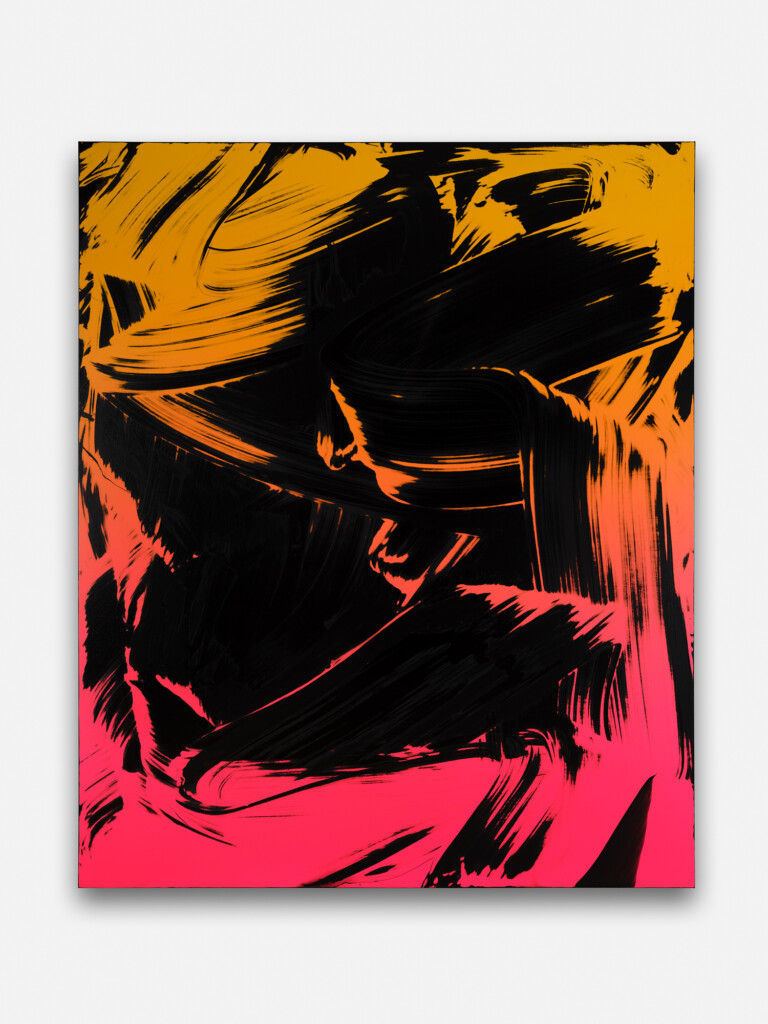
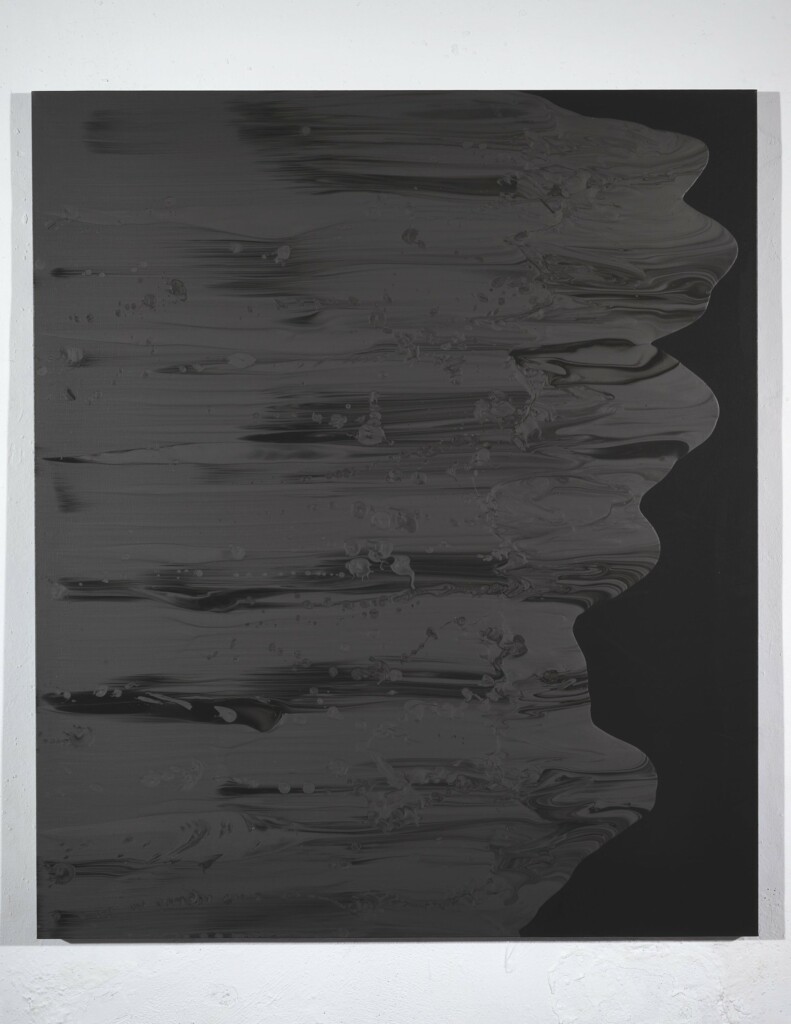
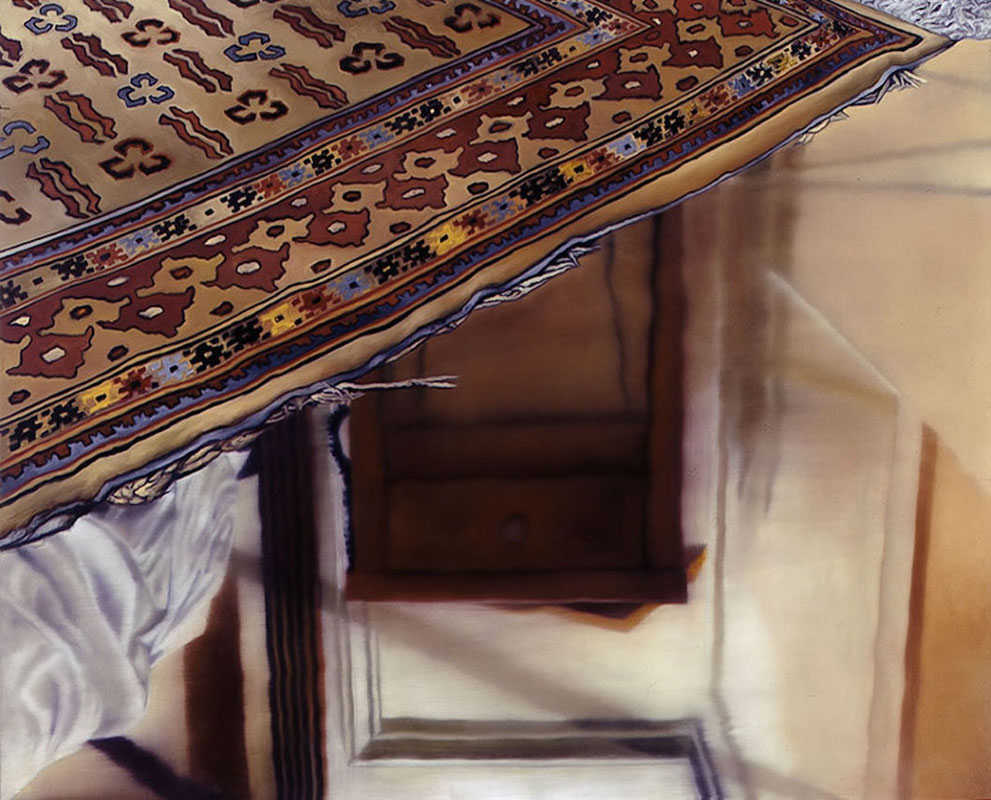
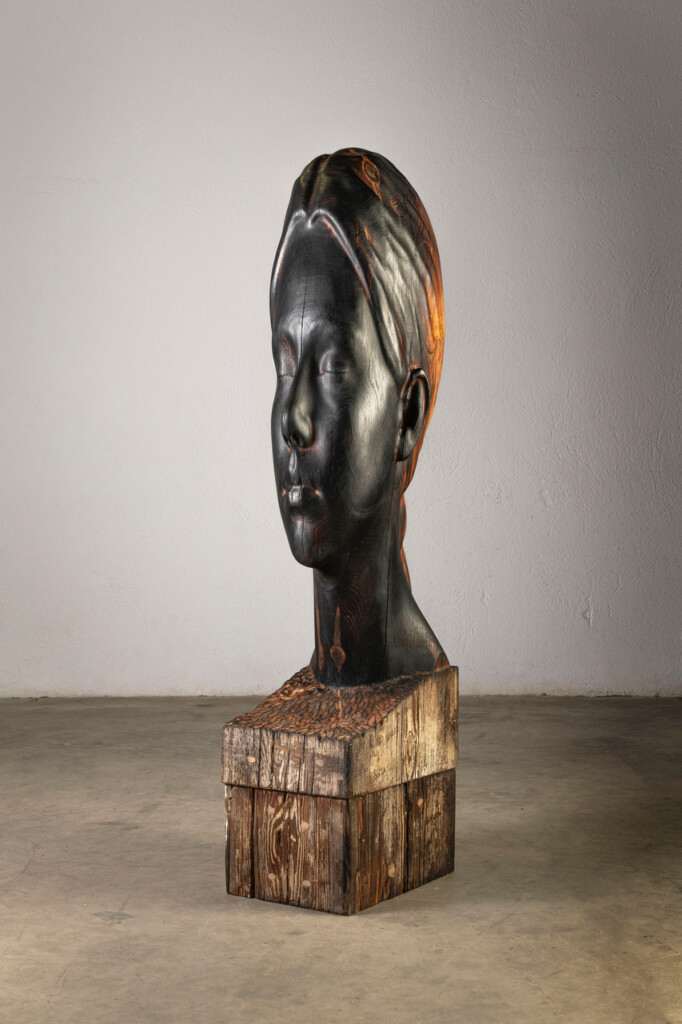
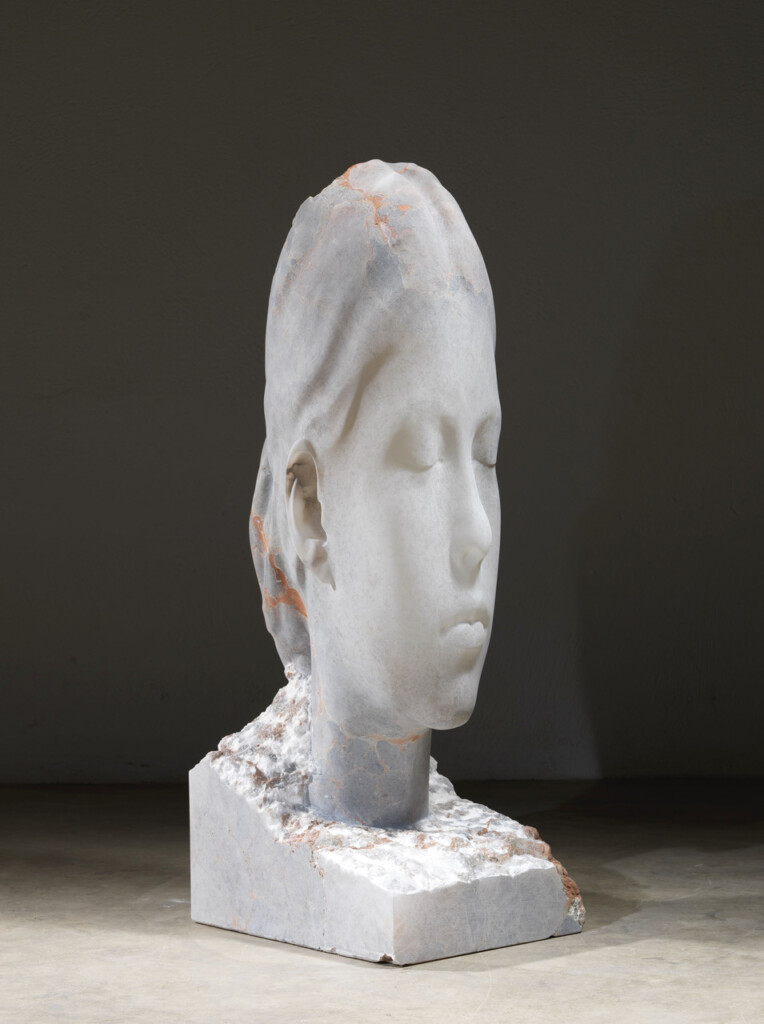
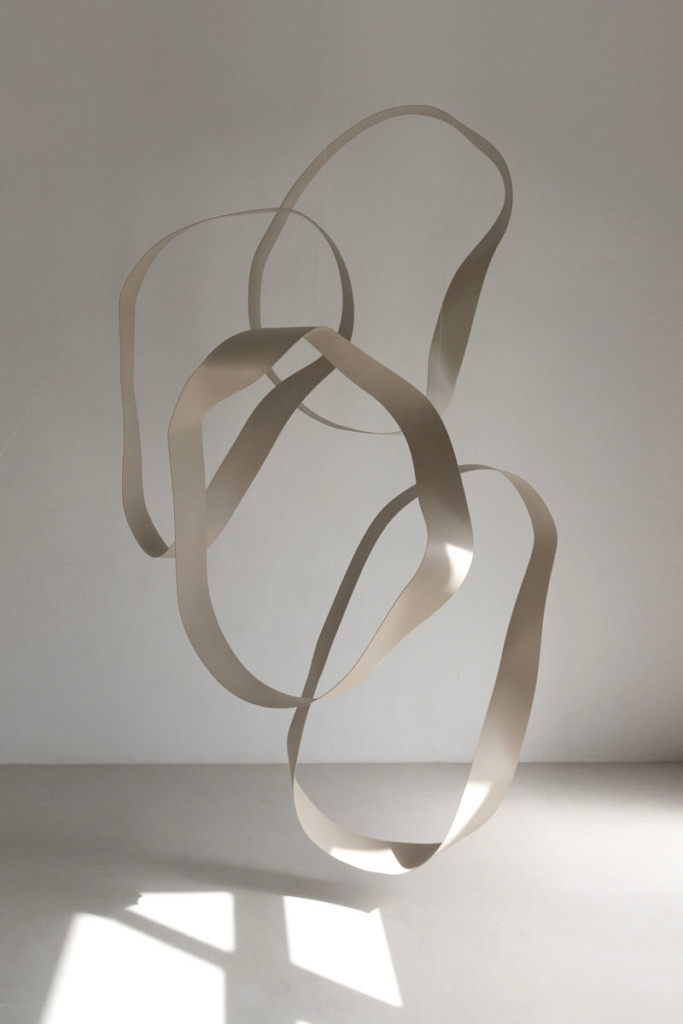
Critics consider José Pedro Croft one of the renovators in Portuguese sculpture, and one of the most representative figures in the artistic international panorama. He personifies a coherent and constant artistic trajectory, who aside from working with Galeria Senda for more than fifteen years, Croft will have a solo show in the space in Barcelona in March 2017.

Invited by Álvaro Siza, one of the most important names in the architecture field, José Pedro Croft will work together with him in a large project that will begin in the Architecture Biennial in Venice and will culminate in the Arts Biennial in 2017. Although Portugal does not have an official pavilion in any of the Biennials, his project will represent the country for both events.

The Portuguese exhibit is the only one, because it will be installed in the island of Giudecca in Venice, where Siza’s social dwelling project, created in 1985, can be found: Campo di Marte. This project, related with social architecture, was formed by four architects (Aldo Rossi, Arlos Aymonino, Rafael Moneo and Siza himself) and he was never able to complete it because he didn’t have enough funding. Campo di Marte was composed by four buildings that conform an interior patio where José Pedro Croft is in charge of creating a source of dialogue with a space built by these buildings. All of this will take place in the 15th Architecture Biennial, which will be from May 28th until November 27th of this year.

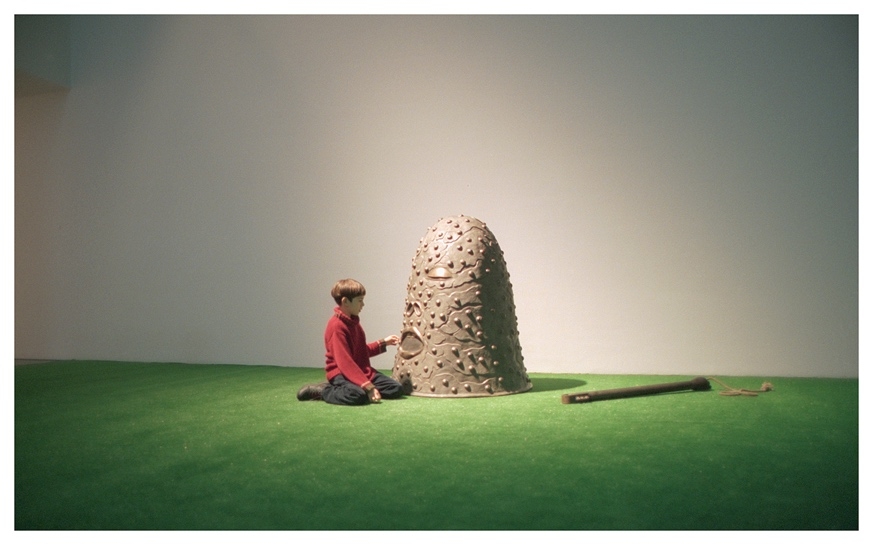
In reference to the 57th Arts Biennial in Venice (from May 13th until November 26th in 2017), Croft also represented Portugal with an installation curated by João Pinharanda, which will create dialogue with Siza’s architecture project. The artist will build a monumental sculpture in the Campo di Marte and it will be made with iron, mirrors and glass, three elements that characterize Croft’s artistic proposal.
¿Who was really Ángeles Santos?

As part of the Women’s Views Biennial  2016, galería  SENDA  has organized a talk focused on  life and work of Spanish artist Ángeles Santos Torroellla.

The  WVB-2016 it is an event that brings together different initiatives to show the creative activity of women and their large demonstrations in a national and international way. It’s taking place from March to December 2016, the Women’s Views Biennial will bring together initiatives that make women and gender issues a source for reflection, debate and creation.

Ángeles Santos Torroella is a painter  that  deserves an special place in the Spanish surrealist painting, born in Portbou in 1911, moves at sixteen years old to Valladolid where she takes painting classes and two years later created, whats it’s going to be  his first major work, Un Mundo,  large format oil that caused a sensation among the intellectual media of the time, particularly considering that the artist was a young woman living in the provinces, too far from the capital’s cultural scene to have come across any of the advances of the new art movements.  Currently this work is exposed as a permanent work in the National Museum Centro de Arte Reina Sofia. In 1929 she has his first solo show at the Ateneo of Valladolid , since that she begins a long artistic career full of  ups and downs that ends after his dead in 2013.

Talk:  Life and work


Speakers:

 Anna Capella, art historian, curator of expositions , ex director of  the Museo del Empordà and  current director of   Museo of Mataró, author of the book  Ángeles Santos, Between life and painting (2011).

 Cristina Massanes, Journalist and writer , was curator of the exposition  (Re)visions del món. 100 anys d’Ángeles Santos Torroella (2011).


 Rosa Brugat, Visual art,  Author of the  video art Buenas noches, Inspired  in the paint, El mundo de Mª Santos Torroella, the video will be displayed after the talk.


Date: 7 julio 2016

Time:  19 hrs

Galeria SENDA organises talks about Europe

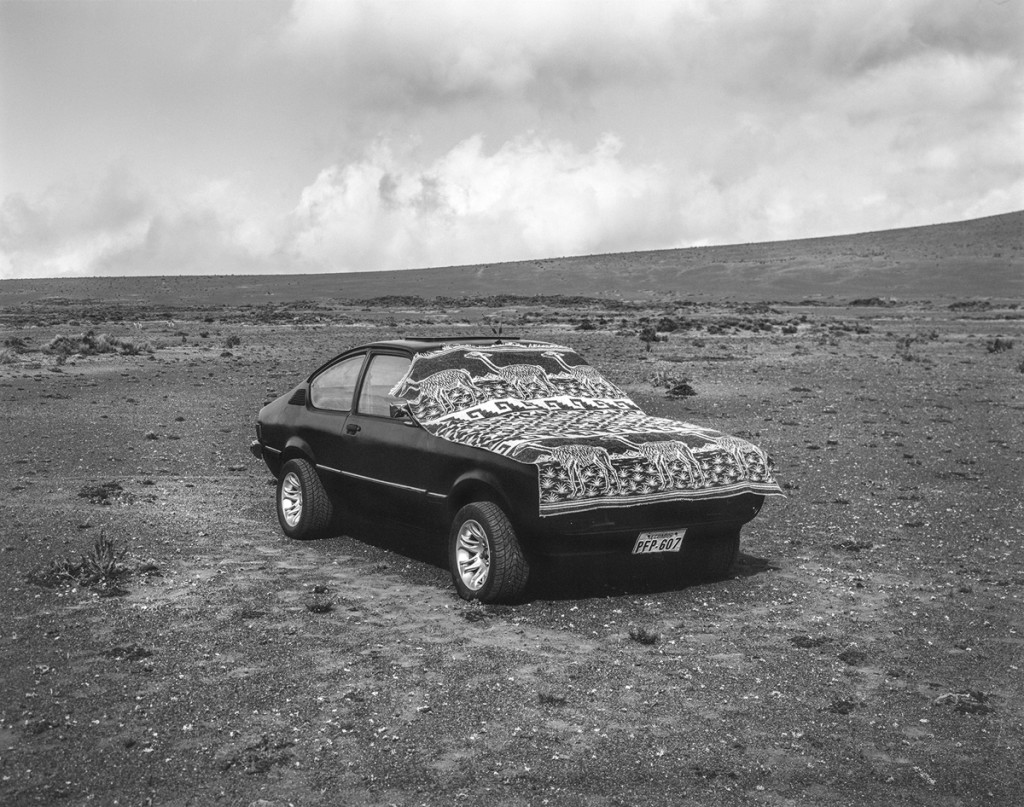
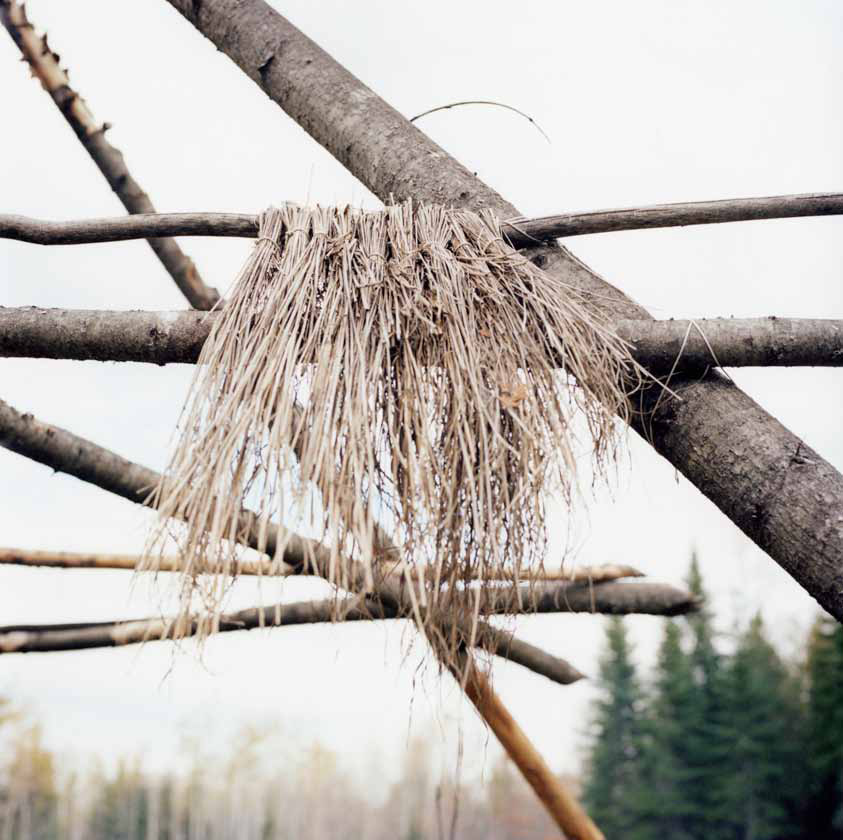
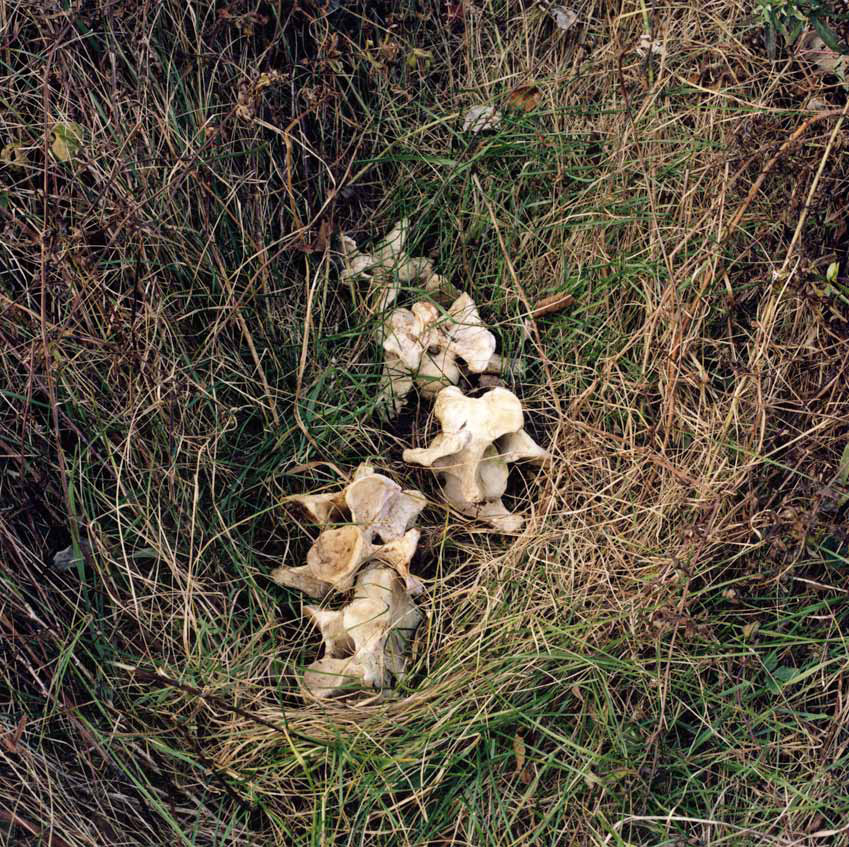
Regarding this year’s topic of DOCfield>16 “Europe: Lost in translation”, Galeria SENDA has organised a series of conversations with interesting characters in the context of the work “Europa” by Jordi Bernadó.

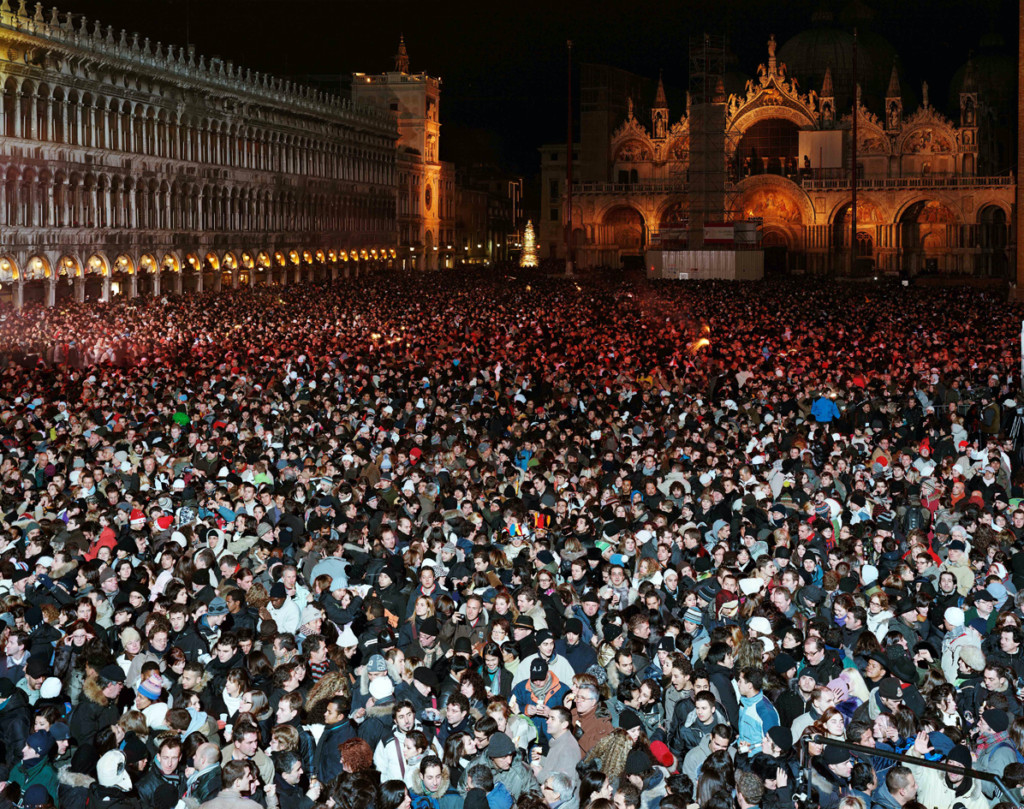
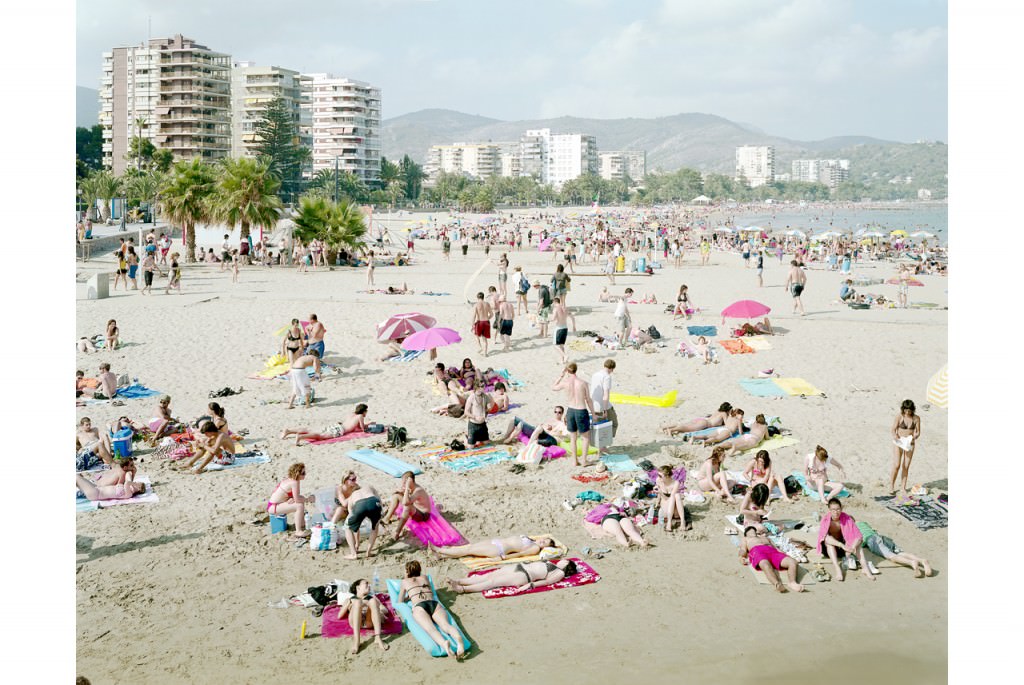
In this project, Bernadó starts a journey through 27 cities, portraying landscapes and perspectives of the continent to create the book “Europa”. The following conversations are inspired in those images:


First talk: “Europe has not always existed”
Tuesday May 24th, 2016. 19h.
Galeria Senda

docfield_lahuerta

Juanjo Lahuerta: He’s an Architect and professor of Art History and Architecture in the School of Architecture of Barcelona. He has been a member of the Collegio Docenti della Scuola Dottorati del Istituto Universitario di Architettura IUAV of Venice and has had the title of the Kina Juan Carlos I Chair of Spanish Culture and Civilization in New York University. He’s currently the Chief of Collection of MNAC.


Second talk: “Europe and its ghosts”
Monday June 13th, 2016. 19h.
Galeria Senda

docfield_roma

Valentín Roma: He holds a PhD in Philosophy and a BAS in Art History. He was the Head Curator of MACBA until 2015. In 2009, he won the contest to curate the first Catalonian Pavilion for the Venice Biennale. He’s currently the Director of La Virreina Centre de la Imatge.


Third talk: “Europe in the labyrinth”
Monday June 27th, 2016. 19h.
Galeria Senda

docfield_corona

Juan Corona: He holds a PhD in Economic Sciences; he’s a professor in Applied Economics and a permanent member of the Royal Academy of Doctors. Author of a vas work in economics and enterprises matters, he has also been an advisor for the World Bank, the Inter-American Development Bank and several programmes of the European Union.


Gao Xingjian, Call for a Renaissance

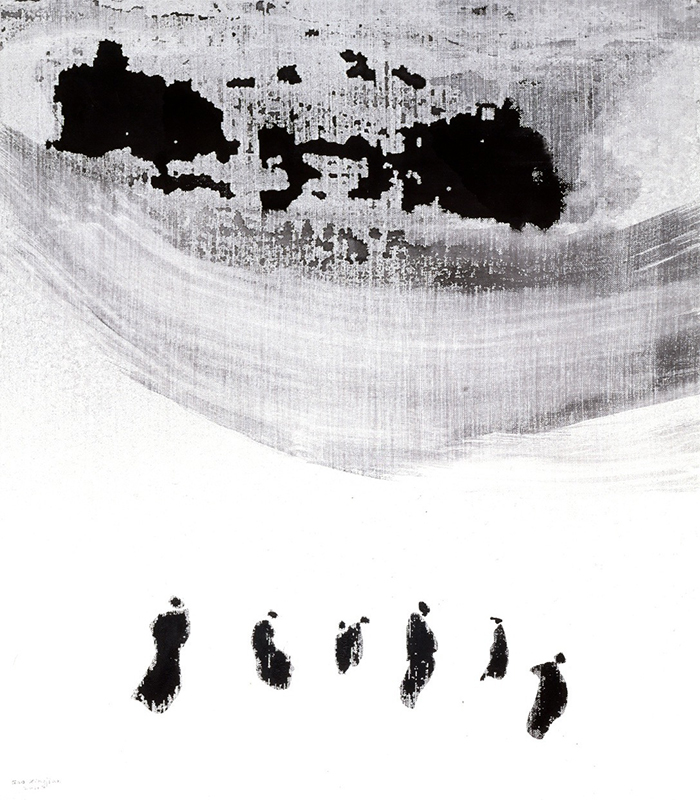
Call for a Renaissance gathers a selection of 24 artworks from Gao Zingjian’s private collection, all of them ink on canvas, big and medium format and from 1998 to 2013. Gao Xingjian’s paintings are born from a personal cultural fusion between East and West. His painting is characterized by the dominant use of materials of Chinese tradition –rice paper, ink and Chinese brushes– but the technique is uniquely modern. From his studies of modern West art, Gao has always appreciated the importance of the physical act of paint, the inquiry in pictorial matter and specially the autonomy in pictorial language.


More information in Sala Kubo Kutxa

Call for a Renaissance will be at Sala Kubo – Kutxa from October 16th to January 3rd 2016.

Isabel Rocamora: Troubled Histories, Ecstatic Solitudes at Koffler Gallery

Koffler Gallery presents the first solo show in Canada of British-Spanish artist filmmaker Isabel Rocamora. Her large-scale video installations consider the performative language of human gesture and its relationship to individual and cultural identity. Including Faith (2015, exhibition premiere), Body of War (2010), Horizon of Exile (2007) and Portrait in Time and Gesture (2005), this exhibition examines issues of faith, exile, territorial attachment and the intimacy of violence. 

Isabel Rocamora: Troubled Histories, Ecstatic Solitudes, September 17th to November 29th, 2015
Opening: Thursday September 17th, 2015 | 6 – 9 PM
Koffler Gallery, Artscape Youngplace, 180 Shaw Street
Curator: Mona Filip | Curatorial Advisor: Magda González-Mora

More information

Eve Sussman & Rufus Corporation at Smithsonian American Art Museum

Watch This! Revelations in Media Art presents pioneering and contemporary artworks that trace the evolution of a continuously emerging medium. The exhibition celebrates artists who are engaged in a creative revolution and explores the pervasive interdependence between technology and contemporary culture. The exhibition includes 44 objects from 1941 to 2013, which were acquired by the museum as part of its longstanding commitment to collecting and exhibiting media art.

Watch This! includes major works by artists Cory Arcangel, Hans Breder, Takeshi Murata, Bruce Nauman, Raphael Montañez Ortiz, Nam June Paik, Martha Rosler, Eve Sussman, Bill Viola and others that highlight the breadth of media art, including 16 mm films, computer-driven cinema, closed-circuit installations, digital animation, video games and more.