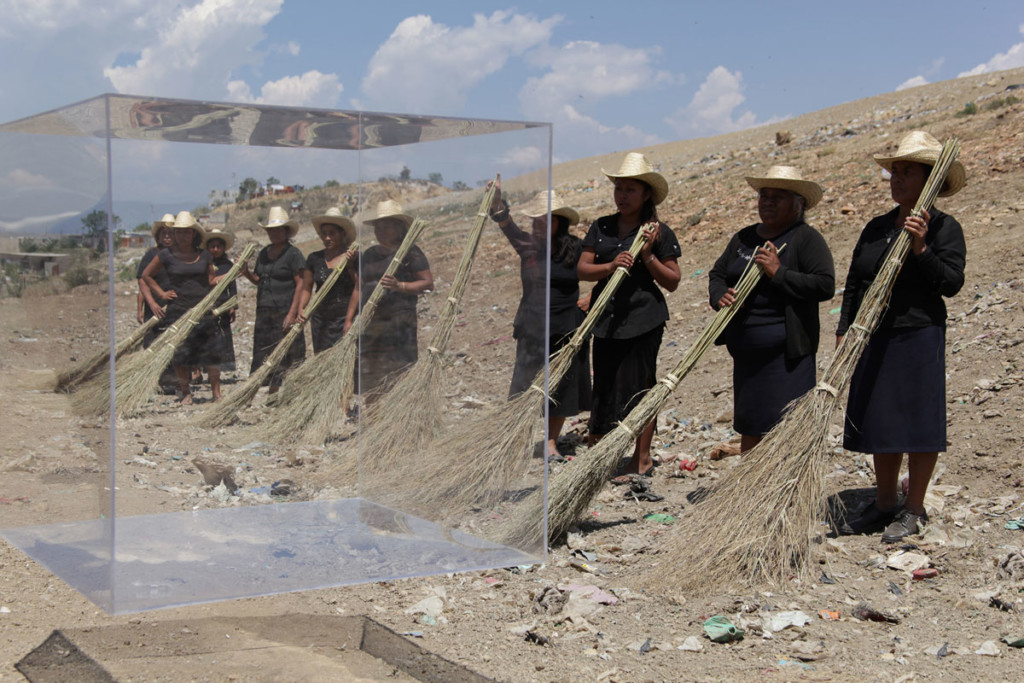
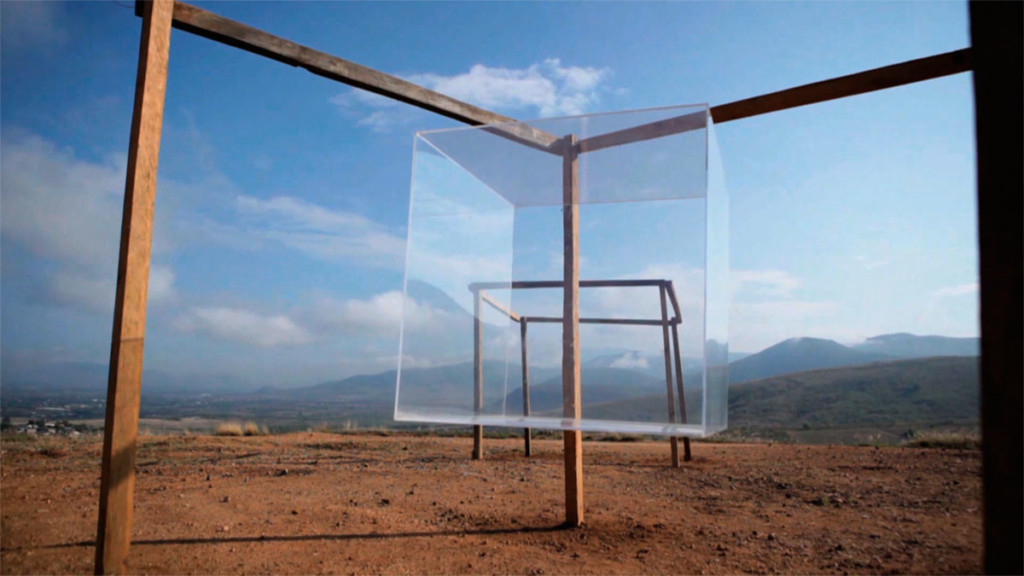
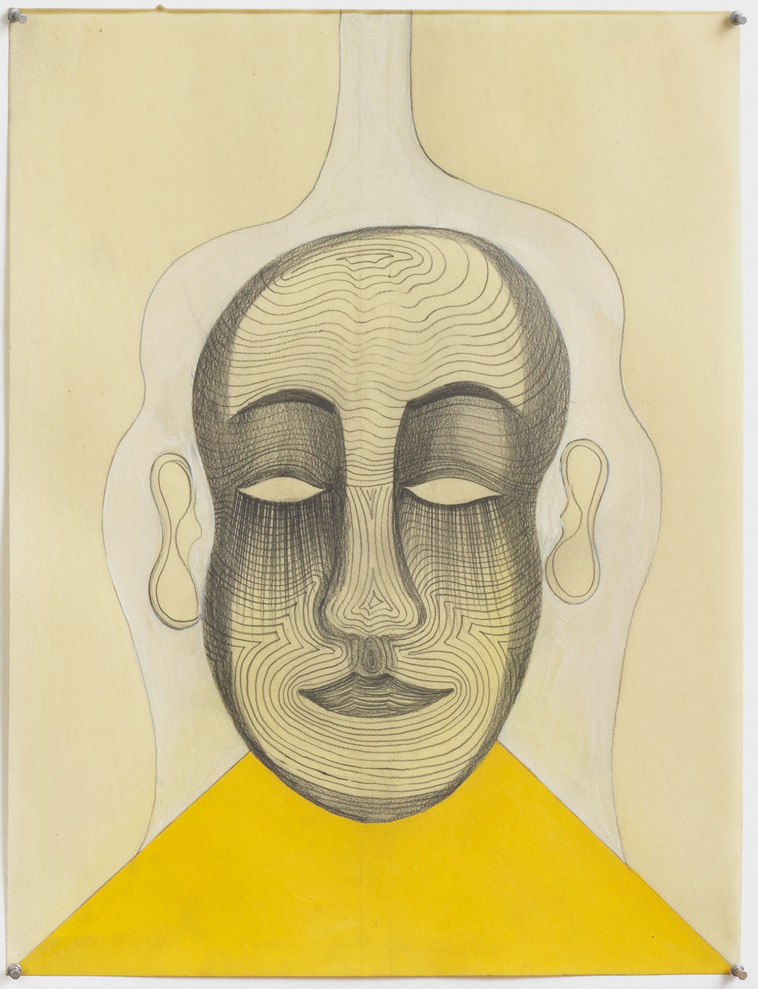
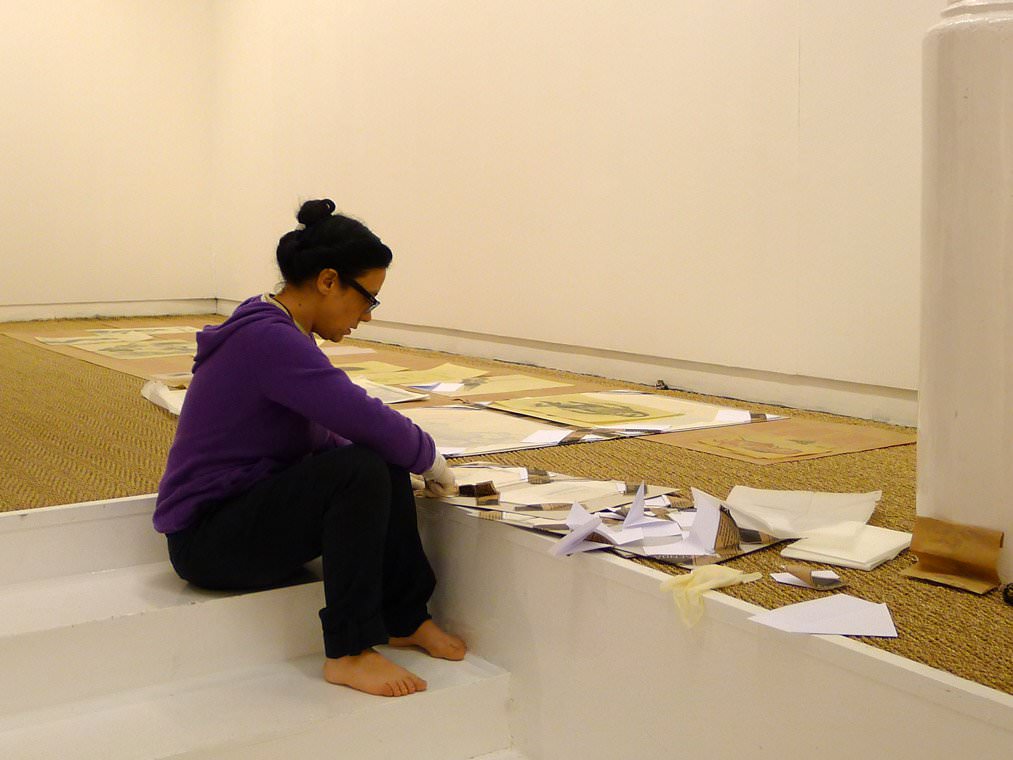
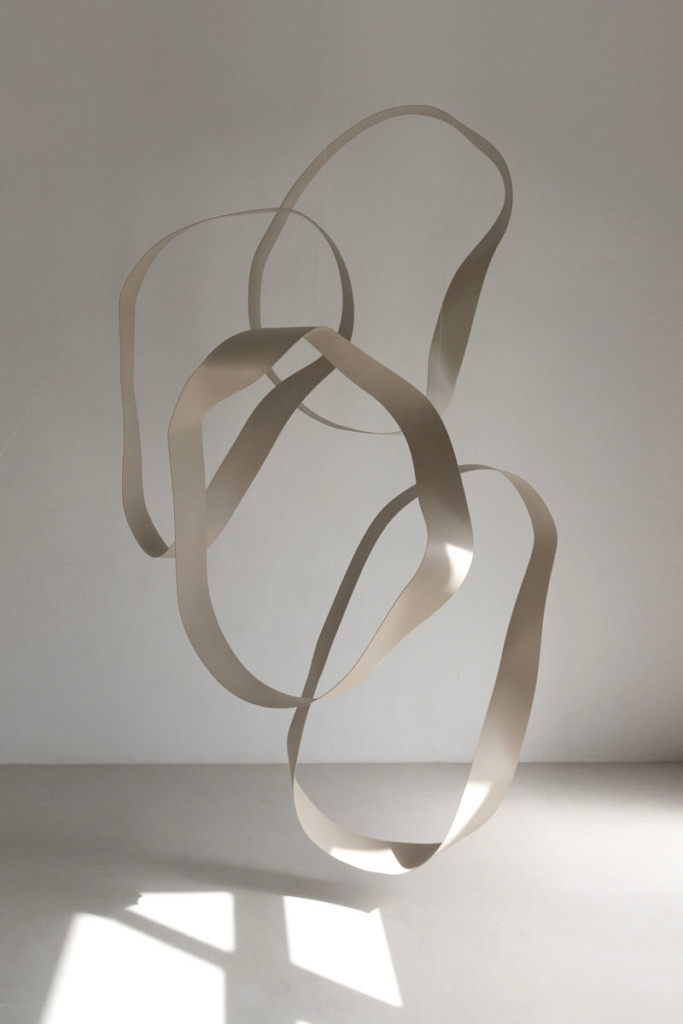
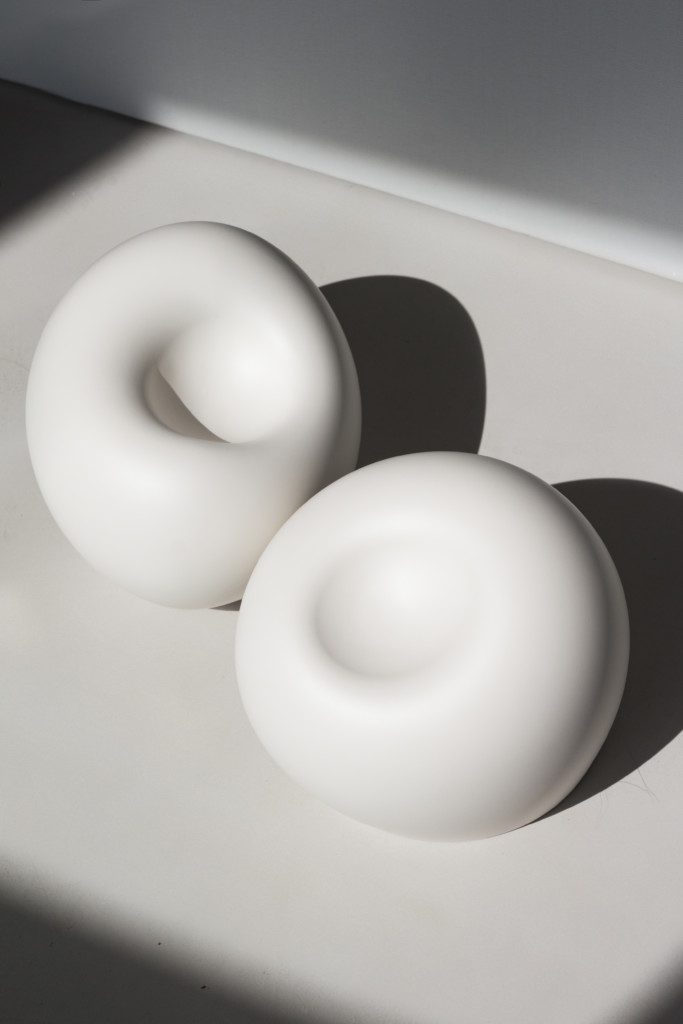
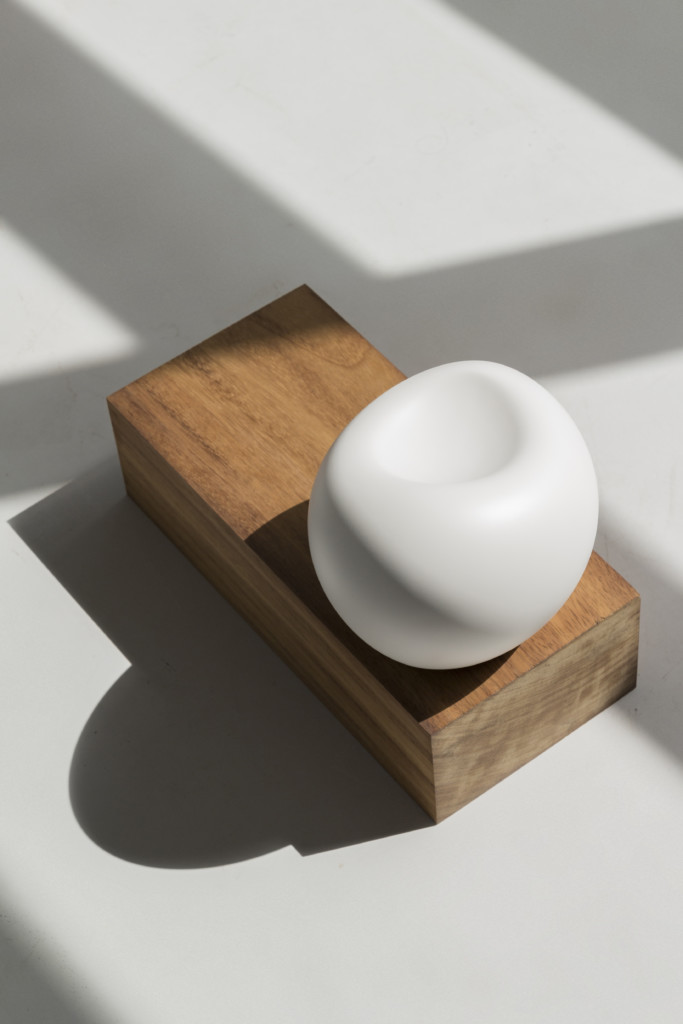
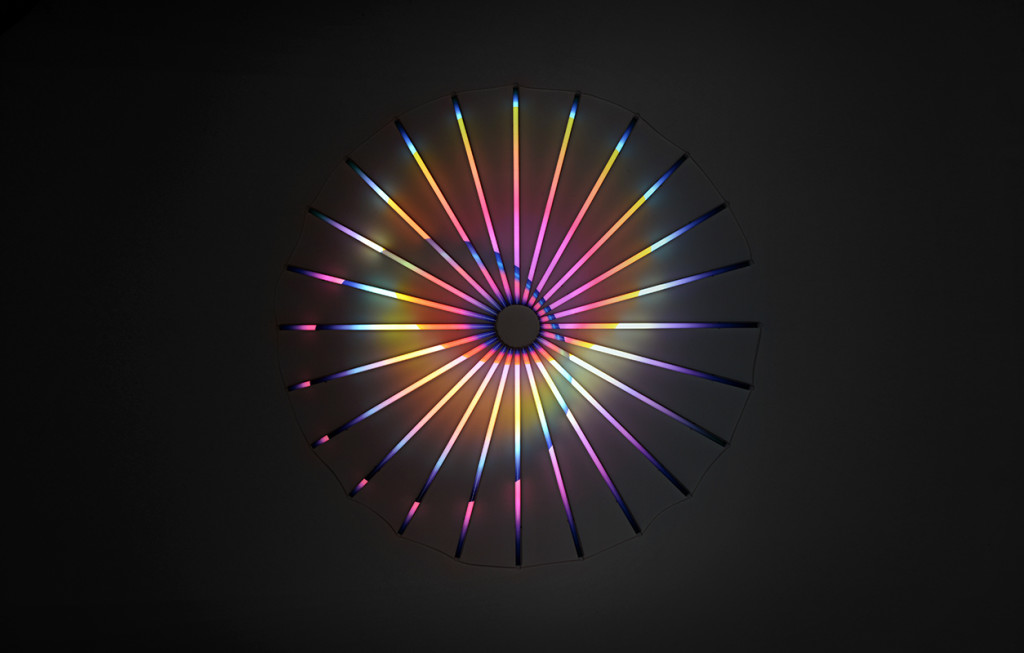
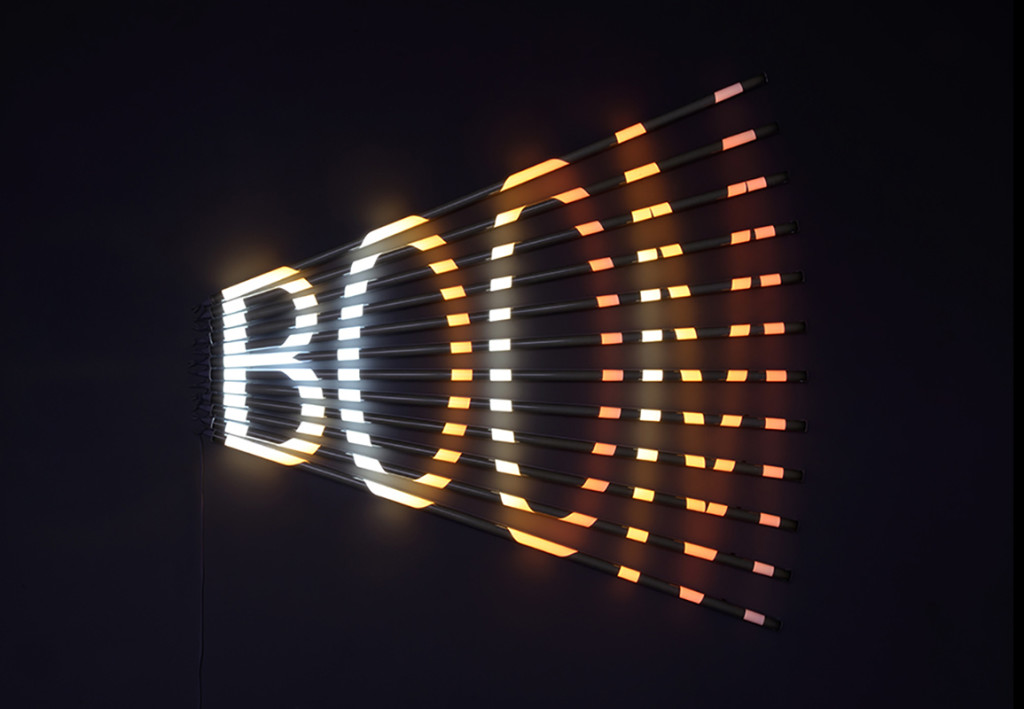
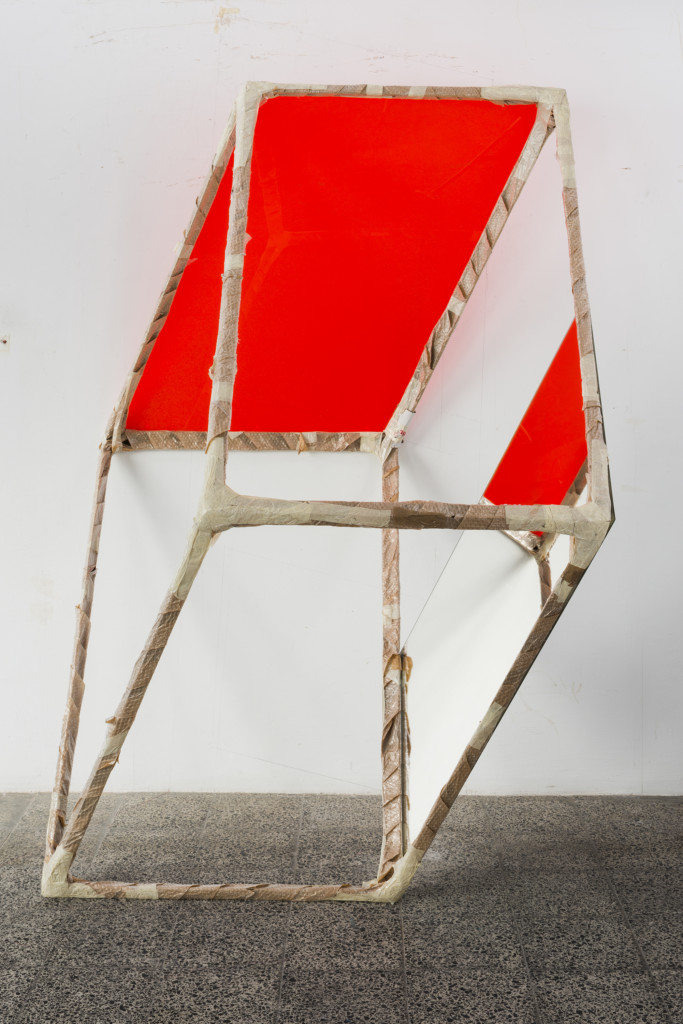
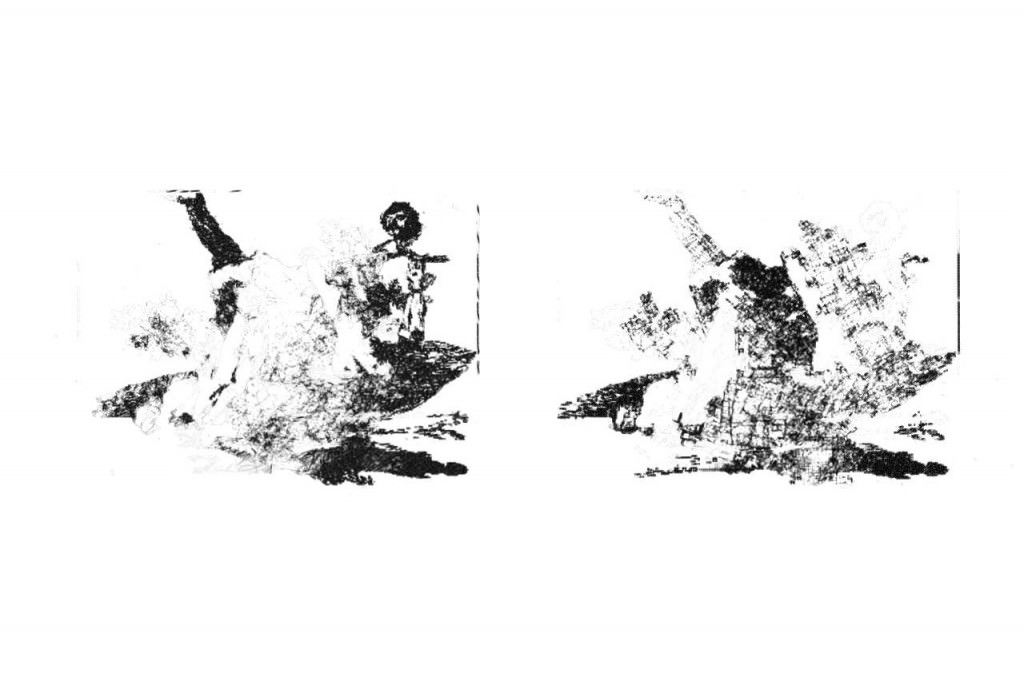
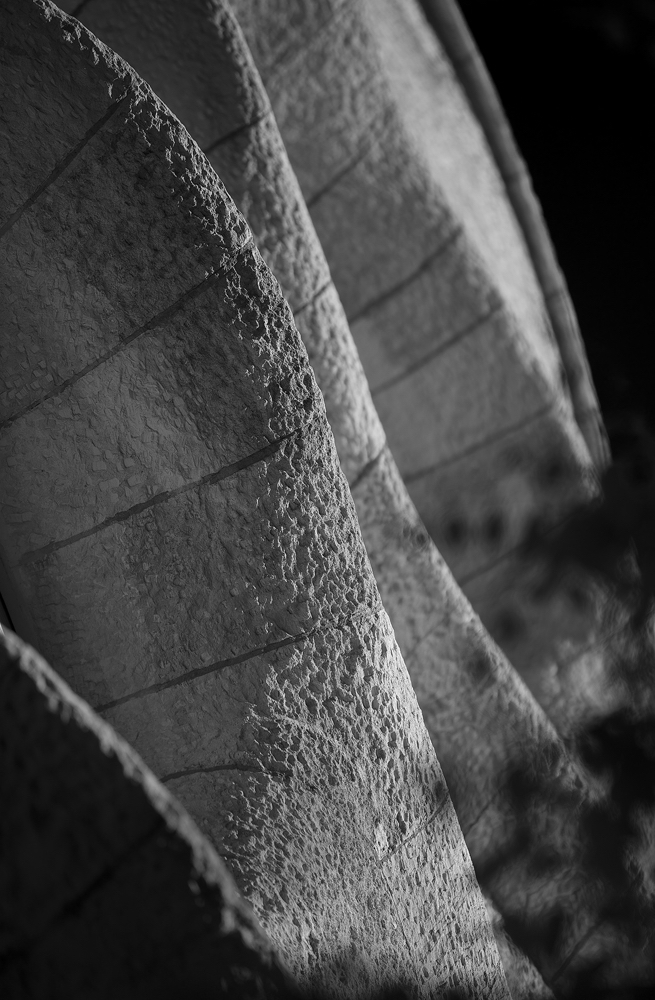
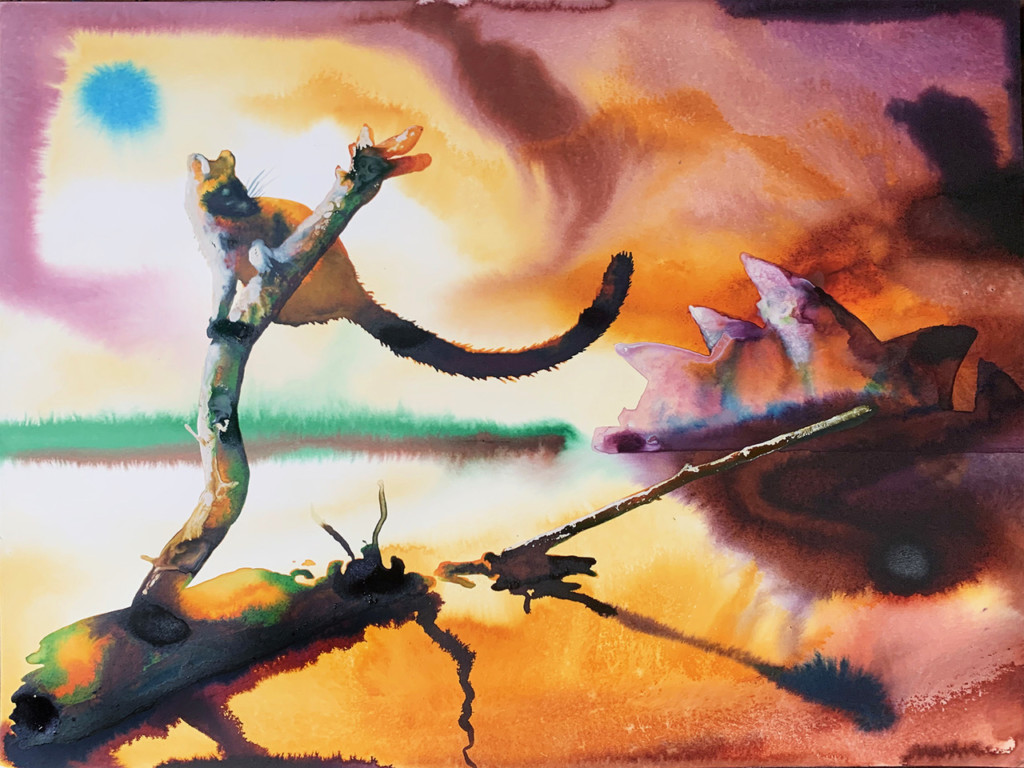
“Novos trabalhos, velhos territórios” will be the fourth solo exhibition by José Pedro Croft in Galeria SENDA. His work is based in sculptures and drawings, where he explores with different materials, colos and perspectives to create new volumes and an altered sense of space. The artist was the representative of Portugal on the las edition of the Venice Biennale of Architecture in 2016 and he will also represent his native country at this year’s Venice Biennale.
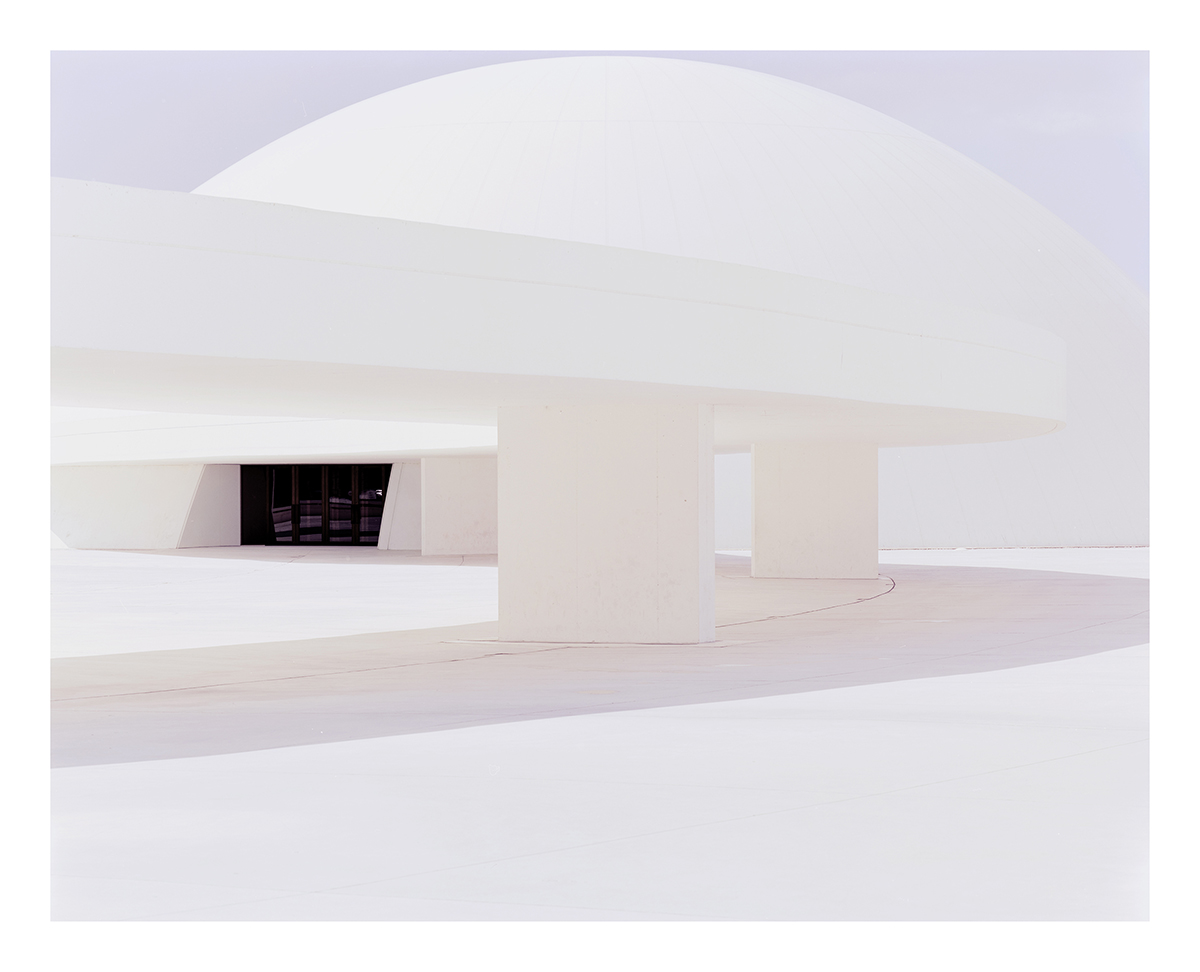
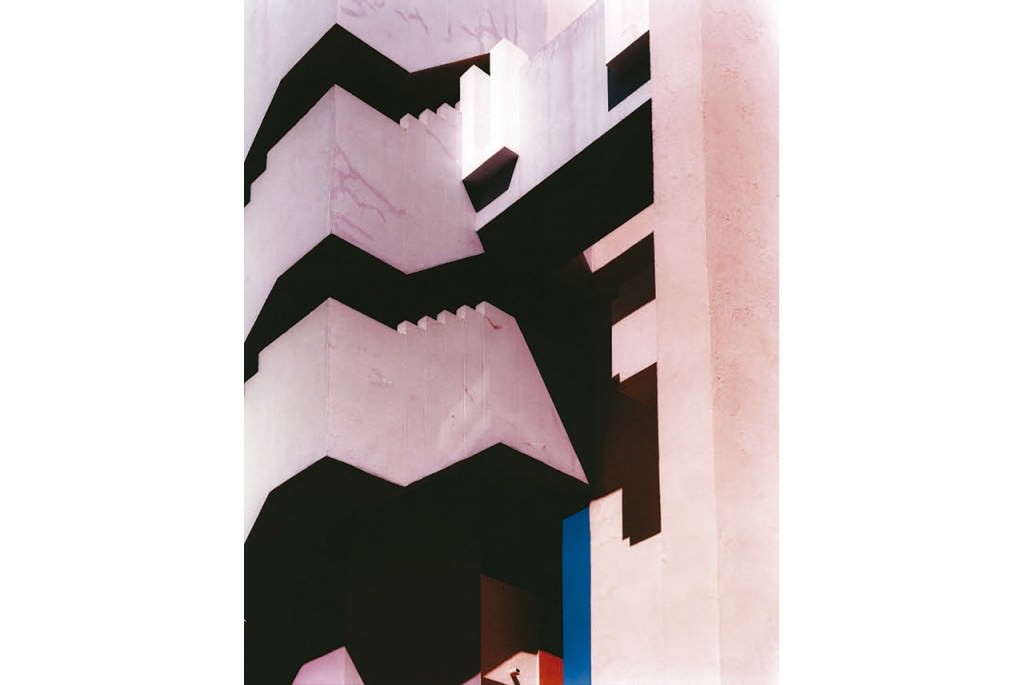
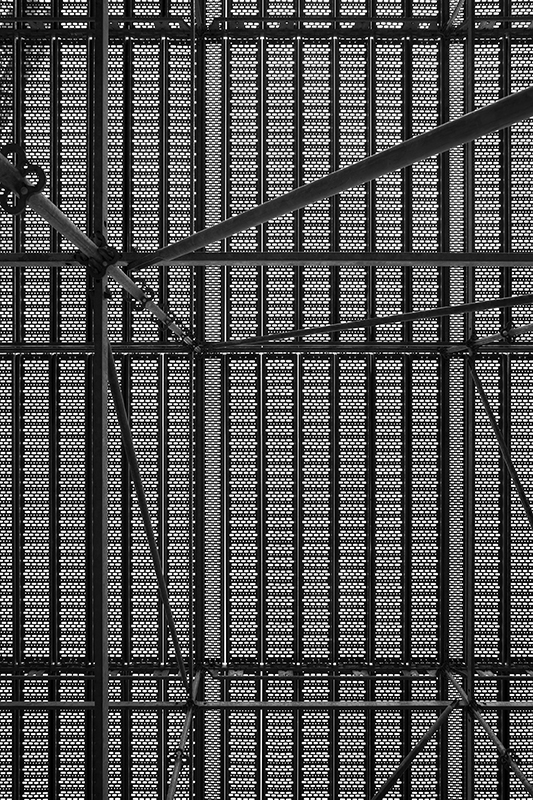
“Sketches of Spain” outlines a decade of studies by Kolehmainen of the most emblematic contemporary buildings in Spanish territory. Through his particular perspective, the artist reflects on the dialogue between building and light and the influences found in the works by Bofill, Mies van der Rohe or Ambasz.
Galeria Senda will have its first collaboration with the acclaimed Turkish photographer Ahmet Ertug in Istanbul, his hometown, with a show of his renowned large-format photographs of the Byzantine and Ottoman architecture and art.
With 112 galleries from 28 countries, viennacontemporary, is the largest and most prominent art fair in the region, the highest concentration of Eastern European galleries worldwide. Senda participates for the first time in these event, presenting a solo show of the recognized Russian artists Oleg Dou.
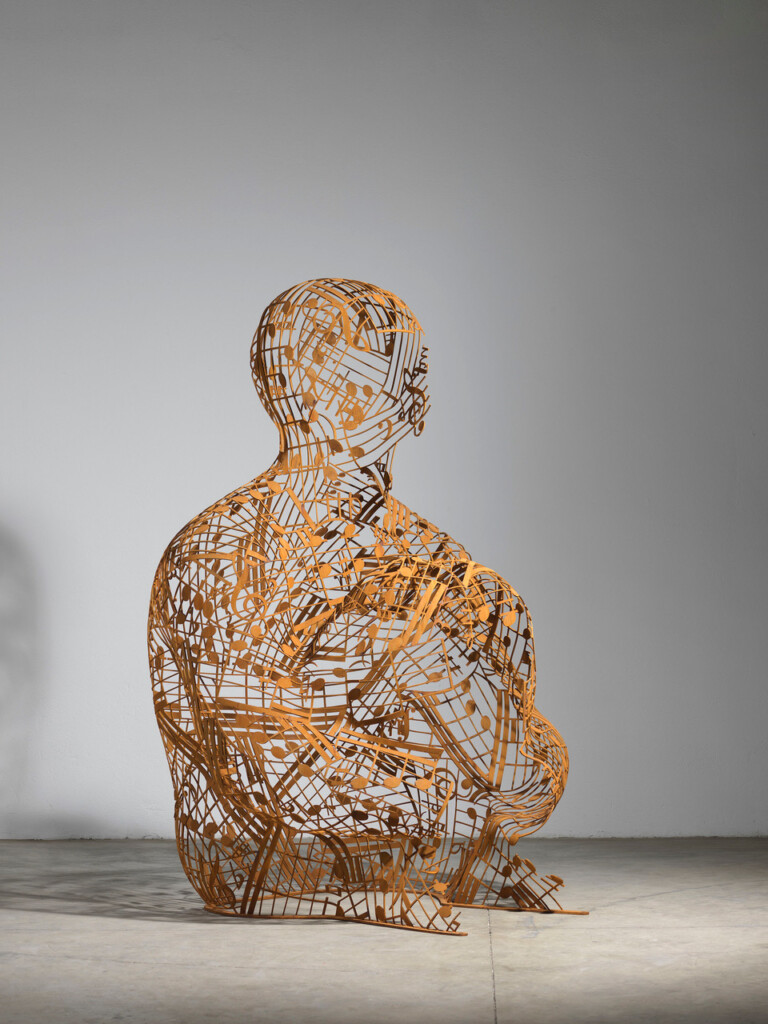
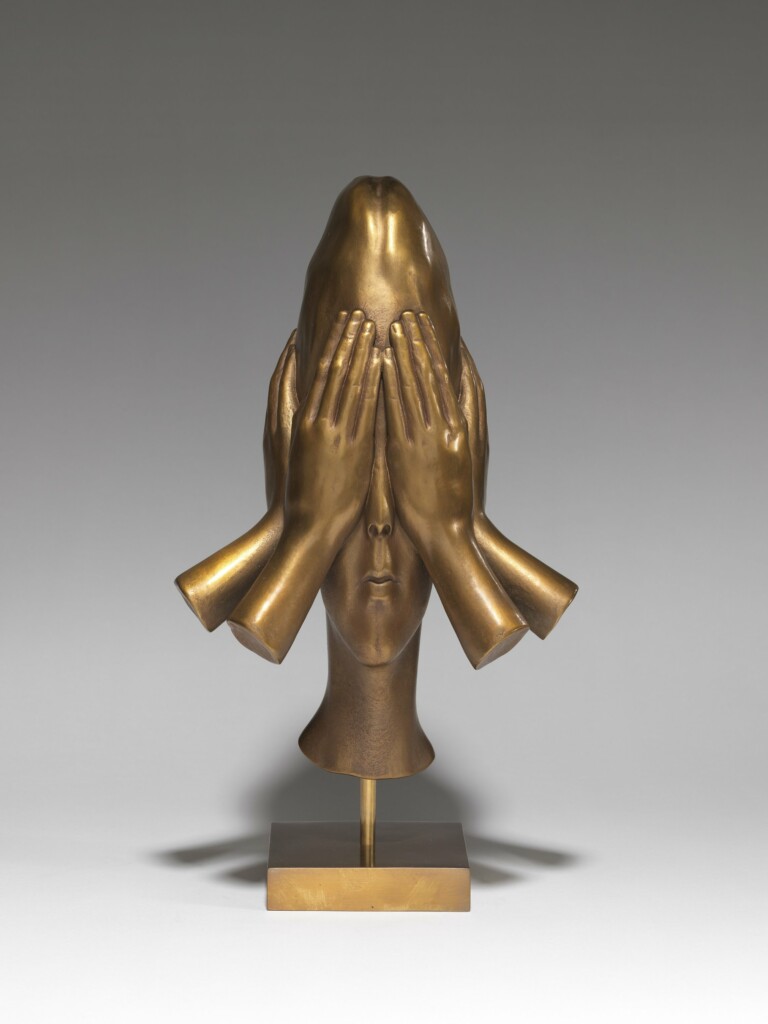
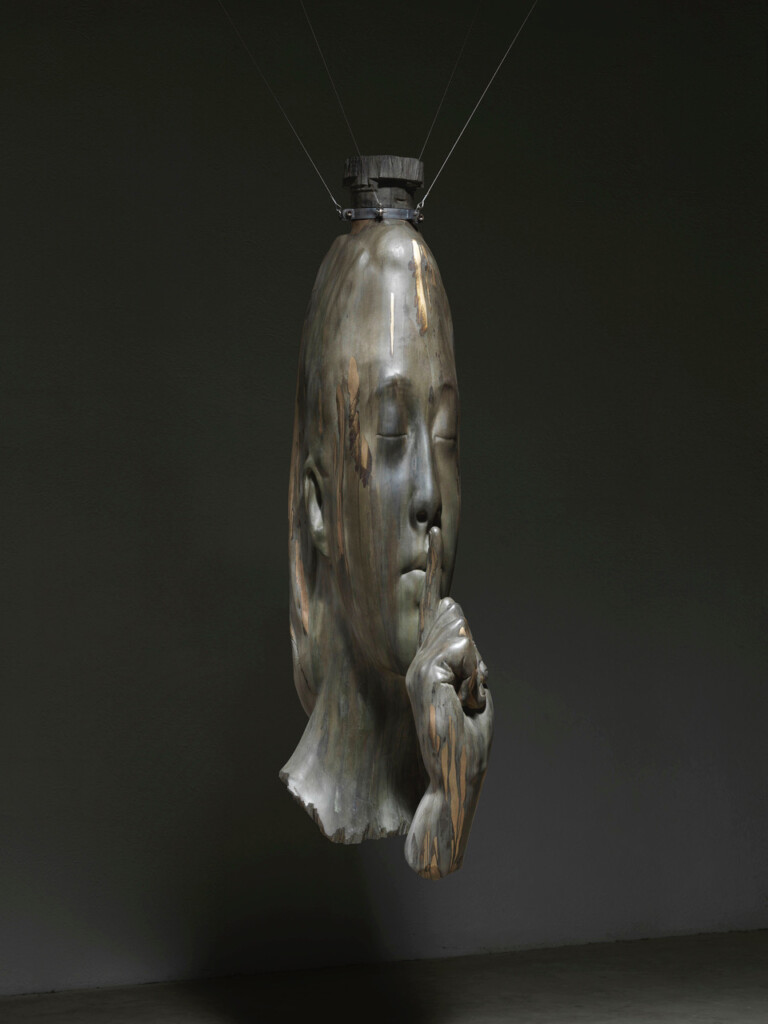
Jaume Plensa presents a work of friendly confrontments: between what is shown and what is hidden, between the imprints of the past and the opening towards the future, between nature’s formations and man’s creation; and between sonorous vibration and the most intimate realms of silence. After seven years without exhibiting in a gallery in Barcelona, the artist will have his first solo show at Galeria SENDA, coinciding with our 25th anniversary.
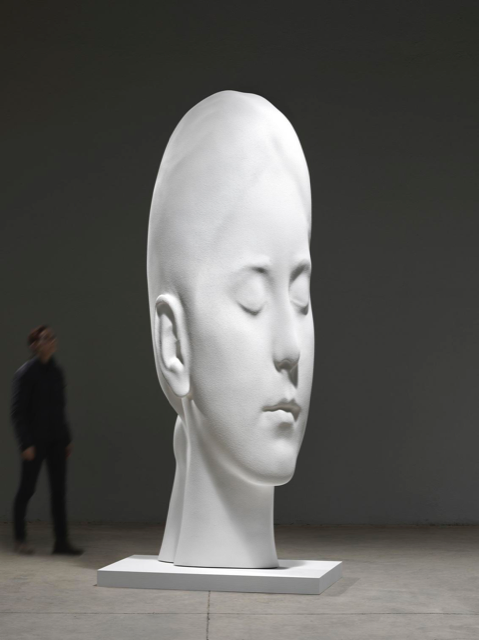
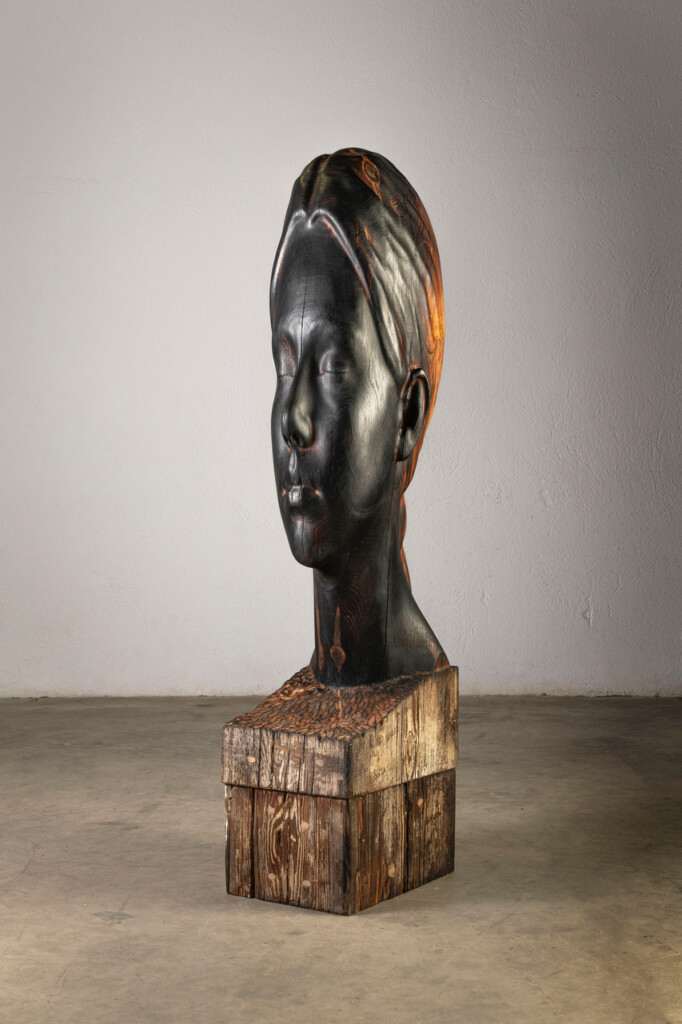
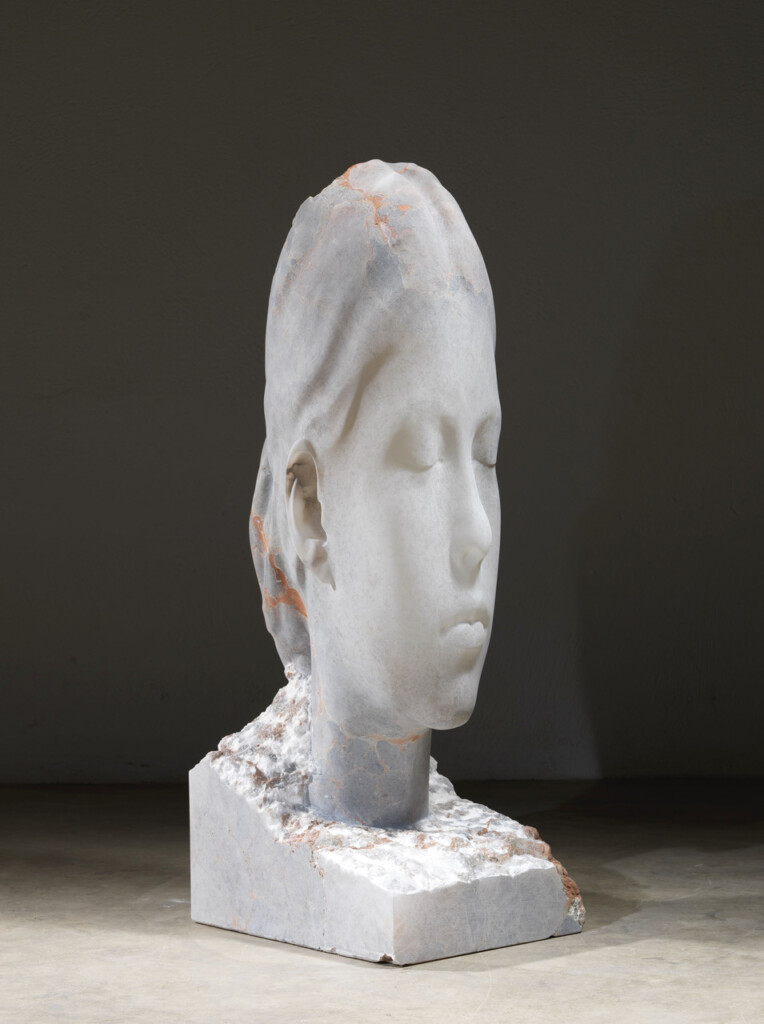
Entrails of an allegorical forest are revealed through sculptures of young female faces. A face is like a tree: within the forest of social collectiveness, each one maintains its individuality. The girls close their eyes and their fleeting beauty stays immortalized. The sculptor elongates the heads in order to distance them from their materiality, presenting them with a more totemic and spiritual quality. This way, he portrays introspection and contemplation towards man’s most profound inner self.
The white pieces Lou, Duna, and Isabella are sculpted in a wooden mold, which then is transferred to bronze and covered with a white patina. Sustained on a base, the faces lose their weight and seem to be floating on the ground. His Isabella, made with basalt, suggests a blend between organic materials and human intervention, and the dark tones create chromatic contrasts with his white pieces. This way, Plensa completely encloses the show by extending the paper support to the wall, integrating the gallery’s space with his work to explore the possibilities of fusion between drawing, sculpture, and architecture.
With this exhibition, Plensa wishes that the audience connects with the pieces in the same way that he finds inspiration to work. “It is an exhibition that demands solitude. Sculpture is a pathway that comes from yourself, goes towards yourself, and is with yourself.”
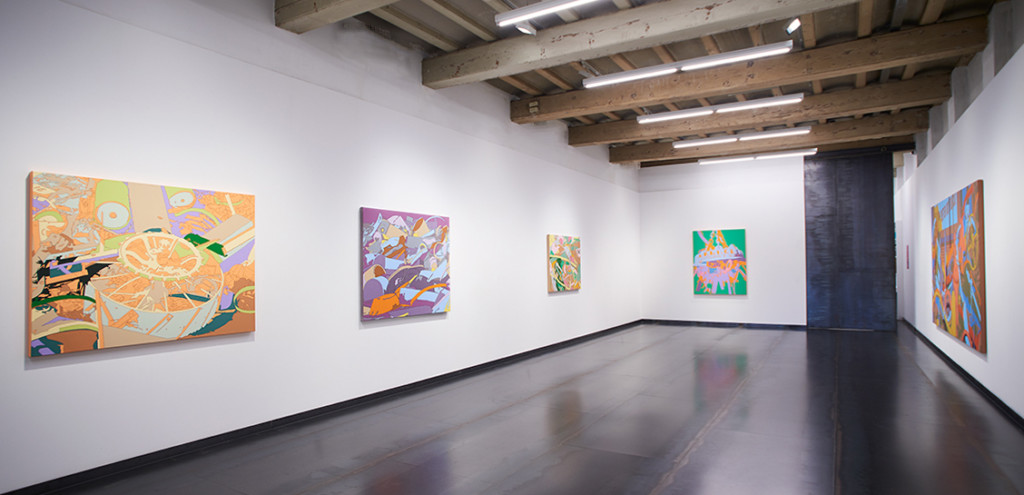
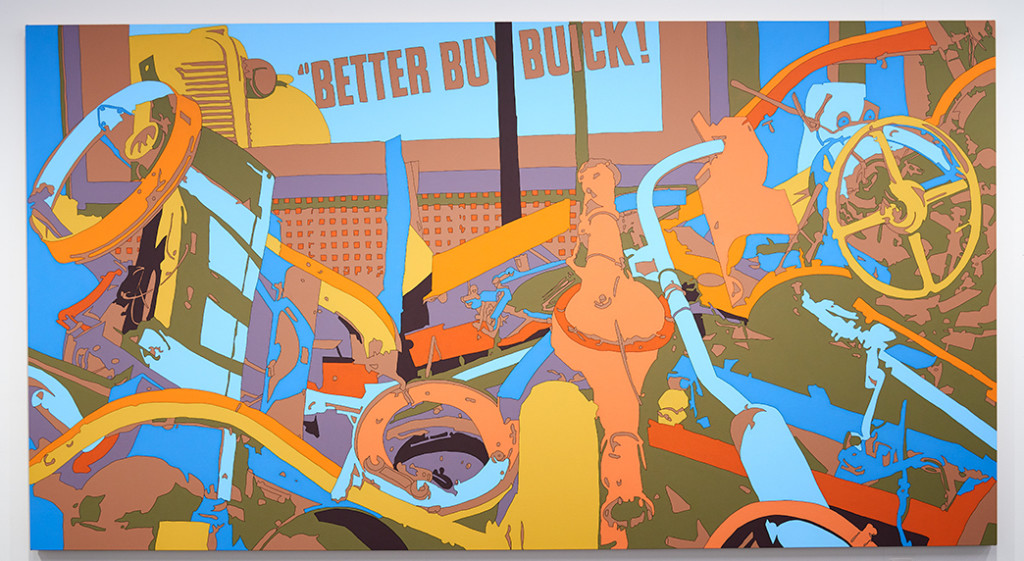
With 112 galleries from 28 countries, viennacontemporary, is the largest and most prominent art fair in the region, the highest concentration of Eastern European galleries worldwide. Senda participates for the first time in these event, presenting a solo show of one the icons of 80´s Lisa Ruyter.
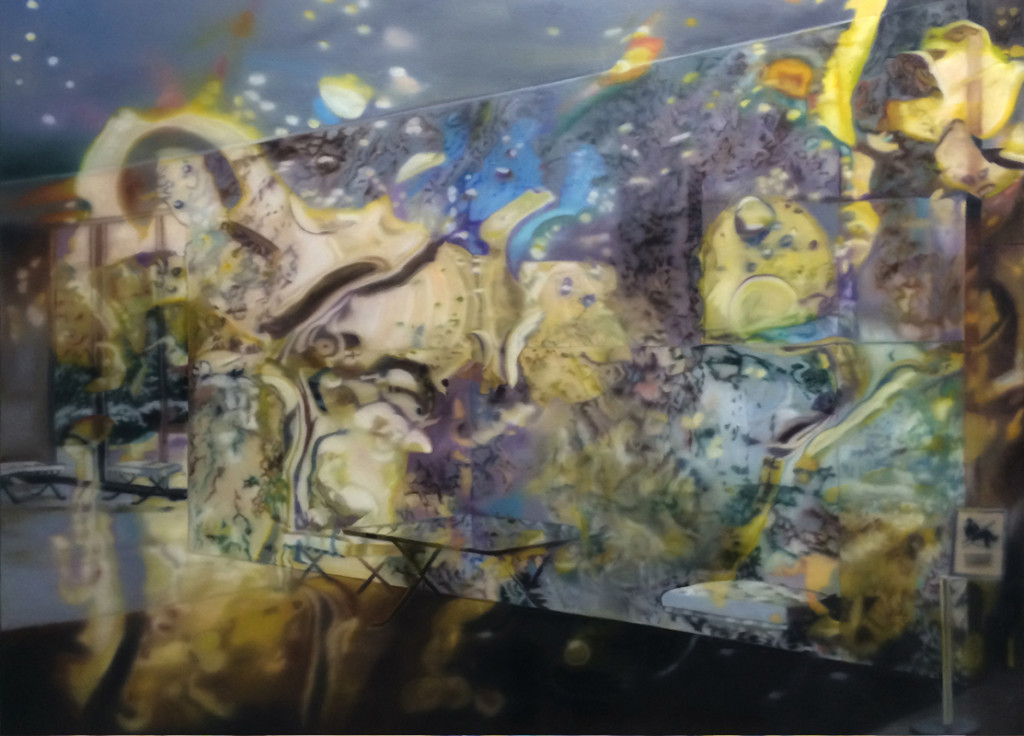
Simulacrum is Anthony Goicolea’s second solo exhibition at Galeria Senda. Known for his versatile profile, this artist focuses on a wide spectrum of medium in his creation that range from digitally manipulated landscapes to paintings that reflect beautiful bodylines. He is inspired by the interaction with nature and themes about identity and migration. The artist fully immerses himself into his work to demonstrate the good and evil, capturing both what is beautiful and what is intensely grotesque, -things that can attract and repulse.
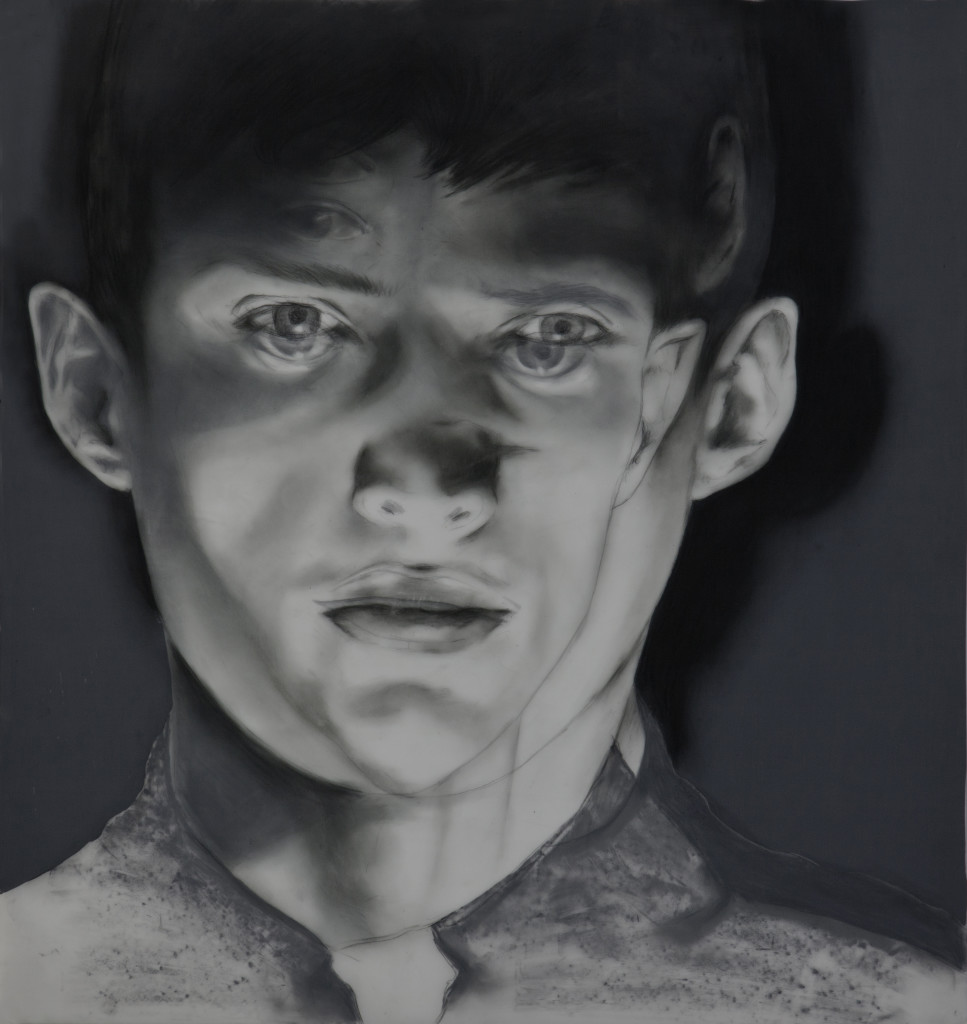
By mastering the techniques of graphite and oil in his recent series Anonymous Portraits, dedicated to the human body, the artist depicts it, representing its gestures and lines in movement. On the other hand, his landscapes range from dream-like woodland environments to vast urban and industrial wastelands. The use of Mylar paper, a semi-translucent material, allows Goicolea to play with layers of shades and paint for both the creation of colourful landscapes and the exploration of gracious delicate movements.
When speaking about method, the repetition is mentioned, but rarely the insistence. To insist is synonymous of to research, and at the same time implies the development of an almost unbearable continuity sustained by the nerve, by a reliance which knows it will find a reward, not only in the effect, but also in the construction of a character. This exhibition explores -from the work of an artist devoted to painting-, the possibility of a different contemporary world, open to an esthetic that does not allow any kind of assimilation to our present and, thus, it opens itself in a radical way to futurity.
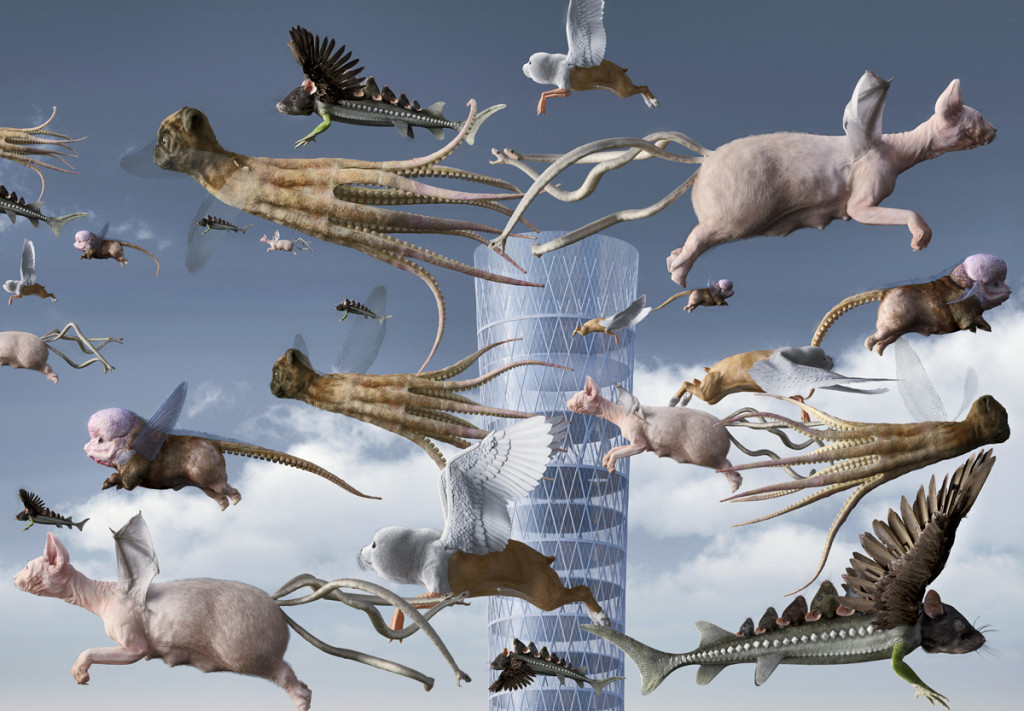
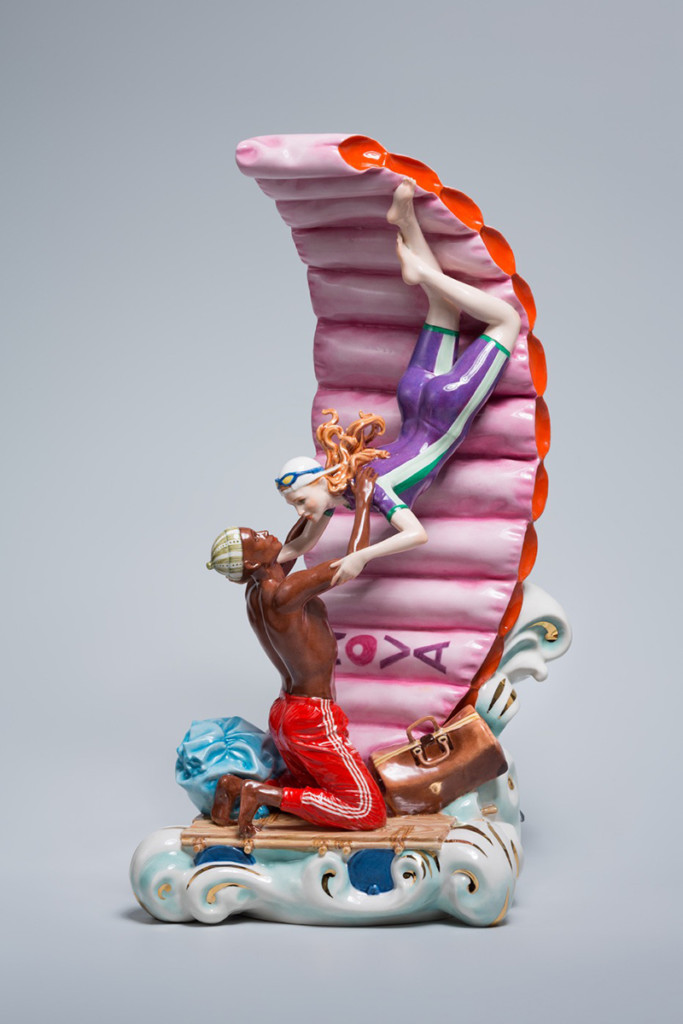
Engravings in the genre of “World Upside Down”, known since the 16th century, depict such scenes as a pig gutting the butcher, a child punishing his teacher, a man carrying a donkey on his back, man and woman exchanging roles and dress, and a beggar in rags magnanimously bestowing alms on a rich man. These engravings contain demons, chimeras, fish flying through the sky and death itself, variously with a scythe or in the mask of a plague doctor.
Mundus – the Latin “world” and Inverso – is both an Italian “reverse, the opposite” and the Old Italian “poetry,” which alludes to the art processing. In AES+F’s interpretation, the absurdist scenes from the medieval carnival appear as episodes of contemporary life in a multichannel video installation. Characters act out scenes of absurd social utopias and exchange masks, morphing from beggars to rich men, from policemen to thieves. Metrosexual street-cleaners are showering the city with refuse. Female inquisitors torture men on IKEA-style structures. Children and seniors are fighting in a kickboxing match. Inverso Mundus is a world where chimeras are pets and the Apocalypse is entertainment.
“Inverso Mundus” was created with the generous support of Blavatnik Family Foundation (USA) and Faena Art Foundation (Argentina), and with kind assistance from Fortuny (Italy-USA), PhotoFactory (Russia) and Triumph Gallery (Russia)
Senda began working with Peter Halley in 1992, when the Halley presented his work for the first time in its space on Pasaje Mercader. Since then, he has done four solo exhibitions at the gallery over a period of 23 years.
It was after a conversation with Halley, in which we spoke to him about the gallery’s new exhibition program, that the artist from New York proposed a four hands exhibition, a collaborative project with Barcelona’s Yago Hortal, who regularly exhibits with Senda.
The enthusiasm of these two artists for taking part in this collaboration has turned this exhibition into a unque event of special importance, something that goes further than the usualsolo painting show.
The exhibition ‘H-H. Halley meets Hortal’ has come together after eight months of conversations, e-mail exchanges, and the cross-posting of ideas, studies, and drafts in which both artists responded to each other’s practice.
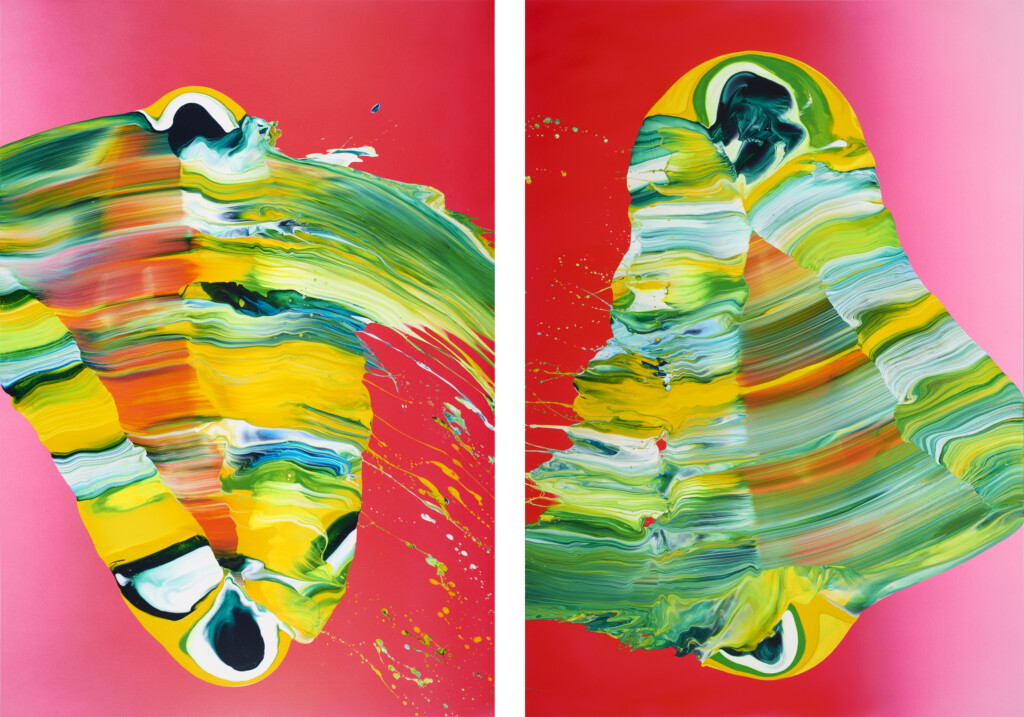
This led to conversations about things they have in common — and others that differentiate them — inside the world of abstract painting. It highlights the New Yorker and the Catalan, experience and youth, rationalism and randomness, geometry and gesture, two approaches to the mastery of color… a back and forth dialogue about what unites them and what distances them.
At Senda, each artist will exhibit three large paintings, conceived of with the goal of establishing a conversation. In addition, Peter Halley and Yago Hortal have created five collaborative works on paper, signed by both artists.