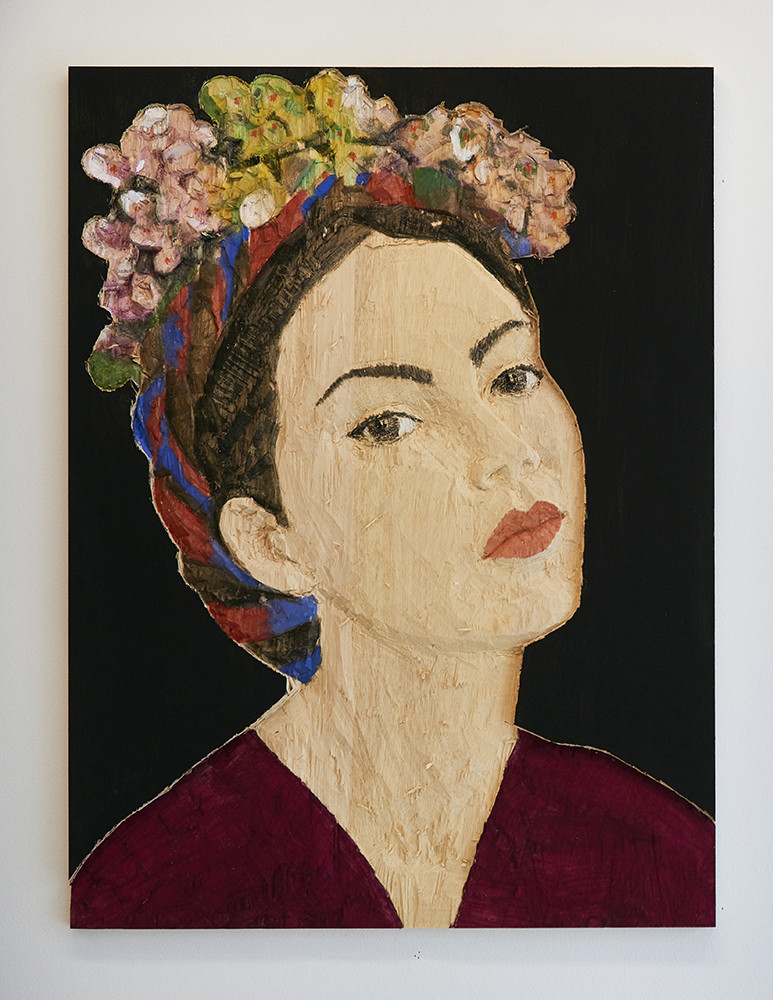
Stephan Balkenhol is characterized by his strive to reground figurative sculpture. His ability to
carve, alongside a constant investigation of the role of sculpture within the contemporary art
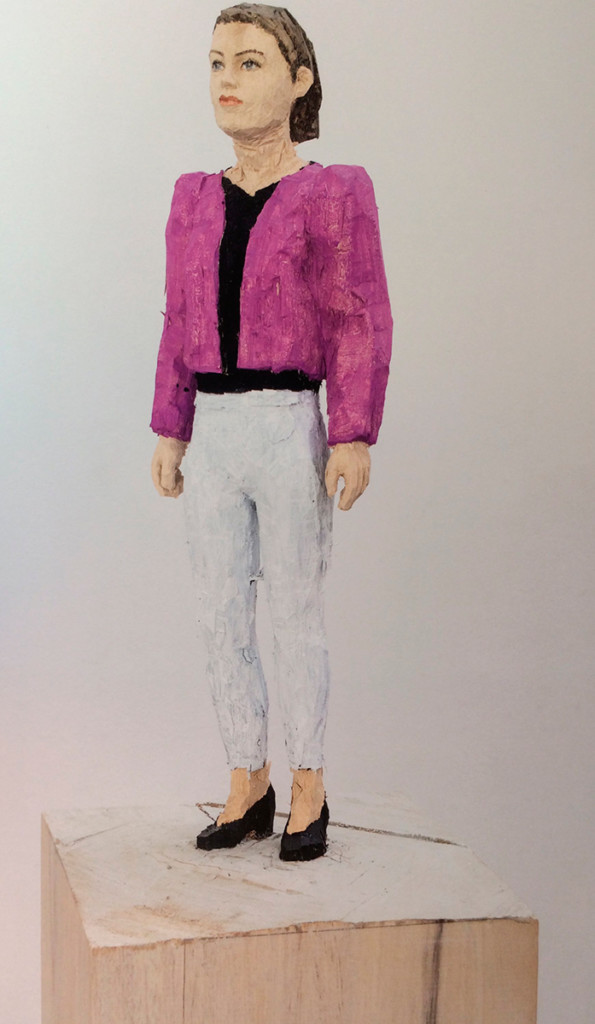
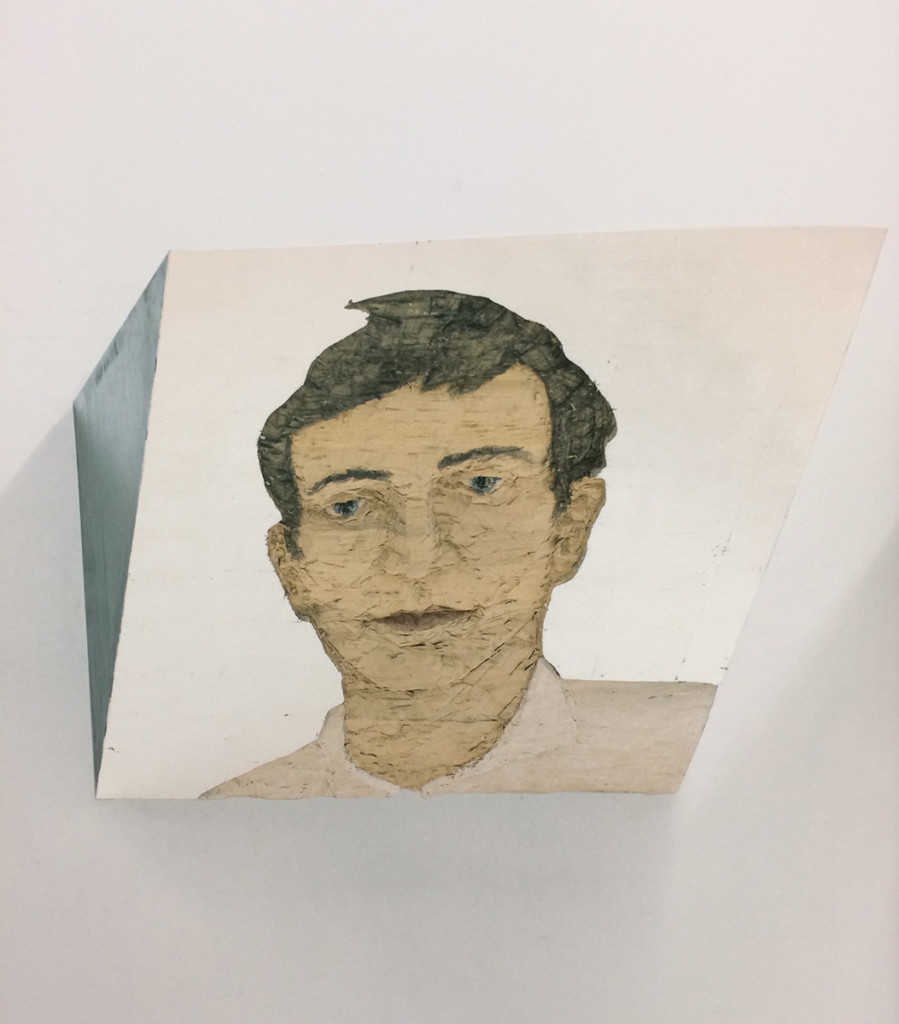
production, make him stand out from the prevailing tendencies. The artist uses soft wood, such
as Popler and Wawa, which can be seen in the reminiscent chisel marks, cracks or knots left as a
hint to his technique. Balkenhol uses for the most of his works a single block of wood,
polychromatic, delimiting the sculpture from its own pedestal, which is carved in a totem style.
His way of carving wood is, in a way, a continuation of the popular and medieval techniques.
The human figure is usually the driving force of his work. His characters are generally
anonymous men and women, with expressionless faces that are often depicted standing and
ordinarily dressed. Their postures, however, seem rather trivial and mysterious. The lack of
expression makes the game of interpretation quite difficult, but its presence hooks the viewer
to the gaze of these human sized figures. Elements that can be regarded as capricious, such as
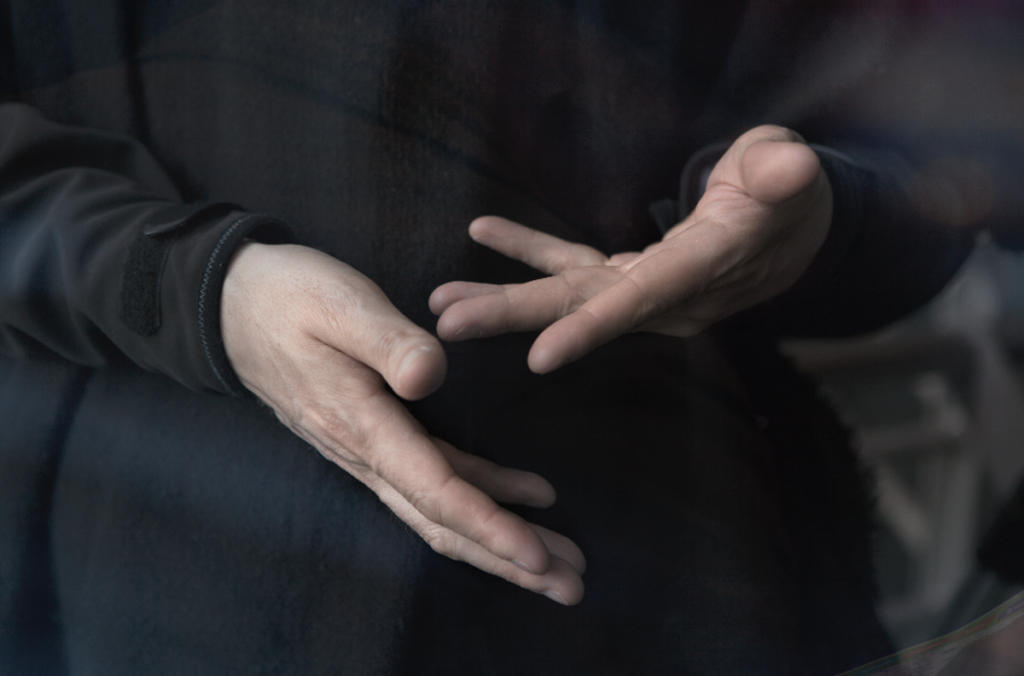
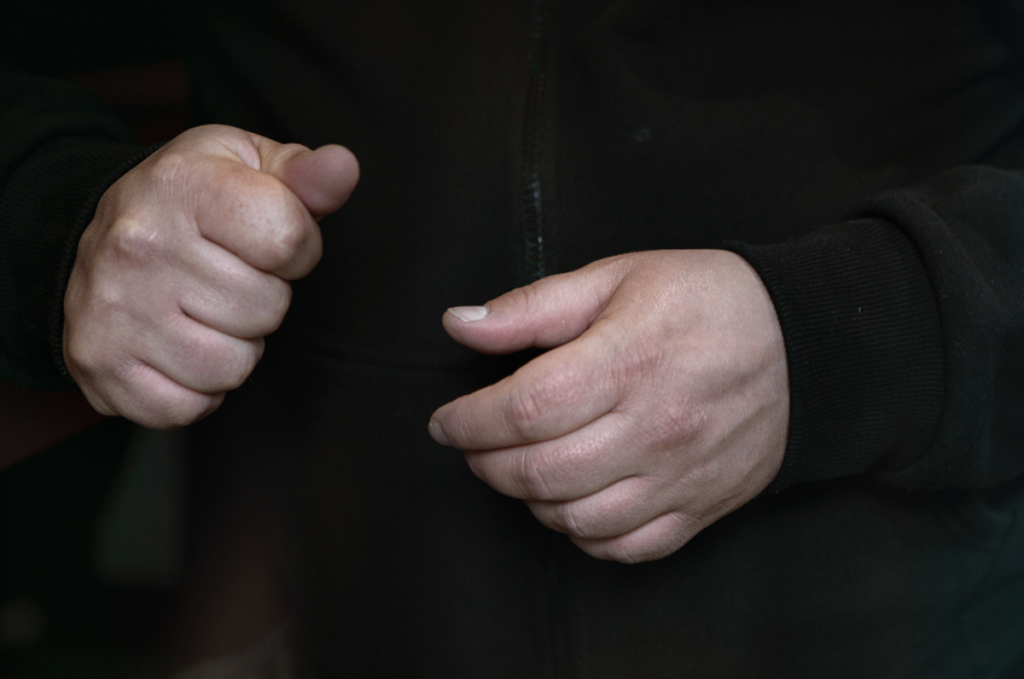
the position of the hands or the inclination of the heads, become the hidden keys that reveal
the relationship between the figures, as well as tightening the link between the statues, the
viewer and the locations they occupy.
Balkenhol is able to strengthen his work with the viewer, who immerses himself In a deep
atmosphere of complicity. It is his link with what is contemporary that makes him differ
between sculptural scale, which he takes to be the ideal scale, and the human scale, considered
the mere standard. The artist says the following, as a way of inviting us to dechypher his secret
‘my sculptures do not narrate. There is something secret about them and It is not I who ought
to betray their secret’.
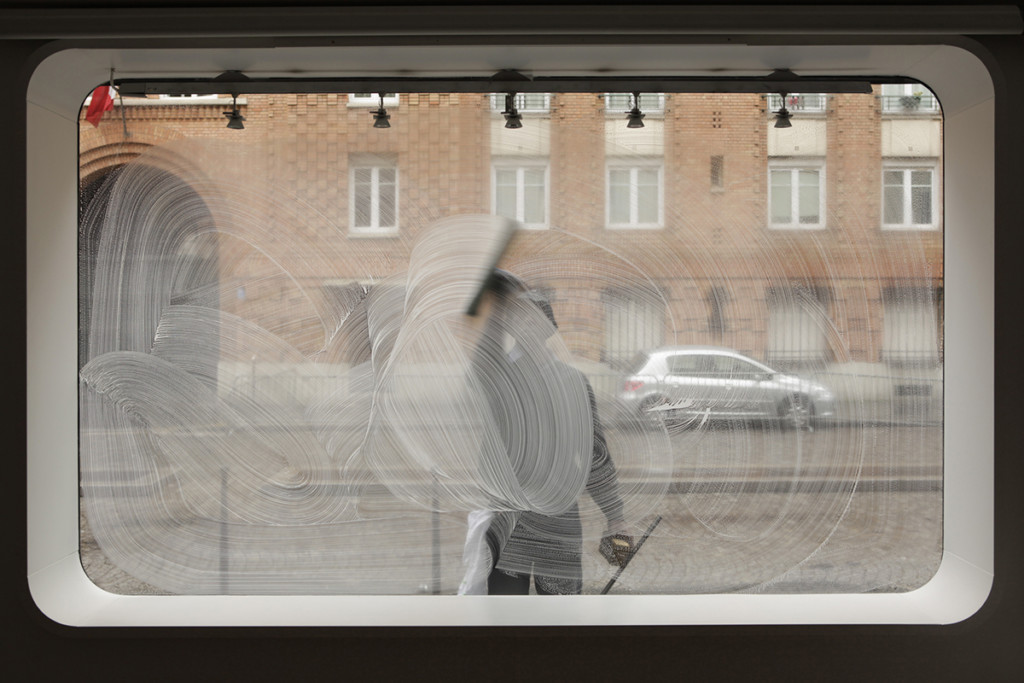
Cristal House (crystal house) is the name of a racing horse. In her new project, Anna Malagrida draws upon photography, text and video to carry out the attempted depletion of a place: a horse-race betting house located in the center of Paris. From the street and through the large windows, Malagrida shoots repetitive movements and the waiting of the gamblers. Located in the interior of the room, she meets them and carefully listens to them. Lured by great megalopolis, a large majority of the gamblers are migrants coming from all over the world dreaming of a better life. The notions of dreaming and the inherent hope to every gambler unfolds into the image of the one who migrates.
A strange game of reflections places the audience before the hopes of the hapless. Their words, reproduced in the text fragments, shape the lives and dreams that converge in this venue of encounter and gamble. From the interior of this Cristal House, the camera records through the windows a passage of the life in the streets, showing the movement of the city while revealing its multiculturalism and intense pace. Malagrida attempts to depict all every-day things and events that the camera manages to capture through different perspectives given by the windows. Thus, the betting house is transformed into a theatre of hope and the city into its scenery. Seductive, a promise of a better life, the metropolis gathering individuals coming from all over the world becomes a transit space, of fortuitous intersections, and a multiplier of solitudes.
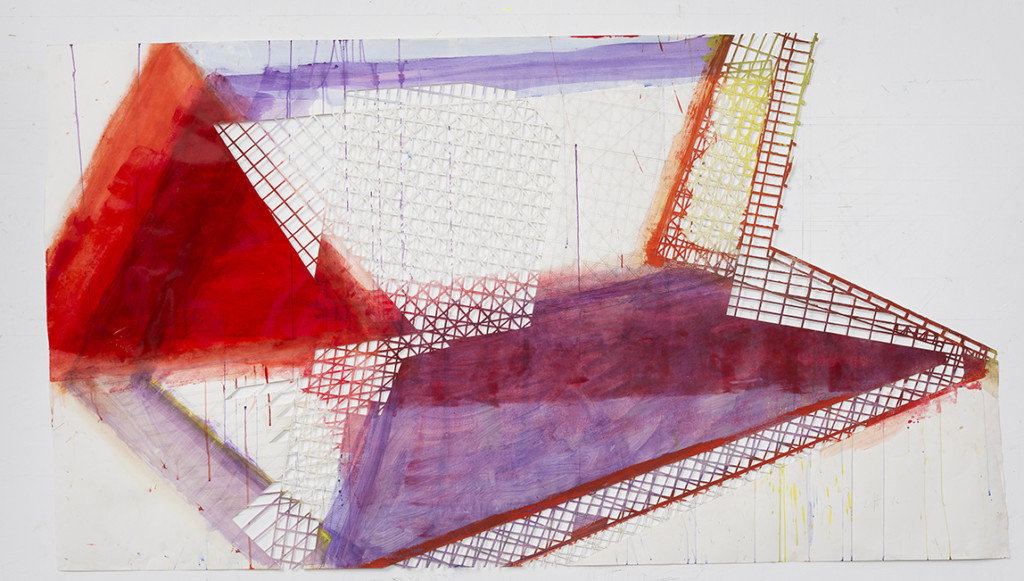
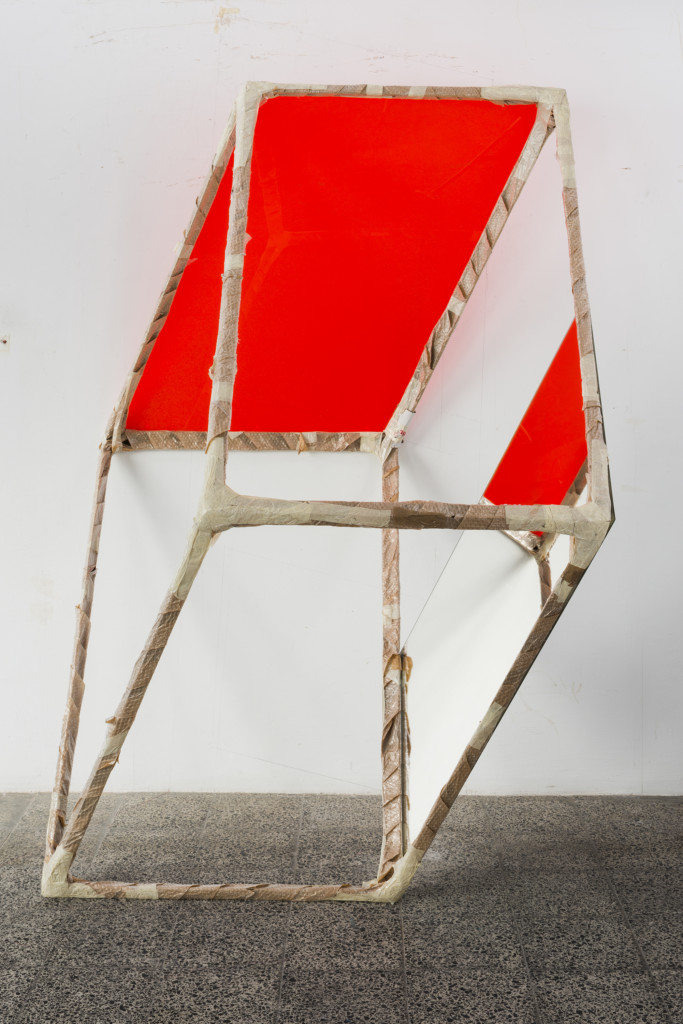
“Novos trabalhos, velhos territórios” will be the fourth solo exhibition by José Pedro Croft in Galeria SENDA. His work is based in sculptures and drawings, where he explores with different materials, colos and perspectives to create new volumes and an altered sense of space. The artist was the representative of Portugal on the las edition of the Venice Biennale of Architecture in 2016 and he will also represent his native country at this year’s Venice Biennale.
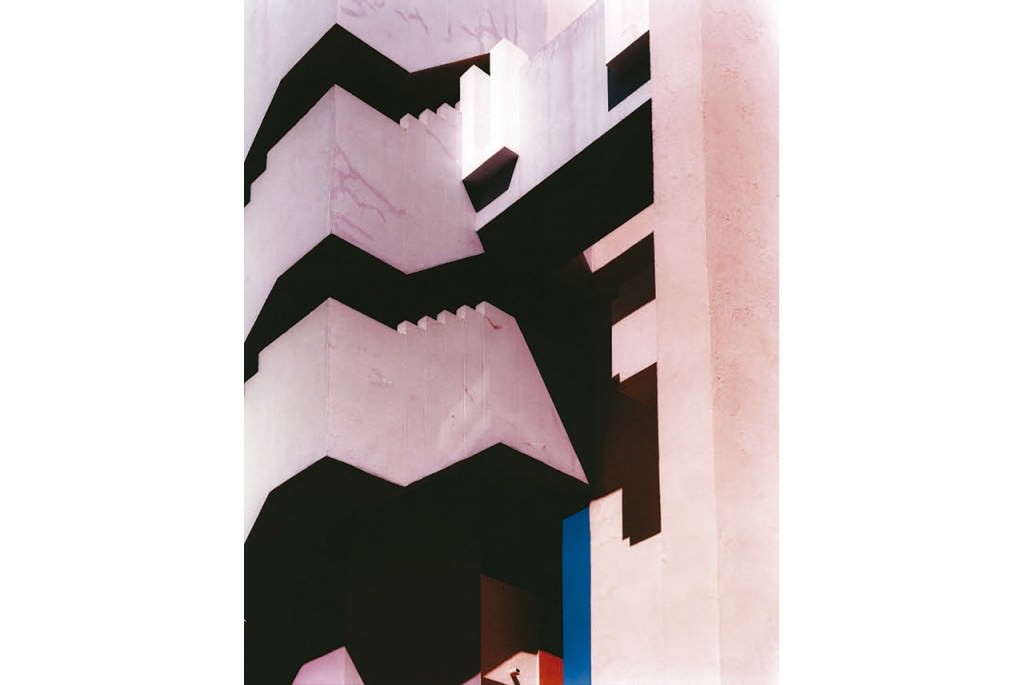
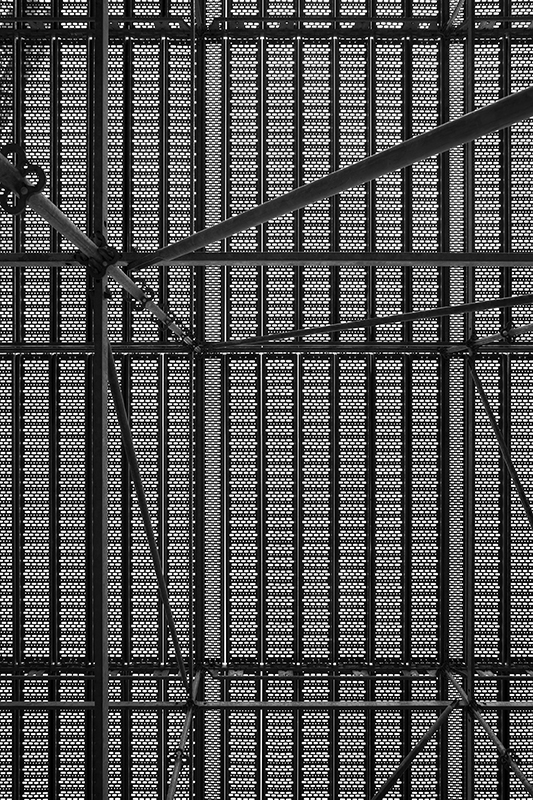
“Sketches of Spain” outlines a decade of studies by Kolehmainen of the most emblematic contemporary buildings in Spanish territory. Through his particular perspective, the artist reflects on the dialogue between building and light and the influences found in the works by Bofill, Mies van der Rohe or Ambasz.
Galeria Senda will have its first collaboration with the acclaimed Turkish photographer Ahmet Ertug in Istanbul, his hometown, with a show of his renowned large-format photographs of the Byzantine and Ottoman architecture and art.
With 112 galleries from 28 countries, viennacontemporary, is the largest and most prominent art fair in the region, the highest concentration of Eastern European galleries worldwide. Senda participates for the first time in these event, presenting a solo show of the recognized Russian artists Oleg Dou.
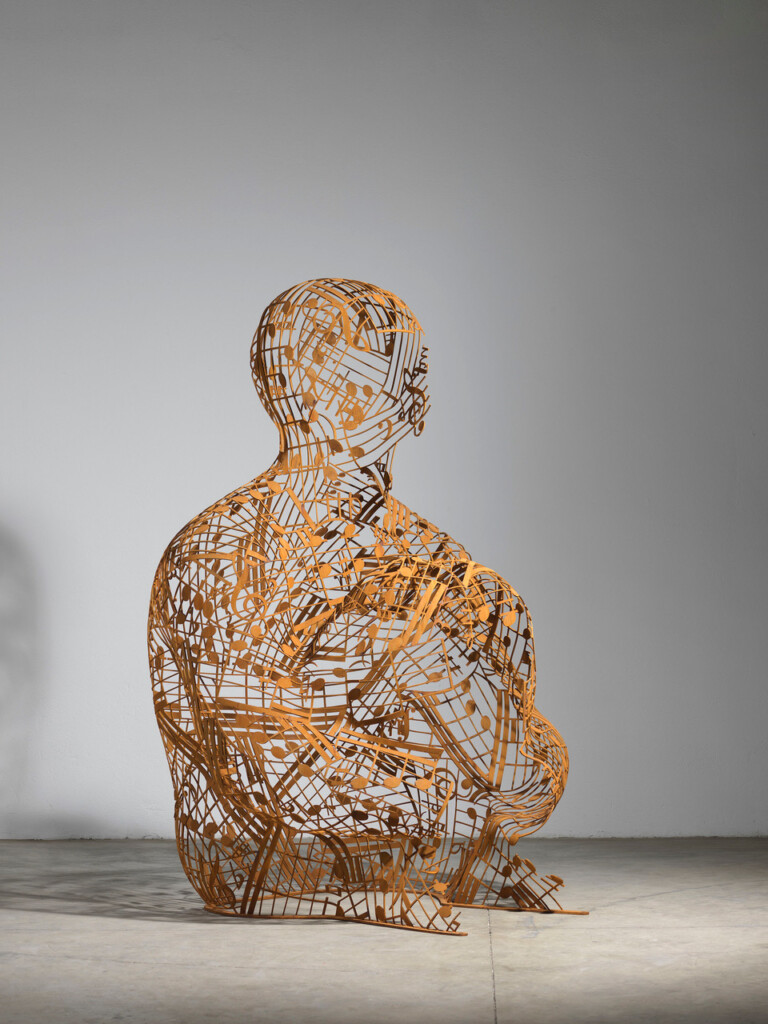
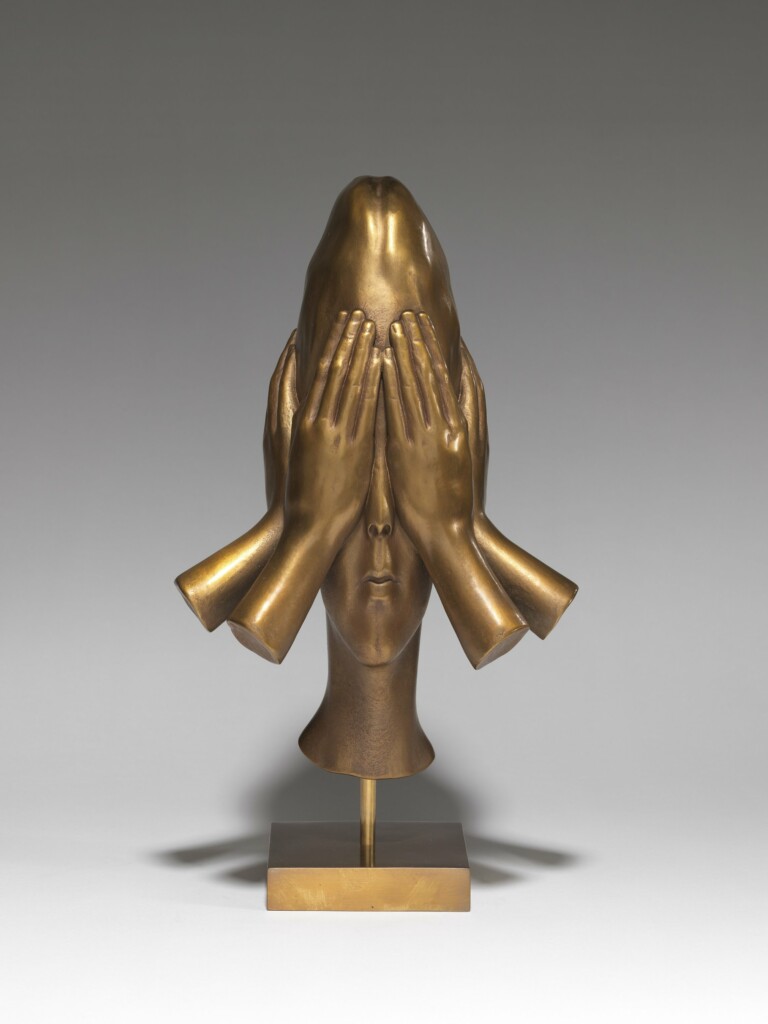
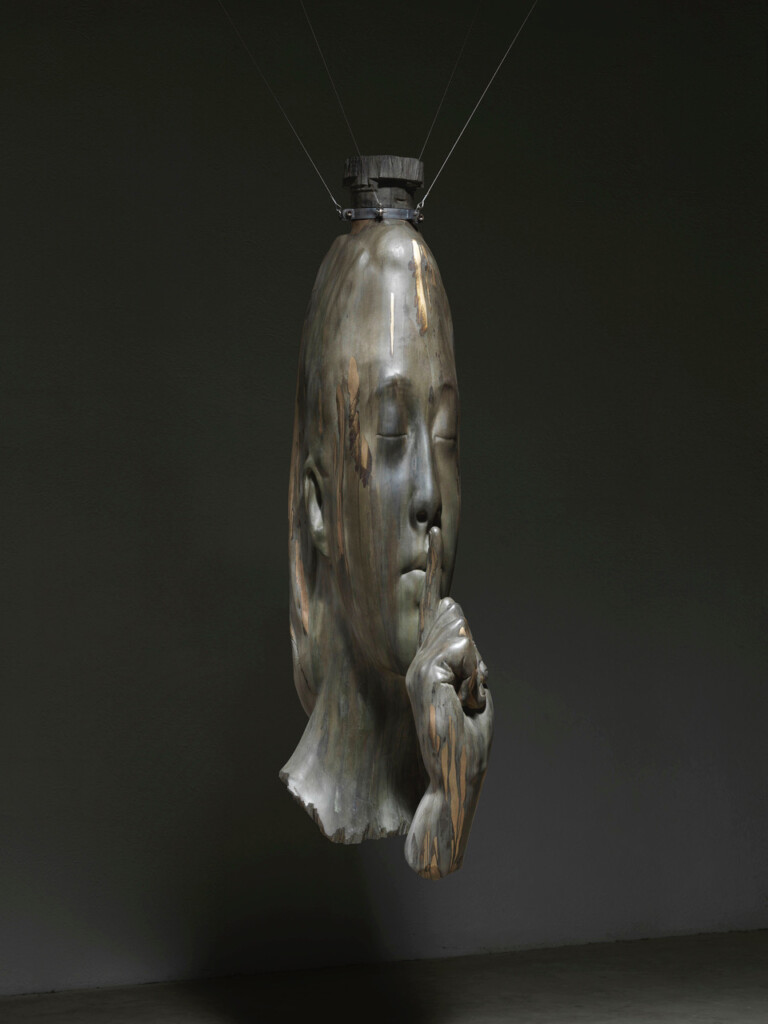
Jaume Plensa presents a work of friendly confrontments: between what is shown and what is hidden, between the imprints of the past and the opening towards the future, between nature’s formations and man’s creation; and between sonorous vibration and the most intimate realms of silence. After seven years without exhibiting in a gallery in Barcelona, the artist will have his first solo show at Galeria SENDA, coinciding with our 25th anniversary.
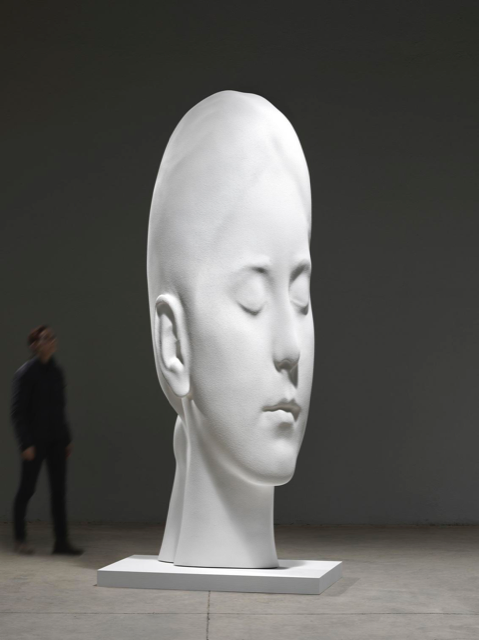
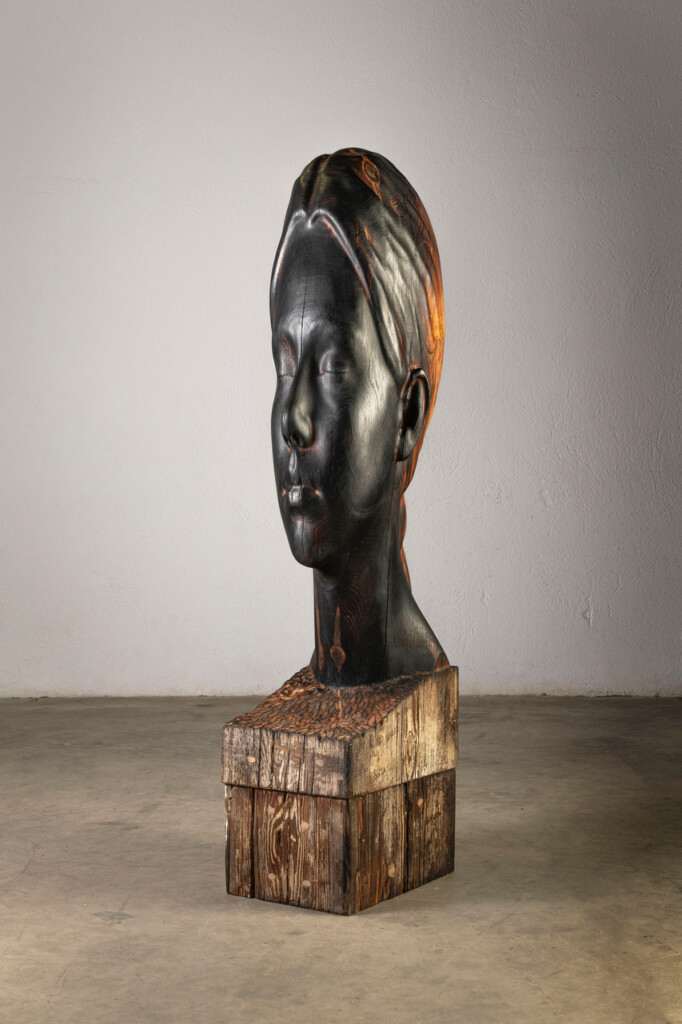
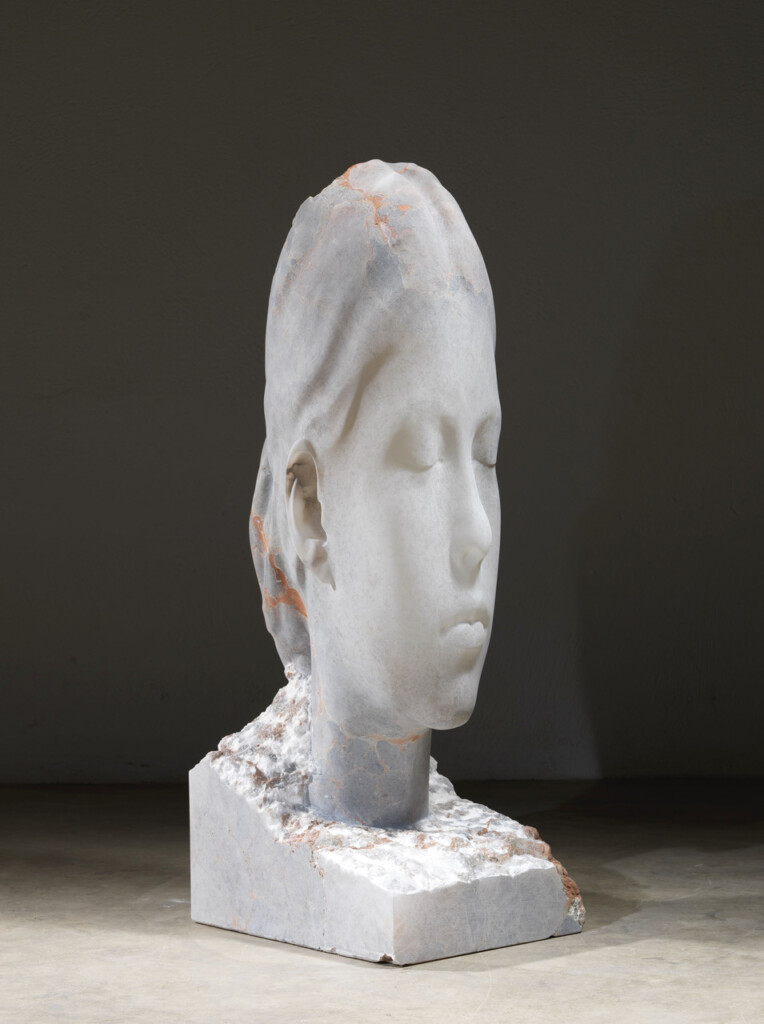
Entrails of an allegorical forest are revealed through sculptures of young female faces. A face is like a tree: within the forest of social collectiveness, each one maintains its individuality. The girls close their eyes and their fleeting beauty stays immortalized. The sculptor elongates the heads in order to distance them from their materiality, presenting them with a more totemic and spiritual quality. This way, he portrays introspection and contemplation towards man’s most profound inner self.
The white pieces Lou, Duna, and Isabella are sculpted in a wooden mold, which then is transferred to bronze and covered with a white patina. Sustained on a base, the faces lose their weight and seem to be floating on the ground. His Isabella, made with basalt, suggests a blend between organic materials and human intervention, and the dark tones create chromatic contrasts with his white pieces. This way, Plensa completely encloses the show by extending the paper support to the wall, integrating the gallery’s space with his work to explore the possibilities of fusion between drawing, sculpture, and architecture.
With this exhibition, Plensa wishes that the audience connects with the pieces in the same way that he finds inspiration to work. “It is an exhibition that demands solitude. Sculpture is a pathway that comes from yourself, goes towards yourself, and is with yourself.”
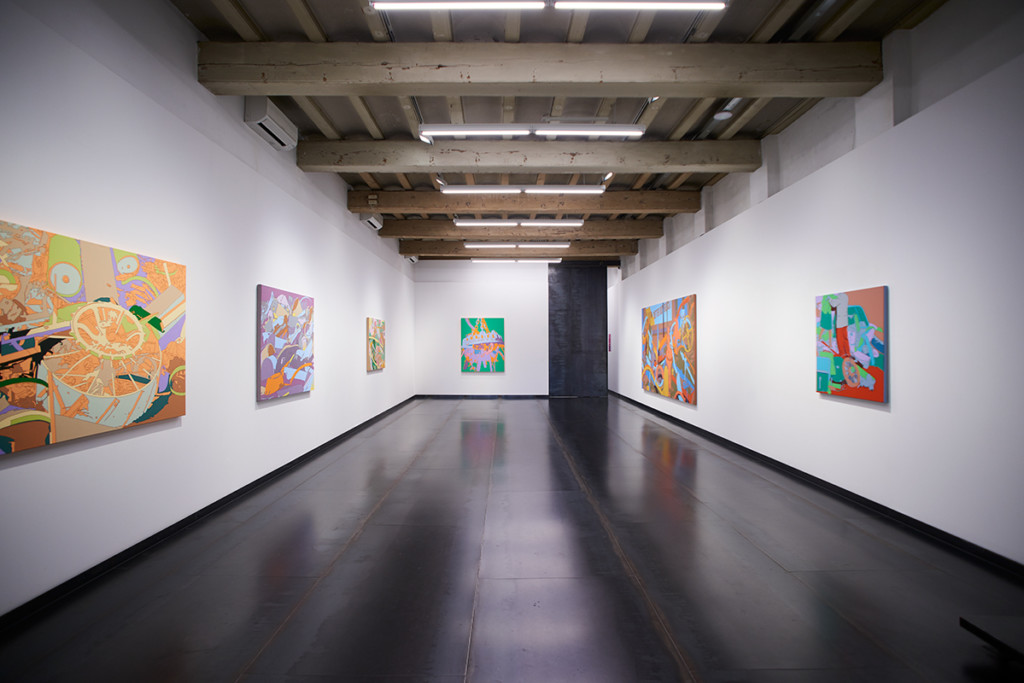
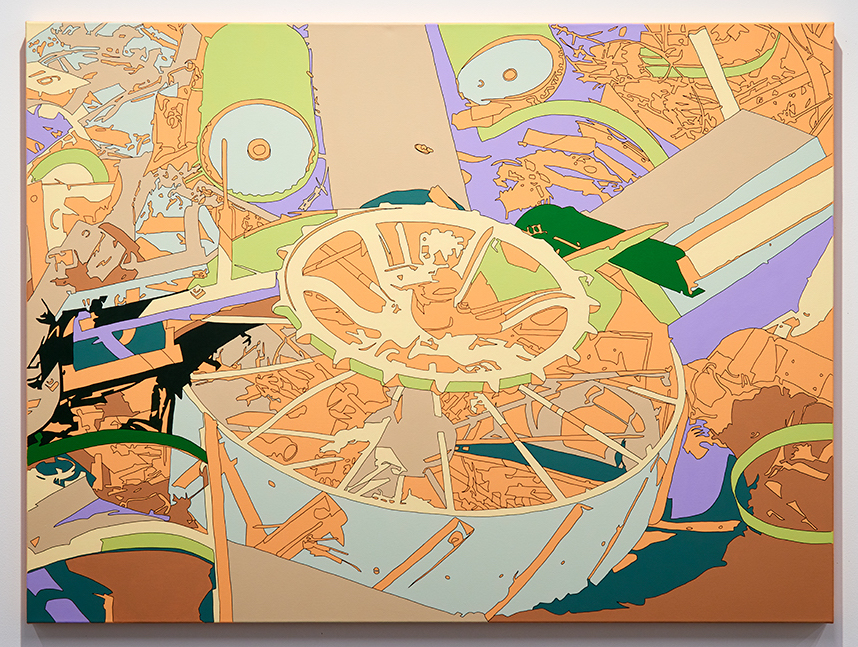
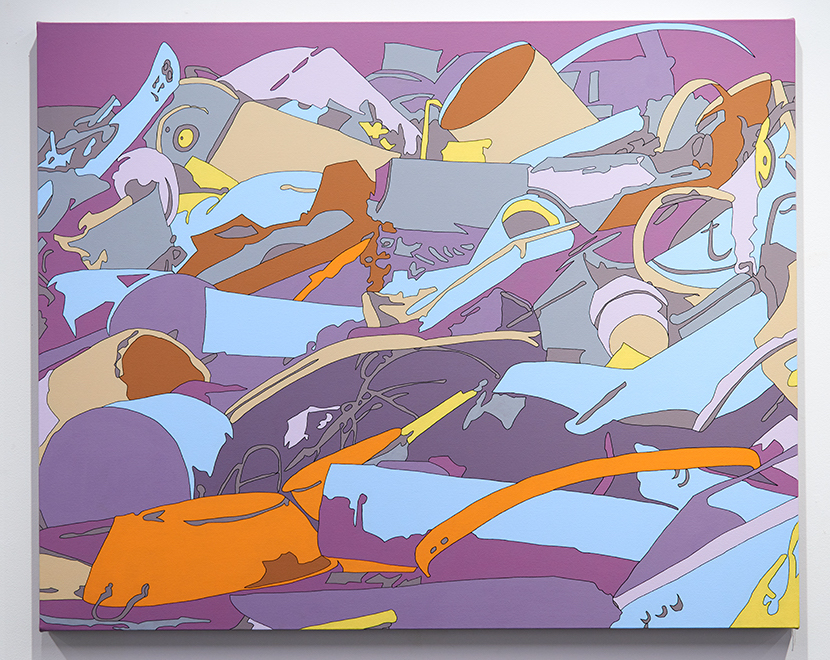
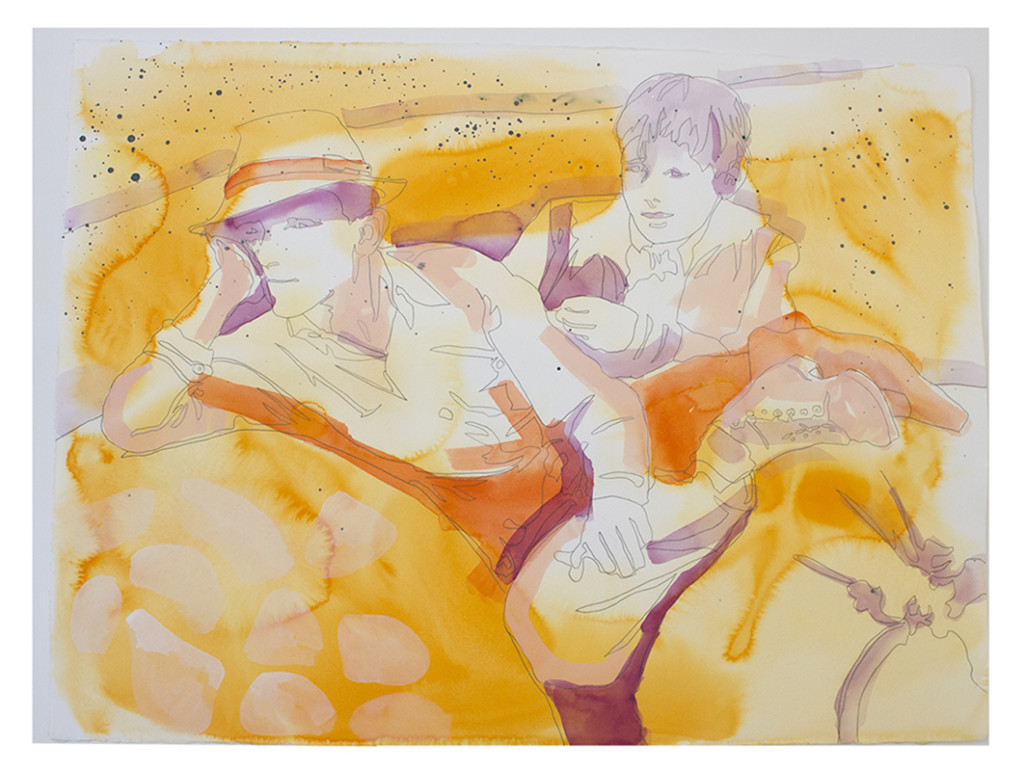
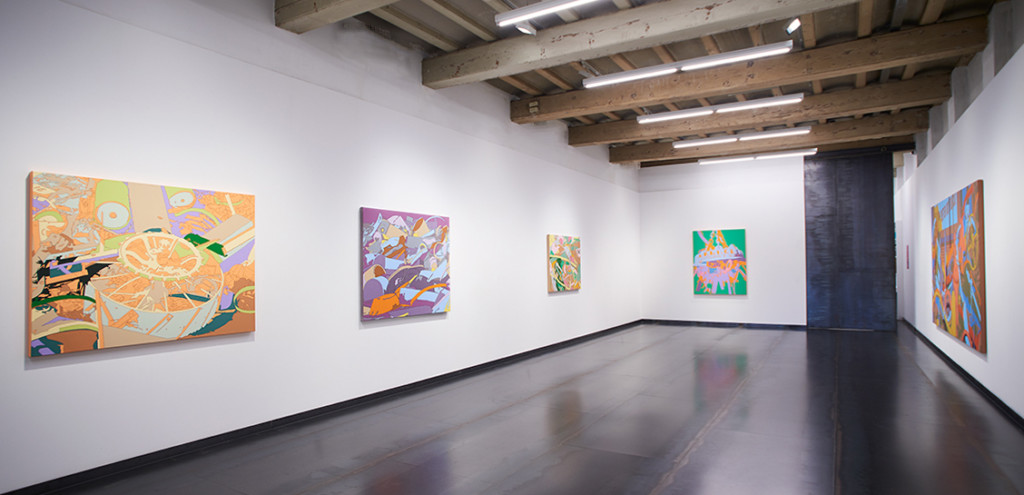
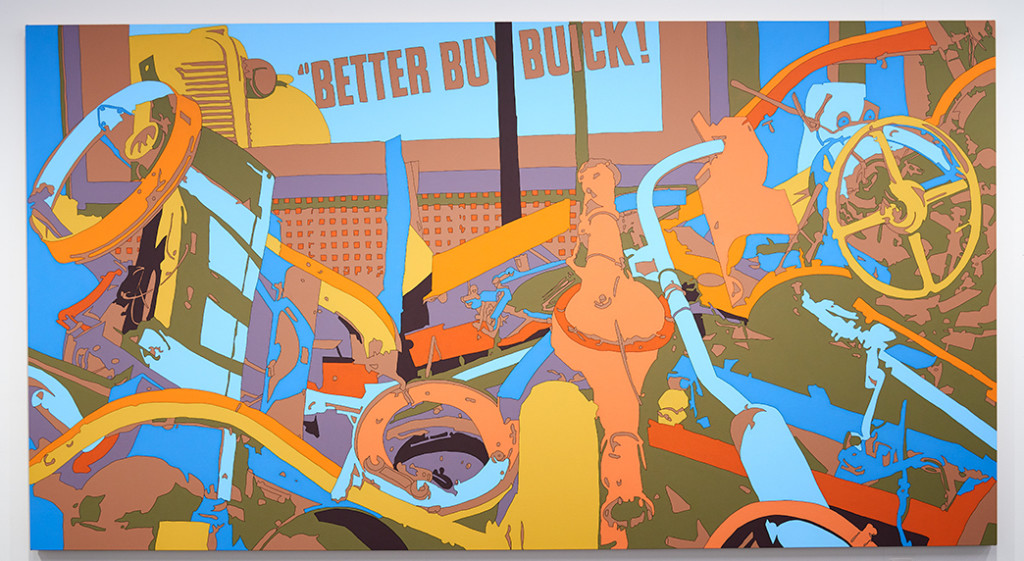
With 112 galleries from 28 countries, viennacontemporary, is the largest and most prominent art fair in the region, the highest concentration of Eastern European galleries worldwide. Senda participates for the first time in these event, presenting a solo show of one the icons of 80´s Lisa Ruyter.
Simulacrum is Anthony Goicolea’s second solo exhibition at Galeria Senda. Known for his versatile profile, this artist focuses on a wide spectrum of medium in his creation that range from digitally manipulated landscapes to paintings that reflect beautiful bodylines. He is inspired by the interaction with nature and themes about identity and migration. The artist fully immerses himself into his work to demonstrate the good and evil, capturing both what is beautiful and what is intensely grotesque, -things that can attract and repulse.
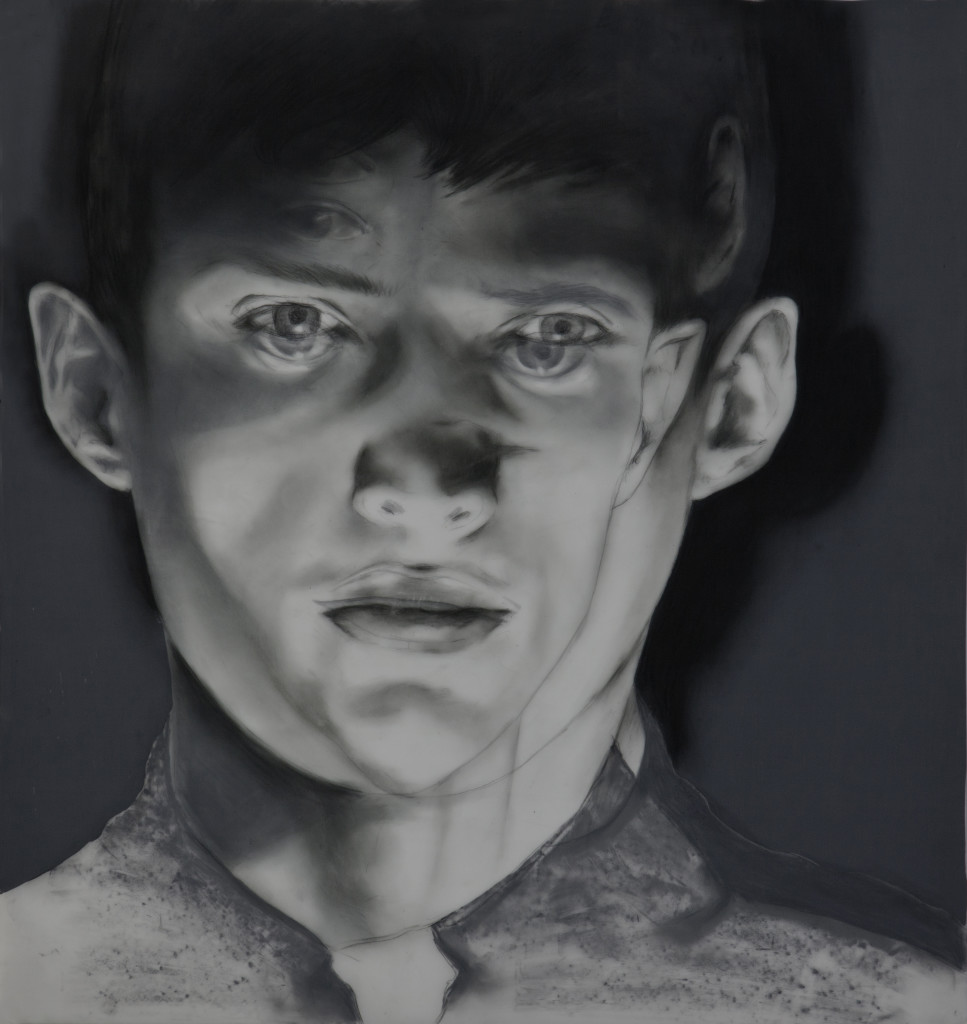
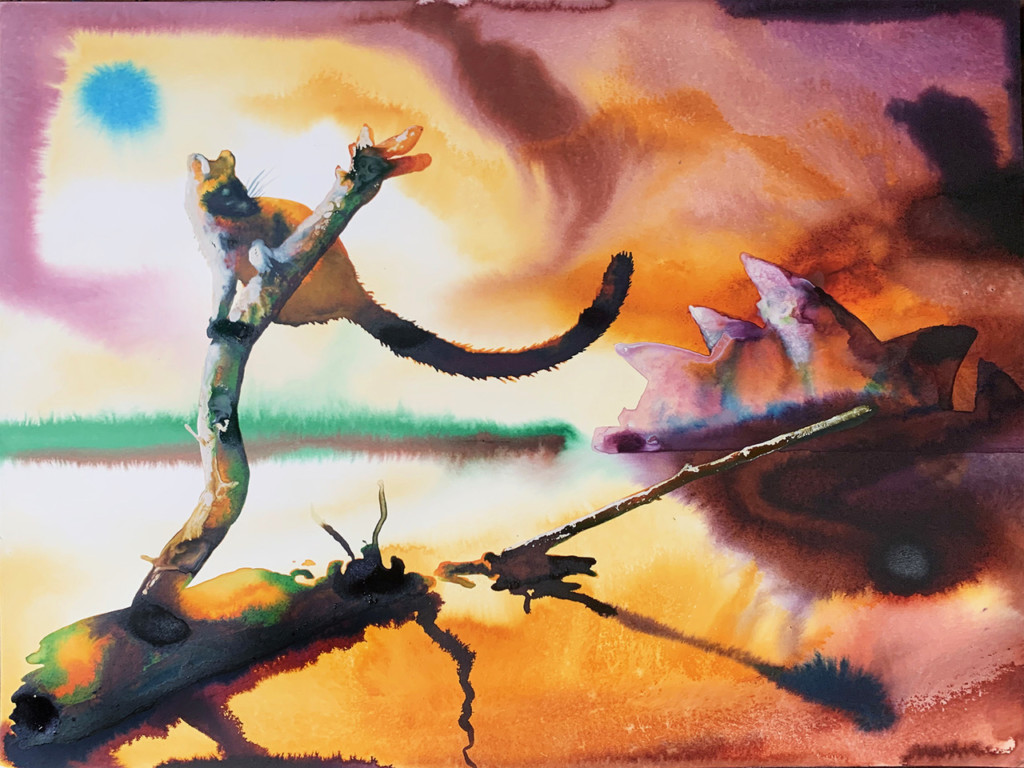
By mastering the techniques of graphite and oil in his recent series Anonymous Portraits, dedicated to the human body, the artist depicts it, representing its gestures and lines in movement. On the other hand, his landscapes range from dream-like woodland environments to vast urban and industrial wastelands. The use of Mylar paper, a semi-translucent material, allows Goicolea to play with layers of shades and paint for both the creation of colourful landscapes and the exploration of gracious delicate movements.