

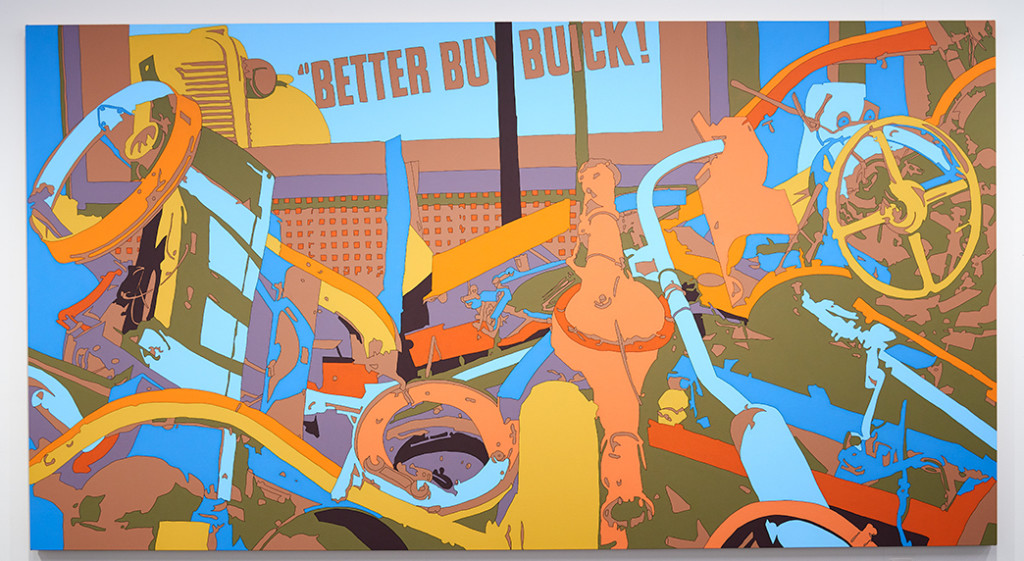
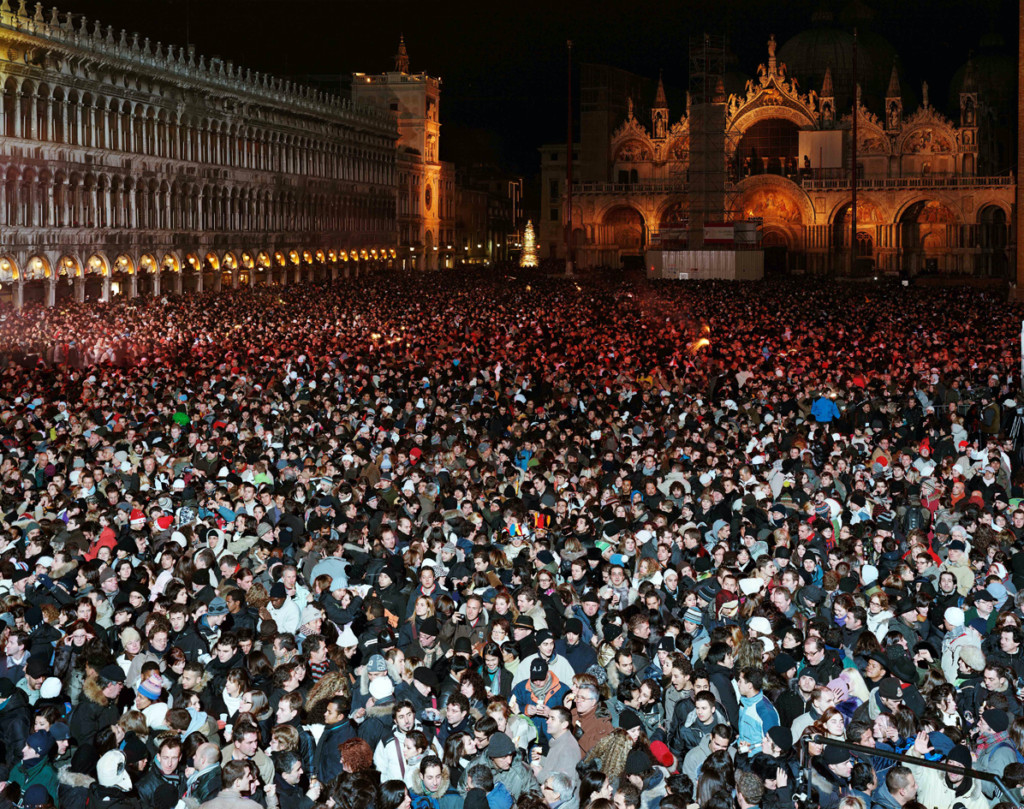
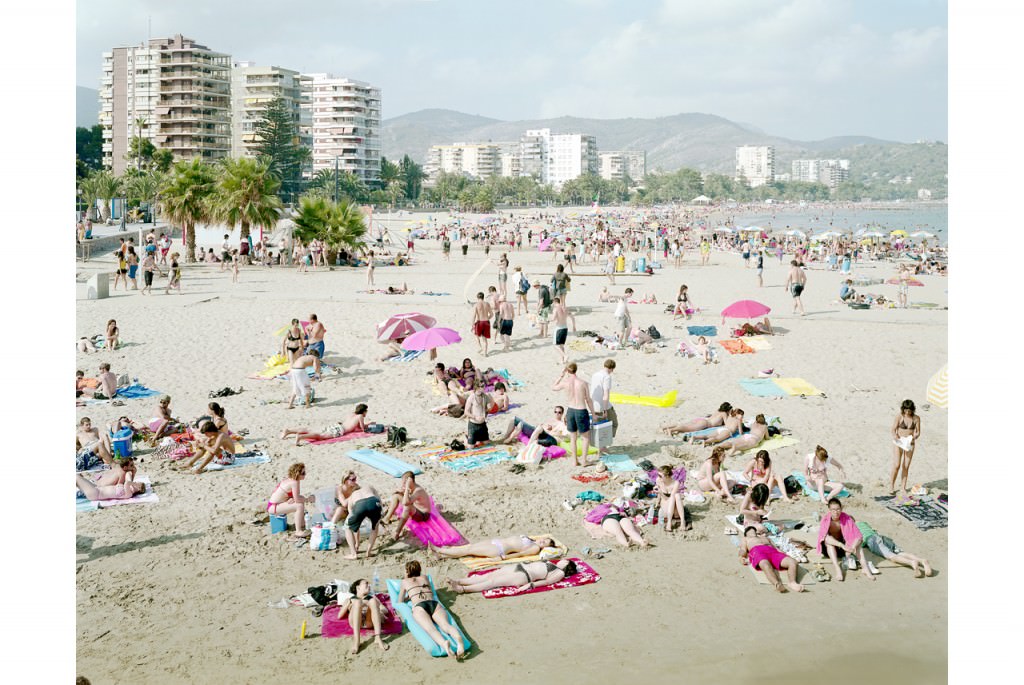
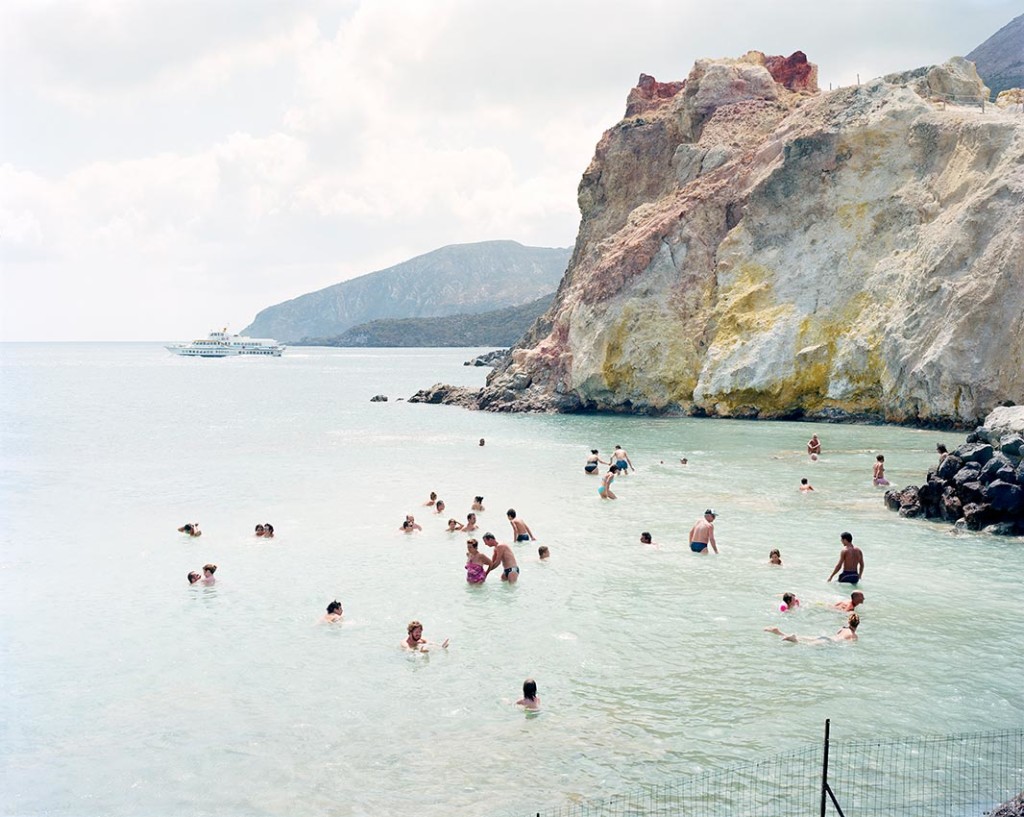
#SENDATalks | Shared challenges. Creation in the global market.

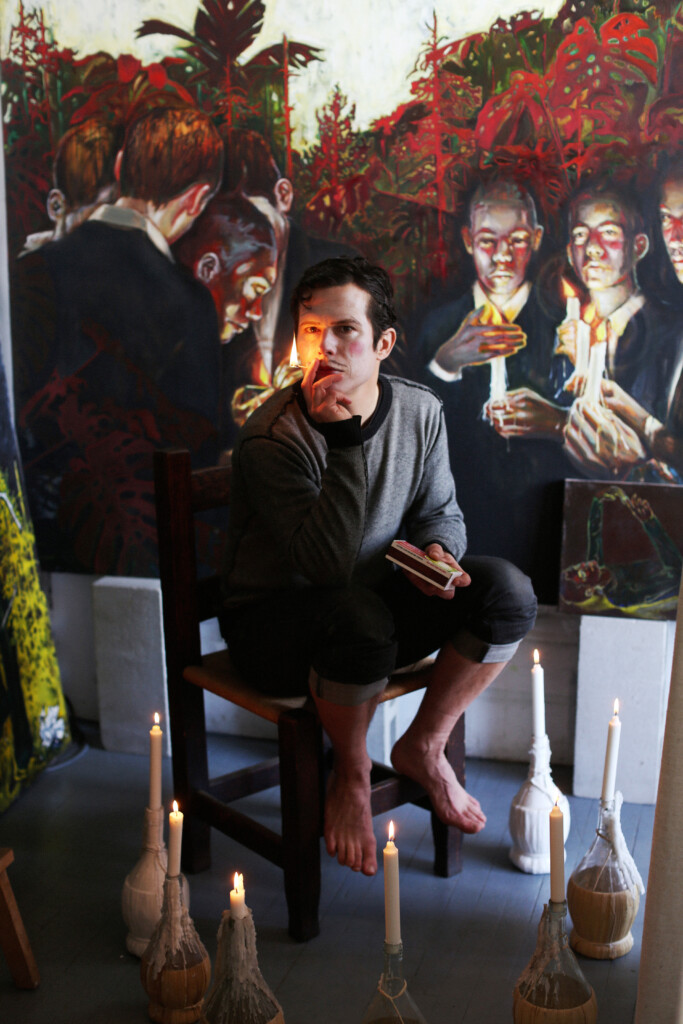
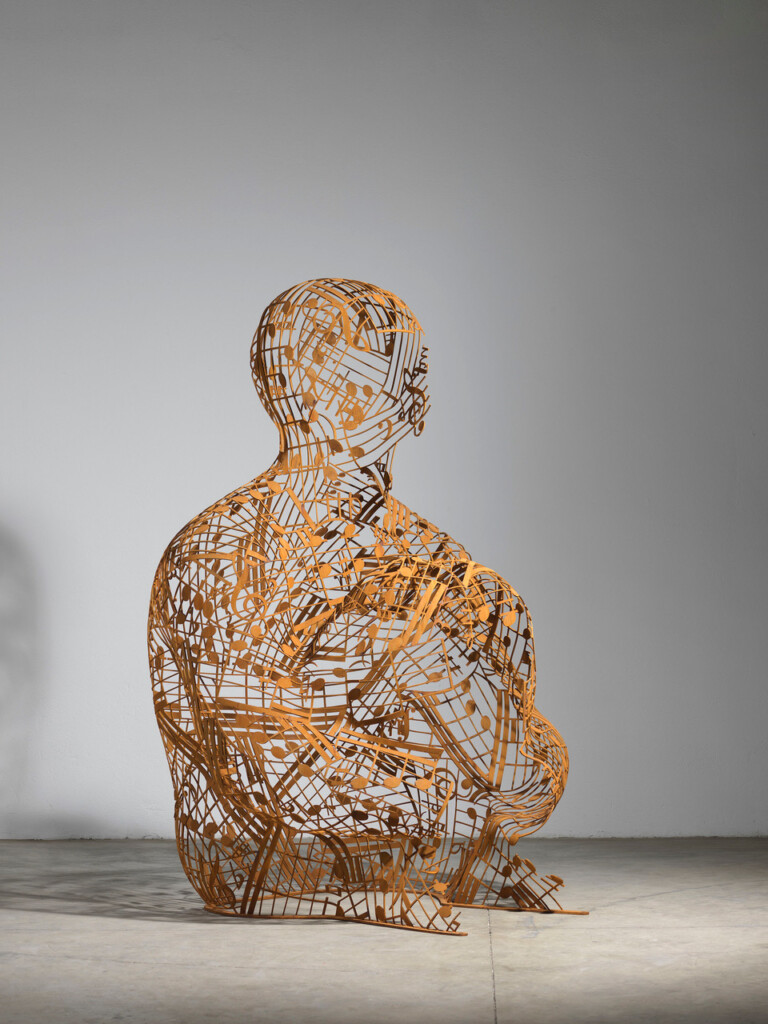
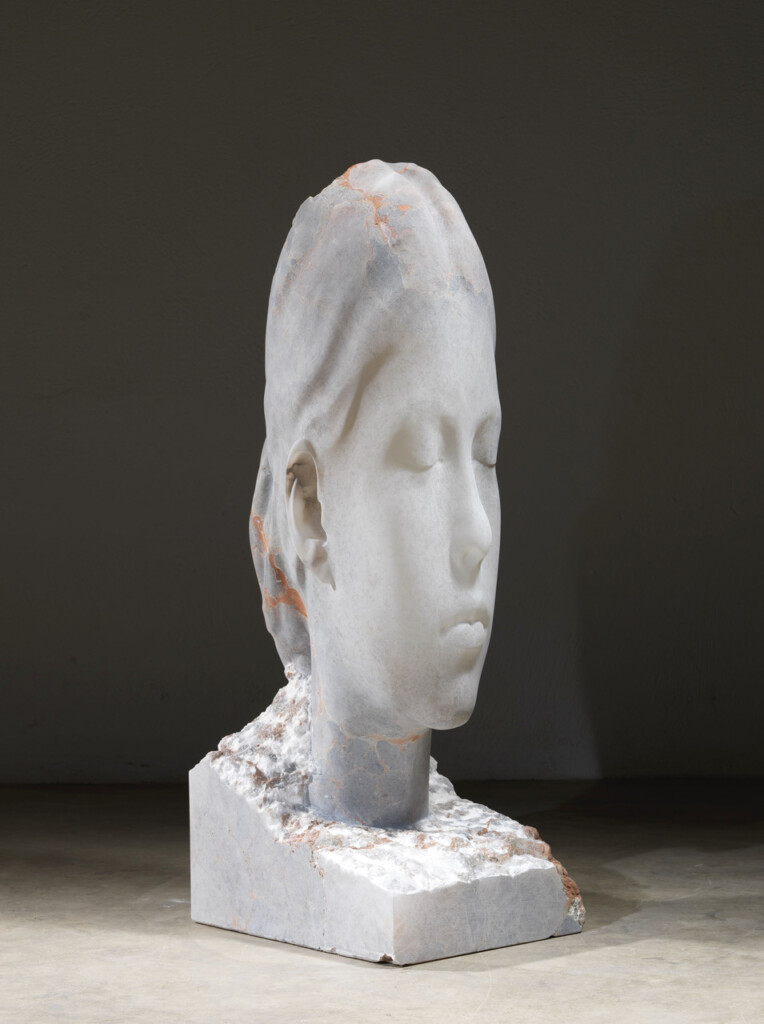
#SENDATalks | Jaume Plensa / Jean-Marie del Moral / Marius Carol

Shared challenges. Creation in a global market.


Monday, November 7th, 7 p.m. (CEST)

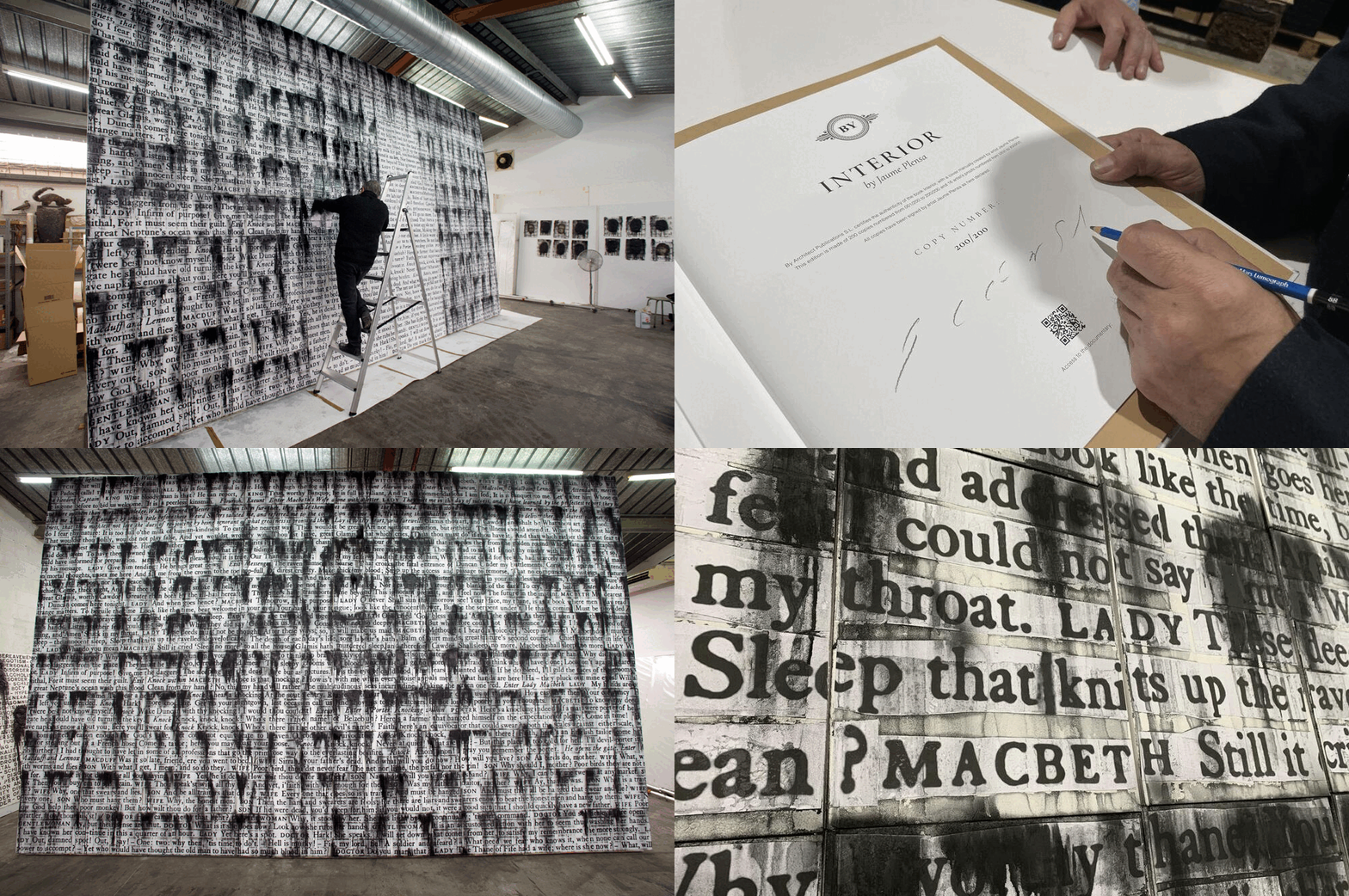
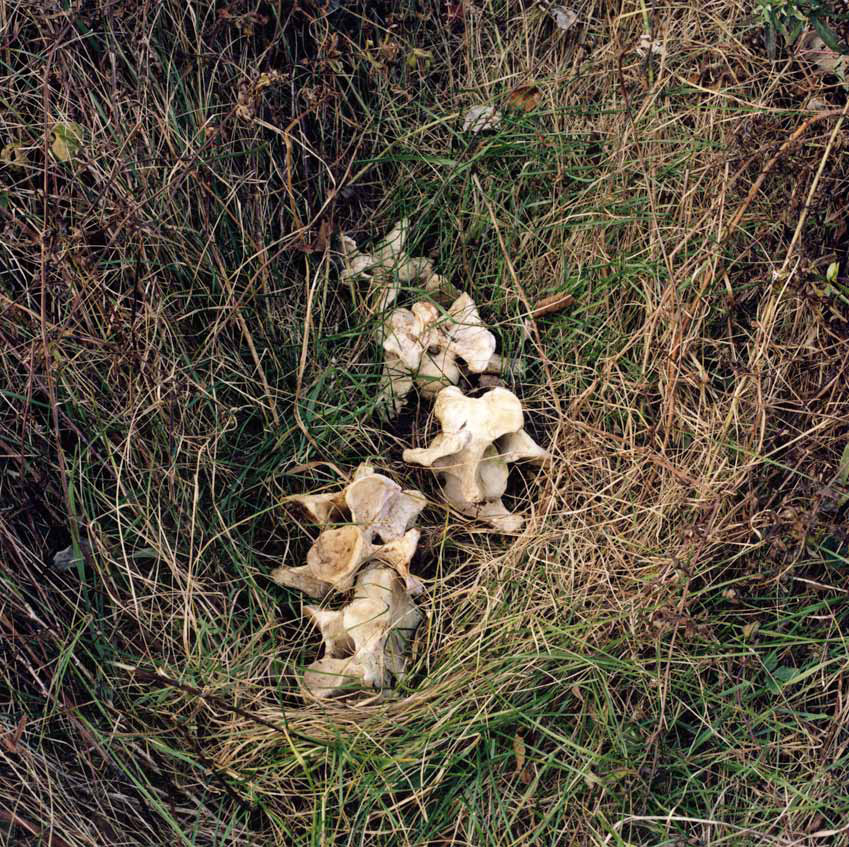
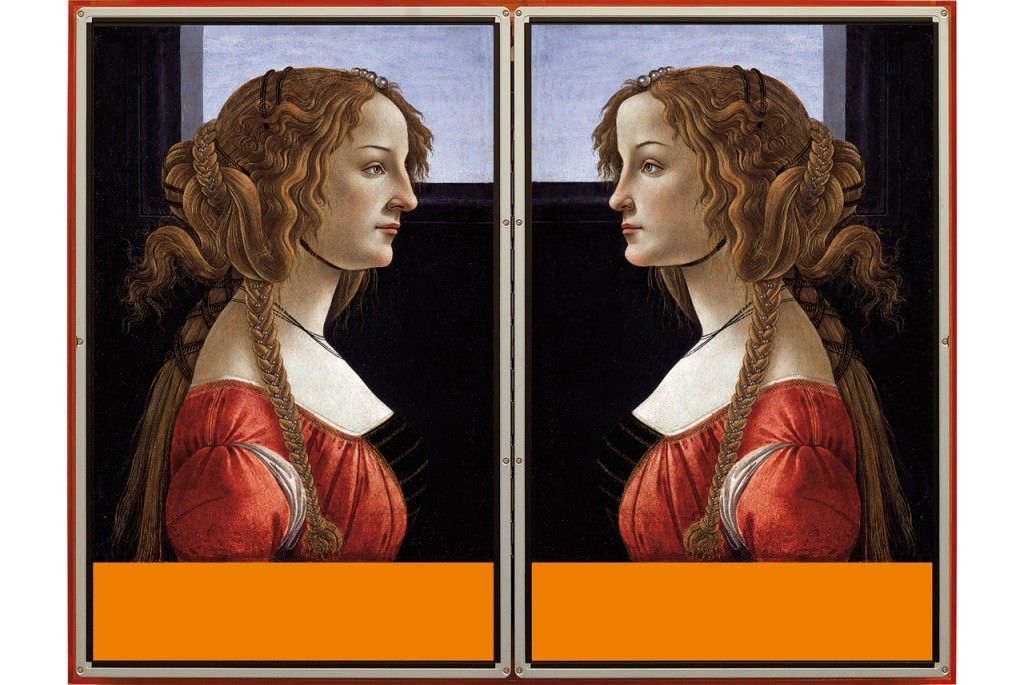
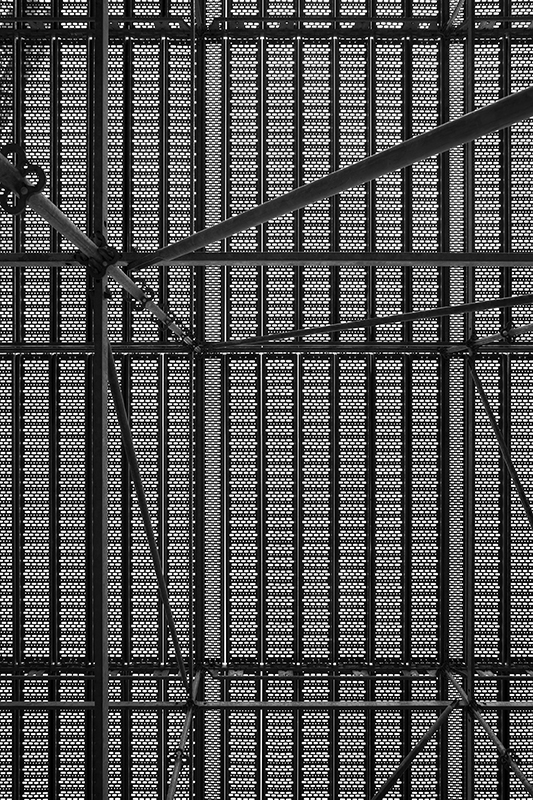
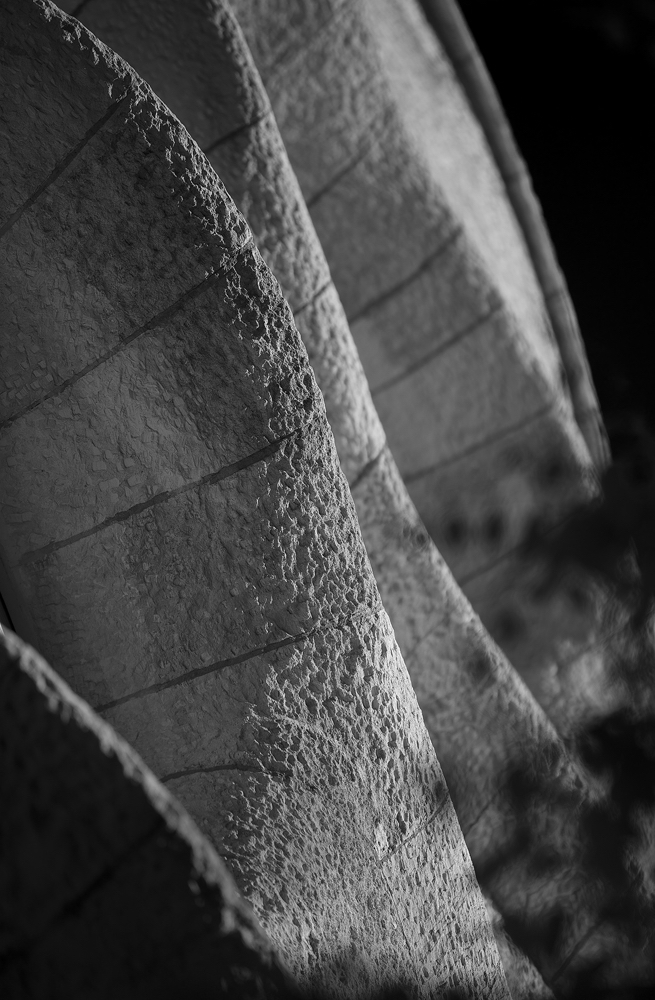
Join us for the talk between the sculptor Jaume Plensa, the photographer Jean-Marie del Moral, and the journalist Marius Carol, next Monday, November 7 at 7:00 p.m. on the occasion of the presentation of the book “Interior, 2022” by the publisher By Publications in Galeria SENDA.

The event will be live online through our Instagram and Youtube account.


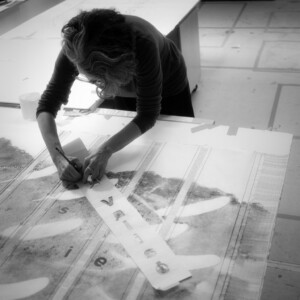
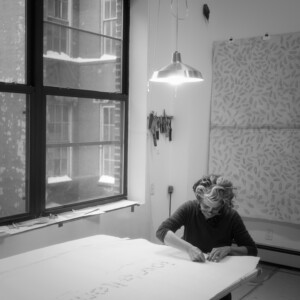
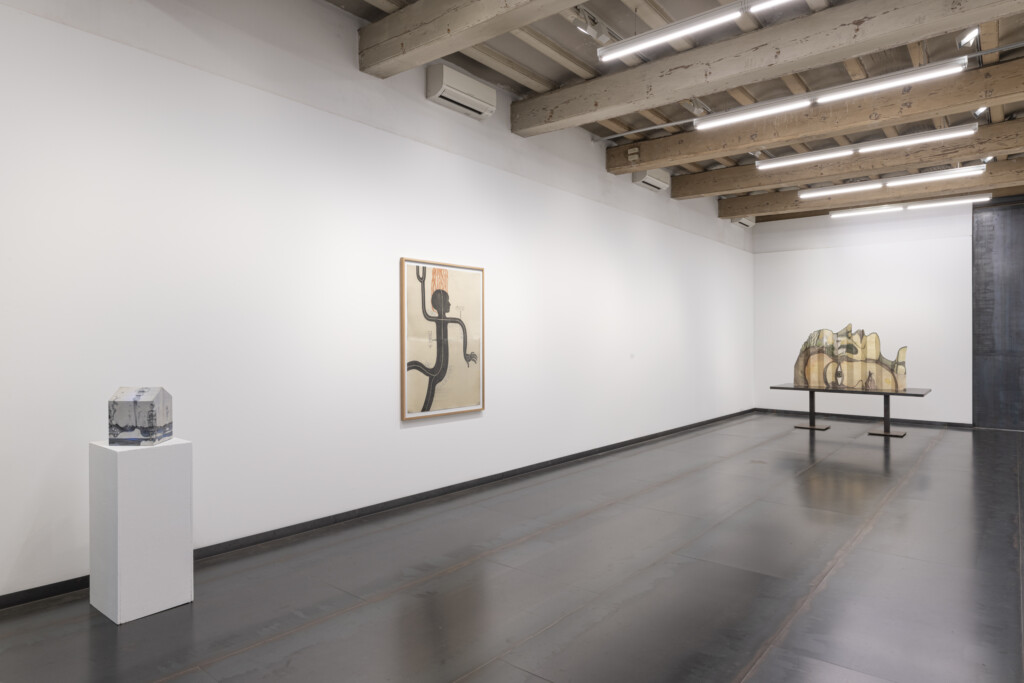
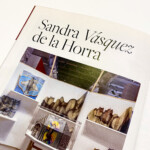
Sandra Vásquez de la Horra presents Aura at Galeria SENDA

Chilean artist Sandra Vásquez de la Horra returns to Galeria SENDA to present Aura.

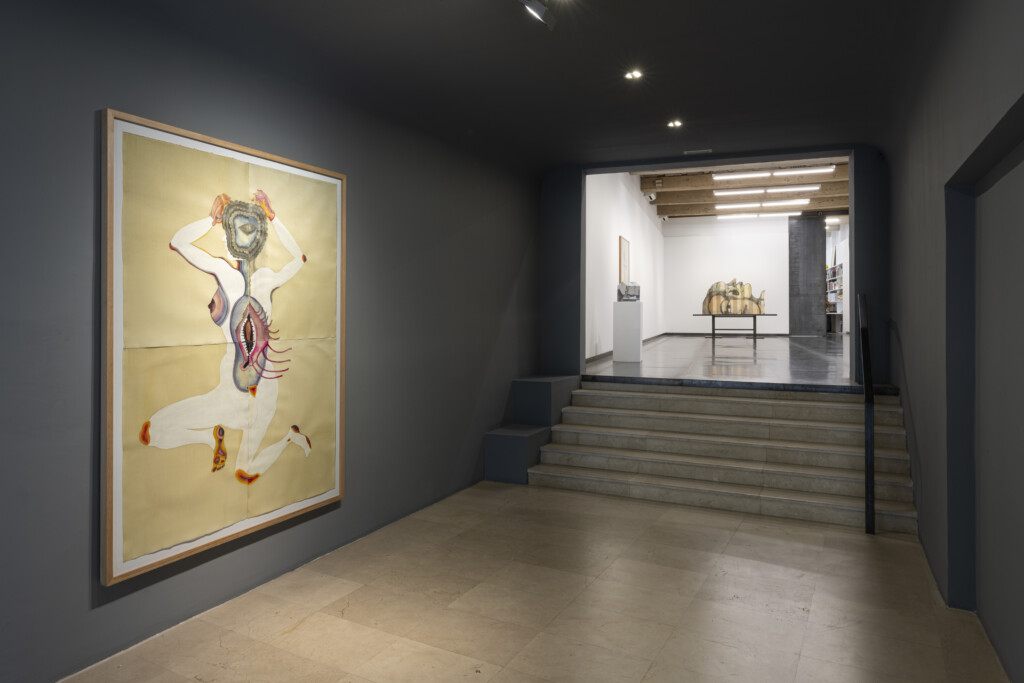
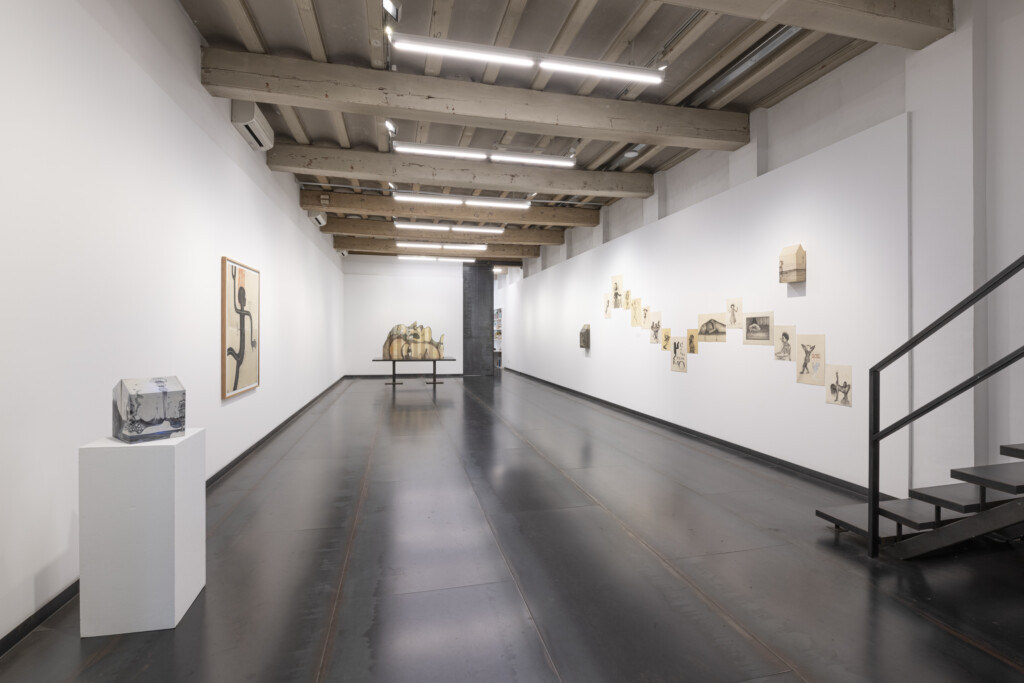
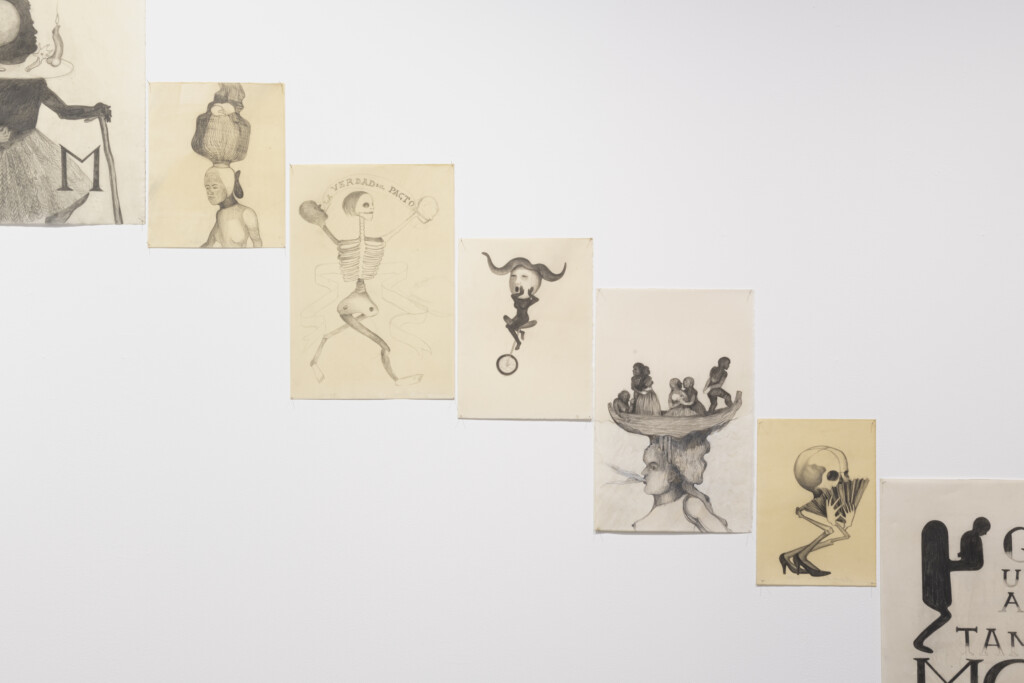
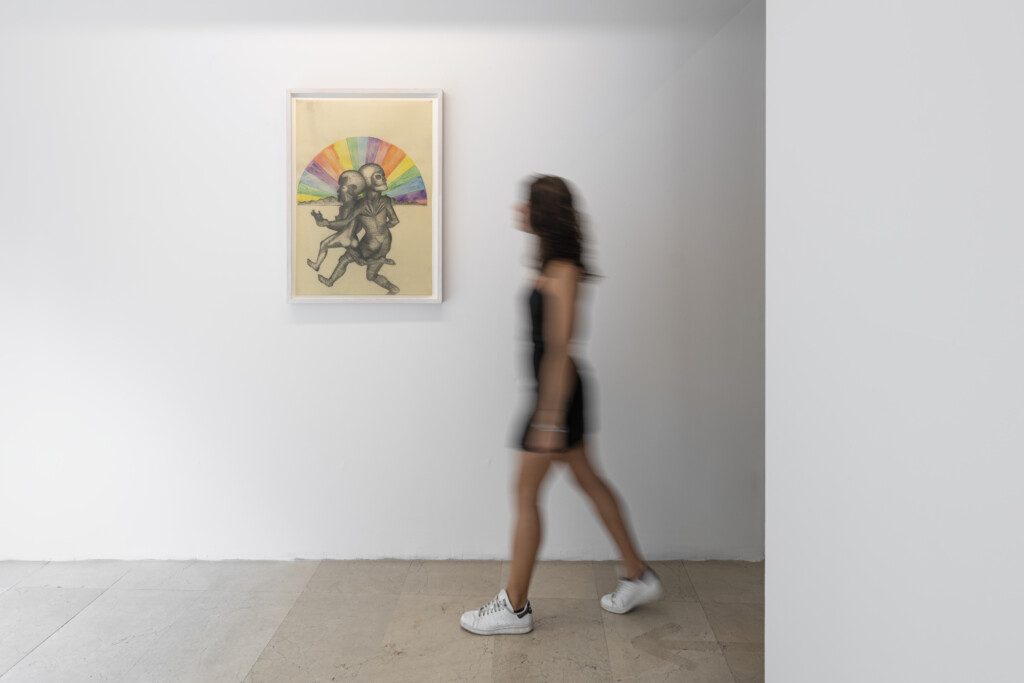
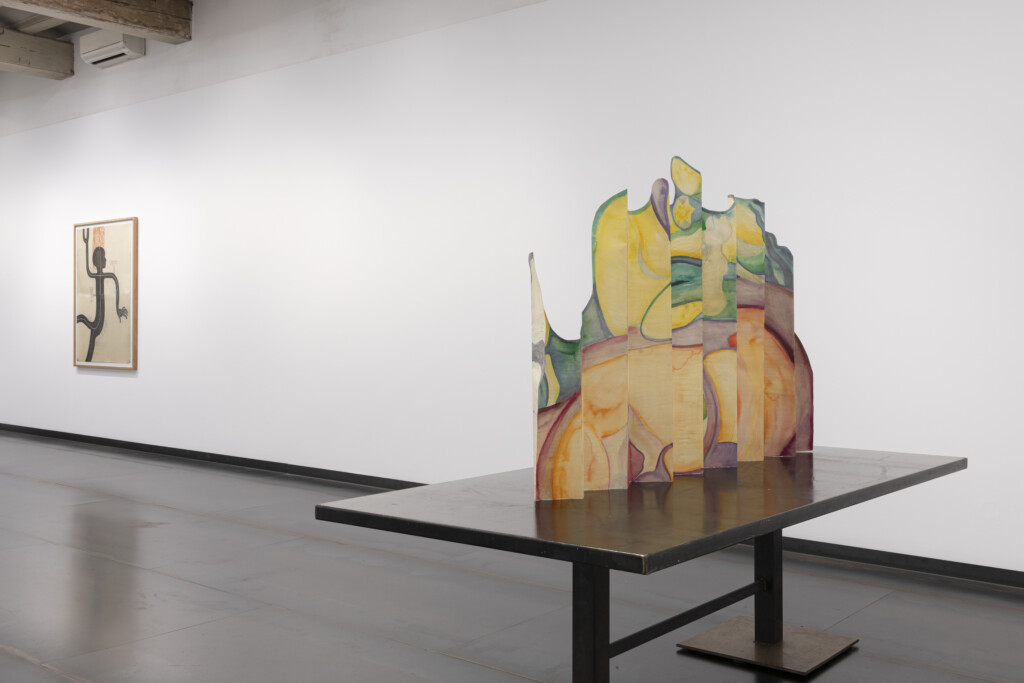
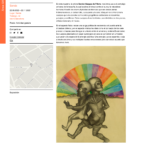
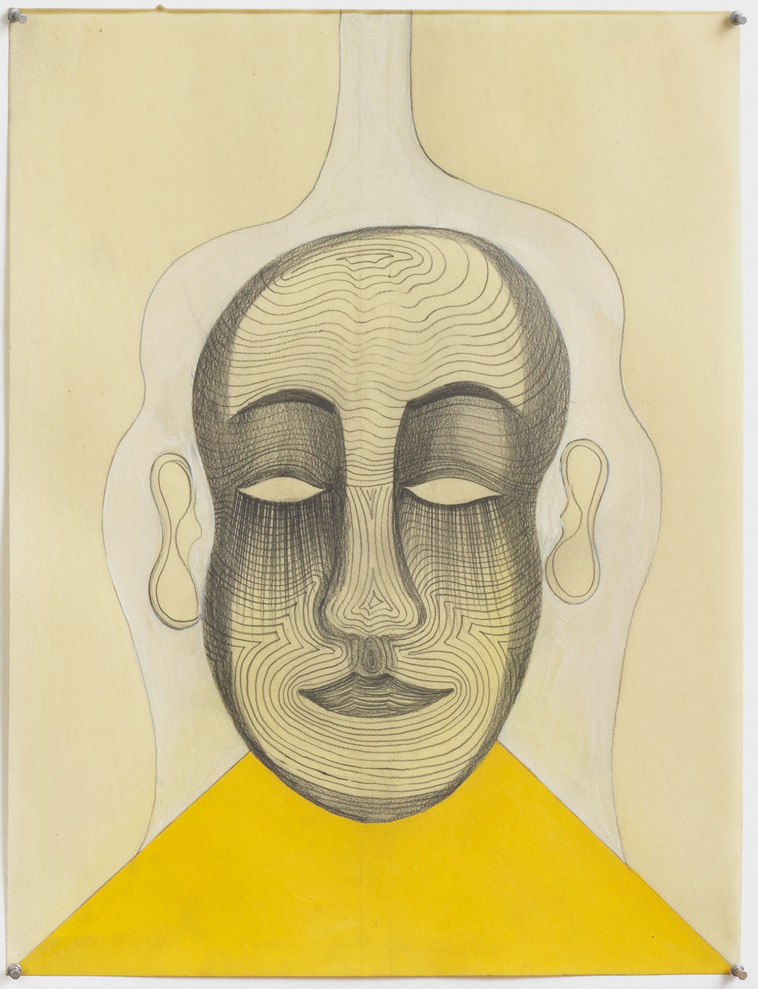
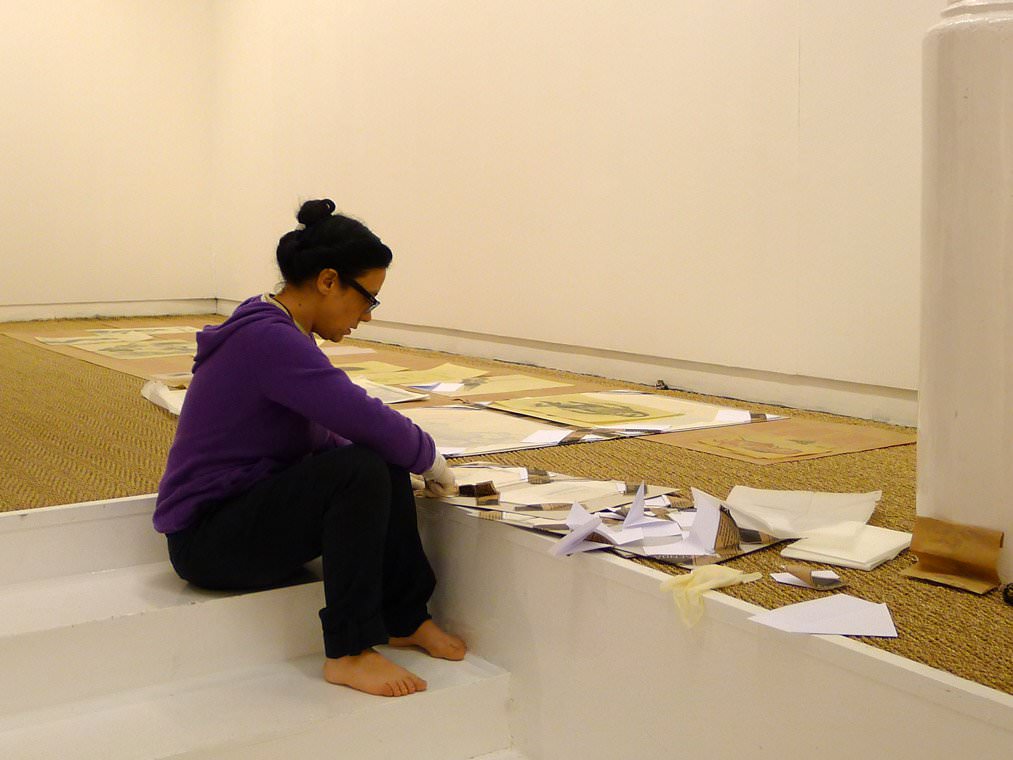
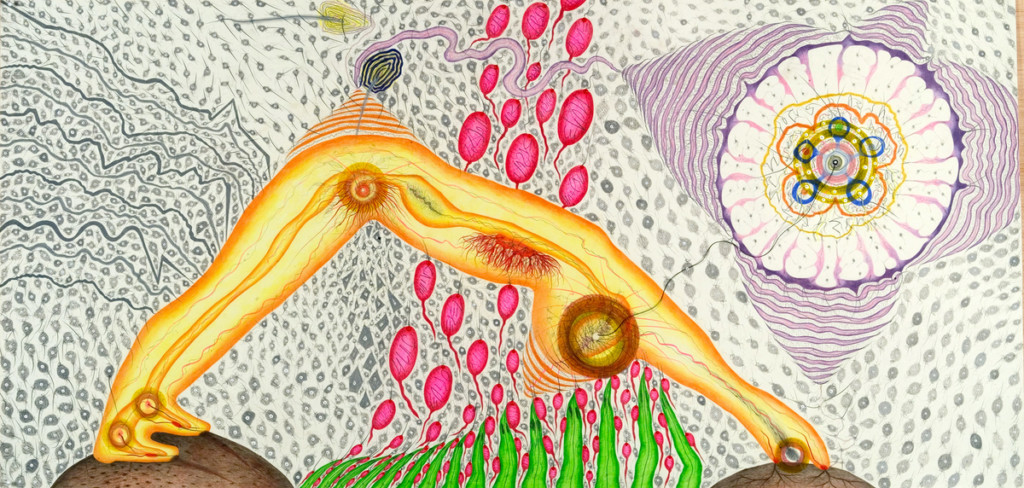
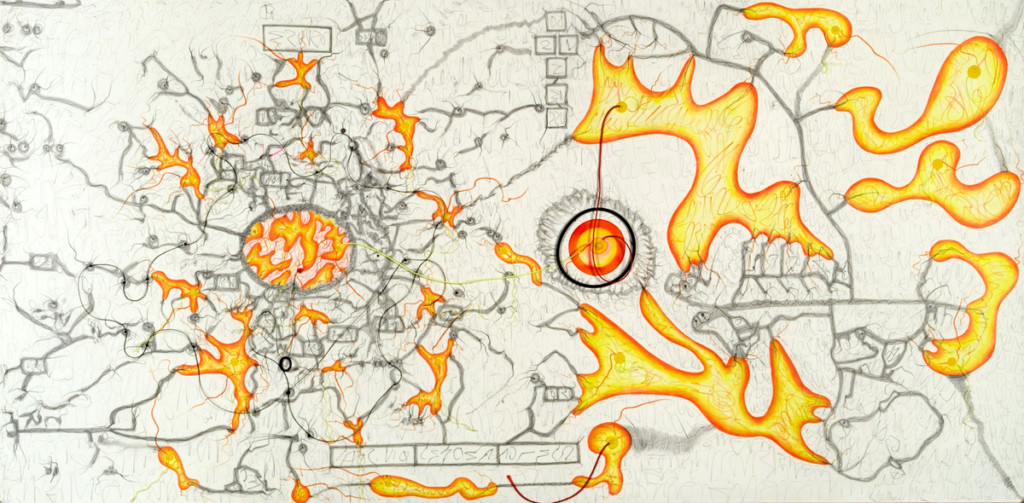
In this exhibition, the artist introduces us to the complex universe of theosophy, which explores the link between the aura and human nature. Through a multiplicity of techniques that range from three-dimensional pieces, charcoal, watercolor and wax; Vásquez de la Horra traces bodies that she conceives as geographic entities, endowing them with labyrinths, landscapes, and mountain ranges. These bodies, now territories, are divided into two planes, the physical-earthly and the mystical.

In the physical aspect, there is a political burden of resistance of the people against the Chilean dictatorship; and in the mystical aspect, the artist takes the concept of the seven planes or chakras to dialogue in unison between the universe and the earth. This is how the bodies captured on paper dipped in wax become thresholds that lie waiting for the energy cosmic. An energy that expands and travels through the soul and its many emotional facets to give life to what we call Aura.


BIO

Sandra Vásquez de la Horra graduated from the University of Design of Viña del Mar. She continued her studies at the Kunstakademie of Düsseldorf being a disciple of Jannis Kounellis and Rosemarie Trockel. Her work has been exhibited at the Bonnefanten Museum in Maastricht, the Pompidou Center in Paris, the Kunst Palast Museum in Düsseldorf and the Albertina Museum in Vienna. In 2009 she won the Contemporary Drawing Prize awarded by the Guerlain Foundation in Paris. In 2012 Vásquez de la Horra participated in The Imminence of Poetics at the São Paulo Biennial. His work can be found in important public collections such as the MOMA in New York, The Art Institute of Chicago, the Pompidou Museum in Paris, the Pinakothek der Moderne in Munich, the Kunst Palast Museum in Düsseldorf, and The National Gallery of Victoria in Australia. among other. Sandra Vásquez de la Horra currently lives and works in Berlin.

Share your experience at the gallery with us! Let’s connect!

@galeriasenda #galeriasenda

AVAILABLE PIECES HERE


(To view or purchase available pieces please head to our online shop or contact us via e-mail / phone and we will happily assist you.)


PRESS


AITOR ORTIZ, Gaudí, Impresiones íntimas

Aitor Ortiz’s work has been intimately related to architecture, to the extent that it has been buildings and structures of all kinds, repeatedly observed from the most diverse angles, that have been the focus of attention of almost all his photographs, even those in which the subject has ceased to be recognizable.

However, his photographs are not merely illustrative, nor are they conceived for the greater glory of architecture. On the contrary, their real interest lies in what the author himself defines as “dilemmas between representation and interpretation” of the original referents.

Photography, understood as a medium, was an essential tool for Gaudí’s university learning thanks to the discovery of photographic albums of the great expeditions. These sources influenced his heterodox and cosmopolitan vision of architecture and the development of his constructive ingenuity. Photography was for him like a workshop tool, recording and inverting his models made with catenaries to check their final result.

Gaudí’s works have been revisited many times. The saturation of photographs taken of his works has shaped a generalized vision of an excessive, colorful, figurative, expressionist and rather corny architect, but tremendously popular. However, his architecture is much more avant-garde and rich: Gaudí went from neoclassicism to modernity and knew how to incorporate the constructive advances motivated by the second industrial evolution.

The review of his work through millions of photographs available in publications and on the Internet has imposed itself in a vulgar and repetitive way to the direct experience with his work and, consequently, has caused a trivialization effect in the dissemination of his works.

This series, carried out interruptedly for more than four years, flees from any preconceived idea about Gaudí’s work. It is a clean and complete review of his most significant works. The photographic work focuses especially on his creative process, the laboratory of genius, where he materialized his designs and his models, which are deliberately presented at the same level as the built work.
The ambiguity and synthesis of Aitor Ortiz’s images make us distance ourselves from the “here and now” to become representations of constructed, designed or simply imagined spaces.

By photographing Gaudí’s architectural work, Aitor Ortiz does not cease to be who he was or who he is, for he has managed to find a Gaudí parallel to the spectacular one that amazes us with its forms and chromaticism. The black and white look of the Basque photographer invites us to know another Gaudí that is no less than the previous one, although it has not been observed with thoroughness: a more subtle and delicate Gaudí, a barely imperceptible Gaudí, almost secret, a Gaudí that goes unnoticed among the fanciful creations of his undulating imagination.

Aitor Ortiz’s camera is an eye that reveals what is visible, yet invisible to an eye overwhelmed and exhausted by a story overflowing with narrative richness.


In a World of People, I am a Wall

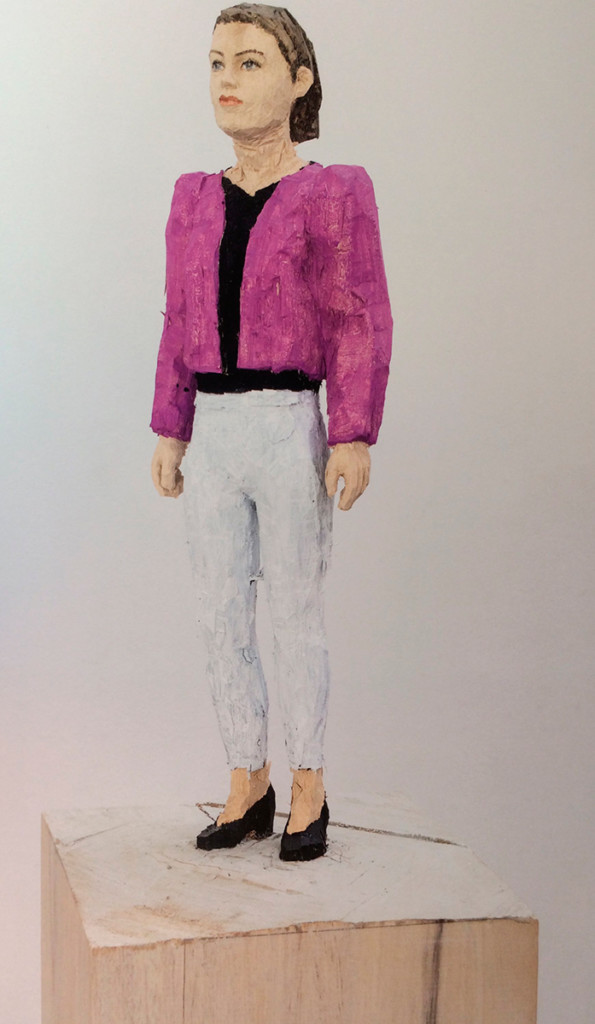
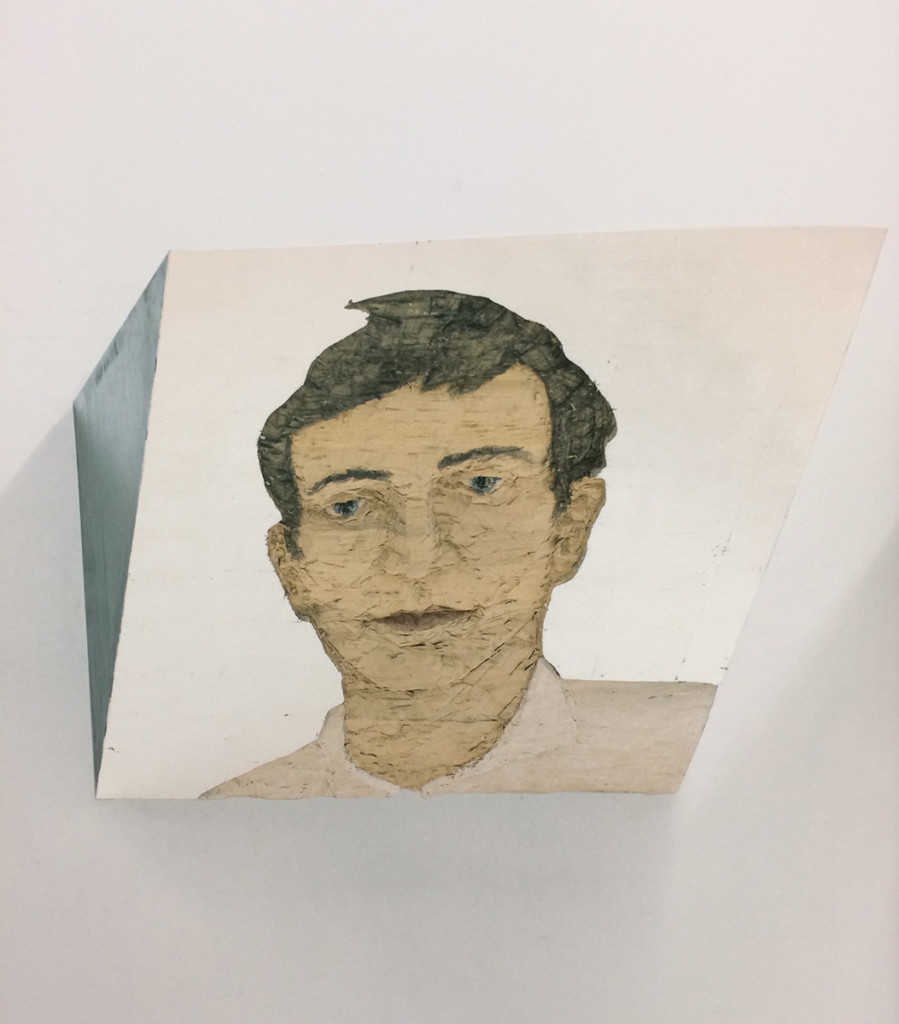
“In a world of people, I am a wall”. Within the space of the gallery, a discourse is created between the figurative art of Jaume Plensa and Stephen Balkenhol and that of Tulio Pinto and Jose Pedro Croft’s abstraction influenced by minimalism. This collective showcase plays around with notions of size, balance and presence, as well as demonstrating that space can be dominated by notions of the real and the symbolic, alike.

IRAN DO ESPIRITO SANTO, El Pangolín

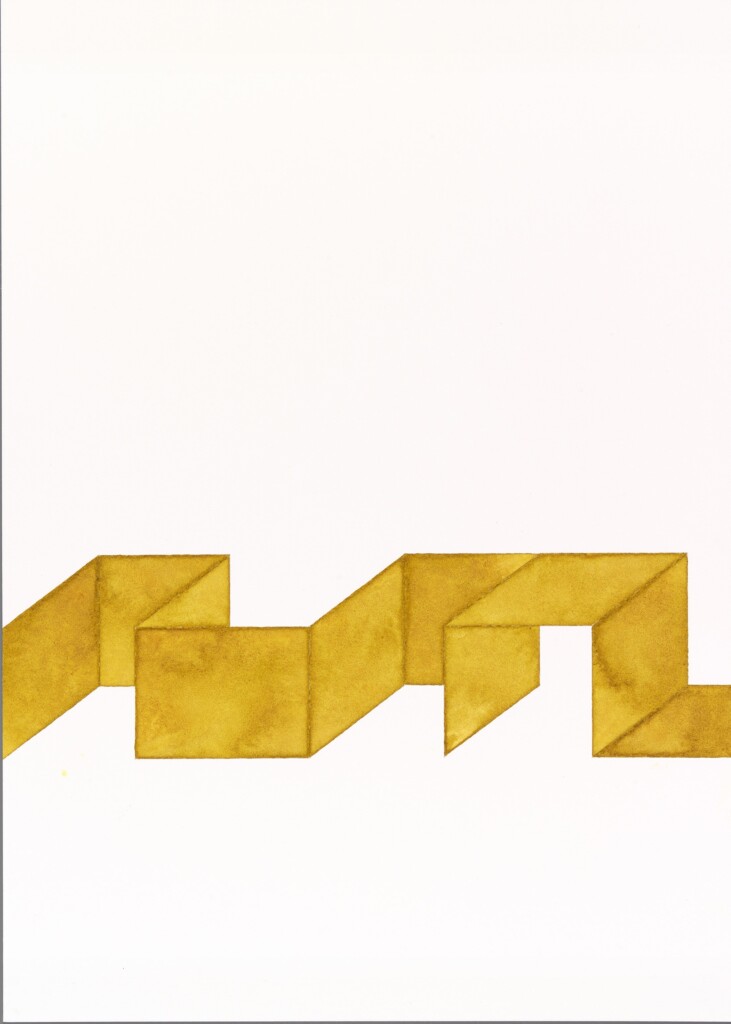
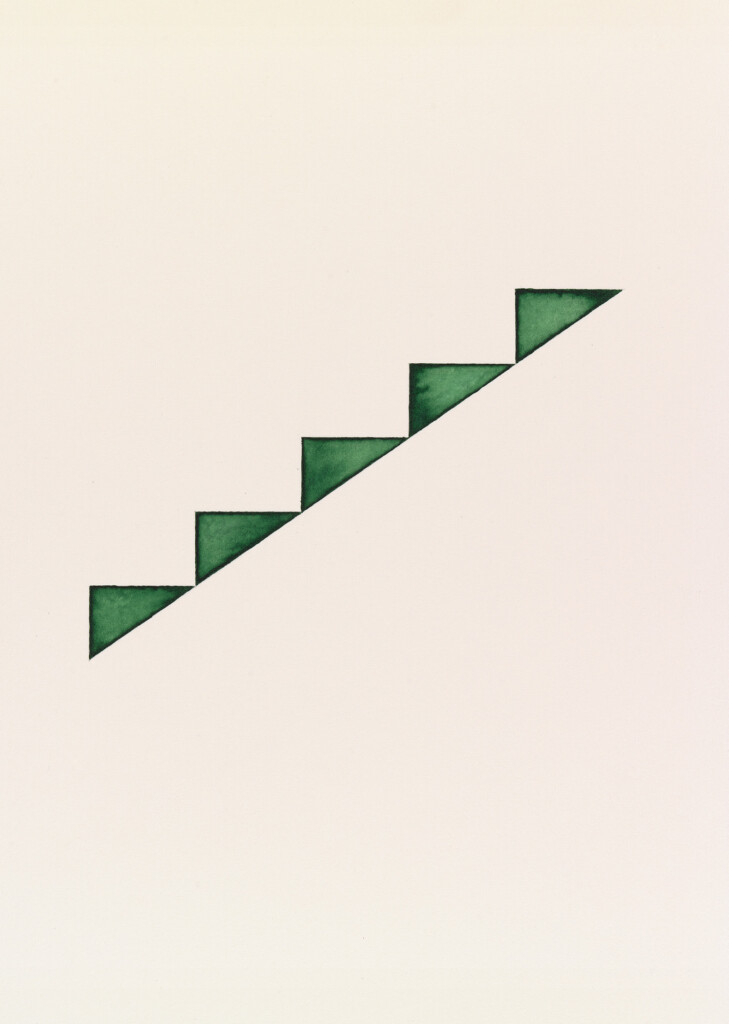
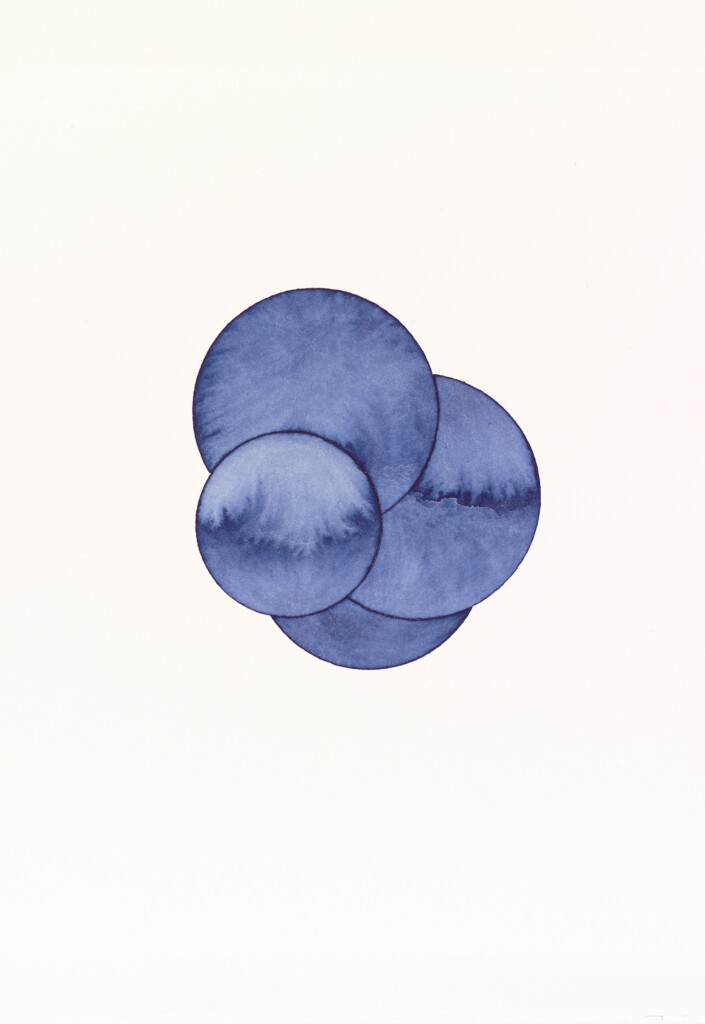
Espírito Santo exhibits in Senda a new series of watercolors, produced during the months of confinement. The artist inaugurates the use of color while remaining faithful to his own refined and austere style.

The attention to the forms and the delicacy of the tonalities are the main aspects that intertwine the whole series, exhibiting a softer facet that, nevertheless, maintains its own conceptual references.

One of the distinctive aspects of Espírito Santo’s work is his reductionist aesthetics. In this exhibition, he builds geometric representations perfectly balanced as a result of his focus on detail. The paulista artist chooses monochromatic tones, making use of gradient and soft colors to give depth to the works. The watercolors create a dialogue between the precision of the details and the purity of the forms. In this series, Iran do Espírito Santo reinvents itself throughout his work and invites us to get in touch with another facet of his visual language by proposing a new aesthetic experience.

The exhibition is the product of the long worked project El Pangolin, an anthology that includes the publication of Enrique Juncosa’s writings co-published by SENDA Ensayo and Turner.

The watercolors illustrate this anthology and create a connection between the two poetic: the pictorial discourse and literature are harmonized in a single aesthetic, in which the delicate works of Espírito Santo give shape to the play of ideas proposed by Juncosa.

The series of watercolors The Pangolin transports the visitor to the multiple realities constructed by Espírito Santo and invites us to redirect our view on his compositions.


Iran do Espírito Santo (Mococa, 1963) is internationally known for his ambitious site-specific installations, as well as for his figurative or abstract sculptures, which are part of the aesthetic translation of minimalism. His works are part of collections at the MoMA in New York, the MACBA in Barcelona and the Museum of Modern Art in São Paulo.

Enrique Juncosa (Palma de Mallorca, 1961) is a writer, exhibition curator and cultural manager. He was director of the Irish Museum of Modern Art in Dublin from 2003 to 2012, for which he received the Order of Civil Merit from the Spanish State, and before that he was deputy director of the Reina Sofia Museum, Madrid (2000-2003) and the IVAM, Valencia (1998-2000) and is one of the most solid voices in the field of abstraction on the Spanish curatorial map.


Download the press release here

Download the compilation of reviews and articles: Diario de MallorcaEstrella RotaArticulo José Carlos Llop , Blog de Álvaro Valverde


MIGUEL ÁNGEL MADRIGAL, La distancia que separa

In his first exhibition at Senda Gallery, Mexican artist Miguel Angel Madrigal speculates from sculpture about the fragile and thin frontier that separates nature from culture, the order of the Earth from the realm of the human, the eternal and the finite. A border that can be abruptly transgressed in a single moment: a road accident, an illness, a meteorological catastrophe, a sudden death.

Madrigal constructs elements that are in perpetual equilibrium and tension and which can fracture at any moment. These limit situations suggest symbiotic relationships -material and symbolic-, where physical and psychological space unfolds between two objects that challenge gravity and stop time.

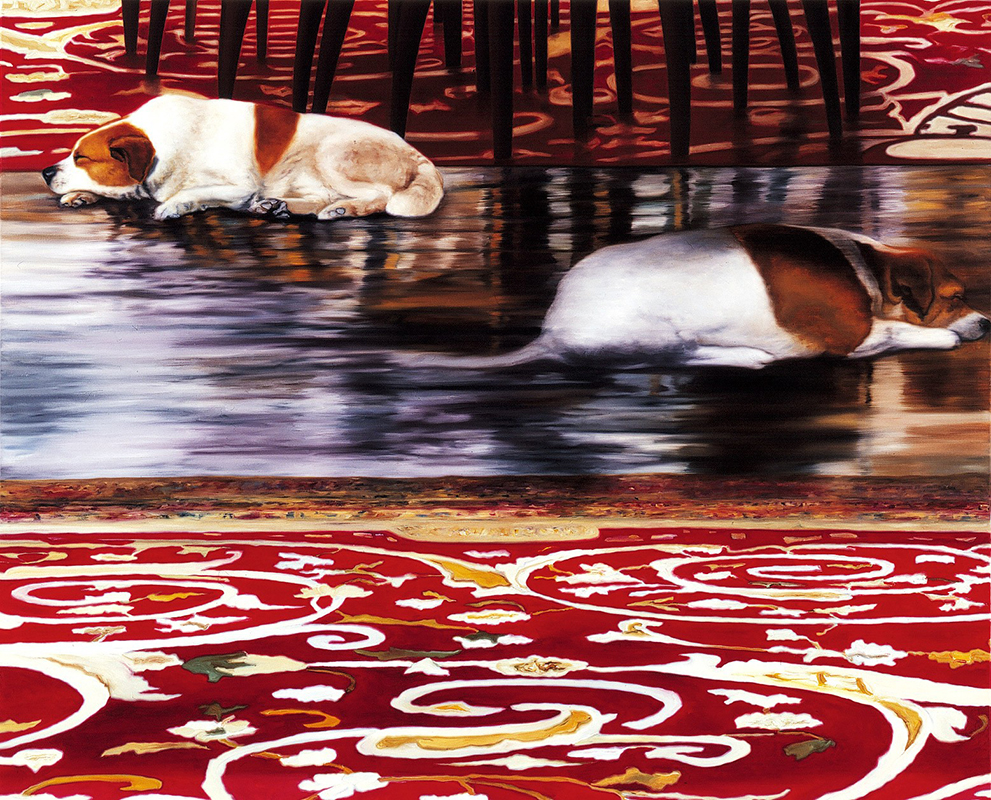
In “The distance that separates”, Madrigal objectifies the absurd and transforms it through a series of formal and plastic resources that allude to a careful and studied treatment of the sculptural discipline. From the representation of dogs in absurd situations such as: a dog climbing on a ladder or another dog challenging the balance by being supported by four pool balls that extend over the ground, the artist questions the acts of everyday life from the absurd, in which he draws a tenuous line between the lived and the unlived, the already experienced and the expectations that are recovered in fragments of time contained in experiences and expectations where the improbable becomes real.

YAGO HORTAL, ¿Otra vez?

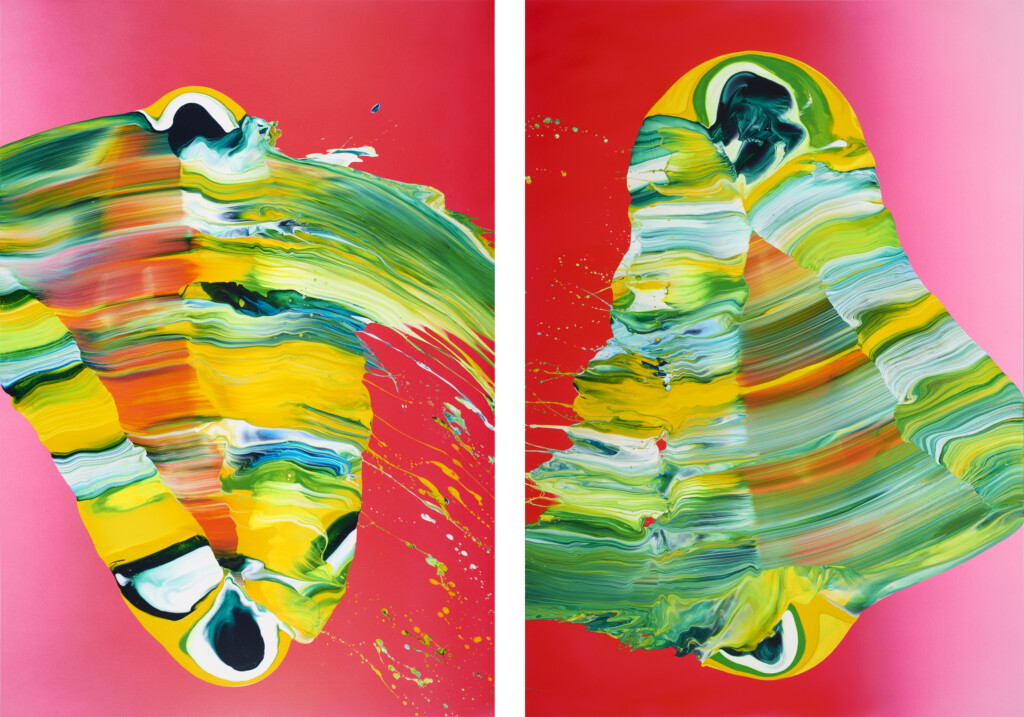
Constant research and experimentation are characteristic of Yago Hortal (Barcelona, 1983), who returns to Galeria Senda to inaugurate a new stage and season. The exhibition, which can be visited from 15 September, will surprise all those who are familiar with the work of the Barcelona-born artist, who moves away from a successful formula to discover new ways of dialoguing with painting, introducing new concepts and techniques.

Hortal, who held his first exhibition at the gallery in 2006, has shown his work there on many occasions. His solid career has earned him, this year, a much commented individual exhibition, Allò era abans, això és ara, at the Can Framis museum (Fundació Vilacasas). Hortal has generated a recognizable and unmistakable image, a style of her own that now, however, she seems to be running away from.La seva obra parteix d’un fort compromís amb la pintura i amb l’acte de pintar i en aquest moment evoluciona. 

His work is based on a strong commitment to painting and the act of painting and is currently evolving. Hortal continues on a path of experimentation to inaugurate this new stage, also exploring new techniques and styles. His canvases, where vibrant forms used to be structured and color was portrayed, are stripped of all superficiality to reveal the essential and make the trace visible. Now, Hortal intervenes on the canvas and removes everything that remains on it, revealing a negative of the painting process itself, a record of the creative trace.

The great visual impact of Hortal’s work was largely due to his suggestive style, the effervescence of his forms, and the application of pictorial masses, which created a third dimension and expanded the pieces beyond their natural limits, the canvases. From this additive technique, in which everything was added and added, the artist now moves away; it is a subtraction that reveals the process of painting, the essence that Hortal brings out. He maintains his expressiveness but inverts the protagonism. The forms that were previously arranged, guiding the gaze and dotting the canvas, are not added, establishing a new dynamic in which it is the movement and gestures of the brushstroke itself and not the paint that structures the work; the whole painting becomes a testimony to the pictorial action.

Moving away from fluorine tones, Hortal has adapted his colourful compositions to primary and natural tones. He sheds the impetus and vitality of the forms he had worked with until now, which masked the strokes and traces of brushes and paintbrushes. He replaces it with a layered work, with flat colours and carefully separated levels; what constitutes the painting, what is essential, “is not what is added, but what is subtracted”.

Yago Hortal’s work reinvents itself, in accordance with his continuous restlessness to experiment and grow. Unaware of trends, he follows the rhythm of his own beat and draws a singular path in search of a dialogue with painting.

DONALD SULTAN, Day and night: New Paintings and drawings

Donald Sultan is a painter, sculptor, and engraver known for his large-format works in which he uses industrial materials to represent everyday objects. In his usual iconography, flowers and fruits shaped in colorful still lifes on dark backgrounds stand out; the delicacy and elegance of the representations contrast with the materials he uses: tar, aluminum, enamel, or tiles on Masonite. The industrial elements generate several layers of depth with a feeling of low relief while offering a palpable reference to the taxation of the work. This interest is central to Sultan’s work, which explores the dichotomies of the natural and the artificial, softness and roughness, or figuration and abstraction.

For this exhibition, Sultan has created a new series of large-format works under the title of Mimosas. The first paintings in this series were made in 2019 and were inspired by a bouquet that a friend gave him in the south of France. The mimosa tree has fern-shaped leaves and flowers that assemble dandelions with their seeds. Donald Sultan began by drawing pictures of the mimosa flower and then explored this organic motif more abstractly.

This current work of the Mimosas offers a historical continuity from the New Image Painting movement line of the 70s and its later work. In this exhibition, we can also find the largest work made in the 90s that is part of the expressionist series “Smoke Rings” based on the representation of tobacco smoke rings. In the words of Donald Sultan:

“Painting has often been declared to be dead, and how many times has it shown us that it will never disappear? We call the classic movies ” old movies”, but we never call the masterpieces “old paintings”. Good painting is timeless “

Thus, his most recent work can be interpreted as an extension of the previous one; the organic elements represented are compressed in their most basic form in a form reduction investigation. The recurring motifs of still life such as fruits and flowers represented with everyday materials create a contradiction, a dichotomy, where the structure of the work of art is heavy, but at the same time, the images become light. In this lies the gaze of Donald Sultan, in the transformation and deconstruction of ordinary organic elements in an abstract expression that generates a material paradox as well as sensual.

Donald Sultan (1951, Asheville, United States) lives and works in New York and Sag Harbor, NY. He studied a Master of Fine Arts at the Art Institute of Chicago in 1975 and has been exhibiting extensively in major international museums and galleries ever since. Sultan’s works are represented in prestigious public collections including the Tate Gallery in London, the Museum of Contemporary Art in Tokyo, the Pompidou Center in Paris, the Museum of Fine Arts in Boston, the MOMA, the Museum of Modern Art in New York, or the Guggenheim Museum in New York, among others.

JORDI BERNADÓ, “If not, tomorrow”

Of the nine books that the poet Sappho (630 BC) composed, only one poem has survived in its entirety. The rest, what has come down to us are fragments, and the poet Anne Carson collects them, translates and reinterprets them in a book of disturbing beauty called ‘If not, winter’, where what we read captivates us especially because of what it is intuited behind those verses.

The artist Jordi Bernadó (Lleida, 1966) is inspired by this title, ‘Si no, el Invierno’ in an exhibition that is a double wink to Safo and Anne Carson to also recover fragments through which he constructs a look at a world, ours, where the ground has begun to crack. And it is from there, from the crack, from where Bernadó tracks the elusive beauty through the tracks it leaves when it retires.

In continuous migration towards territories yet to be discovered and occupied, in a moment of loss of common orientation, the human being needs to land somewhere. Although it is in a question that opens looking for a map of new references and reclaiming old ones. But far from wanting to offer certainties, the images that make up ‘If not, tomorrow’ rather they are signs that point to the emergence of a new reality, signs linked by an invisible thread, a questioning, that orders them.

How to live? How do we inhabit space? What do we do to find a place that is not a mirage?

This exhibition was born from the need to navigate uncertainty, to know how to interpret silences and signals. Perhaps it is no longer enough to make an inventory of man’s mistakes and it is now convenient to glimpse and draw a map of the truths of nature and the exemplary nature of people. And perhaps from there, without losing sight of wonder and doubt, to continue. That everything is ephemeral is also a hypothesis of eternity

JAUME PLENSA, “La Llarga Nit”

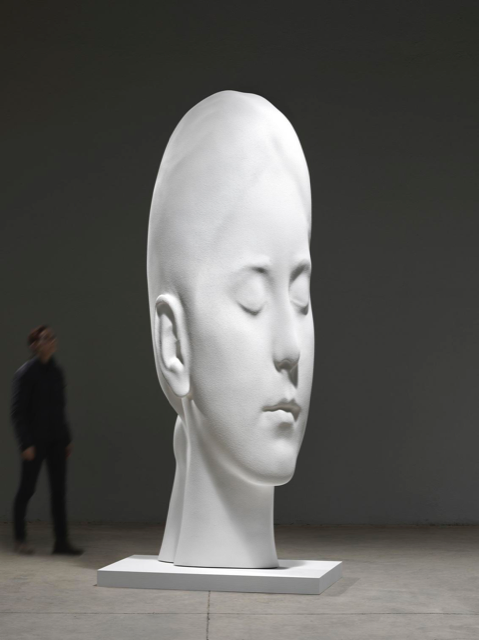
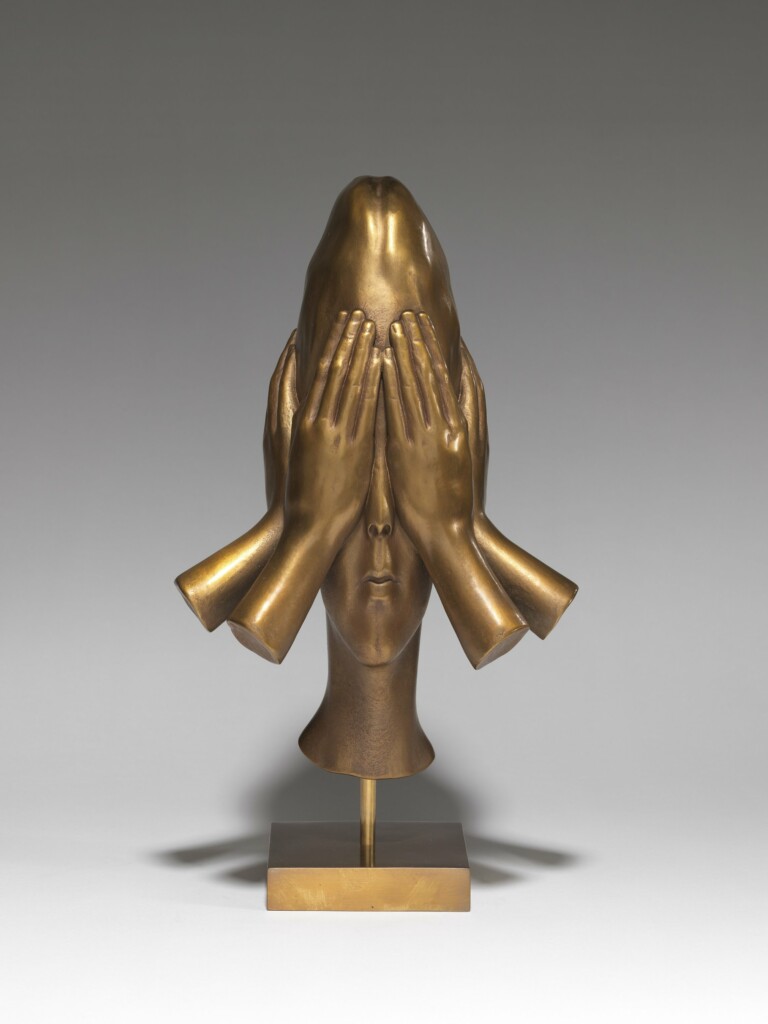
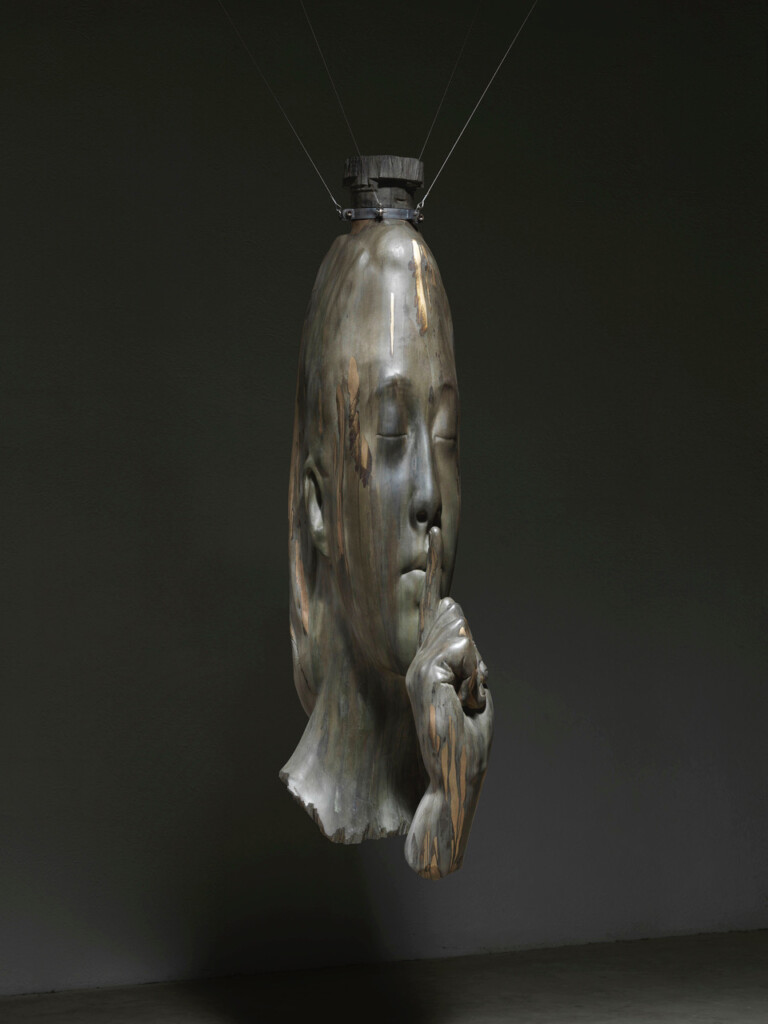
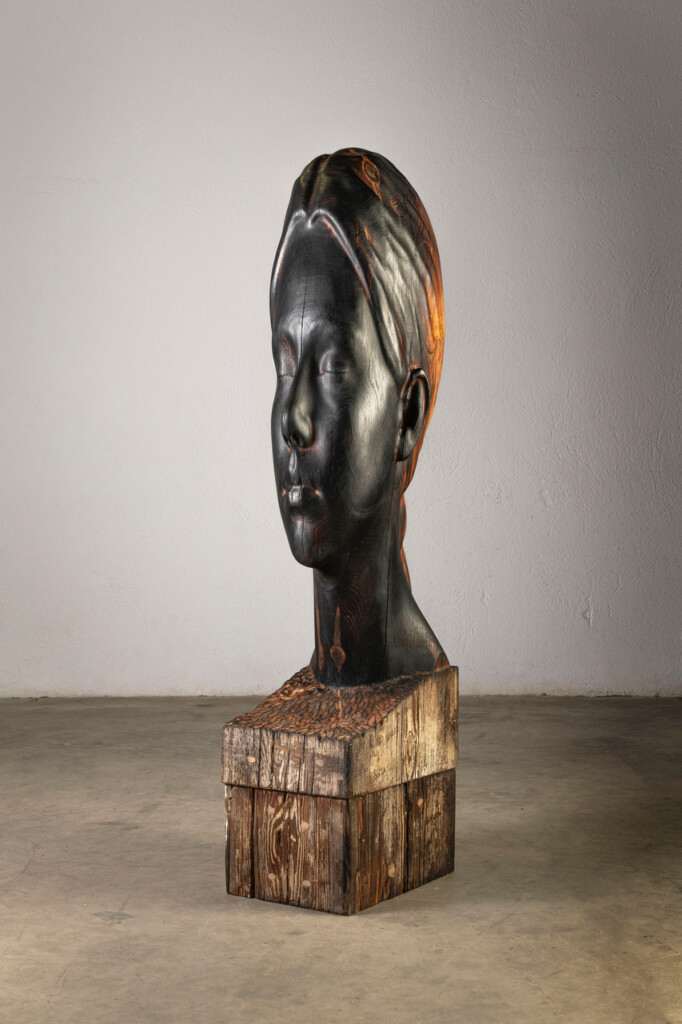
Jaume Plensa presents “La Llarga Nit” at Galeria Senda, an exhibition in which he praises the mysteriousness of the night, capable of infusing both stillness and inspiration to the soul of every poet. The works included in the exhibition- ranging from grandiose sculptures suspended by subtle strings, to delicate works on paper- present themselves as a polyphonic choir of figures of dormant and silent appearances, of which a lyrical and contemplative dimension, typical of the spanish artist, stands out. With this new display, which reflects upon the dilation of time imposed by recent global socio-political changes, Plensa suggests that by having been forced to stop the machinery of doing, humanity is putting the machinery of thought into action once again, one which will generate new forms of modus vivendi in the world.

“You weren’t born just to be asleep; you were born to contemplate the long night of your village”
Vicent Andrés Estellés, Propietats de la pena (translation)

A literary imagery characteristic of Blake, Shakespeare or Goethe, among other renowned authors of the past who accompany Plensa in his creative process, the stillness of twilight is a recurrent theme which emerges constantly from the artist’s work throughout his forty years of career. It is in the night’s silence that words, which seek to tell the truth of things, flourish in the artist’s mind, to shape themselves into his work. Darkness isn’t absence of light, it is poetry. Darkness takes you away from reality, it projects images found in one’s memory; it expands space and time. It accompanies man in his hopes of overcoming the limitations of being present and reaching another timeless dimension of poetic imagination. The night is also the door to dreams, that dimension which hopeless romantics described as the language of the soul, which was later considered by Freud to be a privileged pathway to the subconscious’ most intimate desires. It is thus how Plensa invites us once again to close our eyes, in order to listen closely to our most profound being and to abandon the burden of thought altogether.

La Llarga Nit includes a series of large sculptures with which Plensa creates a perfect harmony between light and shadow, silence and words, time and space, idea and creation. In particular, both the dimension of sound as that of light are the invisible raw material of Plensa’s sculptural investigation, from which the human figure springs in a multiplicity of shapes.

The central piece of the exhibition, Minna’s Words presents itself as a monumental presence that simultaneously emanates peace and serenity. This portrait of a young lady, cast in bronze and suspended a few centimetres above the ground, invites silence with the gesture of a hand over her delicate mouth. Detained in a liminal space between the earth and the sky, in the fine line between profanity and divinity, this piece stands out for its symbolic and spiritual weight.

Invisible Ana is an iron mesh head, suspended by subtle strings, which levitates in the room delicately. It is part of a series of portraits Plensa has conceived like metal armour that, instead of shielding the body as a means of protection, evidentiate its fragility and suggest that vulnerability is the veritable human strength.

Almost three meters tall, Laura Asia is a bronze sculpture with which the artist continues his exploration of perspective through the figure’s distortion, a recurrent technique in a lot of his sculptures conceived for public spaces which invites the viewer to come closer to the piece and to envelop it to decipher its optical effect. When looked at directly upfront, the portrait of the young girl seems realistic, but when looked at closely it comes across as a figure that plays with the spectator’s perception. As in all of his bronze and marble portrayals, the features appear to be incredibly soft and smooth, a homage to the purity of youth.

The exhibition further presents a series of works on paper, created by the artist ex profeso for this show. With simple strokes of charcoal on Japan paper, these graceful and unique drawings echo his insatiable study of puerile physiognomies.

Do you want to visit the exhibition virtually? Click here.

Download the press release here.

Download the compilation of reviews and press articles of “La llarga nit” here.