Desplazamientos

About the exhibition

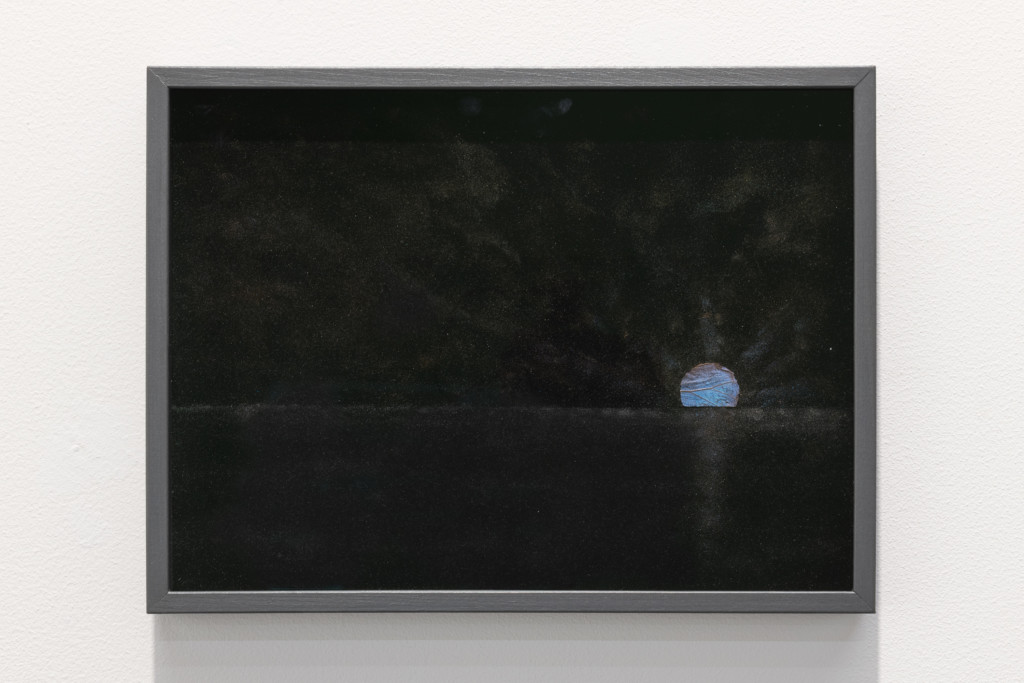
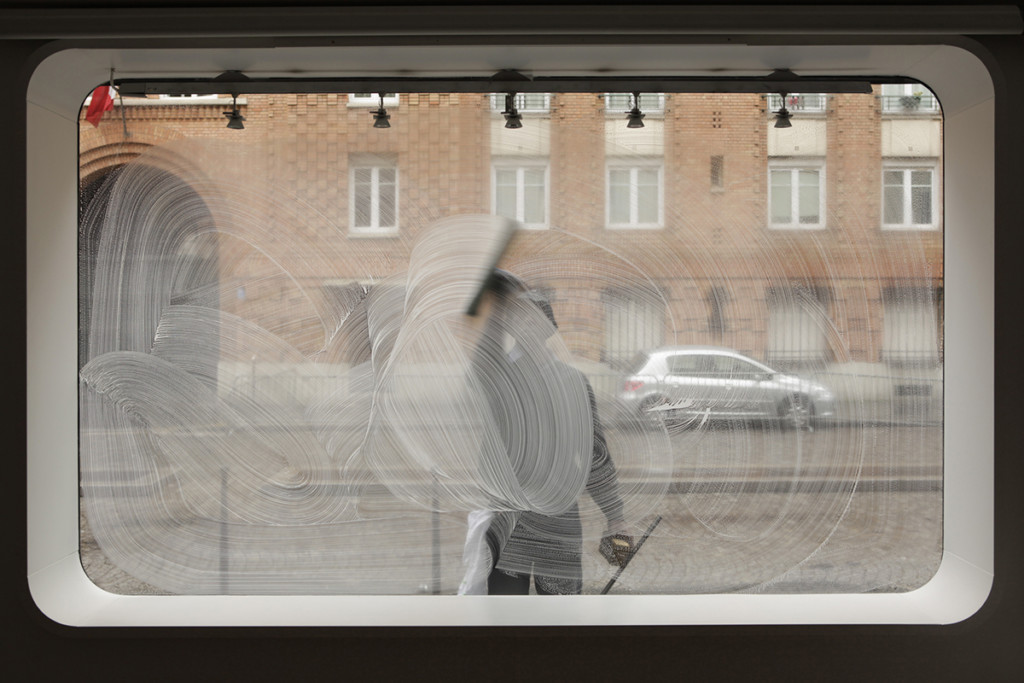
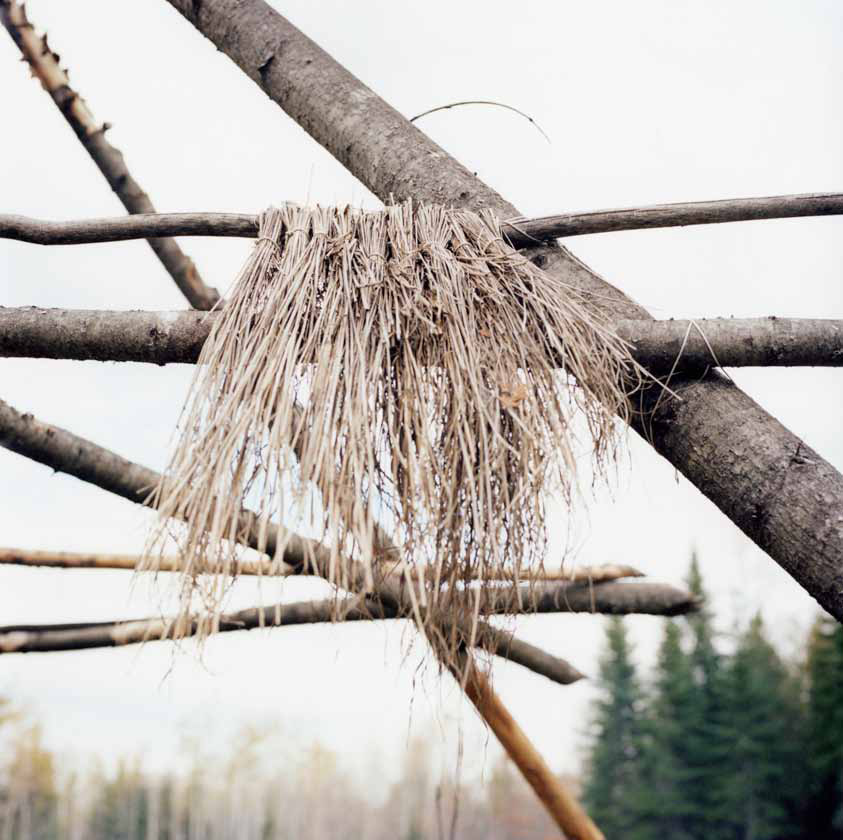
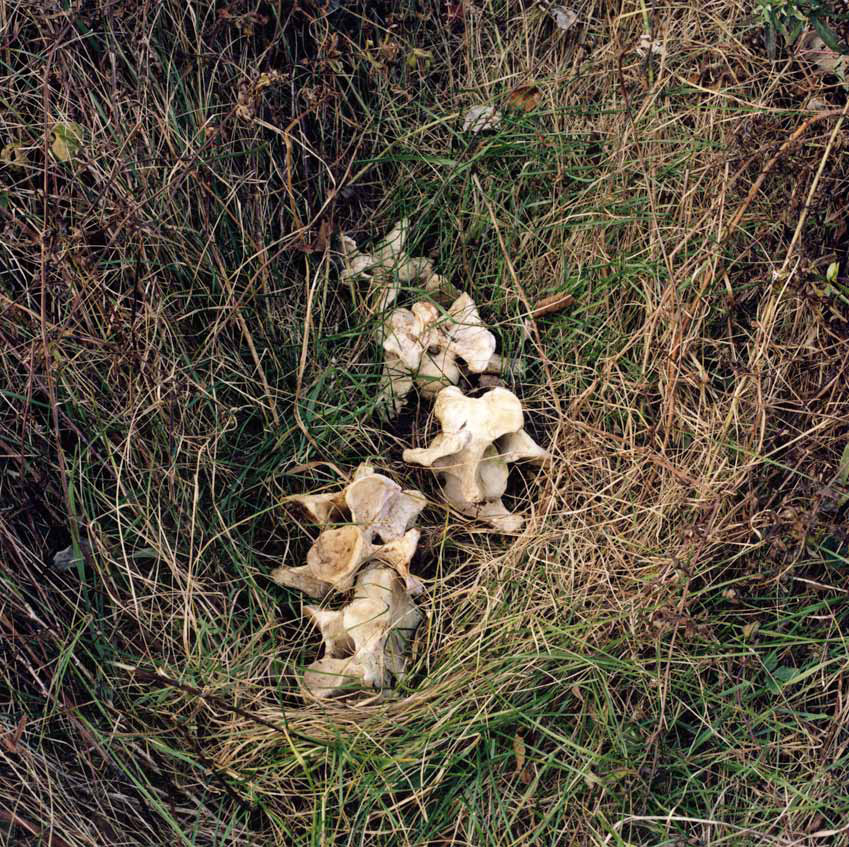
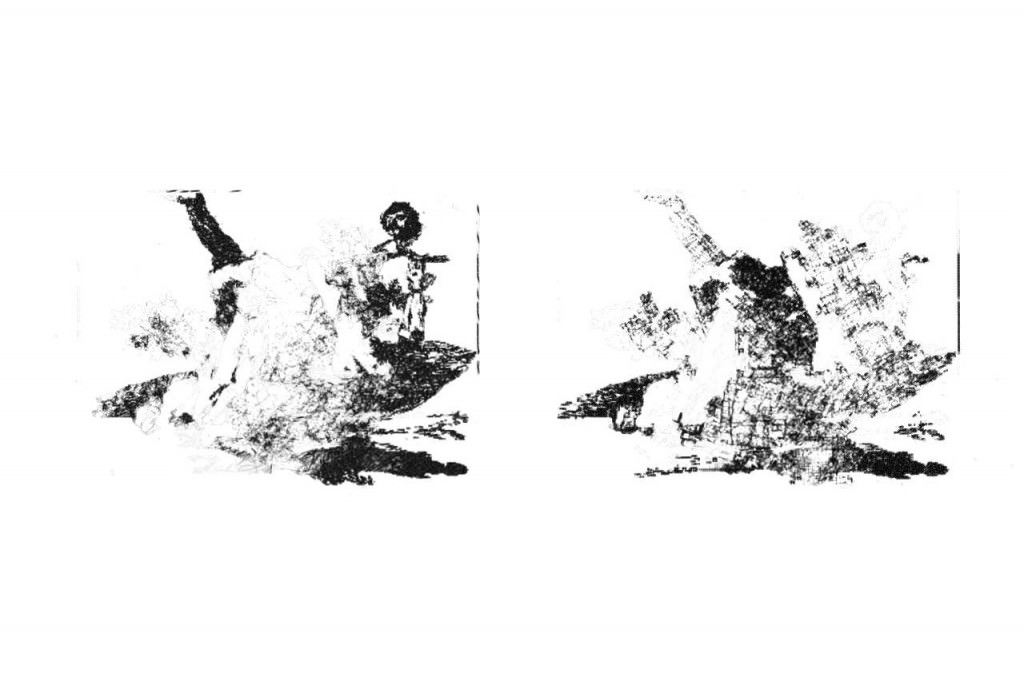
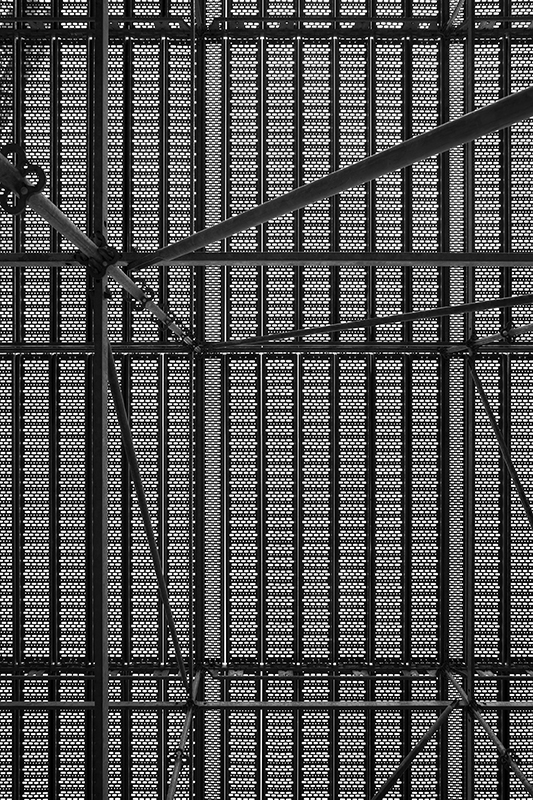
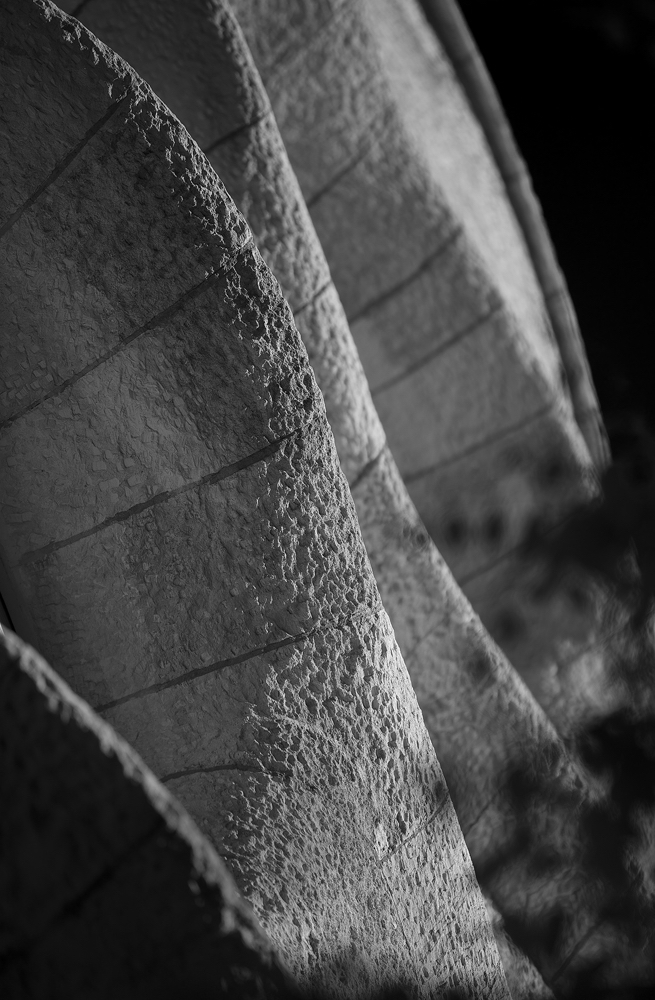
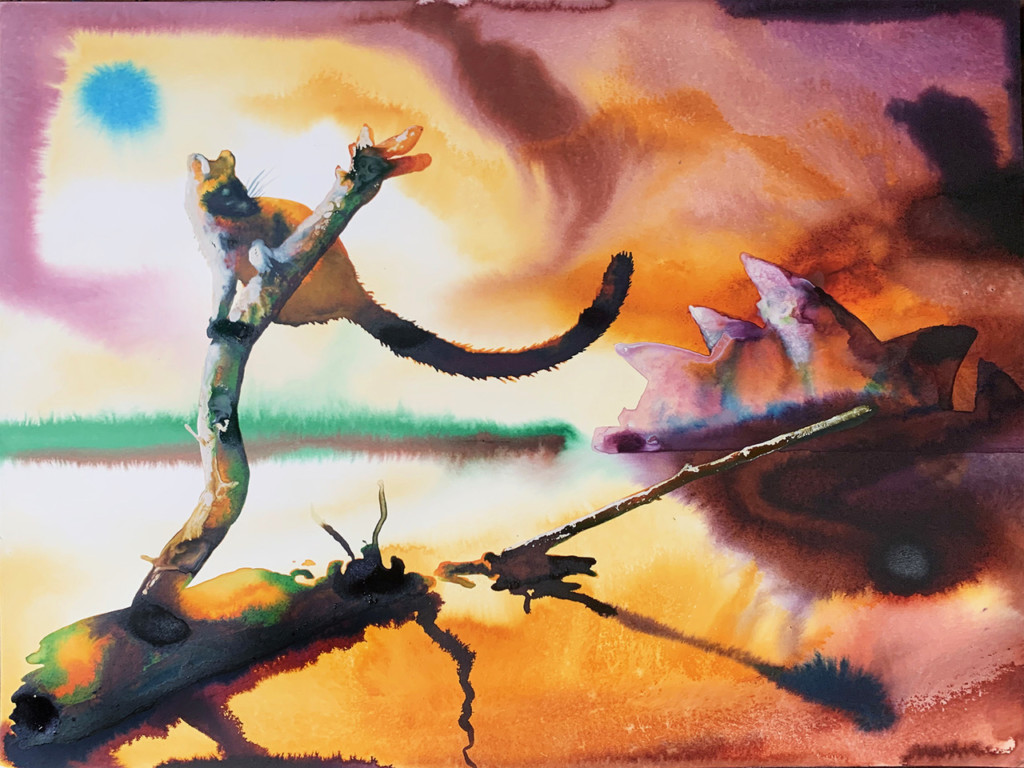
Desplazamientos is a joint project by Anna Malagrida and Mathieu Pernot that reflects on the changes in Mediterranean biodiversity caused by displacement and human intervention over time.

Anna Malagrida focuses on the history of opuntia cacti, which were brought to Spain from Mexico, during the Spanish colonization in the 16th century, to develop the production of cochineal dye. This crimson pigment became one of the most coveted treasures of colonial trade, used by Baroque painters and dyers to color the garments of Europe’s ruling elites. Nowadays, the lack of rainfall and the impact of climate change are weakening these cacti in certain parts of the Mediterranean. As they become more fragile, they are attacked by a pest: the uncontrolled cochineal insect, which has spread widely and now seems to be devastating them. The artist concentrates on the Mediterranean landscape of Cap de Creus, where these cacti had previously flourished.

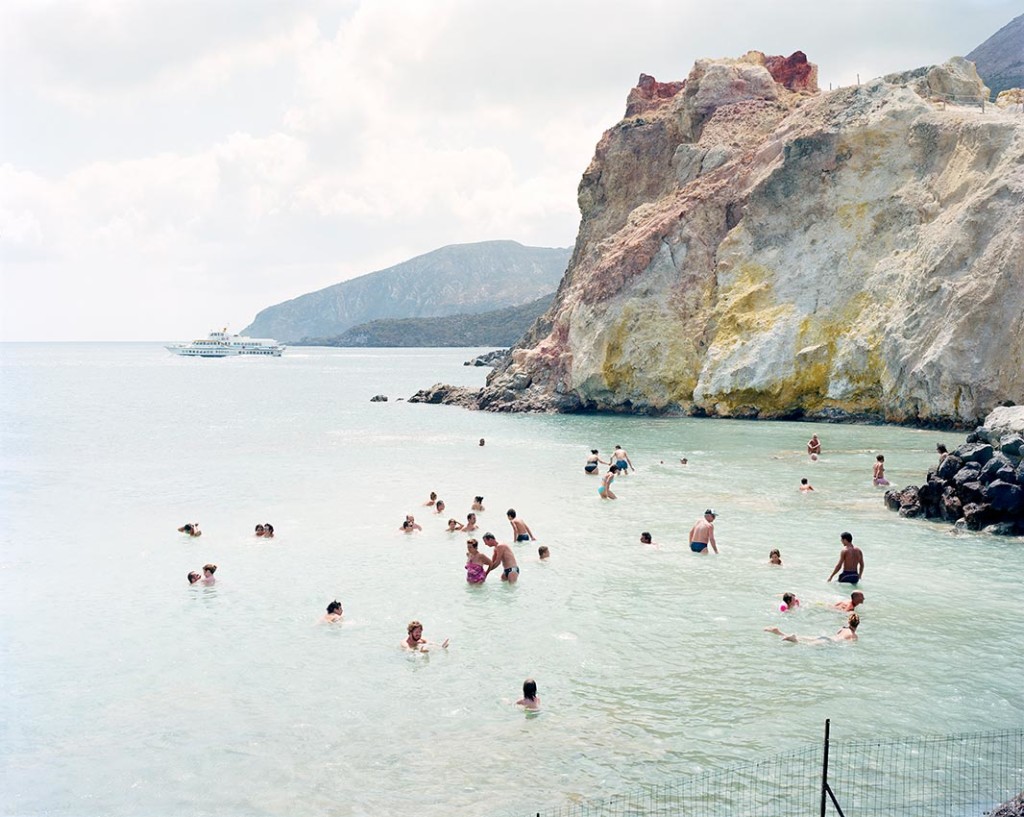
On the opposite shore of the Mediterranean, in the Spanish enclave of Melilla, Mathieu Pernot photographs the forest along the fence that protects the enclave from the arrival of potential migrants. The eucalyptus tree, imported from Australia in the 19th century, and the pine tree, whose many varieties were introduced by Napoleon, they have become silent witnesses to the restrictions imposed on human movement and migration in this space. Behind the trees, in the background of the image, a massive metal fence topped with barbed wire divides the territory in two and marks the border between nation-states.

Both artists remind us that a color, like a plant species, carries with it a history. And they also recall the many forms of migration: those that were forced in the past, and those that are forbidden today.

About the artists

Anna Malagrida (Barcelona, Spain, 1970) primarily uses photography and video to explore and recreate, through careful observation, our daily experiences and the unstable balance between private and public. The artists abandons representation of reality, and appeals, in exchange, to our fantasy: inviting us to project ourselves onto the surface of her images and to generate our own visual content both within and beyond them.

As if by its own gravity, in Malagrida’s work, the city becomes a theatre, a stage suitable in which to recount the delicate relationship between humans and their surroundings. The artist first examines and then encourages us to look. Through a lucid and unpretentious approach, her work seduces, reconciles, and places us between the visible and the invisible.

Mathieu Pernot (Fréjus, France, 1970) studied art history at the University of Grenoble before attending the École Nationale de la Photographie in Arles, where he graduated in 1996. Although Pernot specializes in documentary photography, he also takes alternative paths so that his work composes a fictional reconstruction. He addresses contemporary issues, while referencing a long iconographic tradition and aiming to spark dialogue between images, people, situations, and objects. In this way, he constantly asks questions about our relationship with the world and its representations.

Nomadic and vulnerable individuals, such as the gypsies and migrants, who become characters crossed by stories that stretch across time. Through both his own photographic practice and the use of documents, Mathieu Pernot experiments with the different ways of representing the world and the notion of how we use the photographic medium.
Transitar “La Quema”, ELENA DEL RIVERO

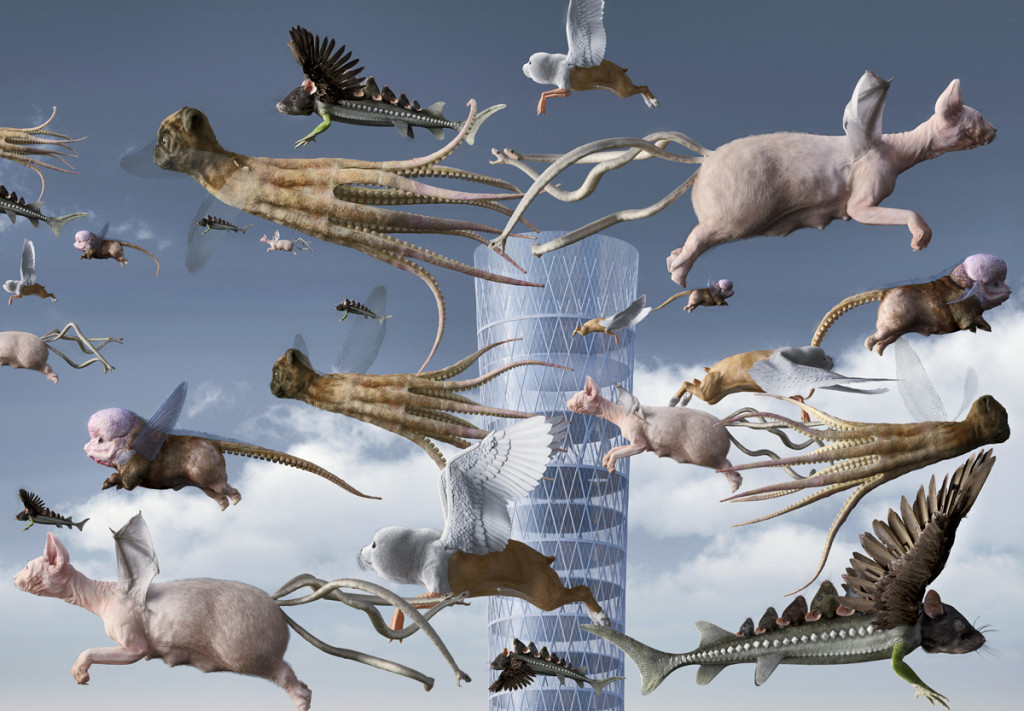
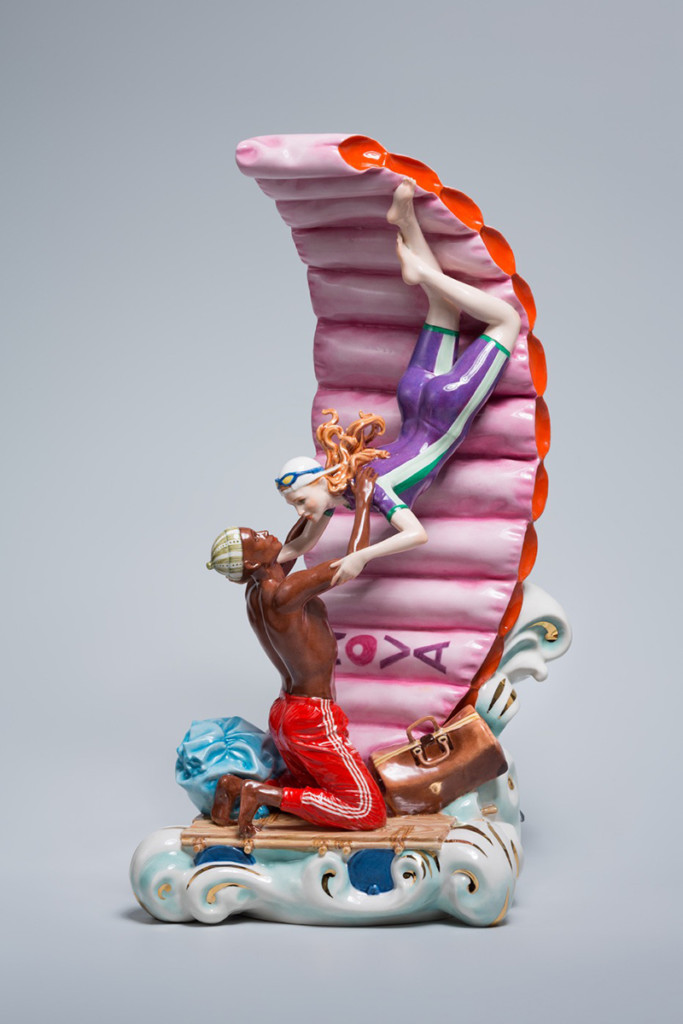
As part of the Museu Tàpies’ Extramurs 2025 programme, Galeria Senda presents Diarios this November, a series by Elena del Rivero that forms part of the project ‘Transitar La Quema’.

La Quema began in Galicia in 2024 (promoted by A Casa do Pozo) and is a radical proposal in which the artist burned her own work after it had been exhibited in private homes and spaces in the village. Documented in images and sound, this symbolic act explores destruction as a gesture of purification and renewal, and is now being transferred to the urban context of Barcelona as part of a broader reflection on memory, art and public space.

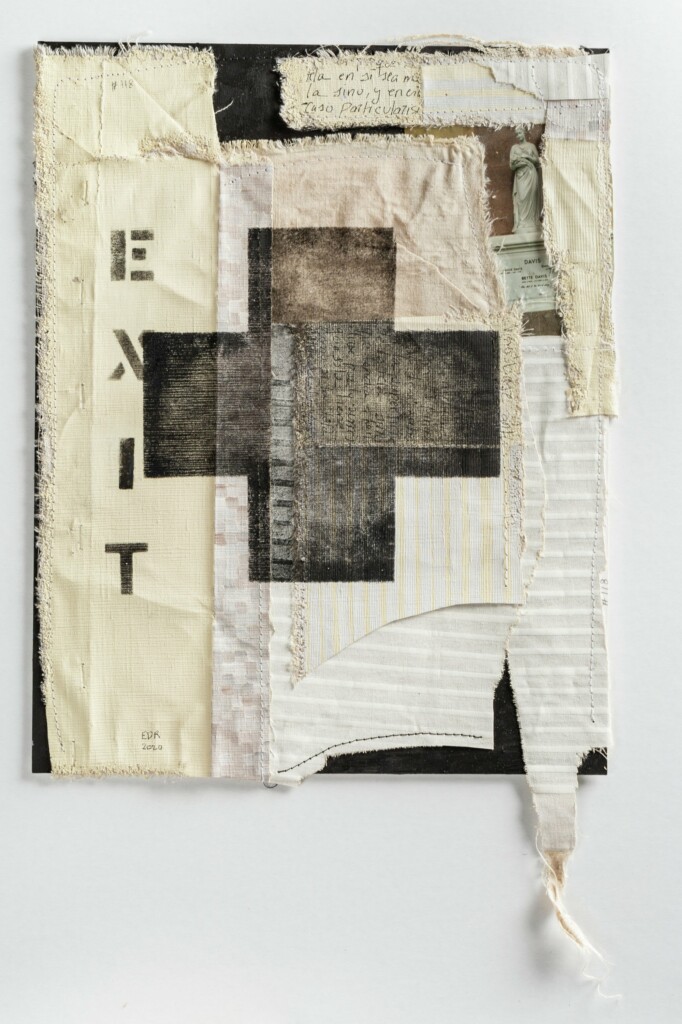
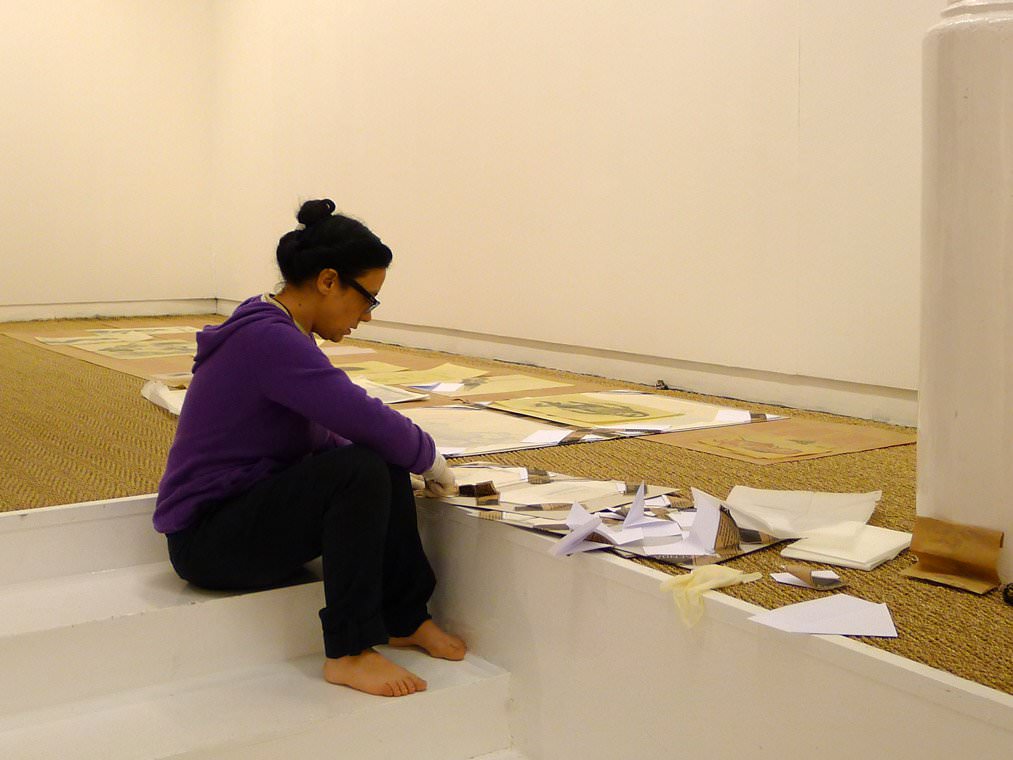
Diarios consists of small-format pieces that belong to Del Rivero’s intimate and everyday imagination. Through collage and the gluing of objects found on her morning walks, the artist shapes a visual narrative that records the ephemeral, the vulnerable and the domestic. These deeply personal works offer a leisurely look at time and experience, in tension with the radical gesture of La Quema.

In dialogue with Del Rivero’s graphic series, and as part of the City Screen 2025 program, two documentaries will be screened: “O carro e o home” (1940–1945) by Antonio Román and Xaquín Lorenzo, which offers an ethnographic look at rural Galicia, and “Documental La Quema” (2025) by Impro Films, which documents the radical project in which the artist burned her own work.

This exhibition opens up a space to rethink how we inhabit the world and how art can intervene in it, from the intimate to the collective.

Aryz, PRELUDIO

About the exhibition

PRELUDIO follows the line begun with the Vestigio series, in which the artist Aryz – Octavi Arrizabalaga (Palo Alto, 1988) engages in a dialogue with some of the creators who have influenced him throughout his career. On this occasion, he presents a series of large-format oil paintings conceived as  small visual dialogues with the great masters of painting. Each work is a tribute to the classical pictorial tradition and some of its fundamental themes.

From a contemporary perspective, Aryz acknowledges the legacy of traditional painting and revindicates the painter’s craft as a legitimate means of expression and cultural transmission. PRELUDIO is essentially configured as a bridge between past and present: a deliberate return to pictorial tradition that functions as an introduction or opening to a more experimental artistic proposal yet to be revealed.


EXHIBITION HANDOUT


About the artist

ARYZ – Octavi Arrizabalaga (Palo Alto, California, 1988), graduated in 2010 from the Faculty of Fine Arts in Barcelona, began his artistic practice in the early 2000s by painting murals around the Barcelona area. Over the past decade, he has left his mark in countries such as Canada, Japan, France, Denmark, China, Madagascar, Poland, and the United States, among others. Since 2019, he has devoted more time to studio exploration, which has allowed him to develop concepts in a more reflective manner. Among his most ambitious solo projects are Pugna (2019) in France and Vestigio (2024) in the Czech Republic. In addition to his pictorial production, in recent years he has created large-scale temporary interventions in unique spaces, adopting a hybrid approach that merges muralism and studio painting.

Currently, painting and printmaking are central pillars of his artistic practice in Cardedeu. His interest in printmaking techniques has led him to collaborate with the publishing house Polígrafa Obra Gráfica, with whom he regularly produces limited editions. In 2024, he was awarded the prestigious Pollock-Krasner Foundation Grant.

MIRALDA, BOOOM

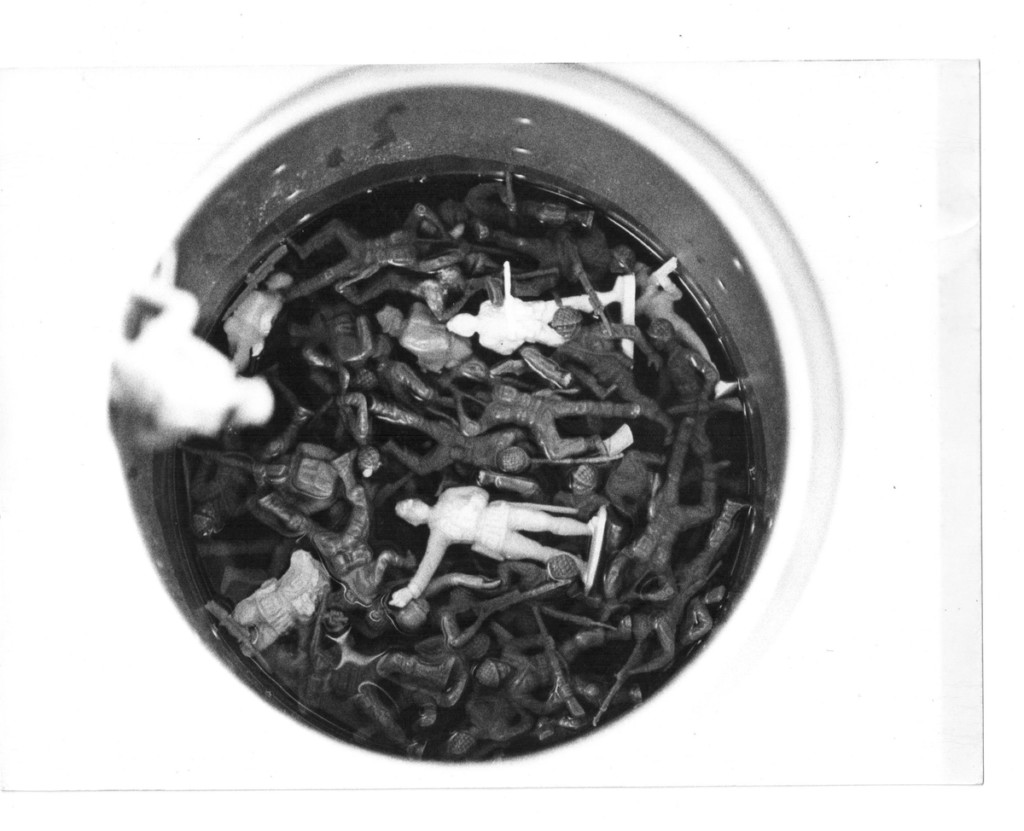
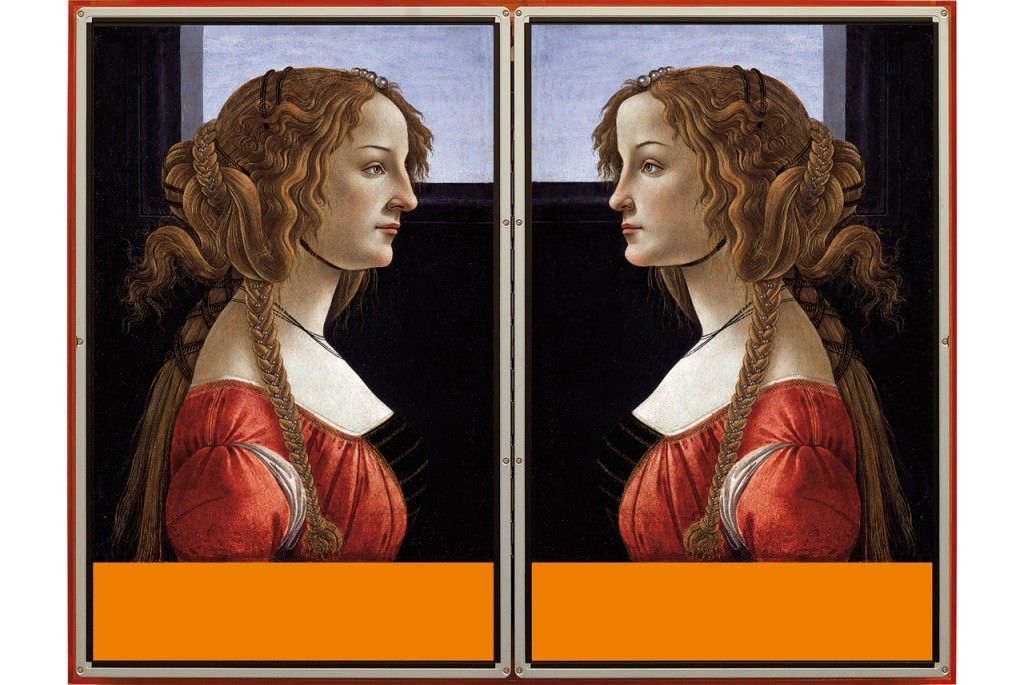
On the occasion of the launch of the book BOOOM 1962–1972, opens on 7 May 2025 an exhibition that brings together a selection of photographs, drawings and sculptures that trace the beginnings of Miralda’s career and his consolidation as a key figure in the international artistic avant-garde of the 1970s.

Under the presence of the iconic white soldier who, taking on human dimensions, Miralda strolled through the streets of Paris in search of a pedestal (París. La Cumparsita, Miralda and Benet Rossell, 1972),and taking as a starting point the first photographs taken during his military service at the Los Castillejos camp, this journey – through works such as Soldats Soldés, Essais d’Amélioration and the series Bien/Mal— reveals how irony and social criticism have defined Miralda’s visual language, questioning the symbols of power, imposed morality and military logic.

Published by La Fábrica and edited by Ignasi Duarte, the book BOOOM 1962–1972 presents an unpublished archive that connects with the present day in a disturbing way. In a context marked by new forms of violence and control, Miralda’s work remains deeply critical and relevant.


‘Almost sixty years after Soldats soldés, the absurdity of ’good and wrong‘ is more present than ever.’ (Juan Garrigues)


Press Release

JAUME PLENSA, Murmuri

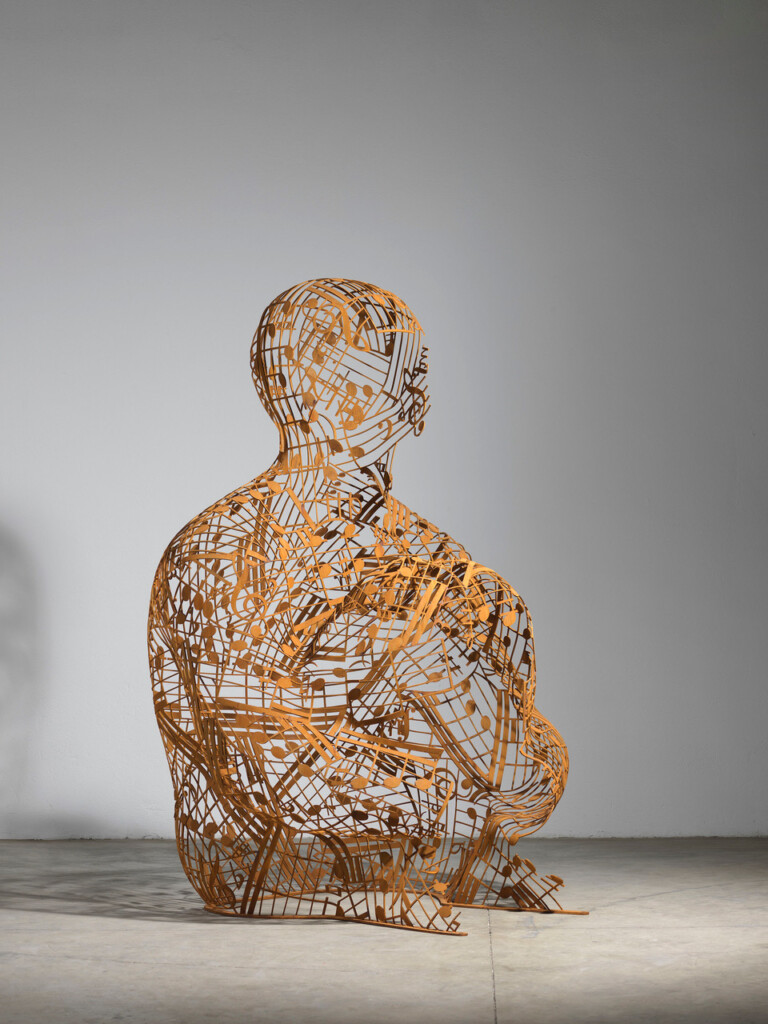
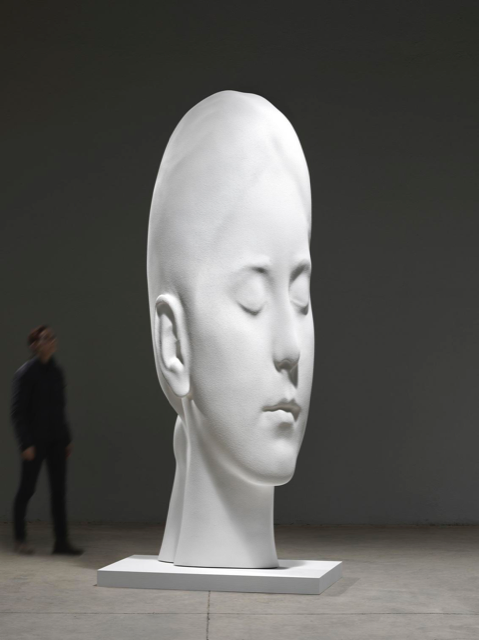
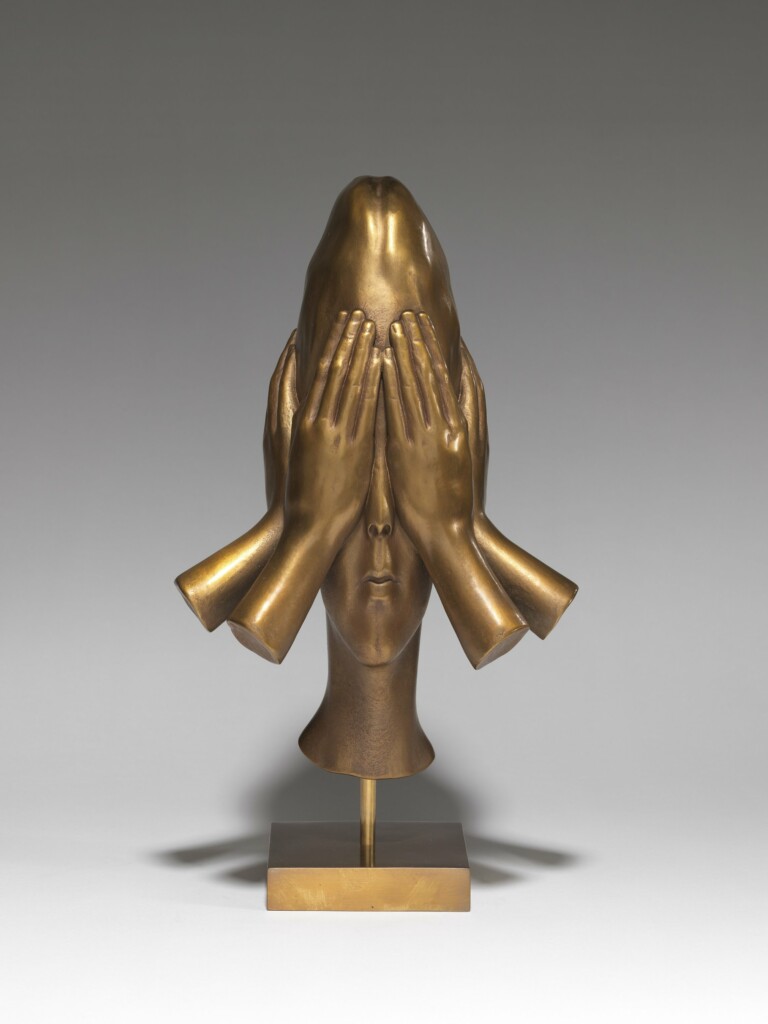
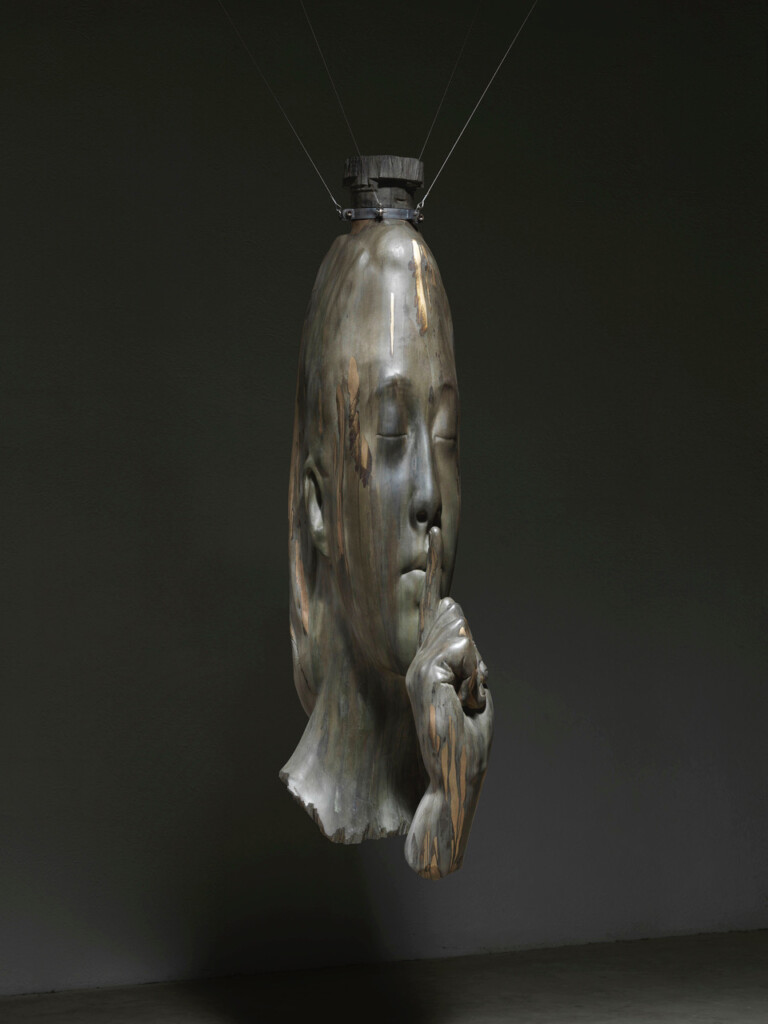
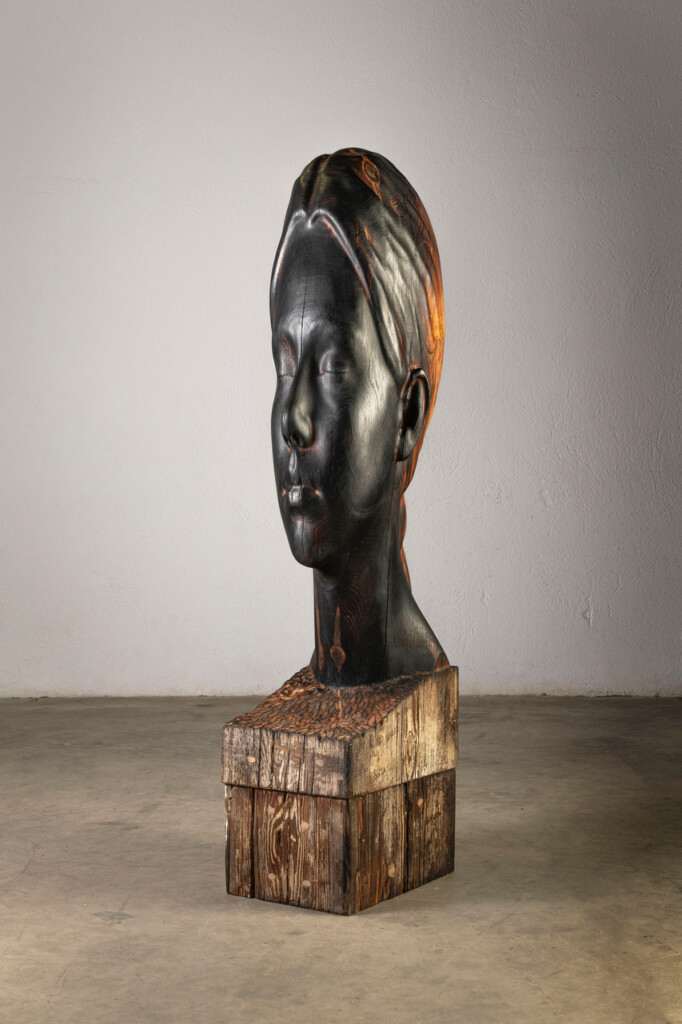
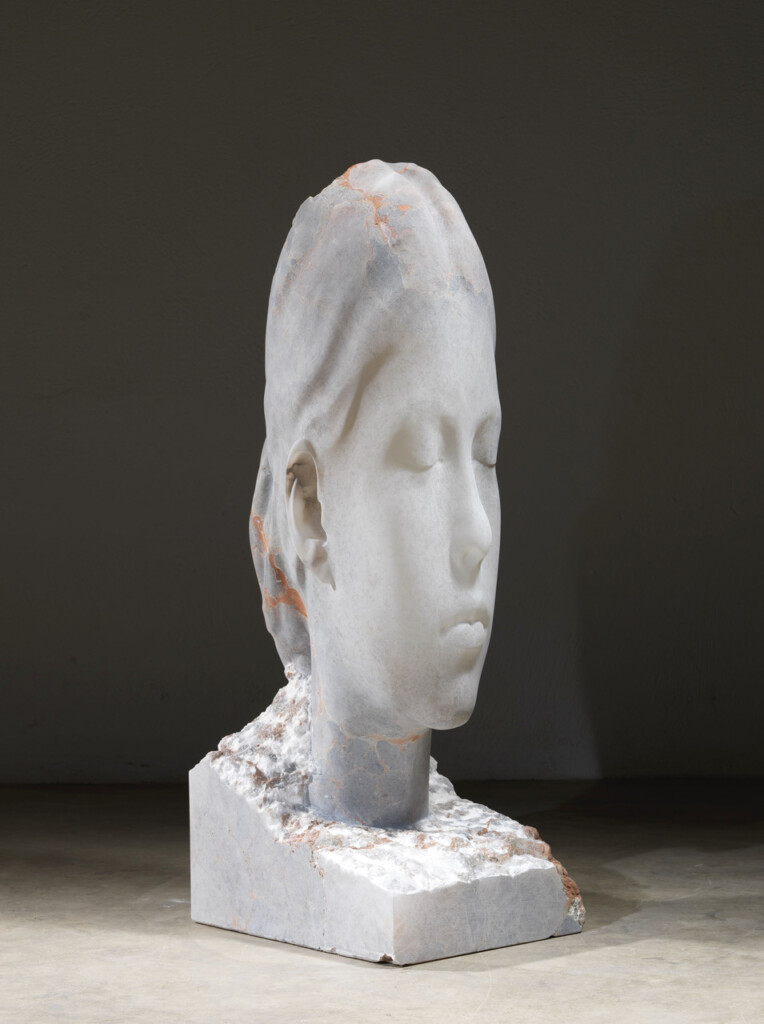
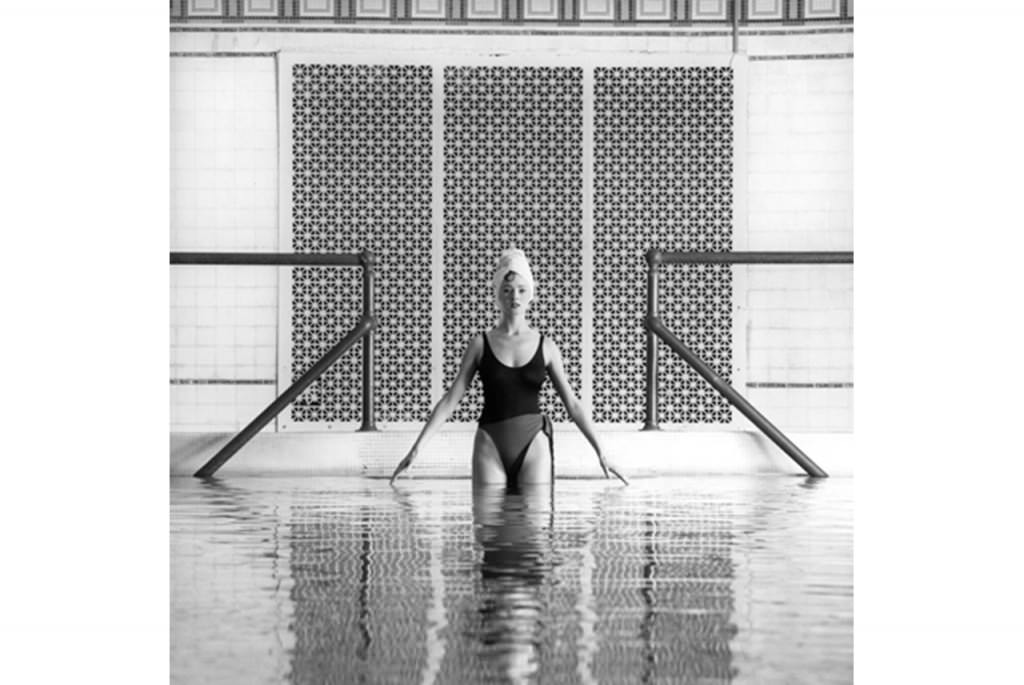
On February 19, 2025, galeria SENDA will present a new exhibition by the artist Jaume Plensa, Murmuri, a Catalan word which means “whisper”. In this show, Plensa works with different materials his already iconic imagery. Alabaster, bronze, paper, Murano glass and iron give shape to a group of works where his characteristic sculptures are the main protagonists.

Plensa‘s practice is based on the constant search for beauty in simplicity. True to his style, the artist presents his iconic busts and letters that intertwine as universal signs of communication and reflection. Each piece is a testament to his technique and his ability to connect with human emotions. An example of this is one of the series presented in this exhibition, Nest. In this series, we find reliefs of contemplative or dreamy faces emerging from alabaster, conveying new ways of representing figurative forms in contemporary portraiture. In fact, Plensa is internationally recognized as one of today’s leading contemporary portraitists, harnessing the power of this approach to convey our relationship to the world and to each other, underscoring our shared humanity through portraits of individuals.

In Murmuri, the artist establishes a link between the meaning and the musicality of the Catalan word, and the imaginary that defines his artistic practice. The whispers, like Plensa‘s sculptures, are presented as delicate expressions, but charged with emotional intensity, capable of resonating with those who perceive them. This exhibition invites the viewer to listen to what is not said, reaffirming his commitment to an aesthetic that celebrates both the fragility and the depth of the human experience.
 

Press release

ROBERT WILSON, Gao Xingjian/Video Portrait | #LoopFestival2024

LOOP Festival celebrates its 22nd edition, inviting us to explore the power of artistic gestures to awaken the viewer’s consciousness and provoke, albeit subtly, a change in the structures of power and thought. Under this premise, this year’s festival focuses on the ability of art to impact us deeply, generating a reflection that leads us to rethink our relationships and our place in a world marked by environmental and social challenges.


Robert Wilson: Master of Time 

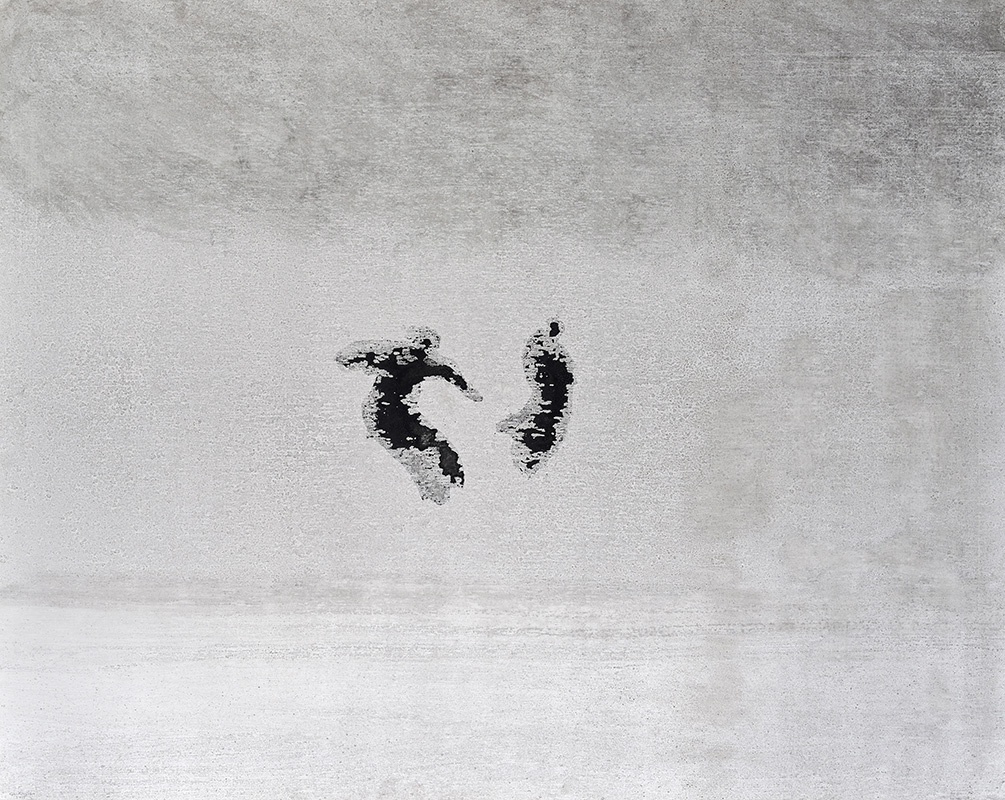
In this context of transformation, galeria SENDA presents the work “Gao Xingjian/Video Portrait” by Robert Wilson, an artist who has been instrumental in redefining the boundaries of theater, visual arts and video art since the 1970s. Wilson began his career in video with Video 50 in 1978, a work that revolutionized audiovisual narrative with non-linear episodes created for television in Germany. Later, in 2004, he began his “Video Portraits” series, using new high-definition technology to capture iconic cultural and artistic figures in moving portraits that defy photography and film.

Wilson’s career is a continuing testament to innovation and multidisciplinarity. From his early theatrical productions and his collaboration with Philip Glass on the opera Einstein on the Beach, Wilson has worked with iconic figures such as Lou Reed, Susan Sontag and Laurie Anderson. His mastery of performance art and his ability to integrate elements such as lighting, sculpture and music have earned him global recognition at institutions such as the Louvre, the Pompidou Center and the ZKM Karlsruhe, where he has made his mark with stunning exhibitions.


“Gao Xingjian/Video Portrait”: Frozen Motion Portraits

The portrait of Gao Xingjian, writer and 2000 Nobel Laureate in Literature, is part of Wilson’s series that has explored the depth and subtlety of numerous characters, from Lady Gaga and Brad Pitt to exotic animals. In this work, Wilson employs a wide range of visual and narrative elements – such as lighting, makeup, set design and choreography – to create a work that appears static, but reveals minimal movement upon closer inspection. The result is a portrait that captures the essence of the character, trapping the viewer in a space suspended between film and photography.

“The Video Portraits can be seen in the three traditional ways that artists construct space.
If I hold my hand in front of my face, I can say it is a portrait. If I see my hand at a distance, I can say it is part of a still life,and if I see it from across the street, I can say that it is part of a landscape.

In constructing these spaces, we see an image which can be thought of as a portrait. 

If we look carefully, this still life is a real life.”

– Robert Wilson

In the case of “Gao Xingjian/ Video Portrait”, an 8 minute 53-second video portrait with music by Peter Cerone, Robert Wilson shows us a close-up black and white shot of the face of artist and writer Gao Xingjian. Crossing his face diagonally, a phrase appears in French: La solitude est une condition necessaire de la liberté ( Solitude is a necessary condition of freedom ), a nod to Xingjian’s autobiographical novel “The Book of a Man Alone”.


A Contemporary Dialogue on Video Art at LOOP Festival 2024

For this edition of LOOP Festival, Robert Wilson’s participation at galeria SENDA invites the viewer to an experience of slow and reflective contemplation. In a world of rapid stimuli and fleeting images, Wilson forces us to stop, to feel each small gesture, to observe and to appreciate the power of subtlety in art.

PETER HALLEY, The Long Game

Celebrating more than thirty years of fruitful collaboration with galeria SENDA, New Yorker Peter Halley presents an exhibition specifically conceived for the venue, consisting of a monumental mural work that contrasts with a carefully selected collection of pieces of a singular small format. For this show, Halley proposes a transformation of the gallery space, establishing a counterpoint through the dialogue between a series of compositions in which their movement and structures confront the striking painting “The Long Game”, the work that gives its name to the exhibition.

The exhibition is structured around a group of eight small-format works, which, together with a large-scale piece, propose a visual game that invites the viewer to explore the confrontational relationships between the different works. This last creation, approximately five meters wide, represents the largest work that Peter Halley has shown to date in the gallery, standing out for its ability to transform the exhibition space and conceive the show as a whole. It is also characterized by an accumulation of its iconic cells and prisons, evoking the experience of urban life always referenced.

In addition, this exhibition at galeria SENDA temporarily coincides with the outstanding retrospective dedicated to Peter Halley at the Museo Nacional Thyssen-Bornemisza in Madrid, entitled «Peter Halley in Spain», which brings together a significant selection of paintings from important public and private collections, including those of the Museo Nacional Centro de Arte Reina Sofía and the Fundación Hortensia Herrero. The combination of both exhibitions, in Barcelona and Madrid, offer a broad and deep vision of Halley‘s work, reaffirming his relevance in the contemporary art scene.


Press release

La Vanguardia article

Las Nueve Musas article

GINO RUBERT, Cariàtide

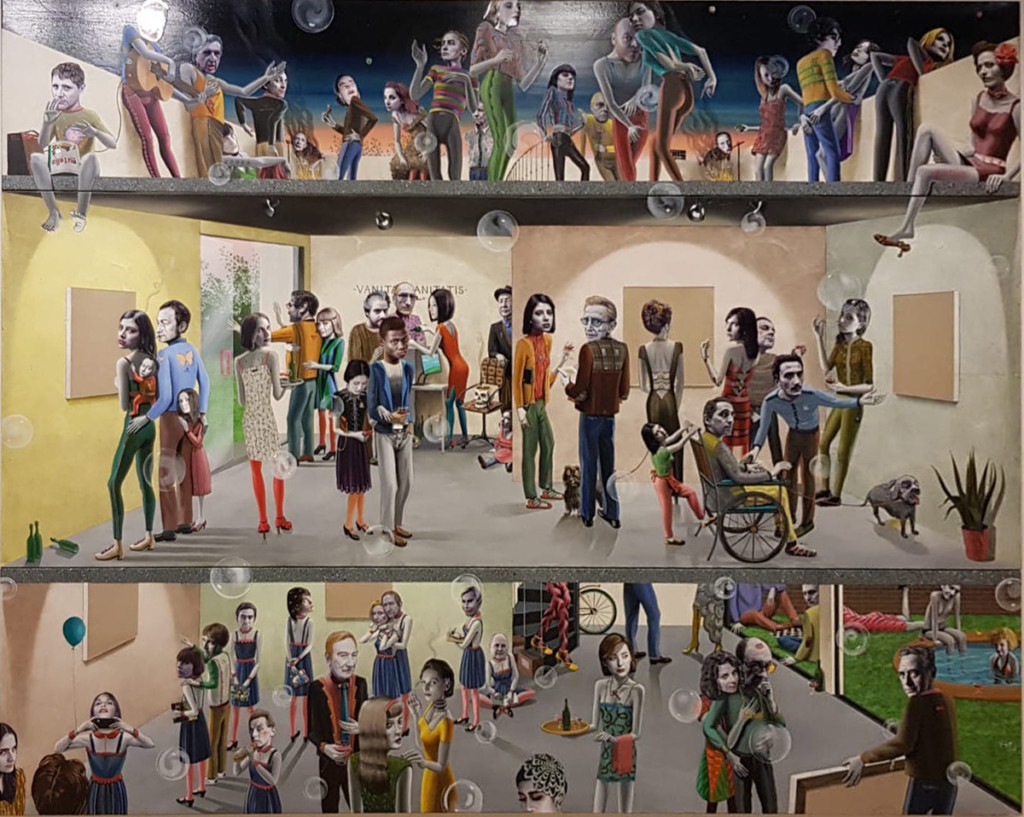
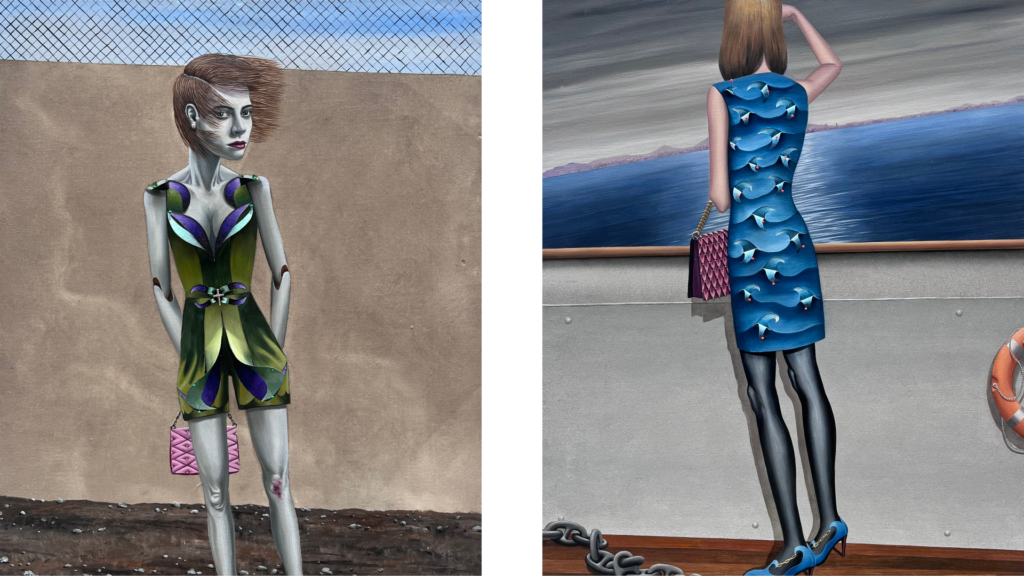
In this new exhibition, Gino Rubert leaves behind the rhetoric of meta-painting in which he was immersed during his large-format polyptychs on the art world. Here, Rubert shifts the focus away from social and sentimental vanities to raw loneliness. Portraits of women trapped by their destiny, with clothes sculpted on the canvas, whose figures are split by the frame, as if the limits of the canvas were trapping them in the same way that the entablature and the base hold the Greek caryatids, those fascinating women-columns that support the south face of the Temple of the Erechtheion in Athens, and with that gesture hold up the world. Powerful women who, far from submitting or resigning themselves, look us in the face, turn their backs, shout, sing, or sail, without ever losing their balance and composure, in a world that is tilted by furious winds.

      Childhood (2024). 55 x 46 cm / El desembarco (2024). 81 x 70 cm

After a year working on this new series of paintings, it is time to look at them as a whole, and try to understand where they come from and where they are going. Now, at last, there is room for questions: not while I was painting. Because questions bring answers, and painting – for me – consists of a dialogue between intuitions, forms, colours, and textures, never between ideas, theories, theses or convictions.

So why women alone, why so serious, why trapped by frames that leave part of their feet or their heads out, why do some sing, others shout, others look straight ahead, or turn their backs to us, why do pins hold their dresses, as if they were mannequins or stuffed butterflies?
Undoubtedly, a lot has to do with a certain weariness with all those inquisitive and complicit looks from the hundreds of characters that populate my previous paintings. And in this sense the need for a shift towards more intimate, less strident, more classical, less baroque territories.

– Gino


La Vanguardia article


Within the framework of

With the support of

ART NOU. CARLA CASCALES, Como un manantial

Read here the curatorial text →

Within the framework of Art Nou Nova Visió – Festival of Emerging Art of Barcelona and Hospitalet de Llobregat, Carla Cascales presents the exhibition “Like a Spring” at the SENDA gallery. The show includes a series of unpublished ceramics and large-format paintings that explore the concept of impermanence, celebrating the random, fortuitous, and spontaneous. Cascales’ work proposes a holistic view of the world, in which human beings and their environment are connected and in constant flow.

The paintings presented in the exhibition display soft color transitions, encompassing a palette of warm tones such as reds, ochres, and browns. These abstract works evoke a sense of movement and fluidity, capturing the essence of a spring that bursts forcefully from the earth. The paintings represent the immensity and the ungraspable, reflecting the influence of the sea and Mediterranean culture in her work.

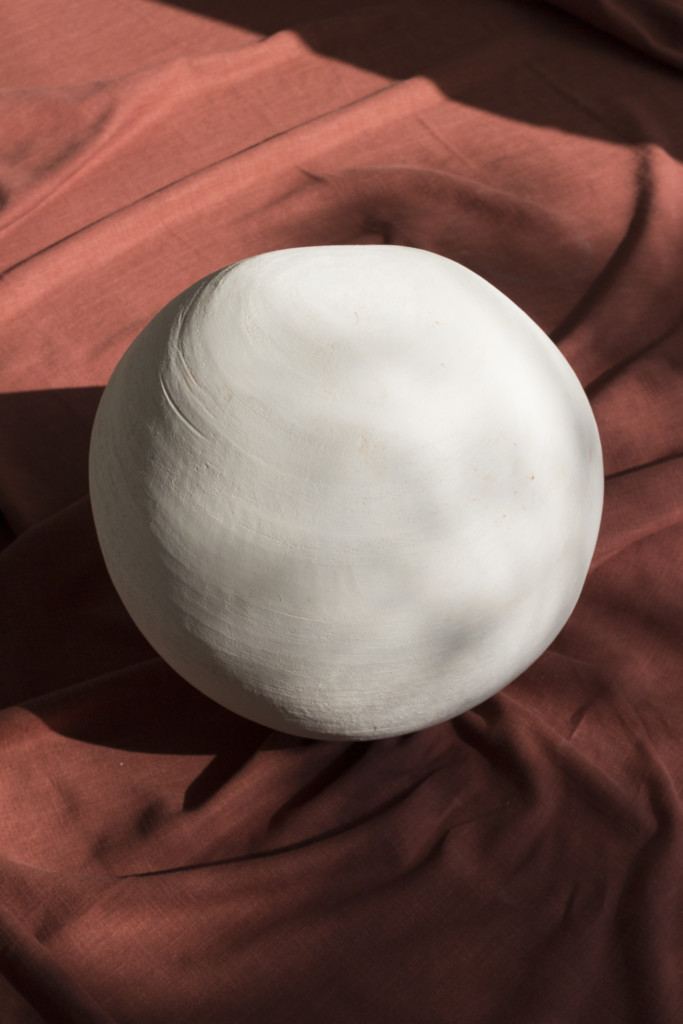
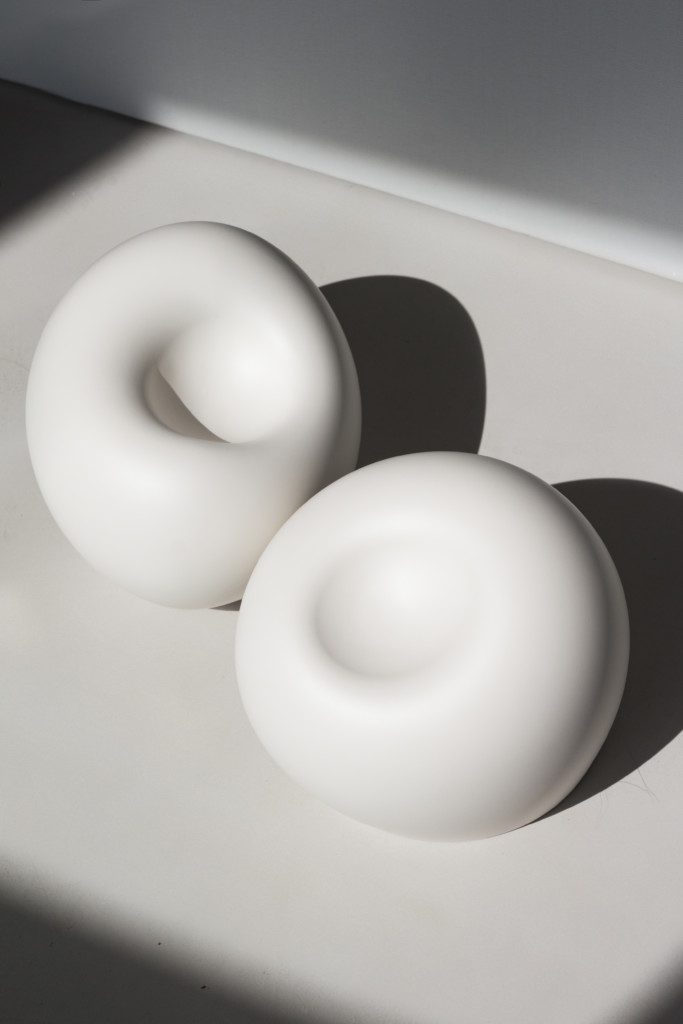
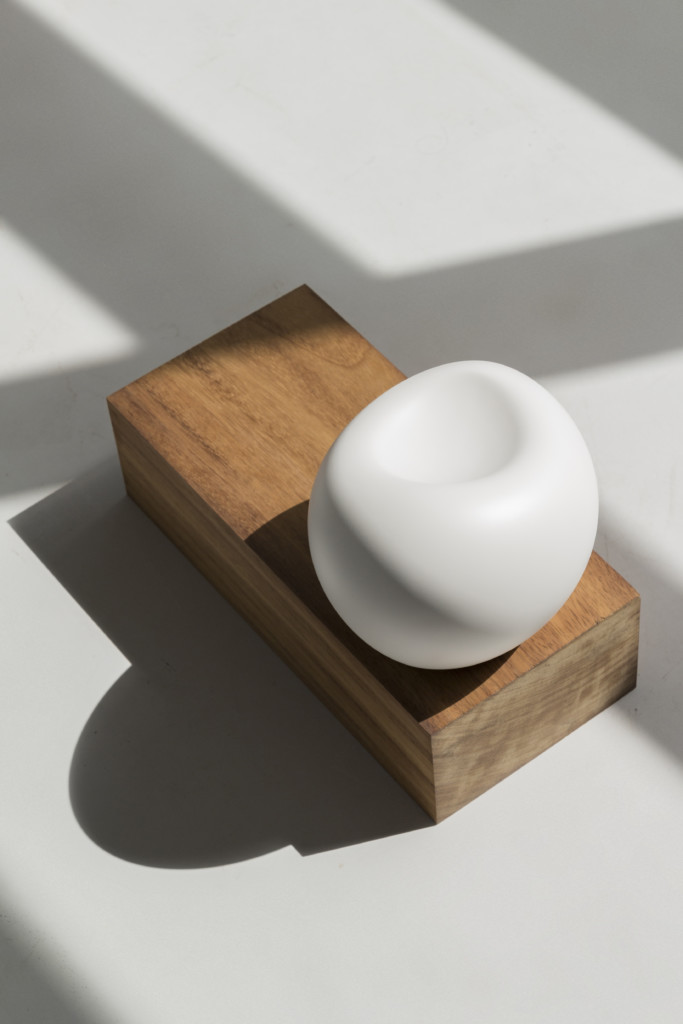
Alongside the paintings, the exhibition includes a series of new ceramics that reflect the same philosophy. The sculptures, with their organic shapes and varied textures, link to antiquity, heritage, and all that is primitive and ancestral in archaic Mediterranean cultures. Additionally, the influence of Eastern currents, especially Japanese philosophy and aesthetics, is manifested in the idea of imperfection, impermanence, and transience, elements that are reflected in the surfaces and forms of the ceramics.

As part of

With the support of


XAVI BOU, Ornithographies

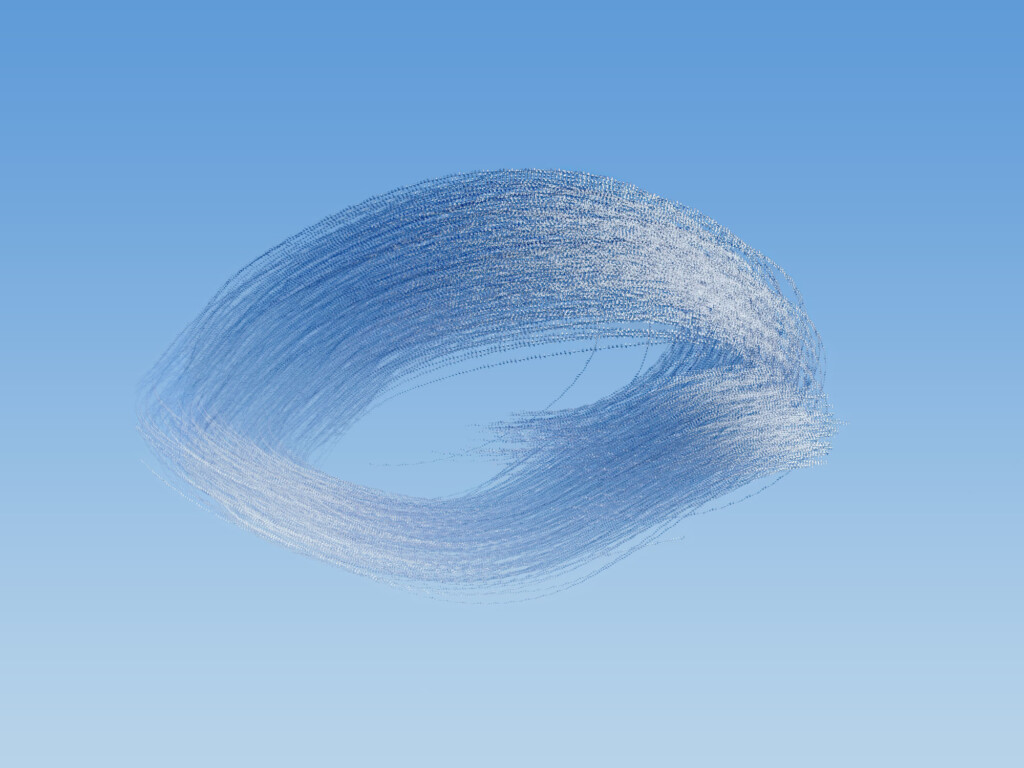
«Ornithographies. Tracks in the sky» is the first solo exhibition of the artist Xavi Bou in galleria SENDA. For the occasion, he presents 15 of his famous “Ornithographies”, photographs that capture the flight path of birds. His works tangible samples of the balance between art and science, are witnesses of the moments that were past, present and future in the flight of these birds.

Bou’s purpose is, through an exercise of visual poetry, to spread the importance of caring for the environment by inviting viewers to perceive the world with the same curious and innocent gaze of the child we once were. The approach Bou uses to portray the scenes of his “Ornithographies” is not invasive. In fact, he rejects distant study, resulting in images of organic forms that stimulate the imagination.

The photographs capture the flight of very diverse birds in different parts of Catalonia, Spain and even abroad, with a work captured in Uist (Scotland). With photographs taken in coastal places such as Roses, the Illes Medes or Tarifa; as well as in inland places such as Tremp, Monfragüe or Medina-Sidonia; Bou manages to trace that invisible trace to the human eye that birds create when flying through the sky.

His work has been published in international press such as National Geographic, The Guardian, Der Spiegel, Geo and Sonntag, among many other publishers. In addition, he has exhibited “Ornithographies” in solo exhibitions in Germany, Belgium, Russia, Spain, Canada, France, Mexico and Greece, among other places in the world. In fact, after the success of his project, in 2023 his “Ornitographies” were published in a book of the same name by Lynx Edicions.

Currently, Bou has initiatives underway that explore other artistic resources and disciplines, such as video, as well as other subjects of study, such as insects. Therefore, the raw material of his work continues to be nature and his personal challenge is to show it in an innovative and aesthetic way that helps the public to approach art and, above all, to raise awareness about the environment.

Xavi Bou sees himself as a “curator” who tracks down the choreography of birds and makes it visible.” Very rarely, therefore, landscapes or cloud formations in the sky remain visible on the monochrome image backgrounds at the bottom of the picture and may hardly contribute to deciphering the actual image subject without relevant background knowledge.

Read the text →

– Uta M. Reindl.  Professor, translator, critic and art curator