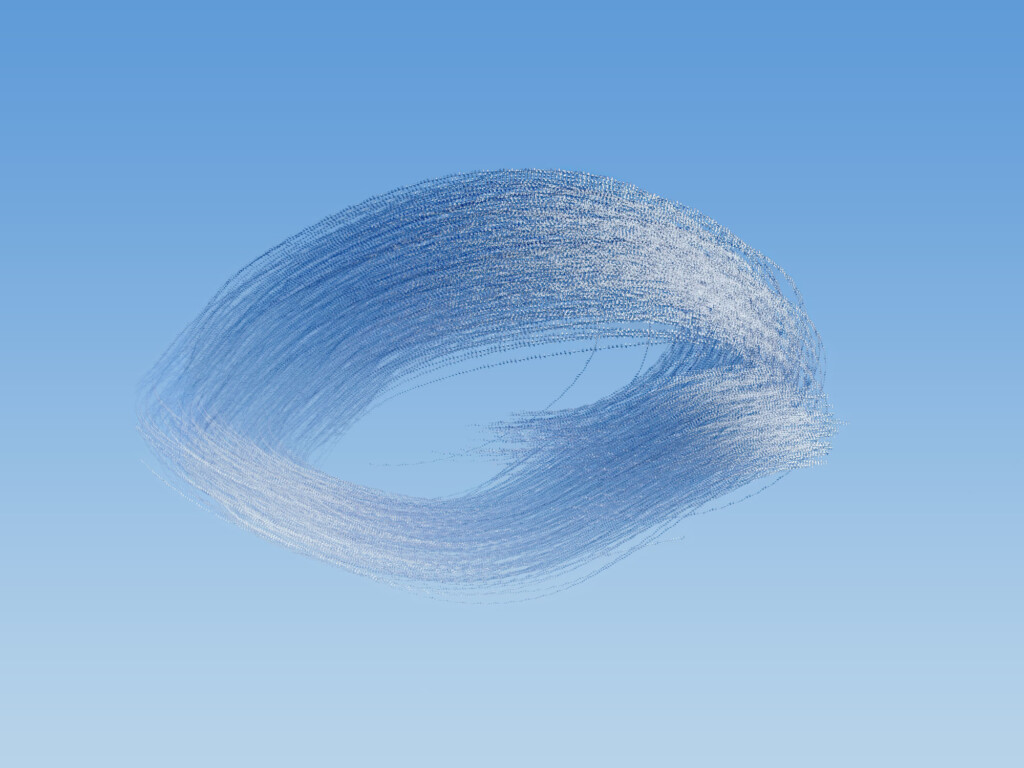
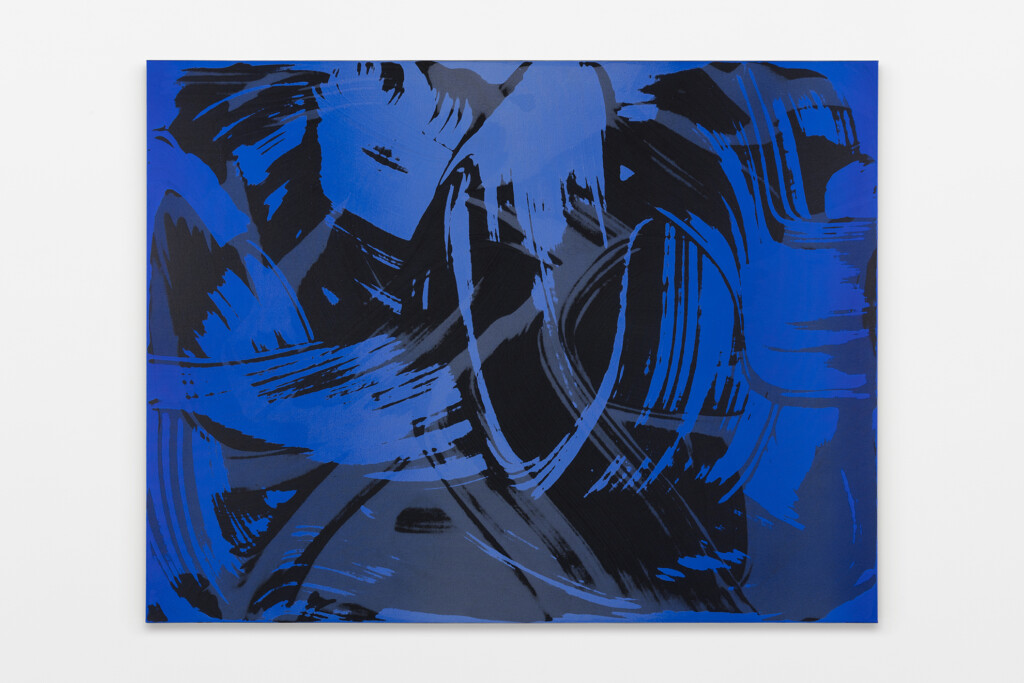
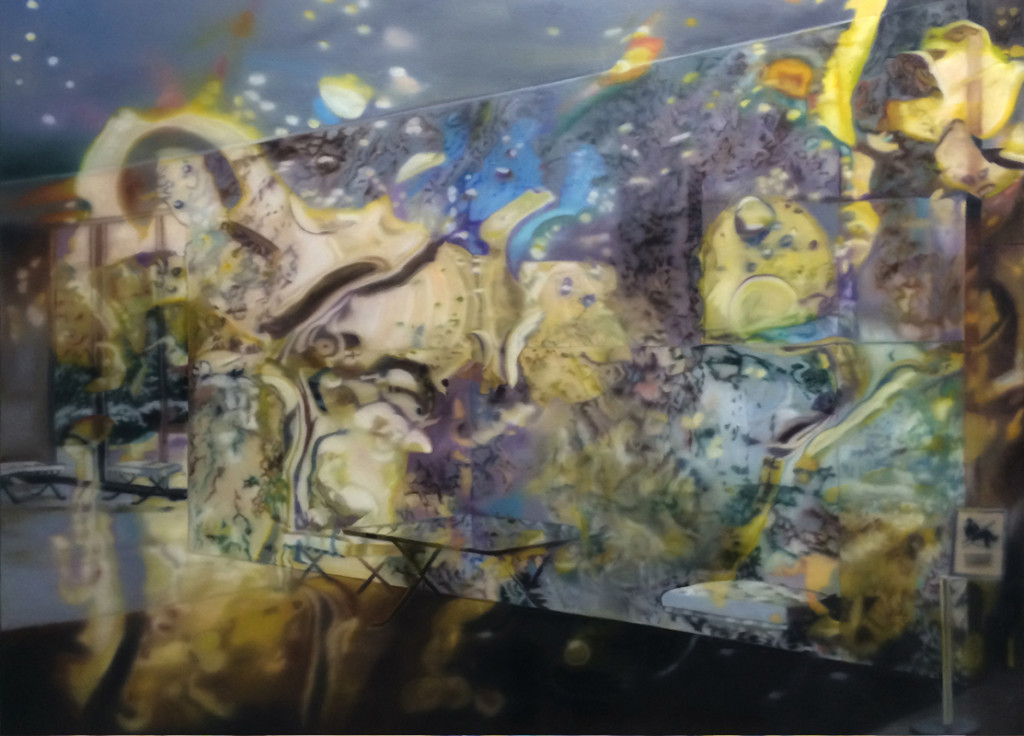
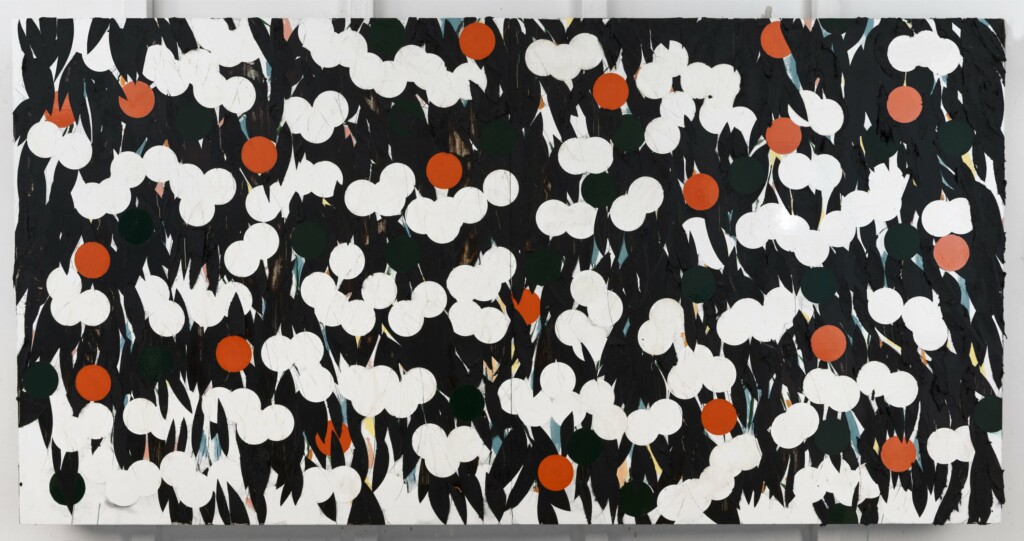
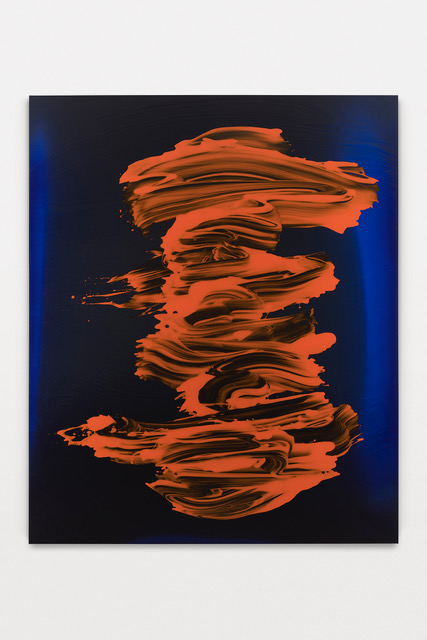
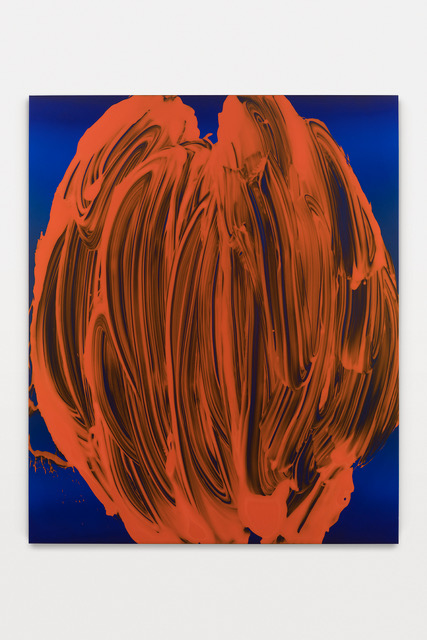
Donald Sultan. Autumn Mimosa (Feb, 2018) Enamel, latex, graphite and tar on masonite. 122 x 244 cm
From June 3rd to 6th, Galeria SENDA presents a group exhibition at Art Brussels, one of the most renowned contemporary art fairs in Europe and an unmissable event on the international art calendar. Art Brussels is the ideal opportunity to discover the artistic and cultural richness of the art and cultural scene of the European capital, attracting a considerable number of collectors, curators, gallery owners, art professionals and art lovers from all over the world. Each year, the fair welcomes around 25,000 visitors to the emblematic Tour & Taxis building in the heart of the Belgian capital.
Instead of the usual format, this year the Belgian fair will offer a new edition: the Art Brussels week will feature Viewing Rooms, i.e. online exhibitions, from June 2nd to 14th and will also present physical gallery tours from June 3rd to 6th. For those unfamiliar with the term “viewing room,” this is a digital system that allows viewers to explore and examine works of art, either through high-quality images, videos or detailed descriptions. These viewing rooms are often used at art fairs and galleries as a way to show works of art to those who cannot physically attend the place where the works are exhibited. Through the “viewing rooms” visitors can, apart from appreciating the pieces, obtain information about them and the artists and even contact the gallery to make inquiries or purchases. All you need is an Internet connection and a great desire to enter into this extrasensory experience of online visits.
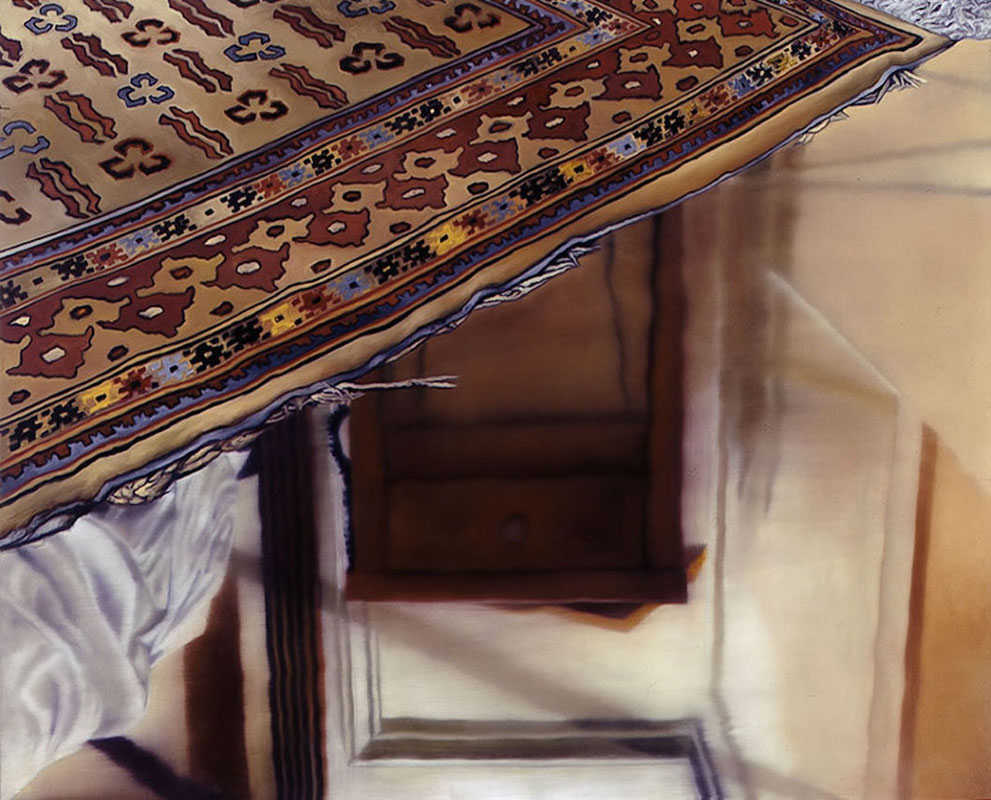
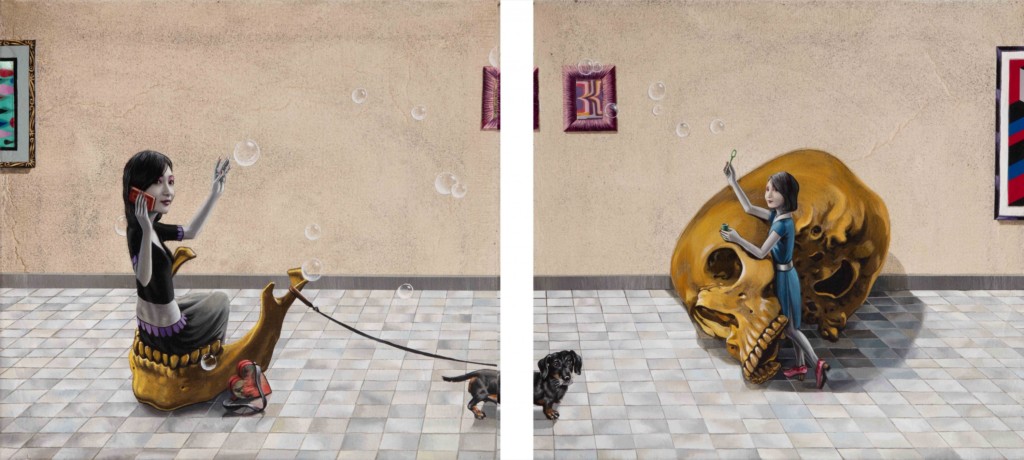
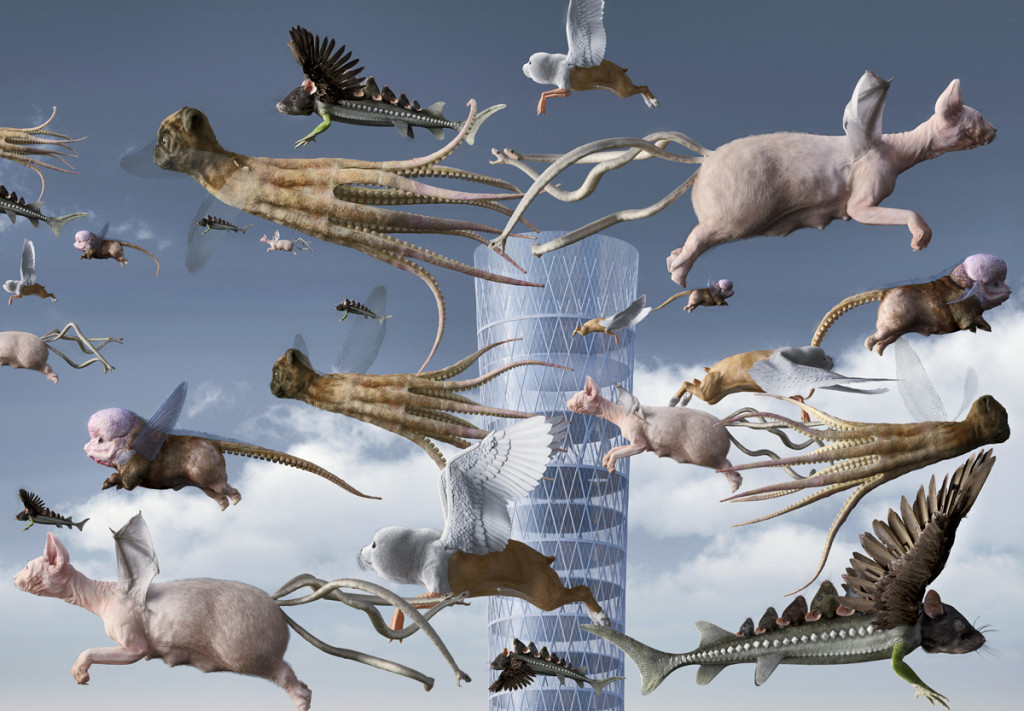
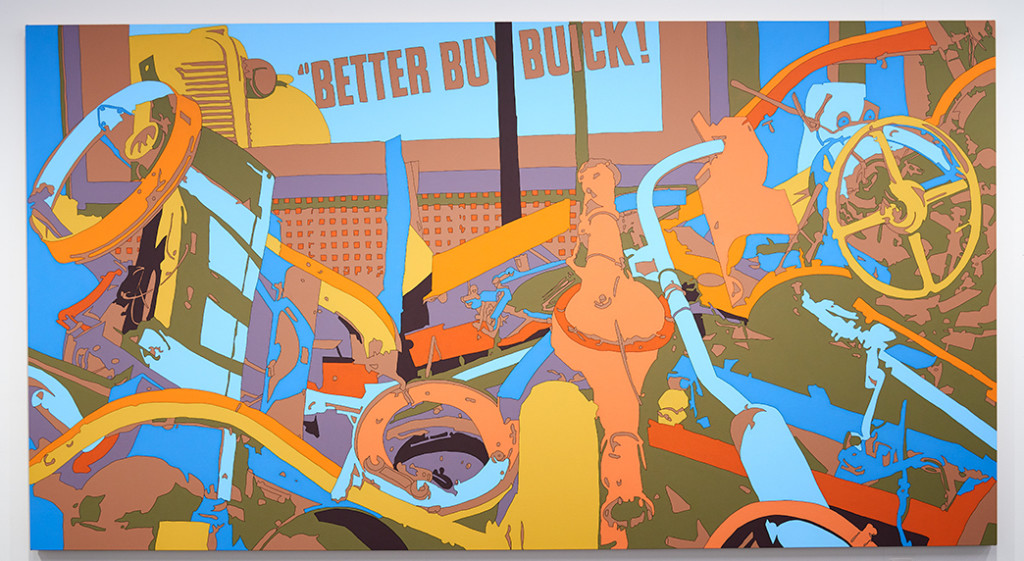
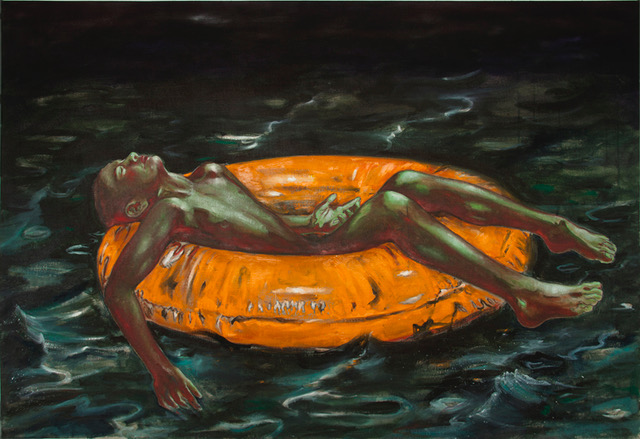
Anthony Goicolea. Inflatable Pieta. Oil on raw linen canvas. 90 x 130 cm
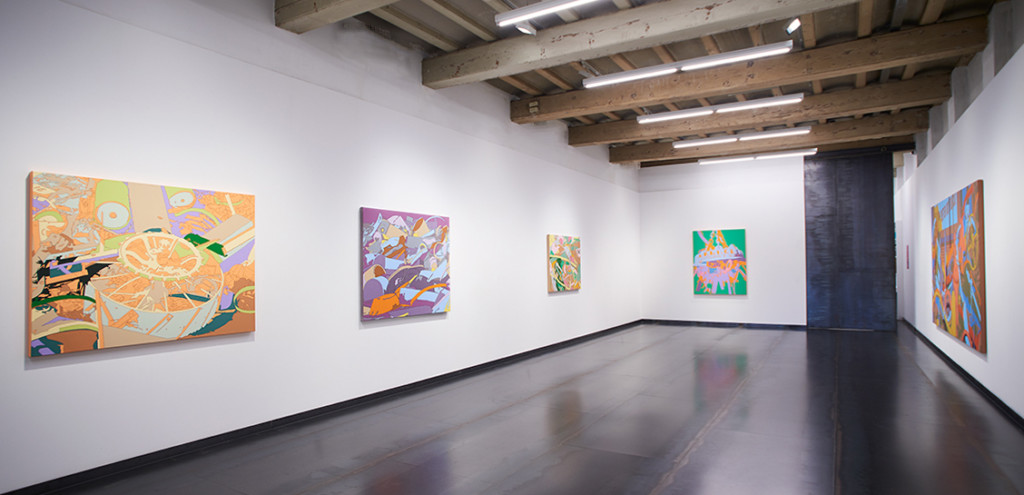
This year, for the physical gallery tour, SENDA invites the public to visit our current exhibition: “Day and night: New paintings and drawings” by Donald Sultan. Sultan is a contemporary painter, sculptor and printmaker known for his large-scale paintings, which explore the dichotomies between beauty and rudeness and realism and abstraction through the construction of a particular imaginary rich in color and form. With the fusion of techniques and materials, Sultan manages to build works that dance between the representation of images directly recognizable in the collective imagination and the purest abstraction. A great example of this mix of concepts is his ability to reinvent a technique as old as still life, using images of lemons, poppies, fruits, flowers and everyday objects, which give a breath of fresh air to the grandeur of his compositions.
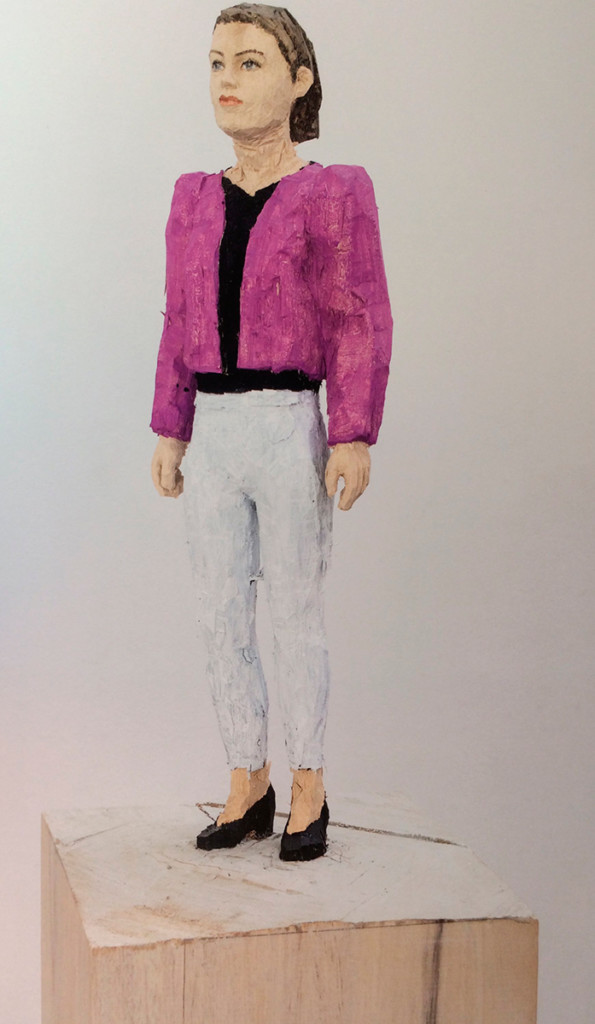
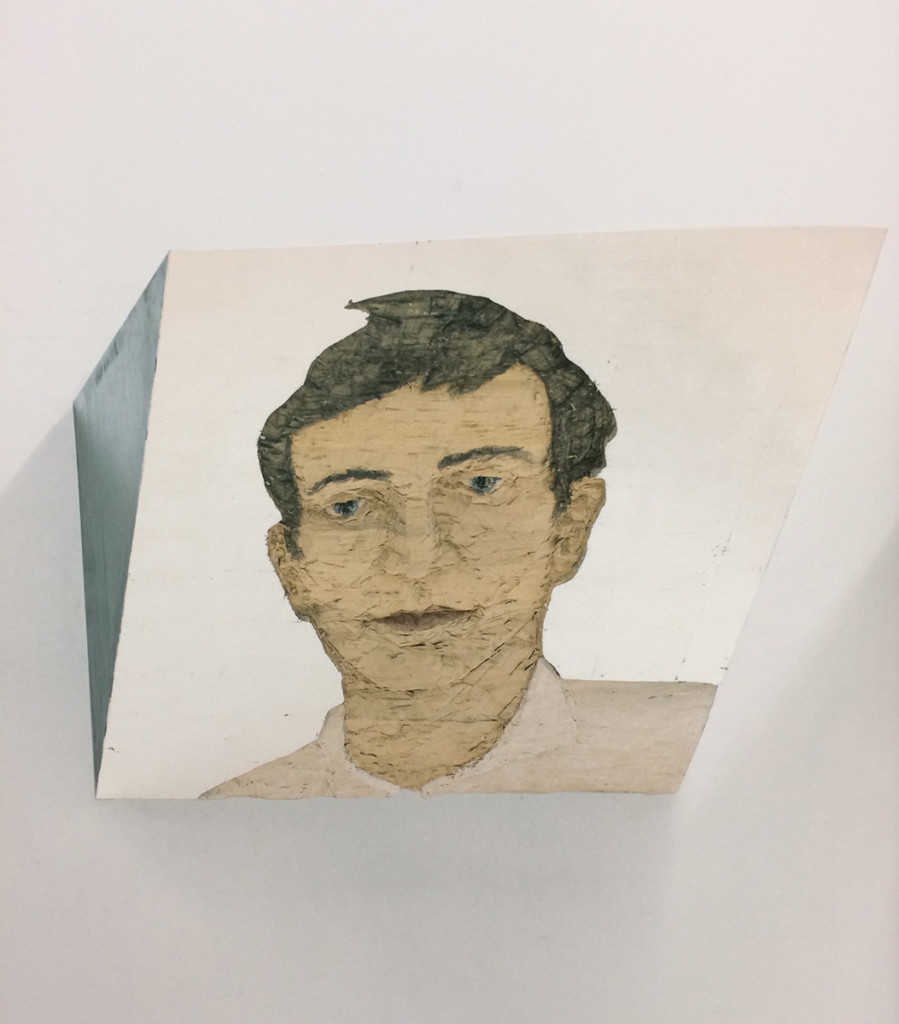
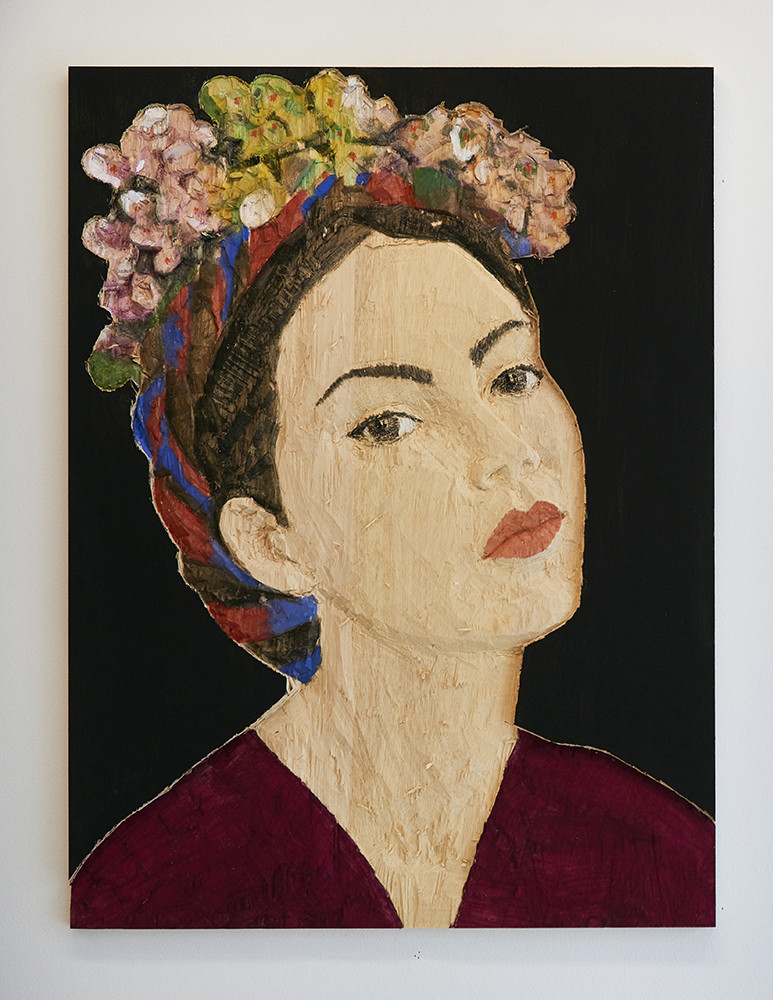
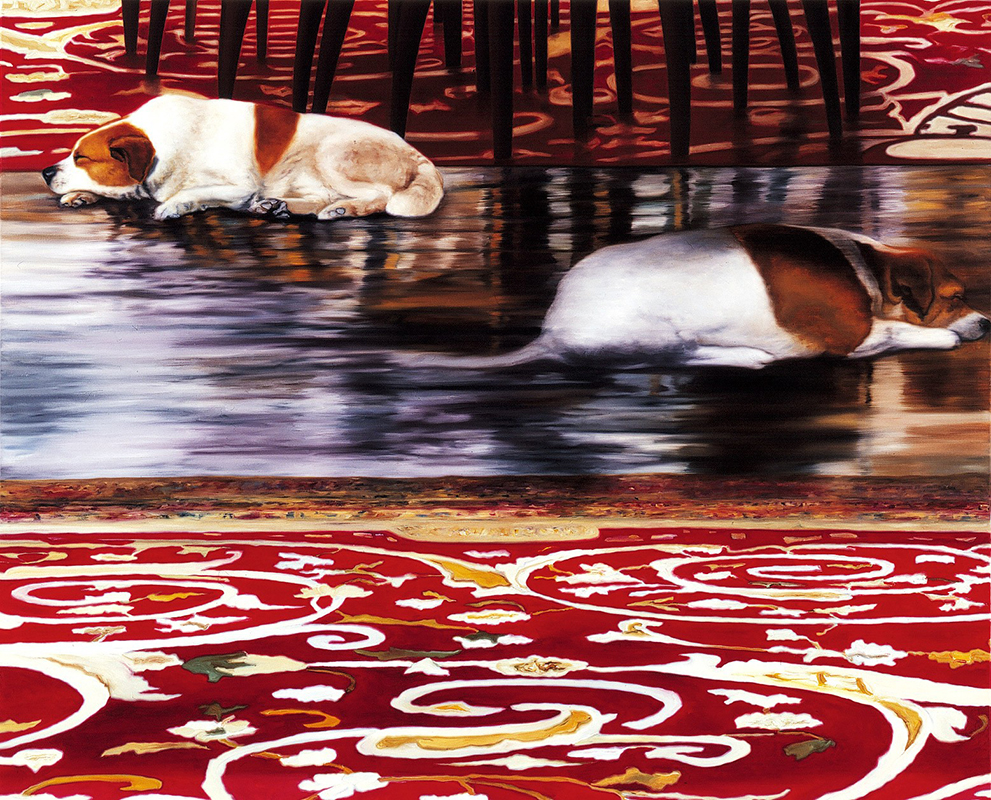
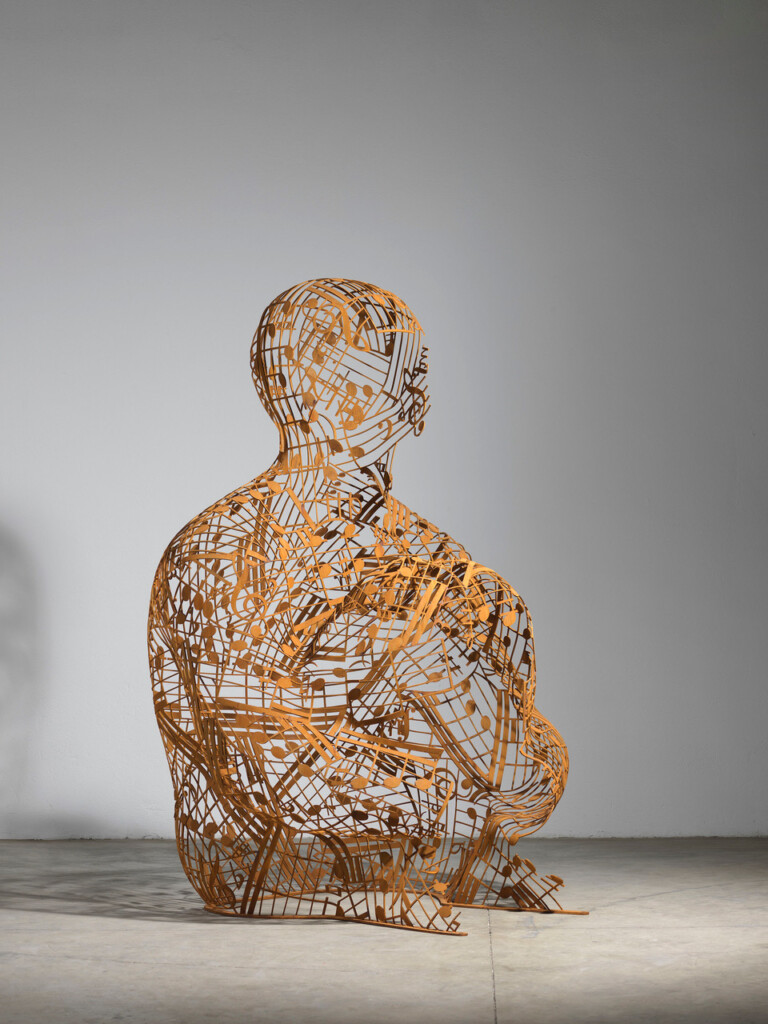
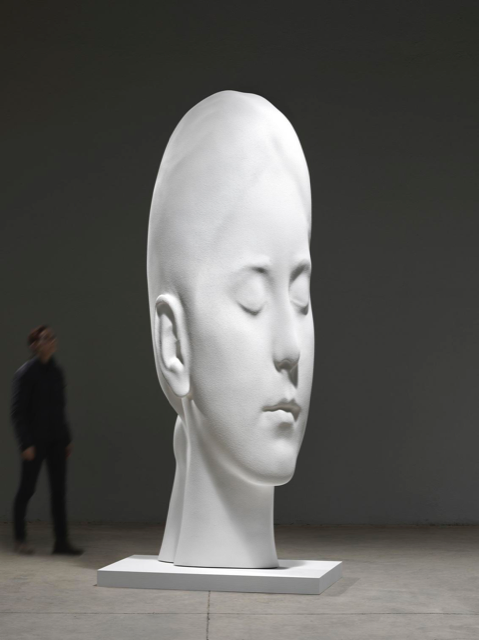
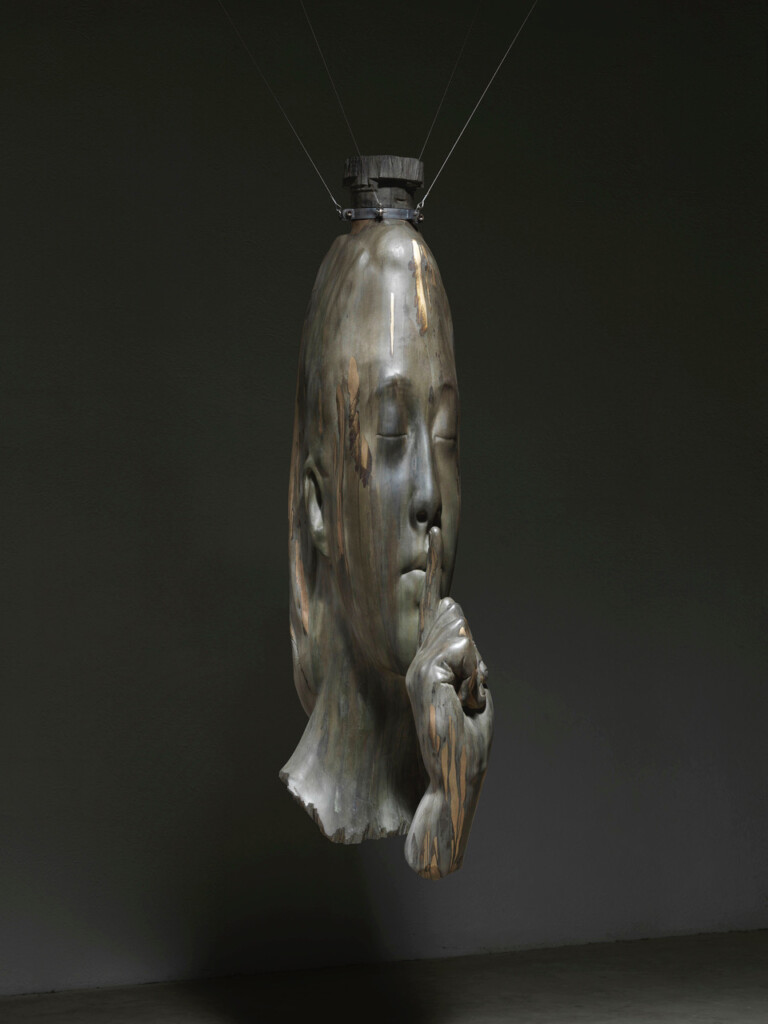
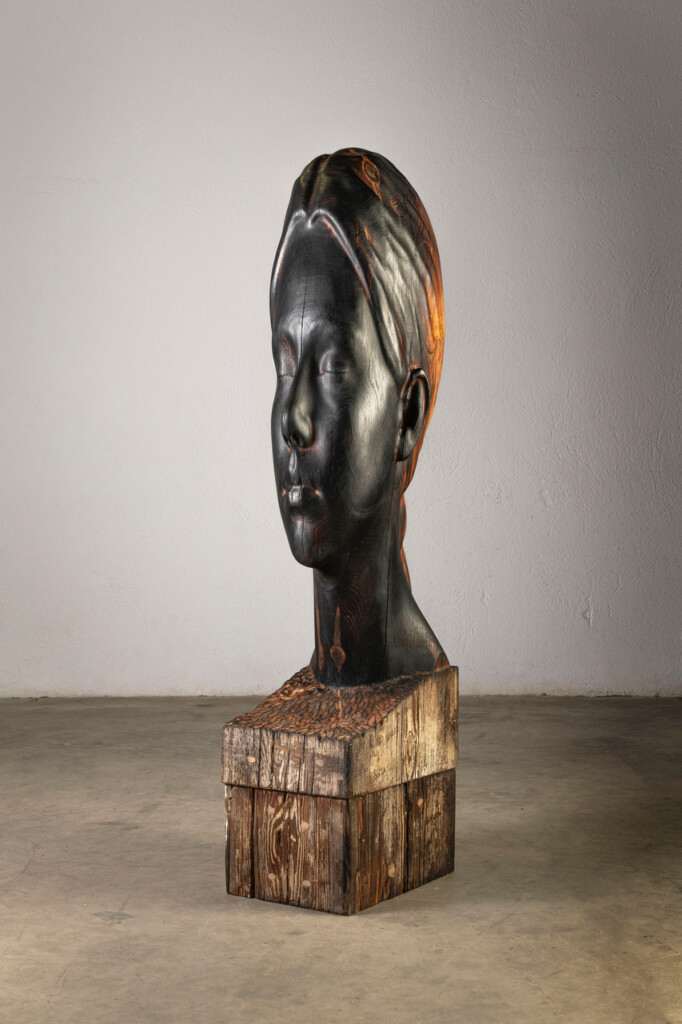
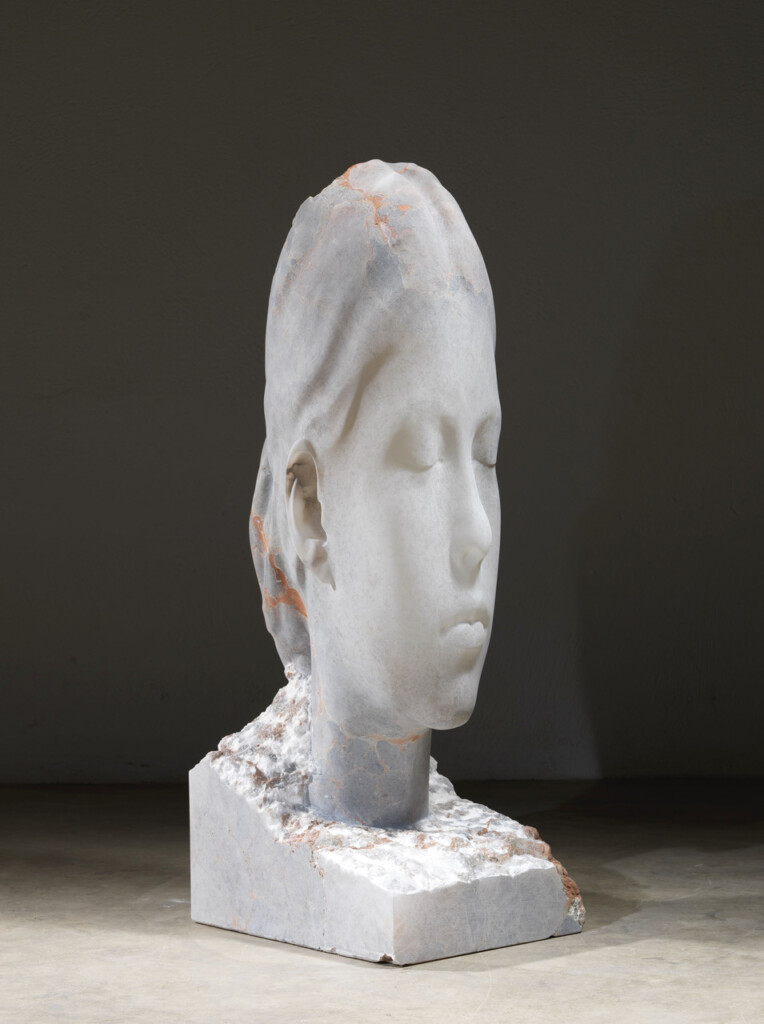
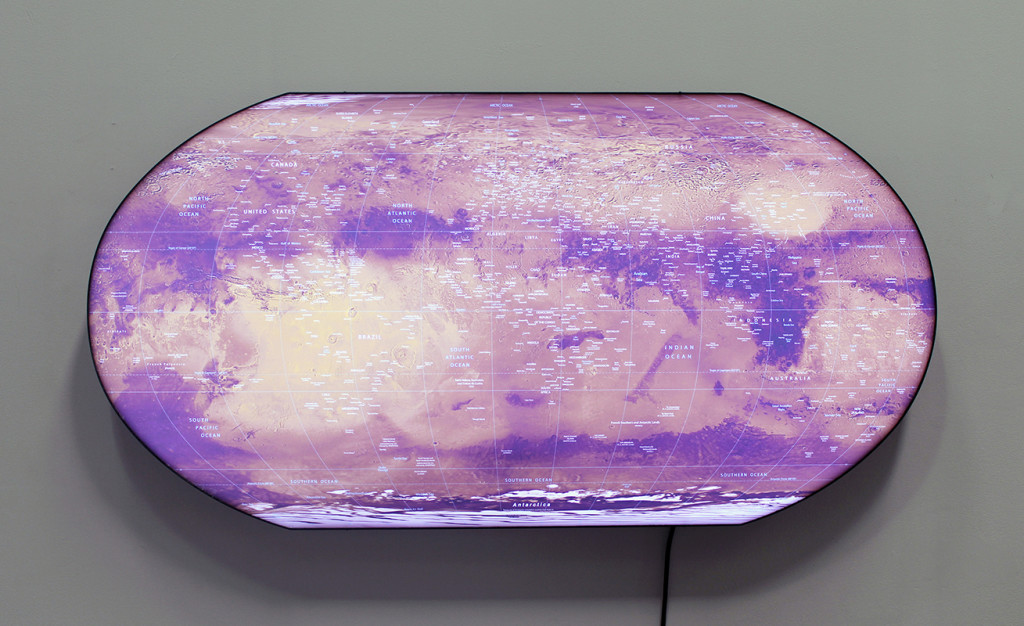
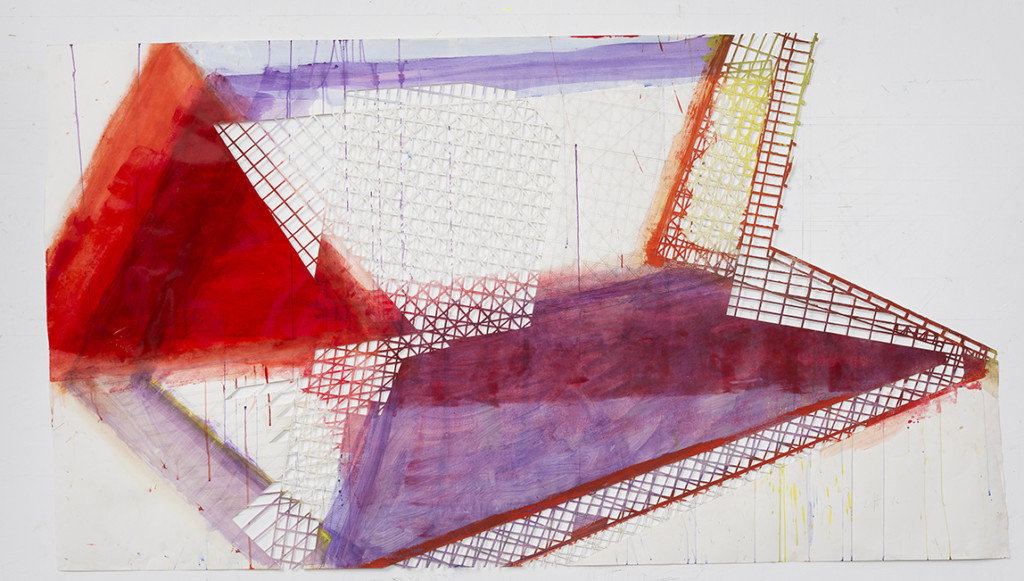
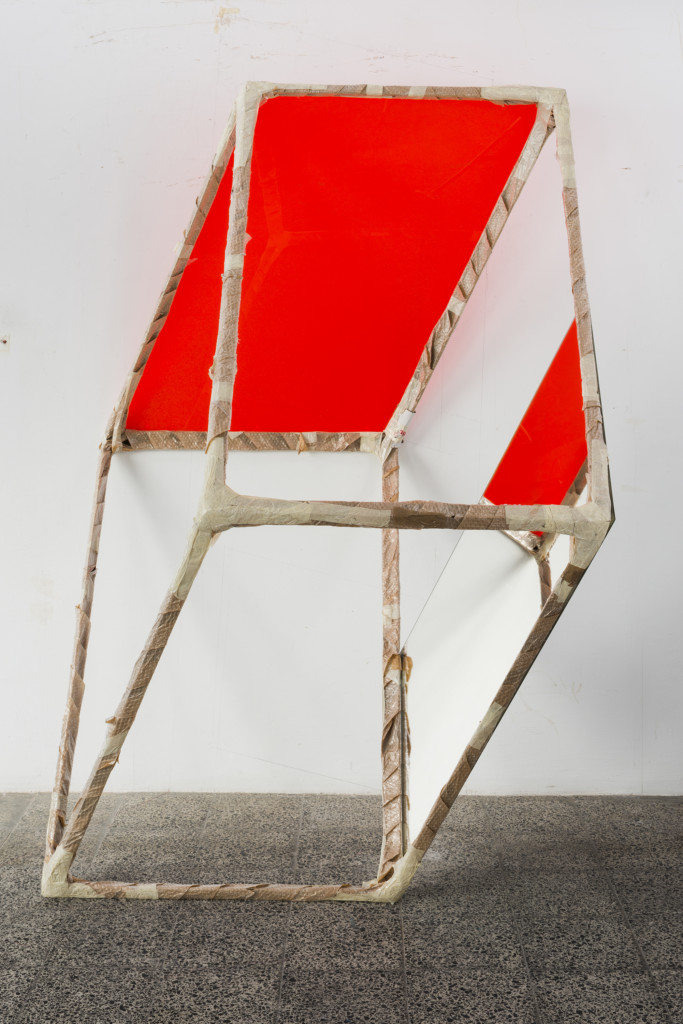
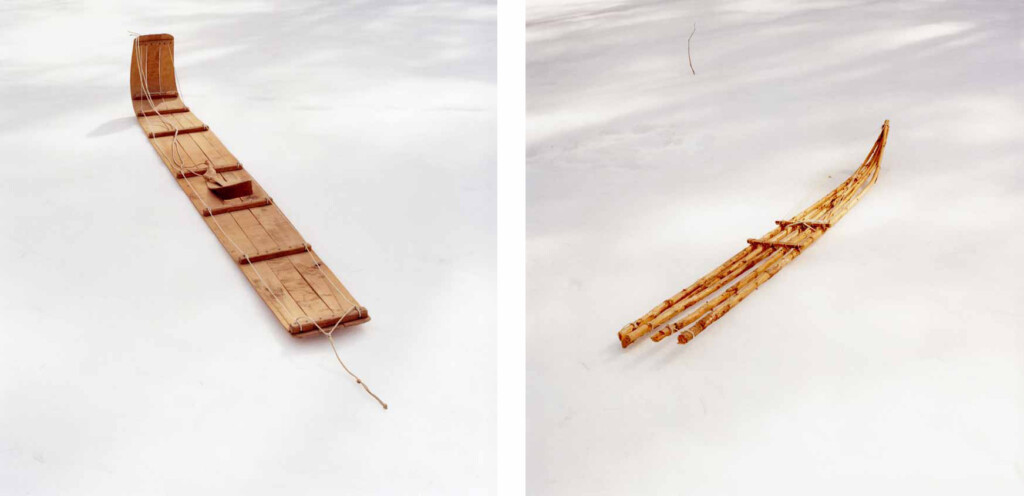
The online exhibition continues to present our selected artists in the Viewing Room so that the shows can reach many more people. The artists chosen to represent our gallery in Brussels are Peter Halley, Jaume Plensa, Yago Hortal, Anthony Goicolea, Jordi Bernadó,Oleg Dou, Glenda León, Stephan Balkenhol, Gino Rubert and Evru Zush. The exhibition includes painting, photography, sculpture and drawings to create a constellation of works representing multiple techniques and artistic expressions. The wide variety of artistic proposals for this art week in Brussels aims to extol the most significant attributes of our gallery, advocating a brutal combination that perfectly represents the exquisiteness of the contemporary art that SENDA is committed to exhibit.
Do not miss this unique artistic encounter where works from different corners of the world converge for a few days in Brussels to be appreciated by a wide range of attendees and art lovers, in a unique cultural experience.
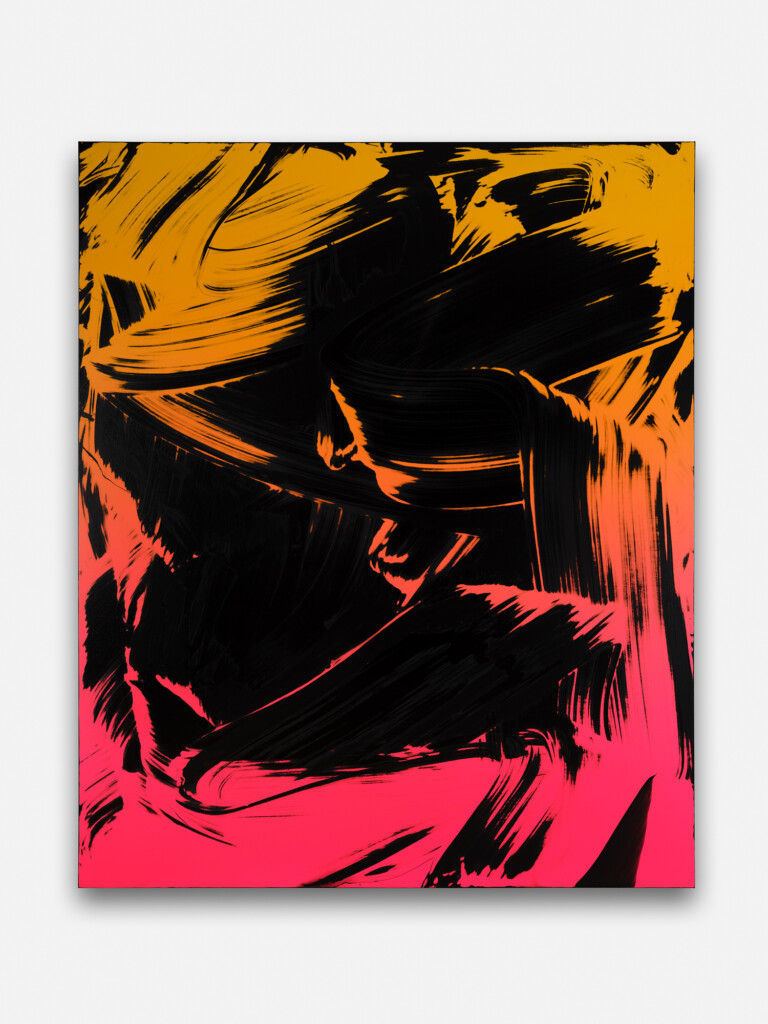
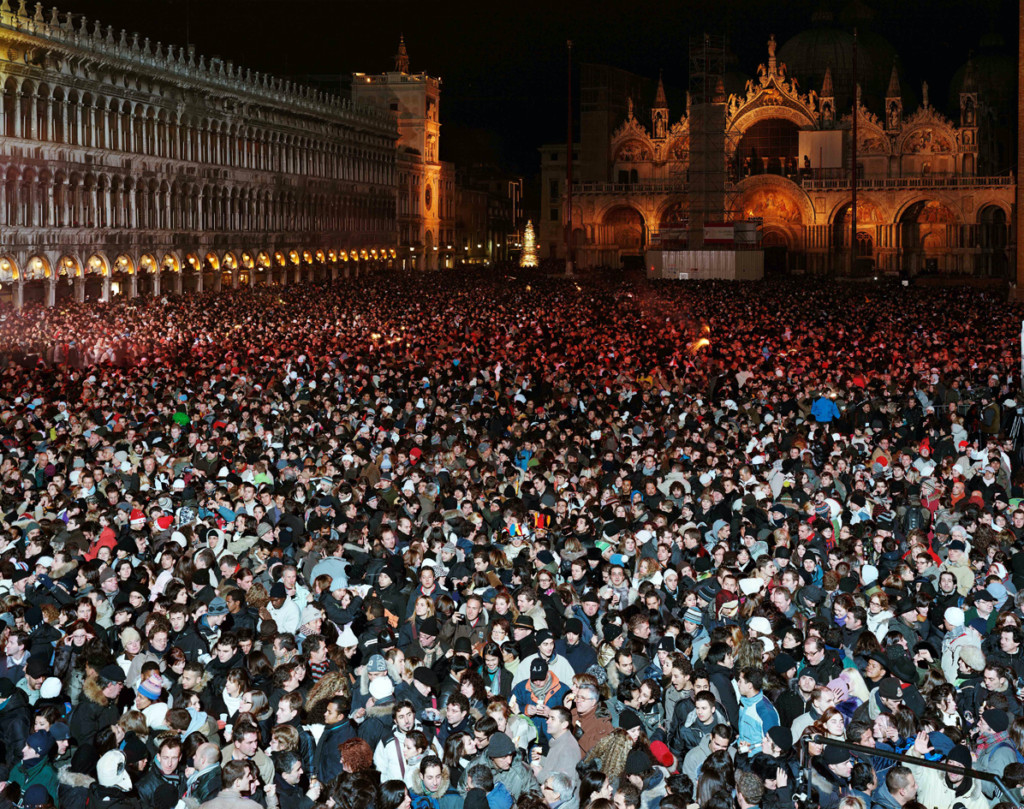
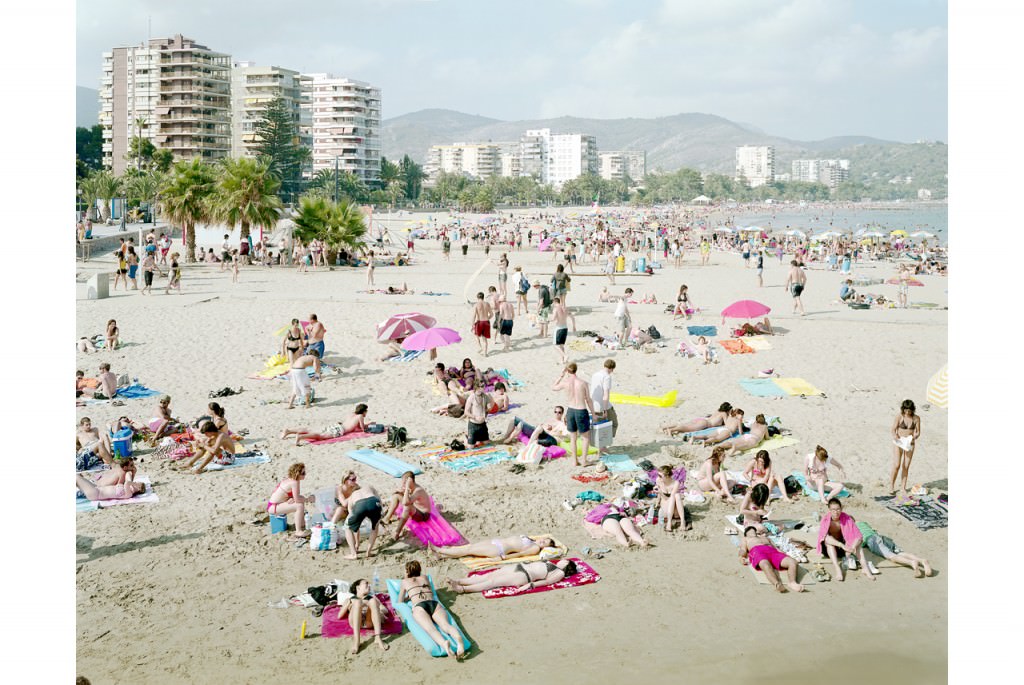
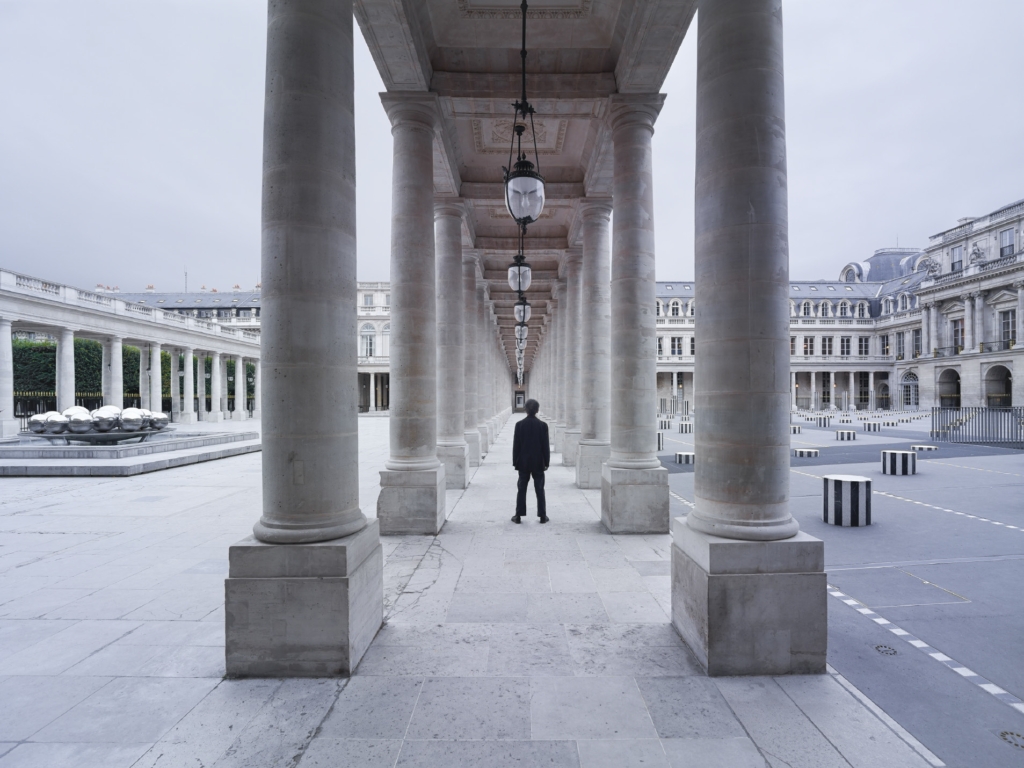
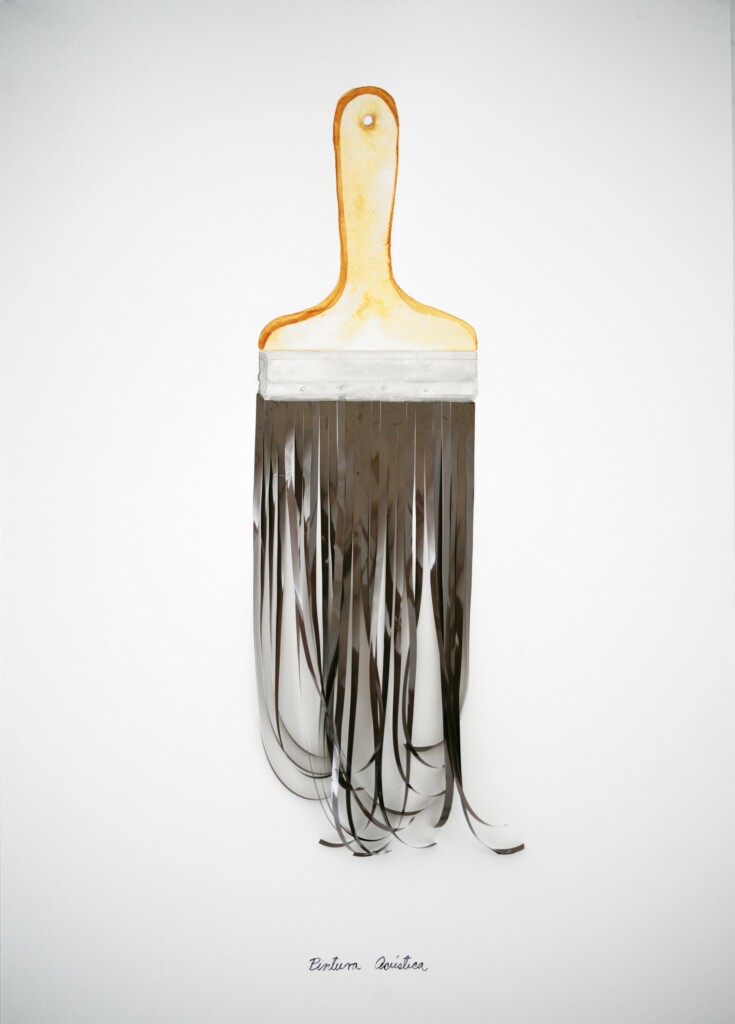
Yago Hortal. Z5. Acrylic on linen. 2020Jordi Bernadó. Paris (FR 336.1). Photography. 2016Glenda León. Acoustic Painting. Drawing. 2020
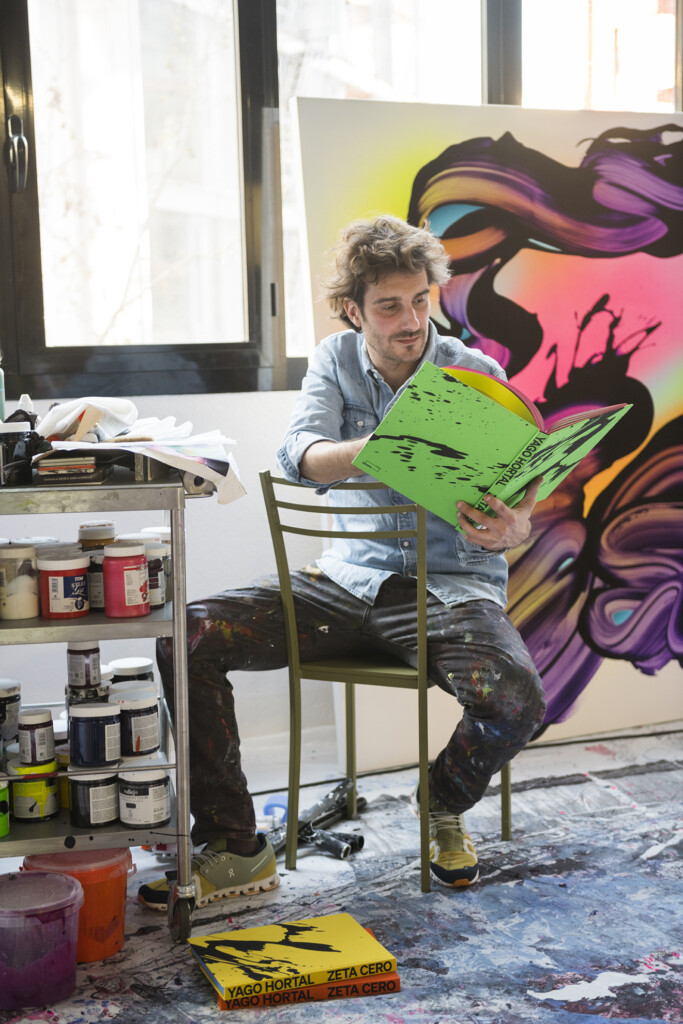
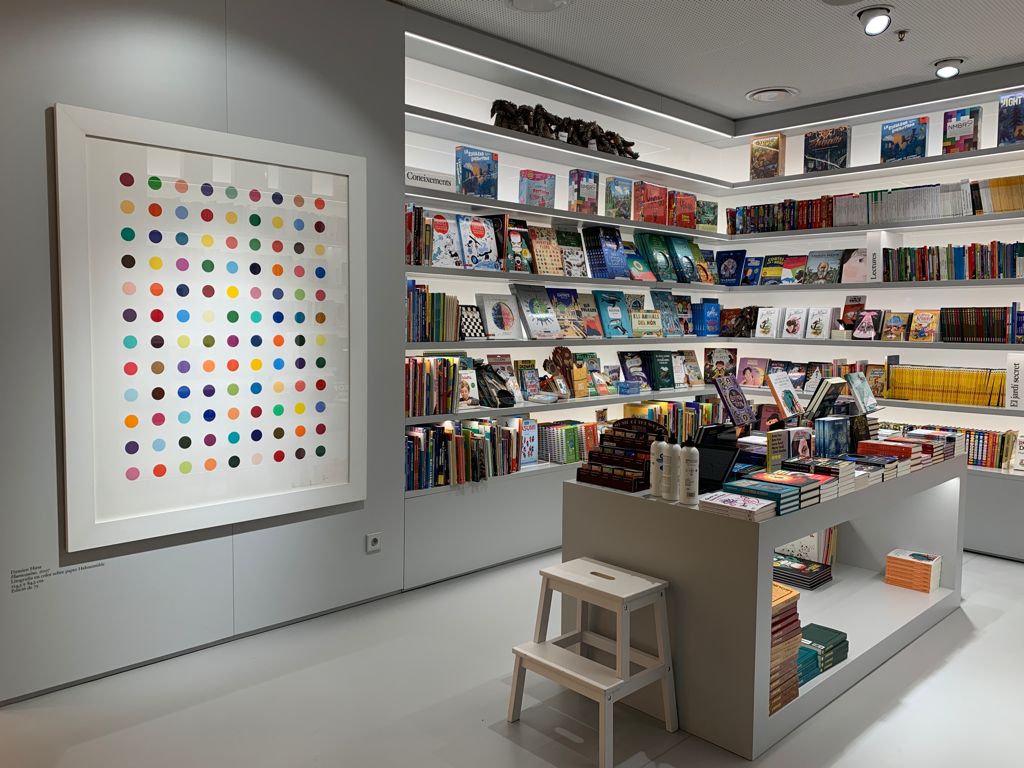
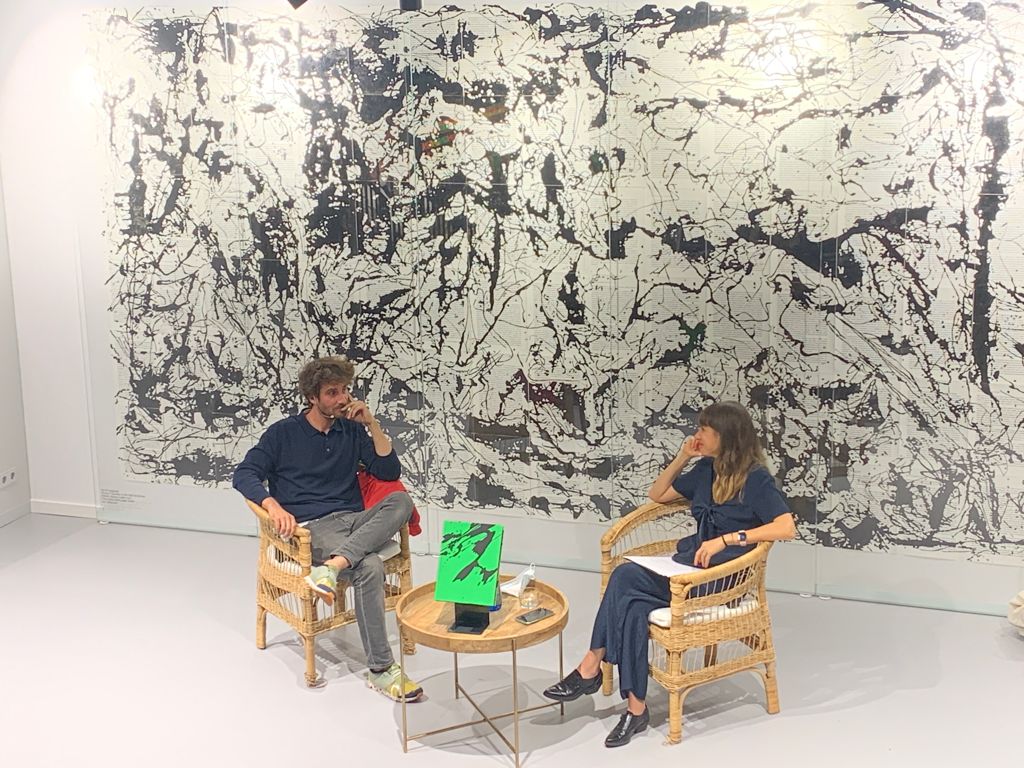
On May 25, Yago Hortal presented his first monograph at the ONA bookstore on Pau Claris street.
Yago Hortal participates in a talk, mediated by journalist Bibiana Ballbè, which invites the public to learn about his artistic career and his creative process.
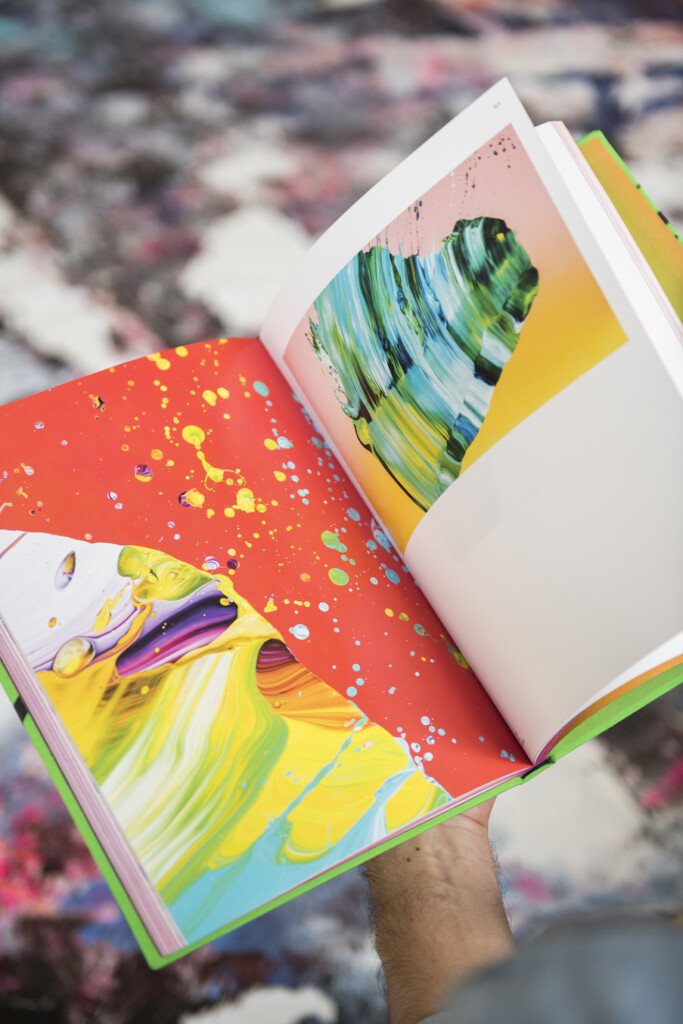
His first monograph, produced by Senda Ensayo, reviews his artistic production over the last 15 years, tracing the evolution of his work during this time, and giving a glimpse of the new direction of his work in search of new horizons.
Hortal’s work, which from the beginning has been committed to redefining the formalism of abstract painting, functions on a metalinguistic level, and celebrates the dialogue of the work and its own process of creation.
Yago Hortal (Barcelona, 1983), studied Fine Arts at the University of Barcelona and the University of Seville. In 2007, one year after graduating, he wins the 49th Prize for Young Painters. The following year, at only 25 years of age, he began to exhibit not only in Spain but also in the rest of Europe and the United States. His paintings maintain a tight relationship between the work of art and action painting itself. The canvas forms part of a performance in which the artist consciously creates spontaneous color forms in an infinite gamma, expressing passion and vibrancy. The painting seems to come out of the canvas, causing a desire to touch it and creating textural sensations.
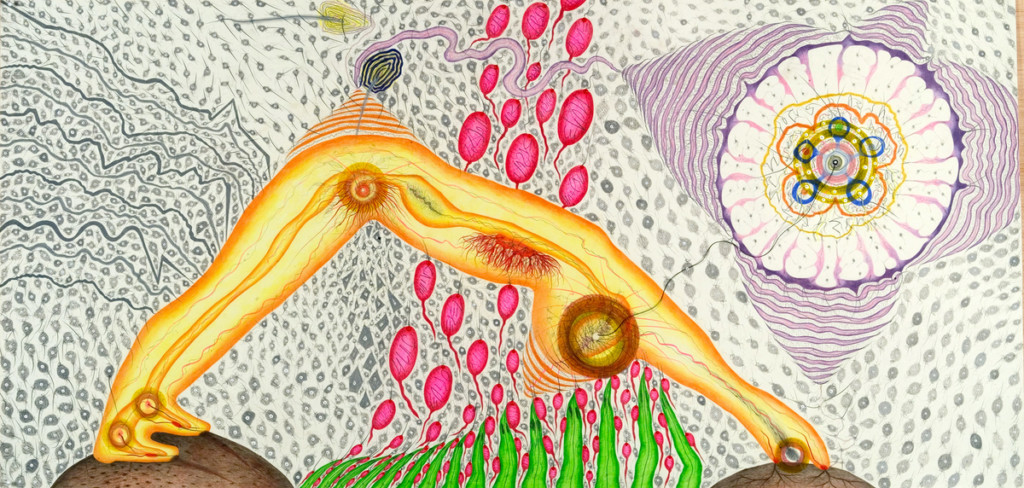
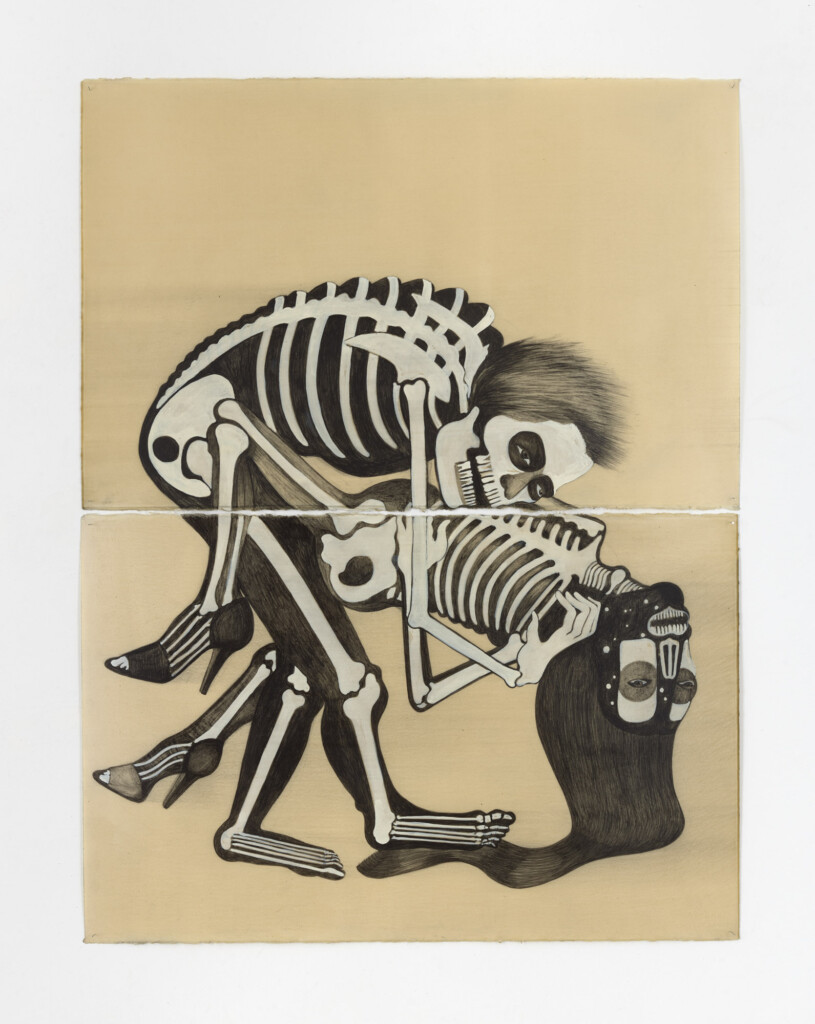
Sandra Vásquez de la Horra, El último tango, grafito y gouache sobre papel encerado. 106 x 134 cm. 2020
This March, Galería Senda presents an online exhibition with the works of the chilean artist Sandra Vásquez de la Horra. She develops a poetic work where the mystical and popular tradition, very present in her personal parcours. Her drawings are true narratives inspired by memories, the unconscious and sexuality.
The exhibition invites the visitor to get to know the artist’s personal technique: the use of pencil and colored watercolors to later apply a wax bath to the works, a transparent film that provides permanence and protection to the work. The compositions, produced in various formats, intertwine asymmetrically and attract the public’s gaze thanks to their simultaneously humorous and critical tone, in which each drawing is part of an iconographic narrative.
Sandra Vásquez de la Horra’s works expose the artist’s own singular language and build new territories to be explored by the public.
Link to online exhibition : https://3d.exhibify.net/?uuid=b98222c5-8719-4083-9cde-5725892ed110&v=v981
Link to the Viewing Room : https://www.artsy.net/viewing-room/galeria-senda-sandra-vasquez-de-la-horra
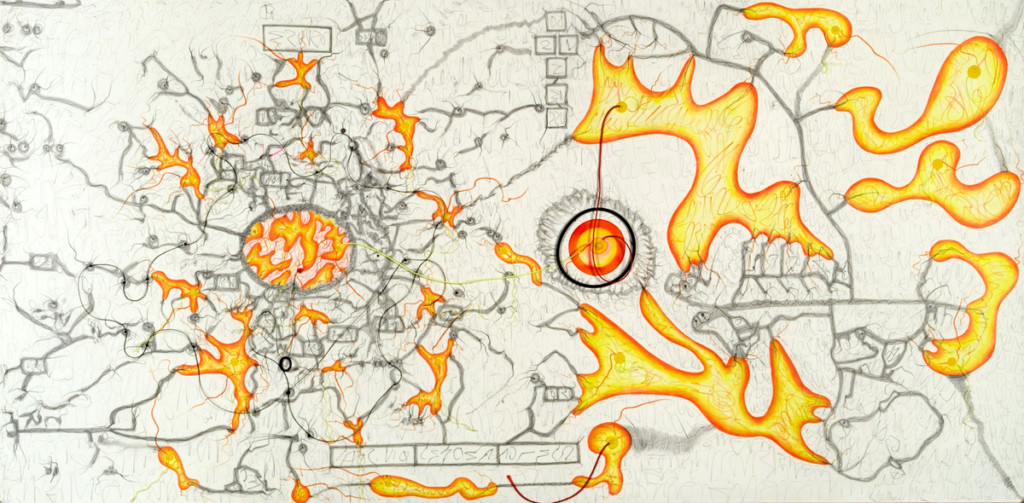
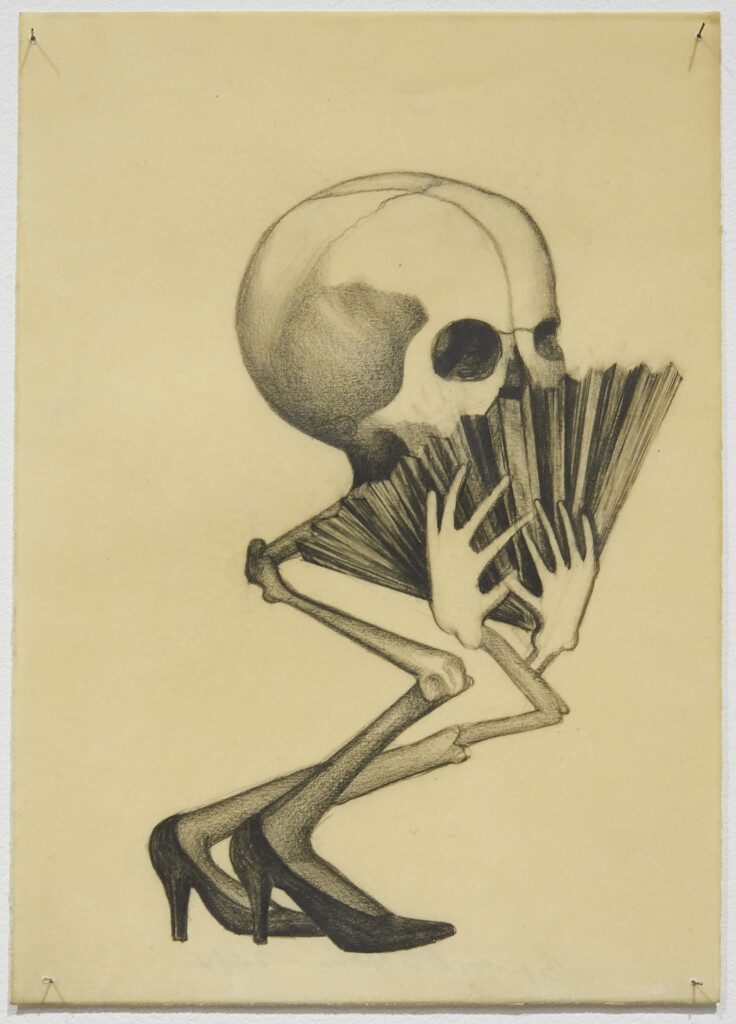
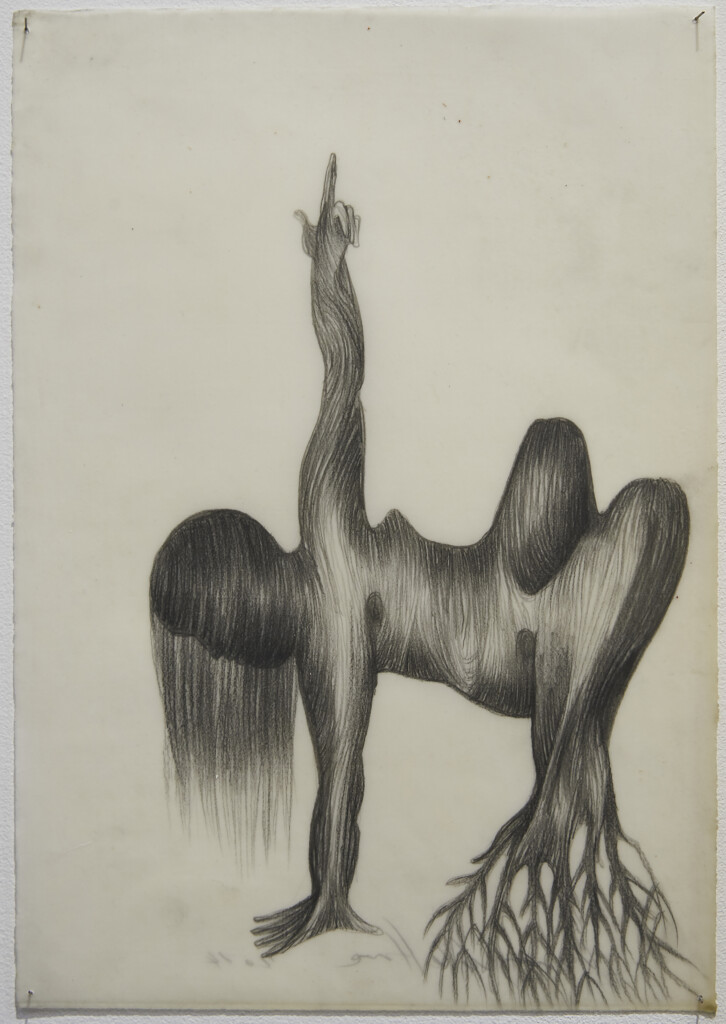
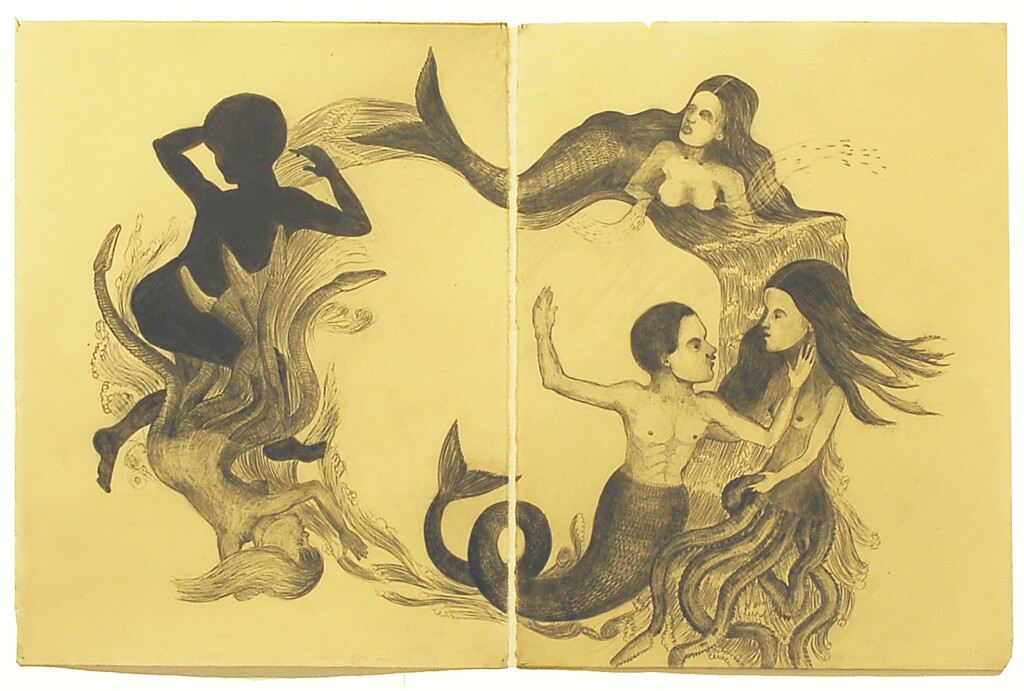
De la tumba me levanto. Lápiz sobre papel / Baño de cera. 39 x 28 cm. 2013Desde mis raíces. Lápiz sobre papel / Baño de cera. 39 x 26 cm. 2014El viaje de Olokun. Lápiz y acuarela sobre papel / Baño de cera. 76 x 112 cm. 2013
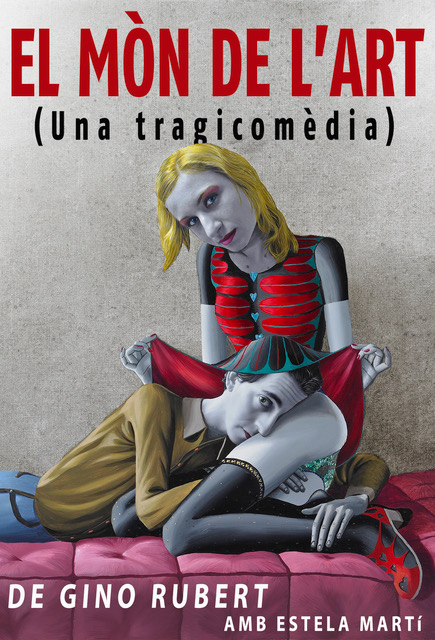
Original idea, script, music and actor: Gino Rubert Costume, Actress and second voice: Estela Martguet Huguet Duration: 60 minutes
The artist and writer Gino Rubert, who has exhibited at galleries and museums around the world and has published two fictional books, climbs to the stage of the Teatroneu to transform it into a contemporary art gallery, where, in a type of tragicomic catharsis, he draws an incisive and ruthless portrait of the world of art.
“…In The World of Art (a tragicomedy) of Gino Rubet, we find a satirical piece of low budget that bears some relation to his series of paintings The Opening. In fact, the most striking of the function was to discover that this excellent painter who has also published two good books of stories turns out to be a complete showman, capable of interpreting many and various characters, in different languages and various genres, as a multi-vocalist Fregolia. And that he also composes good music, plays it on the piano and sings it in various records, from a nearly blues to a funny horror song called Fata Morgana…
Juan Bufill LA VANGUARDIA 29-3-2021
And we have two special invitations : Richard Clayderman and Prince Charles!
THE WORLD OF ART (A Tragicomedia) Every Wednesday June at 20:15 at the Teatroneu.
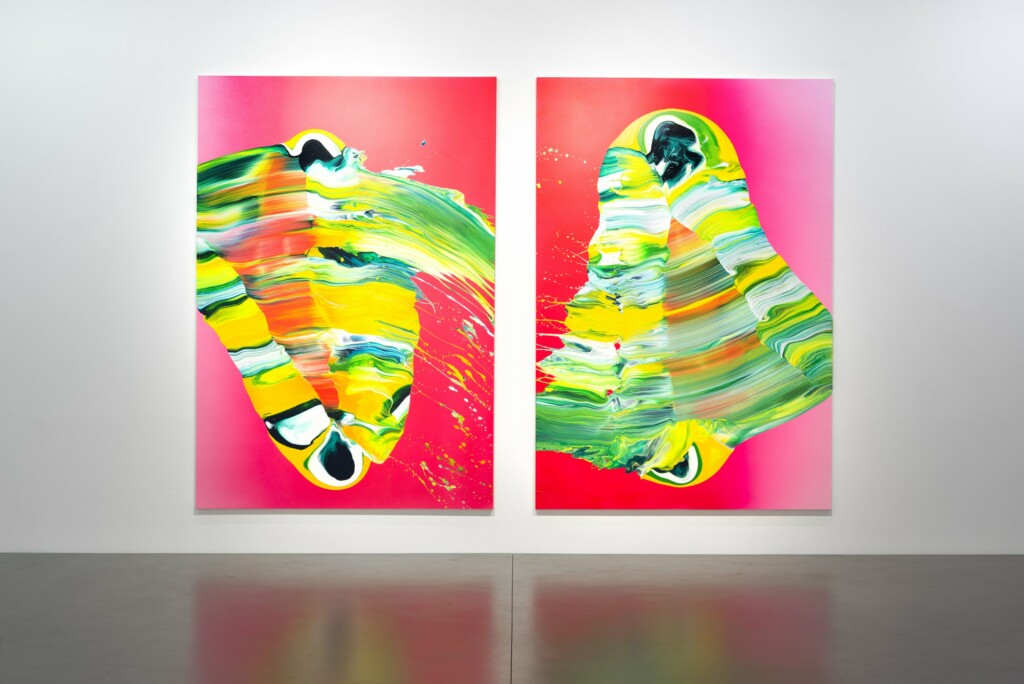
The title That was before, this is now, extracted from a work by Ed Ruscha, gives its name to the first retrospective of the painting of Yago Hortal (Barcelona, 1983), one of the most outstanding Catalan artists of his generation. Curated by Enrique Juncosa, the exhibition, which includes 36 works produced between 2007 and 2020, chronologically covers the fourteen years of the artist’s career and also, includes recent unpublished works.
As stated by the curator, “from the beginning of his career, Hortal has developed a formalist review of abstract painting, which considers the meaning to be an autonomous entity and not in the reasoning produced around it.
“Hortal’s work tells us about the work process itself and its technique: large splashes and thick accumulations of matter, and moves away from a symbolist, metaphorical or lyrical will. In this sense, the finished work is the result of a dialogue between the artist and the pictorial language and its possibilities. Hortal affirms that “listening, seeing, letting the painting speak as it takes shape is, for me, indispensable. This dialogue guides the result. The options are unlimited, although we have to unravel them.”
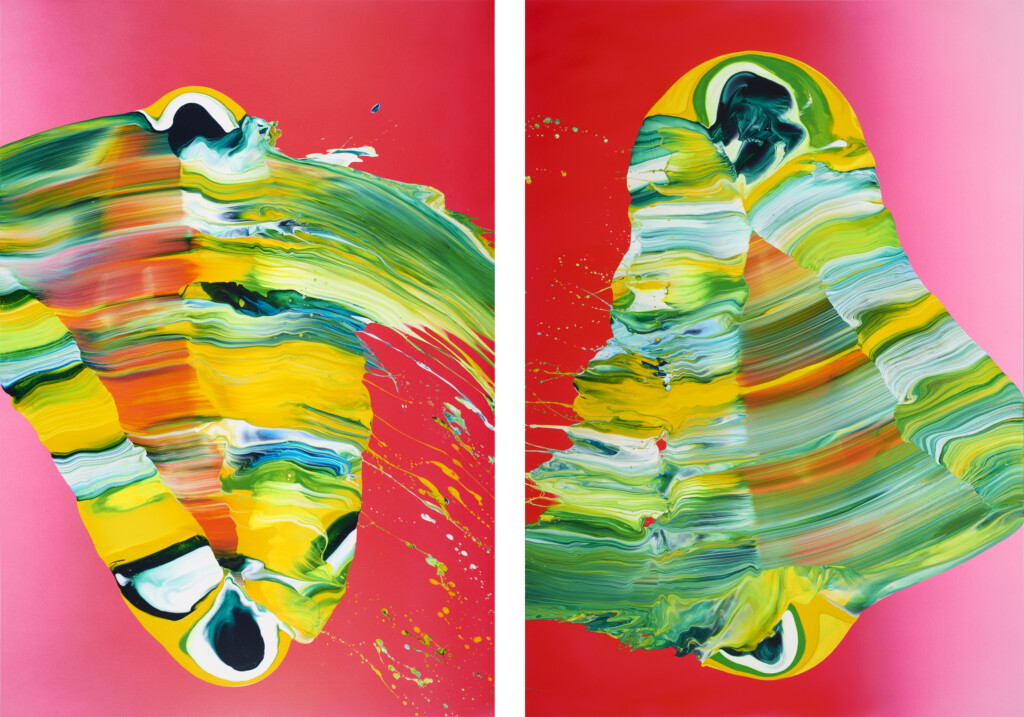
Yago Hortal, «SP124-SP123», 2016, acrylic on canvas, 260 x 360 cm
The chronological approach of the exhibition allows us to know the various interests that the artist has had throughout his career, according to the curator, is the result of a “thoughtful artistic evolution”. In this exhibition, we can see, on the one hand, how he has been defining the essential features that make up his work: the exuberance of color and the presence of gestures, which from a metalinguistic conception leads him to underline the physical characteristics of painting, but that also suggests, from the irony, playful and hedonistic ideas.
On the other hand, and as we can observe in the last rooms, we can also appreciate in the most recent works -some of which are unpublished- how his work turns his gaze towards the volume without forgetting the pictorial discipline and how he incorporates a palette of reduced colors.
Visit the online exhibition at the following link:
Interview by Luís Campo Vidal for “The Chic Icon”. Dubai, December 30th, 2020.
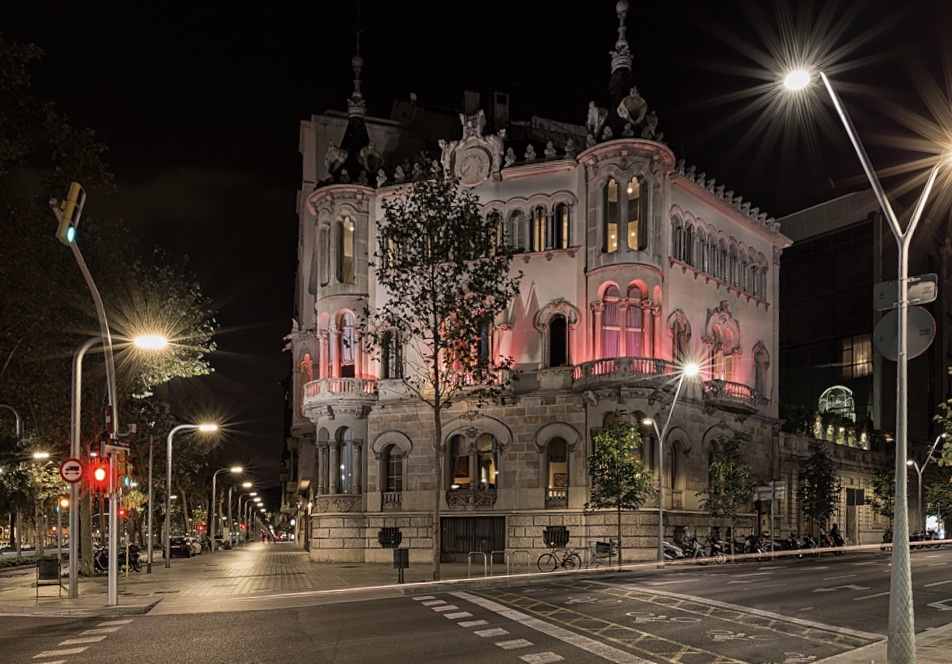
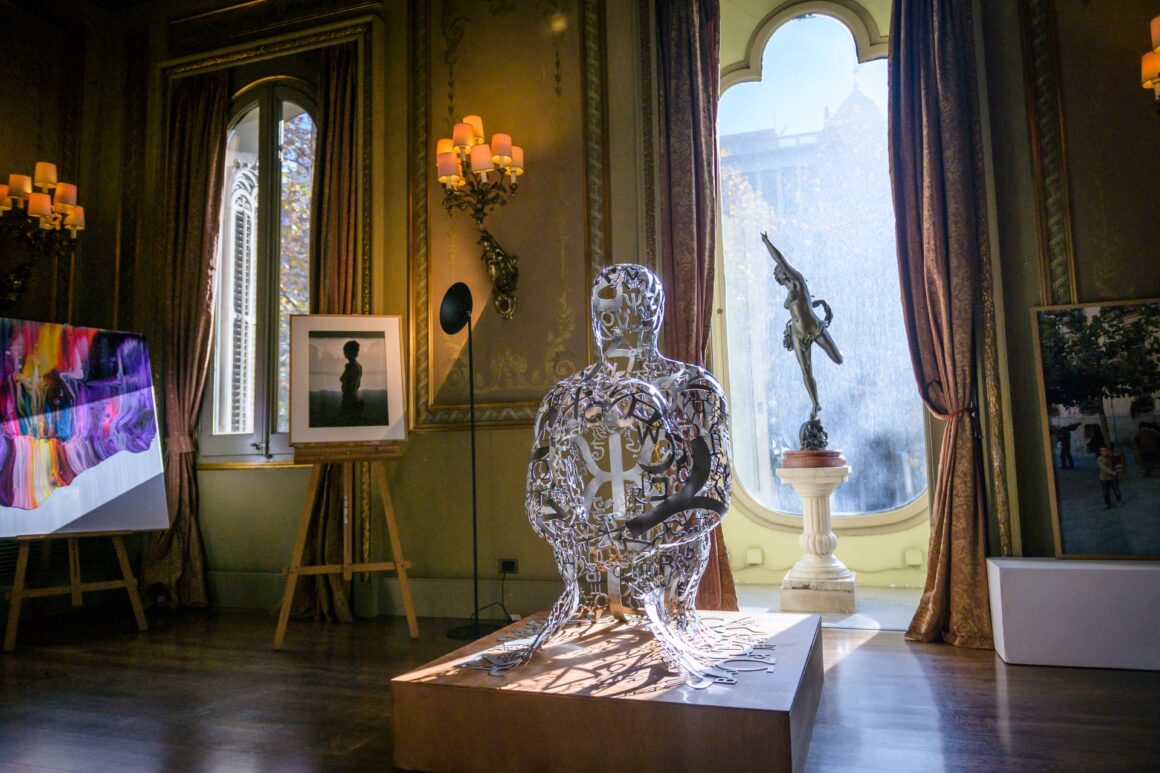
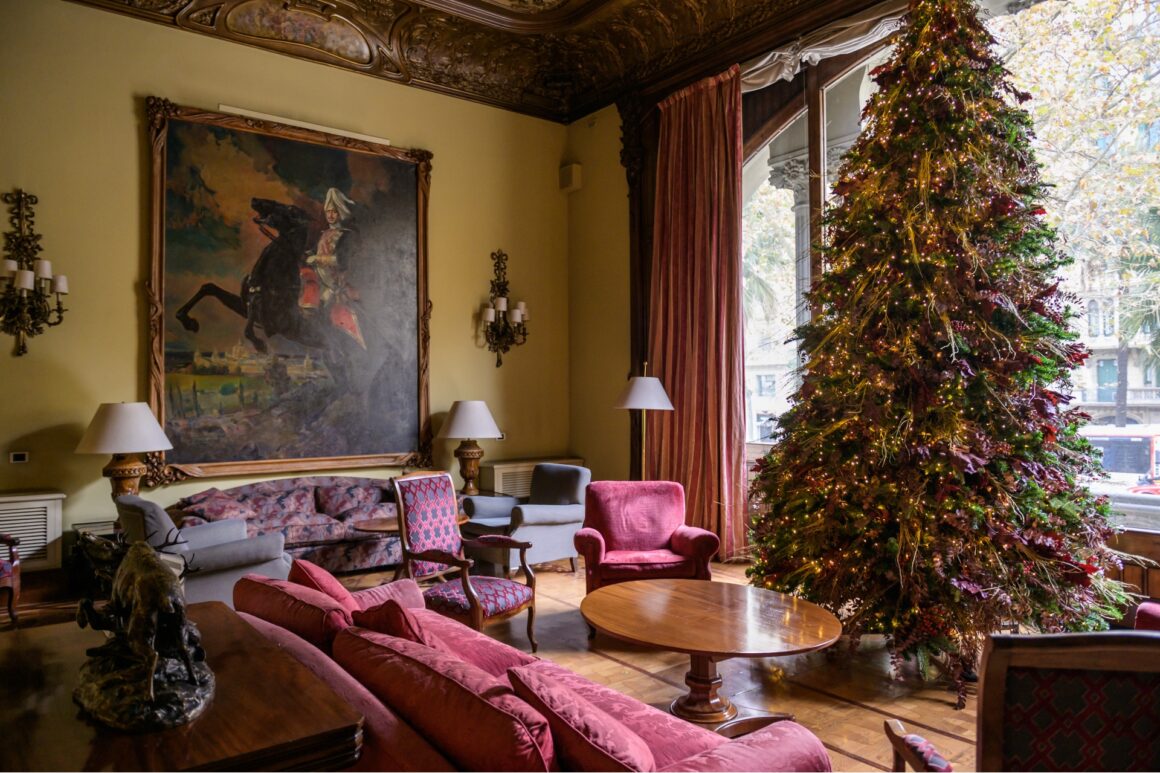
CÍRCULO ECUESTRE, one of the most traditional private clubs of greatest reputation in Europe, and a key institution in the professional and private life of the most prominent and influential personalities of Barcelona’s society, has transformed its impressive palace in the center of the city into a temporary museum for a week. “By Invitation”, a contemporary art fair, has been an imaginative and forceful response to a difficult year for everyone, including the arts’ area.
CÍRCULO ECUESTRE
It is not an easy task to bring together 17 Barcelona’s art galleries and collude them to co-create this temporary museum, enriched with a cycle of colloquiums in which collectors, art consultants, journalists and gallery owners share their opinions. The organizers of this first contemporary art fair in Barcelona deserve to be congratulated for their outstanding initiative.
One of the exhibiting galleries was SENDA, who defines itself as a microscopic gallery. SENDA found a way, in the midst of the pandemic, to form an alliance with the PUSHKIN STATE MUSEUM OF FINE ARTS in Moscow and produce together an online art project entitled TEDIUM.
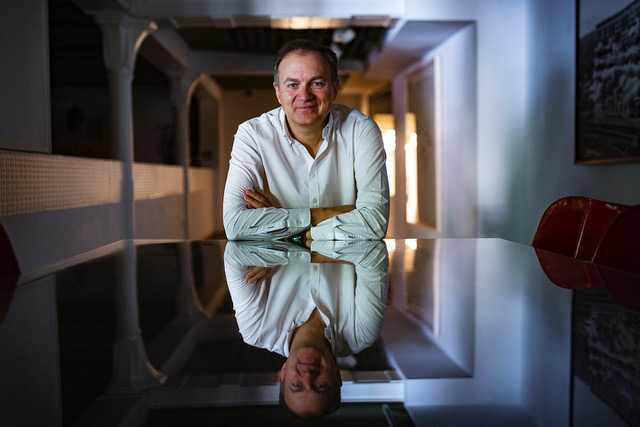
We have the privilege of interviewing Carlos Durán, the owner and founder of SENDA since 1991.
It is known that sales in on-site galleries fell by 36% during the first half of 2020, whereas online sales have grown by 37% during the same period. Are we moving towards a future of “Instagram Galleries”?
Not quite. The lockdown meant a drop in on-site sales and we all focused on boosting our activity in online networks and other platforms aiming to access other audiences. It was then confirmed that these tools were extremely useful. But we also confirmed that they were never going to replace physical space of a gallery. Absolutely. When the degree of confinement was relaxed, we realized that what people really wanted was to interact with art in person. That said, we have learned that the online world is an essential and wonderful sales channel, and we are going to dedicate a higher energy to it than what we were dedicating before.
According to the American consulting firm Cerulli Associates, Generation X, those born between 1965 and 1980 will inherit from their parents and grandparents $ 68 billion in the next ten years, including an important proportion of pieces of art. Do you think that the new generations, educated in the Internet era, will also inherit the family culture and will continue to enjoy and invest in art?
I am optimistic in this regard, it makes sense. For two reasons: first, because they are more educated and cultivated people. They have traveled more than previous generations. And second, because art has become, more than ever, a guaranteed asset and an element of enjoyment. Never before has there been a greater audience and interest in art.
Spanish artists represent around 1% of world art sales. Do you think they do not know how to sell internationally?
Spain is a permanently creative country. For the last four centuries, Spain has gifted the world with a gigantic cast of great creators. It is true that at this moment we are perhaps going through the worst historical moment of promoting our own art, which means that Spain is a country that has created, that has great creators, but currently does not know how to take advantage of all this.
Representing 1% of global sales is a gigantic imbalance, indicating that there is a lot of rough diamonds to be discovered.
How did Carlos Durán manage to ally with the PUSHKIN STATE MUSEUM OF FINE ARTS in Moscow?
A previous collaborative relationship in a seminar we did in Moscow paved the way. At the very beginning of the confinement, we started a project on Instagram, a campaign entitled Wellcome Home, a window where artists from all over the world have been explaining and sharing their experiences during the lockdown period. We kept the dialogue alive regarding the concerns that we all had at that time, and to demonstrate that those same concerns were found in any corner of the world, whether we were creators, audience, artists, collectors or simply followers of the art world. Concerns were identical everywhere. This participatory project was observed by the PUSHKIN MUSEUM and they invited us to jointly develop a project on the Museum’s online platforms. This also answers the previous question: If there is marketing and knowledge, there is international interest.
European banks no longer show interest in their customers’ cash on hand. Interest on deposits has been reduced to 0% and banks begin to charge commissions for guarding immobile money. Do you think it is a good opportunity for savers to be interested in investing in art as a refuge for capital?
Art experiences a process of transparency where the market has become something much more solid. The group of artists, known as the BlueChips, are considered safe assets for investment. Consequently, the saver, the art lover, and the great collector, who are speculators looking for profits in assets, are getting into the game in addition to the knowledgeable buyer.
Historically, it has been proven, even during the different world wars and economic crises, that art is a good place to secure capital. And now more than ever, because market transparency is clearly higher than at any other time in history.
Some gallery owners consider that putting a price on art works is a delicate and even poisoned matter, and they are reluctant to make it public. DoesCarlos Durán think it is a good business strategy?
It is true that not showing the price publicly gives you a conversation starter with a potential interested party. But on the contrary, it also sends a message of little confidence from which I try to fly away. Personally, I think that transparency gives confidence. So, we clearly bet on removing the reservations to keep the prices hidden.
How would you rate the investment in art? Savings, investment, speculation, refuge, or enjoyment...
I don’t think these concepts are exclusive. The main objective should be enjoyment, without a doubt. From a certain amount of money, it should be considered an investment, which to some extent is a saving system. In certain conditions, saving is a form of protection. Speculation, also partly generated by the market, is something we always try to avoid. Anyone who enters the art world for speculative reasons somehow perverts the reality of the market. Thus, personally it is the least interesting of all the profiles.
If you had, right now, $ 1 million to invest in art, what would you buy?
I would buy what I really like. I would look for artists with already developed careers and divide the investment into parts.
The first would be a guaranteed investment: minor works, but very characteristic, by great authors. An example could be a drawing by Picasso, because $ 1 million is not enough to buy any Picasso canvas. It should be a drawing that contains all the painter’s features. Perhaps it would cost around € 200,000.
Then I would look for artists who are in the middle of their careers, with international projection, and who have already shown their contribution to the art history of their generation. Artists who generally have a very positive quality / price ratio and are about to upgrade.
I would personally reserve a smaller percentage for emerging creators, but I would run away from the speculative young artist. When young artists who are starting seem to stand out it is when the market tends to be perverted, almost always.
“The loneliness produced by the isolation during the lockdown in spring 2020 caused by the Covid-19 pandemic, inspired me to scrutinize outer life through my window. This window is right above my computer in my Poblenou studio in Barcelona and I call it «my TV». Through this window, incessantly and for more than 10 years, I have seen trains and more trains passing by, most of them with the typical ‘Renfe-Cercanías’ aesthetic» – Miralda
When the world seemed to come to a halt, moving in slow-mo, nonchalantly, in what felt like an eternity inside four walls, the artist Miralda demonstrated otherwise. You see, nothing ever fully stops, it just becomes secondary, it changes, it wears out like the limbs of the millions of people who forgot that we are beings of mobility, of hectic footsteps and rushed thoughts. The world didn’t stop, we did. Being forced to stay inside, scared of an invisible enemy that stalked our every move, we were left with a bittersweet feeling of the world we used to know, of routine, crowds and dirty hands. The Spanish artist Miralda created Quarantinetrains III: Rodalies from the window of his Poblenou Studio, to demonstrate that trains, allegorically representing life, don’t stop, regardless of the circumstances.
Ironically, as trains became vacant of people, they grew enveloped with graffiti, which became the motif for the series Miralda presents, in collaboration with Galeria Senda, in the 2020 LOOP Fair. With this project, Miralda looks at the urban spaces transformed through silent and hidden collective cultural practices, such as the creation of graffiti. It is an artwork deeply connected to the artistic inclinations of Miralda around urban popular culture, typical of previous projects and videos. And yet, this piece surprises us for its aesthetic and narrative register, which manifests a deep desire for fresh and novel abstraction.
In the quarantine, Miralda made boredom a source of inspiration and of it came this video trilogy of kaleidoscopic figures born from the relationship between benign vandalism and straight-line mobility. The first video of the trilogy premiered in May 2020, featured by the 100 ways to live a minute platform of the Pushkin State Museum of Art of Moscow. Odd circumstances call for odd solutions, and in the case of the 2020 LOOP fair, good solutions. This year LOOP will maintain its physical mode with the “Loop salon” in the Museu d’Història de Catalunya (17-19 November), and will have the option of watching online (17-26).
Watch the video Quarantinetrains III: Rodalies by Miralda here
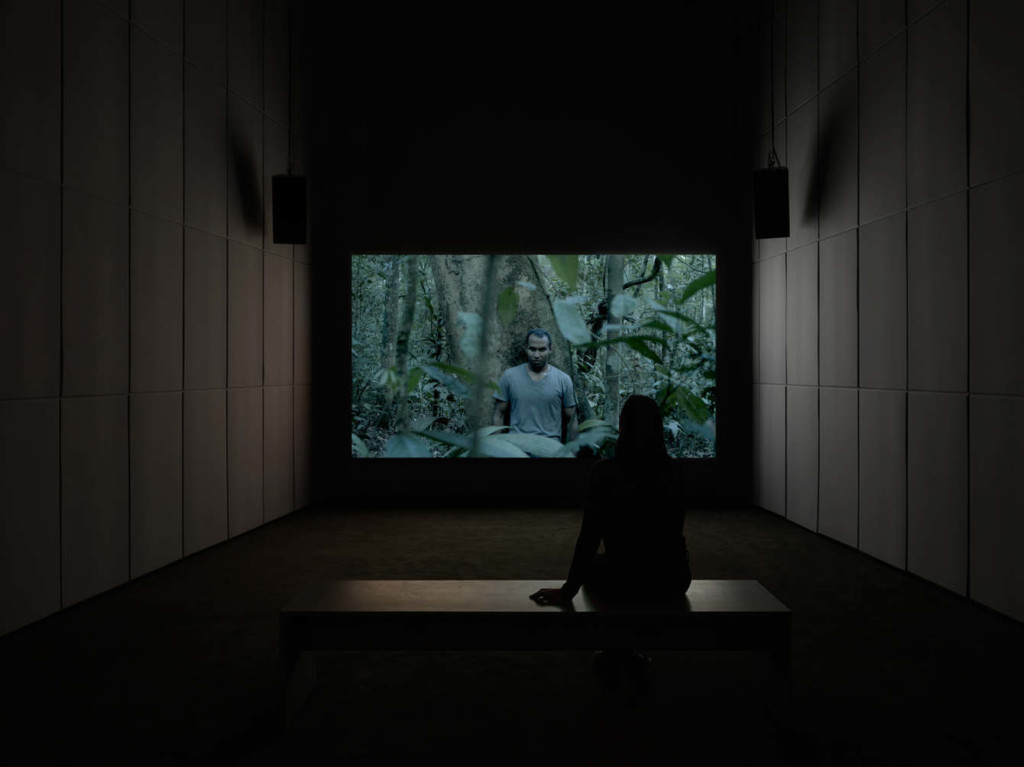
In collaboration with the Galeria Millan of Sao Paulo, Galeria Senda will present Capitão do Mato (2016) a video art work by Brazilian artist Regina Parra. The piece will be screened at the gallery from November 10 to November 30, as part of the 2020 City Screen program of Loop Festival.
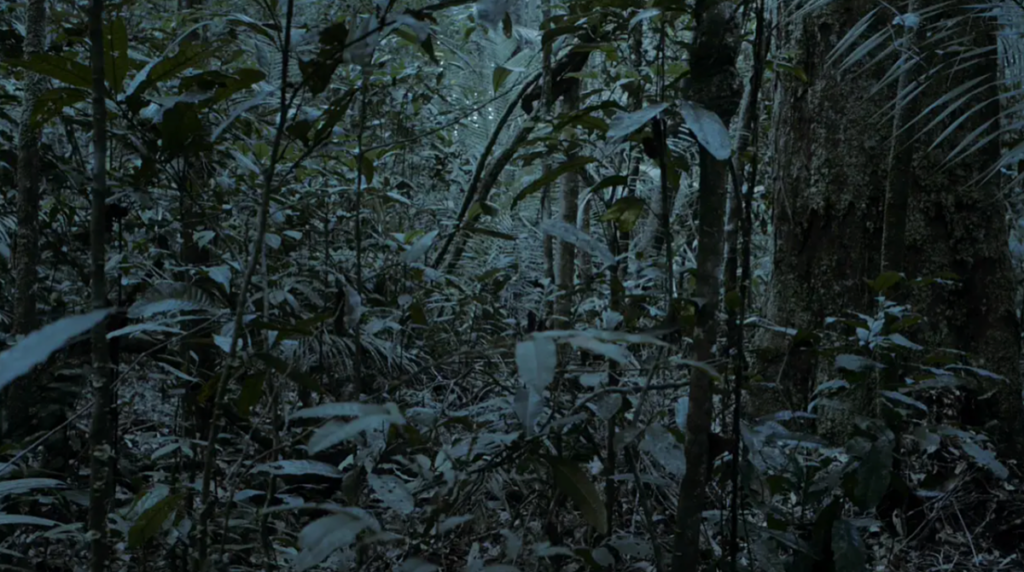
Filmed in the Amazon rainforest, Capitão do Mato by Regina Parra (São Paulo, 1984) takes its title from the popular name of a bird that lives in South America. Known for its high-pitched, shrill cries that reveal the presence of strangers in the forest, the bird used to guide settlers on their silent walk through the woods in search of escaped slaves, in the late 19th century. In Capitão do Mato the camera becomes a gaze, both violent and poetic, that scans the forest in search of images and sounds from the past, trapped in the natural landscape of the contemporary Amazon.
From a research on the relationship between oppression and insubordination, the artist Regina Parra (São Paulo, 1984) has been elaborating since 2005, paintings, videos, performances and installations that examine and worship resistance. Born in São Paulo in 1984, the artist holds a Bachelor’s degree in Fine Arts under the guidance of Paulo Pasta and a Master’s in Art History under the guidance of Lisette Lagnado. Initially, though, she graduated in Theater under the guidance of Antunes Filho. In the Theater field, she would work as a director of actors until 2003, and the experience in this area brought to her production a special view on the many vectors of meaning that can simultaneously cross compositions between human bodies, objects and spaces. In 2008, Parra was part of a group that ended up being known as “2000e8”, formed by eight artists from São Paulo who participated in a curatorship by Paulo Pasta and who had in common the desire to investigate contemporary painting.Since then, her research has increasingly focused on signaling the colonial heritage, finding, displacing and twisting active vestiges of the injustices of patriarchy, colonialism and capitalism.
Since then, her research has increasingly focused on signaling the colonial heritage, finding, displacing and twisting active vestiges of the injustices of patriarchy, colonialism and capitalism.
Installation view of Regina Parra, Capitão do Mato (2016).Video frame from Capitão do Mato (2016) by Regina Parra. Single-channel video, color, sound, 5 min. Courtesy of the artist and Galeria Senda
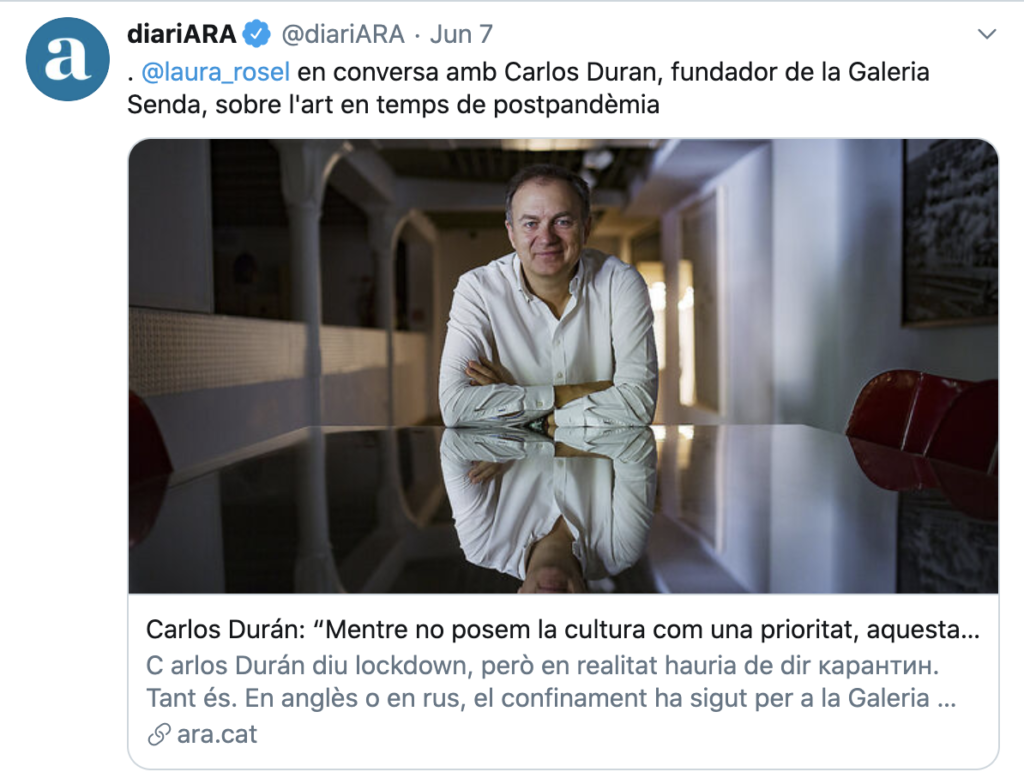
Carlos Durán says lockdown, but he should say карантин. In both English and Russian, the confinement has been for Galería Senda, which Durán founded in 1991, an unexpected springboard in the international market. For a week – yesterday was the last day – the Pushkin State Museum of Fine Arts in Moscow has had this gallery from Barcelona as an ally in an online video art project. TEDIUM includes around twenty artists, of which 9 are Catalan. Durán still doesn’t believe it. «How is it possible that a microscopic gallery in Barcelona like ours could work side by side with the Pushkin? It is incredible!» The enthusiasm is palpable even through the screen that separates us, as he excitedly remembers the long month of working with the Russians. “It has been a privilege,” he concludes. The Pushkin project is also, in a way, the fruit of the “existential change” that the gallery undertook five years ago and which, according to its director, seems to be the right path. A change that implied rethinking its philosophy, searching for ways to interact with the local public, to look for “responses beyond sales” and, ultimately, to generate “an enrichment somewhat greater than the exhibition itself.”
The Senda Gallery team saw the confinement coming almost by intuition and it caught them “less unprepared” than they would have thought. The last days the activity in the Trafalgar street premises was frenzied: «We ran to close pending issues of Arco, we were scared of purchase cancellations or of customers cooling down, as has indeed happened in the end». While they were managing the last duties before locking the door of the gallery, they were already thinking of what they would do until it was time to reopen. But despite anticipating the pothole, they did not suspect its magnitude. The gallery had never been closed for so many days. A situation that, however, and seeing the results, Durán does not hesitate to describe as “curious, entertaining, and less arduous than previously thought.
Russian incursions aside, for the director of the Senda Gallery, the confinement has been the desperate confirmation of the bad prognosis for the sector. Culture is in the ICU – “this is unquestionable” – and Durán is outraged by the attitude of society, which he sees as too “relaxed”, accepting the cultural crisis without doing nothing to prevent it. “We have to stop this, we have to start saying it is enough.” He appeals to collective responsibility: “Everyone, from their own position, should ask themselves why it is happening.” And he reminds of the cultural past of Barcelona, exceptionally prosperous at the time when the Palau de la Música, the Liceu and the Sagrada Familia were born. “We are inheritors of a sophisticated and interwoven culture, of a society that created cultural institutions and praised painters’ schools as if they were football teams.” It might be the bad connection of the video call, but for a moment the Durán’s expression has darkened: “Until we will not make culture a priority, this society will become less and less.” And he adds: “Those that do not want to see it, they might want to hide it.” Precisely now, in the face of a crisis of such magnitude, it is from the filed of culture that we should find “relief” or even “strategies to overcome it.”
In 1982, IFEMA commissioned Juana de Aizpuru, thereafter Juana de Arco, to launch the first edition of ARCO, the international contemporary art fair in Madrid. The first edition was inaugurated in February 1983 in a two-story building at the end of Paseo de la Castellana, past Plaza de Castilla, which was later demolished to erect a new building. I was lucky enough to participate in that first edition, which was very different from the current ones. Initially, far fewer galleries participated and the public was also smaller, not to mention sales that were practically nil.
The first two editions, as I said before, took place in the Paseo de la Castellana building and without a doubt, were quite neglected for all the participating galleries, which were still very few. People in Spain were not used to art fairs. I remember one year, I think it was the second, that Juana de Aizpuru came to our booth and asked me if we had a red dot, wow she had sold !! I told her that I had little faith, that how could she go to an art fair without red dots, but she, who was very smart told me: look dear, the red dots, in this fair, with one bringing them for the whole building is enough. And, unfortunately, she was right.
In 1985, ARCO moved to the Palacio de Cristal de la Casa de Campo, larger and with better facilities, and important foreign galleries also began to participate. The public began to be much more abundant, actors start to attend, television presenters come, some truly interested, others simply to be seen. On weekends, collectors and art lovers from outside the capital are received, as well as entire busses of Fine Arts students from all Spanish cities.
I remember that in the first editions they used to give public announcements with the loudspeaker like: the director of the gallery X is requested to immediately attend in his stand, something quite annoying and that fortunately later disappeared. One day a well-known actress was taking a tour of the fair. Impossible not to notice her. She wore a blouse two sizes smaller than her size, a huge belt, what she was wearing could not be called a skirt, and shoes with heels that provoked vertigo. And suddenly the speakers were announced: The young lady (name of the actress) is asked to stop by the stand of Gallery X. And not once, but several times. So, if someone had not seen her walk, well, everybody already knew that she had been at the fair. Good publicity and also free.
ARCO has always been opened by the kings who visit some previously selected stands. In 1996 it was our turn. After a strict control and registration of the stand, security gave the go-ahead and Queen Sofia visited us. That year we presented a monograph by Gino Rubert and the visit was very entertaining. The queen stood before each work and asked Gino questions, who explained everything she asked for. Suddenly she stares at some artwork and addressing Gino she says: she looks like Irene Papas. In case someone from the entourage did not know who it was, she added. She is a wonderful Greek actress.
We could continue telling anecdotes that arose during the 38 editions of ARCO, talk about the galleries that have participated and the artists that have shown their works, but the best thing of all is to visit it, be there. I invite you to do it, surely you will not regret it.