

Ballenesque, Roger Ballen: a retrospective at LAB 36 from galeria SENDA


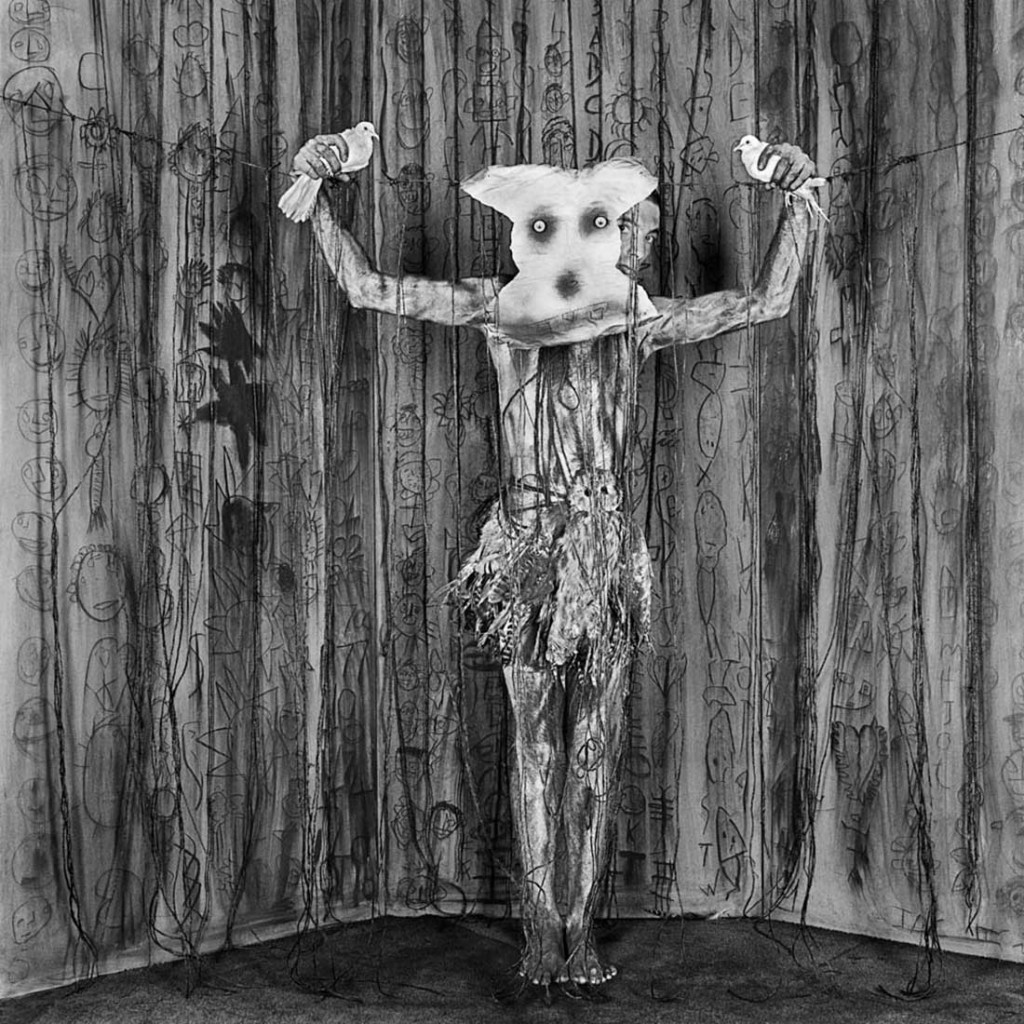
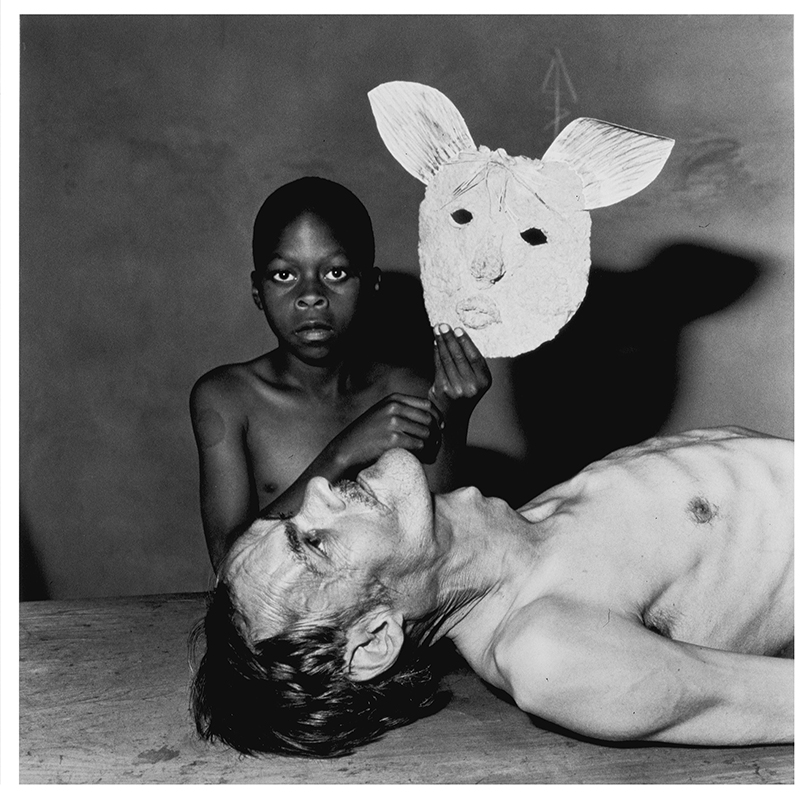
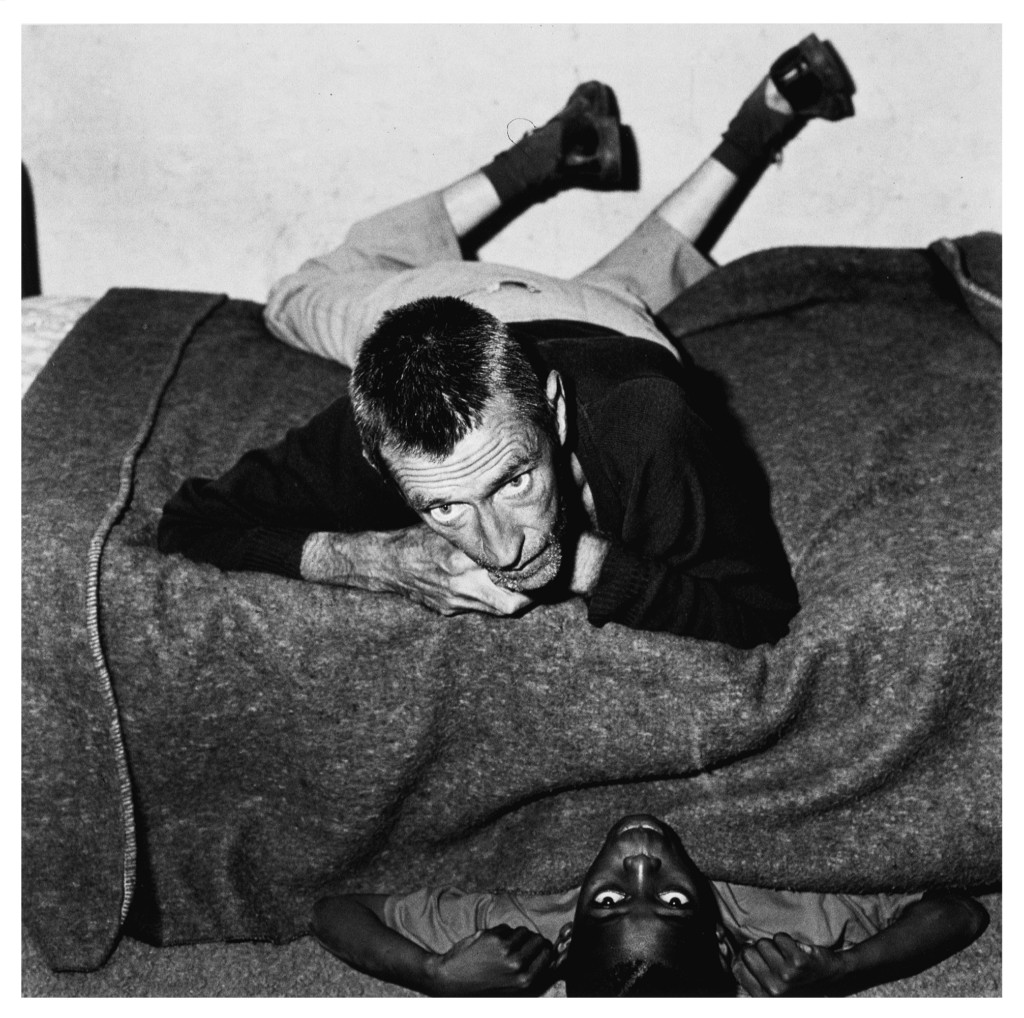
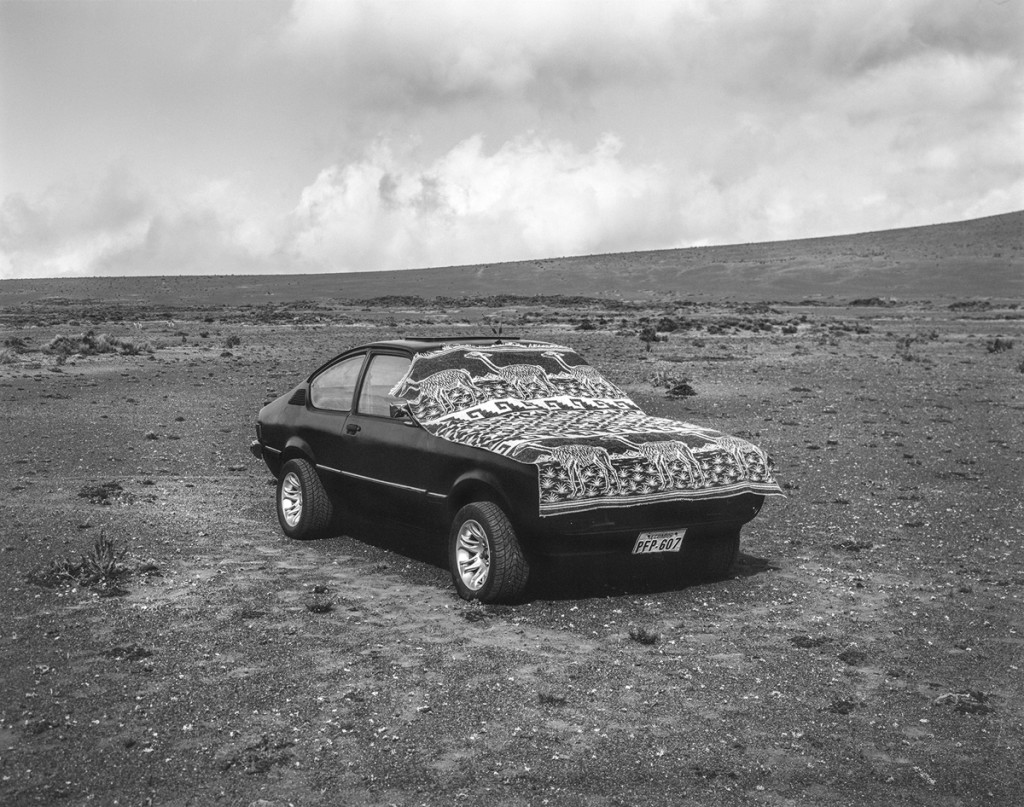
Roger Ballen challenges the ways which we perceive the “reality” of photography. His ambiguous and surprising portraits of people, animals or objects posing in rooms that resembling prison cells, who occupy the grey space between reality and fiction, blurring the borders between the documentary photography and the artistic forms as painting and sculpture.

Working where the difference between reality and fiction does not have relevance, disturbing and claustrophobic scenarios are presented to get us closer to his history. These interiors are inhabited by characters trapped in a marginal atmosphere, where the narrative thread is ambiguity. The rooms are real places, but they appear disturbing and strange, logical but also completely impossible: The walls are scribbled, covered with stains and handing wires;  A multitud of strange objects and artefects are acattered on the ground: animals move roam the space or they’re stuck in impossible containers. All the characters seem strange, but at the same time provided with great expressive force that displays a hopeful poetic turn and upsets the indicial disturbing impact.

The selection of photographs that Roger Ballen will be present at LAB 36 belongs to his new book Ballenesque, an exhaustive retrospective of his work. Based in a new evaluation of his photographer’s archive, the book takes its title from the artist surname and takes the reader on a visual and chronological tour of his work. The exhibition of LA 36 explores the stages of this creative journey and briefly recreates the Ballenesque’s project through a selection of works from different series and with the inclusion of some of the most iconic photograph as well as unpublished works in a compendium of the trajectory of a whole life. This is will be the fourth individual exhibition of the photographer with galeria SENDA.

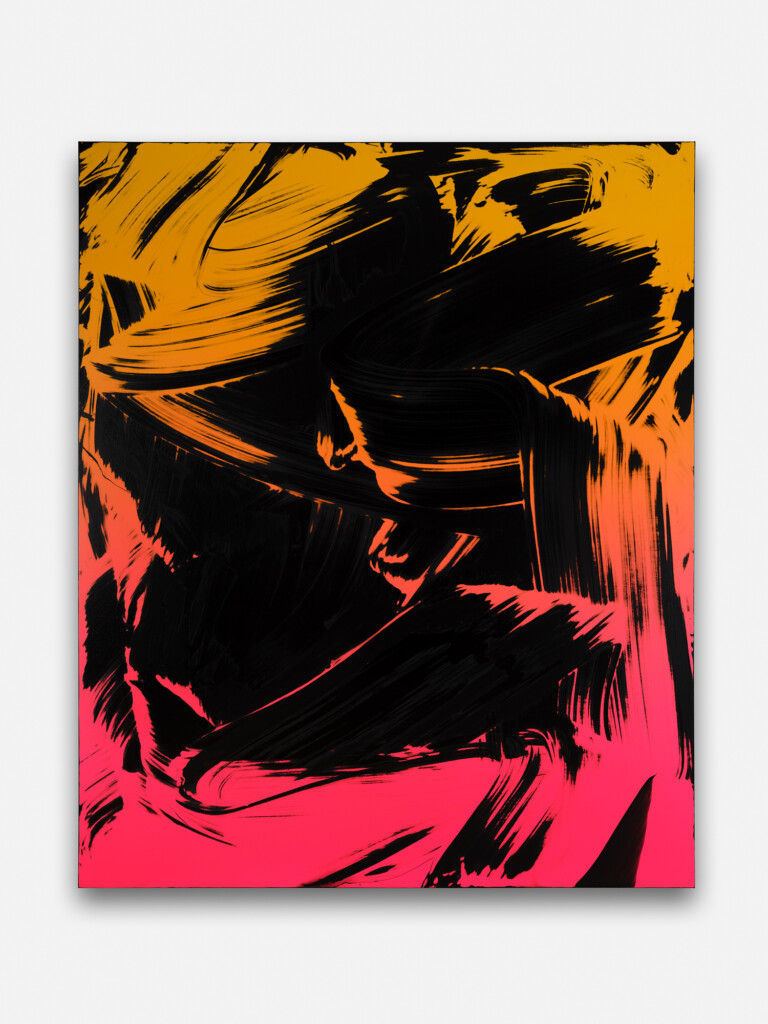
YAGO HORTAL, Rigor and Pink

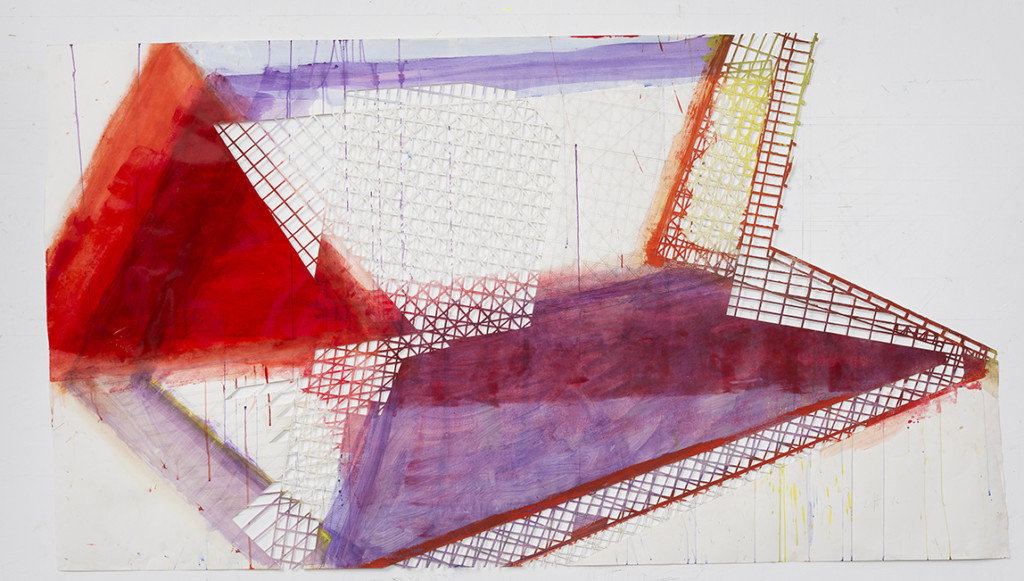
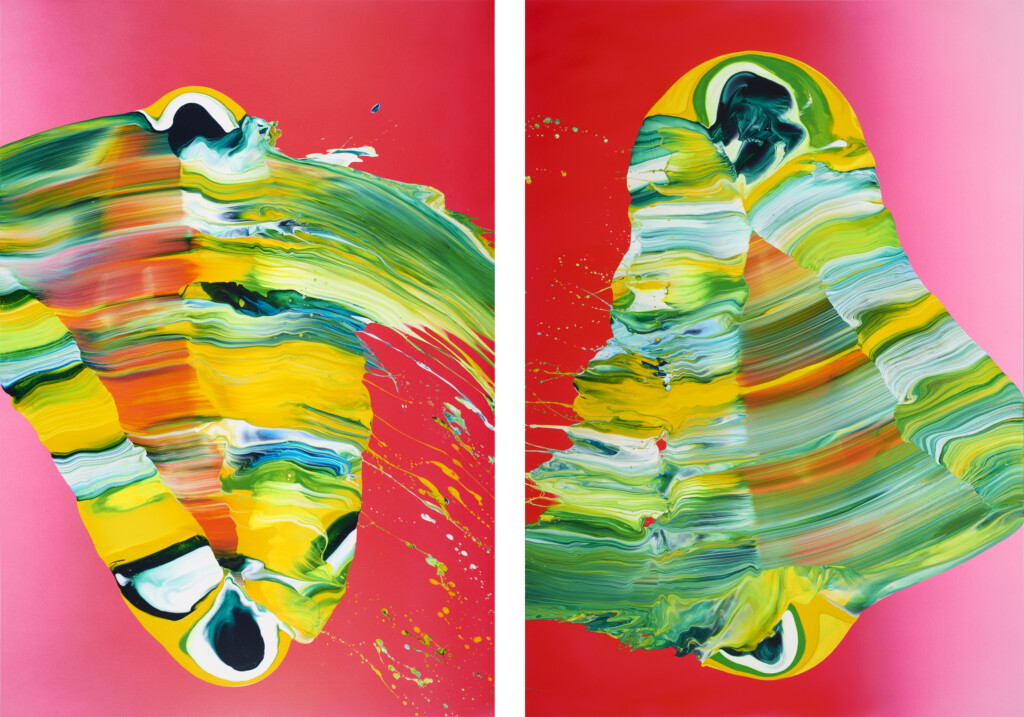
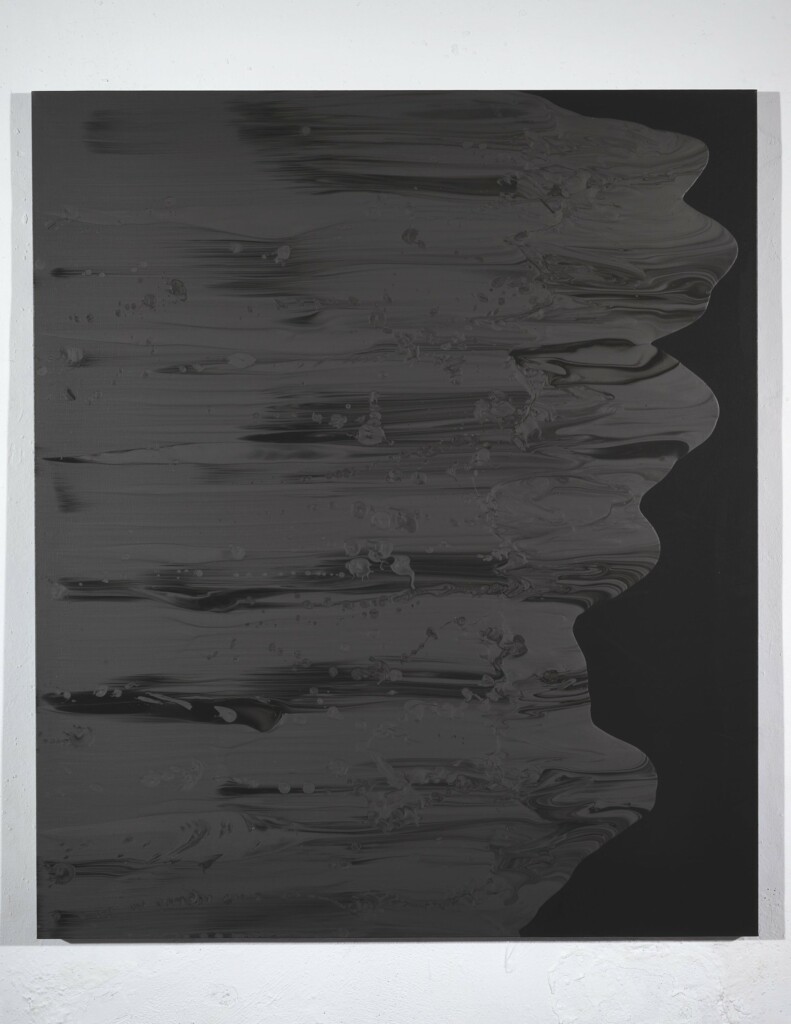
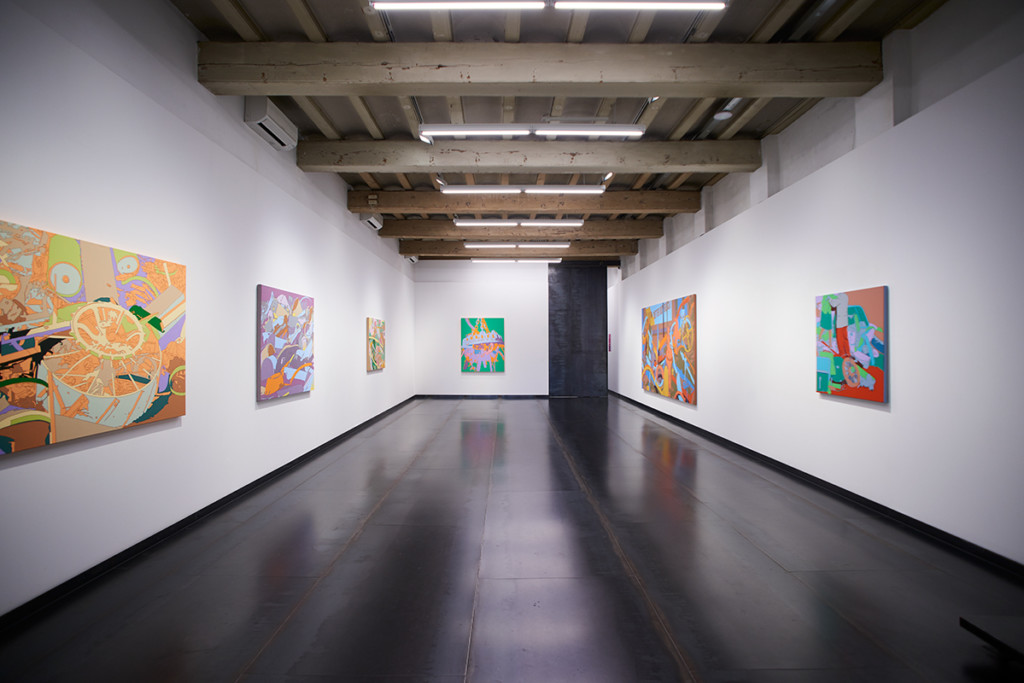
Yago Hortal poses in Rigor y Rosa an exercise of synthesis and confrontation of the semantic of his language and stresses the foundations of his painting through an inversion of the assimilated concepts and a resignation of his comfort zone. In an introspective challenge and through a formal reduction of expressive mediums he bares his work into form and background thus reaffirming his practice.

Through a visual palette endowed with a great variety of tones and fluorescent colours, Yago Hortal inverts the duality of neutral background and relevance of the brushstroke to deepen in the specificities of his praxis and to give value to the whole painting. In the optical cognitive illusions, as the Rubin’s Vase investigated by the psychologist Edgar Rubin and developed by Gestalt theory, it is produced the multistable perception or tendency to jump back and forth between two or more interpretations, in this way Hortal plays with the alternation of the role of the background and figure. Thus, he emphasizes the entire pictorial surface and claims the contribution of the background as a positive space to perceive in an autonomous way and on equal terms with the brushstroke of the foreground.

This synthetics artworks stripped of all artifice and allow the viewer to appreciate with greater clarity the energetic brushstrokes generated by acceleration rhythms and pause that flow into the composition as a color explosion. Furthermore, these brushstrokes become more stylized and lead the way of the look providing a sense of movement to the representation. This process of deconstruction emphasizes the traceability of the creative process through the evidence of the used technique with the splashes and drips of paint cut out on the background. In this way, the forms expand all over the linen, process that culminates in the expansion of the painting beyond the limits of the canvas, endowing the artifacts with a marked sculptural character. In a new impulse, Yago Hortal often uses polyptychs of different measures and provisions that burst into the architectural space by adding the vacuum in which they are reflected and merged the colors as pictorial surface to apprehend.

Pablo Vindel presents 28 Lapsus Linguae in Lab 36 de galeria SENDA

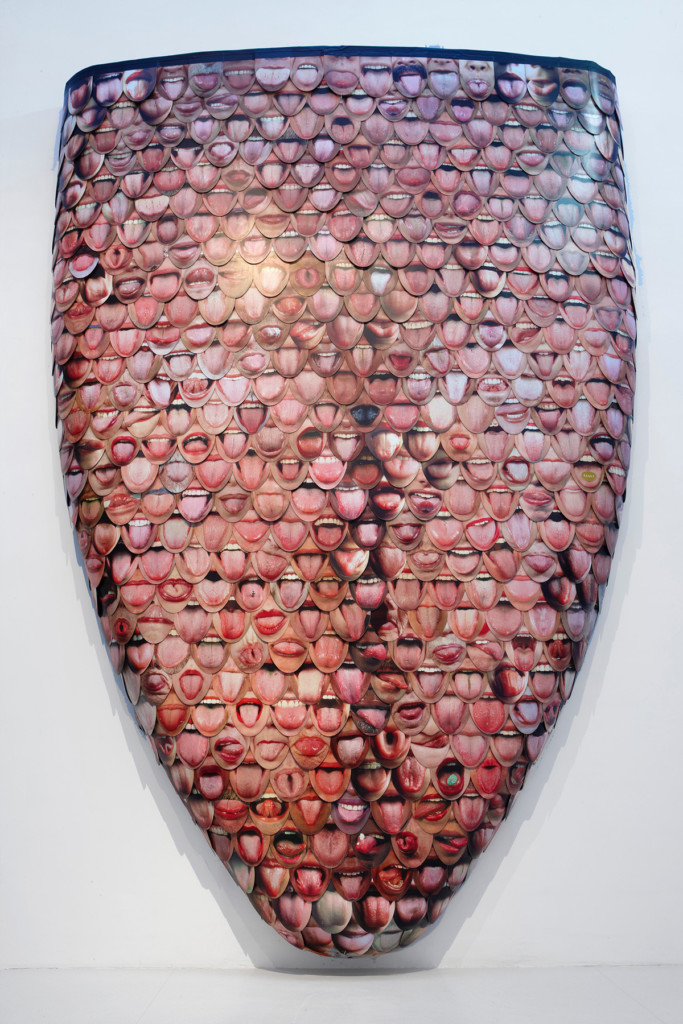
Spools, spindles, mirrors, rotated forms… the body of work presented for this exhibition constitutes a set of videos, annealed and scientific glass sculptures, and large format drawings. All revolve around the same reflection (or vacillation) on the tongue. Further, blown glass is introduced not only as creative and transformative material—unraveling some of the fabrication and manipulation processes natural to the craft—but also as a bridge between object and language, body and word.

A slip, a lapsus linguae: threads, multiple, are infinite. Attempts to translate are though limited and bound to fail, since they cannot but differ from the “original”. After all, they both suggest countless possibilities. Molten glass has to be in permanent movement in order to be shaped; language does too, so to be transformed and not swallowed by immobility. This exhibition invites to think some of these inevitable lapses together, in the intent of language or of the body itself to escape from our mouths. Everything twirls around fire.

Pablo Vindel’s 28 lapsus linguae is a journey through blown glass, video-poetry and drawing as performance documentation, all of which the artist created during and in the aftermath of his recent artist residency at the Creative Glass Center of America and Museum of American Glass. A discursive and aesthetic corpus also based on a two-year experience as Sullivan Scholar through Stetson University (DeLand, Florida)—Stetson brings him in contact with an extraordinary group of experimental poets: sound-poets, video-poets, and concrete poets with whom he has the opportunity to psychologically and physically experience different spaces of the state of Florida (USA), Santiago de Chile and Rio de Janeiro. And last but not least, a profound interest in the materiality of language and its translatability. 

ARCO Lisboa 2018

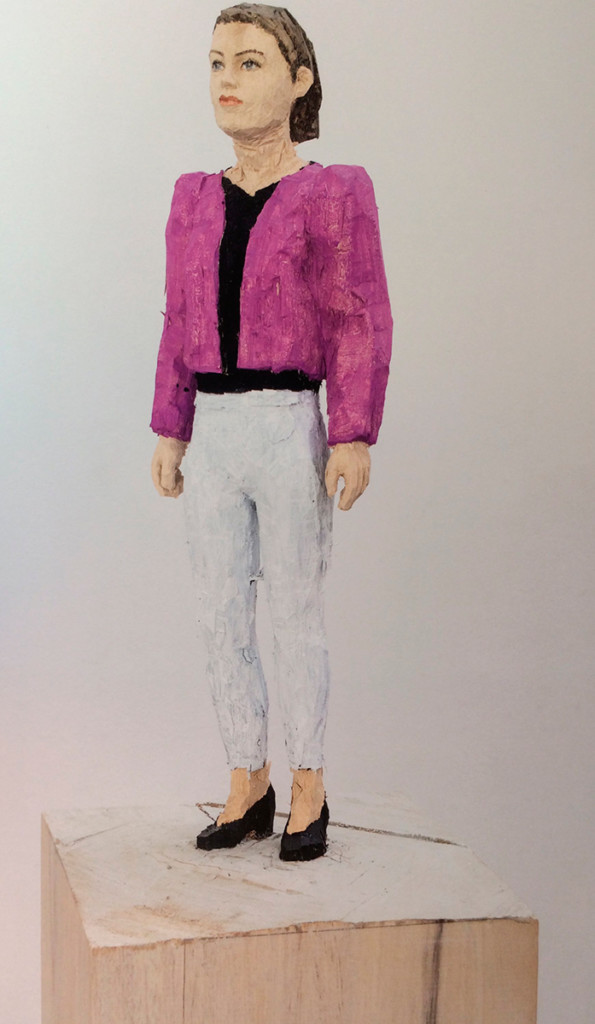
For the occasion, an installation composed of five pieces that was chosen which dialogues with each other in order to highlight and put in evidence the very personal style and the special concept of the German artist. Sculptures carved in wood and low-reliefs are constant in his production. The human figure represented always as an iconic form, at the same time the contrast with some of his other pieces that follow a more abstract and minimalist line; influenced intellectually and artistically by the sculptor Ulrich Rükriem. Balkenhol developed his own language by approximation and contrast of Rükriem artistic thoughts.

Stephan Balkenhol´s participation in the special projects section of ARCO Lisboa 2018 is part of the intense program of exhibitions that Stephan Balkenhol has displayed in the last years. Among them, deserve to be highlighted the very recent Retrospective in the Center of Contemporary Art in Malaga – CAC Málaga – where the sculptures here we presented were previously seen – and New Sculptures first individual of Balkenhol in Barcelona; Galeria SENDA.

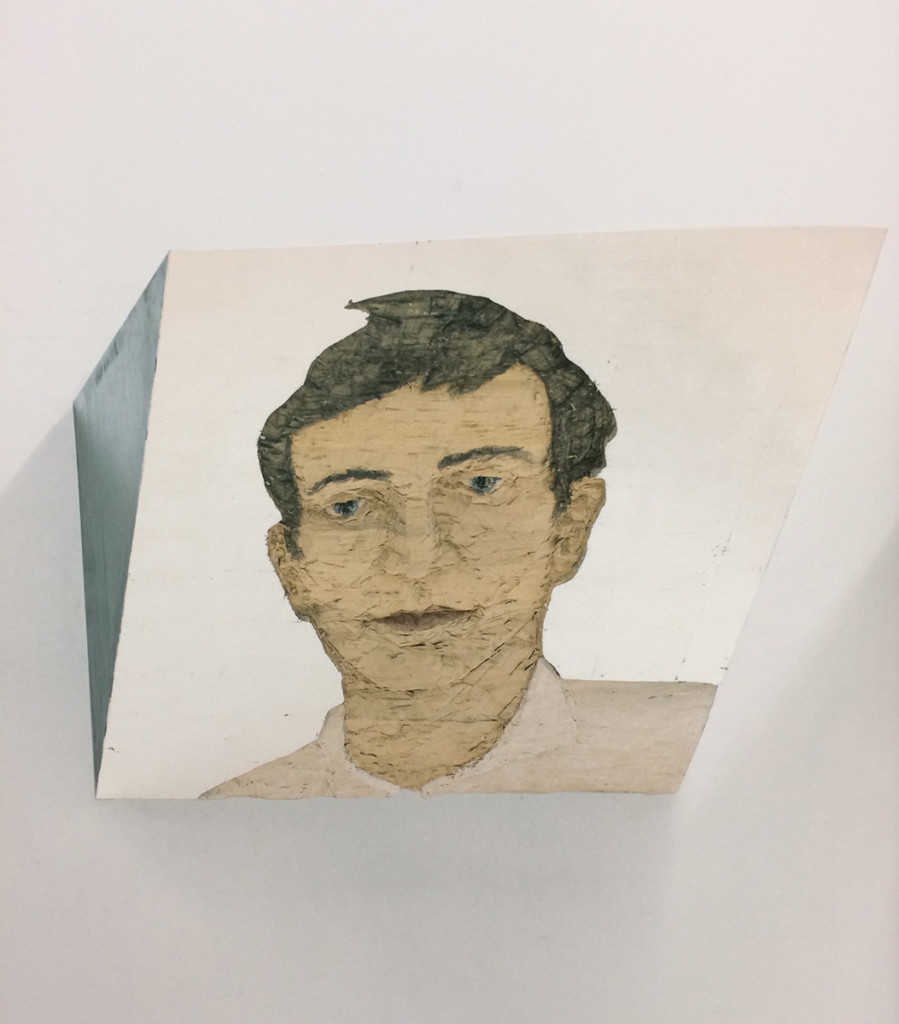
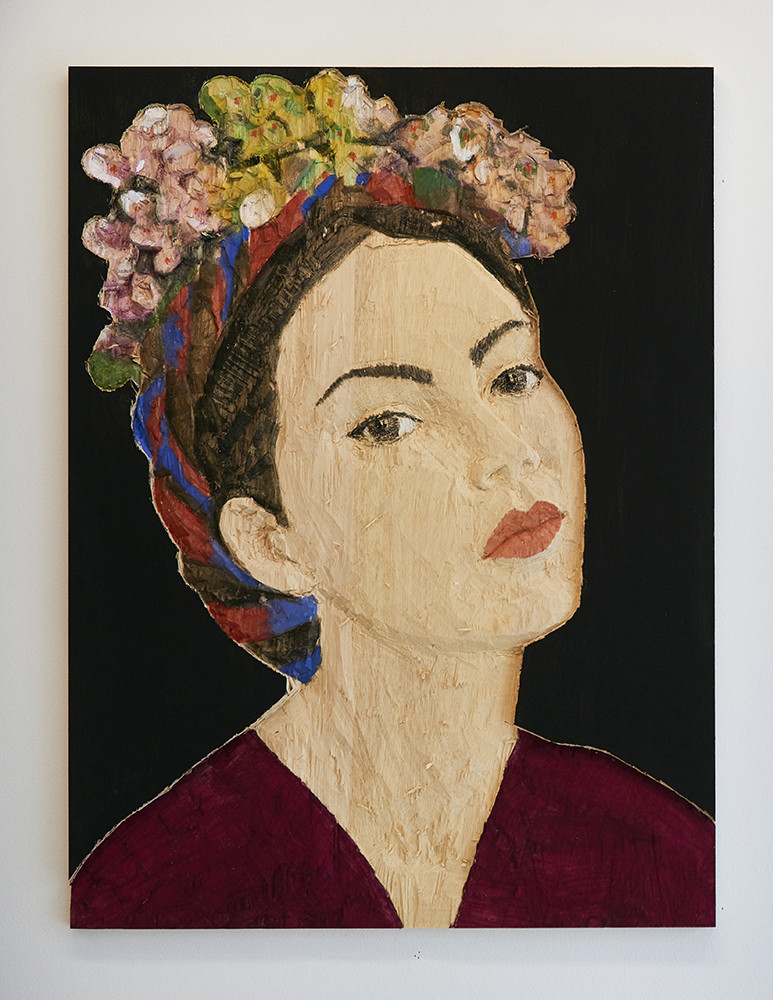
The german sculpture has been characterized by the artist’s striving to re-ground figurative sculpture. He stood out against the prevailing tendencies is articulated through his very personal Technic. Balkenhol carving soft wood of Alamo and Obeche, materials that remain clearly visible in the work through chisel marks, cracks or knots in the wood. The work process left marks through slabs or splinters that contrast with polished areas. In most of the sculptures uses a single block of wood which usually polychrome to delimit the robes and theme include a pedestal in sculptures totem types that remains the popular art and refer to medieval carving techniques.

Balkenhol strength with his work an exchange with the viewer, which immerse in a deep atmosphere of complicity. The artist also underscores as part of the compromise with the contemporary, the different between the sculptural scale, as the ideal scale, and the human scale as the real standard.


Art Brussels 2018

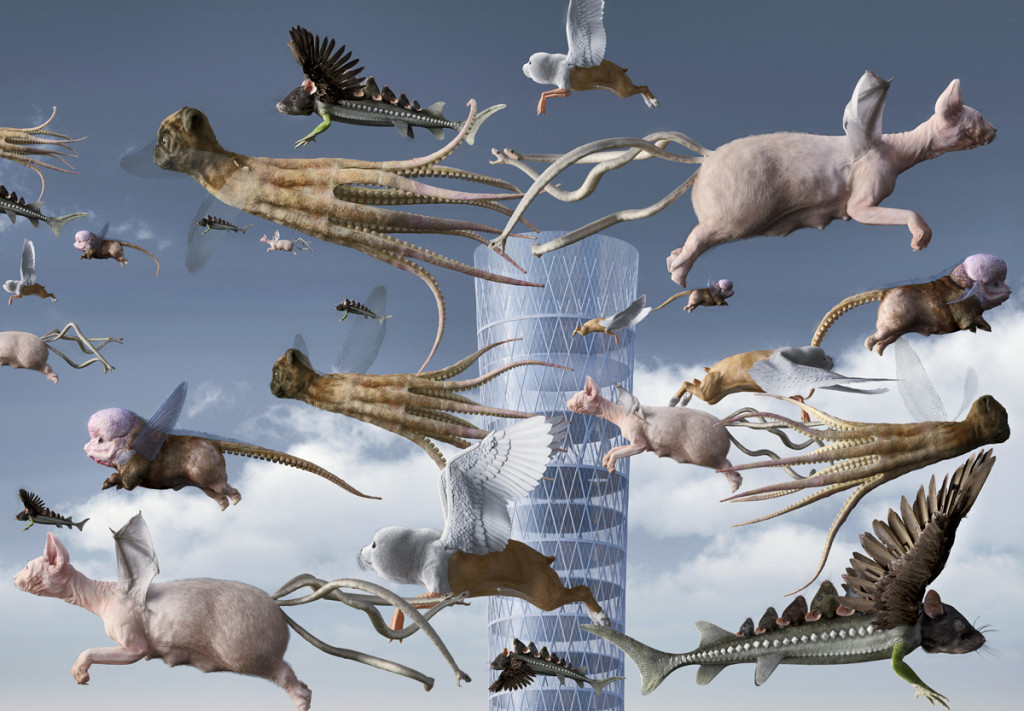
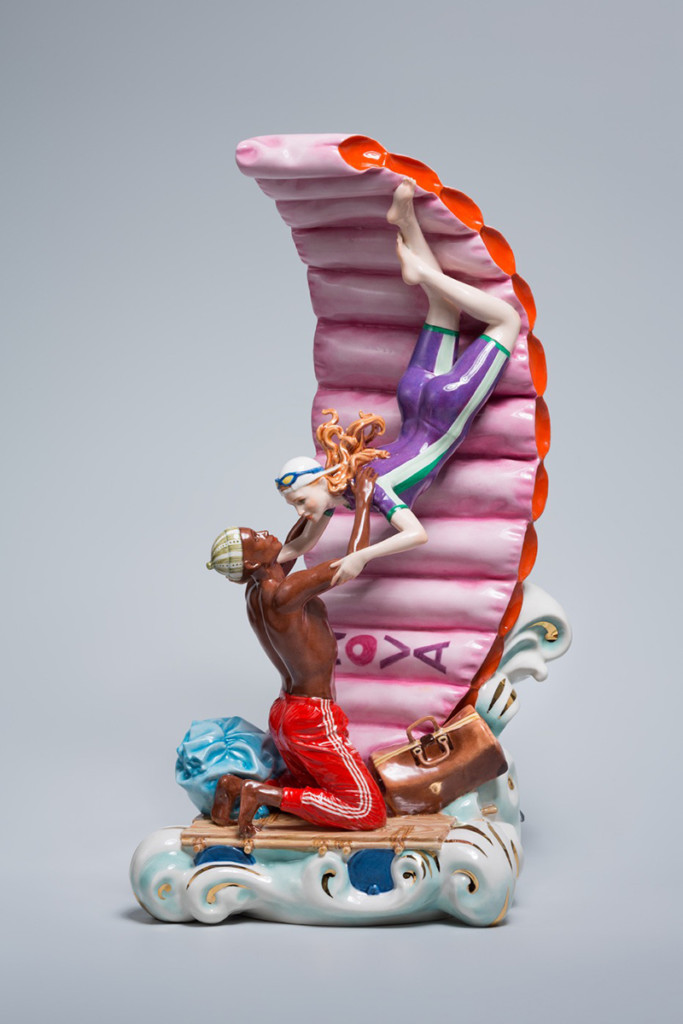
Galeria Senda will be participating in 50th edition of Art Brussels whit works of the artists: AES+F, Stephan Balkenhol, Sandra Vásquez de la Horra, Anna Malagrida, Francis Ruyter, Glenda León y Aitor Ortiz.


Ola Kolehmainen presents “Sacred Spaces”

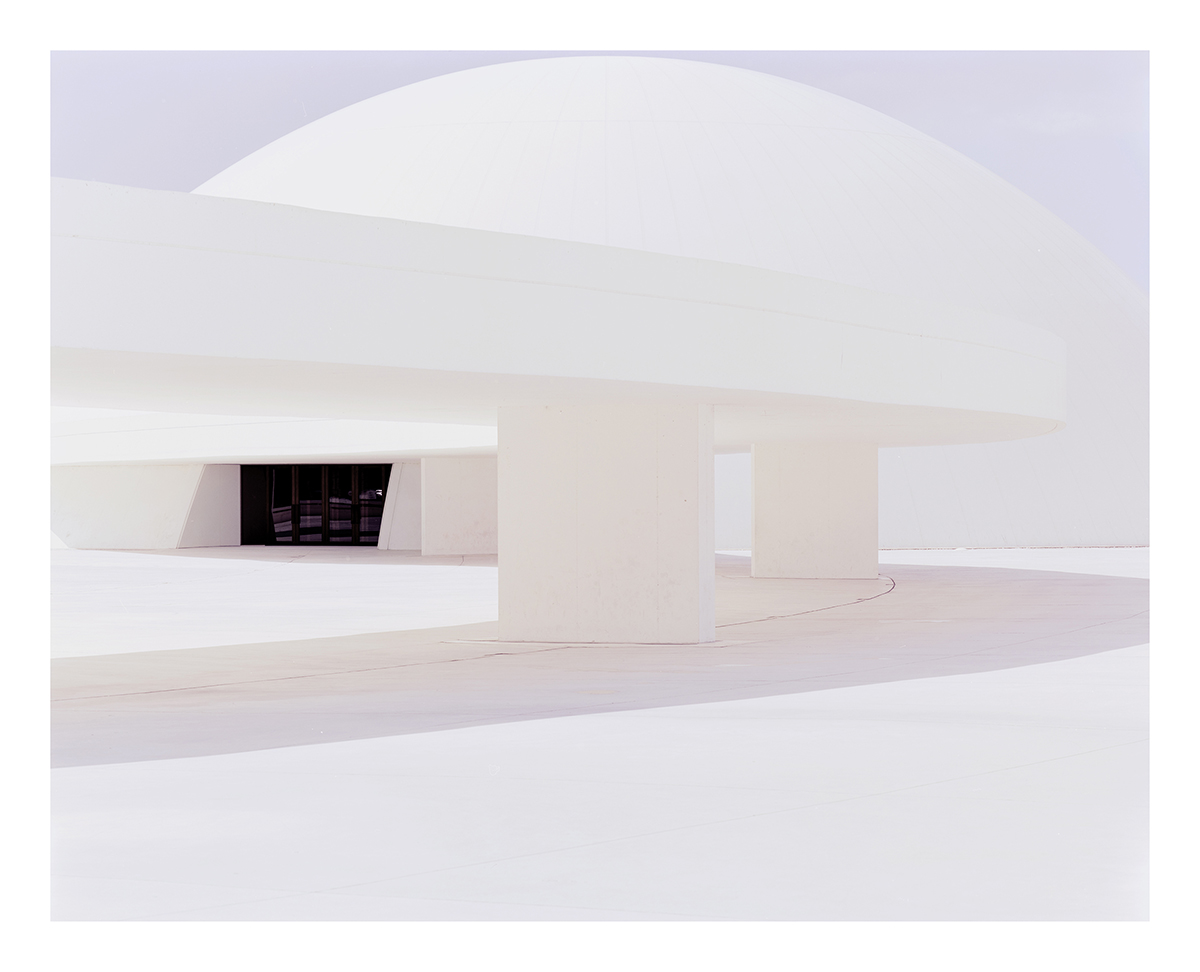
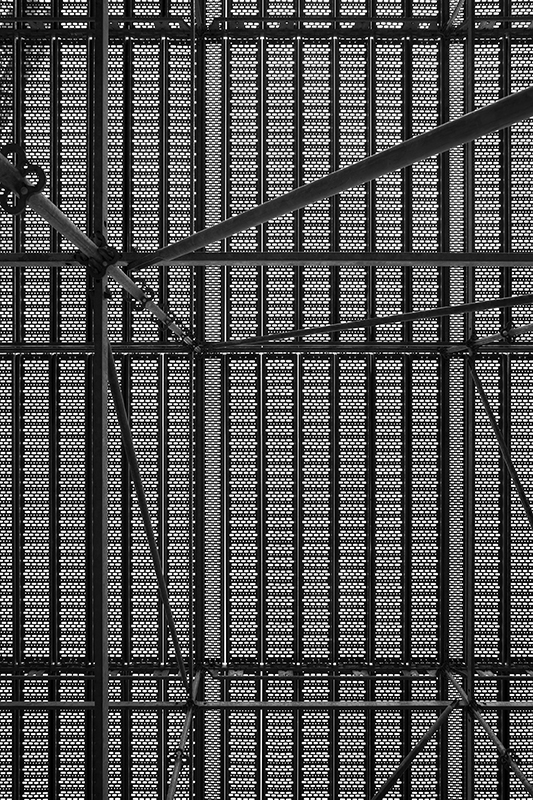
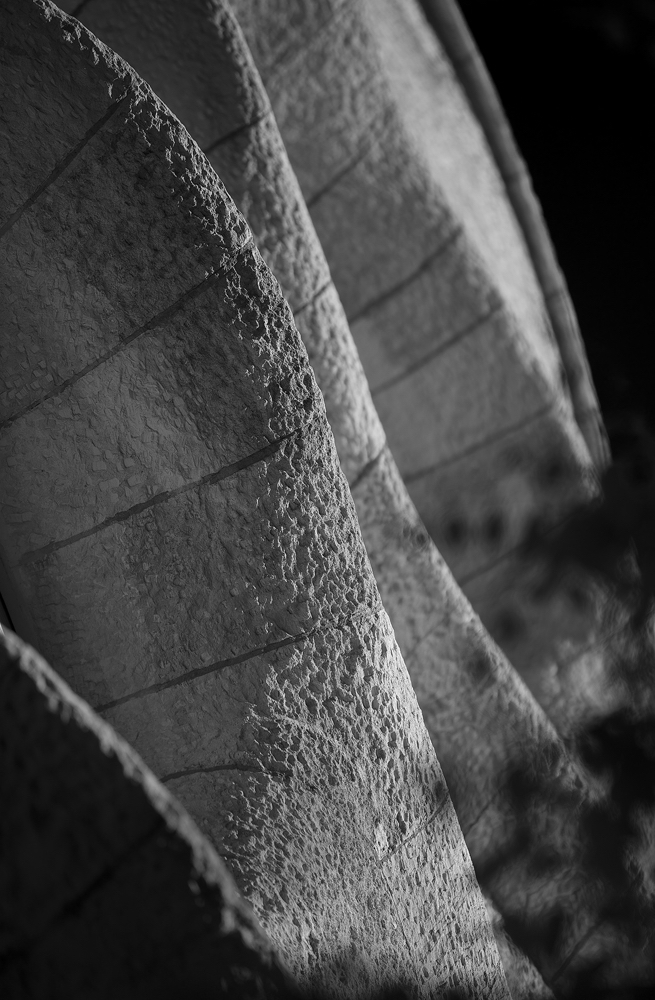
Ola Kolehmainen received in 2014 a commission of the Borusan Collection of Istanbul to develop a photographic project about the Byzantine tradition and the mosques built by the ottoman architect Mimar Sinan. Ola Kolehmainen’s work has always been characterized by reflecting images of contemporary architecture and in this occasion, and for the first time, historical buildings became the object of work. When he was developing Istanbul series, Kolehmainen conceived in parallel the idea of Sacred Spaces’s ones in which spirituality is linked again with contemporary creation through an extensive study of the aesthetic and historic legacy of the religious architecture.

The process of photographing antic empty buildings took him almost fourth years. The pieces are the result of an exhausting research of lighting and framings, based only on the natural light and artificial pre-existing of the building without any type of effect or manipulation. Each place required very careful selected moment to capture a specific light of the desired enviroment.

In some photos of this series Kolehmainen develops a new visual approach based on the fragmentation and deconstruction technique. The views of the spaces are divided and reassembled again in a by-chance-collage through multiples perspectives that create one unique image. In this way, the photos offer a three-dimensional feeling from the use of wide depth field and ranch of lights and shadows. Ola compares this technique of framed details with the reading of a book:


“You get caught. Stuck on details. Drawn in. We get to go back. Focus on a point of reference. The frame helps us focus on the details within it”

The result of the project becomes a visual celebration where the atmosphere and the light are the common thread that weaves images of main monotheistic religious buildings. The ancient churches, synagogues and mosques contribute in the work of the artist with a new research paradigm in the research that captures sublimity and mysticism. At the same time, his work reflexes the points in common and underlines the mutual influences of the deferens religions inviting the viewer to the reflection about universal nature of Sacred Spaces.

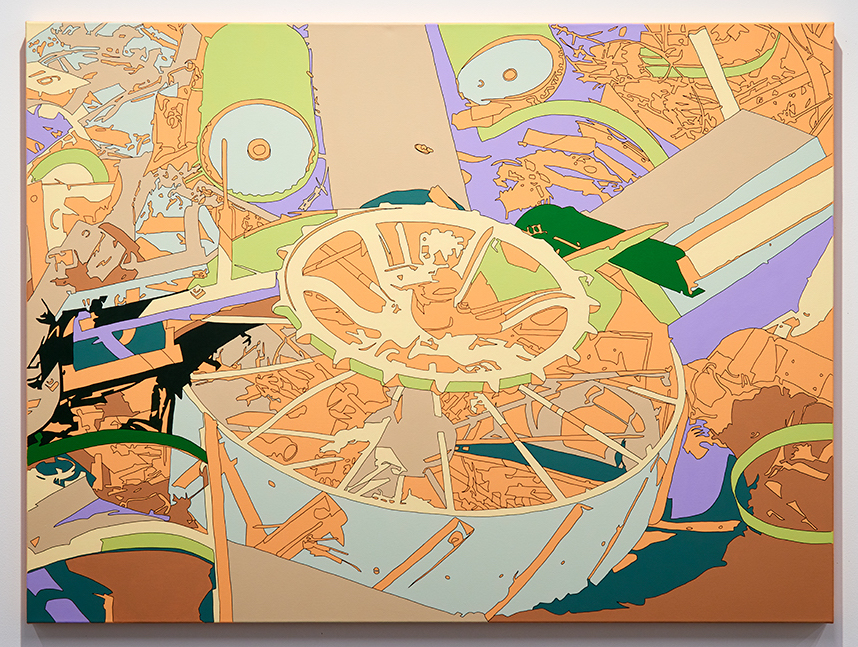
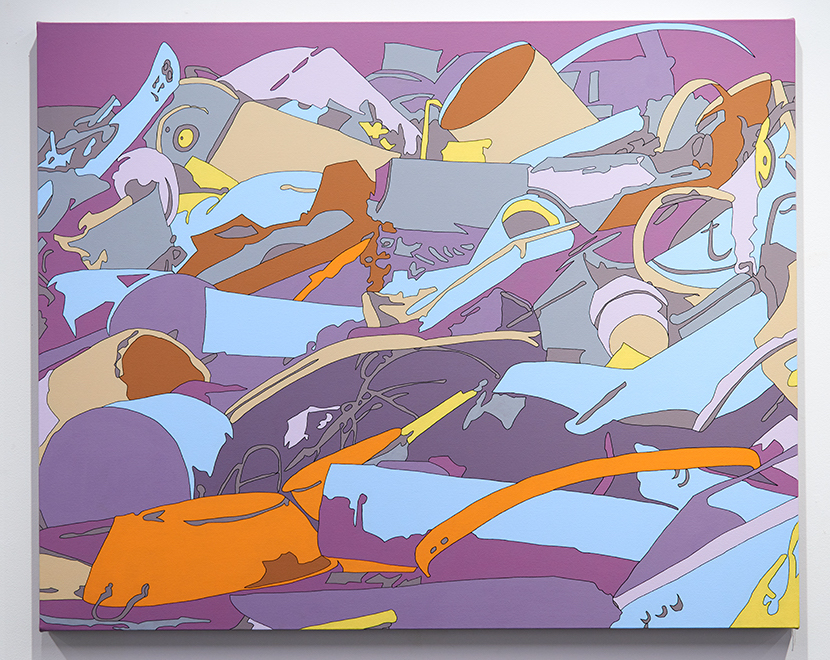
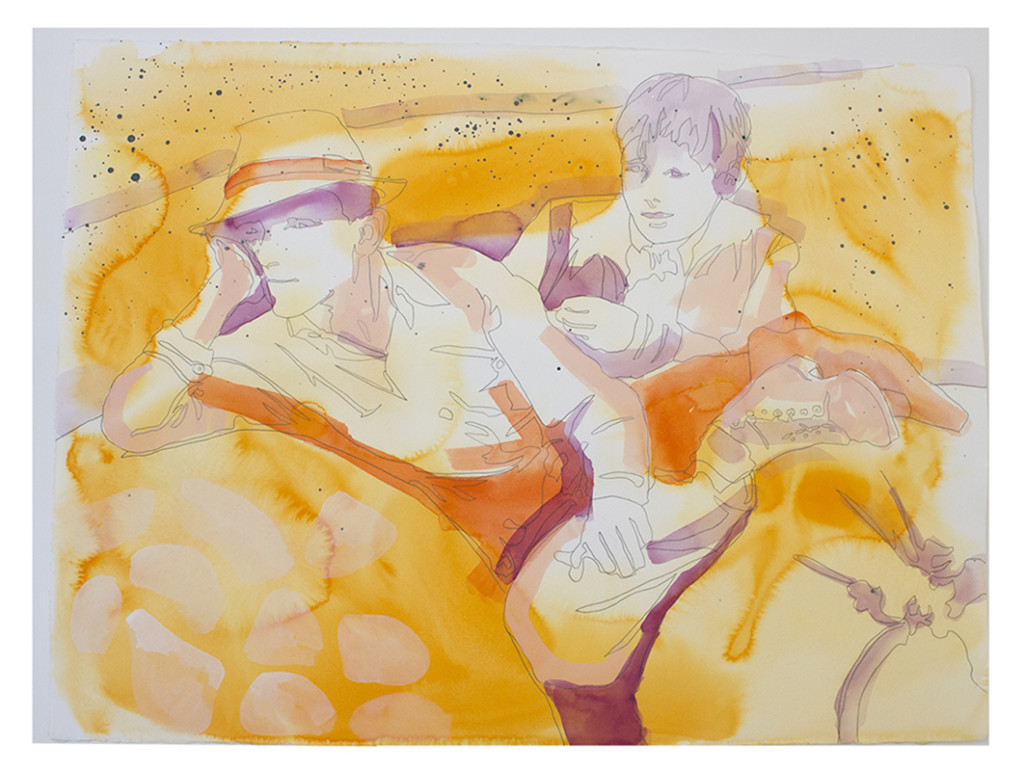
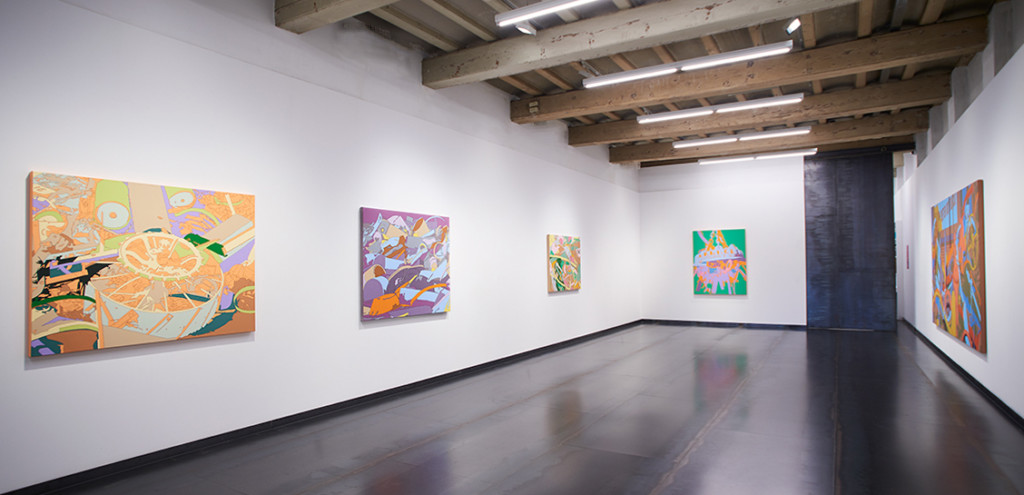
Francis Ruyter “Let Us Now Praise Famous Men”

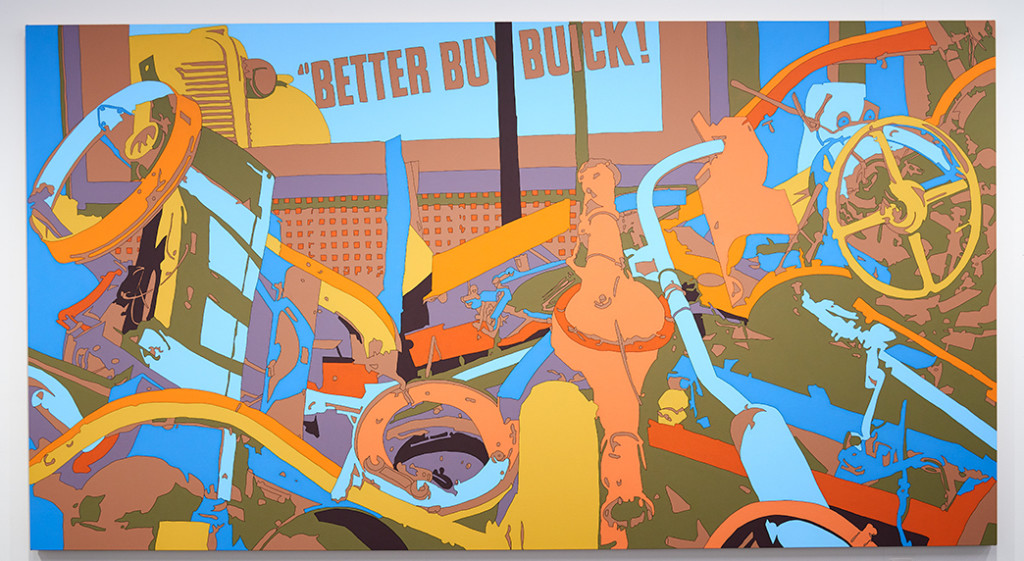
The title of the present exhibition Let Us Now Praise Famous Men refers to the book of the same name written by James Agee and illustrated with photographs by Walker Evans. Published in 1941, it documented rural life in the United States during the Great Depression of the 1930s. Francis Ruyter uses appropriationism as a tool; all the paintings have as reference photographs of the huge patrimony treasured by the Library of Congress of the United States. It is one of the largest archives in the world created from the funds of the Farm Secure Administration and the Office of War Information: black and white images that portray the life of the Americans between 1935 and 1944. These images, produced through gubernamental agencies, transcend the propaganda and, at the end, have become a reference for the American identity. It is a file reviewed by multiple authors with a generative character as it is digitized and disseminated.

The archival objects of the post-industrial era have already been subjected to systems of order and reclassification and lately they are divided in a global scheme through the Internet. The growing presence of data banks, image files and visual interfaces allow us to trace Ruyter’s interest in photographic archives. This can be compare with technological ruins that face the changes of the scientific and social knowledge that provides Ruyter’s paintings a contextual depth of referents connected by interrelated nodes.

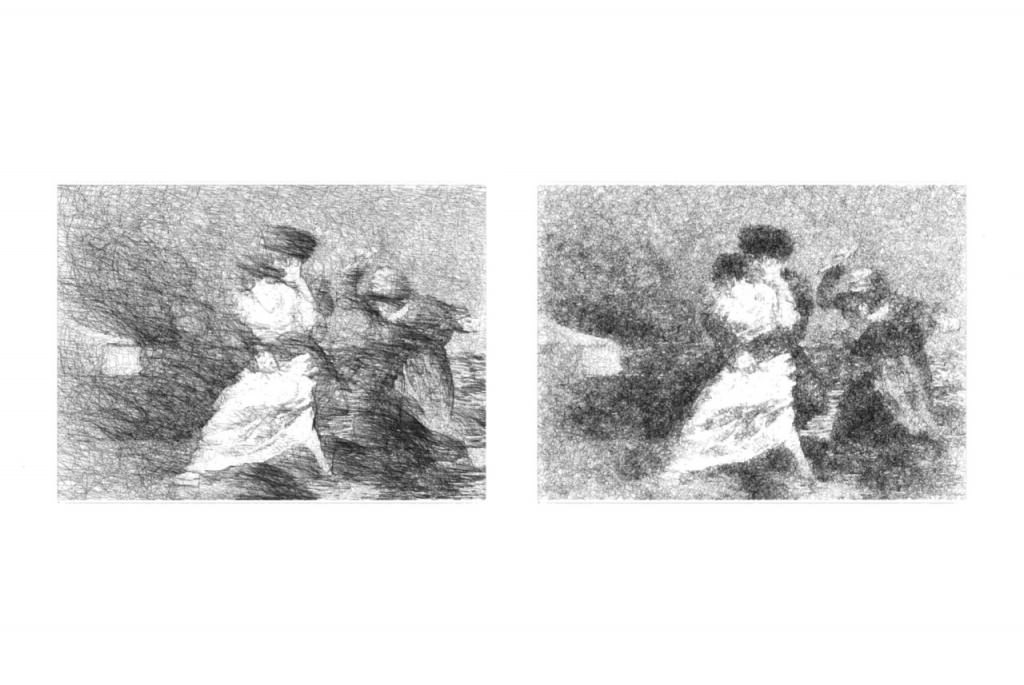
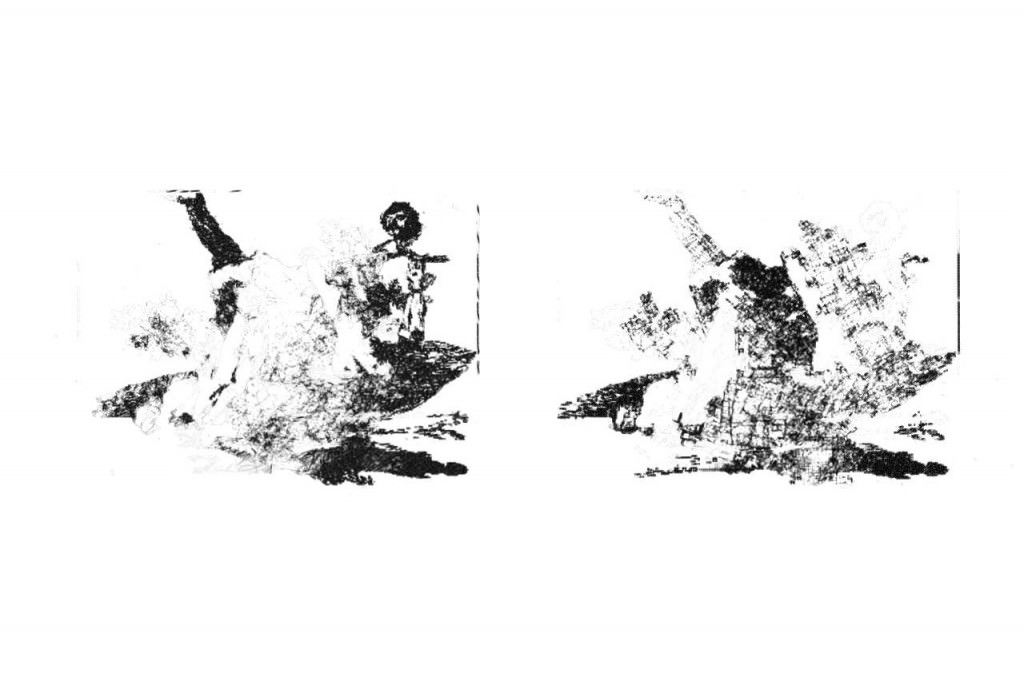
The artistic process of Francis Ruyter merges new technologies with traditional techniques of drawing and painting. Ruyter uses monochrome paint and permanent marker to recreate the images of these photographs. These works deployed visually as abstract paintings despite their figurative origin. We are faced with synthetic works with a marked tone reduction, painted with non-naturalistic colours at all, and composed of energetic colour planes. This saturated chromaticism comes violent in conflict with our perception of the photographic act as a graphic document that brings verisimilitude to the image. The contours divide the surface into planes of shadows clueless in a representation in which the illusion of depth is eliminated. This denial of the volume reduces to the minimum expression the photographic origin of the image as the language of light and emphasizes the markedly two-dimensional character of the work.


Teresa Serrano, The forgotten history of the first drug war

Without any doubt drug trafficking and the war against drugs in Mexico has generate a rich popular imagination around it. This set of strongly symbolic images has disrupted lot of the relations that we build with the culture that drift in the drugs world and with the nature related to it.

The case of poppies (Papaver Rhoeas L.)  is definitive of this demonization of the nature related with drugs. Once common silvester plant, today is a beautiful flower demonized for its uses on the production of narcotics, for this reason, its a flower that have lost its natural condition on the loose. It has turned in a covert flower, prisoner in the clandestine laboratories of drugs.

In a very acute way, Teresa Serrano has treated not only  with reflexión and criticism but also poethicaly the politics related with the war against drugs in her native country, Mexico, starting with the poppies as a powerful argument.

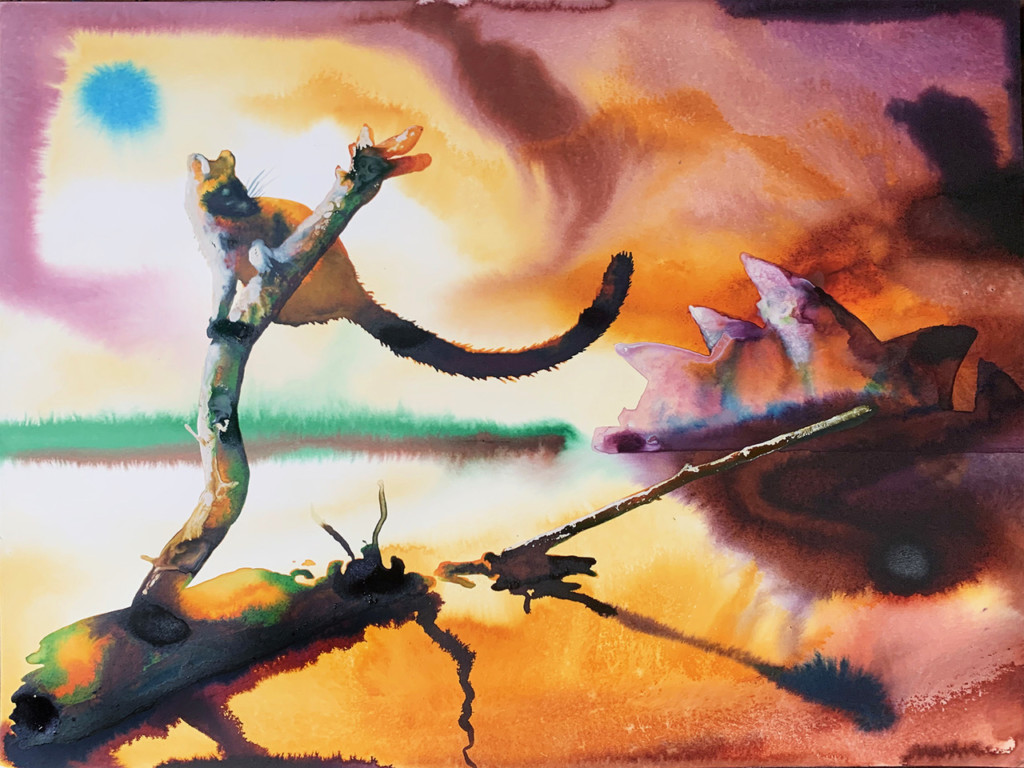
In 2016, she dedicated herself to the production of 24 poppies that, like the artista explain, were “directly painted with acrylics on Fabriano paper, Strathmore and Canson paper folders, without previous drawing. Paintings made in a purist and botanic way. They are tribute to the beautiful flower of the poppy, red and velvety flower that produces heroine. Due to the war against drug trafficking in Mexico, the flower doesn’t grow spontaneously in the field. It has being stigmatized. It is just in possession of the traffickers that have caused the death of more than 60.000 deaths in mexican land, that reminds to a mass grave of missing persons”

This repetitive gesture around reproduction of poppies that reminds the well known aphorism of Gertrude Stein: “a rose is a rose is a rose”, had in turn its counterpart in a video production: technique in which Teresa Serrano is pioneer in Latin America.

Her video Amapola also from 2016, is a paradigmatic work not only because of the topic by itself but also of the artistic production of this important Mexican artist. On it, she recovers the flower from its stigma, and in a gesture of resistance against its negative condition, enriches it from a kinder and more universal imagination, because Teresa Serrano sings Amapola in her video, a very famous song of the cadiz composer José María Lacalle: a popular and classical hymn about this flower. The video undoubtedly puts both universes in tension – the negative, represented in a single poppy in the middle of a vast field – and the positive, embodied in the romantic and sentimental song of Lacalle.

However, The forgotten history of the first drug war is an even more suggestive project because it crystallizes the historical dimension that the work of this artist already has, showing the attentive look that Serrano has always devoted in his work to the  sexual, social, political and religious tensions in the world of today. This is evidenced by the incorporation into the exhibition of six historical pieces, made a quarter of a century before and on this same subject.

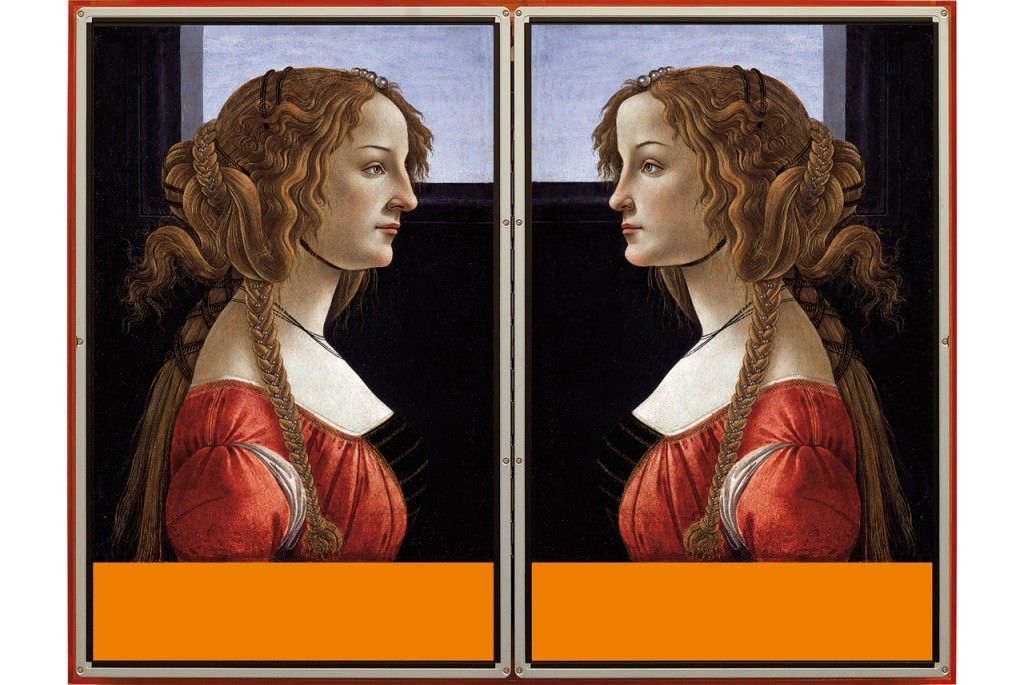
In 1993 Teresa Serrano addressed the problems of what was then the first war on drugs in a series of diptychs made with collage and painting. In these works the artist incorporates the poppies from an imaginative register in which the flower was not the secret and negative plant of our days, even though during those years she was suffering her first battles from the Mexican anti-narco organizations and the American DEA. In the diptychs, the flowers face their derived products from the commercial scope of old and kind pharmaceutical advertisements. This “mirroring” condition is doubled since the collage is made with the proper ads of the poppy derivatives while the painting and the drawing delineates the flowers themselves.

These diptychs announced in turn, thanks to the textual inscriptions of Serrano, that the present of the flower was that of his first war. Paradoxically, these sentences placed the beautiful painted or drawn poppies and their pharmaceutical products in the romantic space of their history.

With The forgotten history of the first drug war the artist reminds us that this war is already a forgotten story (and perhaps a lost war) and that the poppy is living a permanent conflict for its natural subsistence away from this rather artificial war against drug trafficking and his negative imaginary. At least the poppy survives, against the current of its disappearance, in the intelligent and subtle work of Teresa Serrano.

Carlos Palacios

Catalina Jaramillo presents “Las Palabras del Optimista”

The Colombian artist Catalina Jaramillo presents her latest work  Las Palabras del Optimista around the sixth edition of ArtNou Barcelona 2017, event that is responsible for generating a boost to emerging art and the new artistic generations. 

Jaramillo is a young artist  graduated in visual arts in the National University of Colombia. Her work revolves around contemplation, with constants reference to literature, fiction and her own biography using the drawing in non-traditional media. Her pieces has been exhibited individually in deferents galleries in Latin America.