






- No products in the cart.
JAUME PLENSA: A Collector’s Guide
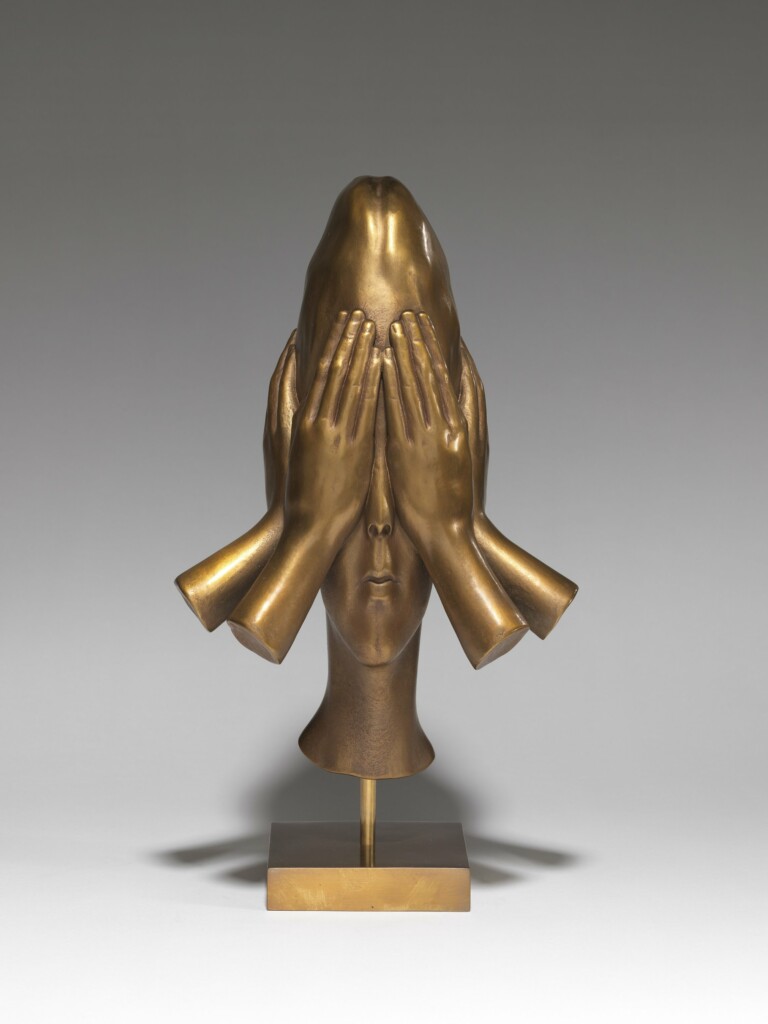
Jaume Plensa’s sculptures (Barcelona, 1955) are large-scale works centred around three recurring motifs: serene female heads with closed eyes, bodies constructed from letters drawn from different alphabets, and interactive fountains incorporating water and light. His works can be found in public spaces in Madrid, Barcelona, Zaragoza, Chicago, New York, London and Antibes. Alongside these monumental projects, the artist also maintains an extensive production of small-scale sculpture and graphic work accessible to private collectors.
This dual dimension helps explain the singularity of his practice: a twelve-metre-high white face with closed eyes in the middle of a public square requires no prior knowledge; it asks for silence. In this guide, written from Galeria Senda, a contemporary art gallery in Barcelona established in 1991 and representing works by Jaume Plensa, we look at which pieces can be seen in Spain, which are worth travelling for, what his recurring forms mean, and how one moves from admiring a monument to living with one of his works at home.
Who is Jaume Plensa?
Jaume Plensa Suñé was born in Barcelona on 23 August 1955 and studied at the Escola de la Llotja and the Escola Superior de Belles Arts Sant Jordi. Since the 1980s, he has worked in Berlin, Brussels, England, France and the United States, and today once again maintains his studio in Barcelona, according to the artist’s profile at MACBA.
Artist at a glance
- Full name: Jaume Plensa Suñé, Barcelona, 1955.
- Disciplines: sculpture, installation, graphic work, drawing and opera scenography.
- Materials: cast iron, bronze, stainless steel, alabaster, glass, resin with marble dust and concrete.
- Awards: National Prize for Visual Arts, Velázquez Prize for Visual Arts (2013) and National Graphic Art Prize awarded by the Calcografía Nacional (2013).
- In March 2026, King Felipe VI appointed him Honorary Ambassador of Marca España in the Art and Culture category, an appointment we discussed on the gallery’s blog.
Silence, body and language
Three recurring elements run through much of Jaume Plensa’s work: silence as a space for thought, the human body as a measure of the world, and written language as physical material. He began by working with cast iron, concrete and marble, later incorporating glass, alabaster, steel, light, water and sound. He is a conceptual artist who never relinquishes immediate emotional impact, allowing his work to engage a broad public without losing its critical density.
Where can you see sculptures by Jaume Plensa in Spain?
There are at least five public sculptures by Jaume Plensa in Spain that can be visited free of charge: Julia, El árbol de la vida and Iris in Madrid, Carmela in Barcelona, and El alma del Ebro in Zaragoza.
Julia, in Madrid’s Plaza de Colón
Julia is a twelve-metre-high head made from polyester resin and white marble dust, installed in December 2018 on the pedestal once occupied by the statue of Columbus. Originally conceived as a temporary intervention lasting one year, the city later decided to extend its stay. It is currently due to remain in place until December 2026, with a possible extension to 2027, according to Madrid City Council. The face looks westward and casts an exceptionally long shadow at sunset.
Carmela, opposite Barcelona’s Palau de la Música
Carmela is approximately four and a half metres high, made of cast iron, and has stood at the corner of the Petit Palau since 2016. It arrived as part of a temporary exhibition and was originally destined for the United States, but local residents asked for it to remain and the artist ultimately donated it to the city. The face is based on a scan of a teenage girl from Barcelona and compressed along one axis: broad from the front and extremely narrow in profile.
El alma del Ebro, in Zaragoza
El alma del Ebro was installed for the 2008 International Exposition: a seated figure in a foetal position, approximately eleven metres high, made from a lattice of laser-cut steel letters and documented in Zaragoza’s public art inventory. The surface is open rather than closed, allowing visitors to step inside. It is here that one of Plensa’s central ideas becomes especially clear: the body as a container and words as its cells.
Iris and El árbol de la vida, two recent commissions in Madrid
Madrid is also home to two less tourist-oriented works: El árbol de la vida (2020), in Plaza de los Sagrados Corazones, and Iris (2024), a white steel head located in the lake at Distrito Telefónica. Both arrived through corporate patronage, which today supports a significant part of public art production.
What are Jaume Plensa’s most famous works?
Among Jaume Plensa’s best-known works are Crown Fountain in Chicago, Dream in St Helens, Water’s Soul facing the New York skyline, and Nomade in Antibes. The following table summarises some of his major public sculptures.
| Obra | Año | Ubicación | Material | Altura |
|---|---|---|---|---|
| Crown Fountain | 2004 | Millennium Park, Chicago | Glass, LED screens and water | 15 m |
| El alma del Ebro | 2008 | Recinto Expo, Zaragoza | Steel letters | 11 m |
| Dream | 2009 | Sutton Manor, St Helens | Concrete | 20 m |
| Nomade | 2010 | Bastión Saint-Jaume, Antibes | Steel letters | 8 m |
| Carmela | 2016 | Palau de la Música, Barcelona | Cast iron | 4,5 m |
| Julia | 2018 | Plaza de Colón, Madrid | Resin and marble dust | 12 m |
| Water’s Soul | 2021 | Newport, Jersey City | Resin and marble dust | 24 m |
| Iris | 2024 | Distrito Telefónica, Madrid | Painted steel | n. d. |
Crown Fountain, Chicago
Crown Fountain opened in 2004 in Millennium Park: two glass towers approximately fifteen metres high facing one another across a shallow sheet of water over black granite. Their screens display the faces of one thousand Chicago residents, who periodically appear to spout water from their mouths like contemporary gargoyles, as described by the City of Chicago. It is his most popular work and one of his most radical: the monument ceases to commemorate a hero and instead portrays anonymous citizens.
Dream, in St Helens
Dream is a twenty-metre-high white head erected in 2009 on the former spoil heap of Sutton Manor Colliery in Merseyside. The project was chosen by retired miners themselves, and the local council continues to maintain it as an emblem of the area. Few contemporary sculptures have addressed an industrial landscape with such literal force.
Water’s Soul and Nomade
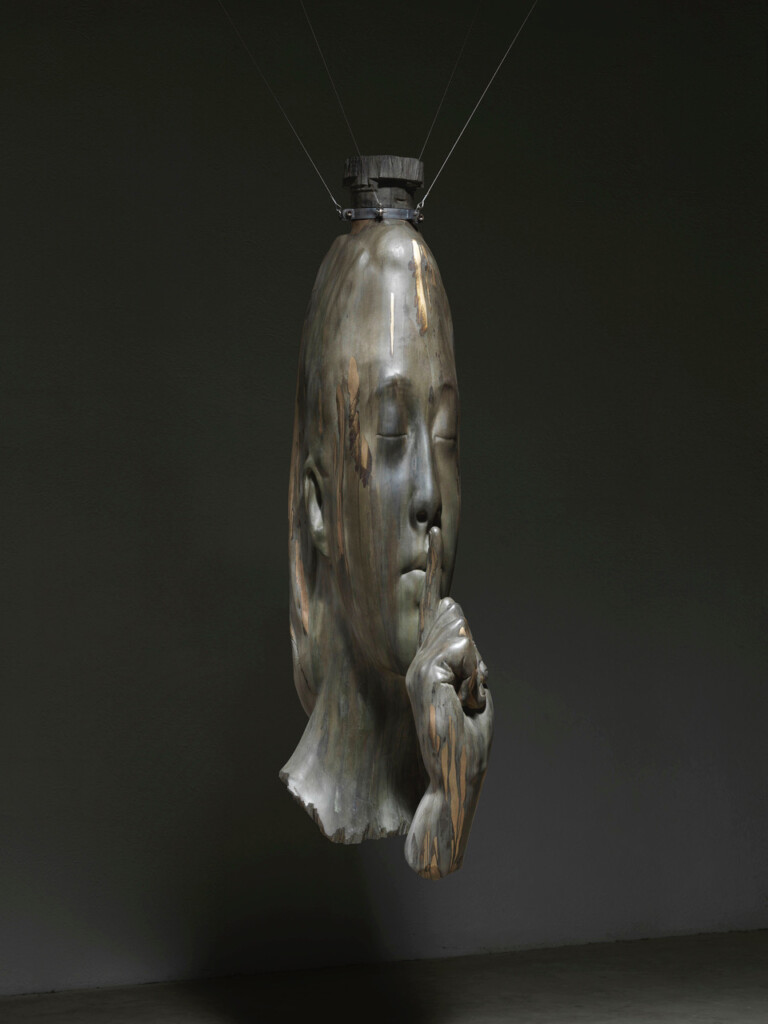
At twenty-four metres, Water’s Soul is the tallest work Jaume Plensa has produced. It depicts a woman with closed eyes holding a finger to her lips along the Newport waterfront in Jersey City, facing New York. Nomade, located at the Bastion Saint-Jaume in Antibes, is an eight-metre-high seated male figure constructed from steel letters. Visitors can enter the sculpture and look at the sky through its alphabetic structure.
Why do Jaume Plensa’s heads have their eyes closed?
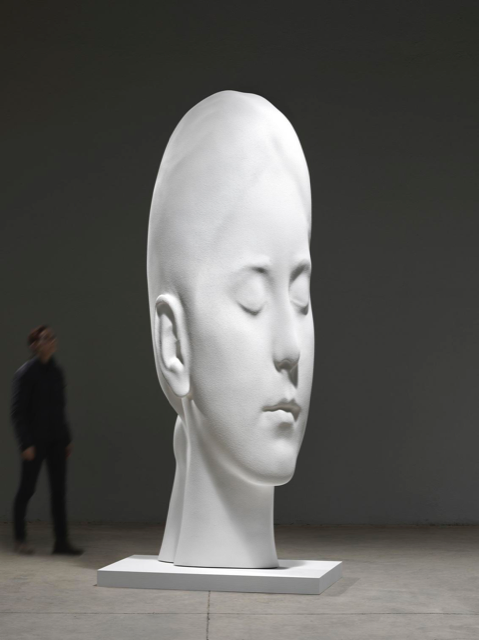
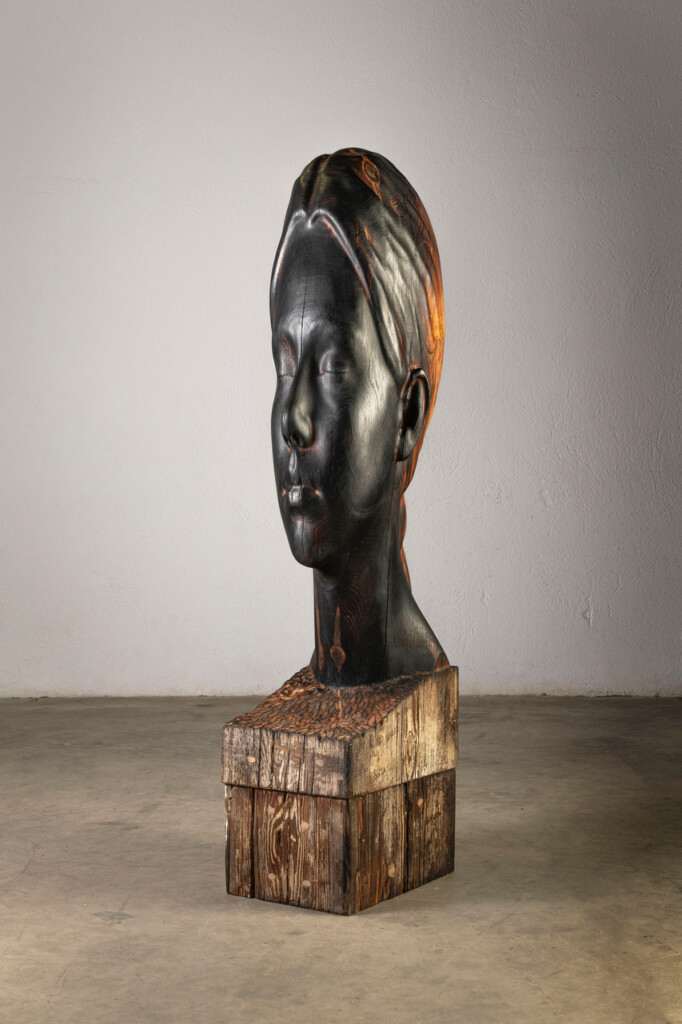
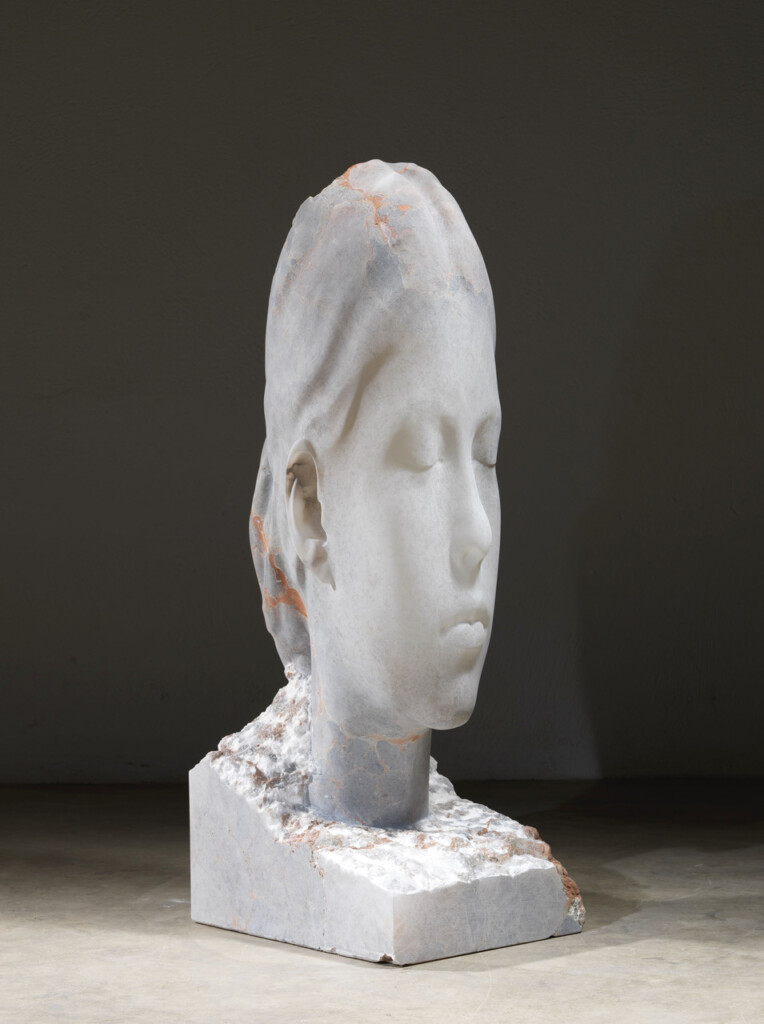
The heads are Jaume Plensa’s most recognisable body of work, and this is one of the questions we are asked most frequently at the gallery. The explanation the artist has given on numerous occasions is that he considers the head a vast container of knowledge and emotion, while the closed eyelids invite the viewer to turn inward, as though the work itself were a mirror.
Most of these sculptures begin with a three-dimensional scan of the face of a real girl or young woman, often identified by name: Julia, Carmela, Awilda, Laura, Sanna. The portrait is then subjected to an anamorphic distortion that compresses one axis and elongates another, causing the work to shift perceptually depending on the viewer’s position. Another detail often goes unnoticed: the matte white surface evokes classical marble while simultaneously contradicting it, since the material is usually resin or painted steel.
The letter sculptures: alphabets that construct bodies
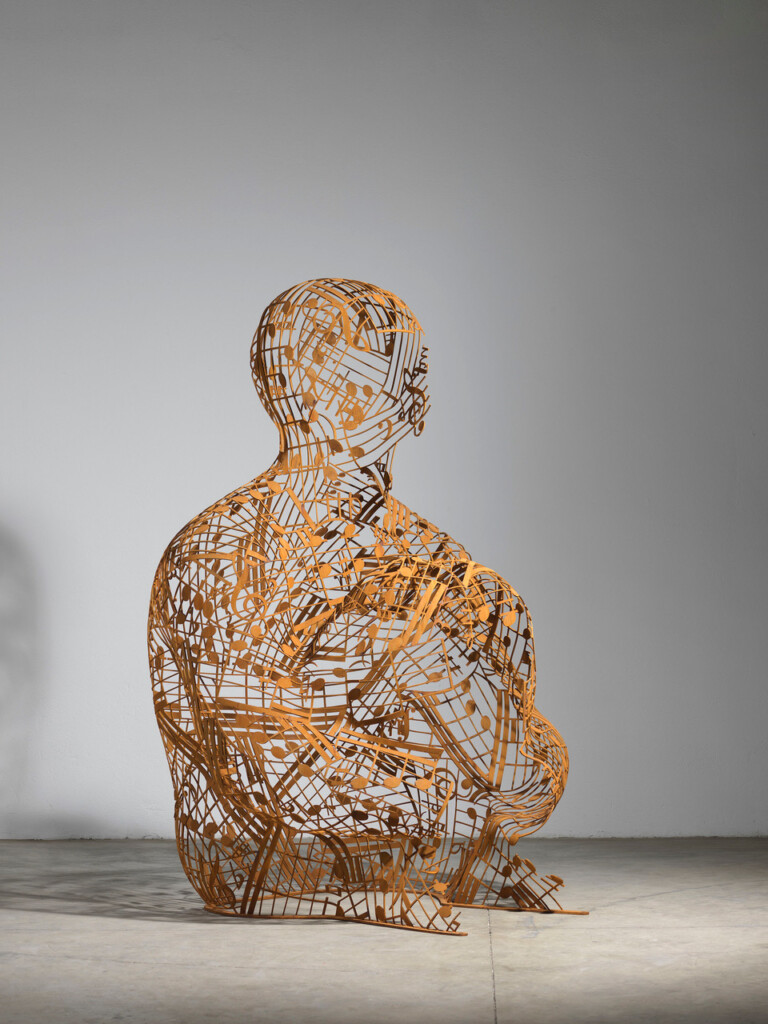
The other major family of works in Jaume Plensa’s practice consists of bodies built from Latin, Arabic, Cyrillic, Hebrew or Japanese characters. They are not literary quotations: the letters function as cells, as tissue. By mixing writing systems that no single viewer can fully decipher, Plensa introduces an idea that is at once unsettling and beautiful: human communication is always partial, yet it is still capable of constructing complete bodies.
These structures are also hollow and can often be entered. Light passes through them, casting changing shadows throughout the day. The monument stops functioning as an opaque obstacle and becomes a place that people can inhabit and sit inside. For a garden or interior courtyard, this is often one of the most appealing approaches, because the sculpture changes according to the hour and the season.
Materials, scale and conservation
Understanding how Jaume Plensa’s sculptures are made is important when considering a purchase, even at a smaller scale. Each material brings its own requirements: bronze and cast iron require technical anchoring, alabaster depends on light, and resin requires protection from prolonged sun exposure.
A monumental work is not simply installed; it is constructed. Dream was assembled from dozens of multi-tonne concrete elements, while Water’s Soul crossed the Atlantic in separate sections. Outdoor works also require a genuine conservation plan, as demonstrated by Julia, which undergoes annual cleaning and required a more extensive intervention eight years after its installation. If you are considering an outdoor sculpture, ask the studio in advance for its recommended maintenance protocol.
How do you collect sculptures by Jaume Plensa?
Monumental works are generally produced through institutional or corporate commissions, but the artist also maintains an ongoing production of more accessible formats available to private collectors.
Small- and medium-scale sculpture
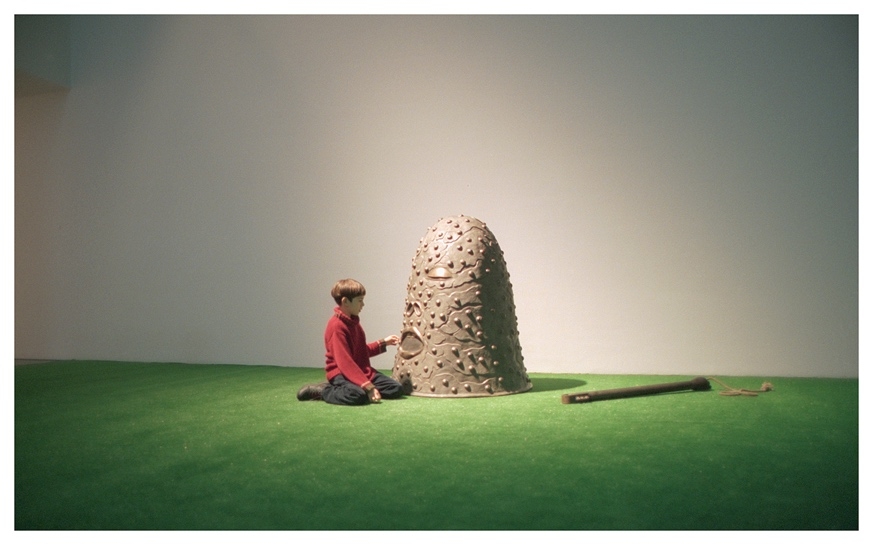
Heads and figures made from letters are available in domestic dimensions, in bronze, iron, stainless steel or alabaster, often as numbered editions. They work particularly well indoors because they preserve the relationship between volume and light that defines Plensa’s practice.
Graphic works, drawings and artist’s books
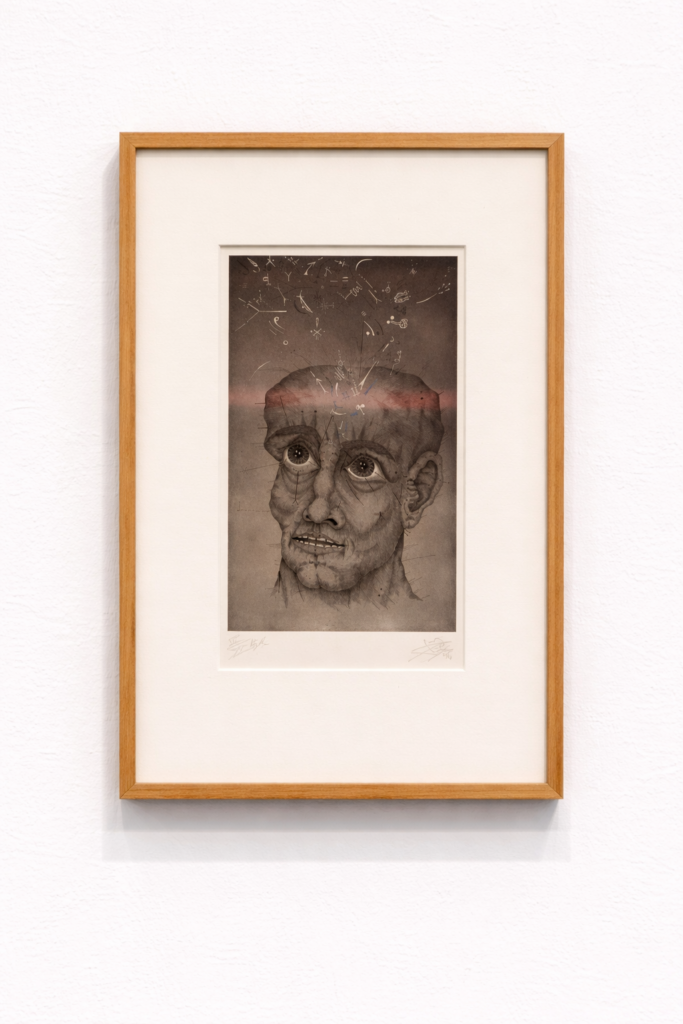
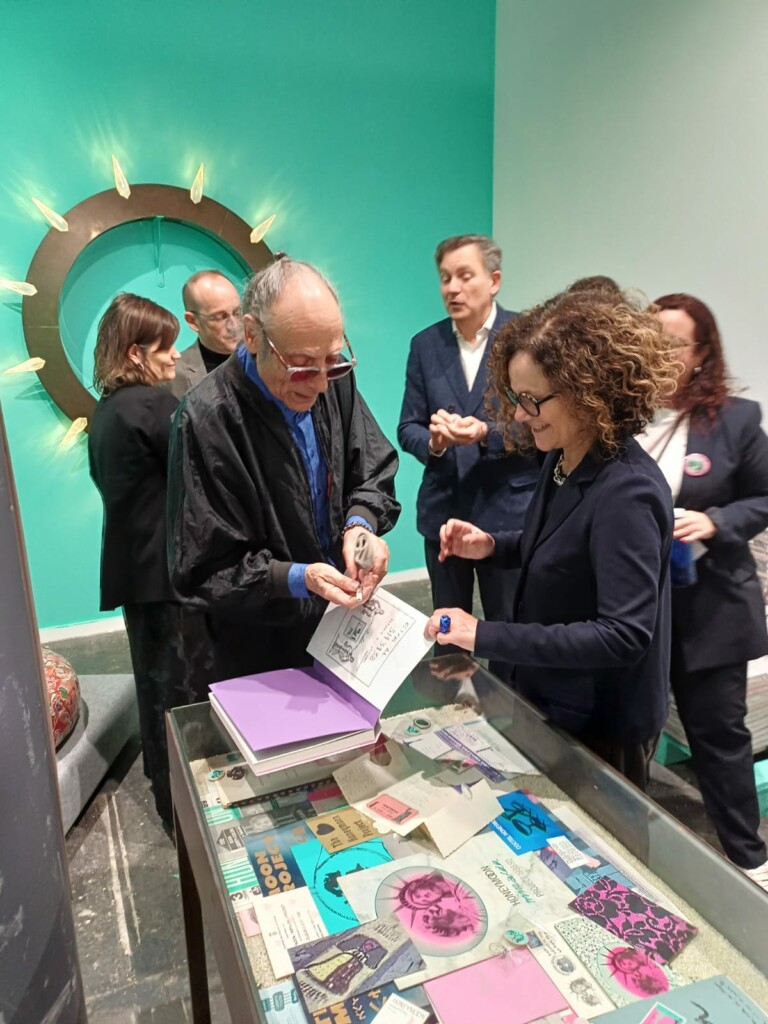
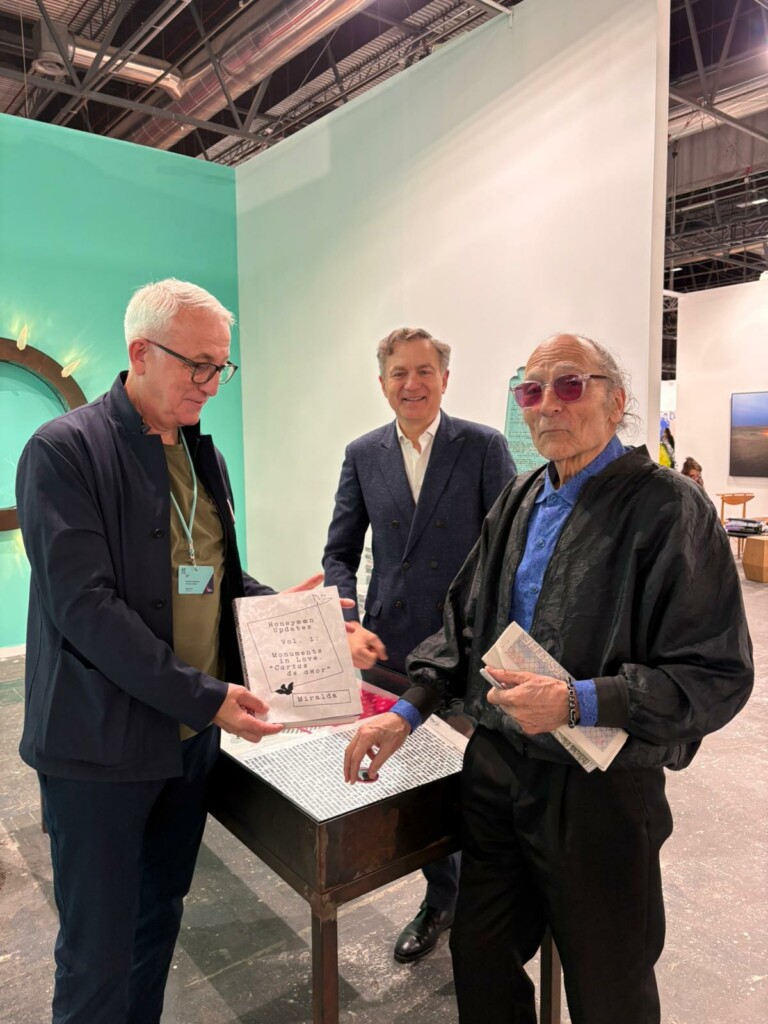
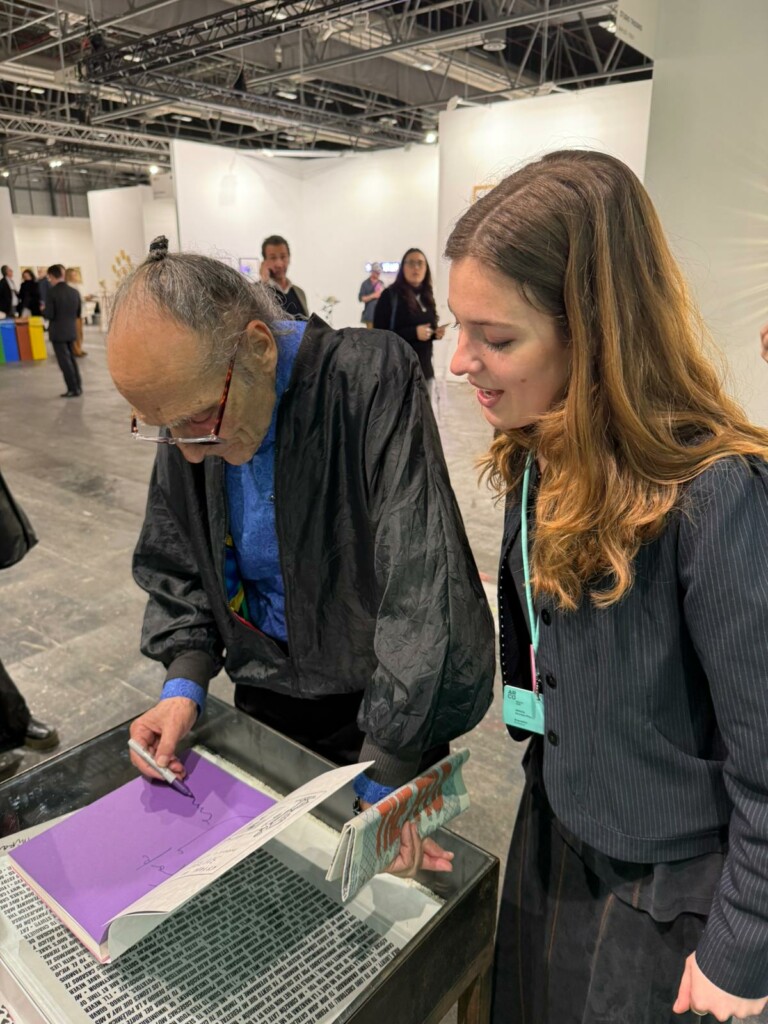
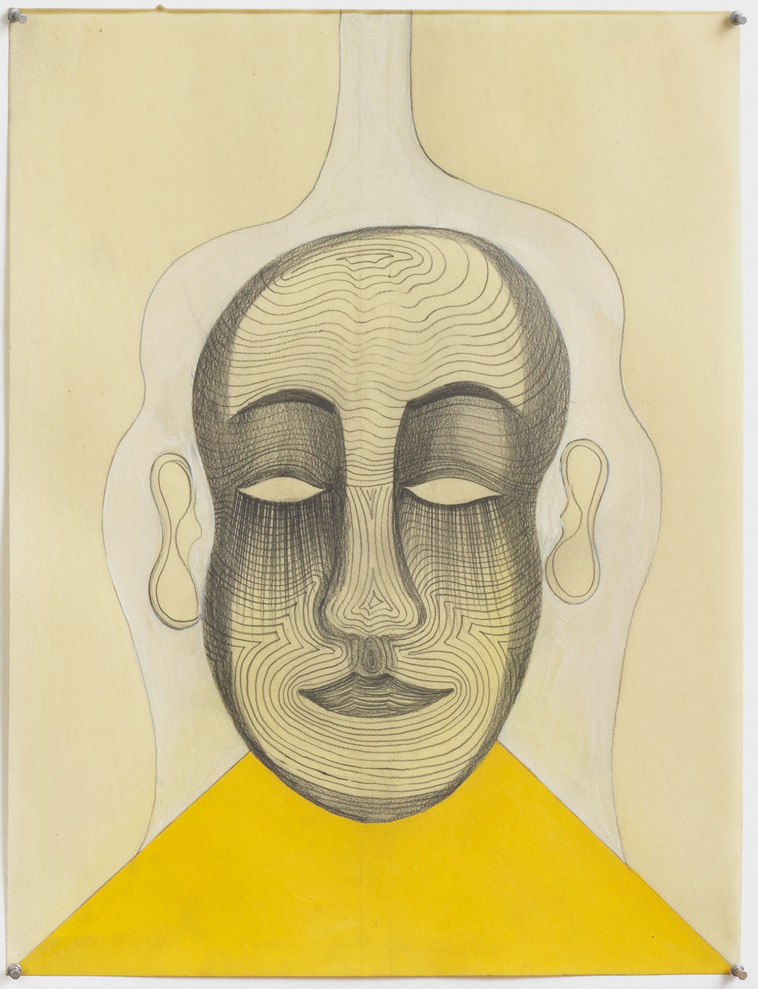
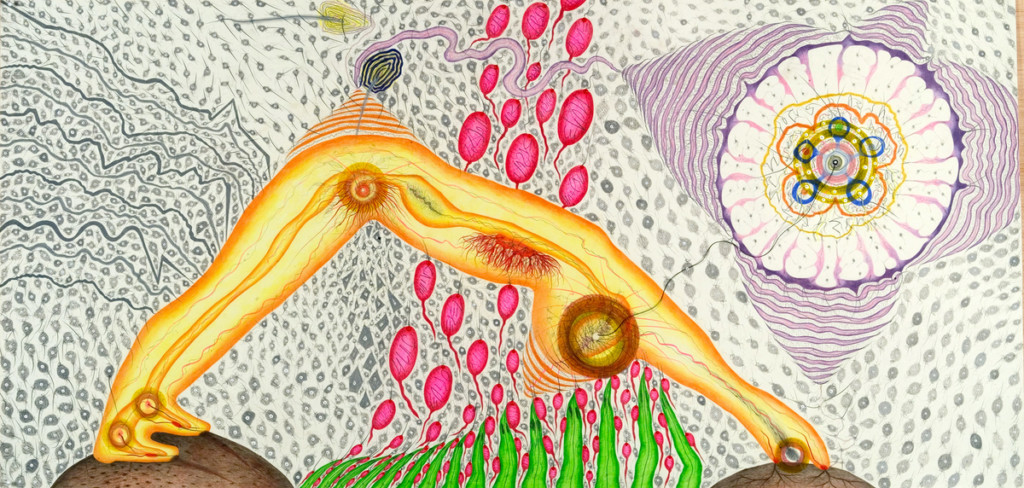
Jaume Plensa has championed printmaking from the beginning of his career. Etchings, lithographs, drawings and artist’s books provide an entry point for those beginning to collect his work, and some of these pieces are available through our online shop.
What to check before buying
We do not promise financial appreciation, because no serious professional can guarantee it. What we do always recommend, in writing, is checking the certificate of authenticity, edition number and edition size, year, dimensions, material, condition and provenance. Seek professional advice before completing any purchase on the secondary market.
What remains after you walk away from the sculpture
Plensa’s works are not exhausted by their immediate visual impact. A twelve-metre-high head draws attention from a distance, but what makes it remain in your memory weeks later is the silence it creates around itself, the gesture of a finger held to the lips, or the shadow of an alphabet falling across the ground. Jaume Plensa’s public sculptures have shown that contemporary art can be intellectually demanding while remaining accessible to a broad public.
The same effect can be transferred, at another scale, into a home. A bronze head on a console table or an etching in a hallway can alter the atmosphere of a room in ways that are difficult to explain until one has lived with the work. At Galeria Senda, we have accompanied collectors who began with a work on paper.
If encountering Julia in Plaza de Colón or Carmela outside the Palau de la Música has left you wanting to discover more, visit our exhibitions at Trafalgar 32 or contact us to arrange an appointment. We can show you the available formats of Jaume Plensa’s sculptures, explain how each piece is documented and help determine what may suit your space.
Frequently Asked Questions
Where can I see sculptures by Jaume Plensa in Spain?
In Madrid, Barcelona and Zaragoza. Julia is located in Plaza de Colón; Carmela stands beside the Palau de la Música Catalana; El alma del Ebro is at the Expo site; while El árbol de la vida and Iris are both in Madrid. All can be viewed free of charge.
What are Jaume Plensa’s most famous works?
Crown Fountain in Chicago’s Millennium Park (2004) is probably his most visited work worldwide, followed by Dream (2009) in St Helens and Water’s Soul (2021), facing the New York skyline. In Spain, Julia is among his most widely recognised public works.
Why do Jaume Plensa’s heads have their eyes closed?
Because the artist is interested in the interior of the head as a repository of knowledge and emotion. Closed eyes suspend the outward gaze and redirect the viewer towards their own inner experience. Most of these works begin with scans of the faces of real girls or young women, which is why each sculpture carries an individual name.
Can you buy a Jaume Plensa sculpture for a private home?
Yes. Alongside monumental commissions, there is a body of small- and medium-scale work in bronze, iron, steel and alabaster, as well as an extensive graphic practice. Collectors often begin with a print or drawing before moving into sculpture. At Galeria Senda in Barcelona, we work with the artist’s work and advise collectors throughout that process.
What documentation should I request when purchasing a work by this artist?
A certificate of authenticity, edition number, year, technique, dimensions, condition report and provenance. For graphic works, it is also advisable to verify the print workshop and signature. If there is any uncertainty, confirm the information with a qualified professional before completing the purchase.