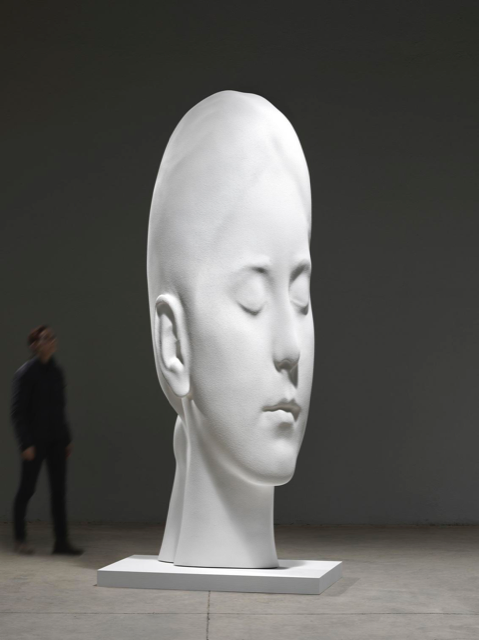
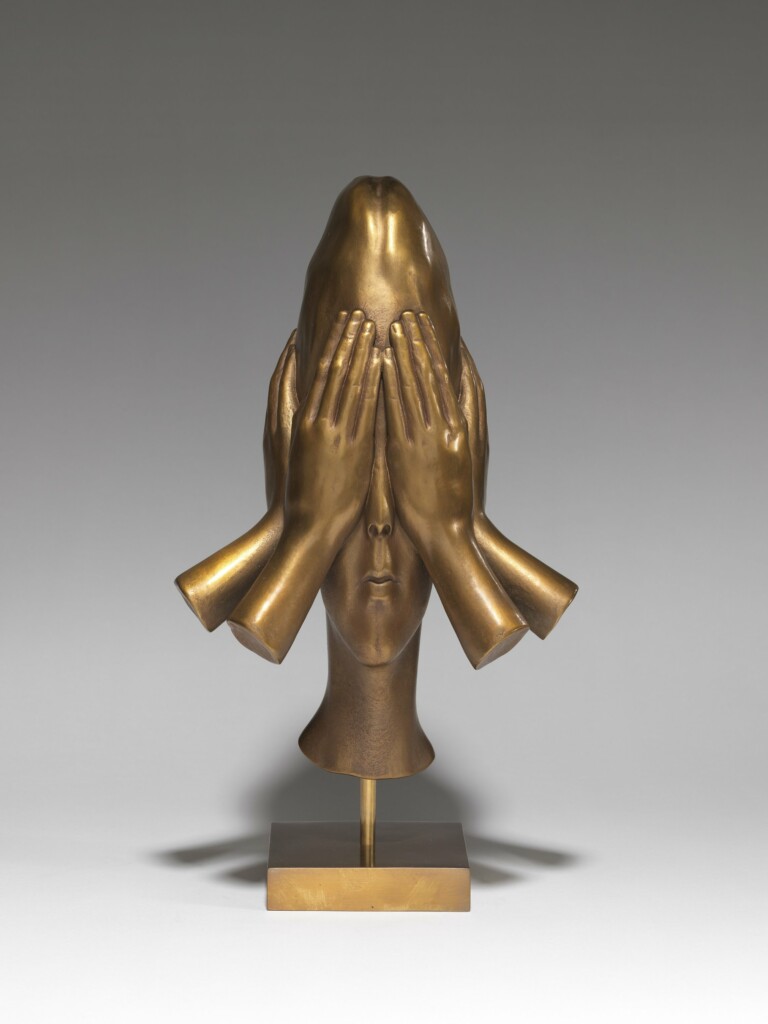
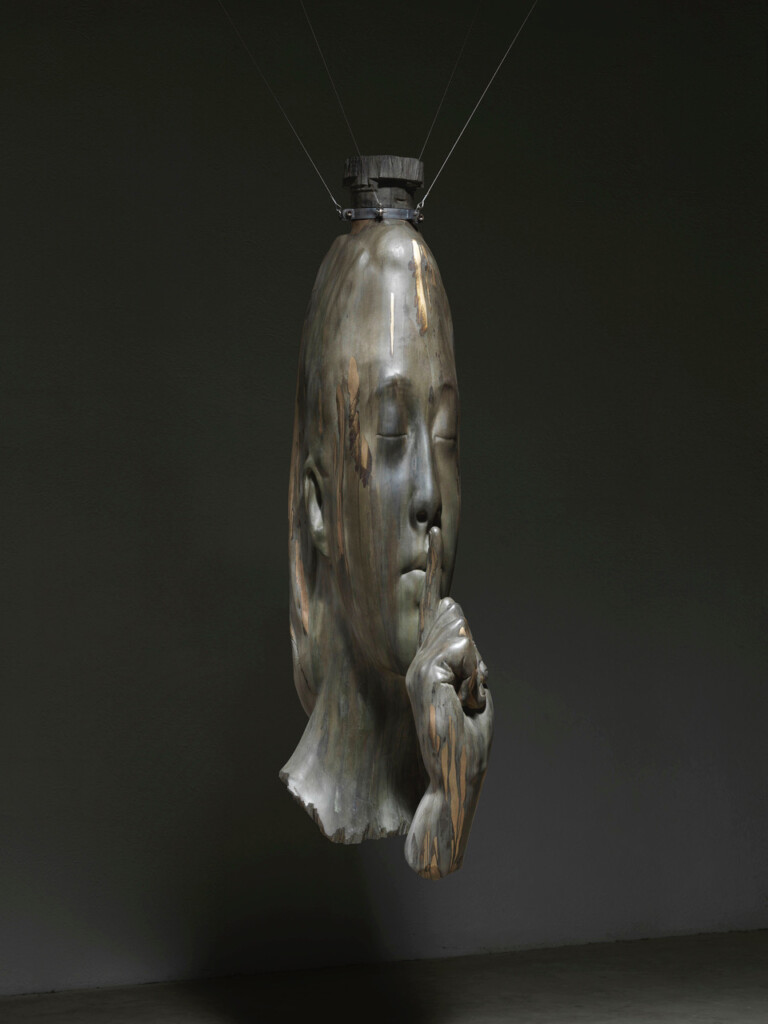
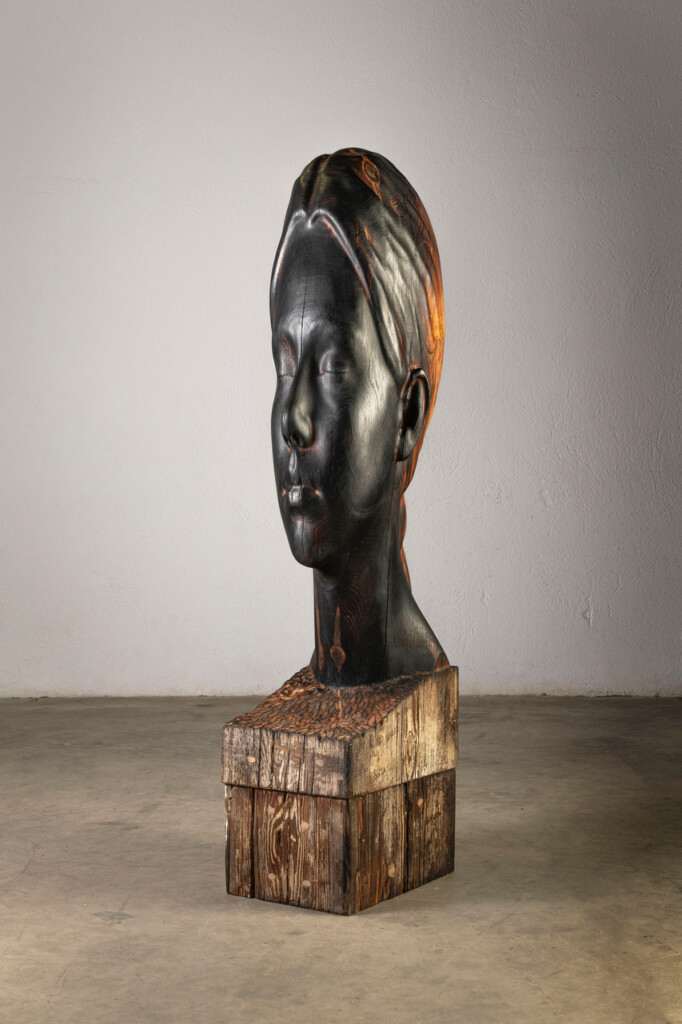
Artist Jaume Plensa has been appointed honorary ambassador of Marca España by King Felipe VI. This recognition places artistic practice in a strategic position within international cultural projection.
Plensa is one of the most globally present Spanish sculptors. His work inhabits public spaces in cities such as Chicago, London, Montreal, and Barcelona, establishing a recognizable and cross-cultural visual language.
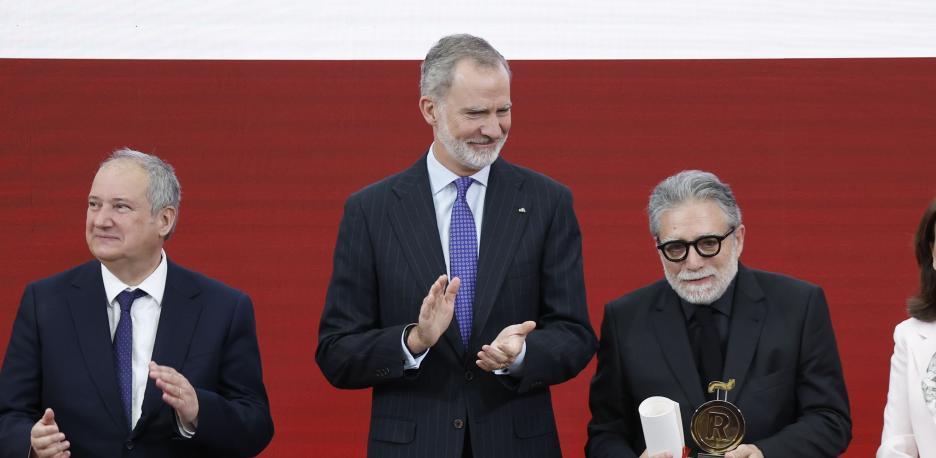
The King, together with the Minister of Industry, Jordi Hereu, applauds Jaume Plensa, accredited as an honorary ambassador of Marca España.
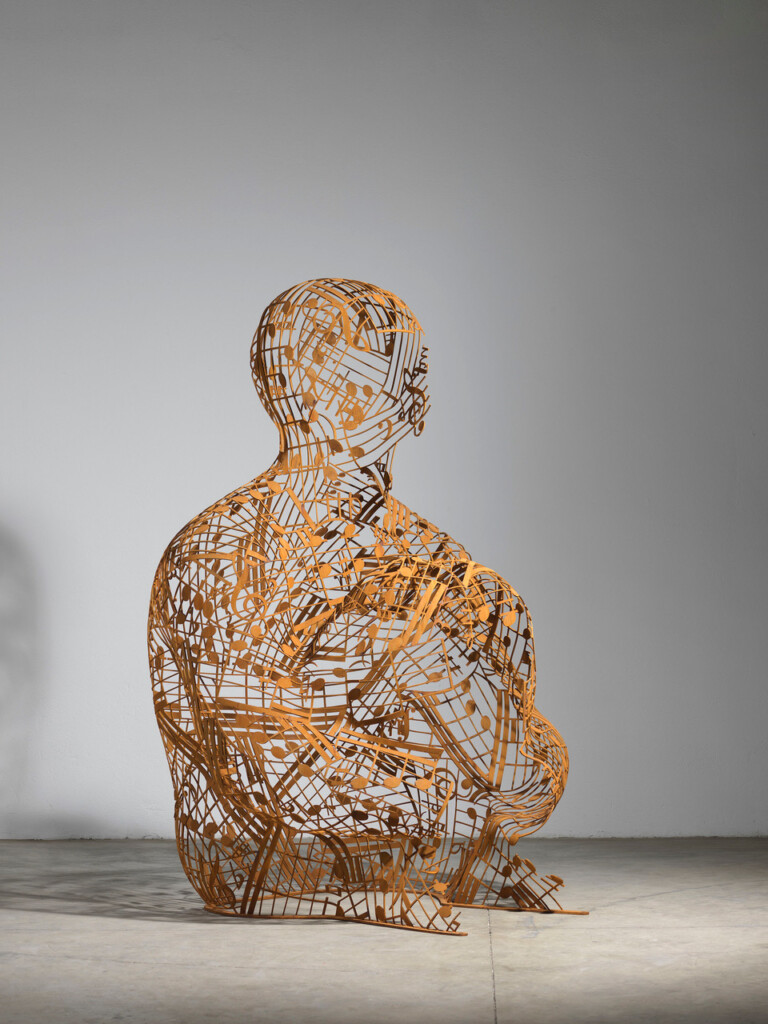
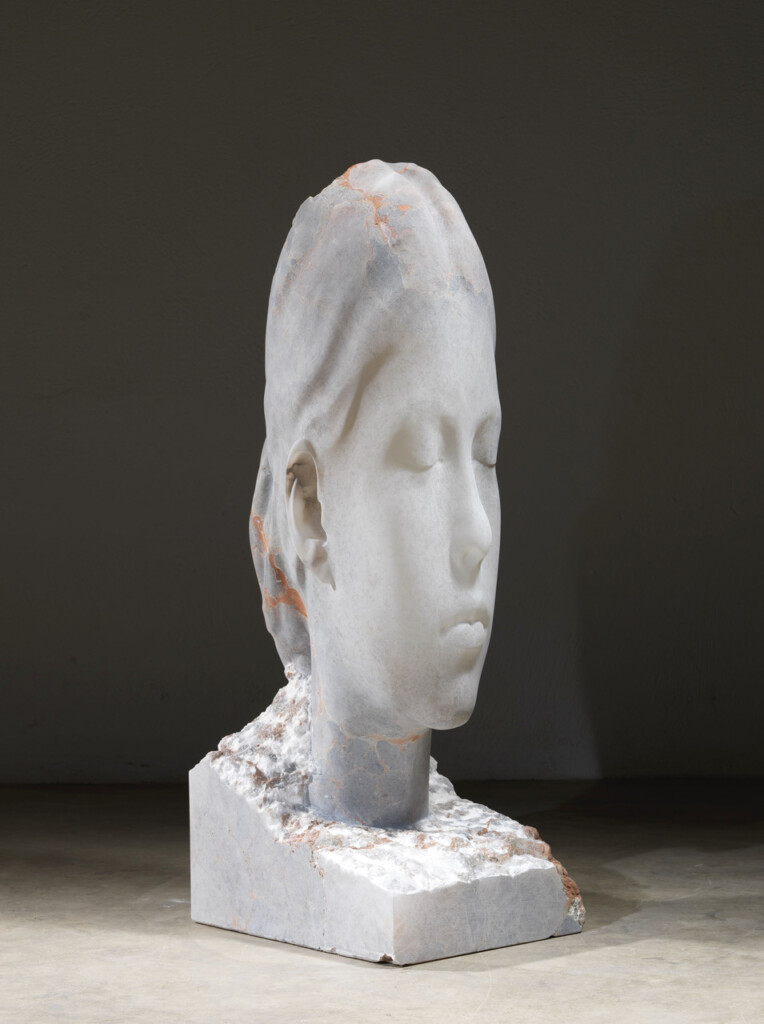
His practice is structured around three key elements: body, language, and space. Human figures—often faces or fragmented bodies—convey stillness, introspection, and a strong sculptural presence. Letters from different alphabets function as sculptural material, forming structures that combine physical presence with symbolic meaning.
Plensa’s sculptures generate experiences within public space. They introduce pause, reshape spatial perception, and activate a direct relationship with the viewer. His work connects with diverse audiences without requiring complex mediation, which explains its strong international circulation.
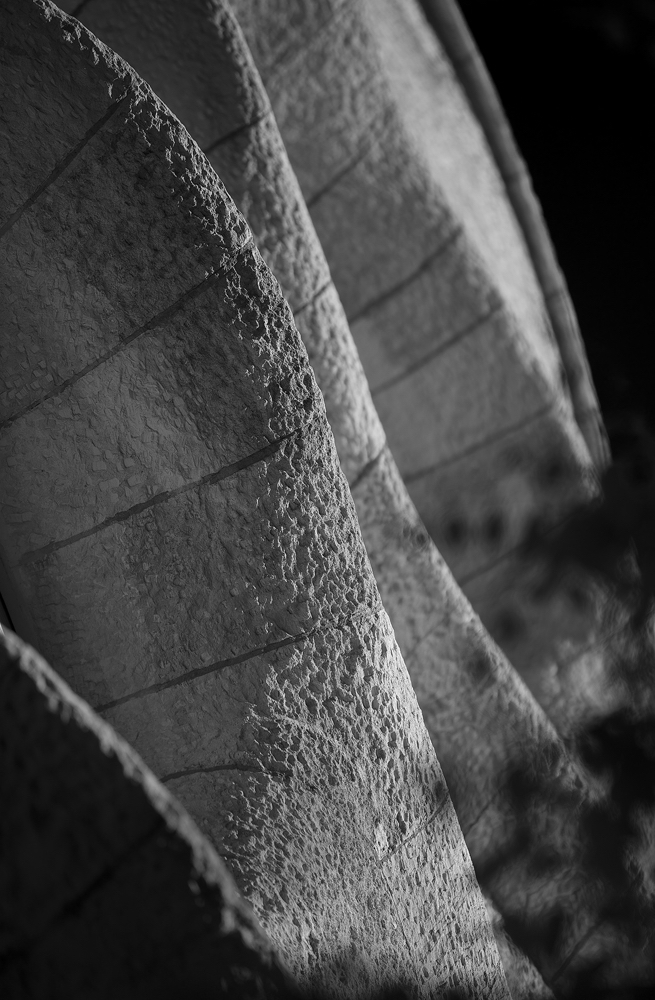
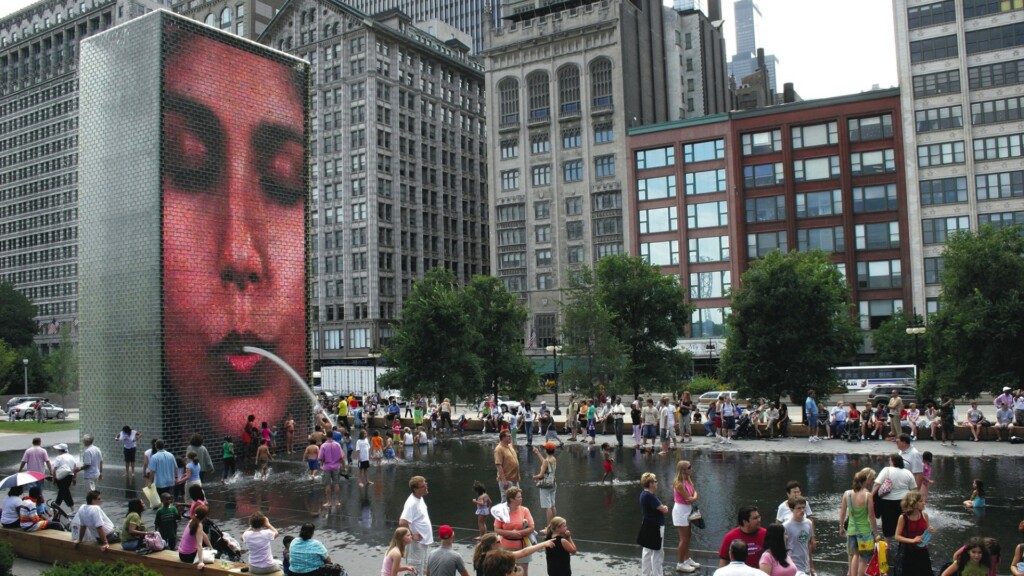
CROWN FOUNTAIN, 2004, Millennium Park, Chicago, USA de Jaume Plensa
This appointment reinforces the role of contemporary art in shaping a country’s global image. Plensa’s work offers a perspective grounded in sensitivity, experience, and a universal language. His practice operates through what is human, essential, and shared.
In a global context where culture functions as a positioning tool, Plensa’s figure reinforces a clear idea: contemporary art also builds narrative, identity, and international presence.
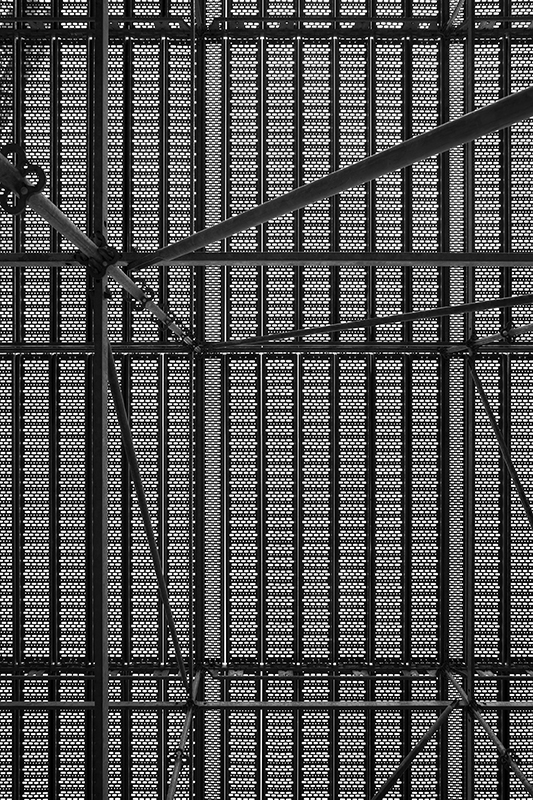
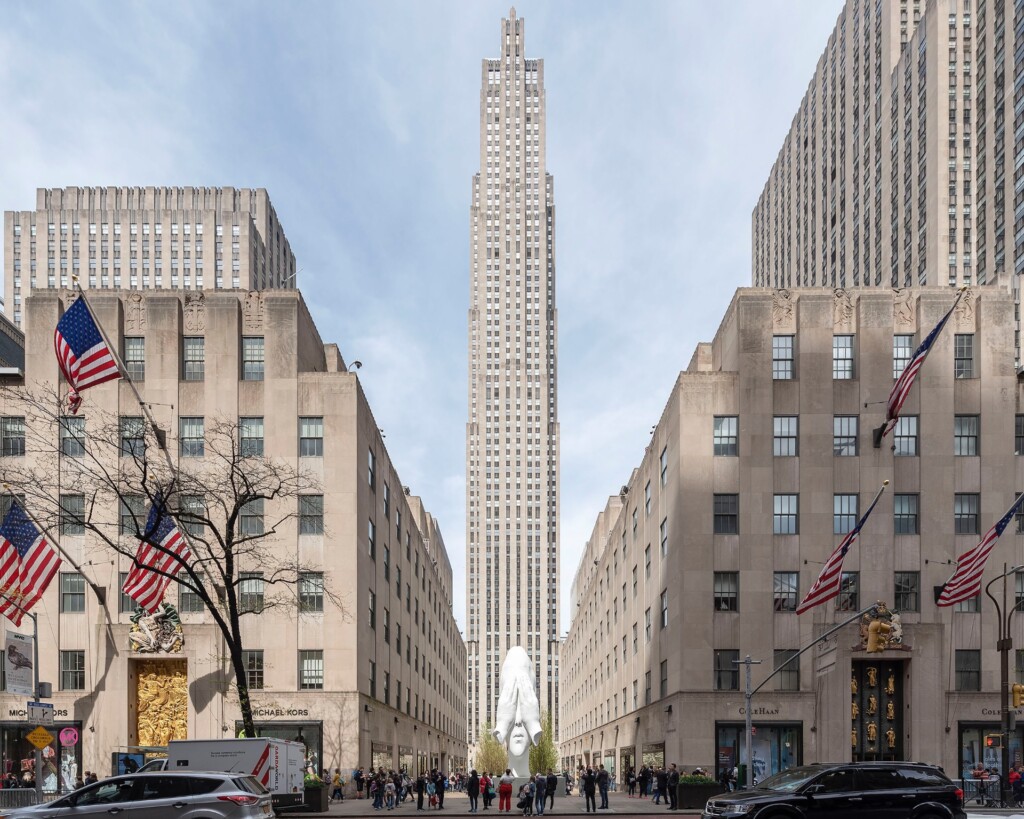
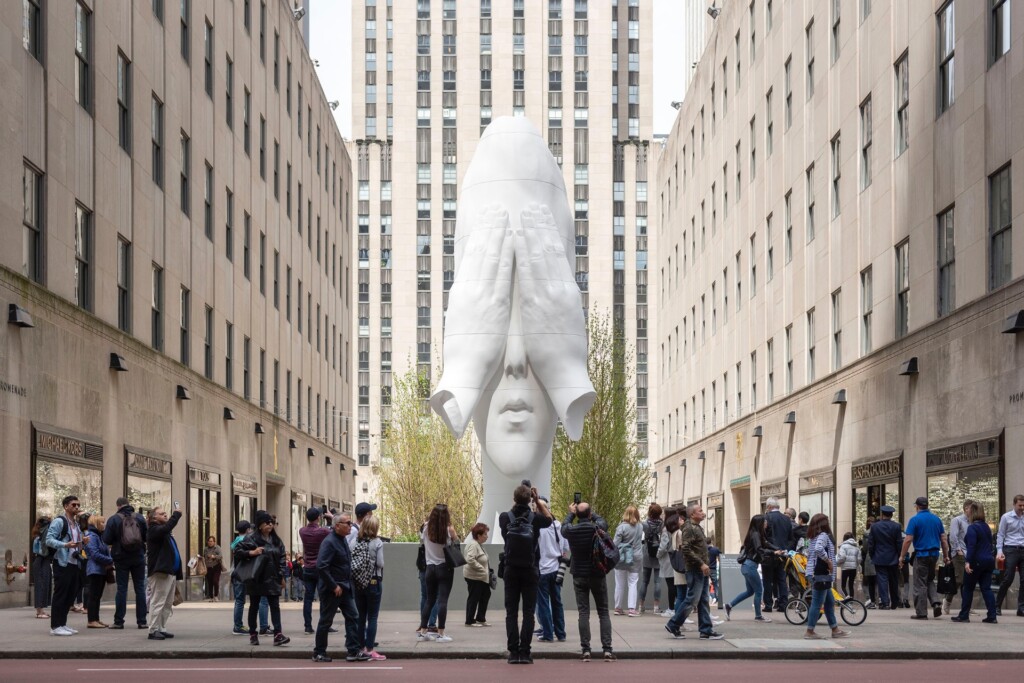
BEHIND THE WALLS, Frieze Sculpture at Rockefeller Center, Rockefeller Center, New York, USA
An exhibition to be traversed rather than simply viewed
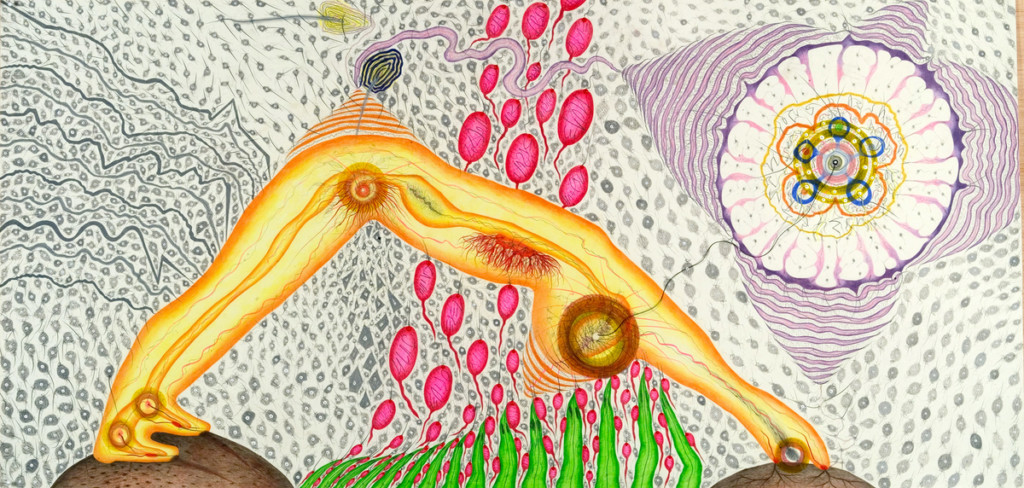
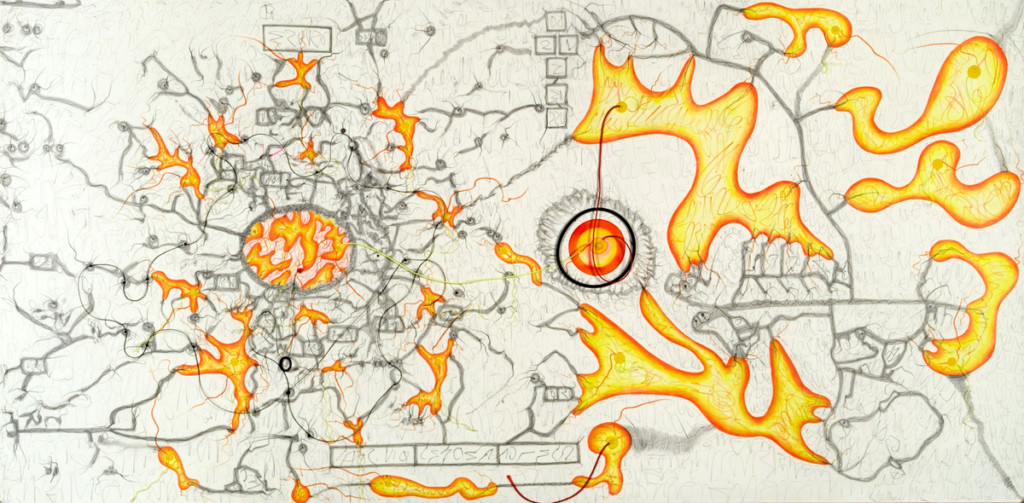
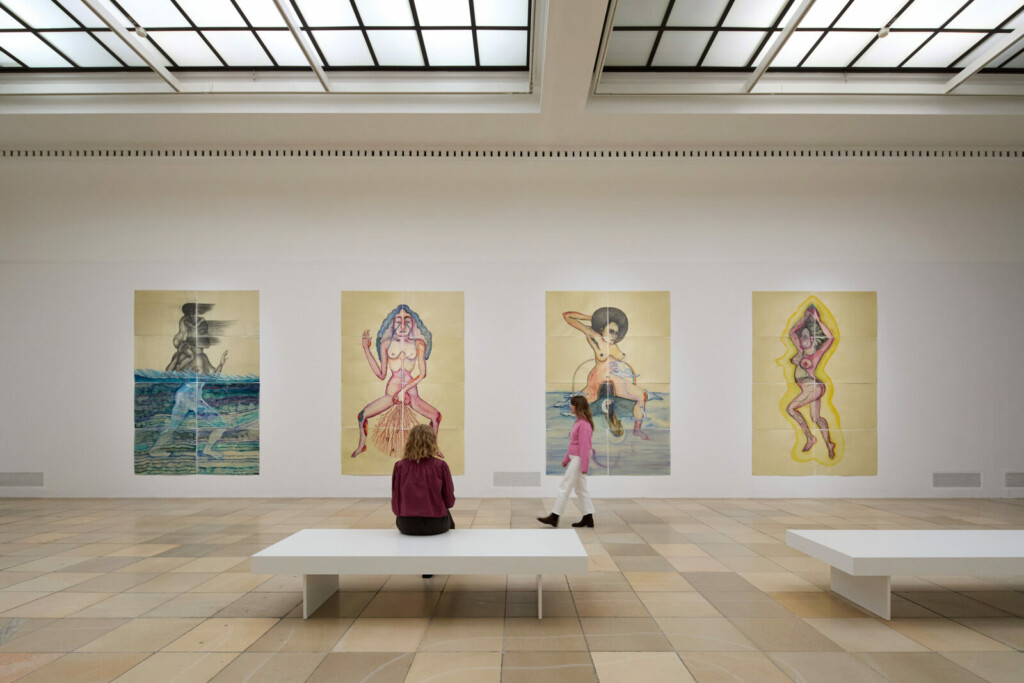
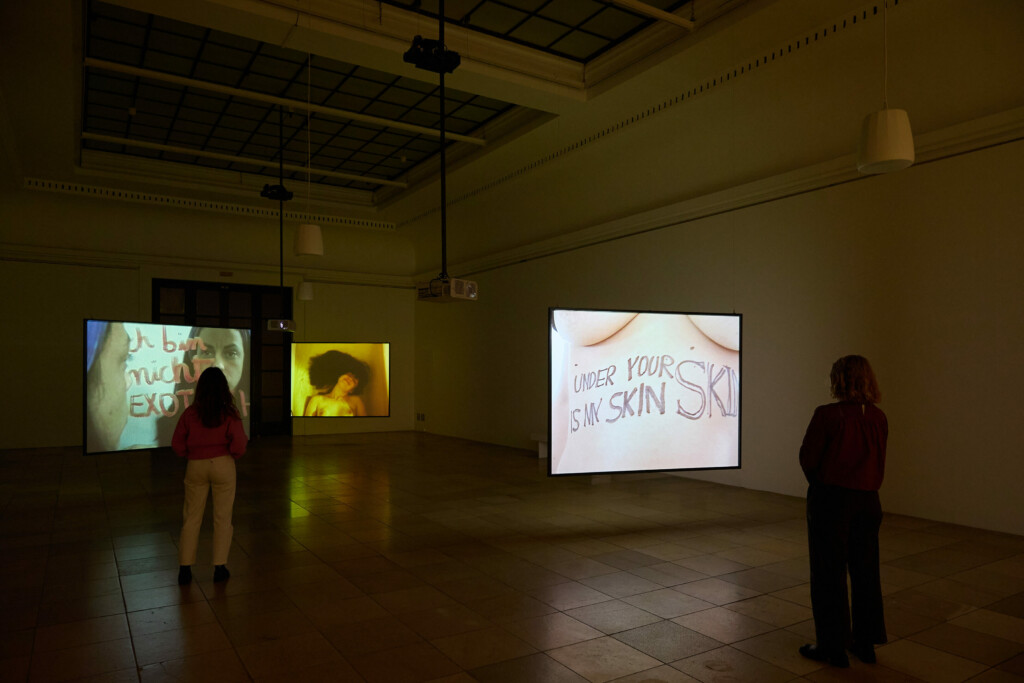
Entering Sandra Vásquez de la Horra’s work is not about understanding, but about allowing oneself to be affected. Soy Energía, her retrospective at Haus der Kunst in Munich, unfolds as a field of intensities where images operate before they can be named.
Over forty years of work come together without a linear narrative. The works do not organize a trajectory; they circulate. Drawings immersed in beeswax emerge as remnants, as surfaces where time seems suspended. Matter thickens the image and slows down the gaze, creating a more intimate, almost bodily relation.
The exhibition avoids hierarchy. Works gather in constellations: fragmented bodies, hybrid figures, signs that traverse the human, the animal, and the vegetal. The body appears as a territory shaped by memory and tension, where the intimate and the political are inscribed without becoming explicit.
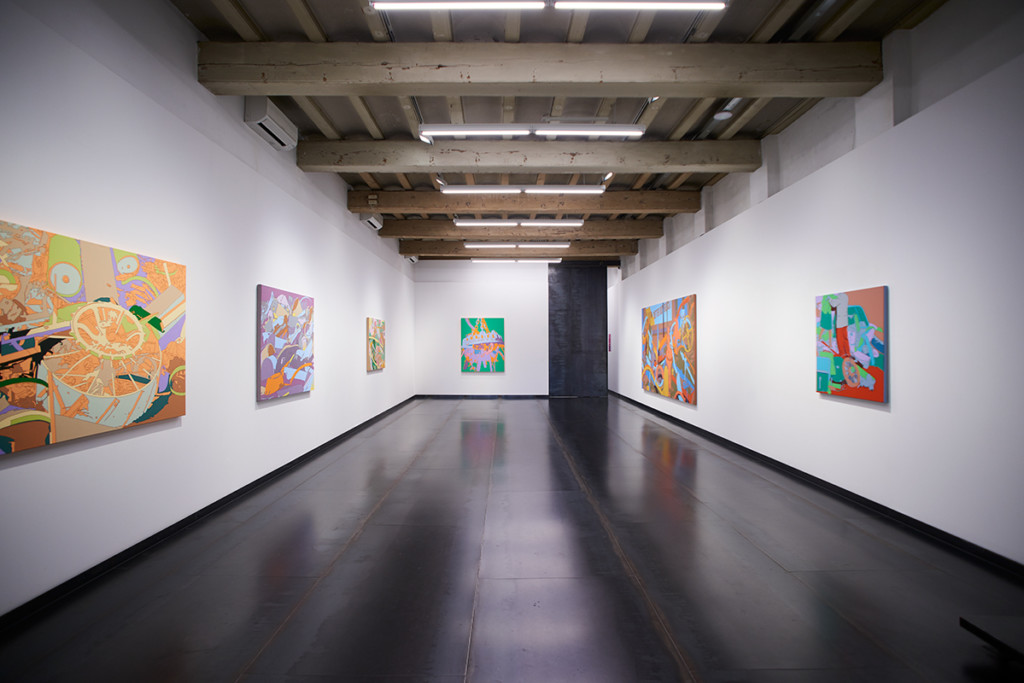
“Soy Energía”, Sandra Vásquez de la Horra, Haus der Kunst Ausstellungsnasicht, 2025. Photography: Judith Buss
El recorrido evita jerarquías. Las piezas se agrupan como constelaciones: cuerpos fragmentados, figuras híbridas, signos que cruzan lo humano, lo animal y lo vegetal. El cuerpo aparece como un territorio atravesado por memoria y tensión, donde lo íntimo y lo político se inscriben sin volverse explícitos.
Desde sus primeros trabajos en Chile hasta su producción reciente, persiste una misma operación: dar forma a aquello que no puede fijarse. Las imágenes no ilustran, contienen. Funcionan como sedimentaciones donde la historia, la violencia y el exilio permanecen como capas latentes.
La propuesta curatorial acompaña esta lógica. La exposición no se organiza de forma lineal, construye una atmósfera. Hay zonas de concentración y otras de apertura, ritmos que implican al espectador y lo desplazan de una posición distante. Mirar aquí exige tiempo, cercanía, ajuste.
En ese movimiento, la obra se sitúa en un umbral constante. Entre lo visible y lo que apenas se deja ver. Entre la imagen y su resto.
Soy Energía no ofrece respuestas. Mantiene abierta una experiencia donde algo persiste más allá de lo visible.
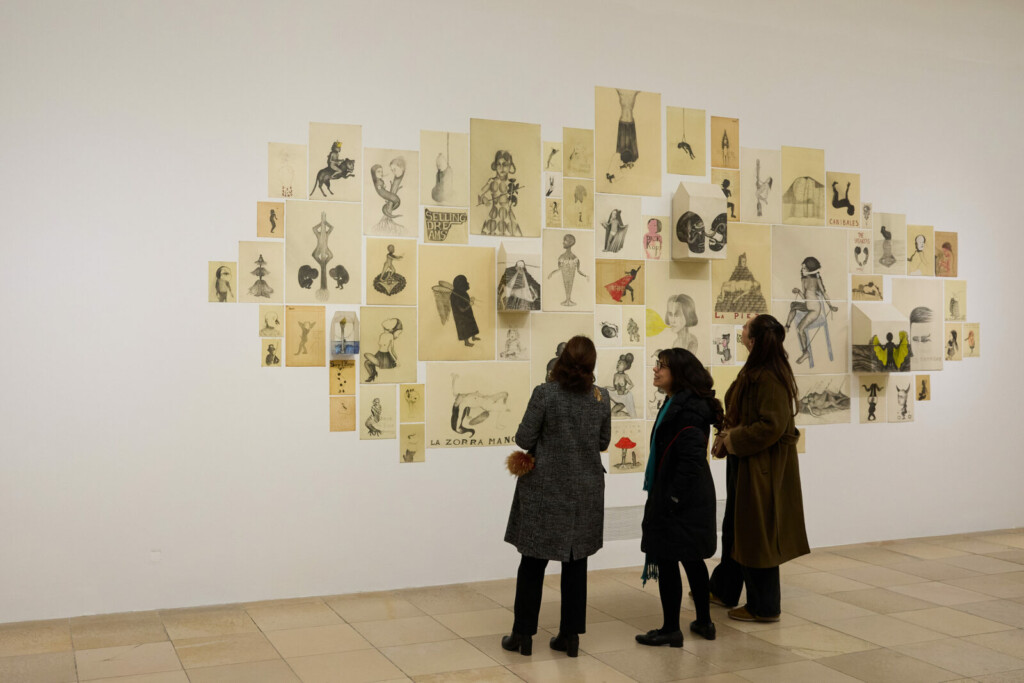
“Soy Energía”, Sandra Vásquez de la Horraa, Haus der Kunst Ausstellungsnasicht, 2025. Photography: Judith Buss“Soy Energía”, Sandra Vásquez de la Hoeea, Haus der Kunst Ausstellungsnasicht, 2025. Photography: Judith Buss
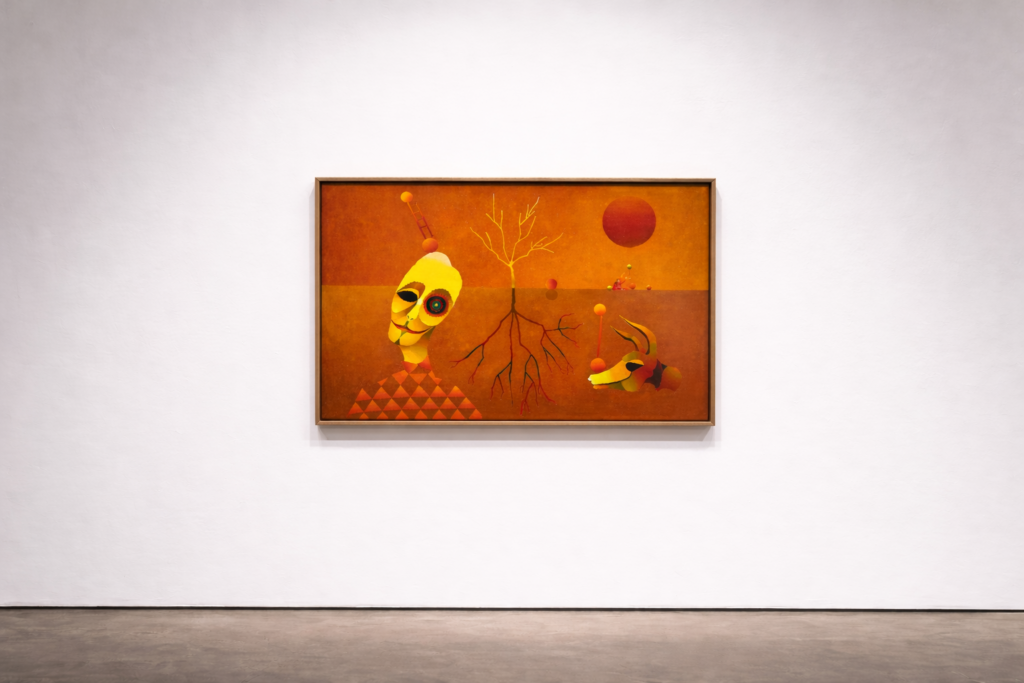
Within the landscape of twentieth-century Catalan art, Joan Ponç (1927–1984) occupies a singular position. His work seems to emerge from a territory of its own, populated by ambiguous creatures, distorted characters and scenes that oscillate between the dreamlike and the unsettling. Rather than depicting the visible world, Ponç constructed an inner universe where imagination becomes a way of thinking.
Working in postwar Barcelona—a cultural context marked by isolation and censorship—Ponç found in imagination a space of freedom. His drawings and paintings unfold a powerful visual language filled with symbols, hybrid figures and presences that appear to surface from the darker zones of the mind. Within his imagery, the grotesque, the magical and the metaphysical coexist.
In the late 1940s he became one of the founding members of Dau al Set, a group that played a key role in the renewal of artistic practices in Catalonia. Alongside artists and thinkers such as Antoni Tàpies, Modest Cuixart and poet Joan Brossa, the collective created a space of experimentation that engaged with surrealism, dada and the broader European avant-gardes. Within this context, Ponç’s work stood out for its visionary character: a figurative language driven more by an internal logic than by the observation of reality.
His characters—with exaggerated eyes, fragmented bodies or unsettling gestures—inhabit ambiguous environments where the human and the fantastic blur together. These are not narrative scenes in a conventional sense. They are visions. Apparitions that condense mental states, intuitions or existential tensions.
In 1953 Ponç moved to Brazil, where he lived for almost a decade. This period proved decisive for the development of his work. In cities such as São Paulo and Rio de Janeiro he came into contact with new artistic networks, and his paintings acquired greater formal and chromatic complexity. Yet the core of his imagery remained unchanged: that universe populated by strange presences that seem to move between the visible and the invisible.
Throughout his career, Joan Ponç maintained a position that was difficult to classify within the dominant artistic tendencies of his time. While many artists of his generation turned towards abstraction, Ponç persisted in a radical form of figuration, charged with symbols and inner resonances.
Today, his work continues to fascinate for its ability to open a space of estrangement. A territory where painting becomes vision, and where each figure seems to emerge from the threshold between imagination, dream and the unknown.
A publication that revisits one of Antoni Miralda’s most emblematic projects, bringing its symbolic universe back to life through letters, essays and archival materials.
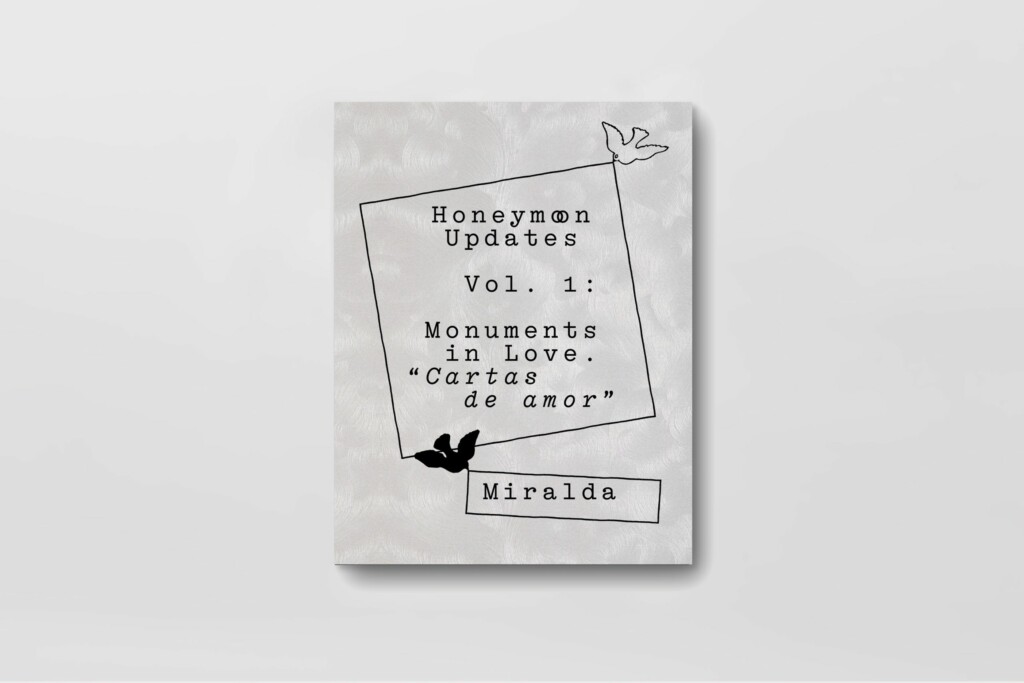
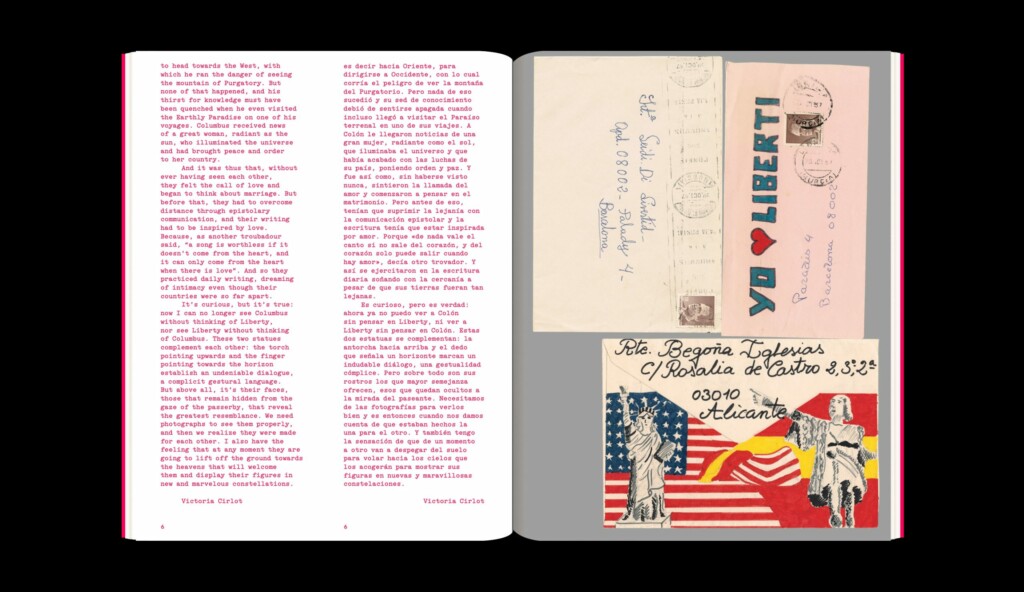
On the occasion of the 40th anniversary of Honeymoon Project, the artist Antoni Miralda presents the book Monuments in Love / Cartas de Amor, a publication that revisits one of the most distinctive projects of his artistic career.
Published by Terranova in collaboration with Galeria Senda and FoodCultura, the volume revisits the universe of Honeymoon Project, initiated in the 1980s. The project imagined a symbolic union between two iconic monuments: the Statue of Liberty in New York and the Columbus Monument in Barcelona. Through this fictional marriage, Miralda developed a playful yet critical reflection on social rituals, cultural exchange, and the role monuments play in shaping collective imaginaries.
–
Book Cover / Terracota Publishing HouseBook / Terracota Publishing House
–
The book brings together a selection of love letters sent from around the world, alongside contemporary essays and materials that expand the story of the project. These contributions allow readers to revisit Honeymoon Project from new perspectives while preserving its participatory spirit and its ability to connect diverse cultural narratives.
More than a simple documentation, Monuments in Love / Cartas de Amor functions as an extension of the project itself: an editorial space where archive, fiction and memory intertwine. Forty years after its inception, Miralda’s work continues to offer a playful and critical perspective on the ways societies imagine, celebrate and construct shared stories.
–
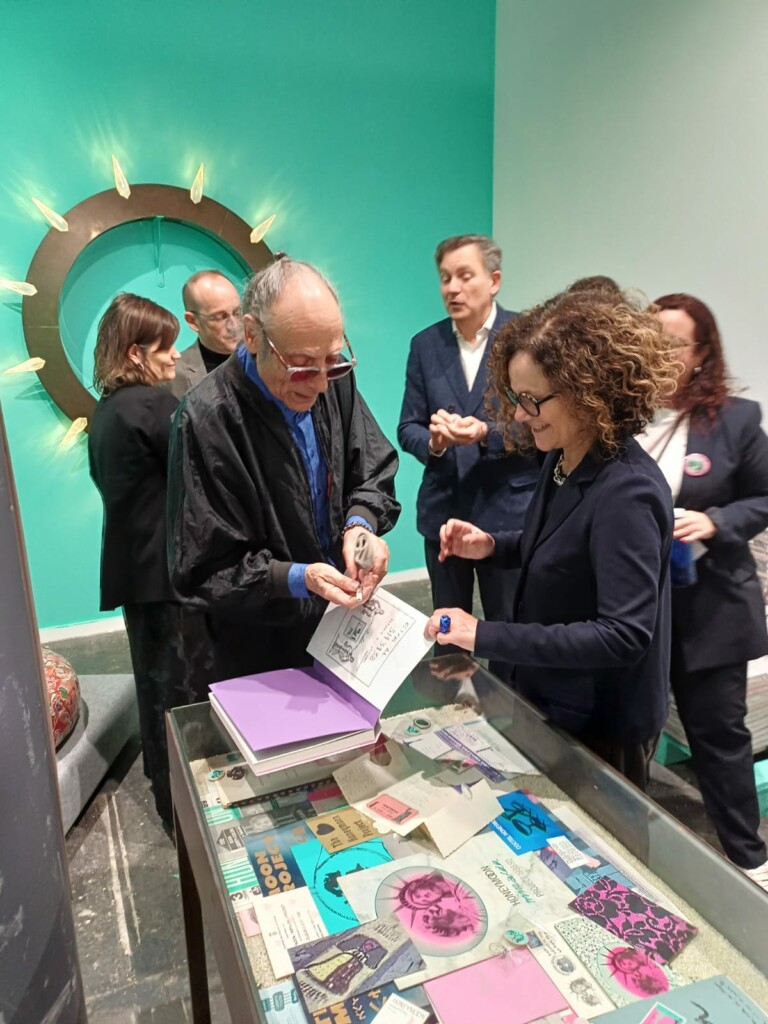
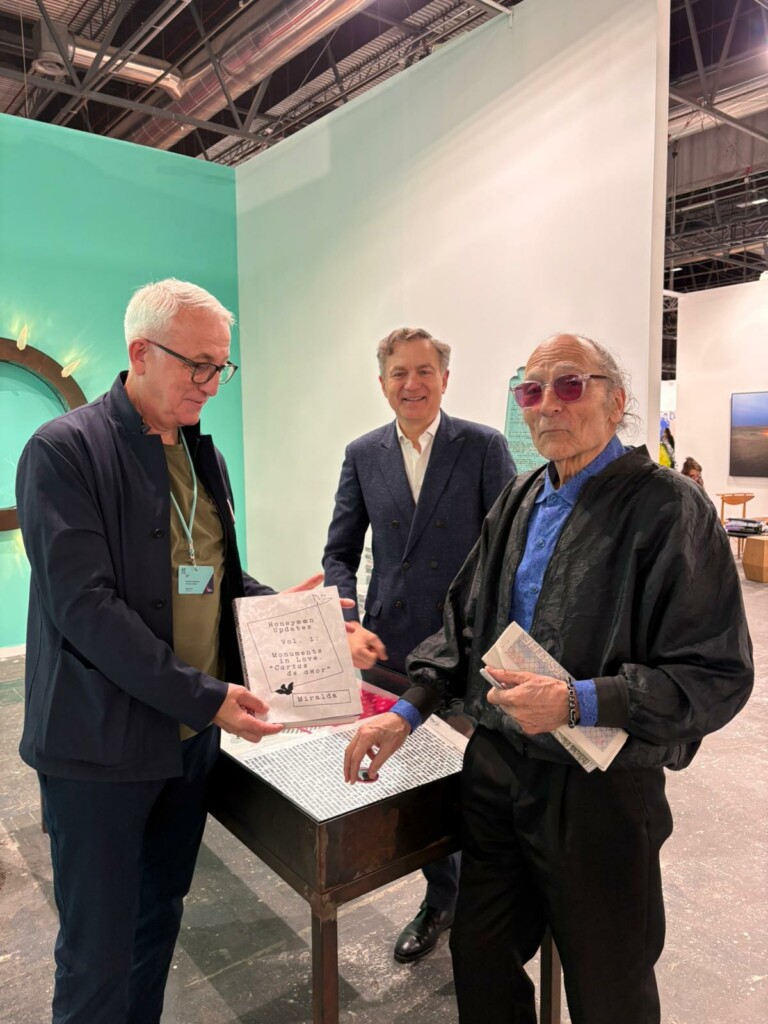
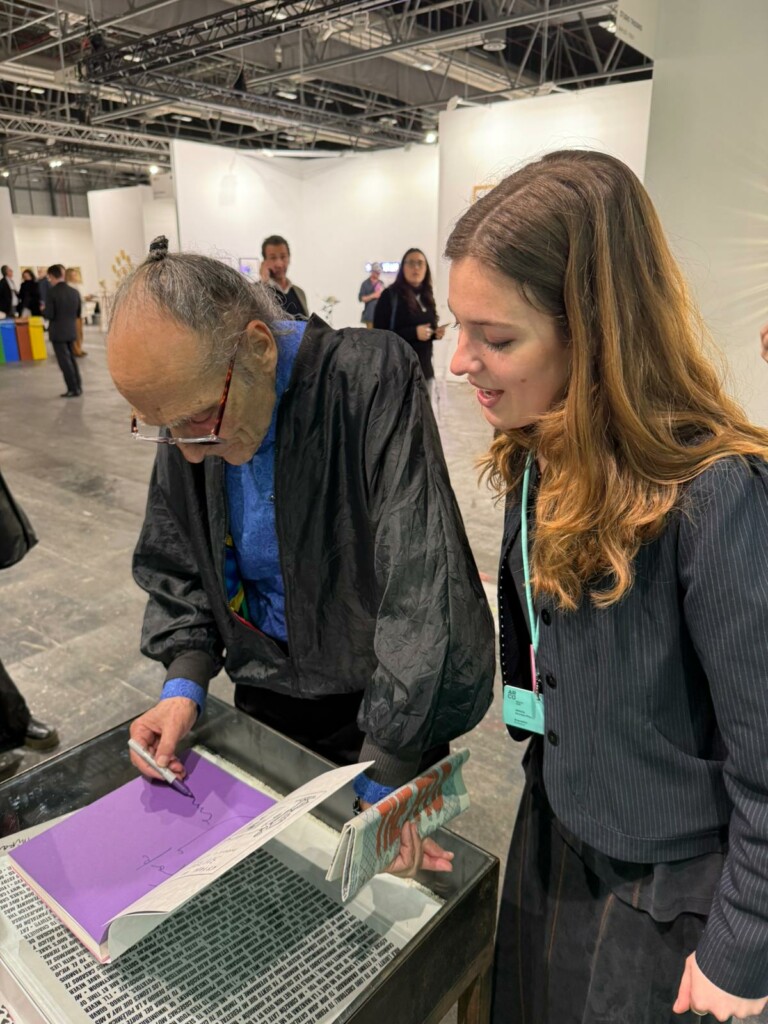
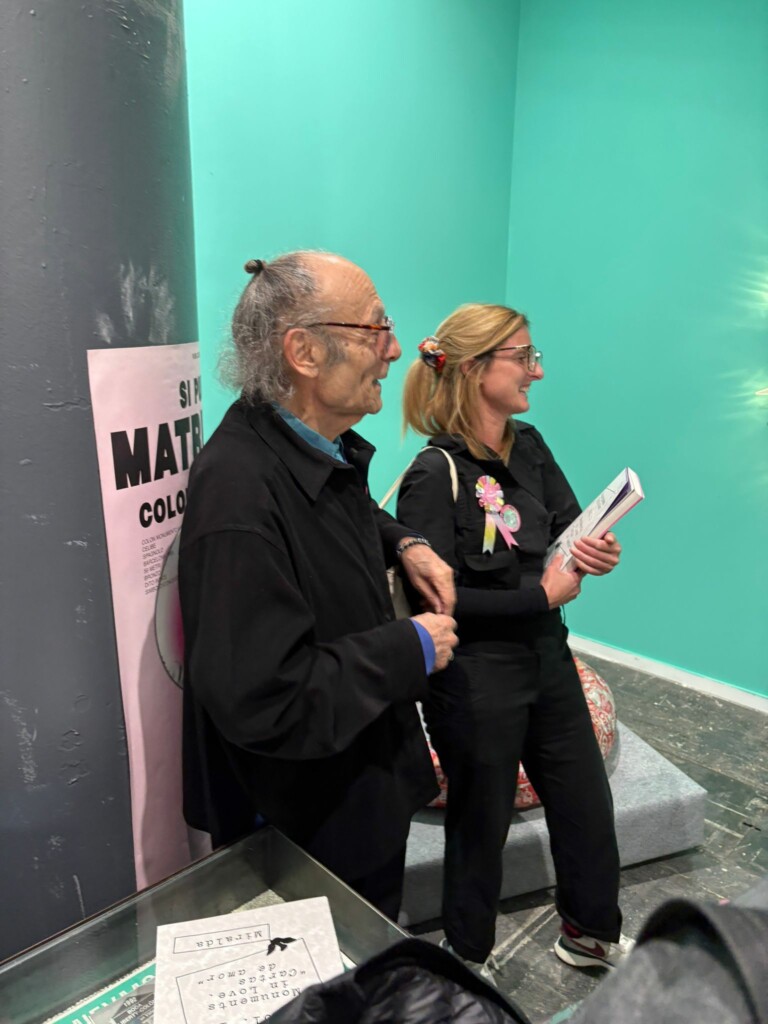
Book Signing / ARCO Madrid 2026Book Signing / ARCO Madrid 2026
–
As part of this anniversary, the book was presented publicly on February 13 at Sala Apolo as part of the Art Meets Apolo programme, in an event that brought together contemporary art, performance and music.
Produced in a limited edition, Monuments in Love / Cartas de Amor invites readers to rediscover Miralda’s creative universe and to revisit one of the most imaginative projects in contemporary art.
–
Book Signing / ARCO Madrid 2026Book Signing / ARCO Madrid 2026
–
The book is available in a limited edition through our shop.
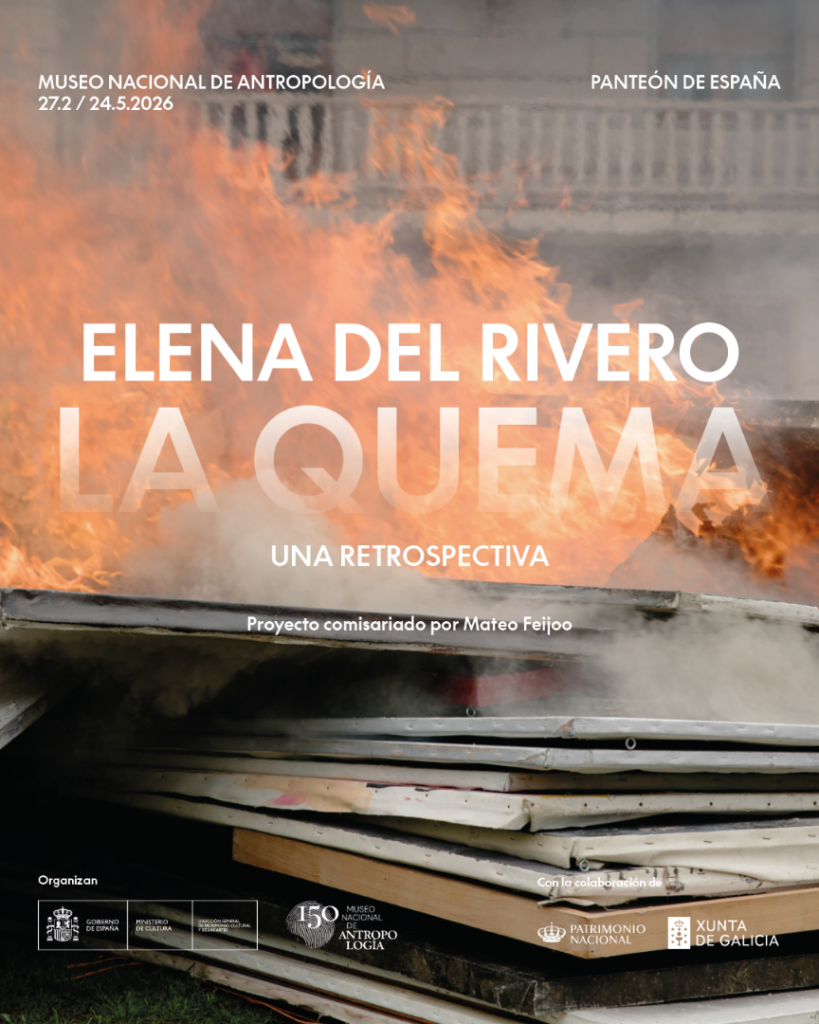
The Museo Nacional de Antropología presents “La Quema. A Retrospective” by Elena del Rivero
The Museo Nacional de Antropología presents “La Quema. A Retrospective”, a major exhibition dedicated to the artist Elena del Rivero, as part of the museum’s Visiones críticas programme and its 150th anniversary celebrations. The exhibition is on view until 24 May 2026.
Curated by Mateo Feijoo, the exhibition takes as its starting point an action developed by the artist in 2024 in San Pedro Fiz de Vilar (Ourense), where she presented a series of works in domestic and rural spaces before subjecting them to a collective burning ceremony with the participation of the local community. This gesture articulates a reflection on memory, transformation, and the connections between art and shared life.
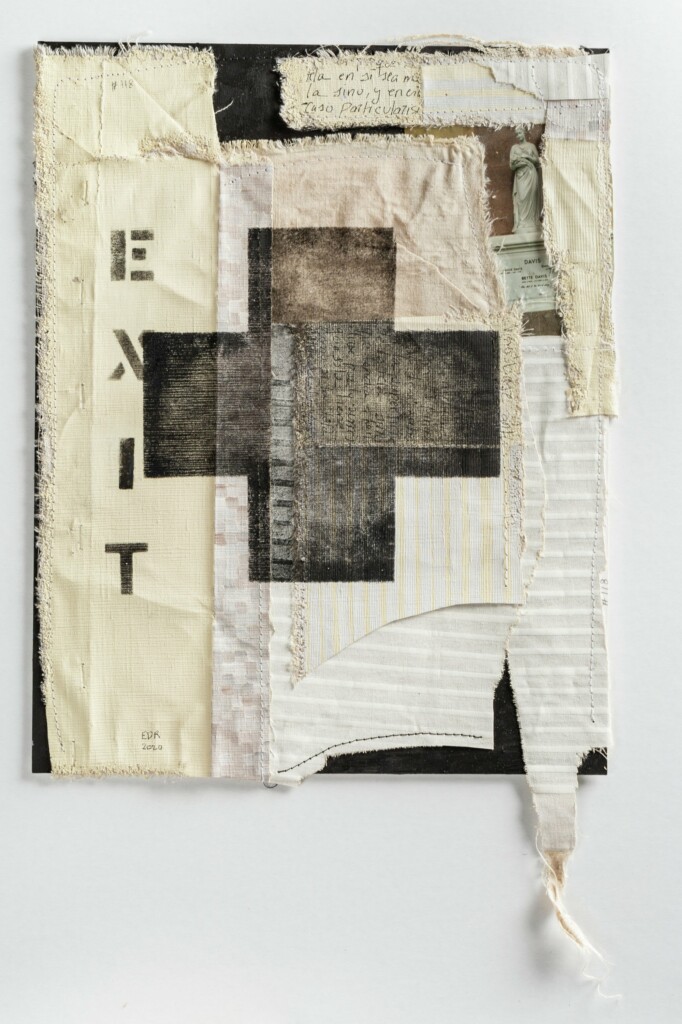
The exhibition brings together collages, assemblages, and works from the Diarios series, incorporating reclaimed materials and everyday objects transformed into affective archives. The retrospective is complemented by the presentation of Canto para un monumento funerario, produced in collaboration with students from EINA Centre Universitari de Disseny i Art de Barcelona and presented at the Panteón de España, expanding the collective and pedagogical dimension of the project.
“La Quema” offers a transversal view of Del Rivero’s practice, where the act of burning is understood not as destruction, but as transformation and passage, in an ongoing dialogue between territory, memory, and community.
Forty years ago, Miralda initiated a project that radically exceeded the conventional boundaries of art. Honeymoon Project was neither a traditional exhibition nor a single performance, nor a work confined to a fixed moment in time. It was an extended, expansive, and deeply symbolic process that unfolded over six years, crossing cities, cultures, languages, and communities.
The project originated from an image as poetic as it was provocative: an imaginary courtship culminating in the symbolic marriage between two monuments charged with history and power—the Statue of Liberty in New York and the monument to Christopher Columbus in the port of Barcelona. By turning these monuments into the protagonists of a love story, Miralda stripped them of their customary solemnity and transformed them into living figures, capable of moving, relating, and mingling with people.
One of the project’s most radical gestures lay precisely in this act of descent: allowing monuments to step down from their symbolic pedestals. Over the years, Honeymoon Project activated a series of public rituals—engagements, announcements, exchanges of love letters, gifts, and celebrations—in which thousands of anonymous participants took part, alongside institutions, cities, and professionals from fields as diverse as fashion, politics, and gastronomy. This was not a work to be observed from a distance; it was a work to be experienced.
Cultural exchange formed the true engine of this “honeymoon.” Gifts sent from cities around the world acted as symbolic ambassadors of their places of origin: hybrid, extravagant, and festive objects that spoke of urban identities, collective imaginaries, and cultural stereotypes. Each presentation became a public event, reinforcing the performative and communal dimension of the project.
Food occupied a central place within this network of actions. Banquets, offerings, recipes, printed menus, and edible materials from both the New and the Old World became artistic matter. Eating, sharing, and combining ingredients functioned as a direct metaphor for historical exchange between continents, while also placing the body—and the senses—at the core of the artistic experience.
Alongside celebration, Honeymoon Project consistently acknowledged its contradictions. The idyll between the two monuments also evoked the violent history of colonization, inherited power imbalances, and tensions that continue to persist today under contemporary forms of neocolonialism. The project unfolded against a particularly charged backdrop: the centenaries of both monuments and the Quincentenary of the “Discovery” of the Americas, marked by both official commemorations and strong anticolonial protests. Within this context, the work did not offer a single, fixed position but instead opened a space of friction, ambiguity, and debate.
Language was another fundamental territory of exploration. Words, translations, proper names, and signatures shifted between languages and meanings, revealing how language itself operates as a site of power, misunderstanding, and cultural appropriation.
Today, forty years after its inception, Honeymoon Project remains strikingly relevant. In a world where national symbols are once again hardening and cultural boundaries seem to be reasserted, Miralda’s project reminds us of the critical potential of fiction, ritual, and collective celebration. More than a work about the past, it was—and continues to be—an open question about how we coexist, the stories we tell, and who is invited to take part in shaping them.
Galeria SENDA invites you to join Gonzalo Guzmán(1991) for the presentation of The Dolmen of Nemorino, a monumental five-meter-high installation conceived especially for the Saló dels Miralls of the Gran Teatre del Liceu, coinciding with the premiere of L’elisir d’amore by Gaetano Donizetti.
The connection between opera and sculpture is no coincidence. The origin of the work stems from an intimate family story: the artist’s father, Joaquín, came to Barcelona as a young man to study singing with Maestro Puig, dreaming of becoming a professional opera singer. His greatest wish was to one day perform on the stage of the Liceu. However, while rehearsing Una furtiva lagrima, the most famous aria from L’elisir d’amore, he suddenly lost his voice. That episode changed the course of his life: he could no longer pursue his career as a tenor, yet he always maintained a deep bond with music and art —a sensibility he passed on to his son from childhood.
“This work is a way of closing a circle,” explains Guzmán. “It is a way of returning, in the form of sculpture, something of that emotion he transmitted to me since I was a child, and of allowing, in some way, that voice to inhabit the Liceu once again.”
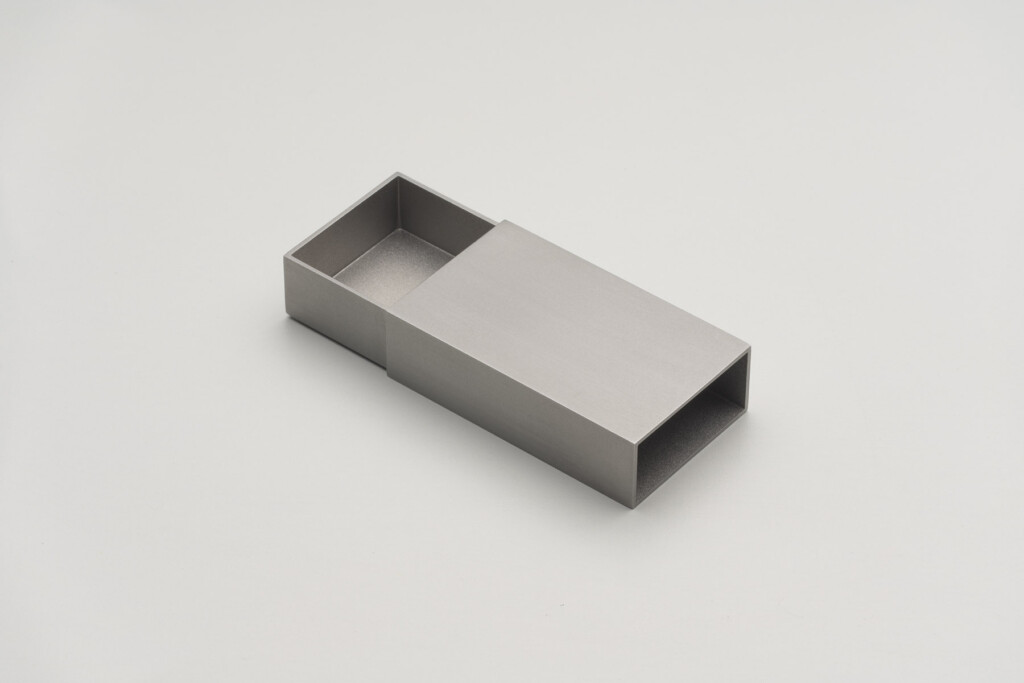
The Dolmen of Nemorino rises as a contemporary dolmen made of stainless steel, set upon a mound of earth that enters into dialogue with the golden architecture and mirrors of the hall. In its monumental scale and primal simplicity, the piece reflects the artist’s own vital and creative process: a constant dialogue between desire and matter, between what is imagined and what sculpture allows.
Guzmán conceives his sculptural practice as an exercise in trust and listening. “I allow the sculpture to happen,” he states. “It’s a way of understanding life: things happen because they can only happen in one way —the way they do. A sculpture can only exist as it has appeared, with all the accidents and conditions that have made its form possible.”
That same idea runs through his father’s story: the moment he lost his voice, far from being a rupture, became a lesson in acceptance and learning. Sometimes, when Guzmán sees him still practicing fragments of opera, he recognizes in that gesture an emotional continuity with a passion that never disappeared but rather transformed.
For the artist, true importance lies in the gaze with which we confront what happens to us. Like Nemorino, the protagonist of Donizetti’s opera, who discovers hope in a single tear that drives him to go on, The Dolmen of Nemorino offers a reflection on trust, transformation, and endurance.
22 November — 15 December 2025 · Hall of Mirrors, Gran Teatre del Liceu
The Fondation Cartier pour l’art contemporain has inaugurated its new space facing the Louvre with the group exhibition Exposition Générale, a show that brings together emblematic works from its collection and marks the beginning of a new chapter for the Parisian institution.
Among the participating artists is Peter Halley, presenting the installation OMG! (2014), created in collaboration with Italian designer and architect Alessandro Mendini. The piece, characterized by its vibrant geometric planes and its dialogue between art, design, and architecture, occupies a central place in the exhibition, reaffirming Halley’s relevance within the international contemporary art scene.
The new building of the Fondation Cartier, designed by French architect Jean Nouvel, opens its doors with this ambitious exhibition that celebrates the diversity and dynamism of contemporary art. Exposition Générale also includes works by Bodys Isek Kingelez and other renowned artists from the collection.
The exhibition has received wide coverage in international media such as The Times, Numéro Magazine, and WWD, where the installation by Halley and Mendini has been highlighted as one of the emblematic images of the event.
Exhibition details: Exposition Générale Fondation Cartier pour l’art contemporain, Paris From October 25 to August 23
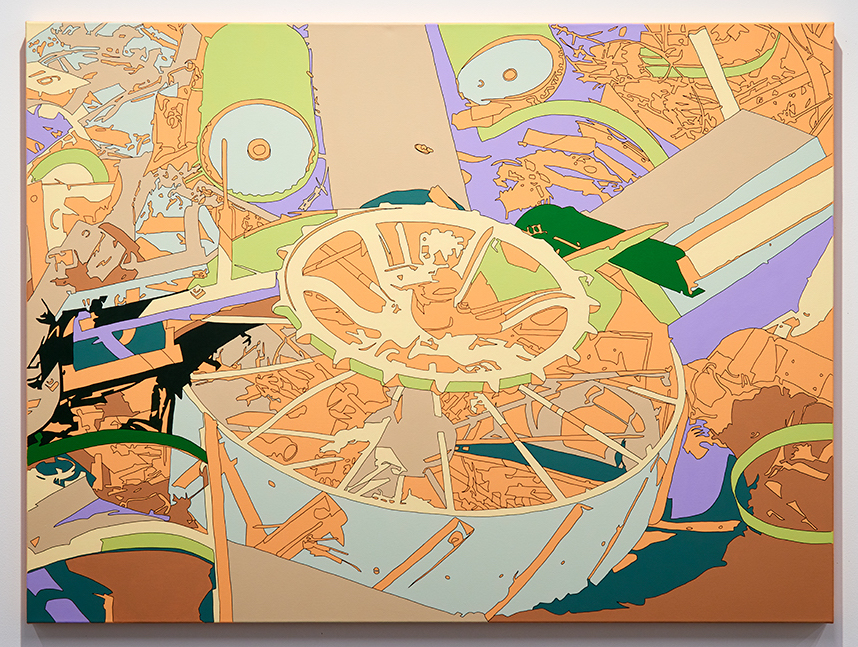
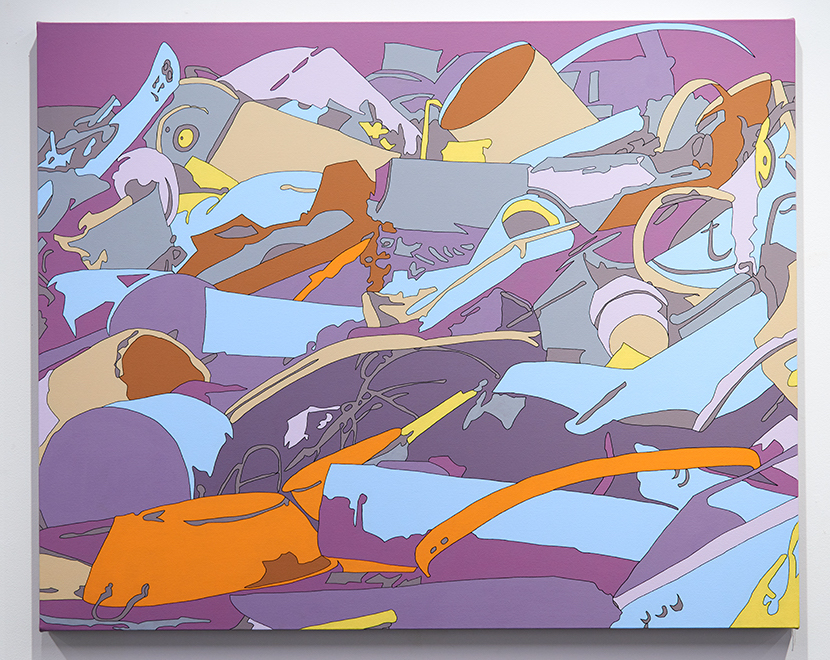
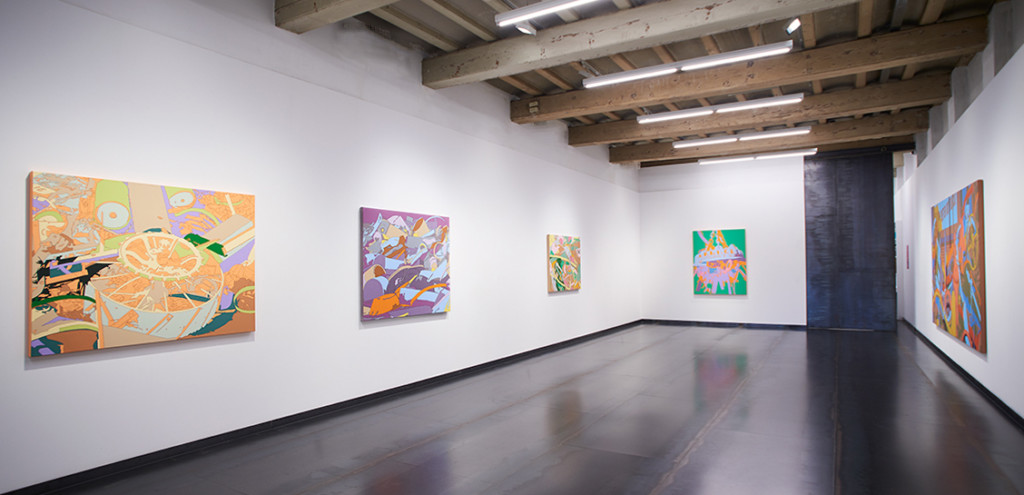
Once again, Galeria SENDA is pleased to announce our participation in By Invitation 2025, an exhibition featuring Jaume Plensa and Marcel Rubio Juliana, held for the sixth consecutive year. We look forward to welcoming you at the Círculo Ecuestre of Barcelona, in the Japanese Room, from November 6th to 9th.
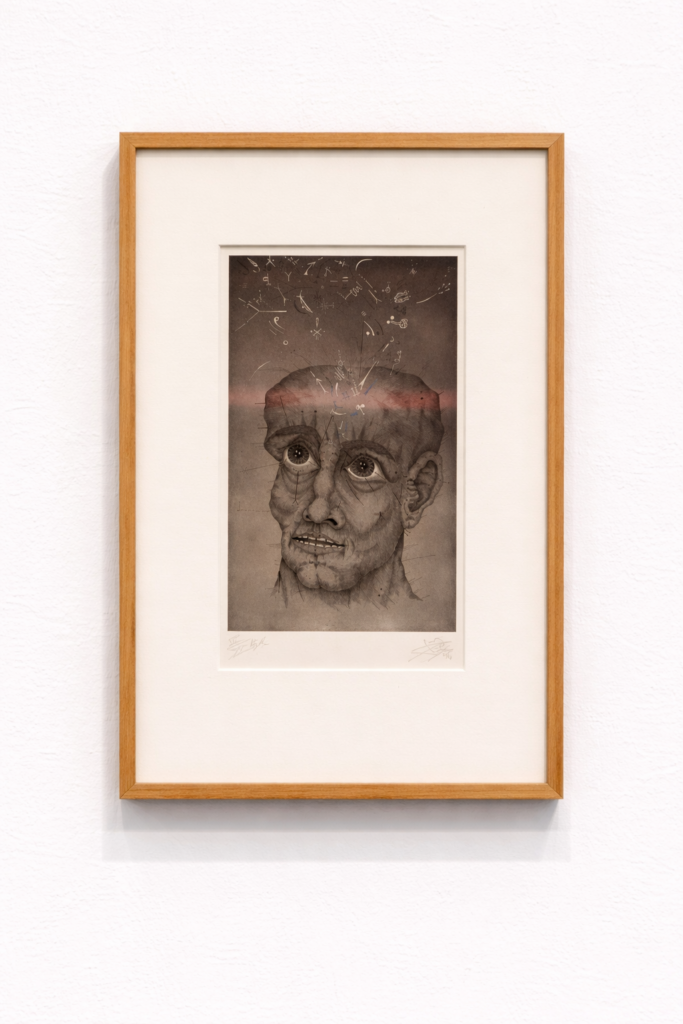
Jaume Plensa presents his work “CAP III“, part of his production from the 1980s, a period in which he explored questions related to volume, space, and tension. Over time, his work would evolve to soften forms and materials, but in his early years, his sculpted heads reveal a continuous process of construction and destruction, positioning him as one of the precursors of 1980s neo-expressionism.
In this piece, Plensa employs cuts, folds, and deformations that, formally, create strong contrasts and reflect a desire to evoke brutalism and primitivism. These strategies also represent an investigation into the relationship between void and fullness an element that would later gain growing significance in his work.
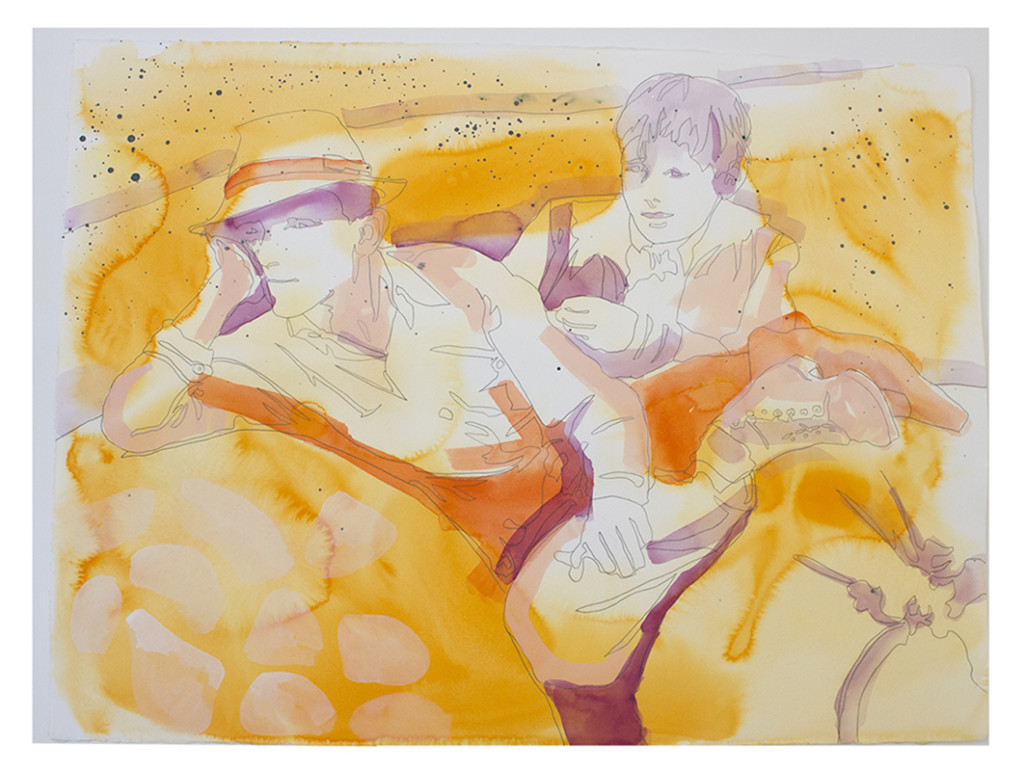
In dialogue, we encounter the series by Marcel Rubio Juliana, “La Prueba de la Psicostasis“, shown to the public for the first time. The series portrays the episode of Psychostasia, the weighing of the soul described in the “Book of the Dead“.
In this passage, the soul of the deceased is brought before the celestial tribunal, composed of Isis, Osiris, and Horus. The evaluation of the soul begins, based on the moral weight of one’s most difficult life decisions. On one side of the scale lies truth, symbolised by the feather of Maat; on the other, the deceased’s heart the symbol of all they felt, thought, and chose. A frieze complements the narrative, illustrating the two movements of the heart, diastole and systole, which enable blood circulation and, by extension, life itself.
About the artists
The Barcelona-based sculptor Jaume Plensa presents a body of work rooted in gentle tensions: between light and darkness; the imprint of the past and the openness to the future; natural formation and human creation; the vastness of noise and the most intimate spheres of silence. In addition to being one of the leading figures in contemporary sculpture, Plensa is internationally acclaimed for his commitment to public art. He highlights the importance of deconstructing reality and reaffirming nature to serve a greater purpose: “to reintroduce beauty into society.”
Marcel Rubio Juliana (1991, Barcelona) studied at the Escola d’Art i Superior de Disseny Pau Gargallo in Badalona and later earned a Fine Arts degree from the University of Barcelona. He works primarily with drawing and painting, often approaching them with the sensibility of a literary essay. His creative process is slow and deliberate, expressed through both large-scale works and smaller pieces. Rubio has held solo exhibitions at venues such as the Fundació Joan Miró, Galeria Joan Prats, and Fundació Arranz-Bravo, and has taken part in prominent group shows such as Swab Barcelona, Espais Volart, and the Museum of Modern Art of Tarragona.
Elena del Rivero will participate in the 2025 edition of the Extramurs project of Museu Tàpies (in collaboration with the Festival Grec, Eina Centre Universitari de Disseny i Art, Centre d’Art La Capella, Basílica de Santa Maria del Pi, Galeria Senda and Loop Festival) with her project curated by Mateo Feijóo: La Quema.
What is Extramurs?
Extramurs is a project of Museu Tàpies that was born from the collaboration and exchange between different creators, collectives and institutions, with the aim of rethinking the city as a space for enunciation and intervention. It is a proposal that invites reflection from practice and action from reflection, focusing especially on public space and the environment. It opens up a critical space to analyse our surroundings and explore ways of inhabiting the world in a more conscious, inclusive and attentive way to time and space.
The project is based on the idea of turning the walls of public space into supports for citizens’ voices: surfaces where collective discourses are inscribed and shared experiences are reinterpreted, responding to the urgencies of the present.
What is La Quema?
La Quema is a project of Elena del Rivero promoted by A Casa do Pozo that began in Galicia, where the artist burned her work in October 2024, after it had been exhibited in private homes and spaces in the town. This action, documented in images and sounds, is the starting point of a proposal that explores destruction as a form of purification and renewal, transferring this gesture to the urban and architectural space of Barcelona.
The project includes the bell concert L’espai alliberat, by Llorenç Barber, with the participation of music students from the ESMUC and the Barcelona Municipal Conservatory of Music, among others. This concert will be held on 8 July at 7.30 p.m. in the Rubió i Lluch gardens of the Centre d’Art La Capella, as part of Festival Grec, and will serve as the opening of the 2025 edition of Extramurs.
PROGRAMME:
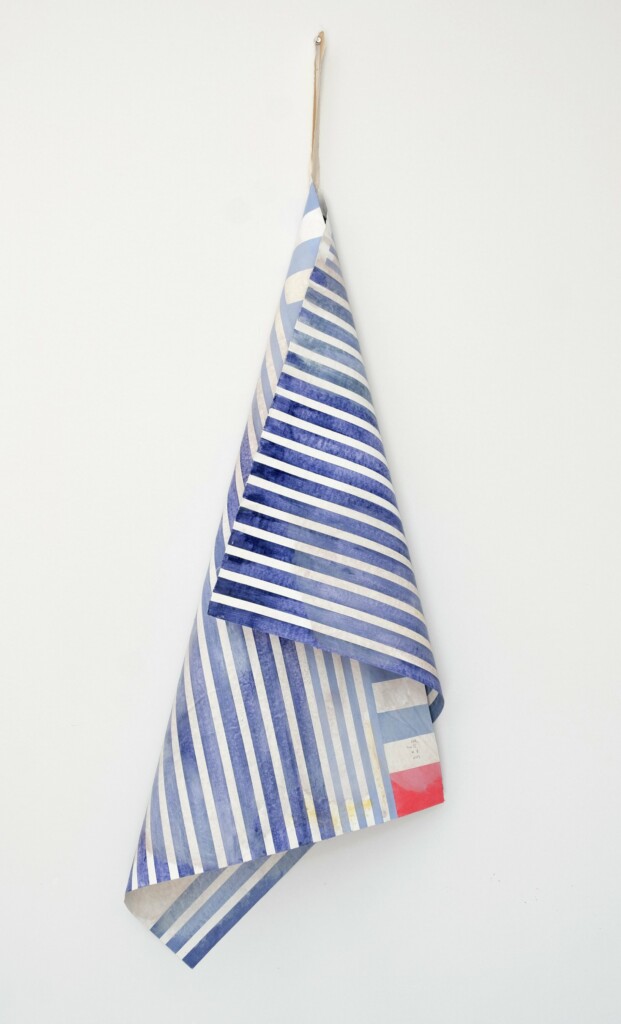
Jardines del Teatre Grec: “Tendal de trapos de cocina” (26.06 – 01.08.2025)
Jardines Rubió i Lluch: Llorenç Barber. “L’espai alliberat” (08.07.2025)
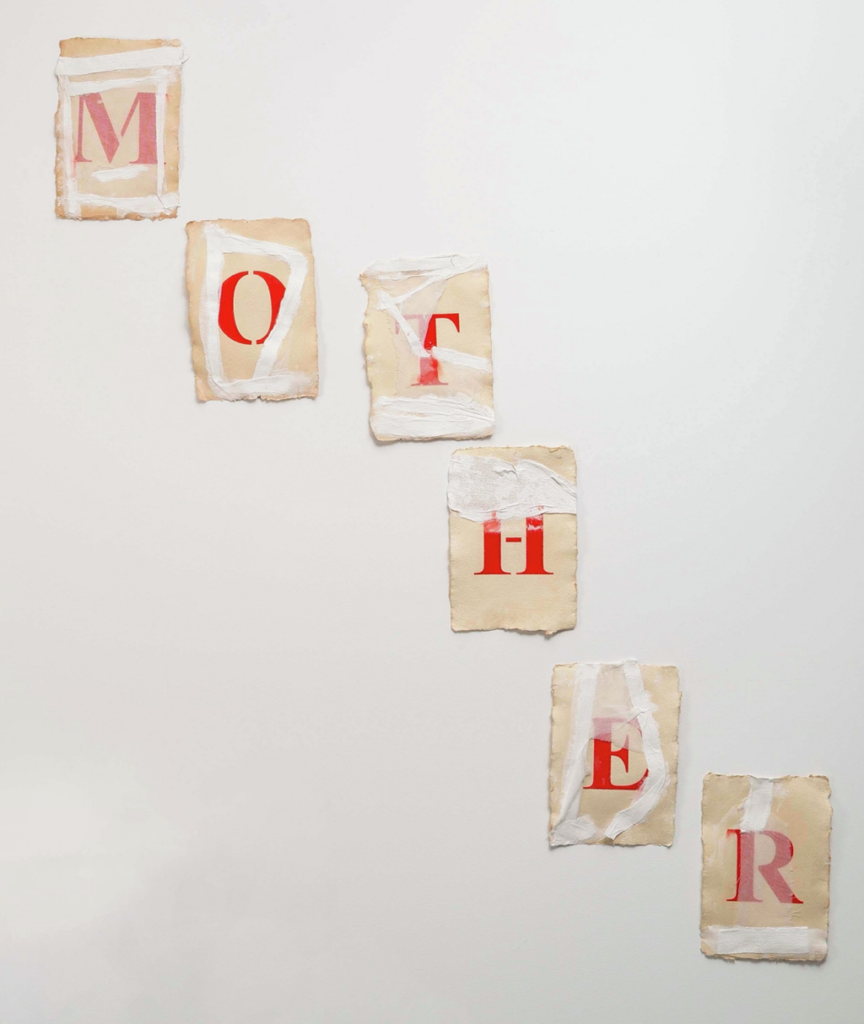
Museu Tàpies: Letters to the Mother, No funciona, Abierto y Diarios (08.07 – 01.10.2025)
Basílica de Santa Maria del Pi: “Canto para un monumento funerario” (08.07 – 01.10.2025)
Centre d’Art La Capella: “Un mosaico de lo común. La experiencia comunitaria de Elena del Rivero” (08.07 -07.09.2025)