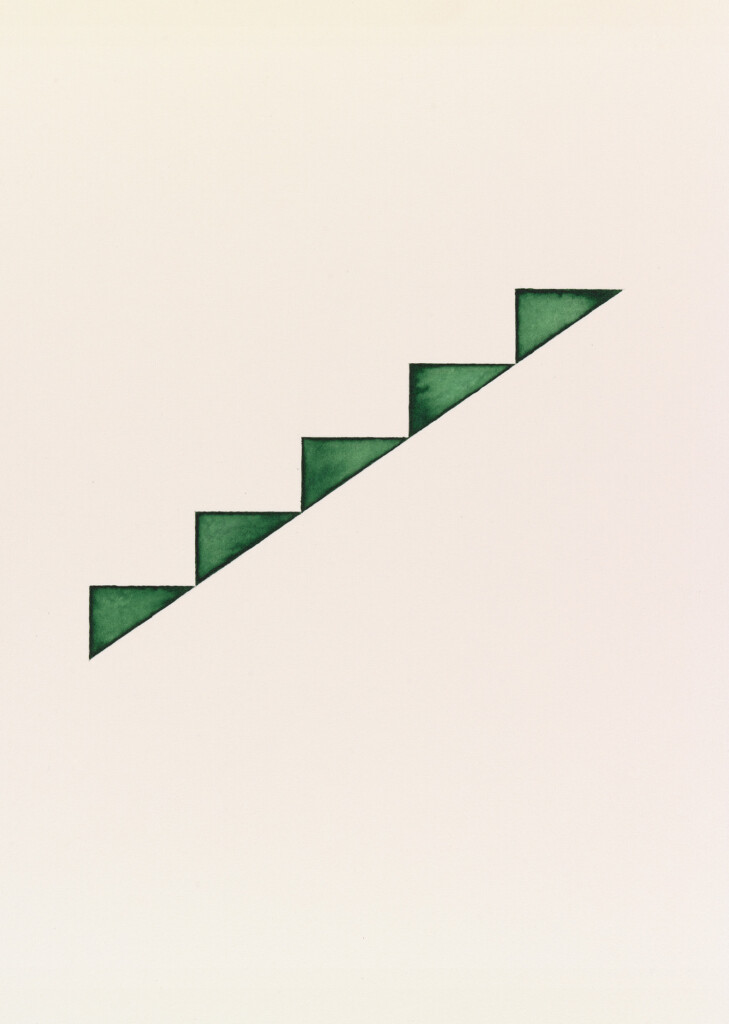
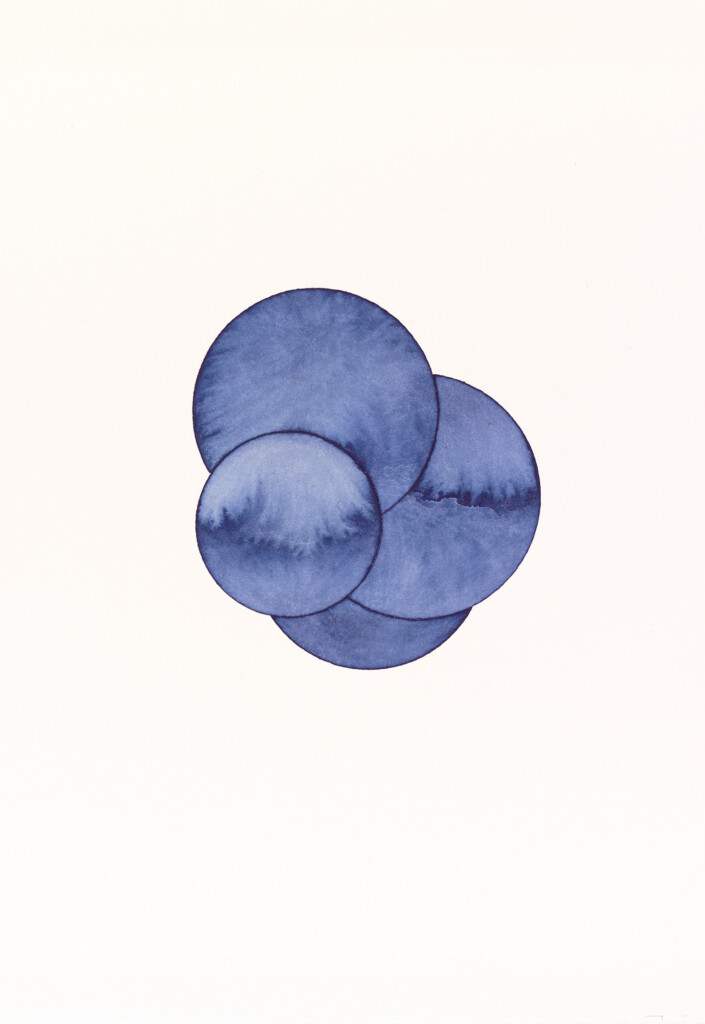
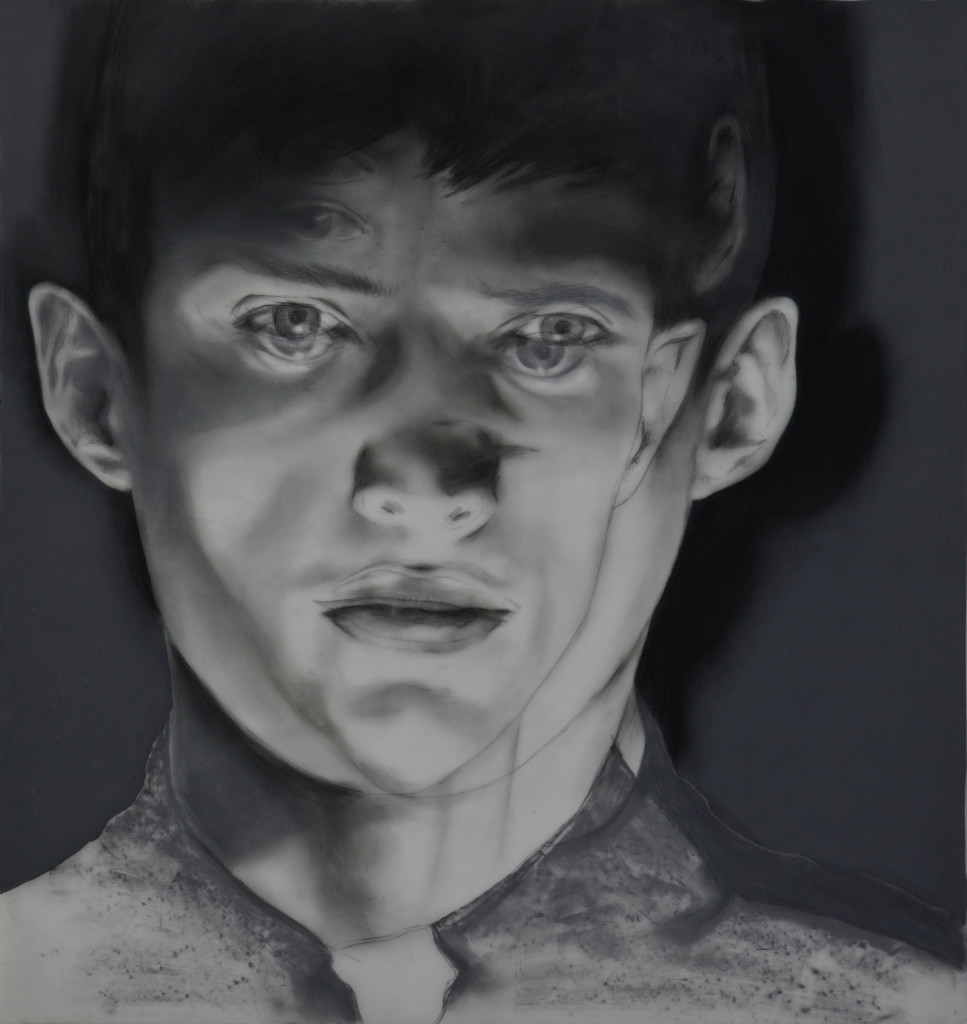
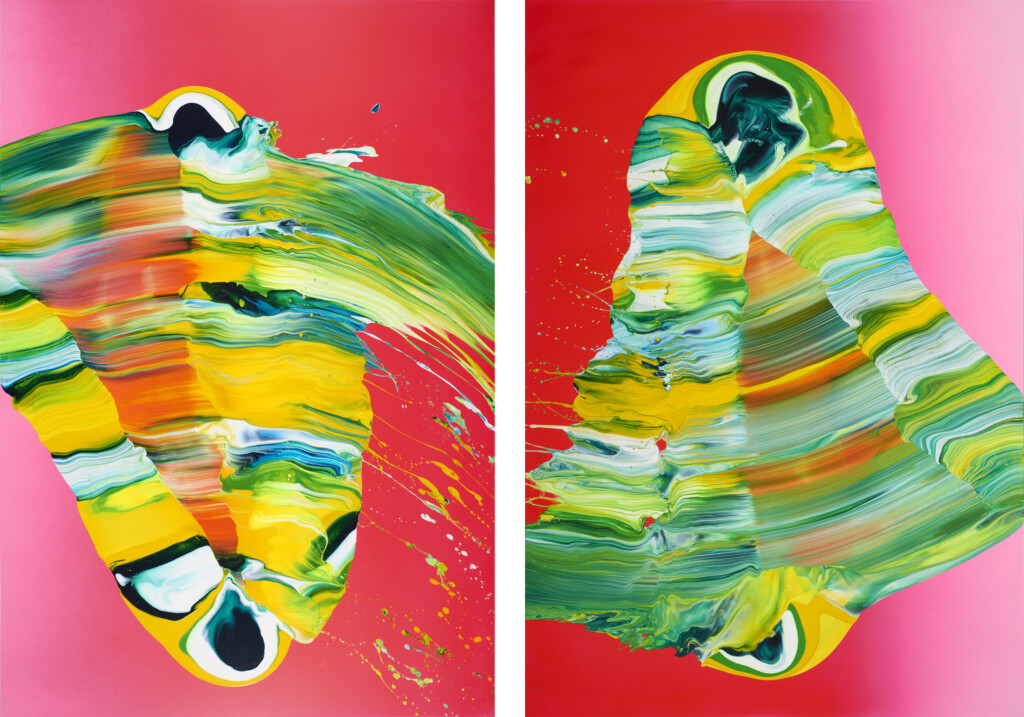
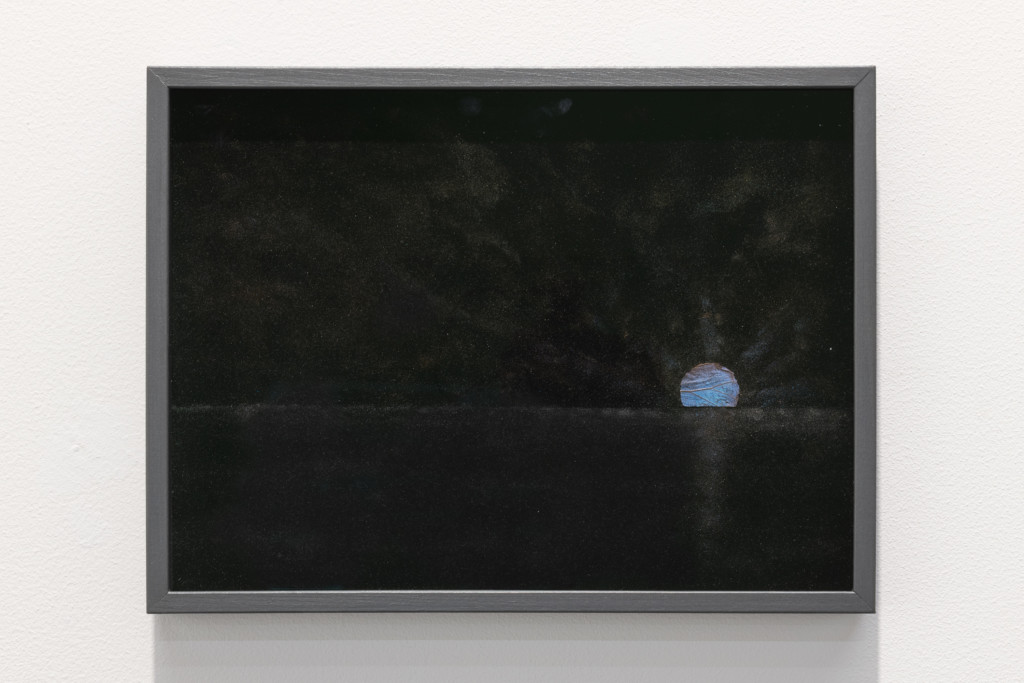
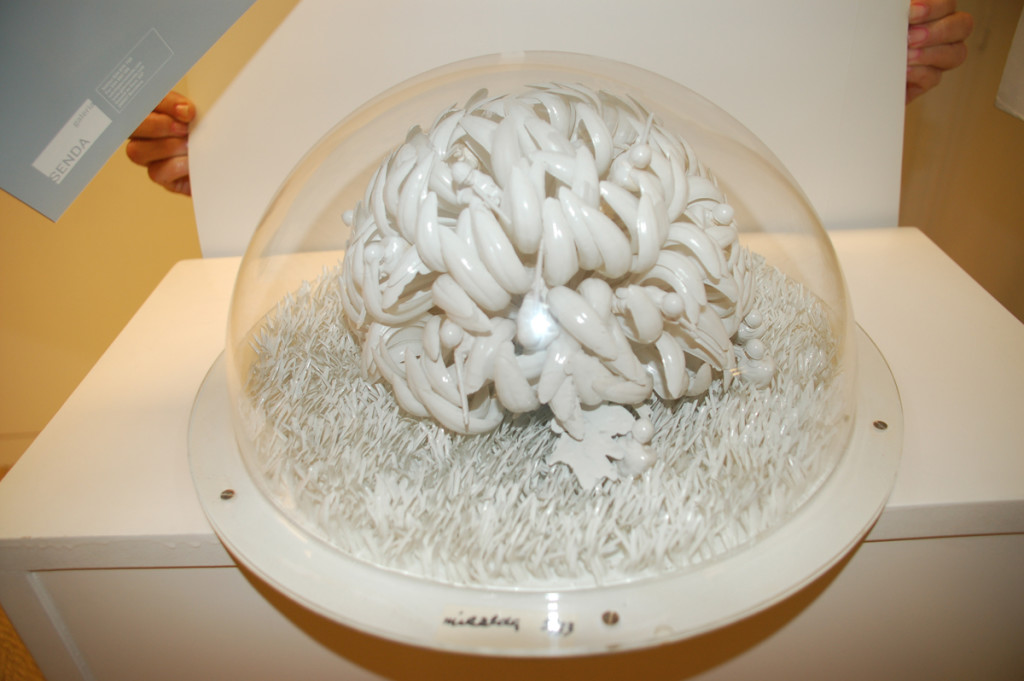
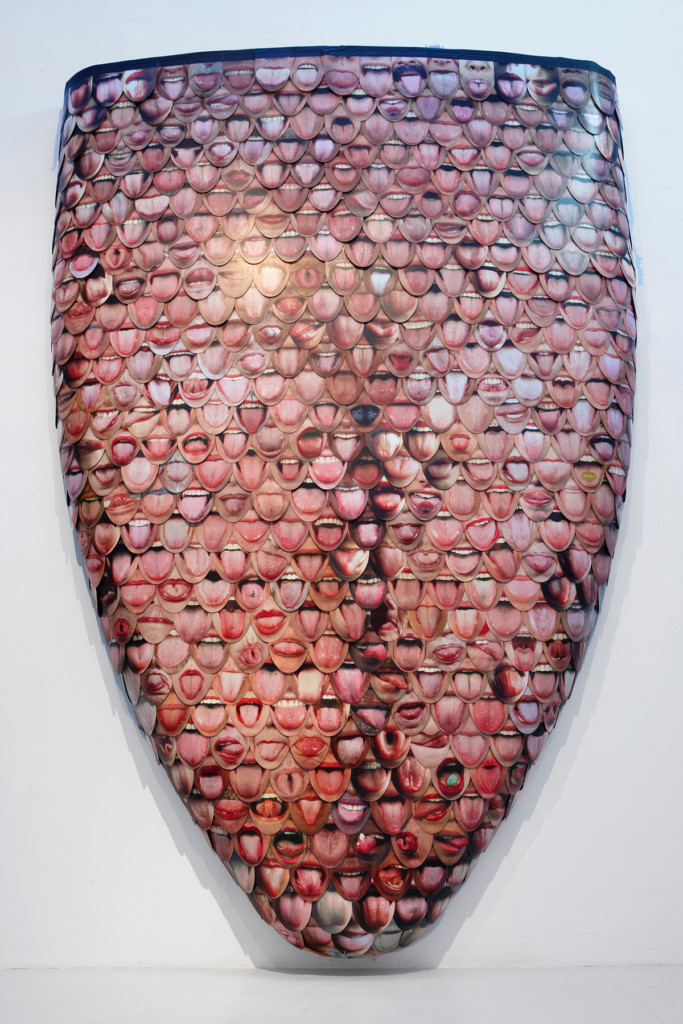
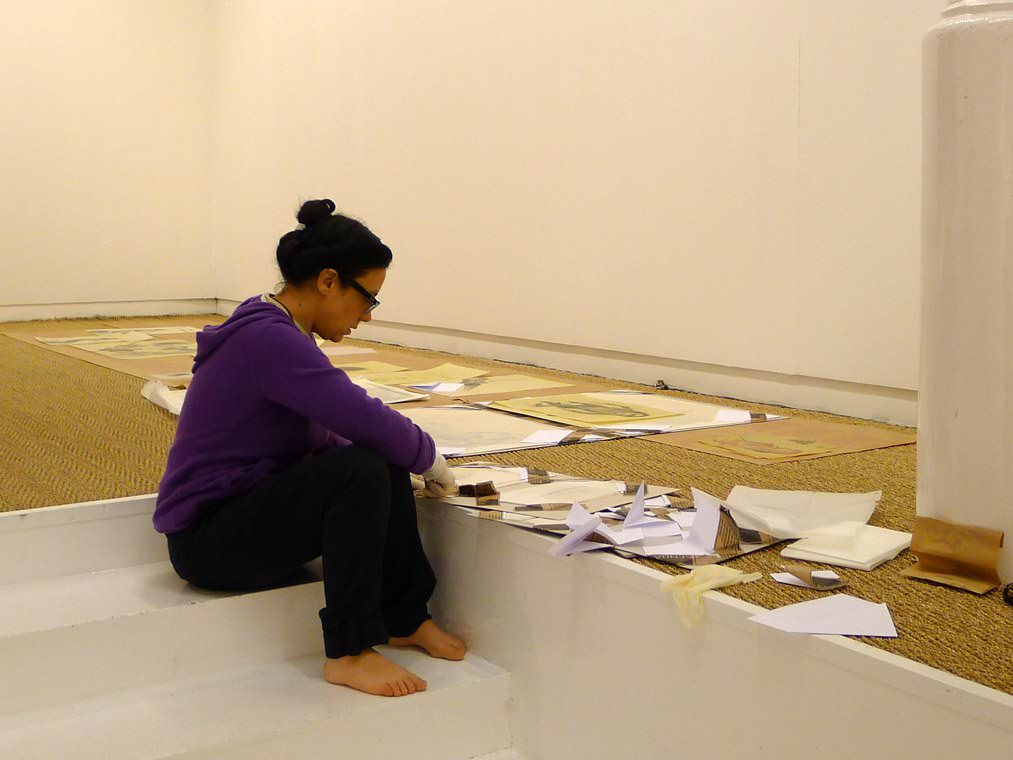
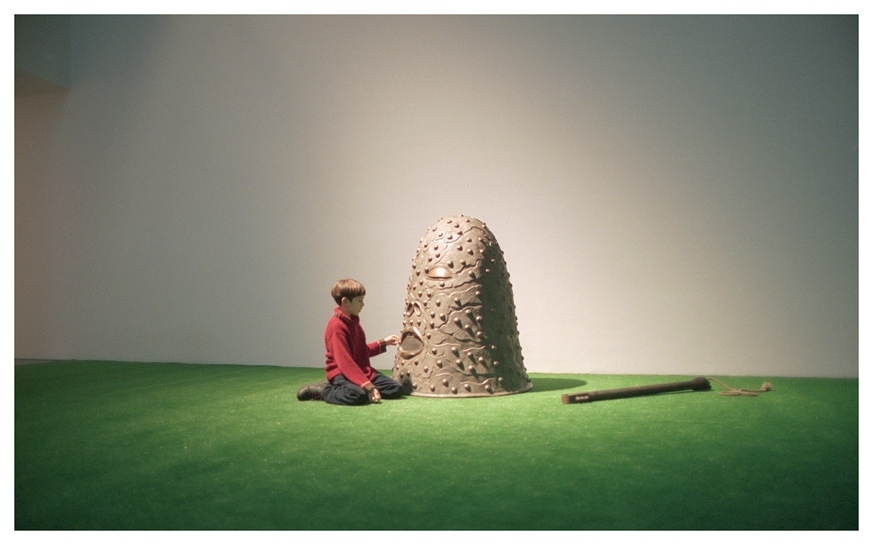
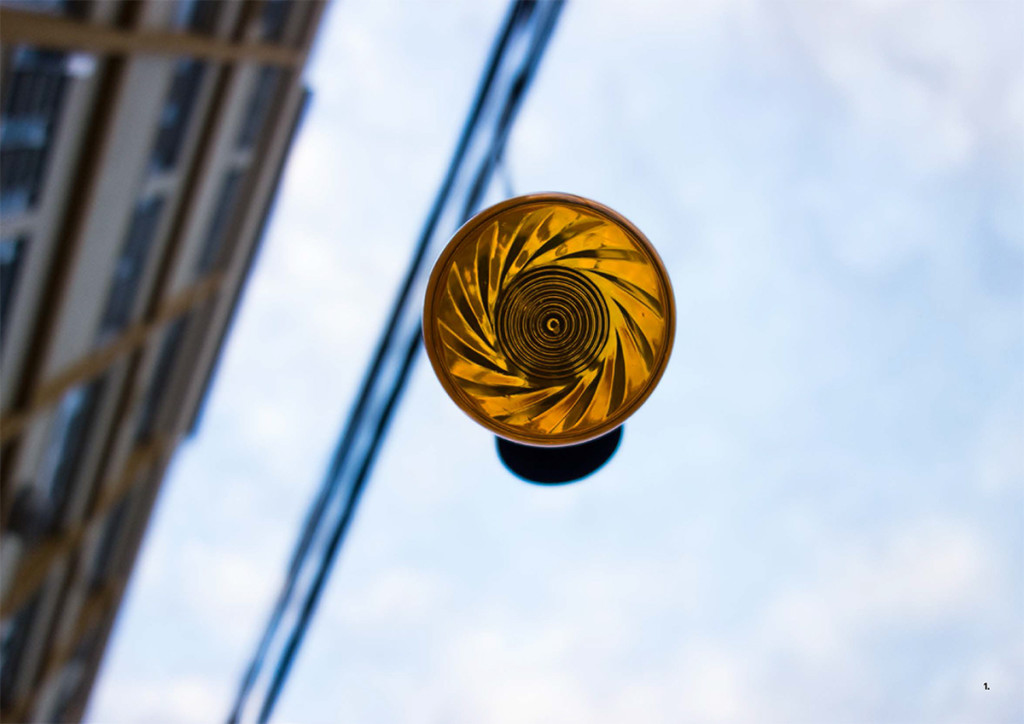
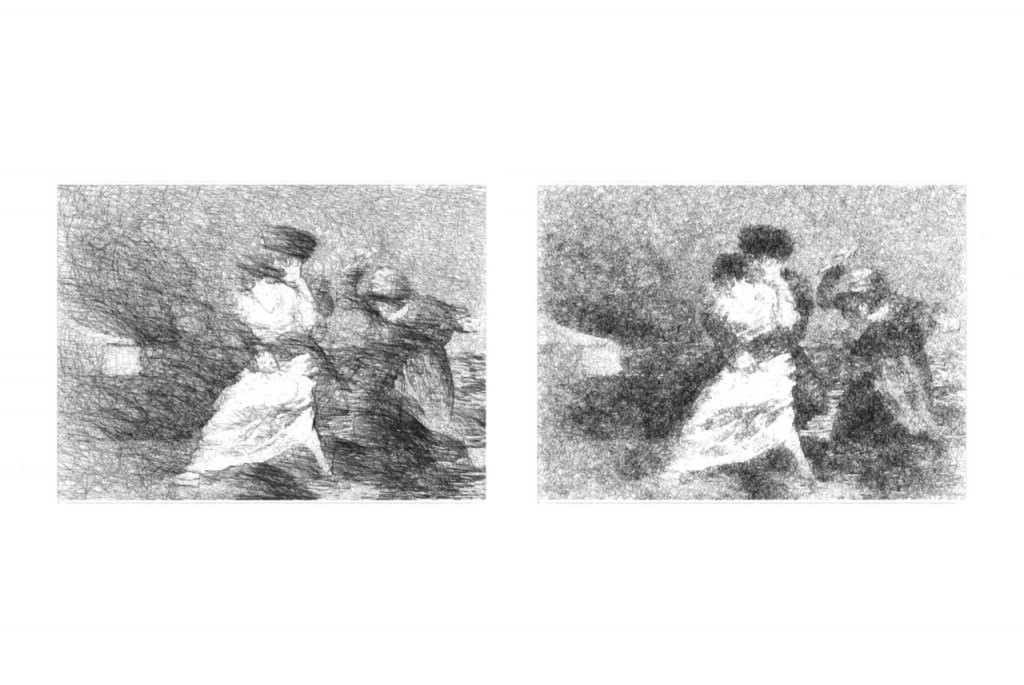
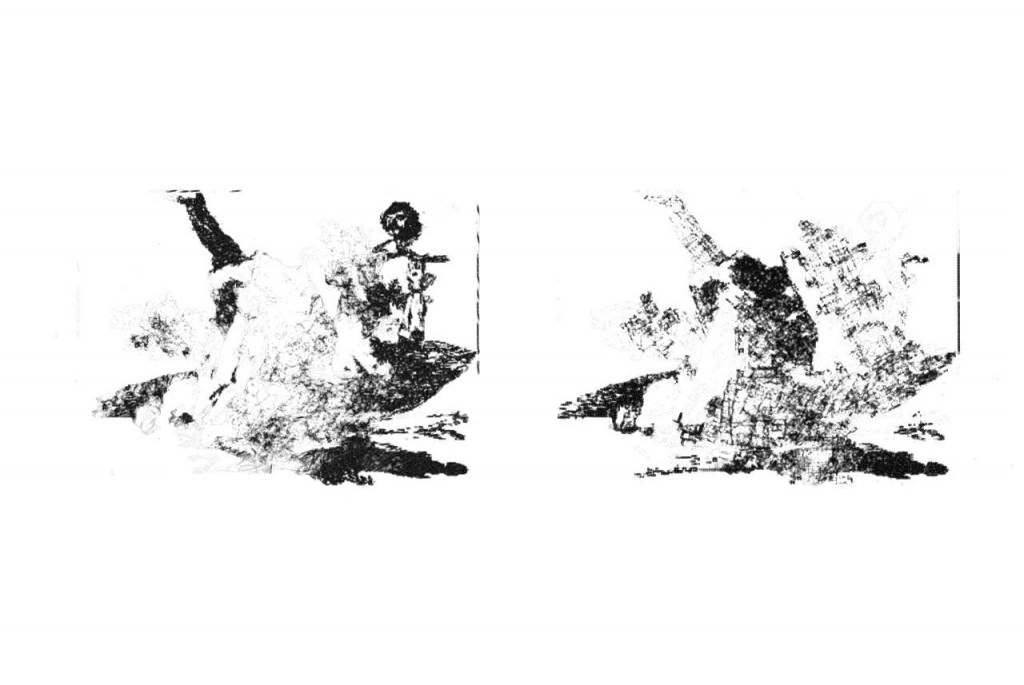
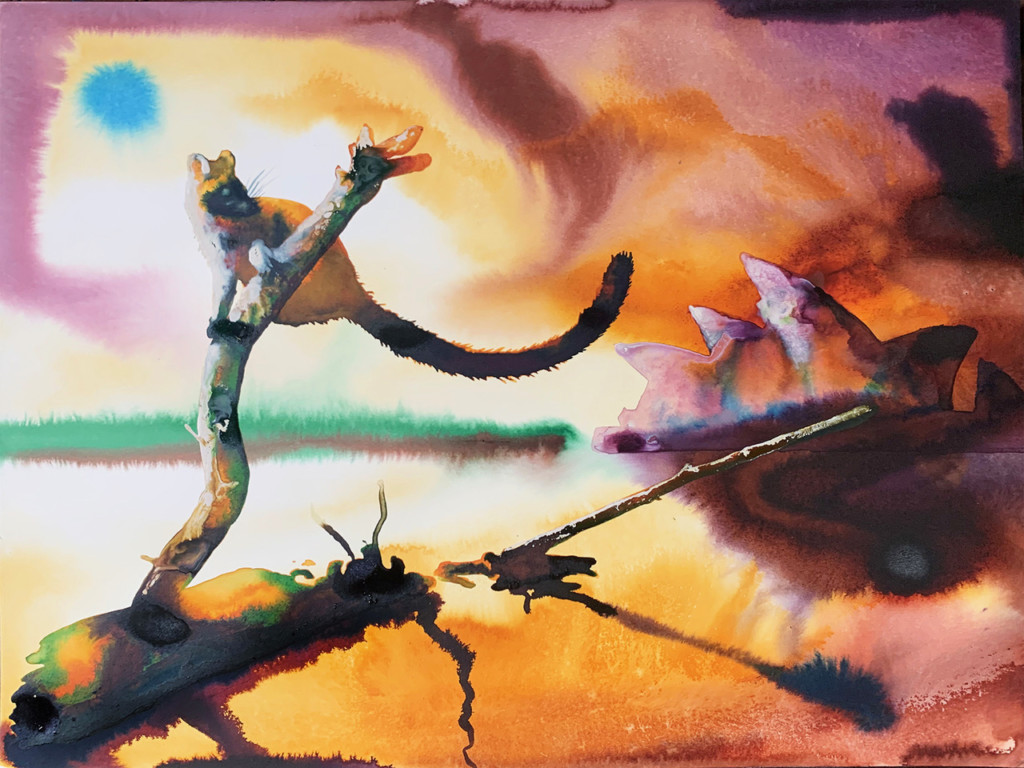
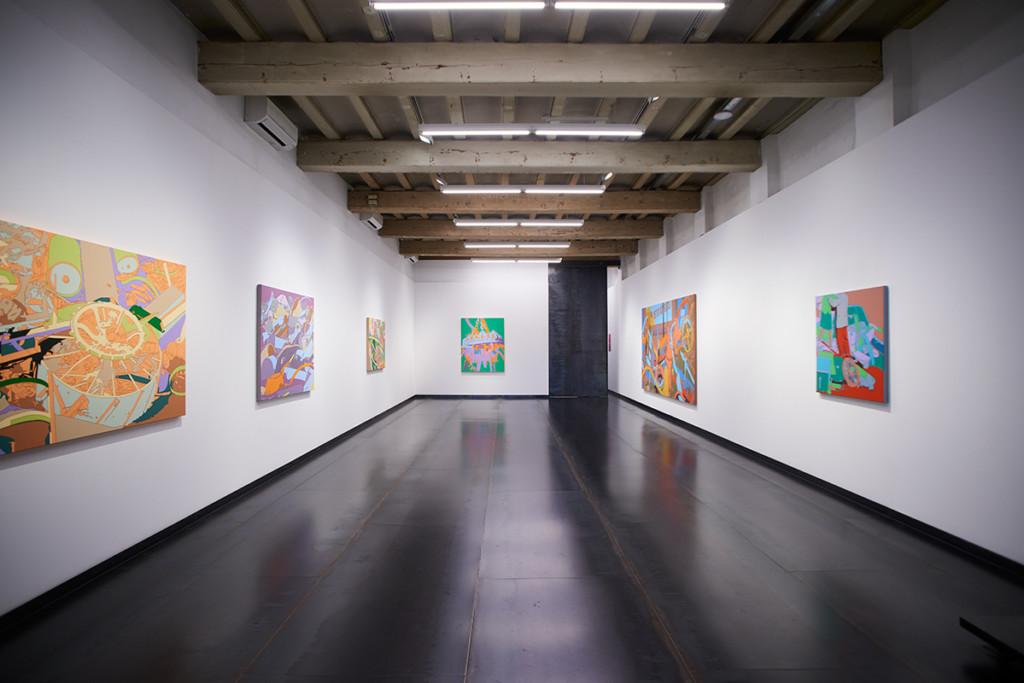
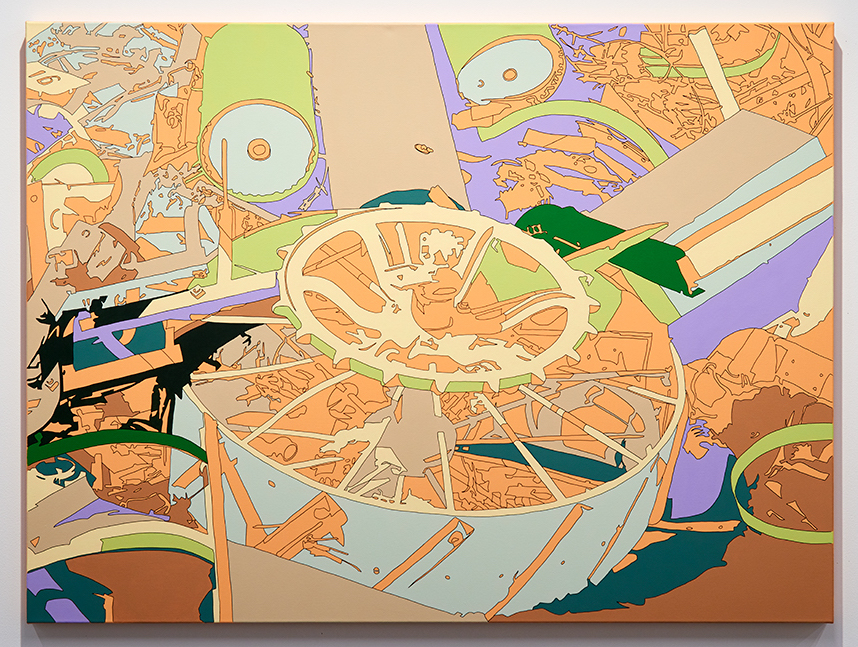
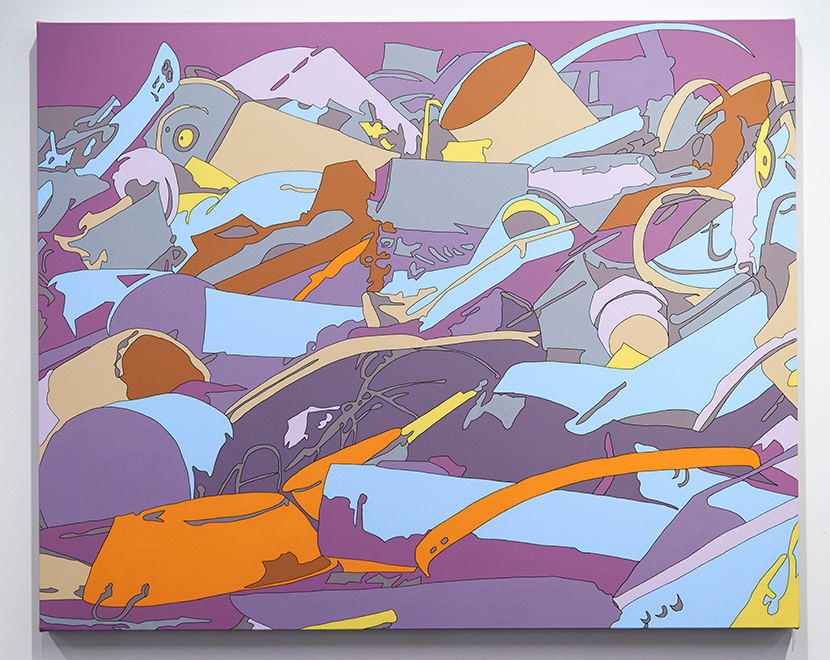
Spools, spindles, mirrors, rotated forms… the body of work presented for this exhibition constitutes a set of videos, annealed and scientific glass sculptures, and large format drawings. All revolve around the same reflection (or vacillation) on the tongue. Further, blown glass is introduced not only as creative and transformative material—unraveling some of the fabrication and manipulation processes natural to the craft—but also as a bridge between object and language, body and word.
A slip, a lapsus linguae: threads, multiple, are infinite. Attempts to translate are though limited and bound to fail, since they cannot but differ from the “original”. After all, they both suggest countless possibilities. Molten glass has to be in permanent movement in order to be shaped; language does too, so to be transformed and not swallowed by immobility. This exhibition invites to think some of these inevitable lapses together, in the intent of language or of the body itself to escape from our mouths. Everything twirls around fire.
Pablo Vindel’s 28 lapsus linguae is a journey through blown glass, video-poetry and drawing as performance documentation, all of which the artist created during and in the aftermath of his recent artist residency at the Creative Glass Center of America and Museum of American Glass. A discursive and aesthetic corpus also based on a two-year experience as Sullivan Scholar through Stetson University (DeLand, Florida)—Stetson brings him in contact with an extraordinary group of experimental poets: sound-poets, video-poets, and concrete poets with whom he has the opportunity to psychologically and physically experience different spaces of the state of Florida (USA), Santiago de Chile and Rio de Janeiro. And last but not least, a profound interest in the materiality of language and its translatability.
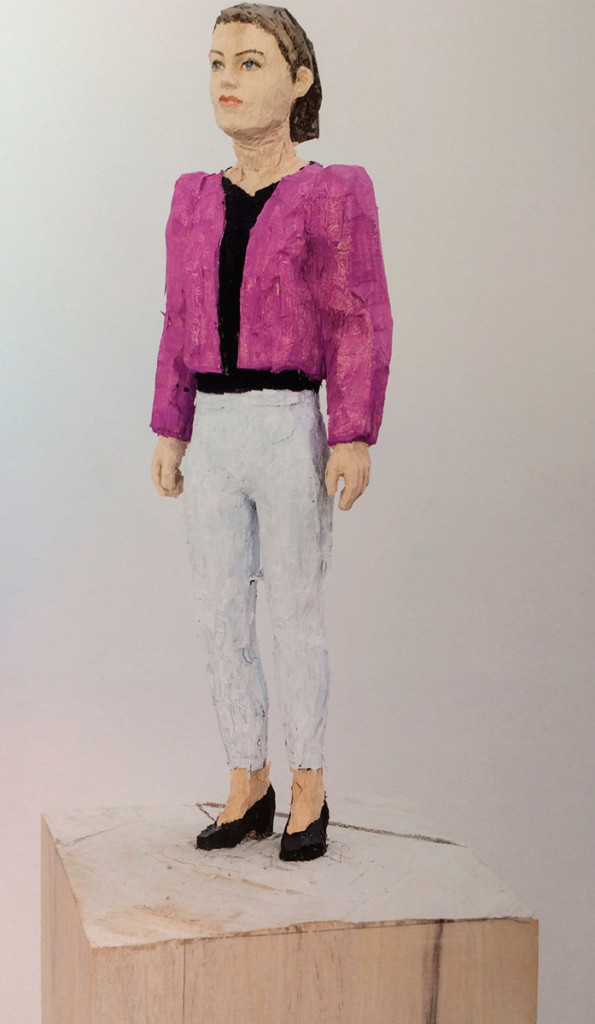
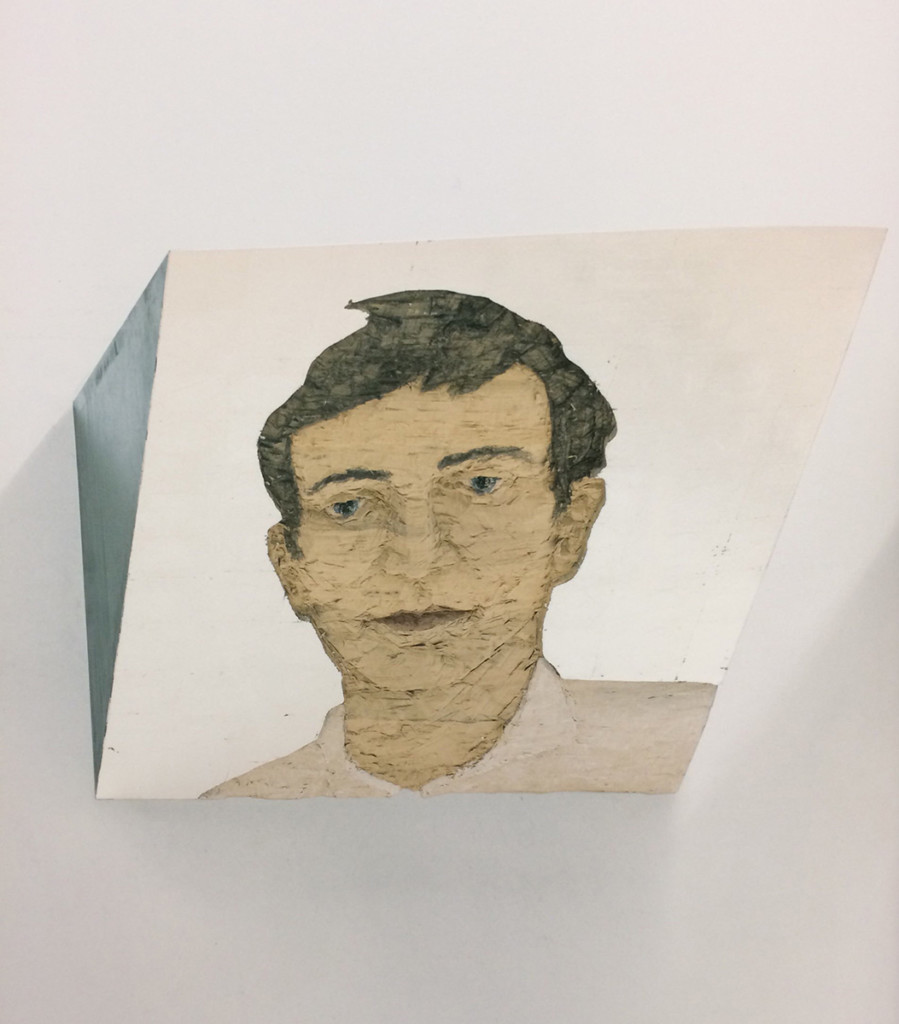
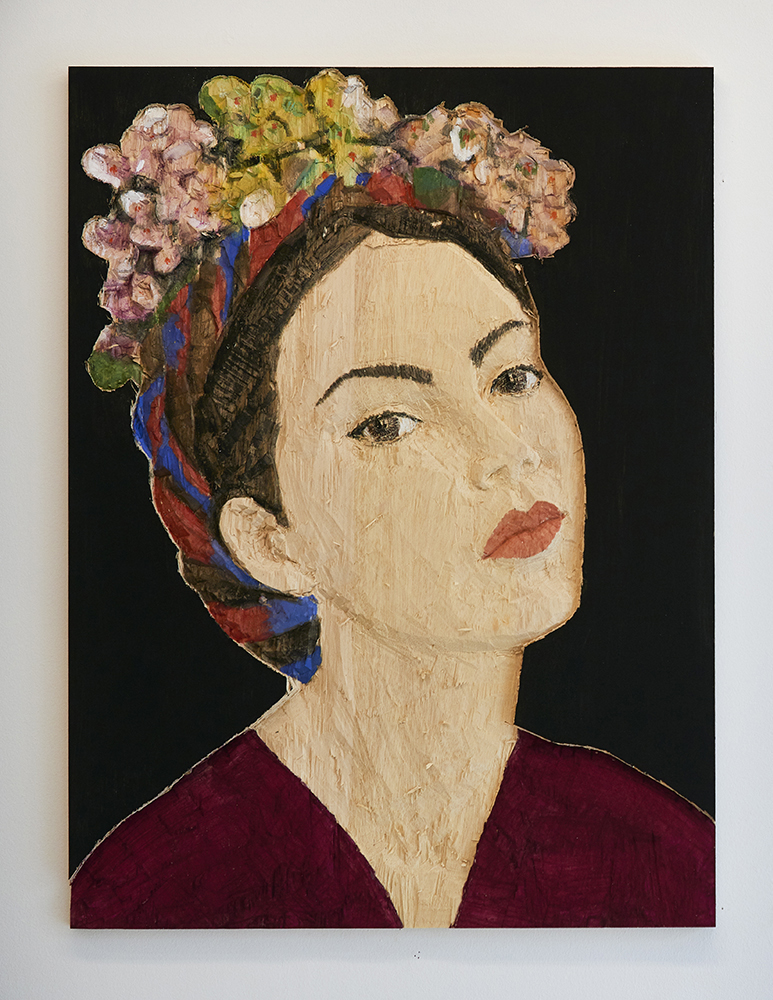
For the occasion, an installation composed of five pieces that was chosen which dialogues with each other in order to highlight and put in evidence the very personal style and the special concept of the German artist. Sculptures carved in wood and low-reliefs are constant in his production. The human figure represented always as an iconic form, at the same time the contrast with some of his other pieces that follow a more abstract and minimalist line; influenced intellectually and artistically by the sculptor Ulrich Rükriem. Balkenhol developed his own language by approximation and contrast of Rükriem artistic thoughts.
Stephan Balkenhol´s participation in the special projects section of ARCO Lisboa 2018 is part of the intense program of exhibitions that Stephan Balkenhol has displayed in the last years. Among them, deserve to be highlighted the very recent Retrospective in the Center of Contemporary Art in Malaga – CAC Málaga – where the sculptures here we presented were previously seen – and New Sculptures first individual of Balkenhol in Barcelona; Galeria SENDA.
The german sculpture has been characterized by the artist’s striving to re-ground figurative sculpture. He stood out against the prevailing tendencies is articulated through his very personal Technic. Balkenhol carving soft wood of Alamo and Obeche, materials that remain clearly visible in the work through chisel marks, cracks or knots in the wood. The work process left marks through slabs or splinters that contrast with polished areas. In most of the sculptures uses a single block of wood which usually polychrome to delimit the robes and theme include a pedestal in sculptures totem types that remains the popular art and refer to medieval carving techniques.
Balkenhol strength with his work an exchange with the viewer, which immerse in a deep atmosphere of complicity. The artist also underscores as part of the compromise with the contemporary, the different between the sculptural scale, as the ideal scale, and the human scale as the real standard.
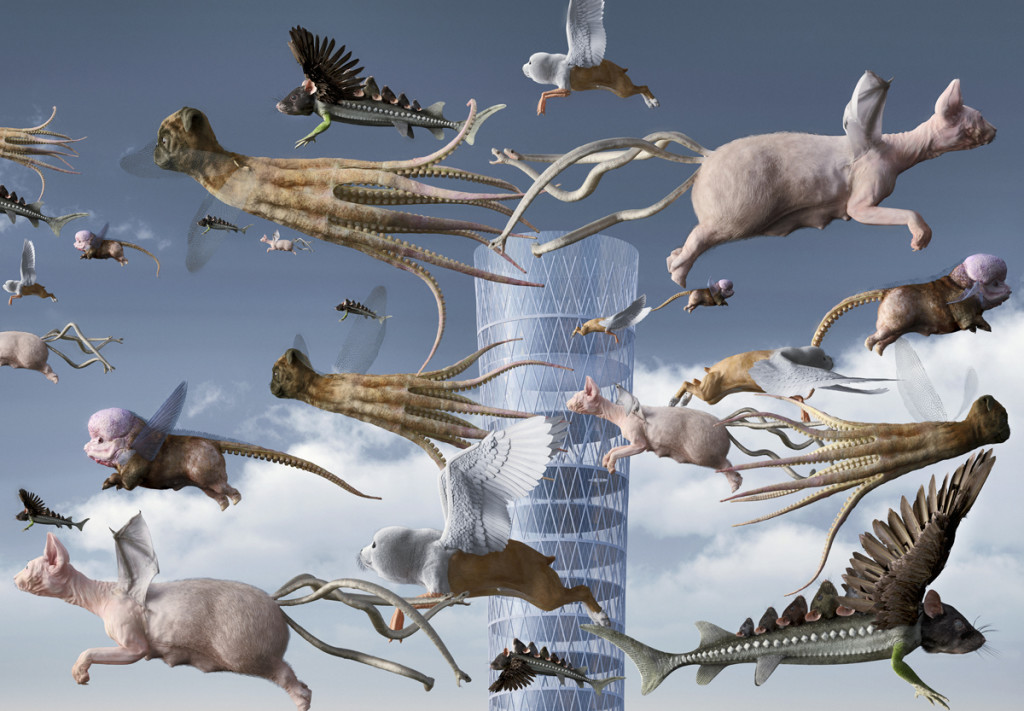
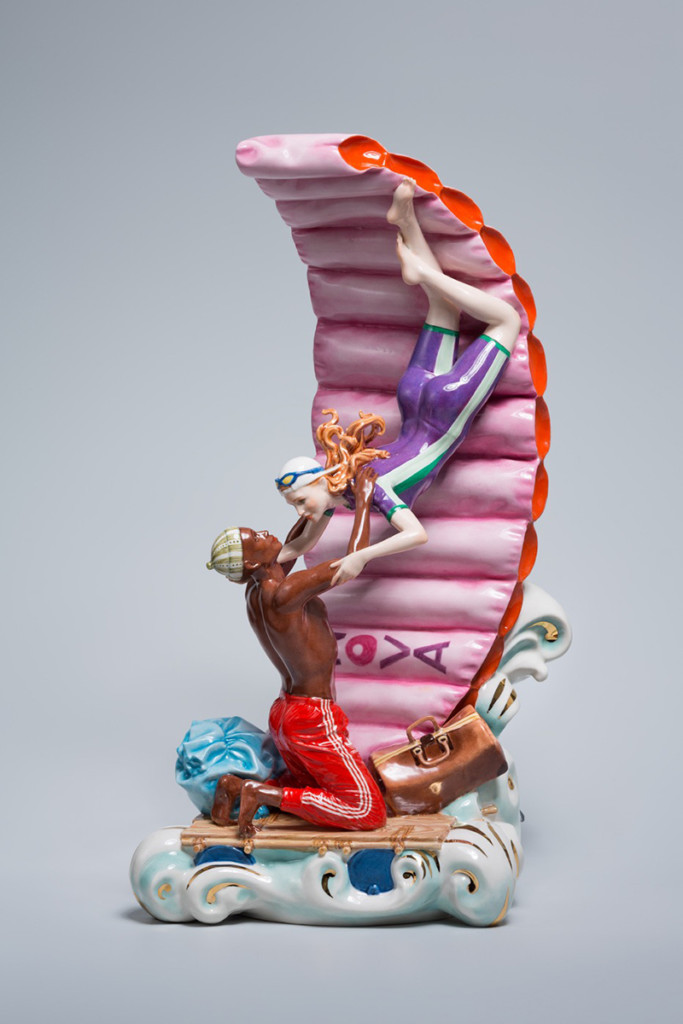
Galeria Senda will be participating in 50th edition of Art Brussels whit works of the artists: AES+F, Stephan Balkenhol, Sandra Vásquez de la Horra, Anna Malagrida, Francis Ruyter, Glenda León y Aitor Ortiz.
Booth 9F06
February 21–25, 2018
IFEMA Madrid
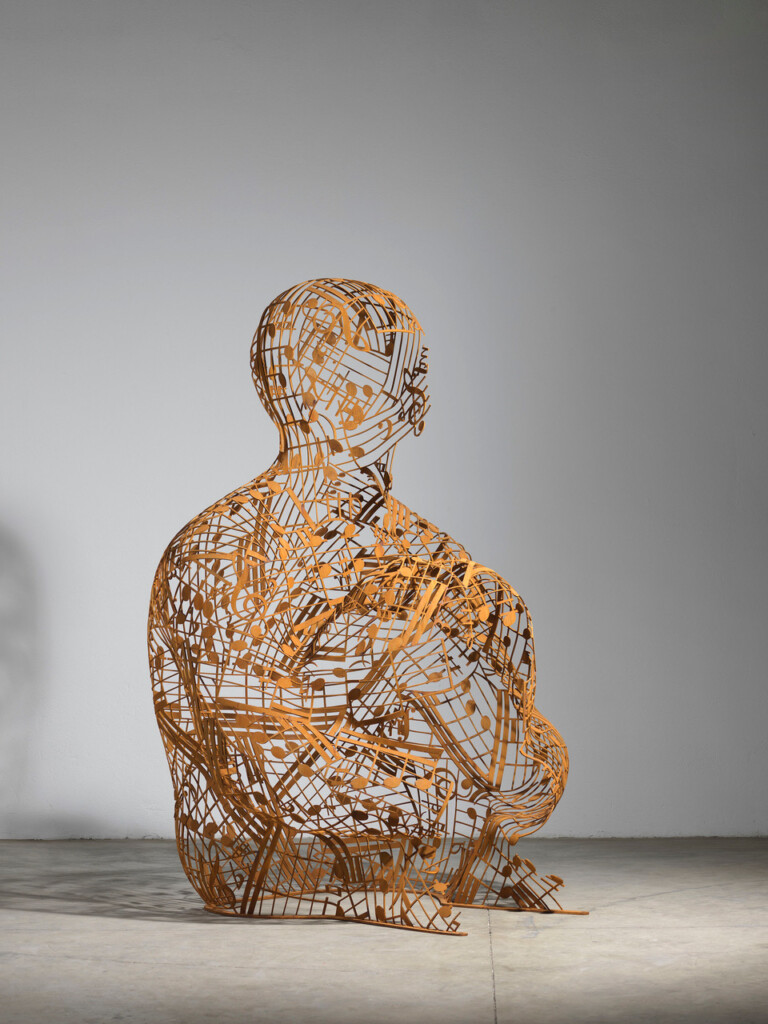
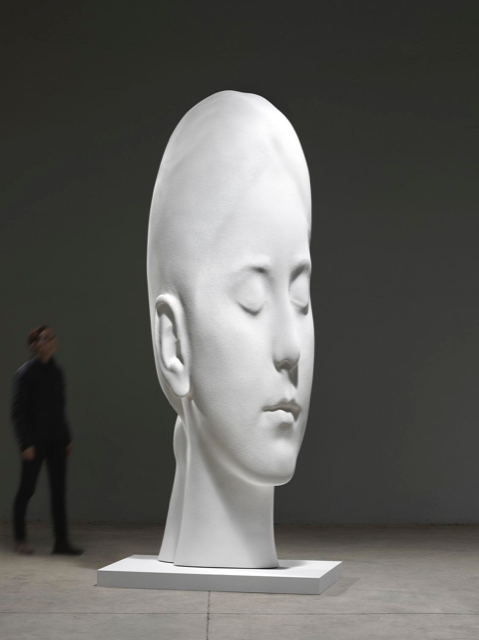
We are pleased to participate in ARCO Madrid 2018, presenting works by Stephan Balkenhol, Jordi Bernadó, José Pedro Croft, Peter Halley, Yago Hortal, Glenda León, Anna Malagrida, Jaume Plensa and Sandra Vásquez de la Horra.
Cultural ephemerid and urban phenomenon recognized worldwide, the German capital was and still is synonymous with change, with transmutation. LAB36 offers multiple and heterogeneous perspectives, in the same way the city does. Political, poetic, impossible and pondered visions converge.
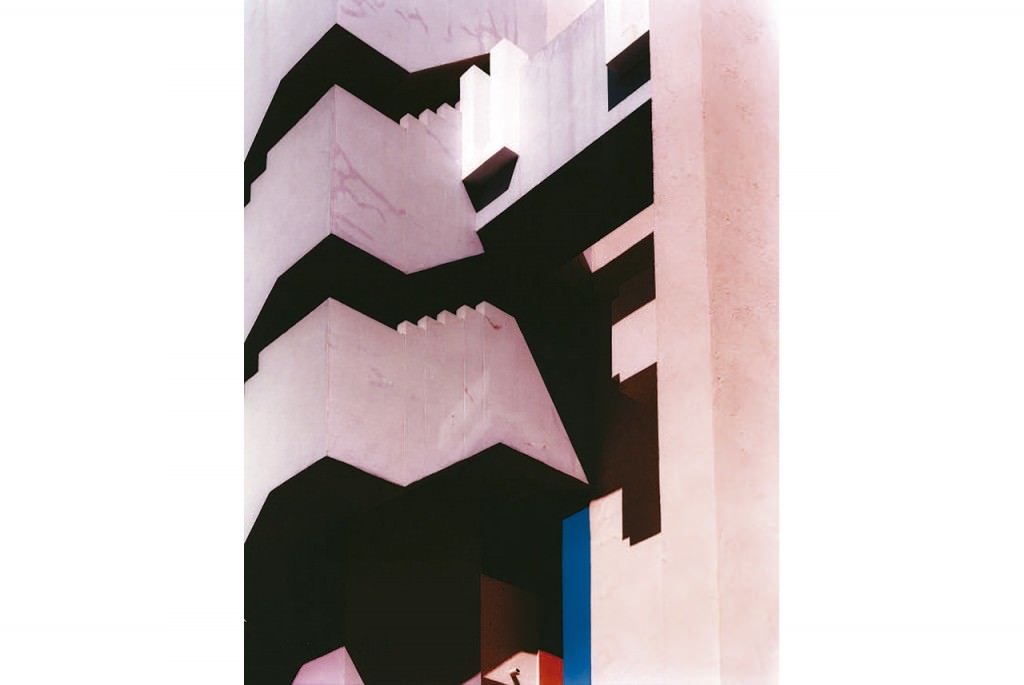
A group of Spanish artists invites us to walk around the city, from the divided Berlin to the current urban environment. In Taste Point Charlie (1979), the filmic journey and the fantasy of trespassing broadcasted by an inquiring Miralda reveal the violence of a cleaved city, ten years before the fall of the Wall. On the other hand, Plensa brings us closer to the more solemn and human side of the metropolis through the work he produced in Berlin, in the 80’s. While Jordi Bernadó presents the aftermath of History, Chema Alvargonzález delivers a chronicle of collapse and shows us a newer Berlin too. The latter two are the ones who capture, by means of the photographic lens, the fragmented reality of a later city—prelude to a destiny that is as much uncertain as promising.
Addressing clouds
According to a renowned scientist of quantum physics, there is evidence that, having achieved the degree of concentration and will needed, any individual can direct the clouds. The event occurred on different parts of the world but has seldom been seen, since nowadays almost no one looks carefully at the sky.
However, many people have found quite accurate shapes in the clouds, but they remain ignoring its peculiar origin.
Galeria Senda will be participating in Art Brussels 2017 that will take place in the exhibition space Tour & Taxis. In this edition will be hosting artworks from the renowned artists: Stephan Balkenhol, Gao Xingjian, Jaume Plensa, José Pedro Croft, Ola Kolehmainen, Anthony Goicolea, James Clar, Oleg Dou and Peter Halley.