
Oleg Dou

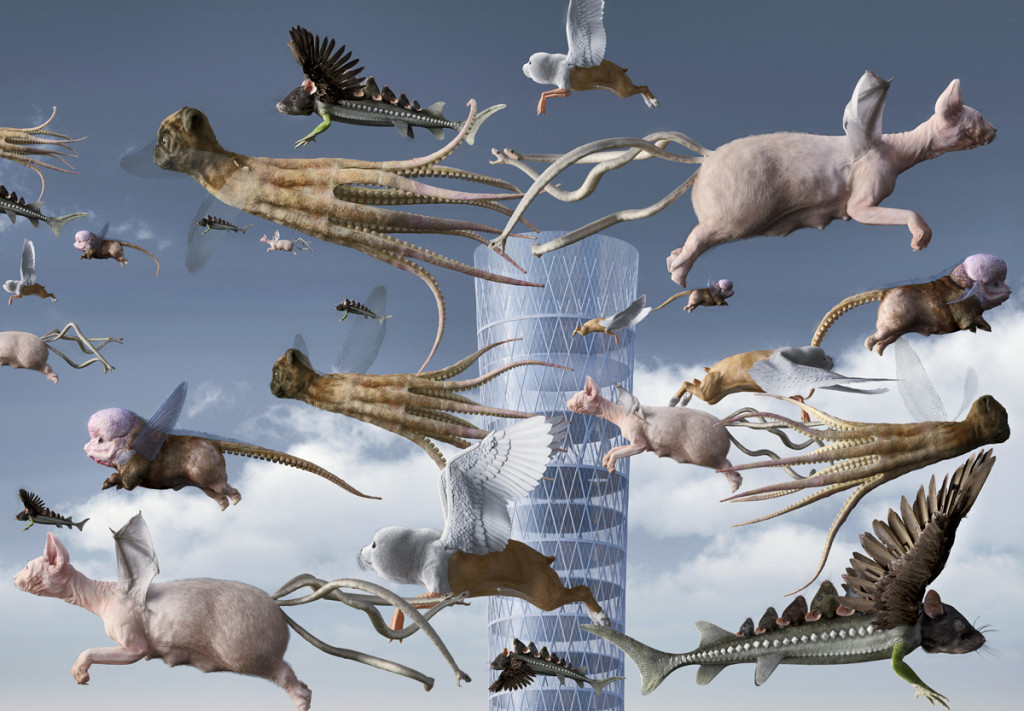
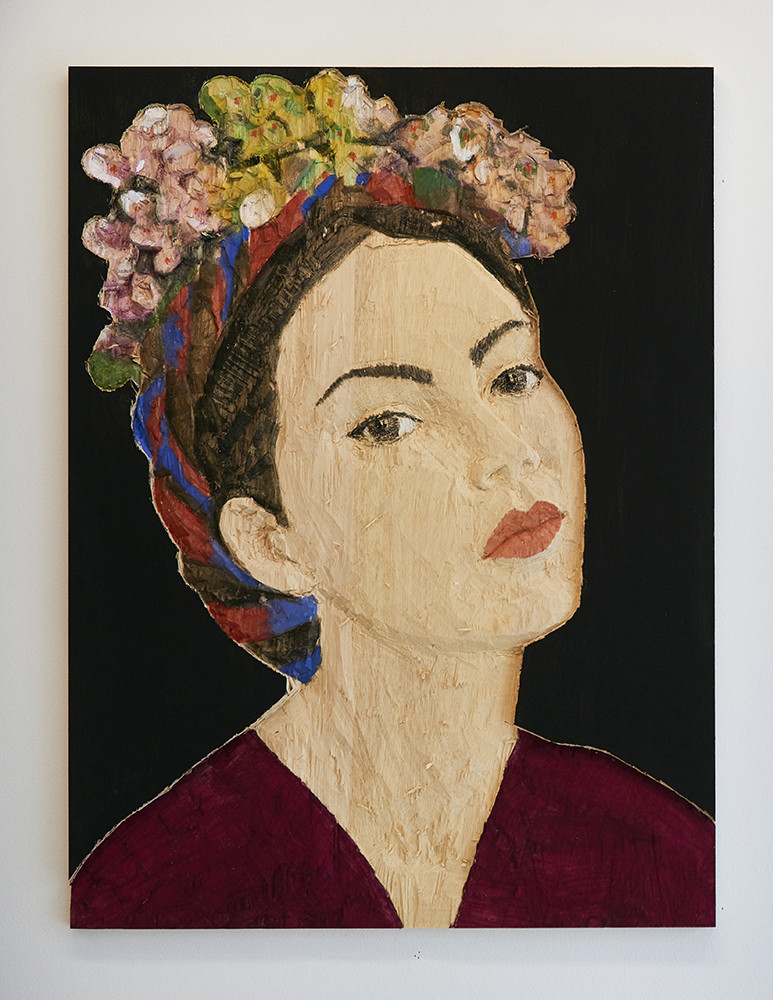
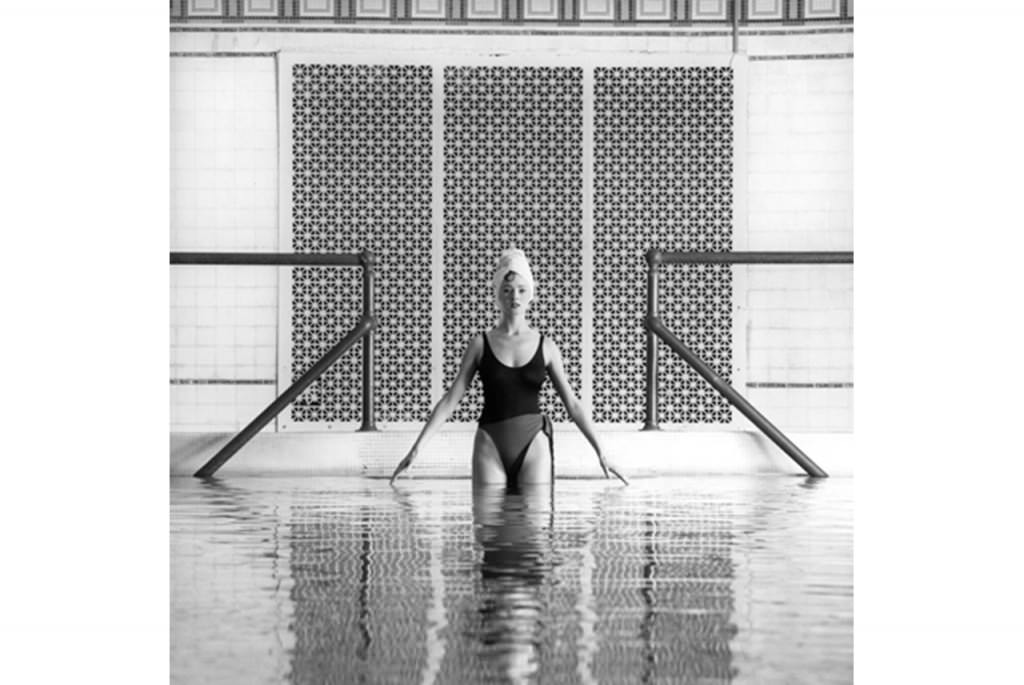
LAB 36 presents a new solo show by Oleg Dou (Moscow, 1983)  with a sample that leaves the square format through portraits of characters of hybrid appearance that provide novel ways to the contemporary iconographic tradition. This exhibition is part of the official program of Artnou 2019. 

Oleg Dou takes from the occidental culture his interest in the portrait. Historically, the perseveration of the memory of one person was tightly related to the moral evaluation of the representation. That is,  traditionally only those who were worthy were portrayed. Instead, Oleg Dou’s works develop the presentation of the body as a subversion object through photo capture and digital retouching. In this way, fictional characters with a pale appearance make us question the concepts of beauty, innocence, and perfection bringing us closer to the aesthetics of the strange.

With an extremely neat job, but with a vital aspect, the artist refutes the perception of what defines innocence and youth. In a world went the artificiality and hyperreality occur daily, Oleg Dou makes us feel that the bizarre is part of the intrinsically human. In an interview with The Zoon Magazine, the young photographer said: “I use the artificial nature of digital photography as a tool to reach the point between opposites such as alive and dead, attractive and disturbing, beautiful and ugly. Thus I’m searching to transcribe the feeling of presence that you get while passing a plastic mannequin”.

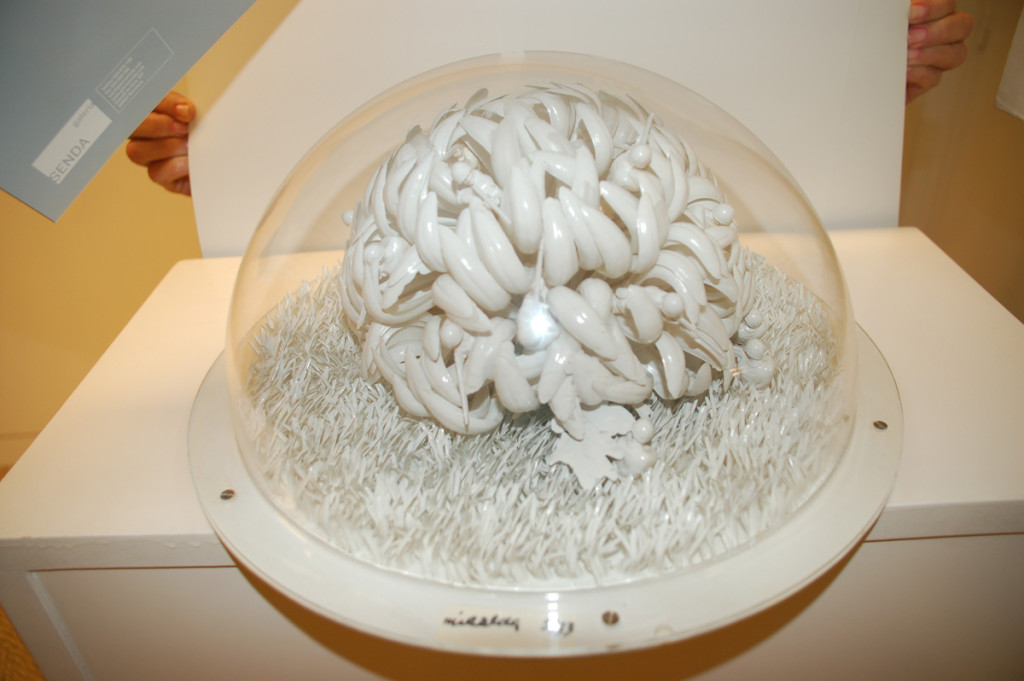
In his new series “Reborn” Oleg Dou gives one more step and add new composites elements of his language. Parallel to the portraits, Flora, and fauna are added in the photographic theme as well as still lifes of the classical type. Once again, we also face disturbing elements as the insertion of sexual elements in misplaced or unexpected locations. Each photo captures an artificial beauty created through the representation of simple shapes and vegetable elements that are ruined at the same time. Likewise, we find characters with attributes from the animal kingdom that do not refer to the wild condition of the human being or its brutal dimension but transform the characters of the series in a kind of unusual prints that combines the unreal and disturbing with a new way of iconography mythology.

Oleg Dou studied at the Moscow State Institute of Steel and Alloys (2001-2006) had his first individual exhibition in the gallery Le Simoun de Paris went he has 23 years old. In 2007 was awarded the International Photography Awards and the International Color Awards and in 2009 with the Arte Laguna Art Prize, that deserved the attention of the international artistic community. Since then, his work has been included in numerous individual and collective exhibitions in different institutions of Europe and North America, among them, are Atopía in the Centre de Cultura Contemporània of Barcelona (CCCB) in 2010 or the individual in the Multimedia Art Museum of Moscow in 2012.

Art Brussels 2019

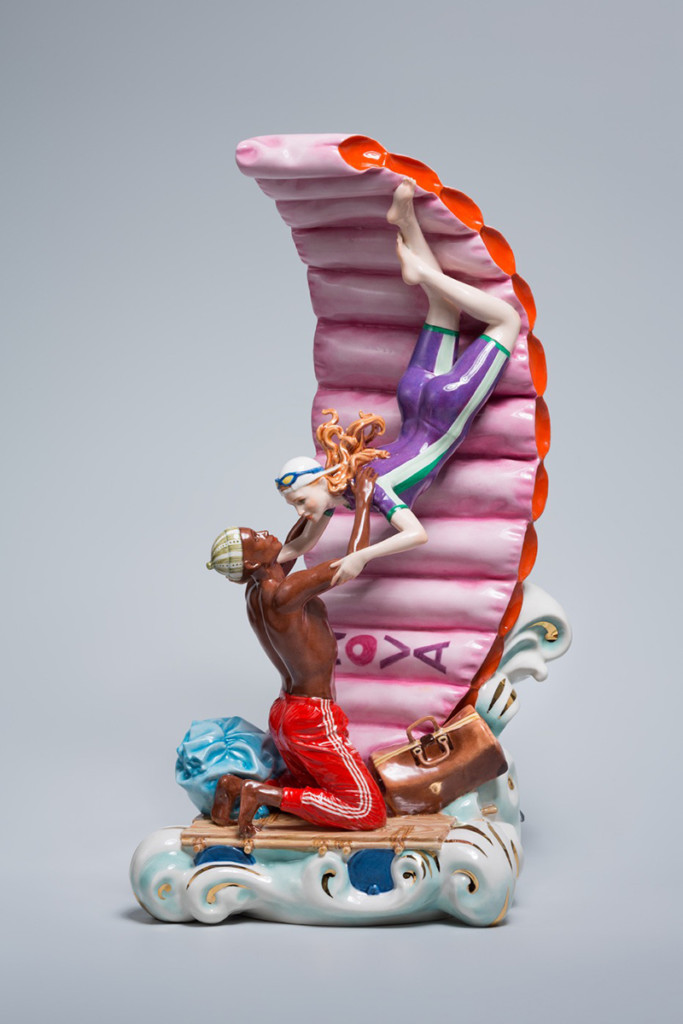
Galeria Senda will participate in Art Brussels 2019,  in the main session, we will be presenting new pieces by our artists  AES+F, Stephan Balkenhol, José Pedro Croft, Peter Halley, Yago Hortal, Catalina Jaramillo, Ola Kolehmainen, Glenda León, Túlio Pinto, Alexis Rockman, Gino Rubert and Sandra Vásquez de la Horra.

MIRALDA -Soldats Soldés-

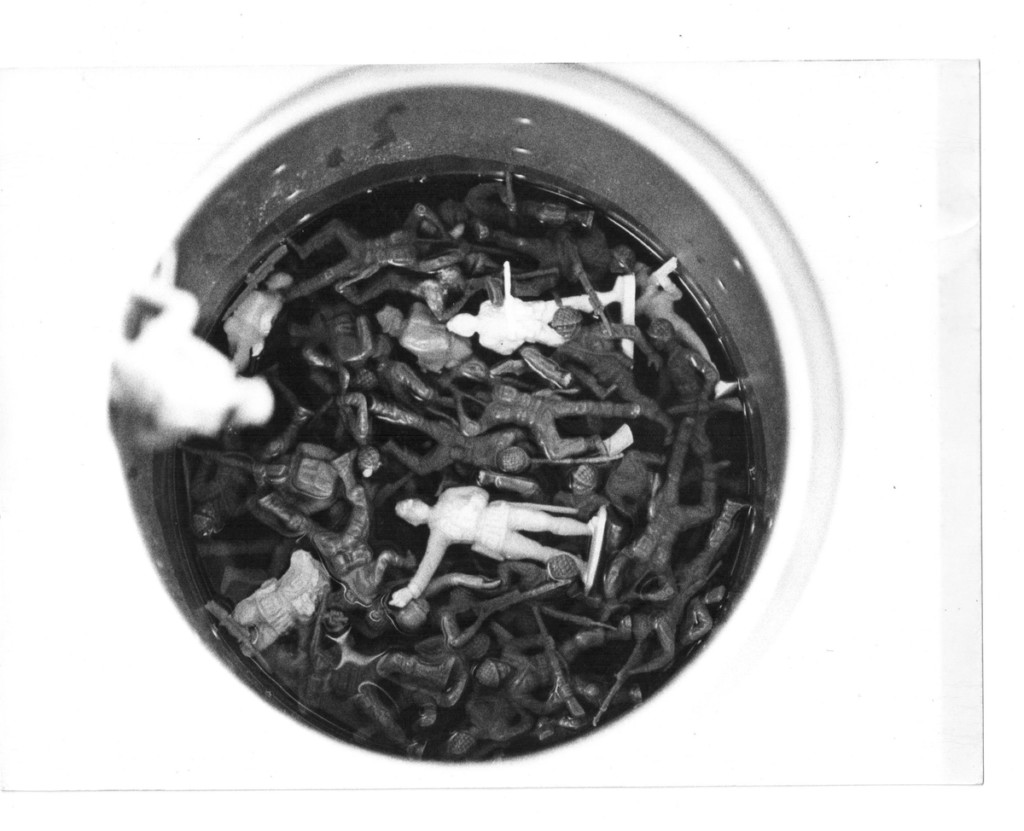
After more than 40 years hidden in his studio, MIRALDA brings out for the first time a group photographs of the famous series Soldats Soldés. This composition, all vintage copies, were taken by Miralda in Paris revealed in black and white between the years 1965 and 1970.

The series commonly know as Soldiers, is probably, the one who helped the most to get know to Miralda in the international scene, the toy soldier, accumulated over collages or inserted in found elements such as furniture, sculptures or public monuments, constitutes the first approximation to the ideas of seriality and files. This series is being widely exhibited on museums and institutions and is part of important collections such as ARTIUM, Fonds National d’Art Contemporain, Ministère de la Culture et de la Francophonie, París – Armario, Colección Sylvio Perlstein, Amberes Armoire de Toilette, Colección Musée Cantini, Marsella, Fundación La Caixa, Barcelona, IVAM, Valencia, Museo Nacional Centro de Arte Reina Sofía, Madrid y MACBA Barcelona.

Together with Galeria Senda, Miralda has decided to celebrate the recent award Velázquez de Artes Plásticas 2018 through this individual presentation in Arco hat forms an anti-war plea and documents critical actions with the political situations of that time.

In the main session (booth 9F08) we will be presenting new pieces by our artists  AES+F, Stephan Balkenhol, José Pedro Croft, Peter Halley, Ola Kolehmainen, Miralda, Túlio Pinto, Jaume Plensa, Aitor Ortiz and Glenda León.


Túlio Pinto, 41° 23′ 20” N 2° 10′ 34’’ E and 41° 25′ 21” N 2° 12′ 32’’ E: Three Times

The exhibition “41° 23′ 20” N 2° 10′ 34’’ E and 41° 25′ 21” N 2° 12′ 32’’ E: Three Times” by Túlio Pinto is the fruit of an intense artistic relationship he established in Barcelona during the four months he spent in the Catalan capital.

The project will be divided into three exhibitions in different galleries and periods of time. His first two exhibitions will be shown between LAB 36 of galeria SENDA and the Piramidón, Centre d’Art Contemporani.

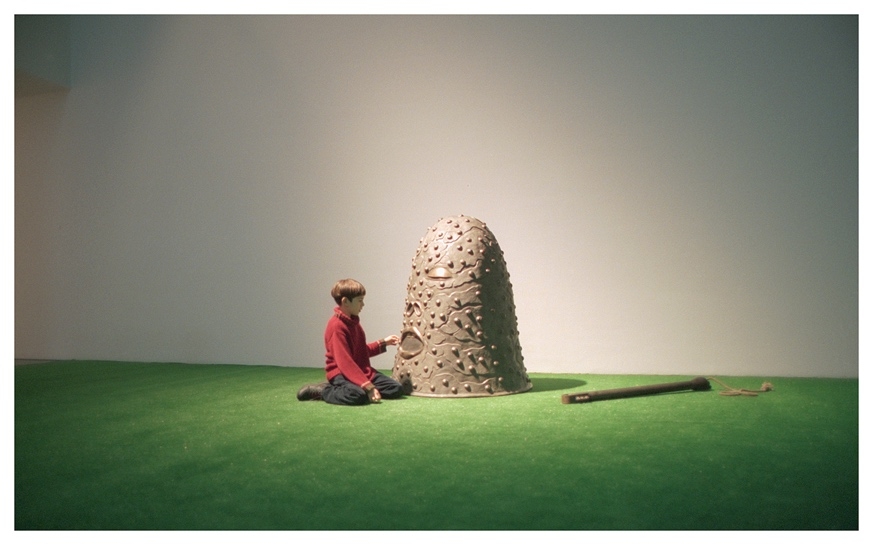
At the Piramidon, where he made an art residence program in the summer of 2018, will be presented a sculptural installation that remits to spatial drawing concept. At the same time, at LAB 36 of galeria SENDA will expose the video Unicórnio which encompasses one of the recurring themes in his investigation, the impermanence in the sculptural language, as well as, sculptures in iron and blowing glass. The third exhibition of the project will take place at galeria SENDA, during the summer of 2019 with the presentation of a big scale installation created for the architectonic space of the gallery.

Túlio Pinto develops his artistic research through the force of opposites, generating tensions that challenge the physical laws as gravity while remaining in perfect balance. This harmony is achieved through the perfect weighting of the masses, volume and density of materials of opposite natures and behaviours such as cement, iron, rock, glass, plastic and water.


“This is how he feels and translates the pulsation of the world of things to be reflected (also) in the world of human relations. An ambiguous game, which, in a first reading may seem circumscribed to the formal combinations that were born from the Brazilian constructivist inheritance or the international minimalism. A second analysis, though, brings the perception that, beyond tradition (which the artist makes reference to and competently and rigorously expands), there is a consistent authorial poetics, which subverts the already established. It indicates urgencies that remain current: the shifting and utopic territory of harmony among opposition”.

Angélica de Moraes (Conjugação de Forças, 2016)


The architectural space is closely related to the development of his installations. Pinto takes advantage of the space and appropriates the elements that constitute it. “I am much more a transmission vehicle than a traditional sculptor as I increase in a new impulse the forces present in the objects, putting in evidence these approximations an/or cancellations that are generated” as the artist explain.


TÚLIO PINTO                                                         

Born in Brasilia, Brasil in 1974.

Formed in Fine Arts focused in sculpture at the Federal University of Rio Grande do Sul in 2009. Among his main exhibitions we can emphasise Nova Escultura Brasileira at La Caixa Cultura RJ in 2011, Brasil; Ground at Baró gallery in 2013, Brasil; The Vancouver Biennale in 2014, Canada; Onloaded at Phoenix Institute of Contemporary Art in 2015, United States; among others.

His work is part of public collections as:

Institute Figueiredo Ferraz (Ribeirão Preto, Brasil); Ca.Sa Collection (Santiago – Chile); Phoenix Collection (Phoenix, Arizona-USA); Contemporary Museum of Paraná (Curitiba, Brasil); Cultural Foundation Itajaí (Itajaí, Brasil); Contemporary Museum of Rio Grande do Sul (Porto Alegre, Brasil); National Museum of Brasilia (Brasilia, Brasil); Museum of Art of Ribeirão Preto (Ribeirão Preto, Brasil); Municipal Pinacoteca Aldo Locatelli (Porto Alegre, Brasil).


Túlio Pinto, Unicórnio, 2015 video 9´51”, Superstition Mountains, Phoenix, Arizona, USA

Glenda León “Talking to God”

The calming chants submerged the Baroque church interior with an expression both of reverence and withheld tension. Its worshippers sat in pews, bathed in ethereal glow. With eyes cast down presumably in prayer, the video soon reveals the worshippers’ preoccupancy with the cellphone, a tool that occupies most part of our lives. As the chant changes in dynamics, one may not discern the technological alteration of a bat’s call— mimicking human tonality. As a nocturnal animal, the bat is associated with the Devil in Western culture. The video transitions to an omniscient perspective, with a collective of screens appearing like a constellation of stars.

“Talking to God” hones on the misplacement of technology as a contemporary phenomenon, and the desacralization and decentralization of what is canon. Through representation as a substitute of the real, it shows a group of alienated individuals, in silent bearings of devotion to the unknown. While the environment of a Catholic church suggest an intimate conversation with a Higher Self, or an exaltation of the Faith, the fact that people are absorbed in their cell phones raises a reflection on the role that technologies play in our current lives. Can we update the Faith?

Seldom, as in these times of Internet, we have had the possibility of reaching absolute knowledge and exercising the power of omnipresence. Never before was the human being so close to resembling God, and yet the essential seems to move further and further away. The beauty of the final frame, a distant shot similar to a starry sky, leaves us a possible, optimistic exit, where both elements, the technological and the spiritual, come into harmony.


Ballenesque, Roger Ballen: a retrospective at LAB 36 from galeria SENDA


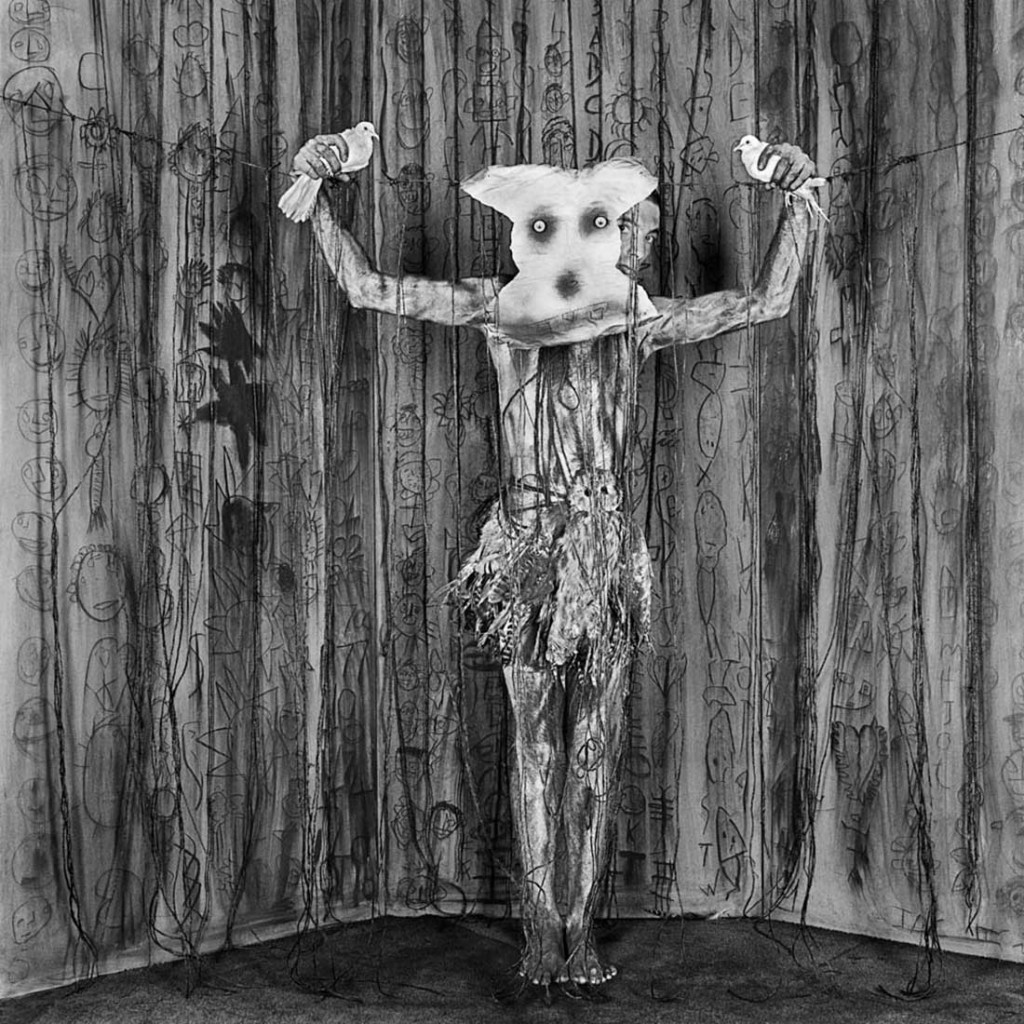
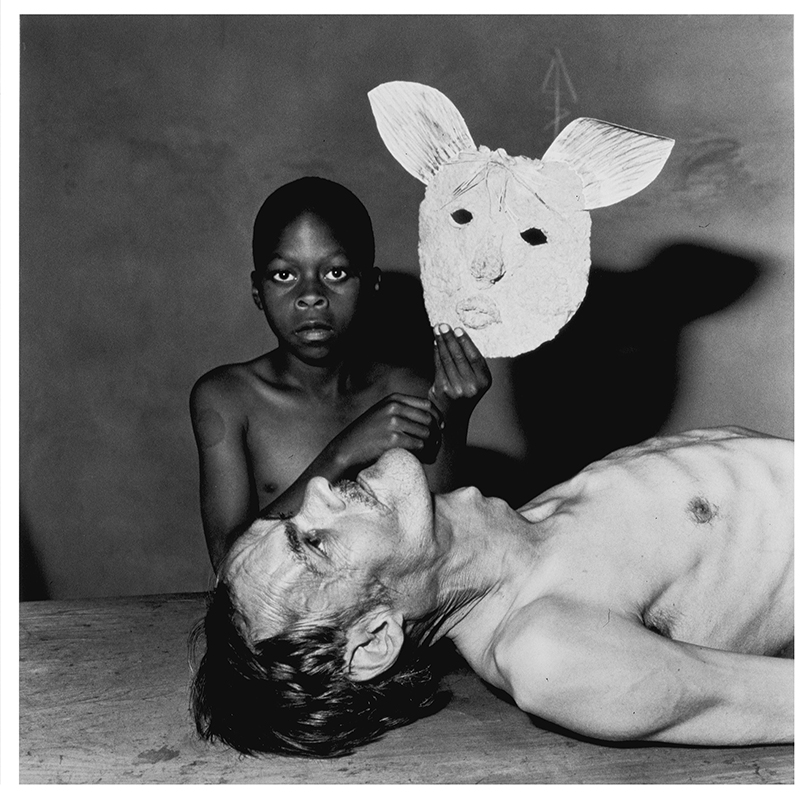
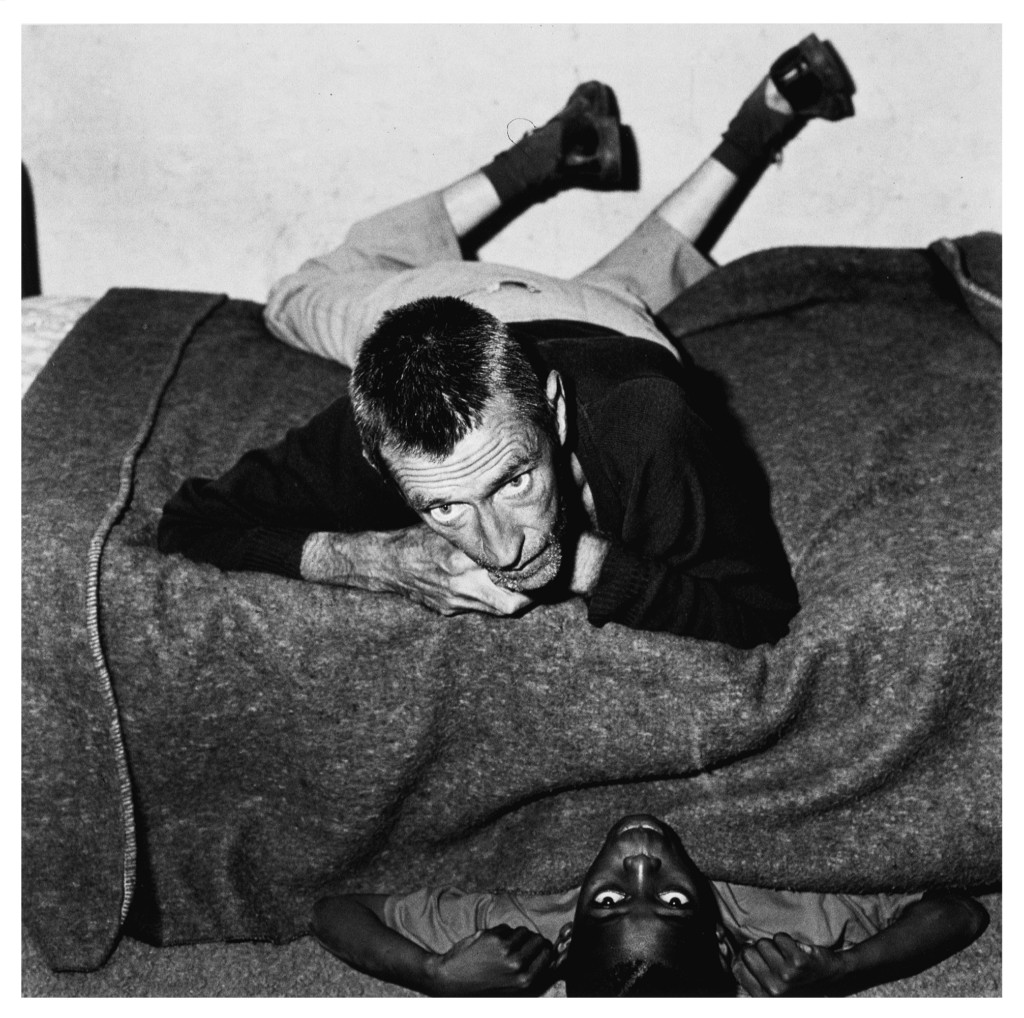
Roger Ballen challenges the ways which we perceive the “reality” of photography. His ambiguous and surprising portraits of people, animals or objects posing in rooms that resembling prison cells, who occupy the grey space between reality and fiction, blurring the borders between the documentary photography and the artistic forms as painting and sculpture.

Working where the difference between reality and fiction does not have relevance, disturbing and claustrophobic scenarios are presented to get us closer to his history. These interiors are inhabited by characters trapped in a marginal atmosphere, where the narrative thread is ambiguity. The rooms are real places, but they appear disturbing and strange, logical but also completely impossible: The walls are scribbled, covered with stains and handing wires;  A multitud of strange objects and artefects are acattered on the ground: animals move roam the space or they’re stuck in impossible containers. All the characters seem strange, but at the same time provided with great expressive force that displays a hopeful poetic turn and upsets the indicial disturbing impact.

The selection of photographs that Roger Ballen will be present at LAB 36 belongs to his new book Ballenesque, an exhaustive retrospective of his work. Based in a new evaluation of his photographer’s archive, the book takes its title from the artist surname and takes the reader on a visual and chronological tour of his work. The exhibition of LA 36 explores the stages of this creative journey and briefly recreates the Ballenesque’s project through a selection of works from different series and with the inclusion of some of the most iconic photograph as well as unpublished works in a compendium of the trajectory of a whole life. This is will be the fourth individual exhibition of the photographer with galeria SENDA.

Pablo Vindel presents 28 Lapsus Linguae in Lab 36 de galeria SENDA

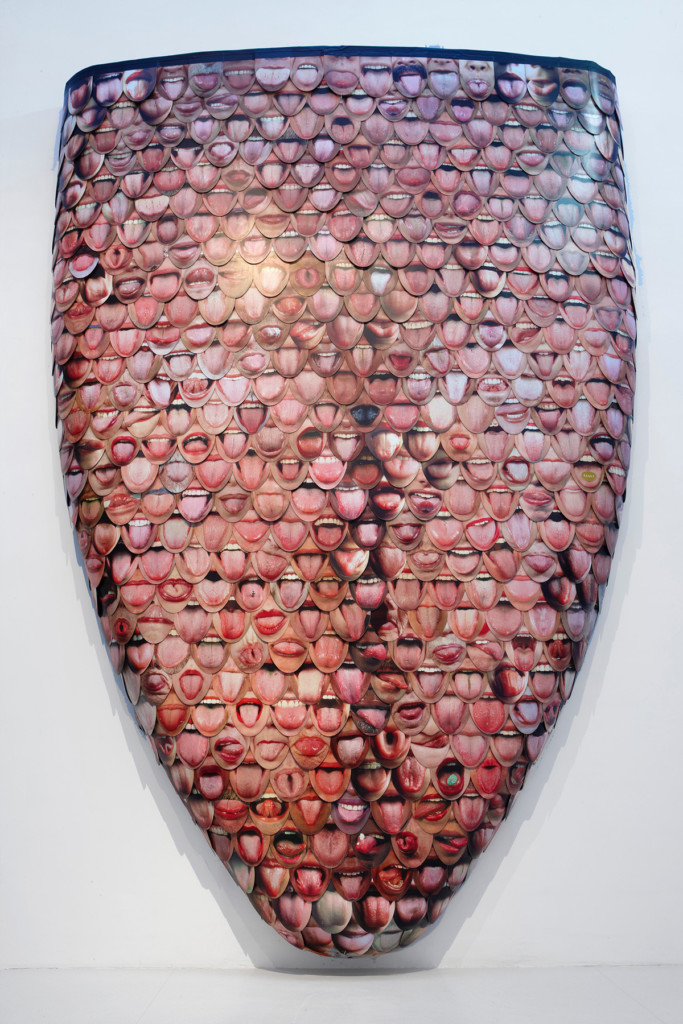
Spools, spindles, mirrors, rotated forms… the body of work presented for this exhibition constitutes a set of videos, annealed and scientific glass sculptures, and large format drawings. All revolve around the same reflection (or vacillation) on the tongue. Further, blown glass is introduced not only as creative and transformative material—unraveling some of the fabrication and manipulation processes natural to the craft—but also as a bridge between object and language, body and word.

A slip, a lapsus linguae: threads, multiple, are infinite. Attempts to translate are though limited and bound to fail, since they cannot but differ from the “original”. After all, they both suggest countless possibilities. Molten glass has to be in permanent movement in order to be shaped; language does too, so to be transformed and not swallowed by immobility. This exhibition invites to think some of these inevitable lapses together, in the intent of language or of the body itself to escape from our mouths. Everything twirls around fire.

Pablo Vindel’s 28 lapsus linguae is a journey through blown glass, video-poetry and drawing as performance documentation, all of which the artist created during and in the aftermath of his recent artist residency at the Creative Glass Center of America and Museum of American Glass. A discursive and aesthetic corpus also based on a two-year experience as Sullivan Scholar through Stetson University (DeLand, Florida)—Stetson brings him in contact with an extraordinary group of experimental poets: sound-poets, video-poets, and concrete poets with whom he has the opportunity to psychologically and physically experience different spaces of the state of Florida (USA), Santiago de Chile and Rio de Janeiro. And last but not least, a profound interest in the materiality of language and its translatability. 

ARCO Lisboa 2018

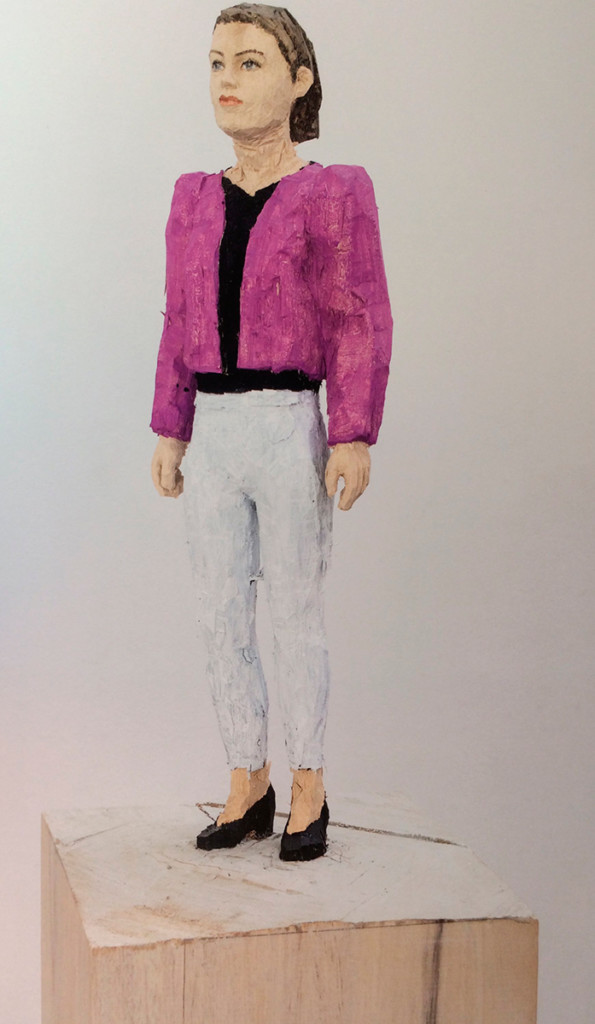
For the occasion, an installation composed of five pieces that was chosen which dialogues with each other in order to highlight and put in evidence the very personal style and the special concept of the German artist. Sculptures carved in wood and low-reliefs are constant in his production. The human figure represented always as an iconic form, at the same time the contrast with some of his other pieces that follow a more abstract and minimalist line; influenced intellectually and artistically by the sculptor Ulrich Rükriem. Balkenhol developed his own language by approximation and contrast of Rükriem artistic thoughts.

Stephan Balkenhol´s participation in the special projects section of ARCO Lisboa 2018 is part of the intense program of exhibitions that Stephan Balkenhol has displayed in the last years. Among them, deserve to be highlighted the very recent Retrospective in the Center of Contemporary Art in Malaga – CAC Málaga – where the sculptures here we presented were previously seen – and New Sculptures first individual of Balkenhol in Barcelona; Galeria SENDA.

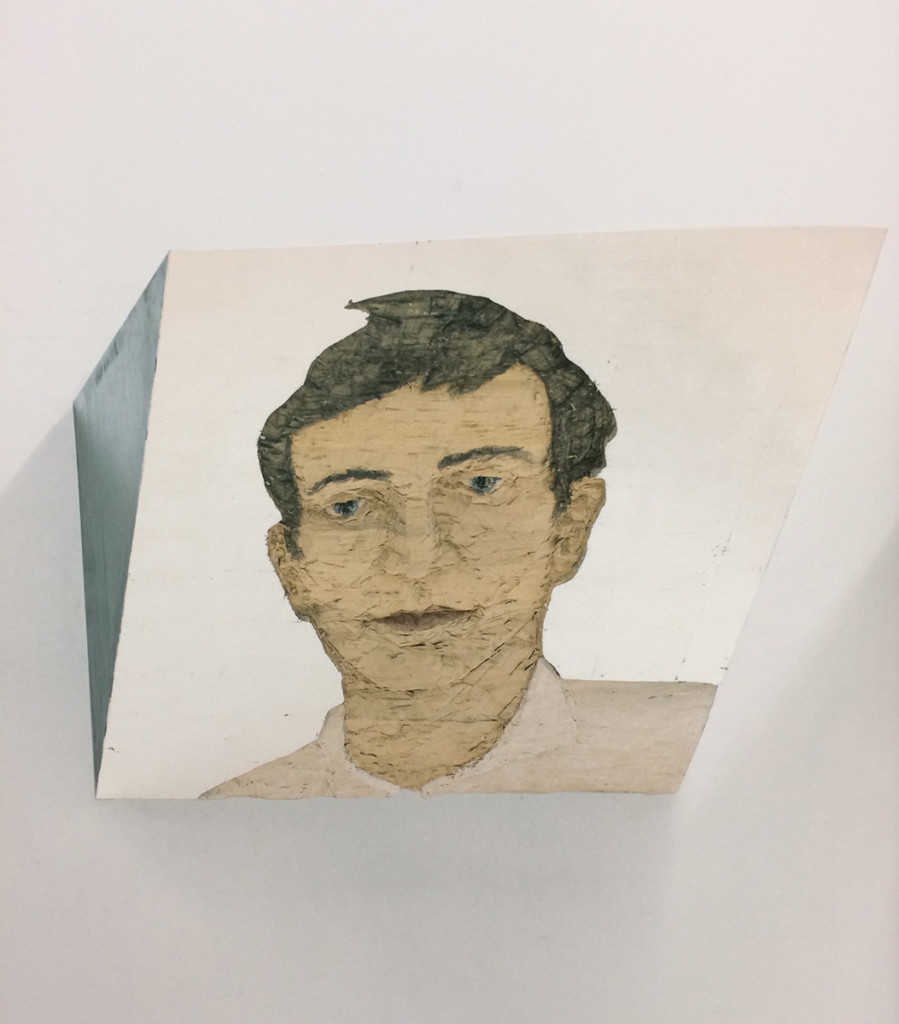
The german sculpture has been characterized by the artist’s striving to re-ground figurative sculpture. He stood out against the prevailing tendencies is articulated through his very personal Technic. Balkenhol carving soft wood of Alamo and Obeche, materials that remain clearly visible in the work through chisel marks, cracks or knots in the wood. The work process left marks through slabs or splinters that contrast with polished areas. In most of the sculptures uses a single block of wood which usually polychrome to delimit the robes and theme include a pedestal in sculptures totem types that remains the popular art and refer to medieval carving techniques.

Balkenhol strength with his work an exchange with the viewer, which immerse in a deep atmosphere of complicity. The artist also underscores as part of the compromise with the contemporary, the different between the sculptural scale, as the ideal scale, and the human scale as the real standard.


Art Brussels 2018

Galeria Senda will be participating in 50th edition of Art Brussels whit works of the artists: AES+F, Stephan Balkenhol, Sandra Vásquez de la Horra, Anna Malagrida, Francis Ruyter, Glenda León y Aitor Ortiz.