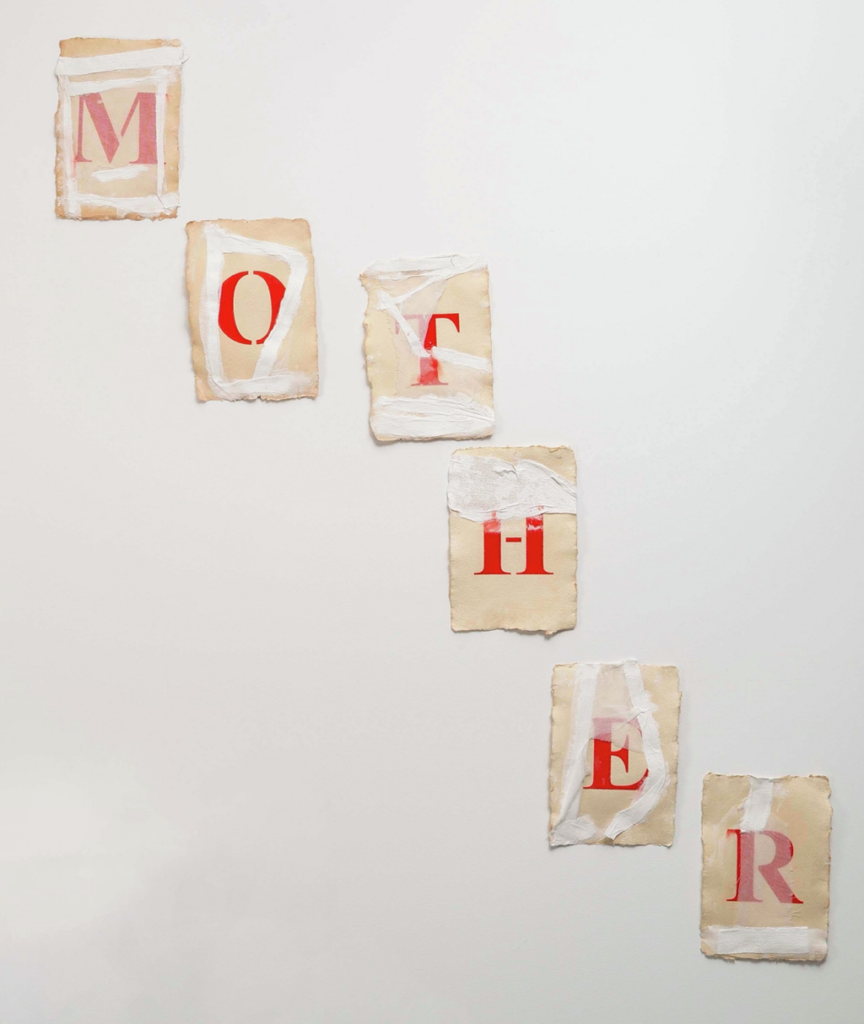
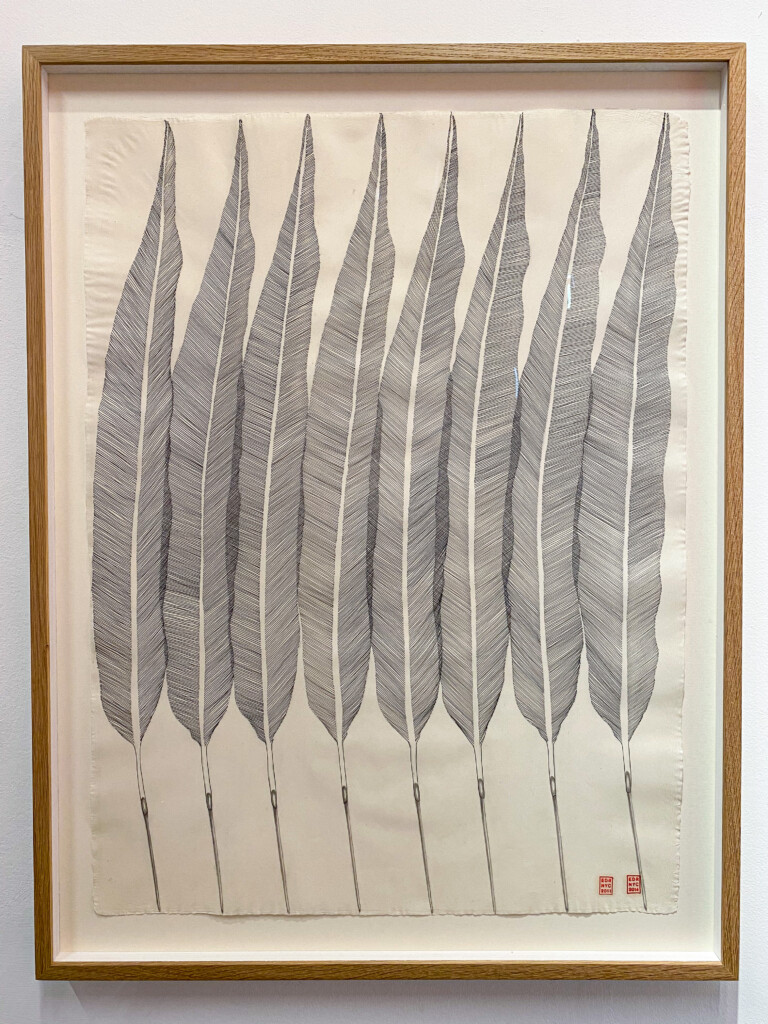
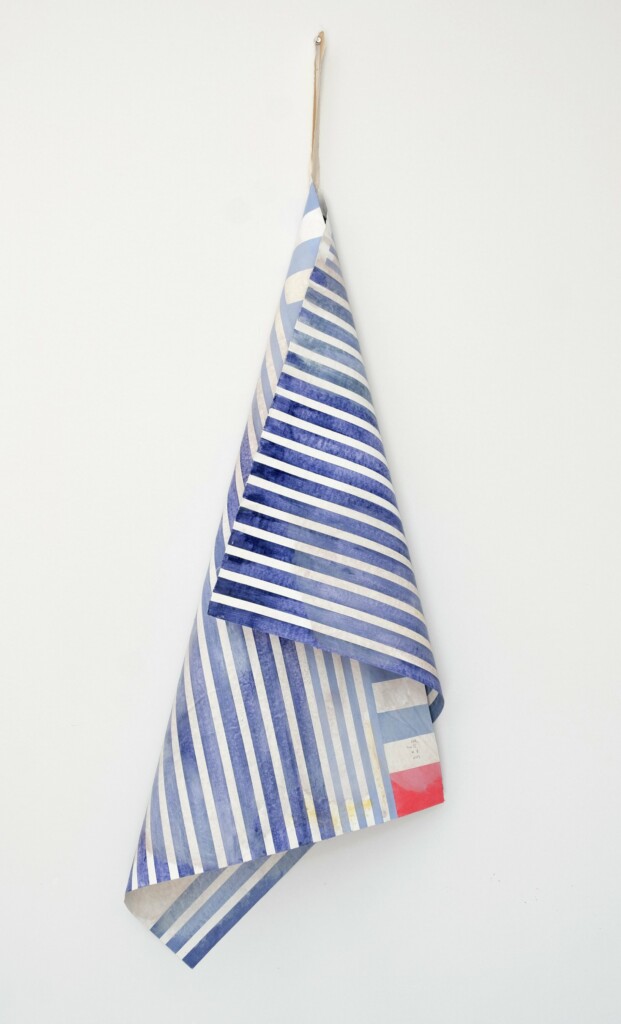
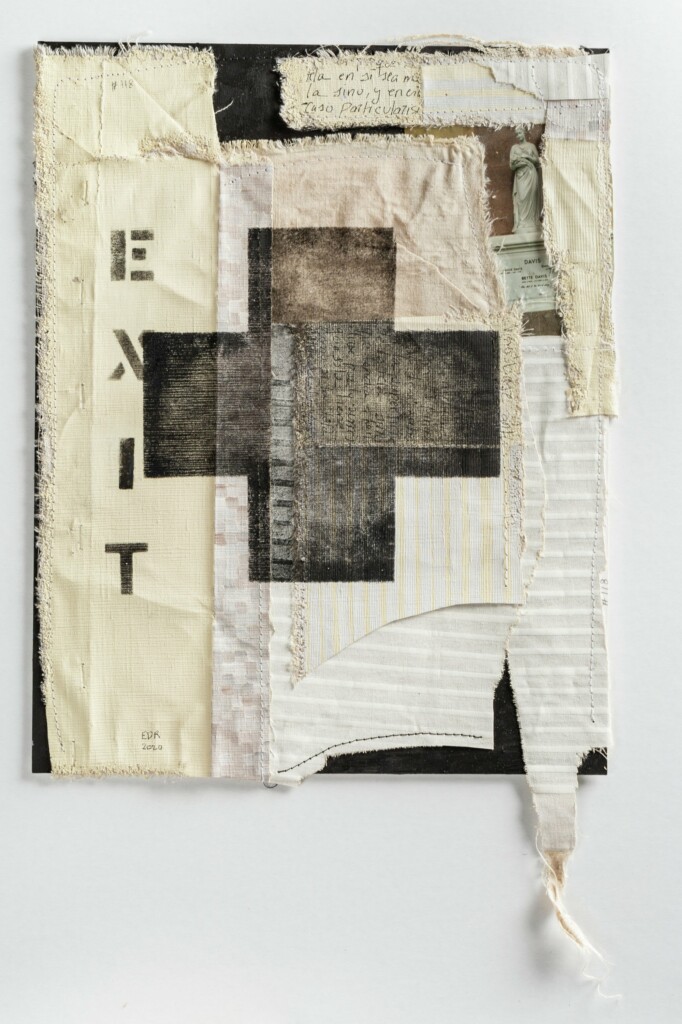
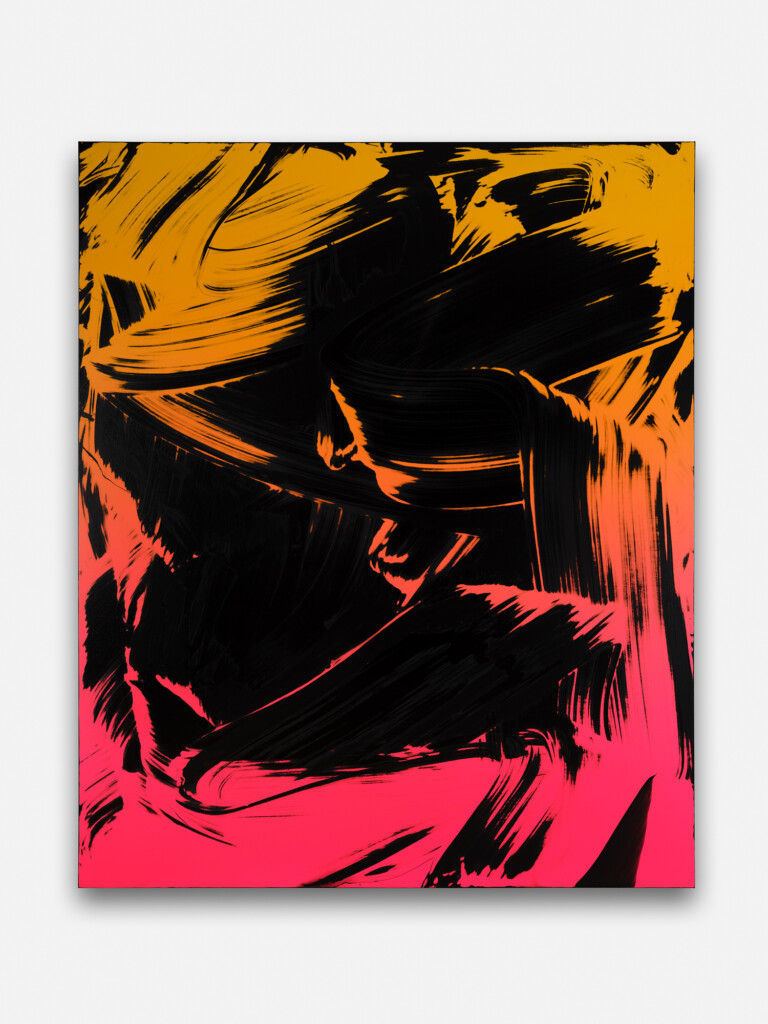
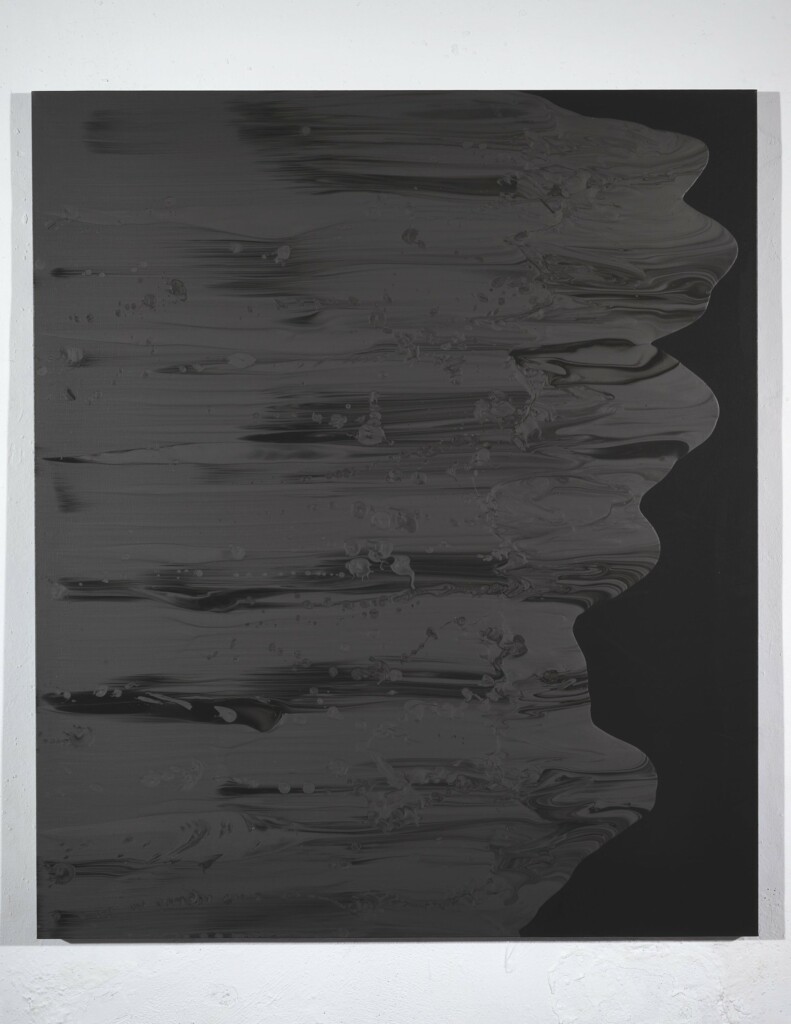
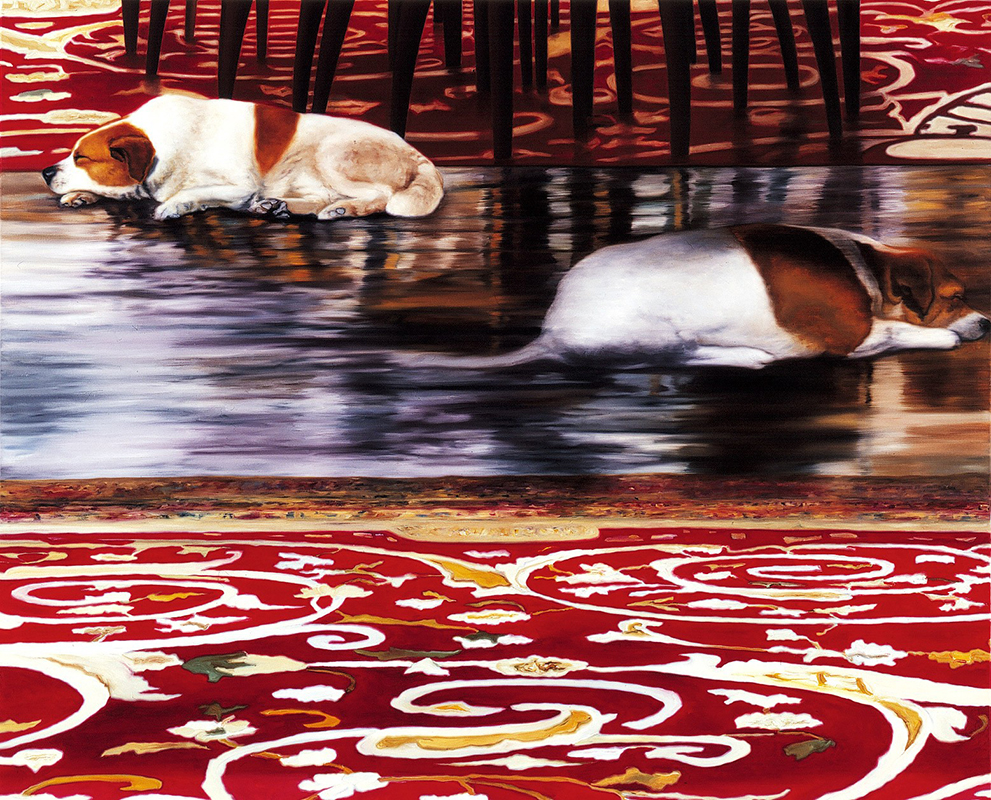
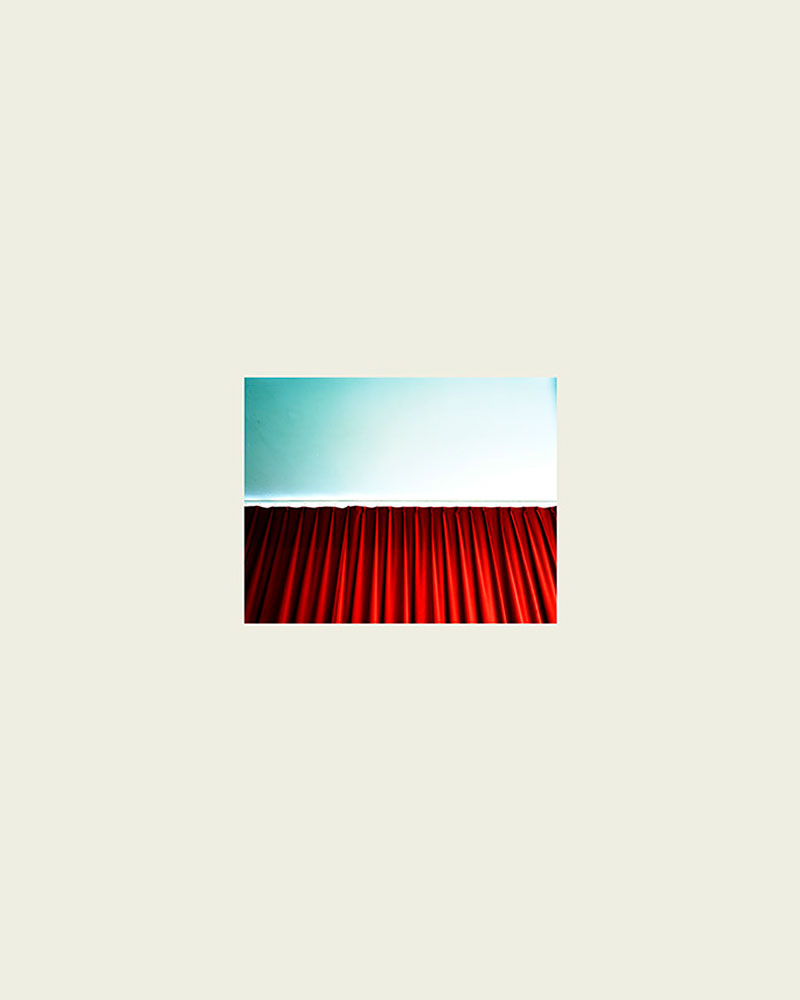
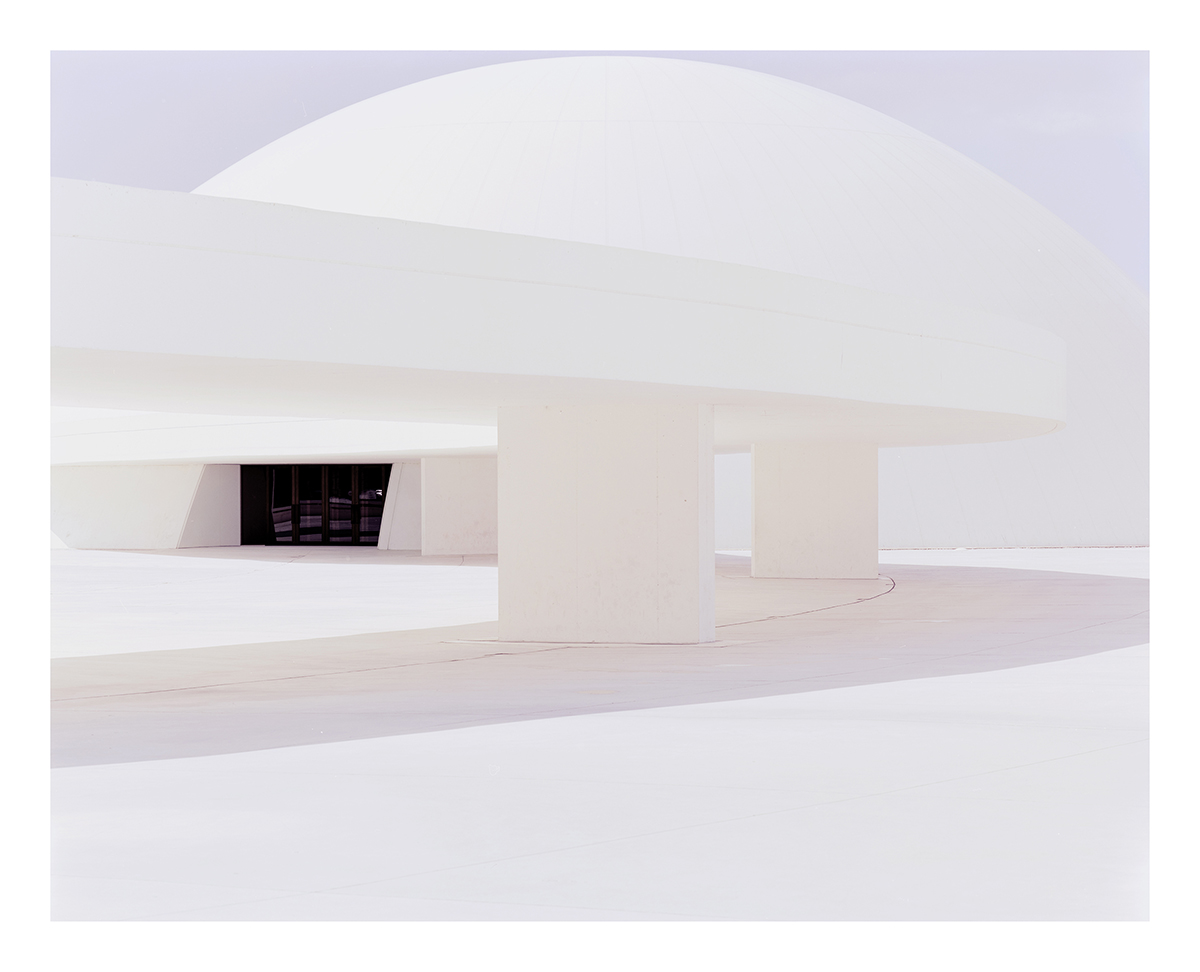
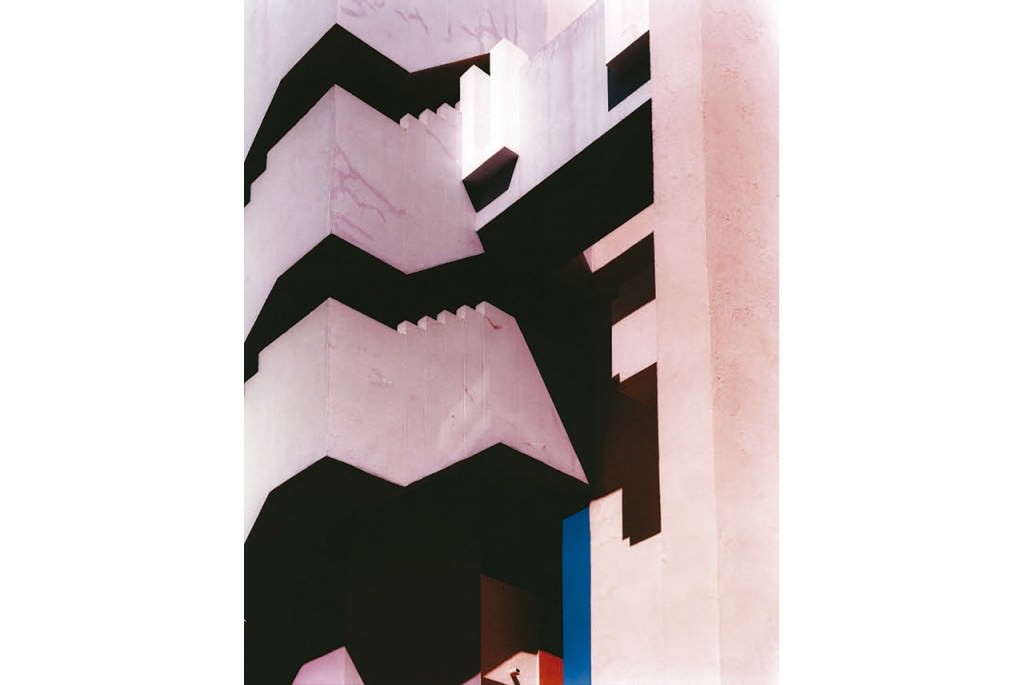



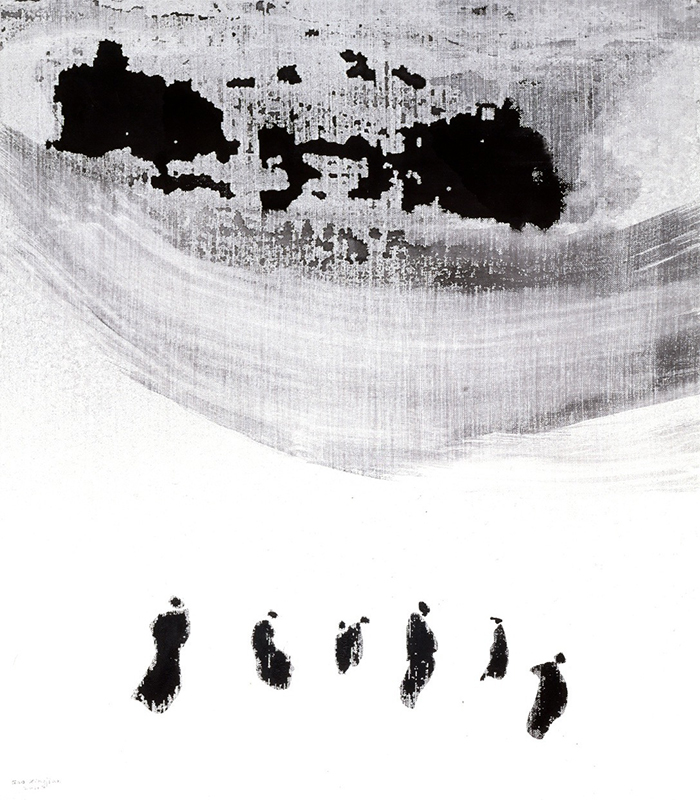
ARCO Madrid 2021, CARLA CASCALES ALIMBAU

Sandstorms convert dust into oxygen

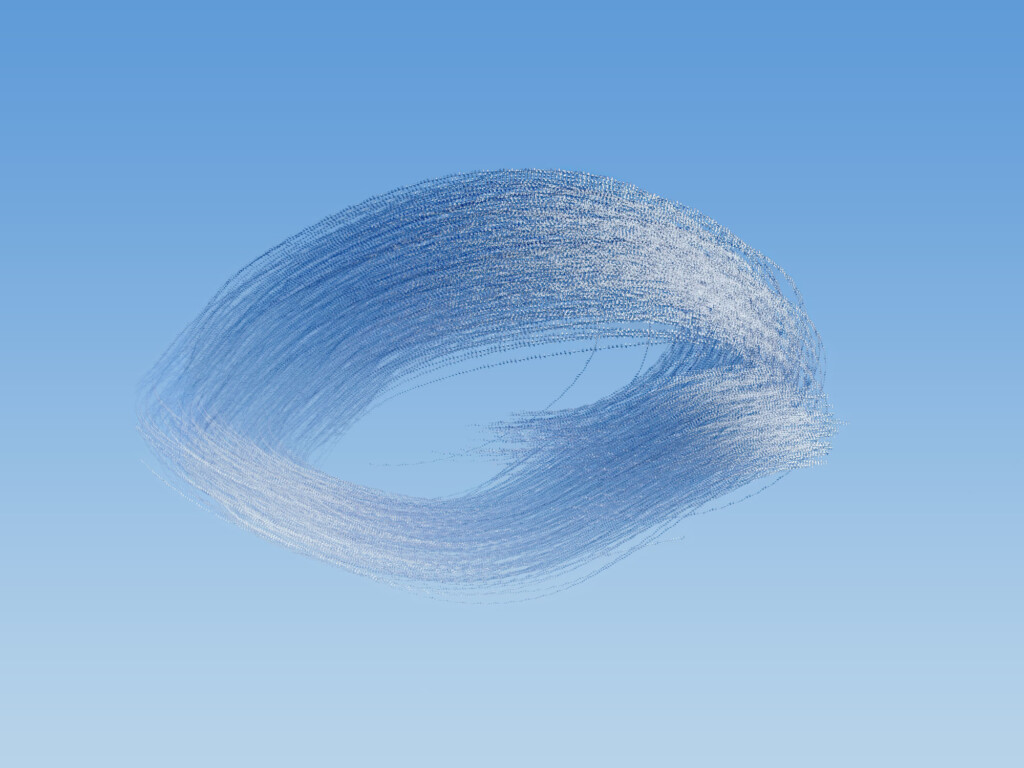
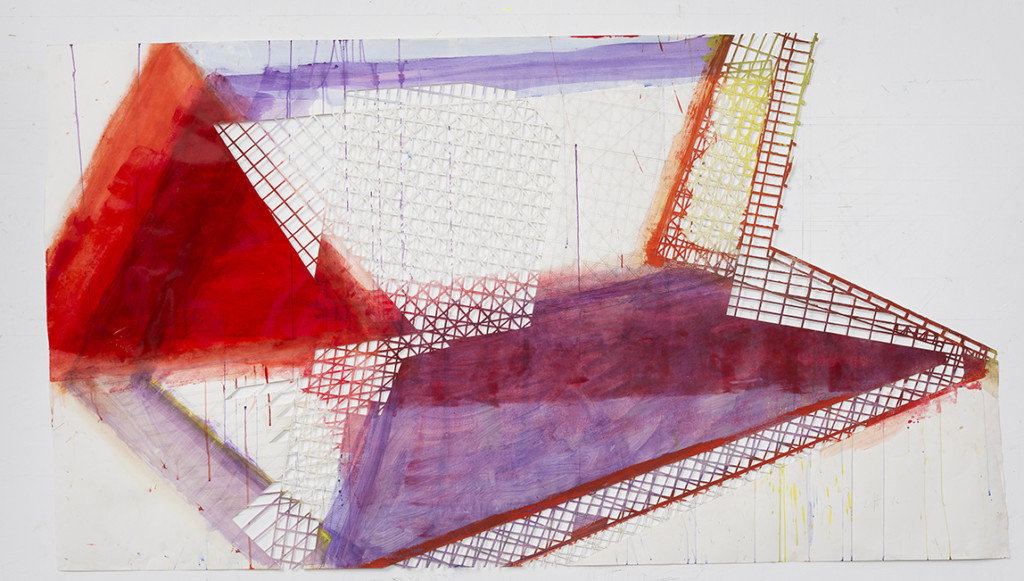
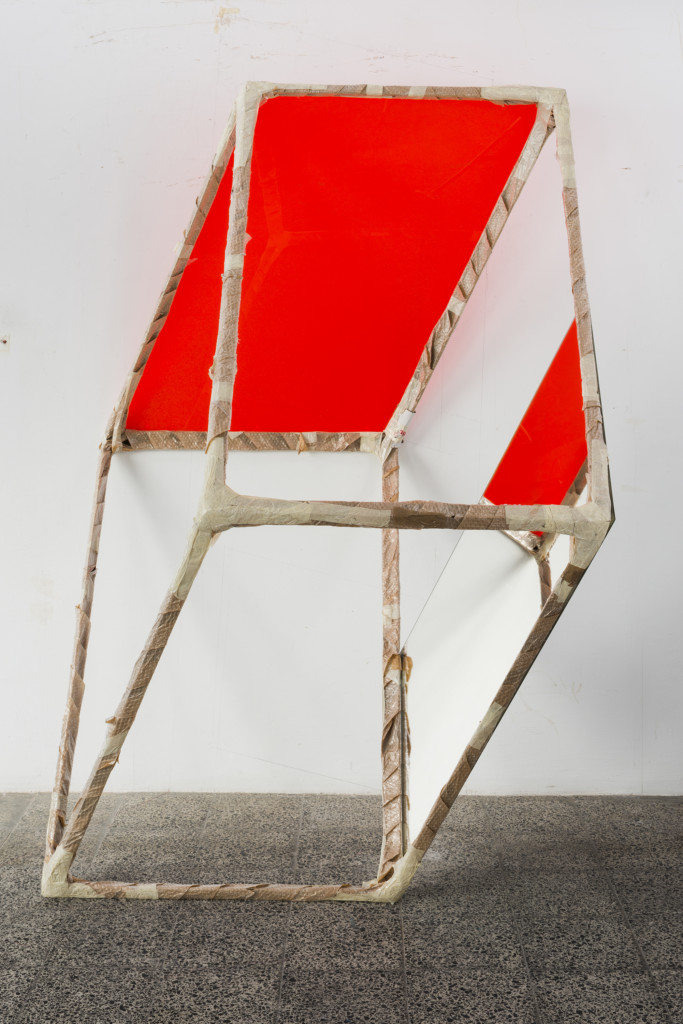
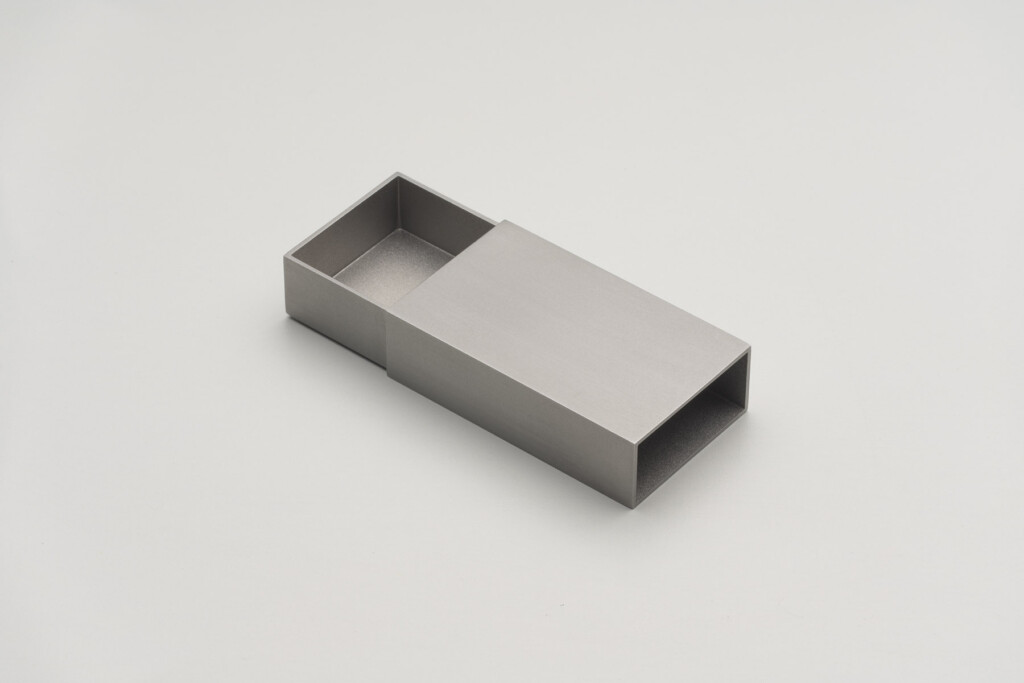
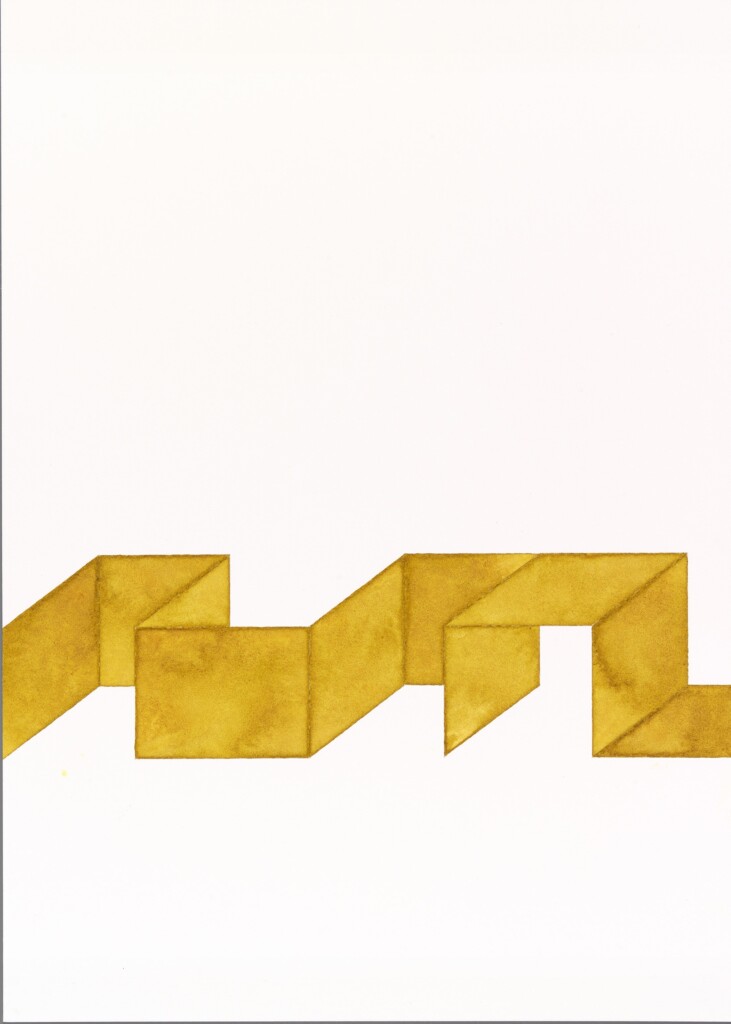
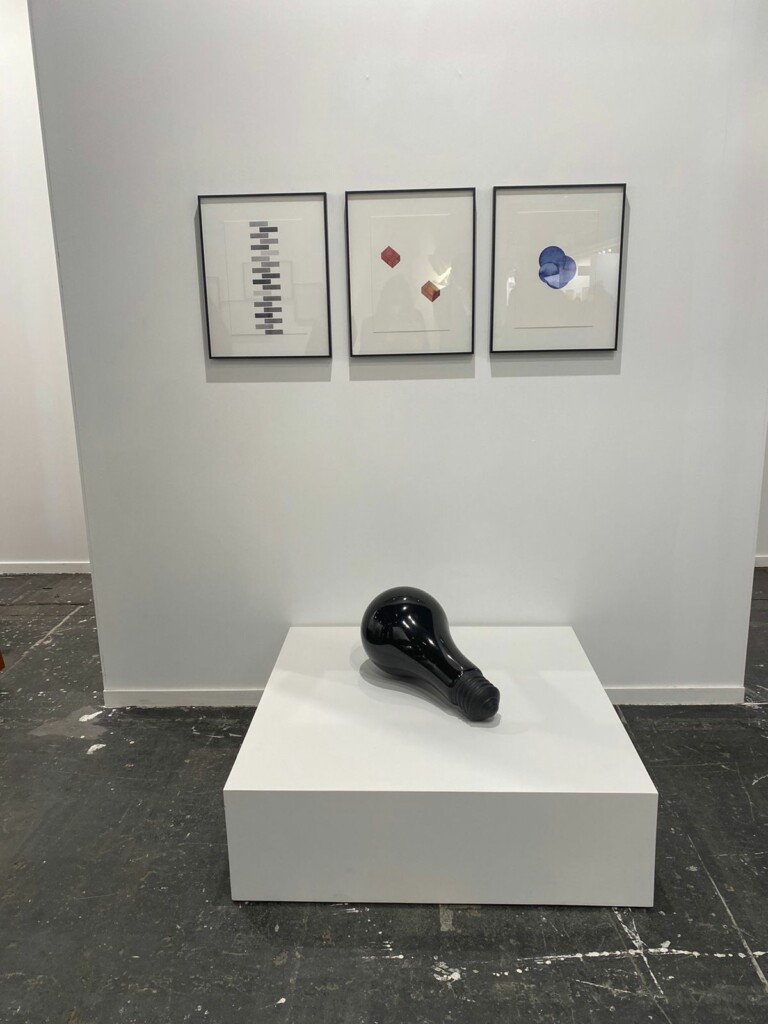
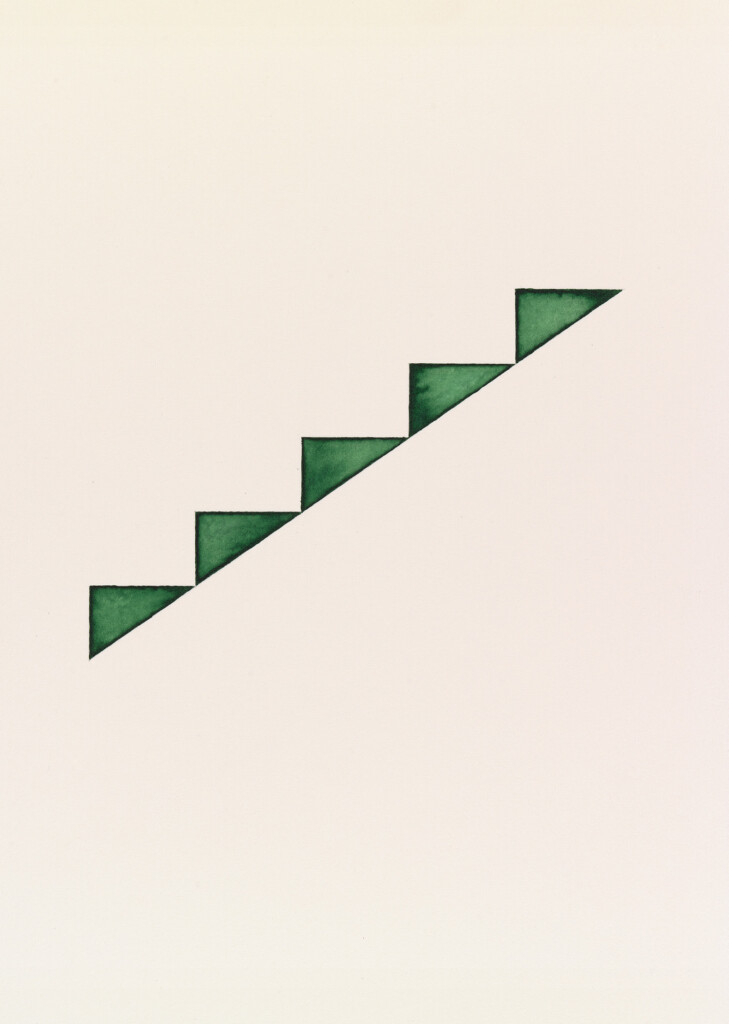
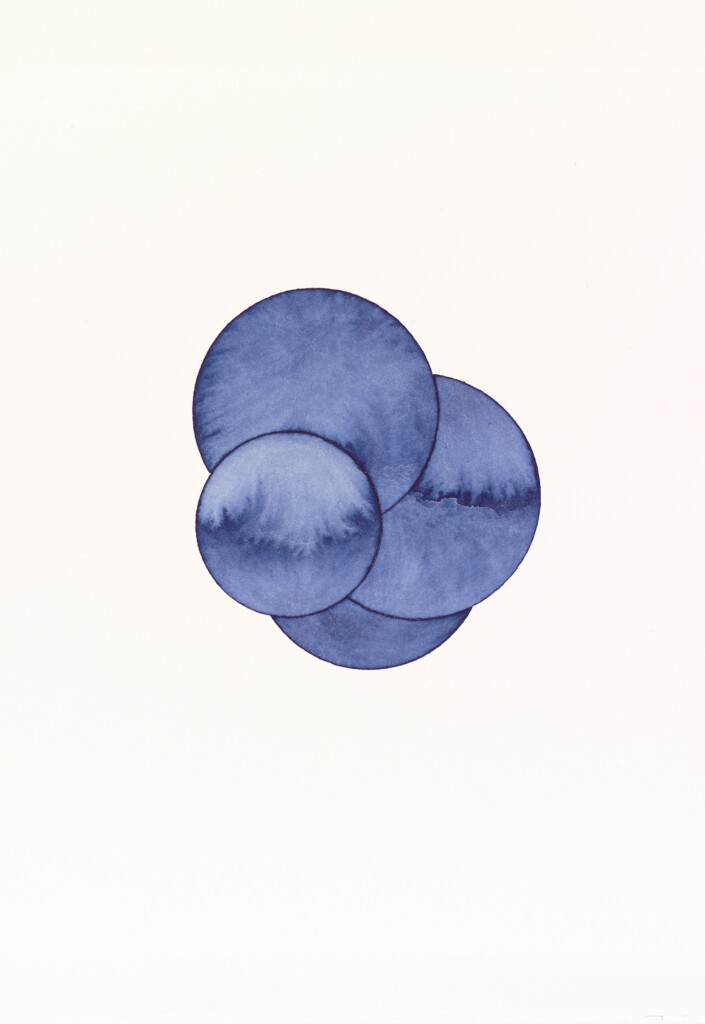
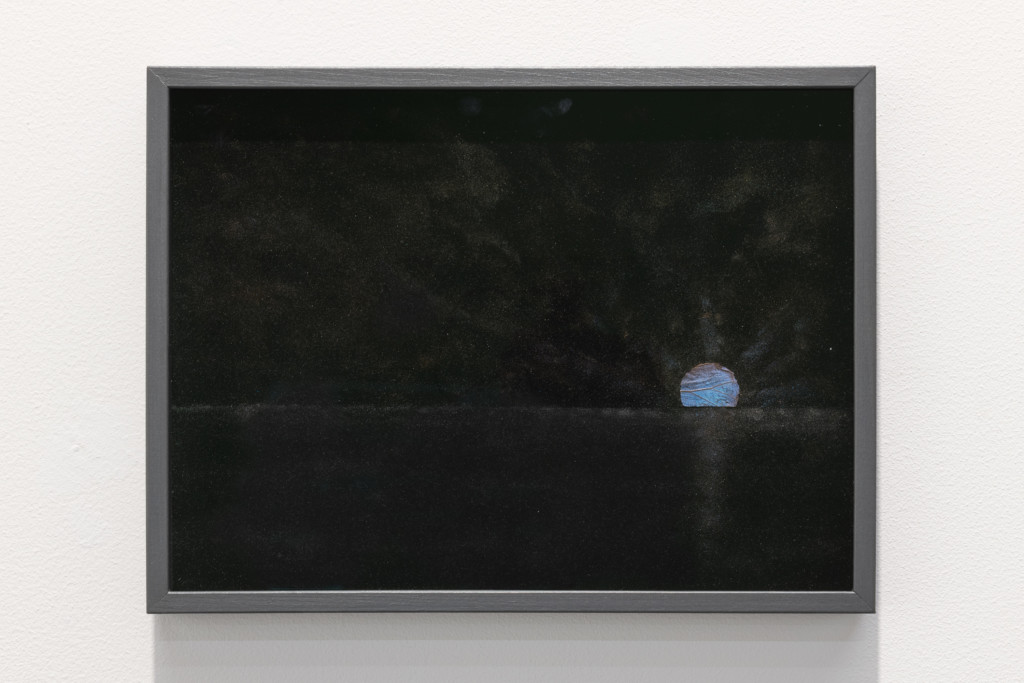
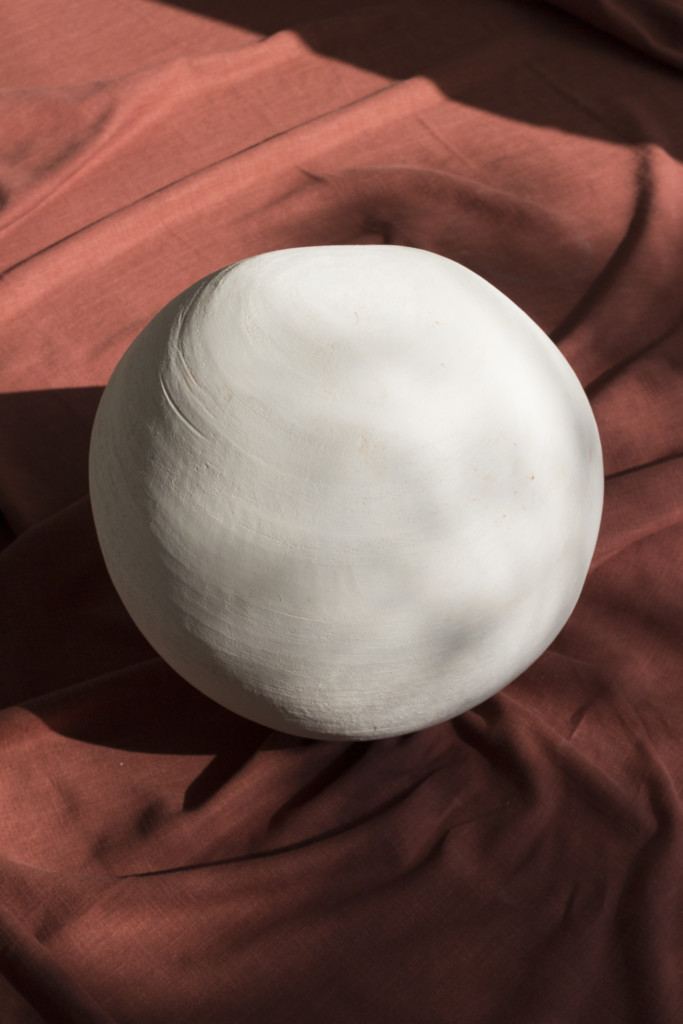
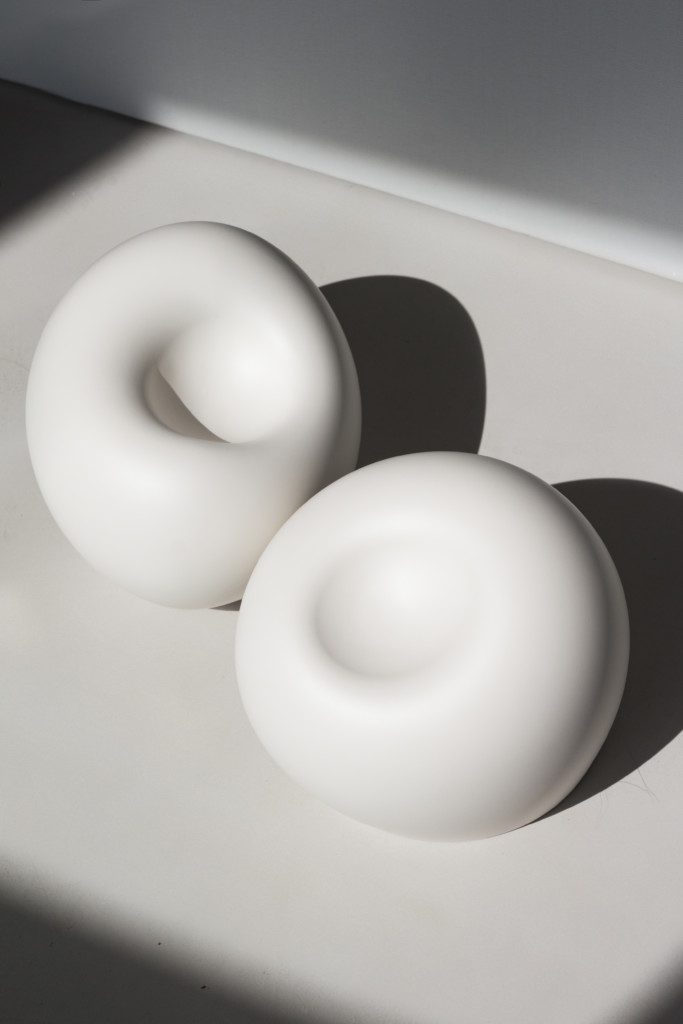
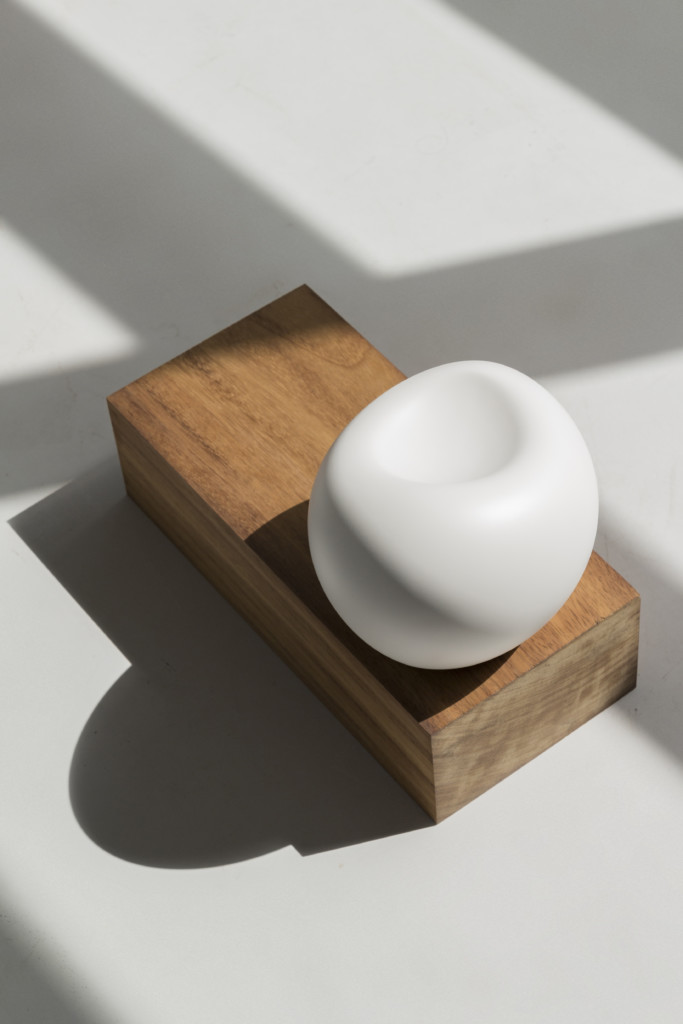
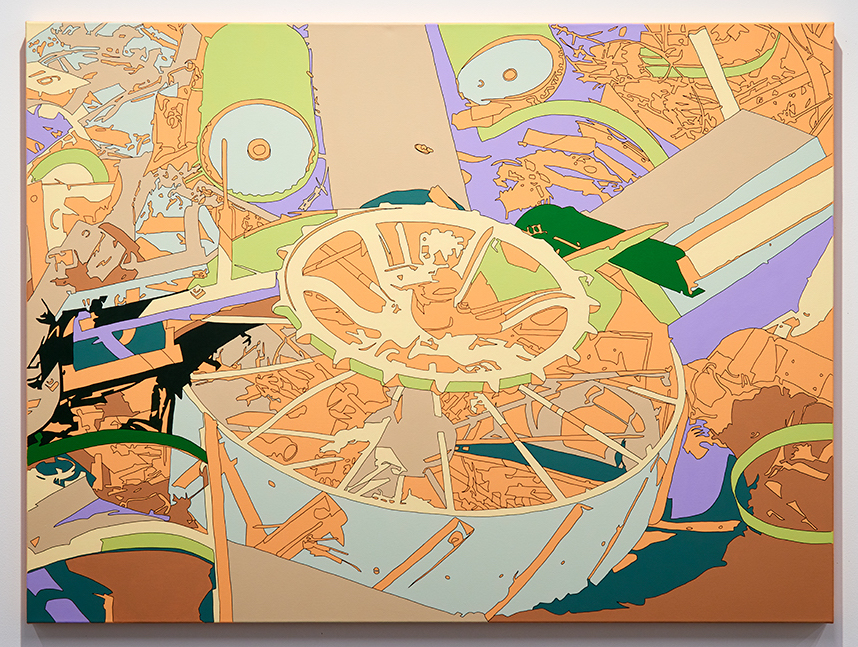
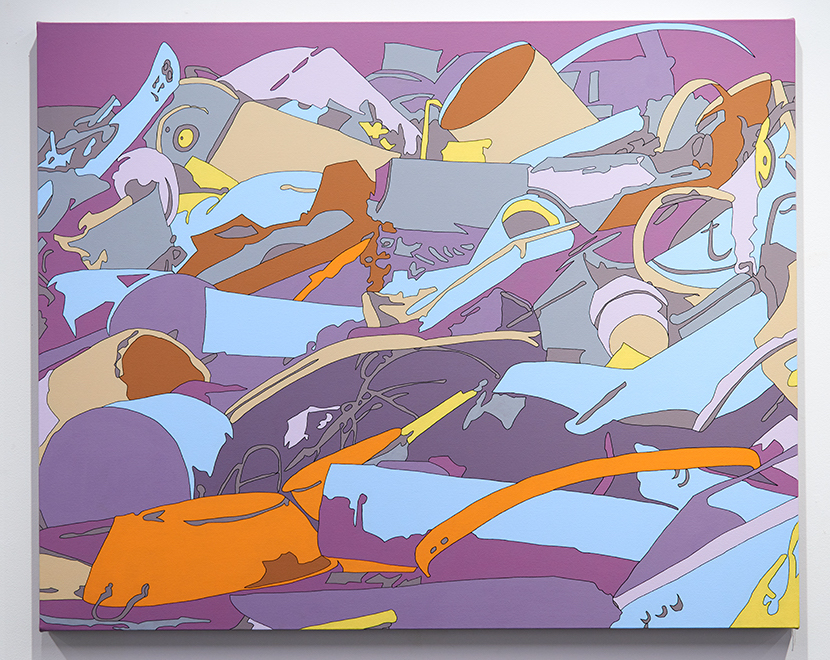
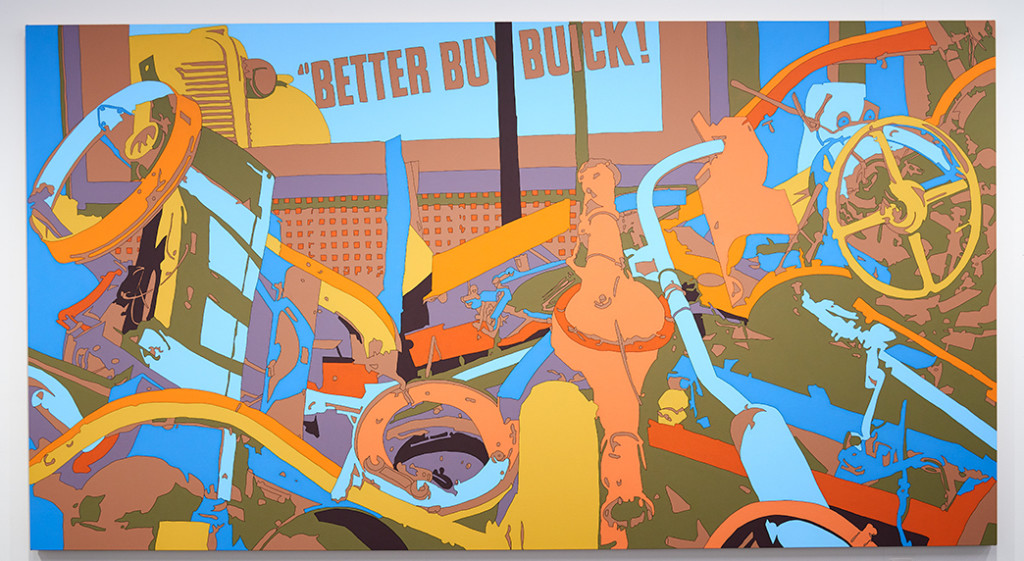
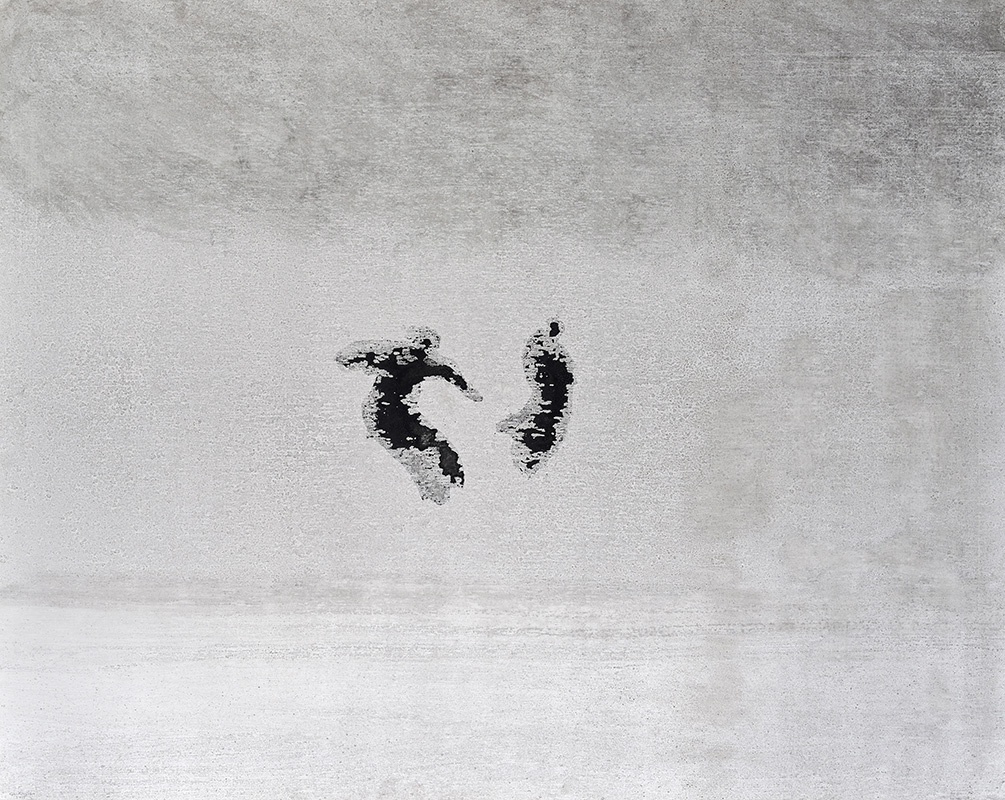
Sandstorms originate in deserts when the wind lifts layers of dust and blows them into the atmosphere. The dust can then travel thousands of miles until it falls on the Amazon forest or into the sea. The artist Carla Cascales Alimbau (1989) uses this natural sediment as a pigment, thus turning the powder into raw material for her paintings. The artist was born and currently works in Barcelona. Her work consists of drawings, paintings, and sculptures that evoke minimalist aesthetics with influences of architectural movements such as Brutalism. Likewise, her fascination for the Japanese aesthetics of the “Wabi Sabi” confers her work an idea of beauty based on the concepts of irregularity and impermanence.

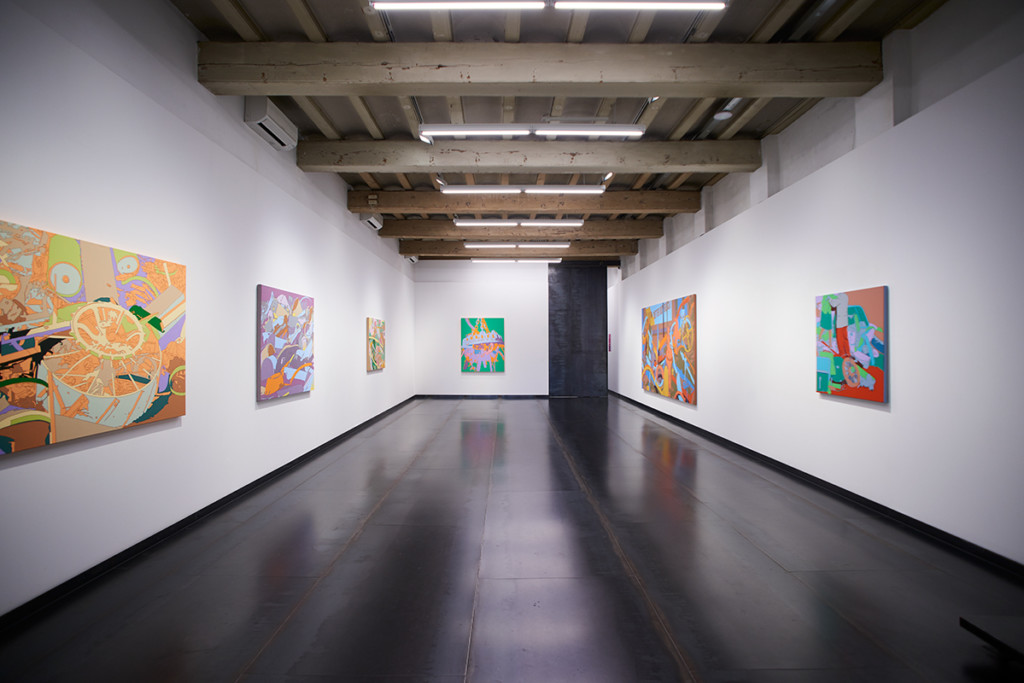
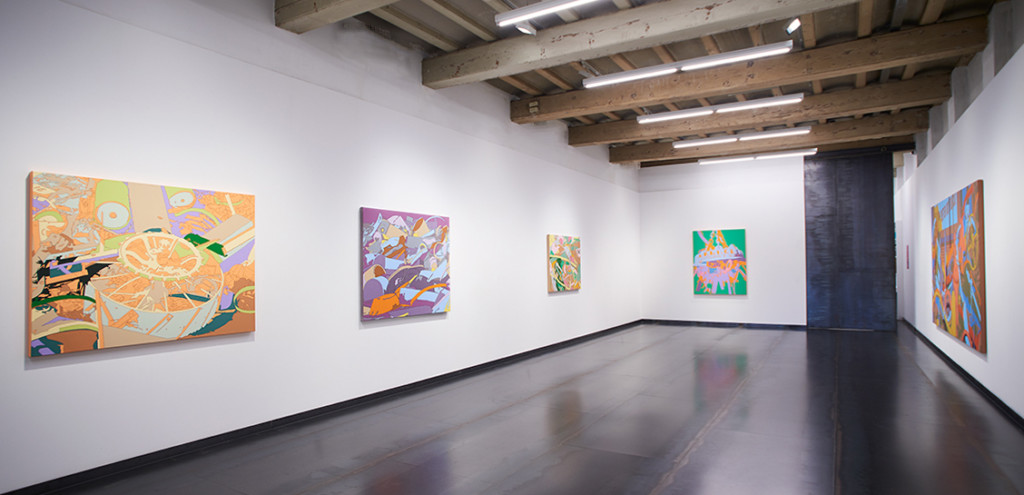
In her solo exhibition at ARCO 2021, Carla Cascales highlights that everything in nature is cyclical, in the way that sandstorms are an important source of minerals for the Amazon forest and at the same time influence the growth of plankton. Plankton, apart from being the main food source of marine species, also absorbs large quantities of carbon dioxide and contributes almost 50% of the planet’s oxygen to the atmosphere. In this way, dust from sandstorms is the oxygen we breathe. 

Currently, she is calling for a change in mentality and sensitivity, pushing for a vision of the world understood as an ecosystem in which all species of the planet coexist, united by symbiotic and interdependent relationships. As Donna Haraway argues, “in nature there are no autonomous organisms, rather we are all part of ecosystems integrated into each other”. The series Sandstorms is part of a movement that seeks to restore ecosystems by stopping and reversing the damage we have caused, intending to preserve nature rather than exploit it. 

Her technique also involves some alchemy. Through various sedimentation processes, dust forms the stones from which the artist extracts the pigment, grinding them manually. Thus, the strength of natural pigments is evidenced, when mixed with water they are not dissolved but remain dispersed or suspended in the paint, just as dust from sandstorms does on the sea. The compositional possibilities are infinite, obtaining an almost unlimited range of colors and shades ranging from oxide red to the color of warm soil.

Exposición online “Naturalmente”

All of them propose an immersive experience in a common universe that is accessed from a multiplicity of approaches and that responds to a single logic: that of artistic creation.

Inspired by their experiences, each artist builds their language, not only as a way to escape from themselves but above all as a communication tool. The delicacy of the supports and materials undergoes a metamorphosis to consolidate into strong works that, however, maintain elegance and softness. The play of textures and contrasts is a constant within the exhibition that, through the various techniques, invites the viewer to enter the particular universe of the works. The exhibition layout of the room itself generates these dialogues.

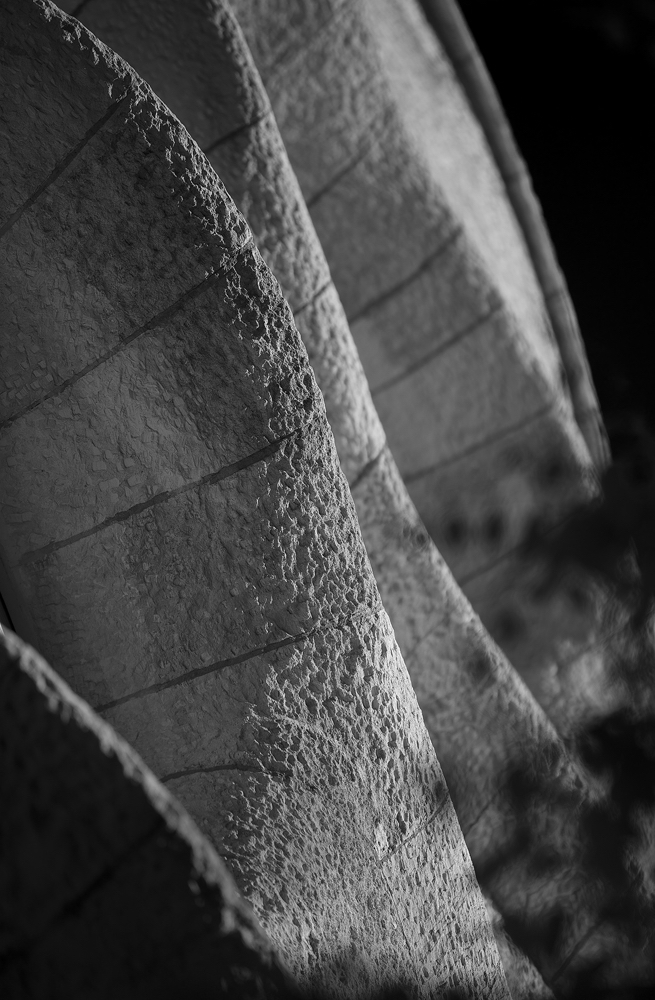
The artists who star in this exhibition stand out for the echo they generate in their respective communities. Hamada and Cascales intervene in physical spaces, the same ones that Malagrida and Sussman portray. The environment is equally essential in the work of AES + F, which builds a performative microcosm. In León y Jaramillo it is precisely this infinite possibility of the cosmos that inspires his work. The artists expose their way of being and interpreting the world, thus turning art not into a final product, but into the foundation of their expressions.

Intervenciones urbanas

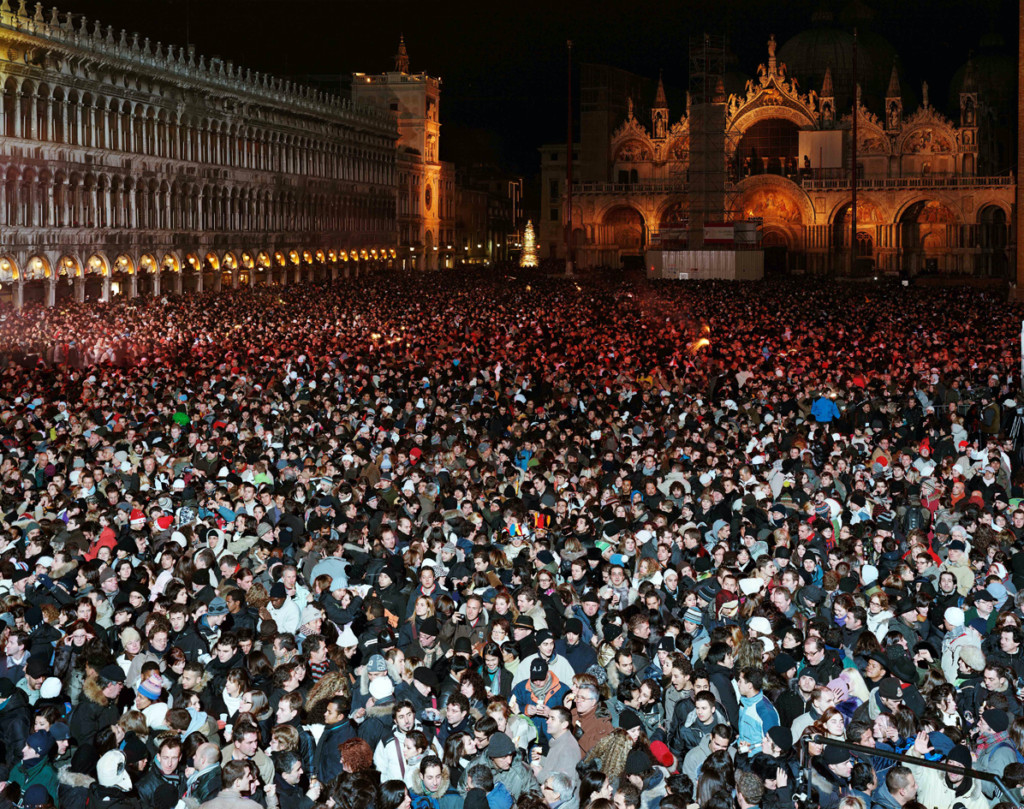
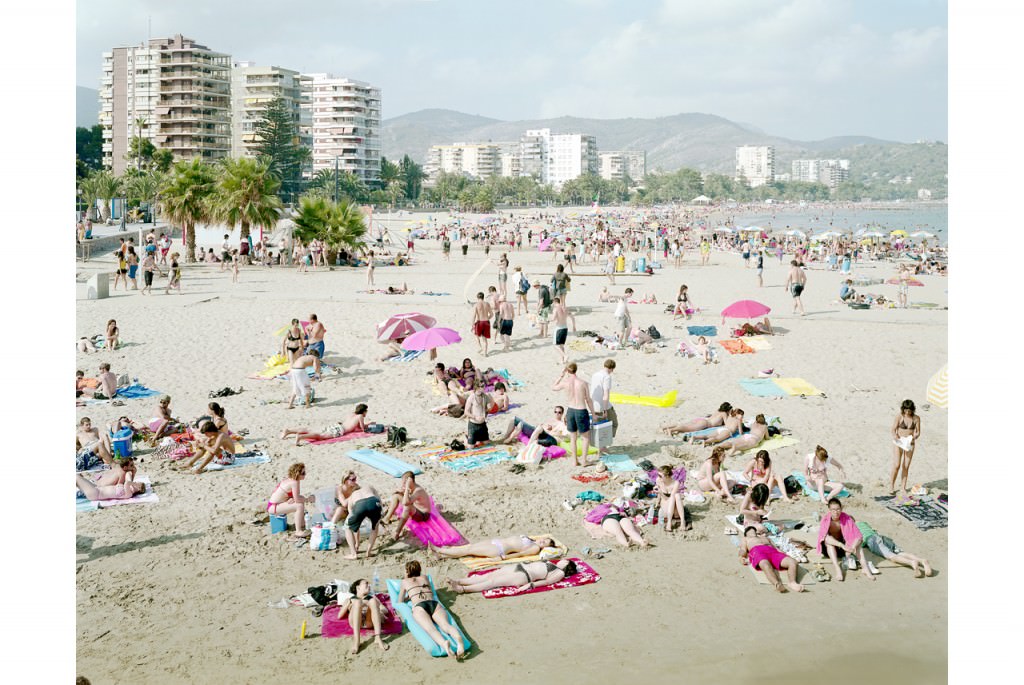
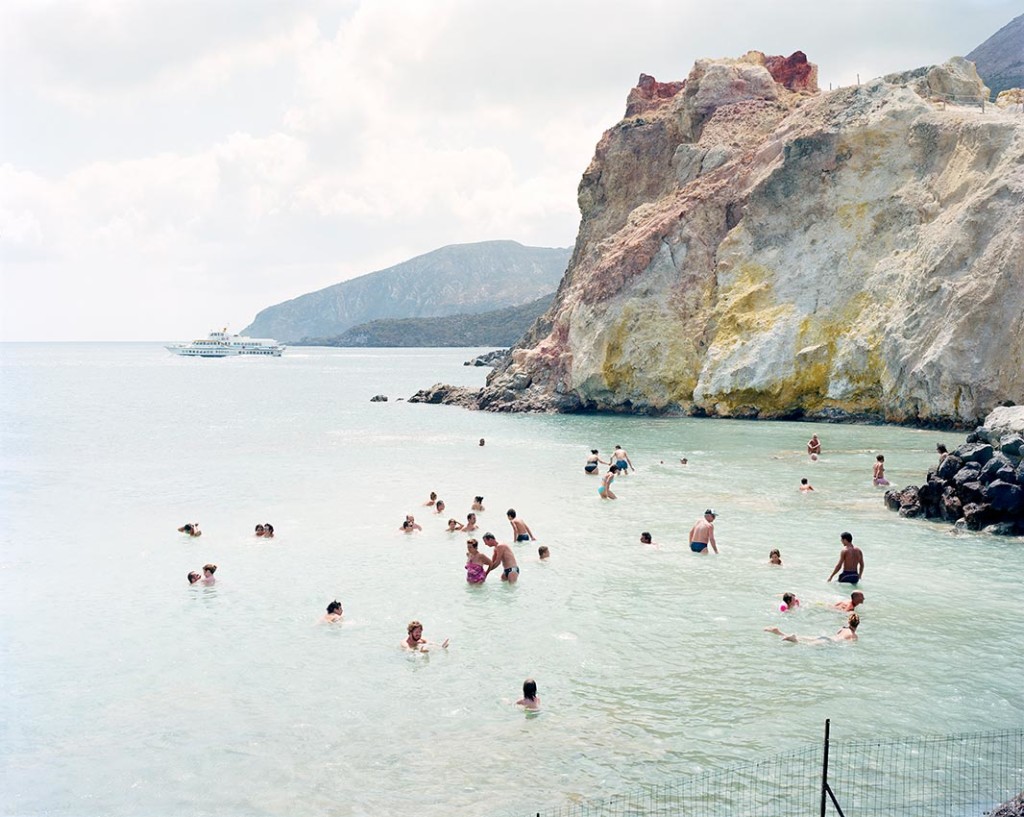
INTERVENCIONES URBANAS is a collaborative online exhibition that brings together works by Mina Hamada (USA), Antoni Miralda (Spain), Adrián Balseca (Ecuador), Anna Malagrida (Spain), Ola Kolehmainen (Finland) and Massimo Vitali (Italy).

The selected artists share an interest in thinking about the urban scene, whose works are produced using different techniques that, nevertheless, dialogue with each other to build a narrative. Architecture appears as a central subject in the works of Ola Kolehmainen and Adrian Balseca, highlighting the singularity of the buildings and the creation of tensions with their surroundings. These same walls are transformed into a support for the urban art produced by Mina Hamada’s graffiti, thus integrating art into the urban space.

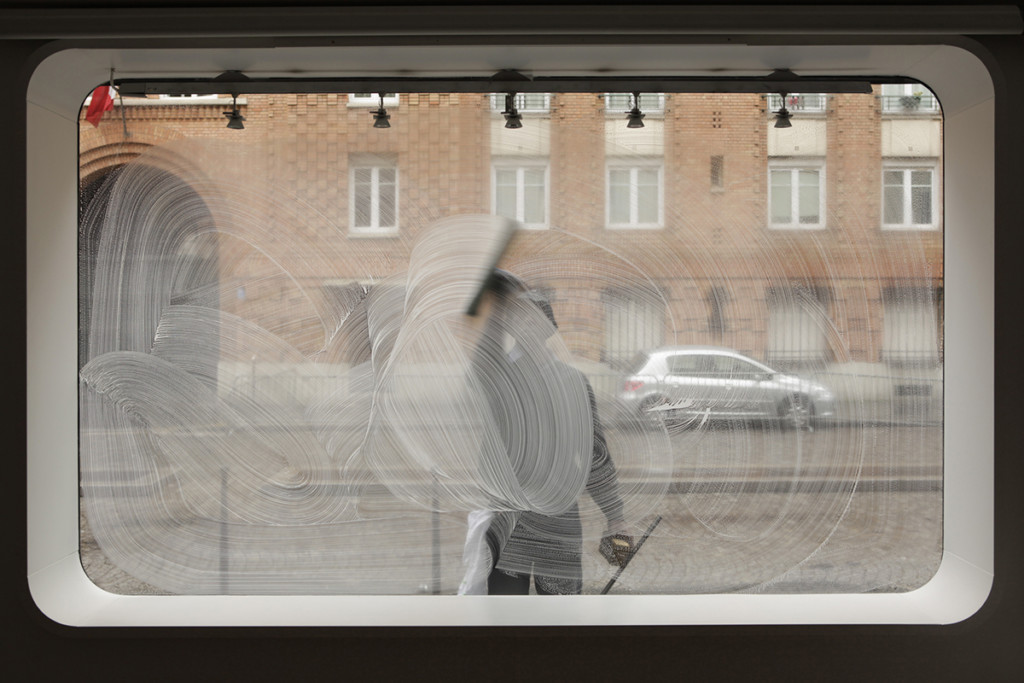
The city, the stage of our daily life, is the background that builds the visual language of Massimo Vitali, Antoni Miralda and Anna Malagrida. Vitali’s human constellations highlight the subtleties of reality, while Miralda and Malagrida make interventions in the spaces, creating games of oppositions that make us reflect politically and aesthetically on the urban landscape.

Through dialogue, INTERVENCIONES URBANAS builds a symbolic universe in which the personal views of each artist invite us to read the urban space and human relations through a new lens.


Artsy : https://www.artsy.net/viewing-room/galeria-senda-intervenciones-urbanas

2nd International NASEVO Prize

Lab36 exhibits the finalist projects of the II NASEVO International Prize organized by the Ernesto Ventós Foundation. The theme of this edition is the nose and the sense of smell presented by the collage technique. The purpose of this contest is to allow younger artists to show their creations without losing the foundation’s philosophy and values: “Learning to smell through art.”

The winner was the work Horizonte y olfato: eclosión geográfica de un espacio y tiempo silenciado, by Marta de los Pájaros. The artist recreates the universal smell of Gaea (considered Mother Earth in Greek mythology), and that metaphorically represents the smell of humanity. The work raises a reflection on the philosophical disaffection that the western tradition has developed concerning smell.

The Ernesto Ventós Foundation is a family project, full of enthusiasm and a sense of responsibility, arising from the need to share with society through art and the olfactory world, part of what it has given us.

The Foundation was formally created in 2019, but its activities aimed at sharing art from an olfactory perspective already existed in 1996 with the olorVISUAL collection and with NASEVO in 2003.

Dreamscapes & Other Tales

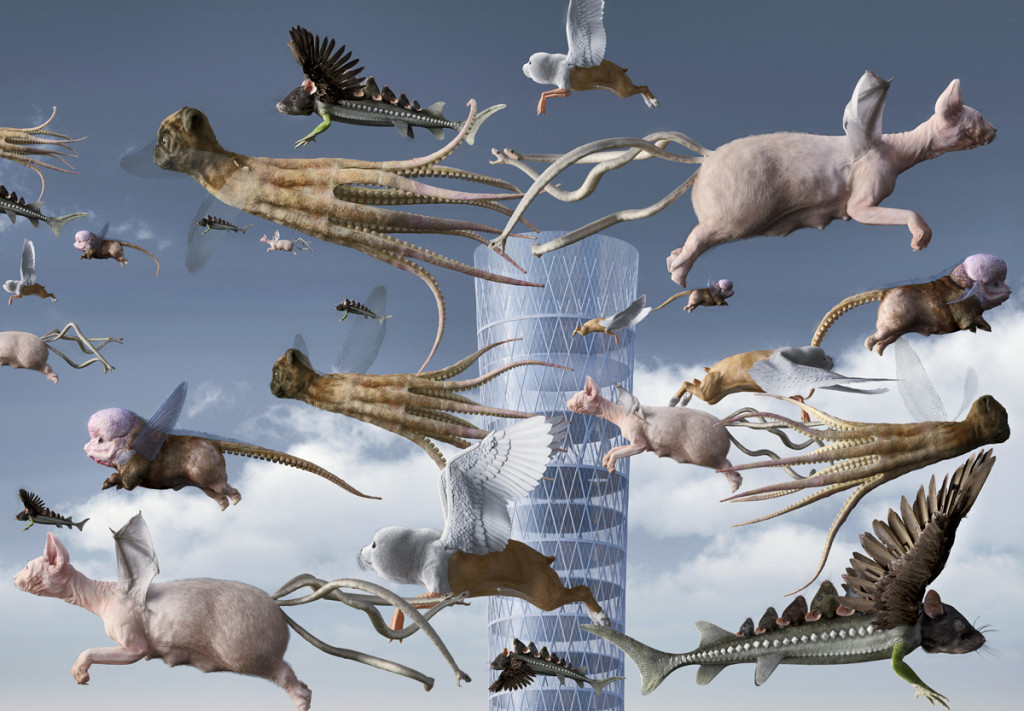
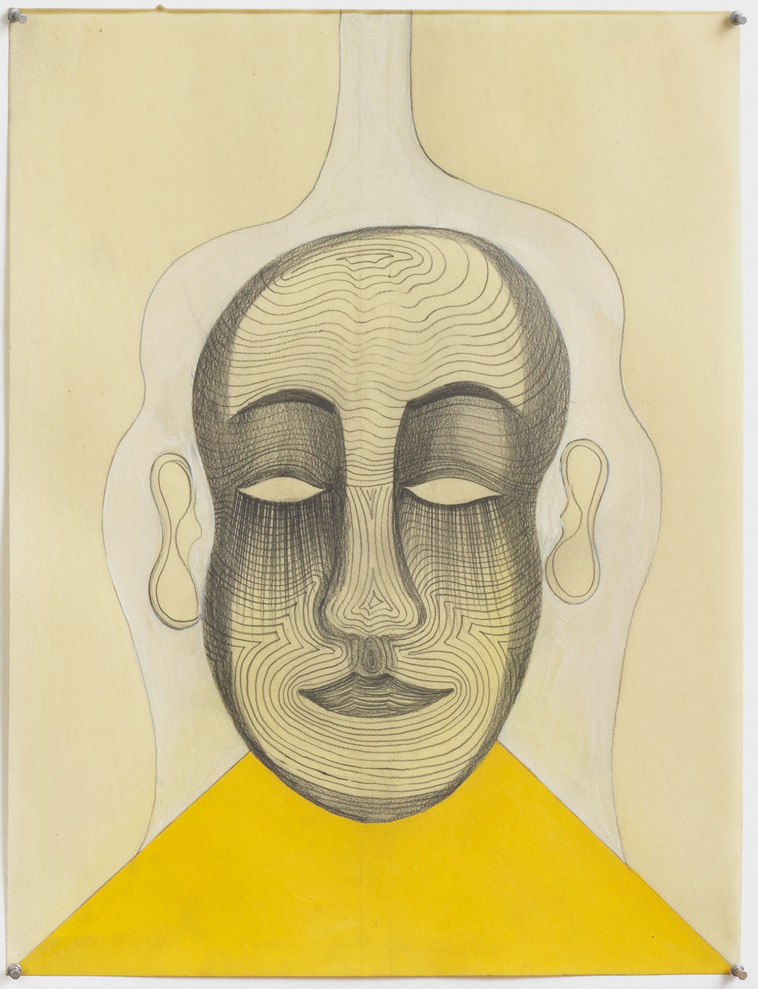
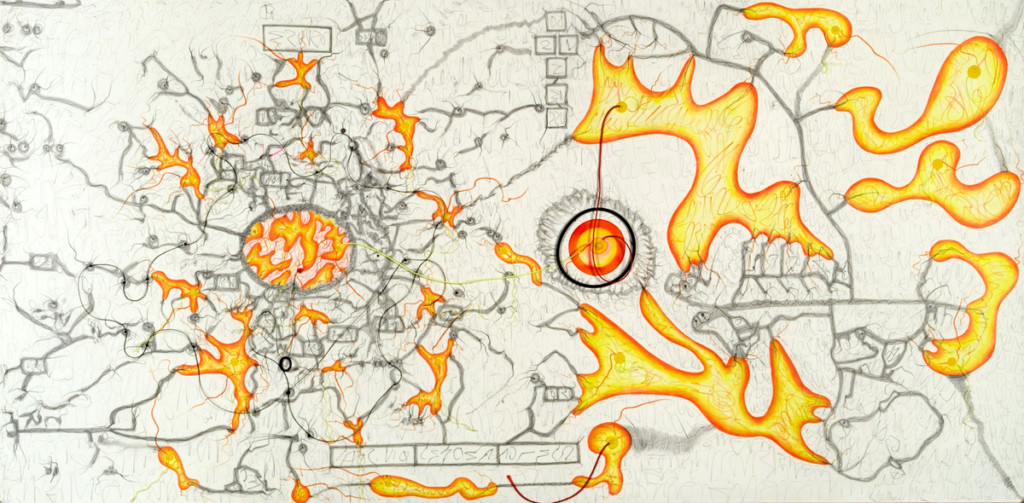
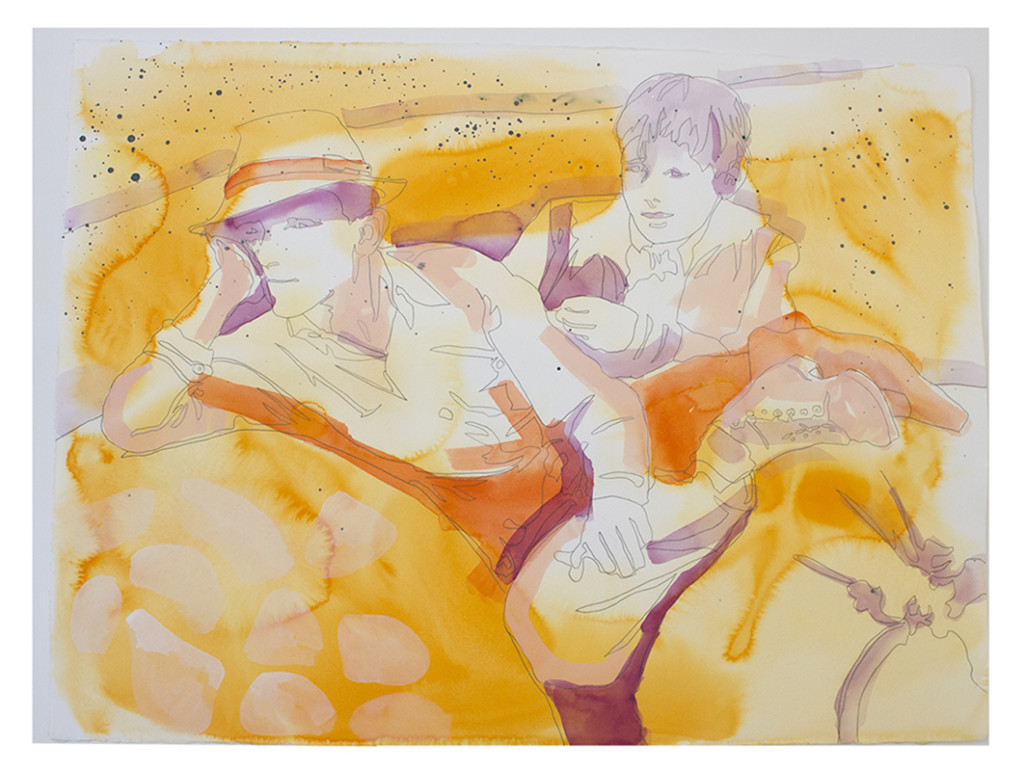
“DREAMSCAPES AND OTHER TALES” is an online-only group show that brings together a selection of works on paper by artists by Evru/Zush (Spain,1946), Catalina Jaramillo (Colombia, 1981), Sandra Vásquez de la Horra (Chile,1967), Gino Rubert (México, 1969) and the collective AES+F (created in Moscow in 1987).

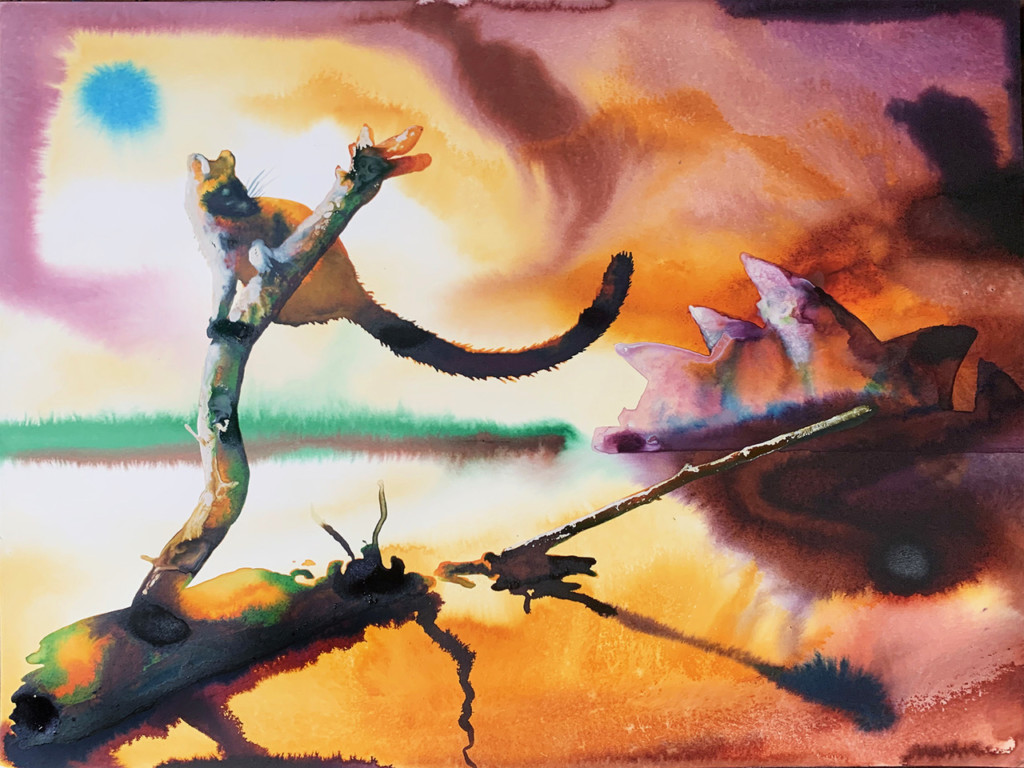
Through different figurative iconographies, the featured artworks explore, complex oneiric landscapes and imaginative scenarios. With a unique aesthetic and stylistic signature, each of them engages with the forces of fear and desire that stand behind the oneiric machinery of the individual and the society at large. Making reference, in some cases, to the psychoanalysis literature, or abandoning themselves to the intuitive process of creation, their authors put into scene particular mythologies, depicting social allegories and paradoxes, opening unexpected windows toward utopias, magic or spiritual realms, or composing tales of erotic scenarios.

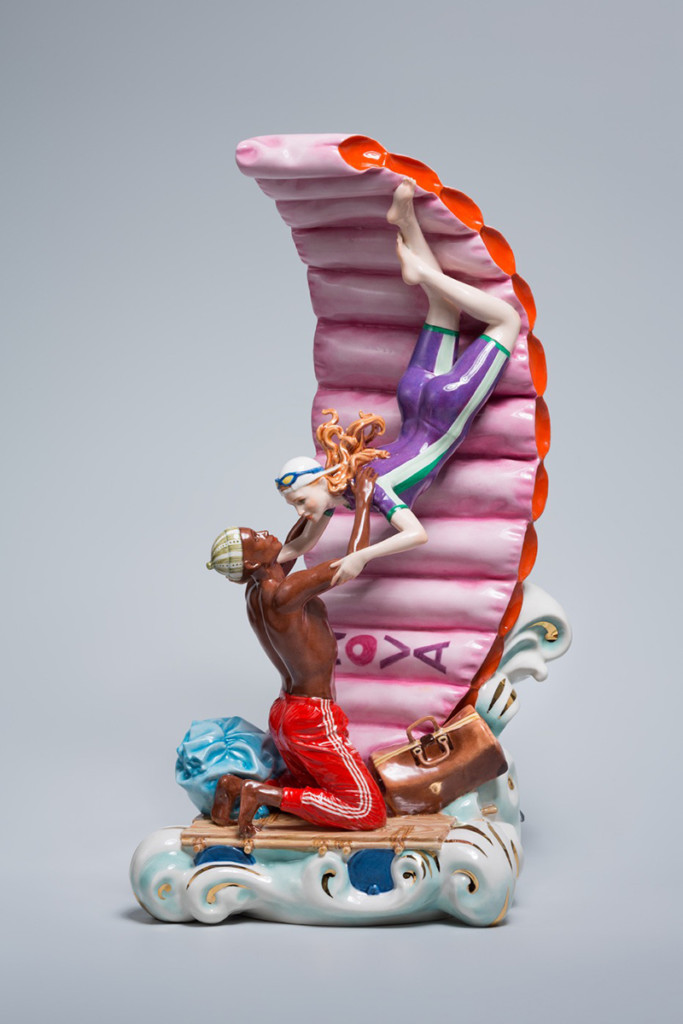
While some of these artists are known for their works on paper (Sandra Vasquez de la Horra, Catalina Jaramillo and, partially, Evru/Zush), others have employed this medium occasionally, to study the themes and subjects of their paintings or tell particular stories (Gino Rubert) or as part of multi-media projects that include porcelain sculptures and video (AES+F).

A project by Mariella Franzoni


Link to the DREAMSCAPES AND OTHER TALES show on Artsy:
https://www.artsy.net/show/galeria-senda-dreamscapes-and-other-tales-works-on-paper-by-aes-plus-f-gino-rubert-catalina-jaramillo-sandra-vasquez-de-la-horra-evru-slash-zush

ARCO Madrid 2020

Galeria SENDA at Arco Madrid 2020
February 26 – 01 March (Booths 9F08 and 9F08A) 

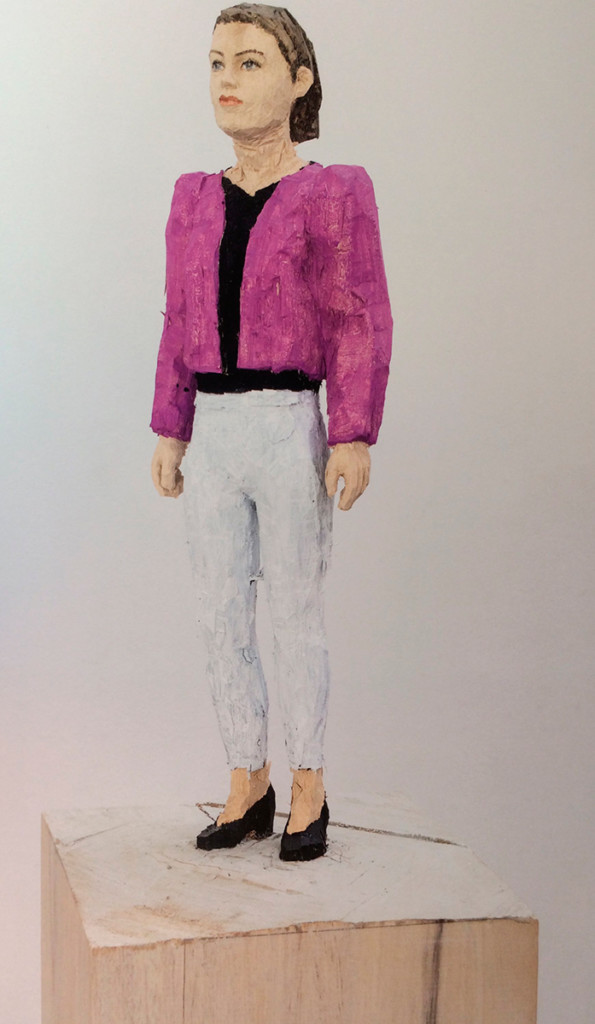
Galeria SENDA will be present  at Arco Madrid 2020 with works by the artists Stephan Balkenhol, Jordi Bernadó, José Pedro Croft, Peter Halley, Yago Hortal, Glenda León, Miralda, Aitor Ortiz, Jaume Plensa, Gino Rubert, Evru/Zush and Túlio Pinto.

ARCO Madrid 2020, TÚLIO PINTO

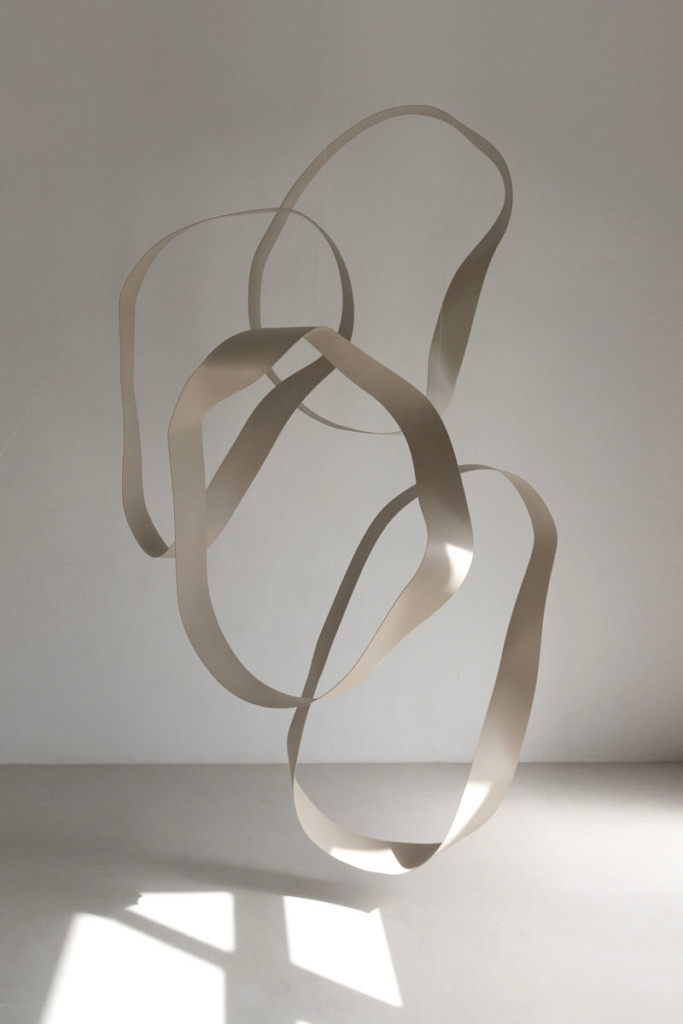
Túlio Pinto (Brasilia, 1974) develops his artistic research through the force of opposites, generating tensions that challenge the physical laws as gravity while remaining in perfect balance. This harmony is achieved through the perfect weighting of the masses, volume and density of materials of opposite natures and behaviours such as cement, iron, rock, glass, plastic and water.


Adrián Balseca presents Suspensión I

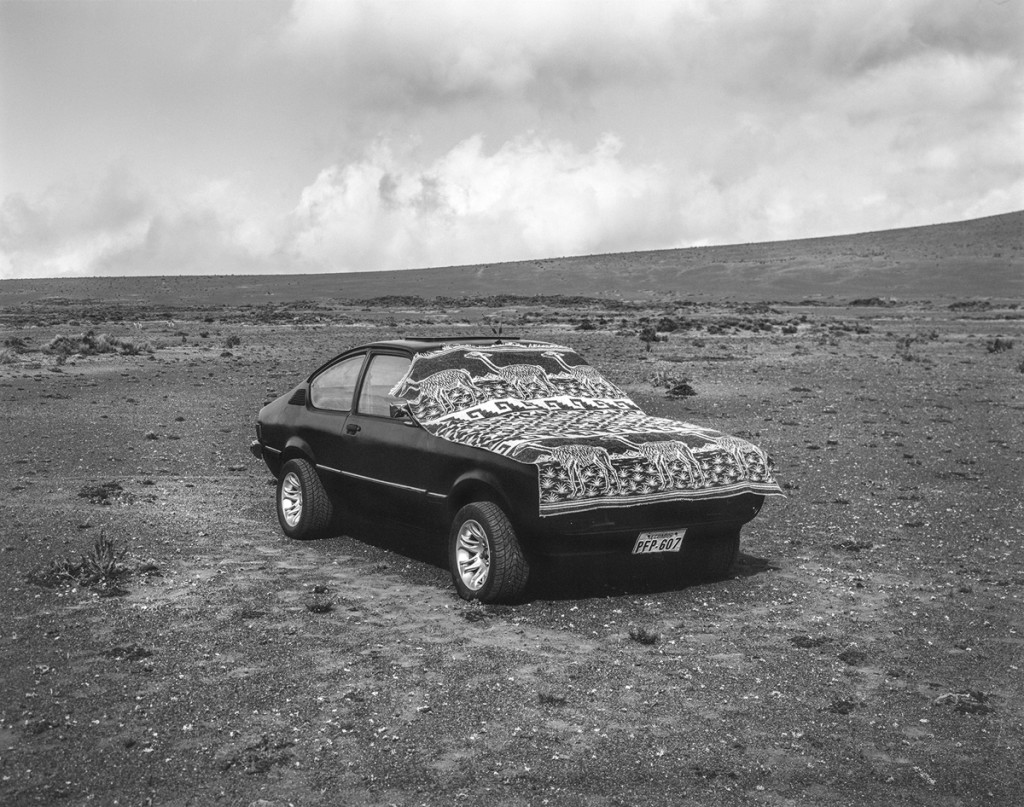
Revisits the archetype of an exuberant and paradisiacal land “Pais de la cucaña”, transgressing the popular game of colonial times, known in the South American region as “cucaña” or “palo encebado”. A tall balsa tree trunk, endemic to the subtropical jungles of Ecuador, has been cut down and from it, in the middle of an Amazonian forest, containers containing local fossil fuels are suspended. The image of the light but strong trunk (the lightest of its kind) is a playful vehicle that supports and hangs the “trophies” of modern progress.

The energy paradigm fed the emancipatory dreams of modern societies;  Adrián Balseca’s artistic work opposes the momentum of accumulation and individualism of late capitalism, other ways of being in the world that include solidarity, collectivism, materiality and questioning wealth as a form of power based on the extraction of fossil fuels.

Adrián Balseca “Phanton Recorder”

With Phantom Recorder (2018), Adrián Balseca questions the materiality of the world in the age of the Anthropocene. Currently, as the influence of human activity upon the Earth has become a major geological force, capable of irreversibly transforming the planetary ecosystem, Balseca acts and gets involved as an artist to generate a symbology of these challenges on the Ecuadorian territory.

Balseca’s artistic practice is a non-modern one, in the sense of Bruno Latour (1991)1, in which the functional, the utopian, and the poetic are never clearly separated. According to Latour, modern humans have never stopped creating hybrid objects, not only belonging to the technical or scientific worlds, but also participating in the political, cultural or economic ones. As they created these objects, however, modern humans rejected any notion of their hybridness, maintaining instead a world vision that is based on the “Great Division” (Latour 1991) between nature and culture.

In opposition to this modern order, Balseca overcomes its ontological, disciplinary divisions, and challenges the extraterritorial status of art. The point of departure of Phantom Recorder is Werner Herzog’s film Fitzcarraldo (1982), which tells the story of Brian Sweeny Fitzgerald in the early 20th century.

This businessman aspires to make a fortune with rubber and, being a lover of music, dreams about building an opera house in the Amazon jungle. What catches Balseca’s attention in this excessive endeavor is the visually dislocated, out-of-place aesthetic of a gramophone on a boat that wanders through the jungle. When he reconstructs the visual aspect of the scene, however, he subverts the “colonial regimen” by modifying the acoustic dimension. In fact, the function of the gramophone in this work is inverted; instead of silencing the forest and its inhabitants by spreading the sound of an aria through the silent jungle, it records the sound of the forest, aware both of the human and the non-human.

By means of this provocative gesture, the artist denounces the bourgeois notion of the autonomy of art, this non-relation that is exemplified by the aria2 performed by Enrico Caruso. Based on this film, on its director and the main character, Balseca exposes the idea of art as a specific historical construct, belonging to a modern, colonial system of divisions. Balseca also removes the main character in his work and reuses the gramophone’s technology to “listen” to “nature”, which demonstrates that every artistic sign is charged with the forces of non-human actants, operating as a translating device for cosmic and material processes.

Sandra Vásquez de la Horra presents a Solo Show in Artissima

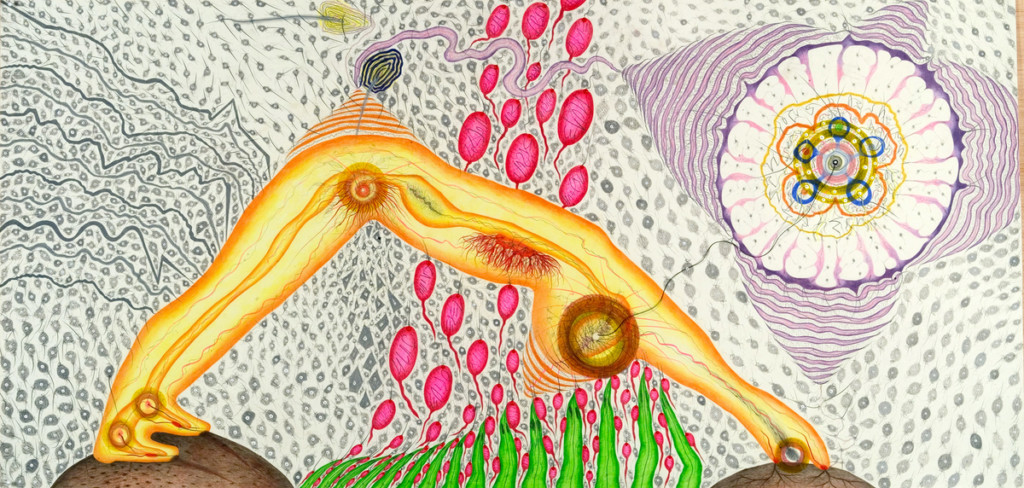
Sandra Vásquez de la Horra has developed a poetic work, which illustrates stories inspired by memories, the unconscious and by sexuality. From a predominance of the female figure, her work reveals the personality of the artist through a synthetic language based on her mark, typography and austerity. In this exhibition, Sandra Vásquez de la Horra, focus her production on the mystical and religious traditions of the Iberian Peninsula influenced by the black legend and the ancestral folk traditions. Moreover, Vásquez de la Horra has started to work with three-dimensional pieces made by paper with drawn surfaces. Besides this atmosphere, animal’s pictures and the rich nature comes from the magic of the artwork that brings us into a dreamy lecture of the work.