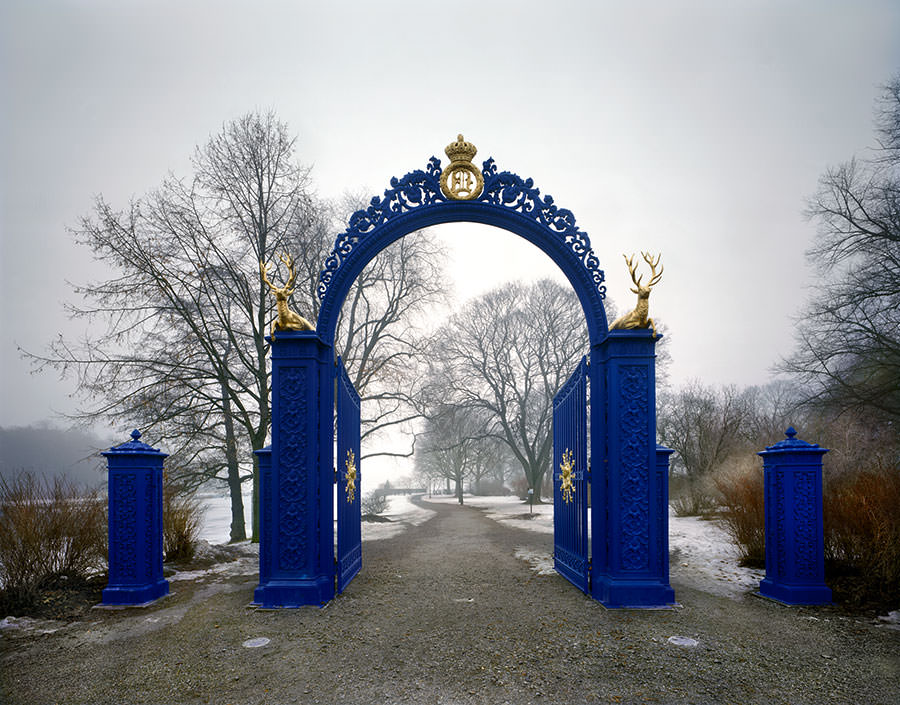
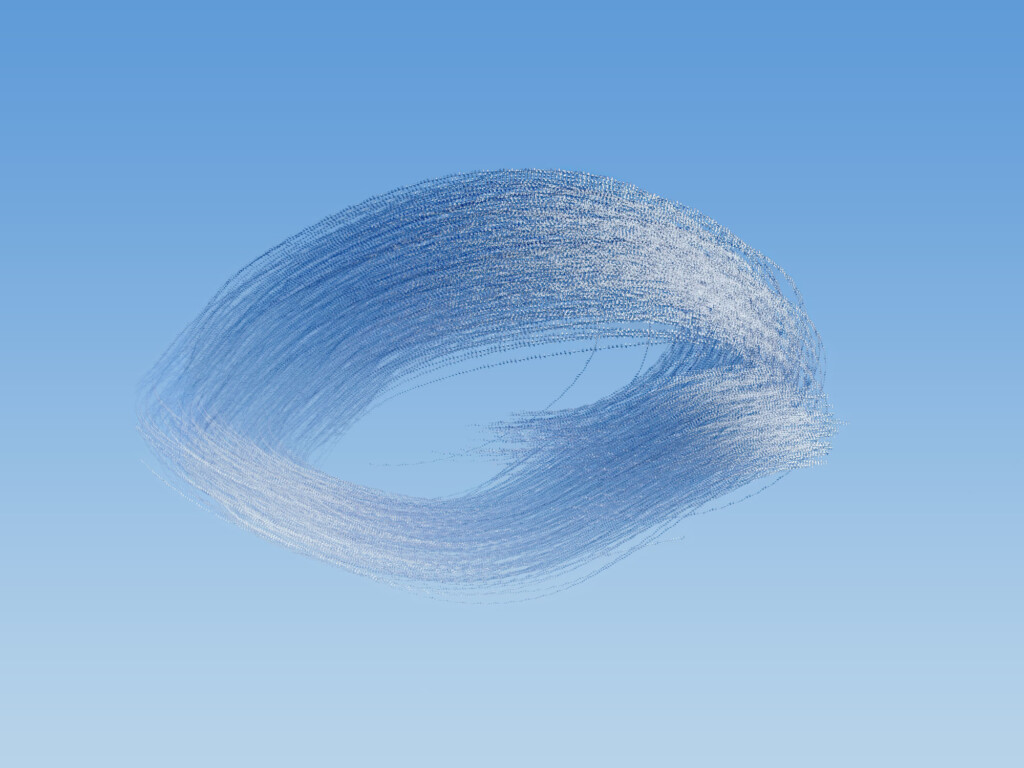
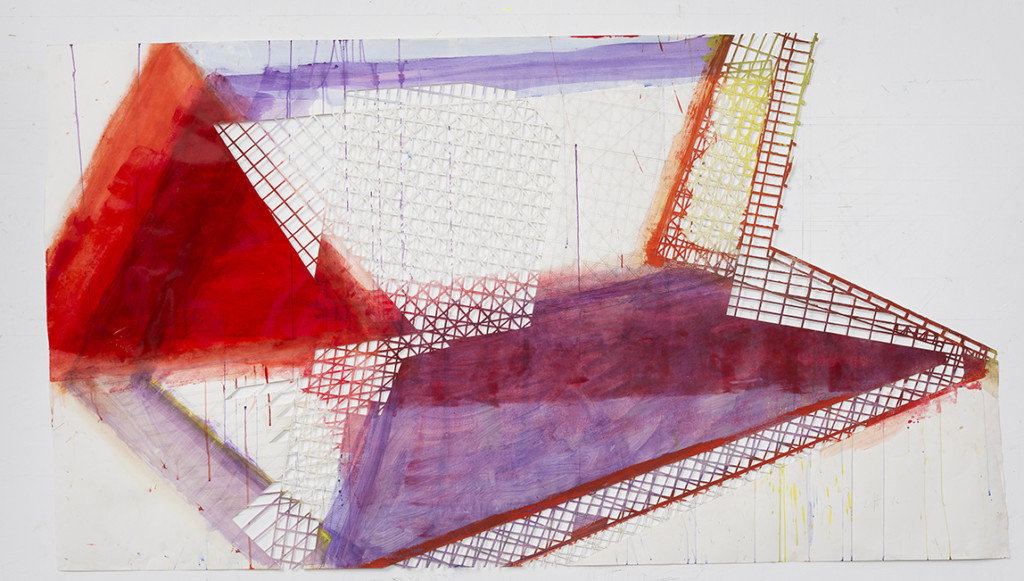
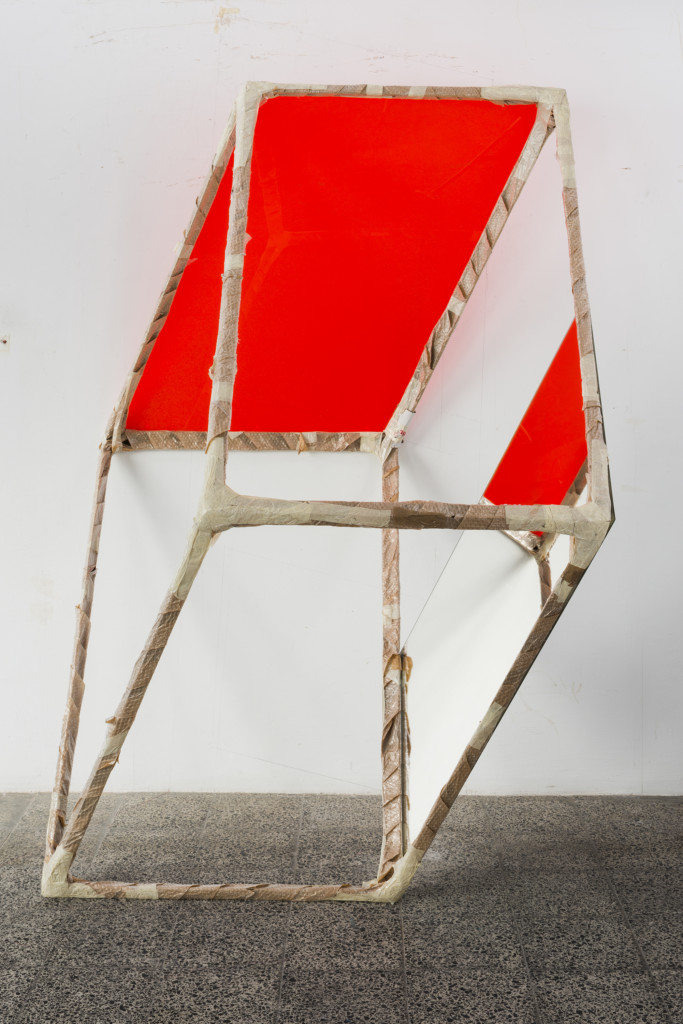
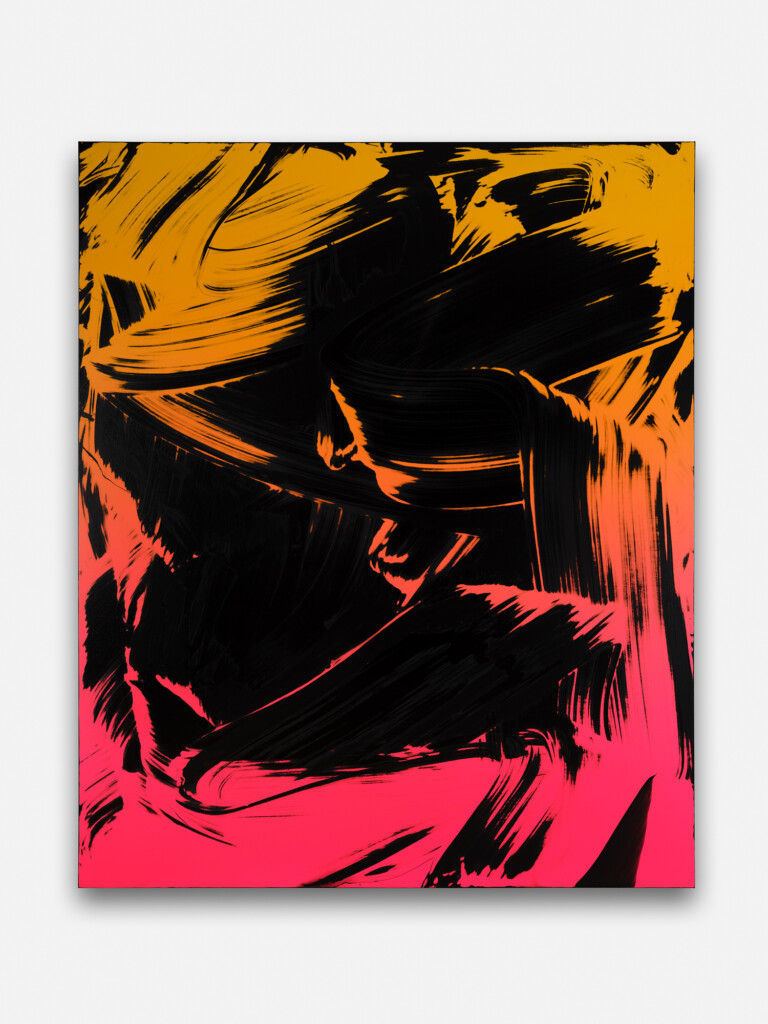
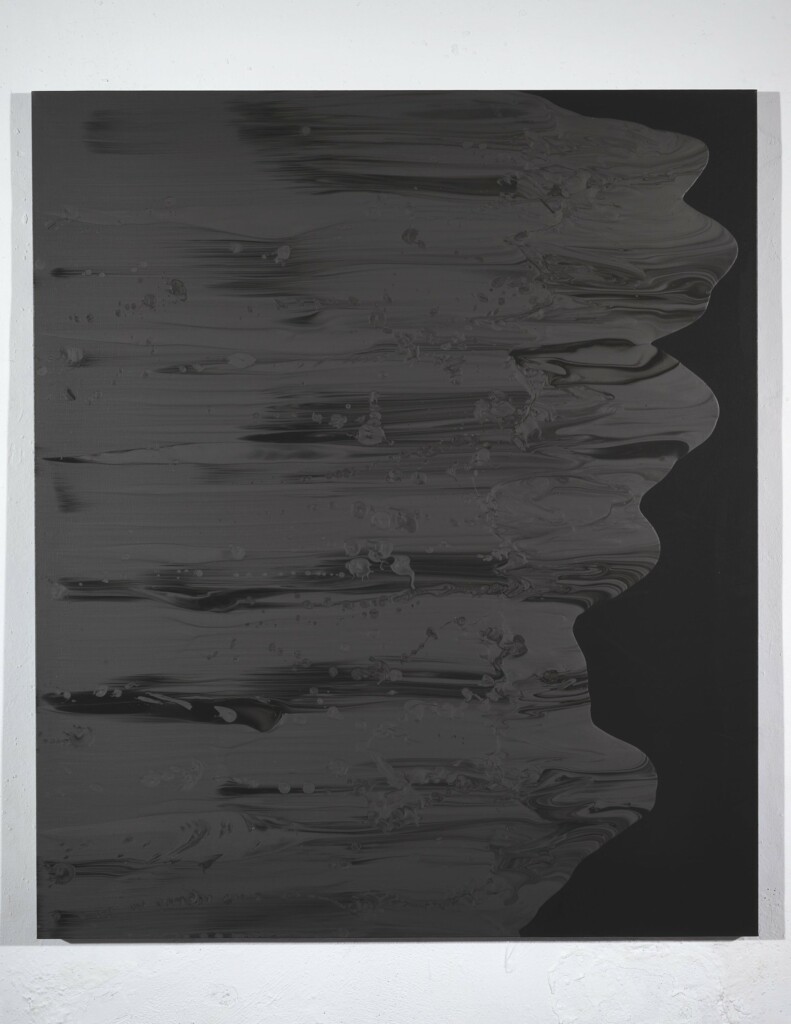
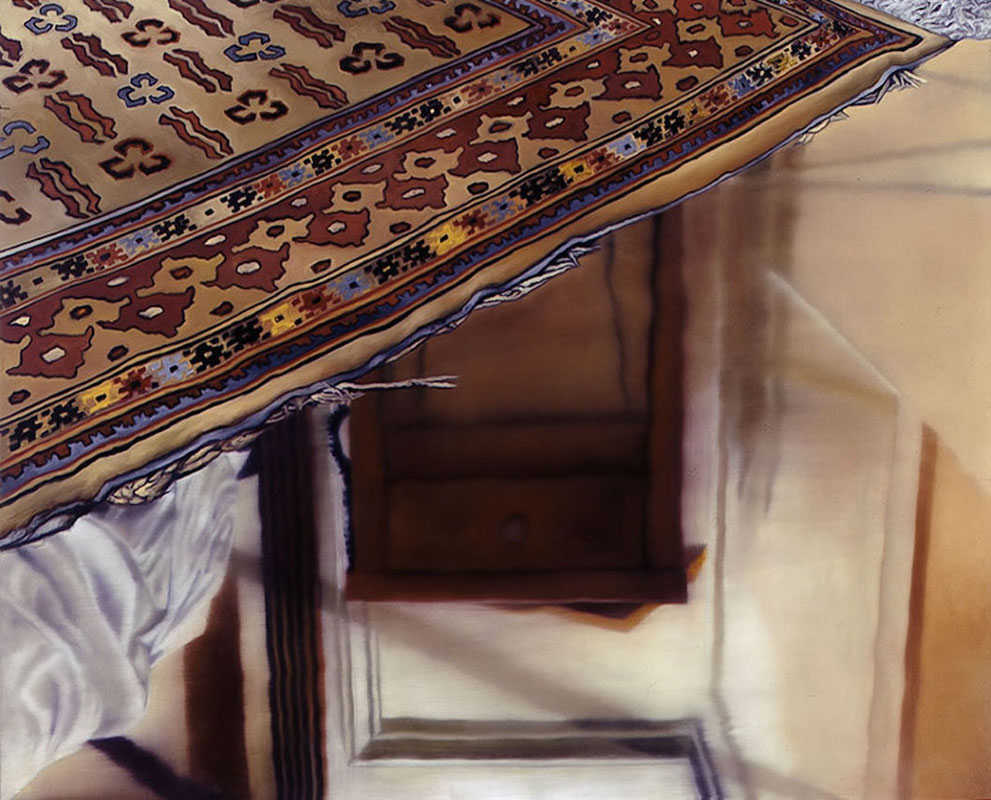
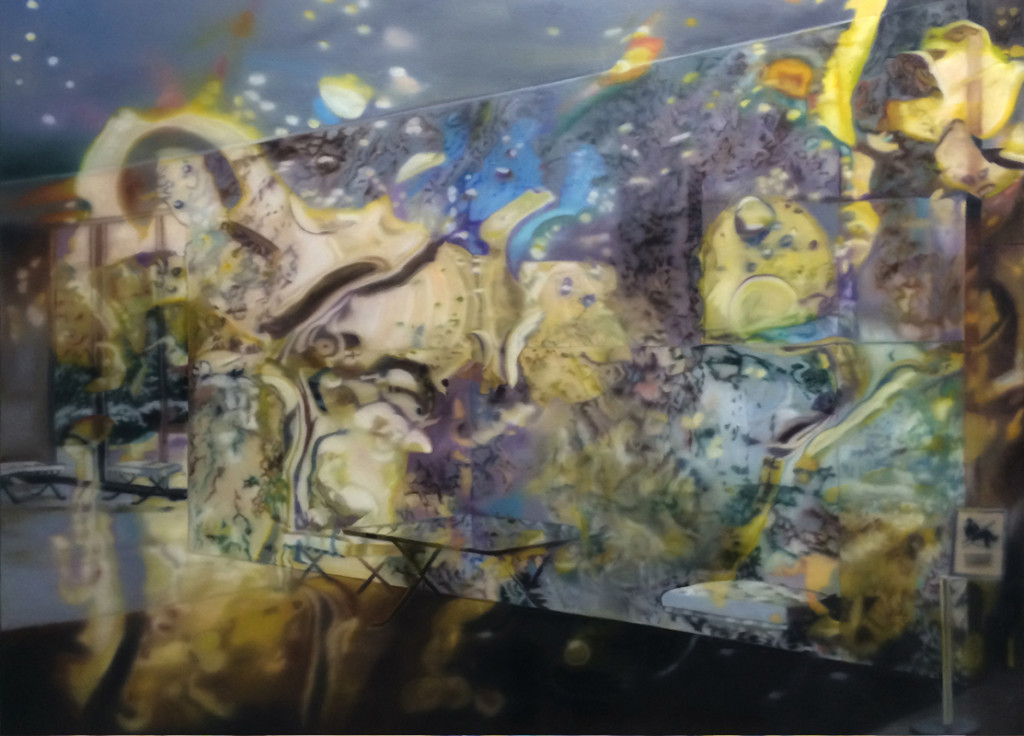
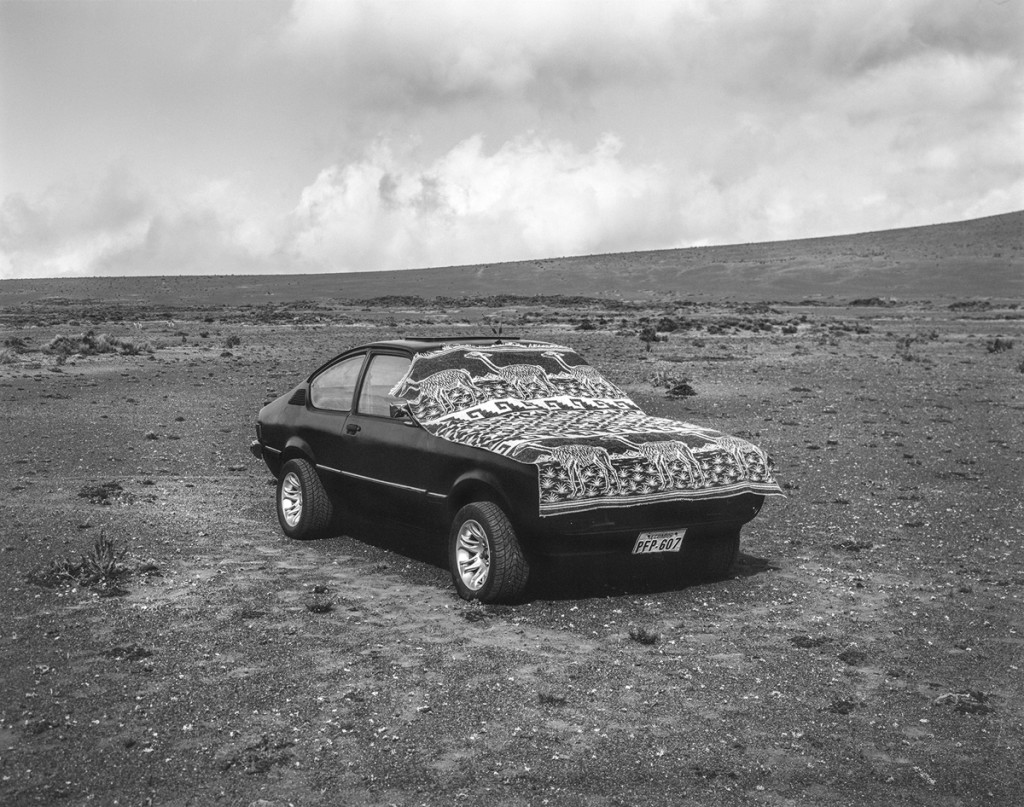
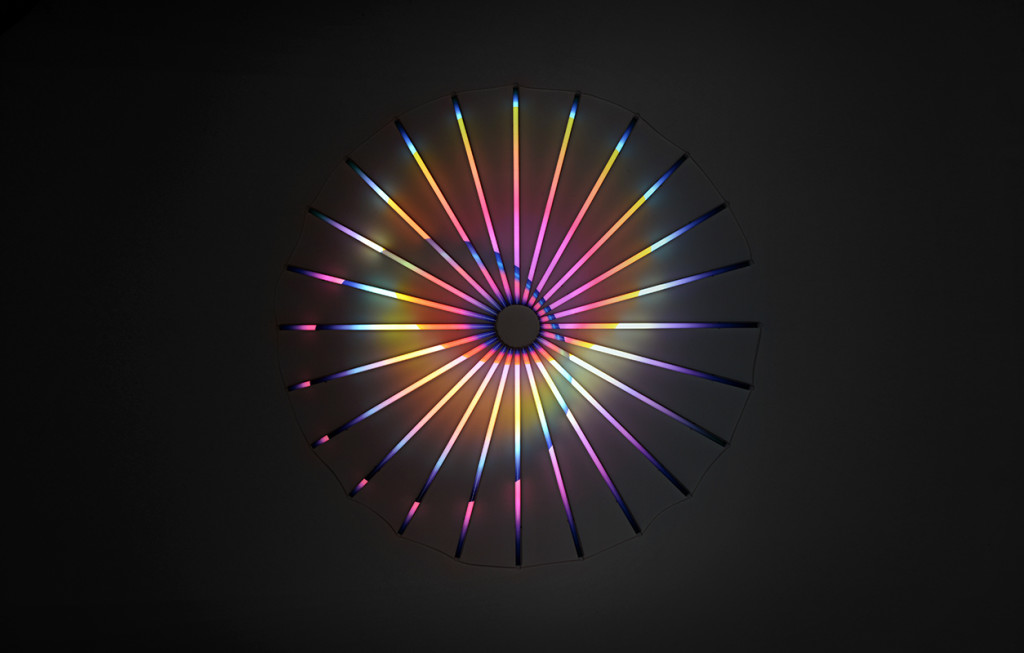
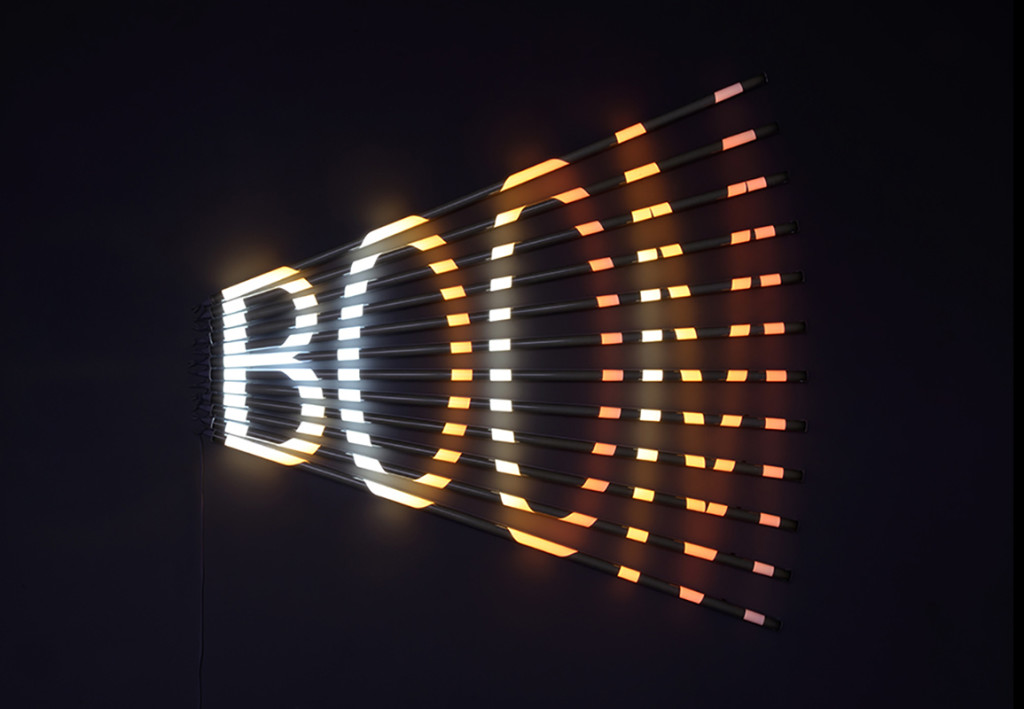
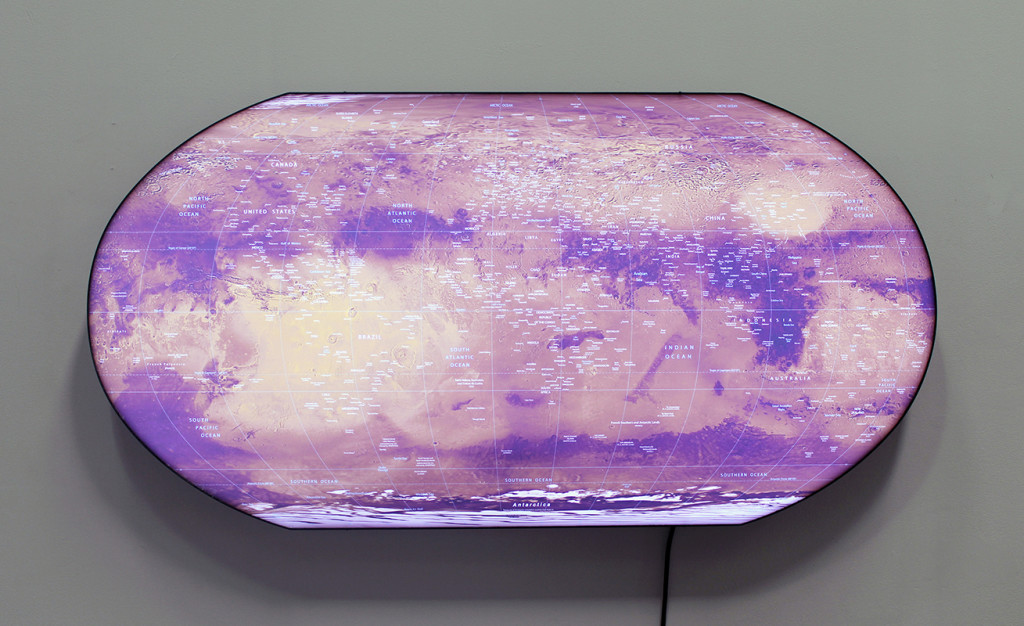
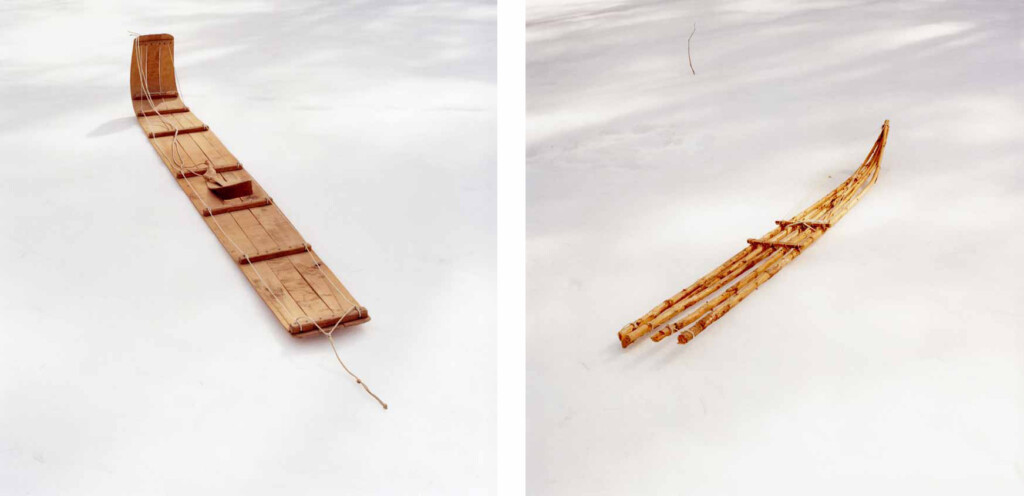
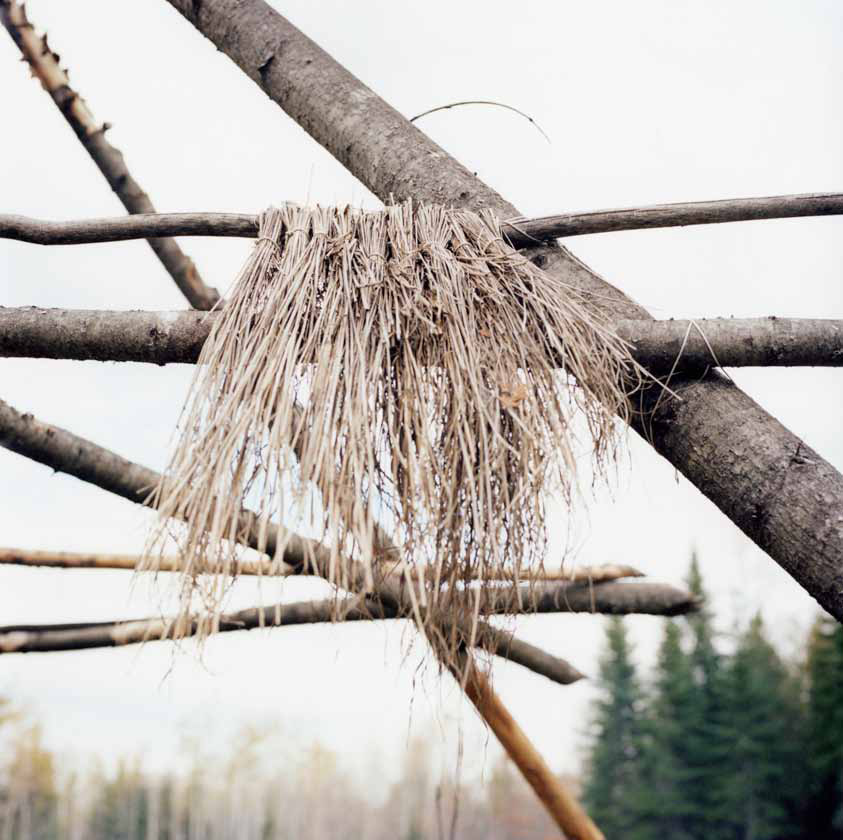
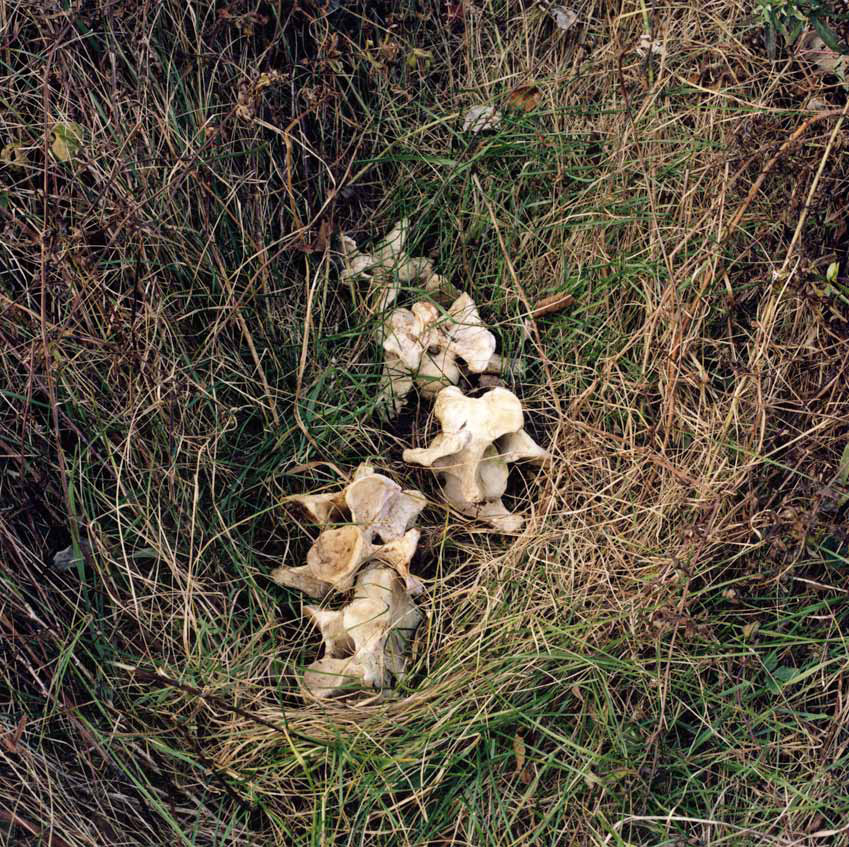
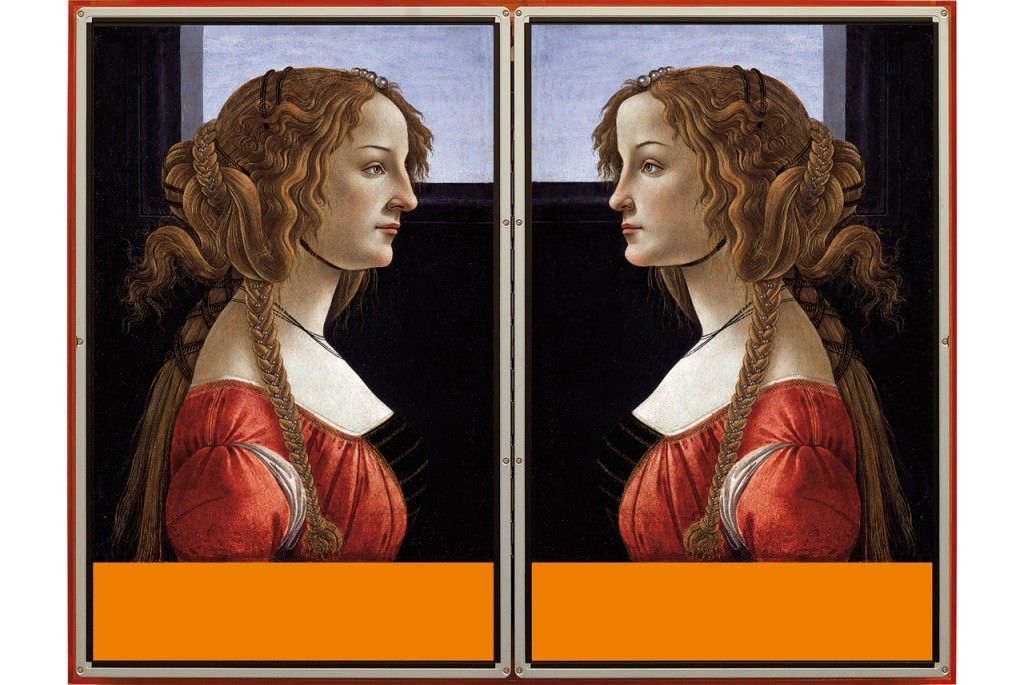
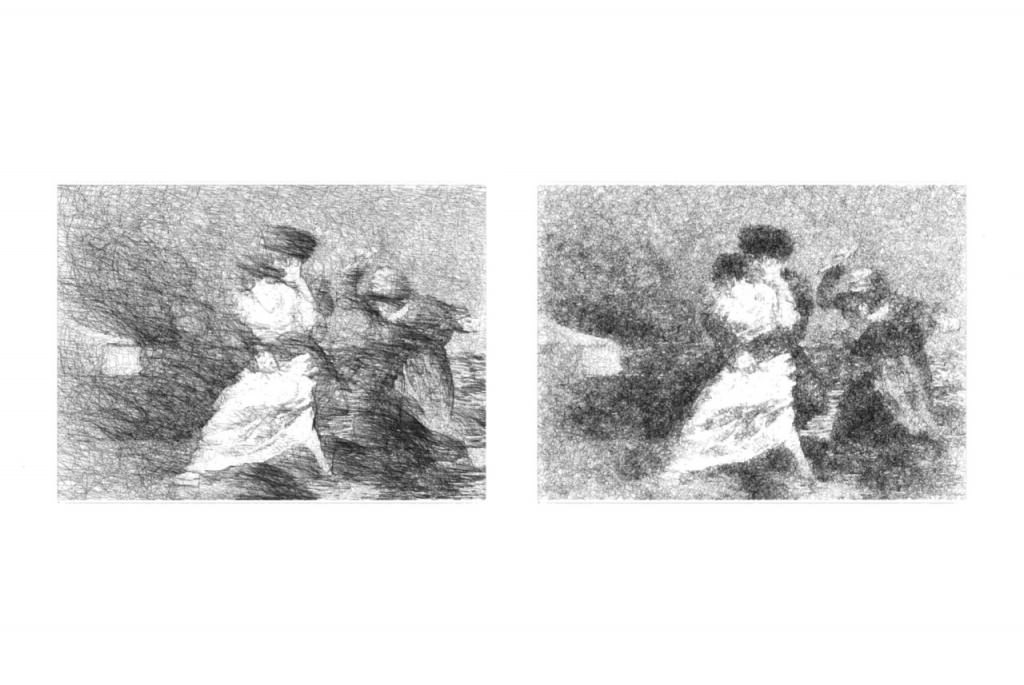
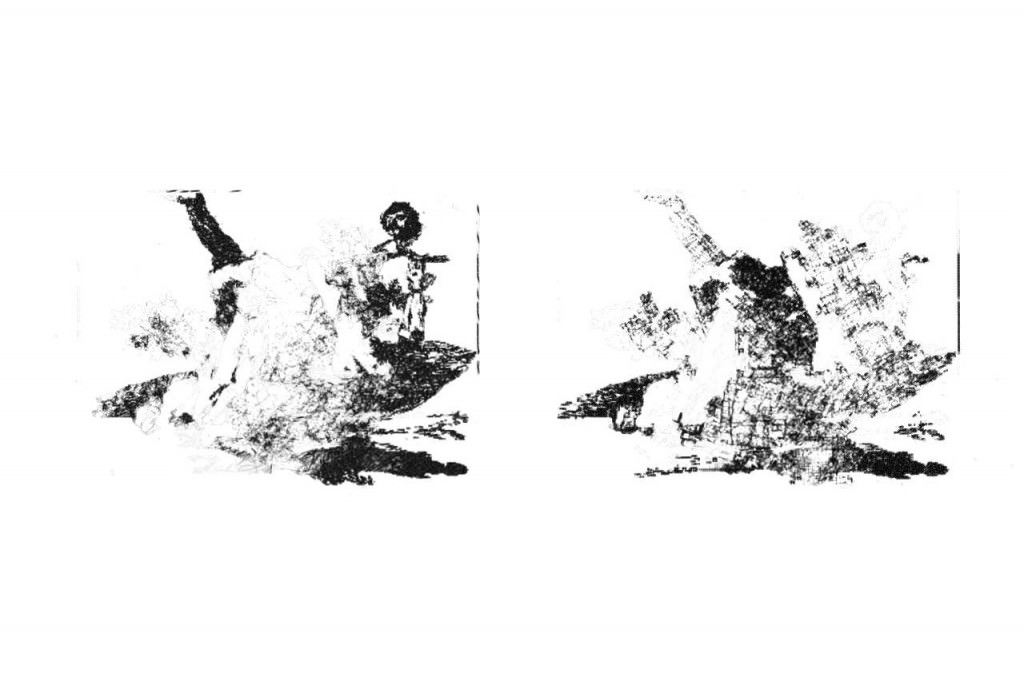
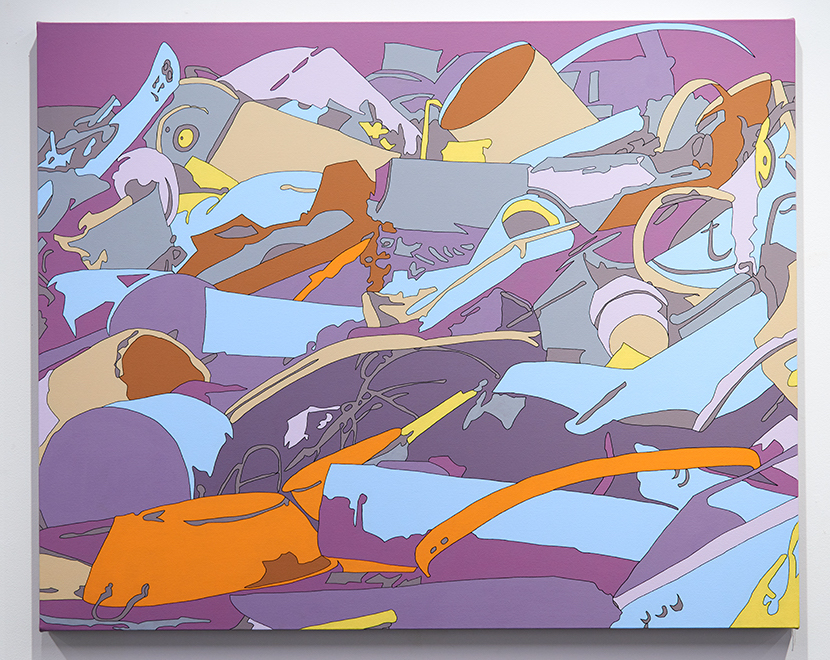
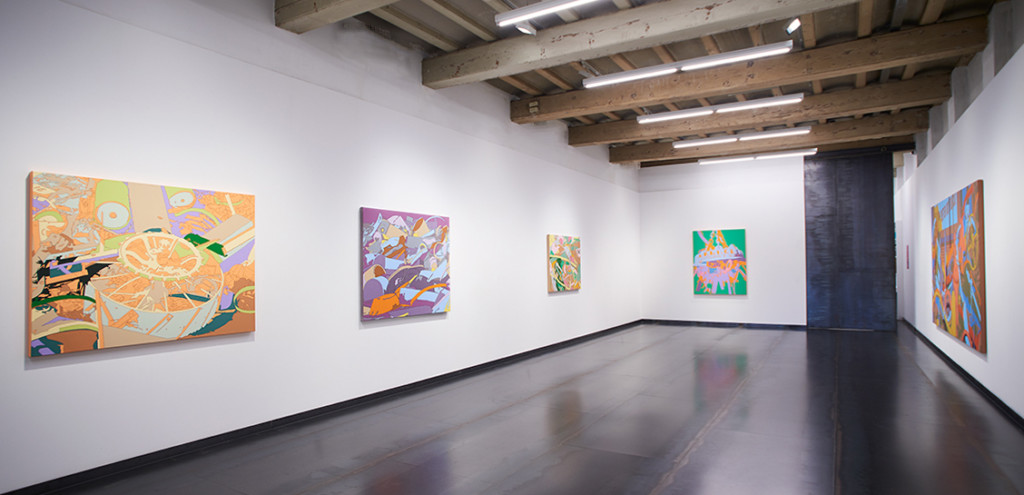
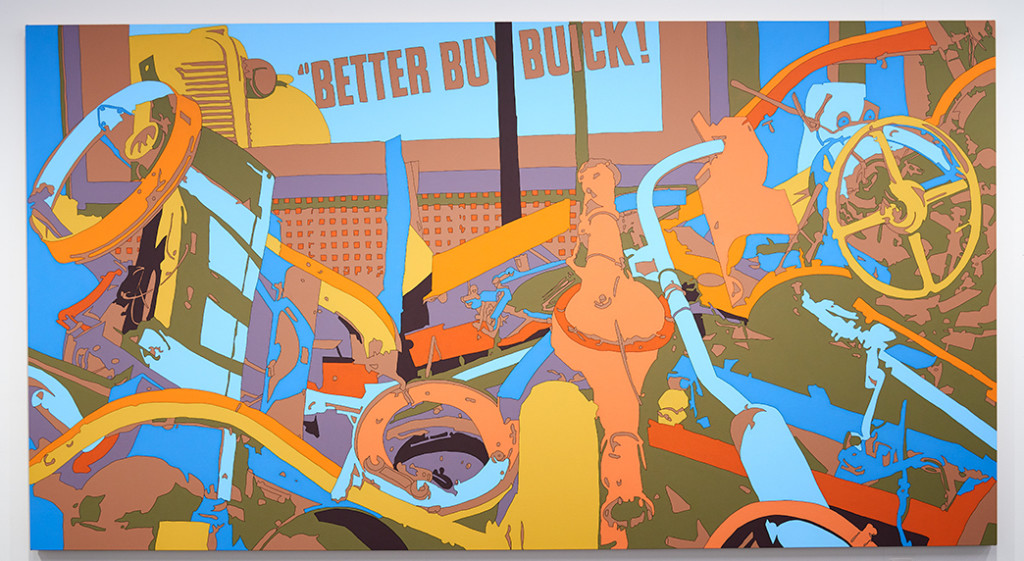
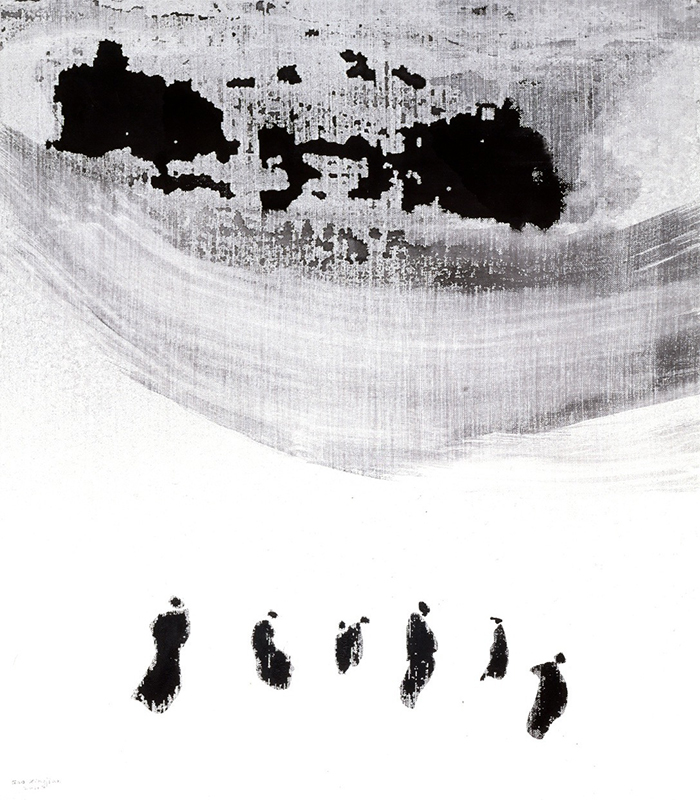
Adrián Balseca, participates in Ecuador: The center of the world (and a little beyond)

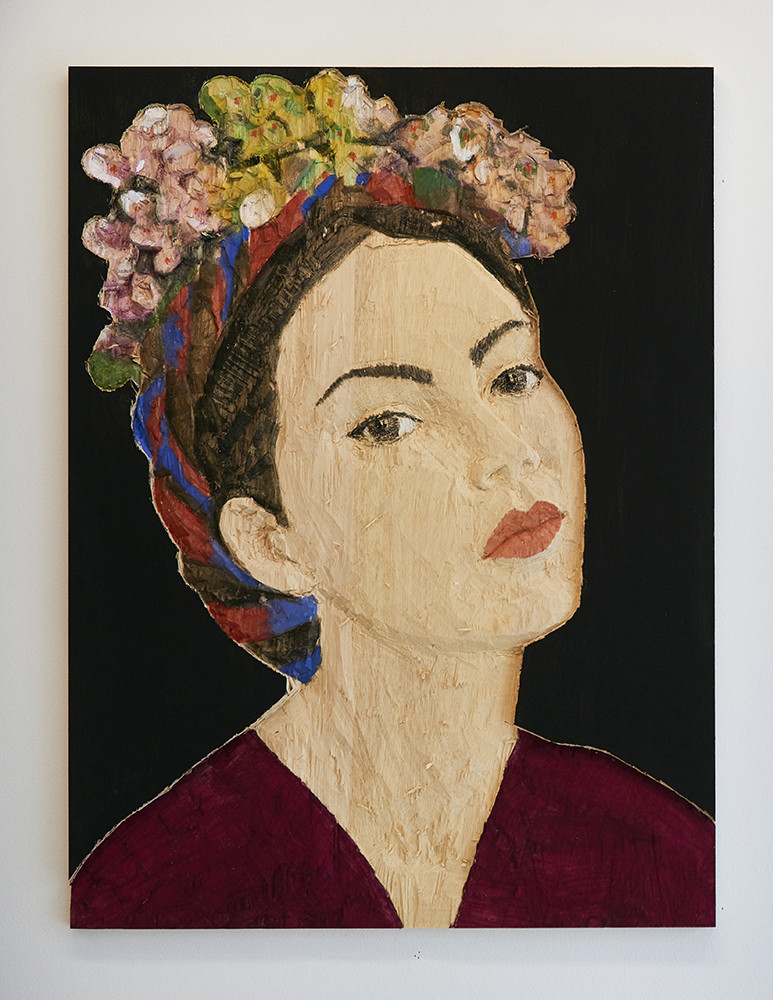
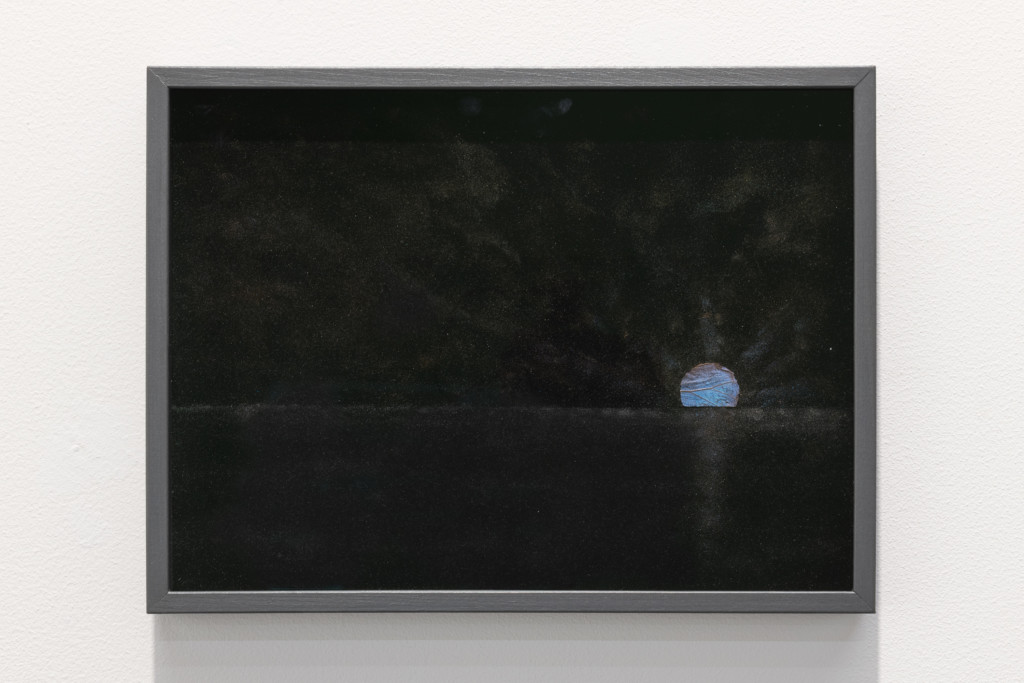
Pablo José Ramírez , curator and political theorist, has written an article for the space Cites and Places on the page of the Cisneros Collection, based on European migration to Ecuador and its influence in the architecture and other elements of the country.

Ramirez comments: “Reflecting on the relation between history-aesthetics-politics, I will try, with this text, to sketch, draw and imagine views that come close to the modern and contemporary Ecuador, through different conceptual paths through the pre-Colombian and colonial history.”

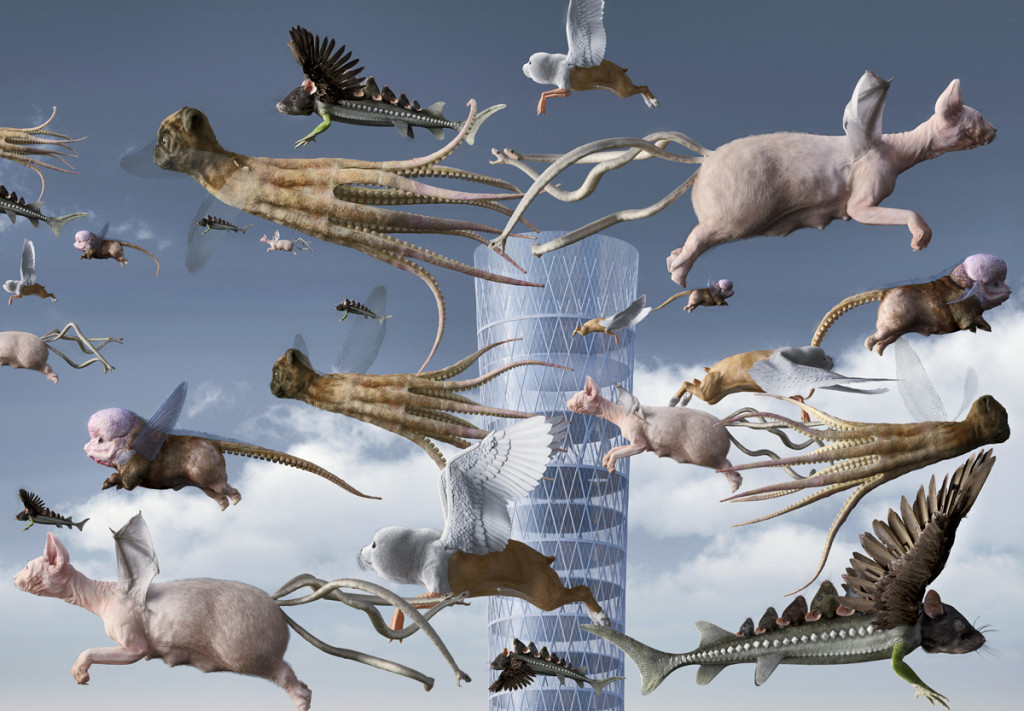
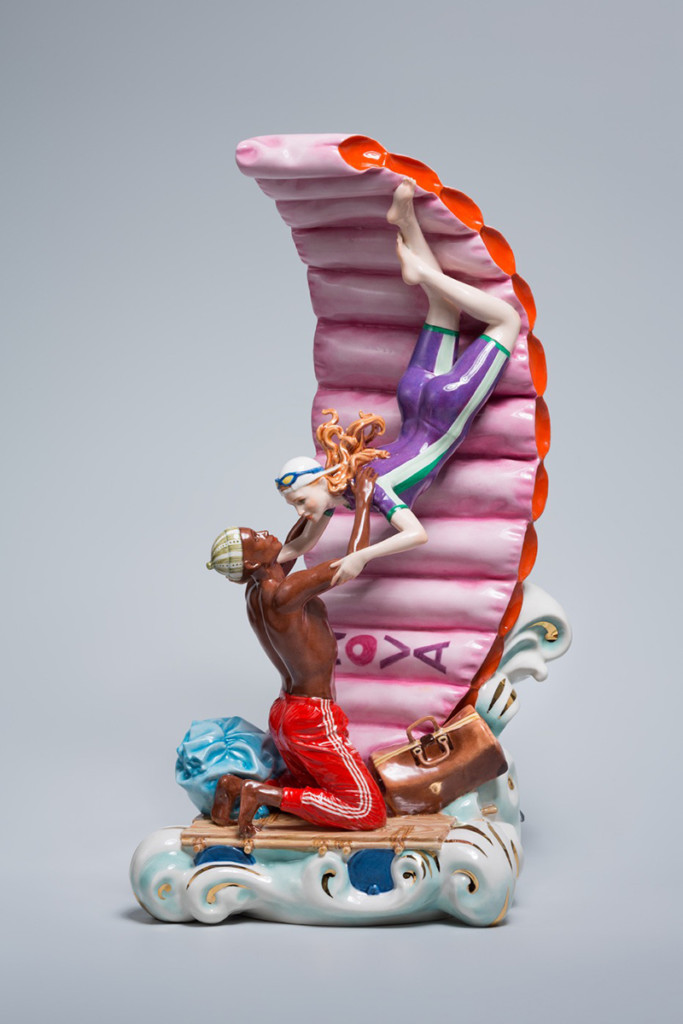
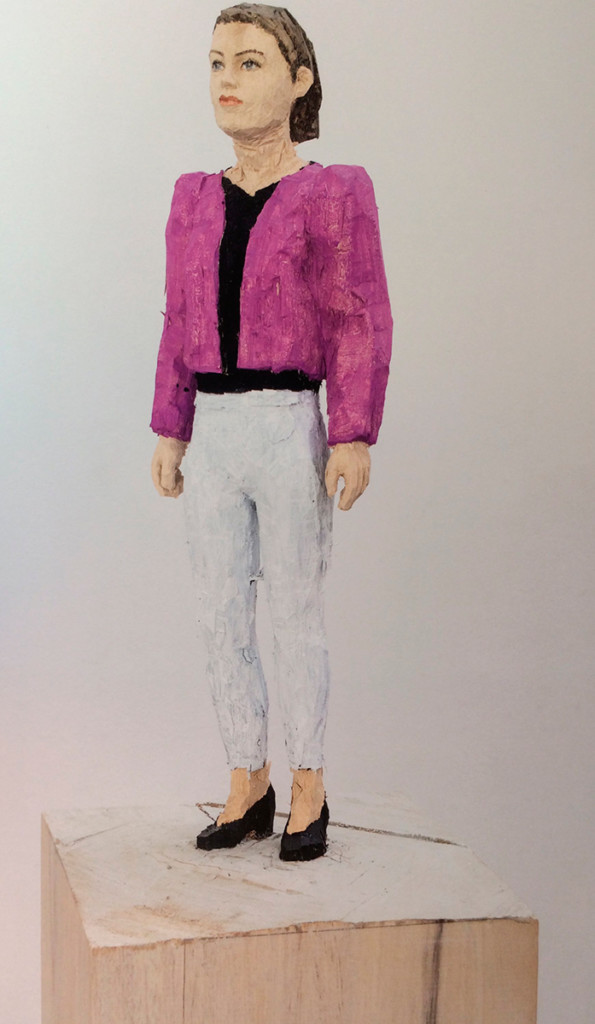
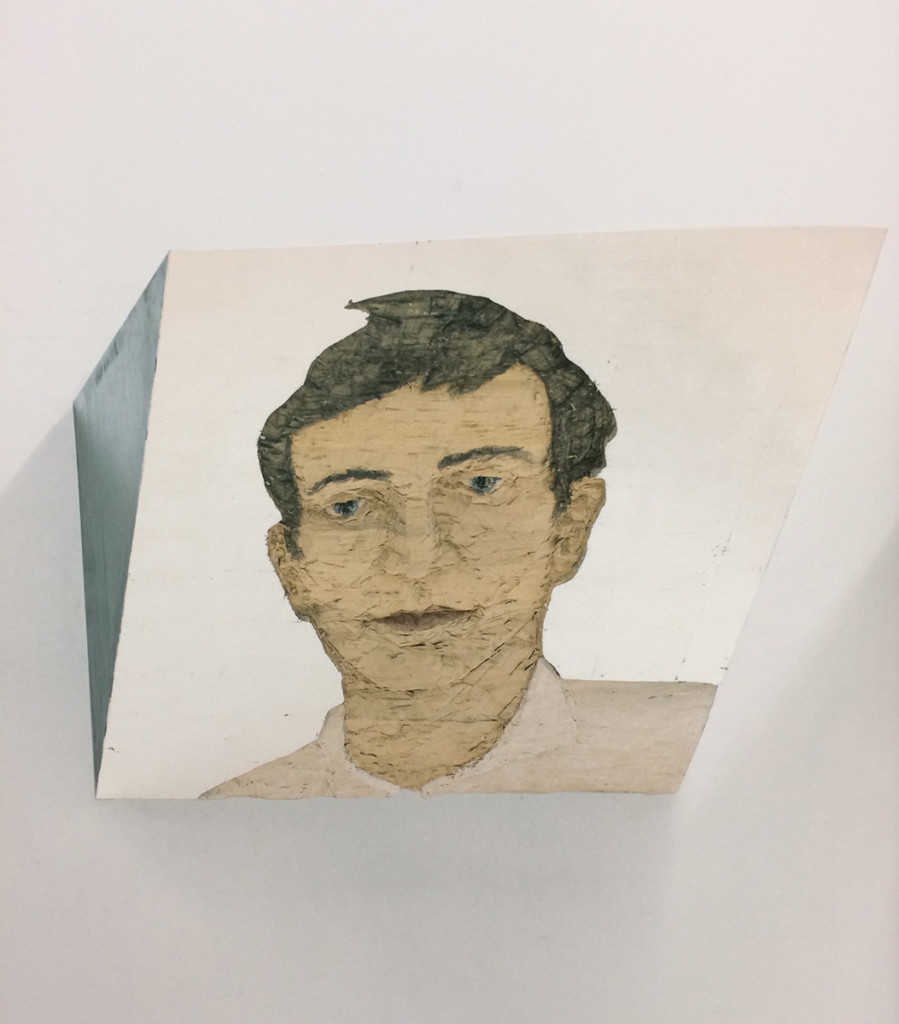
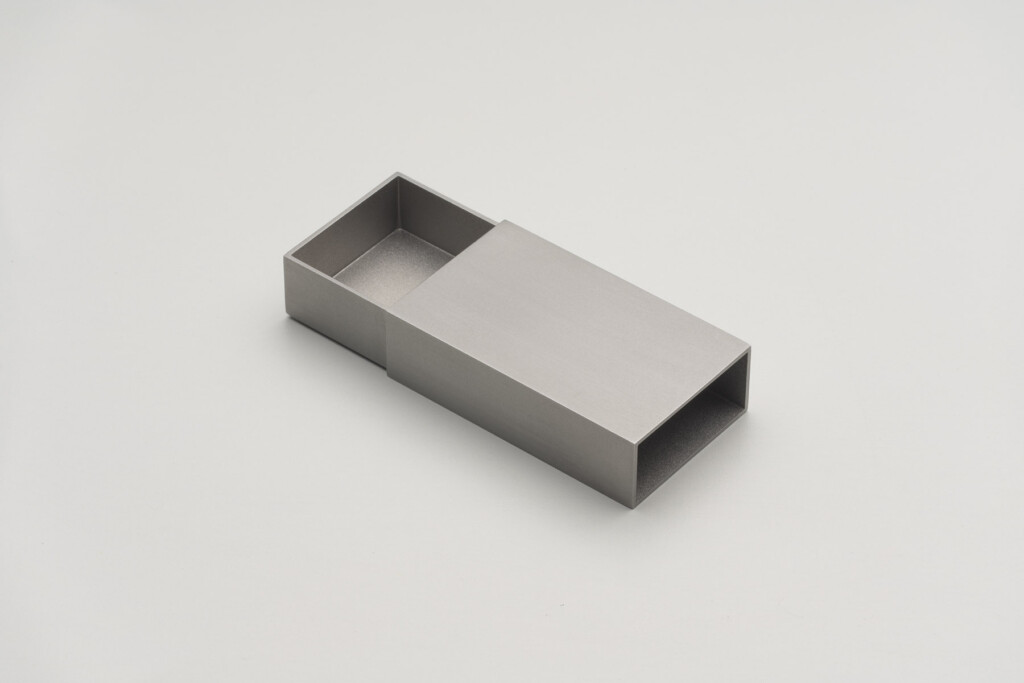
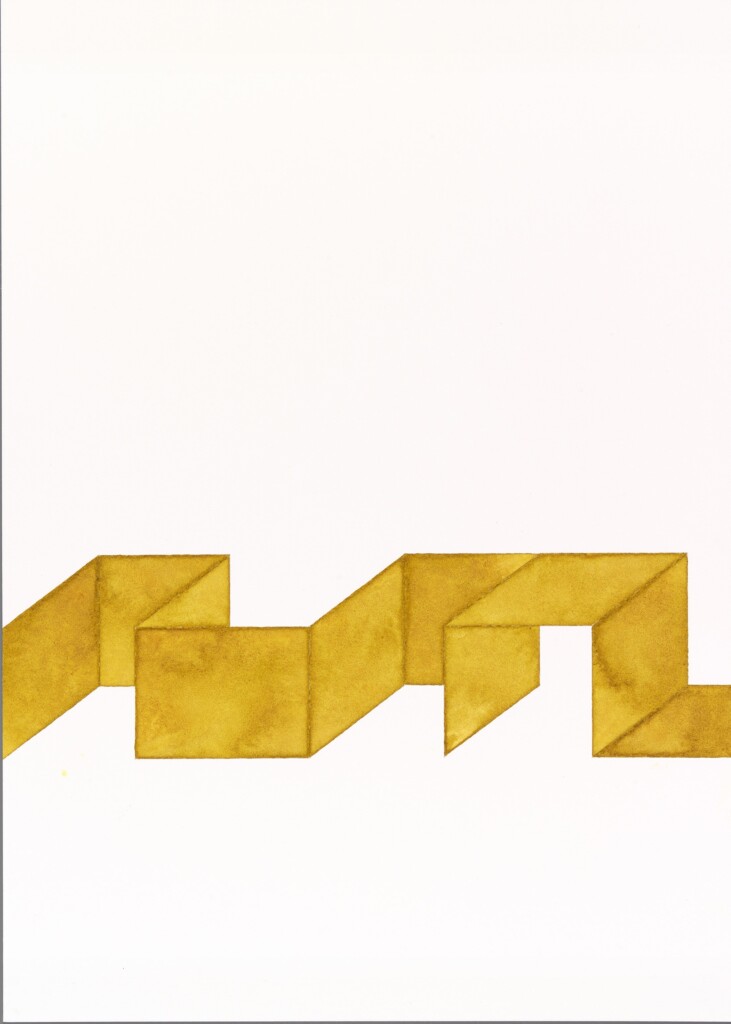
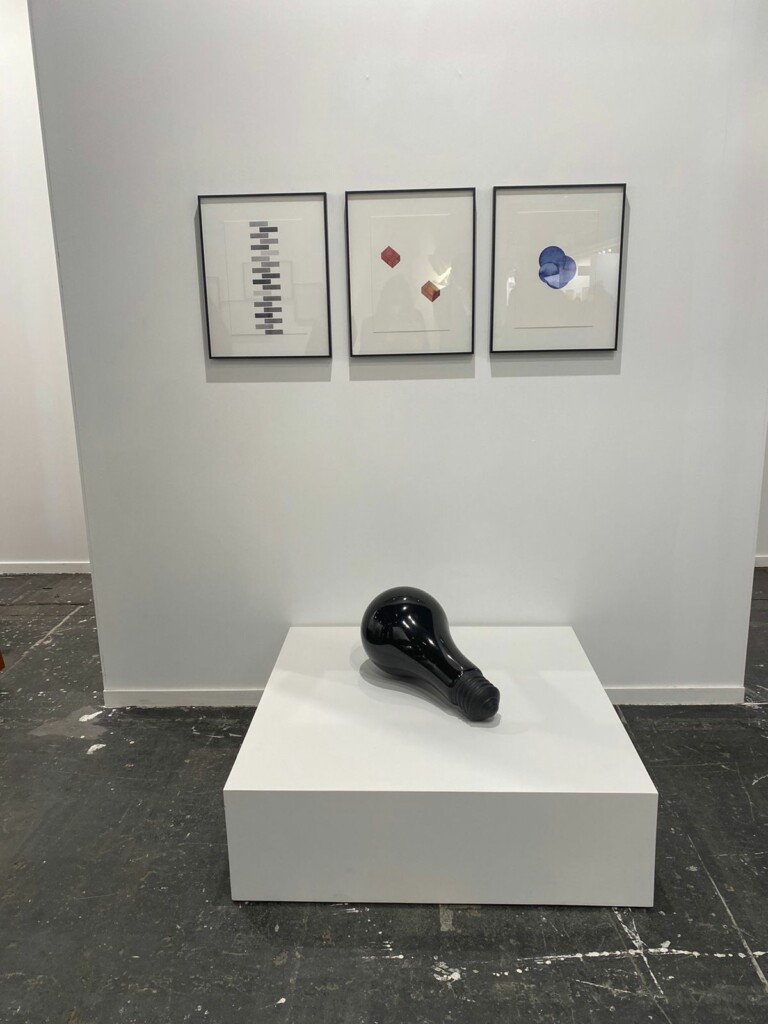
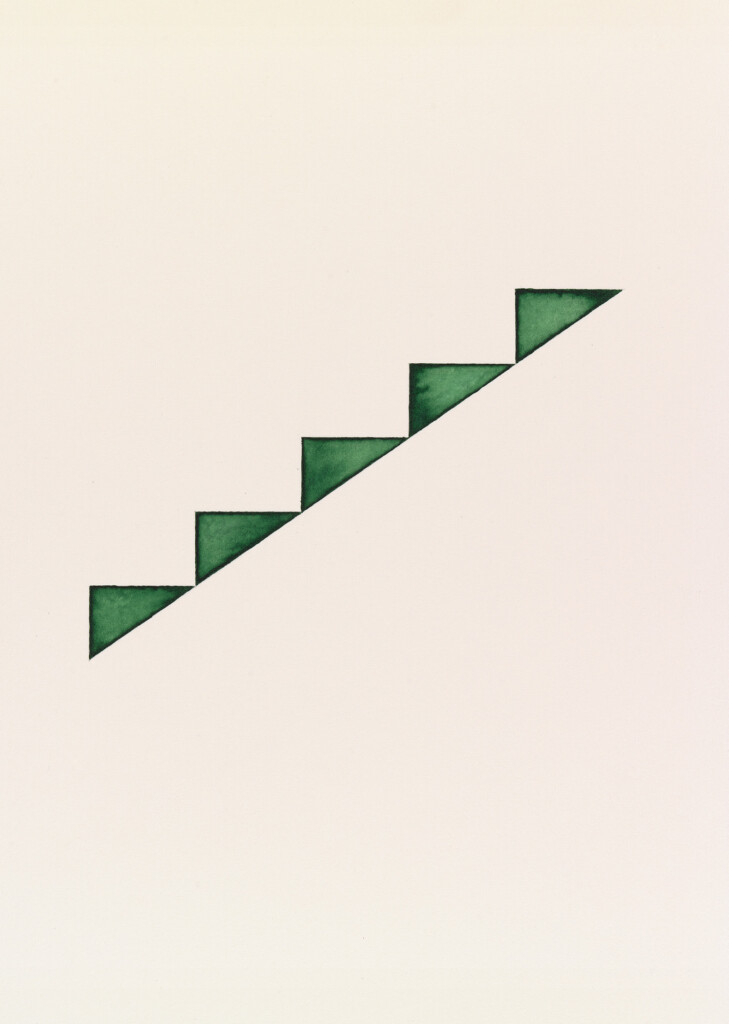
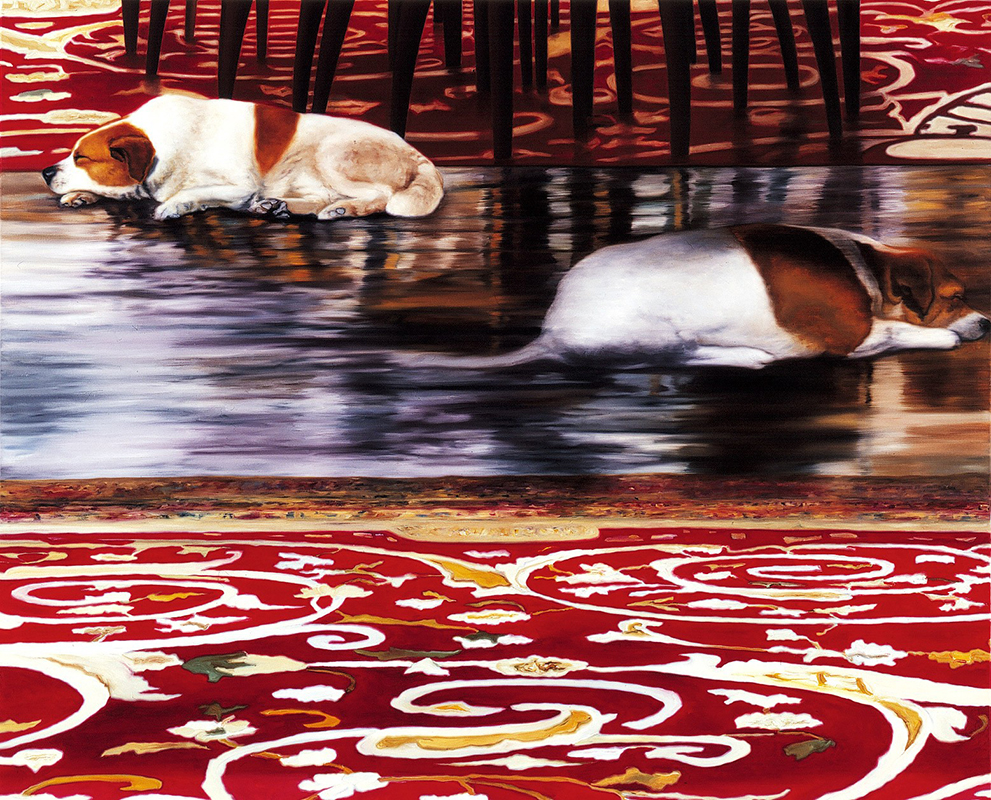
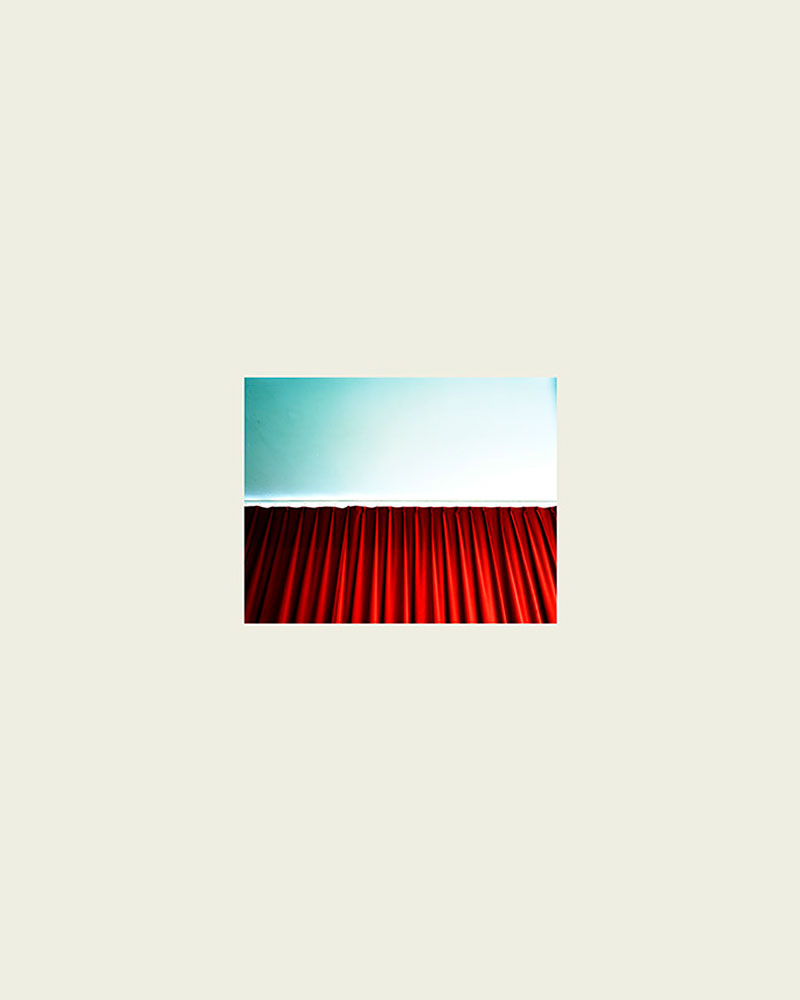
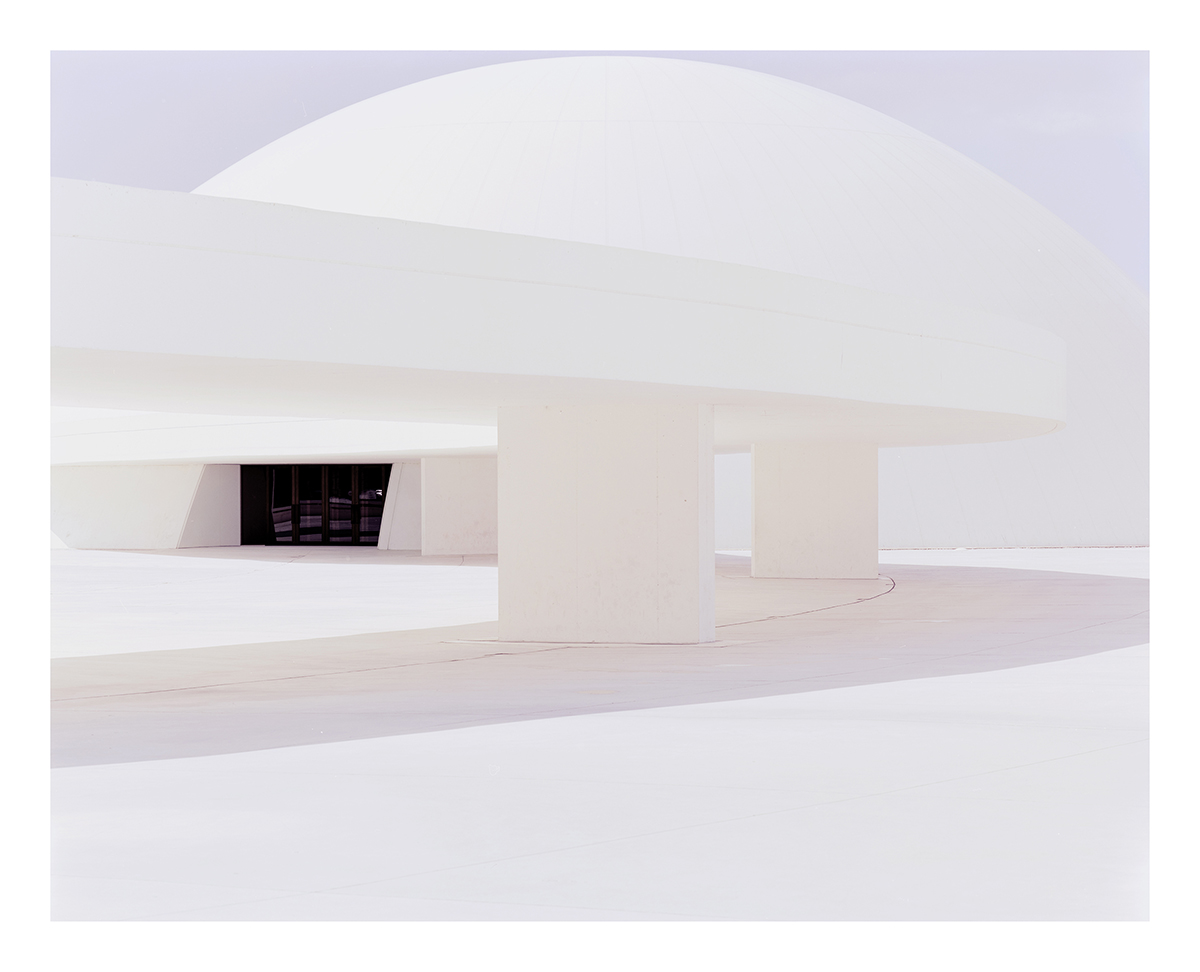
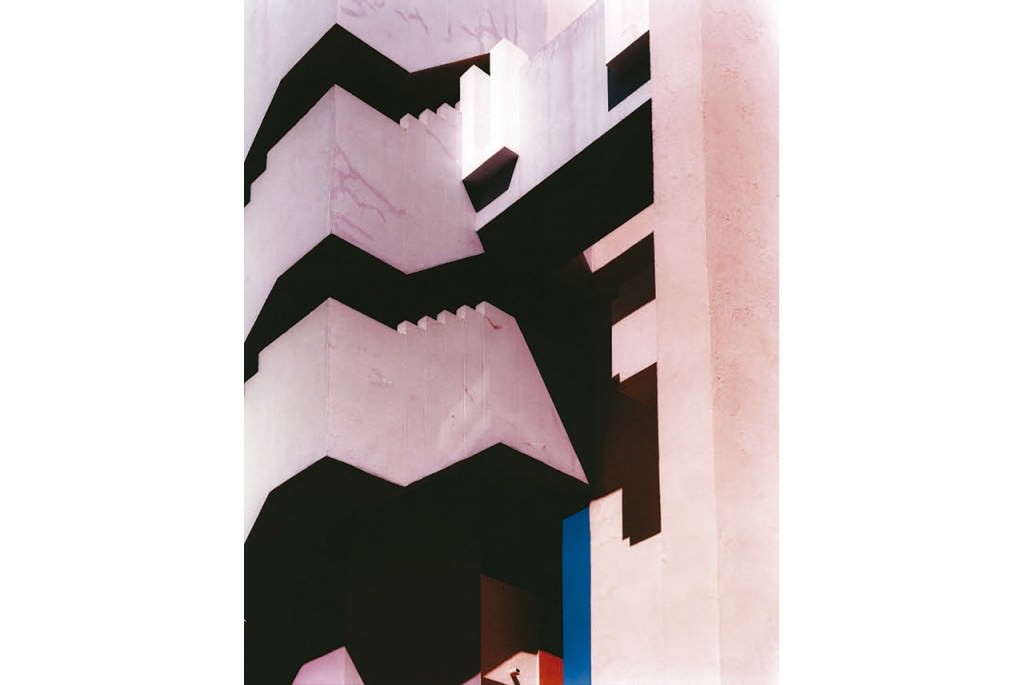
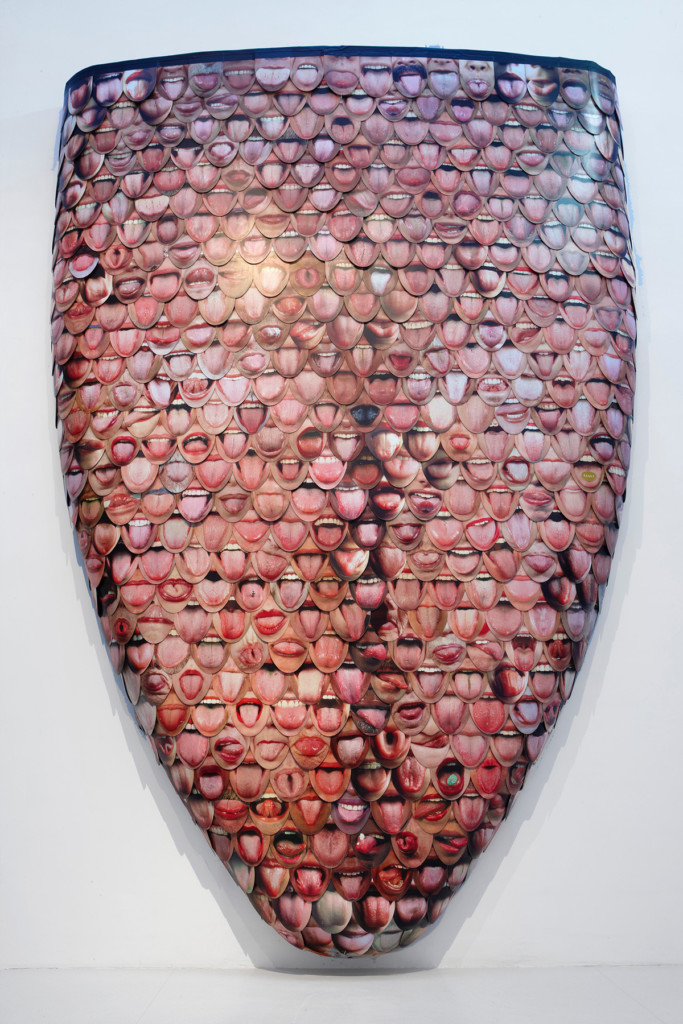
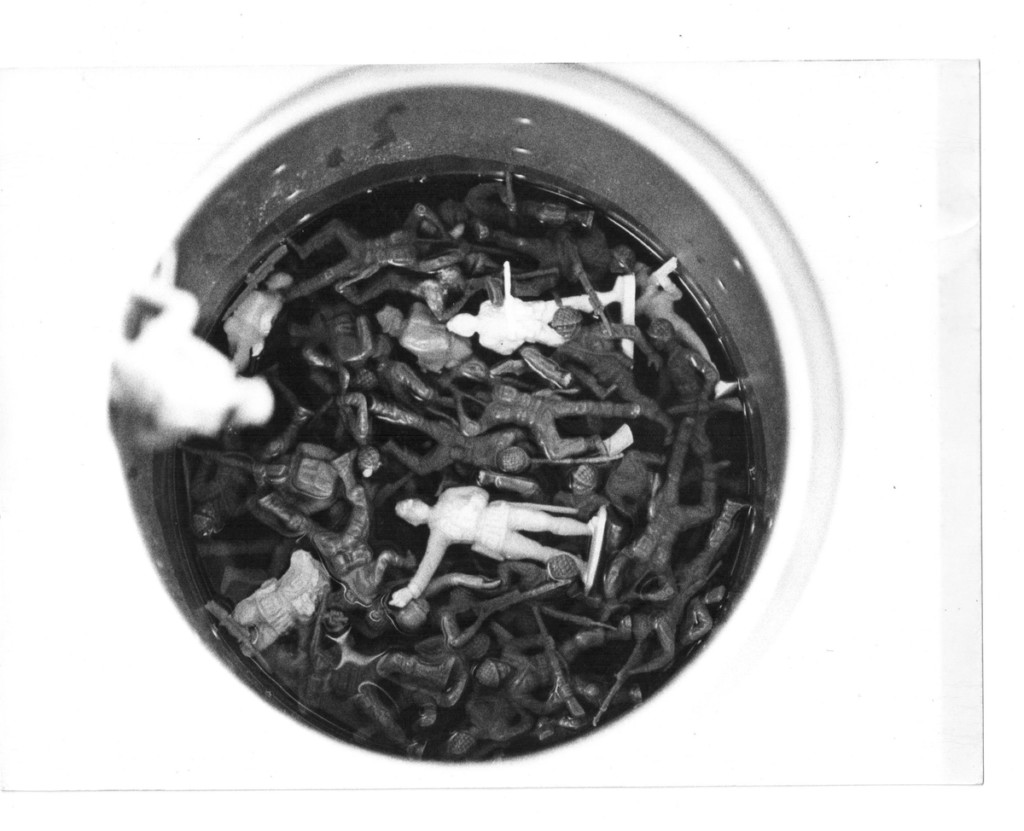
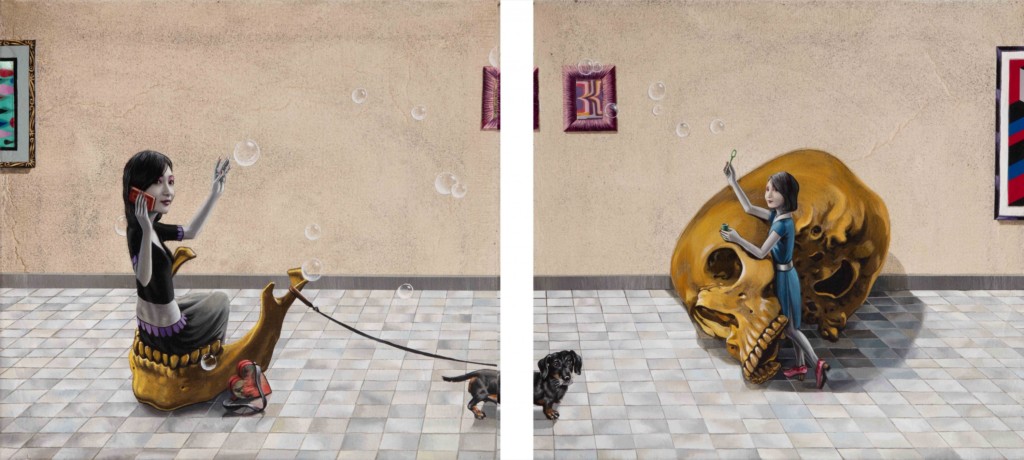
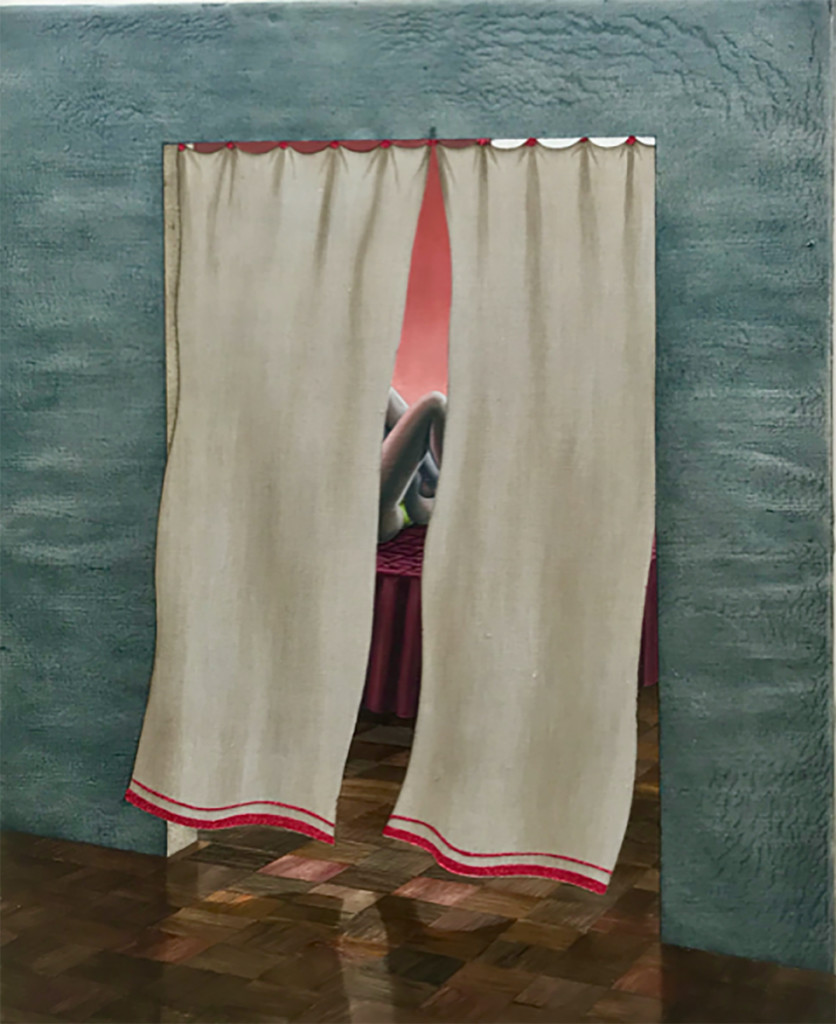
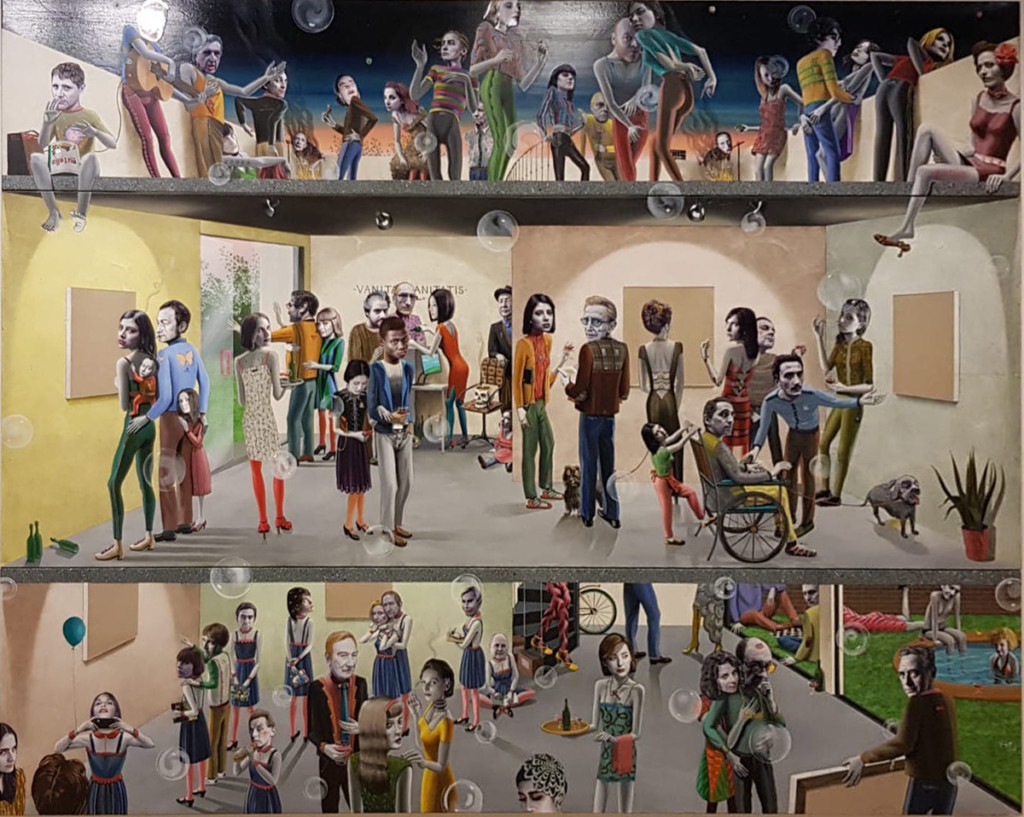
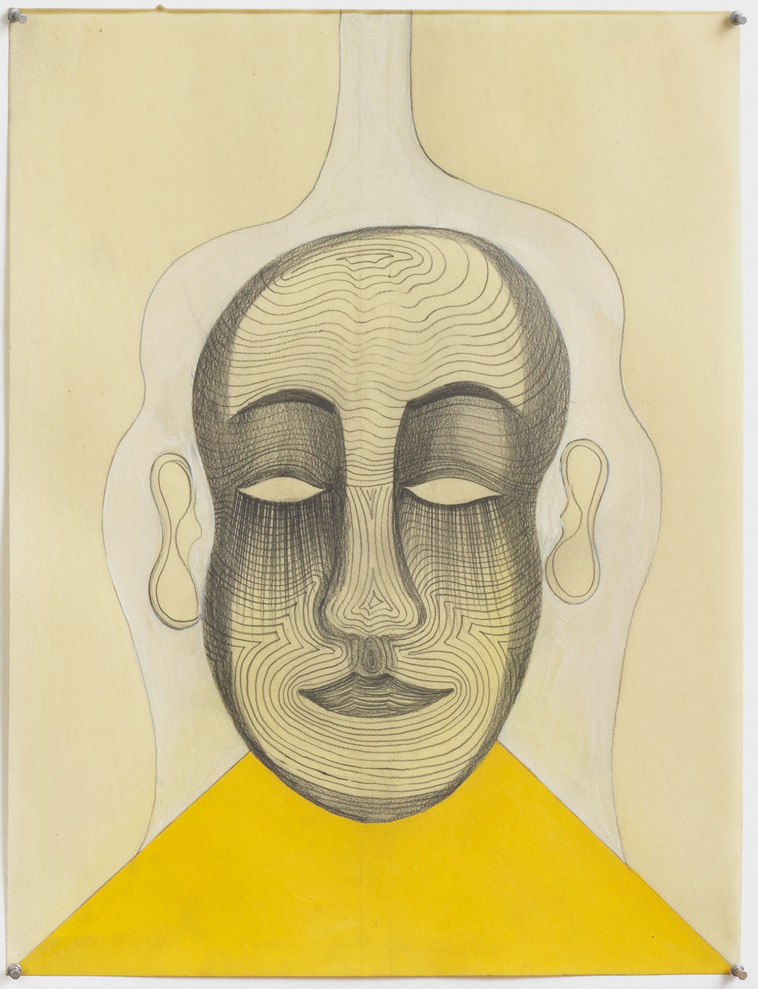
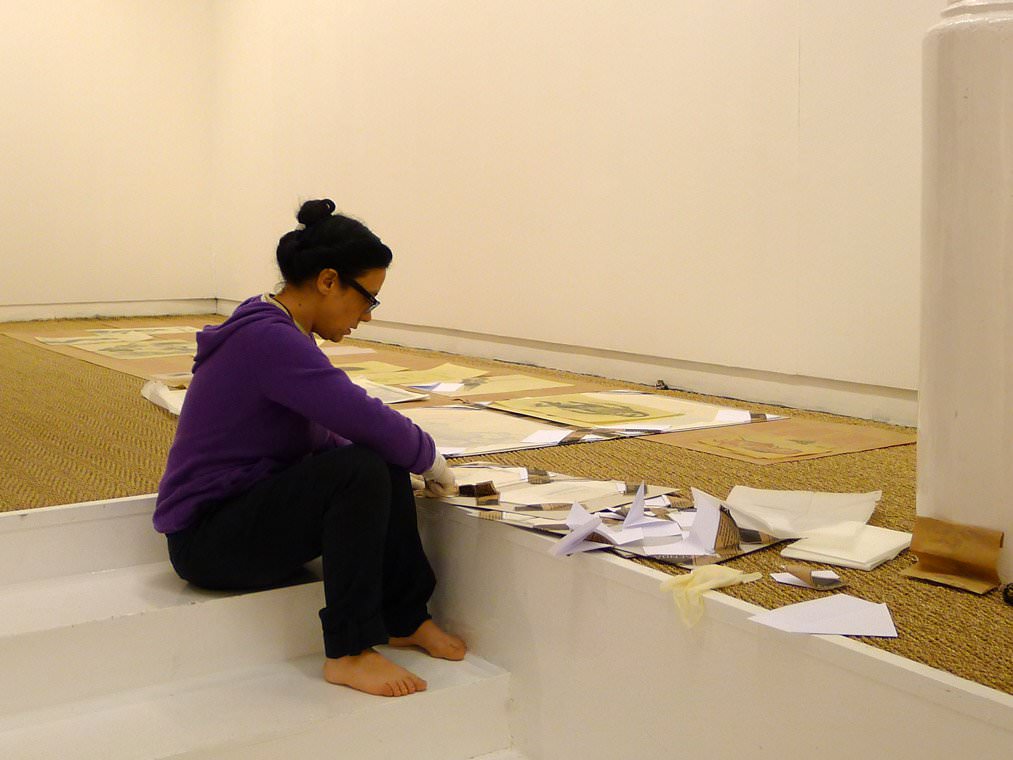
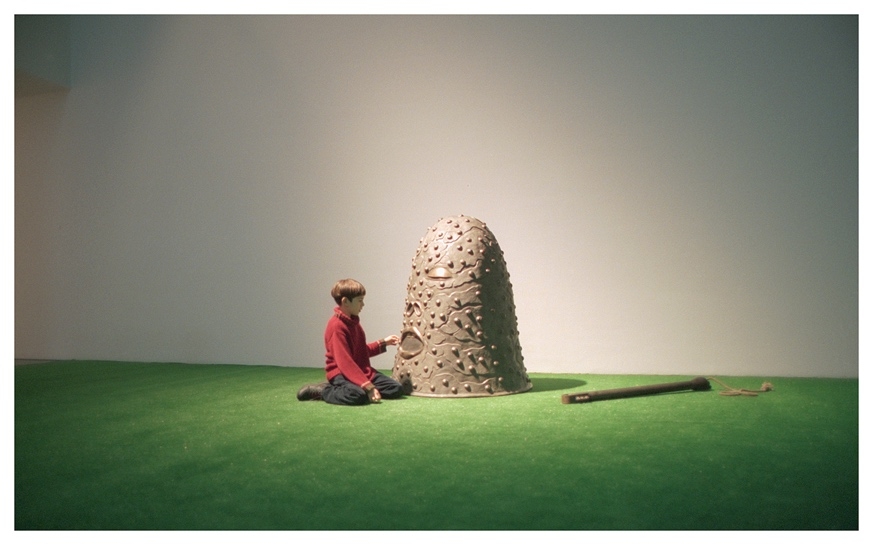
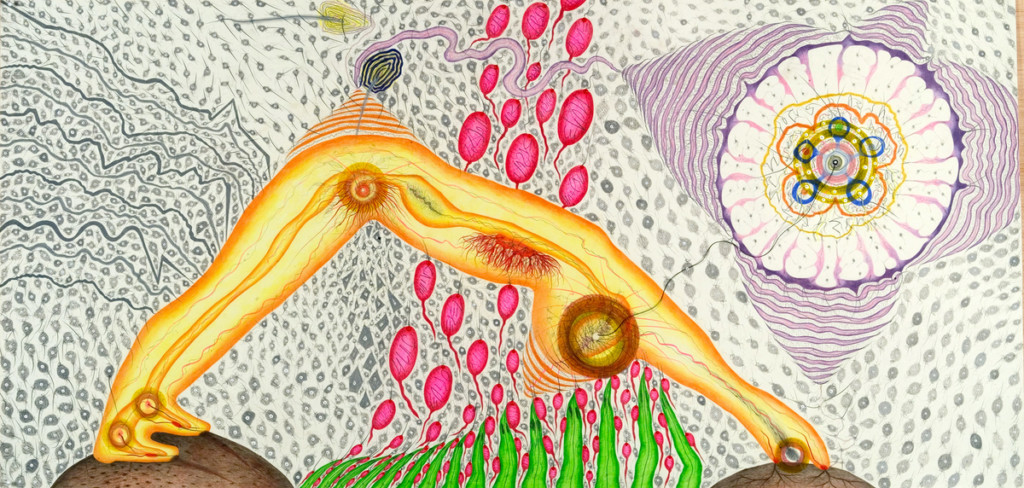
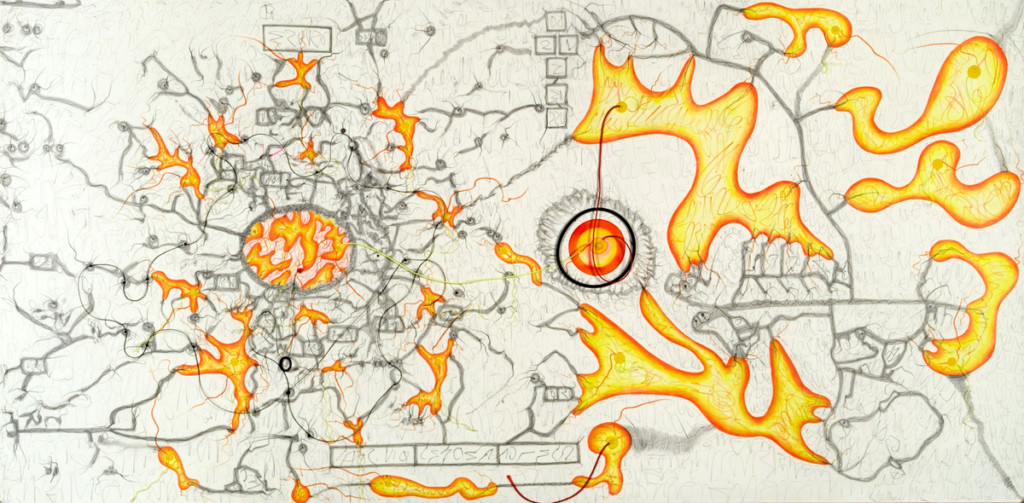
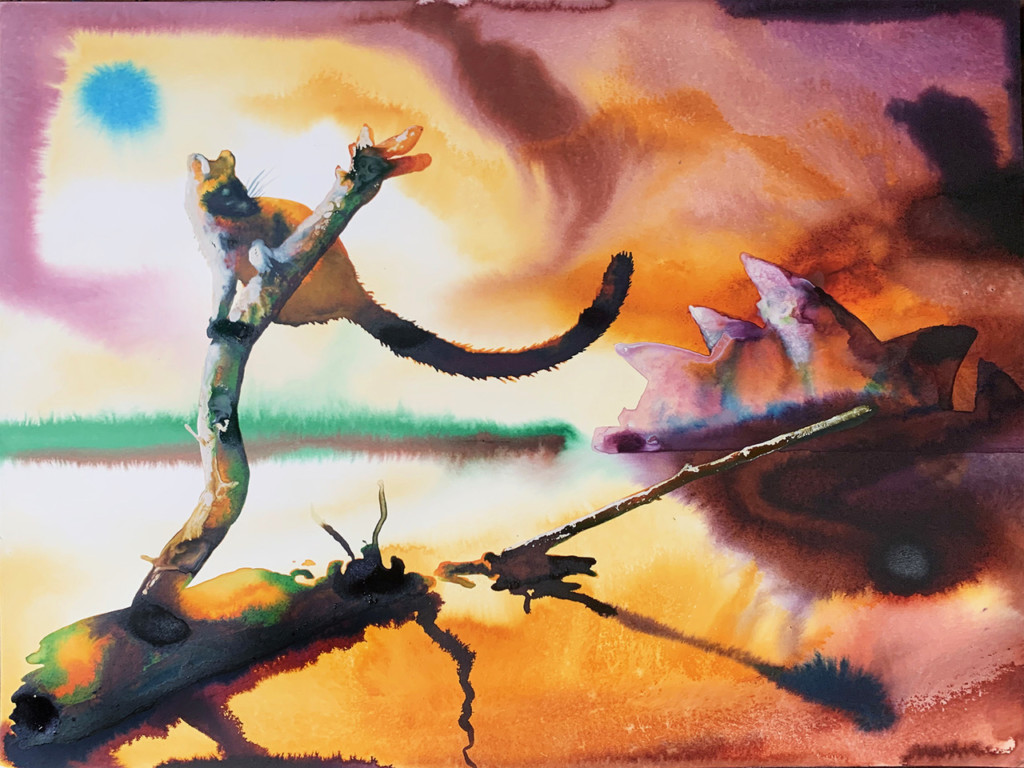
In the text there are images of courtesy from artists such as Adrián Balseca, Oswaldo Terreros, and José Falconi, who reflect the artistic and thought-provoking focus that they give to Ecuador and its unfinished modernity.

“This critical approach from contemporary art in Ecuador is not necessarily founded in the logics of “socially compromised art”, nor much less in art that discusses politics, but rather a much wider meaning. These proposals sabotage different places of power: collections, archives, national emblems, normalized identities” (Ramírez, 2016)

Complete article here.


“Imaging Faith” of Isabel Rocamora in The Summerhall, Edinburgh.

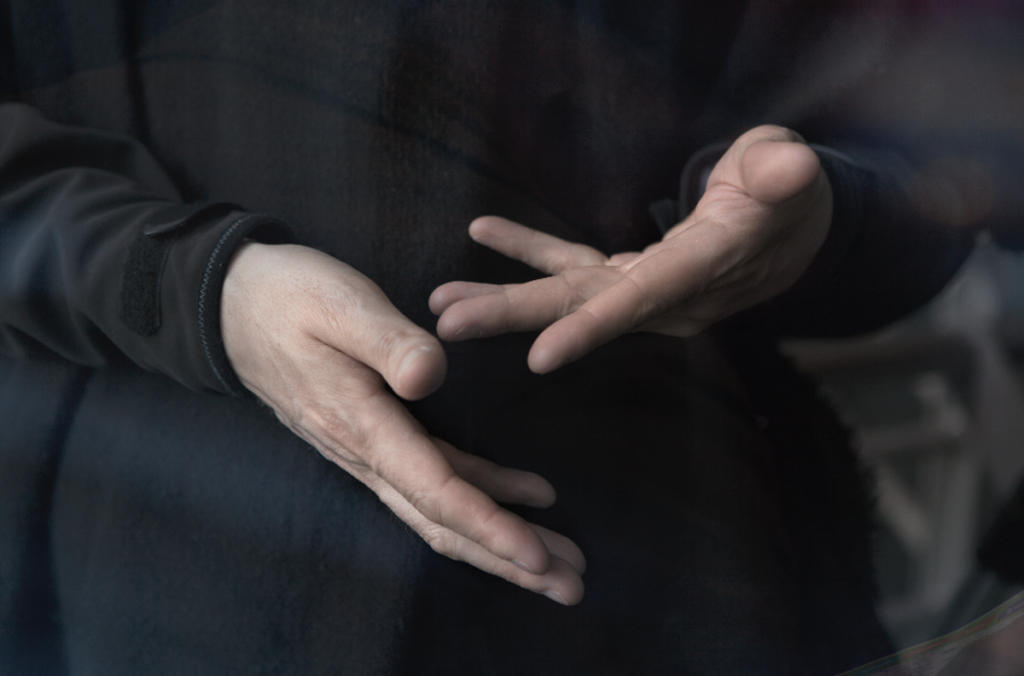
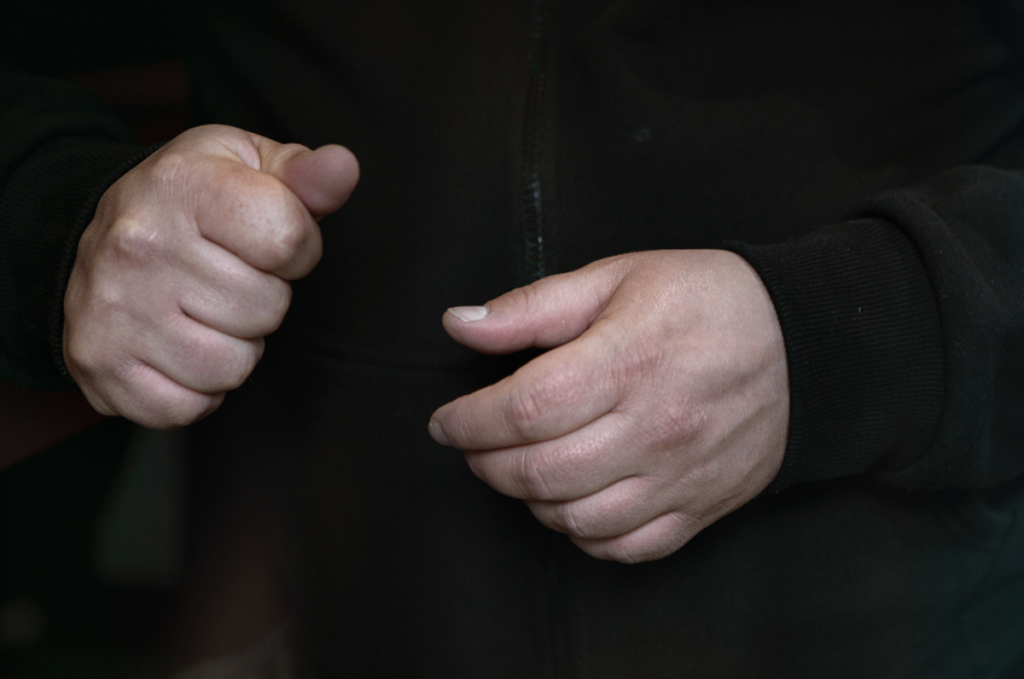
Isabel Rocamora’s Imaging Faith centres on Faith, a film triptych which intimately observes the act of worship of the three monotheistic religions in Jerusalem. Set in the wilderness of the Holy Land – the historically significant landscapes of the Judean desert, far from the built and contested territories – an Orthodox Jew (Cohen descent), a Greek Orthodox Christian (Father, Church of Nativity) and a Sunni Muslim (Quran reader, Al Aqsa Mosque) perform their morning prayers. In time, their synchronous action reveals an uncanny similarity of inner state and gestural intention. Questioning segregation while celebrating difference, Faith contemplates issues of human belief, inviting reflection on one of the most tragic, world resonating conflicts that persist in this new century.


In the adjoining gallery a series of still images offer a window into Rocamora’s research in Jerusalem, culturally and politically contextualising the film triptych. A dedicated reading room provides a contemplative space in which six contemporary thinkers (historians, theologians and philosophers, including Gil Anidjar, Mark Cauchi, Victoria Rocamora and Simon Critchley) have been invited to curate passages from seminal texts in response to the themes of the exhibition.


Imaging Faith presents the UK premiere of this new body of work by the Edinburgh-based artist as well as the first exhibition of Rocamora’s work in Scotland.


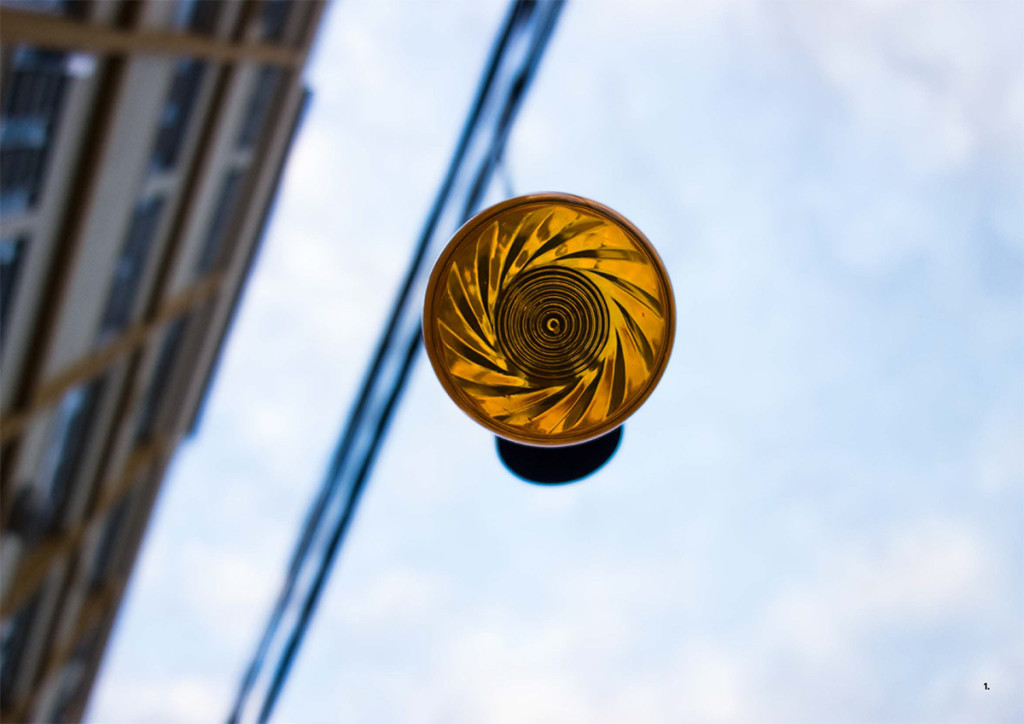
Anna Malagrida was awarded with the Carte Blanche of the PMU and Centre Pompidou

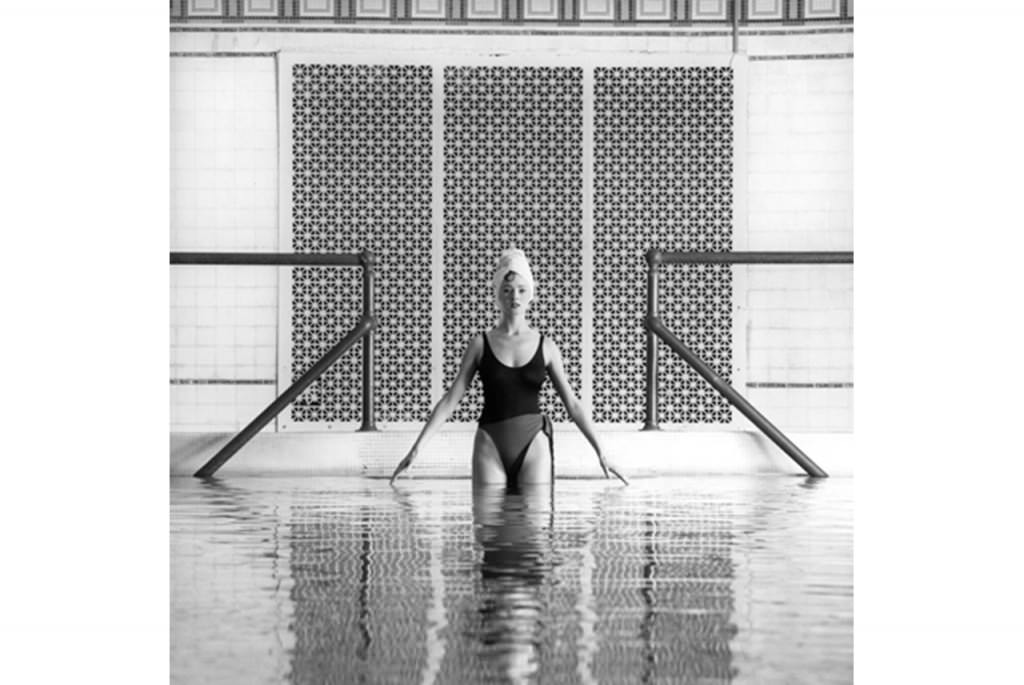
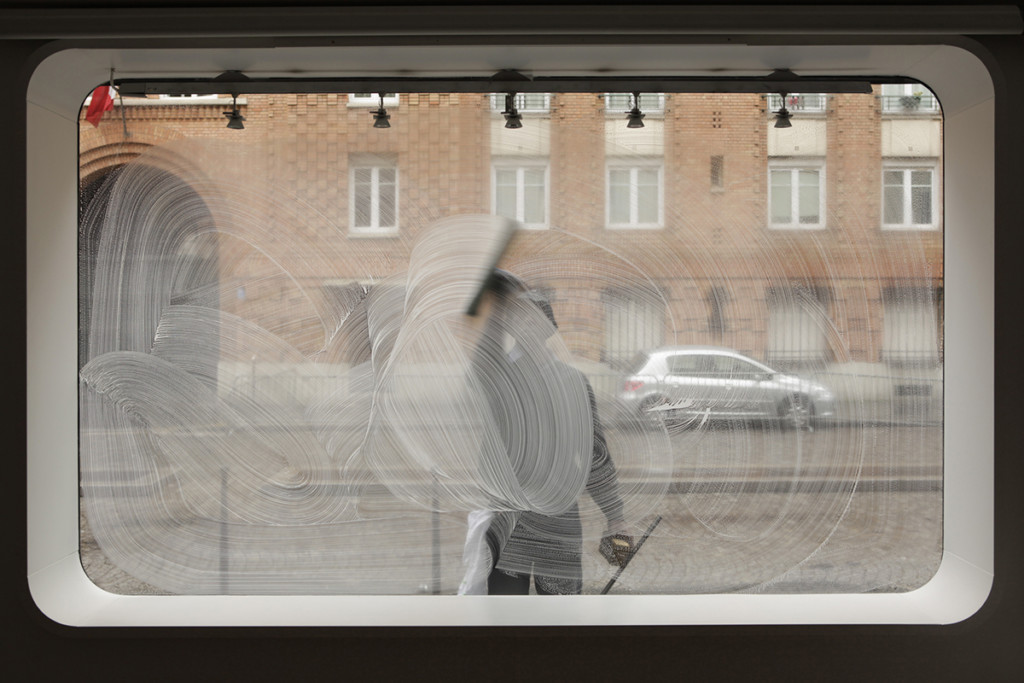
After the jury’s deliberation among six finalists, Anna Malagrida received the award on January 20 of this year. In her project, Anna imagines the places “of Paris” as a scenic device in which, from their movement, the characters will become the actors, the reflections of the city mixed with the insides of cafe’s, the decoration; and the words united in the universe of chance, the text.

Through the “Carte Blanche” award, the PMU shows its compromise with contemporary photographic creation, giving carte blanche to the artists so they can take their vision into the universe of chance.

For the seventh edition, the PMU has launched an open call to any professional photographer or artist. The winner will get a prize of 20,000 euros for the realization of an unpublished project, a book from Filigranes publishing and an exhibition in the Photographic Gallery of the Centre Pompideu from September 28th to October 17th 2016.

The Photographic Gallery is an open space of the Centre Pompideu of free entrance and dedicated exclusively to photography. This new gallery of 200 m2 wants to open the richness of the photographic collection of the Centre Pompideu to the public, conformed by more than 40,000 pieces and more than 60,000 negatives.

“Anna Malagrida opens a window to a space that confronts the urban and the human and proposes a sensible interpretation of a social link form that unites behind the windows” Benoît Cornu, Communications Director of the PMU, president of the jury.

Roger Ballen, ‘Fate’ at Museu of Montserrat

We come from the night

By: Natalia Castillo Verdugo


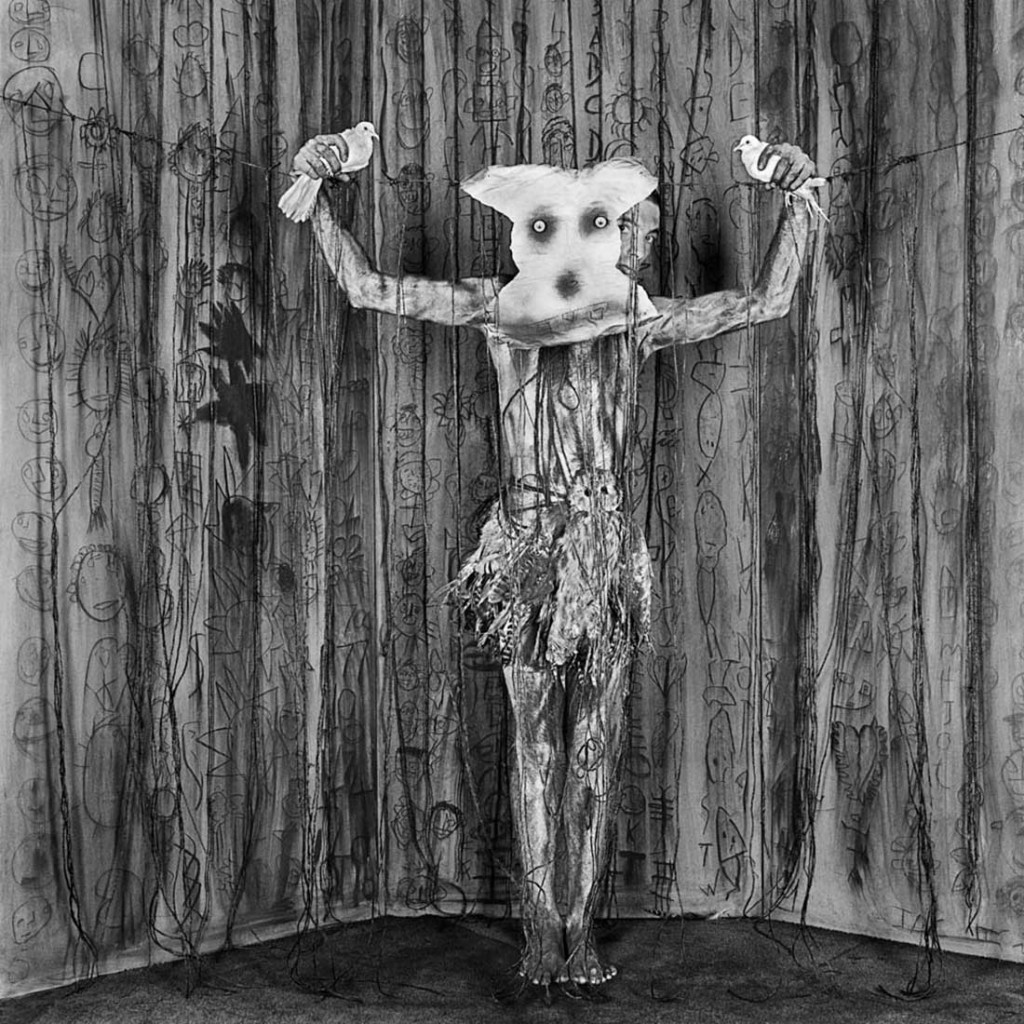
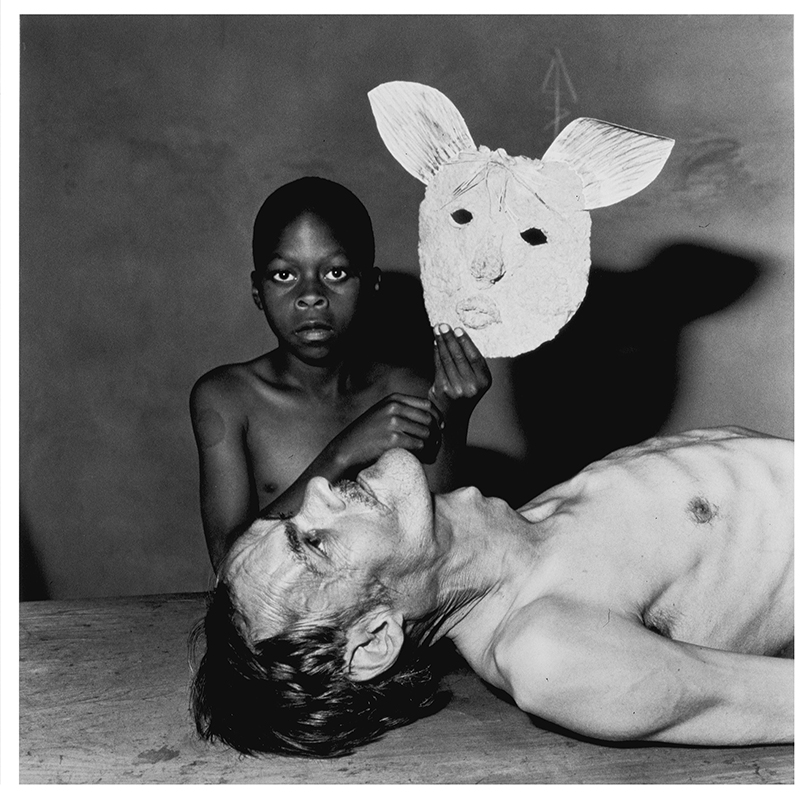
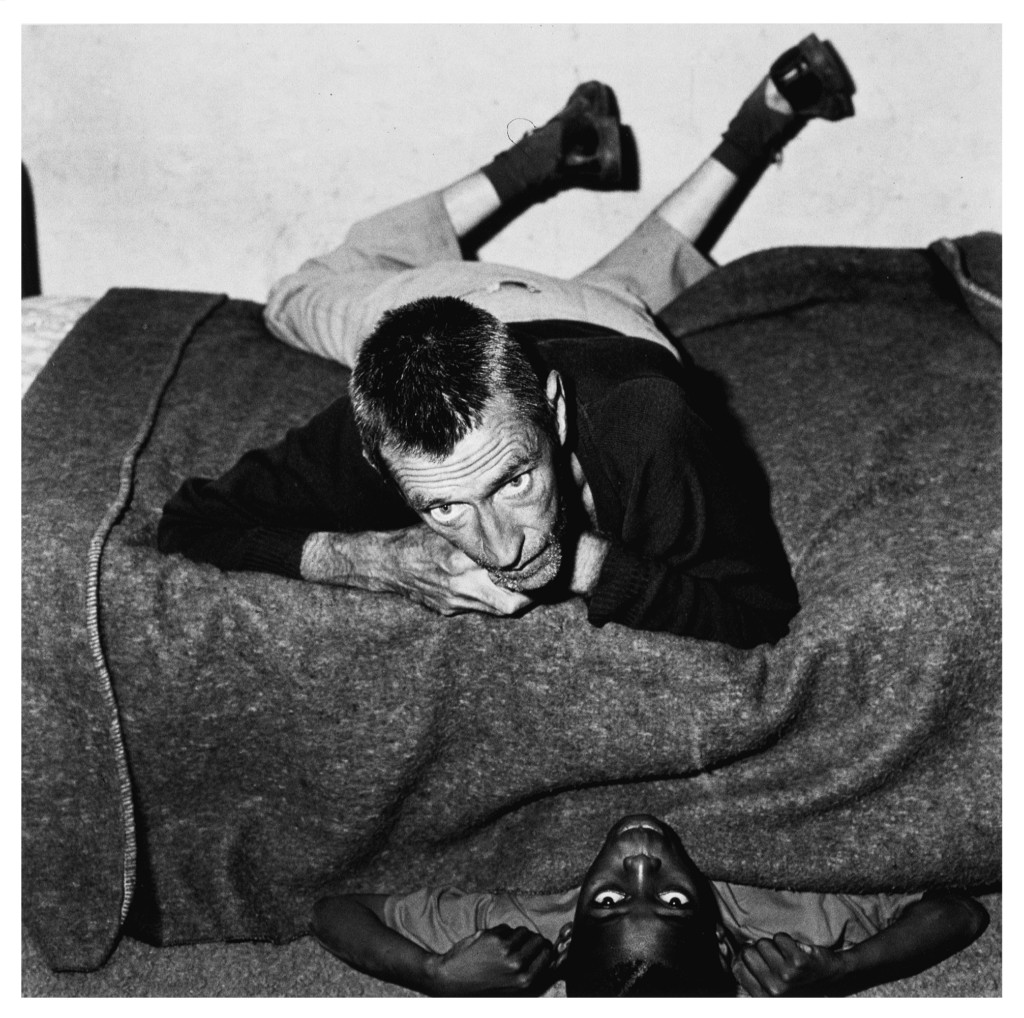
Destiny is a word which sometimes conjures up the idea of good fortune and sometimes bad. In addition, it is a striking, provocative word, which is one of the most noteworthy characteristics of Fate, an exhibition which brings together 35 photographs from the most representative series of the artist and photographer Roger Ballen (New York, 1950), who is noted for portraying the strange and almost monstrous reality of the inhabitants of rural and suburban areas of South Africa.

This is an exhibition that invites the viewer to confront the dichotomy inherent in this term. Roger Ballen takes the cards, shuffles them and invites us to play. What is the game? Everyone can choose their own, because his pictures are inclined to reflect on everything. Ballen gives us the data and then everyone develops their own meaning from them.

It is difficult to determine where Roger Ballen’s photographic universe begins and where it ends, but there is a definite coexistence of pain and hope in his work. His exploration, which is not so much creative as human, has led him to develop different series, each more abstract than the one before, in which people, objects and animals build disquieting and magical relationships, with a prominent representation of the absurd, a discourse on the fate that lives and dies in the eyes of the inhabitants of these suburbs, day after day.

Taking pictures is a science and an art which Ballen understands very well. Since the age of 13, when his mother was hired as a graphic editor for the Magnum agency, he has been in contact with photography. It was a passion that grew as the years went by and which, eventually, when his studies as a geologist took him to South Africa in the 1980s, reached maturity. Thus came about the starting point of a career that currently spans more than forty years and which has resulted in one of the most moving, unique and distinctive bodies of photographic works in recent years throughout the world.

Roger Ballen is a miner who concerns himself with digging into the deeper parts of the human mind so as to generate “strong psychological statements”, as he put it in one of his latest interviews. This is why the meaning behind his work is complex but at the same time sufficient for each of us who encounters it to understand that he is an artist who does not follow the general parameters of art, but rather establishes his own.

He has created his own world, he lives there, and with his pictures he has made a door so as to invite us to see that world, which is so crippling and exquisitely strange, and which does not go unnoticed but rather becomes installed inside those who see it. He compels us to open our eyes and be aware of what lies beyond the walls. With the uniqueness that characterises his work, he portrays a version of the human condition which is so disturbing that trying to understand the true meaning of reality, or even, of beauty, becomes a revelatory experience.
Roger Ballen uses the skills of a speaker or writer to evoke emotions and feelings through his photographs, which are always square and in black and white. His work has enabled us to understand that we come from the night and always go back to it with a clearer idea of what fate is. He is a man who does not like to think in words, but who has established a body of work that is presented to us as a statement and also afforded a beauty so sublime that, contradictorily, it makes the world appear a less harmful place to live in. So, as with destiny, everyone has to decide whether to accept or resist it.