


JAUME PLENSA: new ambassador of Marca España

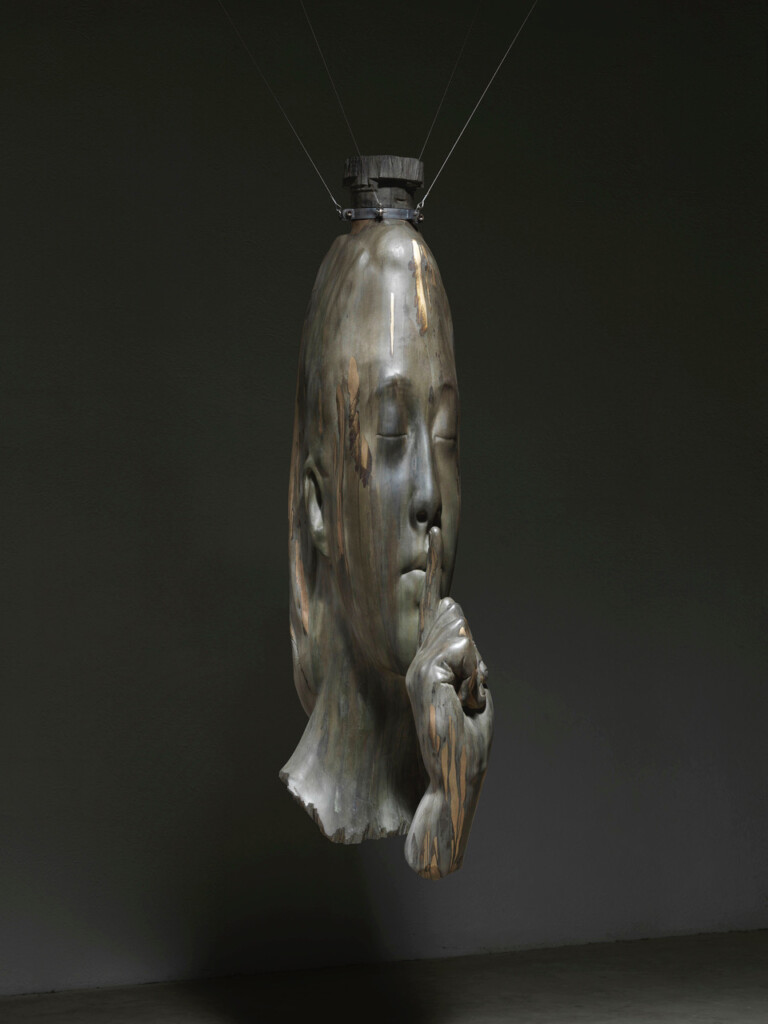
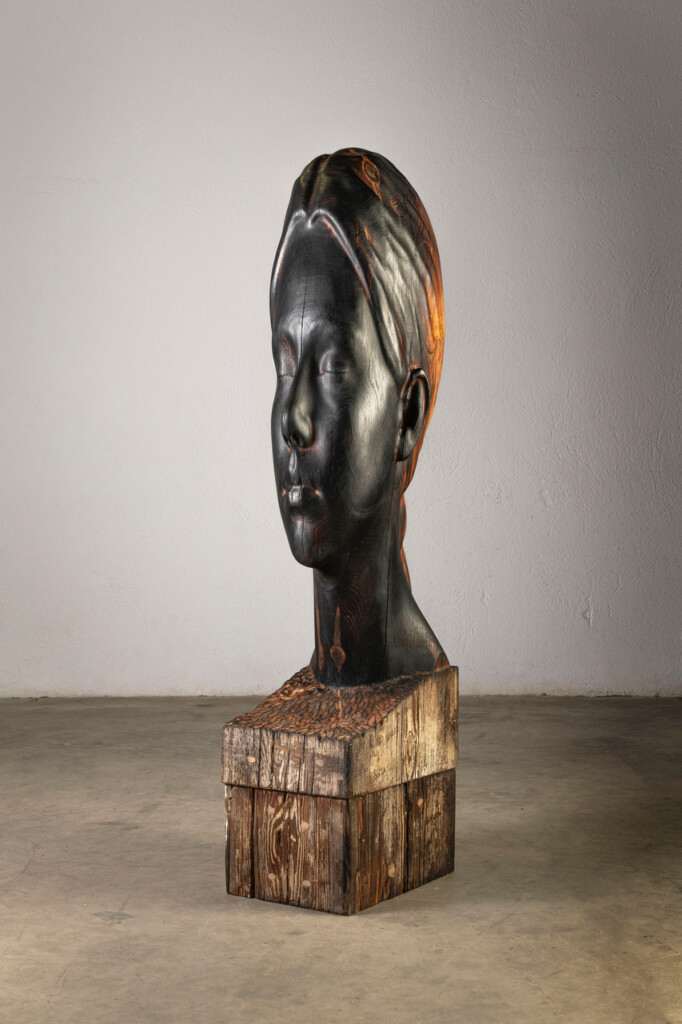
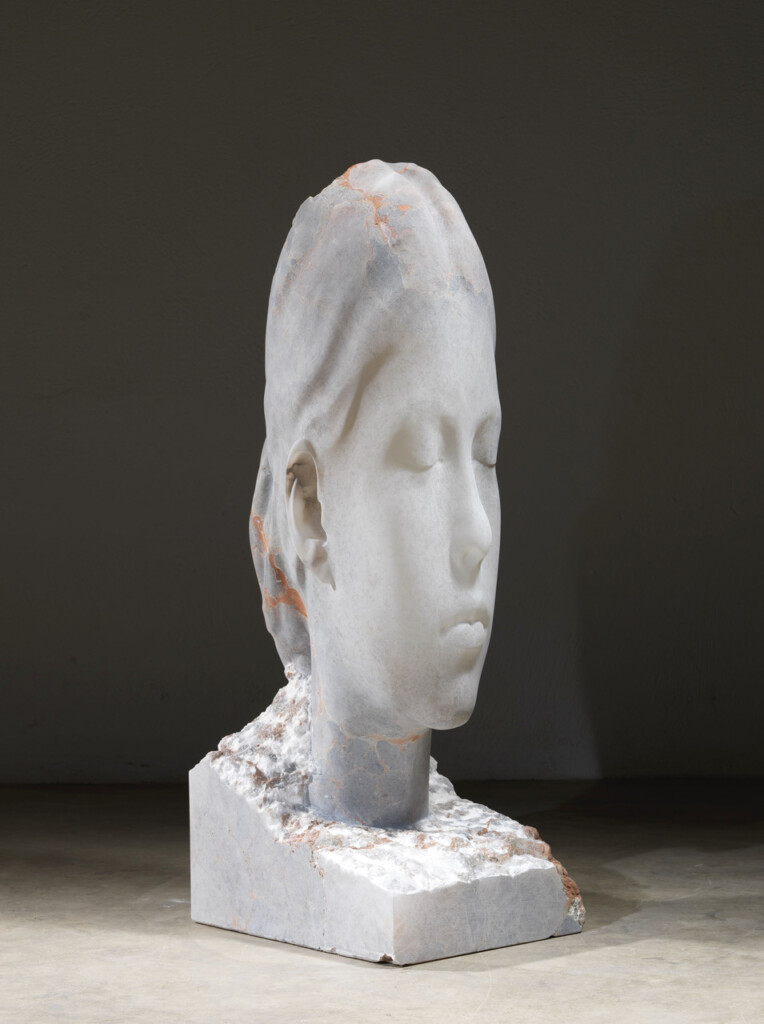
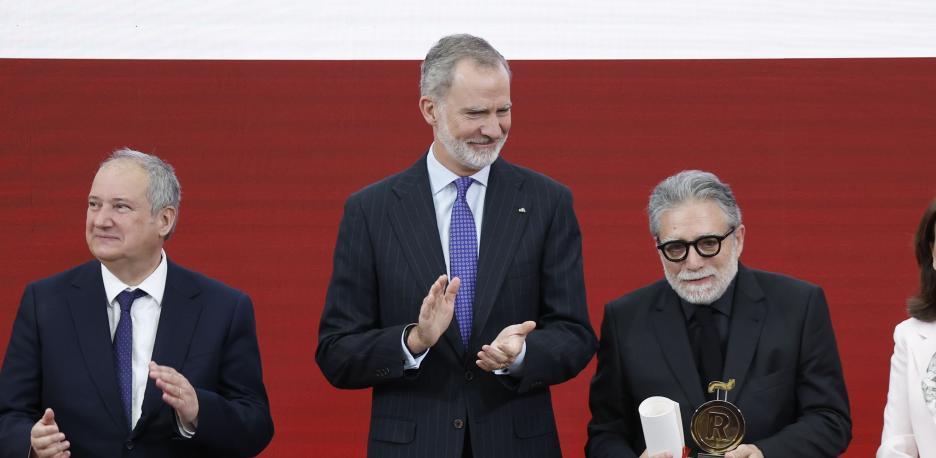
Artist Jaume Plensa has been appointed honorary ambassador of Marca España by King Felipe VI. This recognition places artistic practice in a strategic position within international cultural projection.

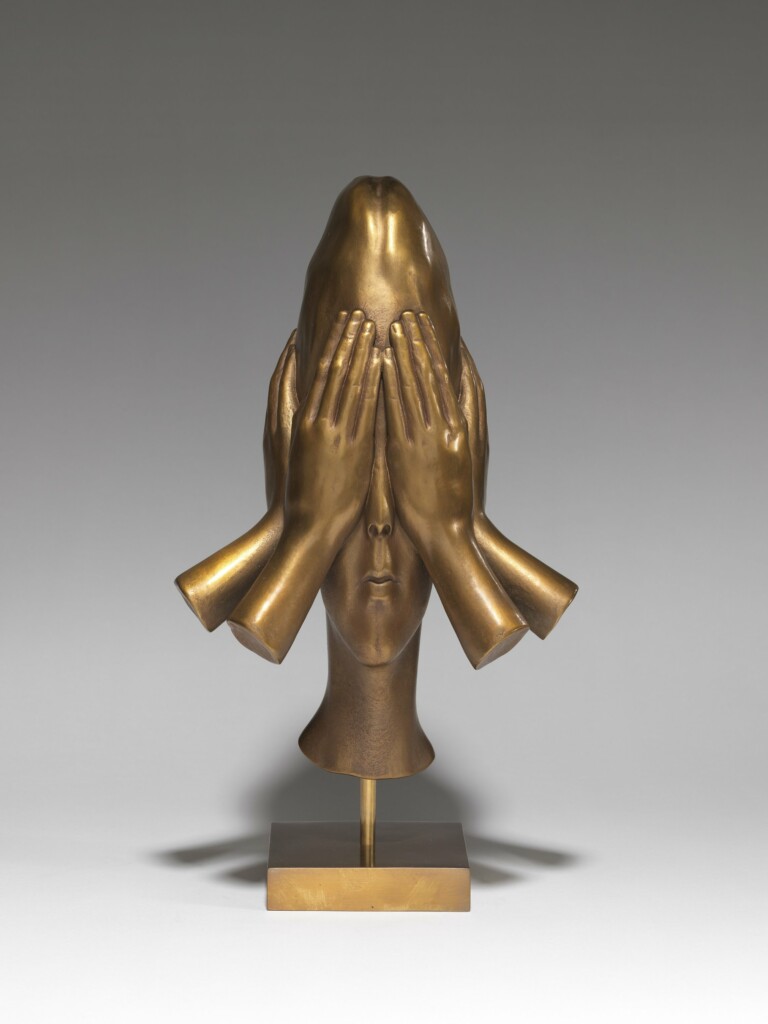
Plensa is one of the most globally present Spanish sculptors. His work inhabits public spaces in cities such as Chicago, London, Montreal, and Barcelona, establishing a recognizable and cross-cultural visual language.
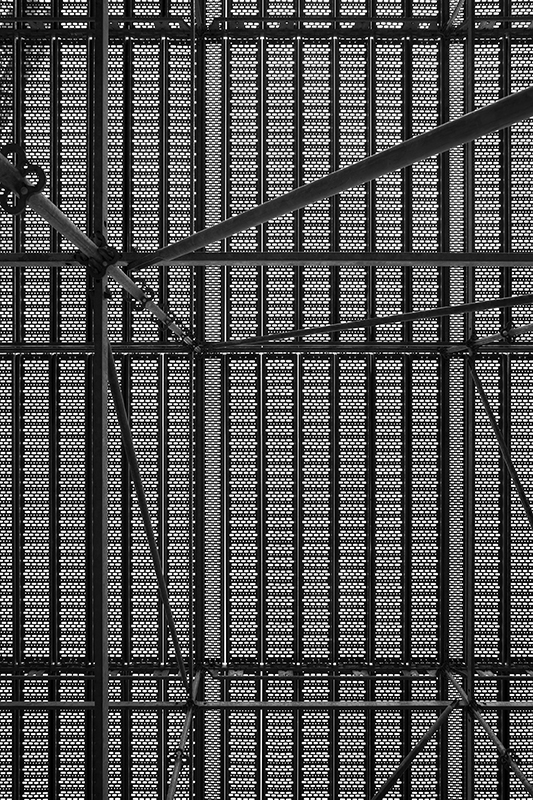
CROWN FOUNTAIN, 2004 featured in Millennium Park, Chicago, USA by Jaume Plensa
The King, together with the Minister of Industry, Jordi Hereu, applauds Jaume Plensa, accredited as an honorary ambassador of Marca España.

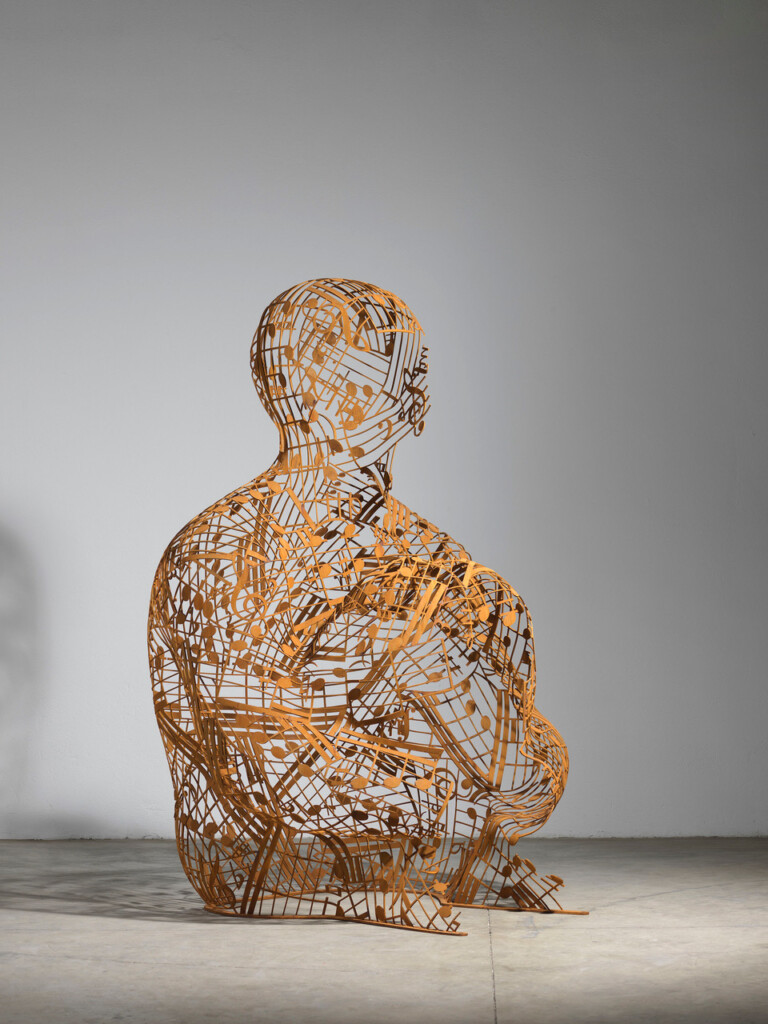
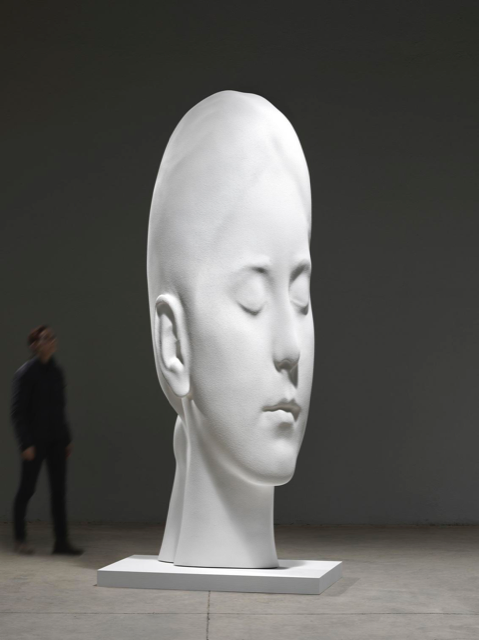
His practice is structured around three key elements: body, language, and space. Human figures—often faces or fragmented bodies—convey stillness, introspection, and a strong sculptural presence. Letters from different alphabets function as sculptural material, forming structures that combine physical presence with symbolic meaning.

Plensa’s sculptures generate experiences within public space. They introduce pause, reshape spatial perception, and activate a direct relationship with the viewer. His work connects with diverse audiences without requiring complex mediation, which explains its strong international circulation.
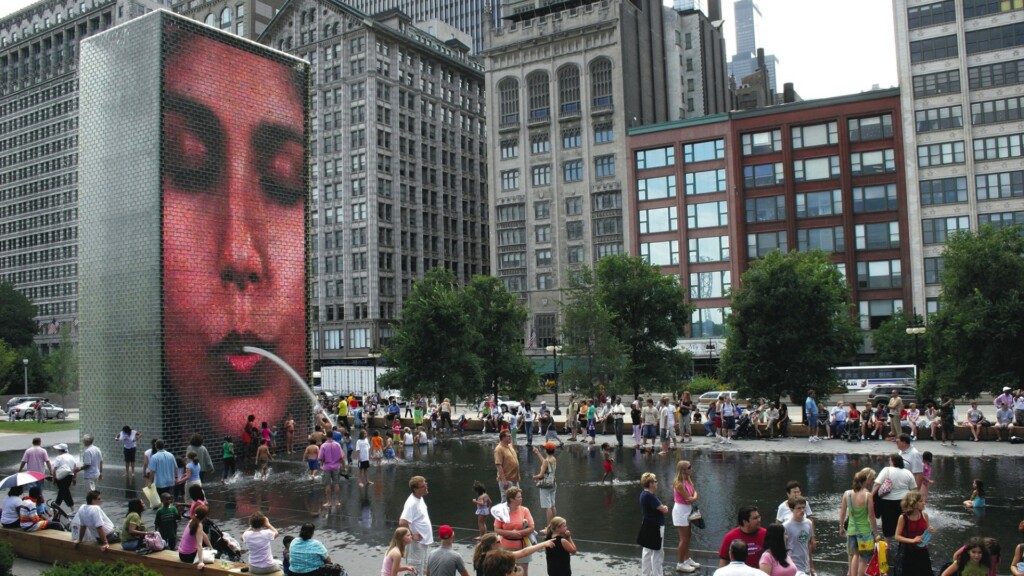
CROWN FOUNTAIN, 2004 featured in Millennium Park, Chicago, USA by Jaume Plensa
CROWN FOUNTAIN, 2004, Millennium Park, Chicago, USA de Jaume Plensa

This appointment reinforces the role of contemporary art in shaping a country’s global image. Plensa’s work offers a perspective grounded in sensitivity, experience, and a universal language. His practice operates through what is human, essential, and shared.

In a global context where culture functions as a positioning tool, Plensa’s figure reinforces a clear idea: contemporary art also builds narrative, identity, and international presence.
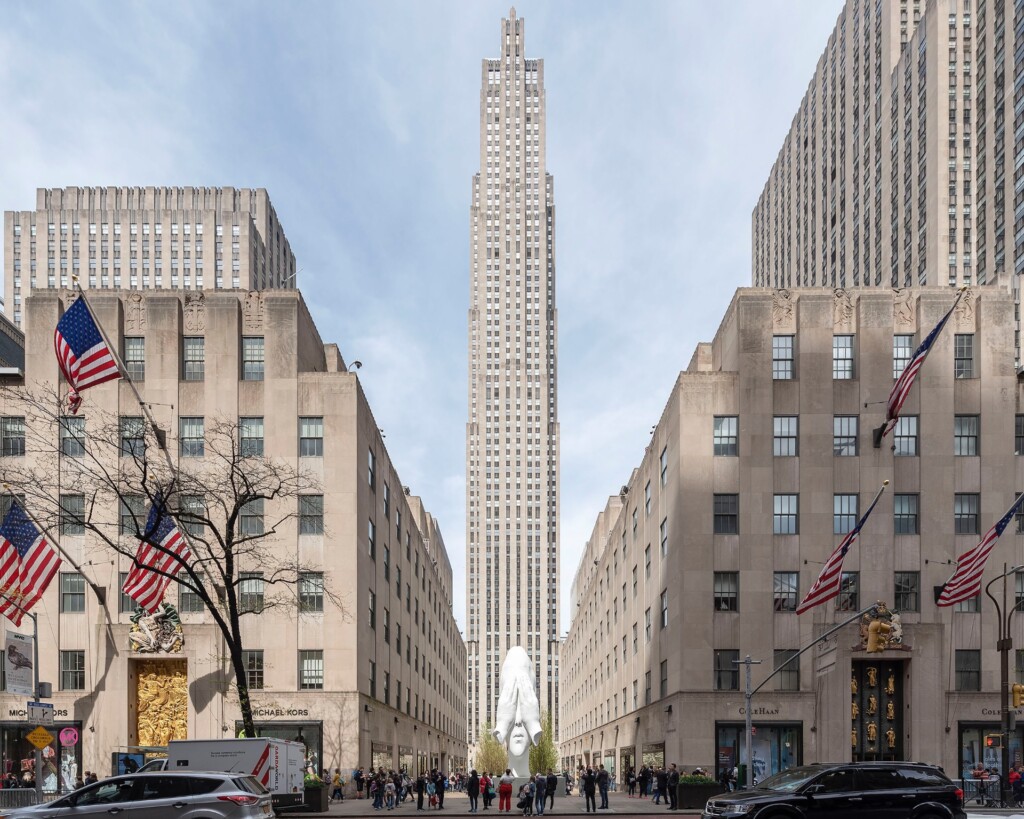
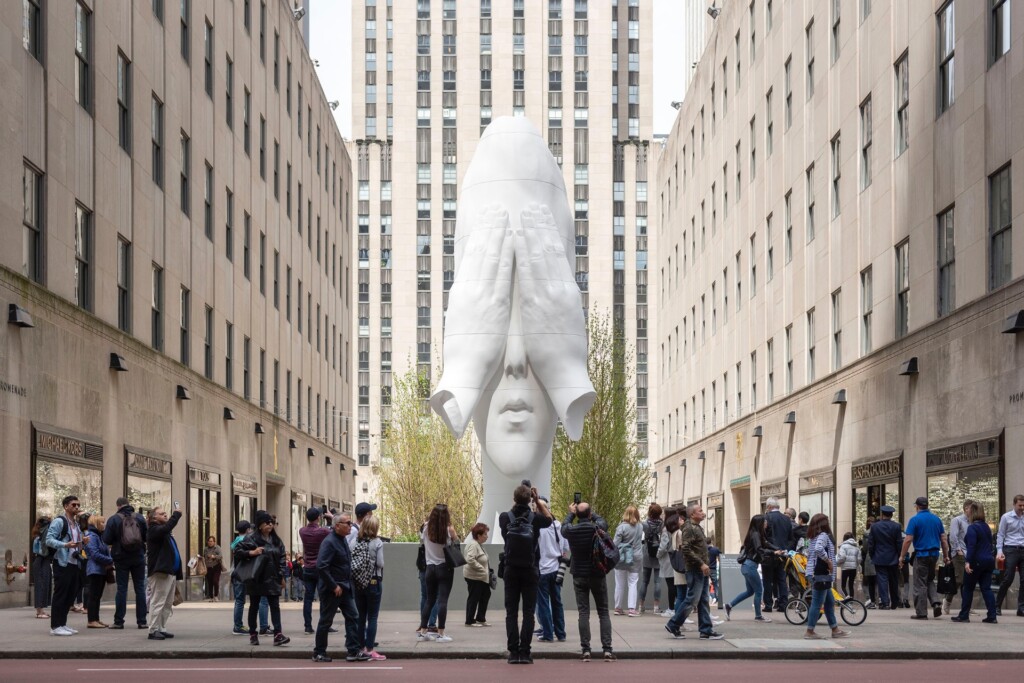
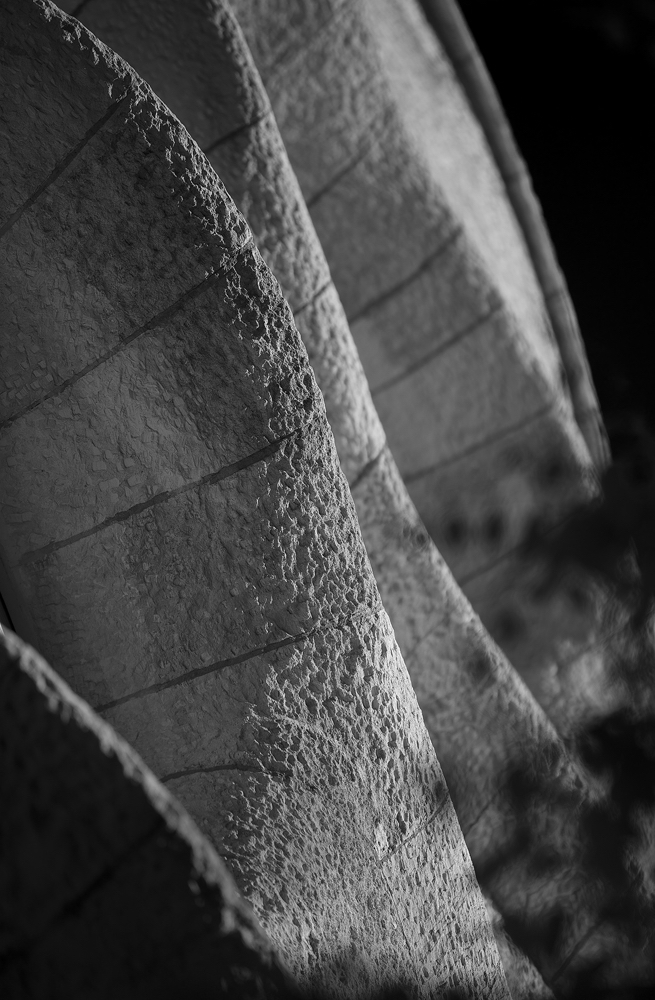
BEHIND THE WALLS, Frieze Sculpture at Rockefeller Center, Rockefeller Center, New York, USA
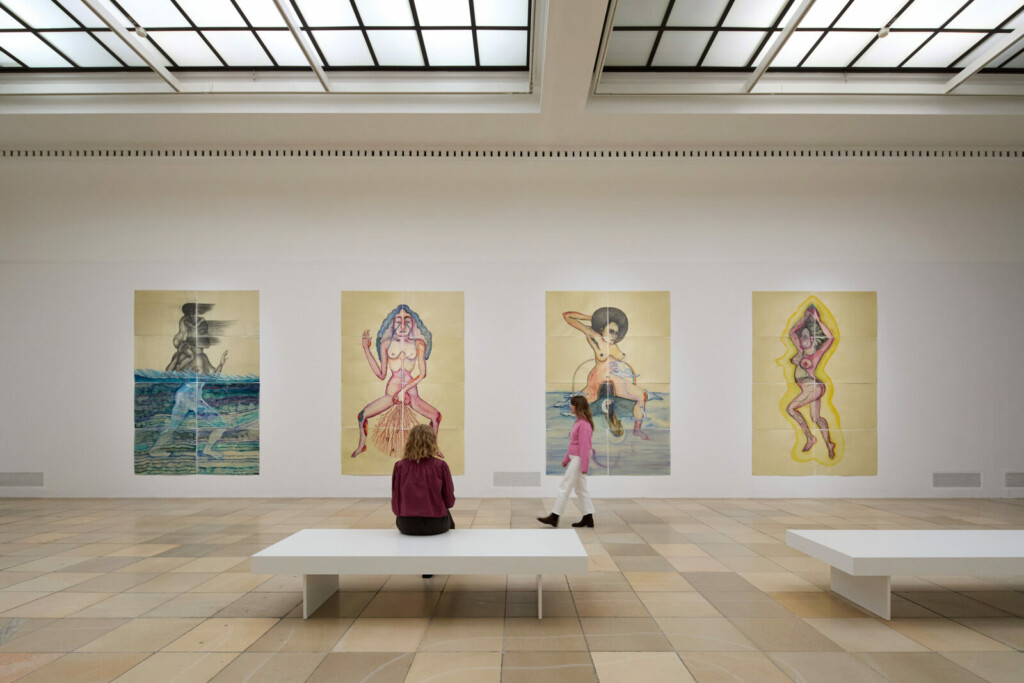
SANDRA VASQUÉZ DE LA HORRA: “Soy Energía”

An exhibition to be traversed rather than simply viewed

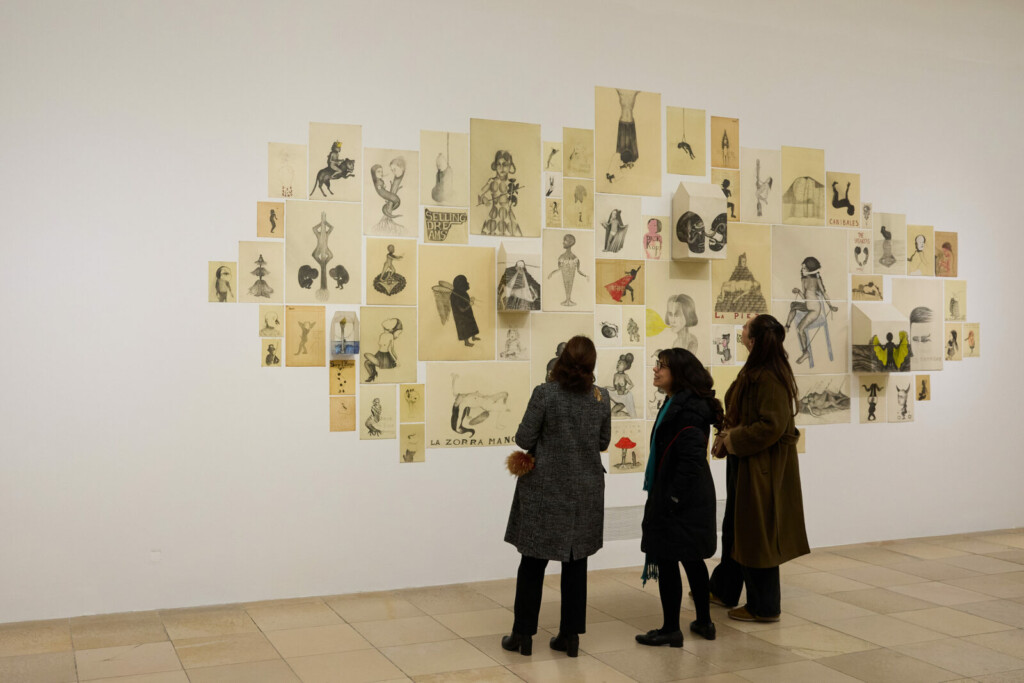
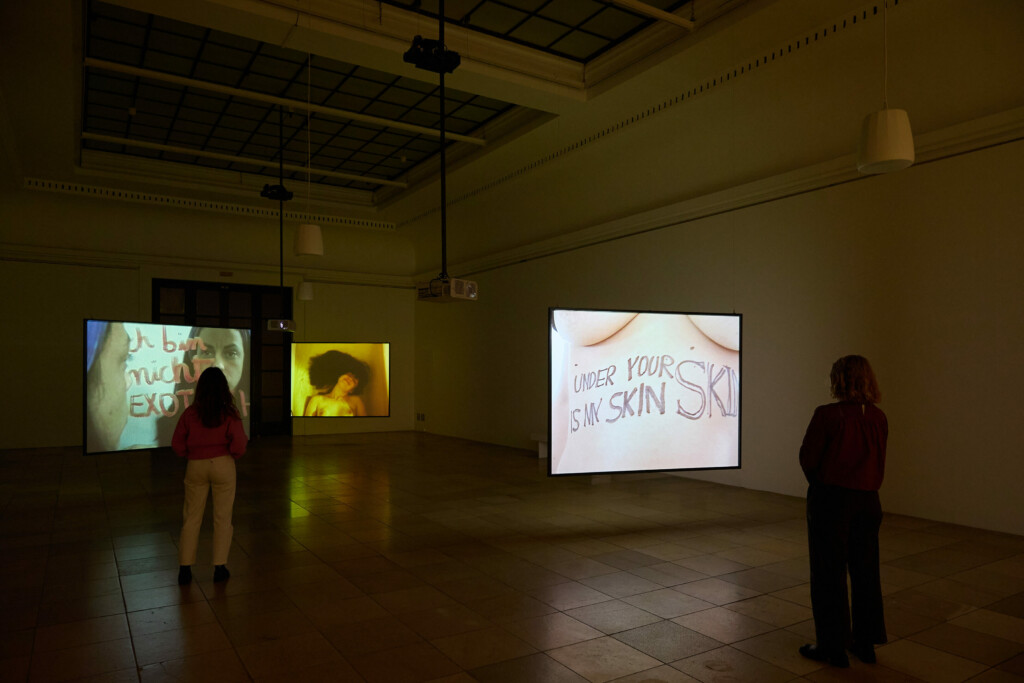
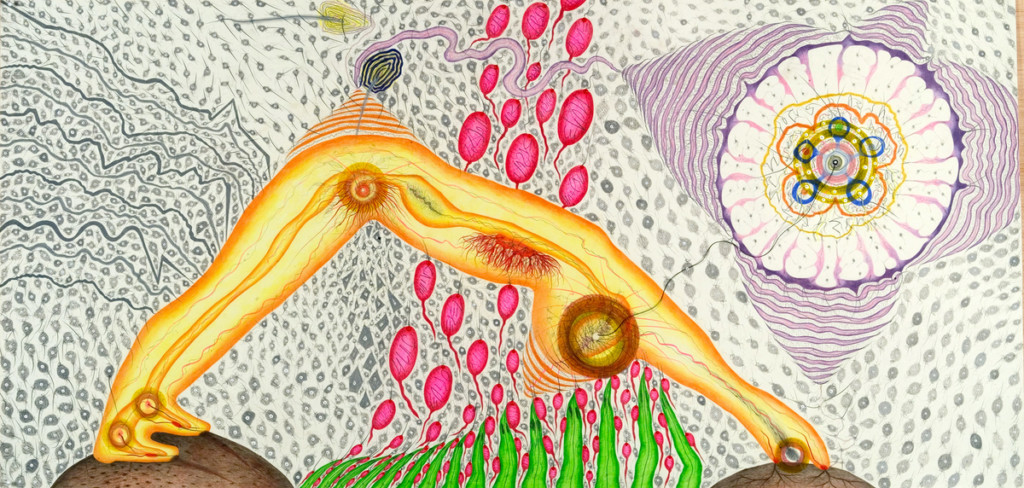
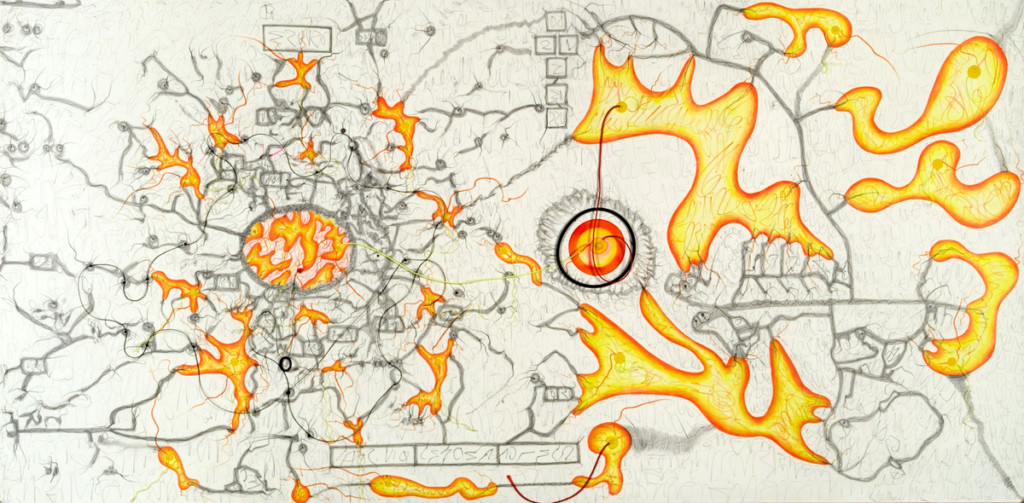
Entering Sandra Vásquez de la Horra’s work is not about understanding, but about allowing oneself to be affected. Soy Energía, her retrospective at Haus der Kunst in Munich, unfolds as a field of intensities where images operate before they can be named.

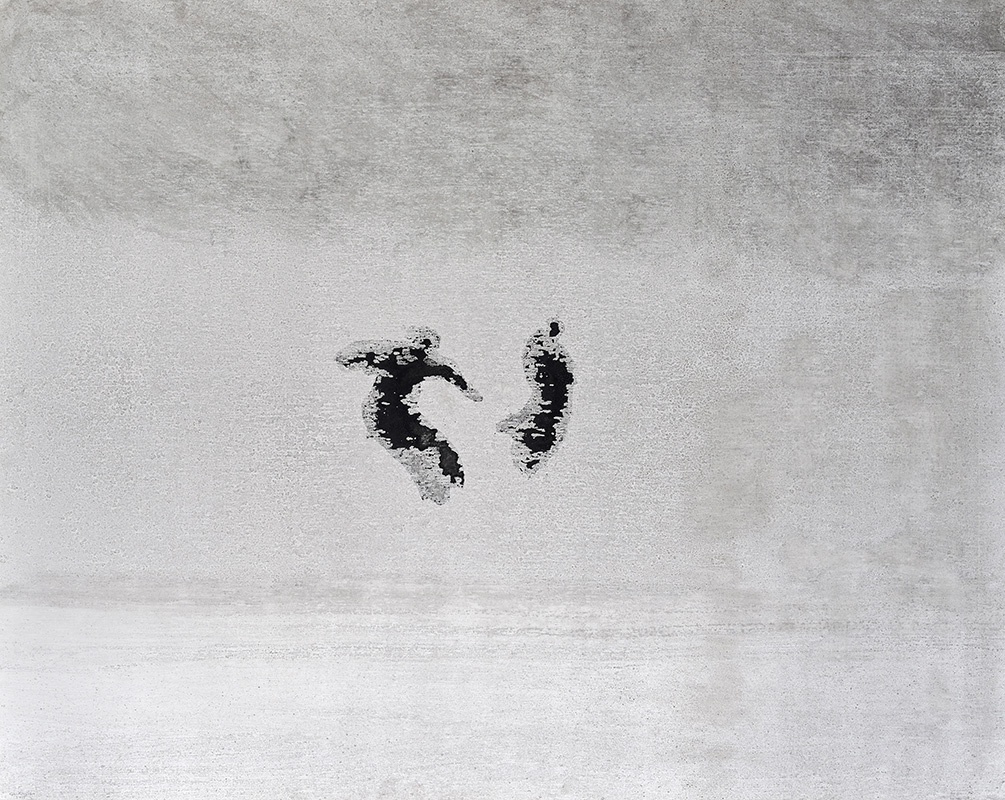
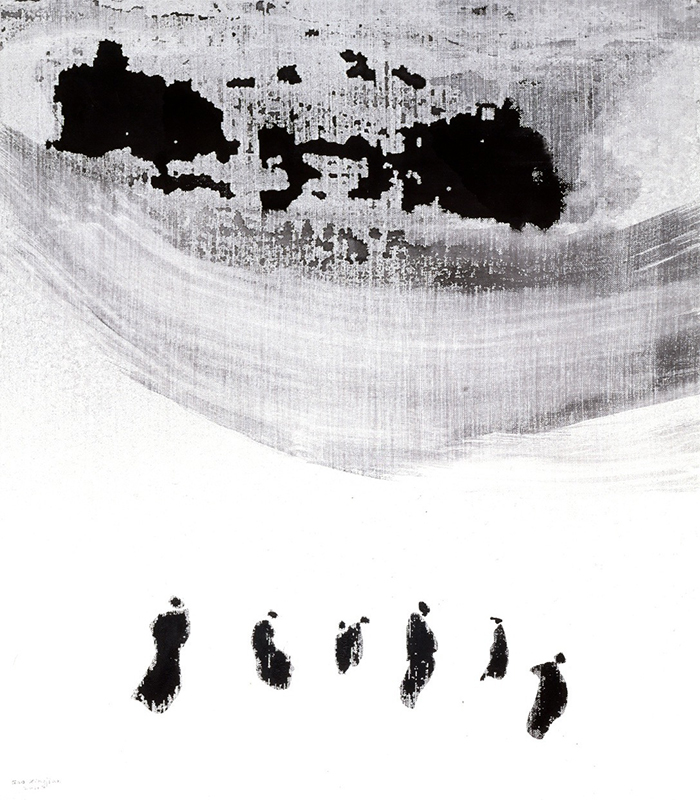
Over forty years of work come together without a linear narrative. The works do not organize a trajectory; they circulate. Drawings immersed in beeswax emerge as remnants, as surfaces where time seems suspended. Matter thickens the image and slows down the gaze, creating a more intimate, almost bodily relation.

The exhibition avoids hierarchy. Works gather in constellations: fragmented bodies, hybrid figures, signs that traverse the human, the animal, and the vegetal. The body appears as a territory shaped by memory and tension, where the intimate and the political are inscribed without becoming explicit.

“Soy Energía”, Sandra Vásquez de la Horra, Haus der Kunst Ausstellungsnasicht, 2025. Photography: Judith Buss

El recorrido evita jerarquías. Las piezas se agrupan como constelaciones: cuerpos fragmentados, figuras híbridas, signos que cruzan lo humano, lo animal y lo vegetal. El cuerpo aparece como un territorio atravesado por memoria y tensión, donde lo íntimo y lo político se inscriben sin volverse explícitos.

Desde sus primeros trabajos en Chile hasta su producción reciente, persiste una misma operación: dar forma a aquello que no puede fijarse. Las imágenes no ilustran, contienen. Funcionan como sedimentaciones donde la historia, la violencia y el exilio permanecen como capas latentes.

La propuesta curatorial acompaña esta lógica. La exposición no se organiza de forma lineal, construye una atmósfera. Hay zonas de concentración y otras de apertura, ritmos que implican al espectador y lo desplazan de una posición distante. Mirar aquí exige tiempo, cercanía, ajuste.

En ese movimiento, la obra se sitúa en un umbral constante. Entre lo visible y lo que apenas se deja ver. Entre la imagen y su resto.

Soy Energía no ofrece respuestas. Mantiene abierta una experiencia donde algo persiste más allá de lo visible.

“Soy Energía”, Sandra Vásquez de la Horraa, Haus der Kunst Ausstellungsnasicht, 2025. Photography: Judith Buss
“Soy Energía”, Sandra Vásquez de la Hoeea, Haus der Kunst Ausstellungsnasicht, 2025. Photography: Judith Buss

JOAN PONÇ: Imagining Other Worlds

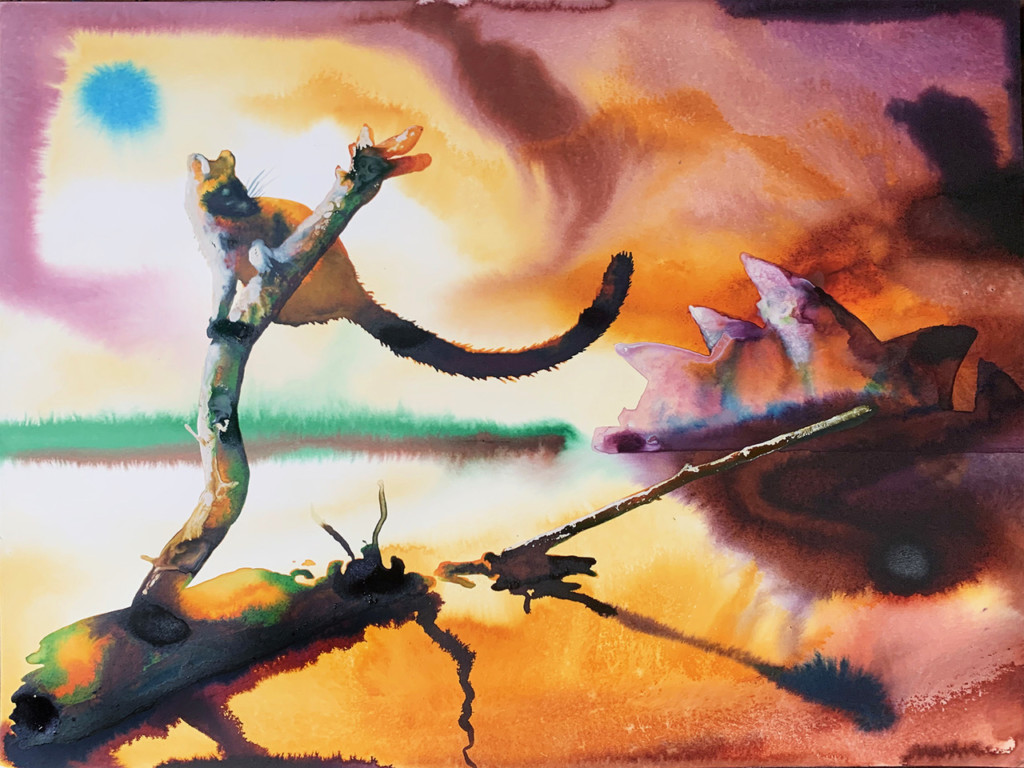
Within the landscape of twentieth-century Catalan art, Joan Ponç (1927–1984) occupies a singular position. His work seems to emerge from a territory of its own, populated by ambiguous creatures, distorted characters and scenes that oscillate between the dreamlike and the unsettling. Rather than depicting the visible world, Ponç constructed an inner universe where imagination becomes a way of thinking.

Working in postwar Barcelona—a cultural context marked by isolation and censorship—Ponç found in imagination a space of freedom. His drawings and paintings unfold a powerful visual language filled with symbols, hybrid figures and presences that appear to surface from the darker zones of the mind. Within his imagery, the grotesque, the magical and the metaphysical coexist.

In the late 1940s he became one of the founding members of Dau al Set, a group that played a key role in the renewal of artistic practices in Catalonia. Alongside artists and thinkers such as Antoni Tàpies, Modest Cuixart and poet Joan Brossa, the collective created a space of experimentation that engaged with surrealism, dada and the broader European avant-gardes. Within this context, Ponç’s work stood out for its visionary character: a figurative language driven more by an internal logic than by the observation of reality.

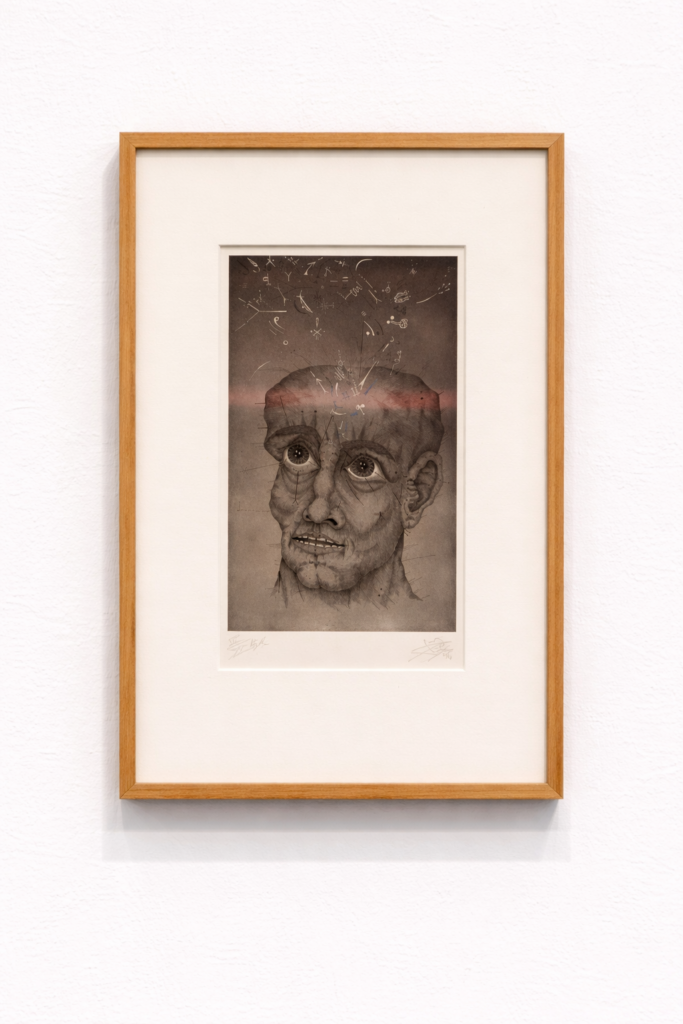
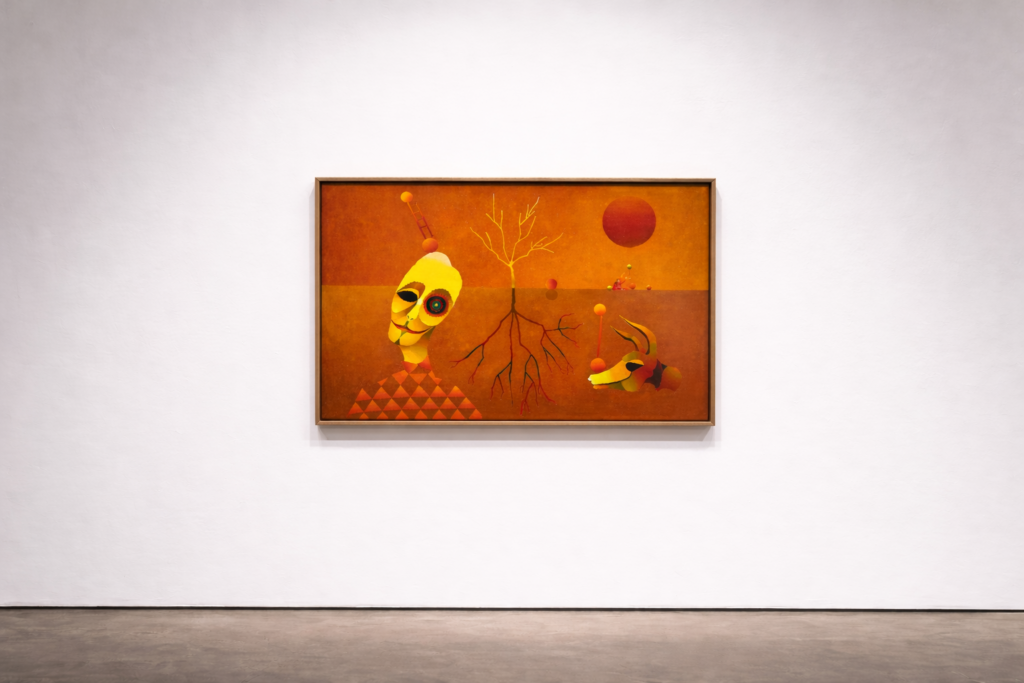
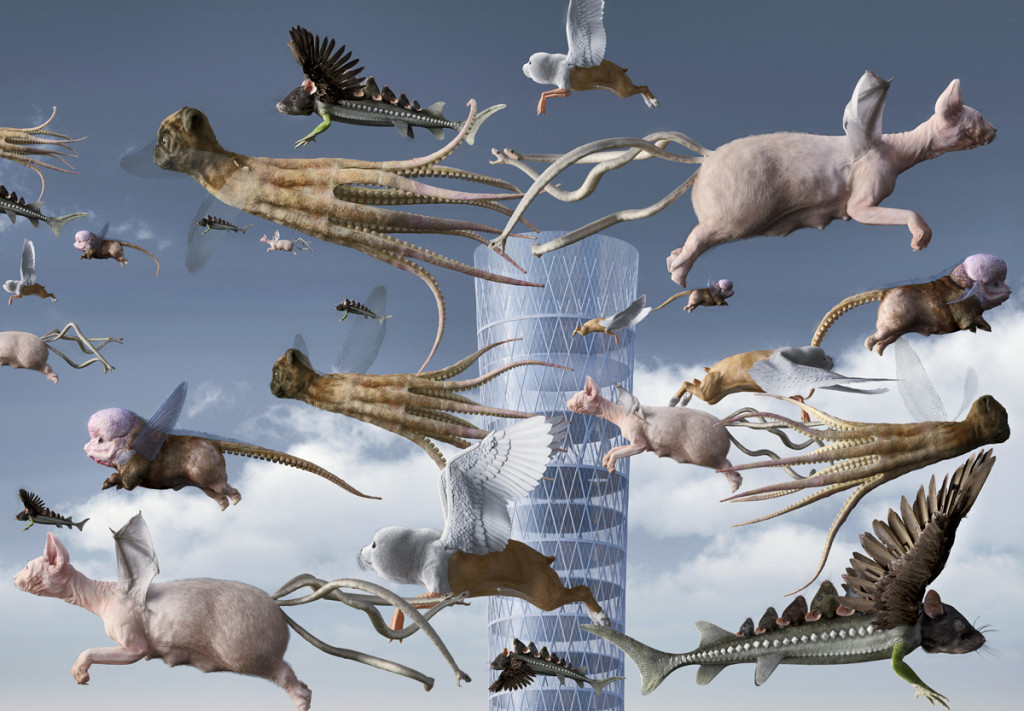
His characters—with exaggerated eyes, fragmented bodies or unsettling gestures—inhabit ambiguous environments where the human and the fantastic blur together. These are not narrative scenes in a conventional sense. They are visions. Apparitions that condense mental states, intuitions or existential tensions.

In 1953 Ponç moved to Brazil, where he lived for almost a decade. This period proved decisive for the development of his work. In cities such as São Paulo and Rio de Janeiro he came into contact with new artistic networks, and his paintings acquired greater formal and chromatic complexity. Yet the core of his imagery remained unchanged: that universe populated by strange presences that seem to move between the visible and the invisible.

Throughout his career, Joan Ponç maintained a position that was difficult to classify within the dominant artistic tendencies of his time. While many artists of his generation turned towards abstraction, Ponç persisted in a radical form of figuration, charged with symbols and inner resonances.

Today, his work continues to fascinate for its ability to open a space of estrangement. A territory where painting becomes vision, and where each figure seems to emerge from the threshold between imagination, dream and the unknown.

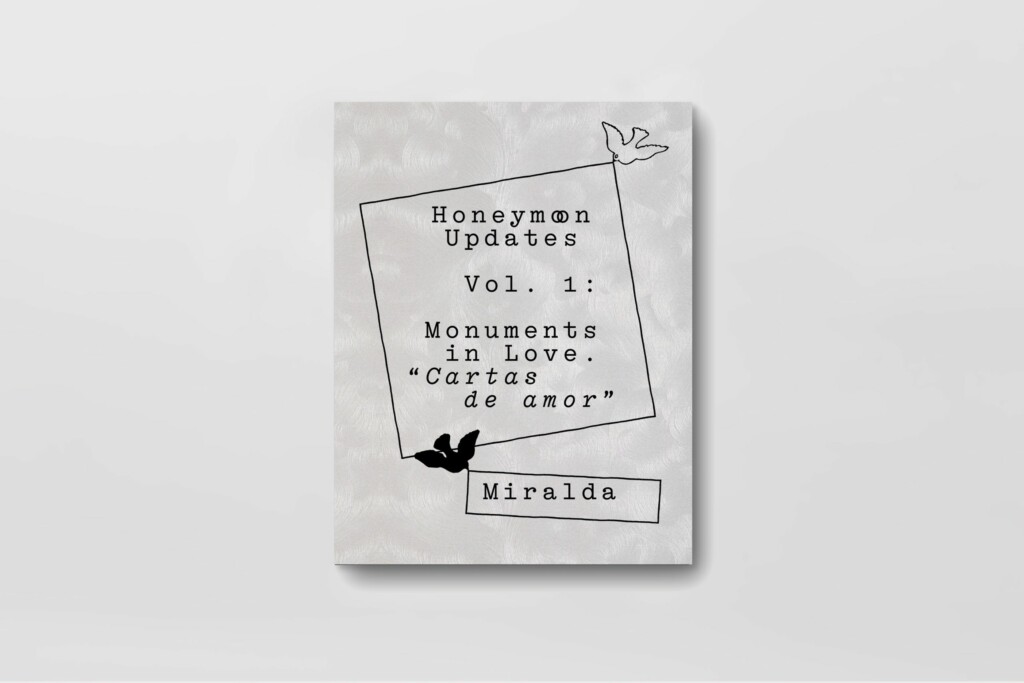
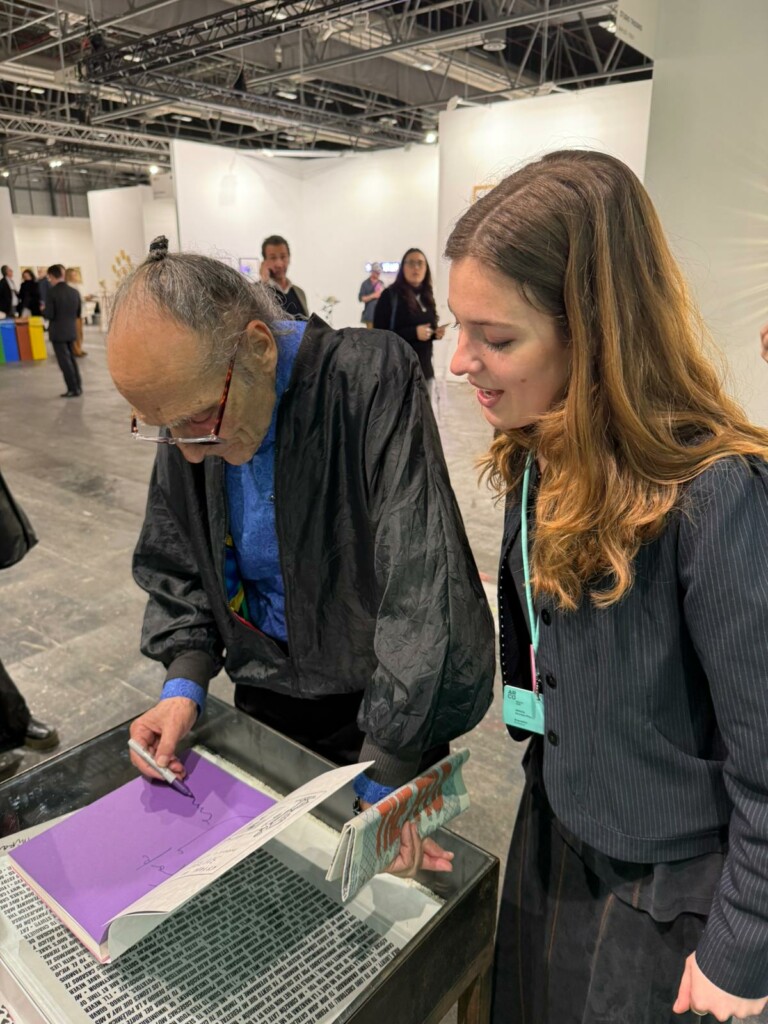
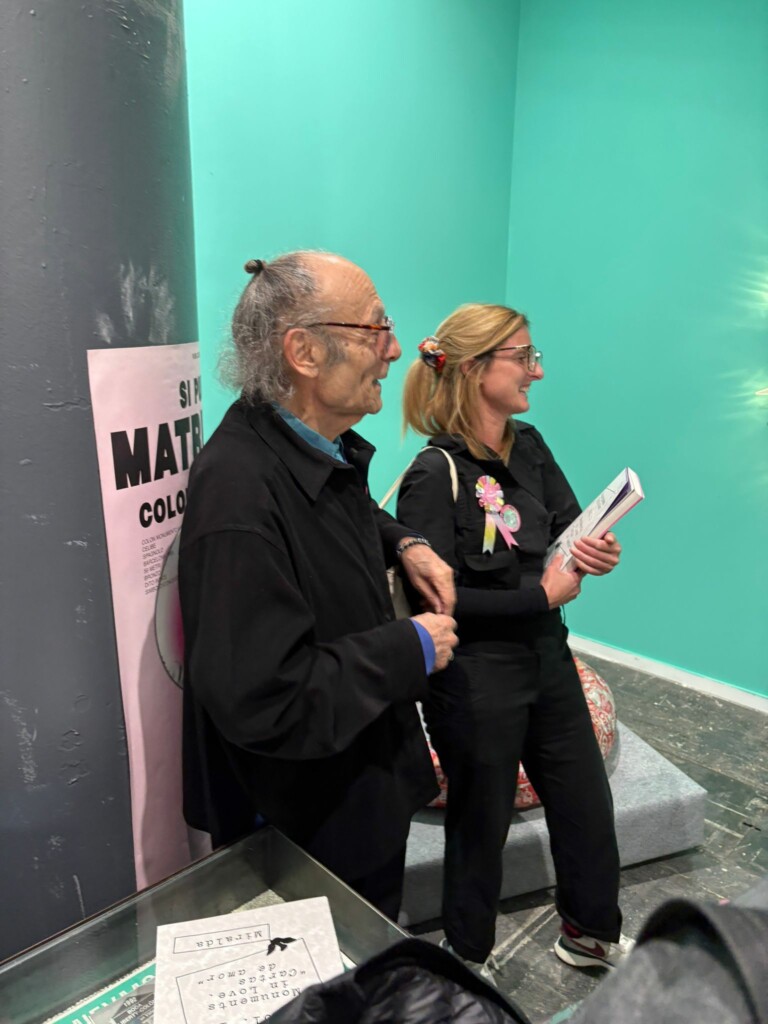
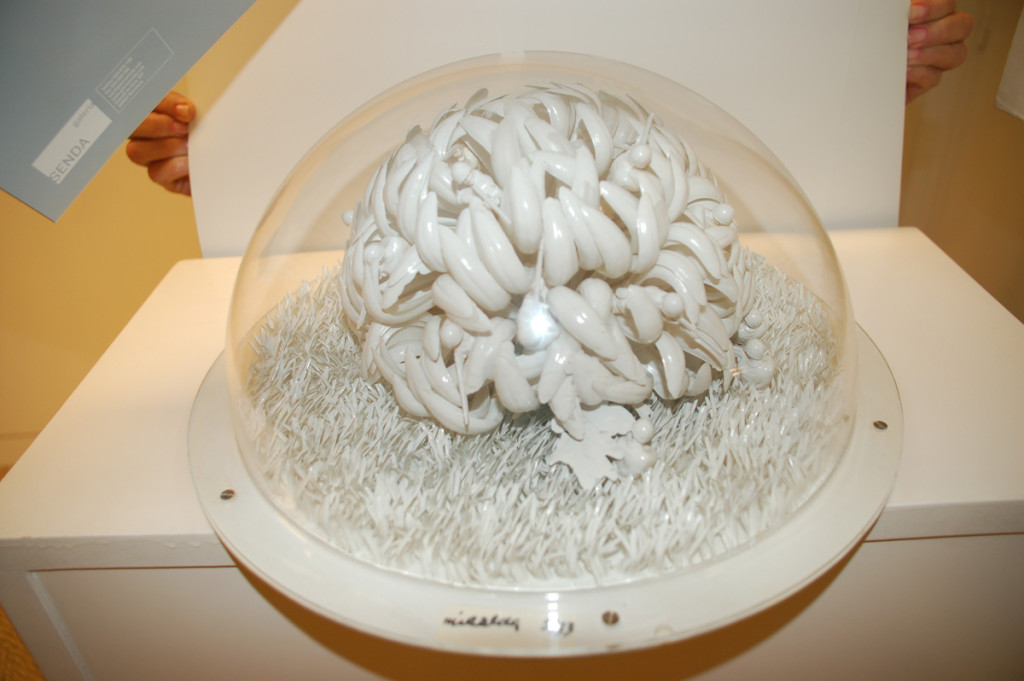
MIRALDA. Monuments in Love / Cartas de Amor: the book celebrating the 40th anniversary of Honeymoon Project.

A publication that revisits one of Antoni Miralda’s most emblematic projects, bringing its symbolic universe back to life through letters, essays and archival materials.

On the occasion of the 40th anniversary of Honeymoon Project, the artist Antoni Miralda presents the book Monuments in Love / Cartas de Amor, a publication that revisits one of the most distinctive projects of his artistic career.

Published by Terranova in collaboration with Galeria Senda and FoodCultura, the volume revisits the universe of Honeymoon Project, initiated in the 1980s. The project imagined a symbolic union between two iconic monuments: the Statue of Liberty in New York and the Columbus Monument in Barcelona. Through this fictional marriage, Miralda developed a playful yet critical reflection on social rituals, cultural exchange, and the role monuments play in shaping collective imaginaries.

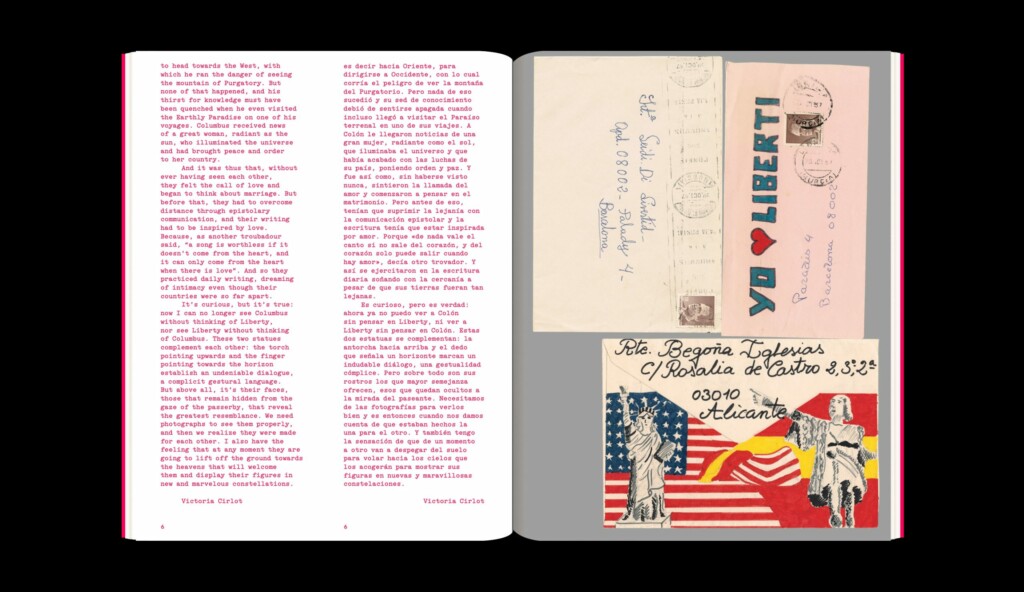
The book brings together a selection of love letters sent from around the world, alongside contemporary essays and materials that expand the story of the project. These contributions allow readers to revisit Honeymoon Project from new perspectives while preserving its participatory spirit and its ability to connect diverse cultural narratives.

More than a simple documentation, Monuments in Love / Cartas de Amor functions as an extension of the project itself: an editorial space where archive, fiction and memory intertwine. Forty years after its inception, Miralda’s work continues to offer a playful and critical perspective on the ways societies imagine, celebrate and construct shared stories.

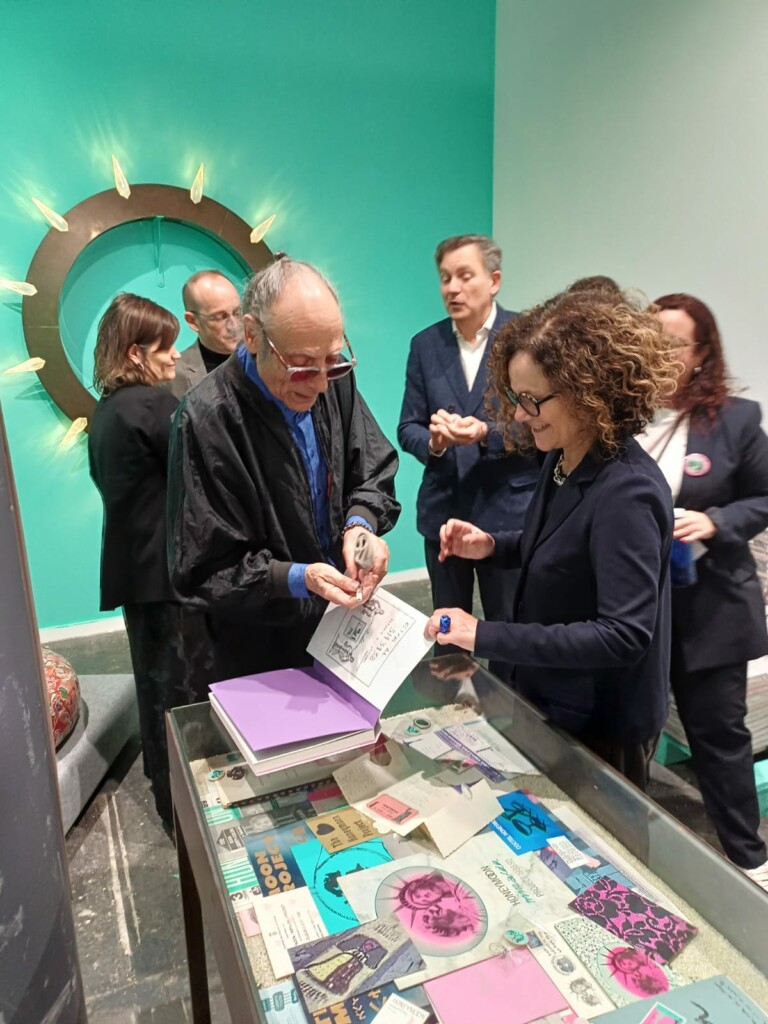
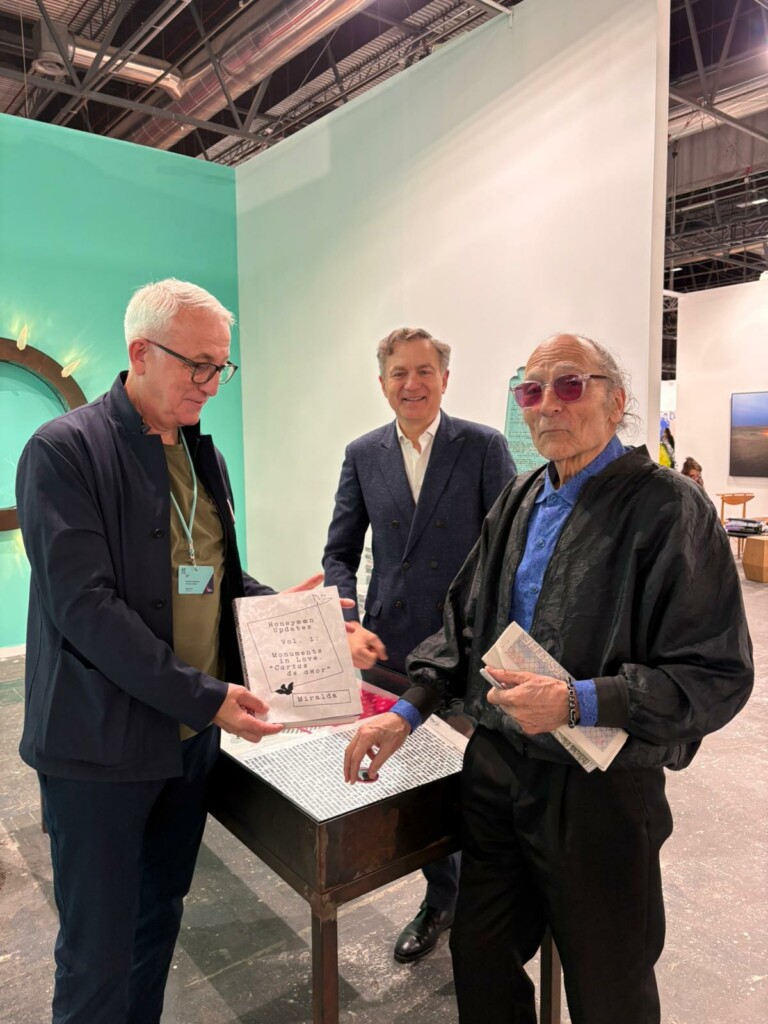
As part of this anniversary, the book was presented publicly on February 13 at Sala Apolo as part of the Art Meets Apolo programme, in an event that brought together contemporary art, performance and music.

Produced in a limited edition, Monuments in Love / Cartas de Amor invites readers to rediscover Miralda’s creative universe and to revisit one of the most imaginative projects in contemporary art.

The book is available in a limited edition through our shop.