















- No products in the cart.
GONZALO GUZMÁN. “The Dolmen of Nemorino” for the Saló dels Miralls at the Gran Teatre del Liceu
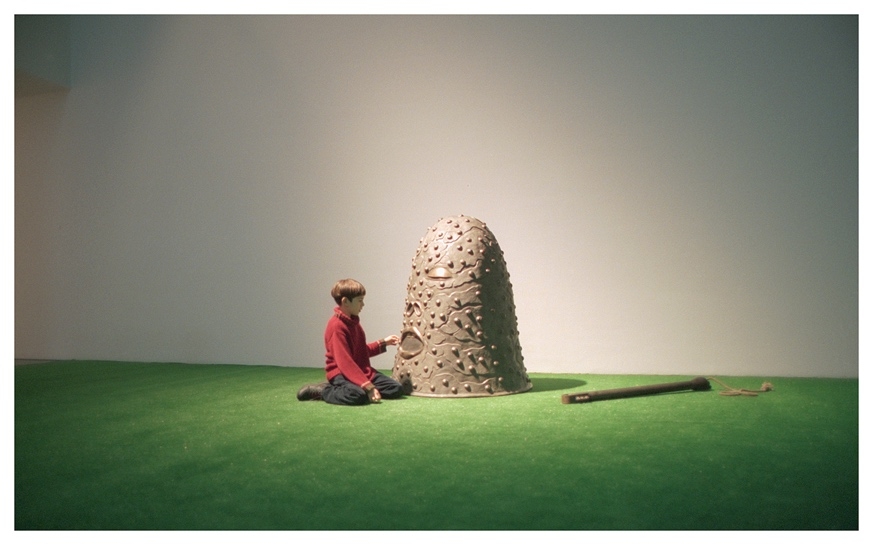
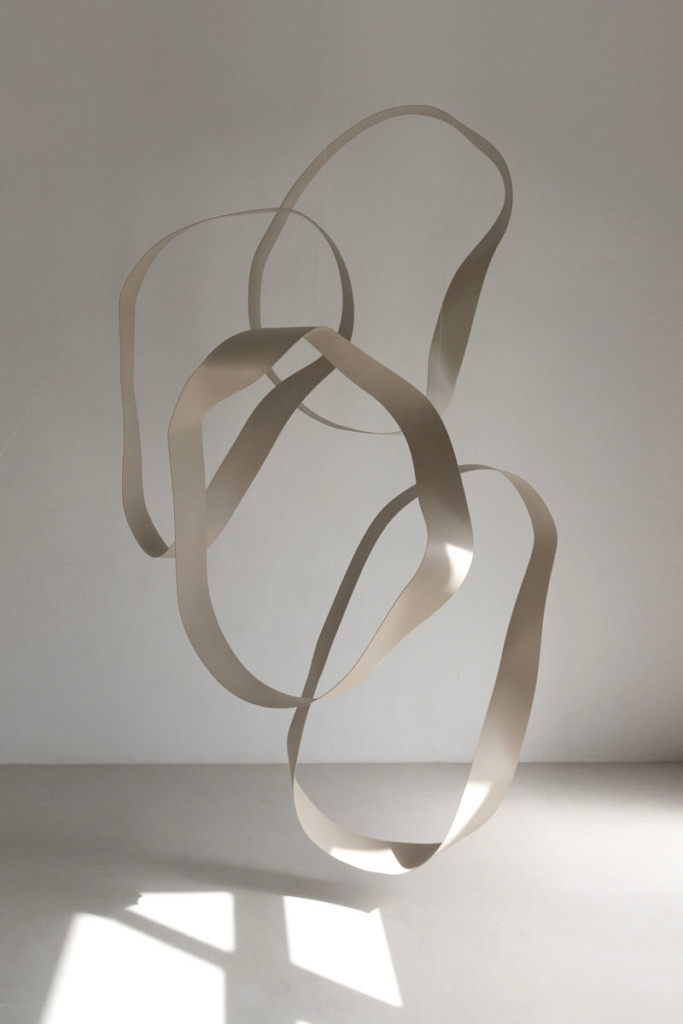
Galeria SENDA invites you to join Gonzalo Guzmán (1991) for the presentation of The Dolmen of Nemorino, a monumental five-meter-high installation conceived especially for the Saló dels Miralls of the Gran Teatre del Liceu, coinciding with the premiere of L’elisir d’amore by Gaetano Donizetti.
The connection between opera and sculpture is no coincidence. The origin of the work stems from an intimate family story: the artist’s father, Joaquín, came to Barcelona as a young man to study singing with Maestro Puig, dreaming of becoming a professional opera singer. His greatest wish was to one day perform on the stage of the Liceu. However, while rehearsing Una furtiva lagrima, the most famous aria from L’elisir d’amore, he suddenly lost his voice. That episode changed the course of his life: he could no longer pursue his career as a tenor, yet he always maintained a deep bond with music and art —a sensibility he passed on to his son from childhood.
“This work is a way of closing a circle,” explains Guzmán. “It is a way of returning, in the form of sculpture, something of that emotion he transmitted to me since I was a child, and of allowing, in some way, that voice to inhabit the Liceu once again.”
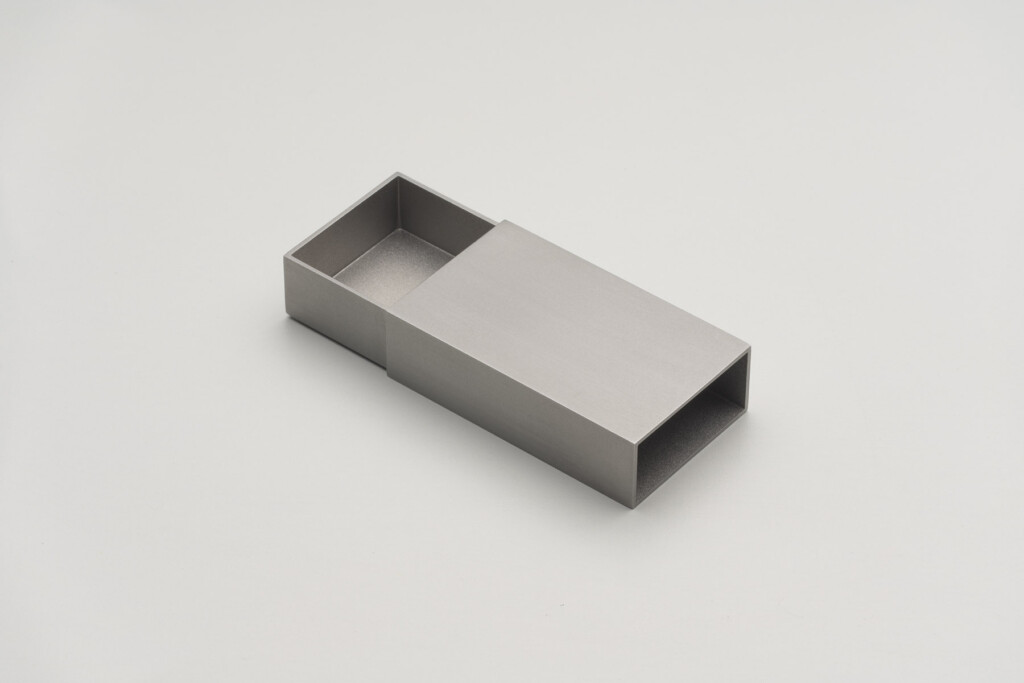
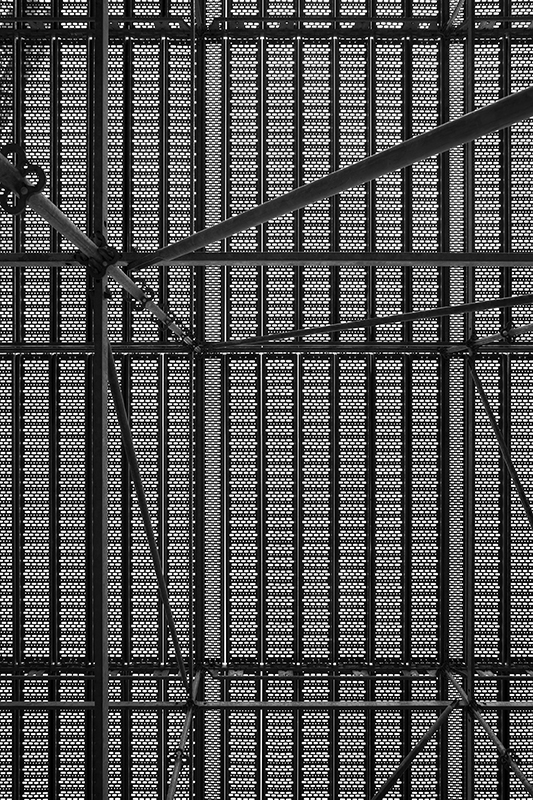
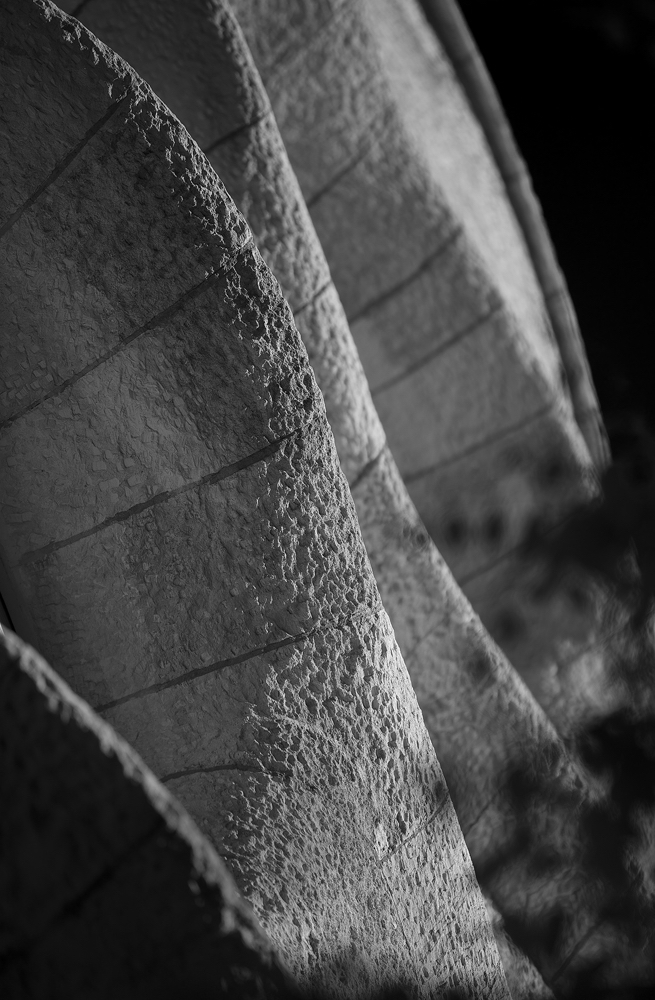
The Dolmen of Nemorino rises as a contemporary dolmen made of stainless steel, set upon a mound of earth that enters into dialogue with the golden architecture and mirrors of the hall. In its monumental scale and primal simplicity, the piece reflects the artist’s own vital and creative process: a constant dialogue between desire and matter, between what is imagined and what sculpture allows.
Guzmán conceives his sculptural practice as an exercise in trust and listening. “I allow the sculpture to happen,” he states. “It’s a way of understanding life: things happen because they can only happen in one way —the way they do. A sculpture can only exist as it has appeared, with all the accidents and conditions that have made its form possible.”
That same idea runs through his father’s story: the moment he lost his voice, far from being a rupture, became a lesson in acceptance and learning. Sometimes, when Guzmán sees him still practicing fragments of opera, he recognizes in that gesture an emotional continuity with a passion that never disappeared but rather transformed.
For the artist, true importance lies in the gaze with which we confront what happens to us. Like Nemorino, the protagonist of Donizetti’s opera, who discovers hope in a single tear that drives him to go on, The Dolmen of Nemorino offers a reflection on trust, transformation, and endurance.
22 November — 15 December 2025 · Hall of Mirrors, Gran Teatre del Liceu