





- No products in the cart.
Share:
About the exhibition
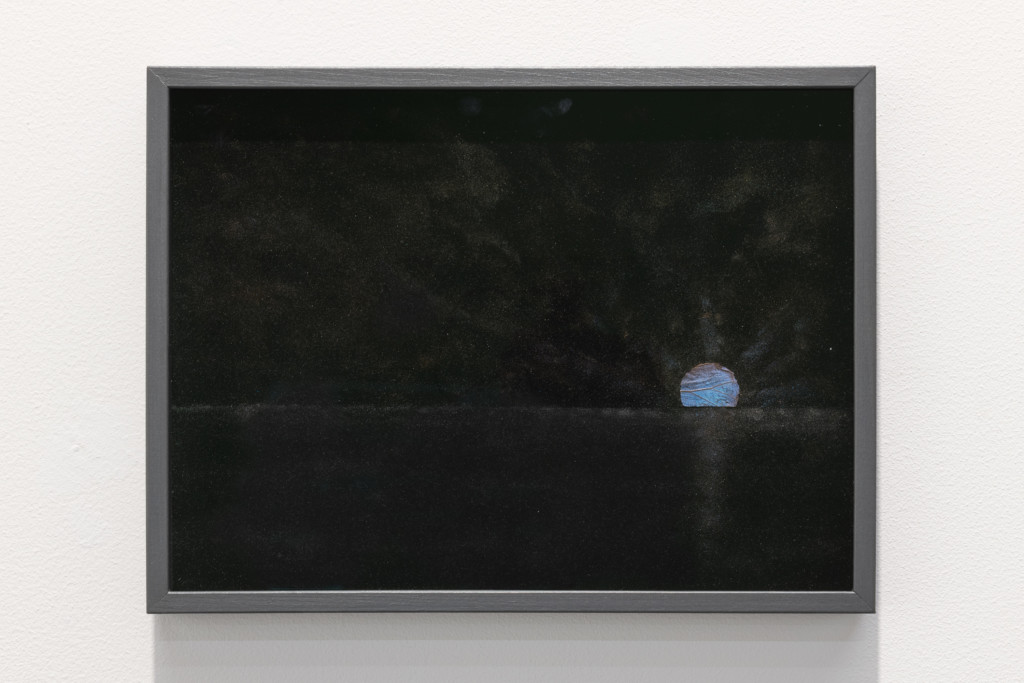
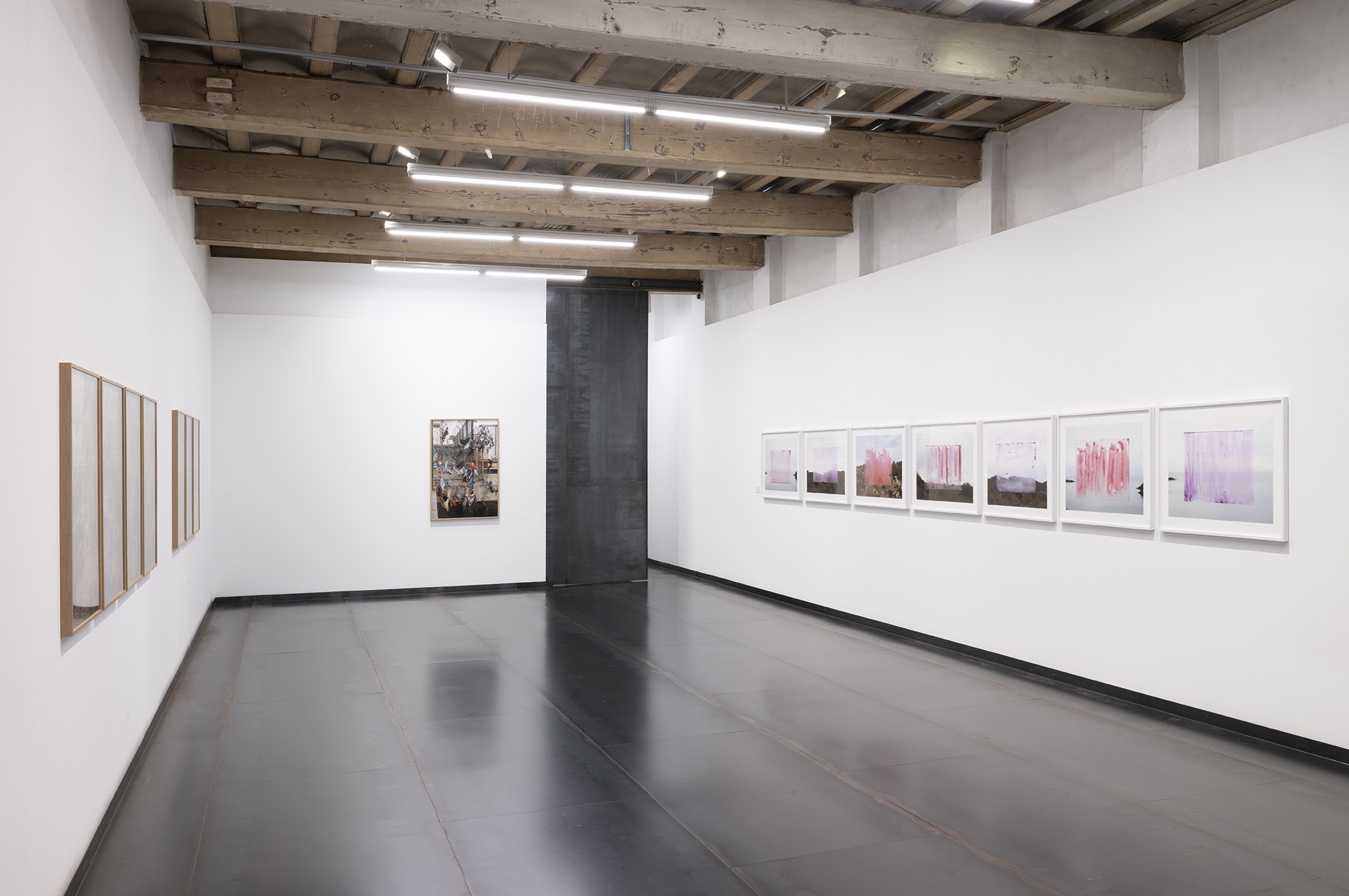
Desplazamientos is a joint project by Anna Malagrida and Mathieu Pernot that reflects on the changes in Mediterranean biodiversity caused by displacement and human intervention over time.
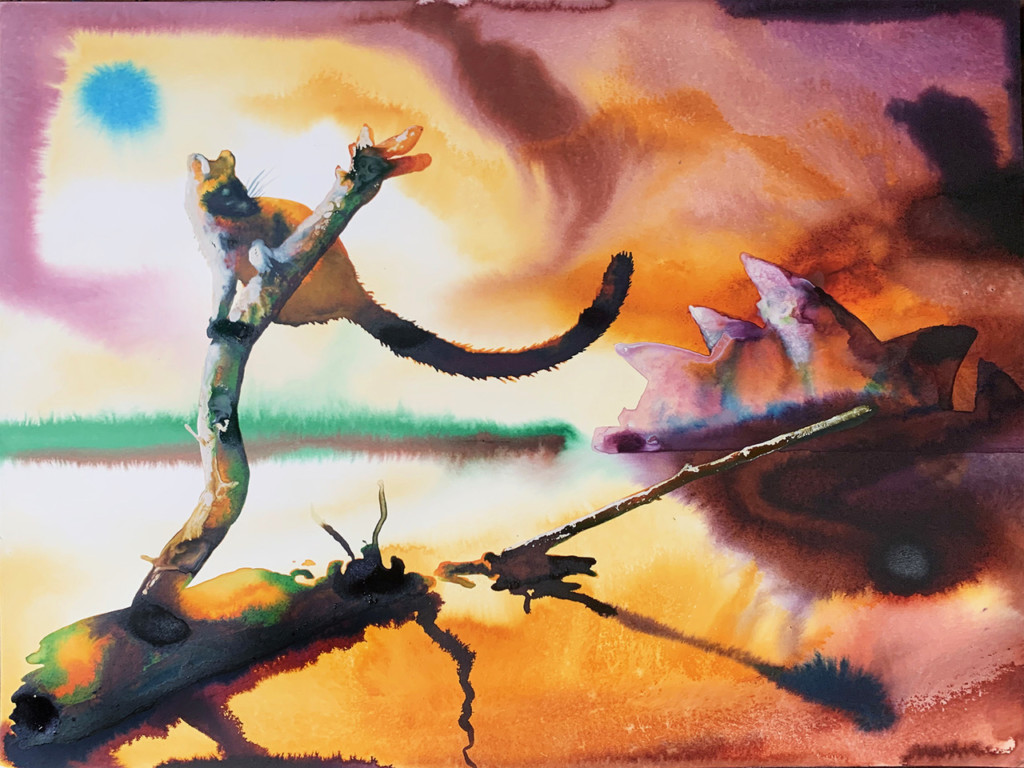
Anna Malagrida focuses on the history of opuntia cacti, which were brought to Spain from Mexico, during the Spanish colonization in the 16th century, to develop the production of cochineal dye. This crimson pigment became one of the most coveted treasures of colonial trade, used by Baroque painters and dyers to color the garments of Europe’s ruling elites. Nowadays, the lack of rainfall and the impact of climate change are weakening these cacti in certain parts of the Mediterranean. As they become more fragile, they are attacked by a pest: the uncontrolled cochineal insect, which has spread widely and now seems to be devastating them. The artist concentrates on the Mediterranean landscape of Cap de Creus, where these cacti had previously flourished.
On the opposite shore of the Mediterranean, in the Spanish enclave of Melilla, Mathieu Pernot photographs the forest along the fence that protects the enclave from the arrival of potential migrants. The eucalyptus tree, imported from Australia in the 19th century, and the pine tree, whose many varieties were introduced by Napoleon, they have become silent witnesses to the restrictions imposed on human movement and migration in this space. Behind the trees, in the background of the image, a massive metal fence topped with barbed wire divides the territory in two and marks the border between nation-states.
Both artists remind us that a color, like a plant species, carries with it a history. And they also recall the many forms of migration: those that were forced in the past, and those that are forbidden today.
About the artists
Anna Malagrida (Barcelona, Spain, 1970) primarily uses photography and video to explore and recreate, through careful observation, our daily experiences and the unstable balance between private and public. The artists abandons representation of reality, and appeals, in exchange, to our fantasy: inviting us to project ourselves onto the surface of her images and to generate our own visual content both within and beyond them.
As if by its own gravity, in Malagrida’s work, the city becomes a theatre, a stage suitable in which to recount the delicate relationship between humans and their surroundings. The artist first examines and then encourages us to look. Through a lucid and unpretentious approach, her work seduces, reconciles, and places us between the visible and the invisible.
Mathieu Pernot (Fréjus, France, 1970) studied art history at the University of Grenoble before attending the École Nationale de la Photographie in Arles, where he graduated in 1996. Although Pernot specializes in documentary photography, he also takes alternative paths so that his work composes a fictional reconstruction. He addresses contemporary issues, while referencing a long iconographic tradition and aiming to spark dialogue between images, people, situations, and objects. In this way, he constantly asks questions about our relationship with the world and its representations.
Nomadic and vulnerable individuals, such as the gypsies and migrants, who become characters crossed by stories that stretch across time. Through both his own photographic practice and the use of documents, Mathieu Pernot experiments with the different ways of representing the world and the notion of how we use the photographic medium.
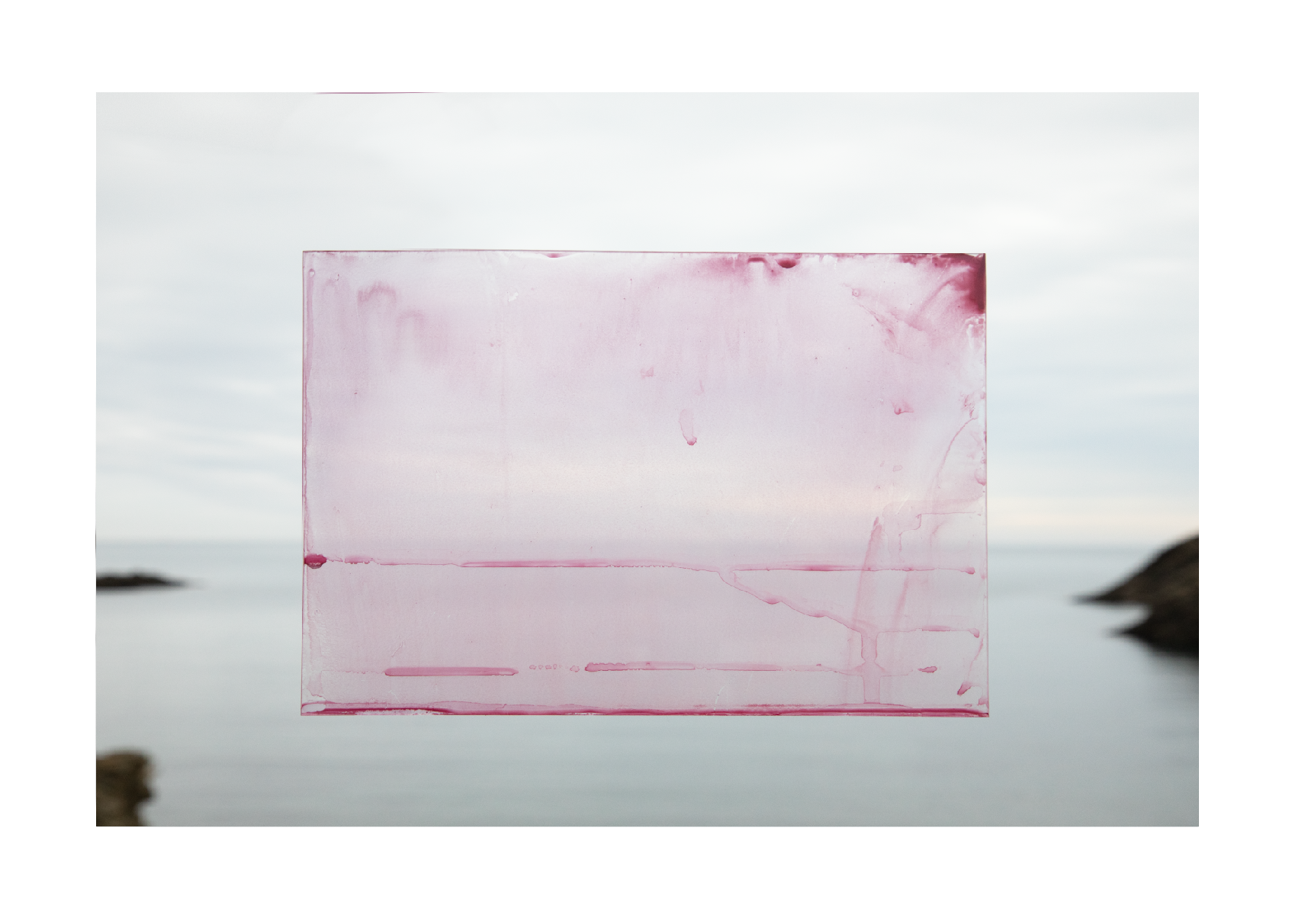
Anna Malagrida, Paisaje #1, 2025 72 × 100 cm – Print on Hahnemühle FineArt cotton paper
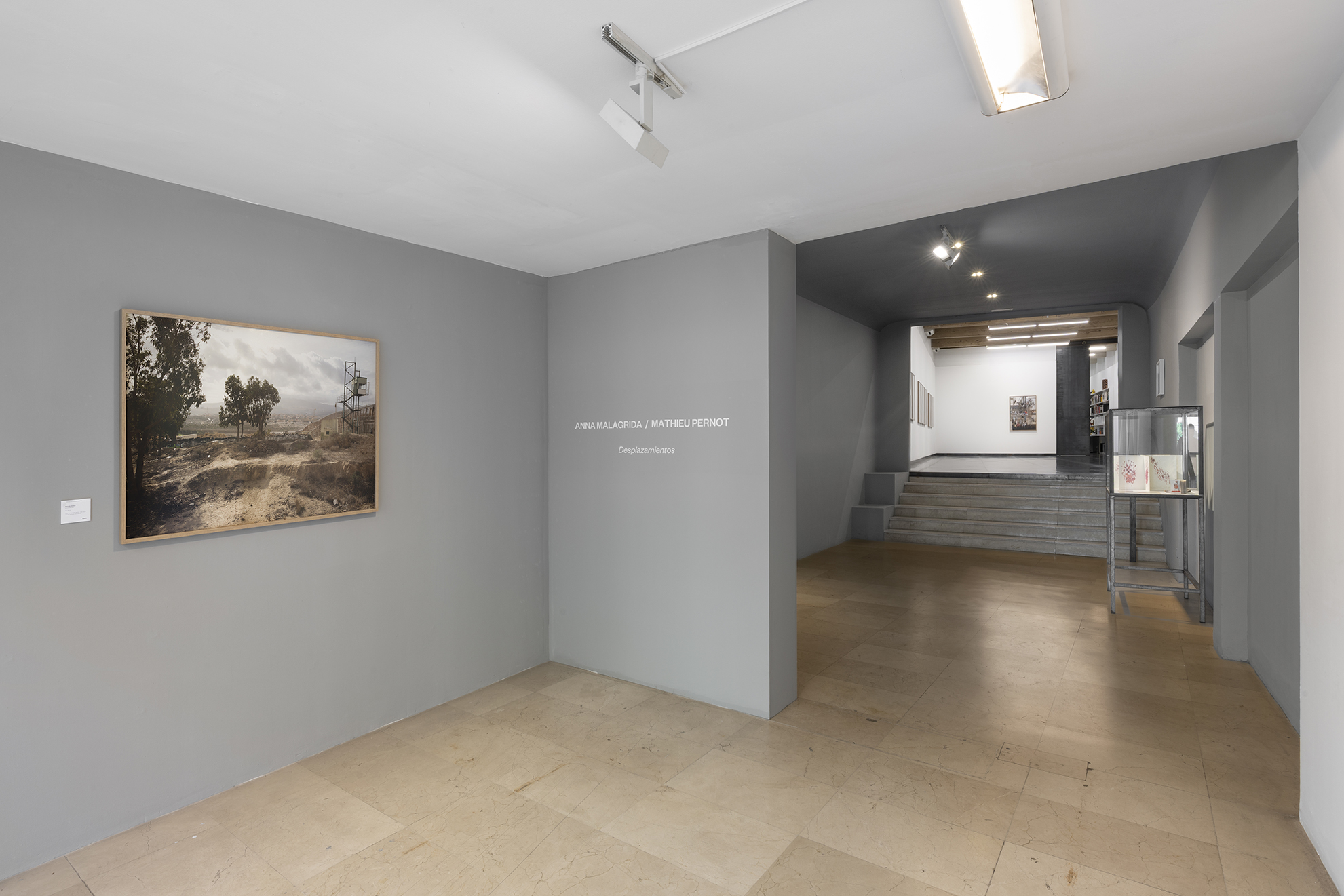
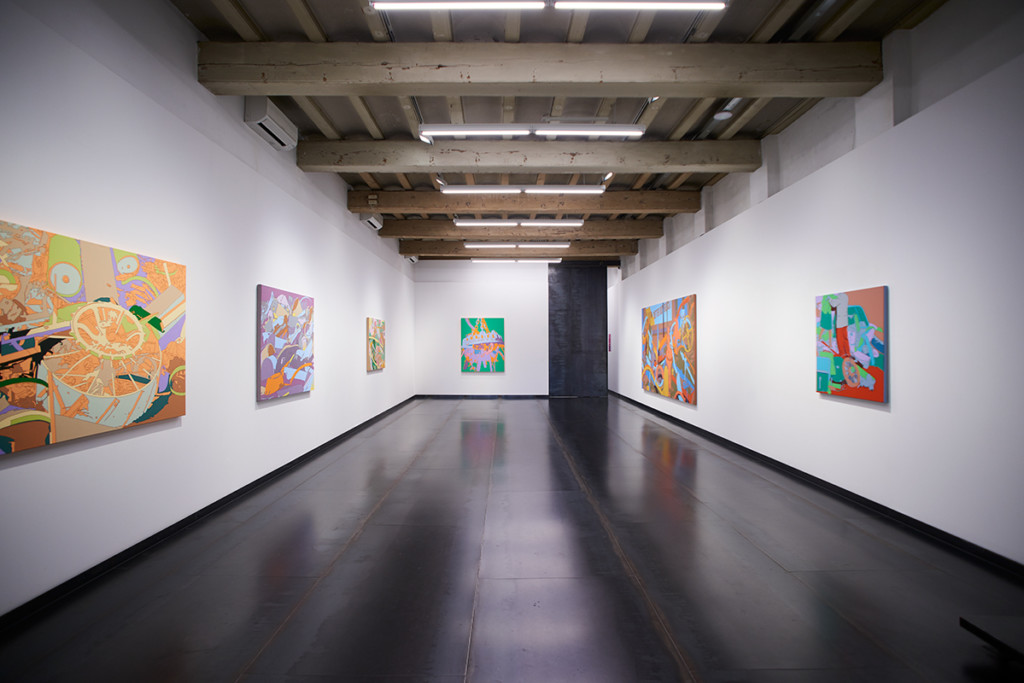
Exhibition view, "Desplazamientos", galeria Senda, 2025
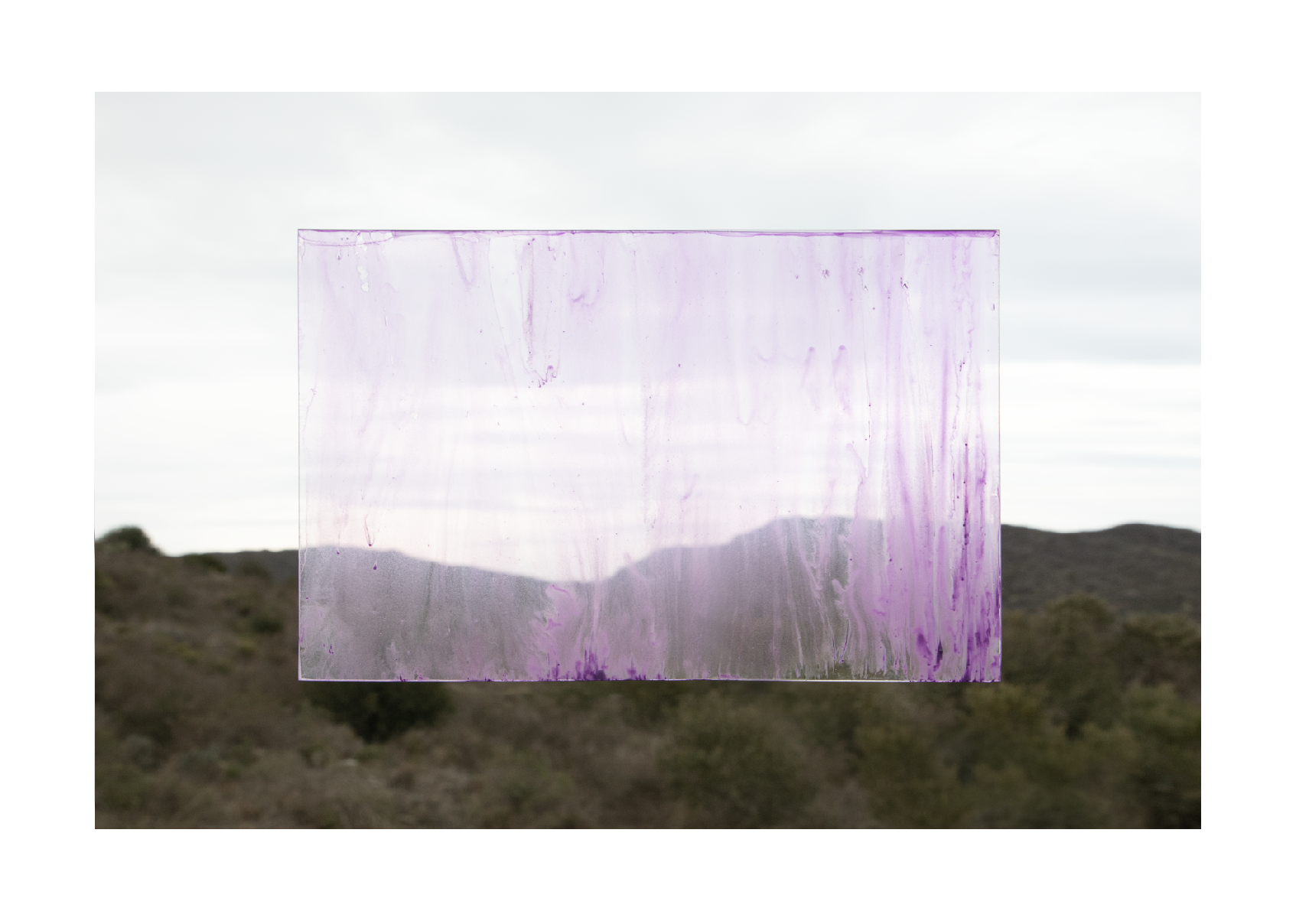
Anna Malagrida, Paisaje #2, 2025 72 × 100 cm – Print on Hahnemühle FineArt cotton paper
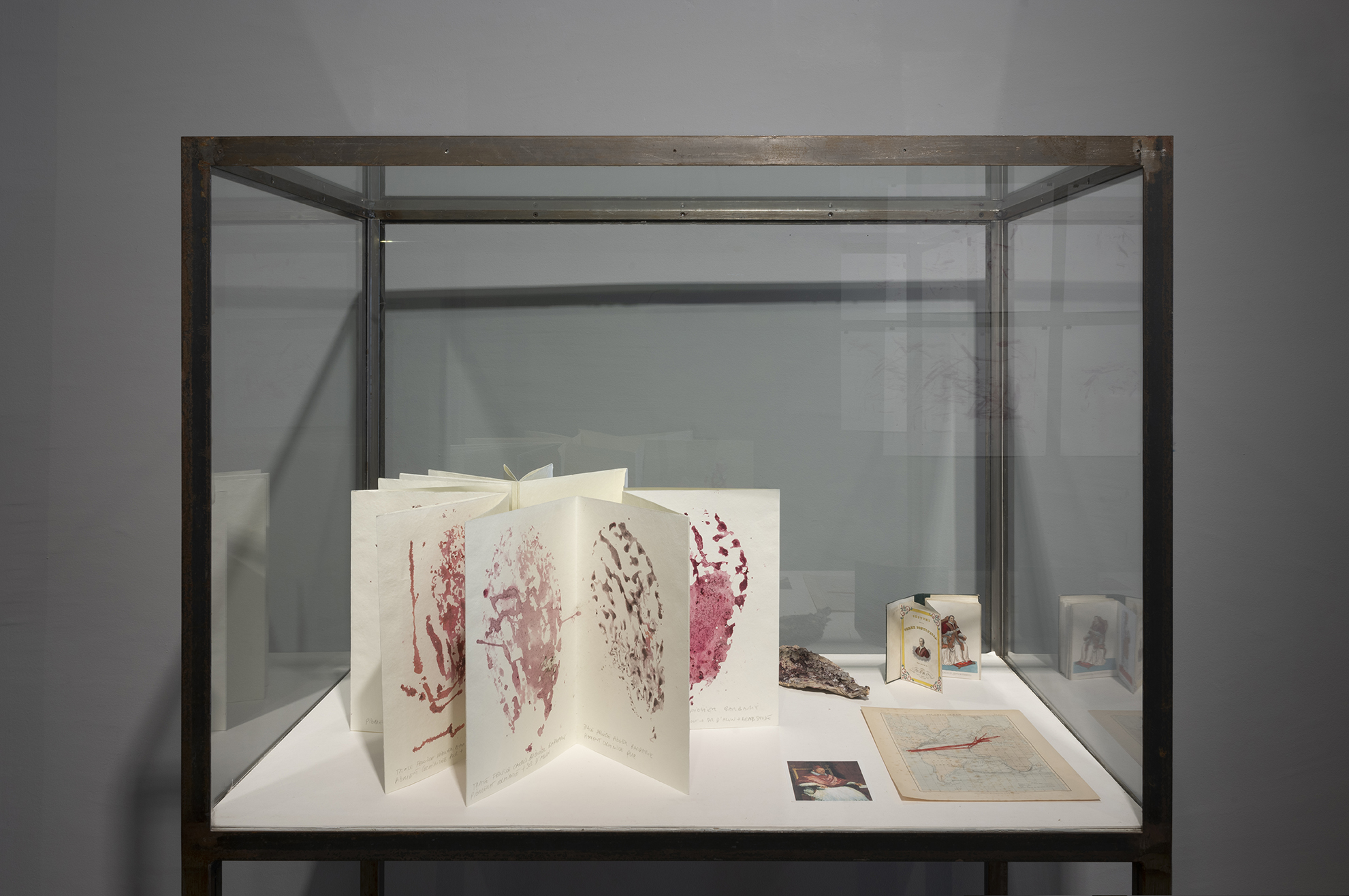
Exhibition view, "Desplazamientos", galeria Senda, 2025
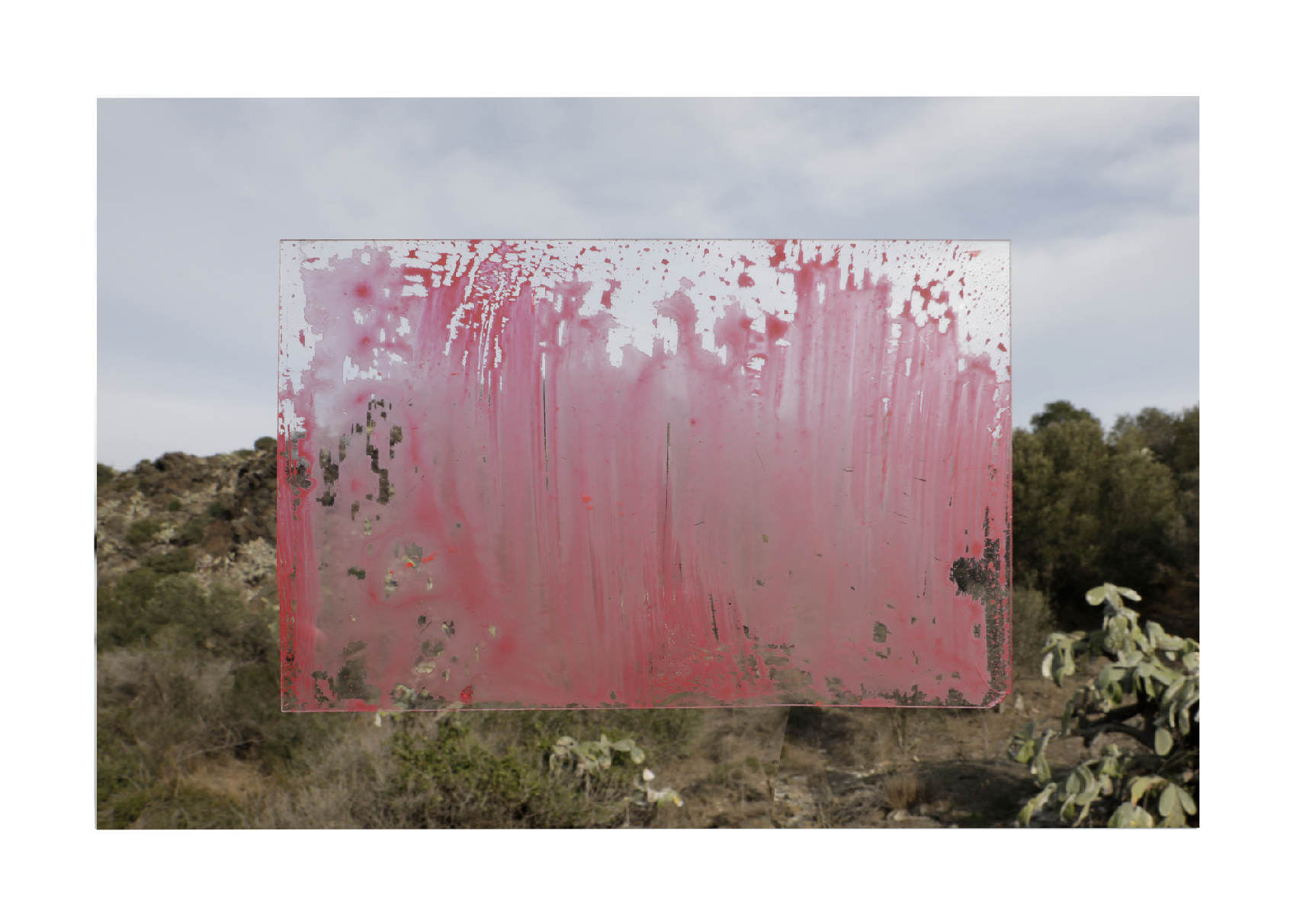
Anna Malagrida, Paisaje #3, 2025 72 × 100 cm – Print on Hahnemühle FineArt cotton paper
Exhibition view, "Desplazamientos", galeria Senda, 2025
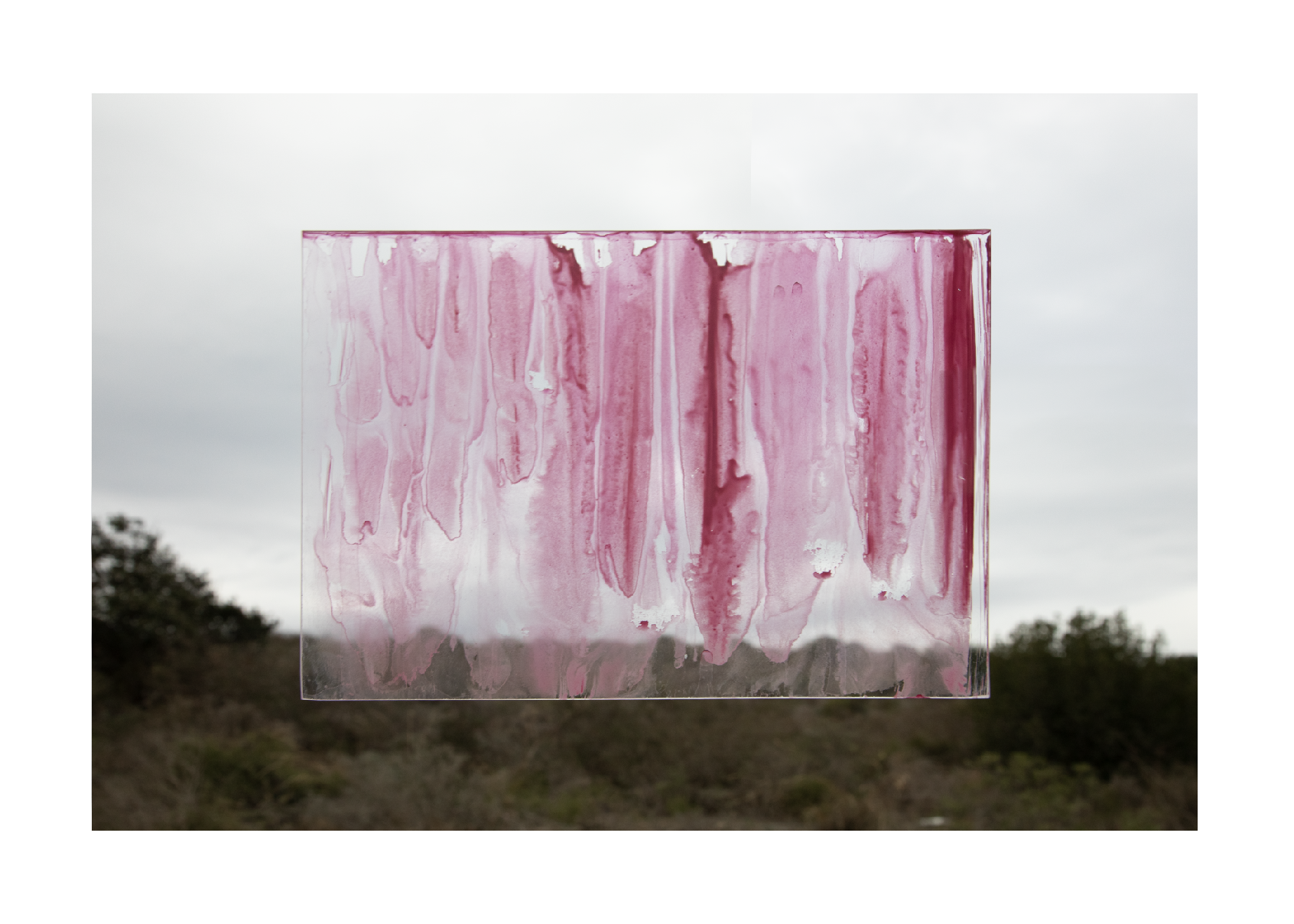
Anna Malagrida, Paisaje #4, 2025 72 × 100 cm – Print on Hahnemühle FineArt cotton paper
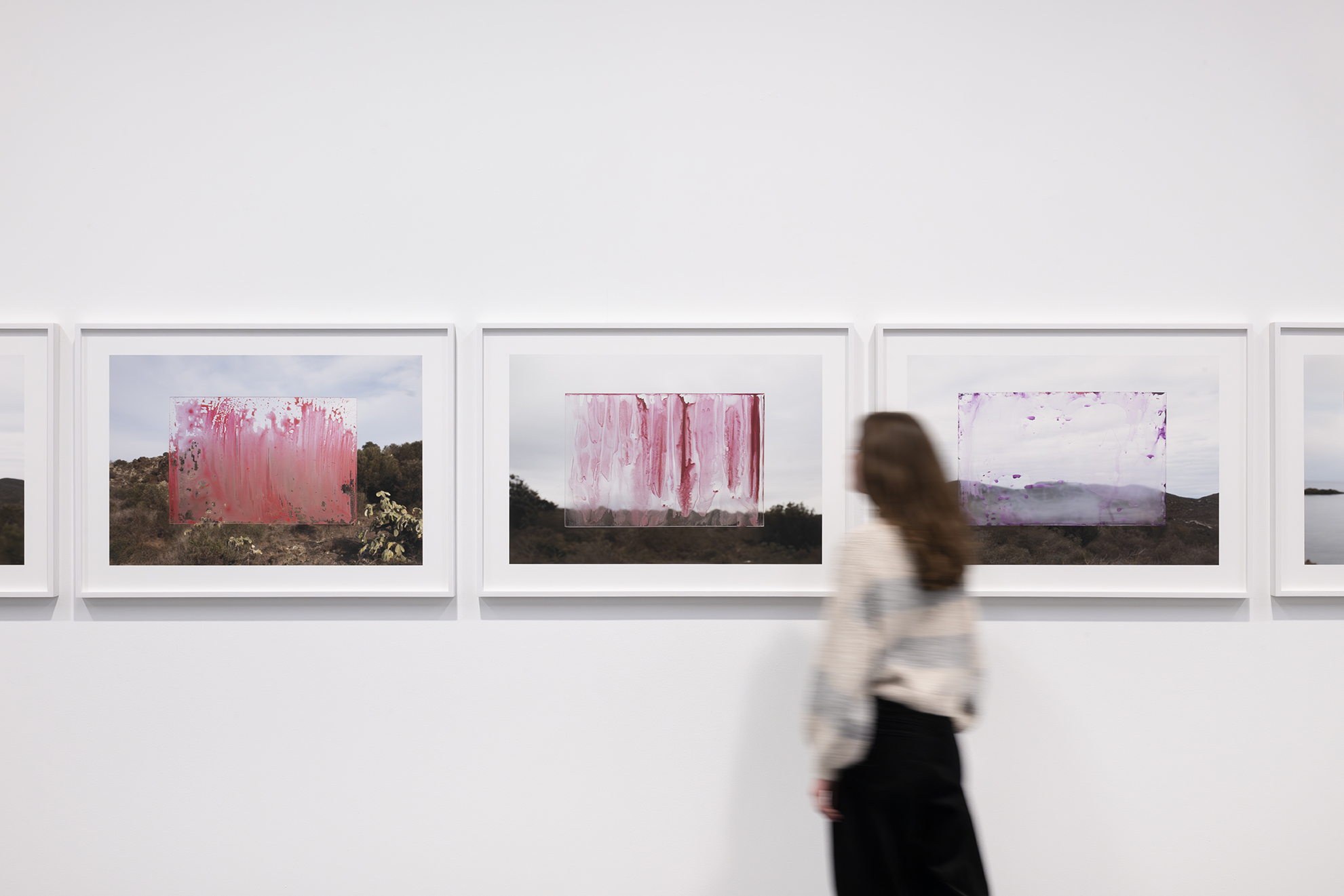
Exhibition view, "Desplazamientos", galeria Senda, 2025
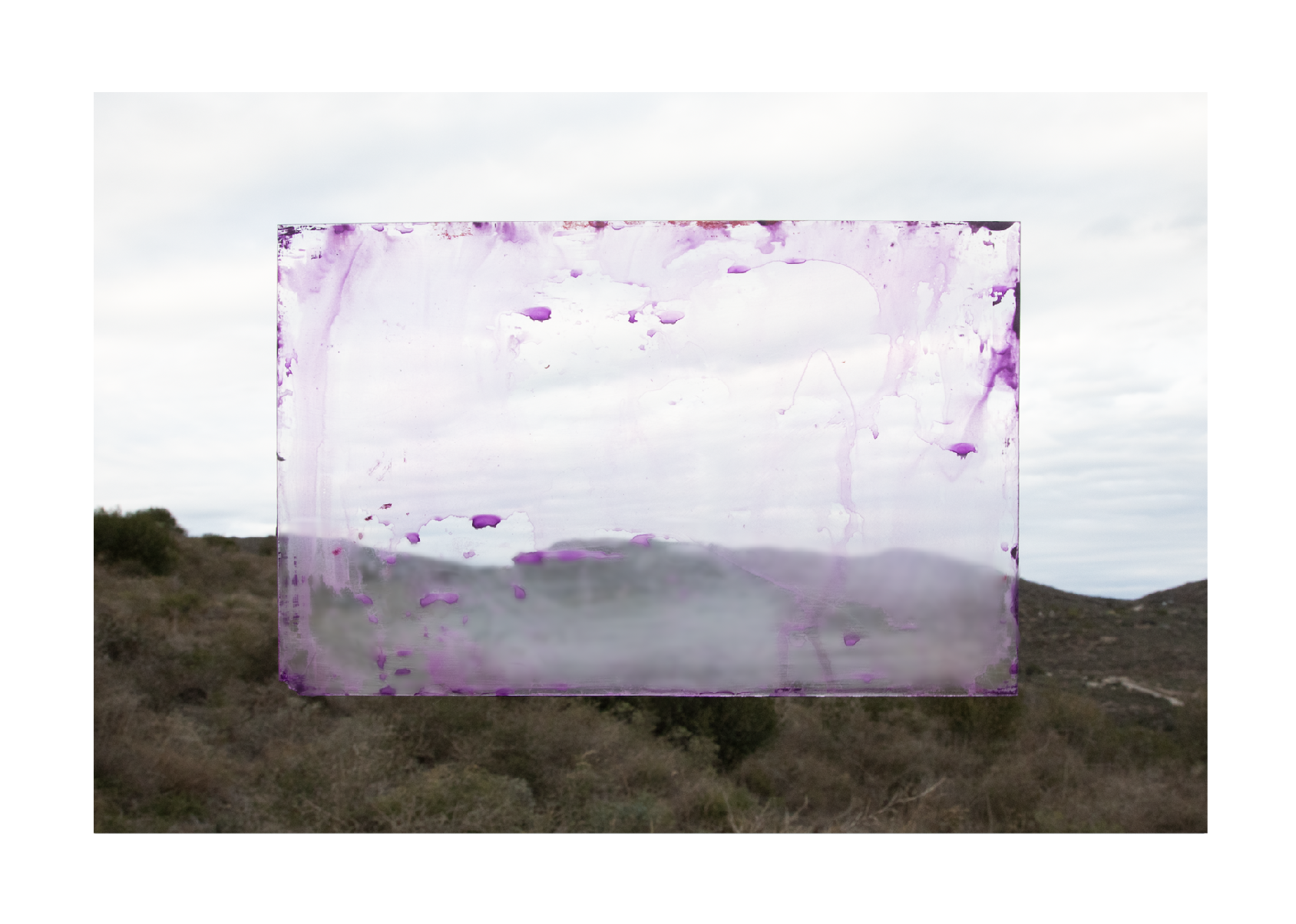
Anna Malagrida, Paisaje #5, 2025 72 × 100 cm – Print on Hahnemühle FineArt cotton paper
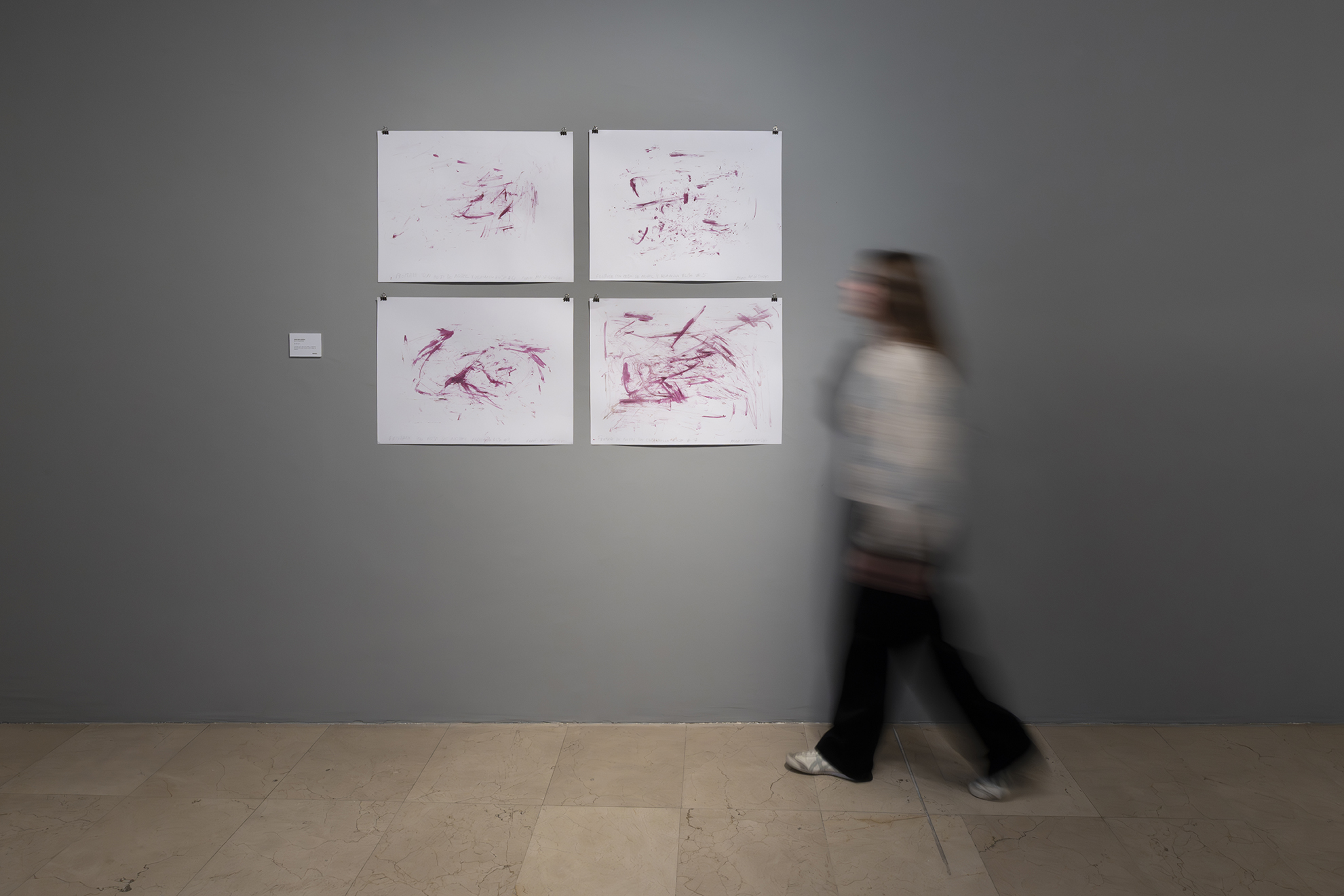
Exhibition view, "Desplazamientos", galeria Senda, 2025
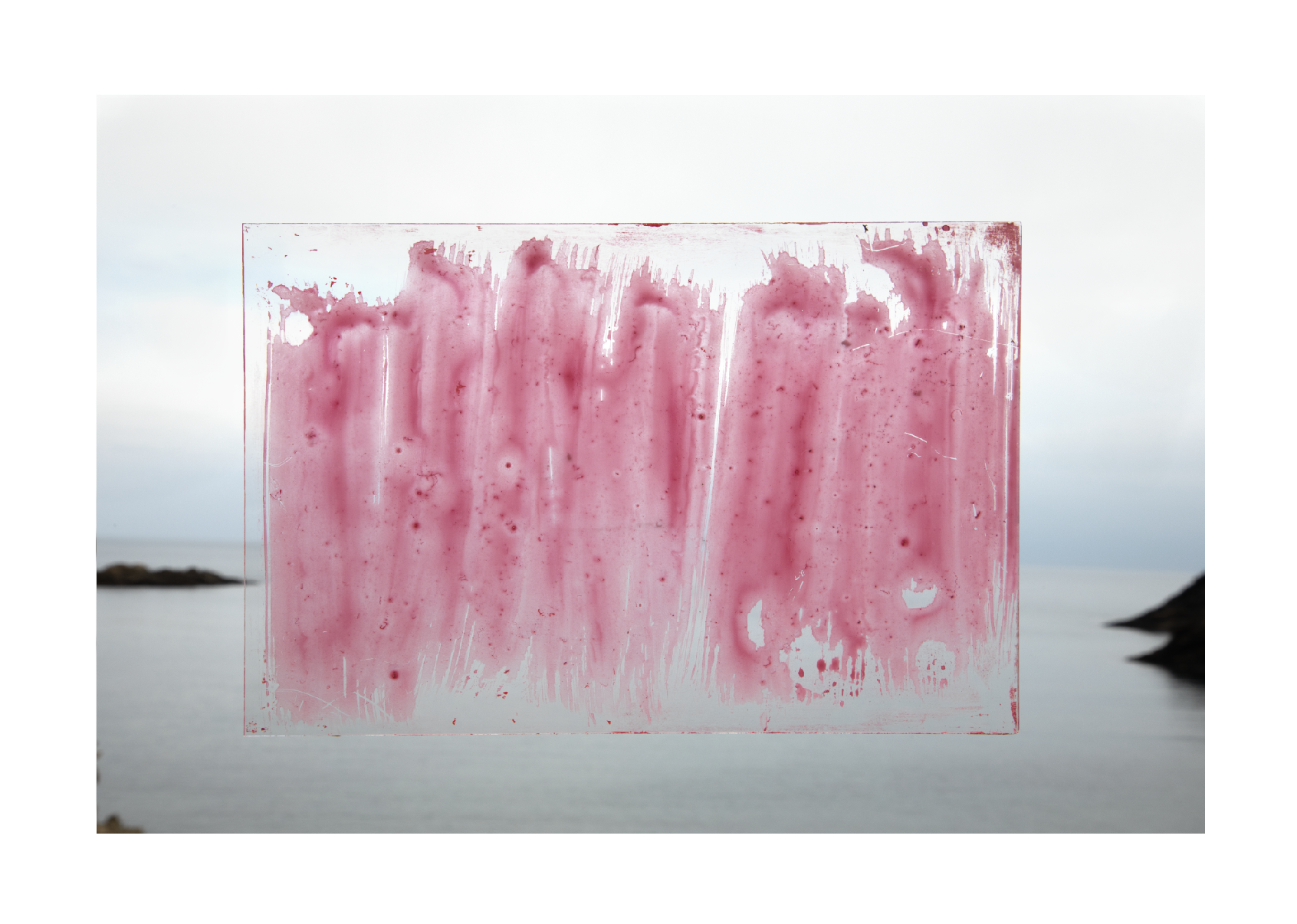
"Paisaje #6", Anna Malagrida
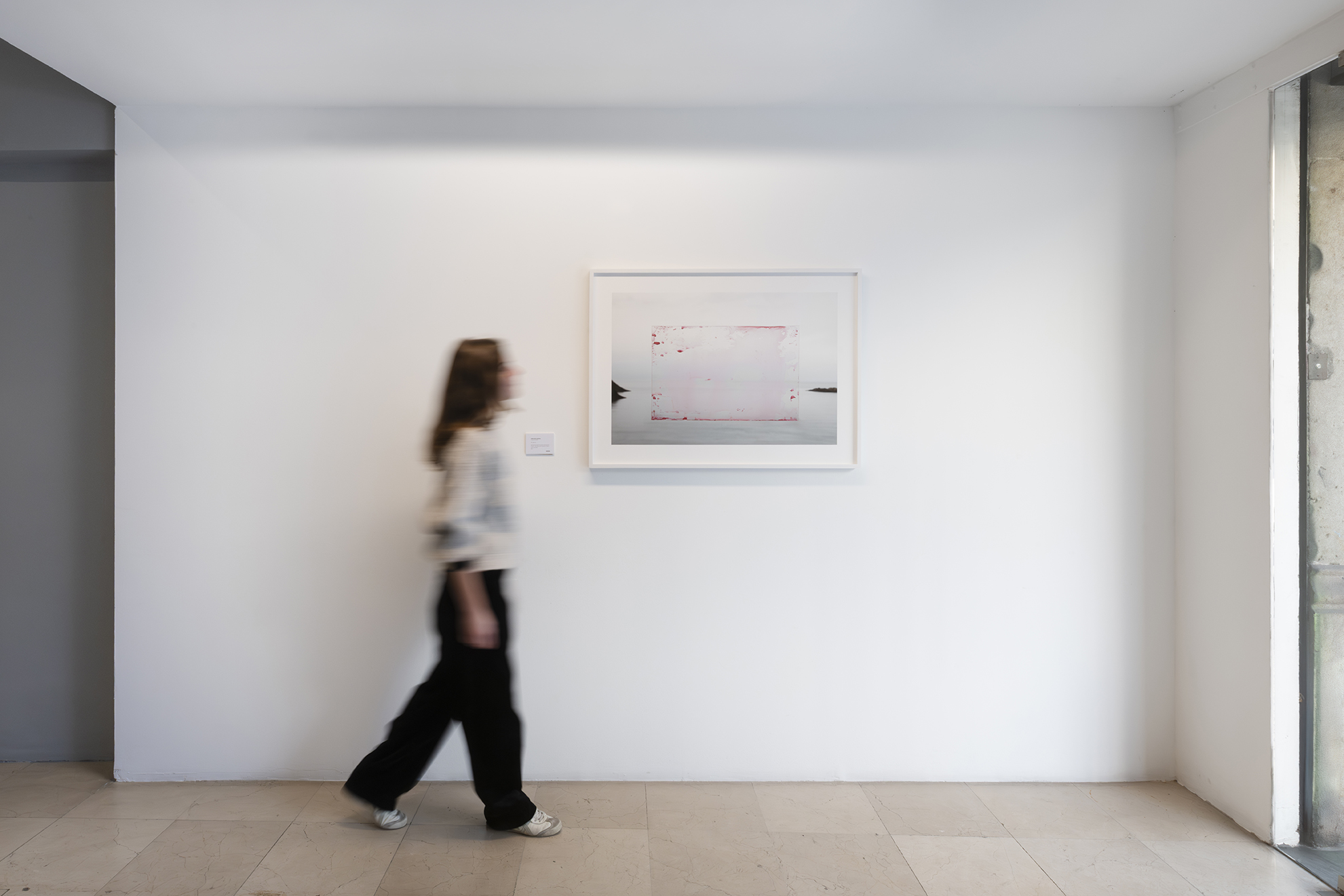
Exhibition view, "Desplazamientos", galeria Senda, 2025
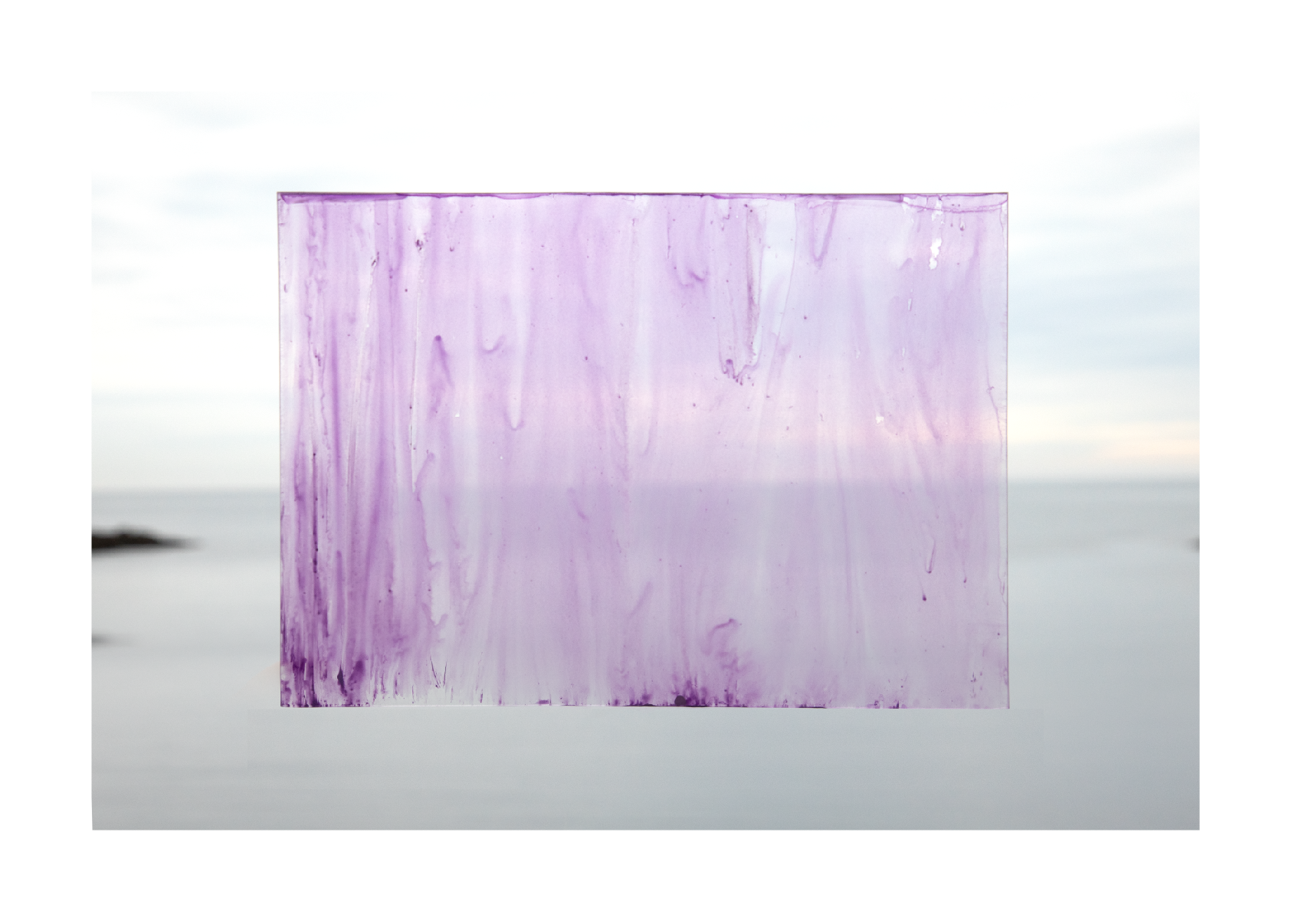
Anna Malagrida, Paisaje #7, 2025 72 × 100 cm – Print on Hahnemühle FineArt cotton paper
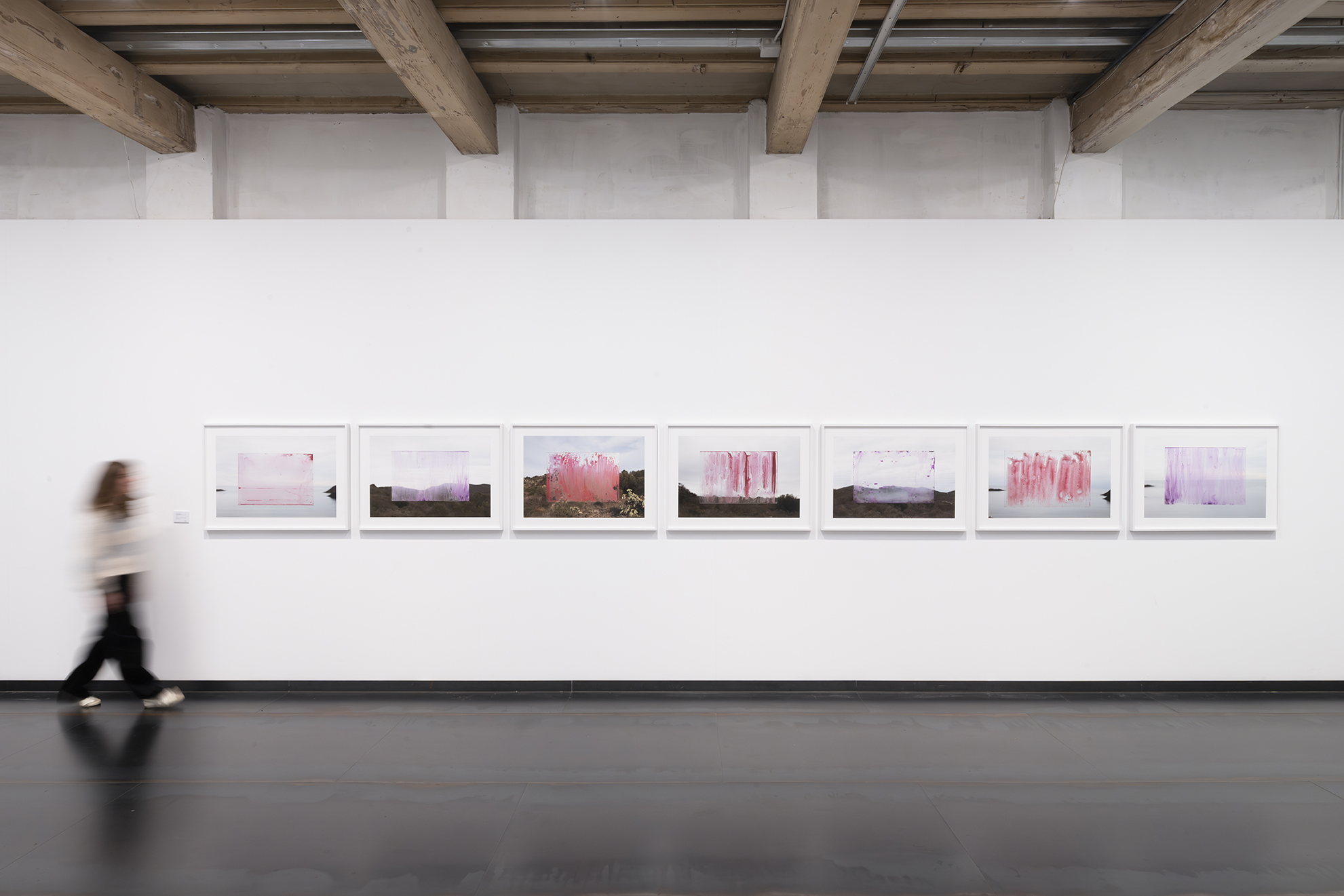
Exhibition view, "Desplazamientos", galeria Senda, 2025
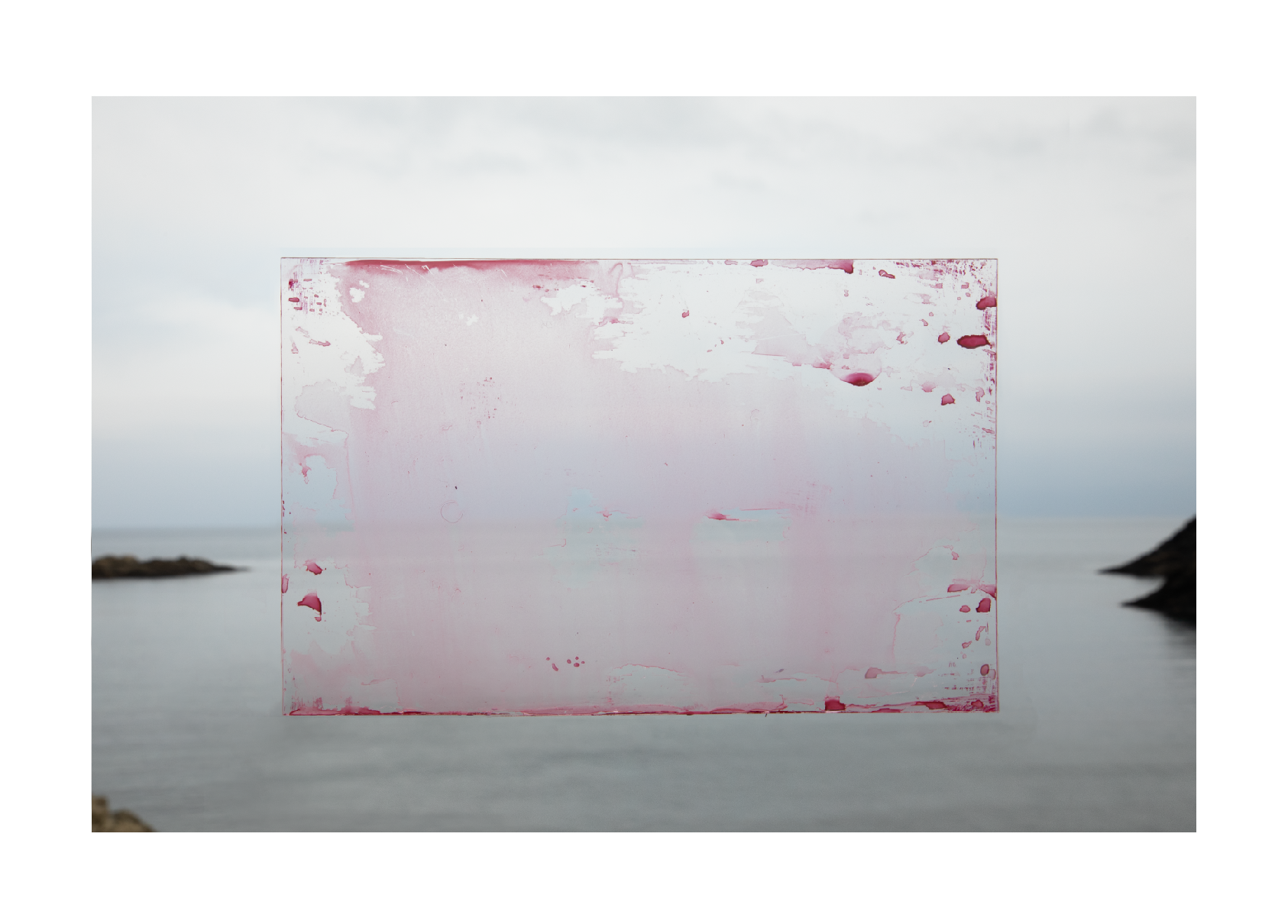
Anna Malagrida, Paisaje #8, 2025 72 × 100 cm – Print on Hahnemühle FineArt cotton paper
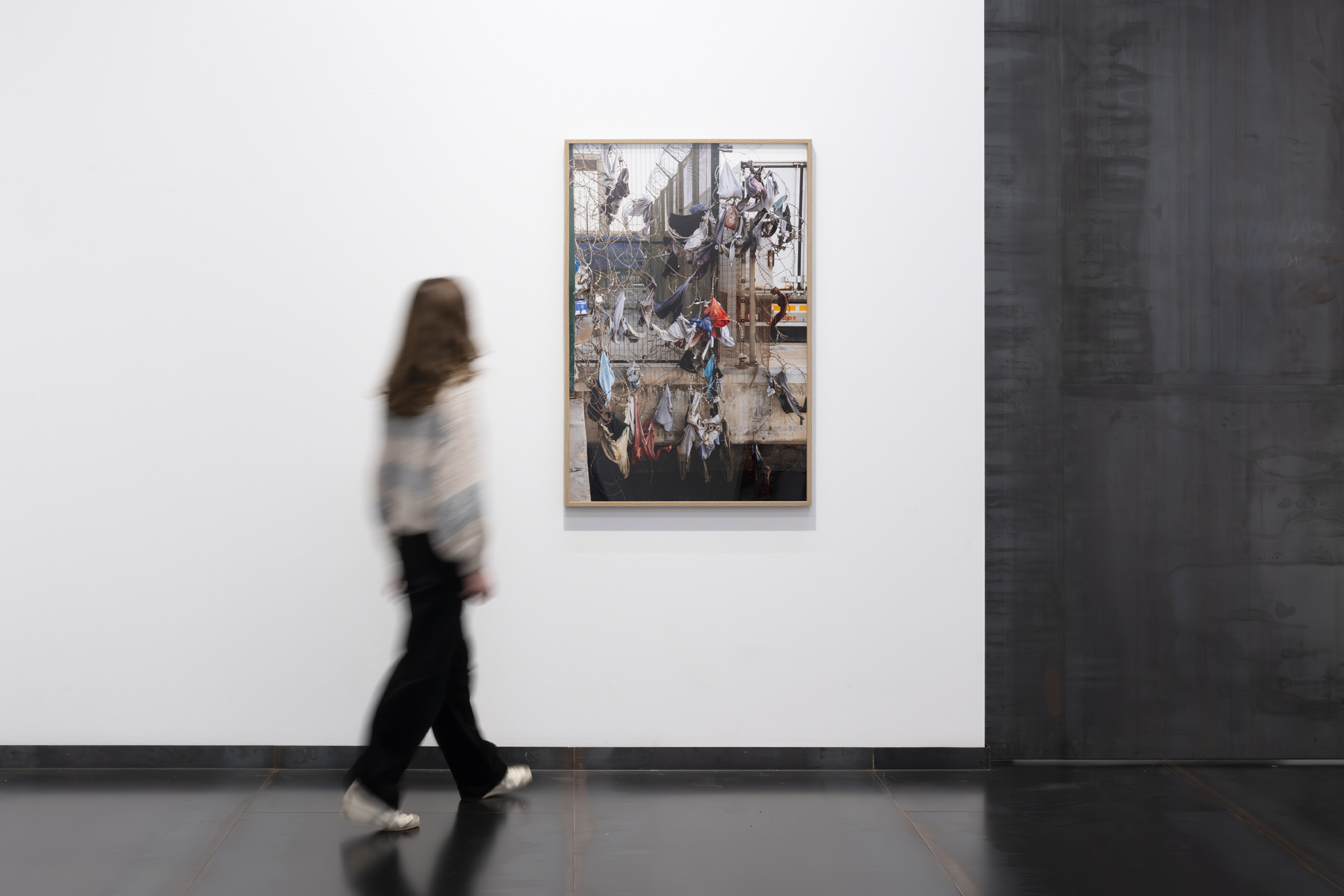
Exhibition view, "Desplazamientos", galeria Senda, 2025
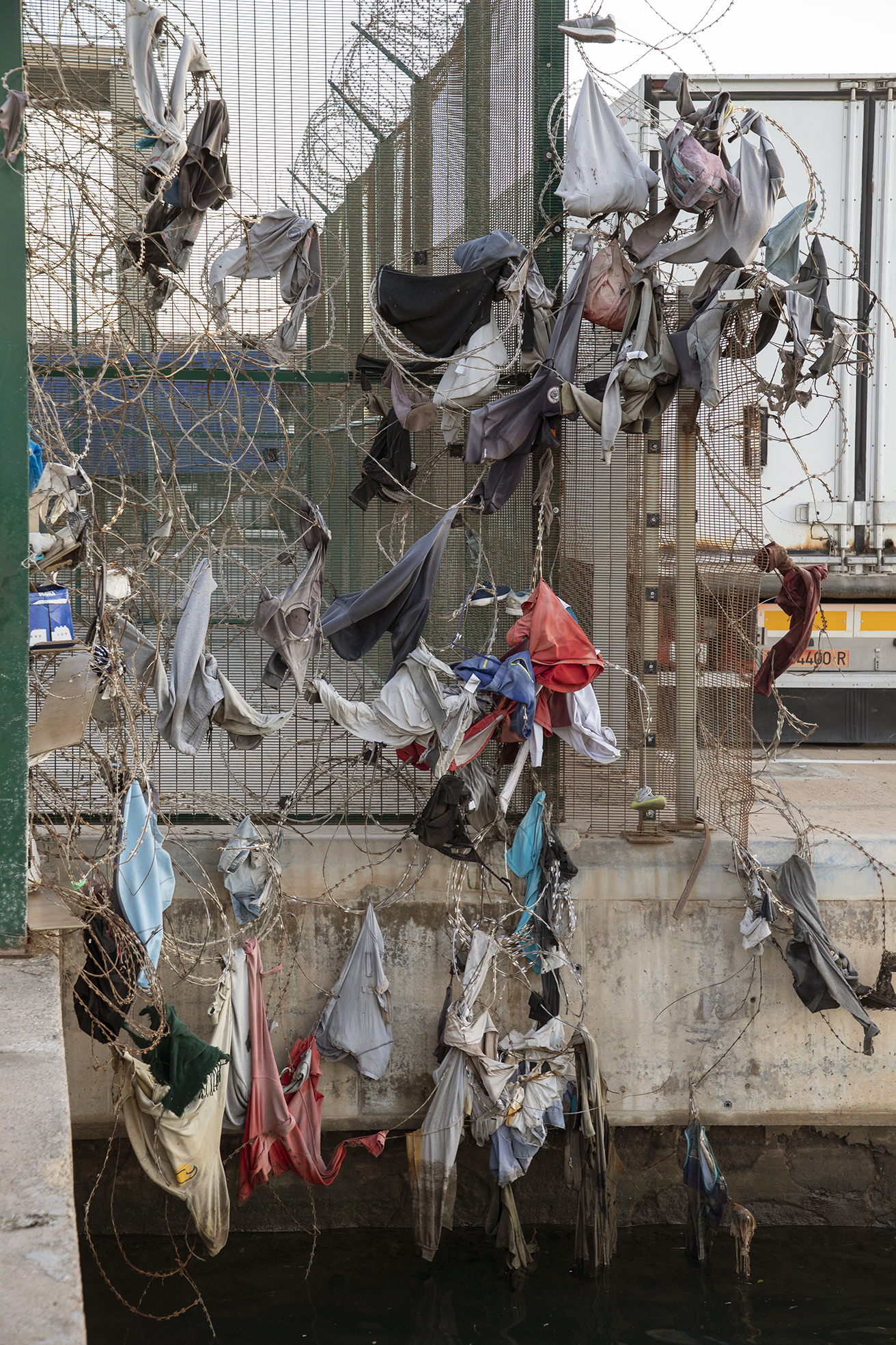
Mathieu Pernot, Melilla, 2022 84 × 120 cm – Inkjet print on baryta paper
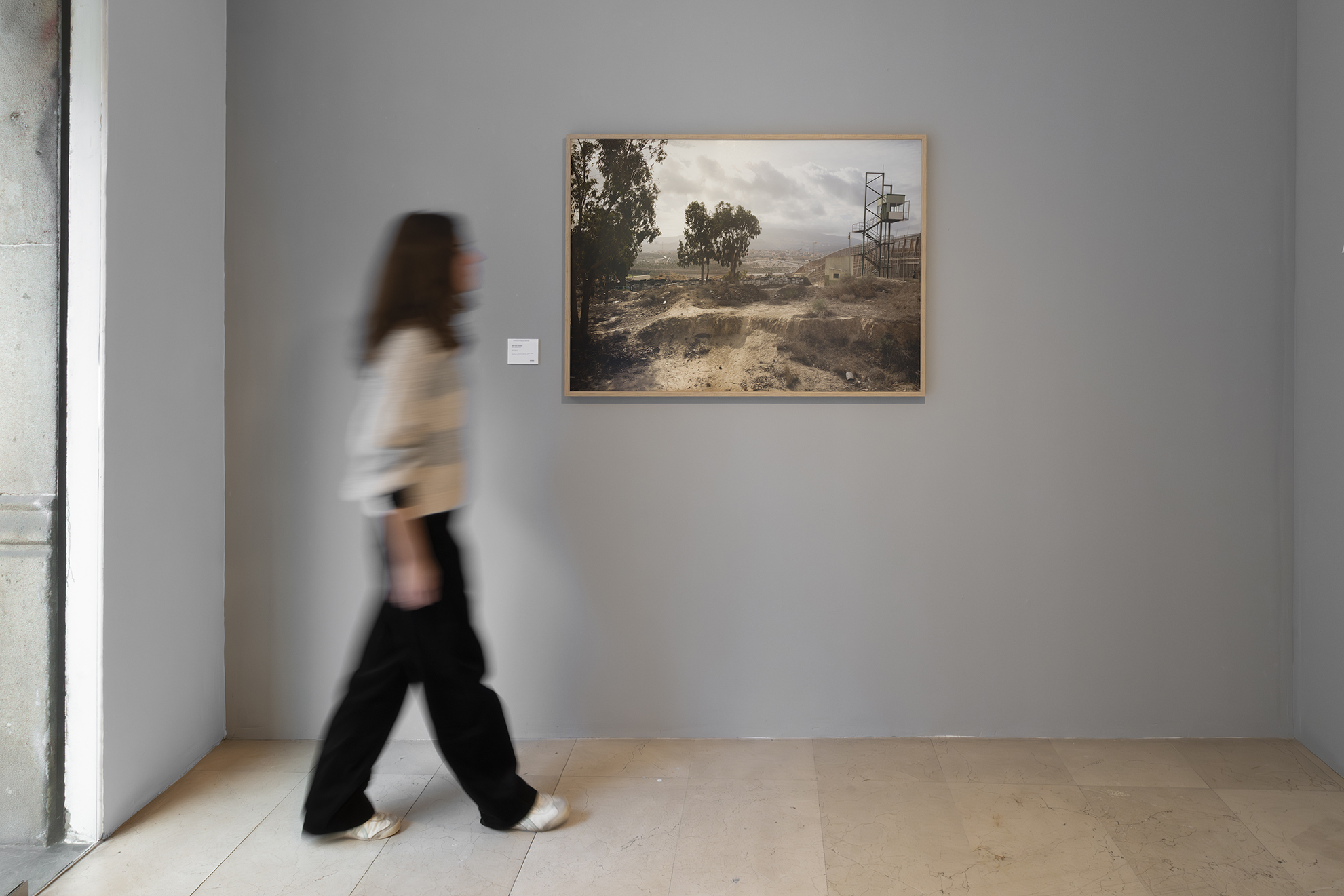
Exhibition view, "Desplazamientos", galeria Senda, 2025
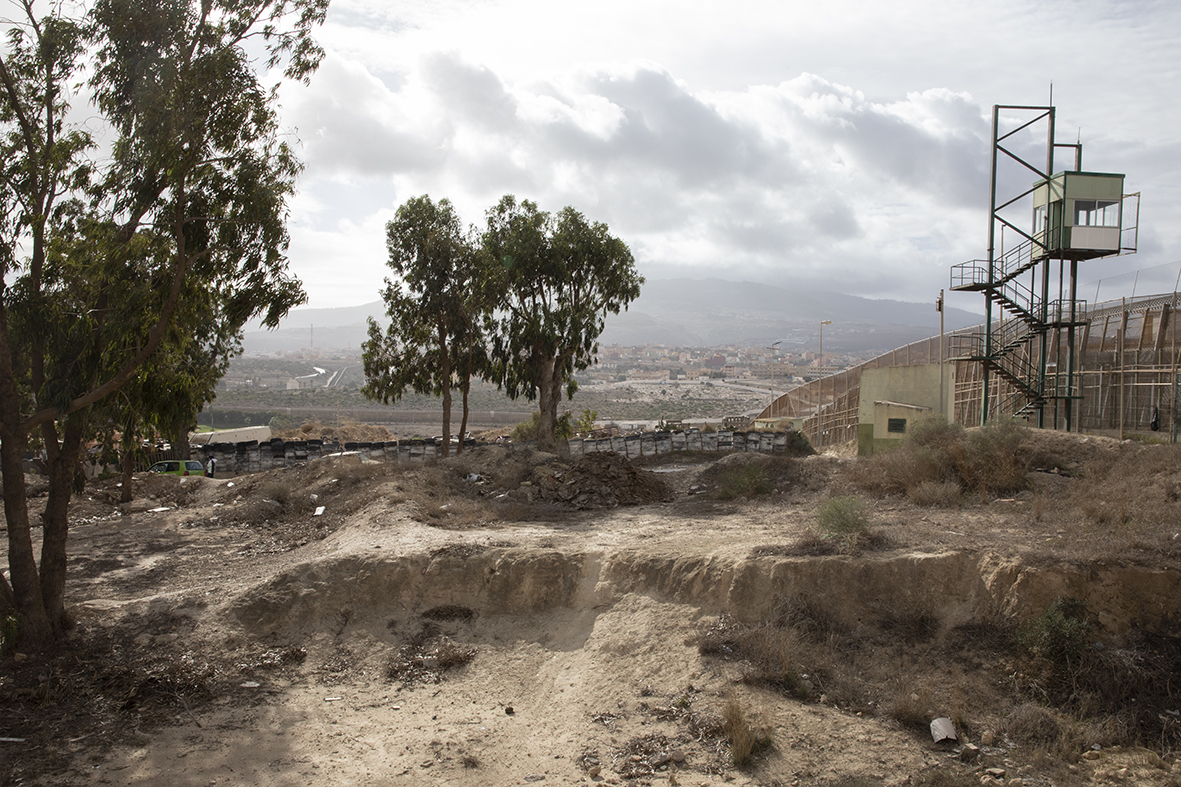
Mathieu Pernot, Melilla, 2022 84 × 120 cm – Inkjet print on baryta paper
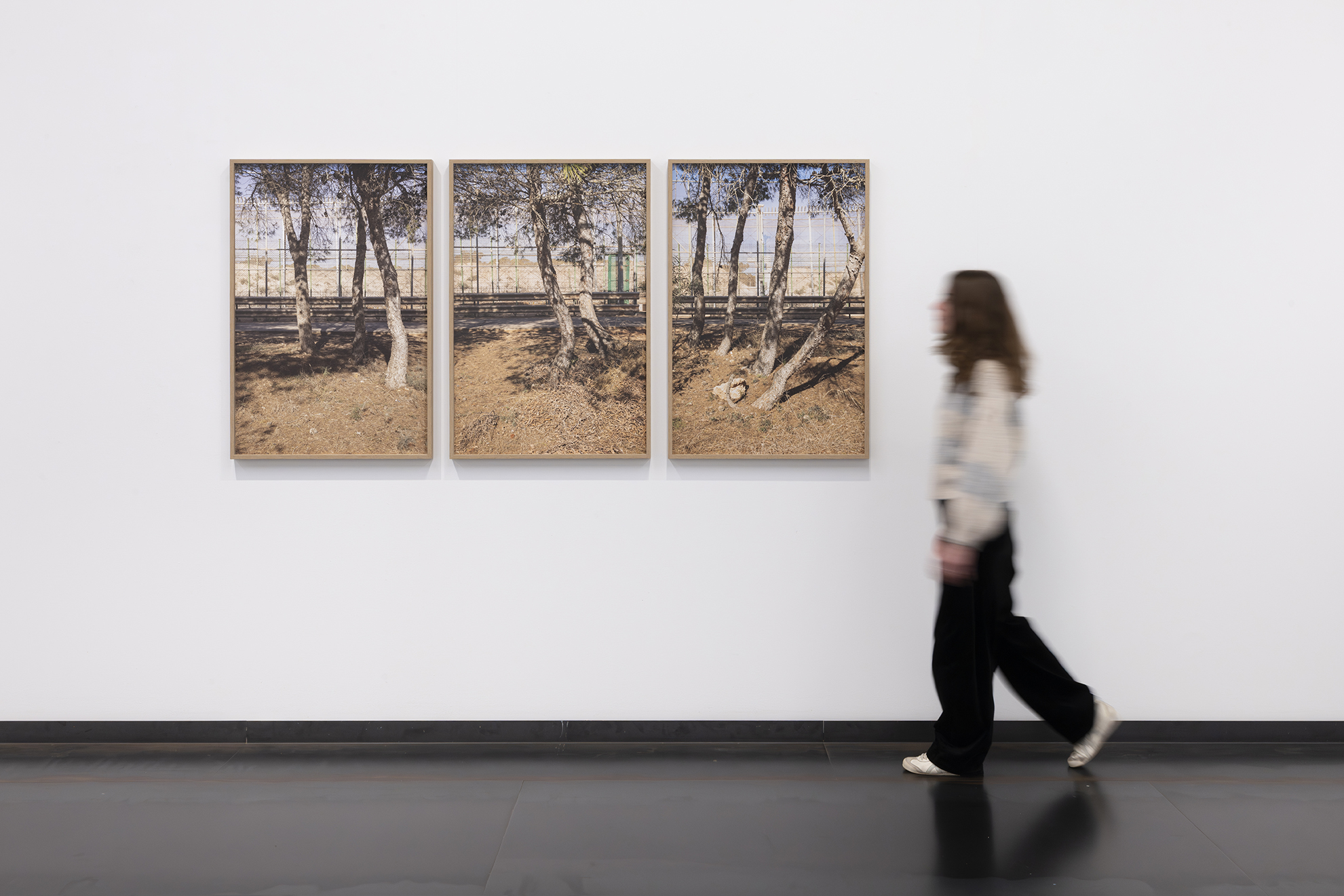
Exhibition view, "Desplazamientos", galeria Senda, 2025
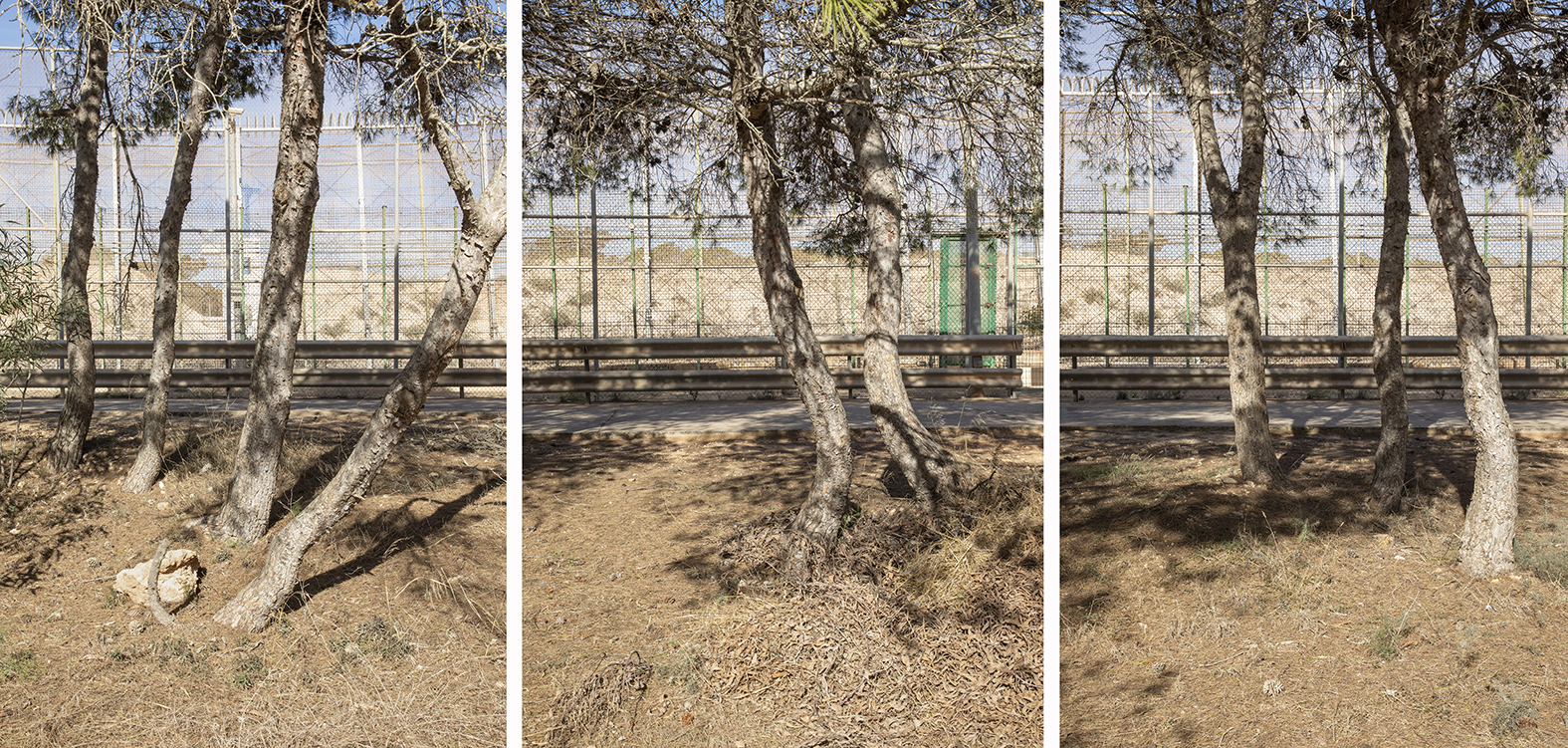
Mathieu Pernot, Melilla, 2022 84 × 120 cm – Inkjet print on baryta paper
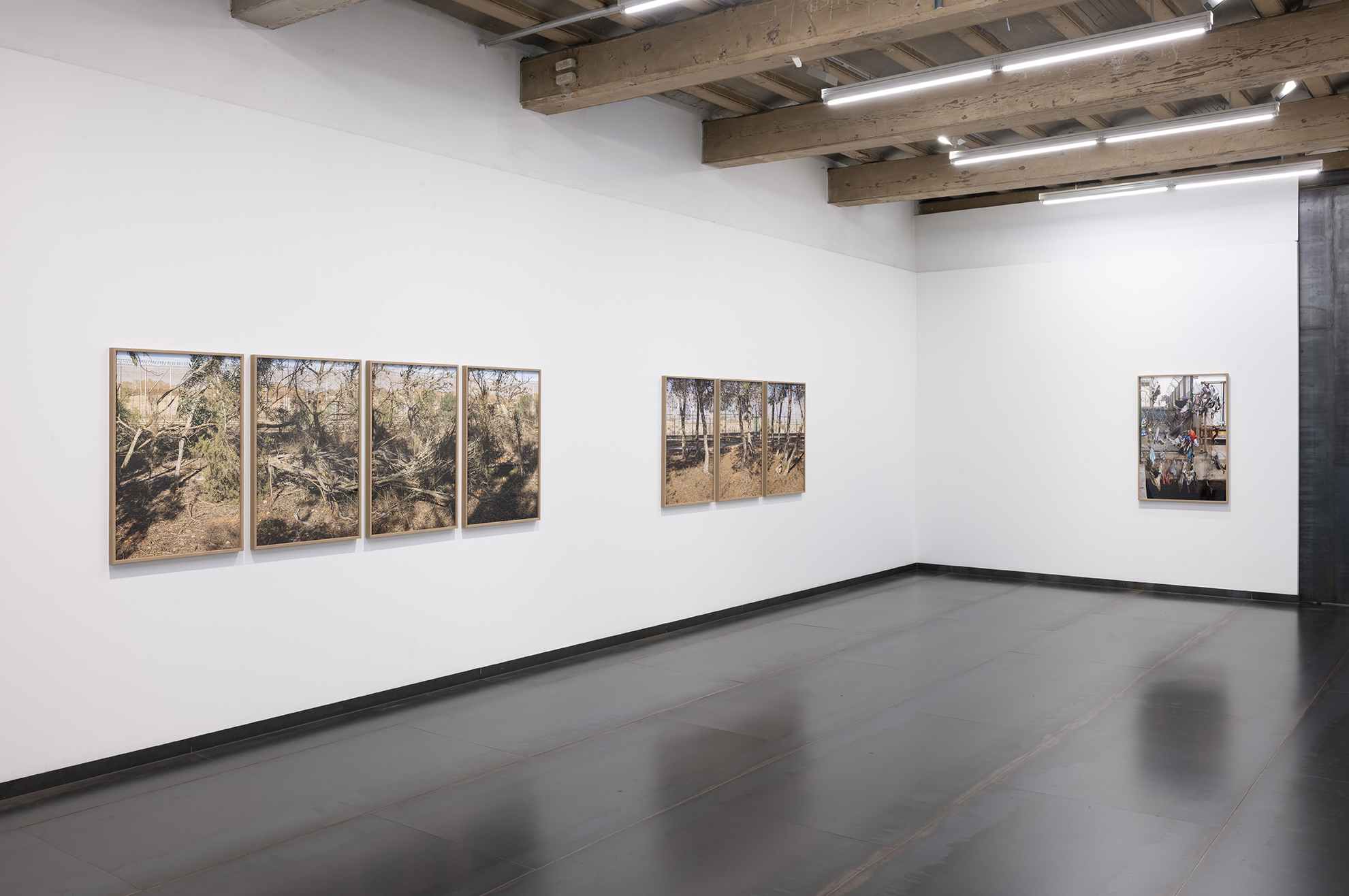
Exhibition view, "Desplazamientos", galeria Senda, 2025