






- No products in the cart.
Share:
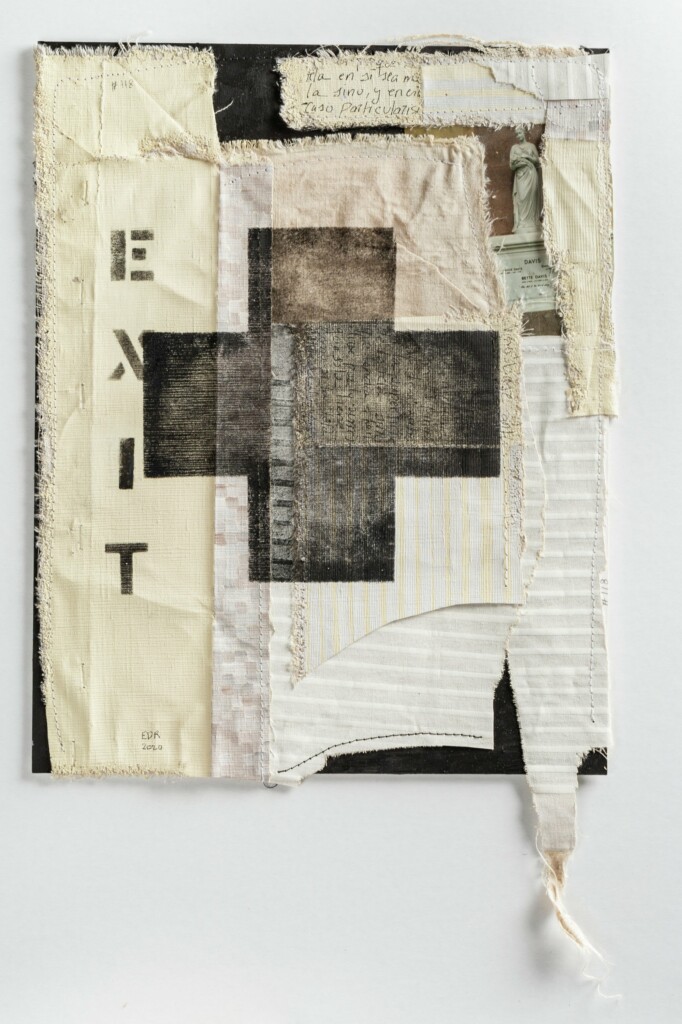
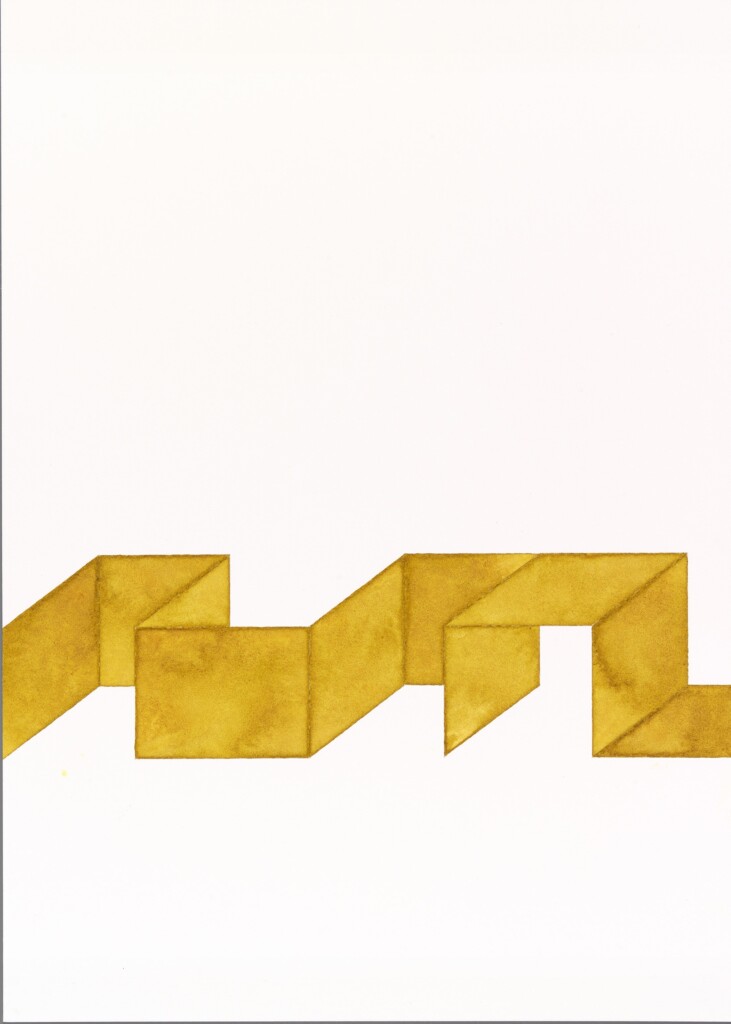
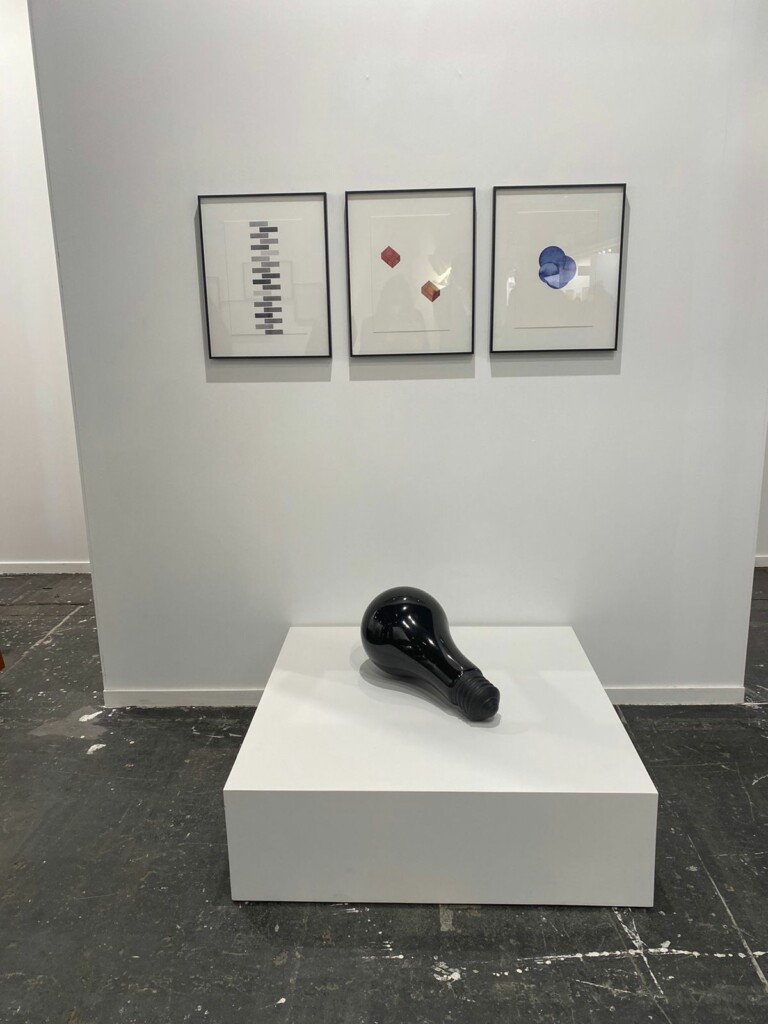
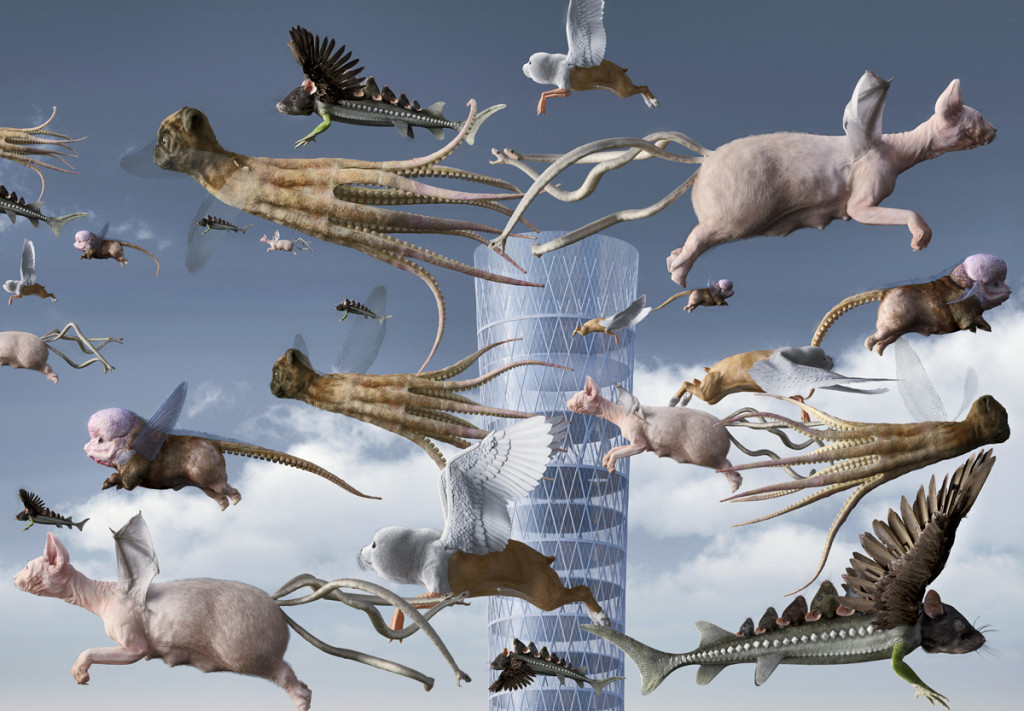
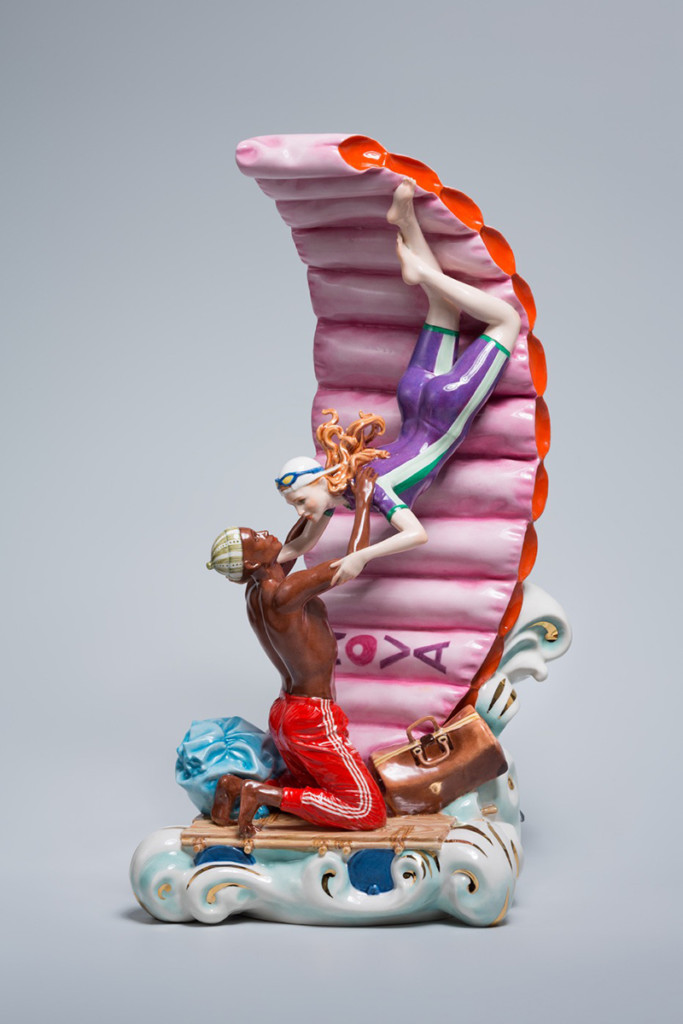
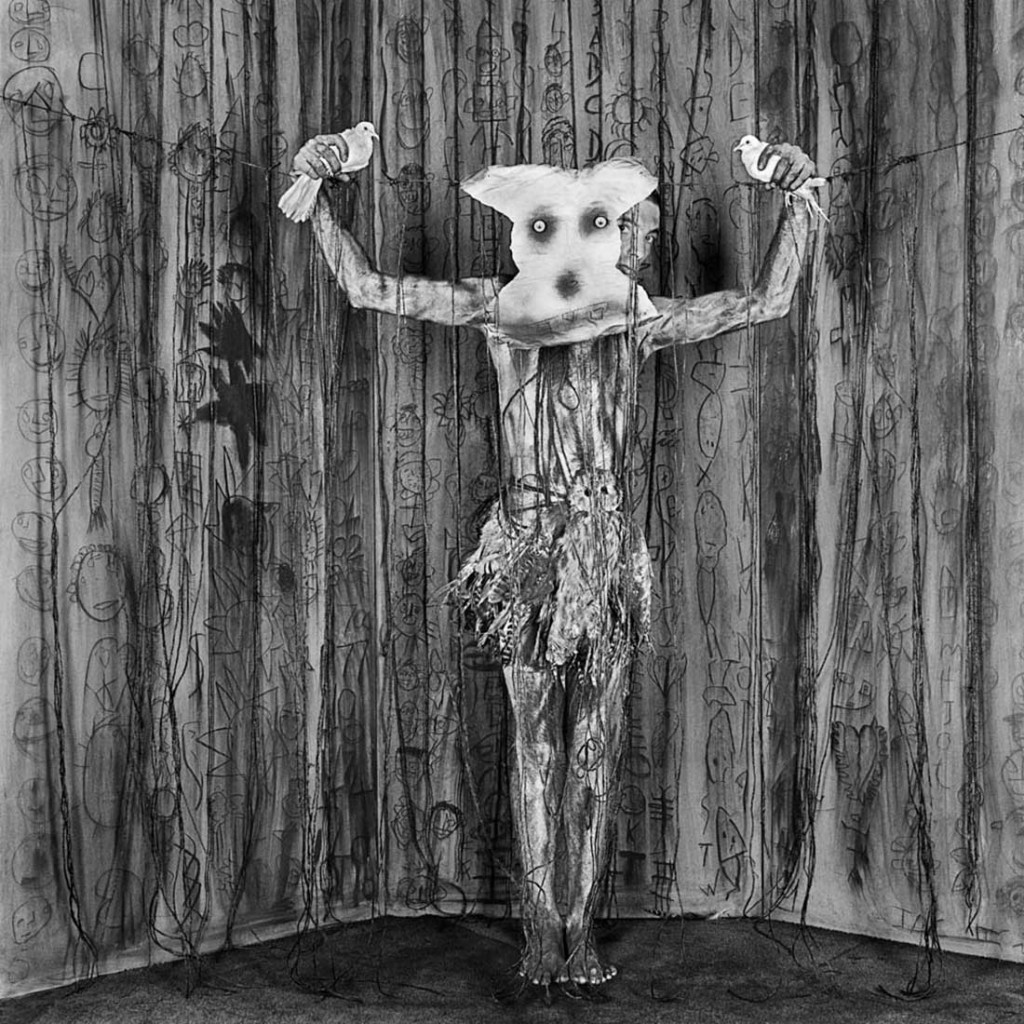
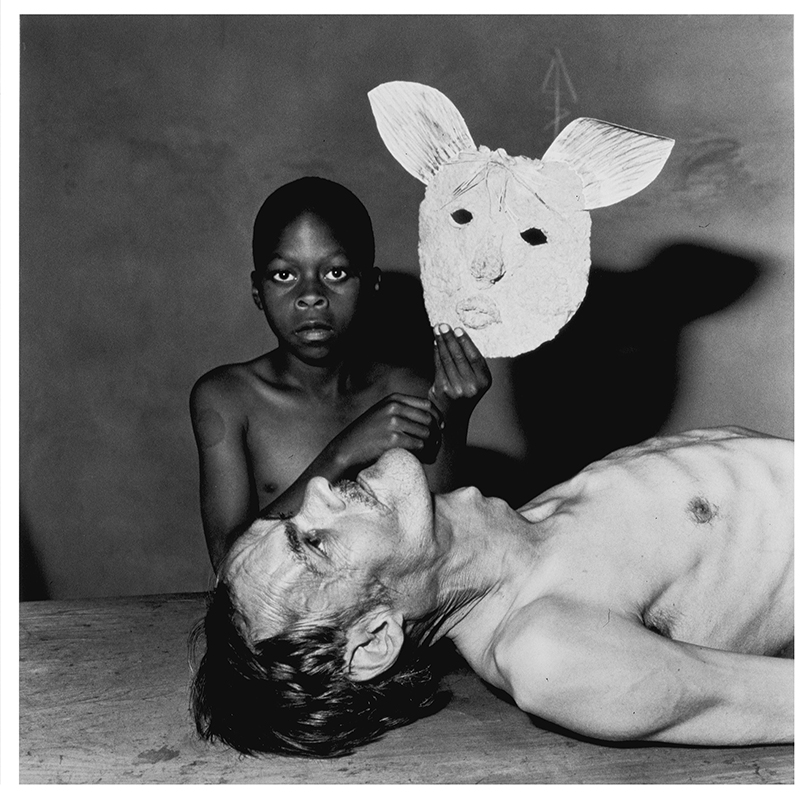
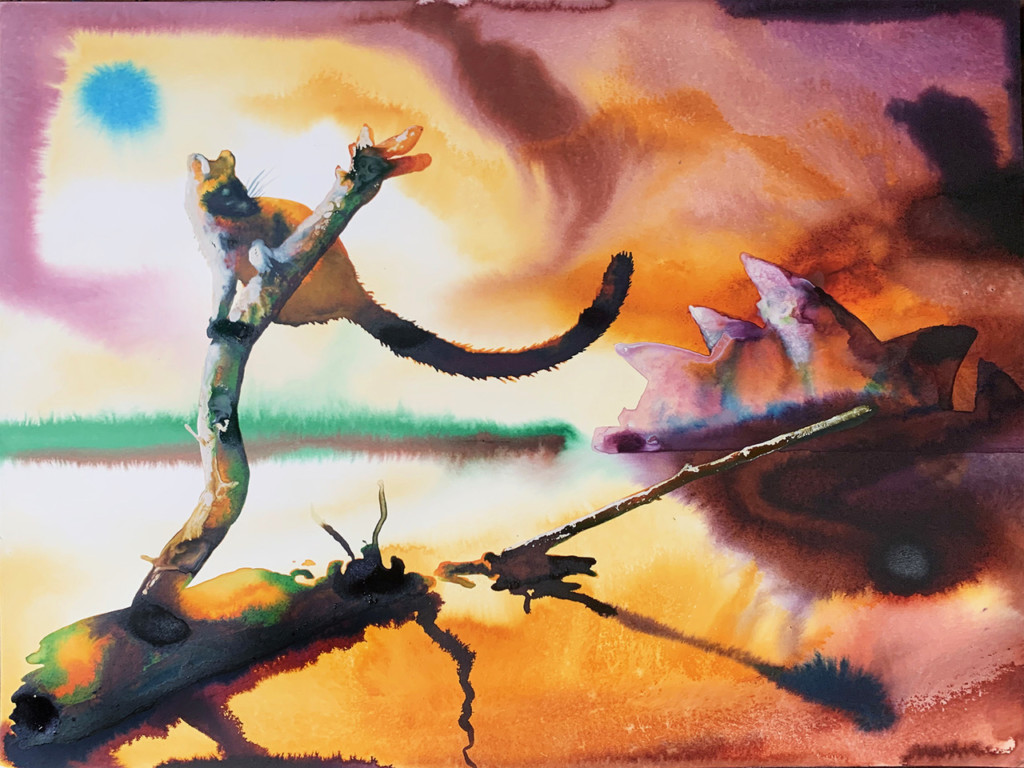
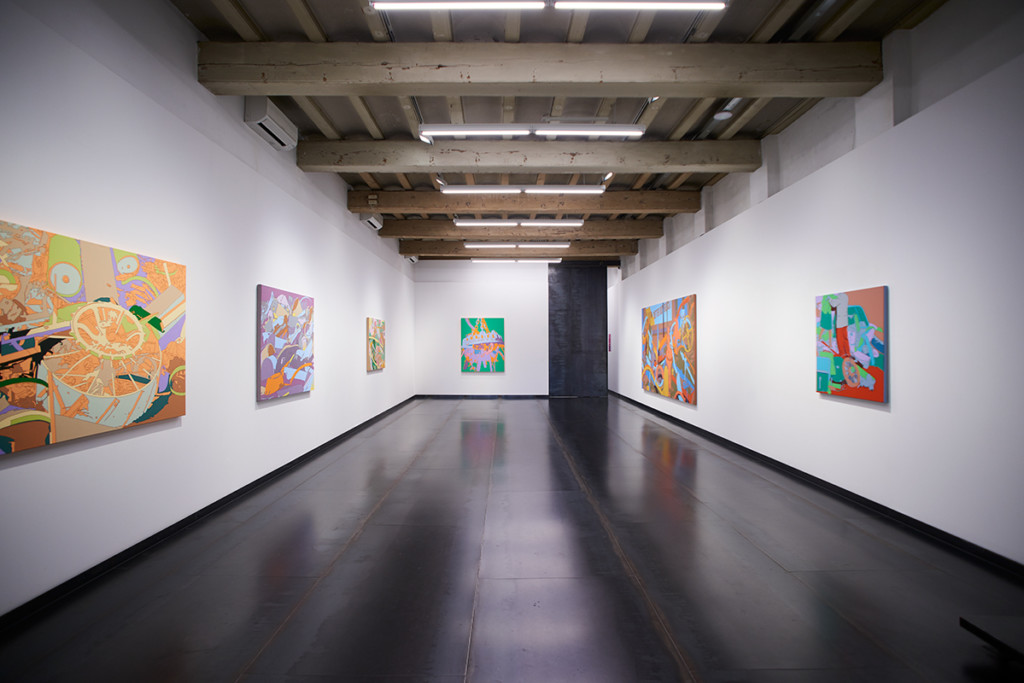
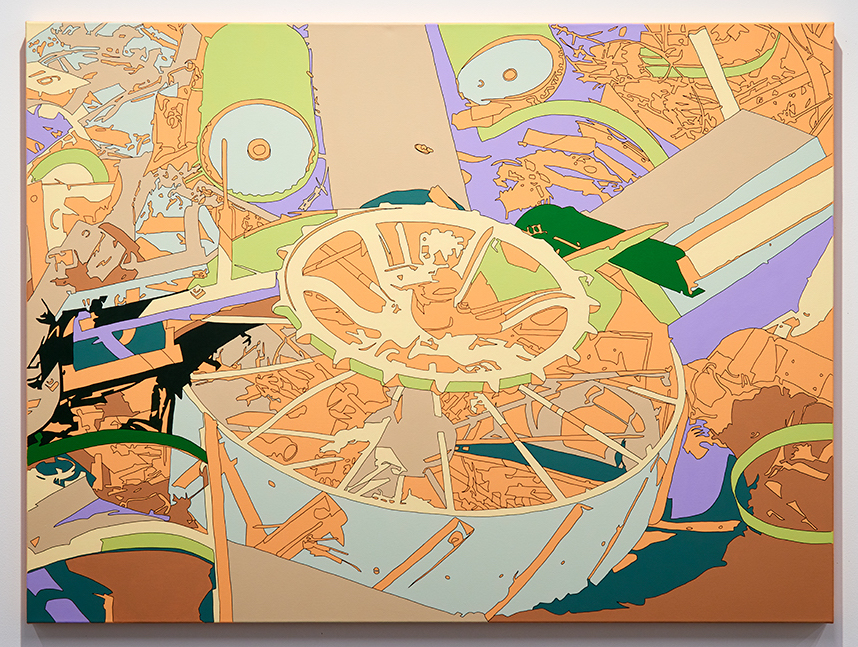
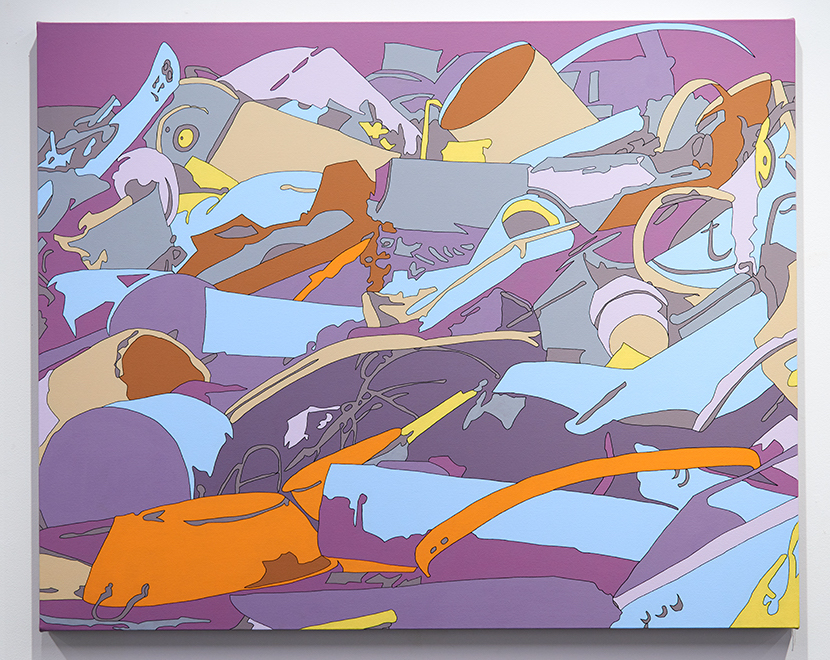
On 30 September, SOLO Contemporary and Galeria SENDA present Hybrid Creatures, a group exhibition at Movimiento 37 bringing together works by Gonzalo Guzmán, Sandra Vásquez de la Horra and Evru/Zush.
The exhibition proposes a journey through three artistic universes in which forms exist in a state of permanent transformation. Through sculpture, drawing and the creation of symbolic systems, the artists question the boundaries separating the human from the animal, the organic from the artificial, material experience from dream, and reality from imagination.
The title of the exhibition refers to a long tradition of images constructed through mixture, metamorphosis and displacement. In 1844, the French illustrator Jean-Ignace-Isidore Grandville published Un autre monde, a book populated by impossible beings, animated objects and creatures combining human, animal and vegetal characteristics. More than a century later, Max Ernst recognised in those illustrations a mode of thought capable of anticipating some of the central concerns of modern art.
In Hybrid Creatures, this genealogy serves as a point of departure from which to consider how images continue to alter the way we perceive and understand the world. Each of the participating artists approaches hybridity from a different territory: Gonzalo Guzmán works through matter and dream; Sandra Vásquez de la Horra through the body, memory and myth; while Evru/Zush does so through language and the construction of an autonomous cosmology.
Gonzalo Guzmán: sculptures born from dreams
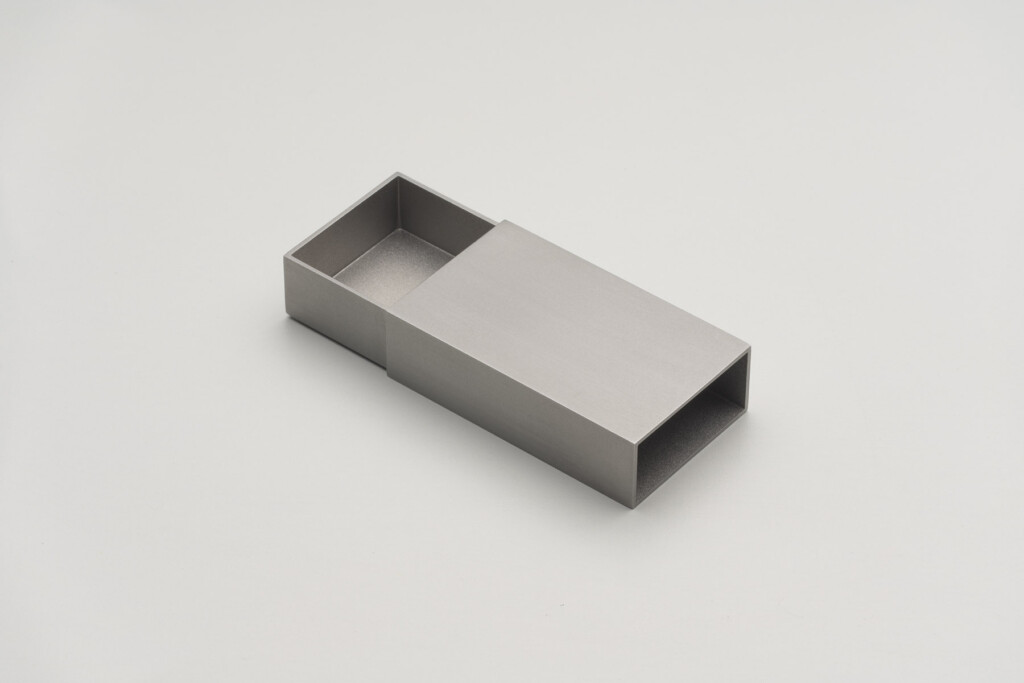
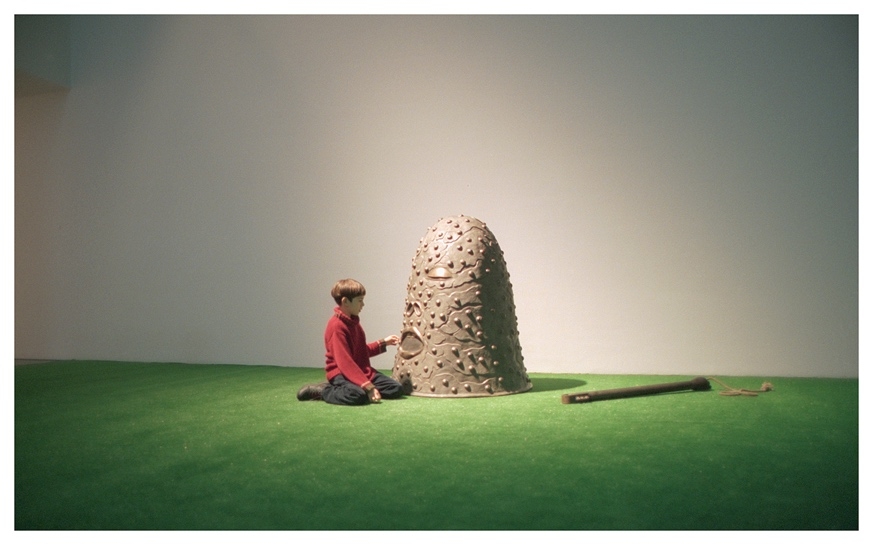
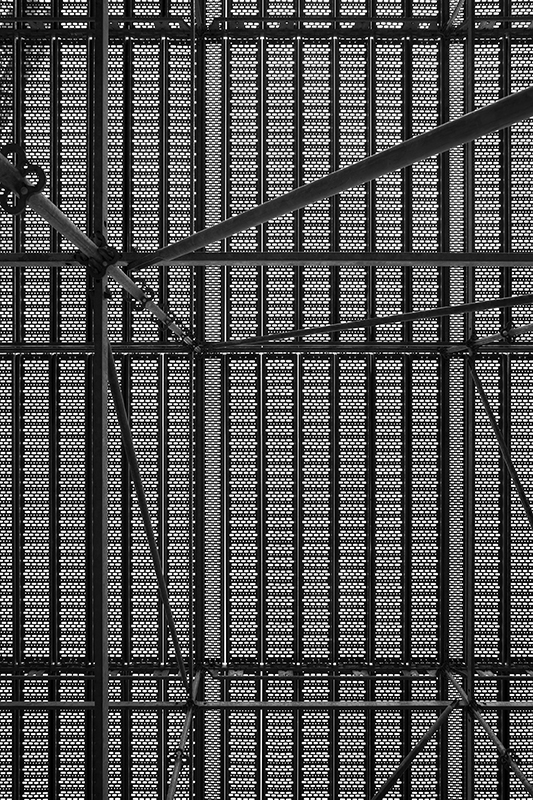
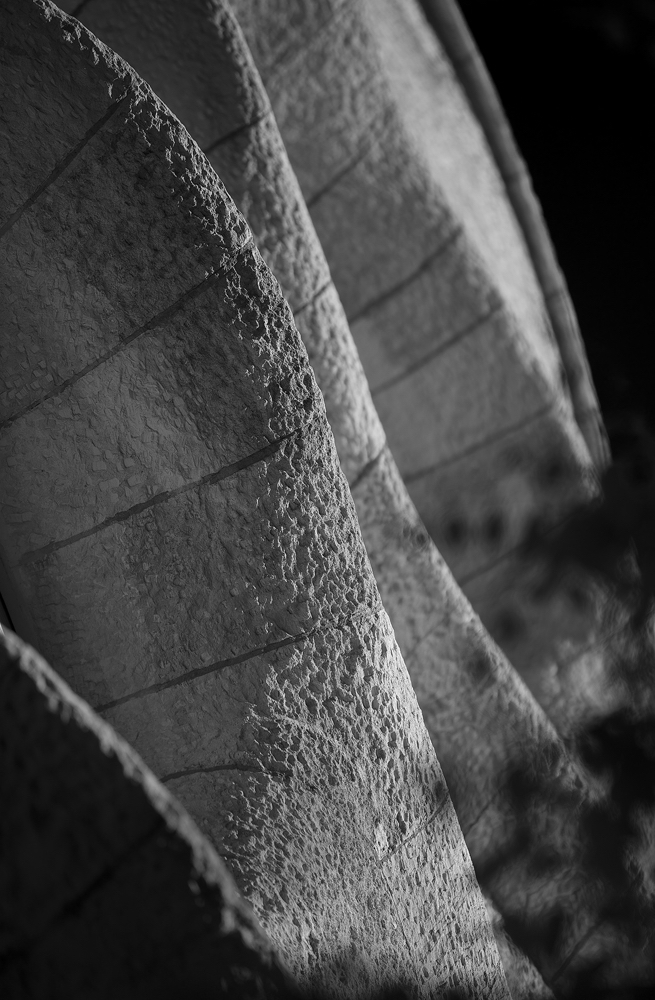
Gonzalo Guzmán’s practice develops from images that emerge during experiences of lucid dreaming. The artist translates these visions into physical space through stainless steel sculptures that seem to occupy a position somewhere between an unknown organism, a tool and an artefact from another time.
Their polished surfaces reflect the architecture, the light and the movements of those who approach them. In this way, the works never appear as entirely closed objects: they change according to the space they inhabit and incorporate the viewer’s presence into their appearance.
These sculptures bring together the solidity of metal and the instability of the reflected image. What began as a mental experience acquires weight and volume, while retaining some of the uncertainty of the dream. Their forms seem at once familiar and strange, like remnants of a reality that has yet to be fully defined.
Sandra Vásquez de la Horra: bodies, symbols and memories
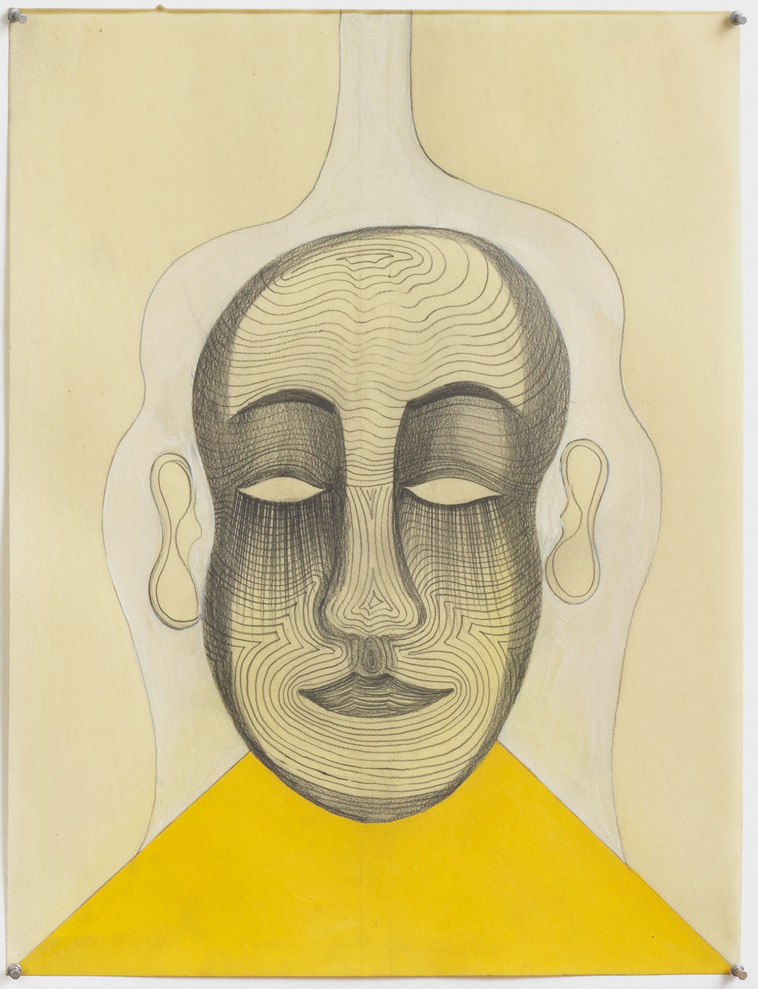
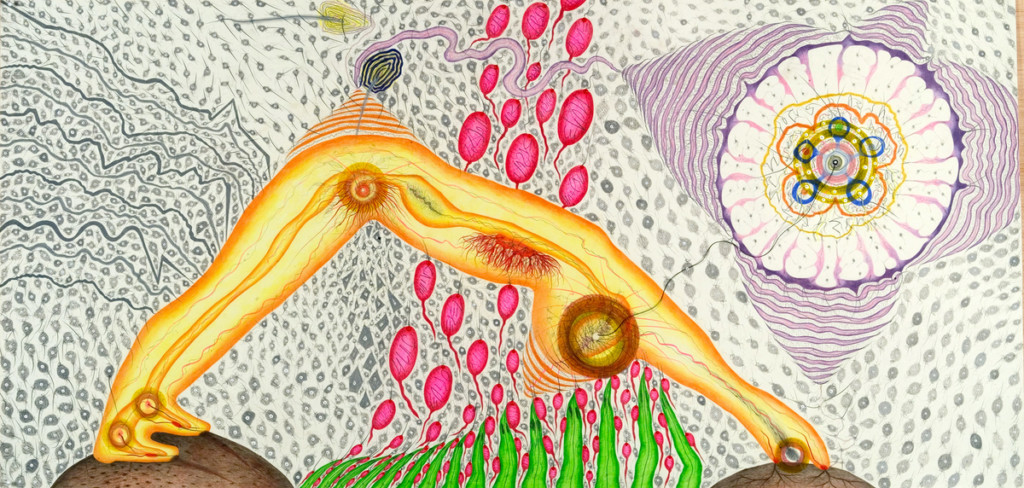
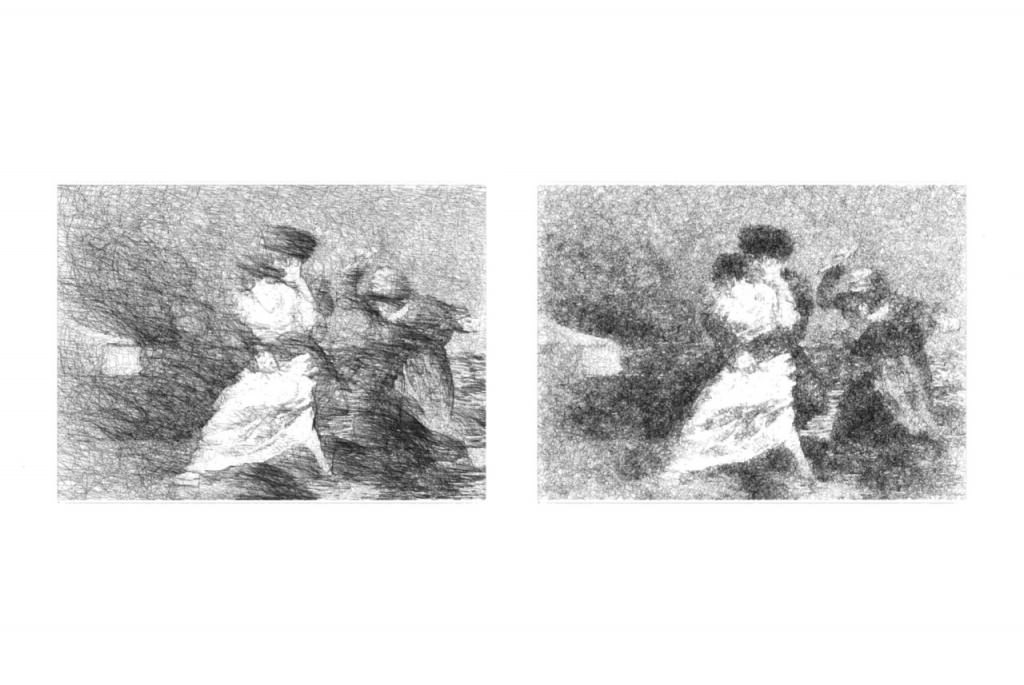
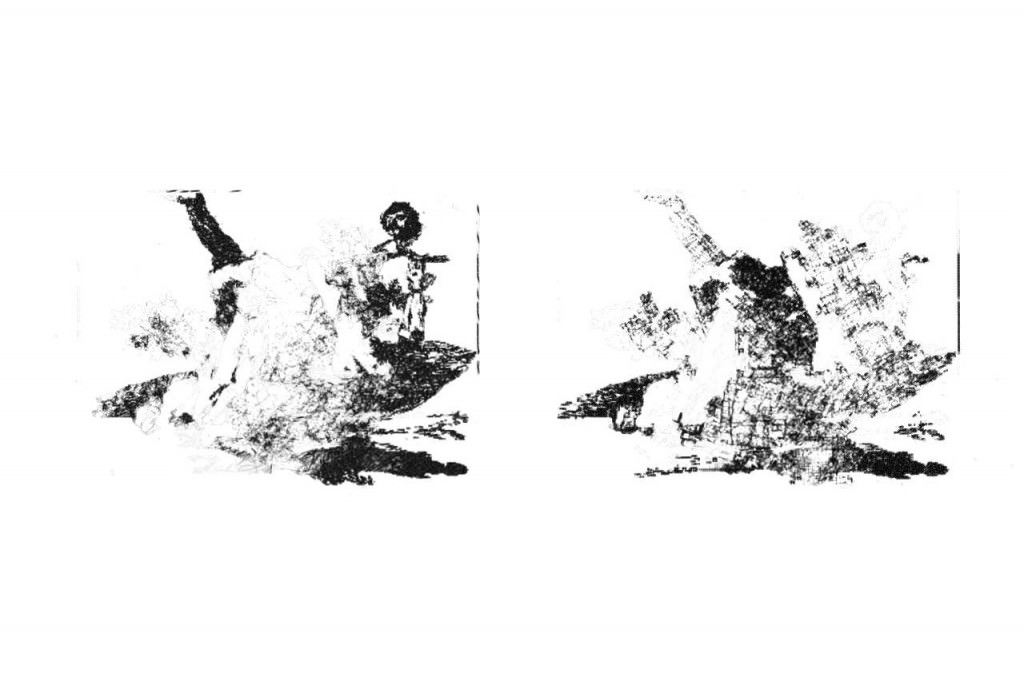
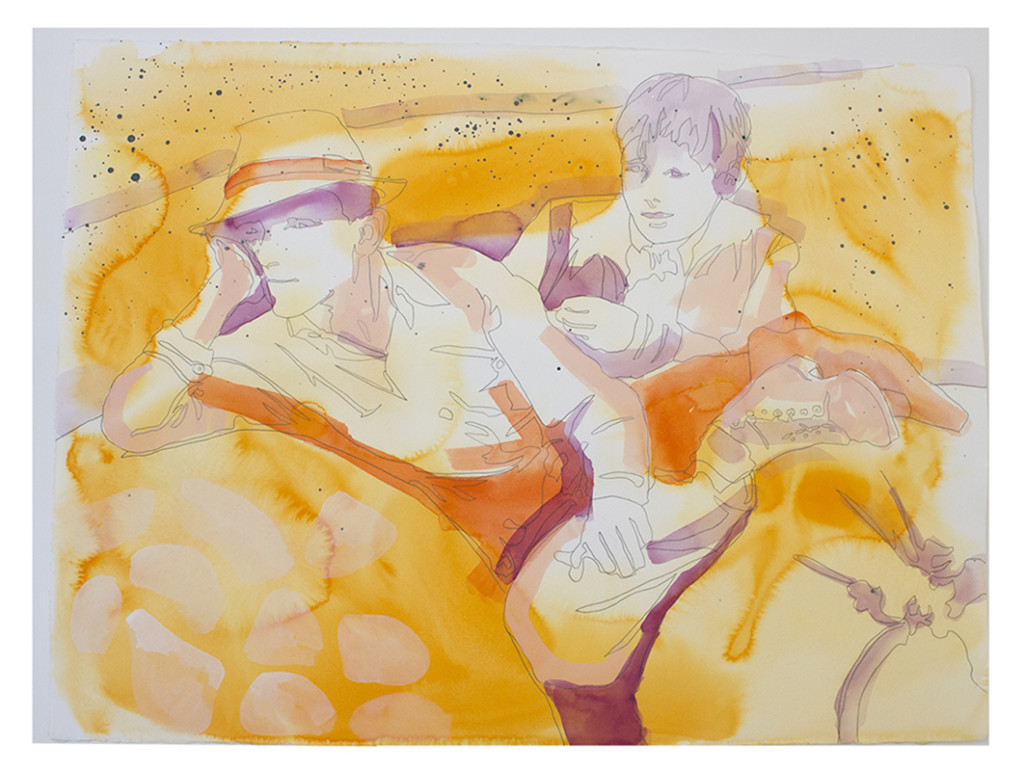
In Sandra Vásquez de la Horra’s drawings, the human body becomes a territory traversed by multiple forces. Her figures intertwine with animals, plants, religious symbols, intimate experiences, popular narratives and political memories.
The anatomies that appear in her works are permeable and mutable. Bodies extend, fragment or merge with other species, giving rise to beings that do not belong to any single category. In these figures, everyday life coexists with spirituality, desire with death, and personal history with collective memory.
The artist typically works on paper and coats her drawings with a layer of wax. This process gives them a particular presence: the wax protects the image, intensifies its materiality and functions like a skin that preserves the different layers of time contained within each work.
Evru/Zush: a territory created through language
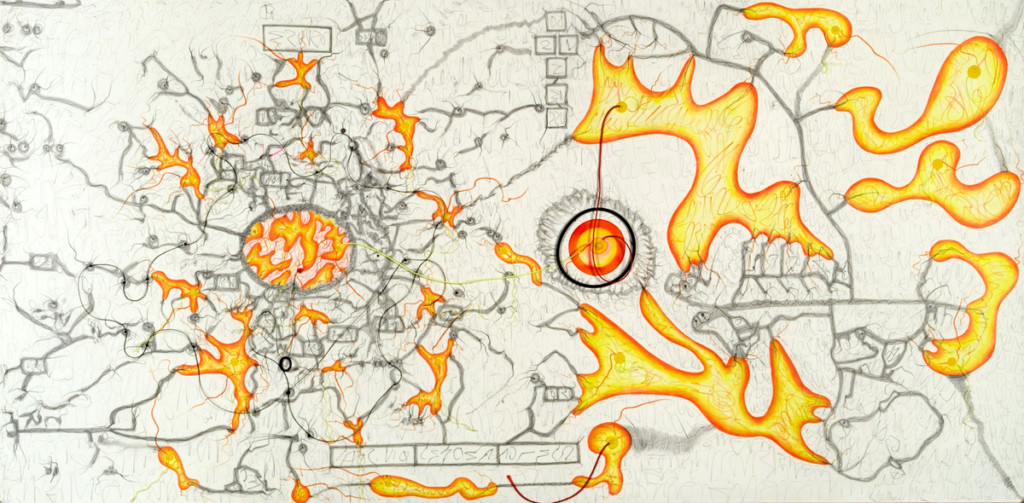
In the work of Evru/Zush, transformation reaches the scale of an entire world. His practice revolves around Evrugo Mental State, an autonomous territory with its own geography, writing, cartography, currency, anatomy, symbols and citizenship.
This mental state should not be understood merely as an imaginary place, but as a system in constant expansion. Within this universe, words, signs and images develop a life of their own. Language no longer simply describes reality, but becomes a tool capable of producing it.
The creatures inhabiting this universe combine human, animal, sexual, mental and symbolic characteristics. Their identities multiply and transform within an open grammar, through which Evru/Zush presents imagination as a form of freedom and sovereignty.
A space of correspondences
Although their languages and processes differ, Gonzalo Guzmán, Sandra Vásquez de la Horra and Evru/Zush share an open conception of form. In their works, no identity remains entirely stable, and each element can enter into contact with another, become contaminated by it, and turn into something different.
The exhibition thus establishes a dialogue between matter, body and language. Guzmán’s sculptures make visible the transition between mental image and physical object; Vásquez de la Horra’s drawings bring together species, symbols and memories within shifting anatomies; and the universe of Evru/Zush reveals the capacity of language to create alternative identities and realities.
Hybrid Creatures invites viewers to move through a space in which the archaic and the contemporary, dream and experience, memory and invention coexist. Rather than simply presenting fantastical beings, the exhibition uses hybridity as a way of thinking about the changing nature of images and their capacity to open up other ways of understanding and inhabiting the world.
.