







- No products in the cart.
Share:
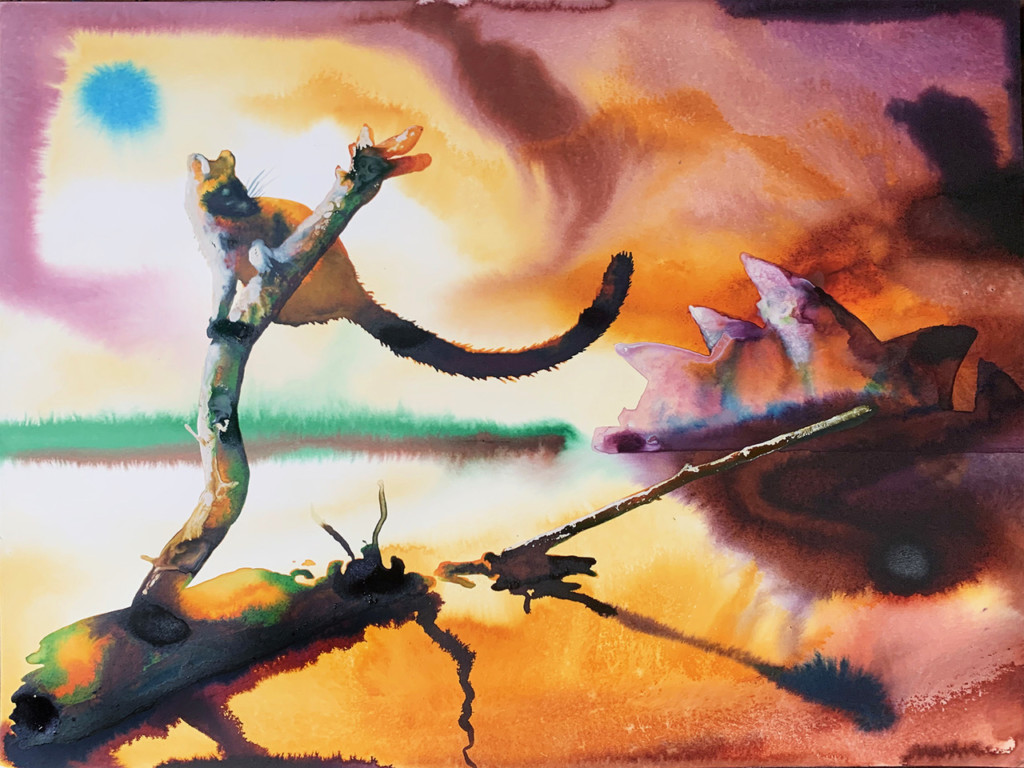
Within the landscape of twentieth-century Catalan art, Joan Ponç (1927–1984) occupies a singular position. His work seems to emerge from a territory of its own, populated by ambiguous creatures, distorted characters and scenes that oscillate between the dreamlike and the unsettling. Rather than depicting the visible world, Ponç constructed an inner universe where imagination becomes a way of thinking.
Working in postwar Barcelona—a cultural context marked by isolation and censorship—Ponç found in imagination a space of freedom. His drawings and paintings unfold a powerful visual language filled with symbols, hybrid figures and presences that appear to surface from the darker zones of the mind. Within his imagery, the grotesque, the magical and the metaphysical coexist.
In the late 1940s he became one of the founding members of Dau al Set, a group that played a key role in the renewal of artistic practices in Catalonia. Alongside artists and thinkers such as Antoni Tàpies, Modest Cuixart and poet Joan Brossa, the collective created a space of experimentation that engaged with surrealism, dada and the broader European avant-gardes. Within this context, Ponç’s work stood out for its visionary character: a figurative language driven more by an internal logic than by the observation of reality.
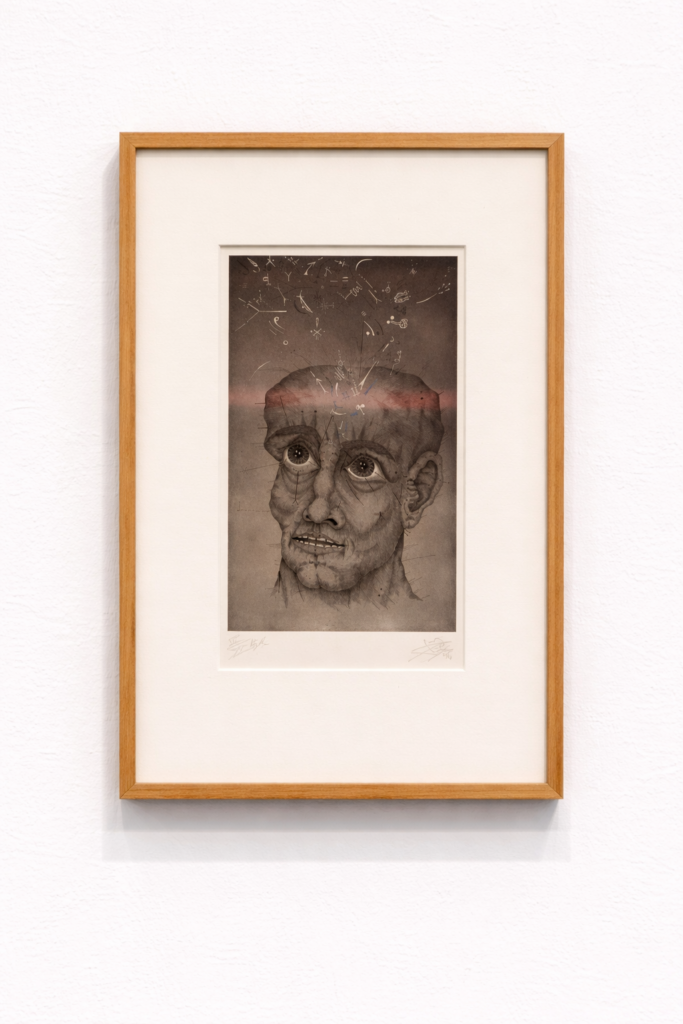
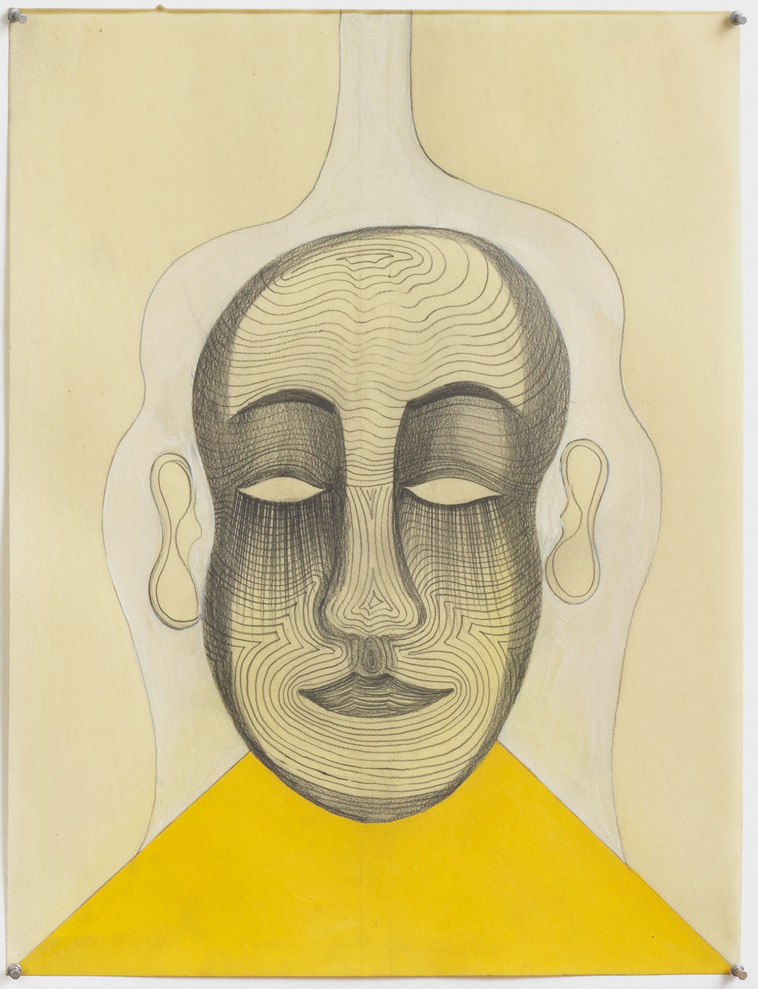
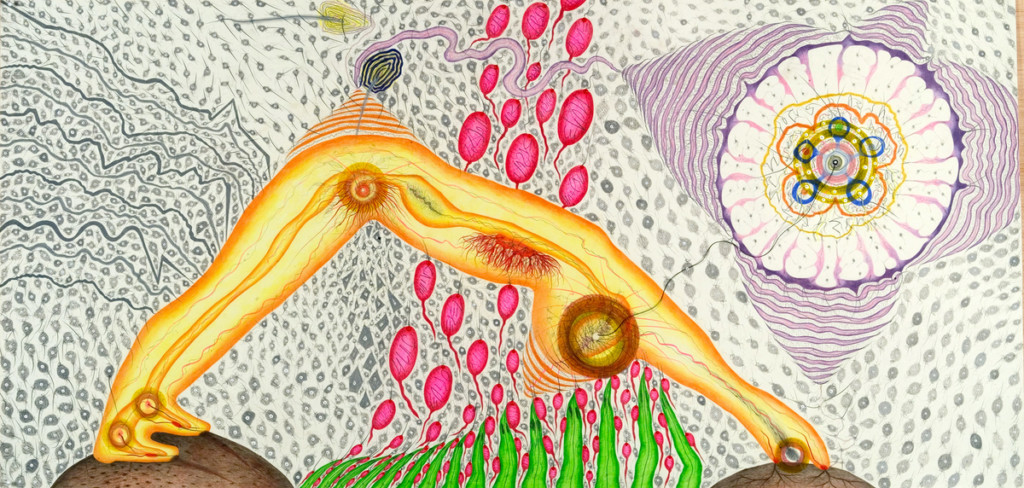
His characters—with exaggerated eyes, fragmented bodies or unsettling gestures—inhabit ambiguous environments where the human and the fantastic blur together. These are not narrative scenes in a conventional sense. They are visions. Apparitions that condense mental states, intuitions or existential tensions.
In 1953 Ponç moved to Brazil, where he lived for almost a decade. This period proved decisive for the development of his work. In cities such as São Paulo and Rio de Janeiro he came into contact with new artistic networks, and his paintings acquired greater formal and chromatic complexity. Yet the core of his imagery remained unchanged: that universe populated by strange presences that seem to move between the visible and the invisible.
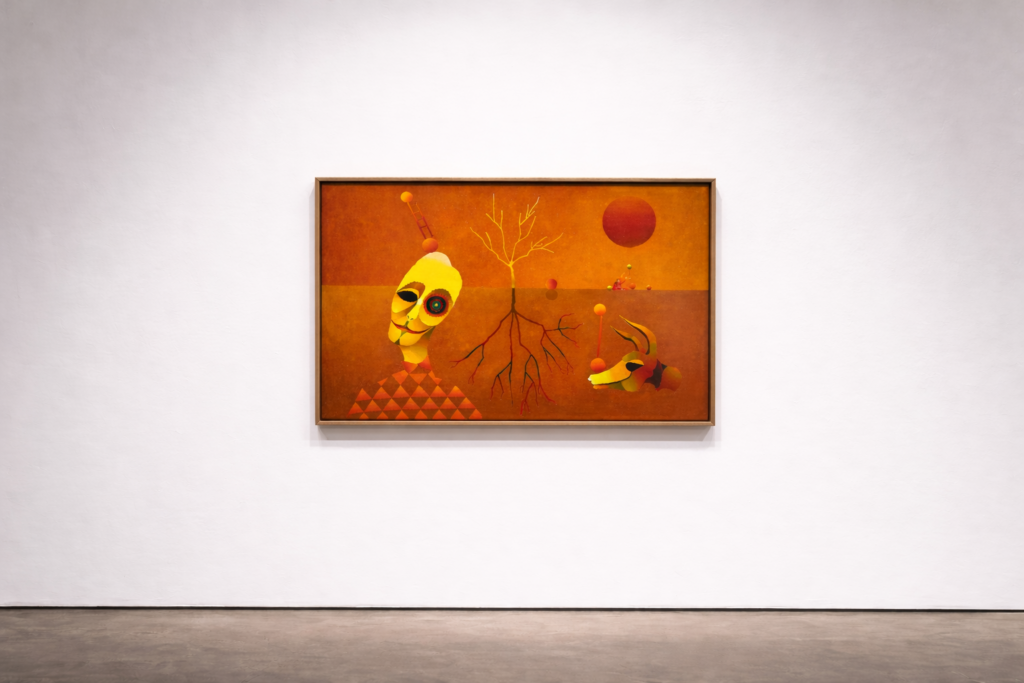
Throughout his career, Joan Ponç maintained a position that was difficult to classify within the dominant artistic tendencies of his time. While many artists of his generation turned towards abstraction, Ponç persisted in a radical form of figuration, charged with symbols and inner resonances.
Today, his work continues to fascinate for its ability to open a space of estrangement. A territory where painting becomes vision, and where each figure seems to emerge from the threshold between imagination, dream and the unknown.